
In an increasingly globalized world, many traditional crafts—once vital to a community’s economy and identity—are quietly vanishing. Centuries-old techniques are being lost as younger generations turn toward urban careers, cheaper manufacturing takes over, and consumer demand shifts toward fast, mass-produced goods. Yet these crafts hold the stories of a people, a place, and a time-honored way of life. For luxury travelers seeking deeper meaning and authentic cultural connection, experiencing and supporting these endangered crafts offers more than just a souvenir—it’s an opportunity to engage with living heritage and leave a positive footprint.
Korea | Hanji: The Art of Handmade Paper

Korean hanji, crafted from the inner bark of mulberry trees, is celebrated for its strength, beauty, and longevity. Historically used for everything from official documents to window coverings and sacred texts, hanji represents both artistry and practicality. Today, this delicate craft faces extinction as industrial paper dominates the market and traditional skills fade with retiring artisans.
For travelers eager to engage, several hanji workshops in Seoul, Jeonju, and Andong offer immersive, hands-on experiences. Whether learning to create textured stationery, folding lamps, or even crafting small furniture, visitors can support local artisans by purchasing directly from them. Opt for certified, handmade hanji products and consider attending a workshop where your participation helps keep the tradition alive.
Scotland | Harris Tweed: Woven by Hand, Protected by Law

Harris Tweed is not just fabric; it’s a legally protected cultural artifact. Handwoven by islanders in the Outer Hebrides of Scotland, this woolen cloth has clothed royals and fashion icons for decades. The intricate weaving process and the island’s rugged climate give each piece a distinctive character. However, the craft faces challenges: an aging weaver population and competition from mass-produced fabrics threaten its future.
Visitors can explore weaving sheds, meet artisans, and even take mini weaving workshops. Buying directly from official Harris Tweed makers ensures your purchase adheres to quality standards and directly supports the island economy. Look for the official Harris Tweed Orb trademark—your guarantee that the cloth was woven by hand in the Outer Hebrides.
Venice | Murano Glass: Centuries of Fire and Artistry

For more than 700 years, the island of Murano has been synonymous with exquisite glassmaking. From delicate chandeliers to intricate millefiori beads, Murano artisans have passed their skills down through generations. But today, rising energy costs, cheap imports, and a dwindling pool of apprentices are putting this iconic craft at risk.
To support the genuine artisans, book private demonstrations at established studios where you can witness masters at work and even try glassblowing yourself. Be wary of cheap “Murano-style” glass sold in tourist shops. Instead, choose galleries and boutiques that showcase certified works, often accompanied by a certificate of authenticity.
France | Le Puy Lace: Threads of French Elegance
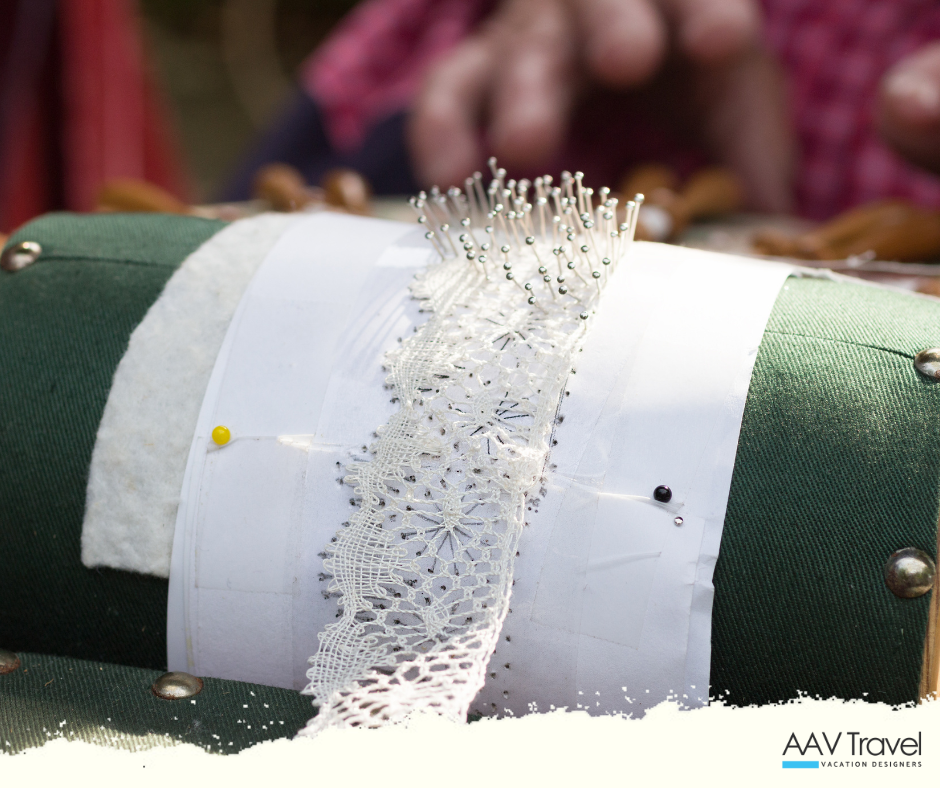
In the small town of Le Puy-en-Velay, France, lacemaking is a delicate dance of hands and bobbins. Known for its intricate patterns and light, airy designs, Le Puy lace was once coveted by European nobility. Today, mechanized production and limited demand for hand-stitched lace threaten the survival of this art.
For a meaningful encounter, visit the Lace Center (Centre d’Enseignement de la Dentelle) in Le Puy where artisans demonstrate traditional techniques. Small group workshops let visitors try their hand at lace-making, and the boutique offers authentic pieces perfect for heirloom keepsakes. By purchasing directly from the center or from certified artisans, you help sustain this fragile tradition.
Turkey | Iznik Pottery: Ottoman Colors in Ceramic Form
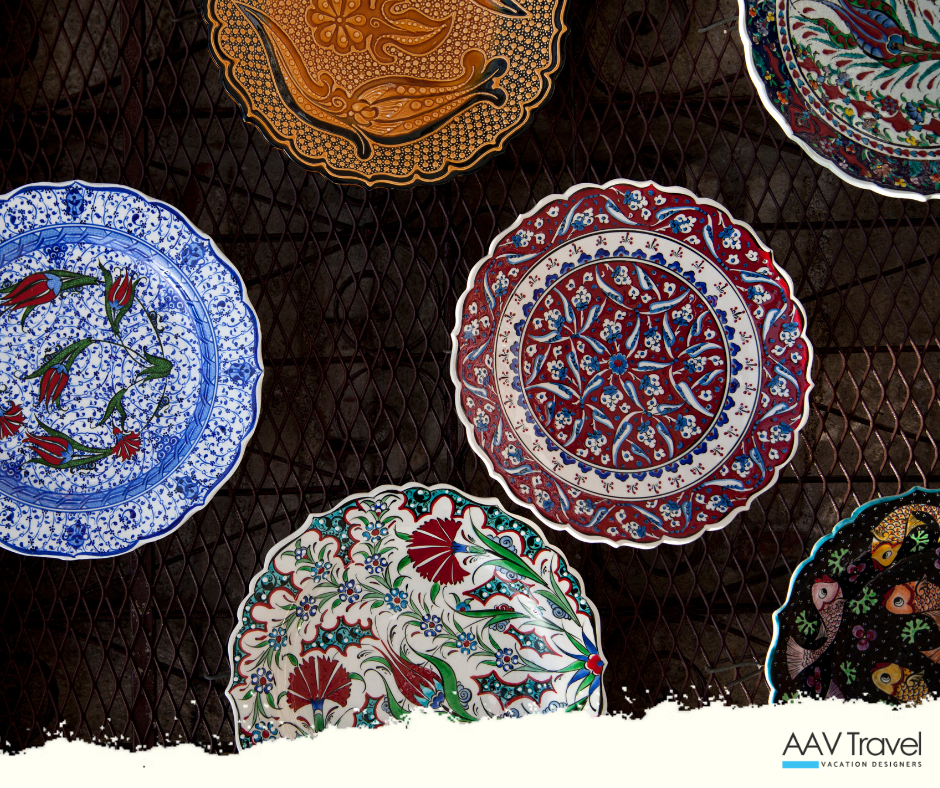
Iznik pottery, with its luminous white glaze and rich blue-and-red floral motifs, graced Ottoman palaces and mosques for centuries. The techniques used—multiple firings and natural pigments—require time, patience, and great skill. Sadly, the craft declined for nearly 300 years and only experienced a revival in the late 20th century. Even now, few workshops continue the painstaking process.
In Iznik and Istanbul, travelers can visit studios where artists explain the chemistry behind the colors and allow guests to paint their own tiles. Supporting workshops committed to traditional methods—rather than mass-produced imitations—ensures that your purchase supports true artisanship. Always ask about the production process when shopping for Iznik pieces.
Spain | Esparto Grass Weaving: Rustic Mediterranean Charm

Esparto grass weaving, a craft deeply rooted in rural Spain (especially Andalusia and Murcia), has long been used to make baskets, mats, and even architectural elements like doors and walls. As synthetic materials and modern manufacturing took hold, demand for esparto goods dwindled, and with it, the number of skilled weavers.
Travelers can take part in community-led workshops where elderly artisans share their knowledge. Purchasing handwoven baskets, wall decor, or even contemporary design pieces directly from these artisans ensures your support goes where it’s needed most. Look for collectives that are part of regional heritage preservation initiatives for authentic, ethically made items.
Travel Deeper: Authentic Cultural Experiences and Artisan Connections—Curated by AAV Travel

At AAV Travel, we don’t just book trips—we craft meaningful journeys that immerse you in the heart of a destination’s living culture. When you partner with us, you gain access to trusted local artisans, private studio visits, authentic workshops, and ethically curated shopping experiences. We work closely with our ground partners to ensure your cultural encounters are respectful, responsible, and unforgettable—allowing you to bring home more than just beautiful objects, but stories that sustain both heritage and hope for the future.
At AAV Travel, we believe in the power of slow and sustainable travel. Rather than rushing from one landmark to the next or simply checking destinations off a list, we encourage our travelers to approach each journey with curiosity and intention. Taking the time to connect with local people, understand their traditions, and experience the craftsmanship that has shaped their communities adds a depth and richness that no checklist can offer. It’s about meaningful moments—learning how a piece of Harris Tweed comes to life on a loom, shaping your own hanji paper, or hearing the stories behind Murano’s glass furnaces. These immersive experiences not only create lasting memories but also contribute to the preservation of cultural heritage for generations to come.
Written by: Stefanie P.
To start planning, contact us via email at info@aav-travel.com or visit the website.
 AAV Explorations
Pingback: Living Like a Local: 30-Day Cultural Immersion Programs Around the World