The Thinking Traveler’s Case for a Guide: On Terrain, Weather, and What You Miss

There is a particular kind of traveler who has done enough hiking to feel reasonably self-sufficient in unfamiliar terrain. They know how to dress for weather, read a map, and manage their own pace. They are not looking for someone to hold their hand. What they are looking for is a trip that delivers on its full promise rather than only a partial version of it.

For that traveler, guided hiking is not about limitation. It is a considered choice, made when the environment is genuinely complex and the value of local expertise outweighs the satisfaction of pure independence. The Scottish Highlands and the Swiss Alps are exactly the kind of settings where that calculation tends to resolve clearly. Not because either landscape is prohibitive, but because both are layered in ways that reward informed knowledge far beyond what most experienced travelers anticipate before they arrive.

What the Weather Actually Does in the Scottish Highlands

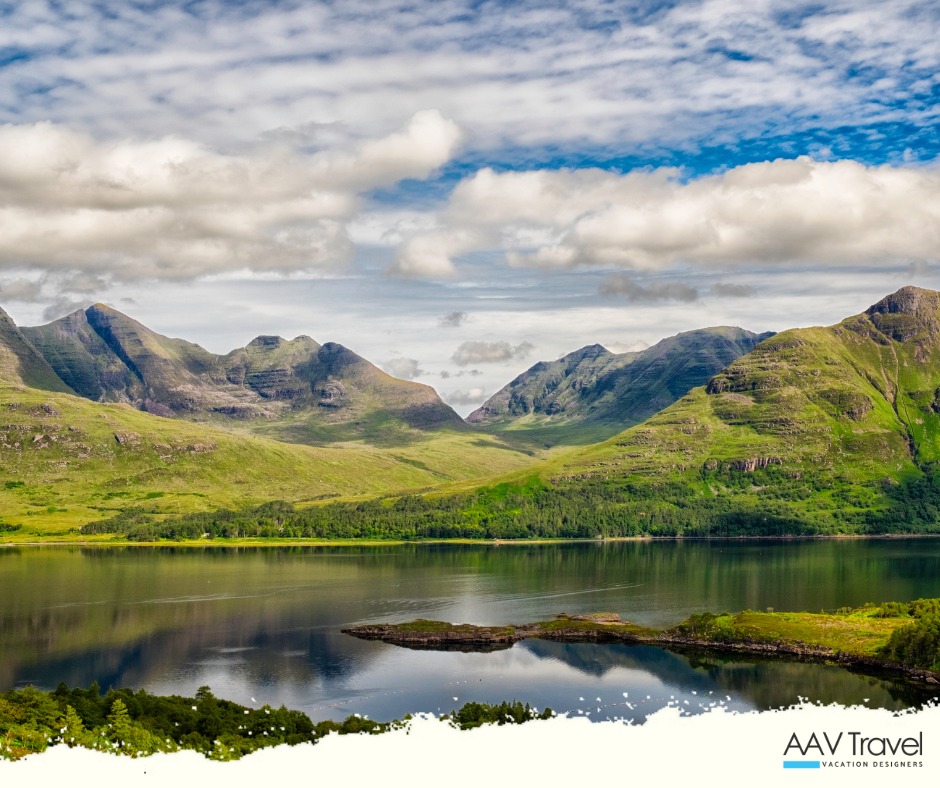
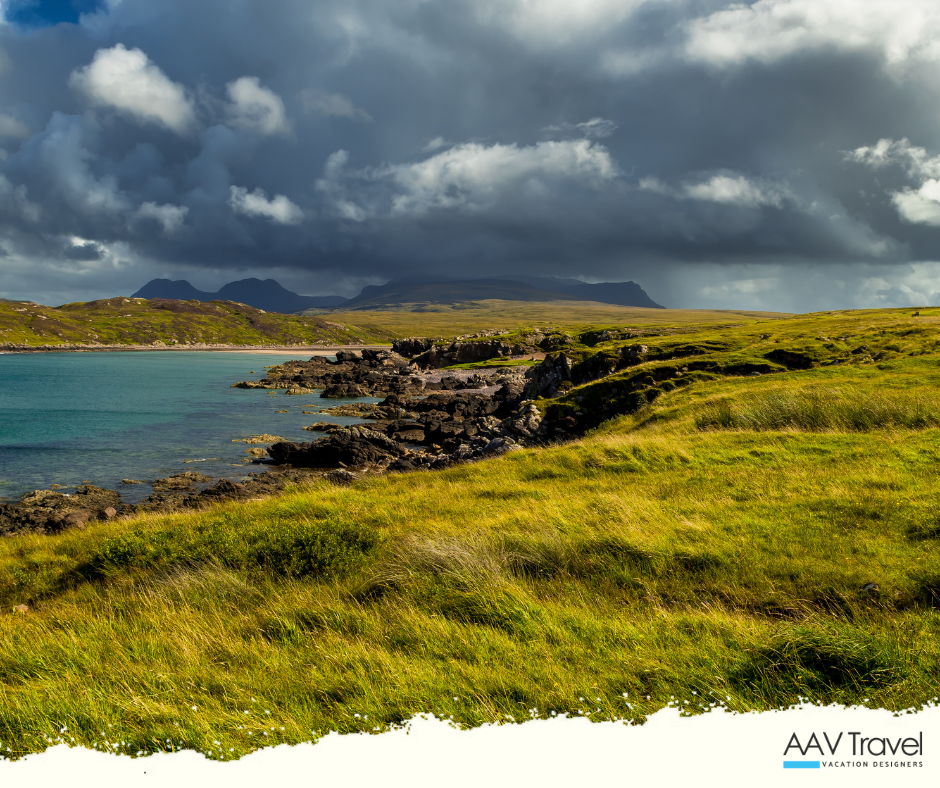
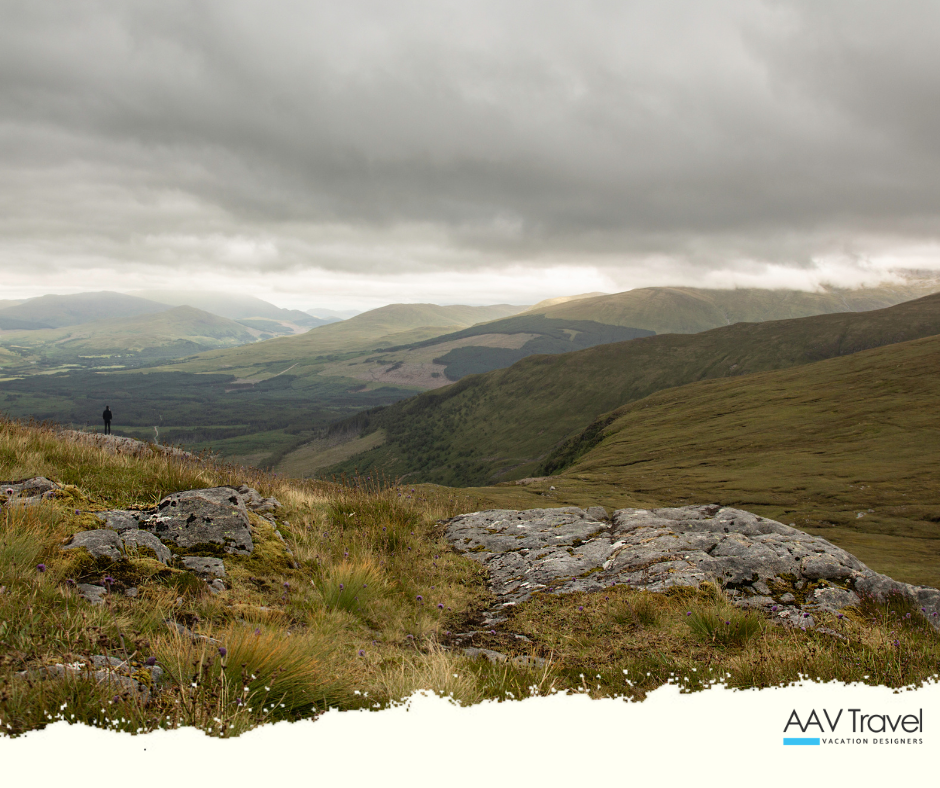
Those who have spent time in the Highlands know that forecasts carry a certain optimism that the mountains do not always honor. Conditions change with a speed and completeness that can be genuinely disorienting. A clear morning gives way to low cloud and reduced visibility within an hour, and anyone who has walked a ridge in sudden mist understands that the trail seeming obvious from below becomes a much more interpretive exercise once the landmarks disappear.
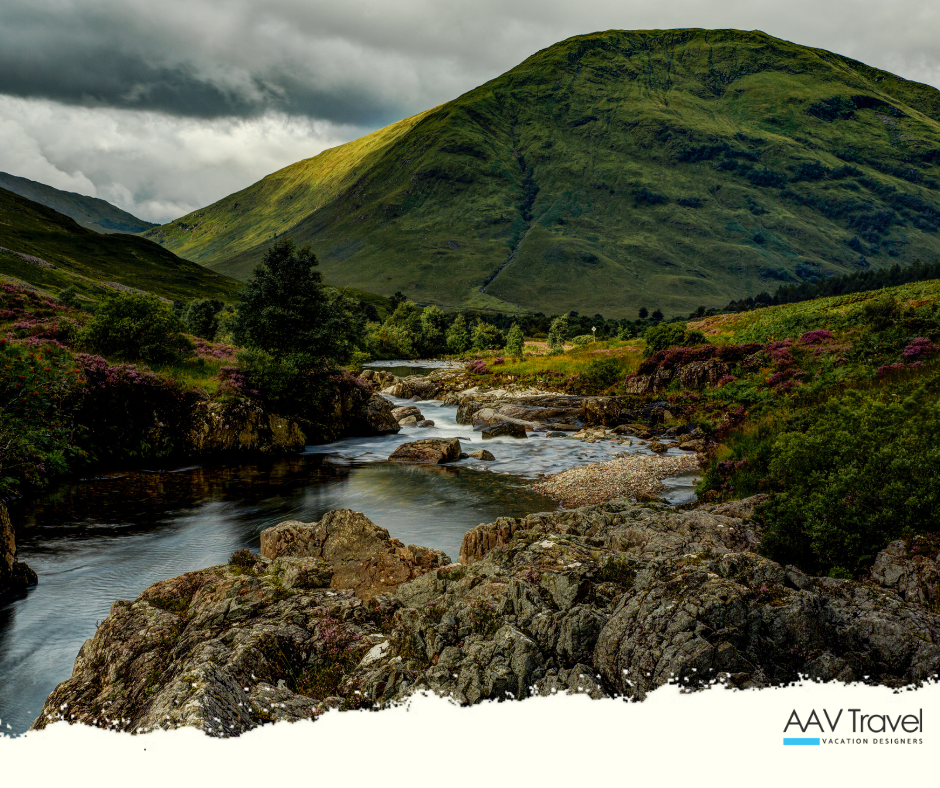
What I have observed in these moments, hiking alongside guides with long familiarity with the terrain, is not alarm. It is quiet adjustment. A good guide reads the environment continuously, not just at the trailhead. They notice shifts in light quality, changes in wind direction, the particular way cloud is building across a hillside. All of it carries information that is genuinely useful, and they respond to it without drawing attention to the response. The route may not change. The pacing might. A rest that seemed optional becomes deliberate. A conversation shifts to what is immediately in front of you, and that conversation is worth more than it would have been in clearer conditions.
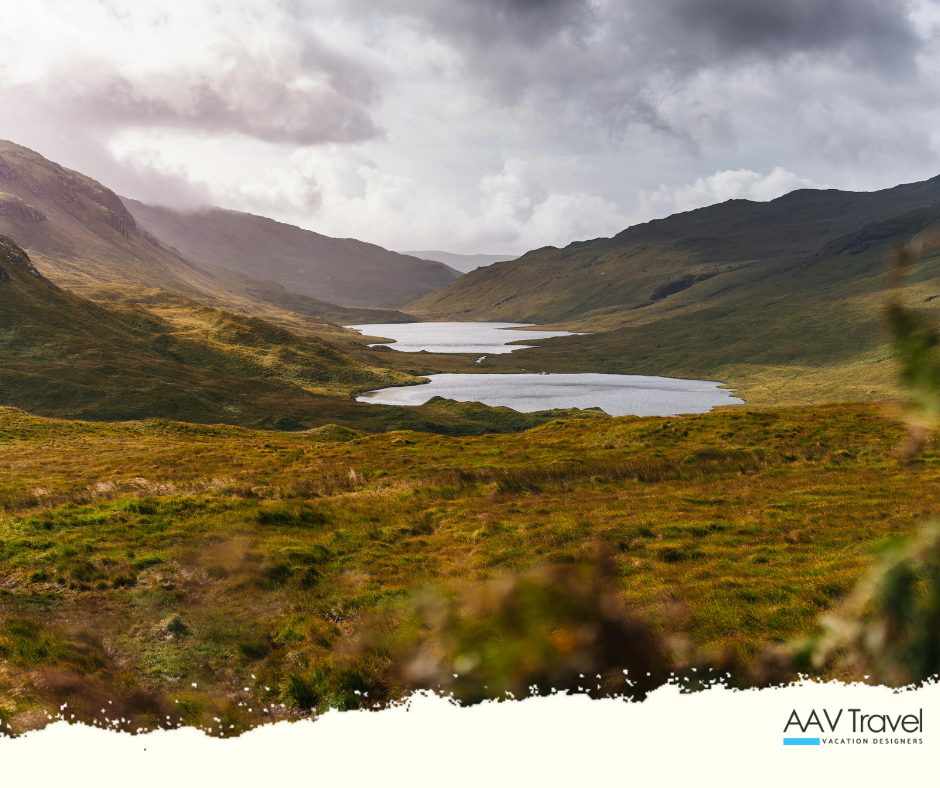
This is also where the value of a guide begins to reveal itself in ways that have nothing to do with navigation. A guide who knows the Highlands well knows where red deer tend to move at dusk, which loch sides hold the oldest Scots pines, and what the ruins on a distant hillside were before they became an atmospheric backdrop. The hiking becomes a conversation with the landscape rather than a traverse of it. That distinction is not small. It is, for many travelers, the difference between a long walk and a genuinely memorable experience.

What the Alps Ask of a Traveler

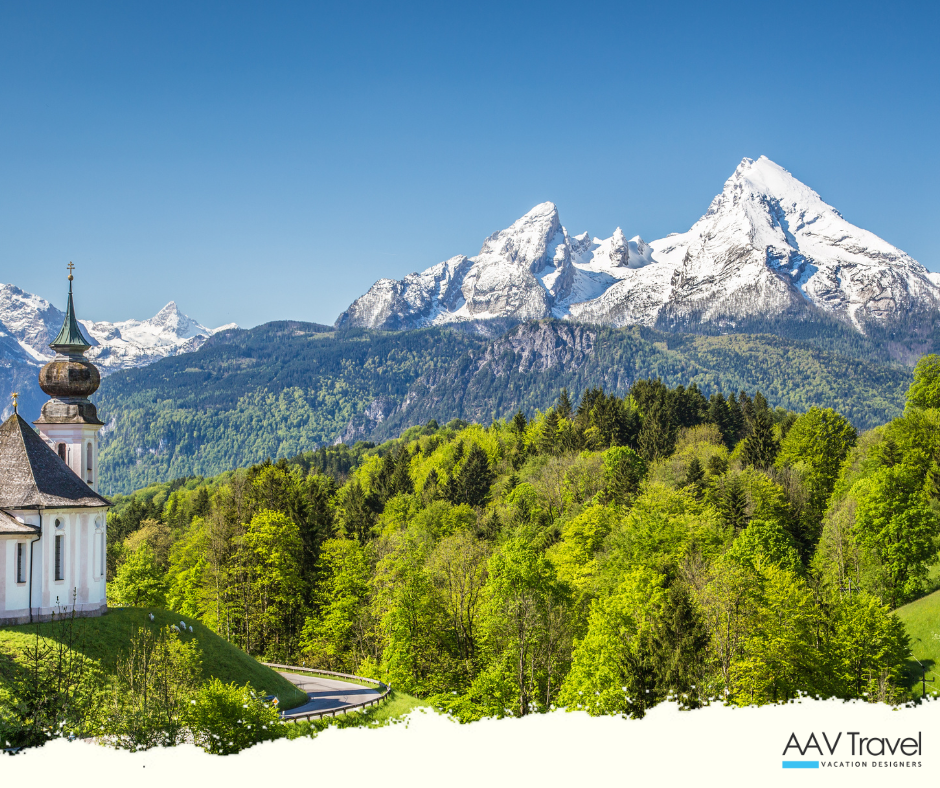
The Swiss Alps introduce a different set of variables. The scale is immediate, and the terrain is less forgiving than it appears from valley level. Elevation gain that looks moderate on a map can involve sustained technical effort at altitude, where the air is thinner and the body adjusts more slowly than most people expect. The consequence is rarely dramatic, but it is consistent: travelers who push harder than their acclimatization supports tend to arrive at the most extraordinary viewpoints feeling depleted rather than expansive.
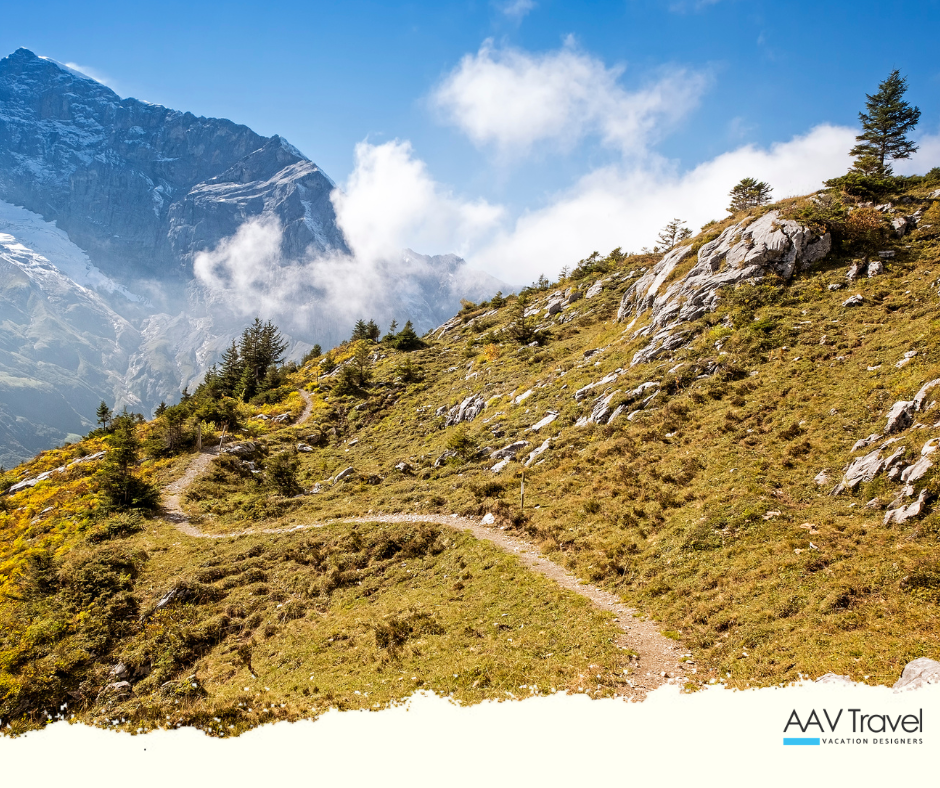
A knowledgeable guide calibrates this without making it the subject of conversation. The pacing simply feels right. Rest comes at the moments when the body is ready for it, before fatigue has accumulated rather than after it has set in. The route unfolds in a way that builds steadily rather than demands abruptly. That design is largely invisible when it is working well, and you tend to notice it most when comparing a well-guided day against one that was not.

There is also the question of route confidence. Trails in the Alps fork frequently, and the signage, while generally reliable, requires local interpretation. Some paths suit certain fitness levels and objectives far better than others, and the decision of which fork to take involves knowledge of what lies ahead that a guidebook cannot reliably provide. Traveling with someone who has made that decision dozens of times changes the whole character of the day. It allows a traveler to push further than they might have dared alone, because the edge of what is manageable is being held steady by someone who understands where it is.
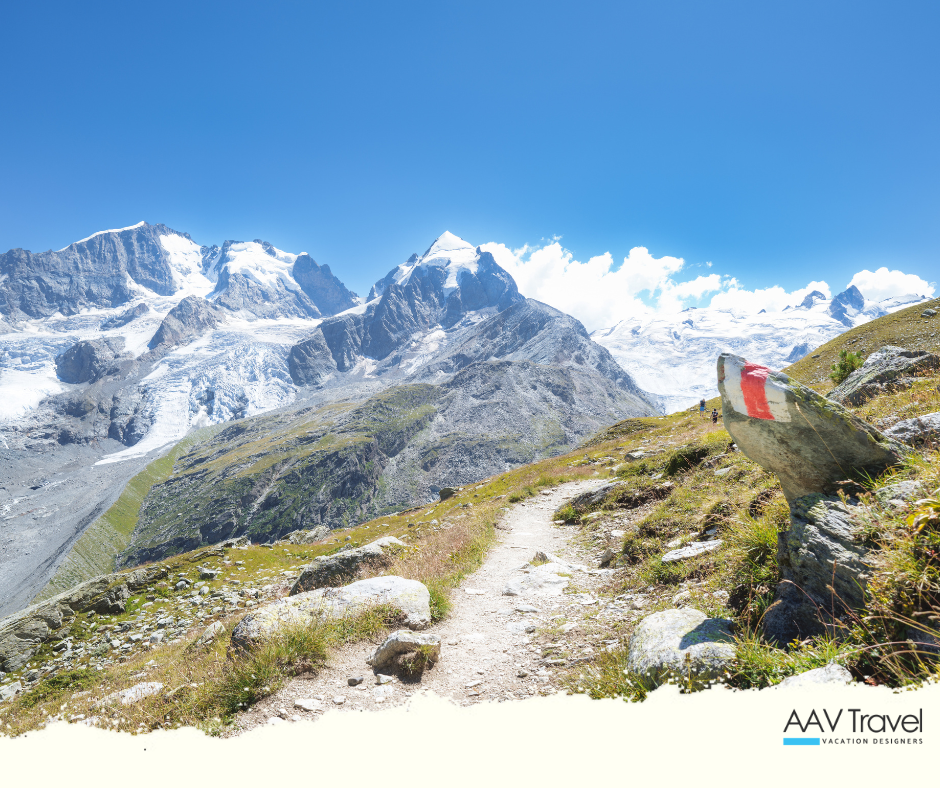
I have watched this happen. In fact, it has happened to me, a Swiss, who is used to hiking the Alps. A traveler arriving at a trailhead genuinely uncertain whether they could complete a particular route, working with a trusted guide who adjusted the approach incrementally, finishing with something that felt earned in the deepest sense. That is not luck. It is design.

What a Guide Notices That a Traveler Cannot

There is an aspect of guided hiking that rarely appears in the practical conversation about it, perhaps because it is harder to quantify. A guide with genuine depth brings contextual knowledge that quietly transforms the experience without announcing itself. This is not the scripted narration of a group tour. It is closer to walking with someone who has thought carefully about a place over many years and shares that thinking naturally, in response to what is immediately in front of you.

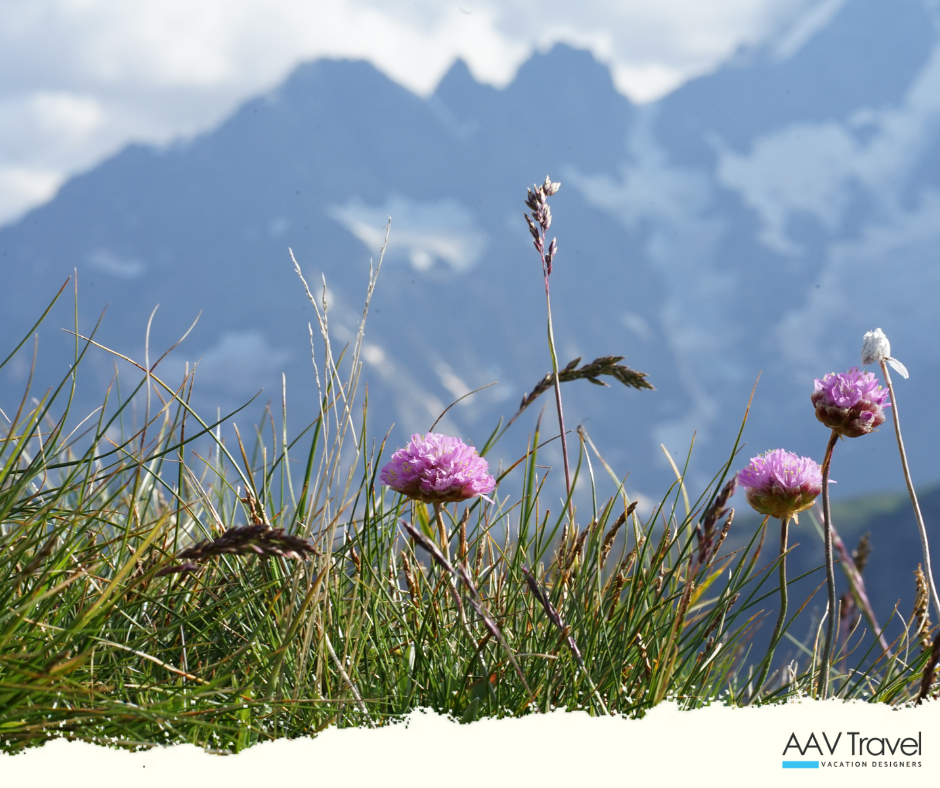
In the Highlands, that might mean understanding the geologic history of a particular glen, knowing the seasonal movements of certain bird species, or being able to explain why a stone dyke running across open moorland was built exactly where it was and by whom. In the Alps, it might mean tracing the relationship between a village and the high pastures above it, or identifying a wildflower that carries a local name and a traditional use that appears in no guidebook written for visitors.
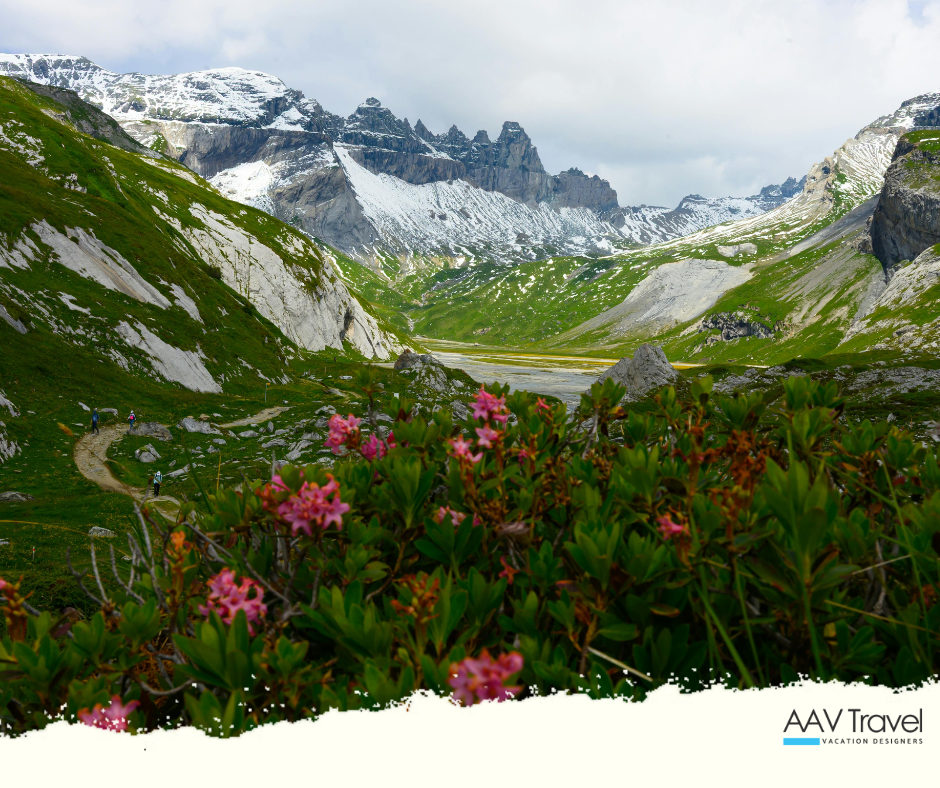
This kind of knowledge is not available on a trail map. It is accumulated through sustained time spent in a place with genuine attention, and it is one of the clearest arguments for traveling with a guide who has truly earned their understanding of a landscape rather than simply acquired a qualification to lead people through it. The difference between the two is significant, and experienced travelers generally sense it within the first hour on the trail.

A Refinement, Not a Concession

Guided hiking is not the right choice for every trail or every traveler. A well-marked path through familiar terrain, walked on a clear day with appropriate preparation, asks nothing more than a traveler’s own judgment. But terrain like the Highlands or the Alps introduces a genuine complexity that shifts the equation. These are environments where the variables are real, where local knowledge operates at a different level than general competence, and where the experience available to a well-supported traveler is qualitatively different from what independent hiking can provide.
For travelers who have hiked before and are now considering terrain that is genuinely new, or who want to push into something more physically or mentally demanding than their previous experience, this is not a question of capability. It is a question of how they want to allocate their attention. Managing uncertainty in an unfamiliar environment requires cognitive effort. Handing that effort to someone who is genuinely qualified to carry it frees the traveler to do something more interesting: actually be present in an extraordinary place.

That, in the end, is the most accurate description of what a good guide provides. Not safety as an abstraction, not reassurance, not the removal of all uncertainty. But the quiet management of variables that would otherwise occupy the foreground, creating enough space for the traveler to engage with the landscape at the level it deserves. In a setting like the Scottish Highlands or the Swiss Alps, that space is worth something. It is, for many travelers, what the trip was actually for.

If you are considering a hiking journey in the Scottish Highlands, the Swiss Alps, or another landscape that calls for thoughtful planning and trusted local expertise, the itinerary conversation is worth having before the logistics are set. AAV Travel works with a network of trusted partners whose knowledge of their terrain is the kind that only comes from years of sustained attention. You are welcome to reach out directly at info@aav-travel.com to begin a thoughtful conversation about how the right expertise can shape your journey from the very first step.

Written by: Stefanie P.
When Life Changes, Travel Changes With It

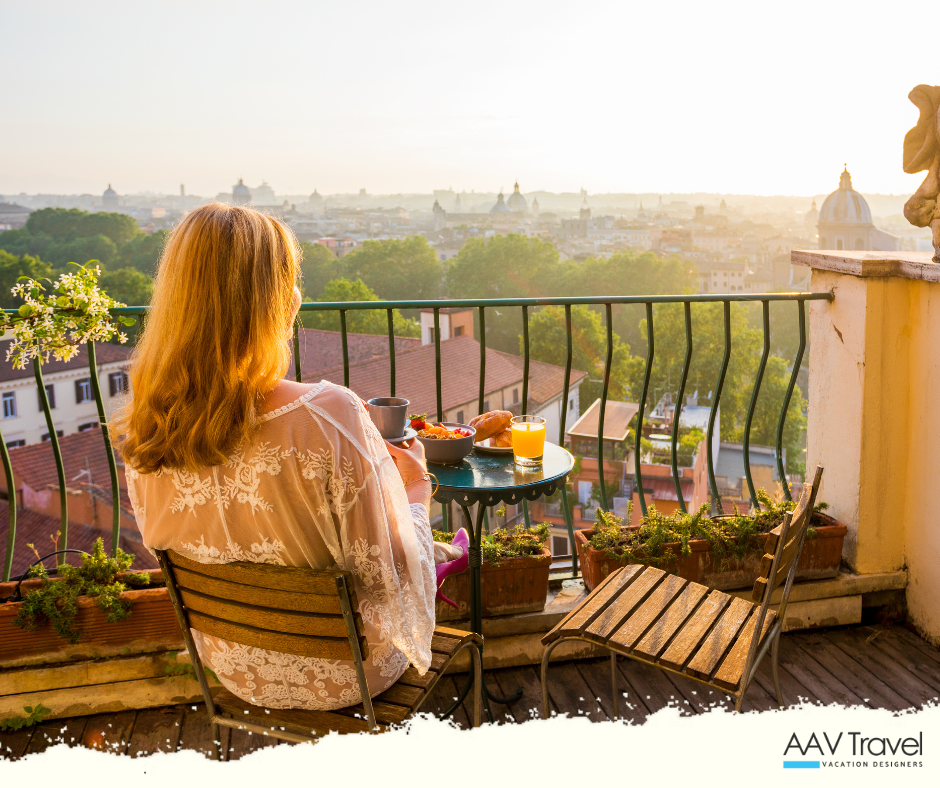
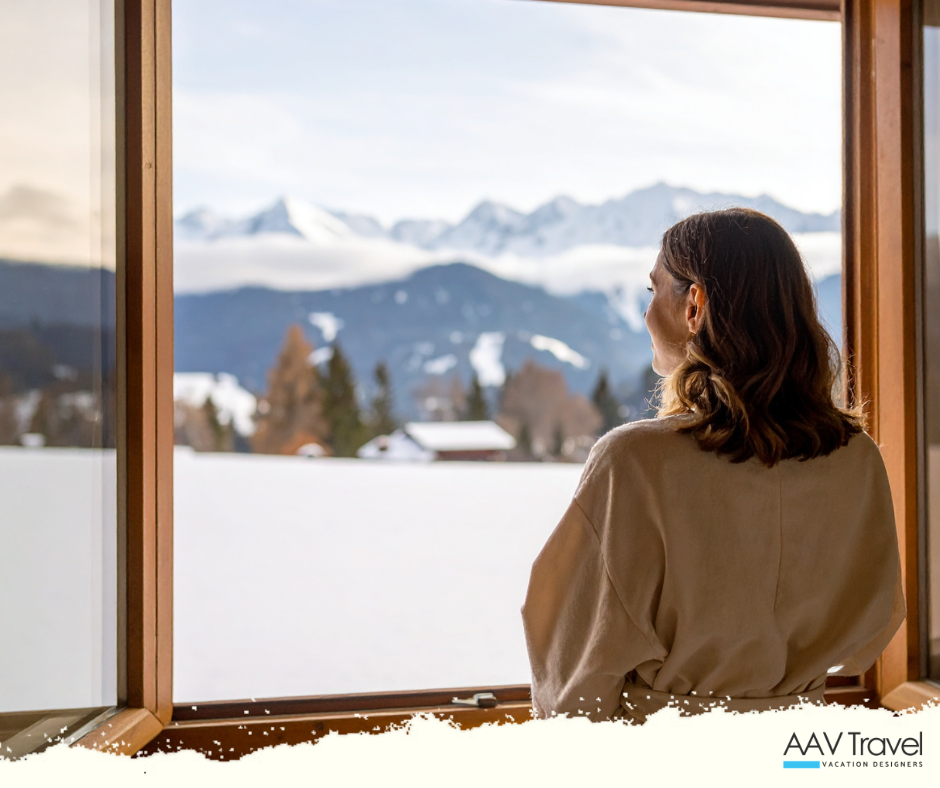
There is a particular kind of alone that arrives not because you chose it, but because something ended. A marriage or long partnership that defined the shape of your days for years. Or a person whose presence meant that going somewhere together was simply what travel was, until it was not. When either of those things changes, whether through the slow unraveling of a relationship or the sudden absence of someone you loved, travel does not disappear from your life. But the version of it you knew does.

What takes its place is not immediately clear. That uncertainty, far more than the logistics of booking a single room or sitting at a table for one, is what most people are actually navigating.

It is worth saying plainly: these are two different experiences, and they carry different weight. The end of a marriage brings its own particular grief, alongside the strange task of reconfiguring a life that was built for two. Loss of a person you traveled with, a spouse, a close companion, a sibling who was always the one to suggest somewhere new, leaves an absence that shows up everywhere, including in the way you think about going anywhere at all. What they share is this: travel, which once had a familiar shape, suddenly does not.

The Weight of the Empty Seat

In travel, absence is unusually visible. It is there in the hotel room that feels too large, in the restaurant table that seats two, in the moment at a viewpoint when there is no one beside you to say anything to. People who have lost a travel companion, in whatever form that loss took, often describe a version of the same experience: the trip they imagined and the trip they are on feel like two different things, and they are not sure which one they are supposed to be having.

One of the more honest things I can say after eighteen years of designing travel for others is that this feeling is real, and it deserves to be treated as such rather than planned around. The instinct is often to fill the days so completely that there is no room for it. That rarely works. What tends to work better is choosing a pace and an environment that can hold both the difficulty and the possibility, without demanding that you resolve the tension before you have had time to feel it.

The pause before the journey is not a failure of readiness. It is information. It is telling you that the old map no longer matches the terrain, and that a different approach is worth considering.

What Changes When You Travel Alone

Solo travel is not the same as lonely travel. This distinction matters more than it might initially seem, and it is worth sitting with before you book anything.

When travel has always been shared, going alone can feel at first like a presence is missing rather than a new presence arriving. But that framing tends to shift once you are actually on the ground somewhere, responsible only for your own pace, your own appetite, your own decisions about where to be and for how long. There is a quality of attention that emerges when you are not also managing someone else’s experience. You notice more. You absorb more. You find yourself in conversations that would never have opened up otherwise.

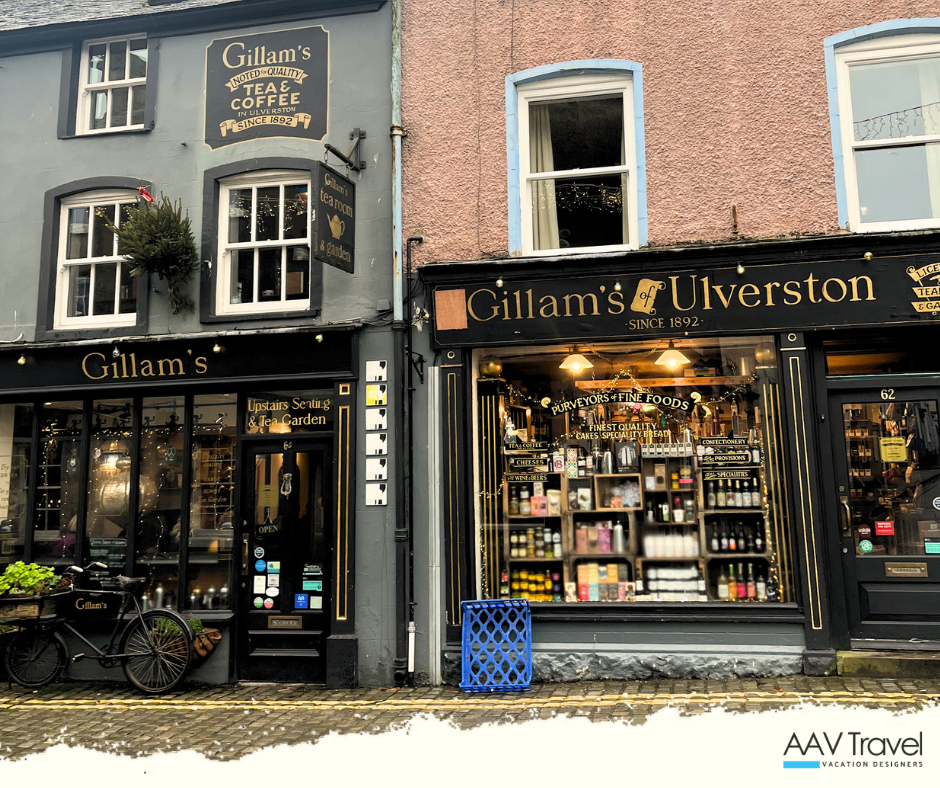
The owner of a historic tea shop in Ulverston, England, tells you how they blend their teas and why nothing about it has changed for generations. A monk at a cloister in Italy who speaks quietly about ancient remedies and points out the plants still growing in the garden just outside the wall. A boat captain on a Norwegian fjord who cuts the engine for a moment and says nothing, because the silence is the thing worth listening to. These are the encounters that happen when you are fully present in a place, not divided between it and the person beside you. They are also, in my experience, the ones that stay.

There is also something to be said for the slower discovery of your own preferences. No itinerary built around compromise. No restaurant chosen to satisfy more than one set of tastes. The quiet, slightly unfamiliar pleasure of deciding entirely based on what you actually want is something that travelers returning from a first solo trip almost universally mention. It takes some adjustment. Then it becomes something worth protecting.

Taking the First Step Without Waiting to Feel Ready

The most common thing we hear from clients navigating this kind of transition is some version of: I will go when I feel more prepared. The honest answer is that the preparation does not come first. It comes during.

The first trip does not need to be ambitious. It needs to be manageable. A destination with a genuine culture of hospitality, where a single traveler is welcomed rather than conspicuous, makes an enormous difference in those early days. Ireland and Portugal are particularly well suited to this. The warmth is embedded in how people interact, the pace is forgiving, and the landscape in both cases does a great deal of the work for you.

For those who find the idea of entirely unstructured time difficult at first, a small group journey can serve as a thoughtful middle ground. Not a large escorted tour, but something more intimate: a handful of travelers moving through a region together, with a knowledgeable guide and enough built-in rhythm to anchor the days. Norway’s fjord country works beautifully for this. The scale of the landscape tends to quiet everything else, and a small group in that setting rarely feels like a crowd. It feels, more often, like the right amount of company at the right time.

What we find matters most is choosing a destination that rewards slow observation rather than constant movement. A place where the texture of daily life is visible and worth watching, and where the days do not need to be filled in order to feel worthwhile. The goal is not distraction. It is presence. Those are different things, and the distinction shapes every decision that follows, from where you stay to how long you linger somewhere that turns out to be exactly right.

What You Find on the Other Side

People who travel through grief or through the aftermath of a significant loss do not always come back transformed in the ways they expected. The difficulty does not disappear. But something else tends to emerge alongside it: a clearer sense of what they actually want, what pace suits them, what kind of experience genuinely restores them as opposed to simply distracting them. That clarity is not nothing. In many cases it is the beginning of a relationship with travel that is more honest and more satisfying than anything that came before.

We work with clients to find that through better questions before the trip, not after it. Not simply: where should I go? But: what do I want to feel during this journey? What have I been curious about for years but never made the central point of a trip? What would it mean to design something entirely around my own pace and my own interests, perhaps for the first time?

Those questions matter because generic answers produce generic travel, and generic travel is the last thing someone at this particular turning point needs. What tends to be most useful is a journey that reflects who you are now, not who you were when you last traveled with someone else. The two are often quite different people. Getting acquainted with the current one, somewhere worth being, is a reasonable place to start.

If you are standing at one of these turning points and wondering what travel might look like from here, AAV Travel offers Strategic Travel Advisory Sessions designed for exactly this kind of conversation. There is no agenda and no fixed answer, only a considered, unhurried discussion about where you are and where you want to go. Reach out at info@aav-travel.com or visit AAV Travel when you are ready.

Written by: Stefanie P.

Beyond the Nostalgia: Placing a Luxury Train Within a Thoughtfully Designed Itinerary

The Enduring Allure of Luxury Rail

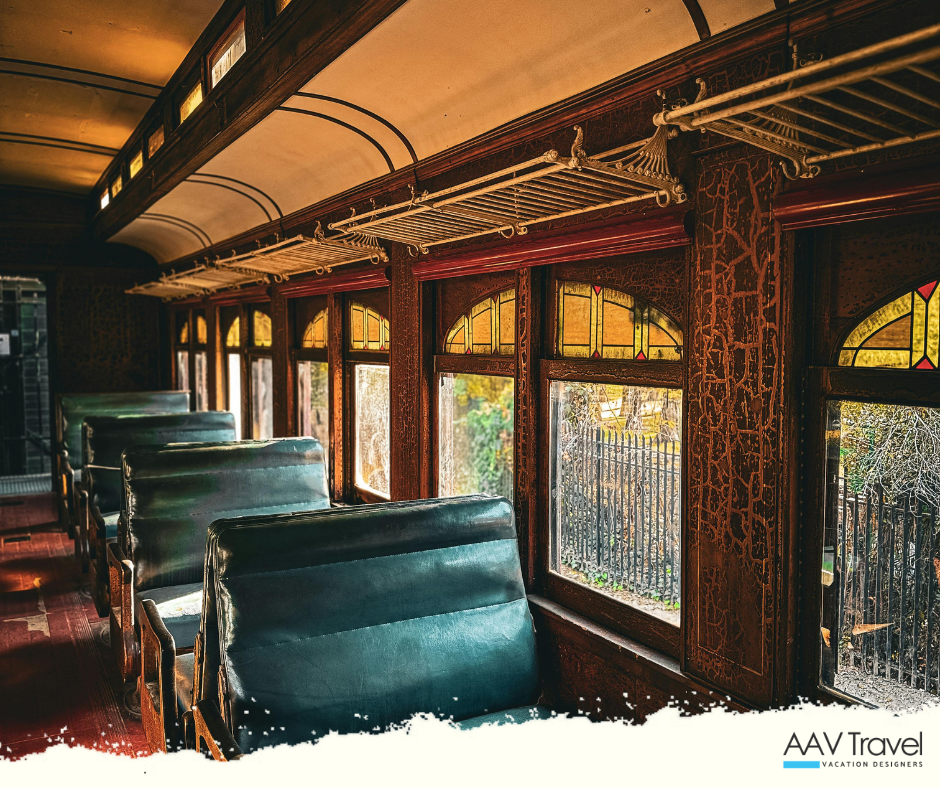
Luxury trains carry a powerful pull. Polished wood panels. White tablecloth dining. Landscapes unfolding beyond wide picture windows. The marketing imagery often leans into nostalgia and the golden age of travel. Yet for today’s experienced traveler, the question is rarely whether these journeys are beautiful. The more relevant question is where, and whether, they belong within a larger, carefully designed itinerary.

A luxury train should not be added to a journey simply because it is iconic. It should serve a clear purpose within the overall arc of the experience. When placed thoughtfully, it can elevate a trip. When inserted without consideration for pacing, sequencing, or personal travel style, it can feel like an interruption rather than a highlight.

When the Train Becomes the Centerpiece

There are times when the train should be the emotional anchor of the journey. An anniversary trip built around the Venice Simplon Orient Express from Paris to Venice benefits from careful framing. A night or two in Paris allows anticipation to build without exhaustion. Arrival in Venice should not immediately lead into a packed sightseeing schedule. The experience on board, with its structured dining and intimate cabins, requires space before and after to breathe.

When the train is the centerpiece, the surrounding days must support its role rather than compete with it. Private guides, unhurried mornings, and thoughtfully selected hotels create continuity. The train becomes not just transportation, but the defining chapter of the story.

When the Train Serves as a Connector

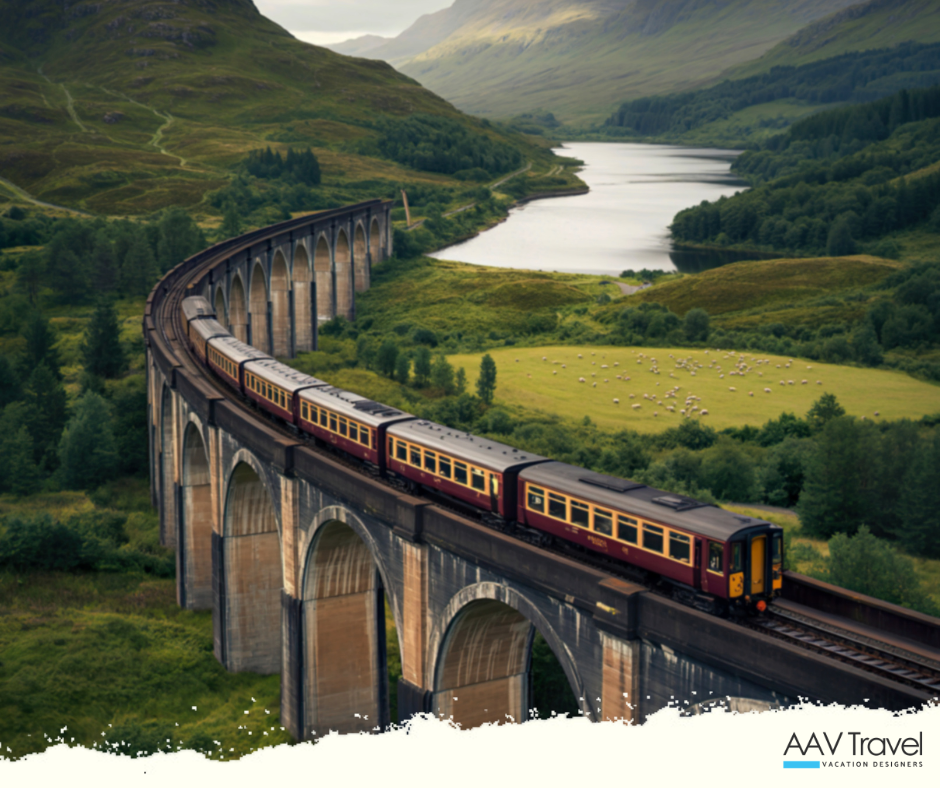
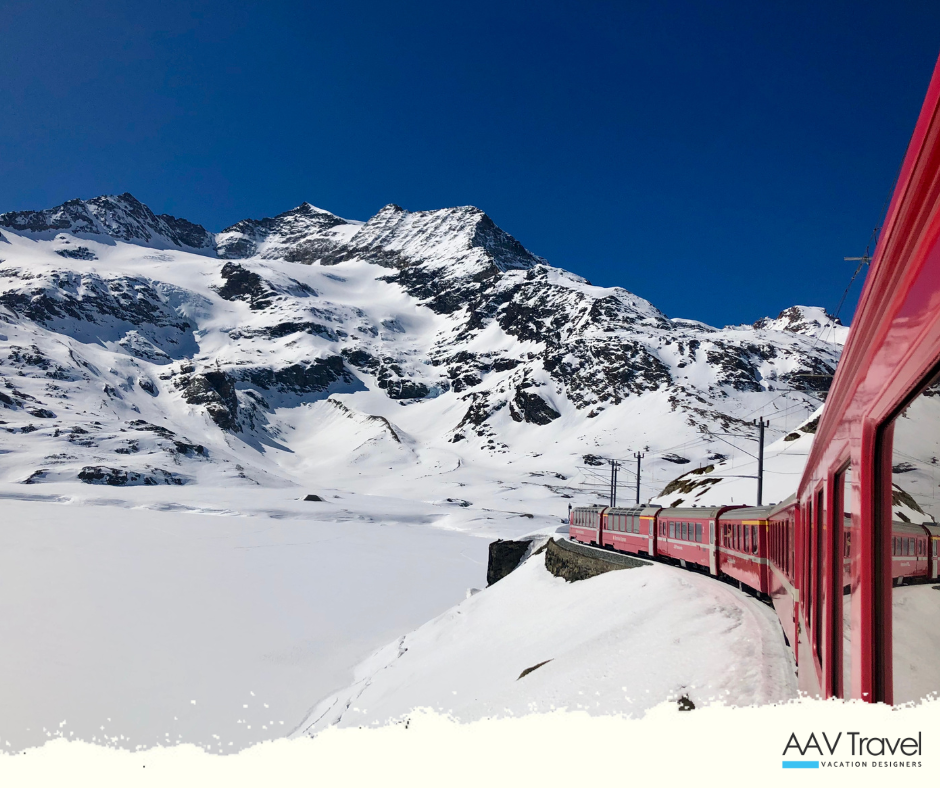
In other cases, the train works best as a transition. Scotland offers a strong example. A client may wish to explore Edinburgh in depth and then immerse themselves in the Highlands. Integrating the Royal Scotsman into the middle of that journey creates a natural shift in pace. The train becomes a bridge, both physically and psychologically, easing the movement from city energy to remote landscapes.

Here, the rail experience enhances continuity rather than dominating the entire narrative. It connects chapters rather than replacing them.

Italy and the Art of Integration

Italy presents similar decisions. A Belmond journey through Tuscany can either anchor a celebratory itinerary or serve as a refined interlude between Florence and Venice. The distinction depends on the traveler’s priorities. Is the focus on private vineyard access, culinary immersion, and extended stays in historic properties, with the train adding texture? Or is the rail journey itself the milestone moment, with surrounding cities playing a supporting role?

These are structural decisions, not decorative ones. The placement of the train shapes the emotional pacing of the entire trip.

Understanding the Structure of Life On Board

It is also important to understand the built in rhythm of luxury rail. Even the highest cabin categories are compact compared to the suites many established travelers prefer on land or sea. Dining is often communal, with set times and dress expectations. Excursions are curated and typically group based.

For some, this structure creates welcome ease and sociability. For others, particularly those who value privacy and flexibility, it may feel limiting. Evaluating comfort with these dynamics is essential before positioning a train within a broader itinerary.

Sequencing, Seasonality, and Climate

Timing influences experience more than most travelers anticipate. A train journey placed at the end of a fast paced European tour can feel confining. Positioned too early, it may limit time to adjust to a new time zone before entering a structured environment.

Season also matters. The light in Scotland in late spring differs dramatically from autumn. Tuscany in midsummer carries a different atmosphere than in October. Weather, daylight hours, and landscape color all affect how the journey feels. The train does not exist in isolation from these elements.

The Practical Realities Behind the Scenes

There are also considerations that rarely appear in glossy brochures. Luggage restrictions require advance coordination, particularly when combining rail with extended hotel stays. Certain routes travel through remote areas with limited medical access. Inventory can be tight, and cancellation structures are often more rigid than traditional hotel bookings.

These factors do not diminish the appeal of the experience. They simply require thoughtful planning and integration into the larger design.

Looking Beyond Europe: The Rocky Mountaineer Context

For those considering rail beyond Europe, such as the Rocky Mountaineer in Western Canada, similar principles apply. While stylistically different from heritage European trains, it remains a curated and structured journey with defined pacing.

The Rocky Mountaineer can beautifully connect Banff and Vancouver, but expectations must align with the style of service, the nature of the scenery, and the broader rhythm of a Canadian itinerary. As in Europe, it works best when it serves a strategic purpose within the trip rather than functioning as an isolated indulgence.

Placing the Train With Intention

A luxury train is neither automatically transformative nor inherently impractical. Its value depends on placement. When it aligns with a milestone celebration, tolerance for structure, desire for social engagement, and overall itinerary goals, it can become one of the most memorable chapters of a journey. When added for novelty alone, it risks feeling disconnected.

Designing travel at this level requires stepping back from imagery and asking deeper questions. What is the desired emotional arc of the trip? Where should the pace slow? Where should privacy be prioritized? Where does shared experience enhance rather than detract? Only then can a decision be made about whether the train should lead, follow, or gently connect.

For those considering a luxury rail journey in Europe or beyond, the most important step is not selecting the cabin category or departure date. It is understanding how the experience fits within the whole. If you are exploring whether a train belongs in your next milestone journey, I invite you to begin with a thoughtful conversation. Through a Strategic Travel Advisory Session, we can evaluate how each component of your itinerary supports the overall design, ensuring that every element, including a luxury train, is placed with intention and care. To begin that conversation, visit AAV Travel or reach out at info@aav-travel.com.

Written by: Stefanie P.

Walk the World: Seven Remarkable Hiking Destinations Worth Traveling For

Travel has a remarkable way of returning us to ourselves, and few experiences do this as naturally as stepping onto a trail. Hiking invites a different rhythm, one that feels both grounding and quietly expansive. With each steady step, the body strengthens, the mind clears, and the world becomes more vivid. The pace slows just enough for you to notice the scent of pine carried on the breeze, the shifting light across a valley, or the simple satisfaction of moving forward with purpose.

In a world that constantly encourages speed, trails offer something rarer: presence. They remind us that adventure does not always need adrenaline or intensity. Sometimes it simply requires time, curiosity, and the willingness to experience a place in a more intimate way.

Positive psychology often points to the restorative effects of nature, and hiking weaves these benefits into every ascent, descent, and panoramic view. Trails naturally ease stress, drawing us away from the noise of daily life and gently restoring mental balance. A long walk can clear mental fog, spark fresh perspective, and renew emotional energy. When travel is built around hiking, it becomes more than scenery. It becomes a way of stepping out of routine and into a landscape that reshapes how we feel, how we think, and how we see the world.

The following destinations are worth traveling for not only because they are beautiful, but because they invite the kind of transformation that can only happen when you move through a place slowly and with intention.

Madeira, Portugal

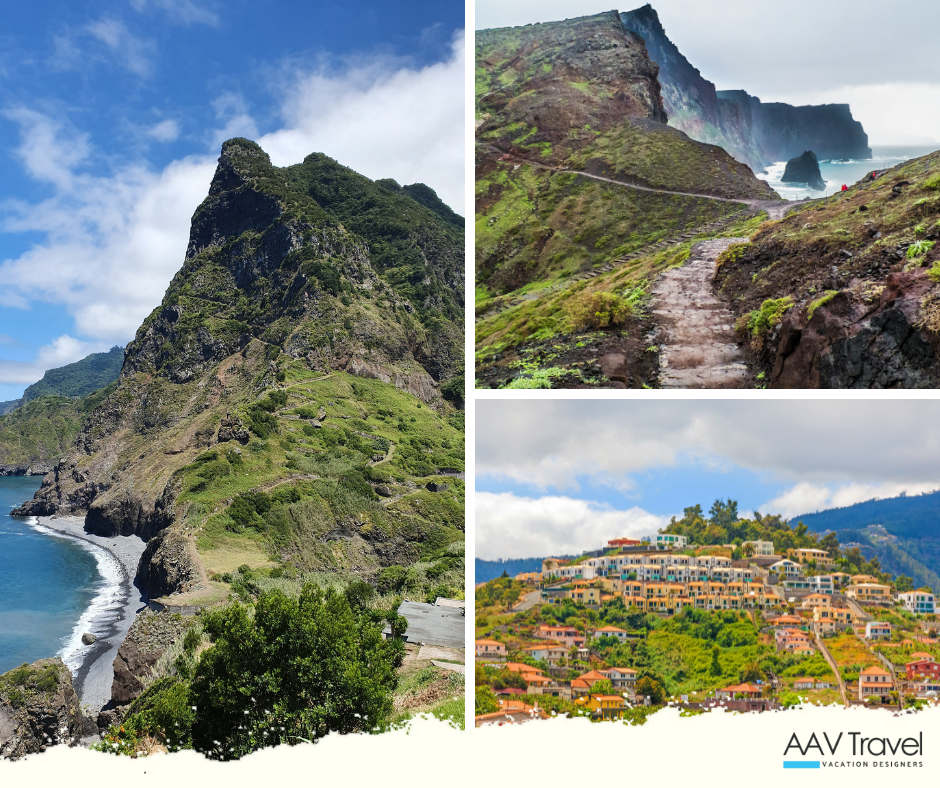
Madeira is a hiker’s paradise, a lush volcanic island where dramatic cliffs drop into the Atlantic and ancient laurel forests create a world that feels almost otherworldly. Many trails follow the island’s historic levadas, irrigation channels that cut through the landscape, forming gentle, scenic walking routes. These paths often wind through green tunnels before opening into sweeping views that feel cinematic and remote.

For those seeking more challenge, Madeira also offers ridge hikes and high peak routes that reward confident hikers with breathtaking vistas across the island. It is a destination for travelers who appreciate variety, and for those who want a balance of quiet forest immersion and dramatic viewpoints, all within a mild climate that makes walking enjoyable nearly year round.

Amalfi Coast, Italy

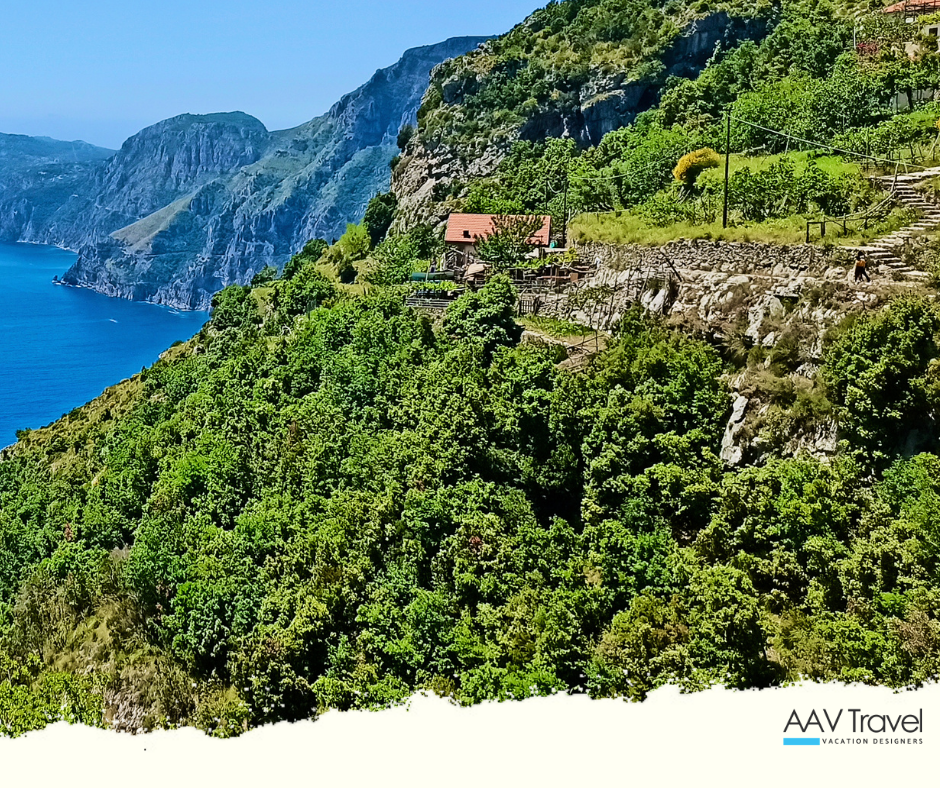
The Amalfi Coast delivers hiking with unmistakable character. Cliffside trails overlook terraced lemon groves, pastel villages cling to steep hillsides, and the Mediterranean glimmers far below. Some routes require stamina and sure footing, while others are gentler and designed for travelers who prefer a slower pace and more time to absorb the scenery.

This is an ideal region for travelers who love the combination of natural beauty and cultural richness. Hiking here is never just hiking. It is an experience shaped by historic footpaths, local life, and the reward of returning to a village for fresh seafood, regional wine, and views that feel timeless.

Lake Bled, Slovenia

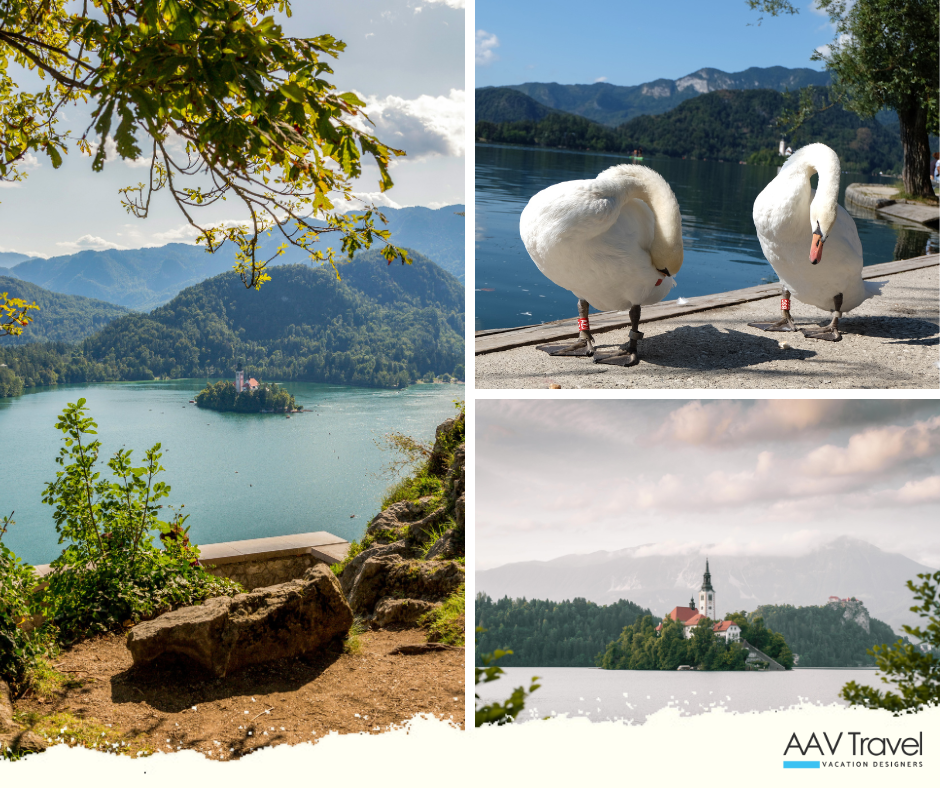
Lake Bled feels like it Lake Bled feels almost unreal, with emerald water, a small island topped by a church, and a castle perched high above the shore. The walking paths around the lake are peaceful and accessible, but the surrounding hills offer more demanding climbs for travelers who want elevation and sweeping views.

This destination is especially well suited for those who enjoy a sense of calm woven into their travels. It is a place for travelers who appreciate photography moments at every turn, who want nature without extremes, and who find joy in landscapes that feel serene, storybook, and quietly restorative.

Zermatt, Switzerland

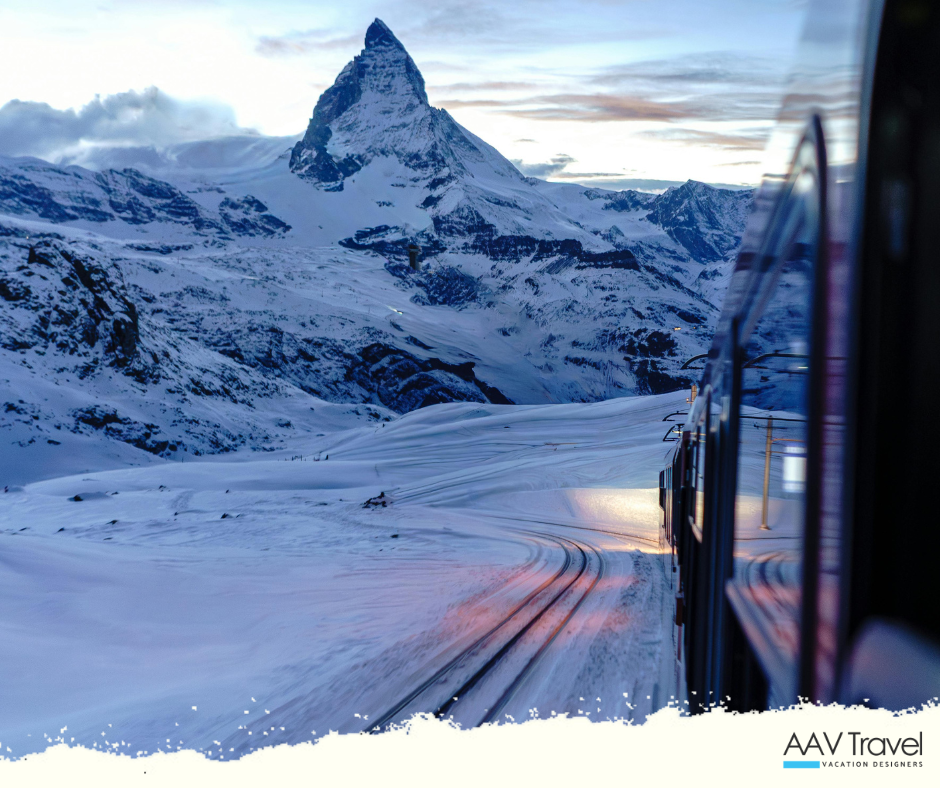
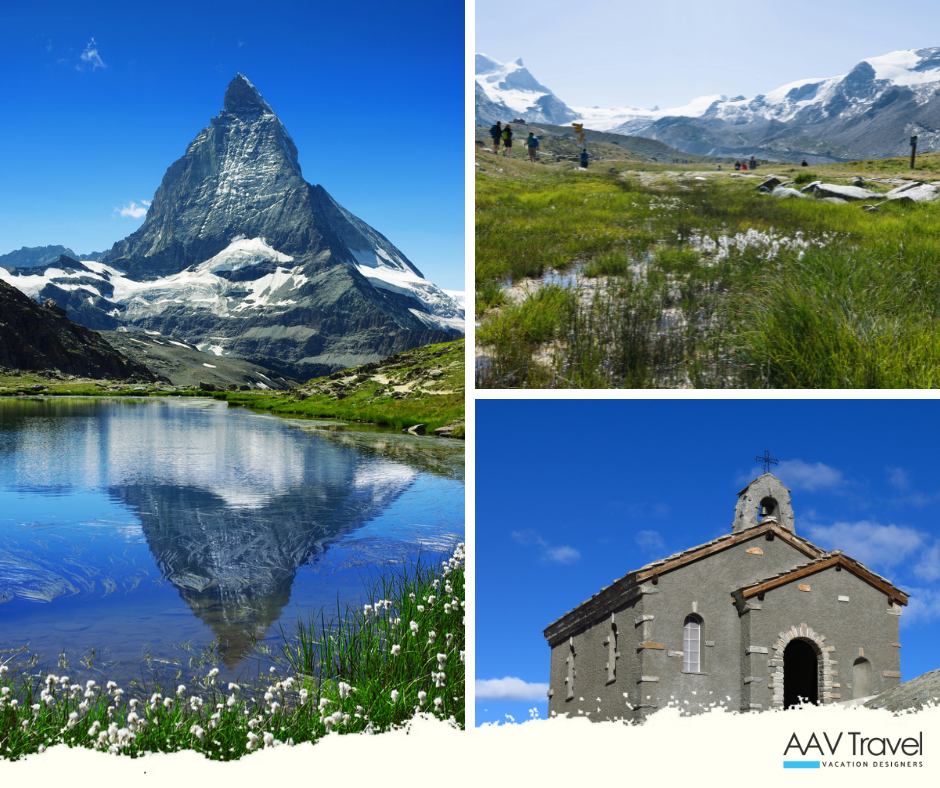
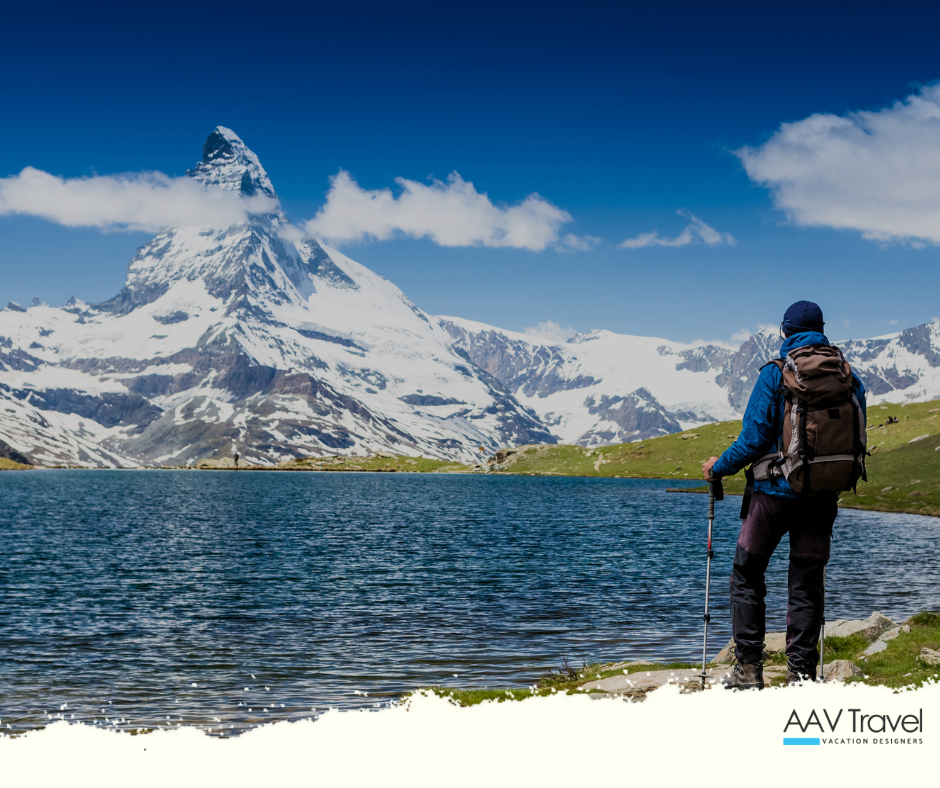
Zermatt is iconic for good reason. Standing before the Matterhorn brings a sense of awe that is difficult to describe and impossible to forget. The trails here move through alpine meadows, past turquoise lakes, and into high altitude landscapes that feel pristine and powerful.

The range of hiking is extensive, from gentle panoramic walks to ambitious routes that require endurance and confidence. Zermatt appeals to travelers who love mountain air and dramatic scenery, and who appreciate the ability to pair adventure with comfort. It is one of those rare destinations where the landscape feels both grand and deeply personal, offering moments of quiet reflection alongside the exhilaration of being in the Alps.

Tromsø, Norway

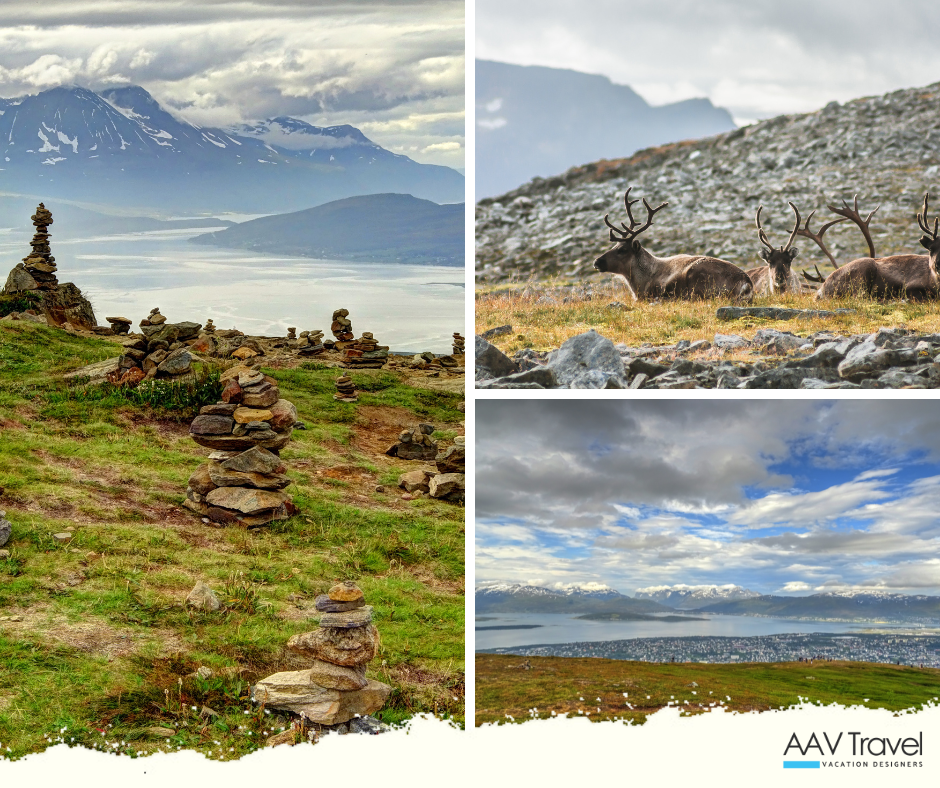
Far above the Arctic Circle, Tromsø offers hiking that feels remote, raw, and unforgettable. Trails lead through birch forests, across rugged ridges, and up to viewpoints overlooking fjords stretching toward the horizon. The experience shifts dramatically with the seasons. In summer, you may hike under the midnight sun. In winter, the same landscape becomes a world of snow, twilight, and Arctic stillness.

This region speaks to travelers who are drawn to places that feel wild and expansive. It is for those who want crisp air, solitude, and the deep sense of perspective that comes from being surrounded by nature on a grand scale. The possibility of seeing the northern lights after a day on the trail only adds to the sense of wonder.

Cornwall, England

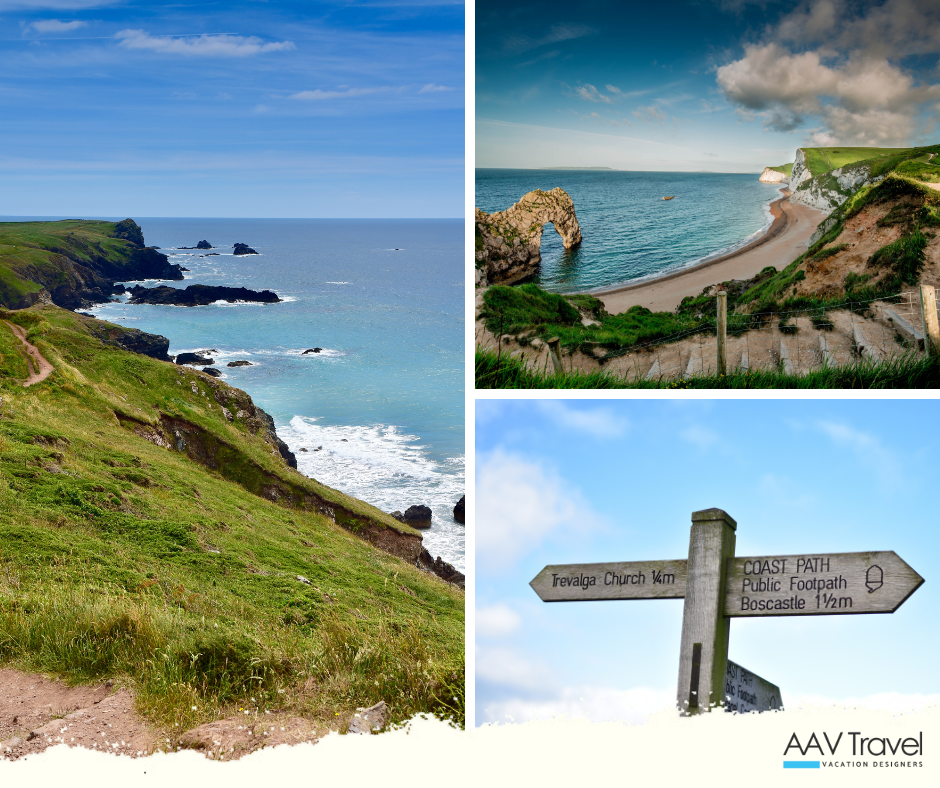
Cornwall’s coastal paths are a pleasure for travelers who love dramatic sea views, wildflower lined cliffs, and villages that feel full of charm. The South West Coast Path is one of the region’s greatest treasures, offering rolling terrain that ranges from gentle to moderately challenging, always rewarding the effort with sweeping views of turquoise coves and rugged coastline.

Cornwall is ideal for travelers who appreciate a slower pace and the kind of walking that encourages reflection. It is also a destination that pairs beautifully with comfort. Days on the trail can end with cozy pubs, fresh seafood, and the quiet satisfaction of being near the sea. With weather that shifts quickly and scenery that constantly changes, no two walks here ever feel the same.

Northern Ireland’s Coast

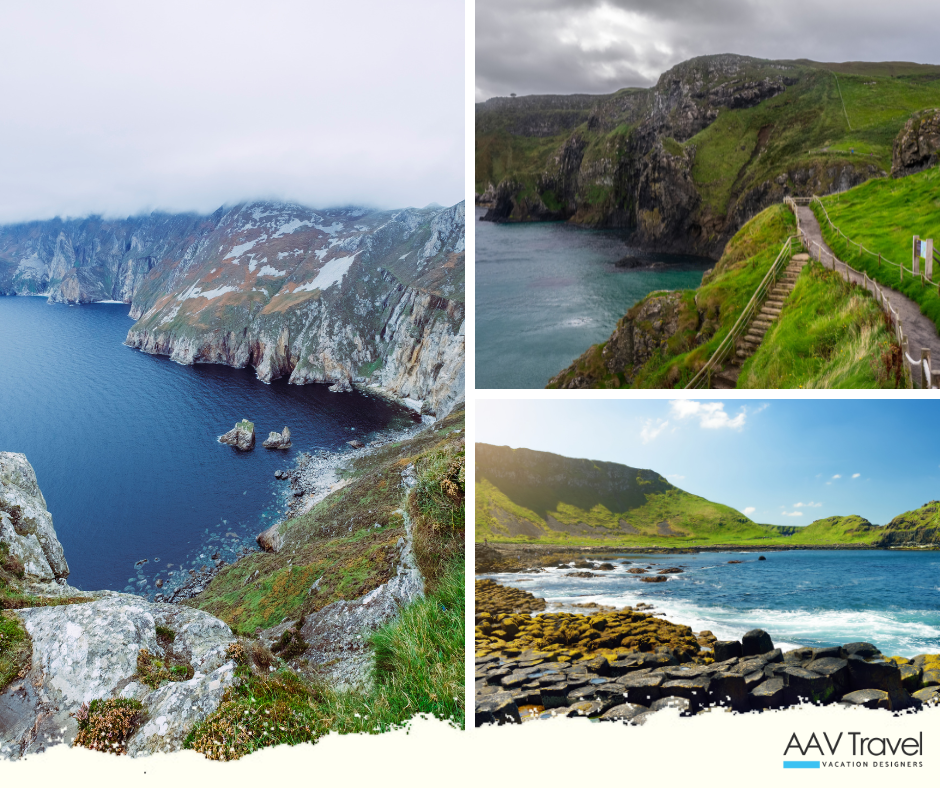
Northern Ireland’s coastline is a landscape shaped by wind, sea, and legend. Cliffs rise dramatically above the water, basalt formations create striking natural patterns, and green fields spill toward the shore. Trails near the Giant’s Causeway offer a fascinating intersection of geology, history, and storytelling, with scenery that feels both powerful and deeply atmospheric.

The terrain offers enough variety to satisfy both casual walkers and experienced hikers. This is a destination for travelers who love places with character, where the landscape feels like it carries a narrative. It is the kind of coastline that stays with you, not only for its beauty, but for the mood and depth it evokes.

Making Long-Distance Walks Effortless and Enriching

Designing a Hiking Journey with Ease and Intention

Long distance walking trips are among the most rewarding ways to travel, but they are also the kind of journey where thoughtful planning makes all the difference. The right pacing, the right route, and the right accommodations can turn a demanding itinerary into an experience that feels seamless and deeply enjoyable.

When luggage transfers are arranged, accommodations are chosen with care, and logistics flow smoothly from one stage to the next, you are free to focus on what matters most. The trail, the scenery, the quiet satisfaction of progress, and the feeling of being fully immersed in a place.

At AAV Travel, we design hiking journeys with the same discernment and attention we bring to every itinerary. That may include selecting boutique stays that reflect the spirit of a region, arranging meaningful local experiences that complement your walking days, and tailoring each route to match your comfort level and personal travel style. The goal is never simply to create a hiking trip. It is to design an experience that feels balanced, intentional, and beautifully paced.

If you are ready to explore the world on foot, we would love to help you craft a walking journey that feels extraordinary from start to finish. Visit AAV Travel or email us at info@aav-travel.com to begin the conversation.

Written by: Stefanie P.

Why Locals in Europe Don’t Choose Restaurants by Online Reviews—and What That Means for How You Travel

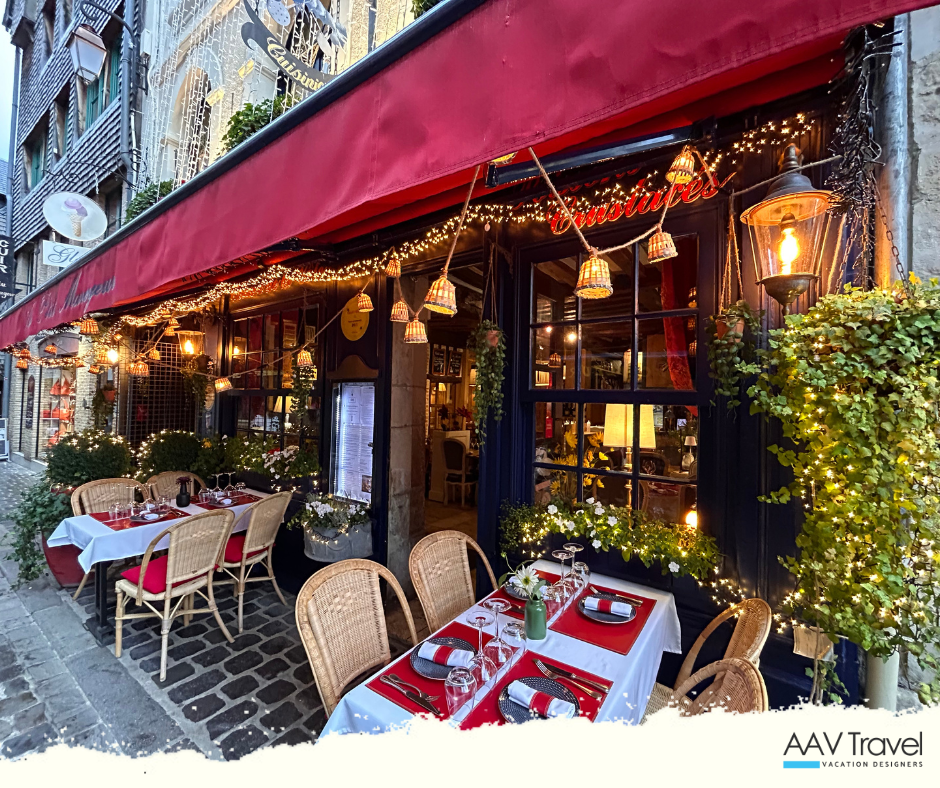
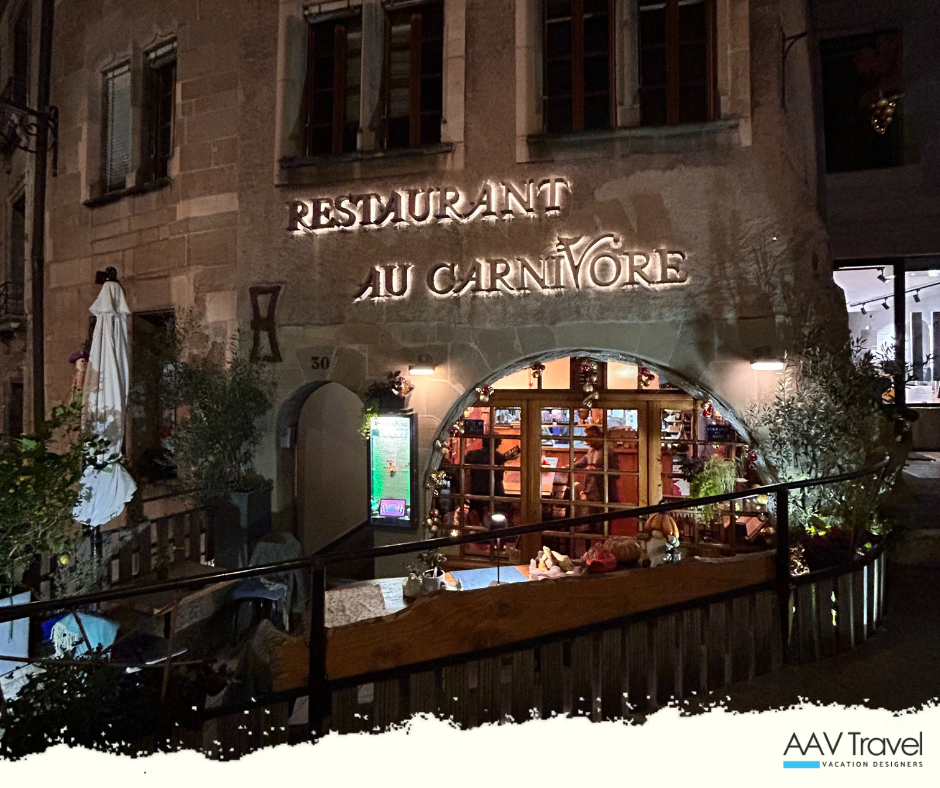
In an era shaped by smartphones and instant validation, it’s easy to assume that choosing where to eat is a universal exercise in scrolling, comparing, and ranking. Yet across much of Europe, this approach feels oddly out of place. In many cities, towns, and villages, locals simply do not rely on online reviews to decide where to dine. Some barely consult them at all. Instead, restaurant choices are guided by habit, intuition, seasonal rhythm, and relationships built quietly over decades.

Dining in Europe is rarely transactional. It is cultural, personal, and deeply rooted in a sense of belonging. Many people return again and again to the same neighborhood restaurants their parents and grandparents frequented, not because they once read a glowing review, but because those places feel familiar and trusted. In residential neighborhoods, chefs often cook not for tourists chasing novelty, but for neighbors they know by name, preferences, and routine. The goal is consistency and care, not visibility.

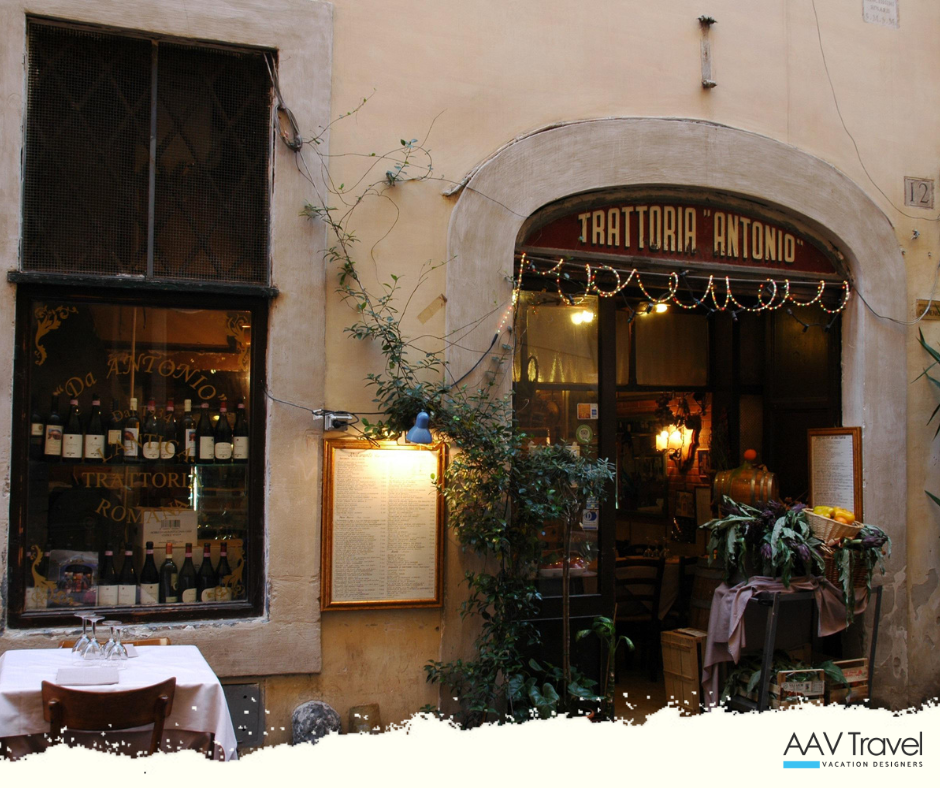
This is why some of the most memorable meals travelers experience happen in places with no website, no social media presence, and no interest in collecting stars. These restaurants are not hiding; they simply exist outside the digital feedback loop. Finding them requires a different way of paying attention—one that values context over comparison and presence over prediction.

Across Europe, subtle signals often speak louder than online praise. A short, focused menu typically suggests a kitchen that cooks with intention, adapting to what is fresh and available rather than offering endless choice. Regional specificity matters deeply. Pasta shapes in Italy, breads in France, dumplings in Central Europe, or sauces that vary by village rather than country often indicate a restaurant grounded in place. These details are not designed for display; they are habits formed through tradition.

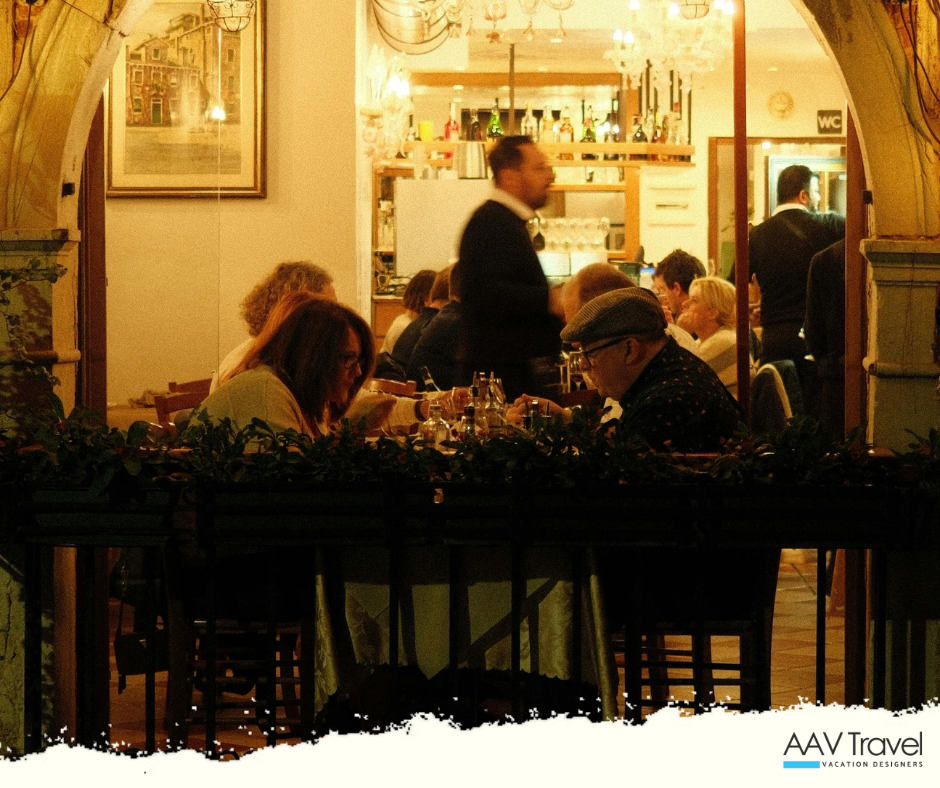
Atmosphere also tells its own story. A lively dining room filled with animated conversation, familiar greetings between staff and guests, and a steady rhythm of service usually reveals more than any rating ever could. So do the small gestures that arrive before the meal itself. Bread that is warm and distinctive, a starter prepared with care, or a handwritten note about the day’s offerings can quietly signal what kind of experience lies ahead.

In many European cities, restaurants do not need to announce themselves loudly. Reputation spreads locally, and confidence comes from longevity rather than marketing. Places that rely heavily on multilingual signage, photos of every dish, or exaggerated claims aimed at passersby are often catering to a different audience. Locals tend to gravitate toward restaurants that feel unforced, where the focus remains on the food, the flow of the meal, and the shared experience of being there.

Timing matters as well. Restaurants that fill naturally during local mealtimes tend to do so for good reason. Empty tables at peak hours can be telling, while the gentle hum of a full room often reflects trust earned over time. Even the aromas drifting from a doorway—something simmering slowly, bread baking, onions caramelizing—can offer a more honest invitation than any algorithm.

For travelers accustomed to relying on reviews, this approach can feel unsettling at first. Choosing a restaurant based on atmosphere, instinct, or observation rather than certainty requires a willingness to be present and curious. Yet this slower, more intuitive way of dining often becomes one of the most rewarding aspects of traveling through Europe. It allows room for surprise, encourages engagement with local rhythms, and invites travelers to taste flavors they might not have selected in advance.

That said, discernment matters. Not every traveler enjoys unpredictability, and there is no virtue in discomfort for its own sake. Reviews can still serve a purpose, particularly for those with dietary restrictions or strong preferences. The difference lies in how they are used—not as the sole decision-maker, but as one of several inputs balanced with observation, context, and local insight.

One of the most valuable yet underutilized resources for navigating Europe’s dining landscape is the human one. Luxury hotel concierges often have exceptional knowledge of their city’s culinary scene and can secure reservations at sought-after restaurants with ease. But the most interesting recommendations often emerge when the conversation goes a step further. Asking where someone eats with their family on a Sunday, or which neighborhood spot they return to after a long day, often leads to places that never appear on curated lists.

Food tours can also play an important role, particularly early in a stay. Led by passionate locals, these experiences provide more than tastings. They offer cultural context, stories, and confidence. Visiting markets, bakeries, cafés, and small eateries with someone who understands the city’s rhythms helps travelers recognize the signs of quality and authenticity on their own. A well-chosen food tour doesn’t replace independent discovery; it enhances it.

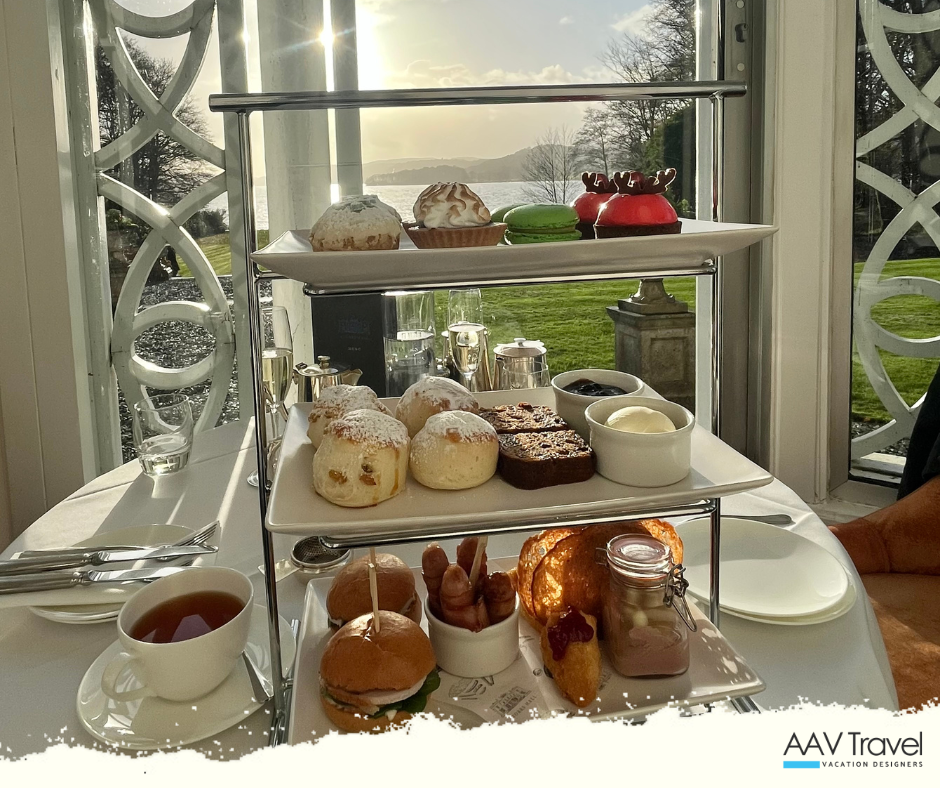
Once travelers begin to understand a destination’s culinary language, integrating local rituals becomes especially meaningful. Enjoying afternoon tea in England or lingering over hot chocolate in one of Vienna’s historic cafés is about more than the food itself. These traditions invite travelers to slow down, observe, and participate in moments that locals have cherished for generations. They provide structure to the day and a deeper sense of connection to place.

Experiencing Europe through its food is not about finding the “best” restaurant. It is about understanding how, when, and why people eat the way they do. It is about pacing, judgment, and choosing moments that align with the character of a destination rather than rushing to collect highlights.

At AAV Travel, this philosophy shapes how journeys are designed. Thoughtful travel is not about maximizing experiences, but about choosing the right ones—at the right time, in the right way, with an understanding of context and trade-offs. Through intentional conversations, careful planning, and calm judgment, AAV Travel helps travelers experience destinations with confidence and ease, allowing space for discovery without unnecessary risk or overwhelm. If you’re curious about how a more intentional approach could shape your next journey, you’re warmly invited to begin a conversation at www.aav-travel.com or by reaching out to info@aav-travel.com.

Written by: Stefanie P.

The Art of Dining Well in London

London has always known how to host. But in the last few years, the city’s culinary life has shifted in a way that feels less like a trend and more like a return to something elemental: dining as a form of connection. The best meals now carry an emotional signature. They’re not simply about technique, rare ingredients, or the hush of a white tablecloth. They’re about story, place, and the particular warmth that happens when a kitchen and a dining room are working in quiet harmony.

You can feel this change in the way chefs talk about their work, and in what guests remember afterward. Precision still matters, of course. But the most compelling restaurants aren’t chasing perfection as an end in itself. They’re chasing meaning. Service has become less performative and more human, and the experience feels shaped around you rather than presented at you. Cultural touchstones have helped bring this into the mainstream, too. When people reference the intensity of modern kitchens or the philosophy of unreasonable hospitality, what they’re really saying is this: a great meal should make you feel something.

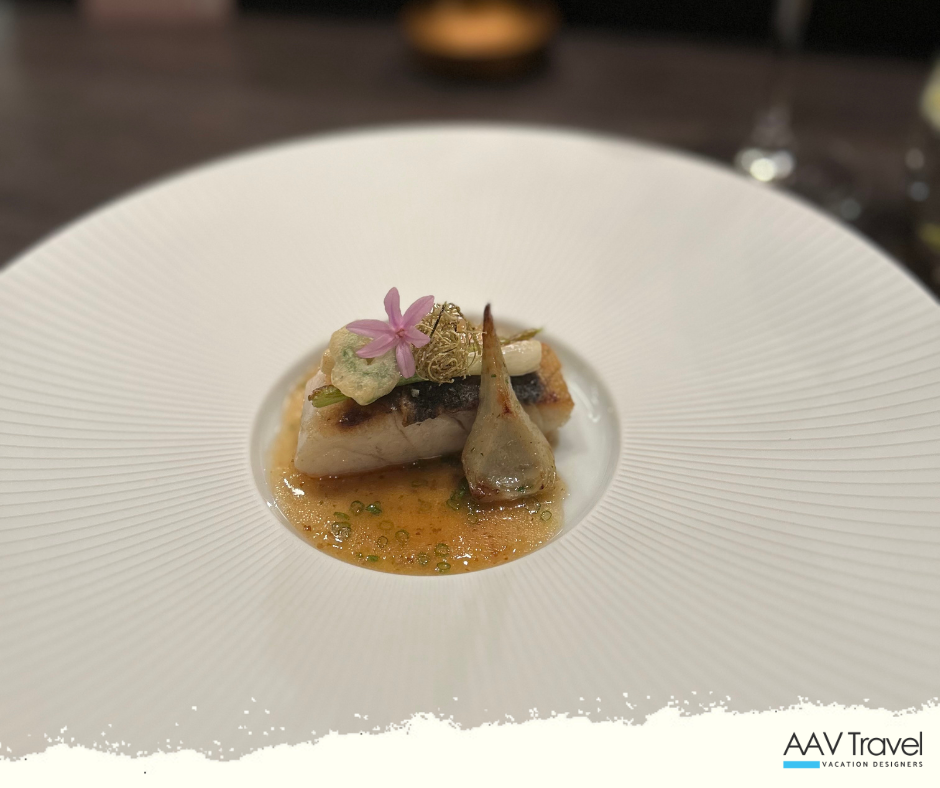
That’s precisely why London is such a rewarding city for a culinary escape right now. The London of old clichés—only pubs, only tea—never told the full story, but it’s especially incomplete today. London’s dining scene is global in the truest sense: a city where contemporary British tasting menus sit comfortably alongside exquisite omakase counters, Indian fine dining that treats spice as architecture, Middle Eastern kitchens redefining generosity, and small neighborhood rooms where the food is quietly brilliant because the sourcing, the technique, and the point of view are all aligned.

The temptation is to come to London and try to “do it all.” That’s the fastest way to make even a glamorous trip feel like a checklist. A culinary London works best when it’s designed like a rhythm: a big night followed by an unhurried morning, a long tasting menu balanced with something simple and perfect the next day, a table that’s worth dressing up for and another that’s worth slipping into without announcement. The city rewards discernment. It rewards pacing. And because London is a city of neighborhoods more than a single central stage, it rewards choosing where you stay with as much intention as where you dine.

There’s also a practical reality that matters: the most sought-after reservations often move on a timetable that doesn’t care when you booked your flights. Many top restaurants release tables in defined windows, and prime evenings can disappear quickly—especially on weekends, during school holidays, or around major London events. If your vision includes one or two “anchor meals,” it’s wise to plan with enough lead time that you’re choosing with confidence rather than scrambling for what’s left. In many cases, beginning the conversation three to six months out creates a calmer planning experience and significantly improves your odds of getting the tables you actually want.

Where you stay becomes part of that strategy. London is wonderfully walkable in pockets, but crossing the city at the wrong hour can quietly tax your energy, especially when you’ve built your days around late dinners, pre-theatre cocktails, or a leisurely dessert that turns into a nightcap. A thoughtfully chosen hotel makes it easier to enjoy the city the way it’s meant to be enjoyed: with time to linger, change, and arrive unhurried.

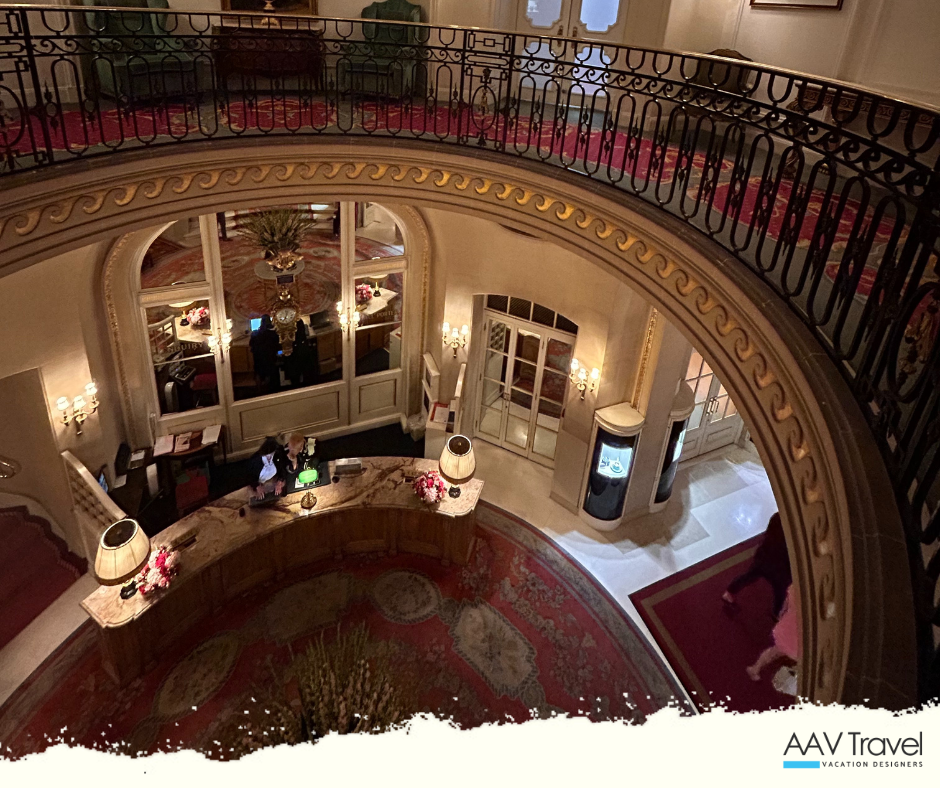
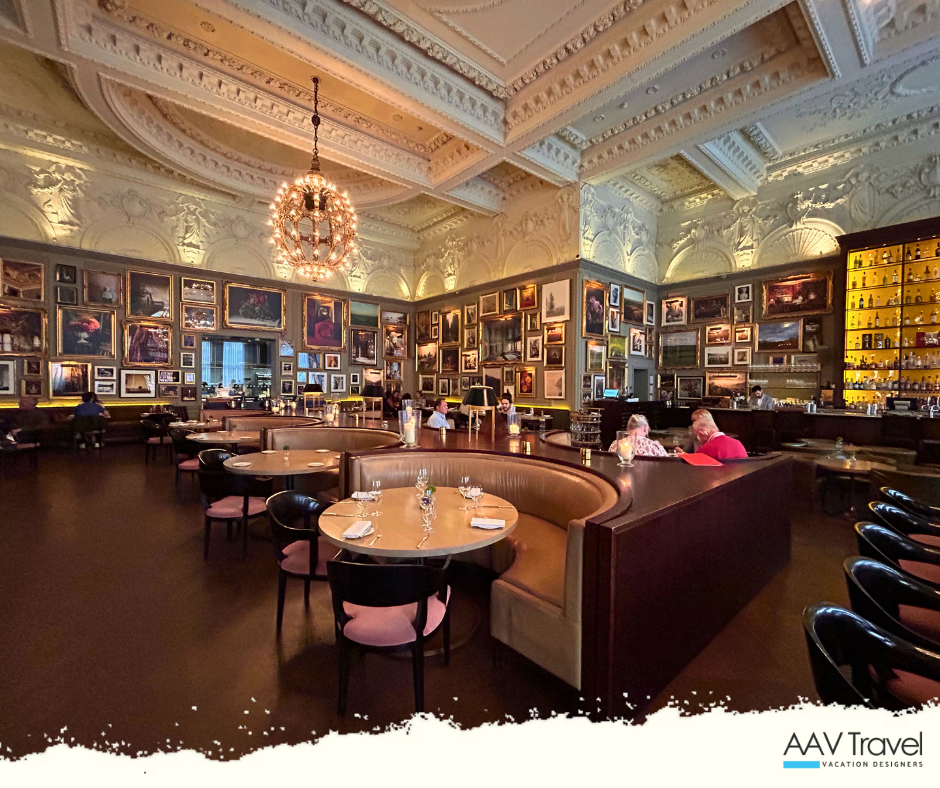
For travelers who want modern glamour with a sense of London’s layered history, The London EDITION is an effortlessly stylish base. Its atmosphere feels alive without being loud, and its location places you within easy reach of dining-rich neighborhoods—whether you’re drifting toward Fitzrovia and Soho, browsing Marylebone, or keeping an afternoon open for Bloomsbury. Even if you’re dining elsewhere, having an excellent bar and restaurant scene at your hotel matters. It gives you flexibility on arrival day, a polished option for a relaxed first evening, or a place to end the night without having to think too hard. That kind of ease is part of luxury, even when it’s invisible.

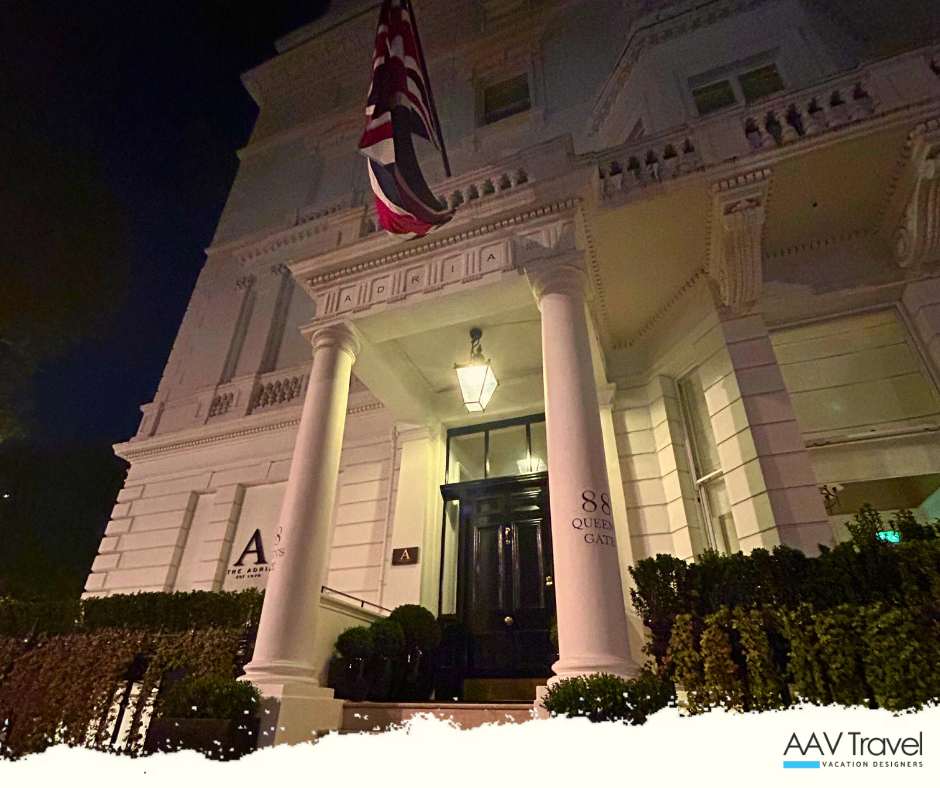
If your idea of luxury leans more discreet—privacy, calm, and a residential feel—The Adria in South Kensington offers a very different but equally compelling experience. This is the type of boutique property that feels like a well-kept secret: intimate, quietly elegant, and restorative after a day in the city. South Kensington and its surrounding areas also put you near a remarkable concentration of excellent dining, which means you can build evenings that feel seamless rather than logistically heavy. When you can return to a quiet, tucked-away hotel after a serious meal, the entire trip feels more like a private escape than a public performance.

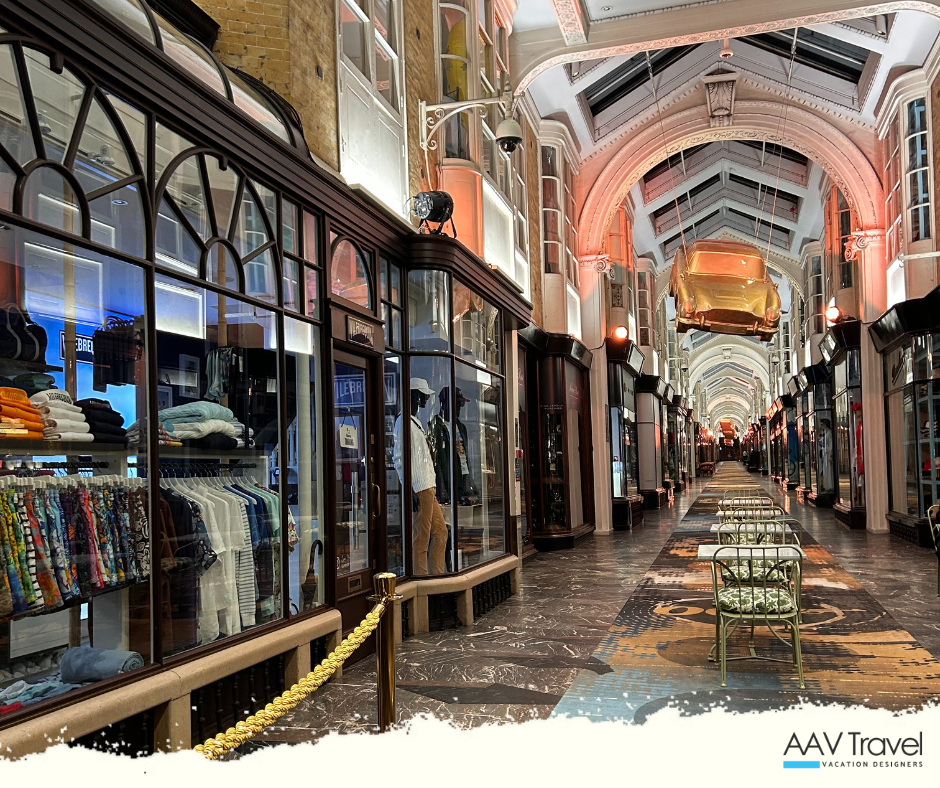
A London culinary journey becomes especially memorable when it’s tied to a milestone—an anniversary, a birthday with a meaningful number, a proposal you want to feel cinematic but not staged. London is exceptional at the details that elevate celebration: the perfect table at the right hour, a room that knows how to read the moment, a cocktail bar that feels like a discovery, a morning that begins slowly because you planned it that way. And for many travelers, the city’s shopping adds a satisfying layer of indulgence when it’s woven in thoughtfully. Bond Street and the great department stores can be exhilarating, but the real pleasure comes when you’re not racing between appointments. A late lunch that turns into an afternoon browse, a pre-dinner stroll that feels like part of the ritual, a small purchase that becomes a travel talisman—this is the kind of London that stays with you.

Designing London well is less about finding the “best” restaurants and more about curating the right sequence for you: the meals that match your palate, the neighborhoods that match your pace, and the hotel that makes everything feel effortless. That’s where thoughtful planning quietly changes the experience. It protects your time, increases your options, and helps ensure that the trip feels like a cohesive escape rather than a set of separate reservations.

If you’d like to turn London into a culinary retreat that feels seamless from start to finish—tables secured with intention, hotels chosen for both style and practicality, and a pacing strategy that lets you savor the city—we would love to design it with you. Email us at info@aav-travel.com, and tell us the dates you’re considering and the kind of meals you dream about; we’ll help shape the rest into something calm, confident, and unforgettable.

Written by: Stefanie P.

Christmas on Screen in Europe: Holiday Films as Windows into Tradition

In the United States, Christmas is more than a date on the calendar. It is a season shaped by ritual, repetition, and a familiar sense of comfort. As evenings grow darker and the pace of daily life finally begins to slow, many households return to the same small traditions year after year. One of the most enduring is the simple act of gathering in front of the television, wrapped in blankets, a warm drink within reach, letting a familiar holiday film play in the background.

These movies are rarely watched with full attention, and that is part of their charm. They become part of the rhythm of December rather than the focus of it, offering a shared backdrop for conversation, laughter, and quiet moments together. Parents introduce the films they grew up with to their children. Siblings quote lines they have known by heart for decades. Grown children return home and slip easily into routines that feel unchanged. In many American households, these films are not entertainment so much as reassurance. They signal that the season has truly arrived.

Coming from Switzerland, I have always found this aspect of American Christmas culture quietly fascinating. Each year, someone inevitably references a holiday classic with genuine surprise when I admit I have never seen it. Many of these films are deeply woven into American memory in a way that feels both communal and personal. They reflect how culture, storytelling, and seasonality intersect, shaping how people experience the holidays without necessarily thinking about it.

In Europe, Christmas films play a different role. In many countries, they are less about spectacle or novelty and more about continuity. The same films return year after year, not because they are new or particularly festive, but because they feel familiar. They belong to the season in a way that mirrors how traditions themselves are passed down.

Switzerland

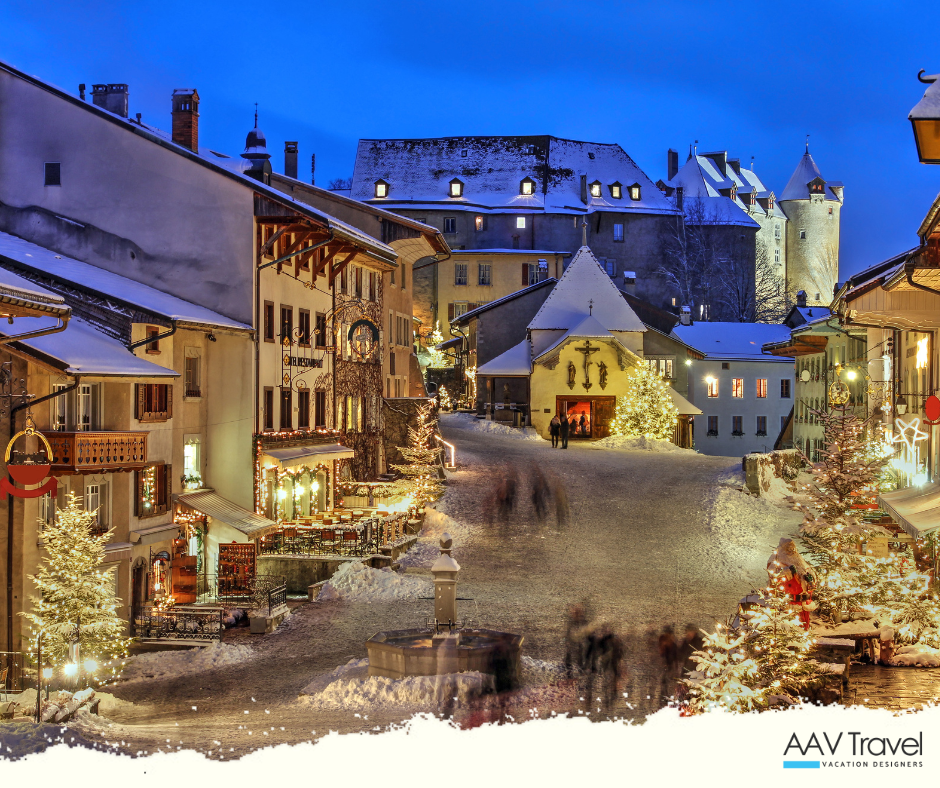
In Switzerland, Christmas unfolds quietly. The season begins with Advent and moves gently through St. Nicholas Day, Christmas Eve, and the days that follow. It is marked by candlelight, winter landscapes, and time spent close to home. Switzerland does not have a strong tradition of producing Christmas-specific films, yet certain stories have become inseparable from the season. In the German-speaking regions, “Drei Haselnüsse für Aschenbrödel,” known in English as “Three Wishes for Cinderella,” appears on television every December, watched by generations who know the story by heart. The classic “Sissi” films often accompany it, their romantic nostalgia fitting naturally into the slower, reflective mood of the holidays. These films mirror Switzerland’s approach to Christmas itself: understated, intimate, and rooted in continuity rather than excess.

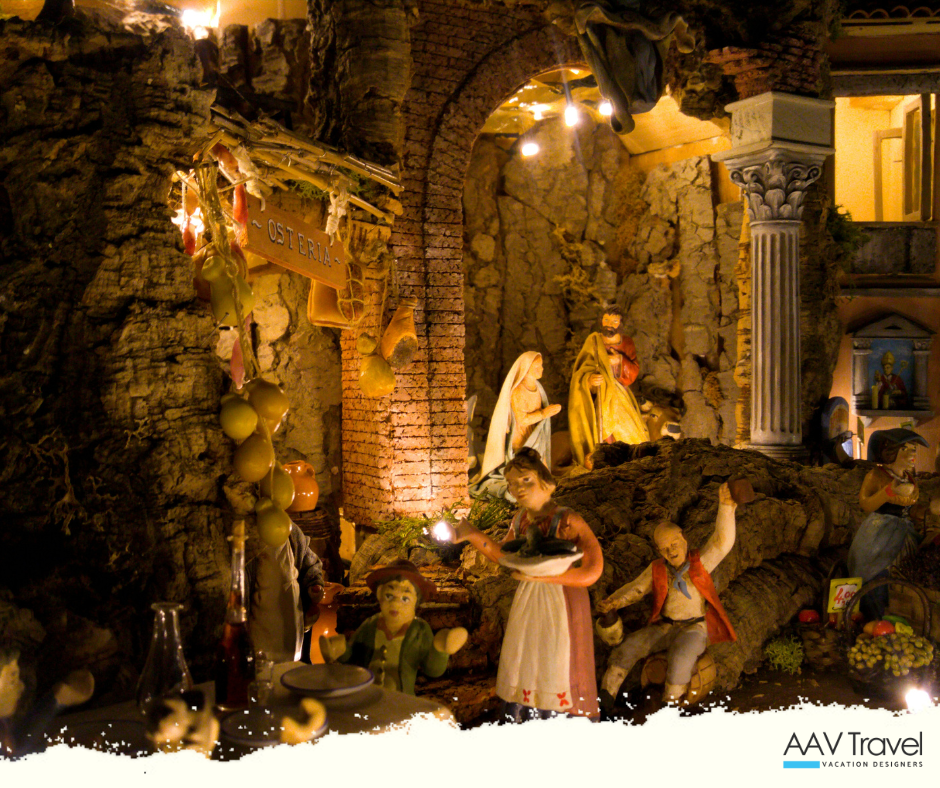
Italy

In Italy, Christmas is expansive in a different way. The season stretches well beyond Christmas Day, carrying through to Epiphany in early January. Family meals are long and unhurried, nativity scenes are lovingly displayed, and traditions unfold gradually rather than all at once. Italy has few homegrown Christmas films, yet one foreign movie has unexpectedly become a national ritual. Every Christmas Eve, millions of Italians watch “Una poltrona per due,” the Italian broadcast of “Trading Places.” What began as an American comedy has taken on a distinctly Italian rhythm through repetition, becoming part of the country’s shared holiday language. Alongside it, animated favorites such as “How the Grinch Stole Christmas” often appear, adding lightness and familiarity to evenings spent together.

Ireland

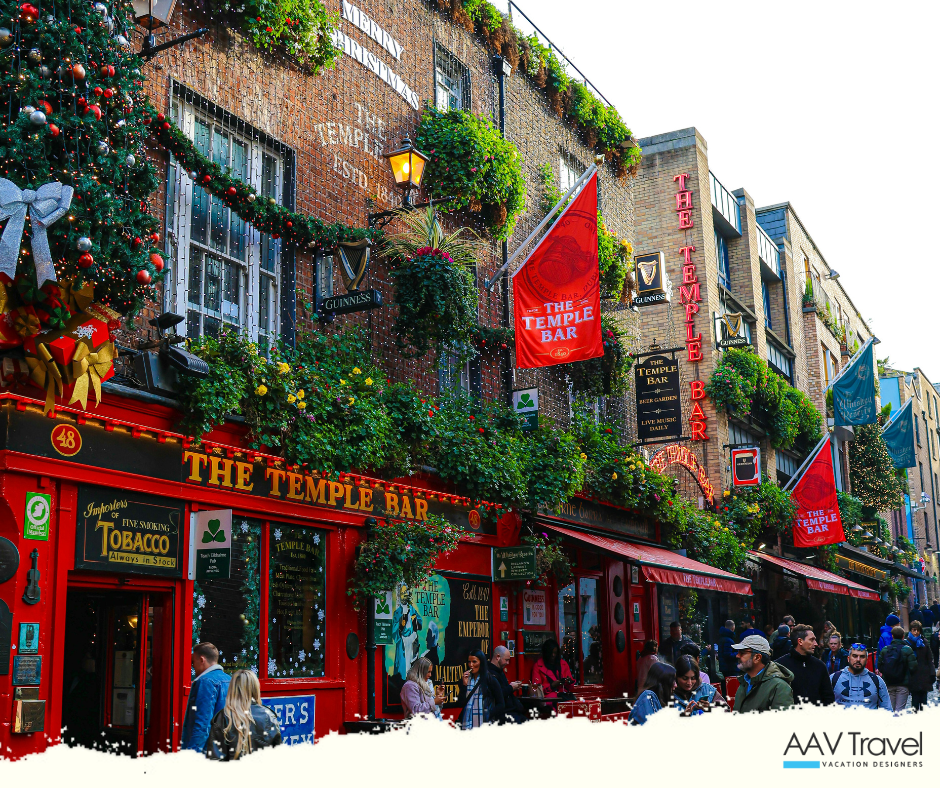
In Ireland, Christmas is deeply social, shaped by humor, community, and shared moments rather than strict formality. One of the most anticipated events of the season is not a film at all, but “The Late Late Toy Show,” a live television broadcast that signals the unofficial beginning of Christmas for many families. It is joyful, chaotic, heartfelt, and unmistakably Irish. Films still play their role, though, and classics like “The Muppet Christmas Carol” return year after year, appealing equally to children and adults. These viewing traditions reflect an Irish Christmas that values warmth, storytelling, and the pleasure of being together above all else.

France

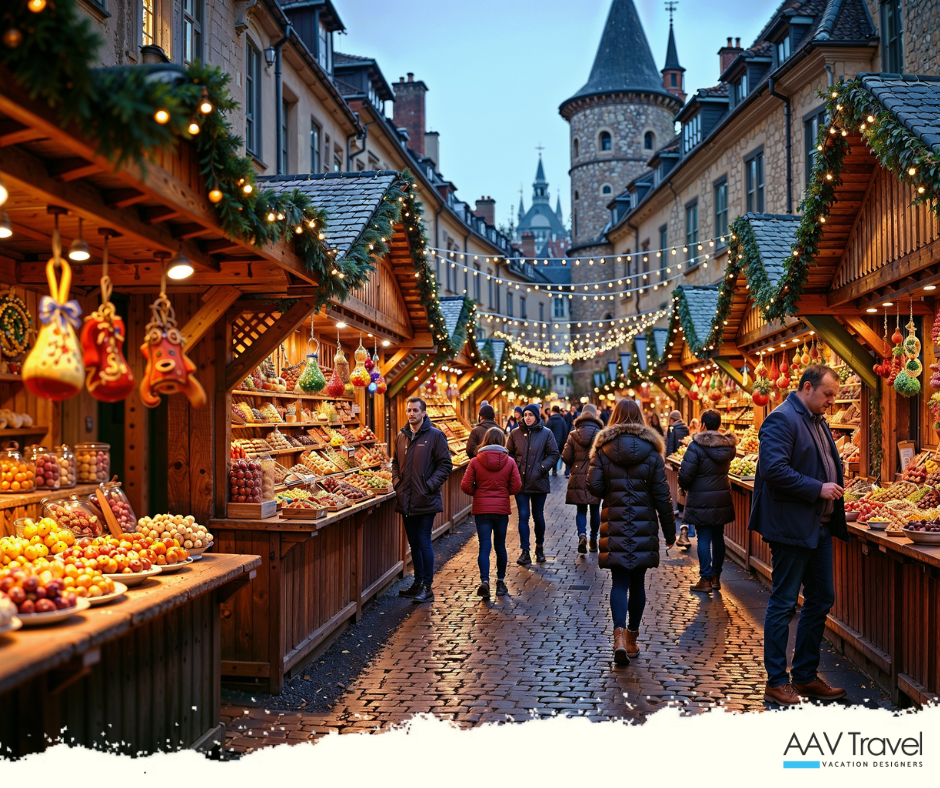
France approaches Christmas with a sense of balance between celebration and restraint. Family meals, particularly the Réveillon on Christmas Eve, remain central, and festive markets bring warmth to winter evenings. While France does not place great emphasis on Christmas films as a category, certain titles have become seasonal touchstones. “Le Père Noël est une ordure,” a darkly comedic cult classic, reappears every December, its humor as familiar as it is irreverent. During the holiday break, French television often broadcasts the Harry Potter films, especially the first installment, which has come to feel inseparable from Christmas despite its British origins. Together, these films add layers of nostalgia and quiet magic to the season without overpowering it

Norway

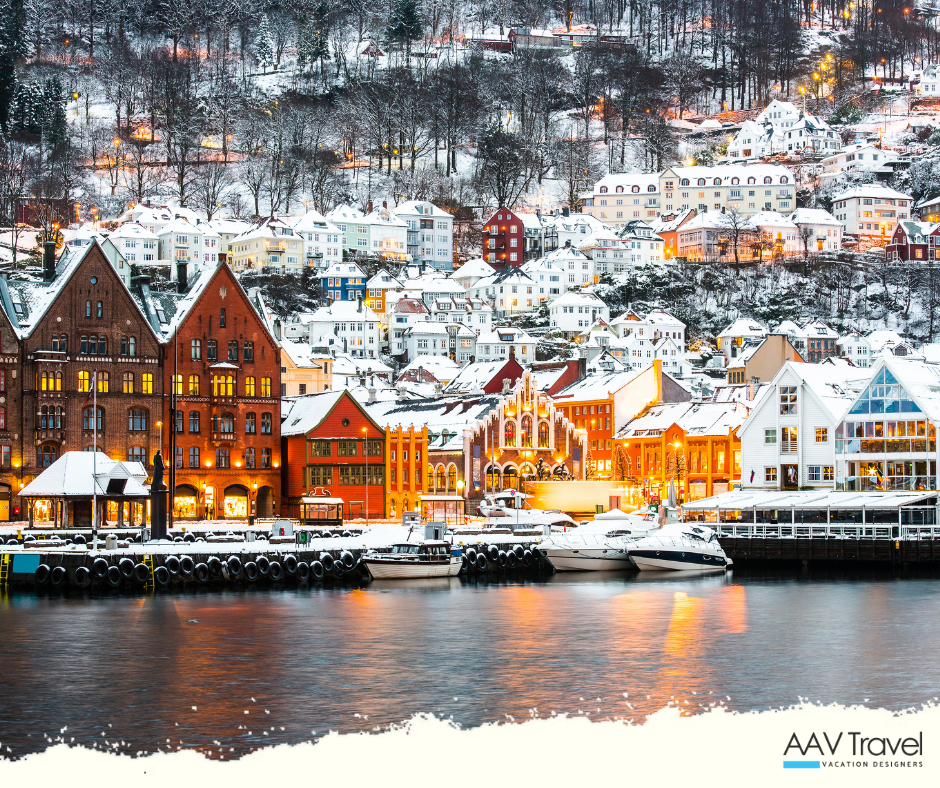
In Norway, Christmas, or Jul, is defined by coziness, candlelight, and preparation. The weeks leading up to Christmas are as important as the day itself, filled with baking, decorating, and shared anticipation. Norwegian holiday television traditions are particularly strong, and for many families, Christmas Eve would feel incomplete without “Tre nøtter til Askepott,” the Norwegian broadcast of the Cinderella fairy tale also beloved in Switzerland. “Reisen til julestjernen,” or “Journey to the Christmas Star,” is another cherished favorite, embodying the fairy-tale quality and emotional warmth that define the season. These films capture the essence of kos, Norway’s expression of comfort, intimacy, and seasonal calm.

UK

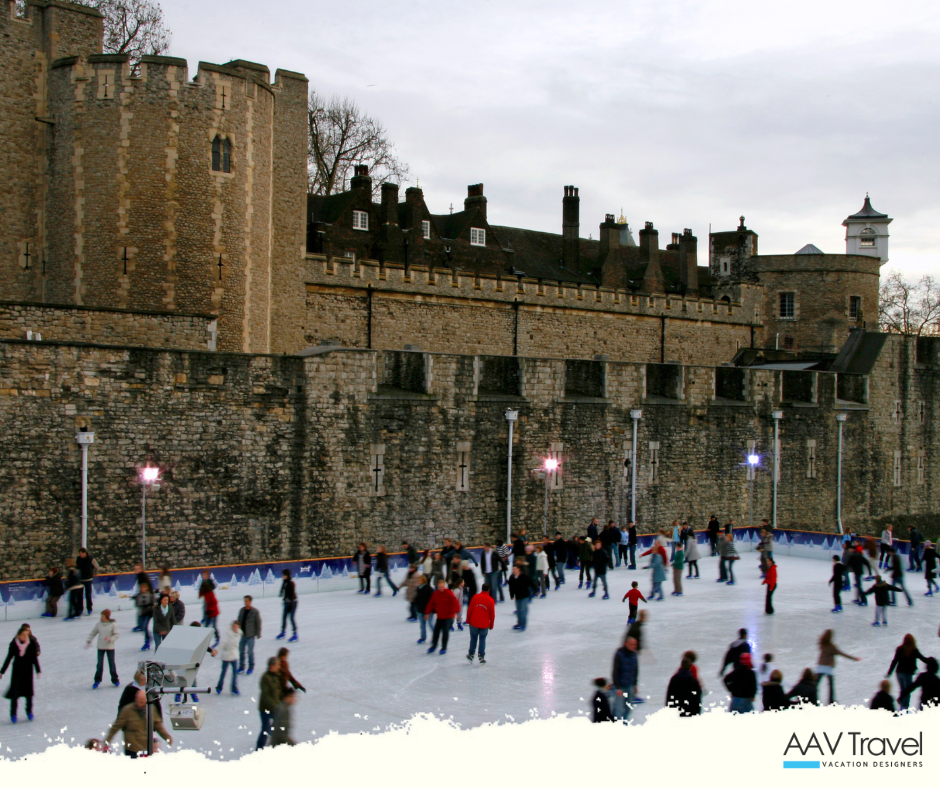
In the United Kingdom, Christmas television is a tradition in its own right. Families gather year after year to watch the same films, often at the same time, creating a shared national rhythm. “Love Actually” has become a modern classic, its interwoven stories reflecting both the humor and tenderness associated with British Christmas culture. “The Snowman,” with its quiet animation and haunting score, has aired every Christmas since the early 1980s, offering a moment of stillness amid the festivities. These films reflect the British love of storytelling and ritual, where familiarity is part of the pleasure.

Travel Through Christmas Films Without Leaving Home

For those spending the holidays at home, these films offer a gentle way to experience Christmas beyond one’s own traditions. They provide insight into how different cultures approach the season, not through spectacle, but through repetition, tone, and shared memory. Watching them is not about escaping home, but about widening perspective, one quiet evening at a time.

And for those who find themselves drawn to the idea of experiencing these traditions firsthand one day, whether at a Christmas market, a family-run hotel, or a candlelit village square, thoughtful planning makes all the difference. Christmas travel carries its own rhythms, trade-offs, and considerations, and understanding how the season is truly lived is often what transforms a beautiful idea into a rewarding experience. When the time feels right, AAV Travel would be happy to help.

Written by: Stefanie P.

The Ultimate Power Play: Experiencing World-Class Sports Through Luxury Travel

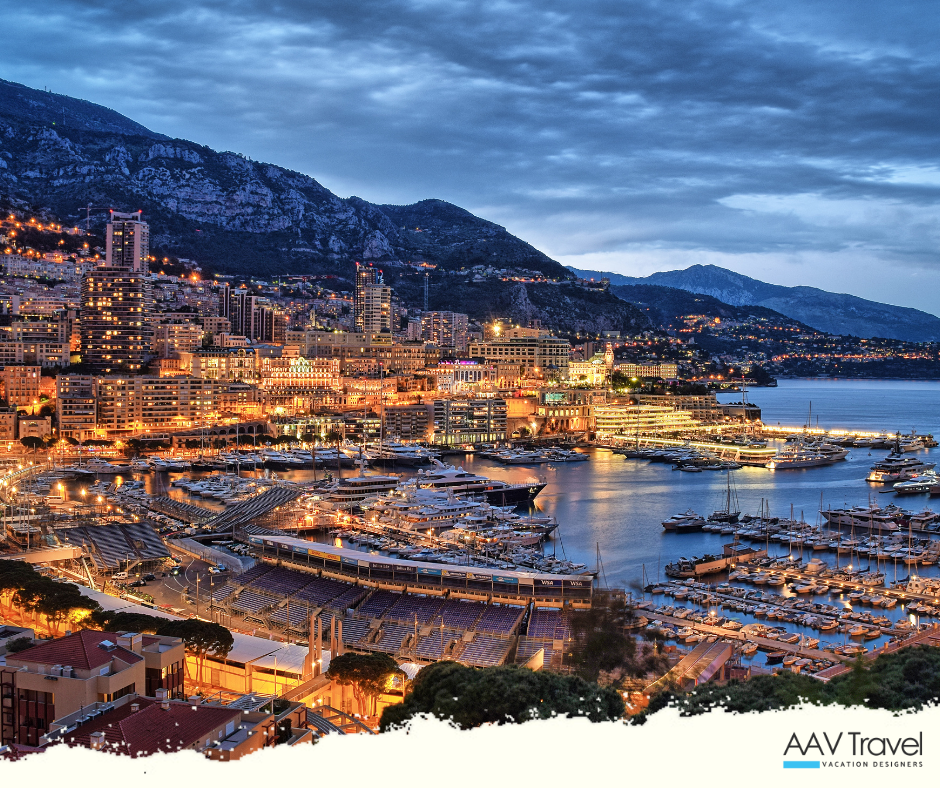
There’s something undeniably thrilling about combining a love of travel with the excitement of a world-class sporting event. From the manicured lawns of Wimbledon to the high-octane streets of Monaco during the Grand Prix, or the icy slopes of the 2026 Winter Games, these events offer far more than just competition—they promise a complete experience, blending culture, luxury, and unforgettable memories.

Attending such events, however, comes with its own set of challenges. Tickets can be notoriously difficult to obtain, often requiring early planning, insider knowledge, or connections that aren’t readily available to the casual fan. Once you secure your seats, the next challenge emerges: finding accommodations near the venues. Hotels fill quickly, and the best locations can disappear months in advance, making the planning process as intricate as the events themselves. Yet, it’s precisely this complexity that makes the experience so rewarding. Navigating the logistics transforms a simple trip into a fully immersive adventure. Picture arriving in London for Wimbledon, feeling the buzz of the crowds as you explore historic neighborhoods, savoring traditional afternoon tea before settling into your prime court-side seat. Or imagine the Monaco Grand Prix, where the roar of engines is matched only by the glamour of the city-state’s luxury hotels, rooftop terraces, and yachts lining the harbor.

Timing and insider knowledge are key

Tickets for prestigious events often sell out almost as soon as they are released, and keeping on top of public release dates is essential. Many events release tickets first to wholesalers or through exclusive hospitality packages before they reach the general public, making early planning indispensable. By booking ahead, you not only secure your seats but also gain access to the best accommodations and premium experiences. Working with AAV Travel gives you a distinct advantage: our insider connections allow us to monitor ticket releases, secure coveted seats, and access exclusive packages, while coordinating accommodations and all transportation logistics. This ensures you can immerse yourself fully in the excitement of the event, free from the stress of planning every detail.

Extending your stay transforms the trip

Attending a major sporting event is just the beginning—arriving a few days early or staying a little longer afterward opens the door to an immersive travel experience. By planning beyond the event dates, you can explore local attractions, enjoy curated culinary experiences, or uncover hidden cultural gems that most visitors miss. Not only does this make the journey more memorable, but it can also positively affect costs, as flights and accommodations may be more flexible and reasonably priced outside the peak event window. Thoughtful planning transforms a simple trip into a rich adventure, blending the thrill of competition with the culture, scenery, and flavors of your destination.

Some of the most memorable moments happen off the field

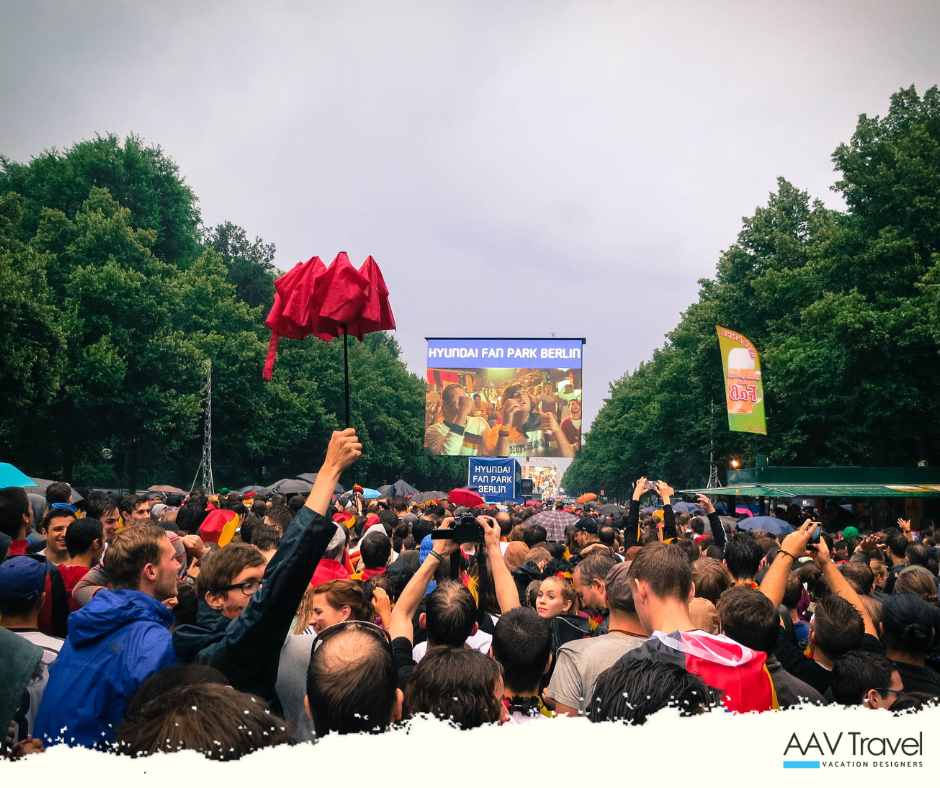
While prime seats and VIP experiences are undeniably thrilling, experiencing a major sporting event in a local pub or at a public viewing area offers a completely different kind of joy. Immersing yourself in the energy and passion of the crowd allows you to connect with locals, celebrate victories, and share in the communal excitement. Sampling regional food and drinks, cheering alongside fans, and feeling the heartbeat of the city can be just as rewarding as witnessing the action firsthand. These communal experiences reveal the spirit of the destination, turning a sporting event into a cultural adventure.

Dress for the occasion with elegance and practicality

Attending a prestigious event isn’t only about where you sit—it’s also about how you present yourself. Many events have established dress codes, from the crisp whites at Wimbledon to smart-casual attire at motorsport races. Even when no formal dress code exists, balancing style with comfort is essential. Consider weather, long days outdoors, and walking between venues. Sporting apparel is often welcome, particularly when showing support for a favorite team or athlete, but pairing it thoughtfully with versatile layers, comfortable shoes, and weather-appropriate outerwear ensures both elegance and ease. Dressing with respect for the event’s culture adds an extra layer of enjoyment, helping you feel fully immersed in the occasion while exuding refined style.

Luxury and convenience come hand in hand

Attending major international sports events can be a logistical puzzle, but with thoughtful planning, it can become an unparalleled travel experience. Every detail—from tickets to accommodations, transportation, and local experiences—plays a role in creating seamless enjoyment. By working with AAV Travel, travelers gain access to insider knowledge and expertise that elevates every aspect of the journey. Our team navigates ticket releases, secures the best accommodations, arranges transportation, and even curates bespoke local experiences, all tailored to your preferences. This level of attention ensures you experience the thrill of the event, the elegance of your surroundings, and the local culture without the stress of managing logistics.

Ultimately, the reward of attending a world-class sporting event lies not just in the competition itself, but in the full spectrum of experiences surrounding it. From the exhilaration of the match or race to the charm of local streets, restaurants, and cultural gems, every moment can be savored. With the guidance and expertise of AAV Travel, your trip becomes effortless, luxurious, and truly unforgettable—allowing you to focus entirely on creating memories that last a lifetime.

Whether it’s the elegance of Wimbledon or the excitement of the Monaco Grand Prix, AAV Travel can turn your dream sports experience into a seamless, one-of-a-kind journey. Ready to experience your favorite sporting event in style? To begin planning, contact us via email at info@aav-travel.com or visit the website.

Written by: Stefanie P.
Beyond the Highlights: Experiencing Scotland’s Heart

I remember the time when traveling to the Isle of Skye could be decided on a whim. A cozy bed and breakfast might cost less than thirty dollars, and the chances of running into other visitors were slim. Scotland then felt like a well-kept secret—where authentic experiences weren’t curated but simply part of everyday life.

Urquhart Castle would rarely draw more than a handful of curious souls, and Inverness was just a convenient stop before continuing further north. Travelers came for the vast, untamed Highlands, the ever-changing moods of the light, and the comfort of a warm fire after a day spent wandering in the misty rain. You’d pull out a travel guide or map beside the hearth and trace your finger across the page, letting the land itself suggest where to go next.

Scotland can be absolutely glorious. It can also be raw and unforgiving when the rain sets in and doesn’t want to let go. After your socks are soggy and your second pair of shoes soaked through, you begin to understand why Scots aren’t English—their spirit is forged from the ruggedness of their homeland. The connection to the land, the weather, and the wild rhythms of nature is something deeper, something primal.

Of course, with landscapes this stirring, tourism eventually flourished. It is easy to invest in places where locals once had little. Easy to buy up vast stretches of land from families who longed for something less harsh. But this isn’t a story about the “good old times.” Instead, it is about how to experience Scotland today in a way that honors its heart and soul—the Scotland of clans and Highlanders, who fought so fiercely for their home and way of life.

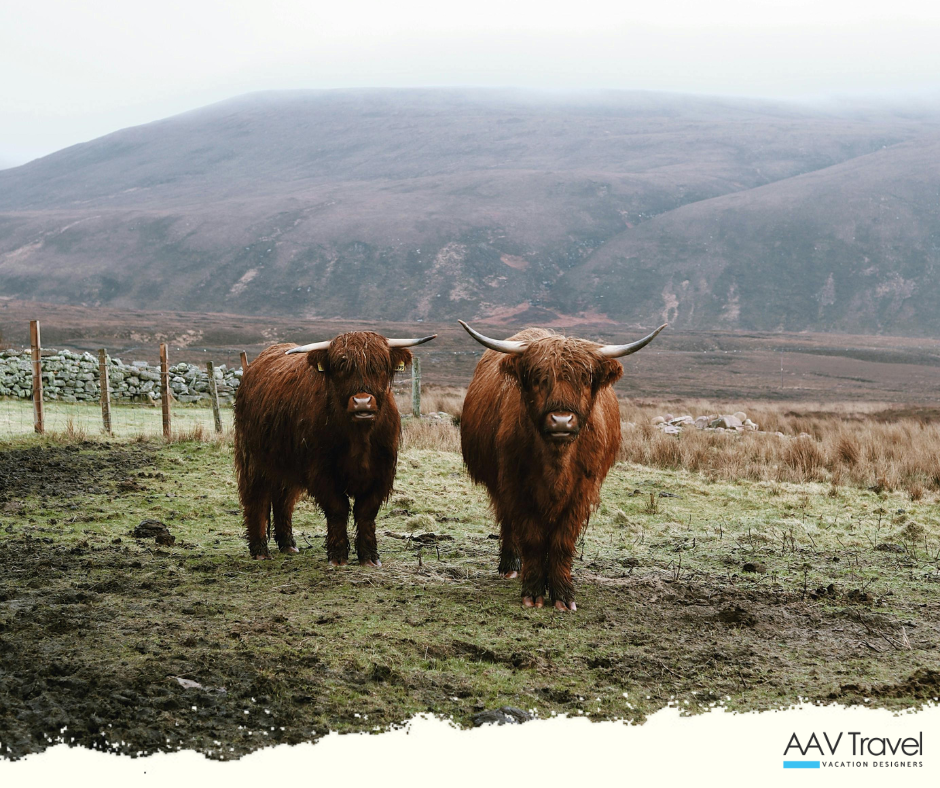
Most of my clients don’t have the luxury of weeks to spend. A two-week itinerary is often divided between Ireland and Scotland, sometimes even with a touch of England. When it comes down to it, many only have two to four days in the Highlands—time that tends to be packed with castles, Outlander filming spots, Harry Potter landmarks, and perhaps the thrill of spotting a Highland cow. All wonderful, of course, but often just a taste.

So here’s my invitation: slow down. Choose just one area. Let it touch you. Watch the way it shifts as the light changes, as the clouds move across the hills, as the weather writes and rewrites the story of the day. Share a few conversations with locals. Don’t rush, don’t tick boxes—just be there, and let Scotland reveal itself to you.

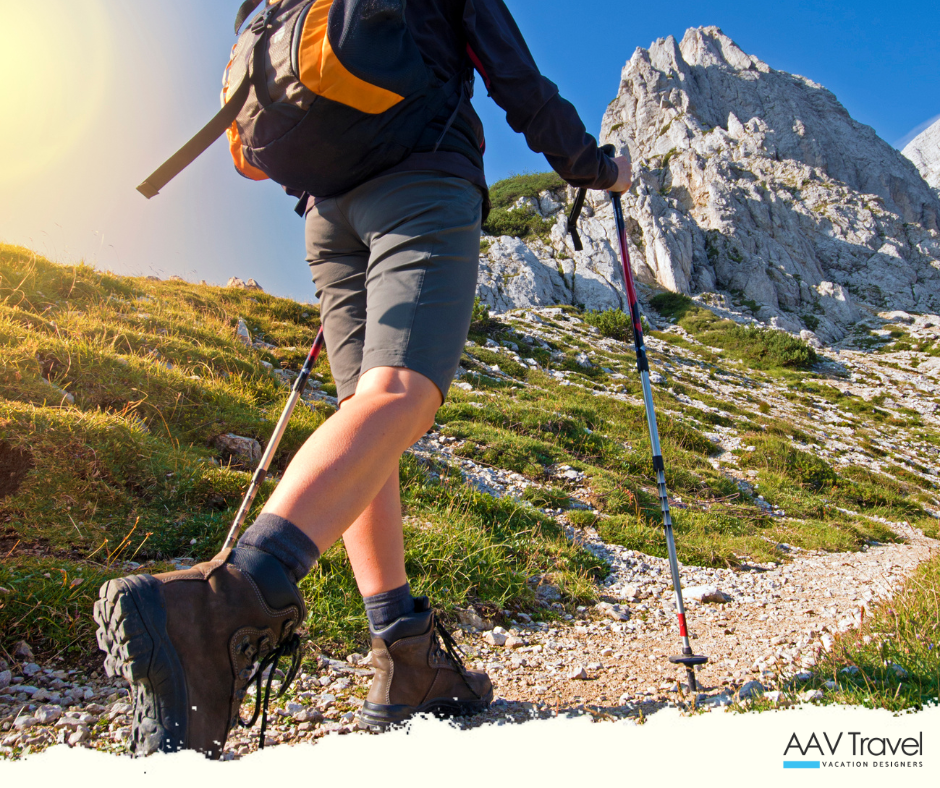
This doesn’t mean picking a random dot on the map or relying solely on “Top 10” lists. When I plan journeys for my clients, I start with one important question: What draws you in? Do you long for hiking trails and open ridges? Do you hope to spot wildlife? Is whisky your passion? Are you captivated by the sea, or by the rugged interior mountains? Everyone carries an image of Scotland in their mind, a personal dream of what they hope to find. The magic lies in matching that dream to the right corner of the country.

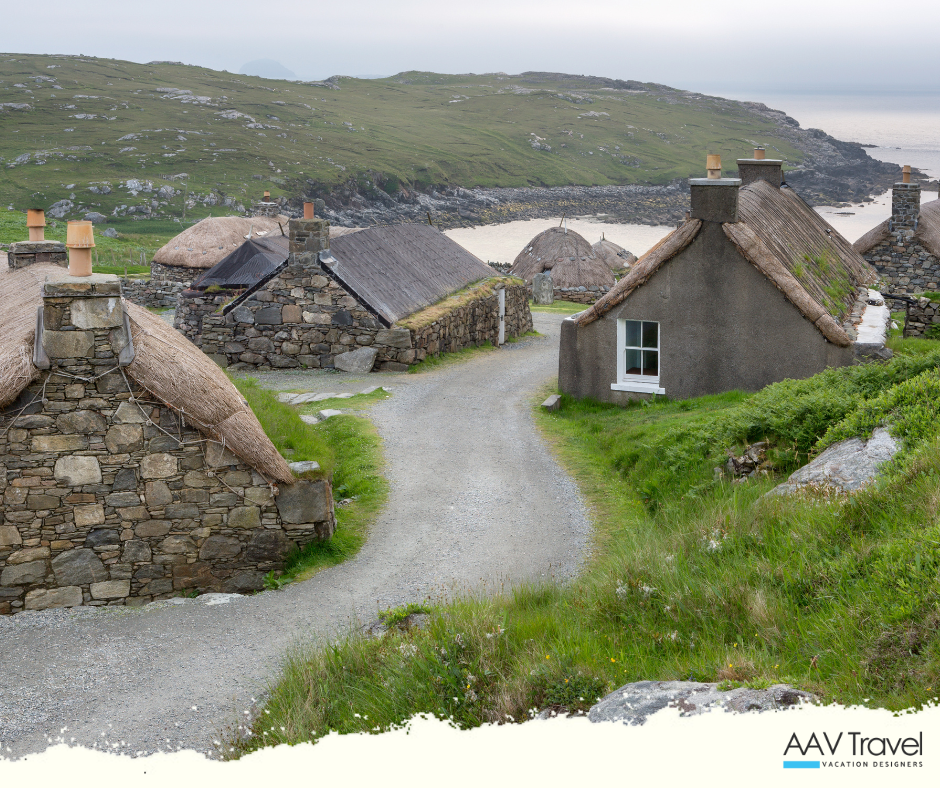
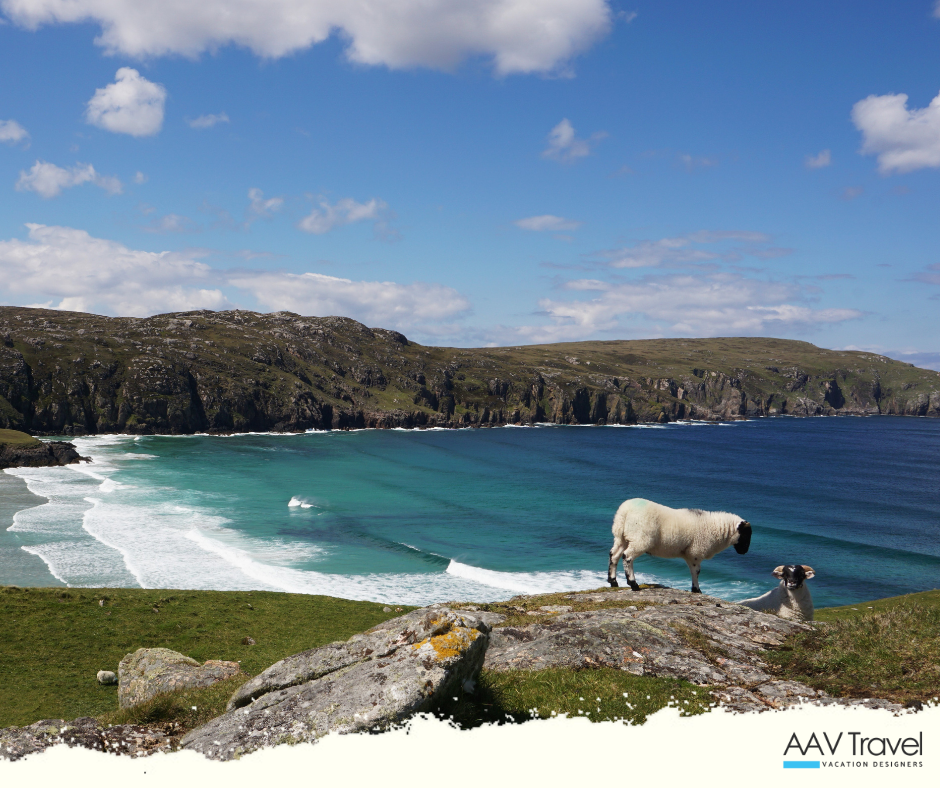
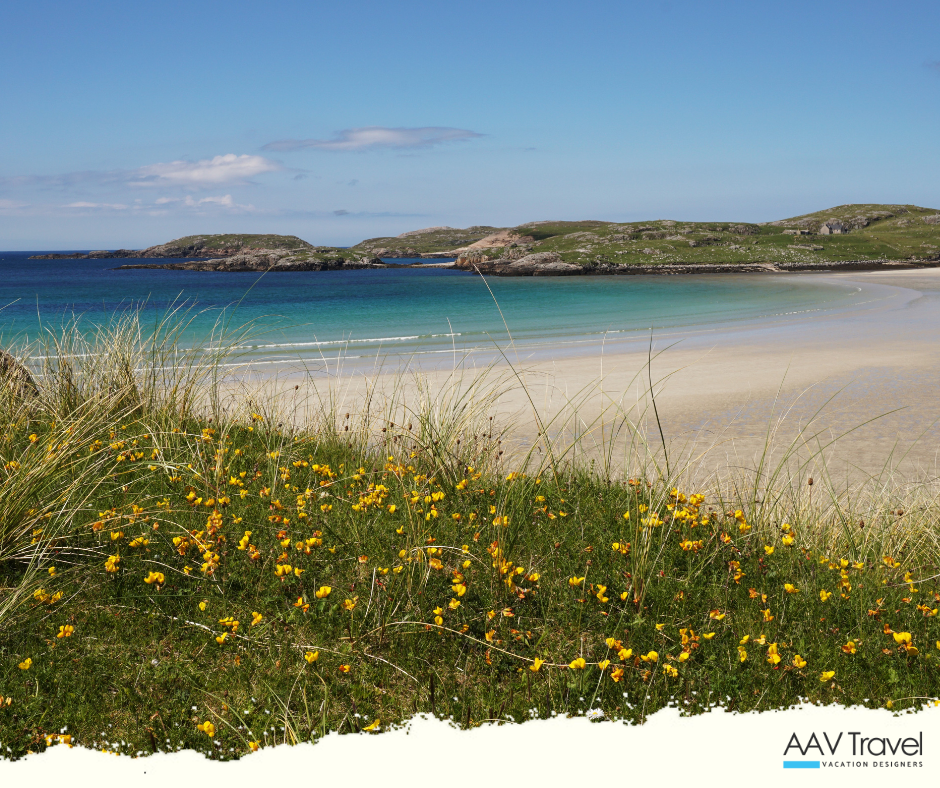
If your heart is pulled westward, the Hebrides might be your place. From the Isle of Mull to the remote beauty of Harris and Lewis, this is Scotland at its most elemental. Here, the Atlantic pounds the shores with a rhythm older than time, and white-sand beaches meet turquoise waters that look almost Caribbean—until the wind reminds you otherwise. The West is for travelers who crave raw nature, who find peace in solitude, who want to hike rugged trails, watch seabirds wheel above cliffs, or taste whisky at a distillery perched on the edge of the sea. It is for those who are moved by landscapes that feel both humbling and healing.

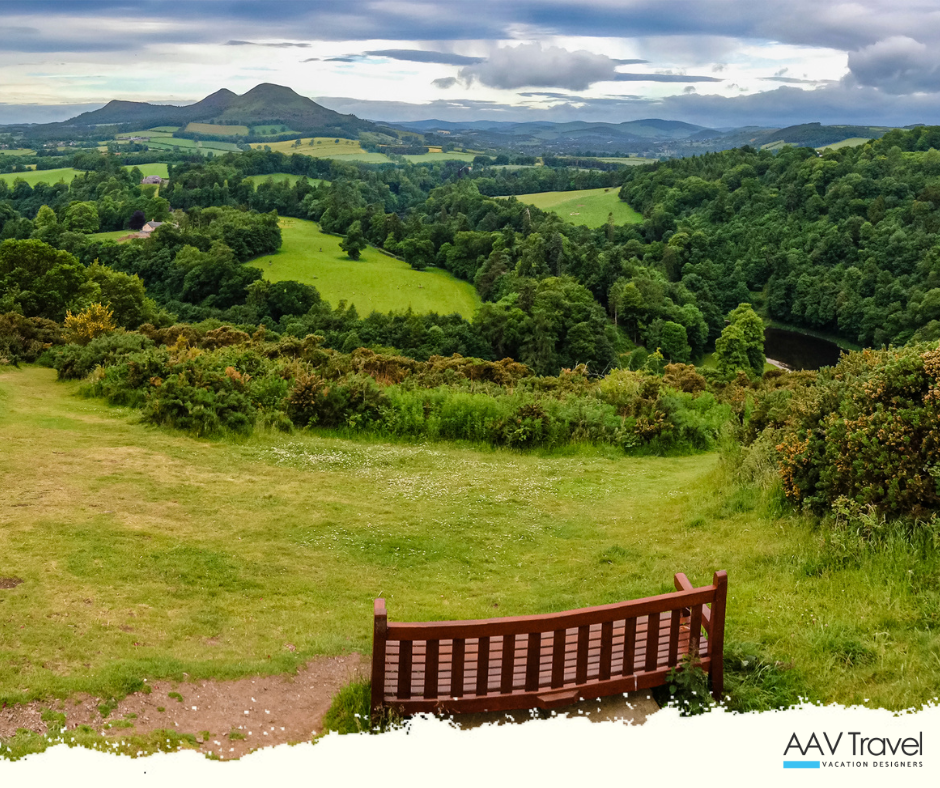
Travel south, and you’ll find the Border lands, a region that often surprises people with its softer, rolling hills, rich history, and quiet charm. This is the Scotland of abbeys and battlefields, of Walter Scott and tales of reivers. It’s an ideal choice for travelers who love literature, history, and stories of ancient rivalries. The pace here is gentler, the scenery pastoral, the villages welcoming. You don’t have to trek miles into the wilderness to feel transported—here, Scotland’s layered history meets its neighbor England in ways that are tangible and deeply human.

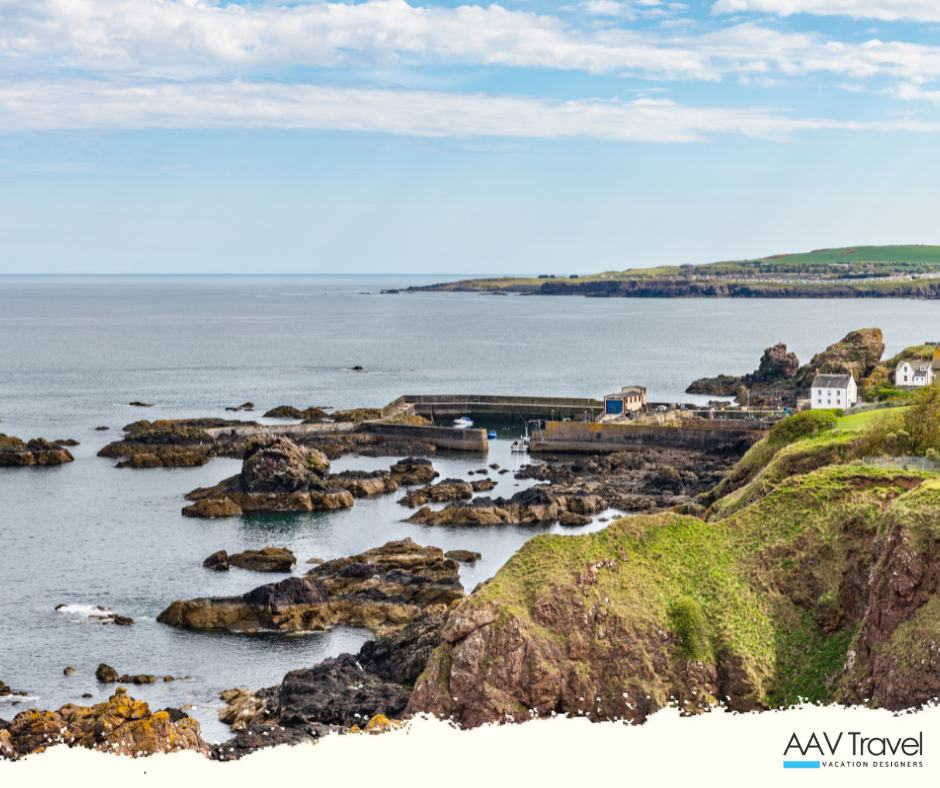
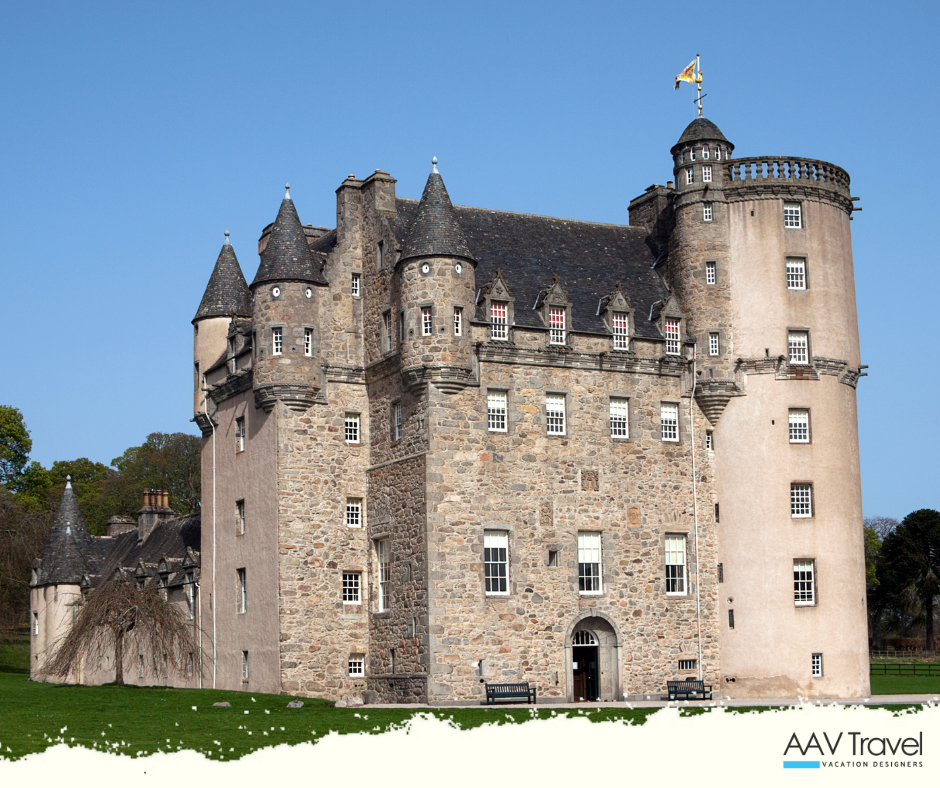
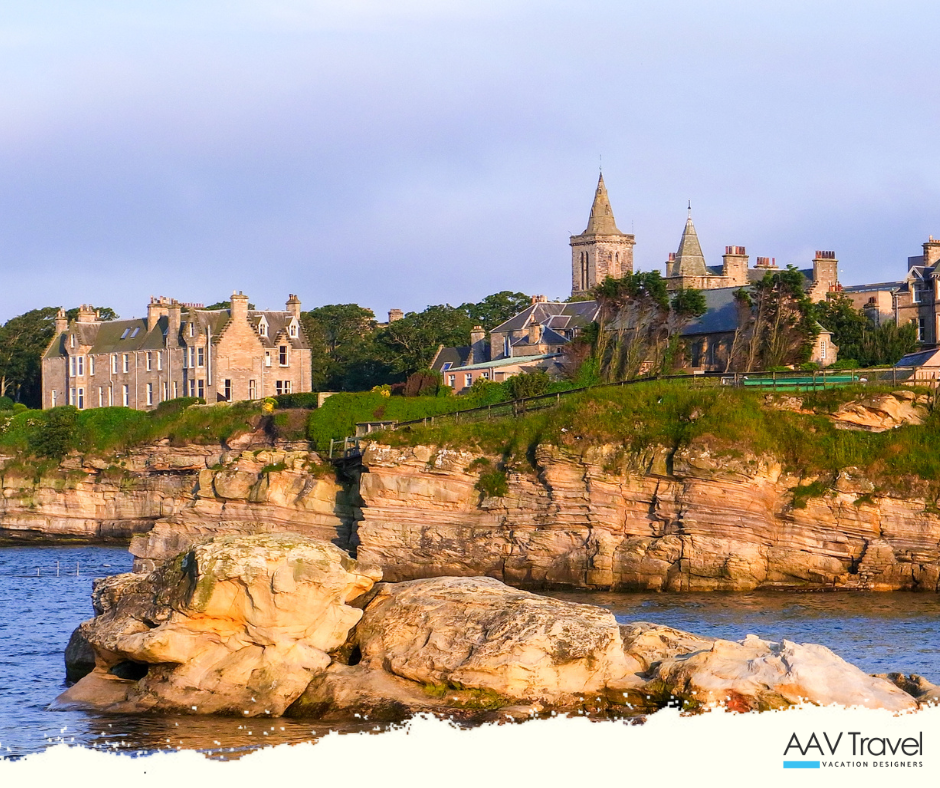
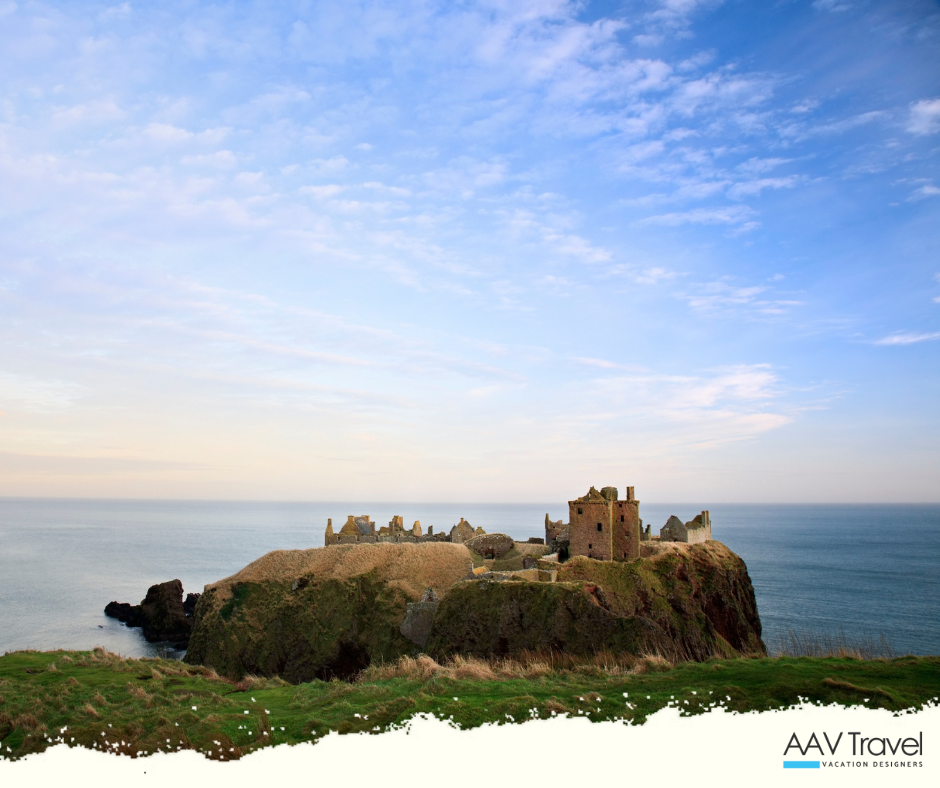
And then there is the East—where fishing villages cling to the coast, castles perch dramatically above the North Sea, and fertile farmland stretches inland. The East is perfect for those drawn to the sea, for food lovers eager to taste fresh seafood and sample Michelin-star dining, and for golfers wanting to experience the legendary courses of St. Andrews. It’s also a region rich with cultural heritage, from medieval towns to university halls, offering a perfect blend of Scotland’s intellect and artistry.

I should mention that we’ve purposefully kept these descriptions fairly broad. Scotland is full of hidden gems—quiet coves, tucked-away villages, trails that seem to belong only to those who know them—and part of the magic is that these places remain well-kept secrets. By sharing just a glimpse, we hope to inspire your curiosity while leaving space for discovery. The best experiences often come from wandering a little off the beaten path, guided by intuition and local insight rather than a checklist, and that’s exactly what we help our travelers do.

At AAV Travel, our goal is to help you experience Scotland in a way that goes beyond the usual tourist highlights. With years of first-hand experience exploring many corners of the Highlands, from Skye to Orkney, the Borders, and the East, we know the land intimately—and we’ve built relationships with locals, guides, and hidden gems that are off the beaten path. Working with us means your time is curated to match your interests, your pace, and your sense of adventure, allowing you to feel Scotland’s soul rather than simply see it. The result is a journey that is authentic, seamless, and unforgettable—one that stays with you long after you’ve returned home.

Let Scotland surprise you—let it linger in your memory long after you leave. Reach out to AAV Travel, and let’s craft a journey that lets you truly feel its heart and soul. To begin planning, contact us via email at info@aav-travel.com or visit the website.

Written by: Stefanie P.
Beyond Yellowstone: Europe’s Most Breathtaking National Parks for Discerning Travelers

America’s National Parks have long captured the hearts of travelers with their dramatic landscapes and awe-inspiring natural beauty. But while many adventurers have ticked off the likes of Yellowstone and the Grand Canyon, few consider looking beyond U.S. borders.

Europe, with its rich history and diverse landscapes, is home to an array of breathtaking national parks, offering everything from alpine peaks and coastal cliffs to ancient forests and volcanic terrains. The best part? Exploring a European National Park doesn’t have to be an either-or choice. It can easily be woven into a journey that also includes charming villages, world-class cuisine, and cultural treasures. If you’re curious to see what lies beyond the well-trodden American trails, let us take you on a tour of some of Europe’s most stunning and underrated national parks.

Here’s why your next national park journey could take you to Europe—and why AAV Travel is your perfect partner to get you there.

Écrins National Park, France

Nestled in the heart of the French Alps, Écrins National Park boasts soaring peaks, glaciers, and lush alpine meadows. Unlike the bustling ski resorts of Mont Blanc, this area offers quieter luxury: charming mountain chalets, exclusive spa retreats, and guided alpine adventures. The park is home to over 150 summits rising above 3,000 meters, providing panoramic views that captivate every type of traveler. Hikers can explore trails through alpine pastures dotted with wildflowers, or challenge themselves on technical climbs with the help of local mountain guides. Glacial lakes and rushing rivers add to the sensory experience, while marmots, ibex, and golden eagles bring the landscape to life.

Perfect for: Families and groups of mixed ability. Easy trails run alongside technical climbs, and scenic cable cars make the heights accessible for all generations.

Where to Stay: Upscale chalets in Les Deux Alpes or the thermal spa town of Monêtier-les-Bains.

Dolomiti Bellunesi National Park, Italy

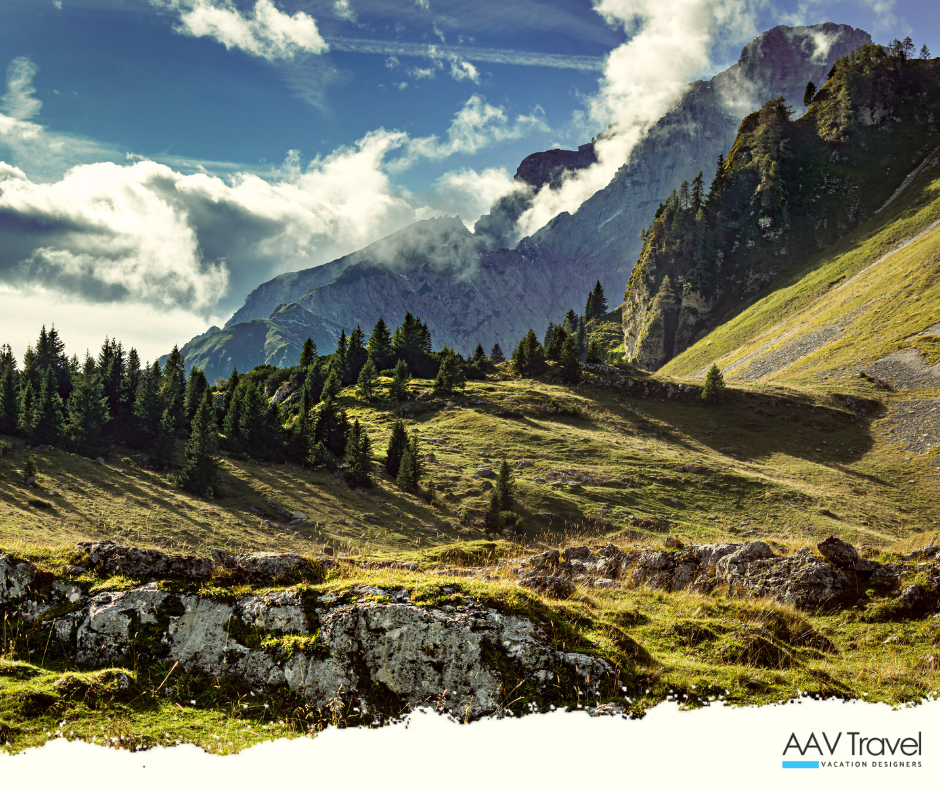
Less famous than the Dolomites around Cortina d’Ampezzo, Dolomiti Bellunesi delivers an authentic, less crowded mountain escape. Think limestone cliffs, flower-filled pastures, and peaceful valleys. This UNESCO-protected park is a haven for geology lovers and photographers, with dramatic rock formations and deep gorges. Families can enjoy leisurely hikes to hidden waterfalls or join foraging tours to discover wild herbs and mushrooms. The park’s rifugi offer a uniquely Italian mountain experience—rustic yet refined—with homemade cuisine, fine wines, and sweeping views of the surrounding peaks.

Ideal for: Families wanting a taste of true Italian alpine culture without sacrificing comfort. Stay in rifugi (mountain lodges) with gourmet meals and breathtaking views.

Top Experience: Hut-to-hut hiking with luggage transfers and tailored trail options.

Pembrokeshire Coast National Park, Wales

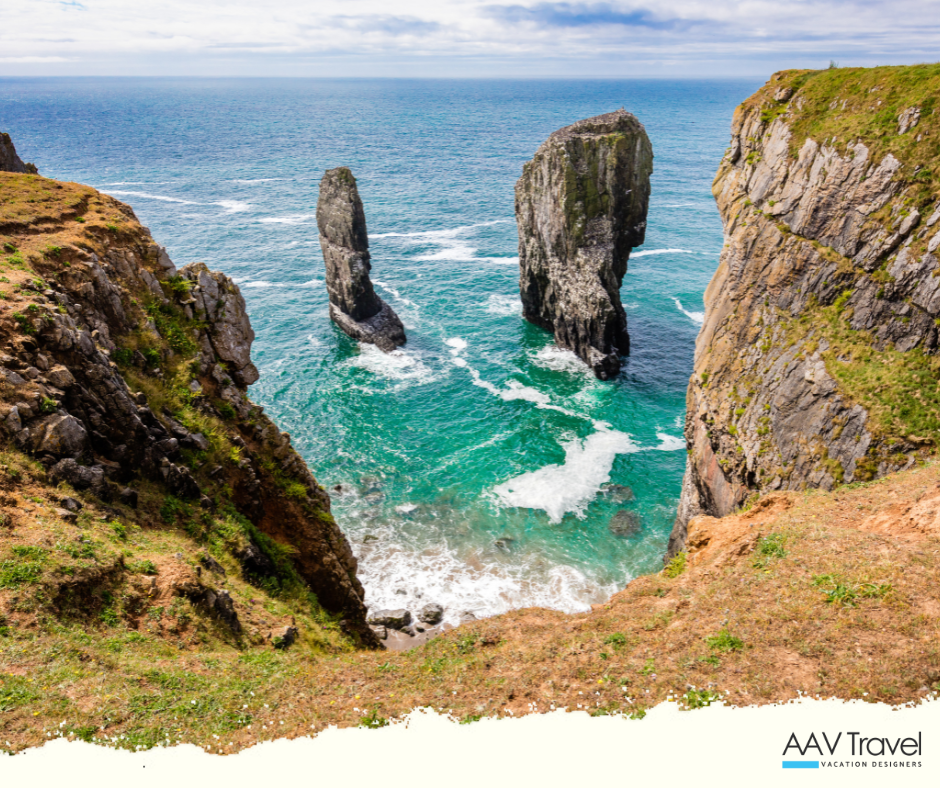
This Welsh gem is the UK’s only fully coastal national park. Picture dramatic cliffs, puffin-populated islands, and secret coves. The famous Pembrokeshire Coast Path spans over 180 miles, offering walking routes that range from gentle strolls to cliff-hugging adventures. Wildlife enthusiasts can spot Atlantic grey seals, dolphins, and a host of seabirds while exploring remote beaches or taking guided sea-kayak tours. Charming fishing villages like Tenby and St Davids add a historical and cultural flair to your visit, while family-friendly attractions such as ancient castles and activity centers ensure that every generation is engaged.

Best for: Active families and nature-loving grandparents. Coastal trails offer everything from short scenic strolls to adrenaline-filled coasteering.

What Makes It Special: Opportunities to blend exploration with rest. Boat tours, historic sites, and wellness retreats are all close at hand.

Kerry Seas National Park, Ireland

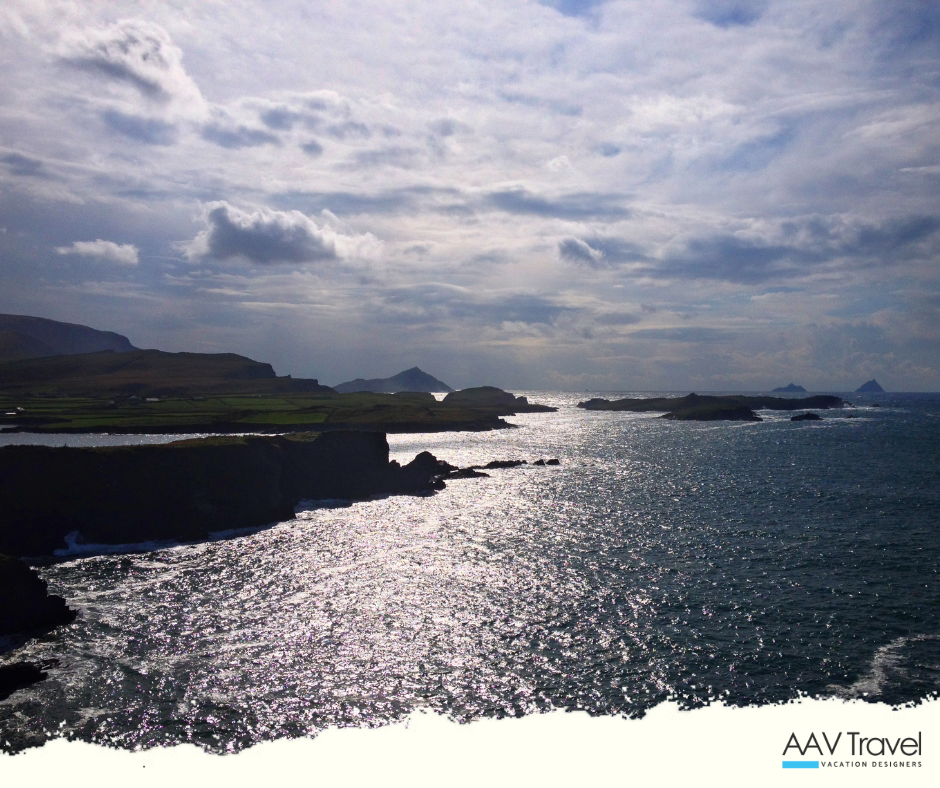
Ireland’s newest marine national park blends ocean, wildlife, and ancient history. Skellig Michael’s monastic ruins rise from the sea, while playful seals and dolphins call its shores home. The surrounding waters are ideal for private boat excursions and wildlife watching, while on land, coastal walks provide cinematic views of the Atlantic. The region is also steeped in Celtic lore, with megalithic tombs and early Christian sites waiting to be explored. The area’s dramatic cliffs and sweeping beaches make it a visual and sensory delight. Local seafood dining and artisanal shops enhance the overall cultural immersion.

Great for: Multi-generational travelers interested in marine life, history, and spectacular landscapes.

Stay Here: Elegant seaside manors and boutique hotels near the Ring of Kerry.

Vatnajökull National Park, Iceland

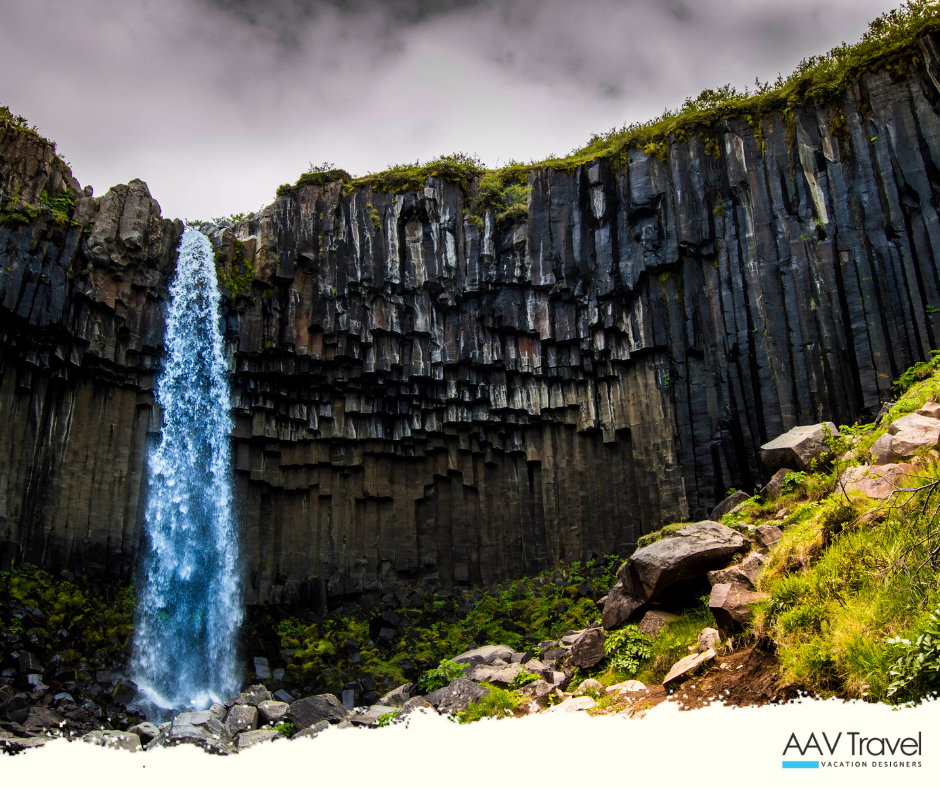
Covering 14% of Iceland, Vatnajökull offers Europe’s most dramatic display of fire and ice. Active volcanoes, black sand beaches, and glacier tongues make it a playground for outdoor lovers. Visitors can traverse ice caves, witness calving glaciers, and soak in thermal hot springs—often with views of snow-capped peaks. The park is divided into multiple regions, each with its own highlights like the thundering Dettifoss waterfall and the serene Jökulsárlón glacier lagoon. Local guides offer super jeep tours and ice-climbing experiences, ensuring both safety and excitement for all ages.

Adventure Includes: Private glacier hikes, jeep safaris, and geothermal hot spring swims.

Luxury Touches: Remote designer lodges with Northern Lights views, fine dining, and in-house guides.

Lofotodden National Park, Norway

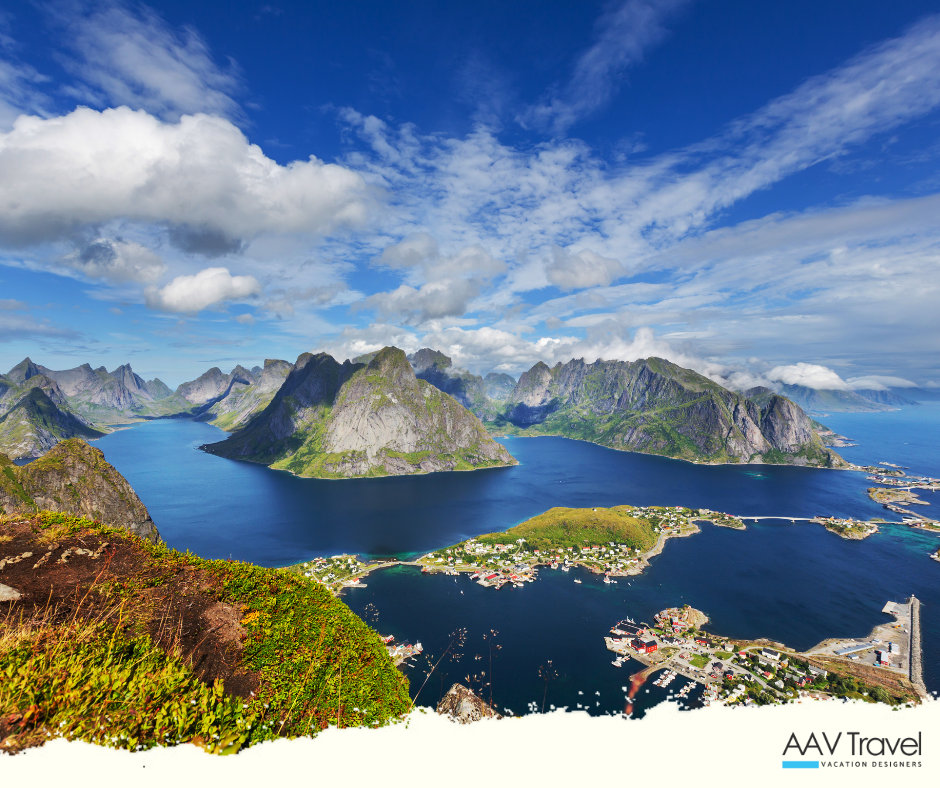
Set in the magical Lofoten Islands, Lofotodden is a place of jagged peaks, turquoise bays, and near-endless daylight in summer. The dramatic terrain is perfect for photography, with golden light stretching into the early hours during the Midnight Sun season. Sea kayaking along the fjords and island-hopping boat trips reveal hidden beaches and traditional fishing villages. Hiking trails lead to panoramic viewpoints and ancient Viking sites, adding depth to the journey. Birdwatchers will enjoy observing puffins and sea eagles, while foodies can indulge in locally caught Arctic cod and award-winning cheeses.

Appeals to: Active and well-traveled families seeking kayaking, hiking, and photography tours.

Extraordinary Stay: Secluded Scandinavian-style luxury cabins with panoramic sea and mountain views.

Triglav National Park, Slovenia

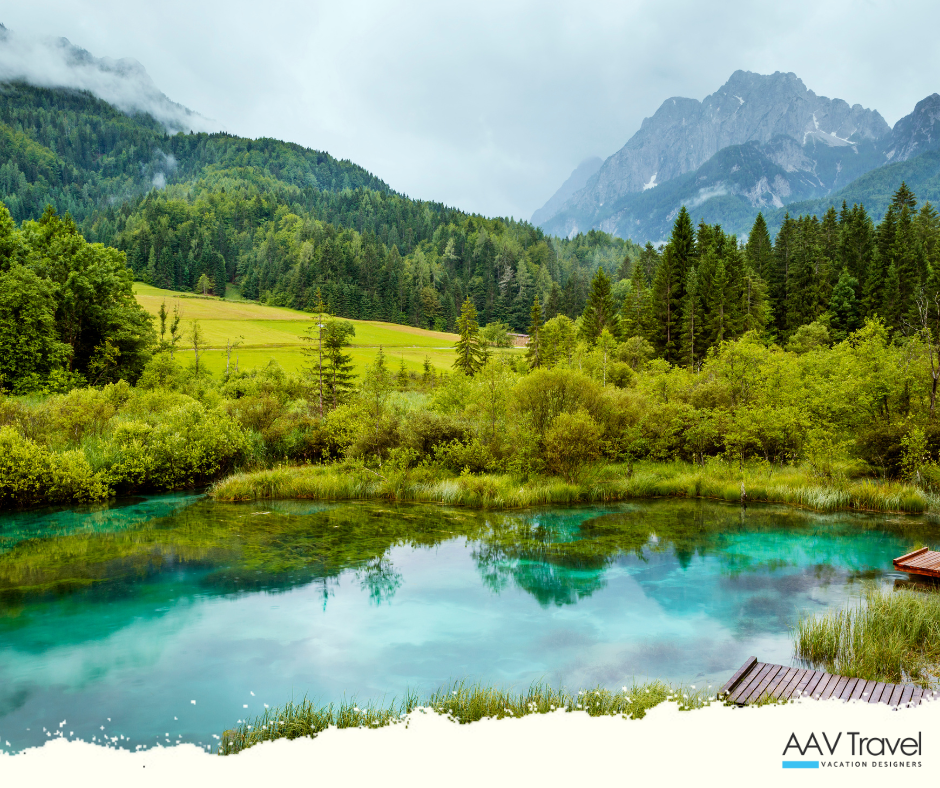
Slovenia’s only national park surrounds Mount Triglav and includes the pristine waters of Lake Bohinj and the Soča River. The area is a paradise for water sports enthusiasts, with kayaking, canyoning, and fly fishing all on offer. Scenic cable cars whisk travelers up to high-altitude plateaus where mountain huts serve traditional stews and strudels. The Julian Alps provide a fairy-tale backdrop, particularly stunning in summer when wildflowers bloom across the high meadows. The park is also culturally rich, with WWI heritage trails and traditional alpine villages offering insight into Slovenian history and hospitality.

Why It Works: Offers a variety of outdoor adventures like white-water rafting, hiking, and cycling—all within a compact, luxurious setting.

Where to Stay: Boutique alpine hotels or modern eco-lodges in charming Slovenian villages.

Oulanka National Park, Finland

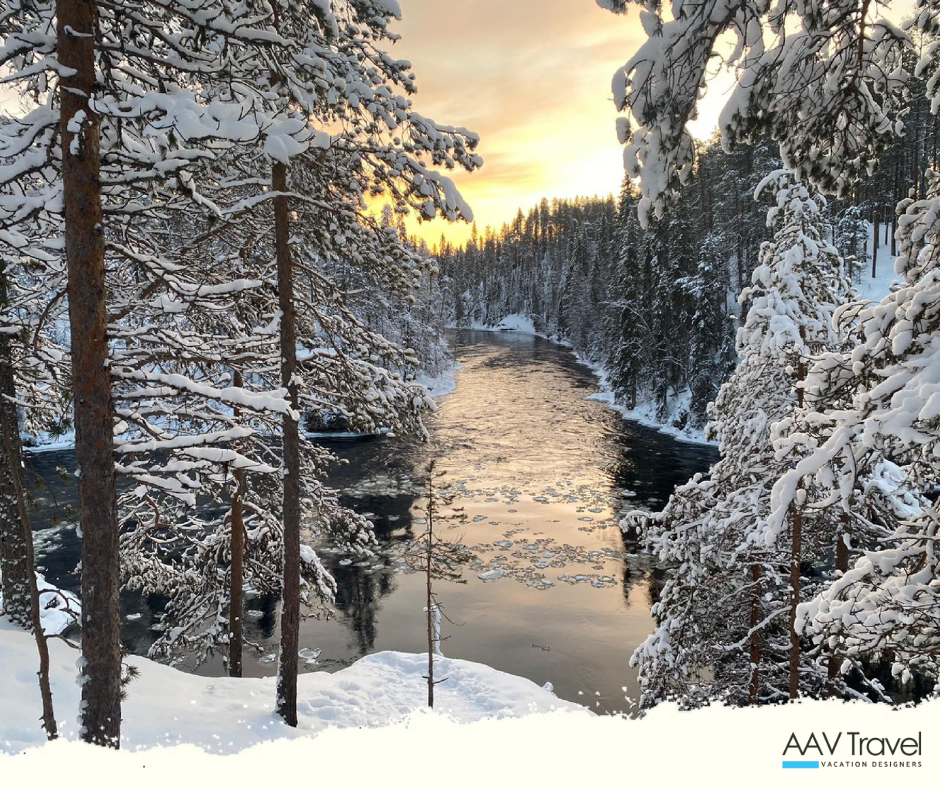
Located near the Arctic Circle, Oulanka is famed for its wild rivers, ancient forests, and rich wildlife. The park is especially known for the Karhunkierros Trail, a scenic route that winds through suspension bridges, canyons, and waterfalls. In summer, the Midnight Sun bathes the landscape in a magical glow, perfect for long, leisurely walks or photography excursions. Nature lovers will delight in spotting elk, otters, and over 300 species of birds. After a day of activity, visitors can retreat to luxury cabins complete with saunas and views of the forest canopy.

Perfect For: Mature travelers who love nature but appreciate the comfort of guided hikes, glamping, and cozy lodges.

Must-Do: The Karhunkierros Trail, one of Finland’s most scenic long-distance routes, adapted to suit different abilities.

Why Choose Europe Over the U.S. Parks?

Choosing a European National Park over one in the U.S. opens the door to an entirely different kind of experience—one that blends natural beauty with cultural richness and seamless travel logistics. One of the biggest advantages is accessibility. Many European parks are just a short drive or scenic train ride away from major cities, making it easy to go from urban sophistication to untouched wilderness in a matter of hours. This ease of access allows travelers to experience nature without needing to commit to long, remote journeys—perfect for those who want the best of both worlds.

What truly sets Europe apart is the opportunity to integrate culture, comfort, and variety into your outdoor adventure. Imagine spending the morning hiking through a glacier-carved valley, exploring a medieval castle in the afternoon, and ending the day with a Michelin-starred meal.

European National Park experiences effortlessly blend refined comfort with the principles of sustainable, slower travel. From luxury lodges with spacious family suites to bespoke services, every detail is designed with elegance and ease in mind, ensuring that travelers feel cared for. During the warmer months, northern and alpine regions provide a welcome escape from the heat, offering refreshingly mild climates ideal for outdoor pursuits. Europe’s compact layout and efficient rail networks also support a more mindful way to travel: instead of long-haul flights and hectic transitions, guests can enjoy a smooth, scenic journey between destinations, often crossing borders without even noticing. The result is a travel experience that feels both indulgent and intentional, where natural beauty, cultural depth, and environmental respect come together to create something truly extraordinary.

The AAV Travel Advantage

Planning a European national park vacation requires local knowledge, seamless logistics, and personalized touches. That’s where AAV Travel comes in.

We specialize in crafting immersive, upscale adventures tailored to your group’s preferences and pace. Whether you’re traveling with children, aging parents, or a group of friends, or are looking for a romantic yet active vacation, we handle every detail—from private drivers and local guides to exclusive accommodations and curated dining.

Our itineraries aren’t one-size-fits-all. They’re artfully built around your passions—whether that’s wildlife, hiking, history, wellness, or a combination. And we don’t stop at the park gate: your trip can include vineyard visits, museum stops, beach days, or mountain villages.

Written by: Stefanie P.
Let us help you discover Europe’s wild side in comfort and style.
To start planning, contact us via email at info@aav-travel.com or visit the website.