
When Life Changes, Travel Changes With It

There is a particular kind of alone that arrives not because you chose it, but because something ended. A marriage or long partnership that defined the shape of your days for years. Or a person whose presence meant that going somewhere together was simply what travel was, until it was not. When either of those things changes, whether through the slow unraveling of a relationship or the sudden absence of someone you loved, travel does not disappear from your life. But the version of it you knew does.

What takes its place is not immediately clear. That uncertainty, far more than the logistics of booking a single room or sitting at a table for one, is what most people are actually navigating.

It is worth saying plainly: these are two different experiences, and they carry different weight. The end of a marriage brings its own particular grief, alongside the strange task of reconfiguring a life that was built for two. Loss of a person you traveled with, a spouse, a close companion, a sibling who was always the one to suggest somewhere new, leaves an absence that shows up everywhere, including in the way you think about going anywhere at all. What they share is this: travel, which once had a familiar shape, suddenly does not.

The Weight of the Empty Seat

In travel, absence is unusually visible. It is there in the hotel room that feels too large, in the restaurant table that seats two, in the moment at a viewpoint when there is no one beside you to say anything to. People who have lost a travel companion, in whatever form that loss took, often describe a version of the same experience: the trip they imagined and the trip they are on feel like two different things, and they are not sure which one they are supposed to be having.
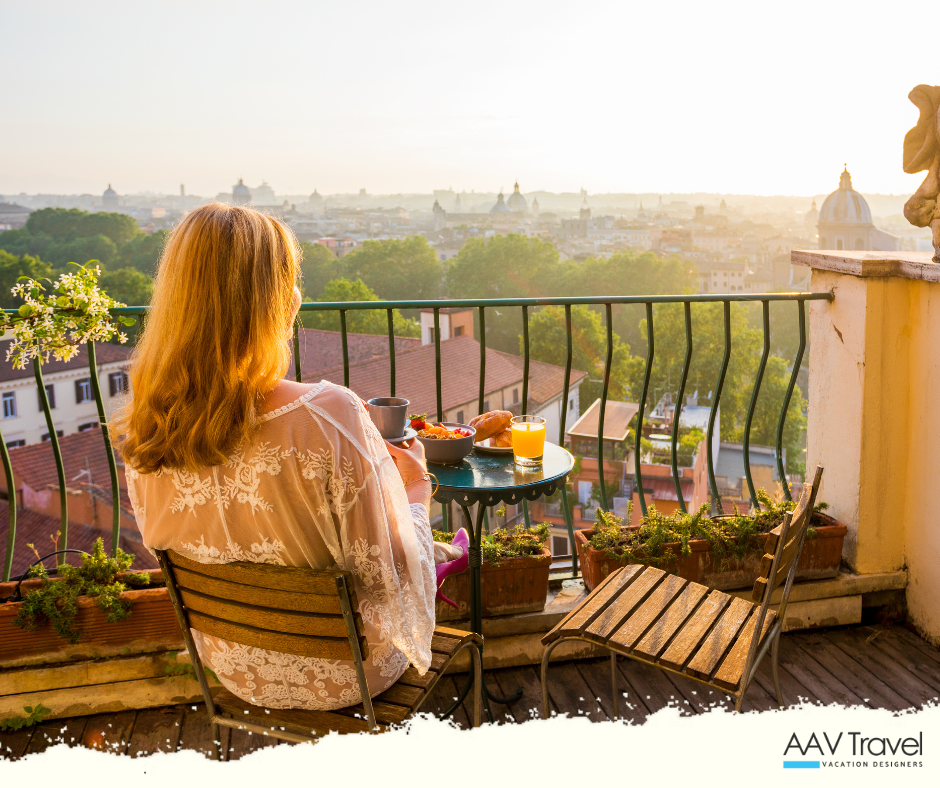
One of the more honest things I can say after eighteen years of designing travel for others is that this feeling is real, and it deserves to be treated as such rather than planned around. The instinct is often to fill the days so completely that there is no room for it. That rarely works. What tends to work better is choosing a pace and an environment that can hold both the difficulty and the possibility, without demanding that you resolve the tension before you have had time to feel it.

The pause before the journey is not a failure of readiness. It is information. It is telling you that the old map no longer matches the terrain, and that a different approach is worth considering.

What Changes When You Travel Alone

Solo travel is not the same as lonely travel. This distinction matters more than it might initially seem, and it is worth sitting with before you book anything.

When travel has always been shared, going alone can feel at first like a presence is missing rather than a new presence arriving. But that framing tends to shift once you are actually on the ground somewhere, responsible only for your own pace, your own appetite, your own decisions about where to be and for how long. There is a quality of attention that emerges when you are not also managing someone else’s experience. You notice more. You absorb more. You find yourself in conversations that would never have opened up otherwise.

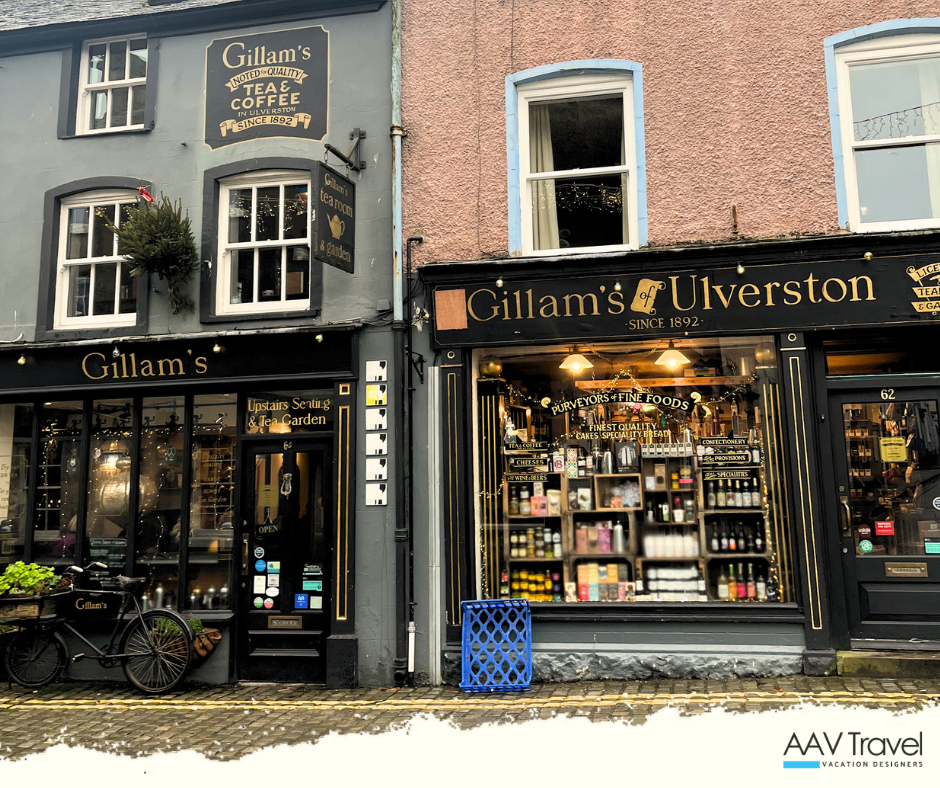
The owner of a historic tea shop in Ulverston, England, tells you how they blend their teas and why nothing about it has changed for generations. A monk at a cloister in Italy who speaks quietly about ancient remedies and points out the plants still growing in the garden just outside the wall. A boat captain on a Norwegian fjord who cuts the engine for a moment and says nothing, because the silence is the thing worth listening to. These are the encounters that happen when you are fully present in a place, not divided between it and the person beside you. They are also, in my experience, the ones that stay.
There is also something to be said for the slower discovery of your own preferences. No itinerary built around compromise. No restaurant chosen to satisfy more than one set of tastes. The quiet, slightly unfamiliar pleasure of deciding entirely based on what you actually want is something that travelers returning from a first solo trip almost universally mention. It takes some adjustment. Then it becomes something worth protecting.

Taking the First Step Without Waiting to Feel Ready

The most common thing we hear from clients navigating this kind of transition is some version of: I will go when I feel more prepared. The honest answer is that the preparation does not come first. It comes during.

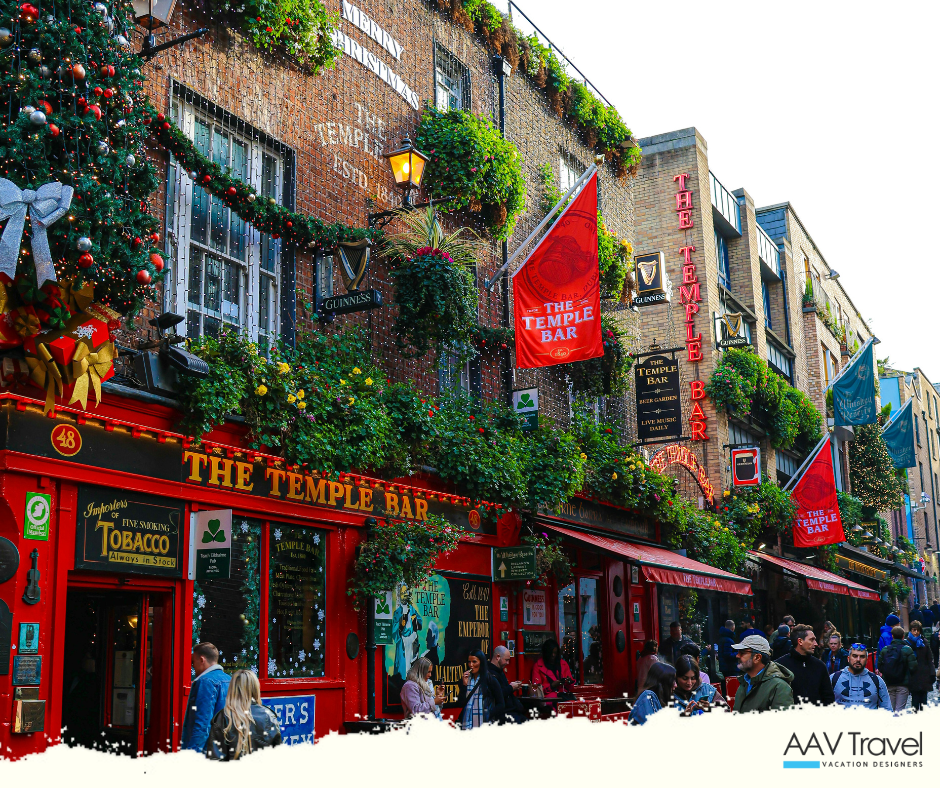
The first trip does not need to be ambitious. It needs to be manageable. A destination with a genuine culture of hospitality, where a single traveler is welcomed rather than conspicuous, makes an enormous difference in those early days. Ireland and Portugal are particularly well suited to this. The warmth is embedded in how people interact, the pace is forgiving, and the landscape in both cases does a great deal of the work for you.

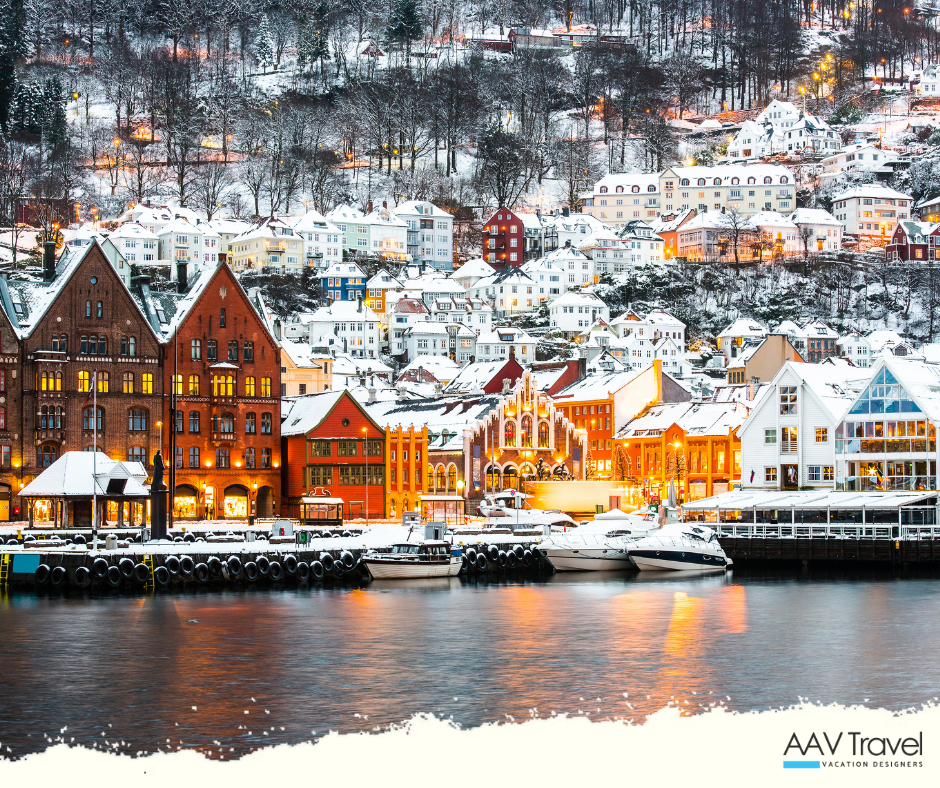
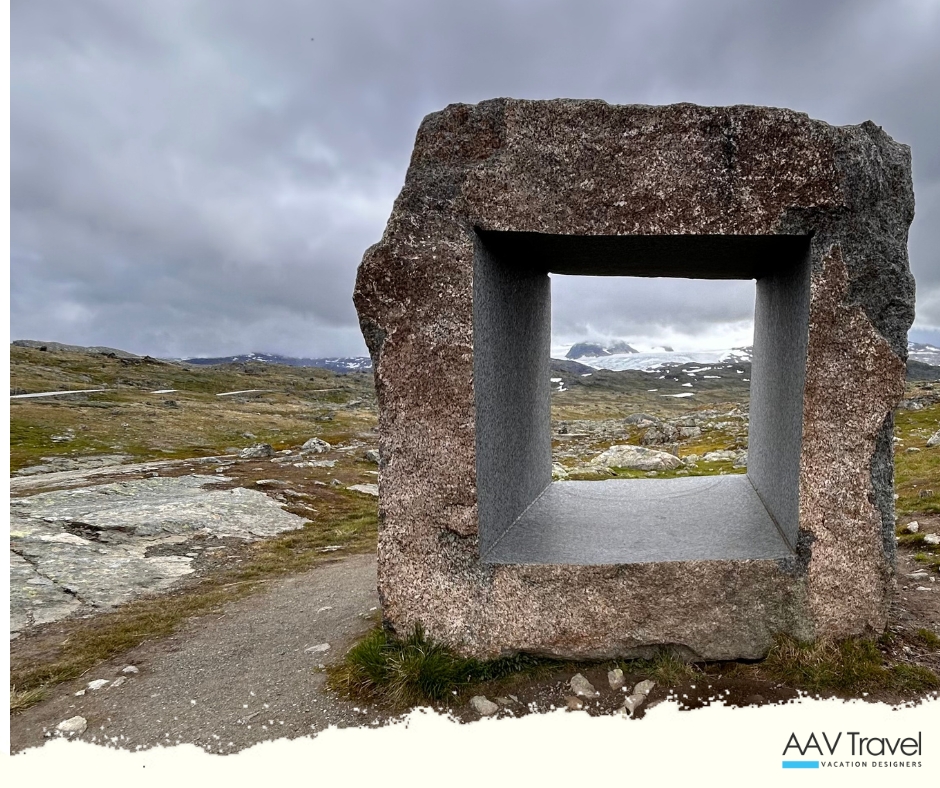
For those who find the idea of entirely unstructured time difficult at first, a small group journey can serve as a thoughtful middle ground. Not a large escorted tour, but something more intimate: a handful of travelers moving through a region together, with a knowledgeable guide and enough built-in rhythm to anchor the days. Norway’s fjord country works beautifully for this. The scale of the landscape tends to quiet everything else, and a small group in that setting rarely feels like a crowd. It feels, more often, like the right amount of company at the right time.

What we find matters most is choosing a destination that rewards slow observation rather than constant movement. A place where the texture of daily life is visible and worth watching, and where the days do not need to be filled in order to feel worthwhile. The goal is not distraction. It is presence. Those are different things, and the distinction shapes every decision that follows, from where you stay to how long you linger somewhere that turns out to be exactly right.

What You Find on the Other Side

People who travel through grief or through the aftermath of a significant loss do not always come back transformed in the ways they expected. The difficulty does not disappear. But something else tends to emerge alongside it: a clearer sense of what they actually want, what pace suits them, what kind of experience genuinely restores them as opposed to simply distracting them. That clarity is not nothing. In many cases it is the beginning of a relationship with travel that is more honest and more satisfying than anything that came before.
We work with clients to find that through better questions before the trip, not after it. Not simply: where should I go? But: what do I want to feel during this journey? What have I been curious about for years but never made the central point of a trip? What would it mean to design something entirely around my own pace and my own interests, perhaps for the first time?

Those questions matter because generic answers produce generic travel, and generic travel is the last thing someone at this particular turning point needs. What tends to be most useful is a journey that reflects who you are now, not who you were when you last traveled with someone else. The two are often quite different people. Getting acquainted with the current one, somewhere worth being, is a reasonable place to start.

If you are standing at one of these turning points and wondering what travel might look like from here, AAV Travel offers Strategic Travel Advisory Sessions designed for exactly this kind of conversation. There is no agenda and no fixed answer, only a considered, unhurried discussion about where you are and where you want to go. Reach out at info@aav-travel.com or visit AAV Travel when you are ready.

Written by: Stefanie P.

From Page to Place: Designing Travel Inspired by the Books You Love

Travel is often described in terms of destinations. Paris, Tuscany, the Amalfi Coast. Places are listed, compared, and checked off. Yet some of the most meaningful journeys begin much earlier, often with a book. A place comes to life on the page so vividly that it feels almost familiar before you have ever been there. Long before any plans are made, the experience has already begun to take shape in your imagination.

The Quiet Influence of a Story

A well told story has a way of shaping our imagination. Through the pages of a novel or memoir, we begin to picture the rhythm of daily life, the light at a certain time of day, the way people gather, eat, and move through a place. Over time, that imagined version of a destination becomes something more personal. It creates a quiet pull. You are no longer simply interested in visiting. You want to experience it for yourself, to walk those streets, sit in those cafés, and see how closely reality meets the version you have carried in your mind.

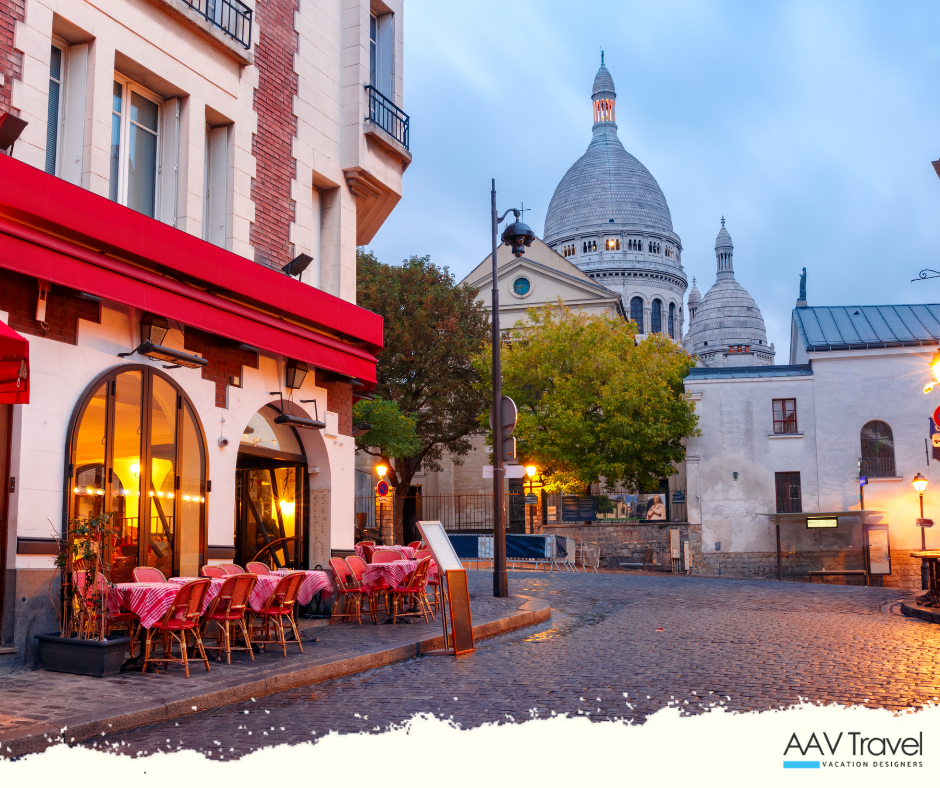
A hillside in Provence feels different when you recall the quiet, sunlit rhythm described by Peter Mayle. A café in Paris carries a different weight when you imagine Hemingway sitting nearby, observing the world with careful attention. A villa in Tuscany becomes more than a beautiful setting when it reflects the personal transformation captured by Frances Mayes.

More Than a Backdrop

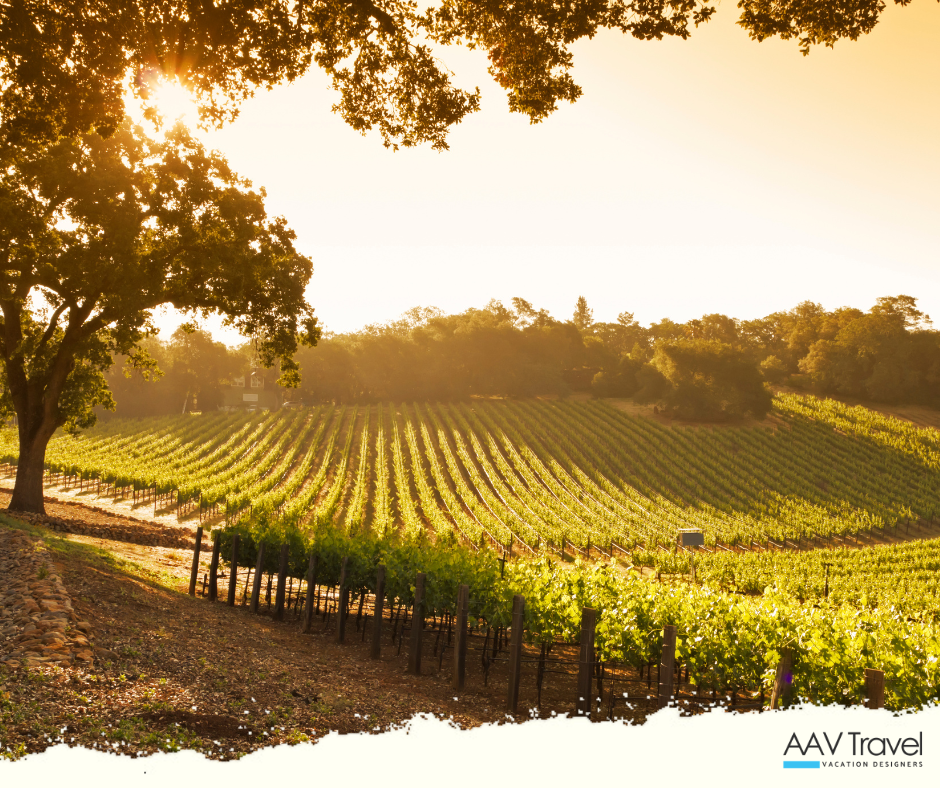
This is part of what makes journeys inspired by literature, history, or personal connection so enduring. The places themselves are not just backdrops. They shape atmosphere, perspective, and memory. Travelers are drawn to them not simply to visit, but to feel them. The warmth of late afternoon light across a vineyard, the hum of conversation spilling from a small restaurant, the stillness of a countryside morning. These are experiences layered with meaning, shaped as much by context as by location.

Approaching travel through this lens changes how a journey is designed. Instead of asking what there is to see, the question becomes what story you want to step into. For some, it may be a literary path, moving through regions that have long lived in the imagination. For others, it may be a historical thread, tracing a particular period across multiple places. It can also be deeply personal, shaped by family heritage, a long held curiosity, or a subject that has quietly held your interest for years.

Connecting the Journey

What becomes clear is that narrative naturally introduces a different pace. When a journey is anchored in meaning, there is less urgency to move quickly. Time is allowed for observation, for atmosphere, for the subtle details that would otherwise be overlooked. A morning spent in a local market becomes more than a visit. An afternoon walk through a neighborhood becomes a way of understanding context. The experience unfolds gradually, rather than being compressed into a series of highlights.

This also shifts the role of each destination within an itinerary. Instead of competing for attention, places begin to connect. A city is no longer an isolated stop, but part of a broader arc. The transition between locations matters. The sequence matters. Even the time of year can influence how the story is experienced. These are the kinds of decisions that quietly shape how a journey feels, often more than the individual elements themselves.

There is also a certain calm that comes from traveling this way. When the purpose of a trip is grounded in something meaningful, there is less pressure to maximize every moment. The experience becomes more intuitive, more reflective. Travelers often find that they remember not just what they saw, but how it all fit together. The sense of place becomes clearer, more cohesive.

A Natural Evolution for Experienced Travelers

For experienced travelers, this approach often feels like a natural evolution. After years of visiting well known destinations, the question shifts from where to go to how to experience it differently. Narrative offers a way to deepen familiar places or to discover new ones with greater intention. It moves travel away from repetition and toward something more personal and considered.

Designing a journey in this way requires discernment. It involves understanding not just the destination, but how its layers come together. It requires thought around pacing, context, and how each element contributes to the overall experience. When done well, the result is not simply a well planned trip, but a journey that feels coherent and quietly memorable.

Starting with What Stays With You

If you are beginning to think about travel in this way, it can be helpful to start with a simple question. What has stayed with you over time? A book, a place, a moment of curiosity. From there, a journey can begin to take shape, one that reflects not just where you want to go, but why it matters.

At AAV Travel, this is often where the most meaningful journeys begin. Through a thoughtful conversation, we explore what draws you to a place and how it can be experienced with the right balance of context, pacing, and insight. If you are considering a journey shaped by story, you are always welcome to reach out at AAV Travel or info@aav-travel.com to begin that conversation.

Written by: Stefanie P.

From Vineyard to Village: What Happens When Travel Is Designed Around What Moves You

There is a particular kind of traveler who does not begin with a map. They begin with an obsession. It might be a grape varietal they first tasted on a rainy evening in a restaurant they can no longer name. It might be a fascination with ceramics, or opera, or the history of navigation, or the quiet rituals of tea. Whatever the thread, it is personal, and it is powerful. And when travel is designed around that thread, something shifts. The journey stops being about where you go and starts being about why you go there.

This is what passion-led travel looks like at its best. Not a themed package or a surface-level experience bolted onto an otherwise generic itinerary, but a journey built from the inside out, where the traveler’s deepest curiosity becomes the organizing principle of the entire trip.

Why the Best Journeys Start with a Personal Thread

Most travel planning begins with logistics. Where should we go. When is the best time. Which hotel has the best reviews. These are reasonable questions, but they are also limiting ones. They place the destination at the center and the traveler at the periphery. Passion-led travel reverses that equation. It asks not “what is there to do in Burgundy?” but rather “what would Burgundy reveal to someone who has spent years falling in love with Pinot Noir?”

The distinction matters more than it might seem. A wine lover visiting Burgundy without context will certainly enjoy beautiful landscapes and good tastings. But a wine lover whose journey has been designed around their specific palate, their curiosity about biodynamic farming, their interest in the tension between tradition and innovation in winemaking, will experience the same region at an entirely different depth. They will taste differently because they are tasting with intention. They will notice details that would otherwise blur into scenery.

Wine as a Lens, Not a Destination

Wine travel has become enormously popular, and with that popularity has come a great deal of repetition. The same celebrated estates appear on every curated list. The same tasting room format is replicated across regions. The result is often pleasant but predictable, a series of pours accompanied by scripted explanations that leave the traveler entertained but not truly changed.

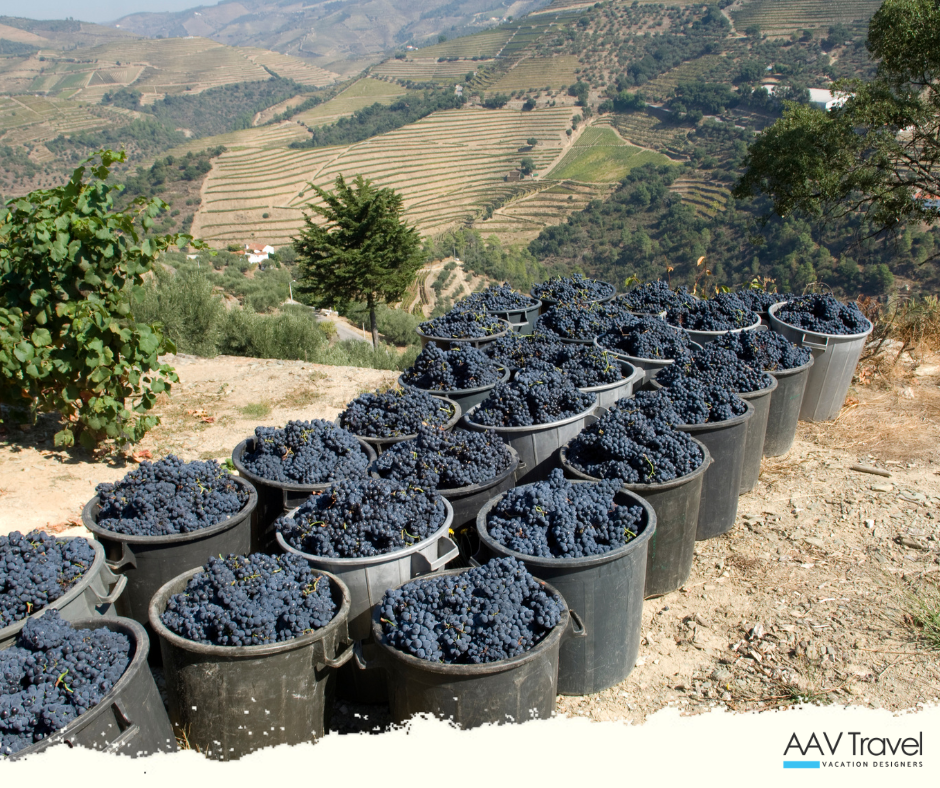
For travelers who care deeply about wine, the most rewarding journeys look quite different. They might involve spending an unhurried morning with a winemaker whose family has worked the same hillside for five generations, listening not to a sales pitch but to a philosophy. They might include a walk through the vineyard itself, understanding how soil and microclimate create the flavors that end up in the glass. They might mean visiting during harvest, when the air smells of crushed fruit and the energy of the estate is raw and alive, rather than during the polished calm of the tourist season.

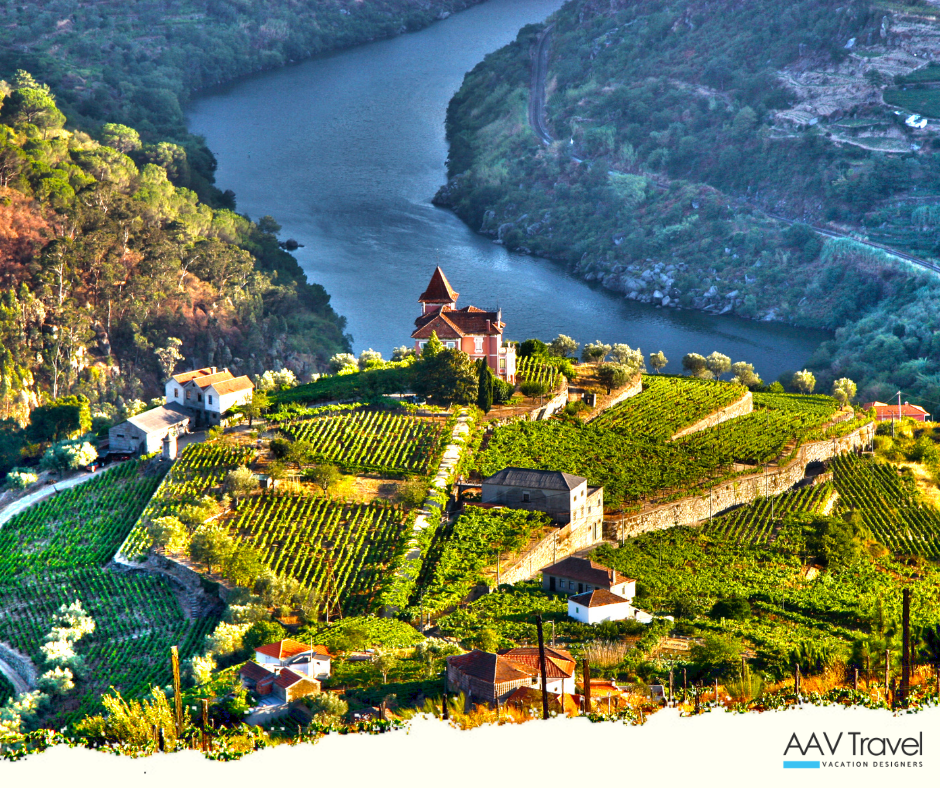
Regions like Piedmont, the Douro Valley, Ribera del Duero, or the quieter corners of Bordeaux all offer this kind of depth, but only when the itinerary is designed to access it. Timing matters enormously. The difference between visiting a wine region in April versus October is not merely aesthetic. It changes the conversations you have, the people you meet, and the understanding you take home. A thoughtful advisor knows these rhythms because they have lived them, and that knowledge shapes not only what is included in a journey but what is deliberately left out.

When Passions Converge

Some of the most extraordinary journeys happen when multiple passions are woven together. A traveler who loves both wine and architecture might find that a week in the Rioja region, where centuries-old bodegas sit alongside buildings designed by Frank Gehry and Zaha Hadid, creates a dialogue between craft and design that neither passion could sustain alone. A couple where one partner is drawn to culinary tradition and the other to maritime history might discover that the Basque Country or coastal Portugal offers both in equal measure, without compromise.

The key is integration, not accumulation. A well-designed passion-led journey does not try to pack in every possible interest. It identifies the thread that will give the trip its emotional coherence and builds outward from there, layering complementary experiences in a way that feels organic rather than forced. This is the difference between a trip that tries to be everything and a trip that feels like it was made for you.

Beyond the Obvious Passions

Wine is among the most recognized entry points for passion-led travel, but the principle extends far beyond it. Travelers have designed remarkable journeys around botanical gardens and rare plant species, around the history of jazz from New Orleans to Paris, around textile traditions from Oaxaca to Marrakech, around sacred architecture from Romanesque chapels to Byzantine monasteries, and around the quiet art of birdwatching in some of the world’s most pristine ecosystems.

What all of these journeys share is a common structure. They begin with something the traveler already loves. They use that love as a compass. And they result in trips that feel not like consumption but like conversation, a dialogue between the traveler and the place that leaves both slightly changed.

The world is extraordinarily generous to travelers who arrive with a genuine question rather than a checklist. A lover of handmade textiles visiting Oaxaca will be welcomed into weaving studios that most tourists walk right past. A birdwatcher in Costa Rica will notice an entirely different forest than the one described in guidebooks. A history enthusiast walking the battlefields of Normandy with real preparation will feel the weight of the landscape in a way that no audio tour can replicate.

The Trade-Offs Worth Making

Passion-led travel also requires honesty about trade-offs. A journey designed around vineyard visits may mean spending less time in cities. A trip built around opera season in Verona means committing to specific dates and potentially navigating summer heat and crowds. These are not problems to be solved. They are decisions to be made with clarity and intention.

The travelers who enjoy passion-led journeys most are often those who understand that choosing deeply in one direction means releasing the pressure to see everything else. That release is, in itself, a form of luxury. It is the freedom to say “this is what matters to me on this trip” and to design every day around that declaration.

Why This Kind of Travel Requires a Different Kind of Planning

Passion-led travel is not something that can be assembled from a list of top-rated experiences. It requires listening, not just to what a traveler wants to do, but to what moves them. It requires understanding context, seasonality, and the often invisible logistics that determine whether a private winery visit feels intimate or awkward, whether a cultural encounter feels revelatory or contrived.

It also requires the kind of relationships that take years to build. Access to a celebrated winemaker’s private cellar is not something that appears on a booking platform. These connections exist within networks built on trust, reputation, and a shared commitment to quality, and they are often the difference between a good trip and an unforgettable one.

If you have been thinking about a journey shaped by something you truly love, whether it is wine, art, music, history, or a passion you have not yet explored through travel, an intentional conversation is often the most meaningful place to begin. The best itineraries are not assembled from recommendations. They are designed through careful listening, honest discussion of pacing and trade-offs, and the kind of judgment that comes from years of experience shaping journeys around what matters most to each traveler. You are welcome to reach out through AAV Travel or contact us directly at info@aav-travel.com to start a thoughtful planning conversation.

Written by: Stefanie P.

Information is Abundant. Judgment is Rare.

In an Age of AI and Algorithms, Judgment Matters More than Ever.

The Illusion of Endless Access

We have never had more access to travel information. A single search produces thousands of itineraries, curated lists, hotel reviews, destination guides, restaurant rankings, and sample schedules. Artificial intelligence can generate a ten-day journey in seconds. Television transforms landscapes into cinematic experiences. Social media delivers perfectly framed villages at sunrise and empty piazzas that seem suspended in time.

And yet, many travelers quietly admit to a growing frustration. The place that looked serene feels crowded. The charming café requires a queue. The scenic road is lined with tour buses. The reality does not quite match the promise.

The issue is not a lack of information. It is a lack of discernment.

Algorithms Reward Popularity, Not Fit

Algorithms are designed to amplify what is already gaining attention. The more a destination trends, the more visible it becomes. The more visible it becomes, the more people feel compelled to go. A feedback loop is created, and the result is predictable. Concentration replaces discovery.

But popularity is not the same as suitability.

A couple celebrating a milestone anniversary does not travel in the same way as a family with young children. A retired executive seeking depth and reflection has different pacing needs than a traveler who thrives on constant movement. Health considerations, tolerance for heat, comfort with crowds, appetite for cultural immersion, and risk sensitivity all matter.

An algorithm cannot evaluate these subtleties. It does not ask whether a destination is appropriate in a particular season for a particular traveler. It does not assess infrastructure strain, staffing shortages, political climate, or local sentiment. It cannot distinguish between what photographs beautifully and what feels deeply satisfying in person.

Consider a traveler who plans three days on the Amalfi Coast after watching a documentary filmed in October, with early-morning access and clear roads. She arrives in August, midday, with a full suitcase and no private transfer. The views are exactly as promised. The experience is not.

Judgment begins where data ends.

When Beautiful Content Masks Timing

A television series might film in shoulder season with special access and controlled environments. An influencer captures a coastal village at dawn before day trippers arrive. A traveler arrives in peak season at midday and wonders what went wrong.

Timing is rarely visible in the image.

Seasonality shapes everything. Light, temperature, crowd flow, restaurant availability, guide quality, and even the emotional tone of a place shift throughout the year. A destination that feels expansive in May can feel compressed in August. A cultural site that invites contemplation at opening hours can feel transactional by mid-afternoon.

Experienced travel design requires a layered understanding of these rhythms. It asks not only where to go, but when to go, how long to stay, and how to structure each day so that energy is preserved rather than depleted.

This is not about exclusivity. It is about calibration.

The Myth of the Universal Bucket List

Social media has subtly created the impression that there is a shared list of essential places everyone must experience. Certain coastal towns, certain islands, certain mountain passes, certain iconic monuments appear repeatedly. The message is implied rather than spoken. If you have not been there, you are behind.

But refined travel is not a competition. It is a reflection of who you are at a specific stage of life.

A traveler in her forties balancing professional responsibility and family commitments may crave restoration and privacy. A couple in their sixties may prioritize comfort, seamless logistics, and meaningful cultural exchange. A solo traveler might seek immersion and conversation rather than spectacle.

The question is not whether a destination is famous. The question is whether it aligns with your energy, your curiosity, your physical comfort, and your goals for the journey.

Judgment means recognizing that not every celebrated destination is right for every traveler. It means having the confidence to choose depth over trend and pacing over pressure.

Risk Is Not Always Obvious

Modern travel is marked by layers of complexity that are rarely visible in promotional content. Infrastructure limits, overtourism regulations, staffing shortages, environmental stress, health considerations, transportation disruptions, and geopolitical shifts all influence the quality of an experience.

Artificial intelligence can compile options. It cannot assume responsibility.

An experienced advisor considers contingency planning, flexibility within the itinerary, and the practical realities of moving through a destination. Where are the friction points likely to emerge? What are the alternatives if the weather shifts? How can we build in breathing room so that a delayed transfer does not cascade into stress?

An experienced advisor considers not only the destination itself but the architecture of the journey around it. What does the arrival sequence look like, and where are the friction points most likely to emerge? What happens if a connecting flight is delayed, or a local ferry runs on a reduced schedule during a national holiday? What alternatives exist that can be activated quickly and without panic? These are not worst-case scenarios. They are the ordinary variables of travel, and accounting for them in advance is what separates a resilient journey from a fragile one.

Risk management in travel is not alarmist. It is protective. It allows travelers to remain present because someone else has anticipated the variables.

Pacing Is a Design Choice

One of the most overlooked aspects of modern travel planning is pacing. When information is abundant, there is a tendency to add more. Another town. Another excursion. Another reservation that seems too good to miss.

But more is not always better.

A thoughtfully designed itinerary recognizes the value of space. Time to linger over breakfast. Time to walk without agenda. Time to absorb rather than accumulate. True luxury often lies in what is intentionally left out.

Judgment involves restraint. It requires the discipline to say no to the extra stop that adds logistical strain but little meaning. It requires the confidence to extend a stay in one place rather than racing through three.

In an environment saturated with options, restraint becomes a rare skill.

From Information to Insight

Information answers the question, what is available. Judgment answers the question, what is appropriate.

For experienced travelers, this distinction matters more than ever. The stakes are higher. Time is more precious. Expectations are more nuanced. And the gap between what AI can generate and what a well-calibrated advisor can design has never been wider — precisely because the surface layer of planning has become so easy to automate.

Designing a journey well means filtering the noise, reading the timing, and aligning every decision with the traveler — not with the algorithm. It is less about assembling components and more about shaping an experience that feels coherent, balanced, and protected from unnecessary friction.

If you are beginning to think about a journey and want to move beyond inspiration toward thoughtful design, I invite you to begin with a Strategic Travel Advisory Session. Through a focused and intentional conversation, we explore your goals, pacing preferences, timing considerations, and the broader context that will shape your experience. From there, we determine the right path forward with clarity and discernment.

You can learn more at AAV Travel or reach out directly at info@aav-travel.com to begin the conversation.

Written by: Stefanie P.
Beyond the Nostalgia: Placing a Luxury Train Within a Thoughtfully Designed Itinerary

The Enduring Allure of Luxury Rail

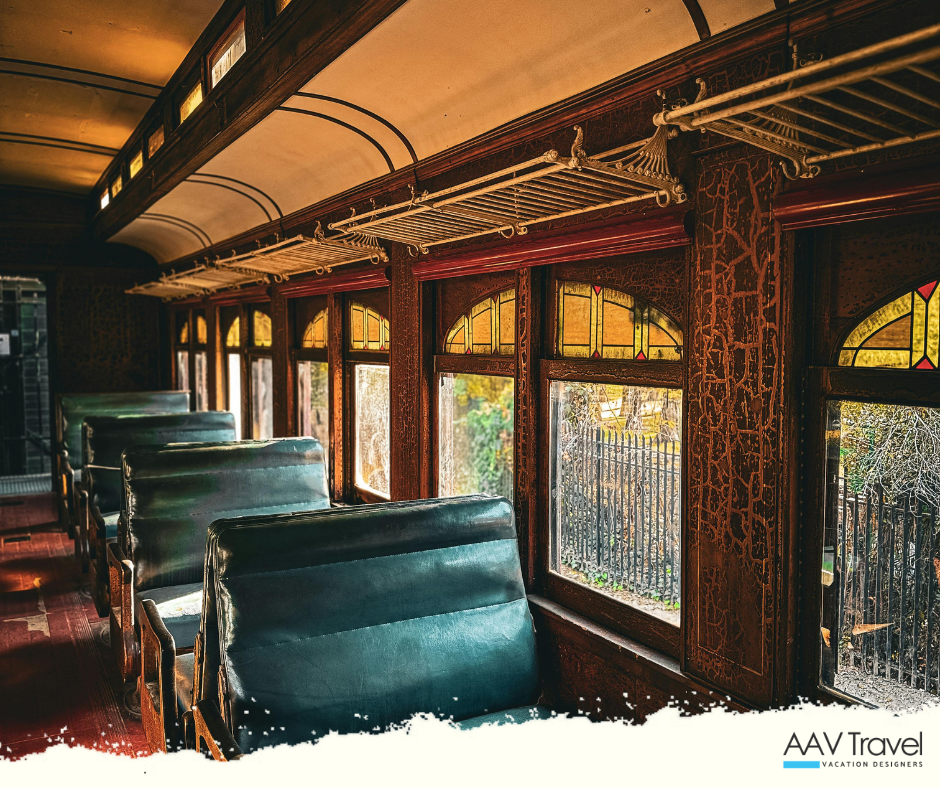
Luxury trains carry a powerful pull. Polished wood panels. White tablecloth dining. Landscapes unfolding beyond wide picture windows. The marketing imagery often leans into nostalgia and the golden age of travel. Yet for today’s experienced traveler, the question is rarely whether these journeys are beautiful. The more relevant question is where, and whether, they belong within a larger, carefully designed itinerary.

A luxury train should not be added to a journey simply because it is iconic. It should serve a clear purpose within the overall arc of the experience. When placed thoughtfully, it can elevate a trip. When inserted without consideration for pacing, sequencing, or personal travel style, it can feel like an interruption rather than a highlight.

When the Train Becomes the Centerpiece

There are times when the train should be the emotional anchor of the journey. An anniversary trip built around the Venice Simplon Orient Express from Paris to Venice benefits from careful framing. A night or two in Paris allows anticipation to build without exhaustion. Arrival in Venice should not immediately lead into a packed sightseeing schedule. The experience on board, with its structured dining and intimate cabins, requires space before and after to breathe.

When the train is the centerpiece, the surrounding days must support its role rather than compete with it. Private guides, unhurried mornings, and thoughtfully selected hotels create continuity. The train becomes not just transportation, but the defining chapter of the story.

When the Train Serves as a Connector

In other cases, the train works best as a transition. Scotland offers a strong example. A client may wish to explore Edinburgh in depth and then immerse themselves in the Highlands. Integrating the Royal Scotsman into the middle of that journey creates a natural shift in pace. The train becomes a bridge, both physically and psychologically, easing the movement from city energy to remote landscapes.

Here, the rail experience enhances continuity rather than dominating the entire narrative. It connects chapters rather than replacing them.

Italy and the Art of Integration

Italy presents similar decisions. A Belmond journey through Tuscany can either anchor a celebratory itinerary or serve as a refined interlude between Florence and Venice. The distinction depends on the traveler’s priorities. Is the focus on private vineyard access, culinary immersion, and extended stays in historic properties, with the train adding texture? Or is the rail journey itself the milestone moment, with surrounding cities playing a supporting role?

These are structural decisions, not decorative ones. The placement of the train shapes the emotional pacing of the entire trip.

Understanding the Structure of Life On Board

It is also important to understand the built in rhythm of luxury rail. Even the highest cabin categories are compact compared to the suites many established travelers prefer on land or sea. Dining is often communal, with set times and dress expectations. Excursions are curated and typically group based.

For some, this structure creates welcome ease and sociability. For others, particularly those who value privacy and flexibility, it may feel limiting. Evaluating comfort with these dynamics is essential before positioning a train within a broader itinerary.

Sequencing, Seasonality, and Climate

Timing influences experience more than most travelers anticipate. A train journey placed at the end of a fast paced European tour can feel confining. Positioned too early, it may limit time to adjust to a new time zone before entering a structured environment.

Season also matters. The light in Scotland in late spring differs dramatically from autumn. Tuscany in midsummer carries a different atmosphere than in October. Weather, daylight hours, and landscape color all affect how the journey feels. The train does not exist in isolation from these elements.

The Practical Realities Behind the Scenes

There are also considerations that rarely appear in glossy brochures. Luggage restrictions require advance coordination, particularly when combining rail with extended hotel stays. Certain routes travel through remote areas with limited medical access. Inventory can be tight, and cancellation structures are often more rigid than traditional hotel bookings.

These factors do not diminish the appeal of the experience. They simply require thoughtful planning and integration into the larger design.

Looking Beyond Europe: The Rocky Mountaineer Context

For those considering rail beyond Europe, such as the Rocky Mountaineer in Western Canada, similar principles apply. While stylistically different from heritage European trains, it remains a curated and structured journey with defined pacing.

The Rocky Mountaineer can beautifully connect Banff and Vancouver, but expectations must align with the style of service, the nature of the scenery, and the broader rhythm of a Canadian itinerary. As in Europe, it works best when it serves a strategic purpose within the trip rather than functioning as an isolated indulgence.

Placing the Train With Intention

A luxury train is neither automatically transformative nor inherently impractical. Its value depends on placement. When it aligns with a milestone celebration, tolerance for structure, desire for social engagement, and overall itinerary goals, it can become one of the most memorable chapters of a journey. When added for novelty alone, it risks feeling disconnected.

Designing travel at this level requires stepping back from imagery and asking deeper questions. What is the desired emotional arc of the trip? Where should the pace slow? Where should privacy be prioritized? Where does shared experience enhance rather than detract? Only then can a decision be made about whether the train should lead, follow, or gently connect.

For those considering a luxury rail journey in Europe or beyond, the most important step is not selecting the cabin category or departure date. It is understanding how the experience fits within the whole. If you are exploring whether a train belongs in your next milestone journey, I invite you to begin with a thoughtful conversation. Through a Strategic Travel Advisory Session, we can evaluate how each component of your itinerary supports the overall design, ensuring that every element, including a luxury train, is placed with intention and care. To begin that conversation, visit AAV Travel or reach out at info@aav-travel.com.

Written by: Stefanie P.
The Sweetest Season. Why Easter in Europe Is a Connoisseur’s Window

A Season That Reveals Character

There is a particular kind of traveler who understands that desserts are rarely just desserts. They are memory and ritual, regional pride and inherited technique. They are proof that a culture still values patience, craft, and seasonality. For those who pay attention to these details, Easter in Europe can be one of the most rewarding times of year to travel. Not because it is flashy or loud, but because it is subtle and deeply rooted.

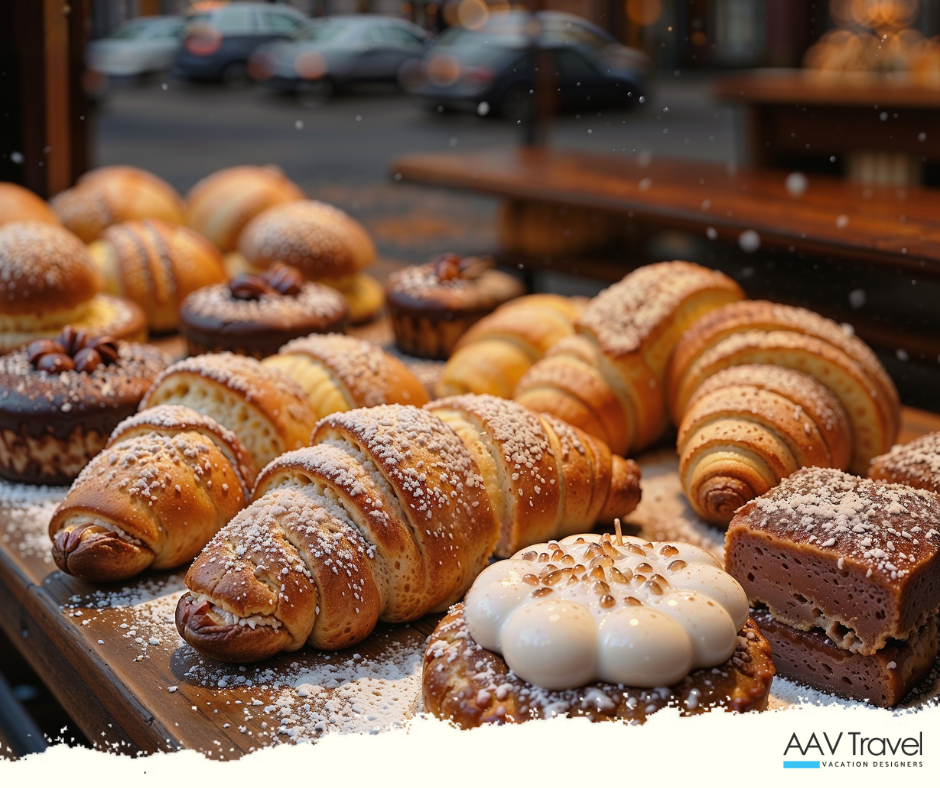
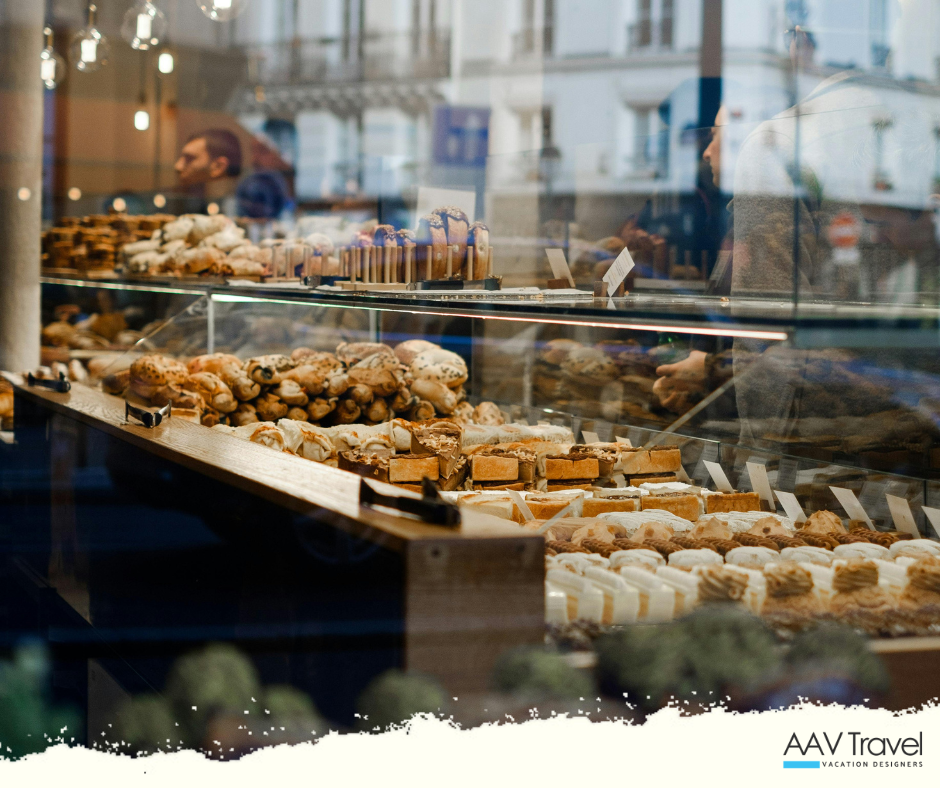
Easter arrives in Europe with a quiet elegance. Spring light returns, café terraces reopen, and cities feel freshly awakened after winter. Shop windows shift from muted tones to carefully curated displays, and bakeries begin producing specialties that appear only once a year and vanish just as quickly. For travelers who care about craftsmanship and tradition, this moment is far more than a seasonal novelty. It is a connoisseur’s window, a brief period when culinary heritage, faith, music, and the natural renewal of spring intersect.

This is not about sugar for its own sake. It is about timing, restraint, and knowing where to be when something truly special is being made.

The Strategic Advantage of Easter Travel

Many Americans view spring as a practical shoulder season in Europe, a pleasant gap before summer crowds take over. That is certainly true from a logistical standpoint. But Easter adds another dimension. It brings anticipation. Cities feel expectant. Florists overflow with color, sacred music fills churches and concert halls, and pastry counters become almost theatrical in their seasonal offerings.

What makes this period so compelling is that many Easter specialties are not designed for tourists. They are personal and symbolic, rooted in family tables and local memory. They often require techniques that resist mass production. That is precisely why they are worth traveling for. When you taste something that is truly of its place and of its moment, you experience a culture in a way that cannot be replicated in high season.

Vienna. Pastry, Music, and Measured Indulgence

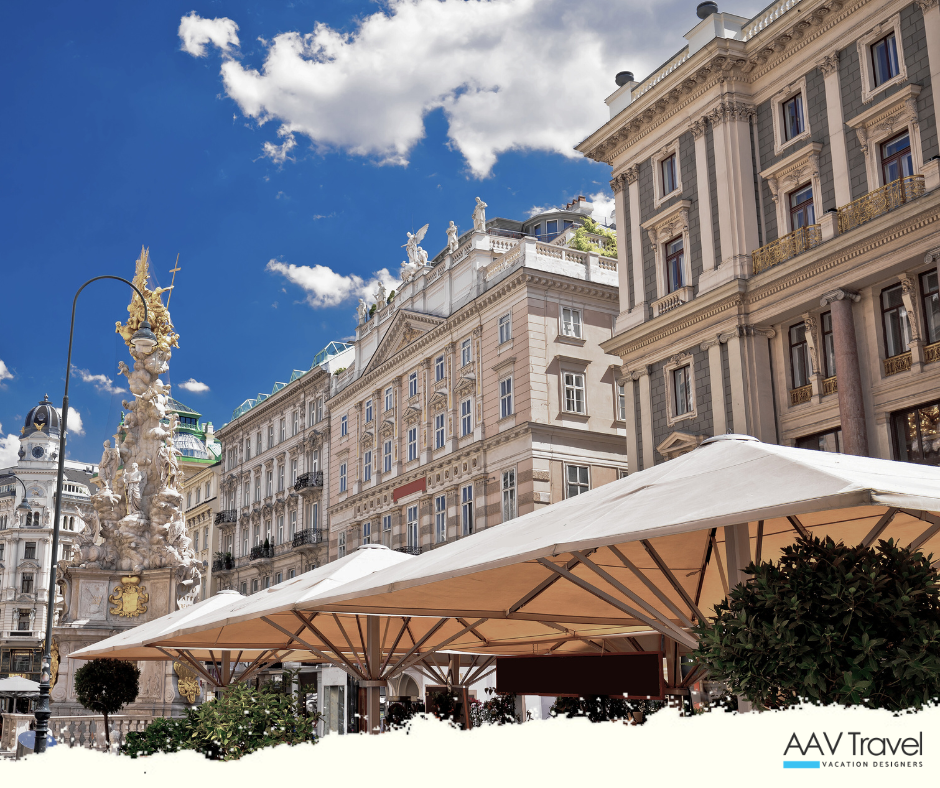
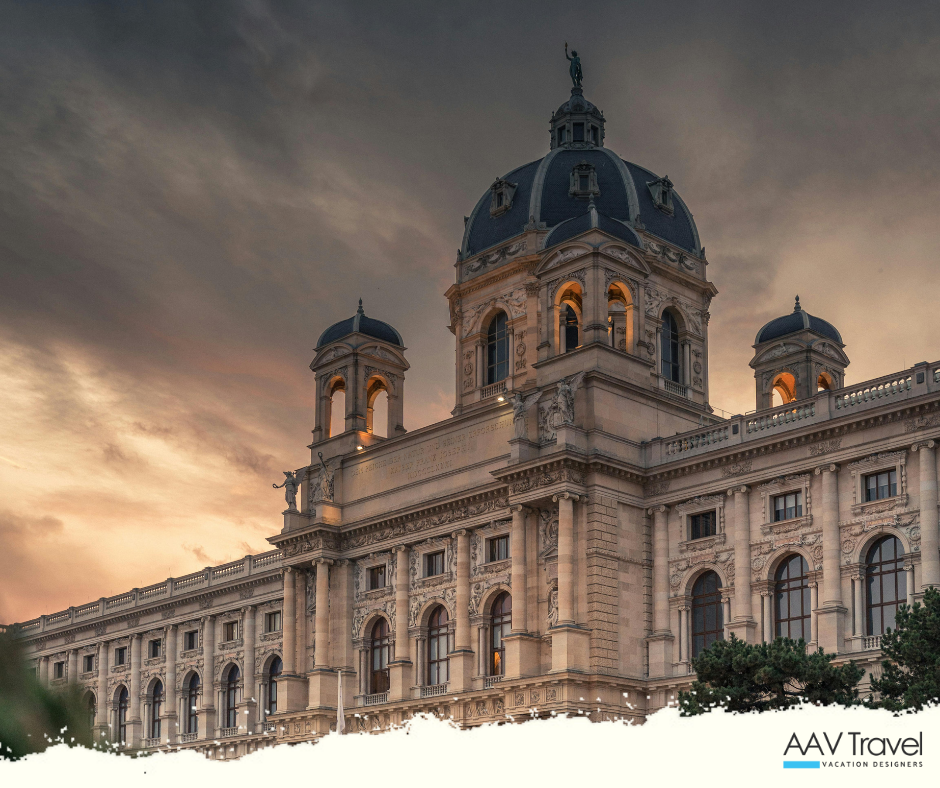
Vienna, for example, feels particularly polished at Easter. The city already carries an innate elegance, but in spring it softens. Gardens begin to bloom, the air is crisp, and the café culture becomes irresistible. In Vienna, pastry is not an indulgence tucked away in a corner. It is heritage. The grand cafés are not merely places to eat cake; they are institutions where one lingers under chandeliers, reads the paper, and participates in a ritual that has changed very little over decades.

During Easter, pastry counters often feature seasonal variations and refined confections that do not appear at other times of year. Yet Vienna is not a city that rewards excess. The pleasure lies in pacing. A late morning coffee accompanied by a delicate slice of something seasonal can be followed by an afternoon in a museum and an evening concert that anchors the day in something deeper than indulgence. When designed thoughtfully, the sweetness enhances the experience rather than overwhelming it.

Florence. Sacred Tradition and the Art of Slowing Down

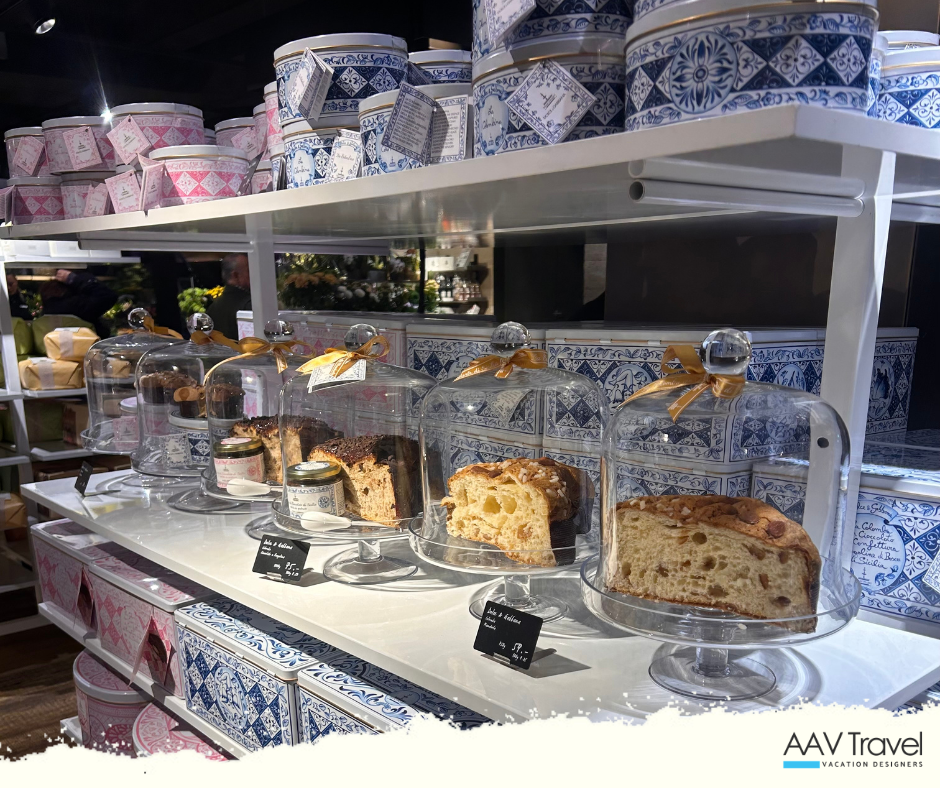
Florence offers a different kind of Easter atmosphere. Too often, visitors arrive determined to conquer the city with a checklist. Easter gently resists that approach. Spring light softens the stone facades, and the city feels more human before the density of summer arrives. Traditions are woven quietly into daily life, from church services to neighborhood bakeries displaying Colomba, the dove shaped sweet bread that symbolizes peace and renewal.

In Florence and throughout Tuscany, you can find artisanal versions of this seasonal bread that feel far removed from mass produced alternatives. But the real reward is in the contrast the city offers. You might spend the morning in a quiet church where incense lingers in the air, then wander a few streets and find a bakery fragrant with citrus and vanilla. An afternoon at the Uffizi can be followed by an unhurried espresso in a neighborhood café where locals are shopping for Easter treats as they have for generations. Florence at Easter invites you to notice details rather than rush past them.

France. Chocolate as Craft and Cultural Expression

France approaches Easter with its characteristic refinement. Here, chocolate becomes art. In Paris and other cities, chocolatiers create sculptural eggs and intricate designs that are displayed almost like jewelry. These are not novelty items. They are expressions of discipline and artistry, crafted for a brief moment of admiration before they are enjoyed and gone.

Traveling to France at Easter is compelling precisely because it is fleeting. The most memorable experiences in Europe are often those tied to a specific season, impossible to replicate in July or October. Yet discernment matters. A thoughtful itinerary might include a private tasting with a respected chocolatier balanced with time in spring gardens, smaller neighborhoods, and cultural experiences that ground the sweetness in context. France demonstrates that luxury is not about quantity. It is about refinement and intention.

Switzerland. Precision, Comfort, and Spring Light

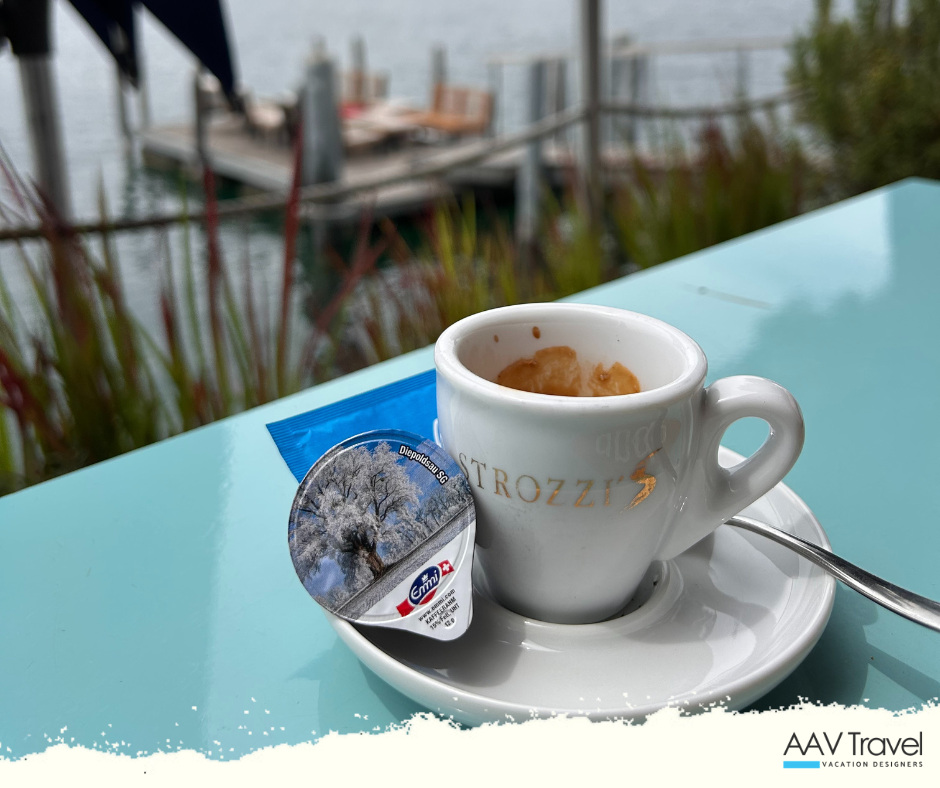
Switzerland offers a quieter interpretation of the season. Easter here feels grounded and sincere, less theatrical and more intimate. Seasonal breads and beautifully executed chocolate are tied to family tables and local tradition rather than display. There is comfort in the simplicity, paired with the precision for which Switzerland is known.

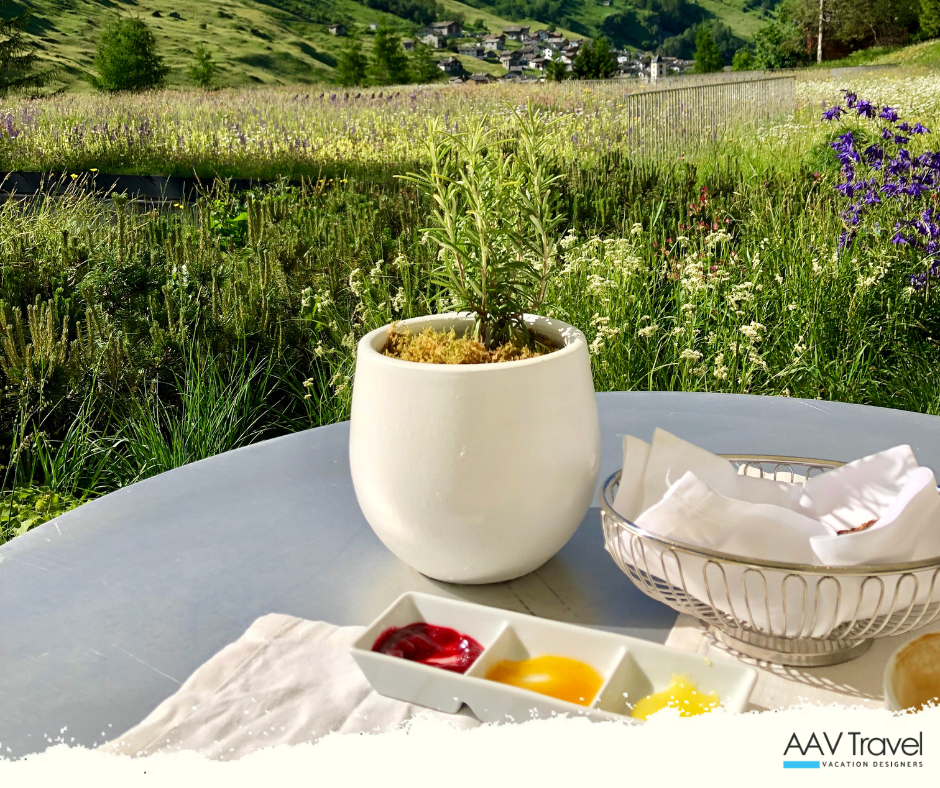
Spring in Switzerland also brings a striking natural transition. Snow still crowns the mountains while valleys begin to bloom. Lakeside towns regain energy without the intensity of summer tourism. Hotels and trains feel calmer, and the overall rhythm is unhurried. A well designed Swiss Easter journey might combine time in a sophisticated city with a few days in an alpine region where nature and tradition coexist seamlessly. The sweetness of the season becomes part of a larger experience of clarity, landscape, and calm.

Discernment Is the Difference

It is tempting to frame an Easter journey as a culinary theme. But experienced travelers understand that a meaningful trip is built on balance. If you approach Europe at Easter as a sugar hunt, you risk missing the deeper texture of the season. Easter is as much about music, ritual, and renewal as it is about pastry and chocolate.

This is where discernment becomes essential. Days should be paced so that indulgence feels special rather than constant. Neighborhoods and hotels should be chosen to encourage walking rather than rushing. Cultural experiences should anchor culinary ones. Vienna pairs pastry with music. Florence pairs sweetness with sacred art and Renaissance beauty. France pairs chocolate with disciplined craft. Switzerland pairs seasonal baking with serenity and landscape.

Choosing Better, Not More

The sweetest season is not about having more. It is about choosing better. Easter in Europe offers a softer mood, a more local rhythm, and a fleeting moment when culinary heritage feels deeply personal. For travelers who appreciate being in the right place at the right time, it can be one of the most quietly extraordinary windows of the year.

If you are considering an Easter journey to Europe, I would welcome a thoughtful planning conversation. The right itinerary is not simply about where you go, but how you move through each destination, how the days are paced, and how the experience is shaped around what you value most. To begin designing a journey with care and discernment, visit www.aav-travel.com or email me at info@aav-travel.com.

Why Locals in Europe Don’t Choose Restaurants by Online Reviews—and What That Means for How You Travel

In an era shaped by smartphones and instant validation, it’s easy to assume that choosing where to eat is a universal exercise in scrolling, comparing, and ranking. Yet across much of Europe, this approach feels oddly out of place. In many cities, towns, and villages, locals simply do not rely on online reviews to decide where to dine. Some barely consult them at all. Instead, restaurant choices are guided by habit, intuition, seasonal rhythm, and relationships built quietly over decades.

Dining in Europe is rarely transactional. It is cultural, personal, and deeply rooted in a sense of belonging. Many people return again and again to the same neighborhood restaurants their parents and grandparents frequented, not because they once read a glowing review, but because those places feel familiar and trusted. In residential neighborhoods, chefs often cook not for tourists chasing novelty, but for neighbors they know by name, preferences, and routine. The goal is consistency and care, not visibility.

This is why some of the most memorable meals travelers experience happen in places with no website, no social media presence, and no interest in collecting stars. These restaurants are not hiding; they simply exist outside the digital feedback loop. Finding them requires a different way of paying attention—one that values context over comparison and presence over prediction.

Across Europe, subtle signals often speak louder than online praise. A short, focused menu typically suggests a kitchen that cooks with intention, adapting to what is fresh and available rather than offering endless choice. Regional specificity matters deeply. Pasta shapes in Italy, breads in France, dumplings in Central Europe, or sauces that vary by village rather than country often indicate a restaurant grounded in place. These details are not designed for display; they are habits formed through tradition.

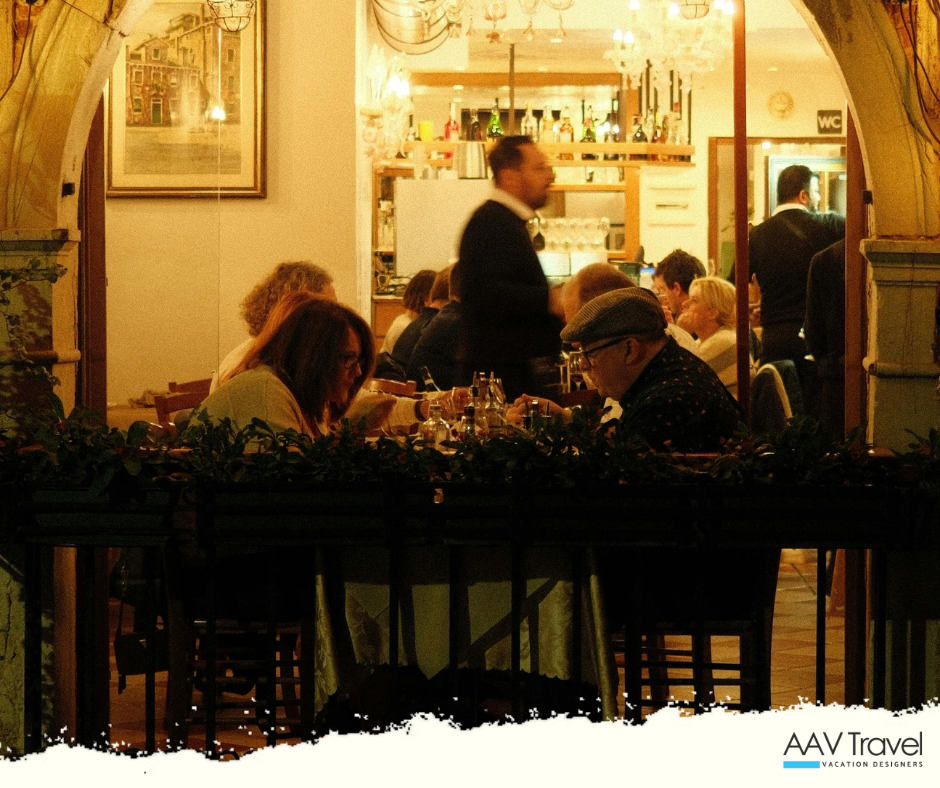
Atmosphere also tells its own story. A lively dining room filled with animated conversation, familiar greetings between staff and guests, and a steady rhythm of service usually reveals more than any rating ever could. So do the small gestures that arrive before the meal itself. Bread that is warm and distinctive, a starter prepared with care, or a handwritten note about the day’s offerings can quietly signal what kind of experience lies ahead.

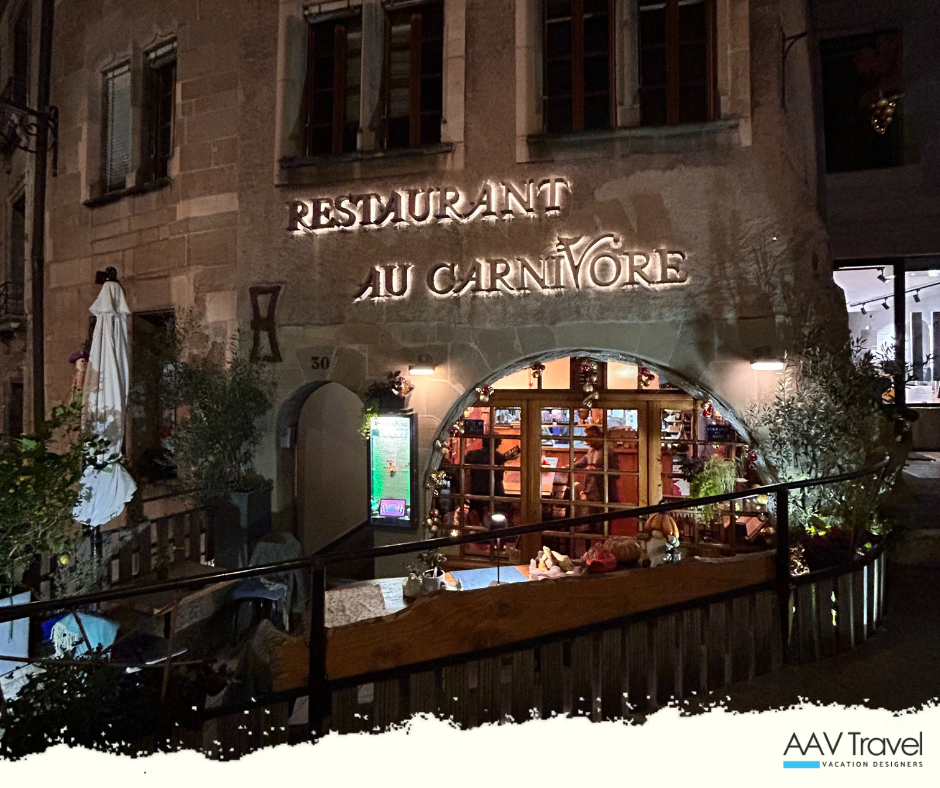
In many European cities, restaurants do not need to announce themselves loudly. Reputation spreads locally, and confidence comes from longevity rather than marketing. Places that rely heavily on multilingual signage, photos of every dish, or exaggerated claims aimed at passersby are often catering to a different audience. Locals tend to gravitate toward restaurants that feel unforced, where the focus remains on the food, the flow of the meal, and the shared experience of being there.

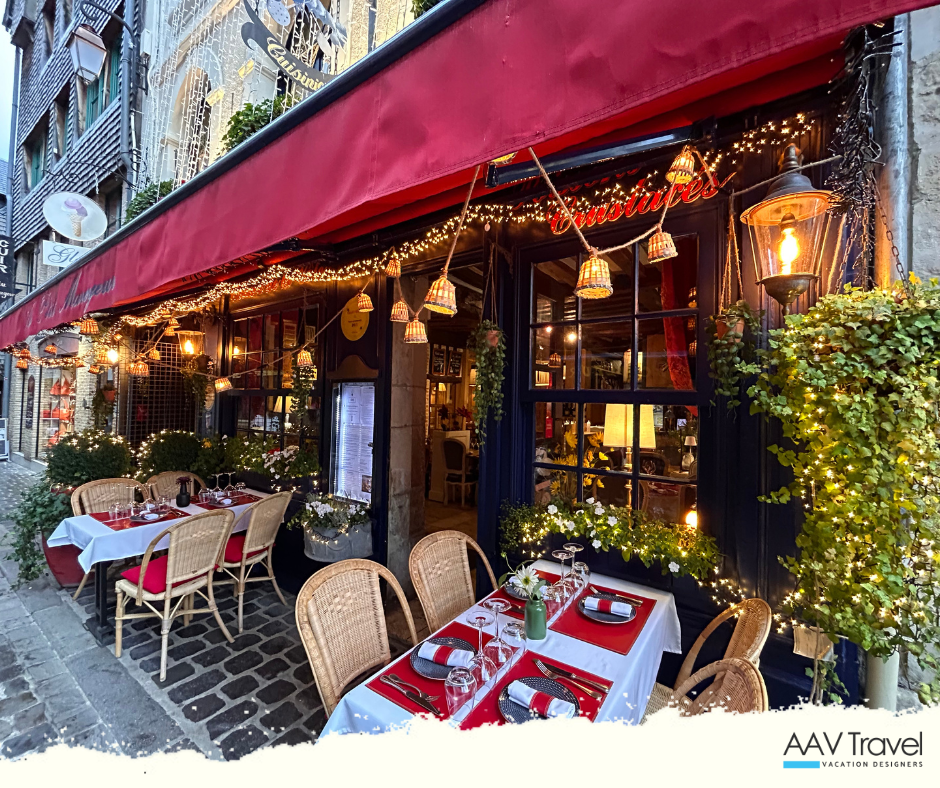
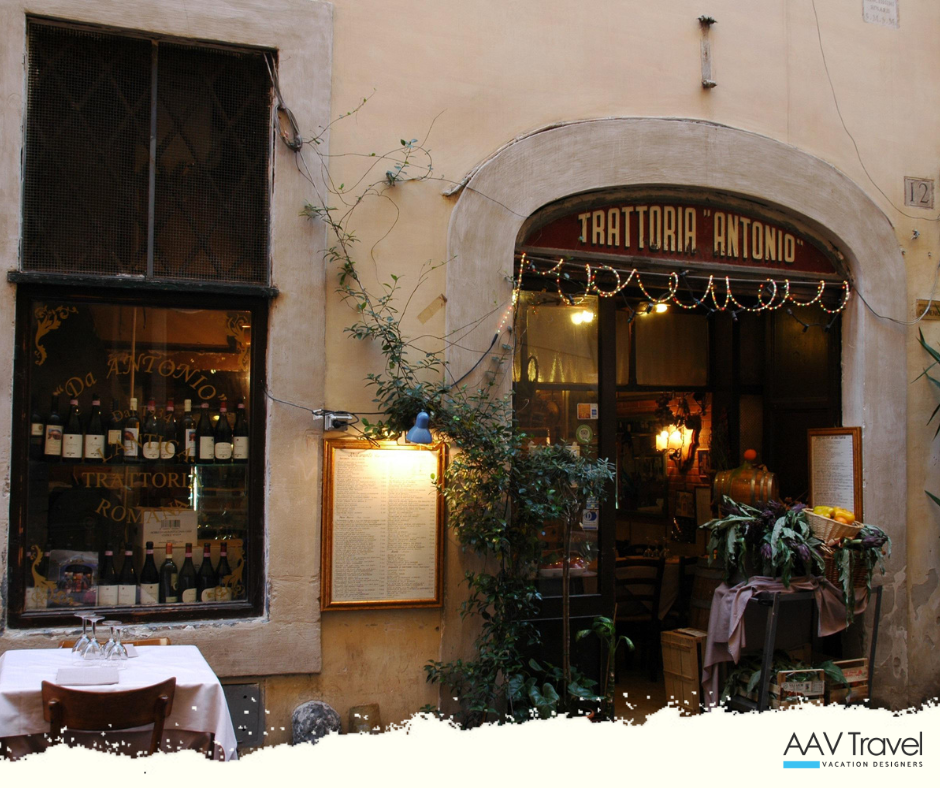
Timing matters as well. Restaurants that fill naturally during local mealtimes tend to do so for good reason. Empty tables at peak hours can be telling, while the gentle hum of a full room often reflects trust earned over time. Even the aromas drifting from a doorway—something simmering slowly, bread baking, onions caramelizing—can offer a more honest invitation than any algorithm.

For travelers accustomed to relying on reviews, this approach can feel unsettling at first. Choosing a restaurant based on atmosphere, instinct, or observation rather than certainty requires a willingness to be present and curious. Yet this slower, more intuitive way of dining often becomes one of the most rewarding aspects of traveling through Europe. It allows room for surprise, encourages engagement with local rhythms, and invites travelers to taste flavors they might not have selected in advance.

That said, discernment matters. Not every traveler enjoys unpredictability, and there is no virtue in discomfort for its own sake. Reviews can still serve a purpose, particularly for those with dietary restrictions or strong preferences. The difference lies in how they are used—not as the sole decision-maker, but as one of several inputs balanced with observation, context, and local insight.

One of the most valuable yet underutilized resources for navigating Europe’s dining landscape is the human one. Luxury hotel concierges often have exceptional knowledge of their city’s culinary scene and can secure reservations at sought-after restaurants with ease. But the most interesting recommendations often emerge when the conversation goes a step further. Asking where someone eats with their family on a Sunday, or which neighborhood spot they return to after a long day, often leads to places that never appear on curated lists.

Food tours can also play an important role, particularly early in a stay. Led by passionate locals, these experiences provide more than tastings. They offer cultural context, stories, and confidence. Visiting markets, bakeries, cafés, and small eateries with someone who understands the city’s rhythms helps travelers recognize the signs of quality and authenticity on their own. A well-chosen food tour doesn’t replace independent discovery; it enhances it.

Once travelers begin to understand a destination’s culinary language, integrating local rituals becomes especially meaningful. Enjoying afternoon tea in England or lingering over hot chocolate in one of Vienna’s historic cafés is about more than the food itself. These traditions invite travelers to slow down, observe, and participate in moments that locals have cherished for generations. They provide structure to the day and a deeper sense of connection to place.

Experiencing Europe through its food is not about finding the “best” restaurant. It is about understanding how, when, and why people eat the way they do. It is about pacing, judgment, and choosing moments that align with the character of a destination rather than rushing to collect highlights.

At AAV Travel, this philosophy shapes how journeys are designed. Thoughtful travel is not about maximizing experiences, but about choosing the right ones—at the right time, in the right way, with an understanding of context and trade-offs. Through intentional conversations, careful planning, and calm judgment, AAV Travel helps travelers experience destinations with confidence and ease, allowing space for discovery without unnecessary risk or overwhelm. If you’re curious about how a more intentional approach could shape your next journey, you’re warmly invited to begin a conversation at www.aav-travel.com or by reaching out to info@aav-travel.com.

Written by: Stefanie P.

Cultural Curations of 2026: Europe’s Most Anticipated Museum Openings and What They Reveal About Thoughtful Travel

There are years when travel feels driven by novelty for novelty’s sake, and then there are years when change feels quieter, more deliberate, and far more meaningful. 2026 is shaping up to be the latter, particularly across Europe’s cultural landscape. A series of museum openings and reimagined cultural institutions are not simply adding new attractions to the map; they are reshaping how places tell their stories and how travelers are invited to engage with them.

For travelers who value context over checklists and depth over speed, these openings offer something rare: the chance to experience destinations at moments of thoughtful reinvention. Museums are, after all, mirrors of a society’s values. Where and how a country chooses to invest in culture reveals far more than any ranking or headline ever could.

What follows is not a list of “must-sees,” but a curated look at how Europe’s most anticipated museum openings in 2026 can anchor journeys designed with intention, balance, and discernment.

In Budapest, the long-anticipated House of Hungarian Music continues to redefine how cultural spaces can blend architecture, sound, and landscape. Set within the historic City Park, the museum is less about static displays and more about immersive storytelling, inviting visitors to understand Hungarian identity through rhythm, folk traditions, and contemporary interpretation. It is the kind of place that rewards unhurried exploration, ideally paired with time spent in Budapest’s café culture, thermal baths, and lesser-visited residential neighborhoods where daily life unfolds slowly and with character. This is cultural travel as immersion rather than observation.

Further west, Paris continues its steady evolution as a city that honors its past while reshaping its future. In 2026, newly reimagined museum spaces and expanded exhibition halls are placing renewed emphasis on underrepresented narratives, contemporary voices, and global connections. These developments subtly shift the experience of Paris away from the greatest-hits circuit and toward a more layered understanding of the city’s role in a changing cultural world. Travelers who build time into their itineraries for temporary exhibitions and smaller satellite museums often find these experiences more revealing than the iconic stops they may have visited decades earlier.

In Scandinavia, cultural investment is increasingly tied to sustainability and social reflection. New museum openings in cities such as Copenhagen and Oslo are designed not only to display art and history but to function as civic spaces, blending public gathering areas, waterfront access, and thoughtful architectural design. These are places meant to be lived in, not rushed through. When approached as part of a slower Nordic journey, perhaps combined with coastal travel or countryside stays, they offer insight into how modern European societies think about community, design, and balance.

Southern Europe, too, is seeing a shift in how heritage is presented. In Italy and Spain, several museum projects coming to fruition in 2026 focus on regional identity rather than national narratives. Smaller cities and secondary destinations are investing in institutions that celebrate local craft, archaeology, and cultural continuity. For travelers, this opens the door to itineraries that move beyond the obvious cities and into places where history feels personal and grounded. A museum visit becomes a gateway to conversations with local artisans, family-run trattorias, and landscapes shaped by centuries of tradition.

These developments reflect a broader truth about cultural travel today: museums are no longer standalone attractions. They are anchors. When thoughtfully integrated into an itinerary, they provide a framework for understanding a destination’s past, present, and aspirations for the future. They also influence pacing. A morning spent in a carefully curated exhibition often naturally leads to a slower afternoon, perhaps lingering over lunch, wandering without agenda, or returning for an evening performance or lecture connected to the museum’s theme.

For travelers accustomed to moving quickly, this shift can feel unfamiliar at first. Yet those who allow their journeys to be shaped by cultural context often find their experiences richer and more resonant. A museum opening year, in particular, carries a certain energy. There is pride, conversation, and a sense of shared anticipation that can be felt well beyond the museum walls.

While Europe leads the conversation in 2026, similar patterns are emerging elsewhere. In Australia, cultural institutions continue to deepen their engagement with Indigenous narratives, emphasizing consultation, authenticity, and long-term stewardship. New museum spaces and expanded exhibitions in cities like Sydney and Melbourne are designed to encourage reflection rather than spectacle, inviting visitors to understand place through time, land, and lived experience. When paired with regional travel, whether along the coast or into wine country, these museums add essential context to the Australian story.

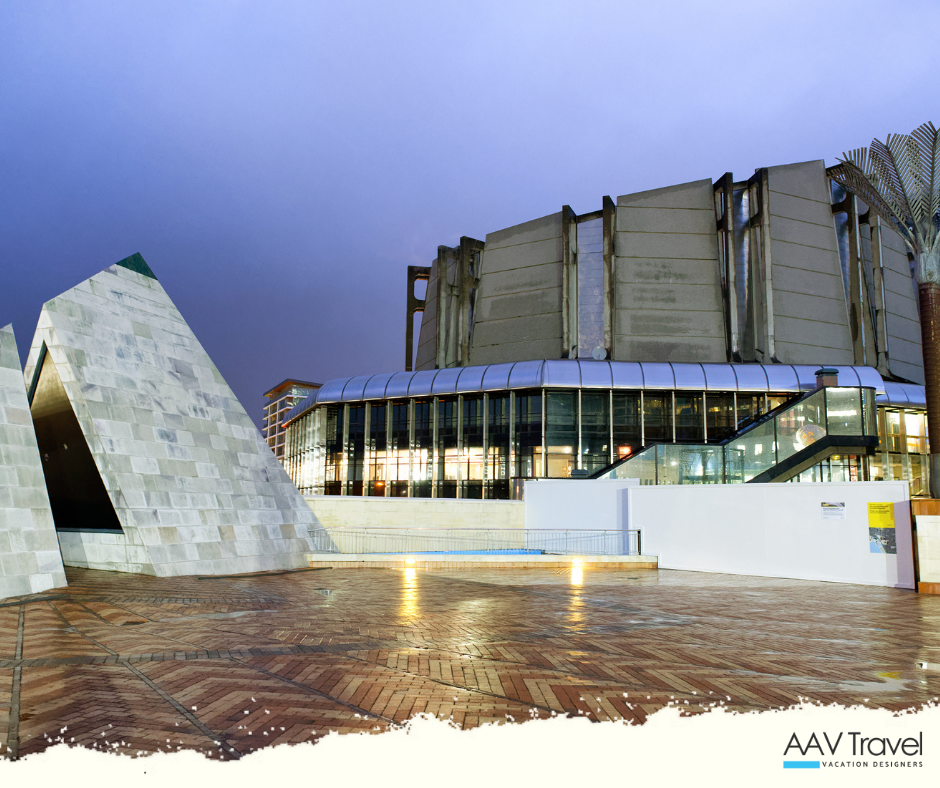
New Zealand’s cultural landscape follows a similarly thoughtful path. Museum developments and reinterpretations increasingly center Māori perspectives, weaving language, art, and ancestral knowledge into immersive experiences. For travelers, these spaces provide grounding before venturing into the country’s dramatic natural environments. Understanding cultural foundations first often transforms how landscapes are perceived and appreciated.

What all of these developments share is an emphasis on intentionality. The most compelling cultural journeys of 2026 will not be about seeing more, but about seeing better. They will be designed around moments that invite reflection, conversation, and a genuine sense of place.

This approach requires judgment. Not every new opening deserves equal attention, and not every trip benefits from constant stimulation. The art lies in knowing when a museum should be the centerpiece of a journey and when it should simply offer a quiet lens through which to understand a destination more deeply. It also requires thoughtful timing, avoiding peak moments when possible and allowing space for experiences to unfold naturally.

For travelers who value calm authority in planning, this is where expert guidance becomes quietly invaluable. Cultural openings often come with logistical nuances, from timed entry systems and limited exhibitions to neighborhood transformations that affect where one stays and how one moves through a city. Navigating these details with foresight ensures that cultural travel remains enriching rather than overwhelming.

As Europe and the wider world step into 2026, the most rewarding journeys will be those shaped by curiosity, patience, and discernment. Museums, at their best, do not demand attention. They invite it. And when woven thoughtfully into a broader journey, they can transform travel from a sequence of stops into a cohesive, meaningful experience.

If you are considering travel in 2026 and find yourself drawn to culture, history, and places in moments of thoughtful evolution, an intentional conversation can help shape a journey that reflects not just where you want to go but how you want to experience it. At AAV Travel, these conversations focus on pacing, judgment, and thoughtful travel design, ensuring that each journey feels seamless, grounded, and deeply personal. You are always welcome to explore what that might look like by visiting www.aav-travel.com or reaching out directly at info@aav-travel.com.

Written by: Stefanie P.
Christmas on Screen in Europe: Holiday Films as Windows into Tradition

In the United States, Christmas is more than a date on the calendar. It is a season shaped by ritual, repetition, and a familiar sense of comfort. As evenings grow darker and the pace of daily life finally begins to slow, many households return to the same small traditions year after year. One of the most enduring is the simple act of gathering in front of the television, wrapped in blankets, a warm drink within reach, letting a familiar holiday film play in the background.

These movies are rarely watched with full attention, and that is part of their charm. They become part of the rhythm of December rather than the focus of it, offering a shared backdrop for conversation, laughter, and quiet moments together. Parents introduce the films they grew up with to their children. Siblings quote lines they have known by heart for decades. Grown children return home and slip easily into routines that feel unchanged. In many American households, these films are not entertainment so much as reassurance. They signal that the season has truly arrived.

Coming from Switzerland, I have always found this aspect of American Christmas culture quietly fascinating. Each year, someone inevitably references a holiday classic with genuine surprise when I admit I have never seen it. Many of these films are deeply woven into American memory in a way that feels both communal and personal. They reflect how culture, storytelling, and seasonality intersect, shaping how people experience the holidays without necessarily thinking about it.

In Europe, Christmas films play a different role. In many countries, they are less about spectacle or novelty and more about continuity. The same films return year after year, not because they are new or particularly festive, but because they feel familiar. They belong to the season in a way that mirrors how traditions themselves are passed down.

Switzerland

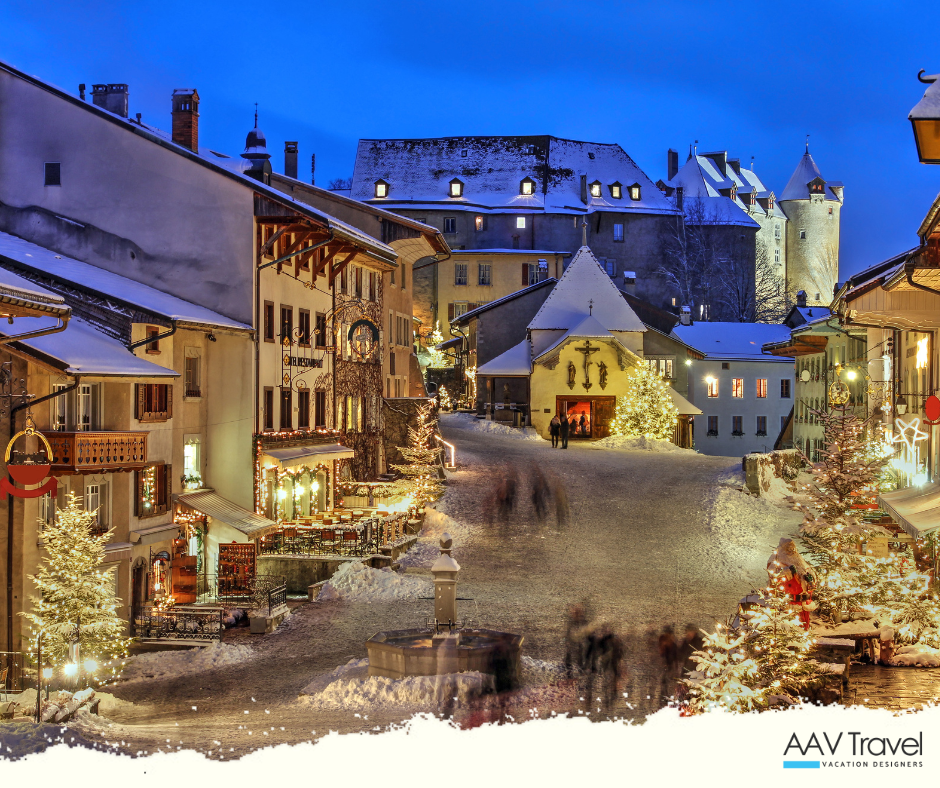
In Switzerland, Christmas unfolds quietly. The season begins with Advent and moves gently through St. Nicholas Day, Christmas Eve, and the days that follow. It is marked by candlelight, winter landscapes, and time spent close to home. Switzerland does not have a strong tradition of producing Christmas-specific films, yet certain stories have become inseparable from the season. In the German-speaking regions, “Drei Haselnüsse für Aschenbrödel,” known in English as “Three Wishes for Cinderella,” appears on television every December, watched by generations who know the story by heart. The classic “Sissi” films often accompany it, their romantic nostalgia fitting naturally into the slower, reflective mood of the holidays. These films mirror Switzerland’s approach to Christmas itself: understated, intimate, and rooted in continuity rather than excess.

Italy

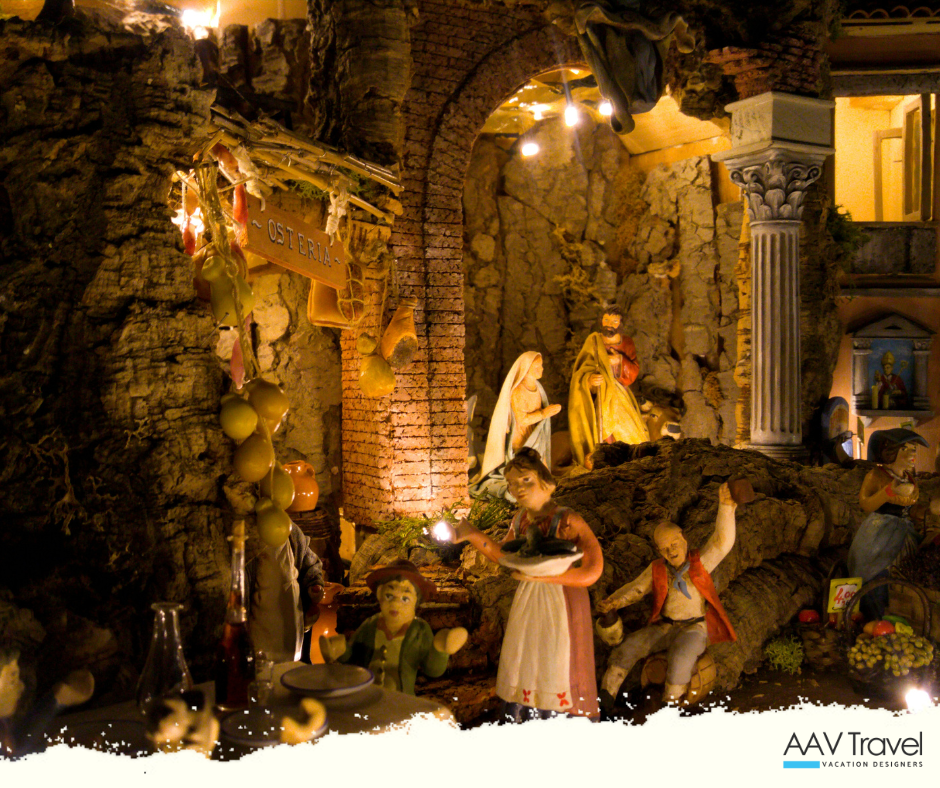
In Italy, Christmas is expansive in a different way. The season stretches well beyond Christmas Day, carrying through to Epiphany in early January. Family meals are long and unhurried, nativity scenes are lovingly displayed, and traditions unfold gradually rather than all at once. Italy has few homegrown Christmas films, yet one foreign movie has unexpectedly become a national ritual. Every Christmas Eve, millions of Italians watch “Una poltrona per due,” the Italian broadcast of “Trading Places.” What began as an American comedy has taken on a distinctly Italian rhythm through repetition, becoming part of the country’s shared holiday language. Alongside it, animated favorites such as “How the Grinch Stole Christmas” often appear, adding lightness and familiarity to evenings spent together.

Ireland

In Ireland, Christmas is deeply social, shaped by humor, community, and shared moments rather than strict formality. One of the most anticipated events of the season is not a film at all, but “The Late Late Toy Show,” a live television broadcast that signals the unofficial beginning of Christmas for many families. It is joyful, chaotic, heartfelt, and unmistakably Irish. Films still play their role, though, and classics like “The Muppet Christmas Carol” return year after year, appealing equally to children and adults. These viewing traditions reflect an Irish Christmas that values warmth, storytelling, and the pleasure of being together above all else.

France

France approaches Christmas with a sense of balance between celebration and restraint. Family meals, particularly the Réveillon on Christmas Eve, remain central, and festive markets bring warmth to winter evenings. While France does not place great emphasis on Christmas films as a category, certain titles have become seasonal touchstones. “Le Père Noël est une ordure,” a darkly comedic cult classic, reappears every December, its humor as familiar as it is irreverent. During the holiday break, French television often broadcasts the Harry Potter films, especially the first installment, which has come to feel inseparable from Christmas despite its British origins. Together, these films add layers of nostalgia and quiet magic to the season without overpowering it

Norway

In Norway, Christmas, or Jul, is defined by coziness, candlelight, and preparation. The weeks leading up to Christmas are as important as the day itself, filled with baking, decorating, and shared anticipation. Norwegian holiday television traditions are particularly strong, and for many families, Christmas Eve would feel incomplete without “Tre nøtter til Askepott,” the Norwegian broadcast of the Cinderella fairy tale also beloved in Switzerland. “Reisen til julestjernen,” or “Journey to the Christmas Star,” is another cherished favorite, embodying the fairy-tale quality and emotional warmth that define the season. These films capture the essence of kos, Norway’s expression of comfort, intimacy, and seasonal calm.

UK

In the United Kingdom, Christmas television is a tradition in its own right. Families gather year after year to watch the same films, often at the same time, creating a shared national rhythm. “Love Actually” has become a modern classic, its interwoven stories reflecting both the humor and tenderness associated with British Christmas culture. “The Snowman,” with its quiet animation and haunting score, has aired every Christmas since the early 1980s, offering a moment of stillness amid the festivities. These films reflect the British love of storytelling and ritual, where familiarity is part of the pleasure.

Travel Through Christmas Films Without Leaving Home

For those spending the holidays at home, these films offer a gentle way to experience Christmas beyond one’s own traditions. They provide insight into how different cultures approach the season, not through spectacle, but through repetition, tone, and shared memory. Watching them is not about escaping home, but about widening perspective, one quiet evening at a time.

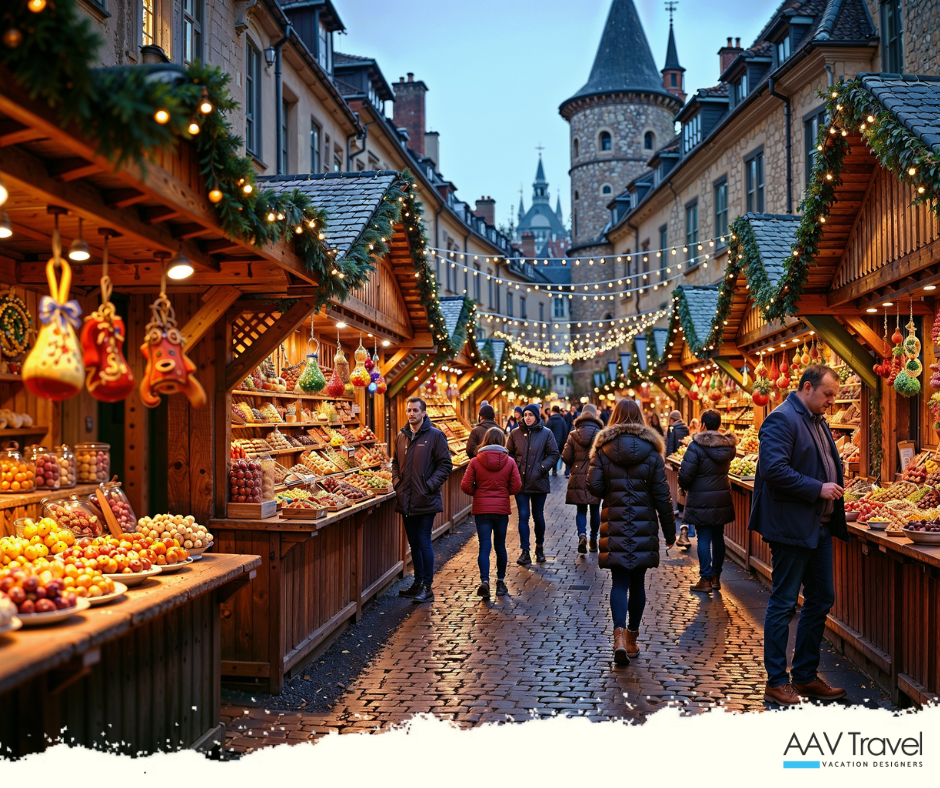
And for those who find themselves drawn to the idea of experiencing these traditions firsthand one day, whether at a Christmas market, a family-run hotel, or a candlelit village square, thoughtful planning makes all the difference. Christmas travel carries its own rhythms, trade-offs, and considerations, and understanding how the season is truly lived is often what transforms a beautiful idea into a rewarding experience. When the time feels right, AAV Travel would be happy to help.

Written by: Stefanie P.

The Ultimate Quadrangle: An Experience of Coastlines, Wines, and Mountain Serenity

For the discerning traveler seeking variety without compromise, this region is a journey through Europe’s finest contrasts: the Mediterranean’s gentle rhythm meeting the Atlantic’s bold spirit.
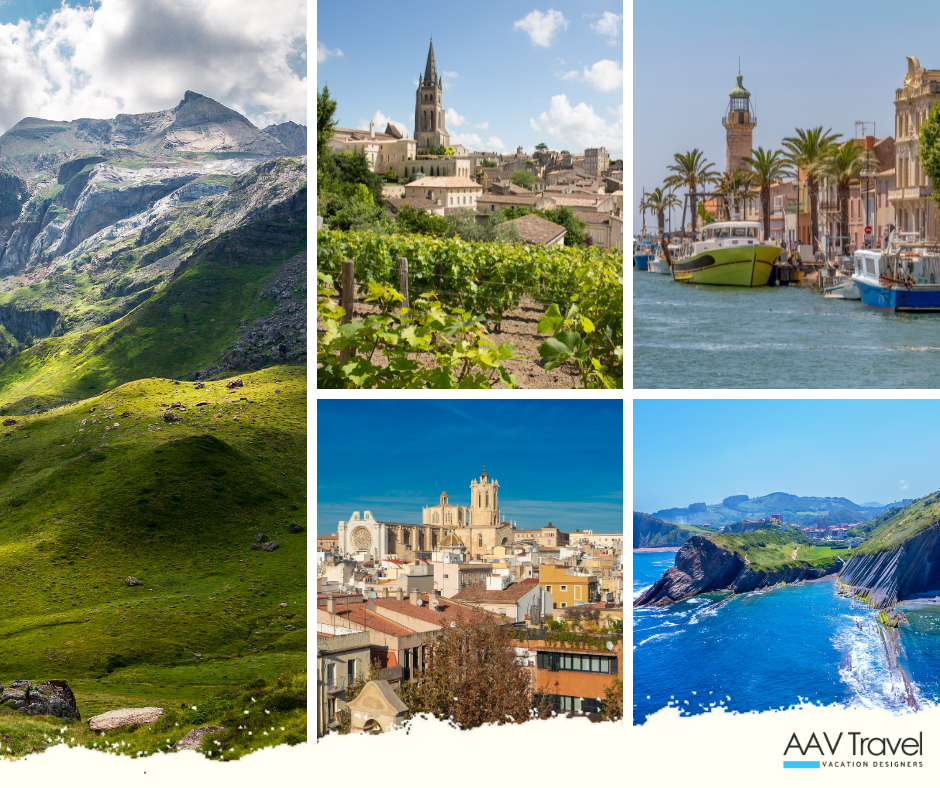
Stretching from Tarragona on Spain’s sun-kissed Costa Dorada to the elegant shores of Montpellier, sweeping across Bordeaux’s refined vineyards, and curving back toward the Basque energy of Bilbao, lies one of Europe’s most captivating travel quadrants. This vast square—spanning the Pyrenees and both the Mediterranean and Atlantic coasts—encompasses an extraordinary diversity of landscapes, languages, cuisines, and lifestyles. Here, the art of slow living intertwines with millennia of culture. You can sip rosé overlooking lavender fields, stroll through medieval seaside villages, taste wines that have shaped global palettes, and dine in Michelin-starred restaurants that celebrate terroir with every bite.

The Mediterranean Coast of Spain:
Tarragona and Beyond

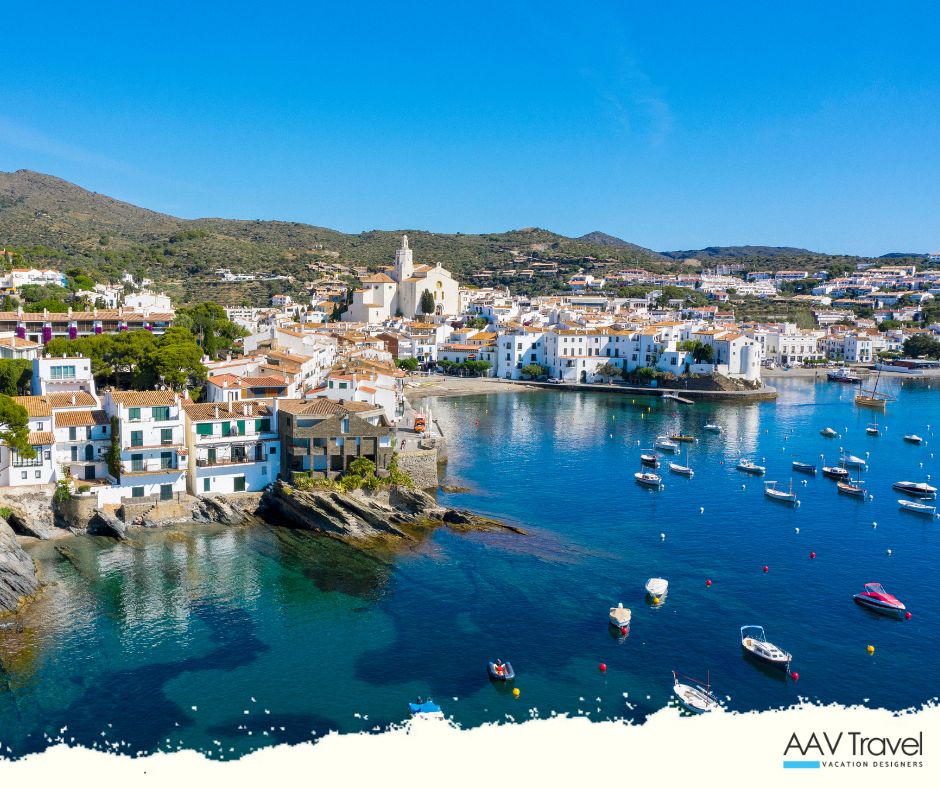
The Spanish Mediterranean coastline from Tarragona up toward the French border combines the historic richness of Catalonia with an irresistible seaside allure. Tarragona itself, a UNESCO World Heritage Site, offers a mesmerizing fusion of ancient Roman ruins, golden beaches, and Catalan culture. Its amphitheater facing the sea perfectly captures the region’s harmony between past and present. Just north, the Costa Brava unfolds with rugged coves, pine-framed beaches, and fishing villages that once inspired Salvador Dalí. Each seaside town—Calella de Palafrugell, Begur, Cadaqués—tells its own story, balancing authenticity with understated sophistication.

Luxury travelers will find secluded boutique hotels nestled in former masías (farmhouses), Michelin-starred restaurants highlighting Catalonia’s culinary creativity, and private yachts ready to explore crystalline coves. Inland, medieval towns like Pals or Peratallada reveal a quieter side of Catalonia, ideal for immersive wine tastings or truffle experiences. The Mediterranean climate, soft and luminous, makes this a year-round destination—perfect for those who appreciate culture as much as coastline. Whether you’re relaxing at an exclusive coastal retreat or venturing into the Priorat wine region for bold reds, Spain’s Mediterranean side invites travelers to savor life at a deliberate, pleasurable pace.

Insider Tip: Experience the Costa Brava’s artistic soul with a private guided day tracing Salvador Dalí’s footsteps—from his surreal home in Portlligat to the striking Dalí Theatre-Museum in Figueres. End the day with a sunset cruise along the Cap de Creus coastline, glass of cava in hand.

The Mediterranean Coast of France:
From Montpellier to Provence’s Edge

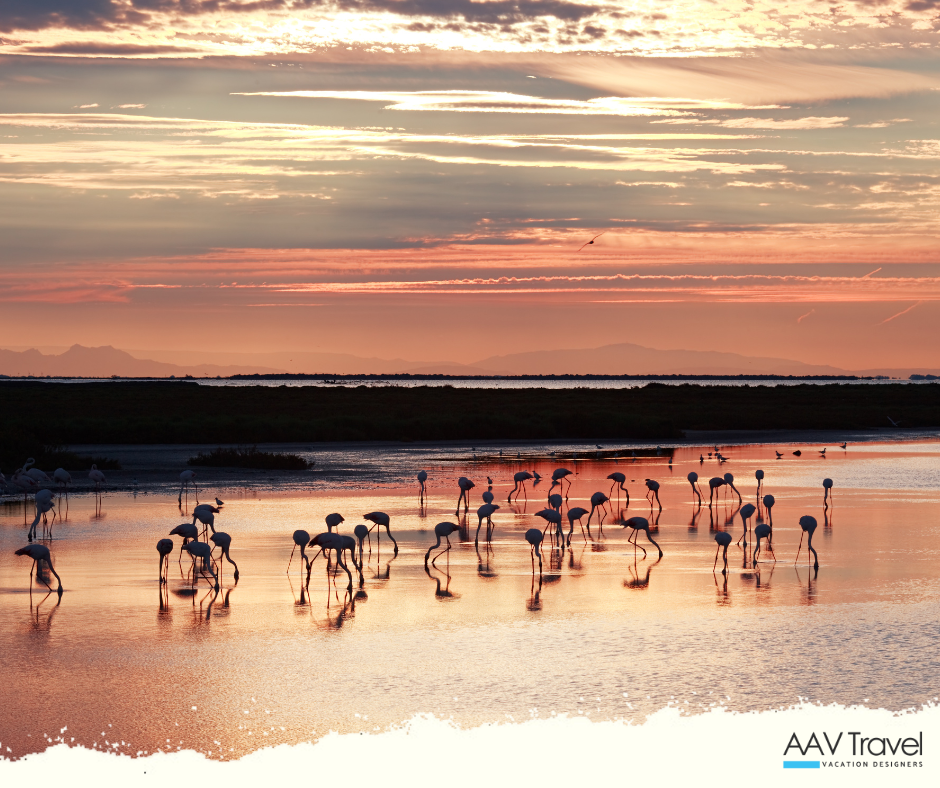
Crossing into France, the Mediterranean takes on a different character—more understated, yet endlessly refined. Montpellier, with its graceful squares, neoclassical architecture, and youthful vibrancy, anchors the region. South of the city, long stretches of sandy beaches give way to tranquil lagoons and vineyards that flourish under the southern sun. The nearby Camargue offers a striking contrast: wild horses galloping across salt flats, flamingos wading in shallow waters, and traditional ranches offering luxurious equestrian stays.

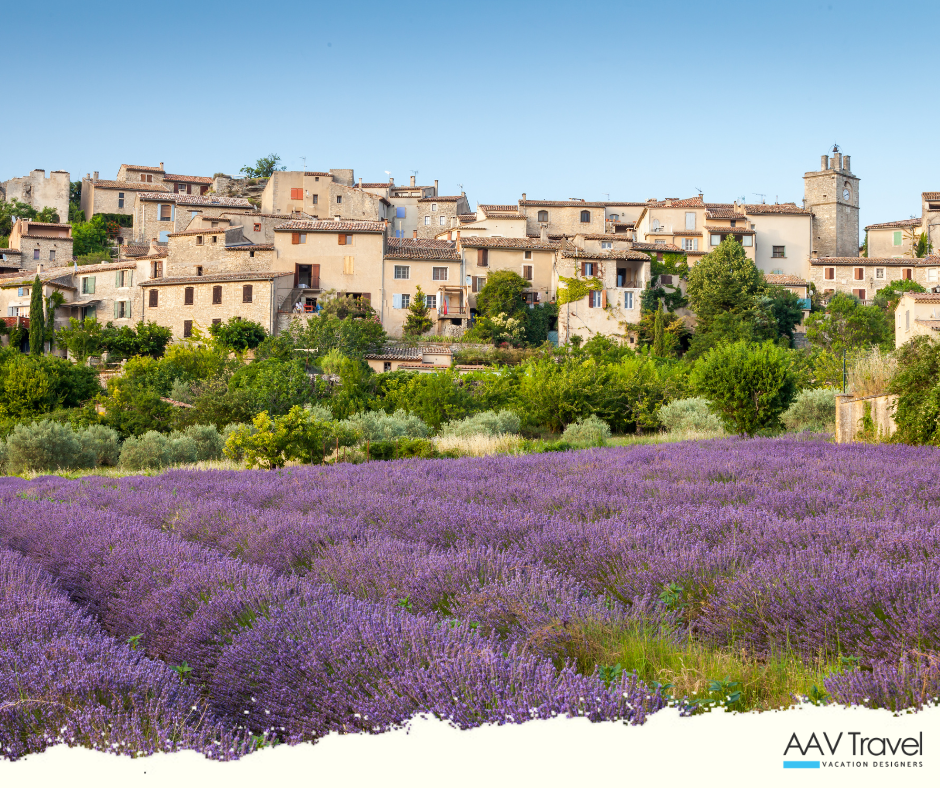
Further east, the influence of Provence begins to weave through the landscape—olive groves, lavender fields, and picturesque villages perched on rolling hills. Here, luxury comes in the form of experience: private villa stays surrounded by vineyards, market tours with local chefs, and exclusive spa retreats within ancient stone estates. The wines of Languedoc, once overshadowed by Bordeaux and Burgundy, now rival France’s finest and offer intimate tastings in family-run domaines. For travelers who appreciate elegance with authenticity, France’s Mediterranean coast blends heritage, gastronomy, and effortless chic in perfect harmony.

Insider Tip: For a rare and unforgettable moment, enjoy a private horseback ride at sunset through the Camargue’s salt marshes, guided by a gardian (local cowboy). Conclude with a champagne picnic overlooking the flamingos—a truly cinematic Mediterranean evening.

The Atlantic Coast of France:
Bordeaux and Its Environs

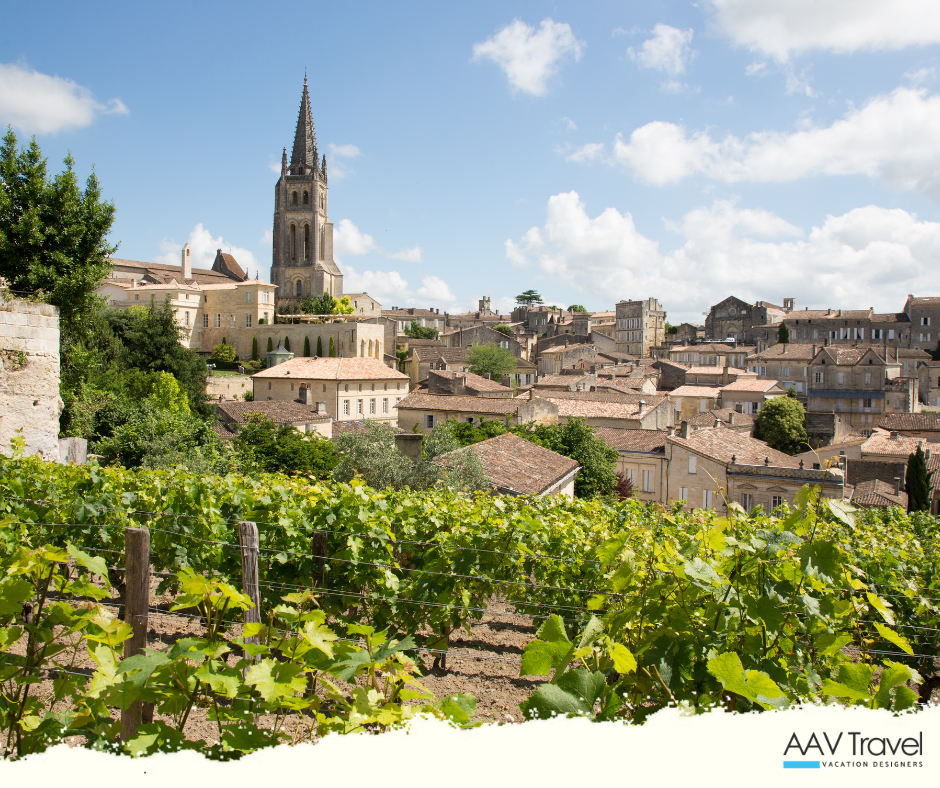
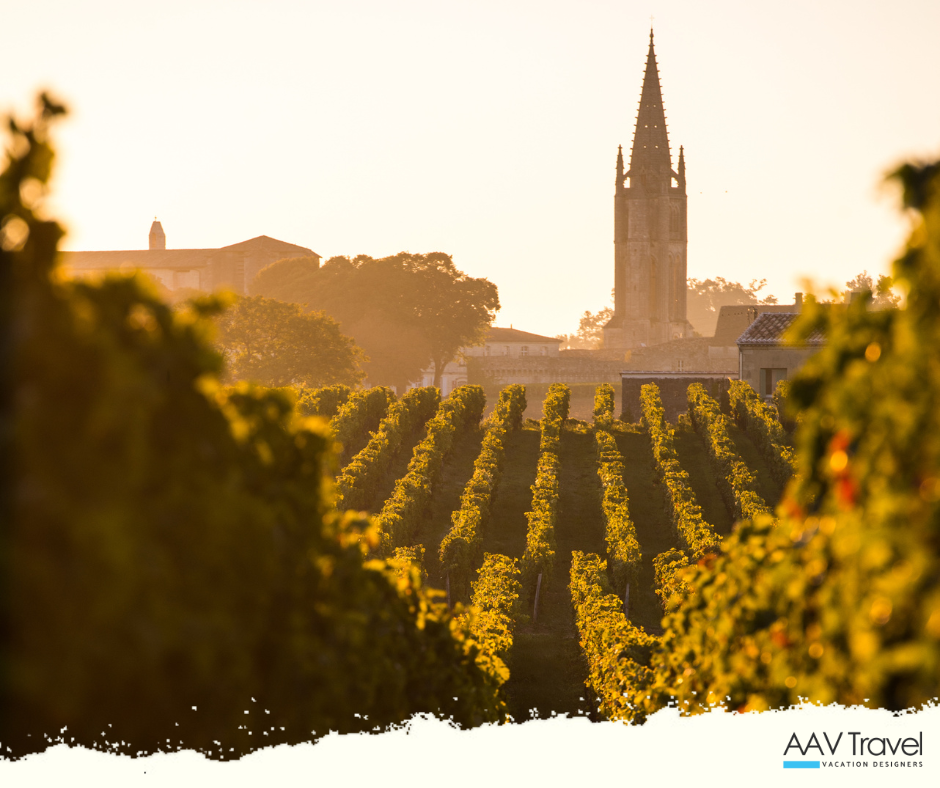
As the Mediterranean breeze gives way to Atlantic salt air, the scenery transforms. Bordeaux, long synonymous with the world’s most prestigious wines, is the beating heart of this transformation. Beyond its grand 18th-century architecture and riverfront promenades, the city serves as a gateway to vineyard regions that define luxury travel—Médoc, Saint-Émilion, and Pomerol. Here, private châteaux open their cellars for curated tastings and gourmet pairings, while Michelin-starred restaurants reinterpret French gastronomy with modern flair.

Yet Bordeaux’s allure extends to its coast. Just an hour away lies Arcachon Bay, a serene enclave of oyster farms, Belle Époque villas, and the monumental Dune du Pilat—the tallest sand dune in Europe. Visitors can sail privately across the bay, enjoy freshly harvested oysters with chilled white Bordeaux, or unwind at elegant seaside retreats. This area celebrates understated luxury: an immersion in nature, fine craftsmanship, and quiet indulgence. Whether you’re cycling through vineyards or retreating to a château surrounded by oak forests, the Atlantic coast of France exudes refinement rooted deeply in tradition.

Insider Tip: Arrange a private helicopter transfer from Bordeaux to Arcachon Bay, followed by an exclusive oyster tasting directly on the water with a local producer. This unforgettable pairing of flight and flavor captures the essence of the French Atlantic in style.

The Atlantic Coast of Spain:
Basque Spirit and Coastal Sophistication

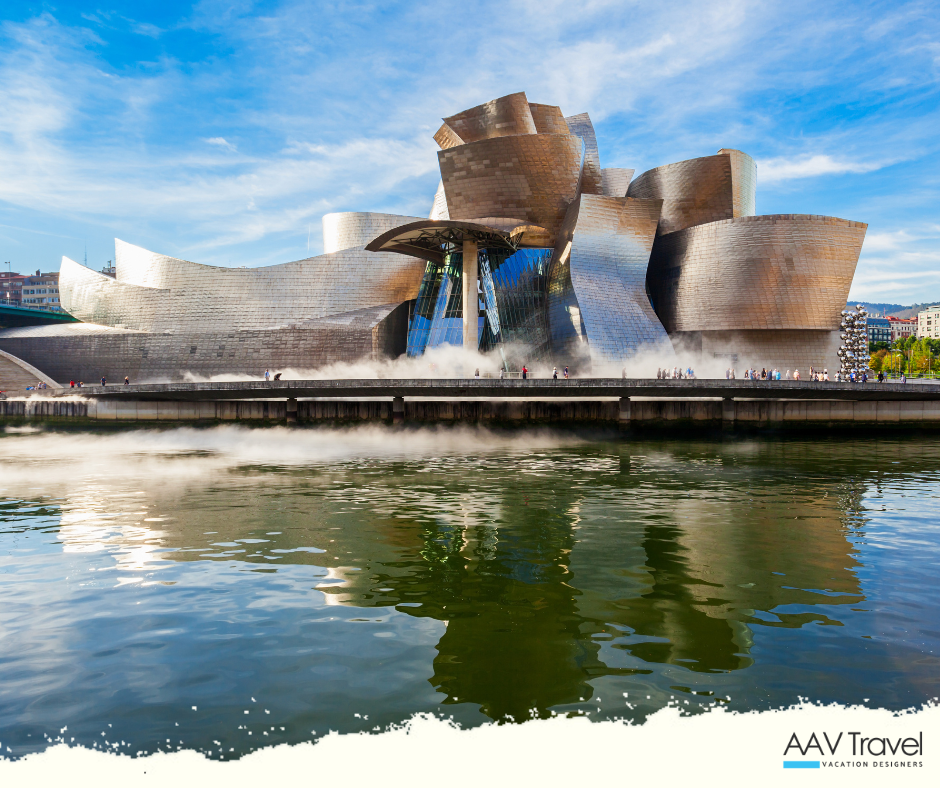
From the French border to Bilbao, Spain’s northern coast captivates with its wild beauty and vibrant cultural identity. The Basque Country blends raw landscapes with avant-garde cuisine and contemporary art. San Sebastián, with its crescent-shaped bay and world-renowned gastronomy, is a destination where luxury is experienced through the senses—tasting menus at Arzak or Mugaritz, strolls along La Concha Beach, and stays in historic belle époque hotels. Further west, Bilbao has reinvented itself as a hub of design and innovation, anchored by the iconic Guggenheim Museum and a growing collection of boutique accommodations that mirror its creative energy.

The Atlantic here is untamed yet inviting, perfect for those drawn to authenticity and sophistication in equal measure. Green mountains tumble into the sea, fishing villages serve exceptional pintxos, and the region’s wines—Txakoli in particular—offer crisp refreshment to complement the coastal fare. For the discerning traveler, this stretch of Spain offers an intimate, luxurious immersion into a culture that celebrates both tradition and reinvention. It’s the ideal place to conclude a journey through southern Europe’s most diverse region—where every turn reveals another layer of art, flavor, and natural splendor.

Insider Tip: Step beyond the city and embark on a privately guided hike along the Flysch cliffs near Zumaia, where geological layers tell the story of Earth’s evolution. Finish the day with a chef-prepared Basque seafood picnic overlooking the roaring Atlantic.

The Heart of the Pyrenees:
Mountain Majesty and Timeless Charm

Between the two seas lies the soaring spine of the Pyrenees, a world apart where France and Spain meet in a tapestry of snow-capped peaks, deep valleys, and remote stone villages. This central region offers a refreshing contrast to the coasts—a place where mountain air, alpine lakes, and centuries-old traditions shape a slower rhythm of life. In summer, wildflower meadows and crystal-clear streams invite hiking, cycling, and picnics beside glacial lakes; in winter, charming resorts like Baqueira-Beret or Saint-Lary-Soulan offer sophisticated skiing with a distinctly local flavor. Beyond outdoor pursuits, the Pyrenees are rich in cultural treasures: Romanesque chapels, bustling local markets, and thermal spas that date back to the Belle Époque.

Here, luxury takes the form of connection—with nature, with heritage, and with the authenticity of mountain hospitality. Intimate alpine lodges, converted monasteries, and boutique hotels offer candlelit dining by the fire, while Michelin-starred chefs reimagine rustic recipes using ingredients foraged in the valleys. Whether approached from Spain’s Aragonese side or France’s pastoral foothills, the Pyrenees invite travelers to pause, breathe, and rediscover balance amid one of Europe’s most pristine landscapes.

Insider Tip: For an unforgettable experience, embark on a private guided journey along the Route des Cols, the legendary mountain passes connecting France and Spain. Stop for a gourmet picnic overlooking the shimmering Lac de Gaube, or unwind in the natural thermal waters of Bains de Dorres, a centuries-old open-air spa with sweeping views of the peaks.

Seamless Access and Effortless Exploration

One of the many advantages of this region is how effortlessly it can be reached and explored. Non-stop flights from the U.S. bring travelers directly to Barcelona, while international airports in Montpellier, Bordeaux, and Bilbao are easily accessible from major European hubs. Once here, getting around is remarkably convenient—the driving distance between these key cities is no more than five hours, making it possible to experience an extraordinary variety of landscapes and cultures within a compact footprint. From the golden Mediterranean shores to the vineyards of Bordeaux, the rugged Pyrenees, and the vibrant Basque coast, the region lends itself beautifully to exploration by private driver-guide, luxury road trip, or a combination of high-speed trains and tailored transfers. This seamless connectivity allows AAV Travel to craft itineraries that unfold naturally—inviting travelers to savor every transition as part of the journey itself.

Curating a Journey Through Southern Europe

From the sun-drenched Mediterranean villages of Tarragona and Montpellier to the sophisticated Atlantic shores of Bordeaux and Bilbao, and finally into the serene heights of the Pyrenees, this region offers a remarkable palette of experiences within a single, easily navigable area. Each corner of this quadrangle reveals a distinct rhythm—coastal elegance, vineyard refinement, mountain tranquility, and cultural vibrancy—yet together they form a seamless journey that feels both diverse and harmonious. With AAV Travel as your guide, every detail—from private transfers and curated tastings to boutique accommodations and insider experiences—can be arranged to ensure a travel experience that is both effortless and unforgettable.

Allow us to craft your personal itinerary, blending discovery, indulgence, and authenticity. Your next journey through the heart of southern Europe awaits. To begin planning, contact us via email at info@aav-travel.com or visit the website.

Written by: Stefanie P.