Information is Abundant. Judgment is Rare.

In an Age of AI and Algorithms, Judgment Matters More than Ever.

The Illusion of Endless Access

We have never had more access to travel information. A single search produces thousands of itineraries, curated lists, hotel reviews, destination guides, restaurant rankings, and sample schedules. Artificial intelligence can generate a ten-day journey in seconds. Television transforms landscapes into cinematic experiences. Social media delivers perfectly framed villages at sunrise and empty piazzas that seem suspended in time.
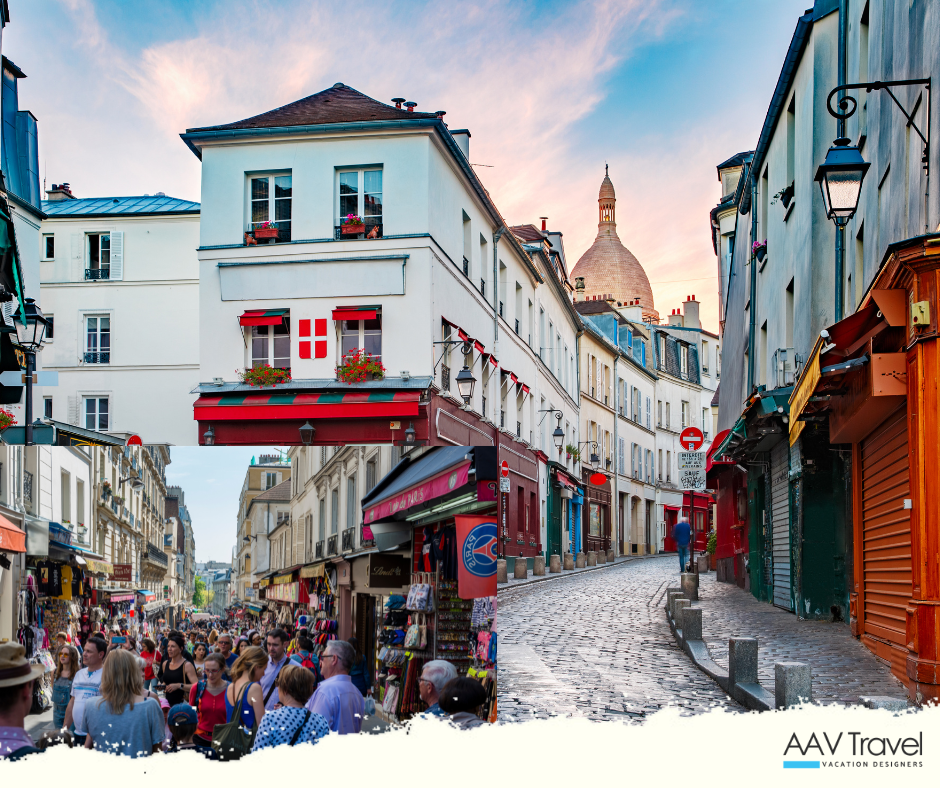
And yet, many travelers quietly admit to a growing frustration. The place that looked serene feels crowded. The charming café requires a queue. The scenic road is lined with tour buses. The reality does not quite match the promise.

The issue is not a lack of information. It is a lack of discernment.

Algorithms Reward Popularity, Not Fit

Algorithms are designed to amplify what is already gaining attention. The more a destination trends, the more visible it becomes. The more visible it becomes, the more people feel compelled to go. A feedback loop is created, and the result is predictable. Concentration replaces discovery.
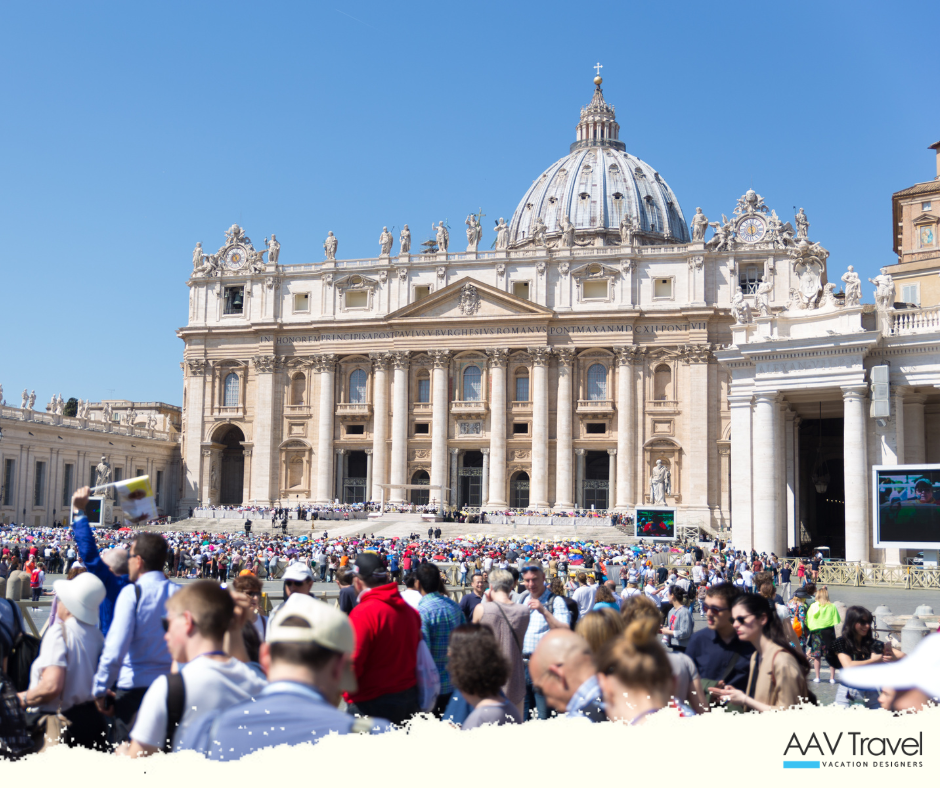
But popularity is not the same as suitability.

A couple celebrating a milestone anniversary does not travel in the same way as a family with young children. A retired executive seeking depth and reflection has different pacing needs than a traveler who thrives on constant movement. Health considerations, tolerance for heat, comfort with crowds, appetite for cultural immersion, and risk sensitivity all matter.

An algorithm cannot evaluate these subtleties. It does not ask whether a destination is appropriate in a particular season for a particular traveler. It does not assess infrastructure strain, staffing shortages, political climate, or local sentiment. It cannot distinguish between what photographs beautifully and what feels deeply satisfying in person.

Consider a traveler who plans three days on the Amalfi Coast after watching a documentary filmed in October, with early-morning access and clear roads. She arrives in August, midday, with a full suitcase and no private transfer. The views are exactly as promised. The experience is not.

Judgment begins where data ends.

When Beautiful Content Masks Timing

A television series might film in shoulder season with special access and controlled environments. An influencer captures a coastal village at dawn before day trippers arrive. A traveler arrives in peak season at midday and wonders what went wrong.

Timing is rarely visible in the image.

Seasonality shapes everything. Light, temperature, crowd flow, restaurant availability, guide quality, and even the emotional tone of a place shift throughout the year. A destination that feels expansive in May can feel compressed in August. A cultural site that invites contemplation at opening hours can feel transactional by mid-afternoon.

Experienced travel design requires a layered understanding of these rhythms. It asks not only where to go, but when to go, how long to stay, and how to structure each day so that energy is preserved rather than depleted.

This is not about exclusivity. It is about calibration.

The Myth of the Universal Bucket List

Social media has subtly created the impression that there is a shared list of essential places everyone must experience. Certain coastal towns, certain islands, certain mountain passes, certain iconic monuments appear repeatedly. The message is implied rather than spoken. If you have not been there, you are behind.

But refined travel is not a competition. It is a reflection of who you are at a specific stage of life.

A traveler in her forties balancing professional responsibility and family commitments may crave restoration and privacy. A couple in their sixties may prioritize comfort, seamless logistics, and meaningful cultural exchange. A solo traveler might seek immersion and conversation rather than spectacle.

The question is not whether a destination is famous. The question is whether it aligns with your energy, your curiosity, your physical comfort, and your goals for the journey.

Judgment means recognizing that not every celebrated destination is right for every traveler. It means having the confidence to choose depth over trend and pacing over pressure.

Risk Is Not Always Obvious
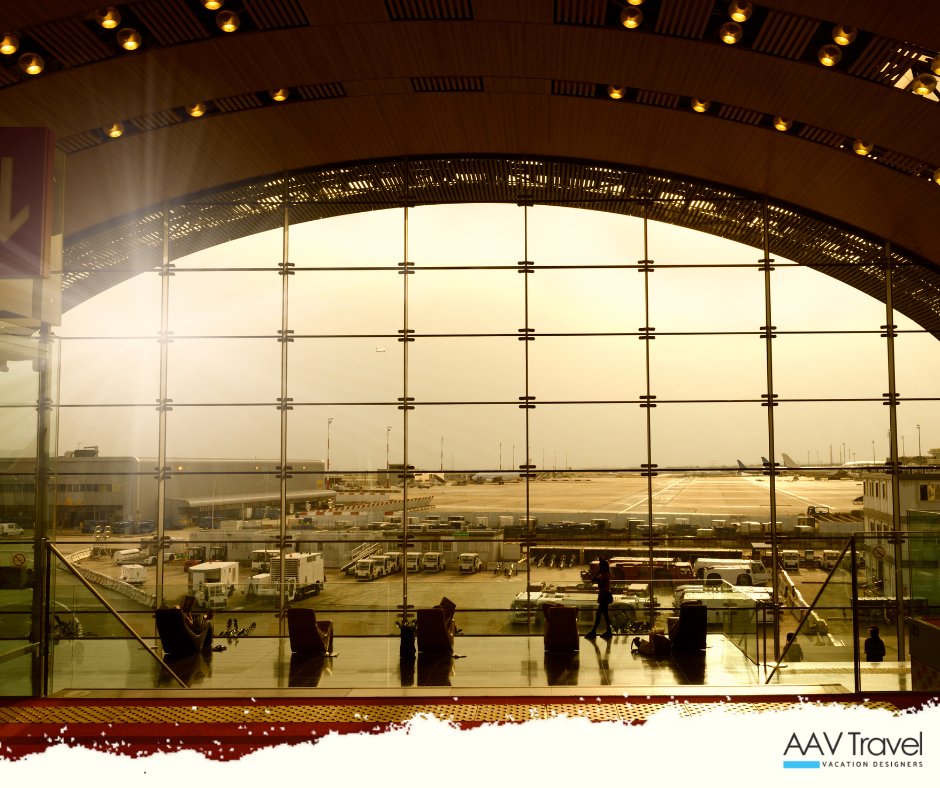
Modern travel is marked by layers of complexity that are rarely visible in promotional content. Infrastructure limits, overtourism regulations, staffing shortages, environmental stress, health considerations, transportation disruptions, and geopolitical shifts all influence the quality of an experience.

Artificial intelligence can compile options. It cannot assume responsibility.

An experienced advisor considers contingency planning, flexibility within the itinerary, and the practical realities of moving through a destination. Where are the friction points likely to emerge? What are the alternatives if the weather shifts? How can we build in breathing room so that a delayed transfer does not cascade into stress?

An experienced advisor considers not only the destination itself but the architecture of the journey around it. What does the arrival sequence look like, and where are the friction points most likely to emerge? What happens if a connecting flight is delayed, or a local ferry runs on a reduced schedule during a national holiday? What alternatives exist that can be activated quickly and without panic? These are not worst-case scenarios. They are the ordinary variables of travel, and accounting for them in advance is what separates a resilient journey from a fragile one.

Risk management in travel is not alarmist. It is protective. It allows travelers to remain present because someone else has anticipated the variables.

Pacing Is a Design Choice
One of the most overlooked aspects of modern travel planning is pacing. When information is abundant, there is a tendency to add more. Another town. Another excursion. Another reservation that seems too good to miss.

But more is not always better.

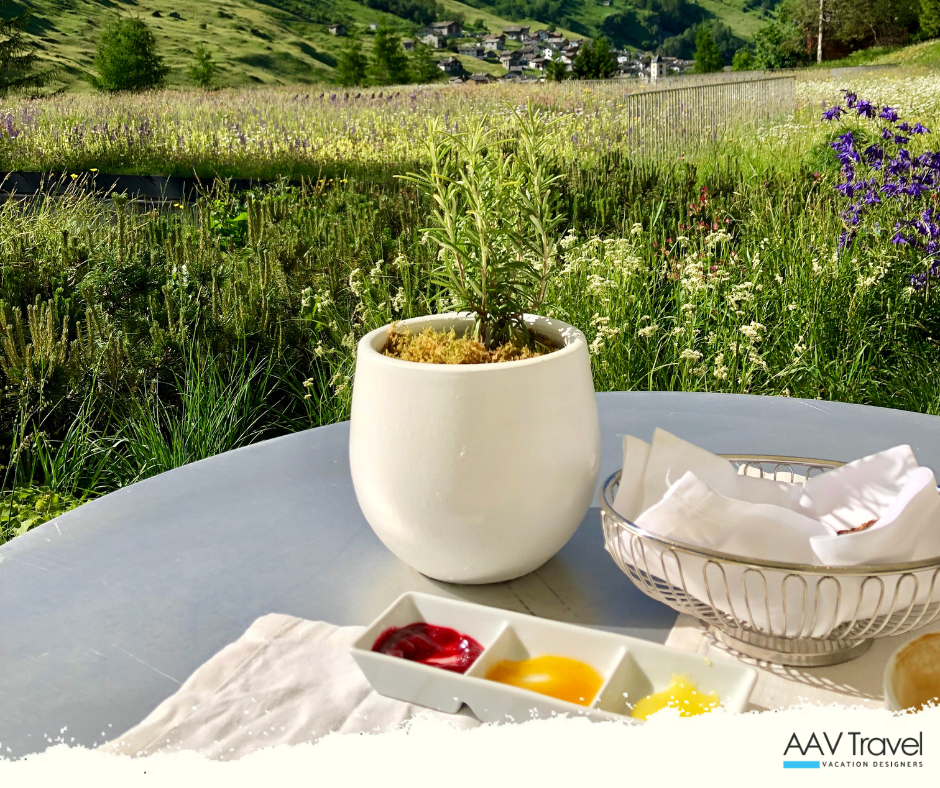
A thoughtfully designed itinerary recognizes the value of space. Time to linger over breakfast. Time to walk without agenda. Time to absorb rather than accumulate. True luxury often lies in what is intentionally left out.

Judgment involves restraint. It requires the discipline to say no to the extra stop that adds logistical strain but little meaning. It requires the confidence to extend a stay in one place rather than racing through three.

In an environment saturated with options, restraint becomes a rare skill.

From Information to Insight

Information answers the question, what is available. Judgment answers the question, what is appropriate.

For experienced travelers, this distinction matters more than ever. The stakes are higher. Time is more precious. Expectations are more nuanced. And the gap between what AI can generate and what a well-calibrated advisor can design has never been wider — precisely because the surface layer of planning has become so easy to automate.

Designing a journey well means filtering the noise, reading the timing, and aligning every decision with the traveler — not with the algorithm. It is less about assembling components and more about shaping an experience that feels coherent, balanced, and protected from unnecessary friction.
If you are beginning to think about a journey and want to move beyond inspiration toward thoughtful design, I invite you to begin with a Strategic Travel Advisory Session. Through a focused and intentional conversation, we explore your goals, pacing preferences, timing considerations, and the broader context that will shape your experience. From there, we determine the right path forward with clarity and discernment.

You can learn more at AAV Travel or reach out directly at info@aav-travel.com to begin the conversation.

Written by: Stefanie P.

Luxury, Intimacy, and Exclusivity: Why Boutique Hotels Like J.K. Place Rome Are the Ideal Choice for the Discerning Traveler

For today’s luxury traveler, the true indulgence lies in the experience—one that’s private, thoughtfully curated, and completely in tune with their unique expectations. While grand resorts and palatial hotels certainly have their allure, many sophisticated globetrotters are increasingly seeking spaces where they can retreat from the spotlight, without sacrificing style, comfort, or service.

A desire for privacy often stems not only from the need for rest but from the yearning for authenticity—a place that feels like a refined sanctuary rather than a tourist destination. Luxury is no longer just about opulence; it’s about meaningful, personalized encounters and surroundings that reflect one’s lifestyle and values.

Equally important is the atmosphere. Boutique luxury hotels have a distinct ability to foster a sense of connection—whether that’s a warm conversation with the concierge who remembers your favorite aperitivo, or simply the shared understanding among guests who appreciate refined yet relaxed elegance. It’s about being surrounded by like-minded individuals in a setting that feels intimate and exclusive, not crowded or impersonal.

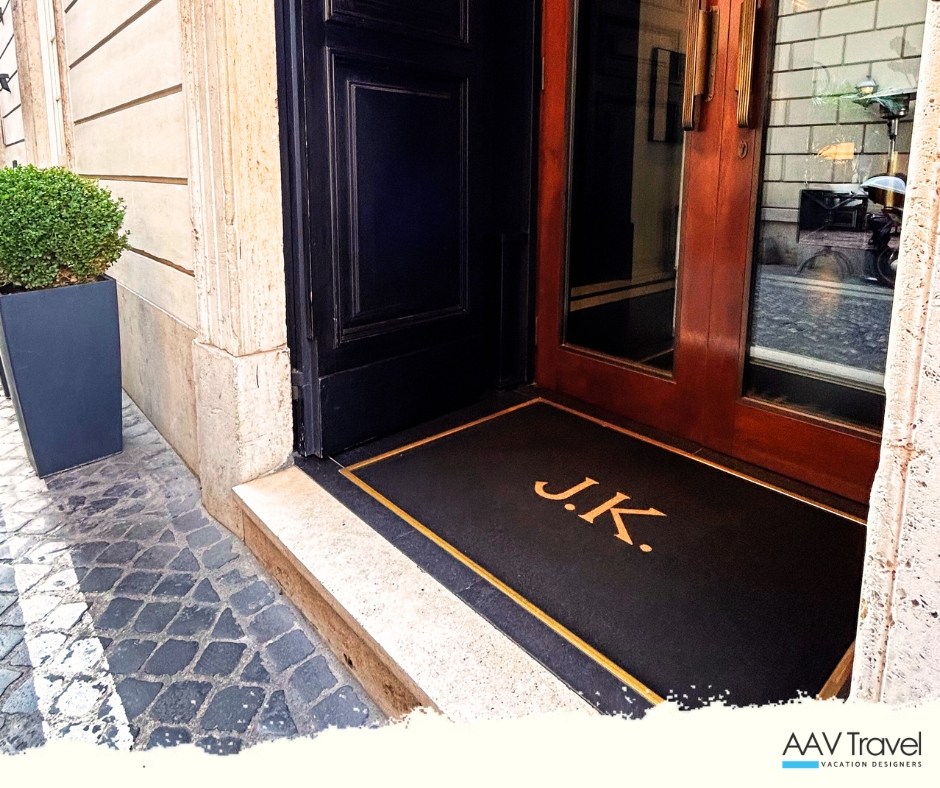
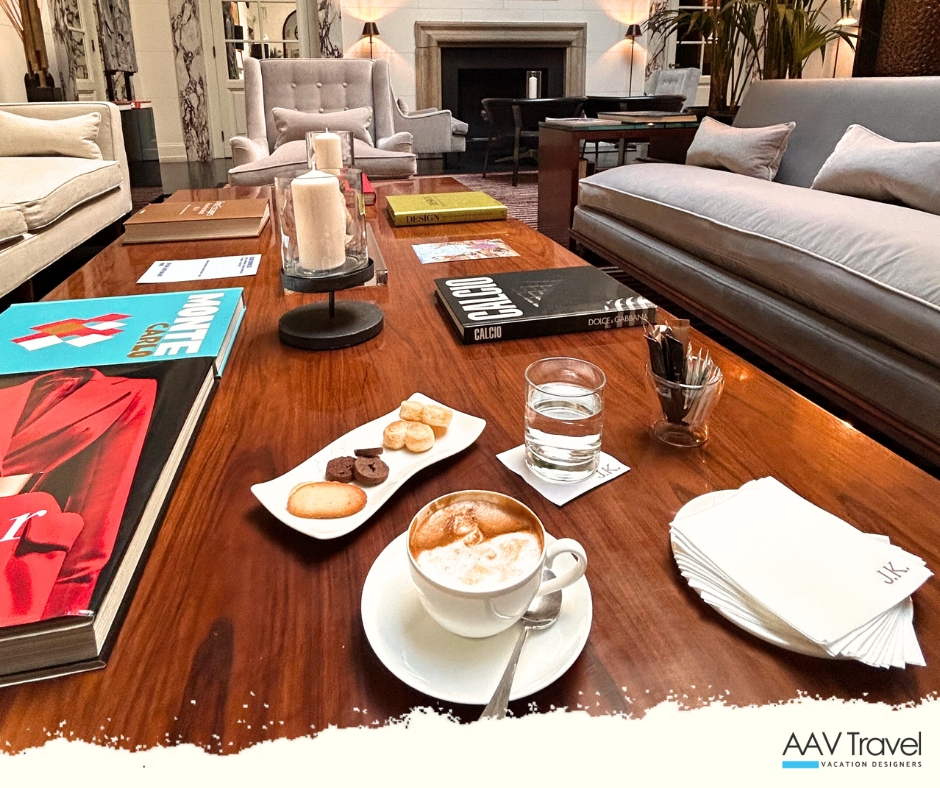
During a recent overnight stay at J.K. Place Rome, I had the opportunity to experience just how beautifully these ideals come together. I am immensely grateful to the team—and in particular, my gracious hosts —for welcoming me and allowing me to get a firsthand glimpse into what makes this property so exceptional.

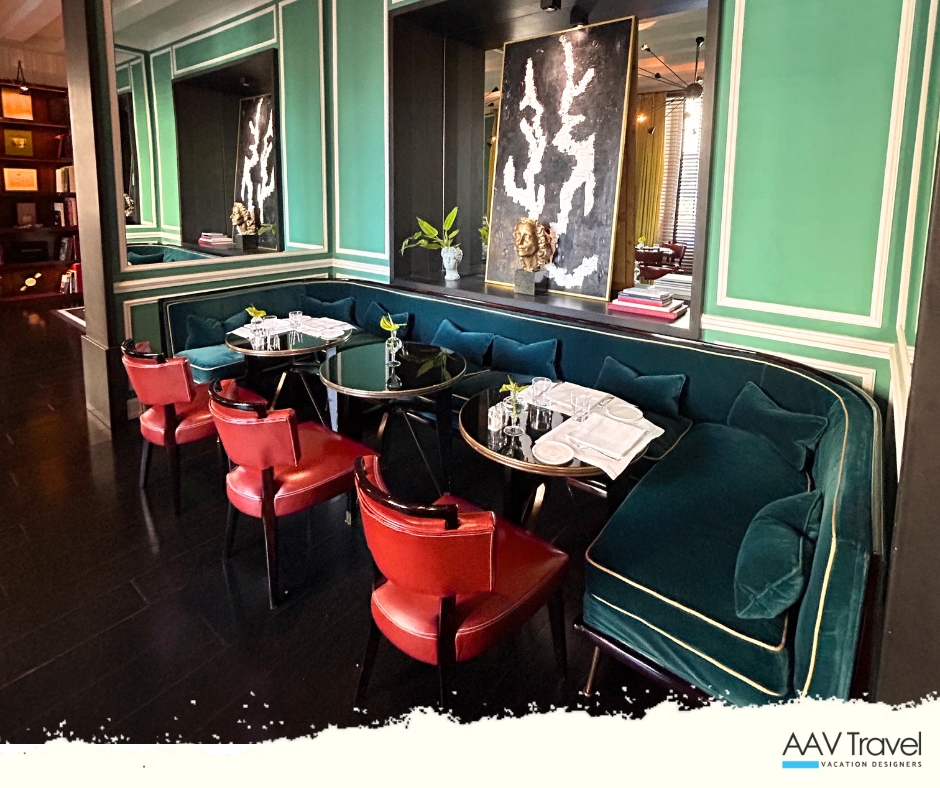
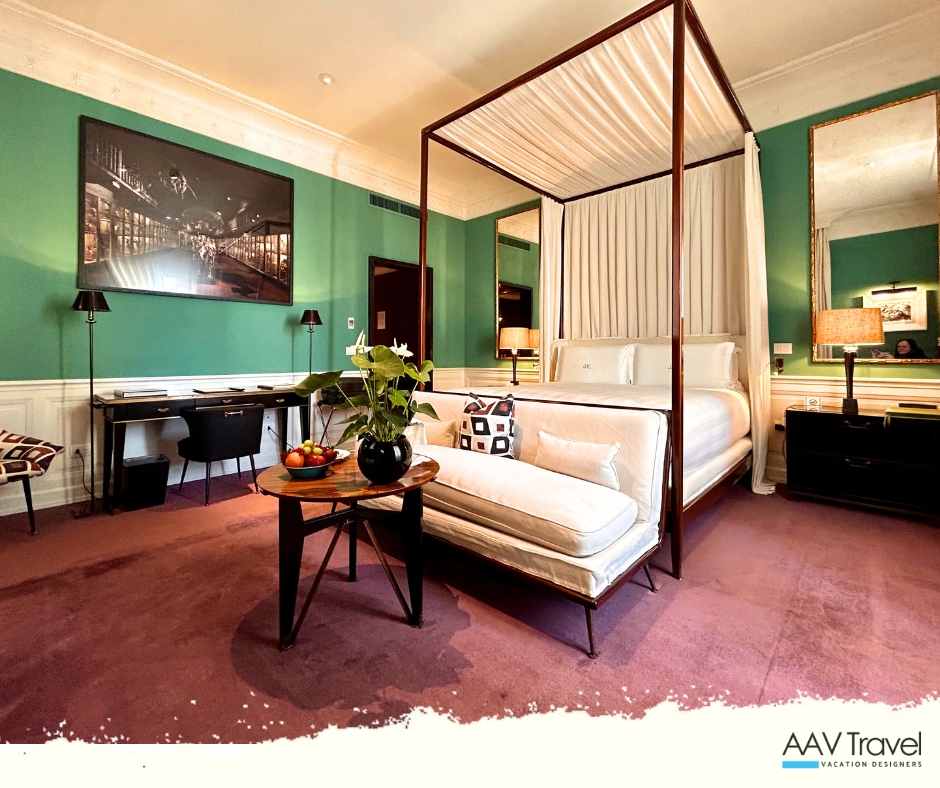
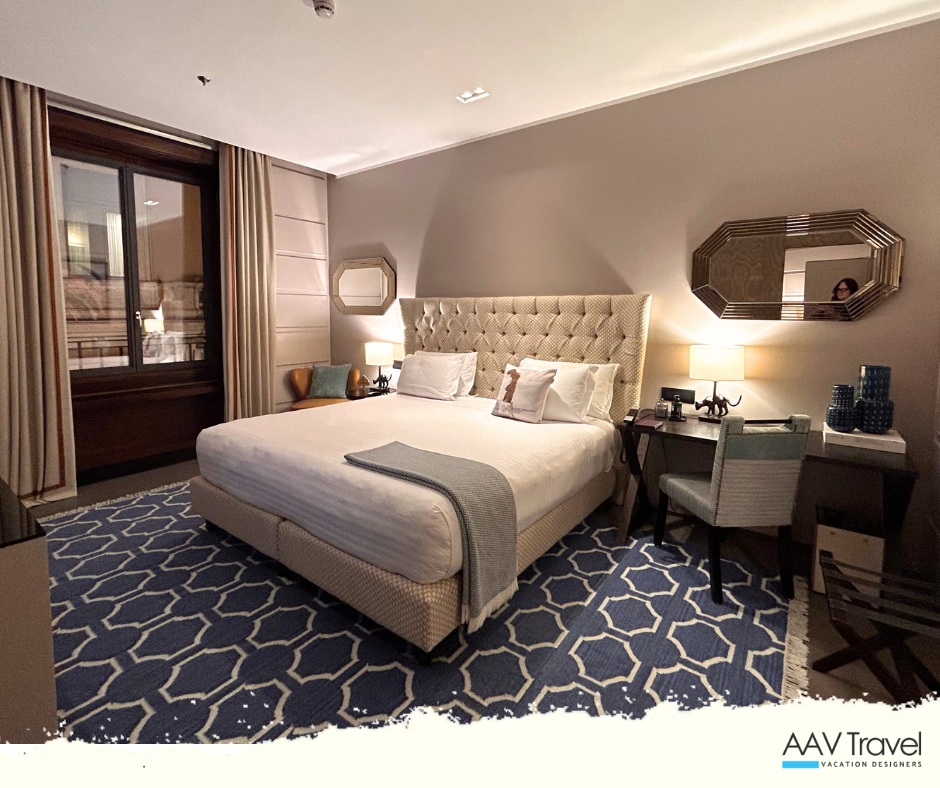
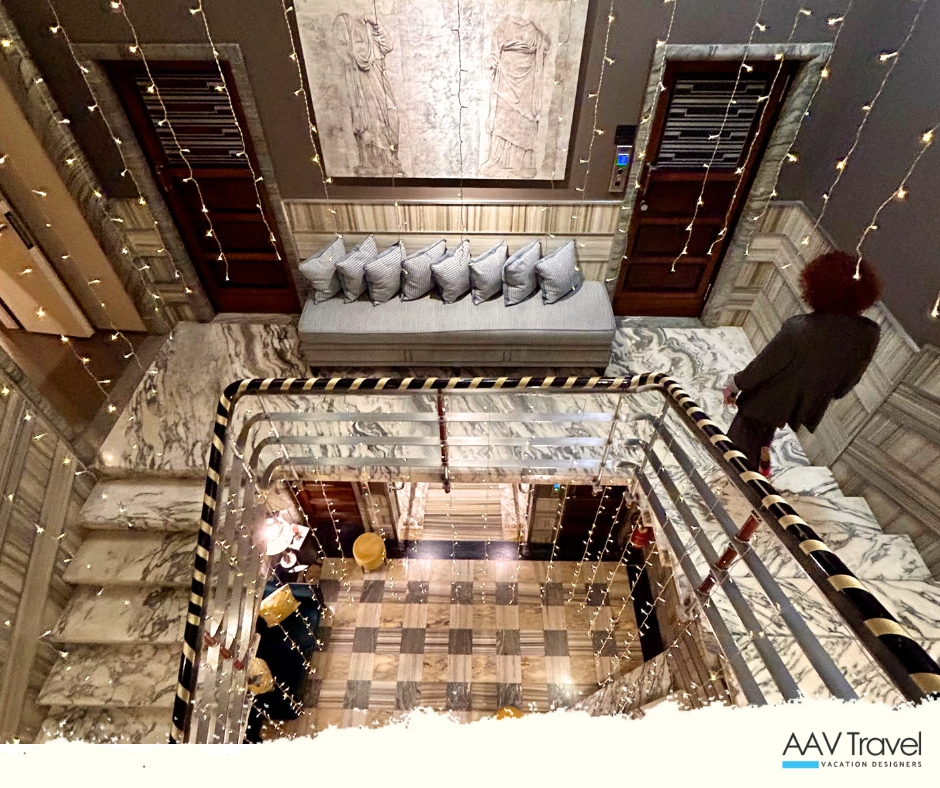
Nestled in the heart of Rome’s historic center, J.K. Place offers an impeccable balance between discretion and warmth. With just 27 rooms, it feels more like a private Roman residence than a hotel. Interiors by Michele Bönan blend mid-century design with classic Italian elegance, creating spaces that are at once stylish and supremely comfortable. Rooms are bathed in natural light, outfitted with thoughtful details—cashmere throws, Carrara marble bathrooms, personalized welcome amenities—and designed with an understated sophistication that whispers rather than shouts.

What sets J.K. Place Rome apart, however, is its intuitive service. Every interaction, from check-in to breakfast in the library lounge, is marked by genuine attention and discretion. There is a comforting sense of familiarity, as if you are returning to a place that knows you well—without ever having been there before. It’s a rare combination of luxury and approachability that makes you feel not just pampered, but truly seen.

Adding to this thoughtful experience, General Manager Maria Strati curates a monthly newsletter that offers handpicked insights into Rome’s ever-evolving cultural and culinary scene—highlighting events, must-visit restaurants, insider shopping spots, and a personal tip for the month. And for anything else you might need, the concierge team is just a WhatsApp message away, ready to assist with the kind of effortless efficiency and warmth that defines the J.K. experience.

For those planning a journey to the Eternal City, working with an experienced luxury travel advisor adds another layer of ease and refinement. With insider knowledge, firsthand hotel visits, and longstanding relationships with properties like J.K. Place, your AAV Travel advisor ensures that your Roman holiday is seamless, personalized, and unforgettable—from the moment you arrive to your final gelato in Piazza Navona.

In addition, you gain access to far more than just hotel bookings and sightseeing suggestions—you benefit from deeply personal, firsthand experience. With extensive on-the-ground knowledge of the city’s finest boutique hotels, hidden-gem trattorias, private guides, and off-the-beaten-path moments, your advisor ensures your Roman holiday feels effortless, immersive, and truly tailored to you.

Written by: Stefanie P.
To start planning, contact us via email at info@aav-travel.com or visit the website.

Experiencing Italy’s Aperitivo Tradition: Rooftop Luxury at Singer Palace Hotel in Rome

Before dinner comes the drink — and in Italy, this is more than just a ritual. It’s a treasured cultural tradition that dates back centuries. The Italian concept of aperitivo—literally meaning “to open”—is rooted in the idea of awakening the appetite with a light, often bittersweet drink. This custom gained momentum in late 18th-century Turin with the rise of vermouth, a delicately infused fortified wine that set the stage for the modern aperitivo. By the mid-19th century, cafés in northern Italy began pairing their cocktails with small savory bites called stuzzichini, teasing the palate and enriching the experience. What started as a fashionable trend evolved into a national tradition, embracing not only flavor but the joy of coming together.

Knowing how to “do” aperitivo properly can elevate your travel experience. Unlike the discounted drink specials familiar in North America, Italy’s version of happy hour is an elegant affair where your beverage often includes a thoughtfully prepared spread of snacks—sometimes modest, sometimes generous enough to be called apericena, a hybrid of aperitivo and dinner. You might pay a bit more for your glass of Prosecco or your spritz in a city like Rome, but that price includes the pleasure of grazing on regional delicacies and soaking in the atmosphere. Whether you choose a bold Negroni, a bubbly Prosecco, or a crisp Italian craft beer, what matters most is how you enjoy it: unhurried, in good company, and just before dinner—often beginning around 7 or 8 PM.

As the Italian sun stretches into the evening, the aperitivo reaches its peak. Especially in summer, outdoor terraces and piazzas come to life. Locals and travelers alike gather under golden skies, catching up on the day and relishing the simple act of being together. It’s this unspoken art of connection that defines the aperitivo—an essential thread in the tapestry of Italian life. Though the drinks and snacks may vary by region, the spirit remains the same: convivial, relaxed, and deliciously communal.

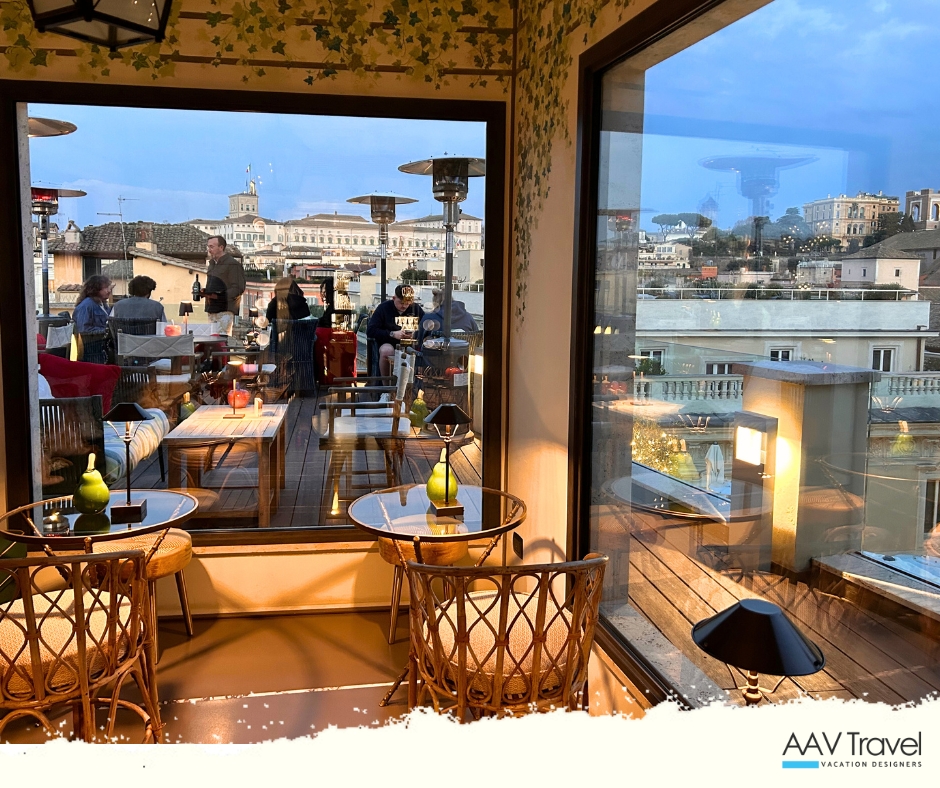
My evening aperitivo at the Singer Palace rooftop terrace remains one of my most treasured Roman memories. I had the pleasure of being invited by Michela Mola, who welcomed me warmly and joined me on the rooftop as the golden hour bathed the Eternal City in a soft, amber glow. From our vantage point above a tapestry of terracotta rooftops and Renaissance domes, the waiter brought over a perfectly prepared Spritz, paired with a tray of local delicacies—tempura vegetables, olives, and chips. As we sipped and admired the view, Michela shared the captivating history of the building and the unique vision behind Singer Palace’s family-run philosophy. Her insight brought the hotel’s character to life, revealing just how much care and thought go into each guest experience. Following our aperitivo, she kindly gave me a personal tour of several rooms—each exquisitely designed, with its own distinct charm. That evening, as the sun slipped below the skyline, I raised my glass in quiet celebration of the Italian art of slowing down, connecting meaningfully, and savoring beauty in both place and people.

For those in the know, the Singer Palace Hotel is a Roman gem that blends refined luxury with the warmth of a privately owned residence. Tucked away just off Via del Corso—within easy reach of the Pantheon and Trevi Fountain—this discreet address occupies a beautifully preserved 20th-century building that once housed the Italian headquarters of the famed Singer sewing machine company. Today, it’s a meticulously restored haven that remains under the stewardship of the Visocchi family, a detail that ensures an exceptional level of service, attention to detail, and genuine hospitality rarely found in larger hotels. With just 30 elegantly appointed rooms and suites, Singer Palace offers an understated kind of opulence—think Carrara marble, hand-selected furnishings, and bespoke Italian craftsmanship. It’s the kind of place whispered about among seasoned travelers, where heritage meets modern comfort, and where aperitivo hour is best savored on the rooftop, gazing out over Rome’s storied skyline.

Whether you’re exploring Rome for the first time or returning for the tenth, an aperitivo at the Singer Palace rooftop is a must—a graceful pause in the day, served with elegance and heart.

When you let a luxury travel advisor at AAV Travel plan your visit to Rome, you gain access to far more than just hotel bookings and sightseeing suggestions—you benefit from deeply personal, firsthand experience. With extensive on-the-ground knowledge of the city’s finest boutique hotels, hidden-gem trattorias, private guides, and off-the-beaten-path moments, your advisor ensures your Roman holiday feels effortless, immersive, and truly tailored to you. Whether it’s securing a table at a rooftop restaurant with sunset views, arranging VIP access to the Vatican before the crowds arrive, or handpicking a hotel like Singer Palace that matches your style and pace, AAV Travel brings insider insight and white-glove service to every detail—so all you have to do is relax and soak up la dolce vita.

Written by: Stefanie P.
To start planning, contact us via email at info@aav-travel.com or visit the website.

Summer 2024: Europe Travel Tips

Paris Summer Olympics

Be prepared to pay steep prices in Paris as the games approach. Hotels and food will become more expensive, and some metro stations might close. Check the Paris Ministry of Transport website for updates on those closures. Arrange transfer in advance, as strikes could affect public transportation.

Our tip: If you don’t like crowds, avoid Paris this summer and choose a more laid-back spot.

The consequence of climate change: Natural occurrences

Photo by Jasmin kaemmerer on Pexels.com

Europe is set to face a major heatwave in 2024, and unfortunately, natural disasters are becoming more frequent in this region. Massive floods hit Germany and Belgium last year and are now back. Greece dealt with wildfires in 2023. Iceland’s volcano keeps erupting.

That River cruise you booked may not be operating as planned. The hotel you booked may not have air conditioning or have restrictions on air conditioning use due to environmental objectives.

Our Tip: A professional travel advisor has deep insights into European travel because they stay updated on various factors that can impact your trip, such as natural disasters, political changes, and strikes. Their extensive network and access to real-time information allow them to anticipate and navigate potential disruptions. They can provide personalized advice and contingency plans that you might not easily find on your own, ensuring a smoother and safer travel experience.

Strikes and Delays: The new normal

Photo by Free Stock on Pexels.com

Train travel is an awesome way to explore Europe, but air and land transportation has been delayed more frequently lately. Major travel strikes are happening across several countries. To deal with these inevitable strikes, it’s smart to prepare for delays and have a backup plan ready.

Our Tip: Slow down! Instead of hopping around every other day from city to city, country to the next, allow yourself time. That way, you still have days left if you miss a day and some space to make alternate arrangements. A good travel advisor will help you create an itinerary that holds up!

Tickets, guides, and politics

Photo by Chait Goli on Pexels.com

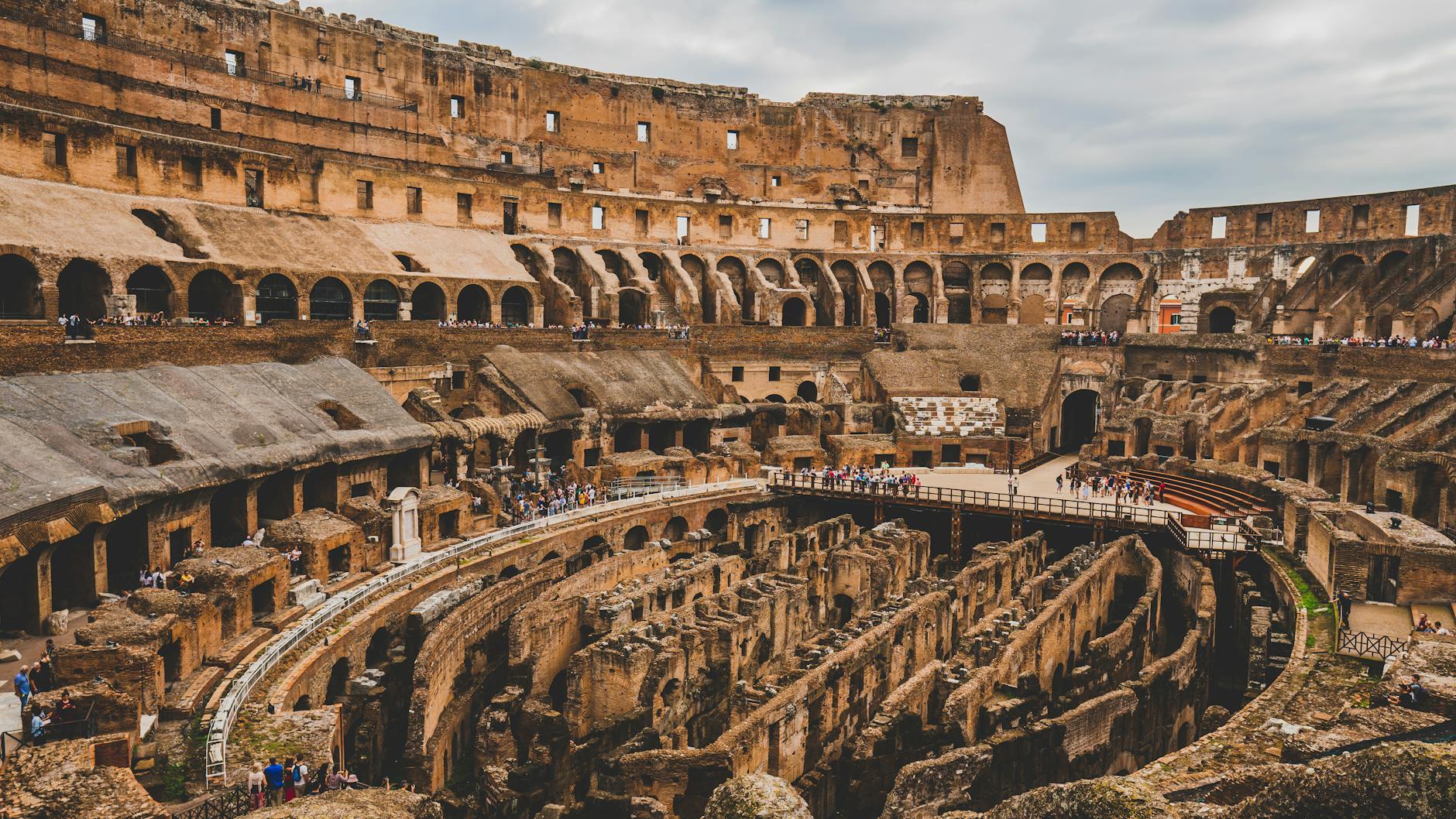
Popular attraction tickets are getting scalped. Some of the best guides refuse their services because the sights are overcrowded. Some attraction time slots, like the Colosseum in Rome, are allocated at the last minute. That said, your tour time could change.

Our Tip: You get what you pay for! Trust your advisor, upgrade your experiences, get up early, and don’t overload your day.

Daytripper fees

Photo by Gotta Be Worth It on Pexels.com

The city of Venice rolled out its one-day visitor fee this summer. On arrival, train passengers are checked to see if they purchased a day pass and fined if not. Venice overnight guests have to file an exception. The town of Clovelly in Cornwall charges a daily visitor fee. Lauterbrunnen, Switzerland, is discussing implementing a fee for visitors arriving by car. This is becoming the norm.

Our Tip: Work with a specialist! Unless you are a very thorough trip planner with hours to learn about destinations and how best to navigate them, trust an expert to help you craft your trip and prepare you ahead of time.

Is Europe on your mind? Reach out, and we will happily help you plan your trip!

To start planning, contact us via email at info@aav-travel.com or visit the website.
Written by: Stefanie P.