The Art of Dining Well in London

London has always known how to host. But in the last few years, the city’s culinary life has shifted in a way that feels less like a trend and more like a return to something elemental: dining as a form of connection. The best meals now carry an emotional signature. They’re not simply about technique, rare ingredients, or the hush of a white tablecloth. They’re about story, place, and the particular warmth that happens when a kitchen and a dining room are working in quiet harmony.

You can feel this change in the way chefs talk about their work, and in what guests remember afterward. Precision still matters, of course. But the most compelling restaurants aren’t chasing perfection as an end in itself. They’re chasing meaning. Service has become less performative and more human, and the experience feels shaped around you rather than presented at you. Cultural touchstones have helped bring this into the mainstream, too. When people reference the intensity of modern kitchens or the philosophy of unreasonable hospitality, what they’re really saying is this: a great meal should make you feel something.
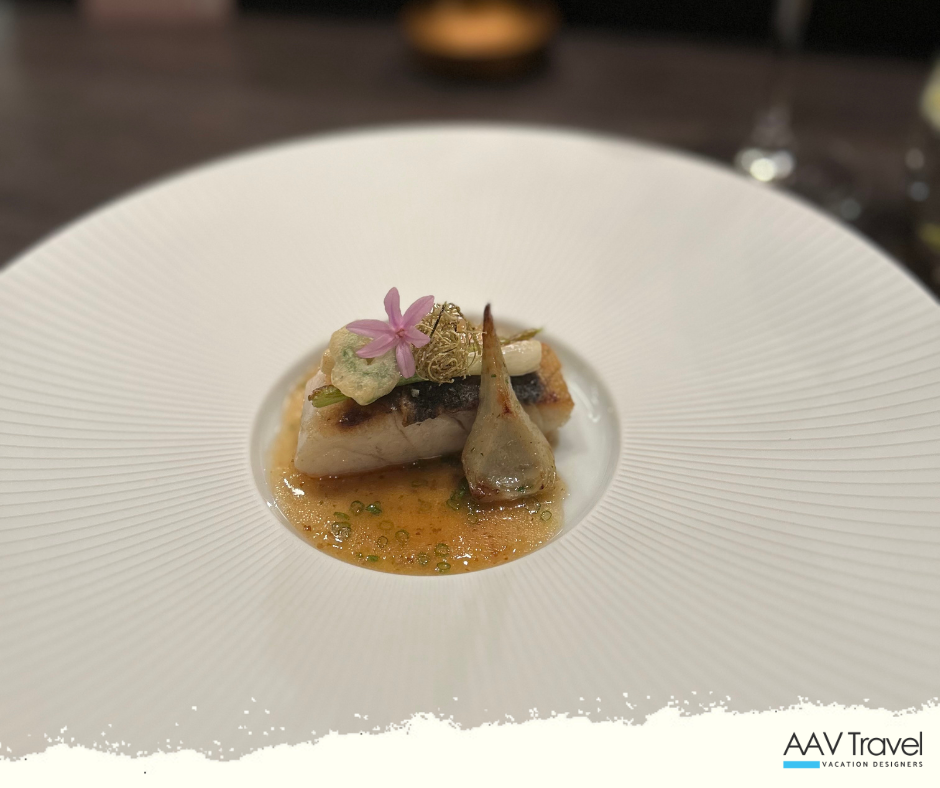
That’s precisely why London is such a rewarding city for a culinary escape right now. The London of old clichés—only pubs, only tea—never told the full story, but it’s especially incomplete today. London’s dining scene is global in the truest sense: a city where contemporary British tasting menus sit comfortably alongside exquisite omakase counters, Indian fine dining that treats spice as architecture, Middle Eastern kitchens redefining generosity, and small neighborhood rooms where the food is quietly brilliant because the sourcing, the technique, and the point of view are all aligned.
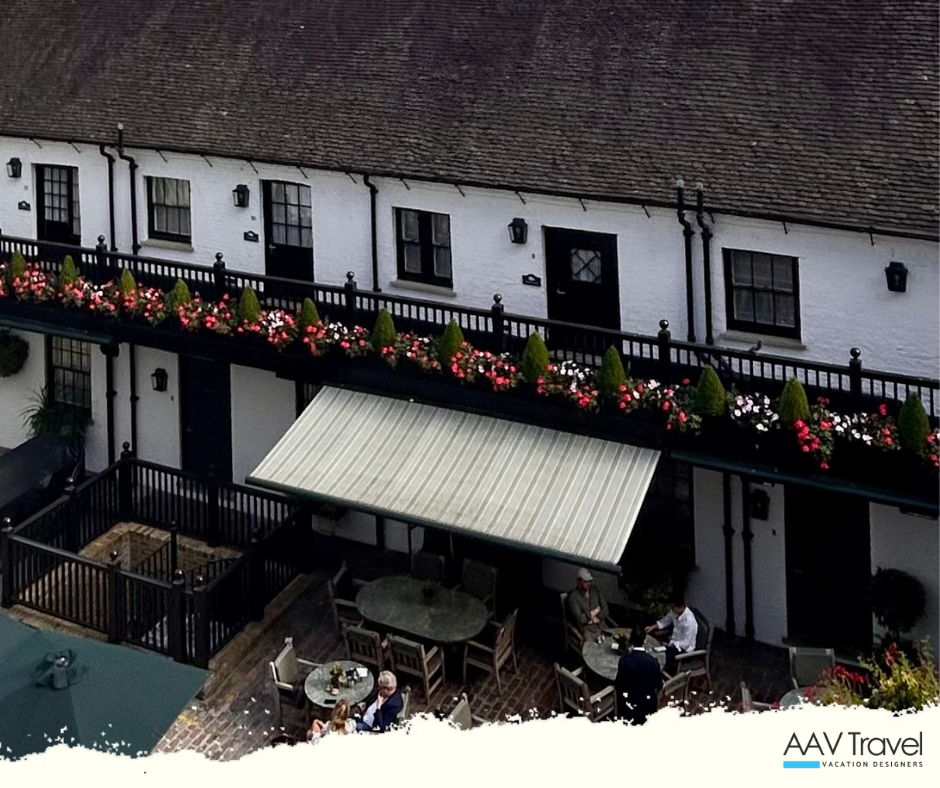
The temptation is to come to London and try to “do it all.” That’s the fastest way to make even a glamorous trip feel like a checklist. A culinary London works best when it’s designed like a rhythm: a big night followed by an unhurried morning, a long tasting menu balanced with something simple and perfect the next day, a table that’s worth dressing up for and another that’s worth slipping into without announcement. The city rewards discernment. It rewards pacing. And because London is a city of neighborhoods more than a single central stage, it rewards choosing where you stay with as much intention as where you dine.
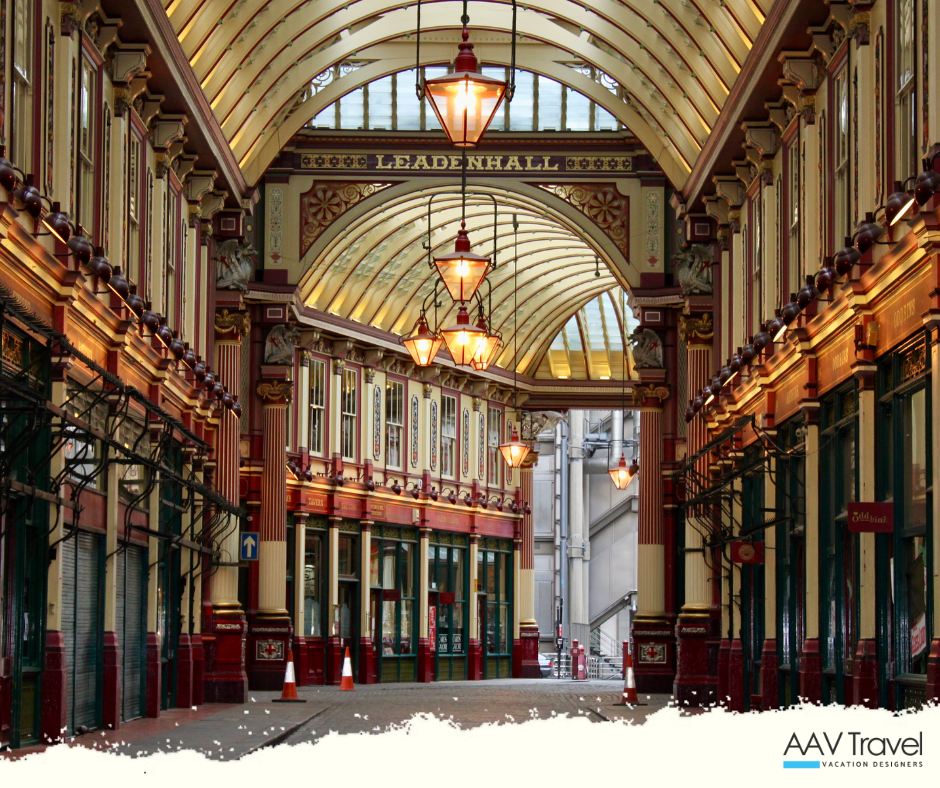
There’s also a practical reality that matters: the most sought-after reservations often move on a timetable that doesn’t care when you booked your flights. Many top restaurants release tables in defined windows, and prime evenings can disappear quickly—especially on weekends, during school holidays, or around major London events. If your vision includes one or two “anchor meals,” it’s wise to plan with enough lead time that you’re choosing with confidence rather than scrambling for what’s left. In many cases, beginning the conversation three to six months out creates a calmer planning experience and significantly improves your odds of getting the tables you actually want.
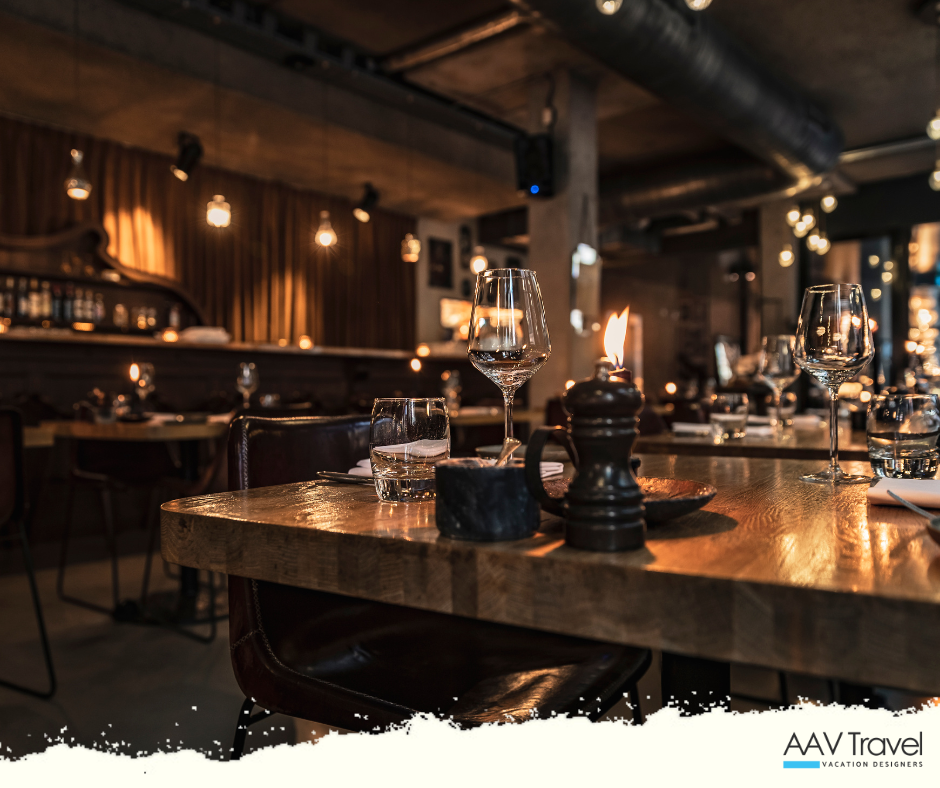
Where you stay becomes part of that strategy. London is wonderfully walkable in pockets, but crossing the city at the wrong hour can quietly tax your energy, especially when you’ve built your days around late dinners, pre-theatre cocktails, or a leisurely dessert that turns into a nightcap. A thoughtfully chosen hotel makes it easier to enjoy the city the way it’s meant to be enjoyed: with time to linger, change, and arrive unhurried.
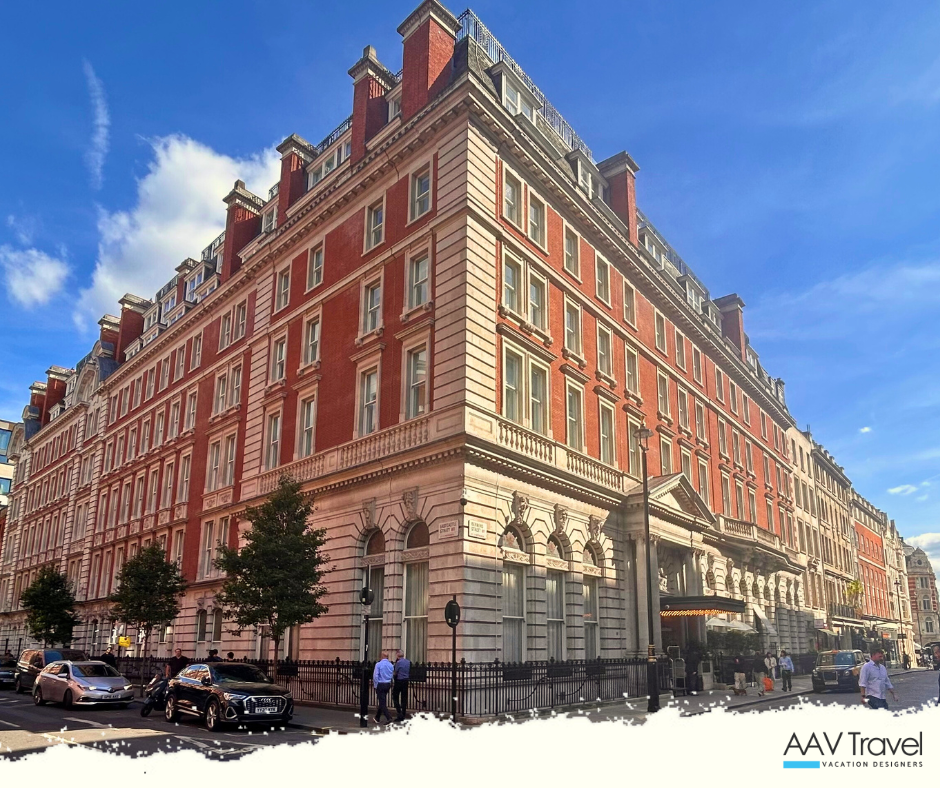
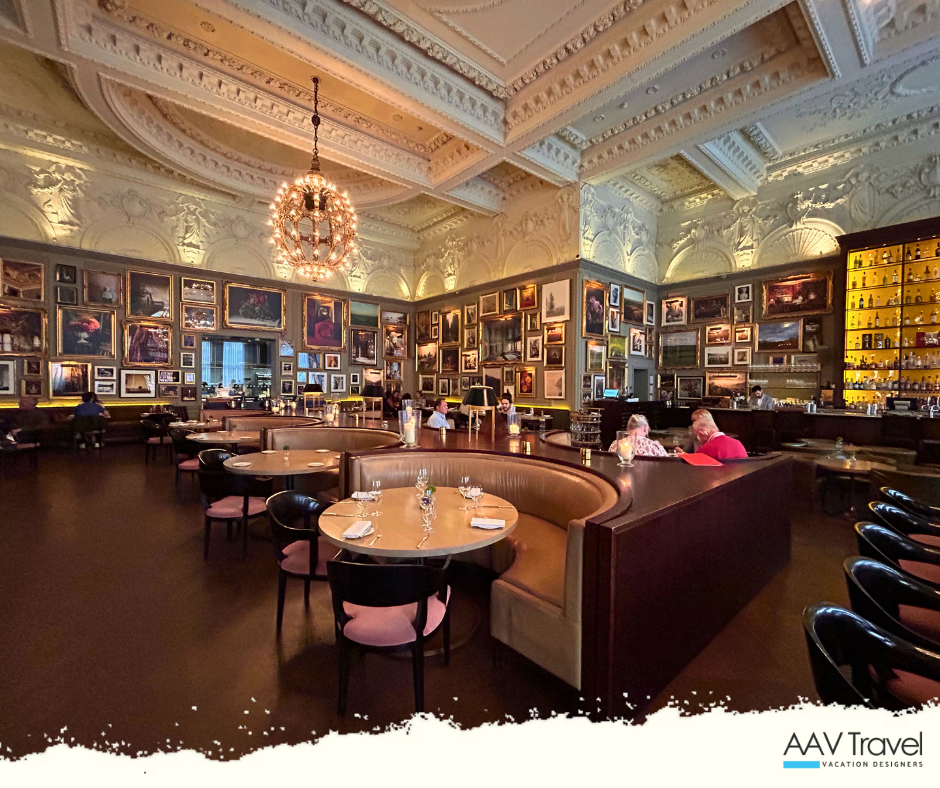
For travelers who want modern glamour with a sense of London’s layered history, The London EDITION is an effortlessly stylish base. Its atmosphere feels alive without being loud, and its location places you within easy reach of dining-rich neighborhoods—whether you’re drifting toward Fitzrovia and Soho, browsing Marylebone, or keeping an afternoon open for Bloomsbury. Even if you’re dining elsewhere, having an excellent bar and restaurant scene at your hotel matters. It gives you flexibility on arrival day, a polished option for a relaxed first evening, or a place to end the night without having to think too hard. That kind of ease is part of luxury, even when it’s invisible.
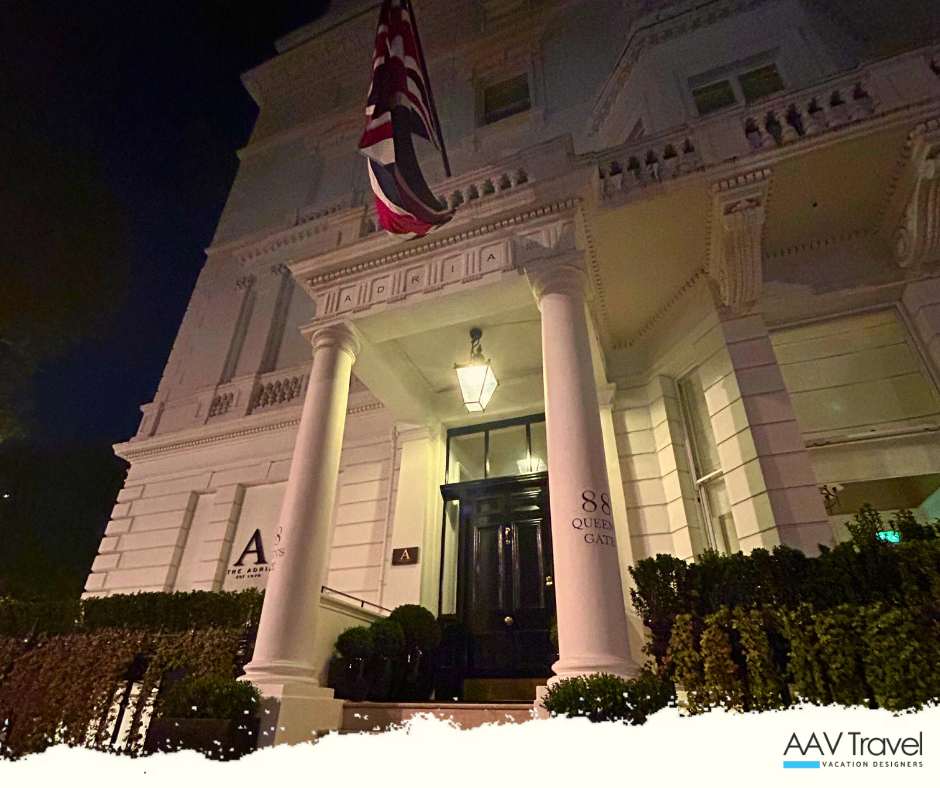
If your idea of luxury leans more discreet—privacy, calm, and a residential feel—The Adria in South Kensington offers a very different but equally compelling experience. This is the type of boutique property that feels like a well-kept secret: intimate, quietly elegant, and restorative after a day in the city. South Kensington and its surrounding areas also put you near a remarkable concentration of excellent dining, which means you can build evenings that feel seamless rather than logistically heavy. When you can return to a quiet, tucked-away hotel after a serious meal, the entire trip feels more like a private escape than a public performance.
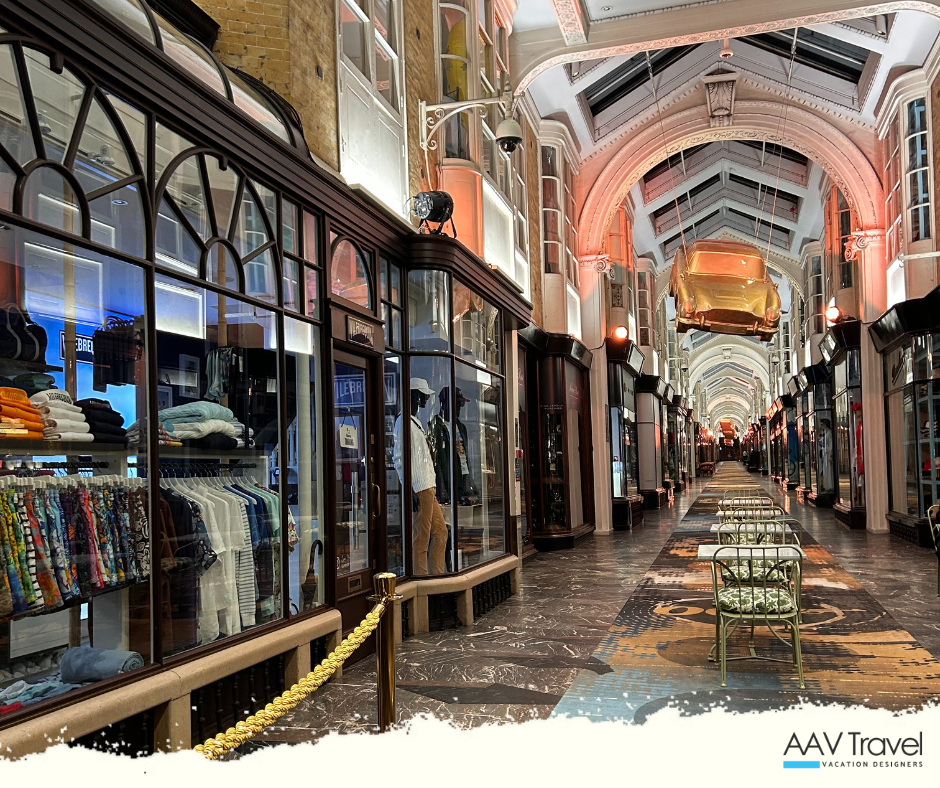
A London culinary journey becomes especially memorable when it’s tied to a milestone—an anniversary, a birthday with a meaningful number, a proposal you want to feel cinematic but not staged. London is exceptional at the details that elevate celebration: the perfect table at the right hour, a room that knows how to read the moment, a cocktail bar that feels like a discovery, a morning that begins slowly because you planned it that way. And for many travelers, the city’s shopping adds a satisfying layer of indulgence when it’s woven in thoughtfully. Bond Street and the great department stores can be exhilarating, but the real pleasure comes when you’re not racing between appointments. A late lunch that turns into an afternoon browse, a pre-dinner stroll that feels like part of the ritual, a small purchase that becomes a travel talisman—this is the kind of London that stays with you.
Designing London well is less about finding the “best” restaurants and more about curating the right sequence for you: the meals that match your palate, the neighborhoods that match your pace, and the hotel that makes everything feel effortless. That’s where thoughtful planning quietly changes the experience. It protects your time, increases your options, and helps ensure that the trip feels like a cohesive escape rather than a set of separate reservations.

If you’d like to turn London into a culinary retreat that feels seamless from start to finish—tables secured with intention, hotels chosen for both style and practicality, and a pacing strategy that lets you savor the city—we would love to design it with you. Email us at info@aav-travel.com, and tell us the dates you’re considering and the kind of meals you dream about; we’ll help shape the rest into something calm, confident, and unforgettable.

Written by: Stefanie P.

Christmas on Screen in Europe: Holiday Films as Windows into Tradition

In the United States, Christmas is more than a date on the calendar. It is a season shaped by ritual, repetition, and a familiar sense of comfort. As evenings grow darker and the pace of daily life finally begins to slow, many households return to the same small traditions year after year. One of the most enduring is the simple act of gathering in front of the television, wrapped in blankets, a warm drink within reach, letting a familiar holiday film play in the background.

These movies are rarely watched with full attention, and that is part of their charm. They become part of the rhythm of December rather than the focus of it, offering a shared backdrop for conversation, laughter, and quiet moments together. Parents introduce the films they grew up with to their children. Siblings quote lines they have known by heart for decades. Grown children return home and slip easily into routines that feel unchanged. In many American households, these films are not entertainment so much as reassurance. They signal that the season has truly arrived.

Coming from Switzerland, I have always found this aspect of American Christmas culture quietly fascinating. Each year, someone inevitably references a holiday classic with genuine surprise when I admit I have never seen it. Many of these films are deeply woven into American memory in a way that feels both communal and personal. They reflect how culture, storytelling, and seasonality intersect, shaping how people experience the holidays without necessarily thinking about it.

In Europe, Christmas films play a different role. In many countries, they are less about spectacle or novelty and more about continuity. The same films return year after year, not because they are new or particularly festive, but because they feel familiar. They belong to the season in a way that mirrors how traditions themselves are passed down.

Switzerland

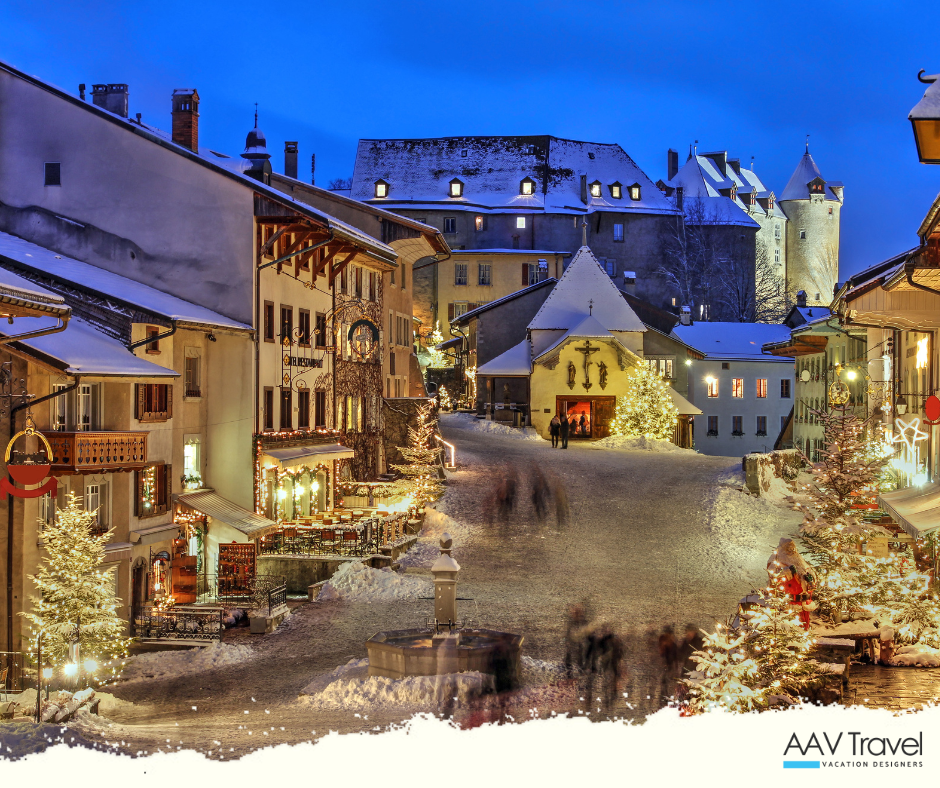
In Switzerland, Christmas unfolds quietly. The season begins with Advent and moves gently through St. Nicholas Day, Christmas Eve, and the days that follow. It is marked by candlelight, winter landscapes, and time spent close to home. Switzerland does not have a strong tradition of producing Christmas-specific films, yet certain stories have become inseparable from the season. In the German-speaking regions, “Drei Haselnüsse für Aschenbrödel,” known in English as “Three Wishes for Cinderella,” appears on television every December, watched by generations who know the story by heart. The classic “Sissi” films often accompany it, their romantic nostalgia fitting naturally into the slower, reflective mood of the holidays. These films mirror Switzerland’s approach to Christmas itself: understated, intimate, and rooted in continuity rather than excess.

Italy

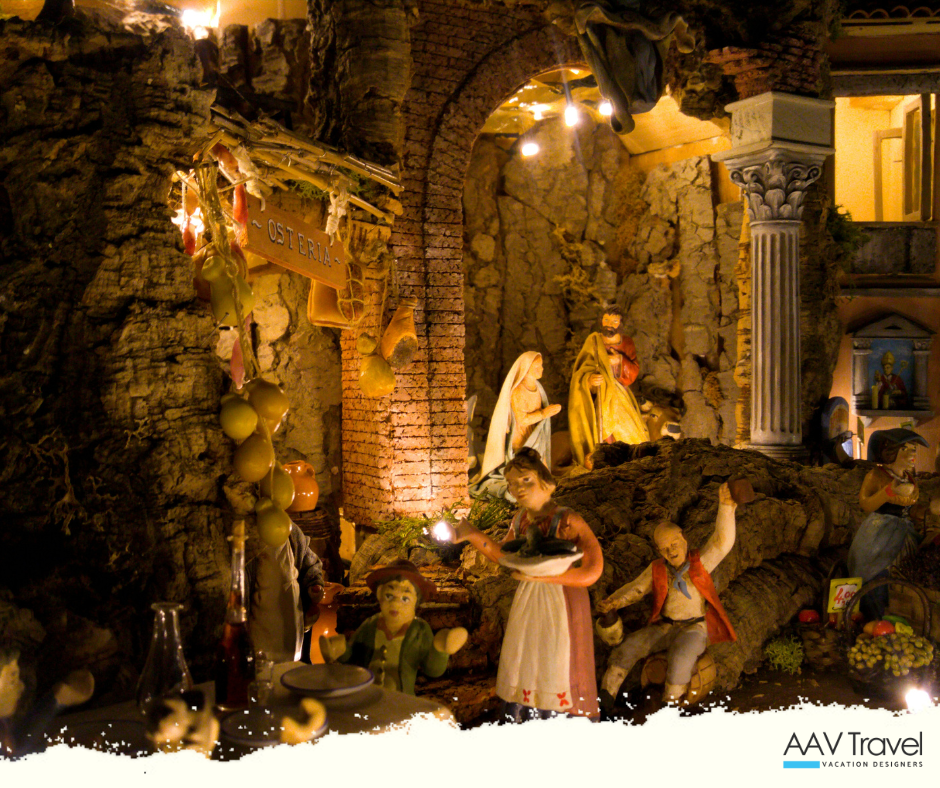
In Italy, Christmas is expansive in a different way. The season stretches well beyond Christmas Day, carrying through to Epiphany in early January. Family meals are long and unhurried, nativity scenes are lovingly displayed, and traditions unfold gradually rather than all at once. Italy has few homegrown Christmas films, yet one foreign movie has unexpectedly become a national ritual. Every Christmas Eve, millions of Italians watch “Una poltrona per due,” the Italian broadcast of “Trading Places.” What began as an American comedy has taken on a distinctly Italian rhythm through repetition, becoming part of the country’s shared holiday language. Alongside it, animated favorites such as “How the Grinch Stole Christmas” often appear, adding lightness and familiarity to evenings spent together.

Ireland

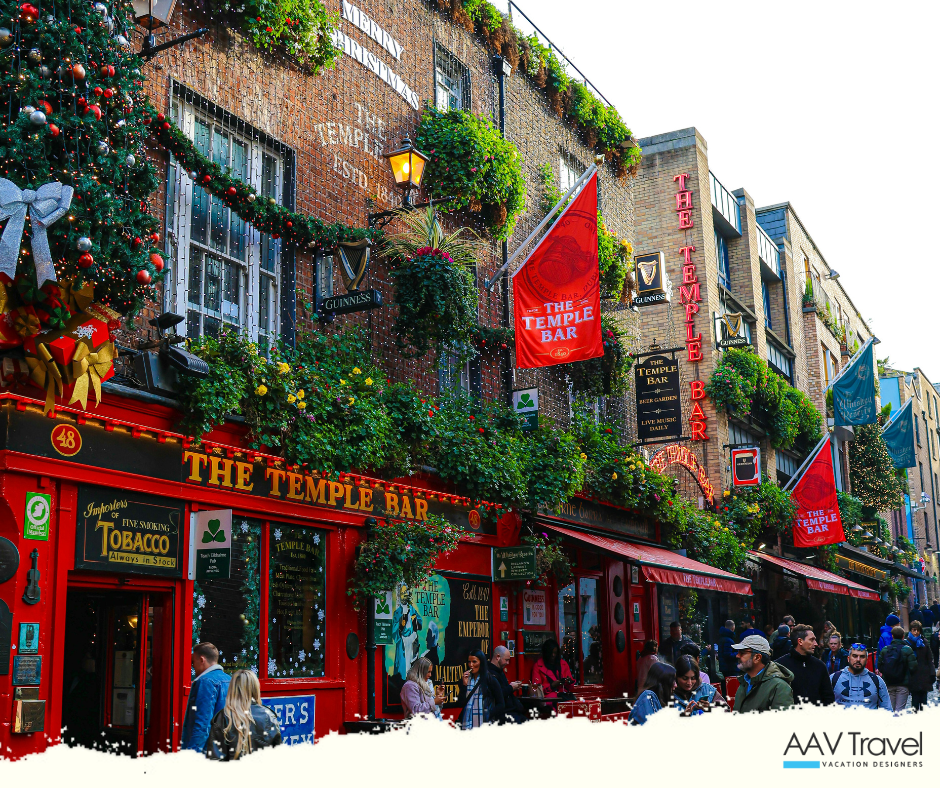
In Ireland, Christmas is deeply social, shaped by humor, community, and shared moments rather than strict formality. One of the most anticipated events of the season is not a film at all, but “The Late Late Toy Show,” a live television broadcast that signals the unofficial beginning of Christmas for many families. It is joyful, chaotic, heartfelt, and unmistakably Irish. Films still play their role, though, and classics like “The Muppet Christmas Carol” return year after year, appealing equally to children and adults. These viewing traditions reflect an Irish Christmas that values warmth, storytelling, and the pleasure of being together above all else.

France

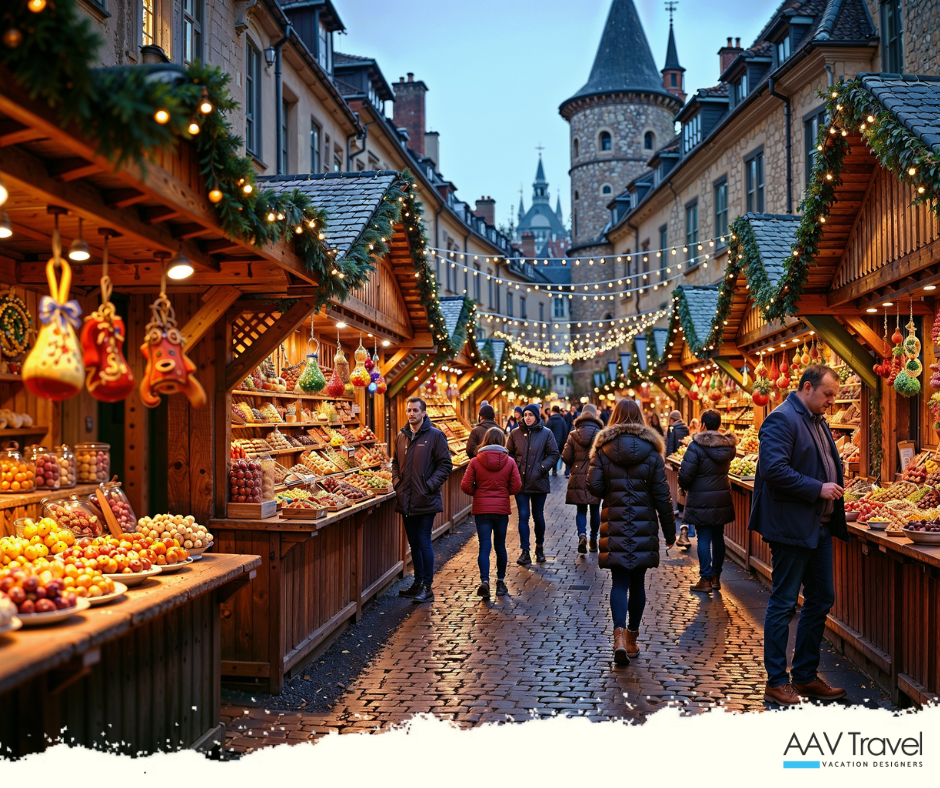
France approaches Christmas with a sense of balance between celebration and restraint. Family meals, particularly the Réveillon on Christmas Eve, remain central, and festive markets bring warmth to winter evenings. While France does not place great emphasis on Christmas films as a category, certain titles have become seasonal touchstones. “Le Père Noël est une ordure,” a darkly comedic cult classic, reappears every December, its humor as familiar as it is irreverent. During the holiday break, French television often broadcasts the Harry Potter films, especially the first installment, which has come to feel inseparable from Christmas despite its British origins. Together, these films add layers of nostalgia and quiet magic to the season without overpowering it

Norway

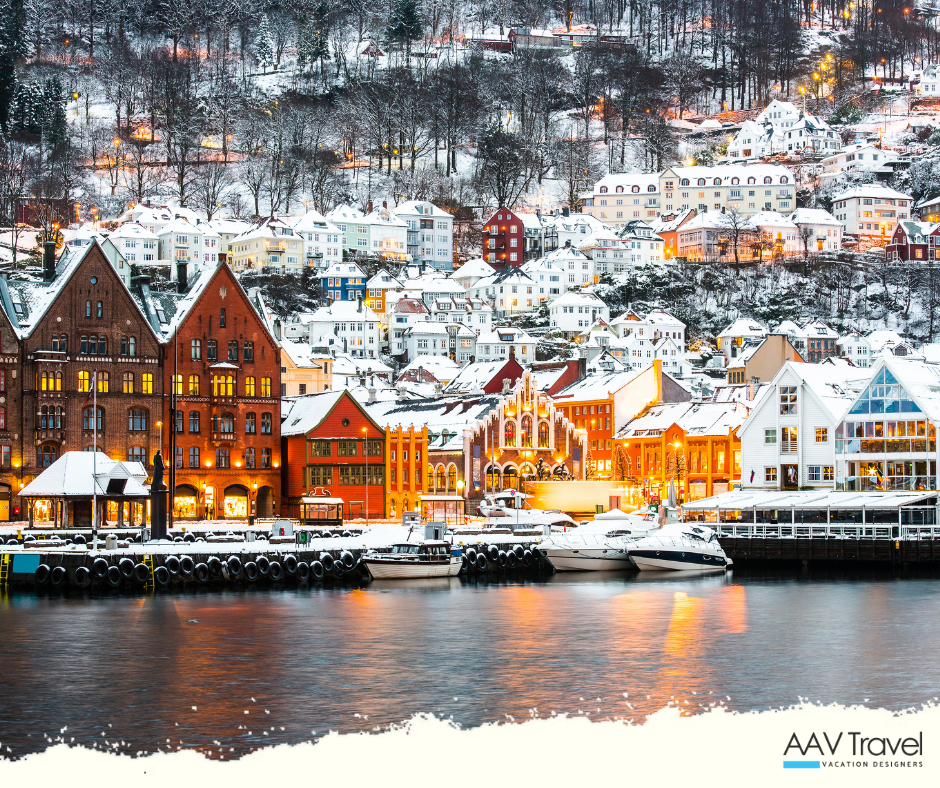
In Norway, Christmas, or Jul, is defined by coziness, candlelight, and preparation. The weeks leading up to Christmas are as important as the day itself, filled with baking, decorating, and shared anticipation. Norwegian holiday television traditions are particularly strong, and for many families, Christmas Eve would feel incomplete without “Tre nøtter til Askepott,” the Norwegian broadcast of the Cinderella fairy tale also beloved in Switzerland. “Reisen til julestjernen,” or “Journey to the Christmas Star,” is another cherished favorite, embodying the fairy-tale quality and emotional warmth that define the season. These films capture the essence of kos, Norway’s expression of comfort, intimacy, and seasonal calm.

UK

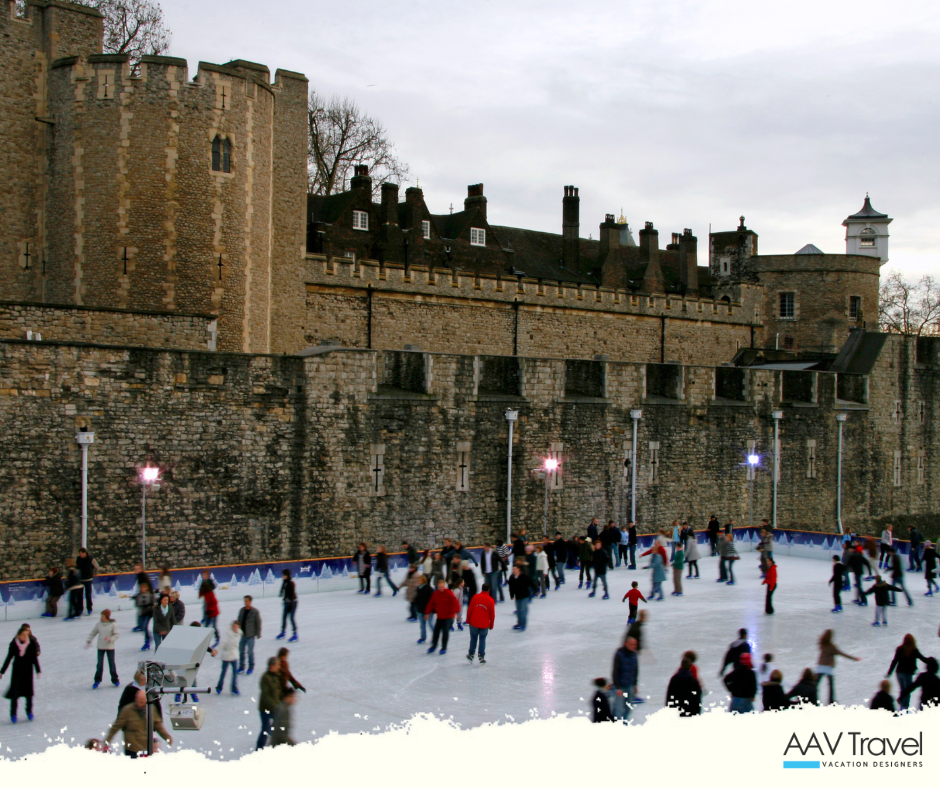
In the United Kingdom, Christmas television is a tradition in its own right. Families gather year after year to watch the same films, often at the same time, creating a shared national rhythm. “Love Actually” has become a modern classic, its interwoven stories reflecting both the humor and tenderness associated with British Christmas culture. “The Snowman,” with its quiet animation and haunting score, has aired every Christmas since the early 1980s, offering a moment of stillness amid the festivities. These films reflect the British love of storytelling and ritual, where familiarity is part of the pleasure.

Travel Through Christmas Films Without Leaving Home

For those spending the holidays at home, these films offer a gentle way to experience Christmas beyond one’s own traditions. They provide insight into how different cultures approach the season, not through spectacle, but through repetition, tone, and shared memory. Watching them is not about escaping home, but about widening perspective, one quiet evening at a time.

And for those who find themselves drawn to the idea of experiencing these traditions firsthand one day, whether at a Christmas market, a family-run hotel, or a candlelit village square, thoughtful planning makes all the difference. Christmas travel carries its own rhythms, trade-offs, and considerations, and understanding how the season is truly lived is often what transforms a beautiful idea into a rewarding experience. When the time feels right, AAV Travel would be happy to help.

Written by: Stefanie P.

Malta, Reconsidered: The Mediterranean Island That Rewards Thoughtful Travelers

Malta isn’t the Mediterranean you already know. It’s not a “one landmark after another” destination, and it’s not at its best when you treat it like an island you can simply cover in a few busy days. Malta rewards travelers who like their history layered, their pace unhurried, and their days designed with intention—because the difference between a good Malta trip and a truly memorable one is often timing, geography, and flow.

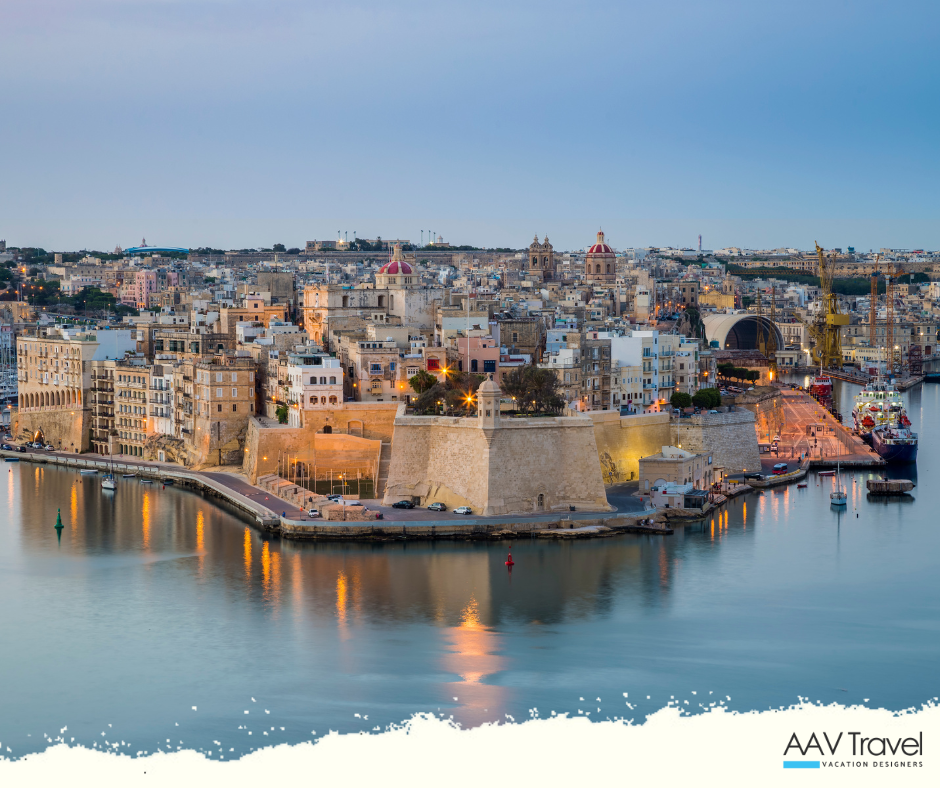
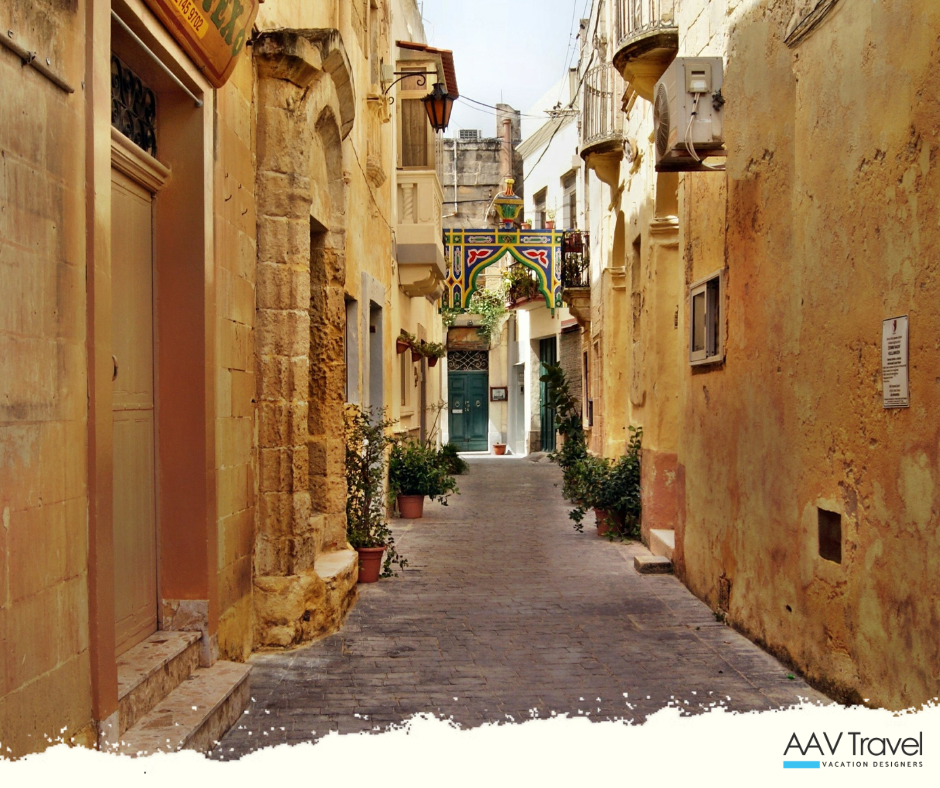
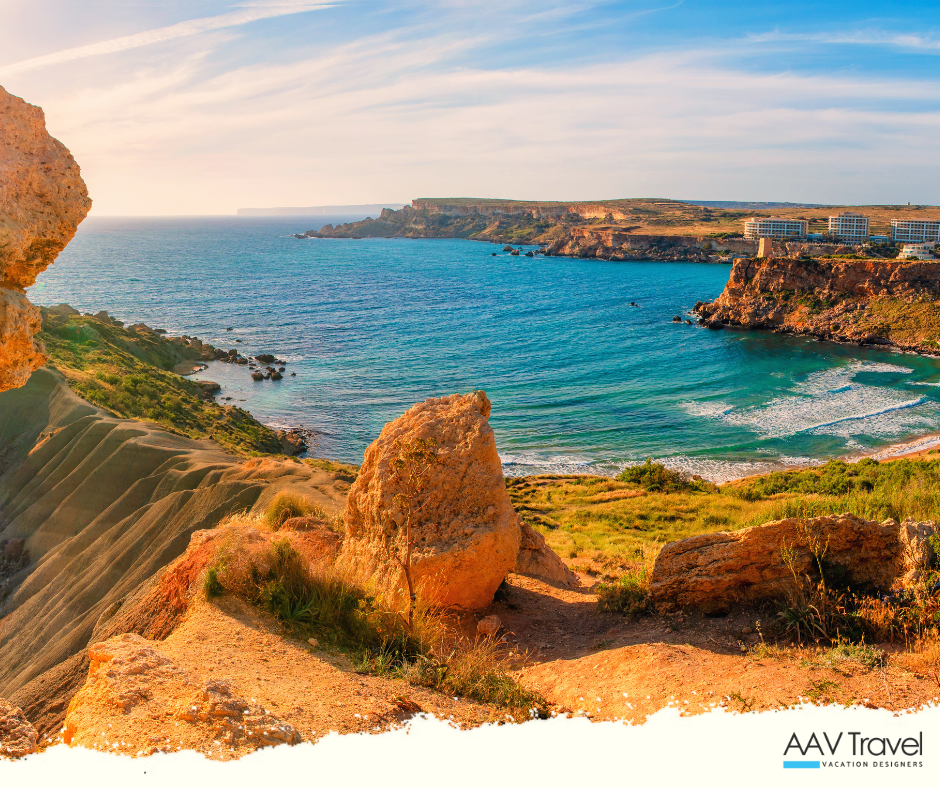
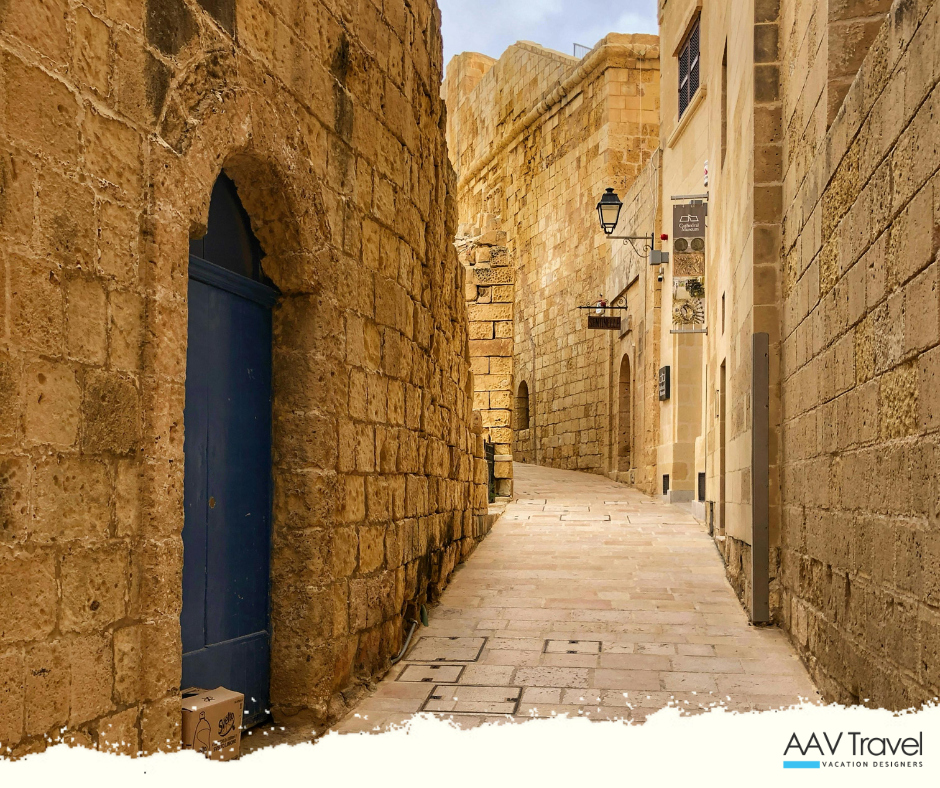
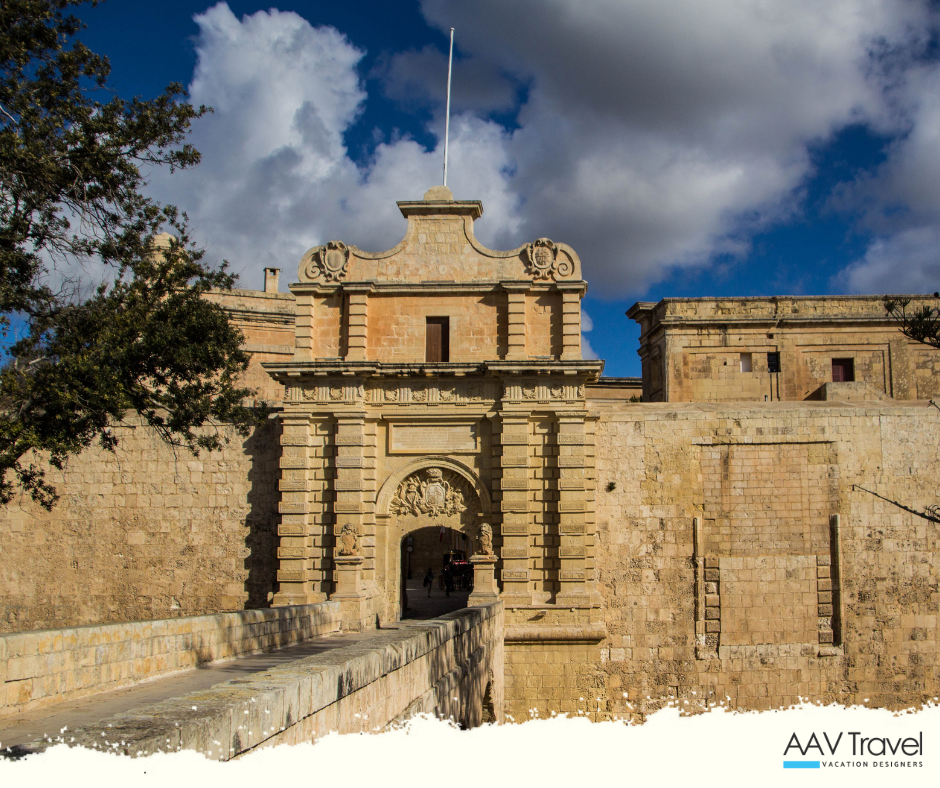
Perched between Europe and North Africa, Malta has always been a crossroads, and you feel that in the architecture, the language, and the table. Valletta’s honey-colored stone and Baroque grandeur can feel cinematic, while Mdina’s quiet lanes turn the volume down completely. And then, just beyond the cities, the coast takes over—limestone cliffs, small coves, and that particular Mediterranean light that makes even an ordinary afternoon feel luminous.

What makes Malta especially appealing for American travelers is that it still feels like a discovery. It’s compact enough to feel manageable, yet rich enough that you don’t want to rush it. Done well, a Malta trip feels like a week of contrasts: cathedral bells and salt air, ancient temples and modern design, seafood lunches that stretch longer than planned—exactly as they should.

Choosing Where to Stay

Malta’s small size can be misleading. Where you stay shapes the entire tone of the trip.

Valletta is ideal for travelers drawn to history, architecture, and a city that comes alive in the evenings. Staying within the fortified capital allows you to experience the city after day-trippers leave, when church bells echo softly through narrow streets and restaurants feel relaxed rather than rushed.

For those who prefer a more coastal rhythm, areas such as Sliema or St. Julian’s offer easy access to the sea, along with a more contemporary feel. These locations work well when paired with intentional day planning, ensuring historic visits and coastal downtime feel balanced rather than disjointed.

Gozo, Malta’s quieter sister island, deserves special consideration. With its slower pace, open landscapes, and dramatic coastline, it’s often best experienced as an overnight stay rather than a rushed day trip. Travelers who enjoy walking, photography, and a sense of space tend to find Gozo deeply restorative.

Experiencing Malta’s History Without Fatigue

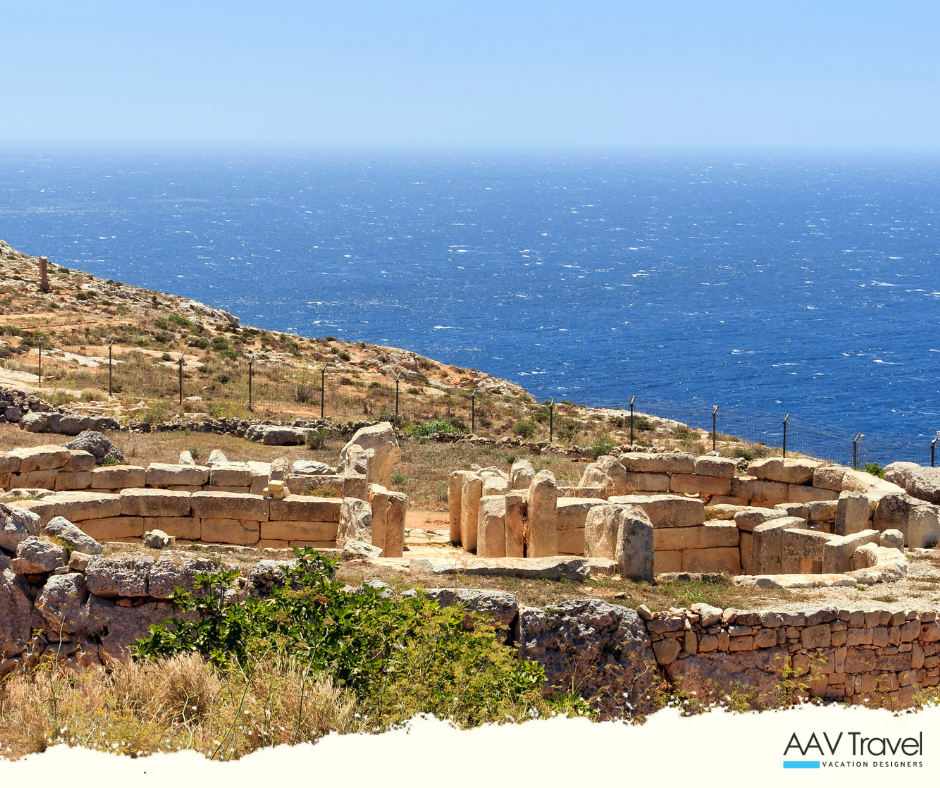
Malta’s history is astonishingly deep—sometimes overwhelming if approached without curation. The island is home to some of the world’s oldest free-standing structures, including the prehistoric temples of Ħaġar Qim and Mnajdra, which predate the Egyptian pyramids. Later centuries brought the Knights of St. John, whose legacy defines Valletta’s Baroque grandeur, followed by Malta’s pivotal role in World War II.

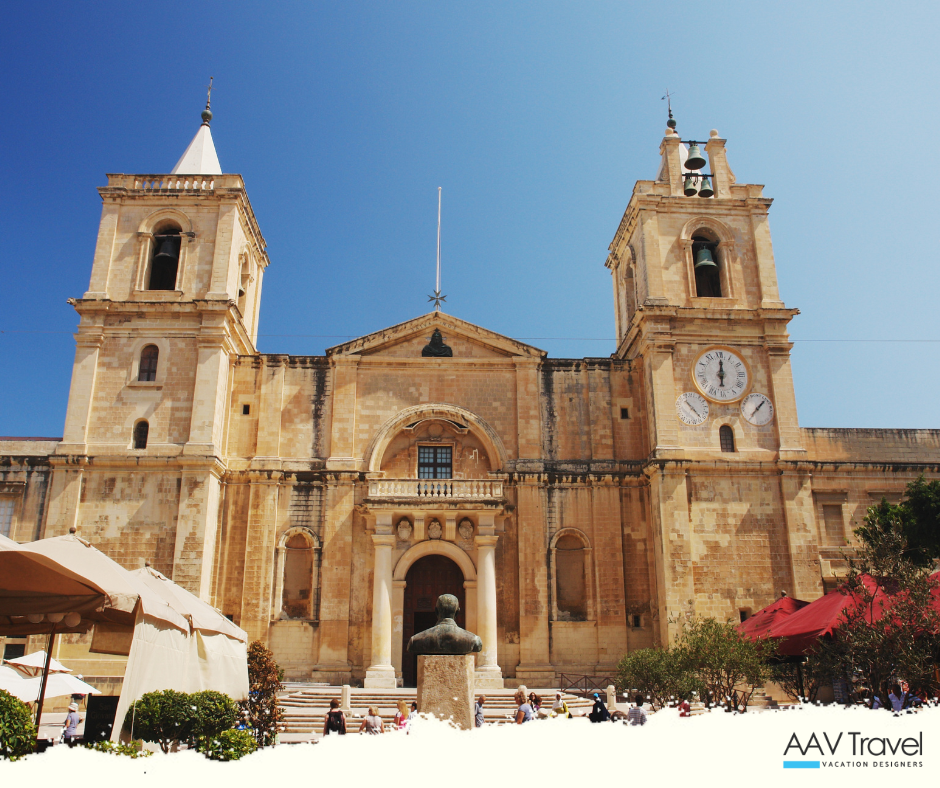
The difference between absorbing this history and feeling buried by it often comes down to pacing and context. Rather than attempting to see everything, Malta rewards travelers who focus on fewer sites with richer interpretation—ideally with guides who bring the narrative to life and connect the dots between eras. Seeing St. John’s Co-Cathedral at opening hours, before tour groups arrive, reveals details most visitors miss. Followed by an unhurried lunch or a coastal walk, keeps the experience engaging rather than exhausting.

Malta by Sea: Timing Is Everything

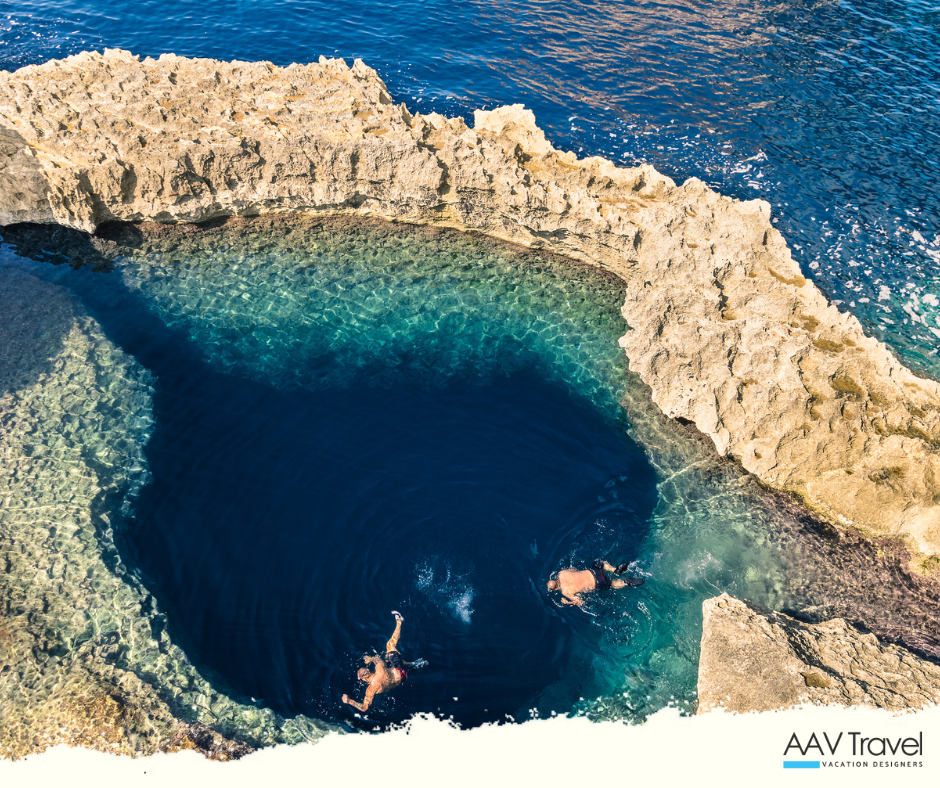
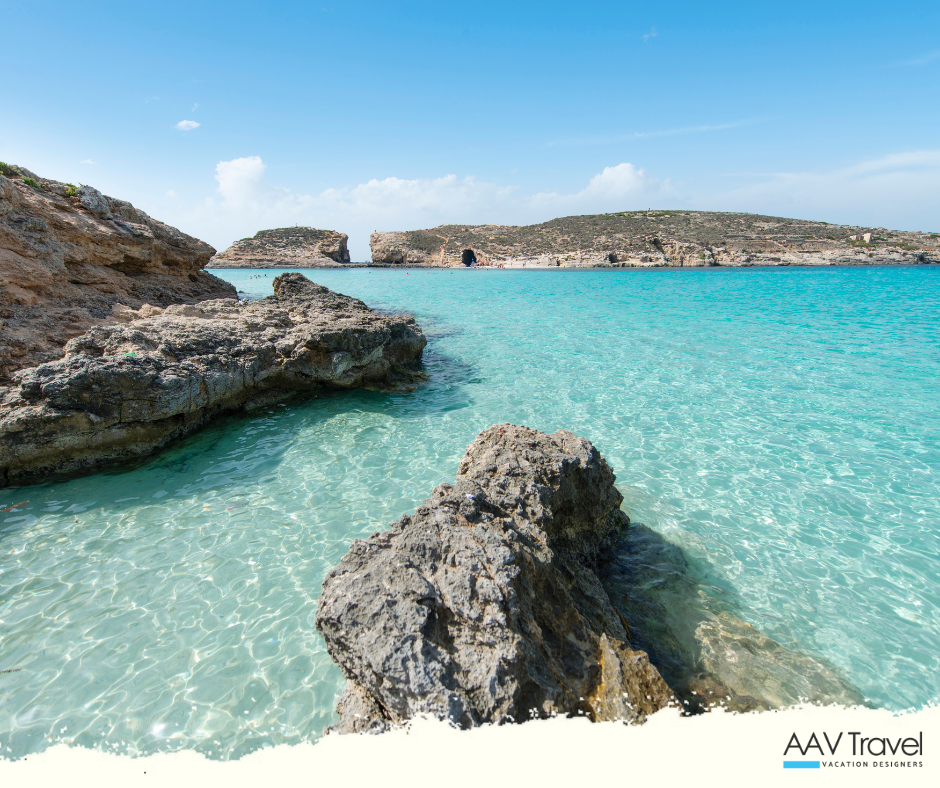
The sea is inseparable from life in Malta, and time on the water is often a highlight of the journey. From the luminous Blue Lagoon at Comino to the rugged cliffs of Gozo, Malta’s coastline offers extraordinary beauty—but it also requires careful timing.

In peak summer months, popular spots can feel energetic rather than serene. Experiencing them well often means adjusting the schedule: visiting early in the day, choosing private or semi-private boat routes, or pairing well-known swim spots with quieter coves that feel more intimate. When approached thoughtfully, Malta’s coastal experiences become moments of calm and clarity rather than crowd management.

Walking Malta: Cities, Coastlines, and Quiet Views

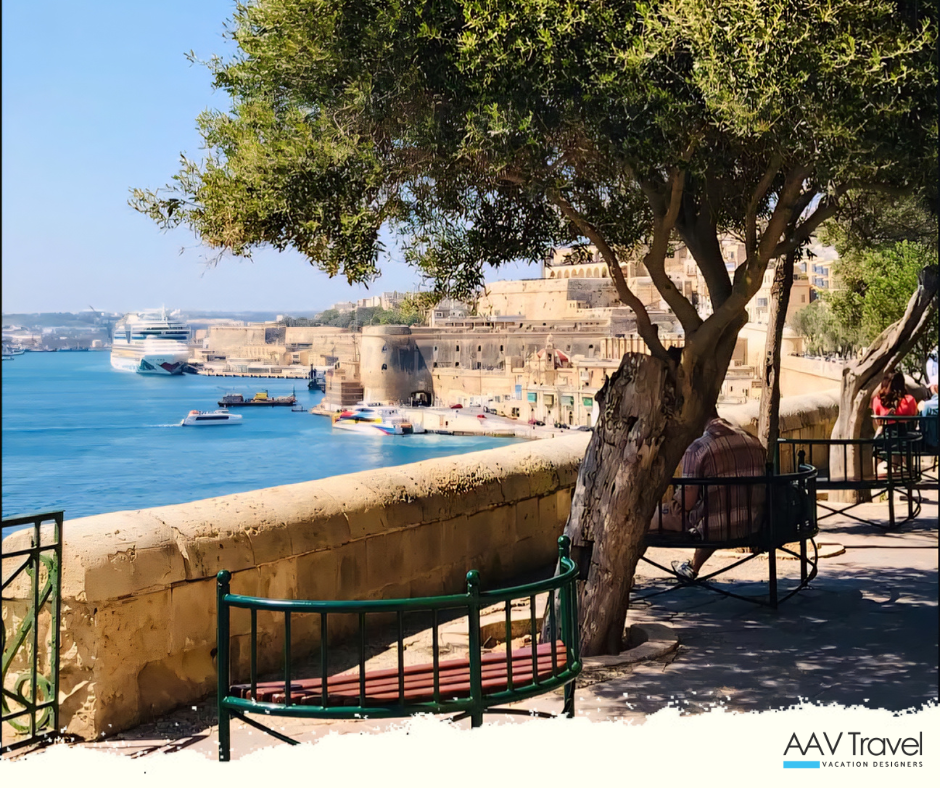
Malta is a destination best explored on foot—though travelers should be prepared for hills, cobblestones, and uneven terrain, particularly in historic areas. Valletta and Mdina reward walkers with panoramic harbor views and architectural details that are easy to miss from a vehicle. On Gozo, coastal trails offer dramatic vistas and a sense of openness that contrasts beautifully with Malta’s cities.

For active travelers, walking here isn’t about conquering distances; it’s about slowing down enough to notice the interplay of sea, stone, and sky.

Dining in Malta: A Reflection of Its History

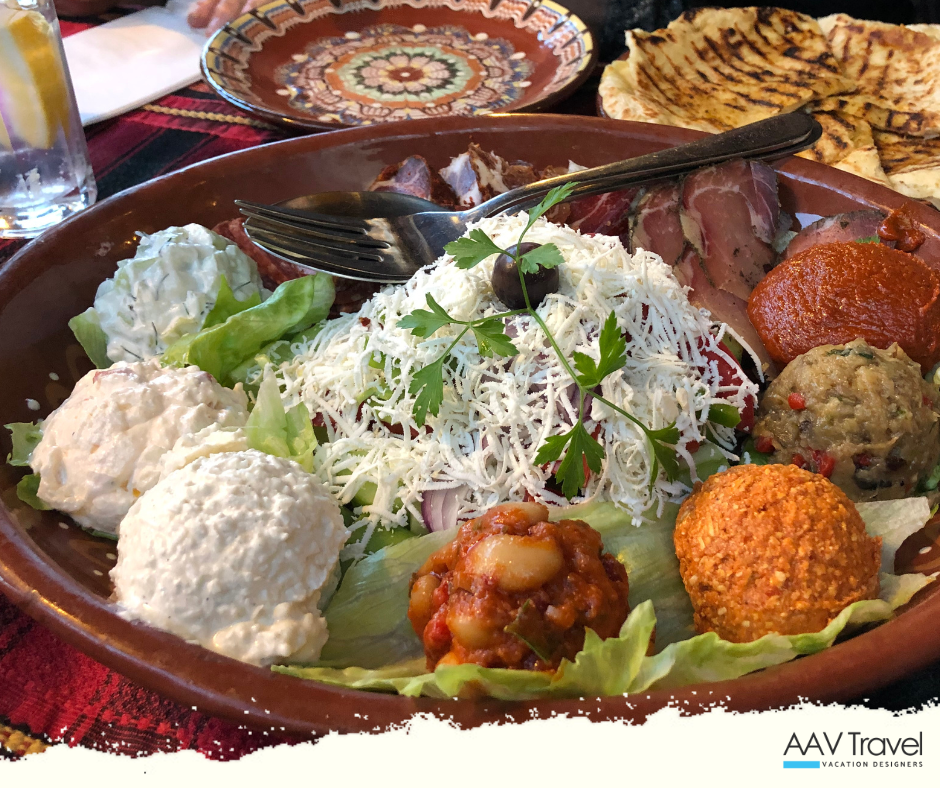
Malta’s cuisine mirrors its layered past. Italian, Arabic, and British influences blend with local traditions to create food that feels both familiar and distinctive. Fresh seafood, simple preparations, and long-standing local specialties anchor the dining experience, while a growing fine-dining scene adds refinement.

As of October 2025, the Michelin Guide recognizes 42 restaurants across the islands, including six with one Michelin star and one with two stars. Dining well in Malta is less about chasing accolades and more about choosing the right setting for the moment—whether that’s a seaside table at sunset or a tucked-away restaurant in a centuries-old building. Reservations, location, and timing often make the difference between a good meal and a memorable one.

When to Go: Understanding the Seasons

Malta changes significantly with the seasons. Summer brings warmth, energy, and vibrant coastal life, but also heat and crowds at the most famous sites. Shoulder seasons—late spring and early autumn—often offer the most balanced experience, with comfortable temperatures, lively restaurants, and a gentler pace. Winter, while cooler, reveals a quieter, more contemplative side of the islands that appeals to travelers focused on history, walking, and cultural immersion.

Understanding these seasonal shifts is essential to designing a trip that aligns with how you prefer to travel.

Who Malta Suits Best

Malta tends to resonate most with travelers who enjoy cultural depth, walkable cities, and variety without constant movement. It works beautifully for couples, curious multi-generational groups, and travelers who value atmosphere as much as attractions. Those expecting a purely beach-driven escape may be surprised—but travelers open to a layered Mediterranean experience often leave deeply impressed.

At AAV Travel, we approach Malta not as a checklist of highlights, but as a carefully composed journey. That means choosing the right bases, designing days that flow naturally, and building in moments that feel effortless rather than over-scheduled. It might involve arranging expert-led historical visits, planning coastal experiences outside peak hours, or creating a balance between exploration and rest that allows the island’s character to come through.

If Malta feels like the kind of place you want to experience — thoughtfully, at your pace — we’re here to help shape the journey. Reach out at info@aav-travel.com to begin crafting a journey that reflects how you like to travel: seamlessly, thoughtfully, and with room to truly experience the place.

Written by: Stefanie P.
5 Safe Yet Underrated Destinations to Discover Before the Crowds Do

Not going to lie — I can’t stand crowds. When I travel, I want space to breathe, to connect, and to experience a place without feeling like I’m in a theme park. Lately, everyone seems to be searching for those same under-the-radar spots, and the media loves to highlight “hidden gems” around the world. The problem? Many of those places, while fascinating, aren’t always the safest—especially for women. So, I decided to put together a list of destinations that still feel authentic and undiscovered, and where you can explore with peace of mind, even if you are traveling solo.

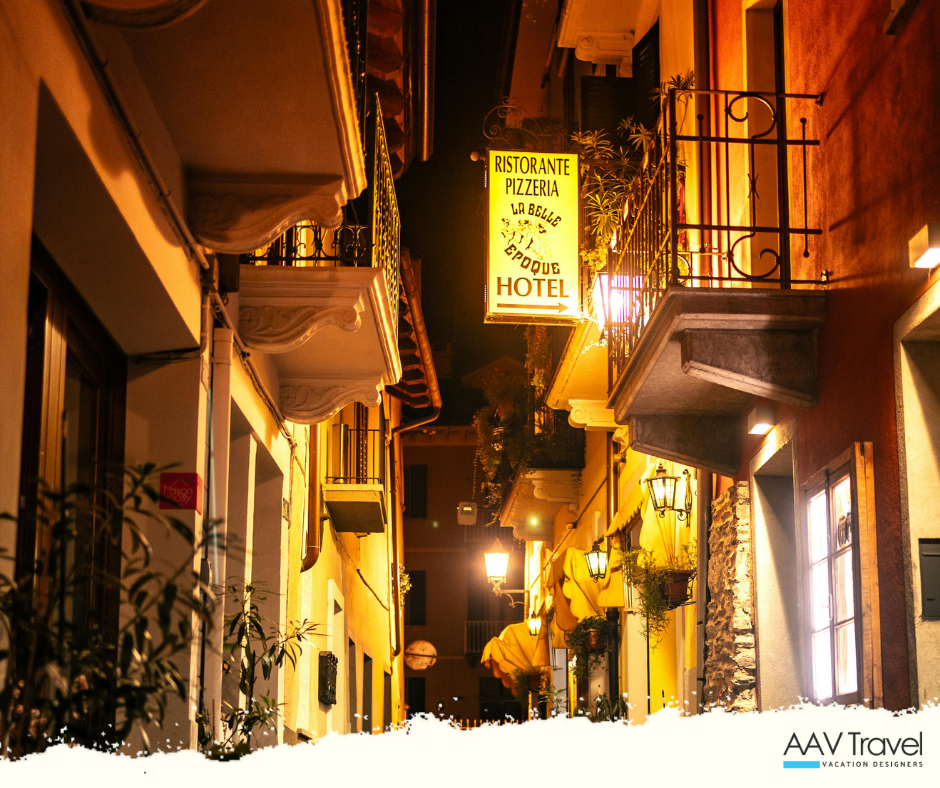
Italy without the Crowds

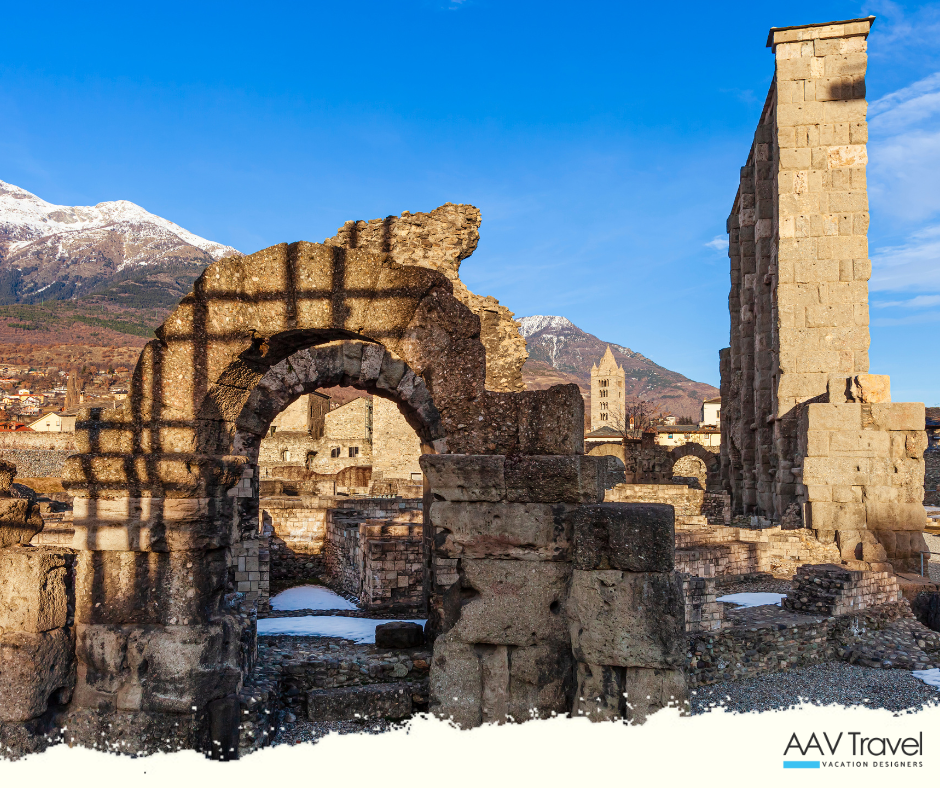
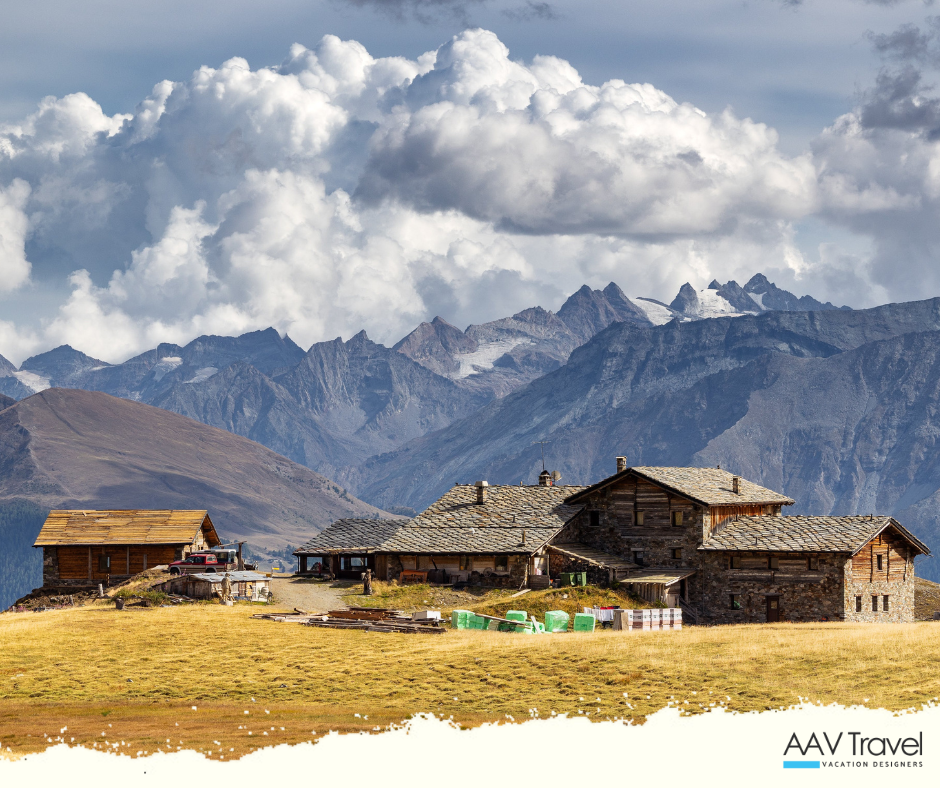
Tucked away in Italy’s northwestern corner, Aosta is a gem hidden in plain sight. Surrounded by the towering peaks of the Alps and just a stone’s throw from both France and Switzerland, this small mountain town blends dramatic scenery with centuries of history. Wander through its charming streets, and you’ll encounter remarkably preserved Roman ruins—an ancient theater, city gates, and even a forum—set against a backdrop of snow-capped summits. It’s a place where the past feels alive, yet life moves at a relaxed, alpine pace.

Beyond the town, the Aosta Valley unfolds into a wonderland for outdoor enthusiasts. In summer, hiking and cycling trails wind through flower-strewn meadows and pristine national parks, while winter transforms the region into a skier’s paradise with world-class slopes and cozy mountain lodges. Add in authentic Italian cuisine with a hearty Alpine twist—think polenta, fontina cheese, and rich mountain wines—and you have the perfect setting for those who crave both adventure and culture.

Aosta is perfect for those who love mountains as much as museums—travelers who find joy in tracing ancient footsteps before heading out on alpine trails. If you value depth and discovery more than crowds and clichés, this is where you’ll find the best of both worlds: Italy’s timeless soul, beautifully elevated.

Instead of St. Lucia

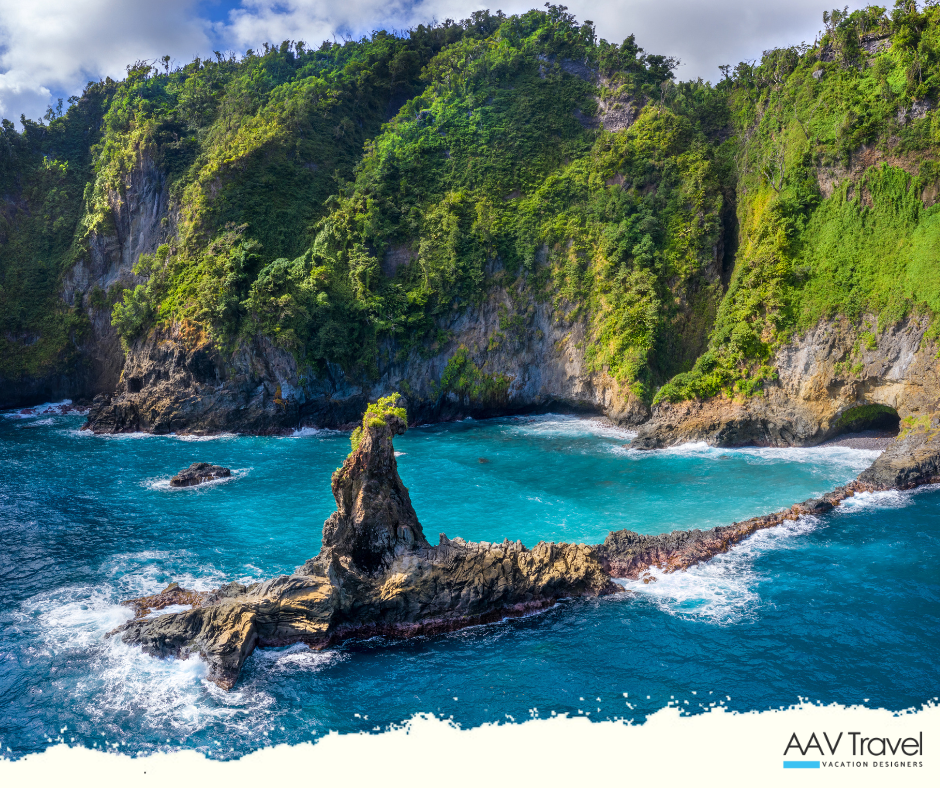
Often called the “Nature Island” of the Caribbean, Dominica is a lush, volcanic paradise that feels a world away from the typical resort scene. Here, dramatic landscapes—steaming hot springs, plunging waterfalls, and jagged volcanic peaks—meet vibrant local culture, from lively Creole villages to colorful weekly markets. The island’s beaches may not be endless stretches of white sand, but they offer rugged beauty and a sense of solitude that’s hard to find elsewhere in the Caribbean.

Beyond its natural wonders, Dominica is a haven for outdoor enthusiasts. Hikers can explore the Morne Trois Pitons National Park, a UNESCO World Heritage site, with trails that lead past boiling lakes, rainforest canopies, and hidden waterfalls. Snorkelers and divers will be rewarded with pristine coral reefs teeming with marine life, while kayakers can navigate calm rivers framed by dense jungle. It’s an island that invites curiosity, exploration, and a slower pace of life.

Dominica is ideal for travelers who want more than just a beach vacation—those who find joy in trekking, discovering local traditions, and immersing themselves in nature’s grandeur. If you’re seeking an authentic Caribbean experience that’s both adventurous and rejuvenating, Dominica delivers it in spades.

Instead of exploring Medieval Towns in Tuscany

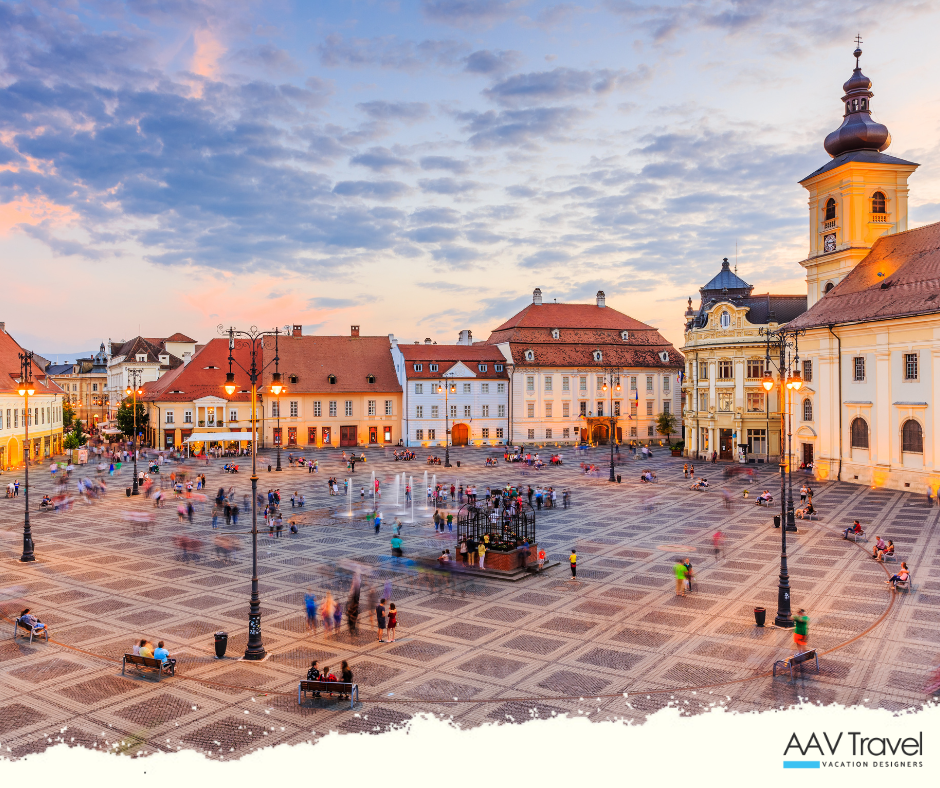
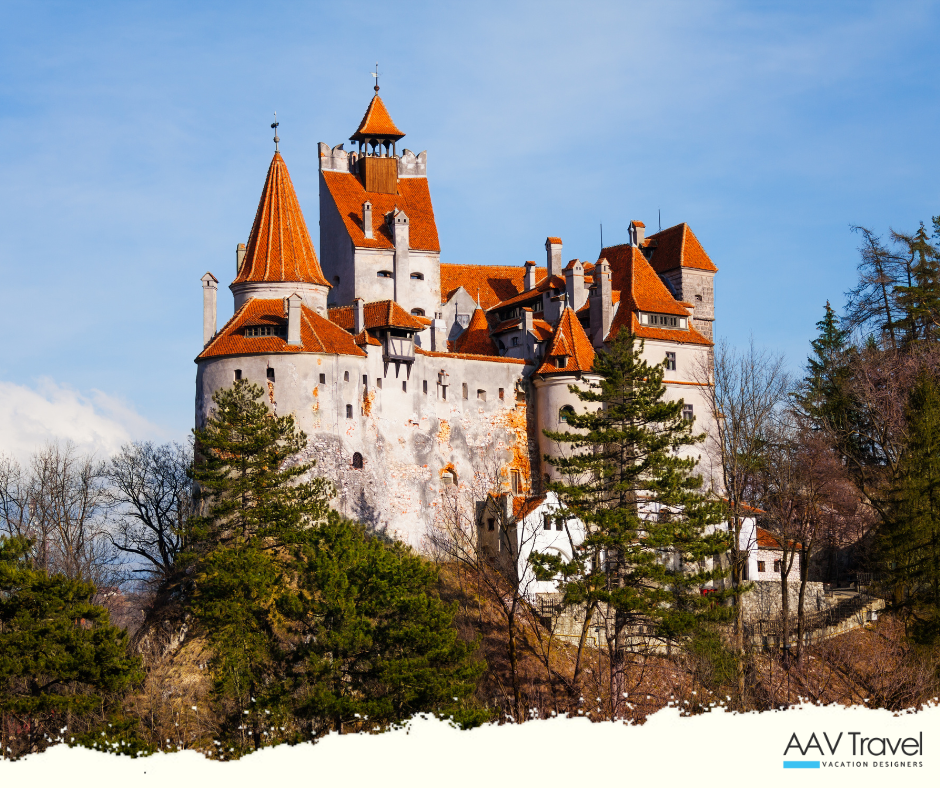
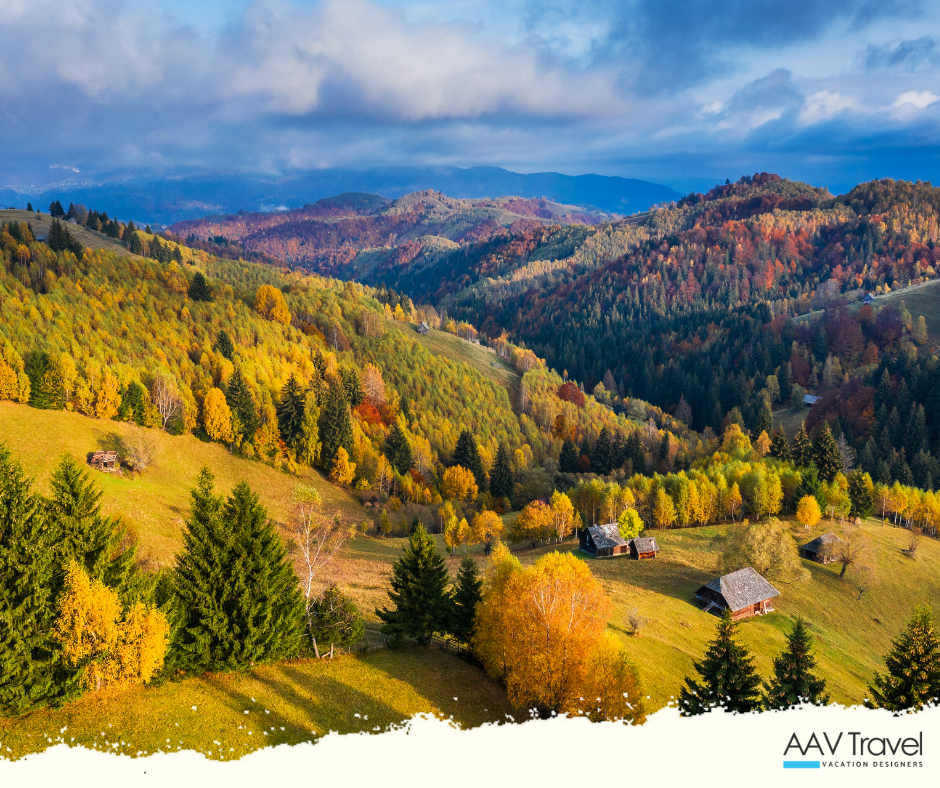
Romania is a country that surprises at every turn, offering travelers a rich tapestry of history, culture, and natural beauty—all without the crowds that often accompany Europe’s more famous destinations. From the cobblestone streets of Sibiu and Brașov, where medieval architecture and colorful squares invite leisurely exploration, to the fortified churches of Transylvania and the hauntingly beautiful castles scattered throughout the countryside, Romania feels like stepping into a storybook.

For those who love the outdoors, Romania’s landscapes are equally compelling. The Carpathian Mountains offer hiking, wildlife spotting, and serene forested valleys, while the Danube Delta is a paradise for birdwatchers and nature enthusiasts. Vineyards, charming villages, and local markets provide endless opportunities to connect with authentic Romanian culture—sampling traditional dishes like sarmale or tasting local wines in centuries-old cellars.

Romania is ideal for travelers who seek depth and discovery over convenience, those who enjoy wandering off the beaten path to uncover hidden gems. If you’re drawn to history, culture, and natural beauty in equal measure, Romania offers an experience that feels both authentic and endlessly rewarding.

And for a Feel of France

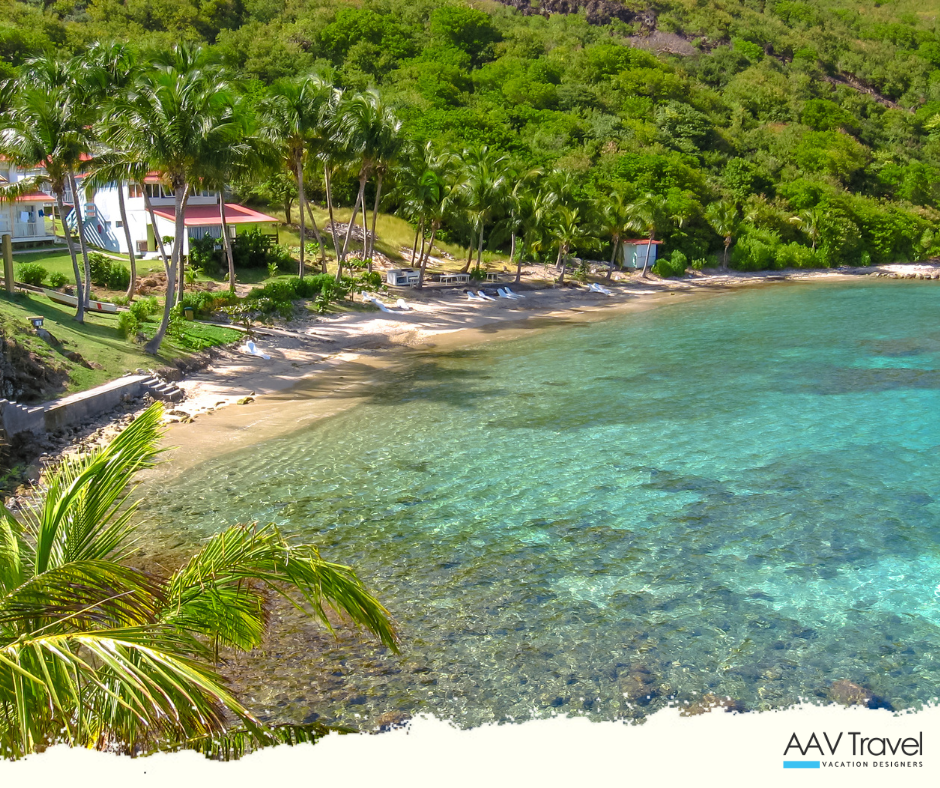
Guadeloupe has a distinctly French flair that sets it apart from many other Caribbean islands. As an overseas region of France, it blends Caribbean vibrancy with European sophistication. You’ll find French-style bakeries (pâtisseries), cafés where locals sip espresso, and gourmet markets stocked with fresh produce, cheeses, and wine. Street signs are in French, the official language is French, and the local administrative systems and cultural events reflect French influence.

The island is a Caribbean treasure that often flies under the radar, offering travelers a mix of lush landscapes, charming towns, and rich culture far removed from the usual resort crowd. Composed of two main islands—Basse-Terre and Grande-Terre—it’s a place where volcanoes, waterfalls, and rainforests meet white-sand beaches and turquoise waters. The island’s Creole heritage shines through in its colorful markets, lively music, and flavorful cuisine, from fresh seafood to spicy local dishes.

For outdoor enthusiasts, Guadeloupe delivers endlessly. Hike the trails of La Soufrière, an active volcano, or explore the tropical jungles and cascading waterfalls of Basse-Terre. Snorkelers and divers will find pristine reefs teeming with marine life, while kayaking through mangroves or taking a boat trip to nearby islands offers a sense of adventure and discovery. Unlike some of the more commercialized Caribbean destinations, Guadeloupe feels genuine and lived-in, with authentic experiences around every corner.

Guadeloupe is ideal for travelers who want the charm and sophistication of France without leaving the Caribbean—those who enjoy strolling through colorful markets, savoring fresh pastries and local cuisine, and soaking in both culture and nature. If you’re seeking a destination that combines French flair with tropical adventure, Guadeloupe offers an authentic and enriching experience unlike anywhere else.

Instead of Santorini

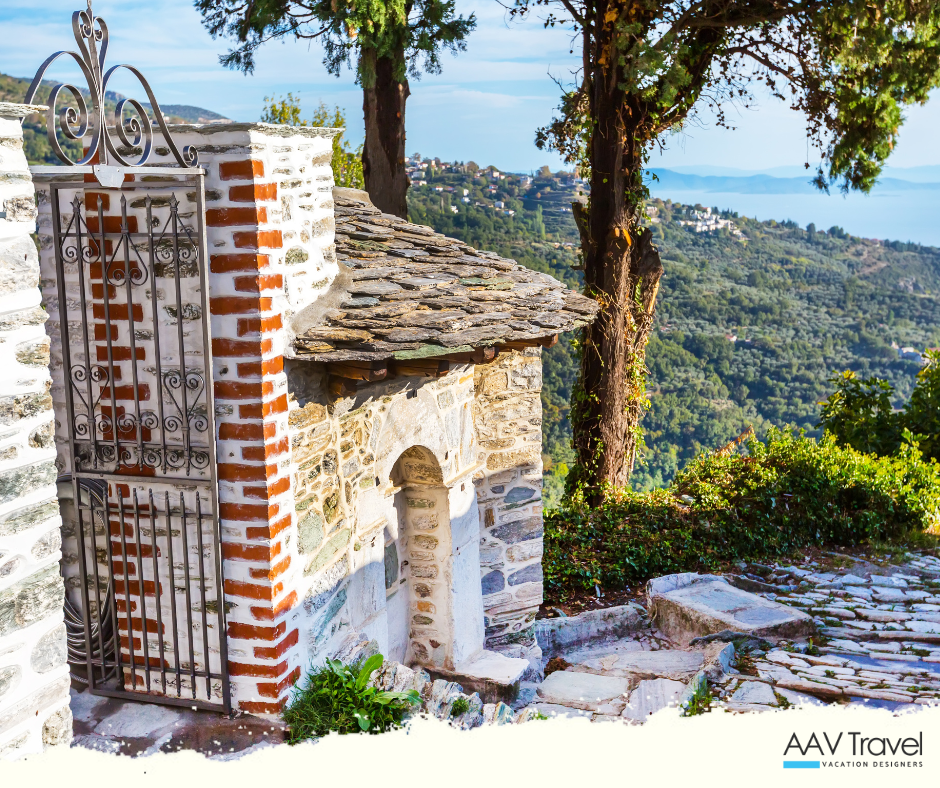
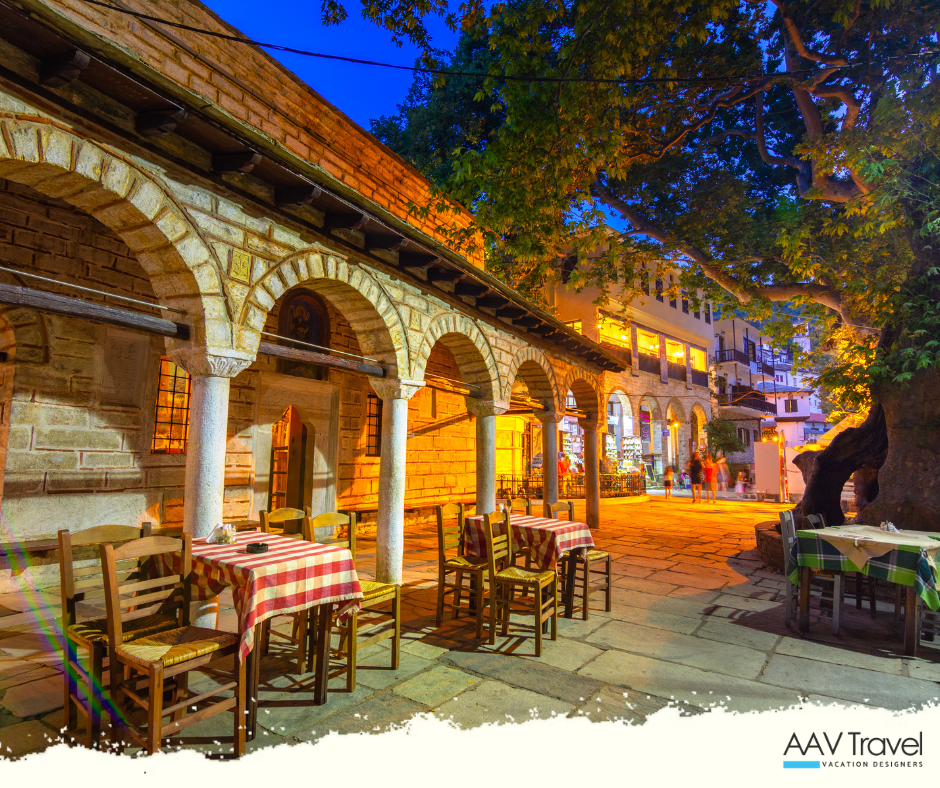
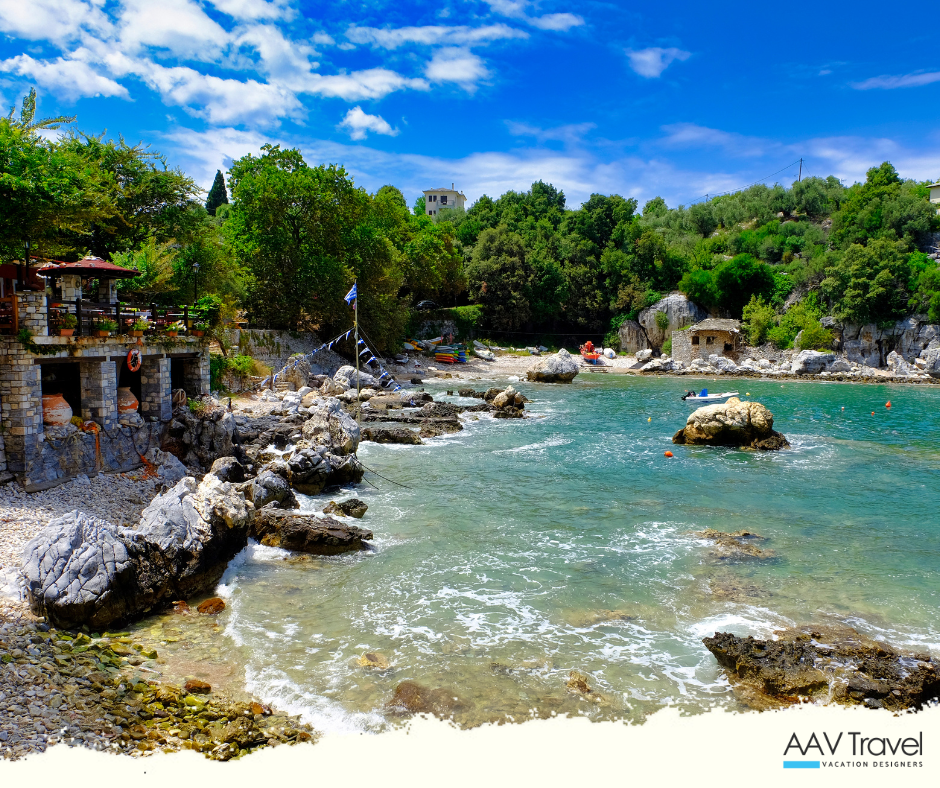
Tucked between the mountains and the sea, the Pelion Peninsula in Greece is a hidden treasure that offers the perfect blend of natural beauty, traditional culture, and tranquility. Unlike Santorini or Mykonos, Pelion remains largely undiscovered by mass tourism, giving travelers a sense of authenticity that feels increasingly rare. Charming stone villages cling to lush hillsides, cobbled streets wind past old churches and cafés, and locals welcome visitors with warm hospitality and the flavors of home-cooked Greek cuisine.

The region is a paradise for nature lovers and outdoor enthusiasts. In summer, you can hike scenic trails through olive groves and pine forests, swim in secluded coves along the Aegean or Pagasetic coast, and explore waterfalls tucked away in verdant valleys. In winter, the mountains offer skiing and cozy lodges with wood-burning fireplaces. Foodies will delight in sampling fresh seafood, local cheeses, and traditional sweets at family-run tavernas, making it a full sensory experience.

The Pelion Peninsula is perfect for travelers who want Greece beyond the crowds—those who enjoy wandering off the beaten path, discovering small villages, and soaking up both culture and nature at a relaxed pace. If you’re looking for an authentic, peaceful escape with plenty of adventure, Pelion offers the best of both worlds.

Exploring lesser-known destinations like Aosta, Dominica, Guadeloupe, Romania, or the Pelion Peninsula can be incredibly rewarding—but the true magic often lies in the details that only an experienced travel advisor can uncover. Beyond flashy headlines or viral “must-see” spots, a knowledgeable advisor understands how to craft experiences that balance safety, authenticity, and personal interests, ensuring your trip is seamless, enriching, and unforgettable. With the right guidance, you don’t just visit a destination—you connect with it on a deeper level, creating memories that last far beyond a vacation photo.

Ready to discover hidden gems and authentic experiences? Let us help you plan a journey that goes beyond the typical tourist trail. To begin planning, contact us via email at info@aav-travel.com or visit the website.

Written by: Stefanie P.