
There are years when travel feels driven by novelty for novelty’s sake, and then there are years when change feels quieter, more deliberate, and far more meaningful. 2026 is shaping up to be the latter, particularly across Europe’s cultural landscape. A series of museum openings and reimagined cultural institutions are not simply adding new attractions to the map; they are reshaping how places tell their stories and how travelers are invited to engage with them.
For travelers who value context over checklists and depth over speed, these openings offer something rare: the chance to experience destinations at moments of thoughtful reinvention. Museums are, after all, mirrors of a society’s values. Where and how a country chooses to invest in culture reveals far more than any ranking or headline ever could.
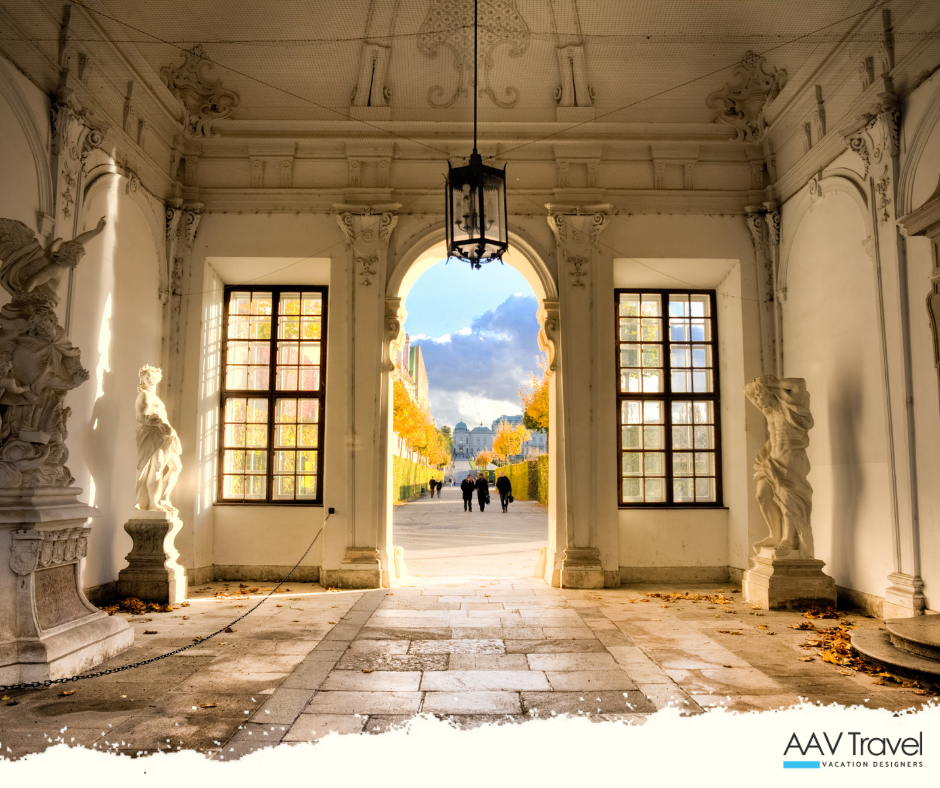
What follows is not a list of “must-sees,” but a curated look at how Europe’s most anticipated museum openings in 2026 can anchor journeys designed with intention, balance, and discernment.
In Budapest, the long-anticipated House of Hungarian Music continues to redefine how cultural spaces can blend architecture, sound, and landscape. Set within the historic City Park, the museum is less about static displays and more about immersive storytelling, inviting visitors to understand Hungarian identity through rhythm, folk traditions, and contemporary interpretation. It is the kind of place that rewards unhurried exploration, ideally paired with time spent in Budapest’s café culture, thermal baths, and lesser-visited residential neighborhoods where daily life unfolds slowly and with character. This is cultural travel as immersion rather than observation.
Further west, Paris continues its steady evolution as a city that honors its past while reshaping its future. In 2026, newly reimagined museum spaces and expanded exhibition halls are placing renewed emphasis on underrepresented narratives, contemporary voices, and global connections. These developments subtly shift the experience of Paris away from the greatest-hits circuit and toward a more layered understanding of the city’s role in a changing cultural world. Travelers who build time into their itineraries for temporary exhibitions and smaller satellite museums often find these experiences more revealing than the iconic stops they may have visited decades earlier.
In Scandinavia, cultural investment is increasingly tied to sustainability and social reflection. New museum openings in cities such as Copenhagen and Oslo are designed not only to display art and history but to function as civic spaces, blending public gathering areas, waterfront access, and thoughtful architectural design. These are places meant to be lived in, not rushed through. When approached as part of a slower Nordic journey, perhaps combined with coastal travel or countryside stays, they offer insight into how modern European societies think about community, design, and balance.
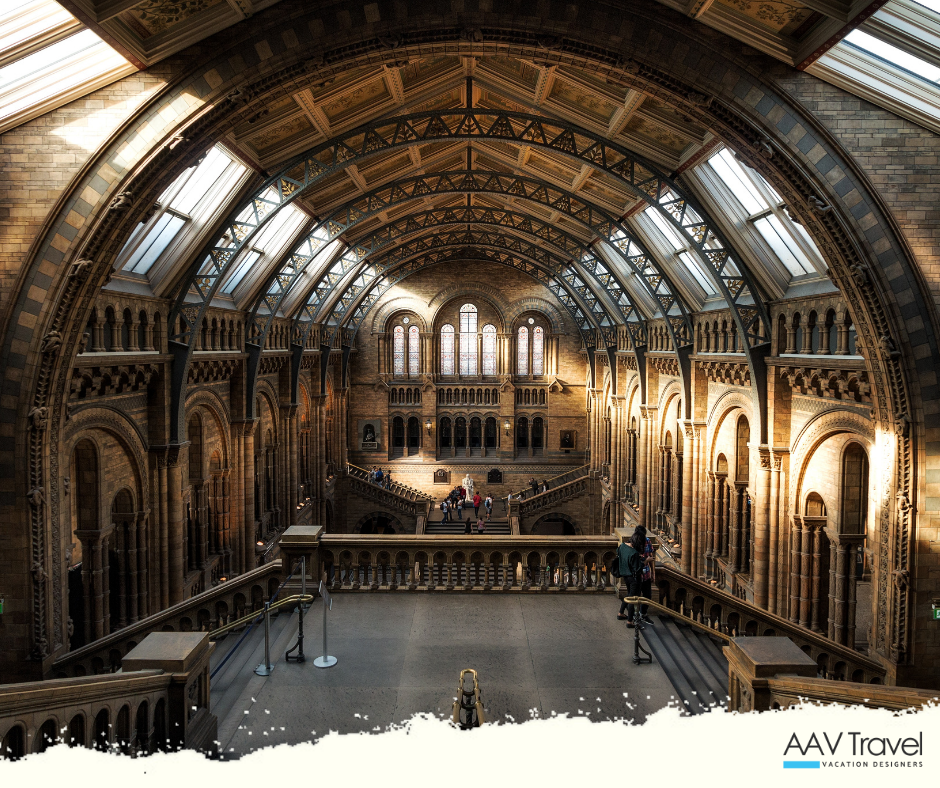
Southern Europe, too, is seeing a shift in how heritage is presented. In Italy and Spain, several museum projects coming to fruition in 2026 focus on regional identity rather than national narratives. Smaller cities and secondary destinations are investing in institutions that celebrate local craft, archaeology, and cultural continuity. For travelers, this opens the door to itineraries that move beyond the obvious cities and into places where history feels personal and grounded. A museum visit becomes a gateway to conversations with local artisans, family-run trattorias, and landscapes shaped by centuries of tradition.
These developments reflect a broader truth about cultural travel today: museums are no longer standalone attractions. They are anchors. When thoughtfully integrated into an itinerary, they provide a framework for understanding a destination’s past, present, and aspirations for the future. They also influence pacing. A morning spent in a carefully curated exhibition often naturally leads to a slower afternoon, perhaps lingering over lunch, wandering without agenda, or returning for an evening performance or lecture connected to the museum’s theme.
For travelers accustomed to moving quickly, this shift can feel unfamiliar at first. Yet those who allow their journeys to be shaped by cultural context often find their experiences richer and more resonant. A museum opening year, in particular, carries a certain energy. There is pride, conversation, and a sense of shared anticipation that can be felt well beyond the museum walls.
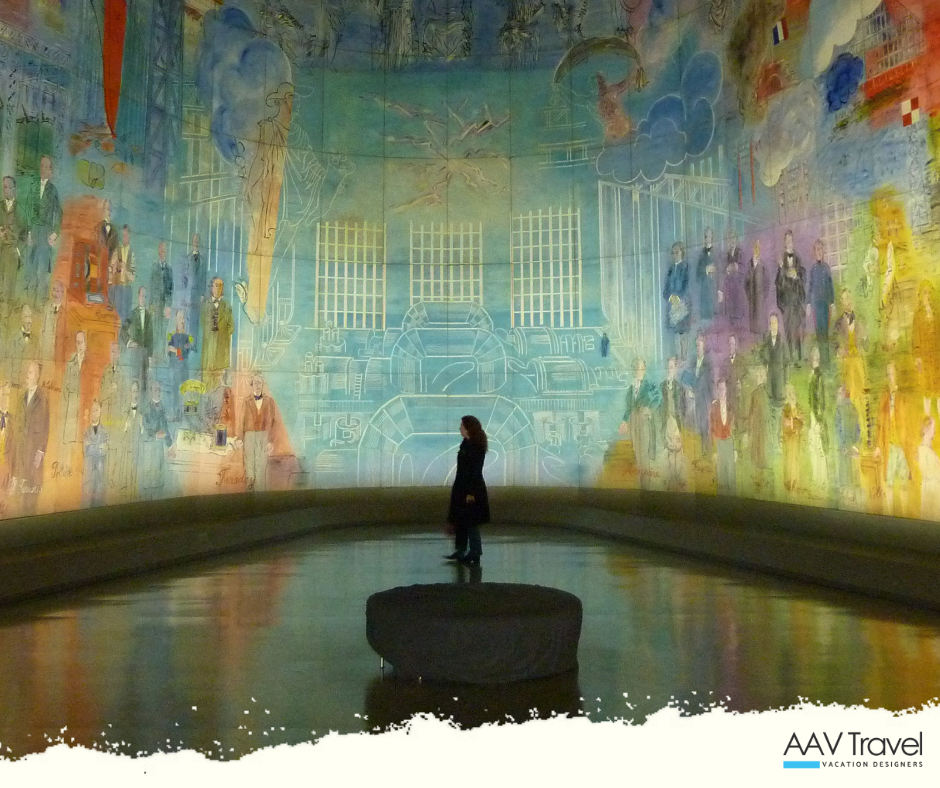
While Europe leads the conversation in 2026, similar patterns are emerging elsewhere. In Australia, cultural institutions continue to deepen their engagement with Indigenous narratives, emphasizing consultation, authenticity, and long-term stewardship. New museum spaces and expanded exhibitions in cities like Sydney and Melbourne are designed to encourage reflection rather than spectacle, inviting visitors to understand place through time, land, and lived experience. When paired with regional travel, whether along the coast or into wine country, these museums add essential context to the Australian story.
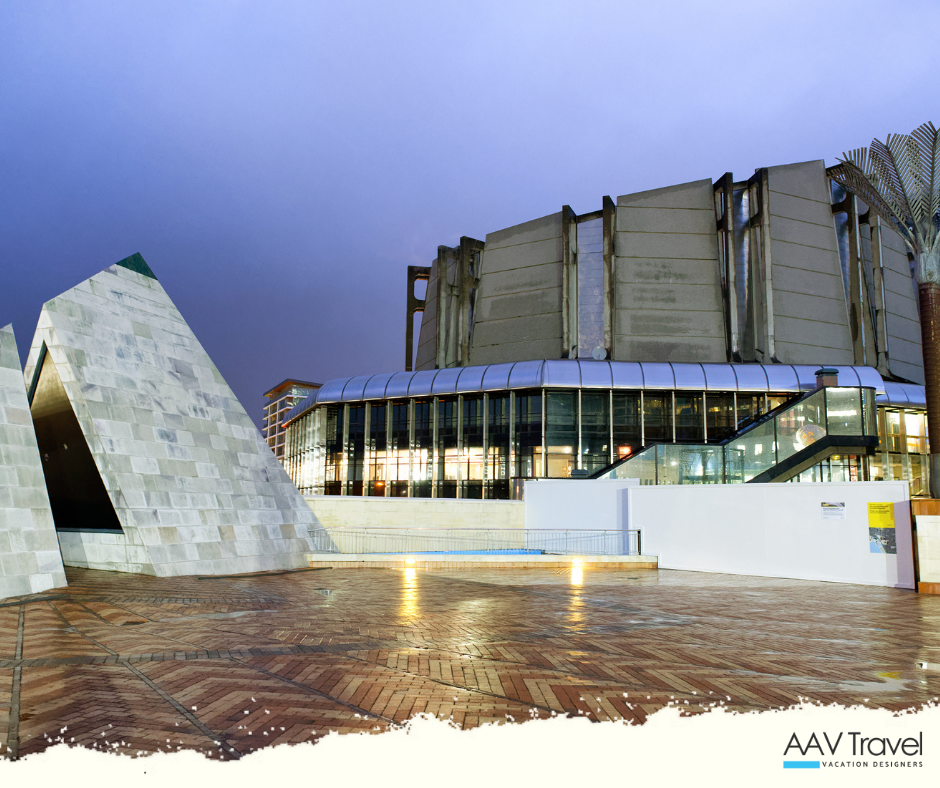
New Zealand’s cultural landscape follows a similarly thoughtful path. Museum developments and reinterpretations increasingly center Māori perspectives, weaving language, art, and ancestral knowledge into immersive experiences. For travelers, these spaces provide grounding before venturing into the country’s dramatic natural environments. Understanding cultural foundations first often transforms how landscapes are perceived and appreciated.
What all of these developments share is an emphasis on intentionality. The most compelling cultural journeys of 2026 will not be about seeing more, but about seeing better. They will be designed around moments that invite reflection, conversation, and a genuine sense of place.
This approach requires judgment. Not every new opening deserves equal attention, and not every trip benefits from constant stimulation. The art lies in knowing when a museum should be the centerpiece of a journey and when it should simply offer a quiet lens through which to understand a destination more deeply. It also requires thoughtful timing, avoiding peak moments when possible and allowing space for experiences to unfold naturally.
For travelers who value calm authority in planning, this is where expert guidance becomes quietly invaluable. Cultural openings often come with logistical nuances, from timed entry systems and limited exhibitions to neighborhood transformations that affect where one stays and how one moves through a city. Navigating these details with foresight ensures that cultural travel remains enriching rather than overwhelming.
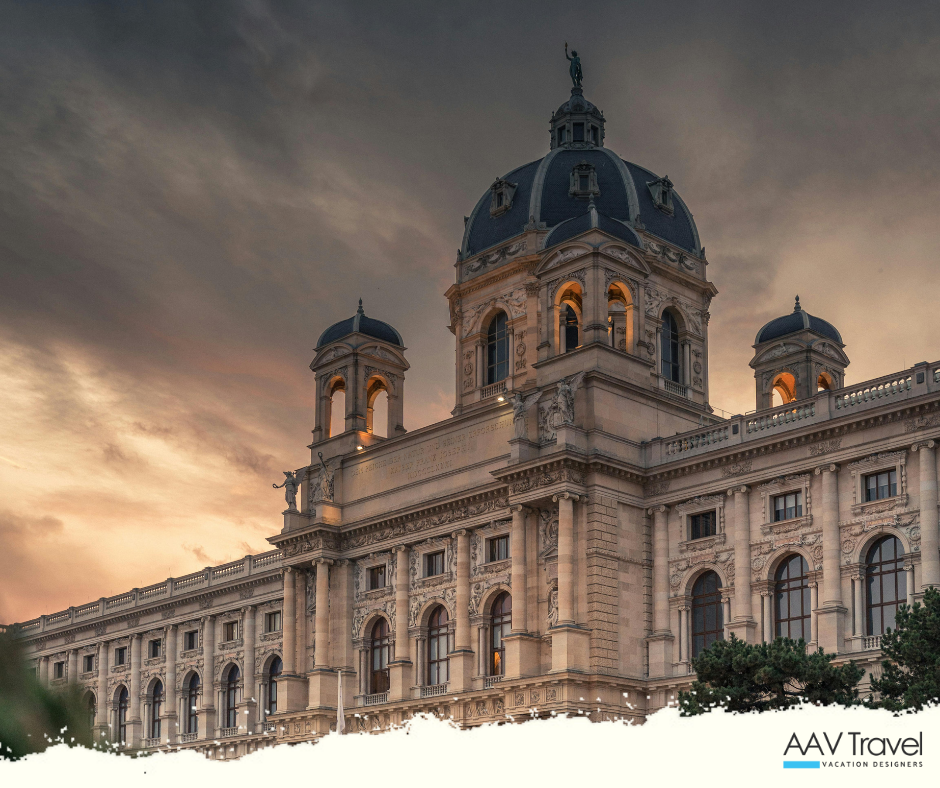
As Europe and the wider world step into 2026, the most rewarding journeys will be those shaped by curiosity, patience, and discernment. Museums, at their best, do not demand attention. They invite it. And when woven thoughtfully into a broader journey, they can transform travel from a sequence of stops into a cohesive, meaningful experience.
If you are considering travel in 2026 and find yourself drawn to culture, history, and places in moments of thoughtful evolution, an intentional conversation can help shape a journey that reflects not just where you want to go but how you want to experience it. At AAV Travel, these conversations focus on pacing, judgment, and thoughtful travel design, ensuring that each journey feels seamless, grounded, and deeply personal. You are always welcome to explore what that might look like by visiting www.aav-travel.com or reaching out directly at info@aav-travel.com.
Written by: Stefanie P.
 AAV Explorations