Beyond the Nostalgia: Placing a Luxury Train Within a Thoughtfully Designed Itinerary

The Enduring Allure of Luxury Rail

Luxury trains carry a powerful pull. Polished wood panels. White tablecloth dining. Landscapes unfolding beyond wide picture windows. The marketing imagery often leans into nostalgia and the golden age of travel. Yet for today’s experienced traveler, the question is rarely whether these journeys are beautiful. The more relevant question is where, and whether, they belong within a larger, carefully designed itinerary.

A luxury train should not be added to a journey simply because it is iconic. It should serve a clear purpose within the overall arc of the experience. When placed thoughtfully, it can elevate a trip. When inserted without consideration for pacing, sequencing, or personal travel style, it can feel like an interruption rather than a highlight.

When the Train Becomes the Centerpiece
There are times when the train should be the emotional anchor of the journey. An anniversary trip built around the Venice Simplon Orient Express from Paris to Venice benefits from careful framing. A night or two in Paris allows anticipation to build without exhaustion. Arrival in Venice should not immediately lead into a packed sightseeing schedule. The experience on board, with its structured dining and intimate cabins, requires space before and after to breathe.

When the train is the centerpiece, the surrounding days must support its role rather than compete with it. Private guides, unhurried mornings, and thoughtfully selected hotels create continuity. The train becomes not just transportation, but the defining chapter of the story.

When the Train Serves as a Connector
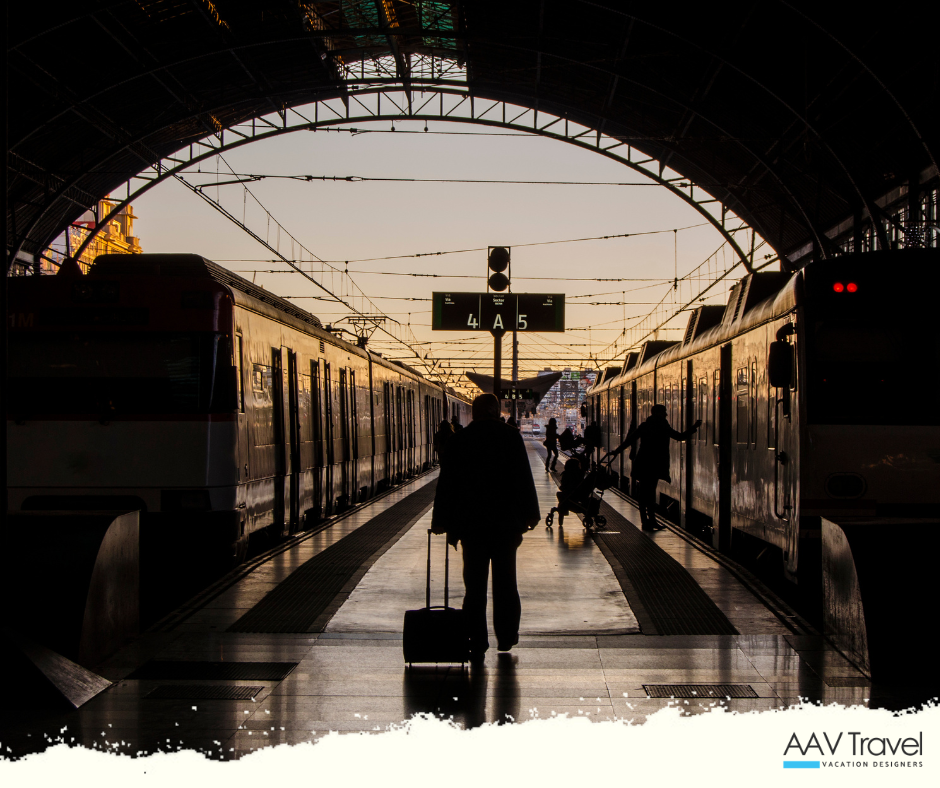
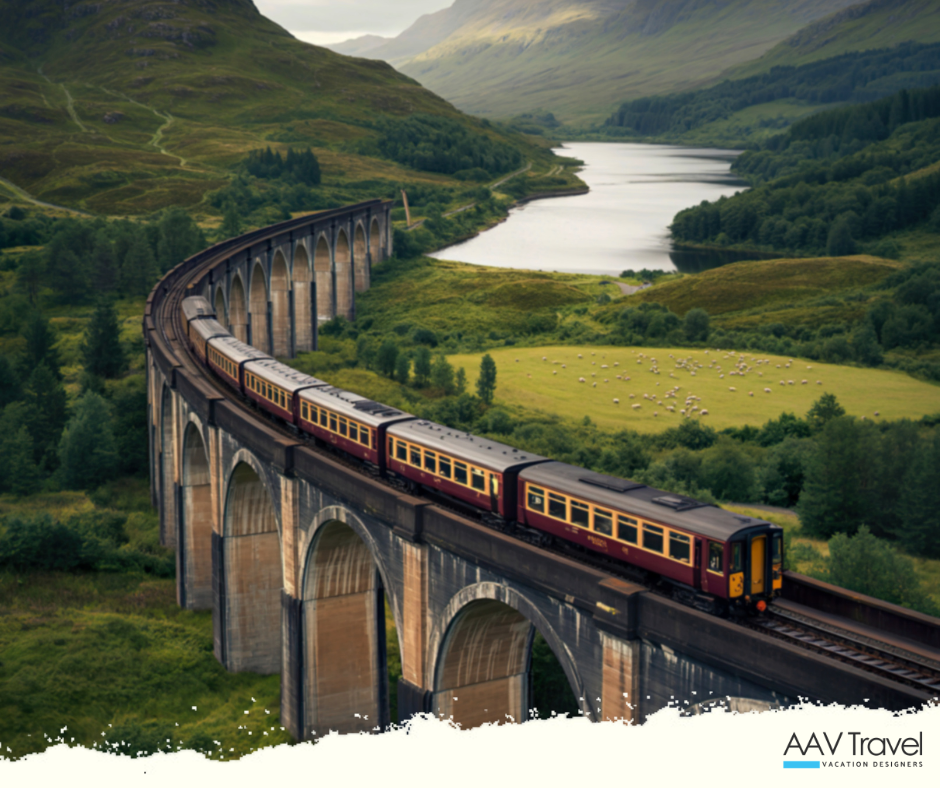
In other cases, the train works best as a transition. Scotland offers a strong example. A client may wish to explore Edinburgh in depth and then immerse themselves in the Highlands. Integrating the Royal Scotsman into the middle of that journey creates a natural shift in pace. The train becomes a bridge, both physically and psychologically, easing the movement from city energy to remote landscapes.

Here, the rail experience enhances continuity rather than dominating the entire narrative. It connects chapters rather than replacing them.

Italy and the Art of Integration

Italy presents similar decisions. A Belmond journey through Tuscany can either anchor a celebratory itinerary or serve as a refined interlude between Florence and Venice. The distinction depends on the traveler’s priorities. Is the focus on private vineyard access, culinary immersion, and extended stays in historic properties, with the train adding texture? Or is the rail journey itself the milestone moment, with surrounding cities playing a supporting role?

These are structural decisions, not decorative ones. The placement of the train shapes the emotional pacing of the entire trip.

Understanding the Structure of Life On Board
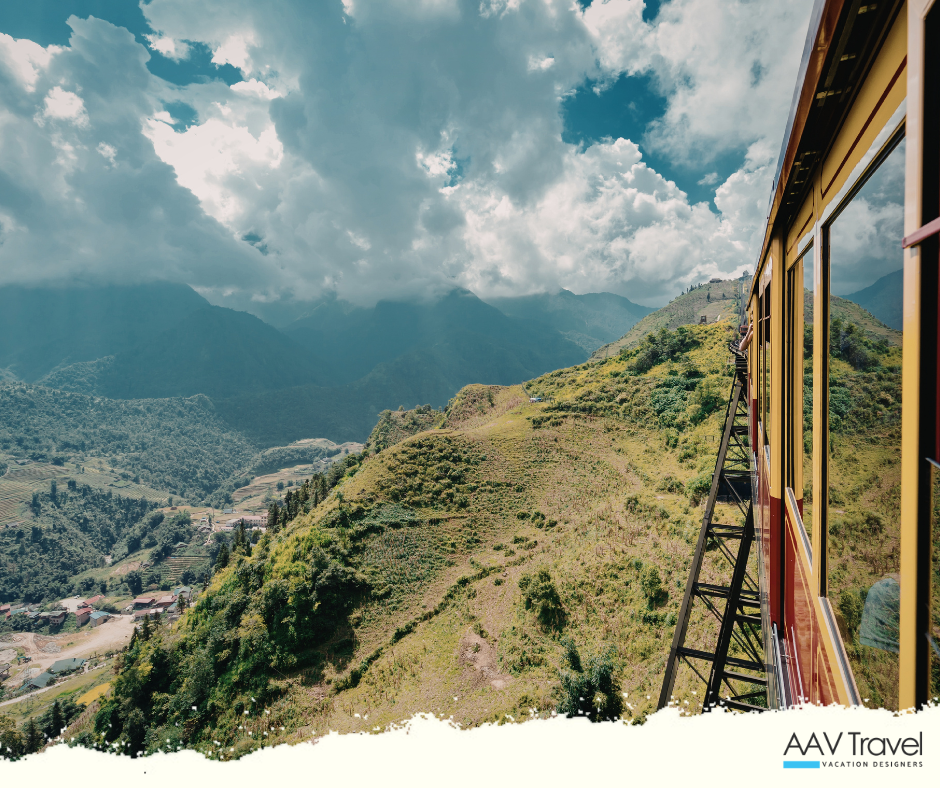
It is also important to understand the built in rhythm of luxury rail. Even the highest cabin categories are compact compared to the suites many established travelers prefer on land or sea. Dining is often communal, with set times and dress expectations. Excursions are curated and typically group based.

For some, this structure creates welcome ease and sociability. For others, particularly those who value privacy and flexibility, it may feel limiting. Evaluating comfort with these dynamics is essential before positioning a train within a broader itinerary.

Sequencing, Seasonality, and Climate
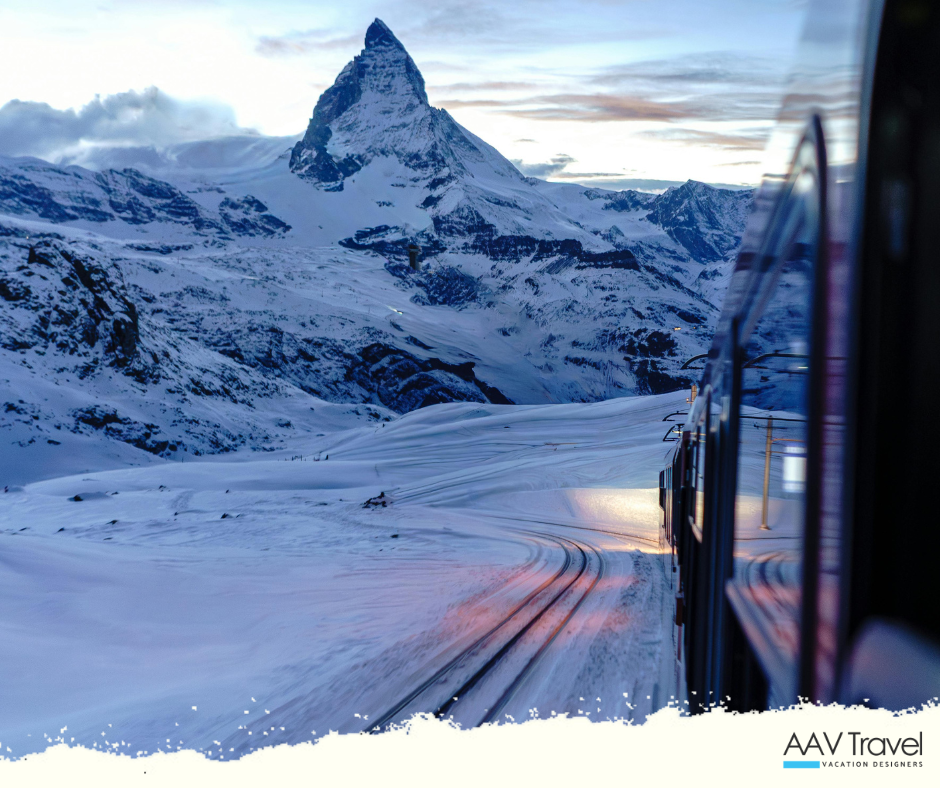
Timing influences experience more than most travelers anticipate. A train journey placed at the end of a fast paced European tour can feel confining. Positioned too early, it may limit time to adjust to a new time zone before entering a structured environment.

Season also matters. The light in Scotland in late spring differs dramatically from autumn. Tuscany in midsummer carries a different atmosphere than in October. Weather, daylight hours, and landscape color all affect how the journey feels. The train does not exist in isolation from these elements.

The Practical Realities Behind the Scenes
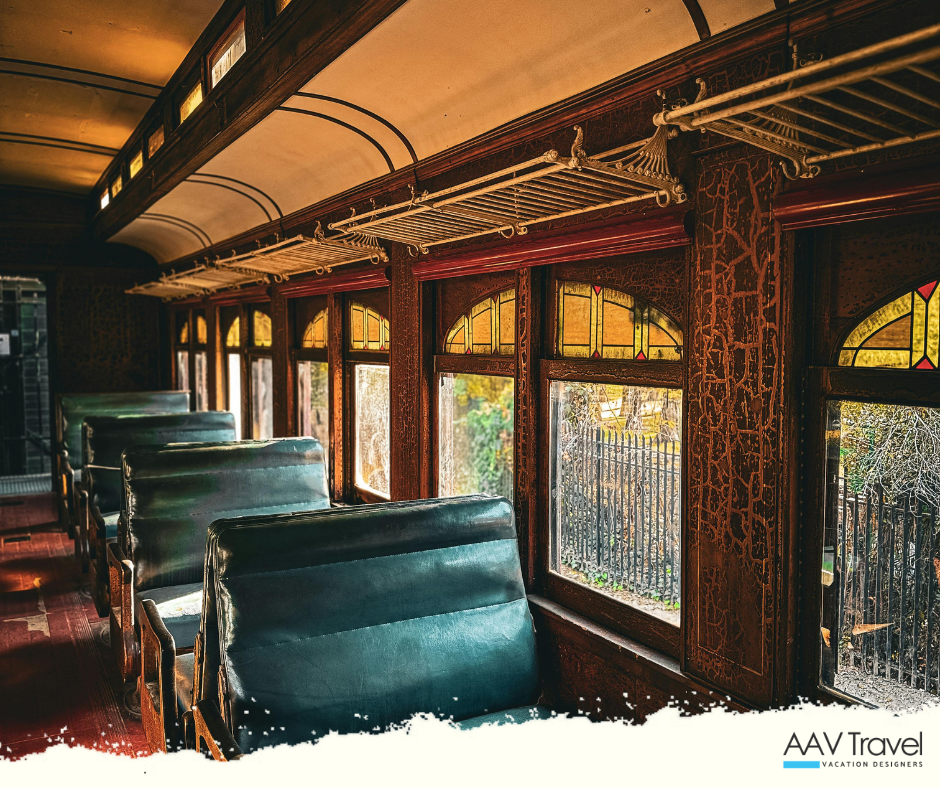
There are also considerations that rarely appear in glossy brochures. Luggage restrictions require advance coordination, particularly when combining rail with extended hotel stays. Certain routes travel through remote areas with limited medical access. Inventory can be tight, and cancellation structures are often more rigid than traditional hotel bookings.

These factors do not diminish the appeal of the experience. They simply require thoughtful planning and integration into the larger design.

Looking Beyond Europe: The Rocky Mountaineer Context

For those considering rail beyond Europe, such as the Rocky Mountaineer in Western Canada, similar principles apply. While stylistically different from heritage European trains, it remains a curated and structured journey with defined pacing.

The Rocky Mountaineer can beautifully connect Banff and Vancouver, but expectations must align with the style of service, the nature of the scenery, and the broader rhythm of a Canadian itinerary. As in Europe, it works best when it serves a strategic purpose within the trip rather than functioning as an isolated indulgence.

Placing the Train With Intention

A luxury train is neither automatically transformative nor inherently impractical. Its value depends on placement. When it aligns with a milestone celebration, tolerance for structure, desire for social engagement, and overall itinerary goals, it can become one of the most memorable chapters of a journey. When added for novelty alone, it risks feeling disconnected.

Designing travel at this level requires stepping back from imagery and asking deeper questions. What is the desired emotional arc of the trip? Where should the pace slow? Where should privacy be prioritized? Where does shared experience enhance rather than detract? Only then can a decision be made about whether the train should lead, follow, or gently connect.

For those considering a luxury rail journey in Europe or beyond, the most important step is not selecting the cabin category or departure date. It is understanding how the experience fits within the whole. If you are exploring whether a train belongs in your next milestone journey, I invite you to begin with a thoughtful conversation. Through a Strategic Travel Advisory Session, we can evaluate how each component of your itinerary supports the overall design, ensuring that every element, including a luxury train, is placed with intention and care. To begin that conversation, visit AAV Travel or reach out at info@aav-travel.com.

Written by: Stefanie P.
The Sweetest Season. Why Easter in Europe Is a Connoisseur’s Window

A Season That Reveals Character

There is a particular kind of traveler who understands that desserts are rarely just desserts. They are memory and ritual, regional pride and inherited technique. They are proof that a culture still values patience, craft, and seasonality. For those who pay attention to these details, Easter in Europe can be one of the most rewarding times of year to travel. Not because it is flashy or loud, but because it is subtle and deeply rooted.

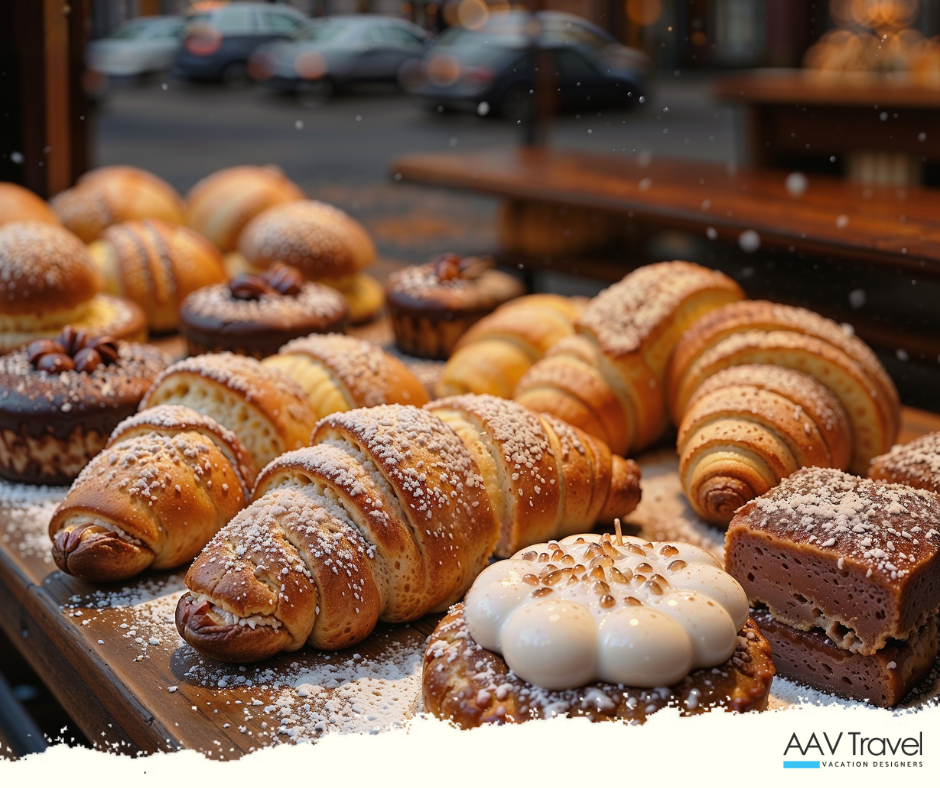
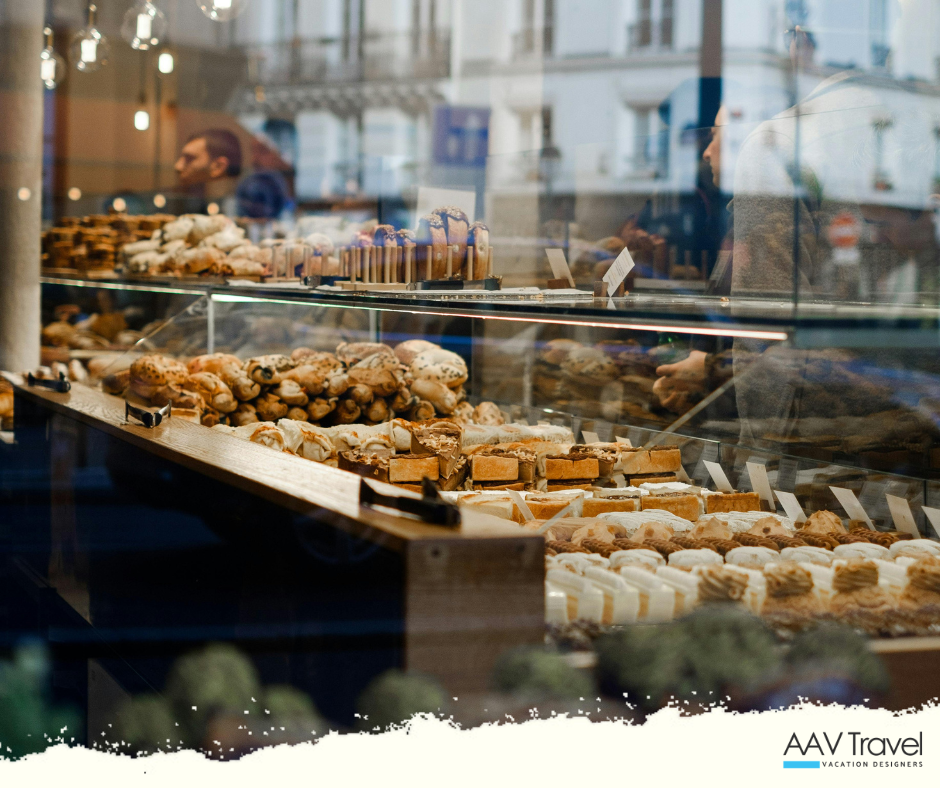
Easter arrives in Europe with a quiet elegance. Spring light returns, café terraces reopen, and cities feel freshly awakened after winter. Shop windows shift from muted tones to carefully curated displays, and bakeries begin producing specialties that appear only once a year and vanish just as quickly. For travelers who care about craftsmanship and tradition, this moment is far more than a seasonal novelty. It is a connoisseur’s window, a brief period when culinary heritage, faith, music, and the natural renewal of spring intersect.

This is not about sugar for its own sake. It is about timing, restraint, and knowing where to be when something truly special is being made.

The Strategic Advantage of Easter Travel

Many Americans view spring as a practical shoulder season in Europe, a pleasant gap before summer crowds take over. That is certainly true from a logistical standpoint. But Easter adds another dimension. It brings anticipation. Cities feel expectant. Florists overflow with color, sacred music fills churches and concert halls, and pastry counters become almost theatrical in their seasonal offerings.

What makes this period so compelling is that many Easter specialties are not designed for tourists. They are personal and symbolic, rooted in family tables and local memory. They often require techniques that resist mass production. That is precisely why they are worth traveling for. When you taste something that is truly of its place and of its moment, you experience a culture in a way that cannot be replicated in high season.

Vienna. Pastry, Music, and Measured Indulgence

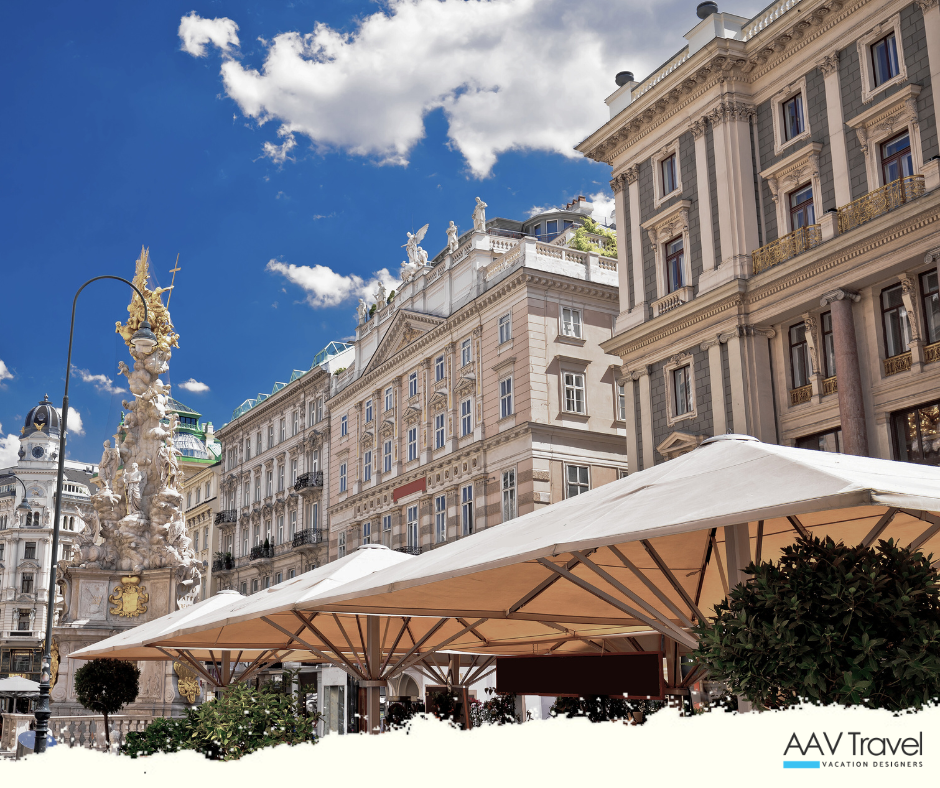
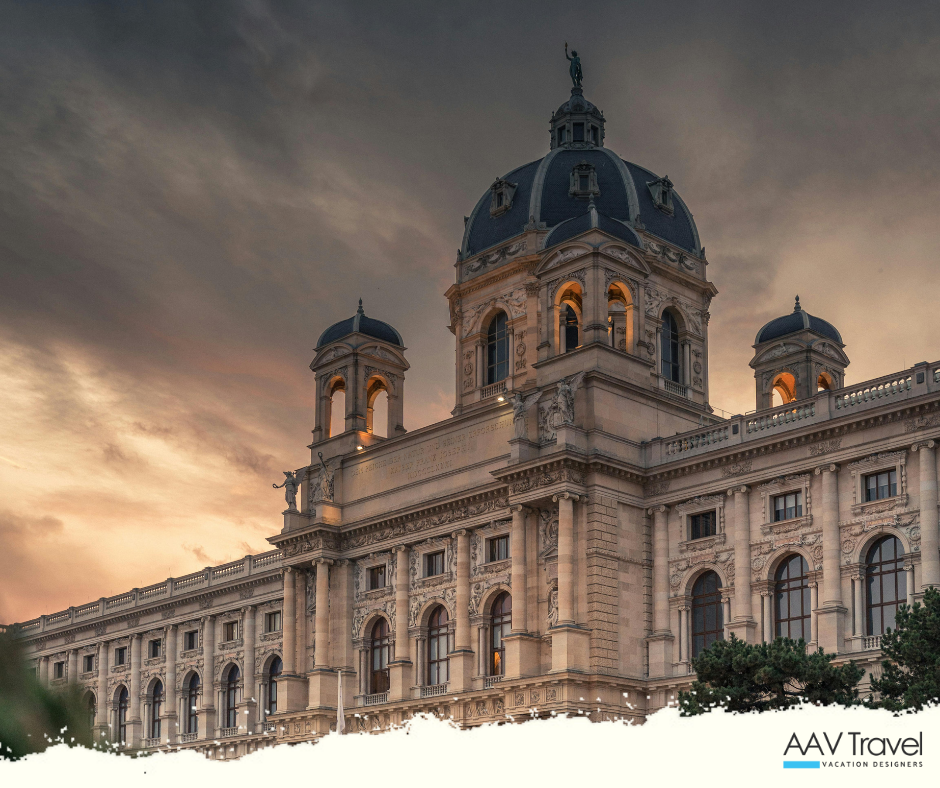
Vienna, for example, feels particularly polished at Easter. The city already carries an innate elegance, but in spring it softens. Gardens begin to bloom, the air is crisp, and the café culture becomes irresistible. In Vienna, pastry is not an indulgence tucked away in a corner. It is heritage. The grand cafés are not merely places to eat cake; they are institutions where one lingers under chandeliers, reads the paper, and participates in a ritual that has changed very little over decades.

During Easter, pastry counters often feature seasonal variations and refined confections that do not appear at other times of year. Yet Vienna is not a city that rewards excess. The pleasure lies in pacing. A late morning coffee accompanied by a delicate slice of something seasonal can be followed by an afternoon in a museum and an evening concert that anchors the day in something deeper than indulgence. When designed thoughtfully, the sweetness enhances the experience rather than overwhelming it.

Florence. Sacred Tradition and the Art of Slowing Down

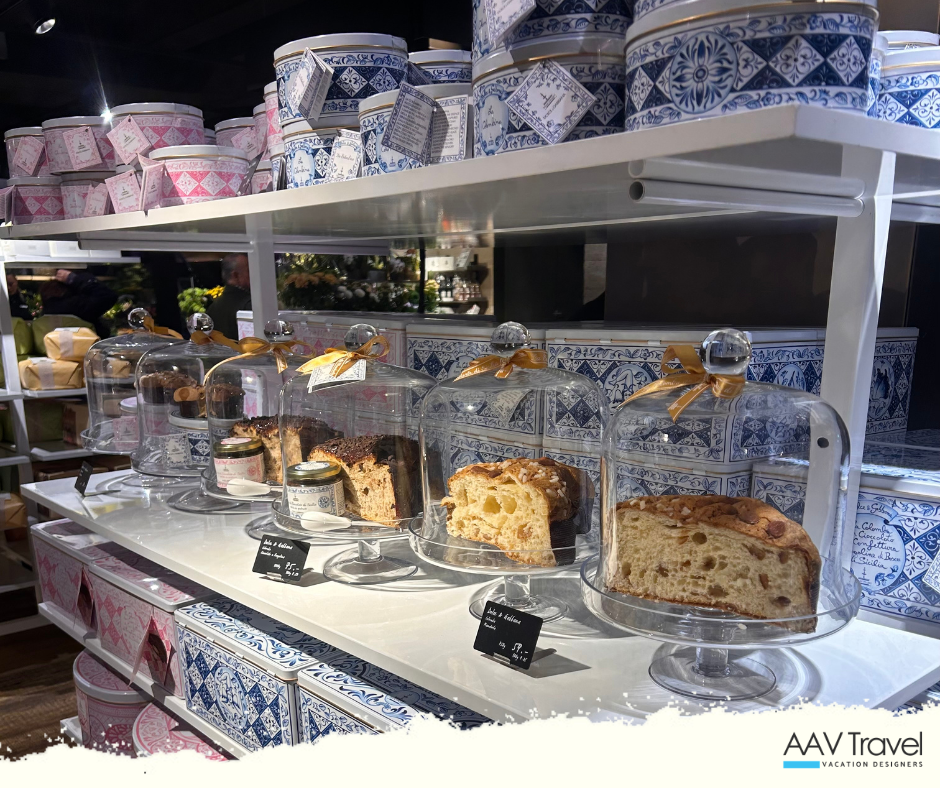
Florence offers a different kind of Easter atmosphere. Too often, visitors arrive determined to conquer the city with a checklist. Easter gently resists that approach. Spring light softens the stone facades, and the city feels more human before the density of summer arrives. Traditions are woven quietly into daily life, from church services to neighborhood bakeries displaying Colomba, the dove shaped sweet bread that symbolizes peace and renewal.

In Florence and throughout Tuscany, you can find artisanal versions of this seasonal bread that feel far removed from mass produced alternatives. But the real reward is in the contrast the city offers. You might spend the morning in a quiet church where incense lingers in the air, then wander a few streets and find a bakery fragrant with citrus and vanilla. An afternoon at the Uffizi can be followed by an unhurried espresso in a neighborhood café where locals are shopping for Easter treats as they have for generations. Florence at Easter invites you to notice details rather than rush past them.

France. Chocolate as Craft and Cultural Expression

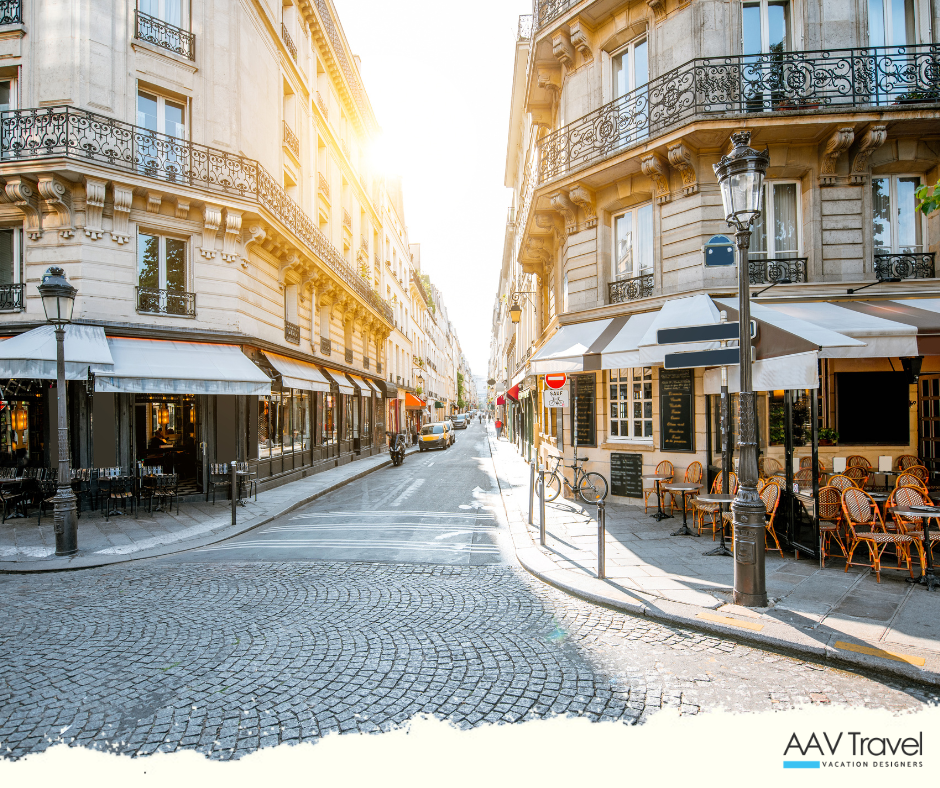
France approaches Easter with its characteristic refinement. Here, chocolate becomes art. In Paris and other cities, chocolatiers create sculptural eggs and intricate designs that are displayed almost like jewelry. These are not novelty items. They are expressions of discipline and artistry, crafted for a brief moment of admiration before they are enjoyed and gone.

Traveling to France at Easter is compelling precisely because it is fleeting. The most memorable experiences in Europe are often those tied to a specific season, impossible to replicate in July or October. Yet discernment matters. A thoughtful itinerary might include a private tasting with a respected chocolatier balanced with time in spring gardens, smaller neighborhoods, and cultural experiences that ground the sweetness in context. France demonstrates that luxury is not about quantity. It is about refinement and intention.

Switzerland. Precision, Comfort, and Spring Light

Switzerland offers a quieter interpretation of the season. Easter here feels grounded and sincere, less theatrical and more intimate. Seasonal breads and beautifully executed chocolate are tied to family tables and local tradition rather than display. There is comfort in the simplicity, paired with the precision for which Switzerland is known.

Spring in Switzerland also brings a striking natural transition. Snow still crowns the mountains while valleys begin to bloom. Lakeside towns regain energy without the intensity of summer tourism. Hotels and trains feel calmer, and the overall rhythm is unhurried. A well designed Swiss Easter journey might combine time in a sophisticated city with a few days in an alpine region where nature and tradition coexist seamlessly. The sweetness of the season becomes part of a larger experience of clarity, landscape, and calm.

Discernment Is the Difference

It is tempting to frame an Easter journey as a culinary theme. But experienced travelers understand that a meaningful trip is built on balance. If you approach Europe at Easter as a sugar hunt, you risk missing the deeper texture of the season. Easter is as much about music, ritual, and renewal as it is about pastry and chocolate.

This is where discernment becomes essential. Days should be paced so that indulgence feels special rather than constant. Neighborhoods and hotels should be chosen to encourage walking rather than rushing. Cultural experiences should anchor culinary ones. Vienna pairs pastry with music. Florence pairs sweetness with sacred art and Renaissance beauty. France pairs chocolate with disciplined craft. Switzerland pairs seasonal baking with serenity and landscape.

Choosing Better, Not More

The sweetest season is not about having more. It is about choosing better. Easter in Europe offers a softer mood, a more local rhythm, and a fleeting moment when culinary heritage feels deeply personal. For travelers who appreciate being in the right place at the right time, it can be one of the most quietly extraordinary windows of the year.

If you are considering an Easter journey to Europe, I would welcome a thoughtful planning conversation. The right itinerary is not simply about where you go, but how you move through each destination, how the days are paced, and how the experience is shaped around what you value most. To begin designing a journey with care and discernment, visit www.aav-travel.com or email me at info@aav-travel.com.

Cultural Curations of 2026: Europe’s Most Anticipated Museum Openings and What They Reveal About Thoughtful Travel

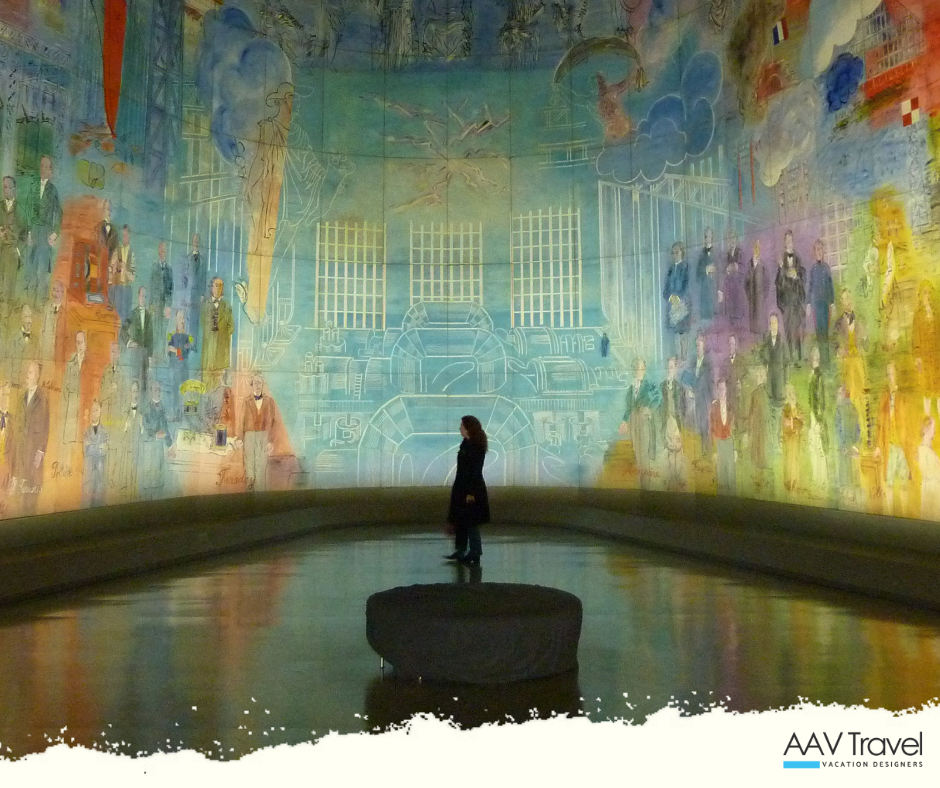
There are years when travel feels driven by novelty for novelty’s sake, and then there are years when change feels quieter, more deliberate, and far more meaningful. 2026 is shaping up to be the latter, particularly across Europe’s cultural landscape. A series of museum openings and reimagined cultural institutions are not simply adding new attractions to the map; they are reshaping how places tell their stories and how travelers are invited to engage with them.

For travelers who value context over checklists and depth over speed, these openings offer something rare: the chance to experience destinations at moments of thoughtful reinvention. Museums are, after all, mirrors of a society’s values. Where and how a country chooses to invest in culture reveals far more than any ranking or headline ever could.

What follows is not a list of “must-sees,” but a curated look at how Europe’s most anticipated museum openings in 2026 can anchor journeys designed with intention, balance, and discernment.

In Budapest, the long-anticipated House of Hungarian Music continues to redefine how cultural spaces can blend architecture, sound, and landscape. Set within the historic City Park, the museum is less about static displays and more about immersive storytelling, inviting visitors to understand Hungarian identity through rhythm, folk traditions, and contemporary interpretation. It is the kind of place that rewards unhurried exploration, ideally paired with time spent in Budapest’s café culture, thermal baths, and lesser-visited residential neighborhoods where daily life unfolds slowly and with character. This is cultural travel as immersion rather than observation.

Further west, Paris continues its steady evolution as a city that honors its past while reshaping its future. In 2026, newly reimagined museum spaces and expanded exhibition halls are placing renewed emphasis on underrepresented narratives, contemporary voices, and global connections. These developments subtly shift the experience of Paris away from the greatest-hits circuit and toward a more layered understanding of the city’s role in a changing cultural world. Travelers who build time into their itineraries for temporary exhibitions and smaller satellite museums often find these experiences more revealing than the iconic stops they may have visited decades earlier.

In Scandinavia, cultural investment is increasingly tied to sustainability and social reflection. New museum openings in cities such as Copenhagen and Oslo are designed not only to display art and history but to function as civic spaces, blending public gathering areas, waterfront access, and thoughtful architectural design. These are places meant to be lived in, not rushed through. When approached as part of a slower Nordic journey, perhaps combined with coastal travel or countryside stays, they offer insight into how modern European societies think about community, design, and balance.

Southern Europe, too, is seeing a shift in how heritage is presented. In Italy and Spain, several museum projects coming to fruition in 2026 focus on regional identity rather than national narratives. Smaller cities and secondary destinations are investing in institutions that celebrate local craft, archaeology, and cultural continuity. For travelers, this opens the door to itineraries that move beyond the obvious cities and into places where history feels personal and grounded. A museum visit becomes a gateway to conversations with local artisans, family-run trattorias, and landscapes shaped by centuries of tradition.

These developments reflect a broader truth about cultural travel today: museums are no longer standalone attractions. They are anchors. When thoughtfully integrated into an itinerary, they provide a framework for understanding a destination’s past, present, and aspirations for the future. They also influence pacing. A morning spent in a carefully curated exhibition often naturally leads to a slower afternoon, perhaps lingering over lunch, wandering without agenda, or returning for an evening performance or lecture connected to the museum’s theme.

For travelers accustomed to moving quickly, this shift can feel unfamiliar at first. Yet those who allow their journeys to be shaped by cultural context often find their experiences richer and more resonant. A museum opening year, in particular, carries a certain energy. There is pride, conversation, and a sense of shared anticipation that can be felt well beyond the museum walls.

While Europe leads the conversation in 2026, similar patterns are emerging elsewhere. In Australia, cultural institutions continue to deepen their engagement with Indigenous narratives, emphasizing consultation, authenticity, and long-term stewardship. New museum spaces and expanded exhibitions in cities like Sydney and Melbourne are designed to encourage reflection rather than spectacle, inviting visitors to understand place through time, land, and lived experience. When paired with regional travel, whether along the coast or into wine country, these museums add essential context to the Australian story.

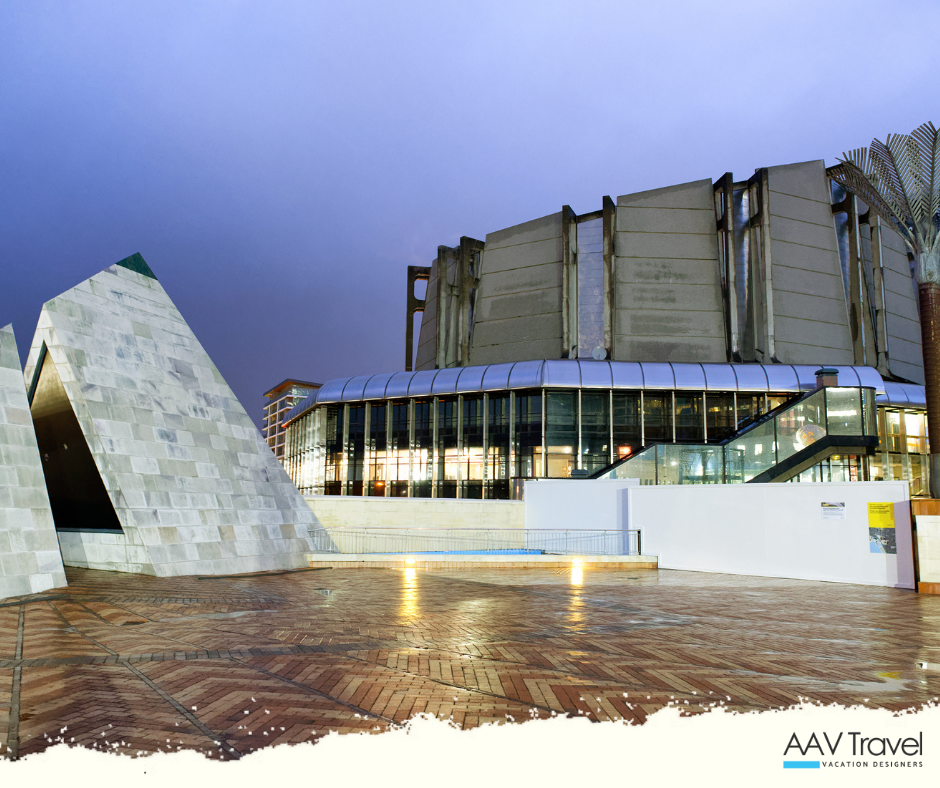
New Zealand’s cultural landscape follows a similarly thoughtful path. Museum developments and reinterpretations increasingly center Māori perspectives, weaving language, art, and ancestral knowledge into immersive experiences. For travelers, these spaces provide grounding before venturing into the country’s dramatic natural environments. Understanding cultural foundations first often transforms how landscapes are perceived and appreciated.

What all of these developments share is an emphasis on intentionality. The most compelling cultural journeys of 2026 will not be about seeing more, but about seeing better. They will be designed around moments that invite reflection, conversation, and a genuine sense of place.

This approach requires judgment. Not every new opening deserves equal attention, and not every trip benefits from constant stimulation. The art lies in knowing when a museum should be the centerpiece of a journey and when it should simply offer a quiet lens through which to understand a destination more deeply. It also requires thoughtful timing, avoiding peak moments when possible and allowing space for experiences to unfold naturally.

For travelers who value calm authority in planning, this is where expert guidance becomes quietly invaluable. Cultural openings often come with logistical nuances, from timed entry systems and limited exhibitions to neighborhood transformations that affect where one stays and how one moves through a city. Navigating these details with foresight ensures that cultural travel remains enriching rather than overwhelming.

As Europe and the wider world step into 2026, the most rewarding journeys will be those shaped by curiosity, patience, and discernment. Museums, at their best, do not demand attention. They invite it. And when woven thoughtfully into a broader journey, they can transform travel from a sequence of stops into a cohesive, meaningful experience.

If you are considering travel in 2026 and find yourself drawn to culture, history, and places in moments of thoughtful evolution, an intentional conversation can help shape a journey that reflects not just where you want to go but how you want to experience it. At AAV Travel, these conversations focus on pacing, judgment, and thoughtful travel design, ensuring that each journey feels seamless, grounded, and deeply personal. You are always welcome to explore what that might look like by visiting www.aav-travel.com or reaching out directly at info@aav-travel.com.

Written by: Stefanie P.
The Ultimate Power Play: Experiencing World-Class Sports Through Luxury Travel

There’s something undeniably thrilling about combining a love of travel with the excitement of a world-class sporting event. From the manicured lawns of Wimbledon to the high-octane streets of Monaco during the Grand Prix, or the icy slopes of the 2026 Winter Games, these events offer far more than just competition—they promise a complete experience, blending culture, luxury, and unforgettable memories.

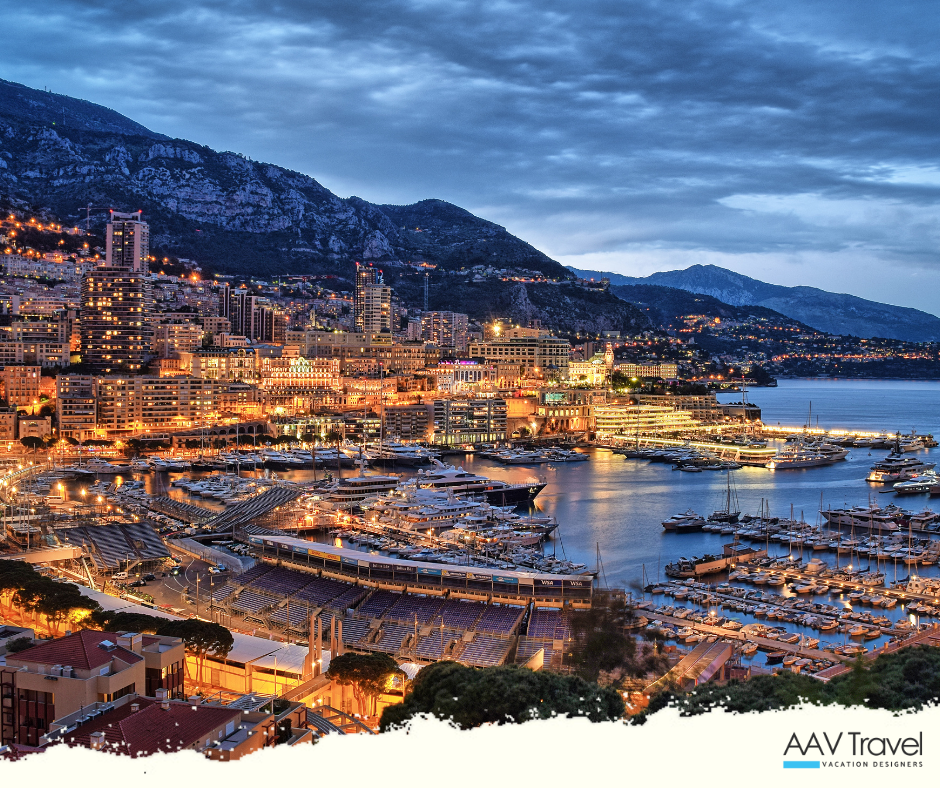
Attending such events, however, comes with its own set of challenges. Tickets can be notoriously difficult to obtain, often requiring early planning, insider knowledge, or connections that aren’t readily available to the casual fan. Once you secure your seats, the next challenge emerges: finding accommodations near the venues. Hotels fill quickly, and the best locations can disappear months in advance, making the planning process as intricate as the events themselves. Yet, it’s precisely this complexity that makes the experience so rewarding. Navigating the logistics transforms a simple trip into a fully immersive adventure. Picture arriving in London for Wimbledon, feeling the buzz of the crowds as you explore historic neighborhoods, savoring traditional afternoon tea before settling into your prime court-side seat. Or imagine the Monaco Grand Prix, where the roar of engines is matched only by the glamour of the city-state’s luxury hotels, rooftop terraces, and yachts lining the harbor.

Timing and insider knowledge are key

Tickets for prestigious events often sell out almost as soon as they are released, and keeping on top of public release dates is essential. Many events release tickets first to wholesalers or through exclusive hospitality packages before they reach the general public, making early planning indispensable. By booking ahead, you not only secure your seats but also gain access to the best accommodations and premium experiences. Working with AAV Travel gives you a distinct advantage: our insider connections allow us to monitor ticket releases, secure coveted seats, and access exclusive packages, while coordinating accommodations and all transportation logistics. This ensures you can immerse yourself fully in the excitement of the event, free from the stress of planning every detail.

Extending your stay transforms the trip

Attending a major sporting event is just the beginning—arriving a few days early or staying a little longer afterward opens the door to an immersive travel experience. By planning beyond the event dates, you can explore local attractions, enjoy curated culinary experiences, or uncover hidden cultural gems that most visitors miss. Not only does this make the journey more memorable, but it can also positively affect costs, as flights and accommodations may be more flexible and reasonably priced outside the peak event window. Thoughtful planning transforms a simple trip into a rich adventure, blending the thrill of competition with the culture, scenery, and flavors of your destination.

Some of the most memorable moments happen off the field

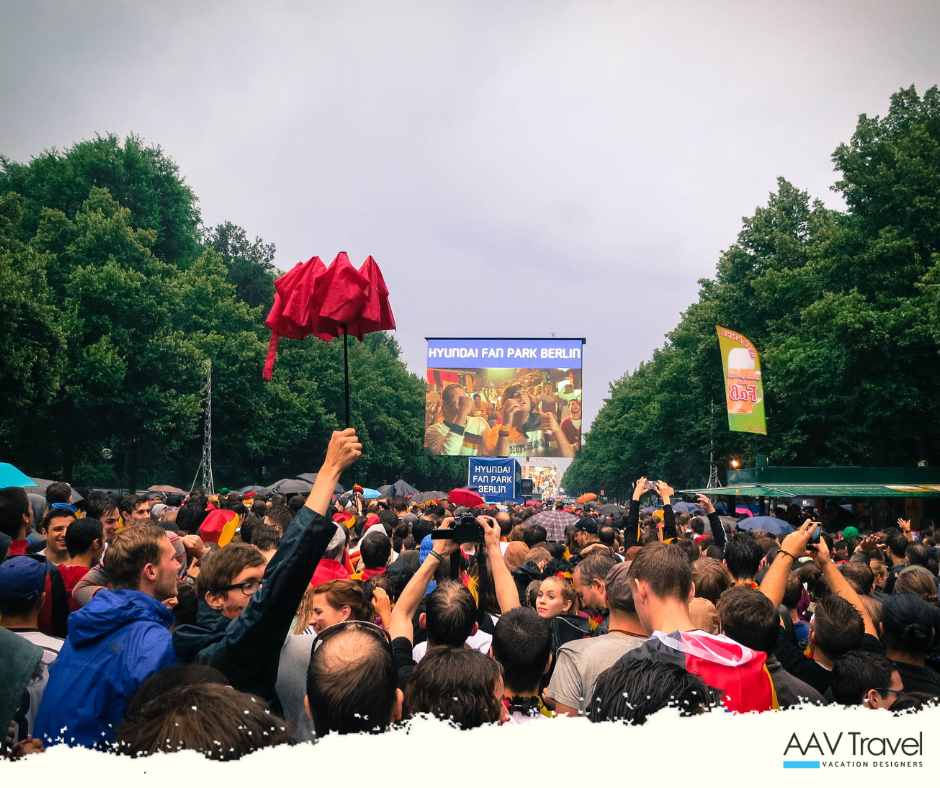
While prime seats and VIP experiences are undeniably thrilling, experiencing a major sporting event in a local pub or at a public viewing area offers a completely different kind of joy. Immersing yourself in the energy and passion of the crowd allows you to connect with locals, celebrate victories, and share in the communal excitement. Sampling regional food and drinks, cheering alongside fans, and feeling the heartbeat of the city can be just as rewarding as witnessing the action firsthand. These communal experiences reveal the spirit of the destination, turning a sporting event into a cultural adventure.

Dress for the occasion with elegance and practicality

Attending a prestigious event isn’t only about where you sit—it’s also about how you present yourself. Many events have established dress codes, from the crisp whites at Wimbledon to smart-casual attire at motorsport races. Even when no formal dress code exists, balancing style with comfort is essential. Consider weather, long days outdoors, and walking between venues. Sporting apparel is often welcome, particularly when showing support for a favorite team or athlete, but pairing it thoughtfully with versatile layers, comfortable shoes, and weather-appropriate outerwear ensures both elegance and ease. Dressing with respect for the event’s culture adds an extra layer of enjoyment, helping you feel fully immersed in the occasion while exuding refined style.

Luxury and convenience come hand in hand

Attending major international sports events can be a logistical puzzle, but with thoughtful planning, it can become an unparalleled travel experience. Every detail—from tickets to accommodations, transportation, and local experiences—plays a role in creating seamless enjoyment. By working with AAV Travel, travelers gain access to insider knowledge and expertise that elevates every aspect of the journey. Our team navigates ticket releases, secures the best accommodations, arranges transportation, and even curates bespoke local experiences, all tailored to your preferences. This level of attention ensures you experience the thrill of the event, the elegance of your surroundings, and the local culture without the stress of managing logistics.

Ultimately, the reward of attending a world-class sporting event lies not just in the competition itself, but in the full spectrum of experiences surrounding it. From the exhilaration of the match or race to the charm of local streets, restaurants, and cultural gems, every moment can be savored. With the guidance and expertise of AAV Travel, your trip becomes effortless, luxurious, and truly unforgettable—allowing you to focus entirely on creating memories that last a lifetime.

Whether it’s the elegance of Wimbledon or the excitement of the Monaco Grand Prix, AAV Travel can turn your dream sports experience into a seamless, one-of-a-kind journey. Ready to experience your favorite sporting event in style? To begin planning, contact us via email at info@aav-travel.com or visit the website.

Written by: Stefanie P.
Luxury Travel to Normandy: Beyond the D-Day Beaches to History, Culture, and Coastal Charm

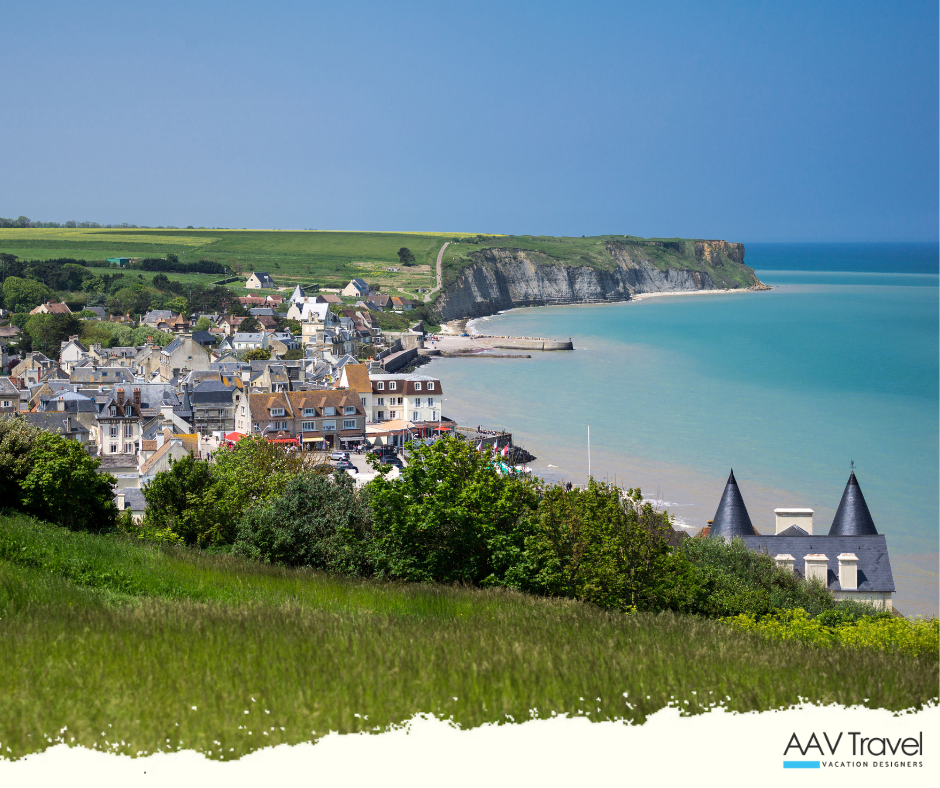
When Americans think of Normandy, the first images that usually come to mind are those of June 6, 1944. Omaha Beach, Pointe du Hoc, and the American Cemetery at Colleville-sur-Mer are deeply etched into the national consciousness as sacred ground, places where courage, sacrifice, and freedom converged in history’s most pivotal battle. For many visitors from the United States, honoring the memory of D-Day and tracing the footsteps of the Greatest Generation is the initial, and sometimes only, reason they consider traveling to this part of France. Standing before the endless rows of white crosses and stars of David overlooking the Channel is an experience so moving, it is often described as life-changing. Normandy has rightfully become a place of remembrance, a destination where gratitude and history take center stage.

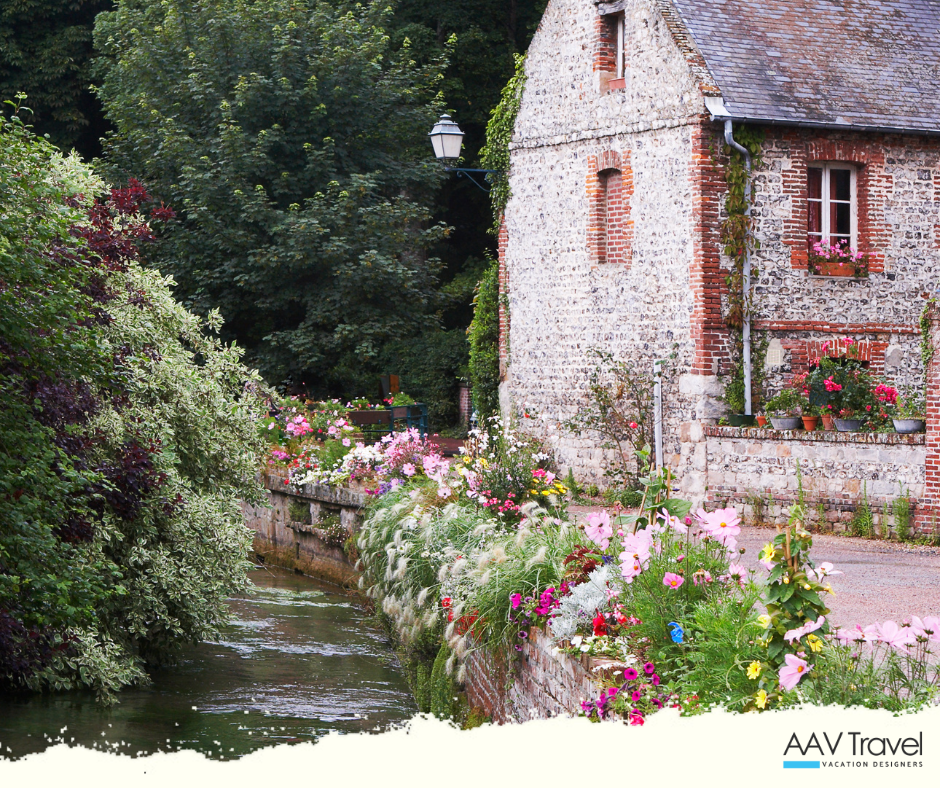
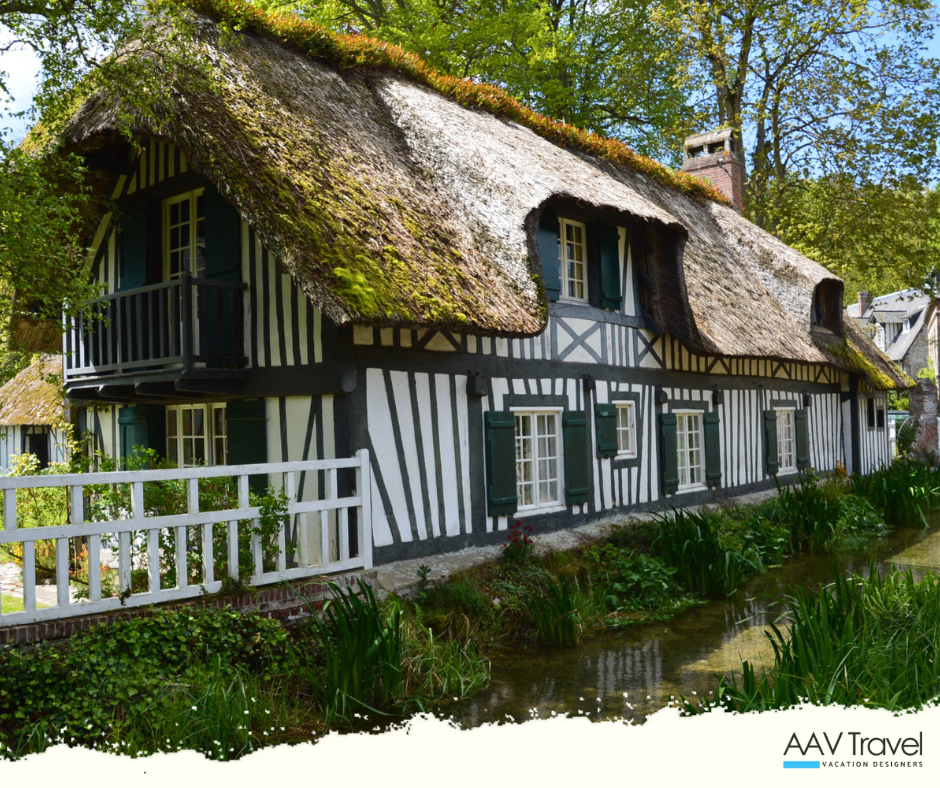
Yet to stop there would mean missing out on the extraordinary depth and richness that define Normandy. Beyond its beaches and battlefields, the region unfolds as a tapestry of rolling countryside, medieval towns, and a rugged coastline that has inspired artists, writers, and dreamers for centuries. Here, half-timbered houses lean over cobbled streets, apple orchards blossom into the world’s finest cider and Calvados, and local markets brim with cheeses, seafood, and farm-fresh produce. It is a France that feels both timeless and deeply authentic, far removed from the bustle of Paris, yet just a few hours’ journey away.

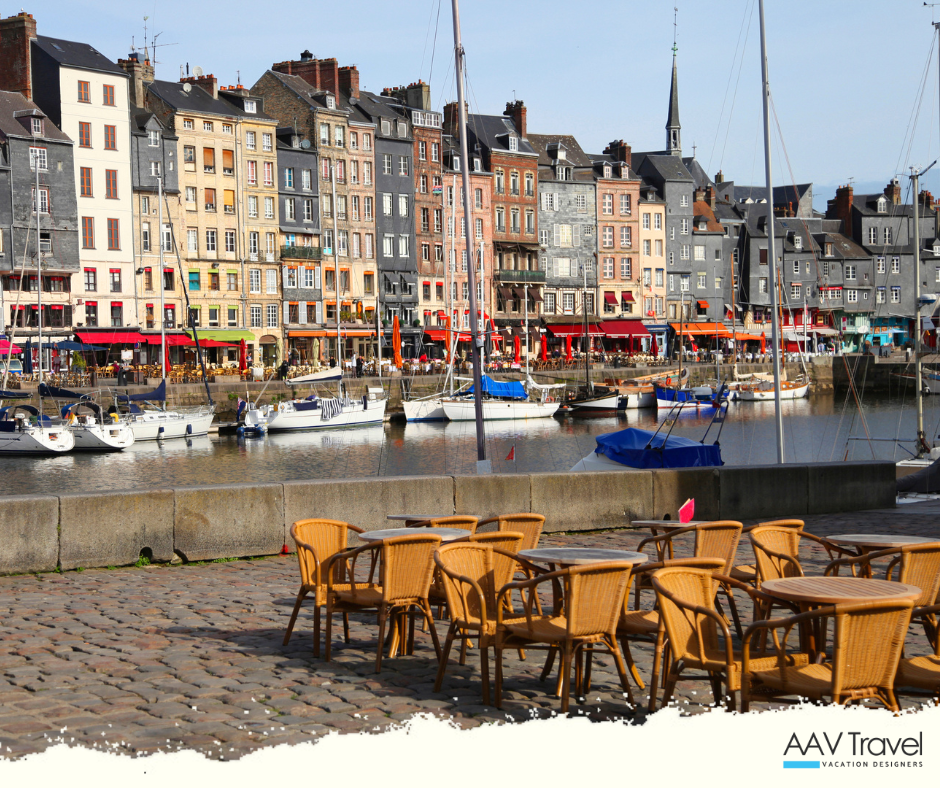
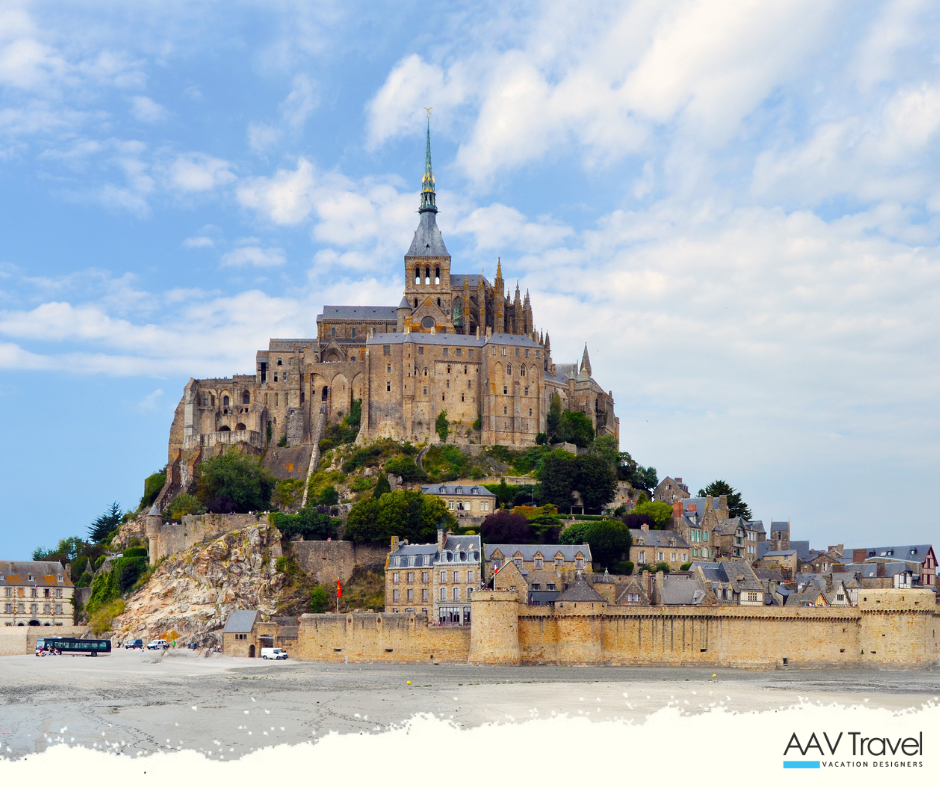
Normandy’s cultural legacy runs deep. Long before D-Day, the region was shaping European history as the home of the formidable Normans, who conquered England in 1066. The magnificent Bayeux Tapestry tells this story in 230 feet of embroidered detail, a medieval masterpiece that has survived nearly a thousand years. Coastal towns like Honfleur and Deauville speak to a different heritage—one of seafaring, Impressionist art, and seaside leisure that lured Monet, Boudin, and countless other painters to capture the play of light on water and sky. And of course, no visit would be complete without experiencing Mont-Saint-Michel, the gravity-defying abbey rising from tidal sands, a place that seems pulled straight from the pages of a fairy tale.

For the American traveler, Normandy offers the chance to reflect on history while also discovering a side of France that is warm, welcoming, and endlessly diverse. Whether you’re sipping cider under apple blossoms, wandering through fishing villages, or tracing the artistic paths of the Impressionists, you’ll find that Normandy is much more than a chapter in World War II—it’s a destination that rewards curiosity at every turn.

Spending anywhere from three to seven days in Normandy allows travelers to experience the region’s incredible variety without feeling rushed. On a shorter visit of about three days, the focus is usually on highlights: the poignant D-Day landing beaches and the American Cemetery at Colleville-sur-Mer, the stunning Mont-Saint-Michel rising dramatically from the tidal flats, and a taste of Normandy’s countryside charm with perhaps a stop in Bayeux to admire its famous medieval tapestry. This itinerary balances history, culture, and iconic sights, giving visitors a strong impression of what makes Normandy so special.

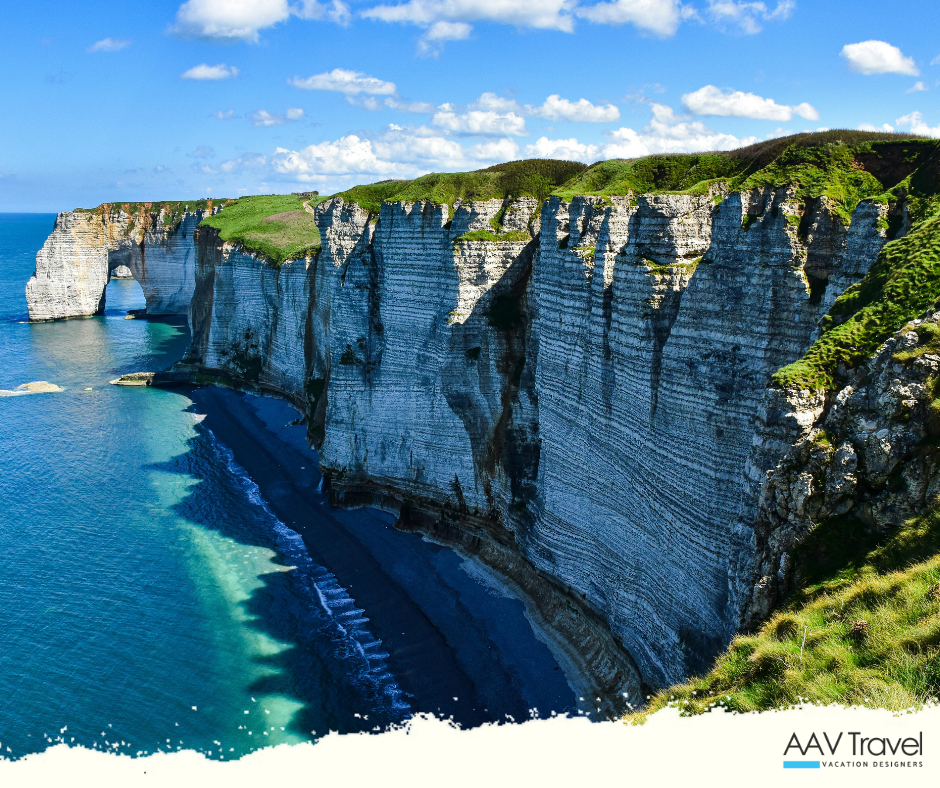
With more time—say five to seven days—you can move beyond the highlights and settle into the rhythm of local life. This might include wandering through the half-timbered streets of Honfleur, exploring Rouen’s magnificent cathedral and medieval quarter, or discovering charming seaside towns like Deauville and Trouville. Food lovers can indulge in gourmet experiences such as sampling Normandy’s cheeses, cider, and calvados directly from local producers, or dining on fresh oysters along the coast. A longer stay also allows you to enjoy the region’s natural beauty at a slower pace—whether that means a walk along the dramatic cliffs of Étretat, a drive through the apple orchards of the Pays d’Auge, or time spent in quiet fishing villages that feel untouched by time.

By combining medieval towns, rich local traditions, and delicious culinary experiences with Normandy’s striking landscapes, a week in the region becomes a layered journey rather than just a checklist of sights. Each day can offer something different, from reflection on powerful history to leisurely market mornings, coastal strolls, or evenings lingering over a glass of calvados. It’s this blend of depth and variety that makes Normandy so rewarding for travelers who allow themselves the time to explore.

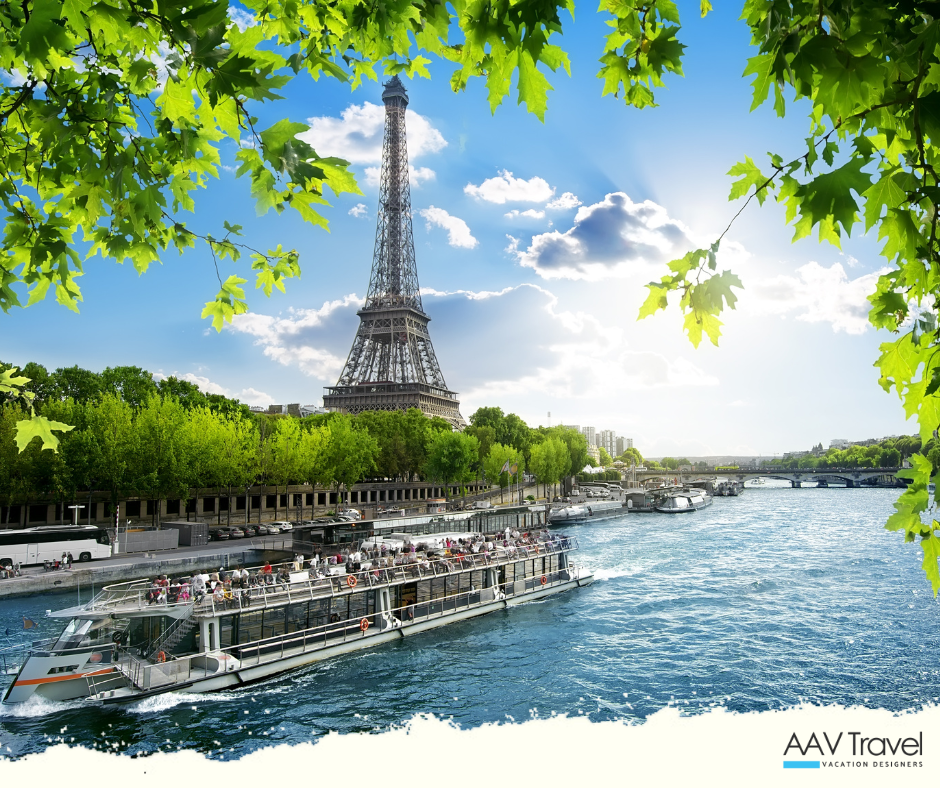
One of Normandy’s greatest advantages for American travelers is its easy connection to Paris, making it simple to combine the allure of the French capital with the charm of the countryside. In just about two hours by train or car, you can leave behind the bustle of Parisian boulevards and find yourself amid Normandy’s rolling hills, half-timbered villages, and dramatic coastline. This proximity allows travelers to balance the world-class museums, shopping, and café culture of Paris with the slower pace and authentic flavors of rural France. A few days in each creates a well-rounded journey—one that pairs the sophistication of the city with the history, landscapes, and traditions of Normandy.

For the especially curious traveler, Normandy can also serve as a springboard to explore across the Channel. From Calais, about a three-hour drive from Normandy’s heartland, ferries regularly cross to Dover, offering a seamless way to link two iconic destinations in one trip. Imagine tracing the stories of D-Day in France and then standing atop the White Cliffs of Dover, or combining Normandy’s medieval treasures with the castles and literary landscapes of southern England. This connection not only highlights the shared history between the two nations but also adds a sense of adventure, turning a European vacation into a richly layered experience that spans cultures, coastlines, and centuries of intertwined heritage.

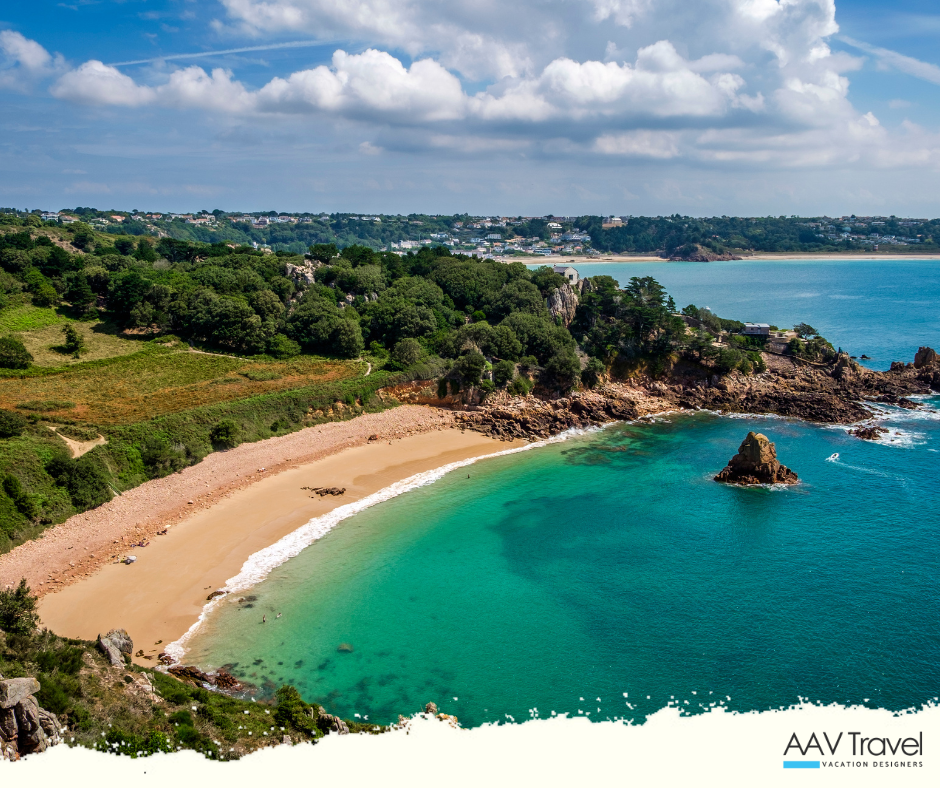
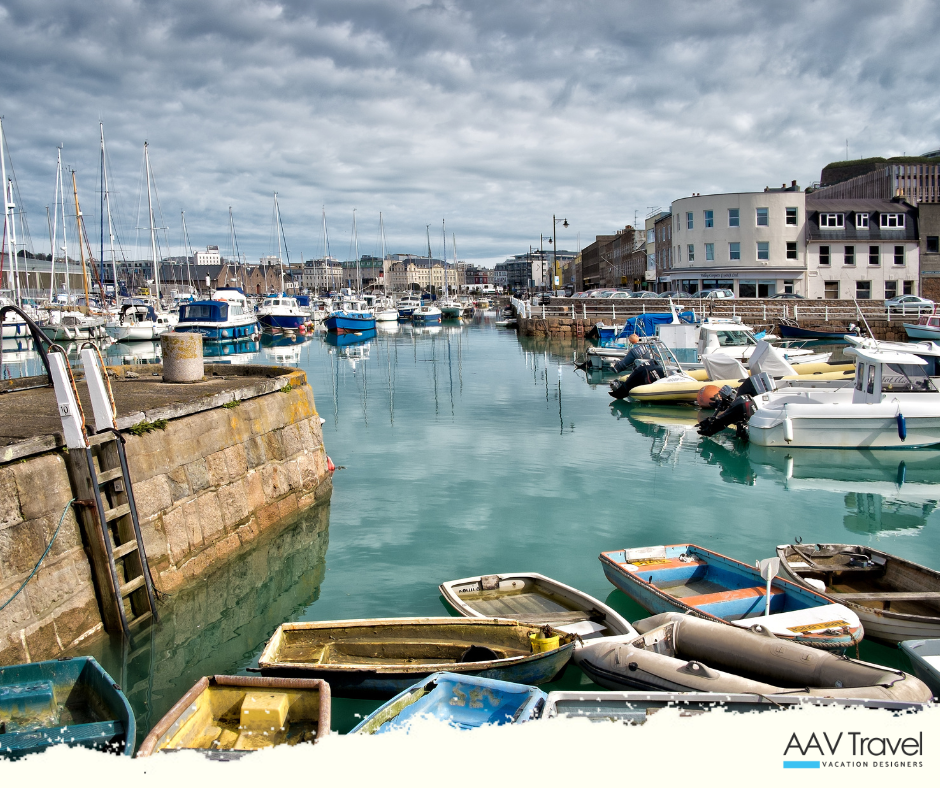
For those eager to go a little off the beaten path, combining Normandy with the Channel Islands offers a truly unique twist. From ports like Granville or Carteret, you can hop on a ferry and in just over an hour reach Jersey, the largest of the islands. Though technically a British Crown Dependency, Jersey feels like a fascinating blend of French and English influences, with its own character shaped by tides, fortresses, and windswept beaches. Here, travelers can explore cliffside trails, dine on exquisite seafood, and wander through charming St. Helier with its lively markets and maritime history. Pairing Normandy with Jersey creates a journey that is both unexpected and enriching—an adventure where you discover hidden gems beyond the mainland, while still staying comfortably close to France.

At AAV Travel, we know that the magic of Normandy lies not only in its iconic sites but also in the thoughtful way a journey is put together. Having explored the region first-hand, we understand how to balance the profound history of the D-Day beaches with the pleasures of wandering through medieval towns, savoring local cuisine, or venturing further to England or the Channel Islands. Our expertise allows us to craft seamless itineraries that weave Parisian sophistication with Normandy’s charm, or add in unexpected dimensions like Jersey’s coastal trails or Dover’s white cliffs. With our guidance, your trip becomes more than a visit—it transforms into an extraordinary experience, rich with moments that reflect your interests and curiosity, while leaving all the details and logistics in expert hands.

Let us help you uncover Normandy beyond the beaches and design a journey that’s as meaningful as it is memorable. To begin planning, contact us via email at info@aav-travel.com or visit the website.
Written by: Stefanie P.
Where Elegance Endures: The Ritz London & the Allure of Iconic Hotels

There’s something undeniably alluring about iconic hotels. These aren’t merely places to sleep—they are storied landmarks, cultural institutions, and enduring symbols of timeless elegance. From the moment you step through the revolving doors of a historic grand hotel, there’s a palpable sense of legacy and luxury. These legendary properties have long catered to royalty, Hollywood stars, artists, and political powerhouses, and they continue to draw the rich, the famous, and the discerning traveler in search of something far beyond the ordinary.

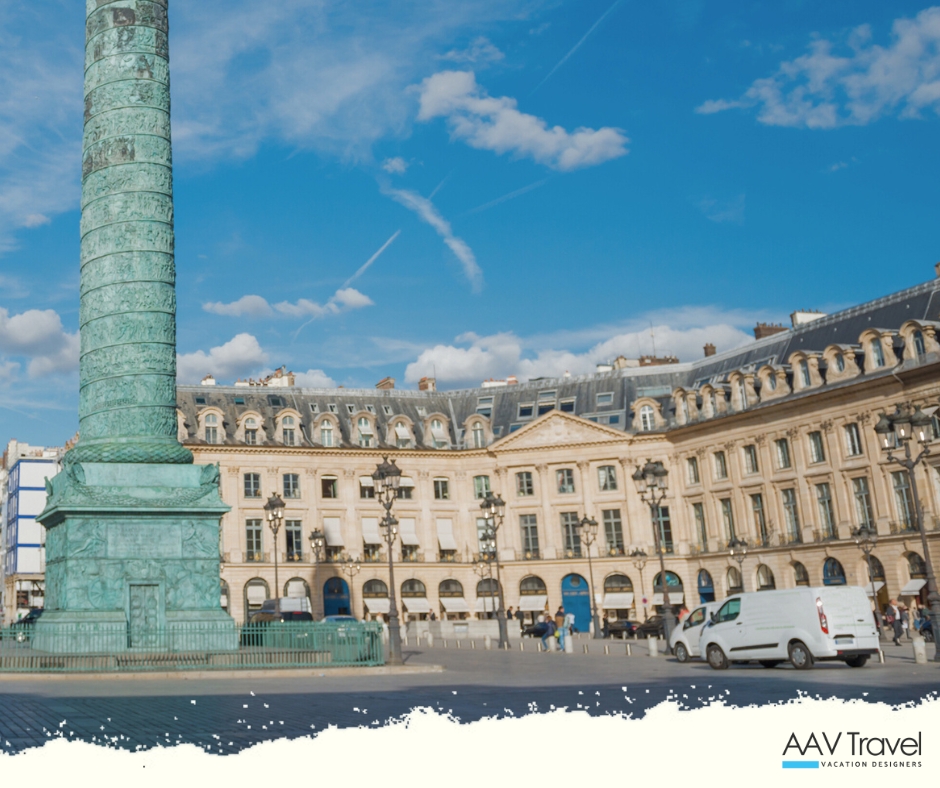
The legacy of iconic hotels begins with the Ritz Paris, which opened in 1898. Founded by César Ritz, the hotel revolutionized the concept of luxury with its refined interiors, modern comforts, and uncompromising service. It wasn’t just about opulence—it was about creating a lifestyle defined by elegance and exclusivity. Coco Chanel lived there. Hemingway drank at its bar. Royals and rockstars alike sought its sanctuary. The Ritz became more than a hotel—it became a benchmark, inspiring a new era of hospitality that blended grandeur with intimacy.

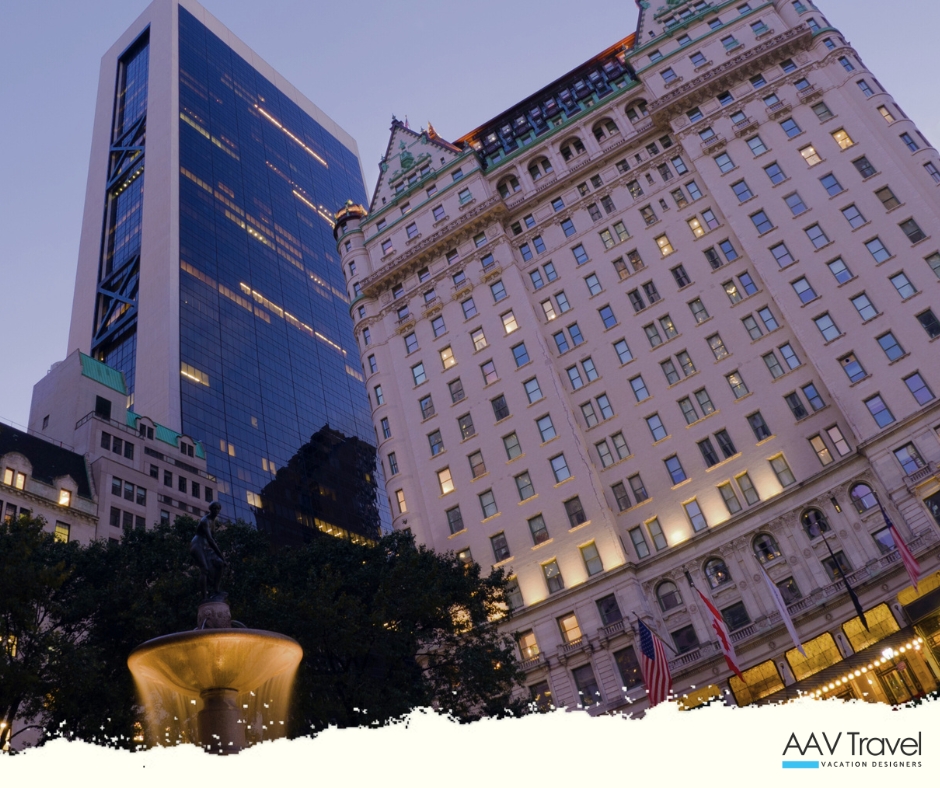
What makes these storied hotels endure is not just their illustrious past, but their ability to evolve without losing their essence. From Claridge’s in London to the Gritti Palace in Venice and The Plaza in New York, these properties strike a delicate balance between tradition and innovation. While marble floors, antique chandeliers, and historic ballrooms remain, today’s luxury traveler also discovers Michelin-starred dining, world-class wellness, curated cultural access, and highly personalized, discreet service. This harmonious blend of heritage and modernity is what keeps them relevant—and utterly irresistible.

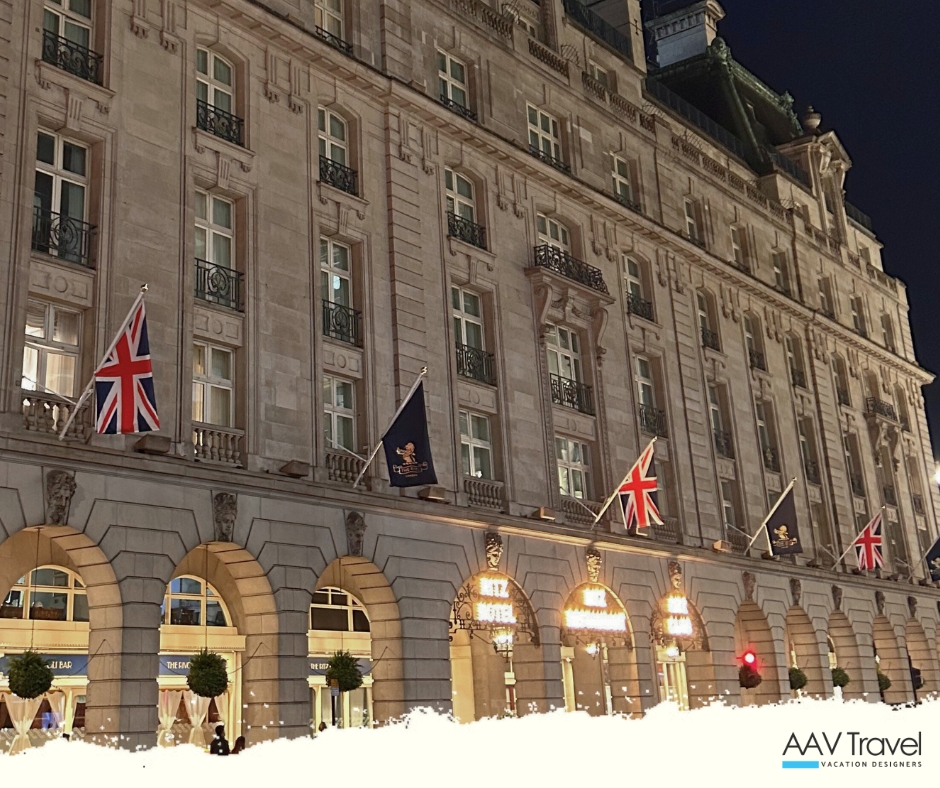
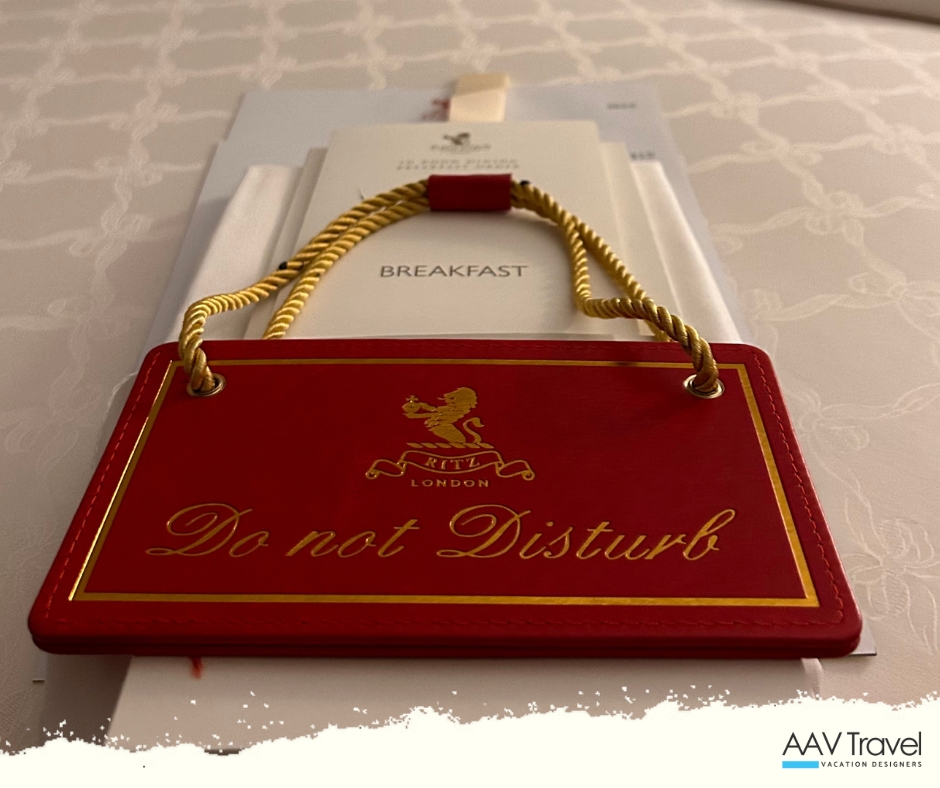
A stay at a hotel like The Ritz London is a masterclass in elegance. Since opening in 1906, this grand dame of Piccadilly has set the tone for luxury hospitality in the British capital. Conceived by César Ritz following the success of his Parisian triumph, The Ritz London was designed to unite French refinement with English charm. It has welcomed prime ministers, film legends, and royalty, all drawn to its unwavering standards, graceful surroundings, and its celebrated discretion.

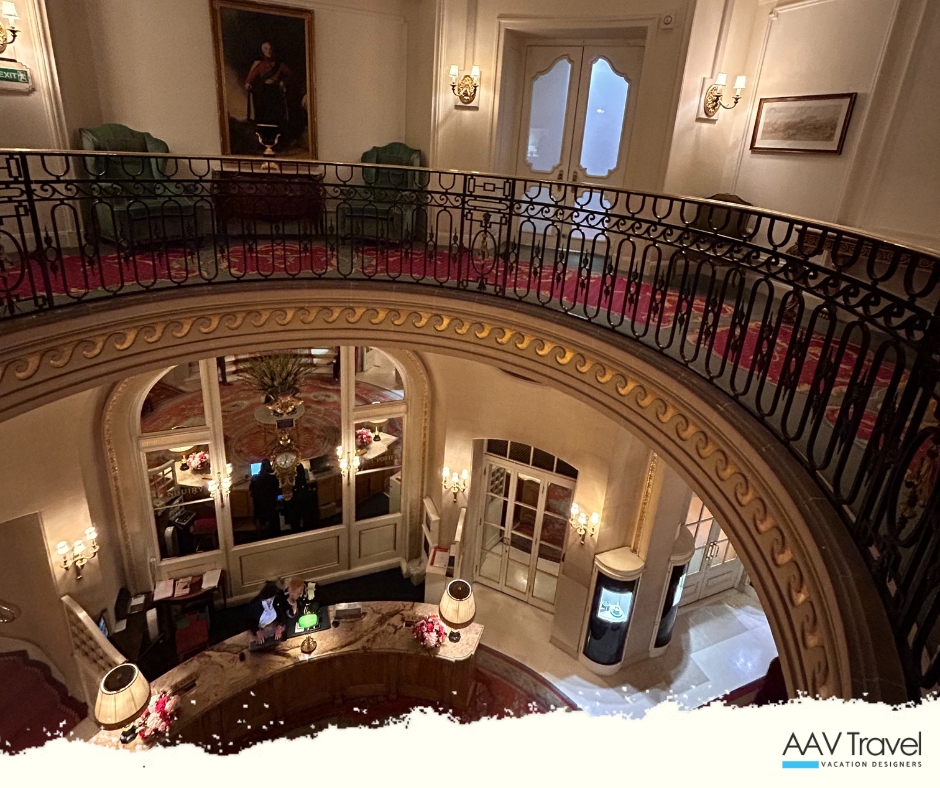
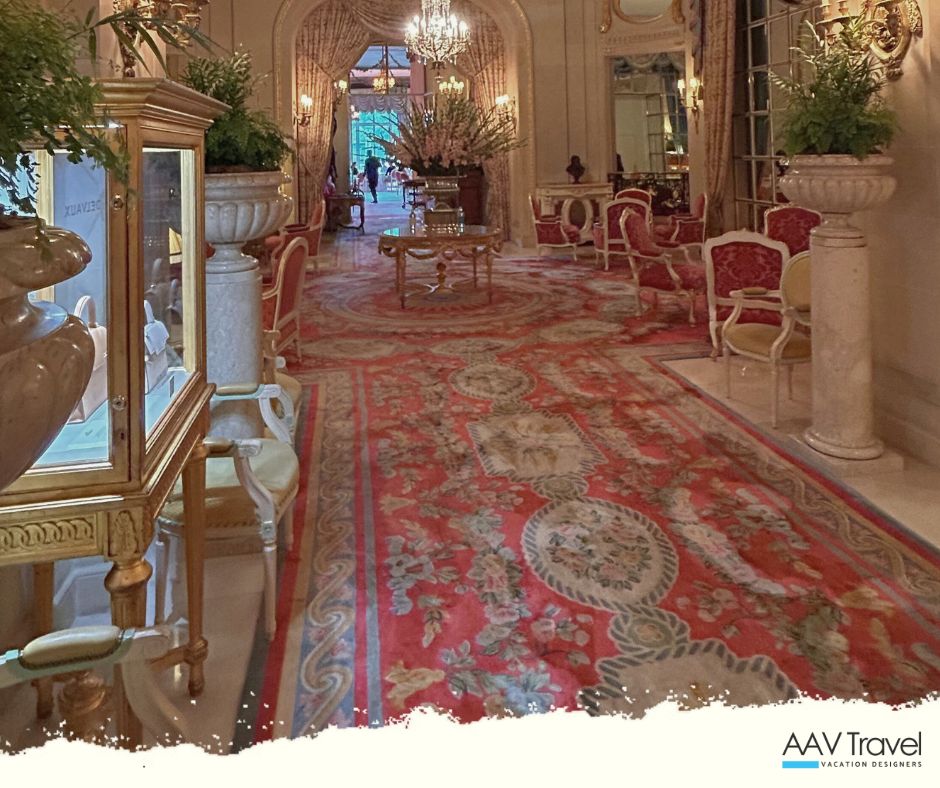
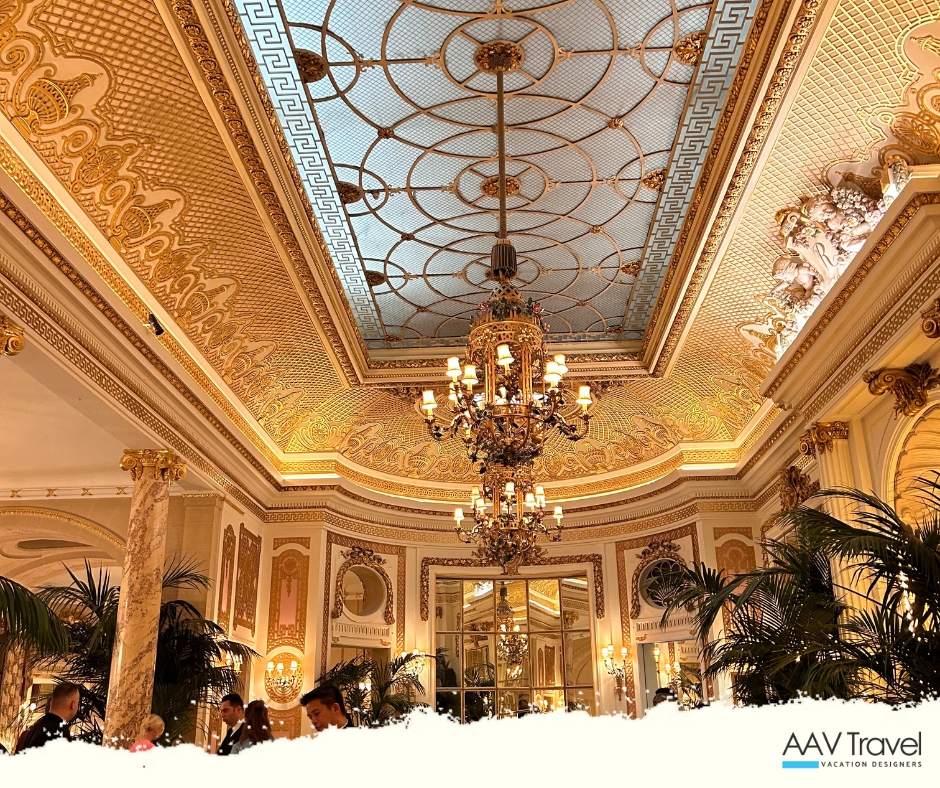
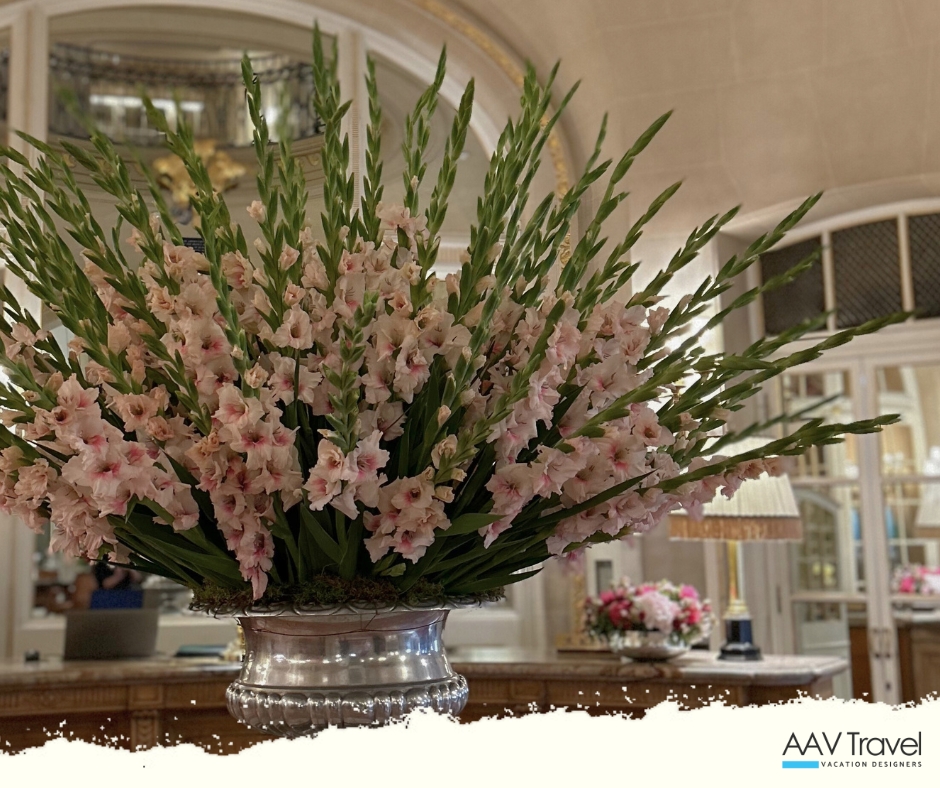
Stepping into The Ritz London feels like entering a bygone era—yet everything is flawlessly polished for the modern traveler. Gilded moldings, marble columns, and glittering chandeliers evoke Edwardian splendor, while the ambiance remains refreshingly inviting. Beyond the visual grandeur, it is the service that truly distinguishes The Ritz. From white-gloved doormen to personal concierges, the staff delivers each experience with warmth, grace, and impeccable attention to detail. Whether enjoying a tailored cocktail at the Rivoli Bar or arranging a bespoke shopping experience, everything is handled with quiet precision.

During my stay, it genuinely felt like time slowed down. At The Ritz, the outside world fades away, replaced by a rhythm of intentional care, elegance, and excellence. Service is not merely offered—it’s anticipated. Every interaction is part of a greater symphony, performed by professionals who seem to intuitively know your needs before you do. It’s an environment that invites you to let go, be cared for, and delight in the rare privilege of being fully catered to.

This high-touch service is not optional—it’s essential to the experience. The staff is part of the charm, the tradition, the theatre of it all. You are invited to engage with them, to be part of the flow, not simply observe it. Here, self-service has no place; the art lies in letting yourself be looked after.

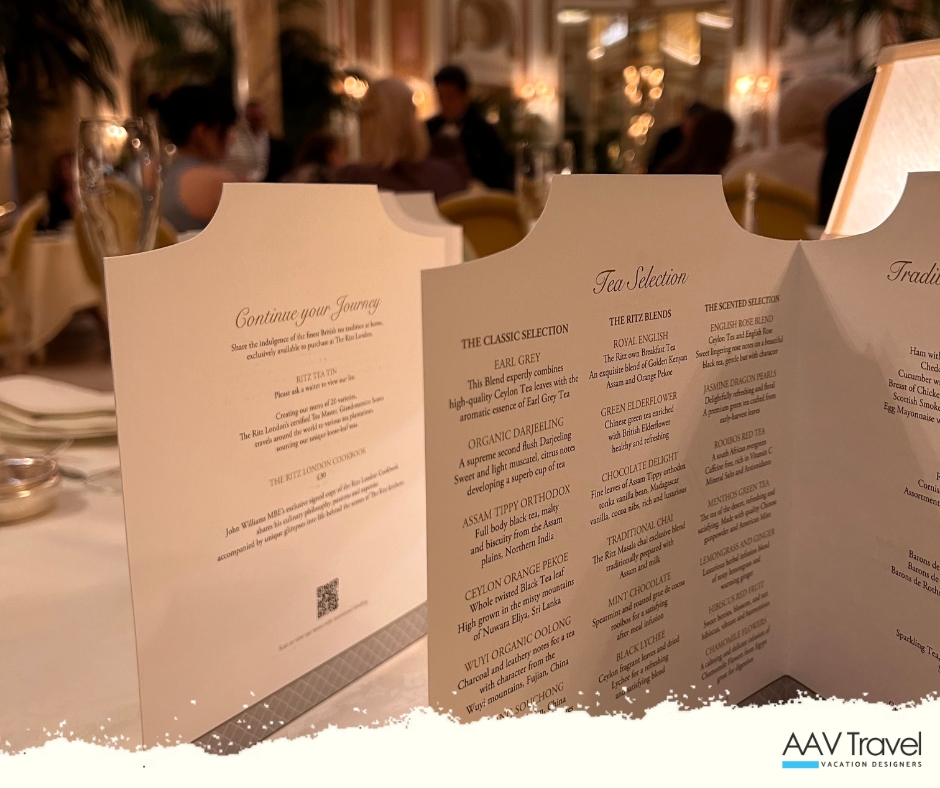
A highlight of our visit was the iconic Afternoon Tea at The Palm Court, graciously hosted by Umberto Schioppa, The Ritz’s Director of Sales. This cherished ritual is nothing short of a celebration, featuring live music, gleaming silver, fine china, and a dress code that honors the tradition. Every detail speaks to a refined, bygone age—yet feels entirely relevant and immersive today.

What truly sets The Ritz’s Afternoon Tea apart is the presence of their dedicated tea sommelier—a rare touch that elevates the experience even further. With genuine passion and deep expertise, the sommelier guides guests through an impressive menu of 18 fine teas sourced from across the globe. Whether you prefer a classic Darjeeling, a floral Earl Grey, or a more adventurous white or oolong tea, each selection is expertly matched to complement the delicate pastries, warm scones, and elegant sandwiches. It’s not simply tea—it’s a ceremony of taste, precision, and tradition.

For travelers who seek glamour, sophistication, and meaningful experiences, staying at an iconic hotel isn’t just about luxury—it’s about becoming part of a story. These hotels don’t just host guests; they host moments in history. And for those with a taste for the extraordinary, that’s the true essence of travel.

Booking a room at a property like The Ritz London is just the beginning. To truly capture the spirit and exclusivity of such a stay, it takes the insight and expertise of a seasoned luxury travel advisor. From securing the most coveted tables to arranging private cultural encounters and seamless transportation, every detail is thoughtfully orchestrated to enhance your journey. Whether it’s discovering London’s hidden gems or elevating an already exceptional hotel experience, working with AAV Travel ensures that your trip is not only seamless—but unforgettable.

Written by: Stefanie P.
To start planning, contact us via email at info@aav-travel.com or visit the website.
Summer 2024: Europe Travel Tips

Paris Summer Olympics

Be prepared to pay steep prices in Paris as the games approach. Hotels and food will become more expensive, and some metro stations might close. Check the Paris Ministry of Transport website for updates on those closures. Arrange transfer in advance, as strikes could affect public transportation.

Our tip: If you don’t like crowds, avoid Paris this summer and choose a more laid-back spot.

The consequence of climate change: Natural occurrences

Photo by Jasmin kaemmerer on Pexels.com

Europe is set to face a major heatwave in 2024, and unfortunately, natural disasters are becoming more frequent in this region. Massive floods hit Germany and Belgium last year and are now back. Greece dealt with wildfires in 2023. Iceland’s volcano keeps erupting.

That River cruise you booked may not be operating as planned. The hotel you booked may not have air conditioning or have restrictions on air conditioning use due to environmental objectives.

Our Tip: A professional travel advisor has deep insights into European travel because they stay updated on various factors that can impact your trip, such as natural disasters, political changes, and strikes. Their extensive network and access to real-time information allow them to anticipate and navigate potential disruptions. They can provide personalized advice and contingency plans that you might not easily find on your own, ensuring a smoother and safer travel experience.

Strikes and Delays: The new normal

Photo by Free Stock on Pexels.com

Train travel is an awesome way to explore Europe, but air and land transportation has been delayed more frequently lately. Major travel strikes are happening across several countries. To deal with these inevitable strikes, it’s smart to prepare for delays and have a backup plan ready.

Our Tip: Slow down! Instead of hopping around every other day from city to city, country to the next, allow yourself time. That way, you still have days left if you miss a day and some space to make alternate arrangements. A good travel advisor will help you create an itinerary that holds up!

Tickets, guides, and politics

Photo by Chait Goli on Pexels.com

Popular attraction tickets are getting scalped. Some of the best guides refuse their services because the sights are overcrowded. Some attraction time slots, like the Colosseum in Rome, are allocated at the last minute. That said, your tour time could change.

Our Tip: You get what you pay for! Trust your advisor, upgrade your experiences, get up early, and don’t overload your day.

Daytripper fees

Photo by Gotta Be Worth It on Pexels.com

The city of Venice rolled out its one-day visitor fee this summer. On arrival, train passengers are checked to see if they purchased a day pass and fined if not. Venice overnight guests have to file an exception. The town of Clovelly in Cornwall charges a daily visitor fee. Lauterbrunnen, Switzerland, is discussing implementing a fee for visitors arriving by car. This is becoming the norm.

Our Tip: Work with a specialist! Unless you are a very thorough trip planner with hours to learn about destinations and how best to navigate them, trust an expert to help you craft your trip and prepare you ahead of time.

Is Europe on your mind? Reach out, and we will happily help you plan your trip!

To start planning, contact us via email at info@aav-travel.com or visit the website.
Written by: Stefanie P.