Beyond the Nostalgia: Placing a Luxury Train Within a Thoughtfully Designed Itinerary

The Enduring Allure of Luxury Rail

Luxury trains carry a powerful pull. Polished wood panels. White tablecloth dining. Landscapes unfolding beyond wide picture windows. The marketing imagery often leans into nostalgia and the golden age of travel. Yet for today’s experienced traveler, the question is rarely whether these journeys are beautiful. The more relevant question is where, and whether, they belong within a larger, carefully designed itinerary.

A luxury train should not be added to a journey simply because it is iconic. It should serve a clear purpose within the overall arc of the experience. When placed thoughtfully, it can elevate a trip. When inserted without consideration for pacing, sequencing, or personal travel style, it can feel like an interruption rather than a highlight.

When the Train Becomes the Centerpiece
There are times when the train should be the emotional anchor of the journey. An anniversary trip built around the Venice Simplon Orient Express from Paris to Venice benefits from careful framing. A night or two in Paris allows anticipation to build without exhaustion. Arrival in Venice should not immediately lead into a packed sightseeing schedule. The experience on board, with its structured dining and intimate cabins, requires space before and after to breathe.

When the train is the centerpiece, the surrounding days must support its role rather than compete with it. Private guides, unhurried mornings, and thoughtfully selected hotels create continuity. The train becomes not just transportation, but the defining chapter of the story.

When the Train Serves as a Connector
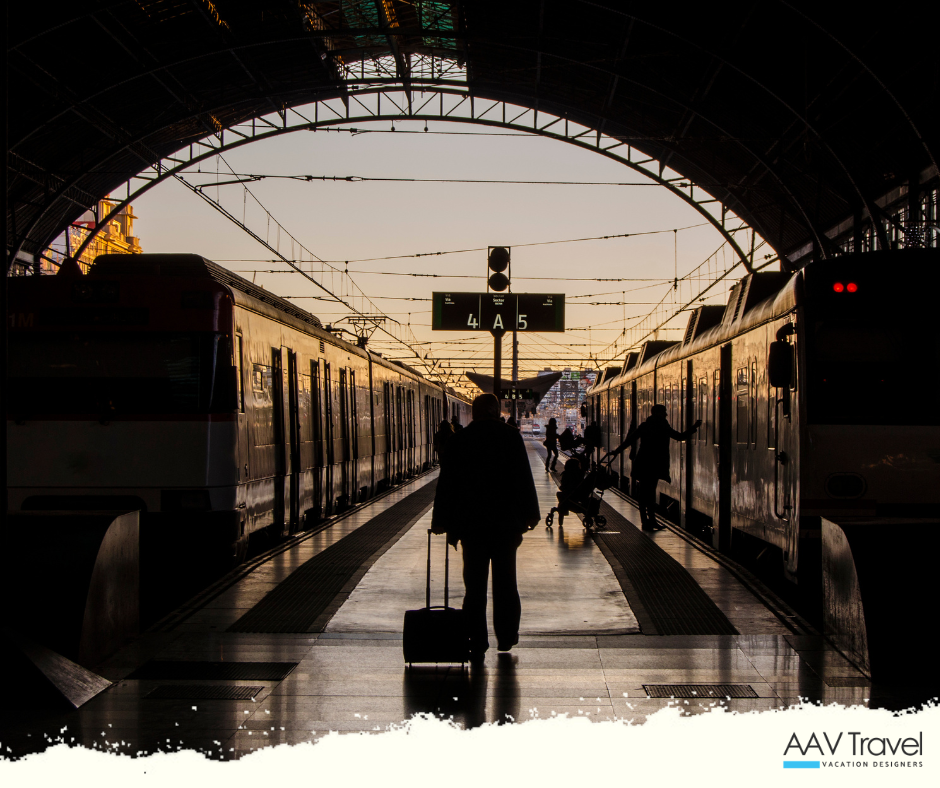
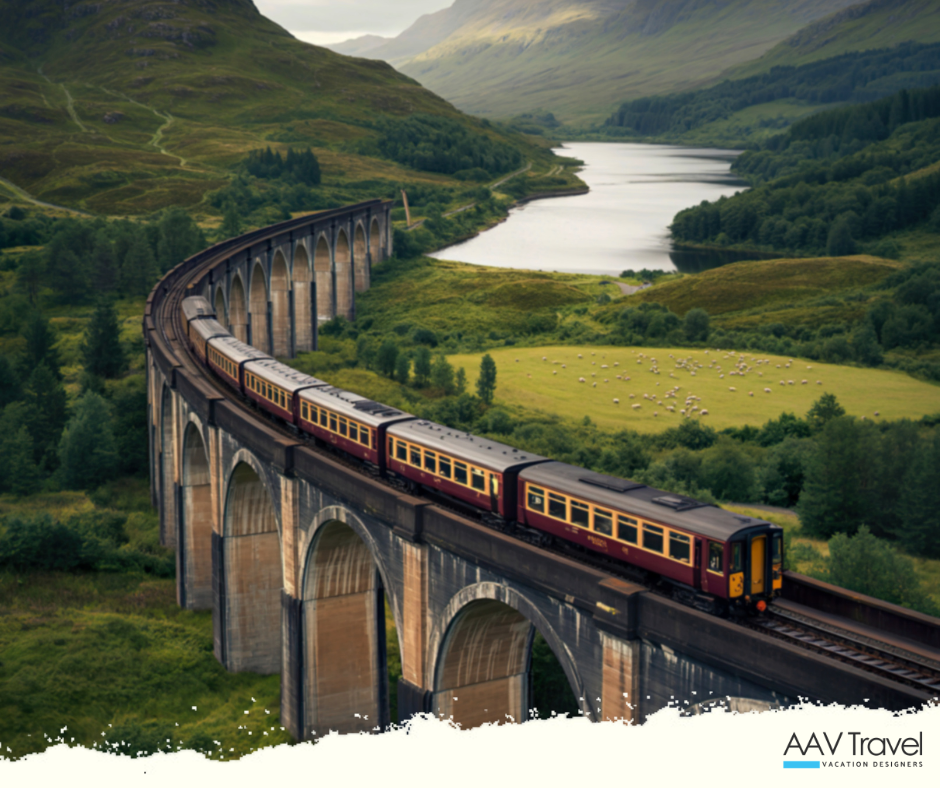
In other cases, the train works best as a transition. Scotland offers a strong example. A client may wish to explore Edinburgh in depth and then immerse themselves in the Highlands. Integrating the Royal Scotsman into the middle of that journey creates a natural shift in pace. The train becomes a bridge, both physically and psychologically, easing the movement from city energy to remote landscapes.

Here, the rail experience enhances continuity rather than dominating the entire narrative. It connects chapters rather than replacing them.

Italy and the Art of Integration

Italy presents similar decisions. A Belmond journey through Tuscany can either anchor a celebratory itinerary or serve as a refined interlude between Florence and Venice. The distinction depends on the traveler’s priorities. Is the focus on private vineyard access, culinary immersion, and extended stays in historic properties, with the train adding texture? Or is the rail journey itself the milestone moment, with surrounding cities playing a supporting role?

These are structural decisions, not decorative ones. The placement of the train shapes the emotional pacing of the entire trip.

Understanding the Structure of Life On Board
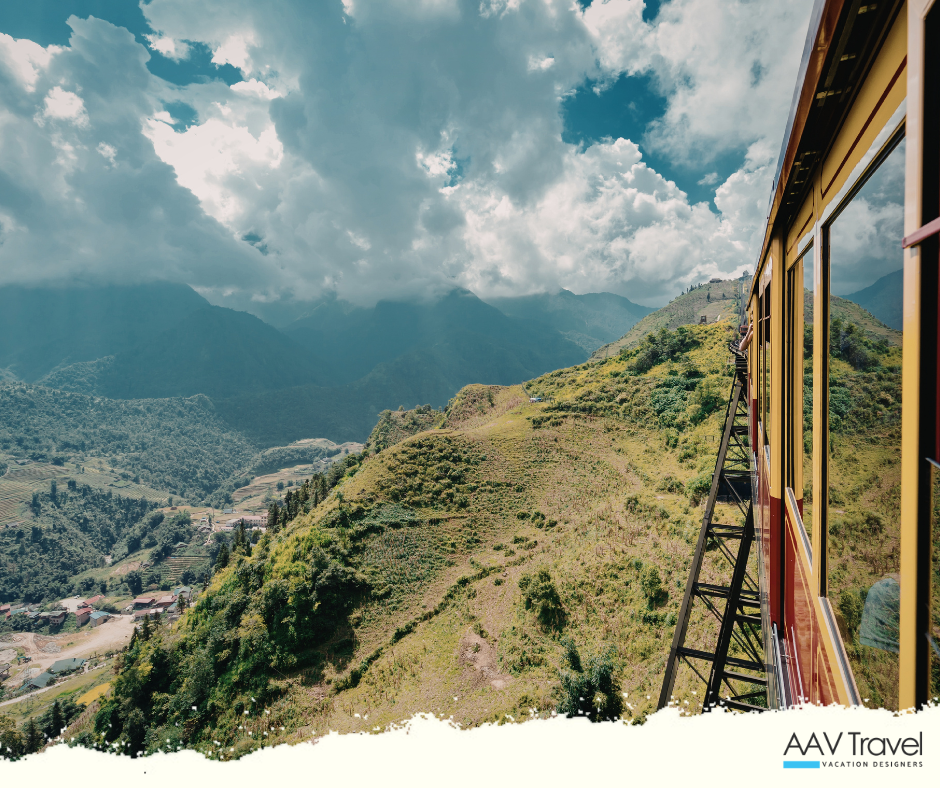
It is also important to understand the built in rhythm of luxury rail. Even the highest cabin categories are compact compared to the suites many established travelers prefer on land or sea. Dining is often communal, with set times and dress expectations. Excursions are curated and typically group based.

For some, this structure creates welcome ease and sociability. For others, particularly those who value privacy and flexibility, it may feel limiting. Evaluating comfort with these dynamics is essential before positioning a train within a broader itinerary.

Sequencing, Seasonality, and Climate
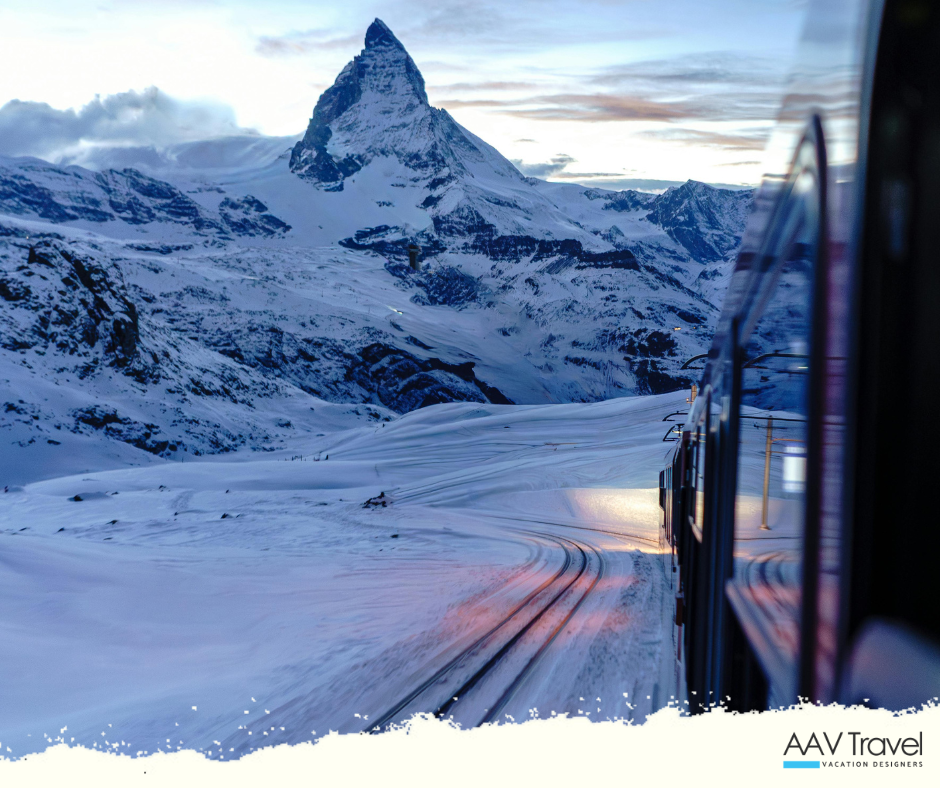
Timing influences experience more than most travelers anticipate. A train journey placed at the end of a fast paced European tour can feel confining. Positioned too early, it may limit time to adjust to a new time zone before entering a structured environment.

Season also matters. The light in Scotland in late spring differs dramatically from autumn. Tuscany in midsummer carries a different atmosphere than in October. Weather, daylight hours, and landscape color all affect how the journey feels. The train does not exist in isolation from these elements.

The Practical Realities Behind the Scenes
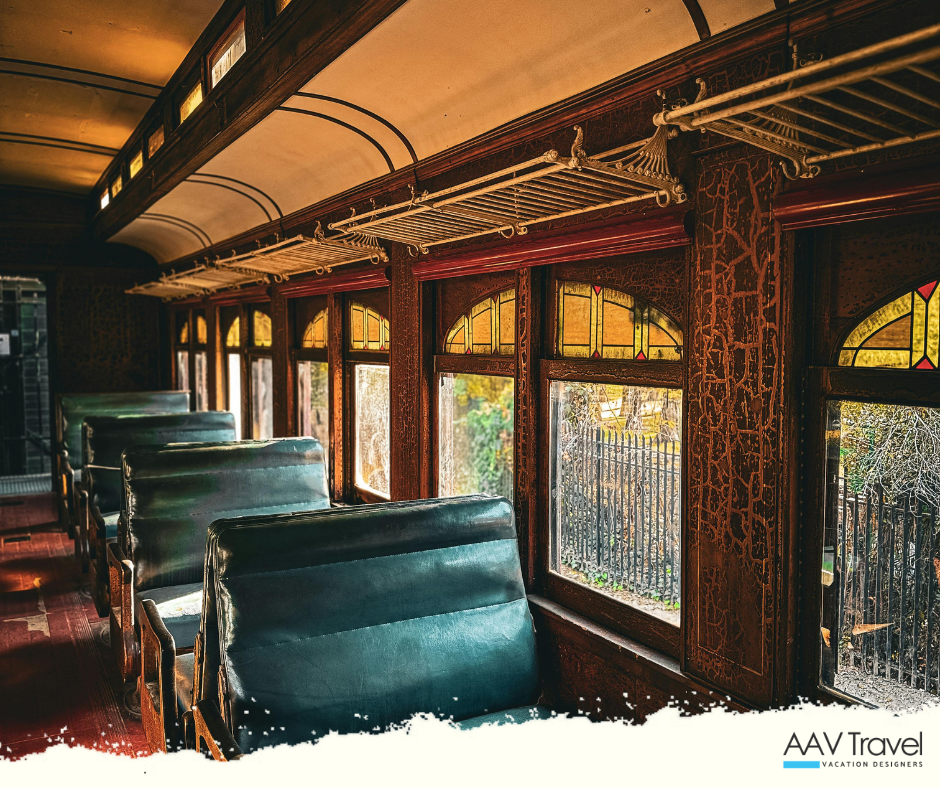
There are also considerations that rarely appear in glossy brochures. Luggage restrictions require advance coordination, particularly when combining rail with extended hotel stays. Certain routes travel through remote areas with limited medical access. Inventory can be tight, and cancellation structures are often more rigid than traditional hotel bookings.

These factors do not diminish the appeal of the experience. They simply require thoughtful planning and integration into the larger design.

Looking Beyond Europe: The Rocky Mountaineer Context

For those considering rail beyond Europe, such as the Rocky Mountaineer in Western Canada, similar principles apply. While stylistically different from heritage European trains, it remains a curated and structured journey with defined pacing.

The Rocky Mountaineer can beautifully connect Banff and Vancouver, but expectations must align with the style of service, the nature of the scenery, and the broader rhythm of a Canadian itinerary. As in Europe, it works best when it serves a strategic purpose within the trip rather than functioning as an isolated indulgence.

Placing the Train With Intention

A luxury train is neither automatically transformative nor inherently impractical. Its value depends on placement. When it aligns with a milestone celebration, tolerance for structure, desire for social engagement, and overall itinerary goals, it can become one of the most memorable chapters of a journey. When added for novelty alone, it risks feeling disconnected.

Designing travel at this level requires stepping back from imagery and asking deeper questions. What is the desired emotional arc of the trip? Where should the pace slow? Where should privacy be prioritized? Where does shared experience enhance rather than detract? Only then can a decision be made about whether the train should lead, follow, or gently connect.

For those considering a luxury rail journey in Europe or beyond, the most important step is not selecting the cabin category or departure date. It is understanding how the experience fits within the whole. If you are exploring whether a train belongs in your next milestone journey, I invite you to begin with a thoughtful conversation. Through a Strategic Travel Advisory Session, we can evaluate how each component of your itinerary supports the overall design, ensuring that every element, including a luxury train, is placed with intention and care. To begin that conversation, visit AAV Travel or reach out at info@aav-travel.com.

Written by: Stefanie P.
The Sweetest Season. Why Easter in Europe Is a Connoisseur’s Window

A Season That Reveals Character

There is a particular kind of traveler who understands that desserts are rarely just desserts. They are memory and ritual, regional pride and inherited technique. They are proof that a culture still values patience, craft, and seasonality. For those who pay attention to these details, Easter in Europe can be one of the most rewarding times of year to travel. Not because it is flashy or loud, but because it is subtle and deeply rooted.

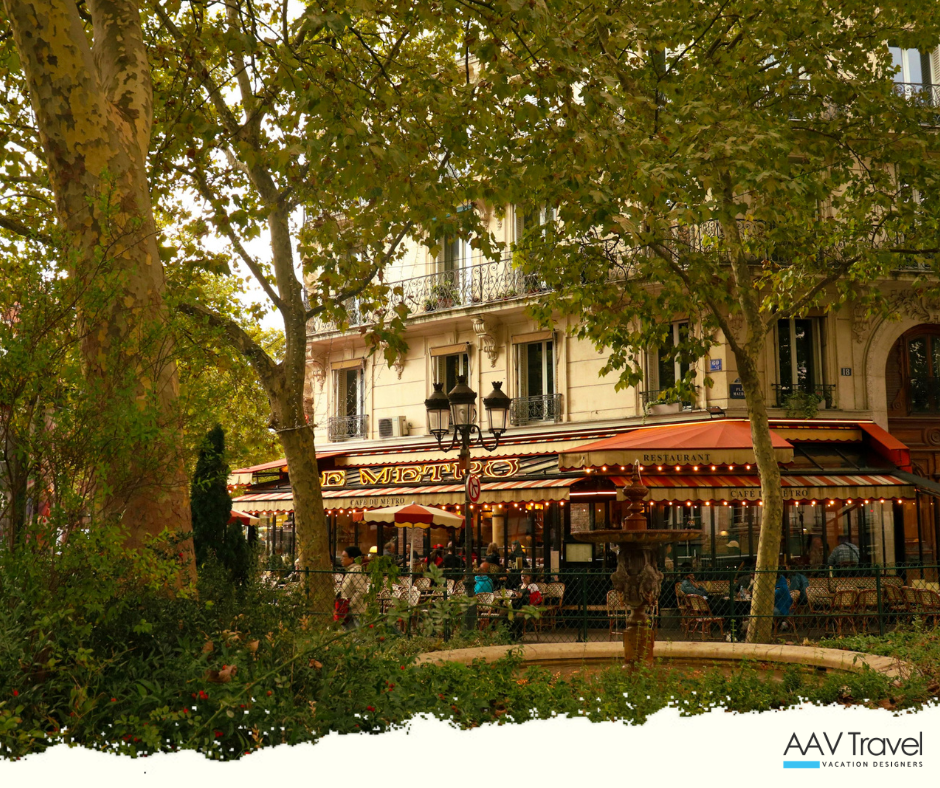
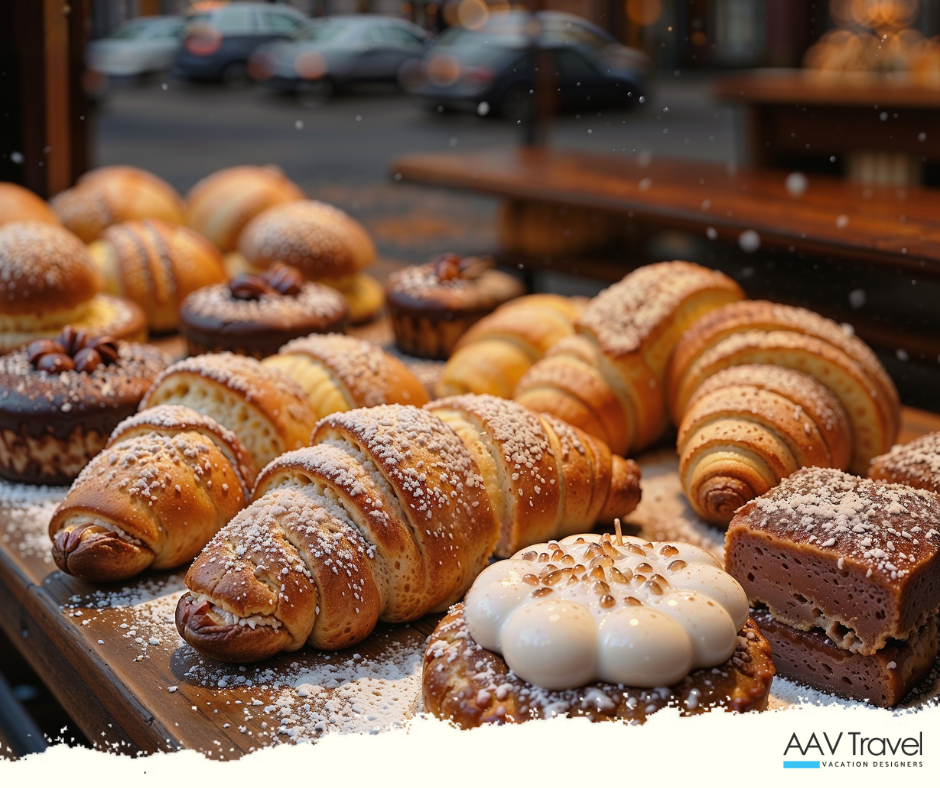
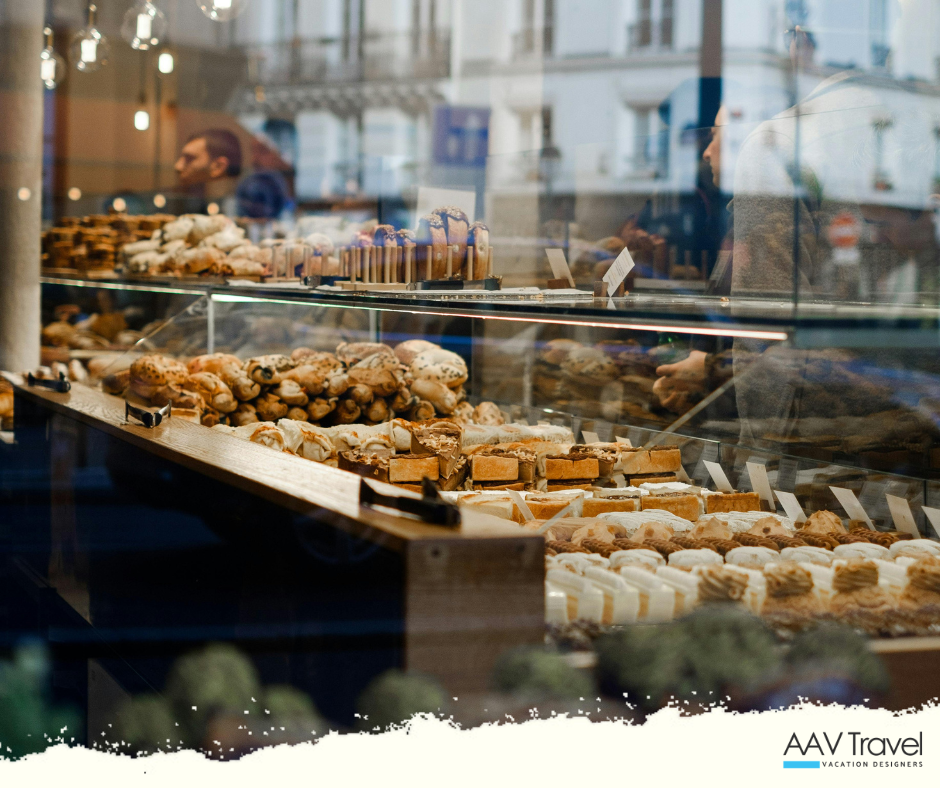
Easter arrives in Europe with a quiet elegance. Spring light returns, café terraces reopen, and cities feel freshly awakened after winter. Shop windows shift from muted tones to carefully curated displays, and bakeries begin producing specialties that appear only once a year and vanish just as quickly. For travelers who care about craftsmanship and tradition, this moment is far more than a seasonal novelty. It is a connoisseur’s window, a brief period when culinary heritage, faith, music, and the natural renewal of spring intersect.

This is not about sugar for its own sake. It is about timing, restraint, and knowing where to be when something truly special is being made.

The Strategic Advantage of Easter Travel

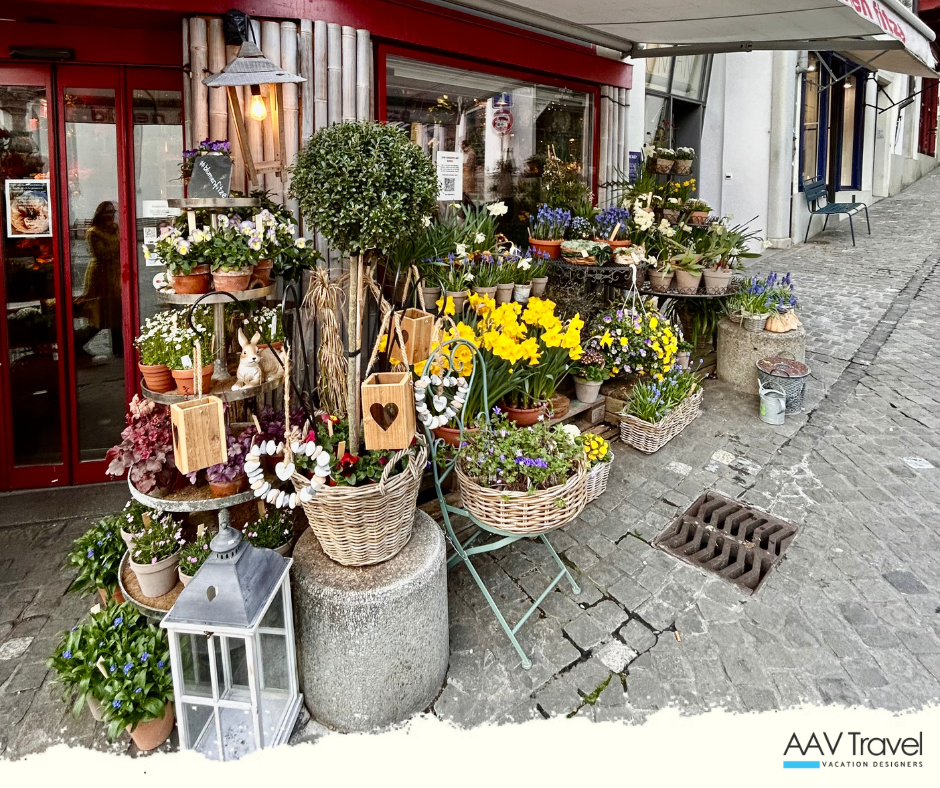
Many Americans view spring as a practical shoulder season in Europe, a pleasant gap before summer crowds take over. That is certainly true from a logistical standpoint. But Easter adds another dimension. It brings anticipation. Cities feel expectant. Florists overflow with color, sacred music fills churches and concert halls, and pastry counters become almost theatrical in their seasonal offerings.

What makes this period so compelling is that many Easter specialties are not designed for tourists. They are personal and symbolic, rooted in family tables and local memory. They often require techniques that resist mass production. That is precisely why they are worth traveling for. When you taste something that is truly of its place and of its moment, you experience a culture in a way that cannot be replicated in high season.

Vienna. Pastry, Music, and Measured Indulgence

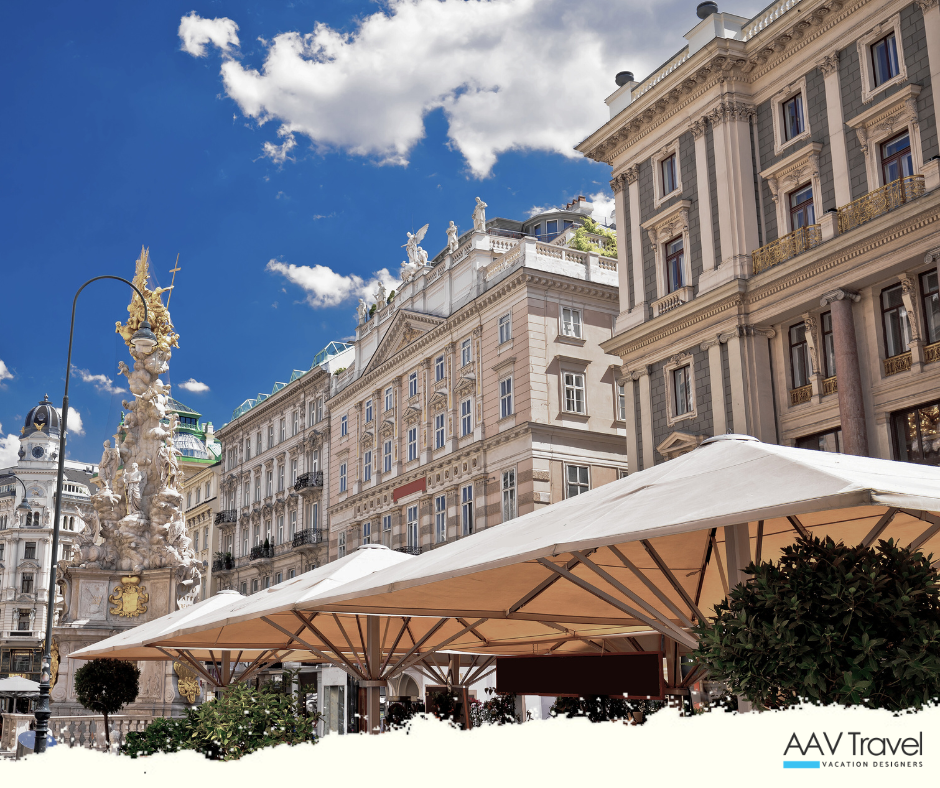
Vienna, for example, feels particularly polished at Easter. The city already carries an innate elegance, but in spring it softens. Gardens begin to bloom, the air is crisp, and the café culture becomes irresistible. In Vienna, pastry is not an indulgence tucked away in a corner. It is heritage. The grand cafés are not merely places to eat cake; they are institutions where one lingers under chandeliers, reads the paper, and participates in a ritual that has changed very little over decades.

During Easter, pastry counters often feature seasonal variations and refined confections that do not appear at other times of year. Yet Vienna is not a city that rewards excess. The pleasure lies in pacing. A late morning coffee accompanied by a delicate slice of something seasonal can be followed by an afternoon in a museum and an evening concert that anchors the day in something deeper than indulgence. When designed thoughtfully, the sweetness enhances the experience rather than overwhelming it.

Florence. Sacred Tradition and the Art of Slowing Down

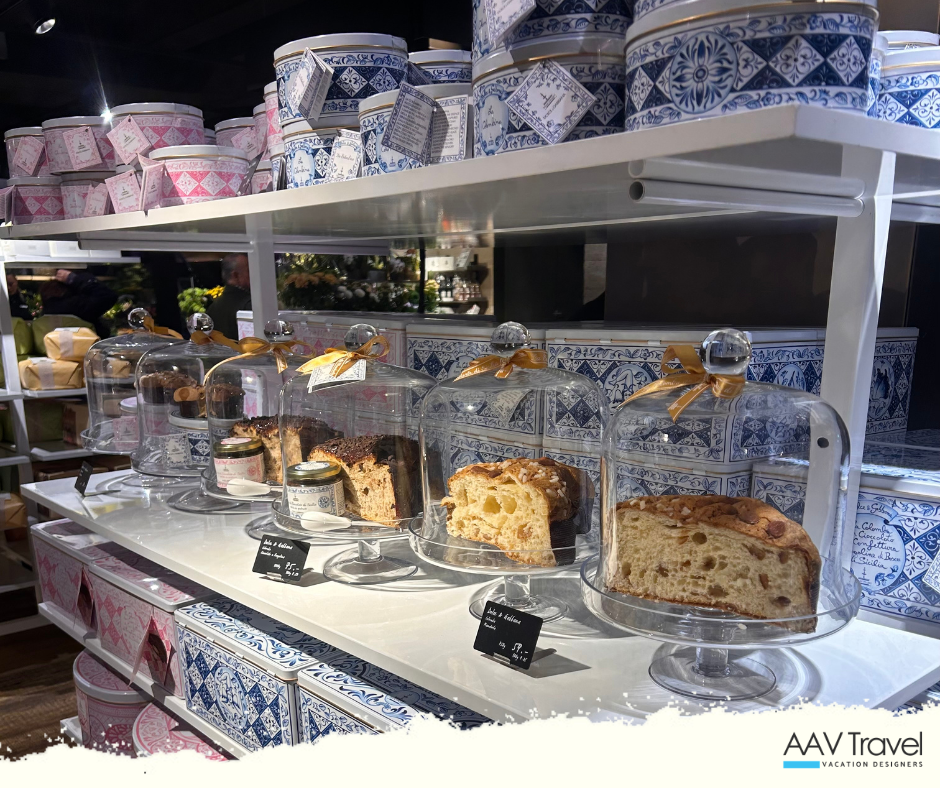
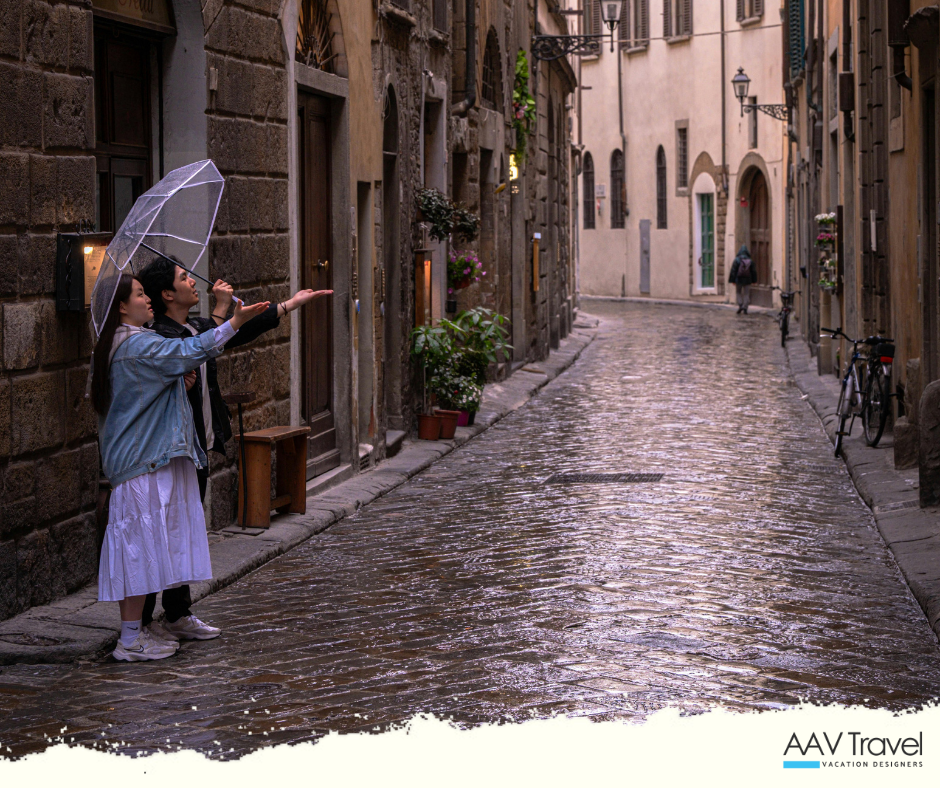
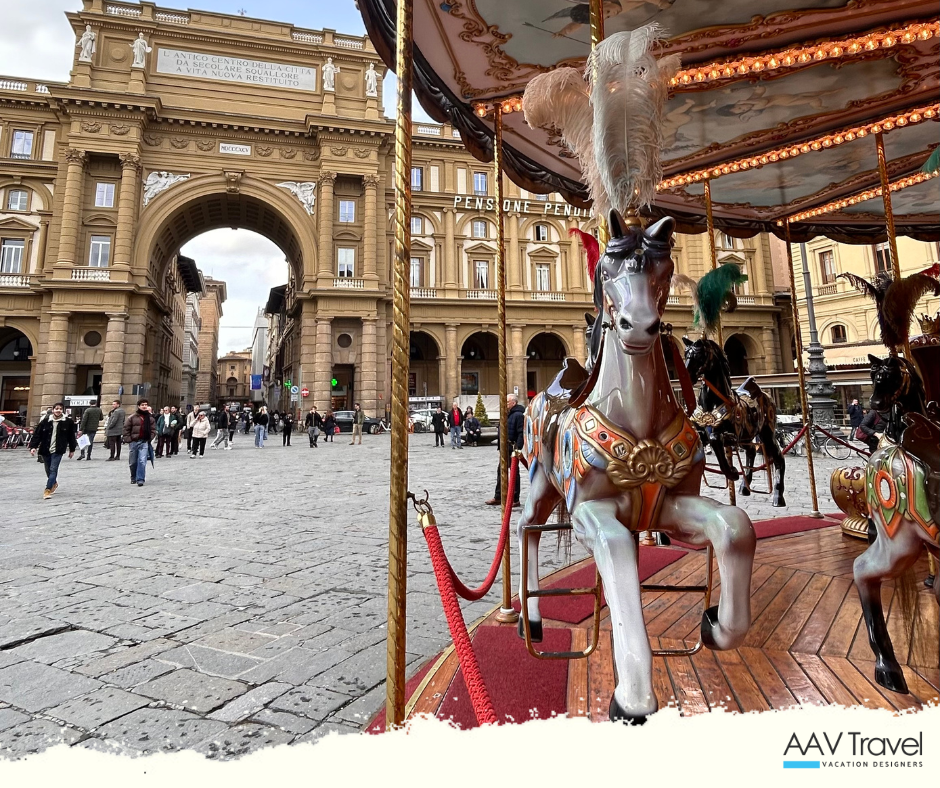
Florence offers a different kind of Easter atmosphere. Too often, visitors arrive determined to conquer the city with a checklist. Easter gently resists that approach. Spring light softens the stone facades, and the city feels more human before the density of summer arrives. Traditions are woven quietly into daily life, from church services to neighborhood bakeries displaying Colomba, the dove shaped sweet bread that symbolizes peace and renewal.

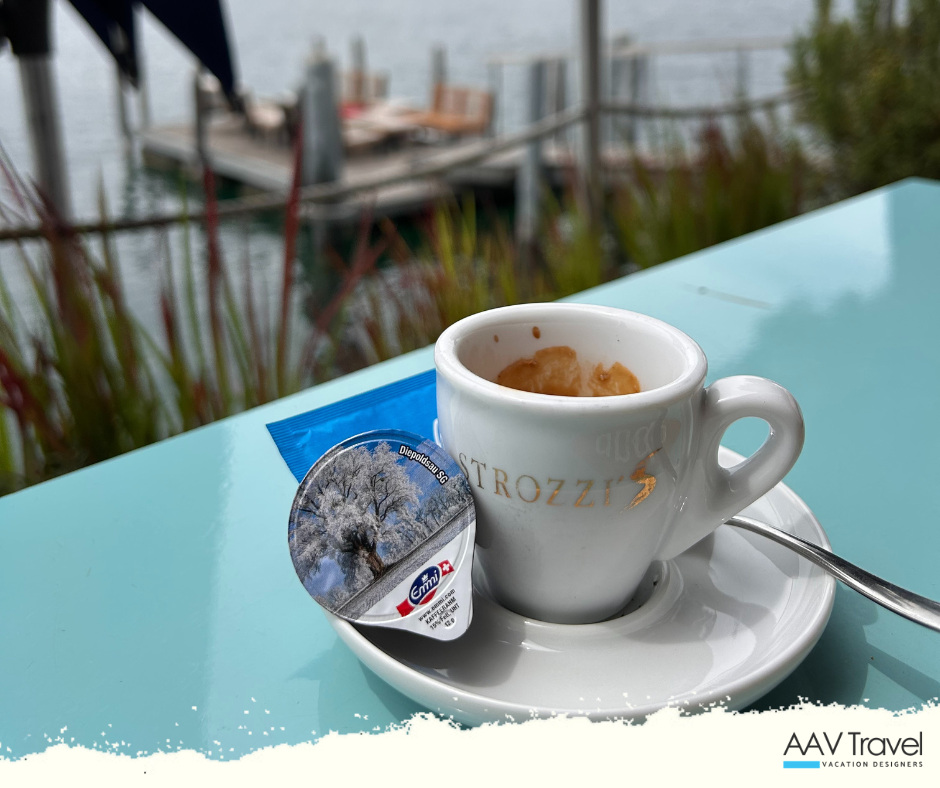
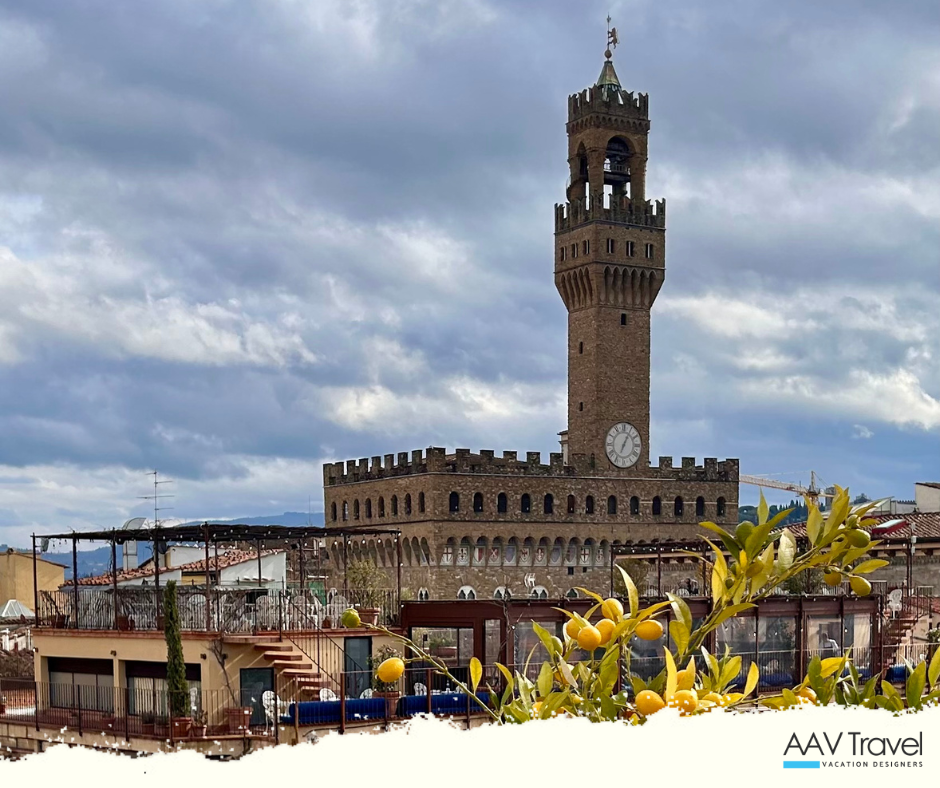
In Florence and throughout Tuscany, you can find artisanal versions of this seasonal bread that feel far removed from mass produced alternatives. But the real reward is in the contrast the city offers. You might spend the morning in a quiet church where incense lingers in the air, then wander a few streets and find a bakery fragrant with citrus and vanilla. An afternoon at the Uffizi can be followed by an unhurried espresso in a neighborhood café where locals are shopping for Easter treats as they have for generations. Florence at Easter invites you to notice details rather than rush past them.

France. Chocolate as Craft and Cultural Expression

France approaches Easter with its characteristic refinement. Here, chocolate becomes art. In Paris and other cities, chocolatiers create sculptural eggs and intricate designs that are displayed almost like jewelry. These are not novelty items. They are expressions of discipline and artistry, crafted for a brief moment of admiration before they are enjoyed and gone.

Traveling to France at Easter is compelling precisely because it is fleeting. The most memorable experiences in Europe are often those tied to a specific season, impossible to replicate in July or October. Yet discernment matters. A thoughtful itinerary might include a private tasting with a respected chocolatier balanced with time in spring gardens, smaller neighborhoods, and cultural experiences that ground the sweetness in context. France demonstrates that luxury is not about quantity. It is about refinement and intention.

Switzerland. Precision, Comfort, and Spring Light

Switzerland offers a quieter interpretation of the season. Easter here feels grounded and sincere, less theatrical and more intimate. Seasonal breads and beautifully executed chocolate are tied to family tables and local tradition rather than display. There is comfort in the simplicity, paired with the precision for which Switzerland is known.

Spring in Switzerland also brings a striking natural transition. Snow still crowns the mountains while valleys begin to bloom. Lakeside towns regain energy without the intensity of summer tourism. Hotels and trains feel calmer, and the overall rhythm is unhurried. A well designed Swiss Easter journey might combine time in a sophisticated city with a few days in an alpine region where nature and tradition coexist seamlessly. The sweetness of the season becomes part of a larger experience of clarity, landscape, and calm.

Discernment Is the Difference

It is tempting to frame an Easter journey as a culinary theme. But experienced travelers understand that a meaningful trip is built on balance. If you approach Europe at Easter as a sugar hunt, you risk missing the deeper texture of the season. Easter is as much about music, ritual, and renewal as it is about pastry and chocolate.

This is where discernment becomes essential. Days should be paced so that indulgence feels special rather than constant. Neighborhoods and hotels should be chosen to encourage walking rather than rushing. Cultural experiences should anchor culinary ones. Vienna pairs pastry with music. Florence pairs sweetness with sacred art and Renaissance beauty. France pairs chocolate with disciplined craft. Switzerland pairs seasonal baking with serenity and landscape.

Choosing Better, Not More

The sweetest season is not about having more. It is about choosing better. Easter in Europe offers a softer mood, a more local rhythm, and a fleeting moment when culinary heritage feels deeply personal. For travelers who appreciate being in the right place at the right time, it can be one of the most quietly extraordinary windows of the year.

If you are considering an Easter journey to Europe, I would welcome a thoughtful planning conversation. The right itinerary is not simply about where you go, but how you move through each destination, how the days are paced, and how the experience is shaped around what you value most. To begin designing a journey with care and discernment, visit www.aav-travel.com or email me at info@aav-travel.com.

How Florence Is Best Experienced: A Journey Through the Six Senses

Florence is often introduced through masterpieces and monuments. The Duomo. The David. The Uffizi. Yet the travelers who leave feeling most connected to the city rarely describe it only in terms of what they saw. Instead, they recall the weight of warm stone under their palms at dusk, the echo of chanting drifting through a quiet basilica, the faint perfume of roses on a hillside breeze, the way a simple meal lingered in memory long after the last bite.

Florence reveals itself most fully when it is experienced through the senses, not hurried through as a checklist of sights. When approached with presence and intention, the city becomes less a destination to be consumed and more a place to be felt.

Modern psychology tells us what seasoned travelers already know instinctively: our senses are gateways to wellbeing, memory, and meaning. Sight, sound, smell, taste, touch, and intuition shape how we process the world and how deeply we feel connected to it. Travel, when designed with care, awakens these senses in ways everyday life rarely allows.

Florence, with its layered history, human scale, and enduring craftsmanship, offers an unusually rich setting for this kind of experience.

SIGHT: When Light Becomes the Experience

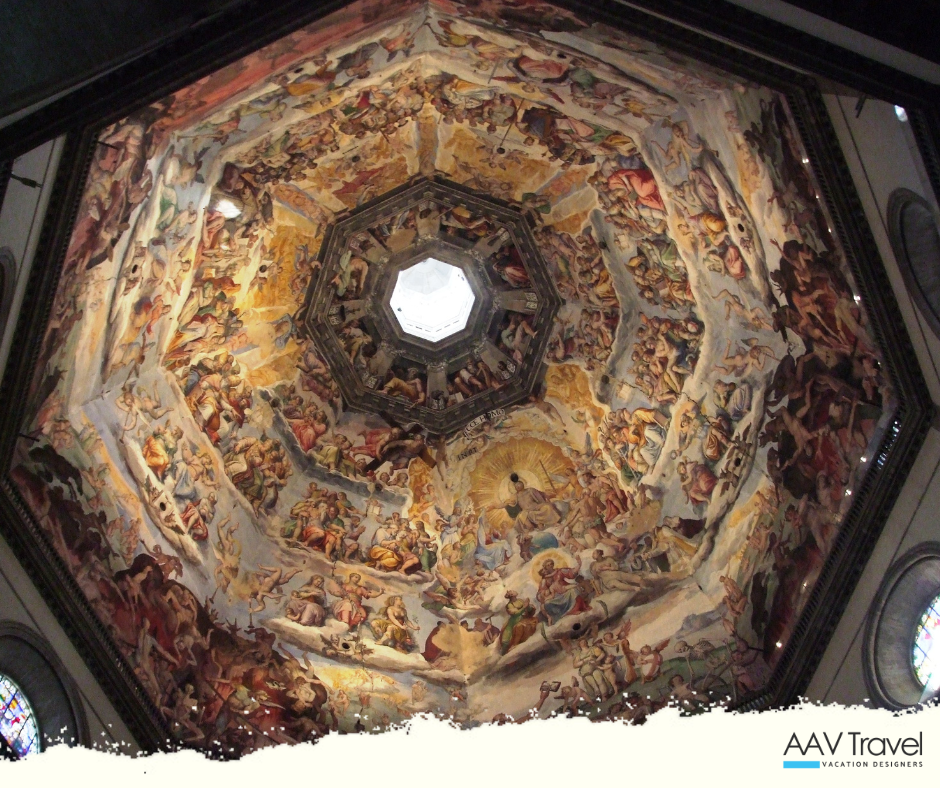
Inside Santa Maria del Fiore, sight is not merely about architecture or ornamentation. At midday on the summer solstice, a single beam of sunlight enters through a small aperture high in the dome and lands precisely on a marble disc below, a quiet yet extraordinary convergence of art, science, and faith. Installed centuries ago as part of an astronomical instrument, this moment transforms light itself into an event.

Standing in the cathedral as that beam appears, the instinct is not to photograph, but to pause. The filtered colors from stained glass shift across stone that has witnessed generations. The experience asks for stillness. Sight here is immersive and emotional, reminding us that seeing is not passive; it shapes how we remember and how we feel.

Florence excels at these subtle visual moments. They are easy to miss when moving too quickly, yet deeply affecting when allowed to unfold at their own pace.

SOUND: Listening to the City’s Inner Rhythm

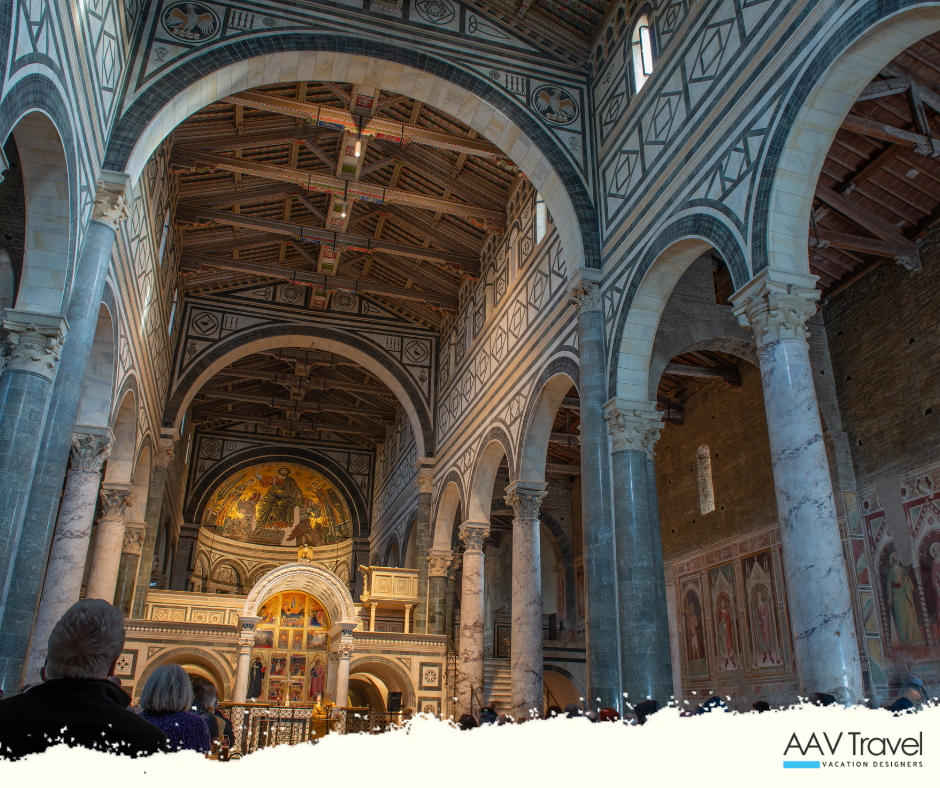
Above the city, the Basilica di San Miniato al Monte offers one of Florence’s most profound sensory contrasts. Outside, expansive views stretch across terracotta rooftops and rolling hills. Inside, sound becomes the defining element.

The Romanesque interior holds silence with intention. Footsteps echo softly. A single voice resonates longer than expected. In the early evening, Gregorian chant fills the space, its ancient cadence amplified by stone and proportion rather than technology.

This is not performance but ritual, and the effect is quietly disarming. The acoustics encourage slowing down, listening more deeply, and allowing sound to linger. In Florence, sound often reveals what sight cannot: the continuity of daily life layered over centuries.

SMELL: Memory Carried on the Breeze

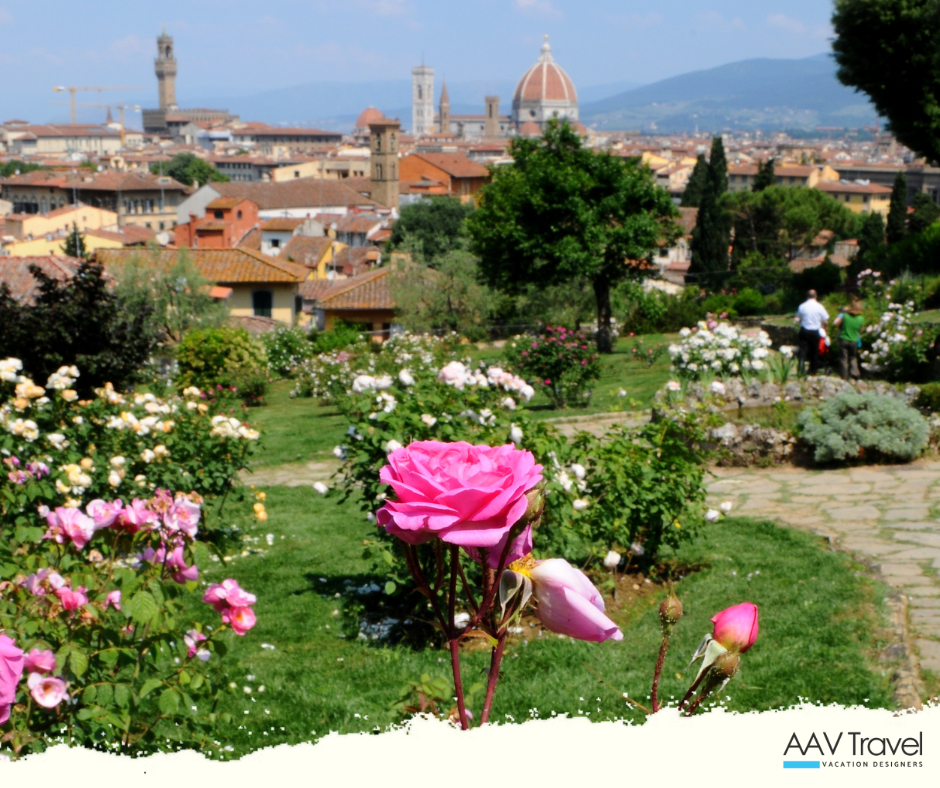
Below Piazzale Michelangelo, the Giardino delle Rose offers a different kind of perspective. Here, Florence is experienced through scent as much as through view. In late spring, hundreds of rose varieties bloom, their fragrances mingling with citrus trees and warm air rising from the city below.

Smell has a unique ability to anchor memory. Long after the view fades, it is often the scent of a place that resurfaces unexpectedly years later. In this garden, time seems to slow. The city’s hum softens, replaced by birdsong and the subtle rustle of leaves.

Pausing here is not about seeing Florence from above, but about inhaling it, allowing place and moment to register fully before moving on.

TASTE: A Culinary Language of Place

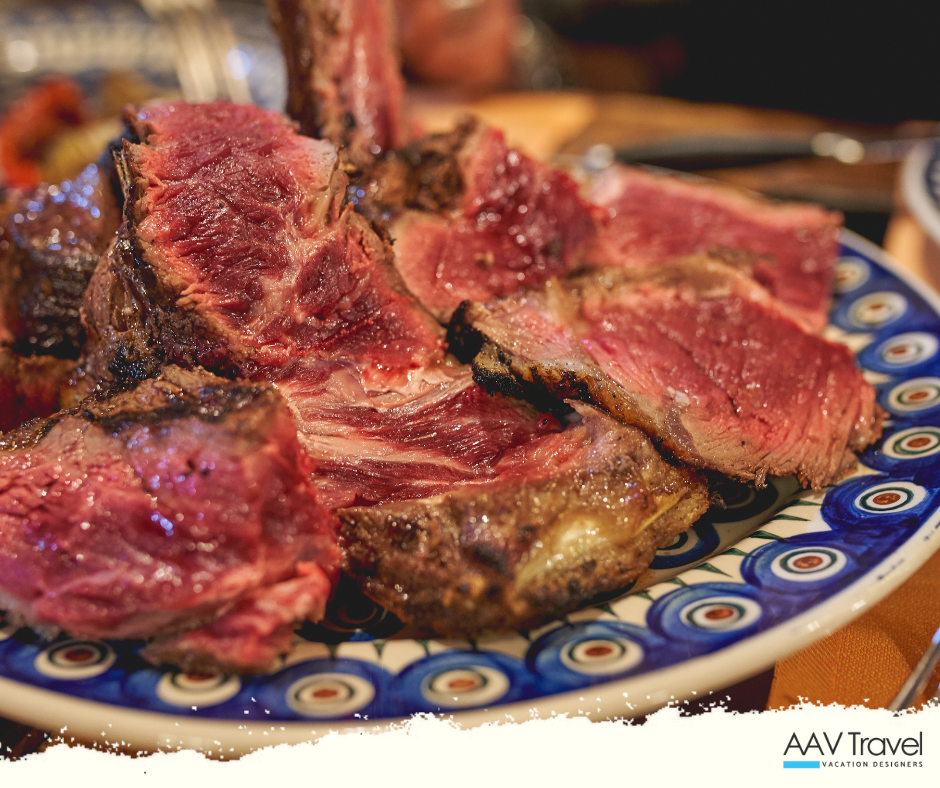
Florentine cuisine is direct, grounded, and deeply tied to its landscape. A well-prepared bistecca alla fiorentina, a bowl of ribollita, a slice of bread drizzled with new olive oil, these are not indulgences so much as expressions of place.

Taste in Florence rewards patience. Meals are meant to be lingered over, flavors allowed to develop, conversations given time. Ingredients carry history: grains milled nearby, oil pressed from surrounding hills, recipes shaped by necessity and care rather than trend.

To eat well here is not about excess but about understanding. Food becomes a quiet education in geography, climate, and tradition, one that stays with you long after the table is cleared.

TOUCH: Where Craft Still Lives

Florence remains a city where the human hand matters. In the Oltrarno, artisan workshops continue traditions passed down through generations. Leather, wood, paper, and metal are shaped slowly, deliberately.

Running your fingers over a finished piece, or watching the rhythm of hand stitching in a small workshop, connects you to the city in a way no museum display can. Touch brings history into the present tense. It reminds us that Florence was built not only by great artists, but by skilled hands working day after day.

These tactile experiences are often quiet and unscheduled, yet they are among the most enduring.

INTUITION: Knowing When to Pause

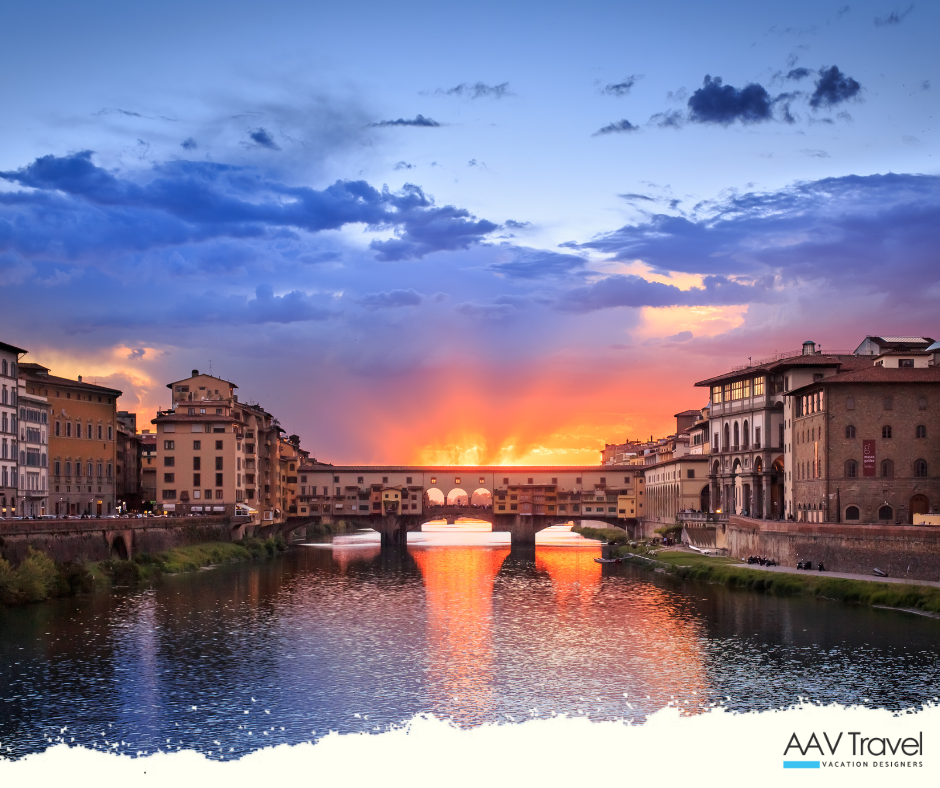
Beyond the senses we can name is the one that guides the most meaningful travel decisions: intuition. It is the instinct that suggests crossing a bridge at dusk, lingering in a small piazza, or choosing a café filled with locals rather than lines.

Florence rewards those who listen to this inner compass. In moments of unplanned stillness, the city feels less like a stage set and more like a living companion. This is where presence replaces performance, and travel becomes personal.

Thoughtful Hospitality as Part of the Experience

Where you stay in Florence shapes how the city is experienced between these moments. Properties that value calm, proportion, and restraint allow the senses to reset rather than compete for attention.

Hotel La Gemma, housed within a restored palazzo near the historic center, reflects this philosophy. Its atmosphere is quietly composed rather than overtly grand. Light-filled rooms, soundproofed interiors, tactile materials, and a sense of ease create a refuge after days spent absorbing the city.

Spaces like this do not distract from Florence; they support it, offering continuity and balance. When accommodation aligns with the rhythm of a destination, the experience feels cohesive rather than fragmented.

Designing Florence with Intention

Experiencing Florence through the senses is not about adding more activities, but about making thoughtful choices: when to visit certain spaces, where to linger, what to skip, and how to pace each day. These decisions shape how the city is felt, not just seen.

At AAV Travel, journeys are designed with this discernment in mind. Beyond reservations and logistics, the focus is on flow, timing, and context, ensuring that each element supports the overall experience rather than competes with it. The goal is travel that feels seamless, grounded, and deeply personal.

Florence has been inspiring travelers for centuries. When approached with intention, it continues to do so in ways that are subtle, restorative, and lasting. For those ready to experience the city beyond sightseeing, Florence offers not spectacle, but connection, one sense at a time.

If you are considering a journey to Florence and would like it shaped with care, pacing, and insight, AAV Travel welcomes the conversation.

Written by: Stefanie P.