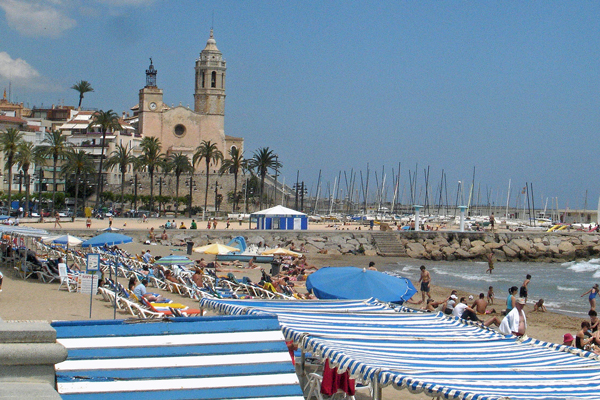
The Ultimate Quadrangle: An Experience of Coastlines, Wines, and Mountain Serenity

For the discerning traveler seeking variety without compromise, this region is a journey through Europe’s finest contrasts: the Mediterranean’s gentle rhythm meeting the Atlantic’s bold spirit.

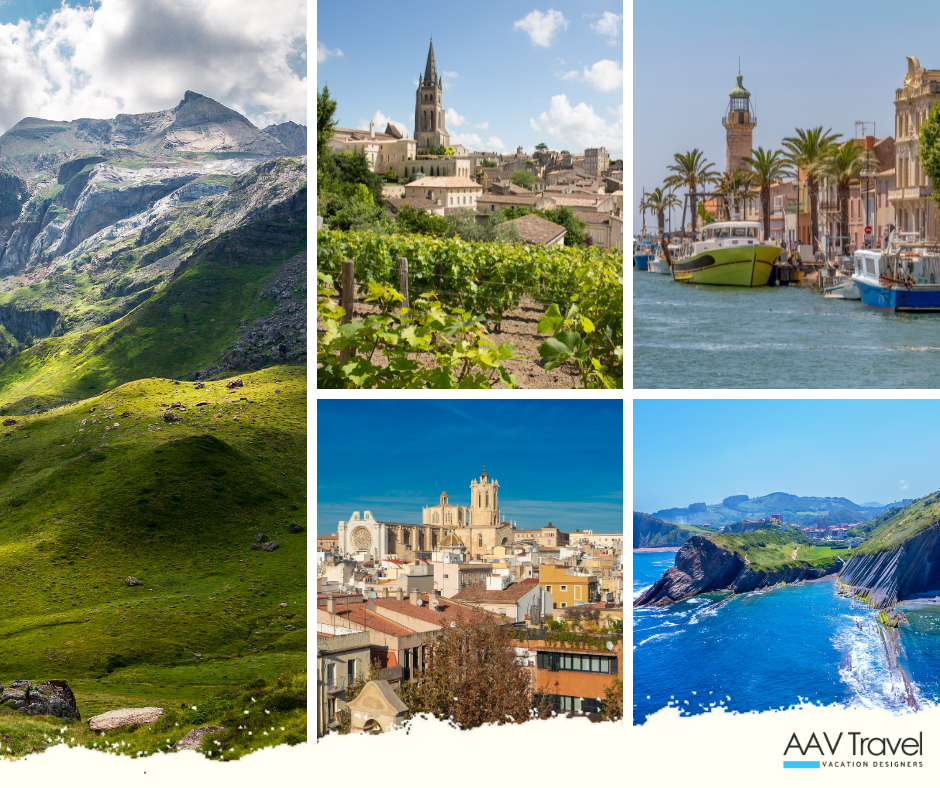
Stretching from Tarragona on Spain’s sun-kissed Costa Dorada to the elegant shores of Montpellier, sweeping across Bordeaux’s refined vineyards, and curving back toward the Basque energy of Bilbao, lies one of Europe’s most captivating travel quadrants. This vast square—spanning the Pyrenees and both the Mediterranean and Atlantic coasts—encompasses an extraordinary diversity of landscapes, languages, cuisines, and lifestyles. Here, the art of slow living intertwines with millennia of culture. You can sip rosé overlooking lavender fields, stroll through medieval seaside villages, taste wines that have shaped global palettes, and dine in Michelin-starred restaurants that celebrate terroir with every bite.

The Mediterranean Coast of Spain:
Tarragona and Beyond

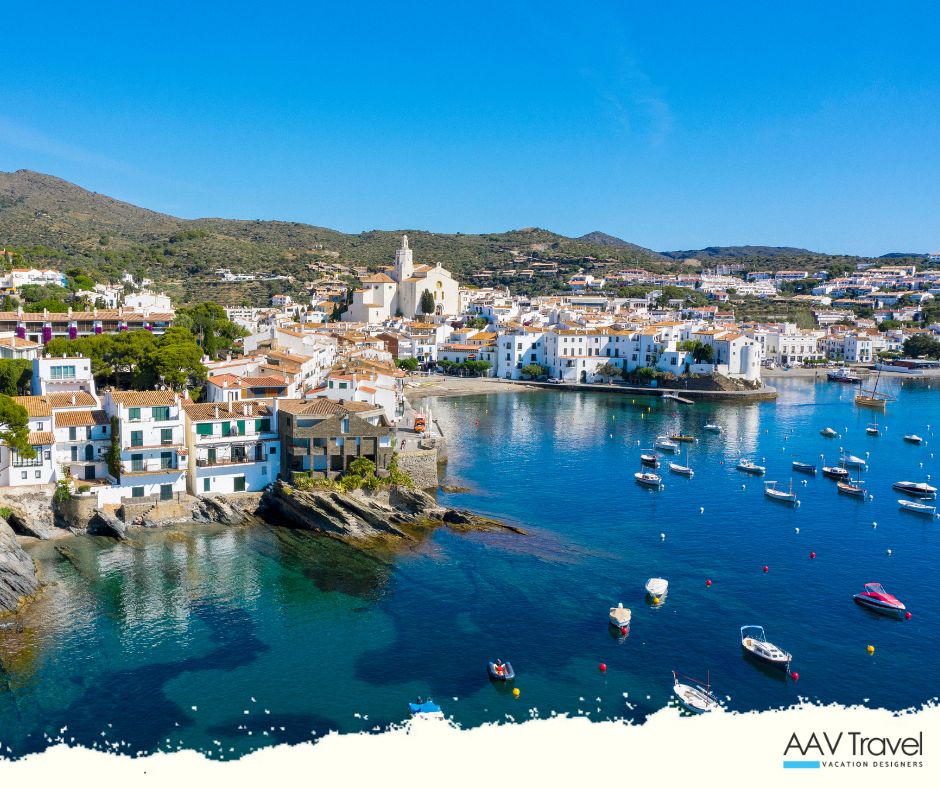
The Spanish Mediterranean coastline from Tarragona up toward the French border combines the historic richness of Catalonia with an irresistible seaside allure. Tarragona itself, a UNESCO World Heritage Site, offers a mesmerizing fusion of ancient Roman ruins, golden beaches, and Catalan culture. Its amphitheater facing the sea perfectly captures the region’s harmony between past and present. Just north, the Costa Brava unfolds with rugged coves, pine-framed beaches, and fishing villages that once inspired Salvador Dalí. Each seaside town—Calella de Palafrugell, Begur, Cadaqués—tells its own story, balancing authenticity with understated sophistication.

Luxury travelers will find secluded boutique hotels nestled in former masías (farmhouses), Michelin-starred restaurants highlighting Catalonia’s culinary creativity, and private yachts ready to explore crystalline coves. Inland, medieval towns like Pals or Peratallada reveal a quieter side of Catalonia, ideal for immersive wine tastings or truffle experiences. The Mediterranean climate, soft and luminous, makes this a year-round destination—perfect for those who appreciate culture as much as coastline. Whether you’re relaxing at an exclusive coastal retreat or venturing into the Priorat wine region for bold reds, Spain’s Mediterranean side invites travelers to savor life at a deliberate, pleasurable pace.

Insider Tip: Experience the Costa Brava’s artistic soul with a private guided day tracing Salvador Dalí’s footsteps—from his surreal home in Portlligat to the striking Dalí Theatre-Museum in Figueres. End the day with a sunset cruise along the Cap de Creus coastline, glass of cava in hand.

The Mediterranean Coast of France:
From Montpellier to Provence’s Edge

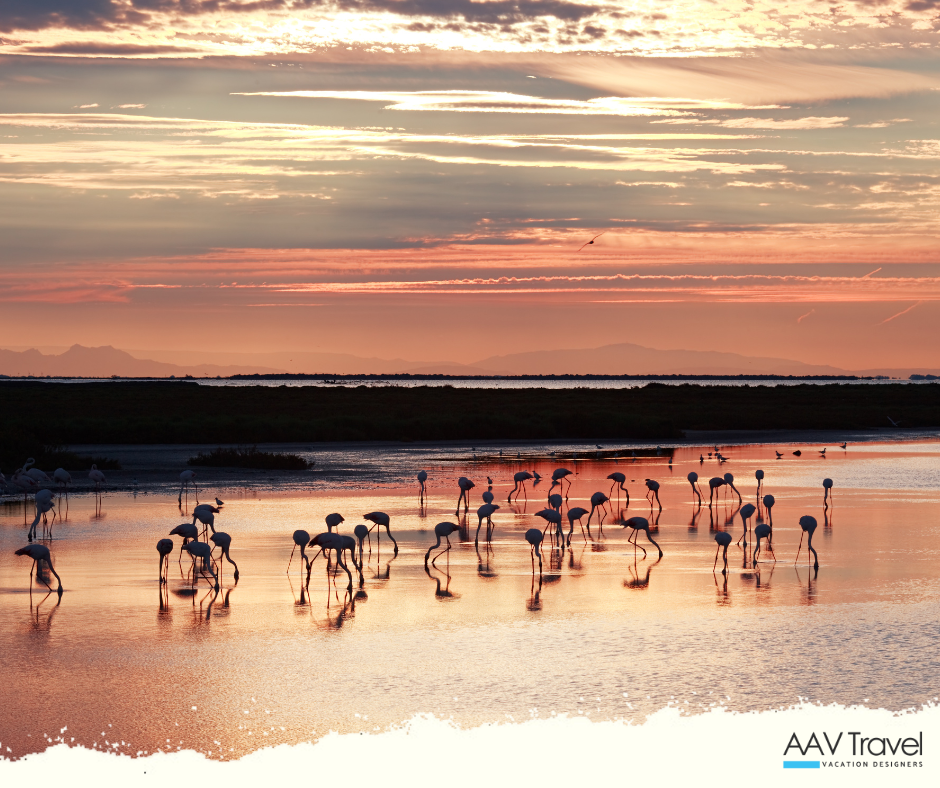
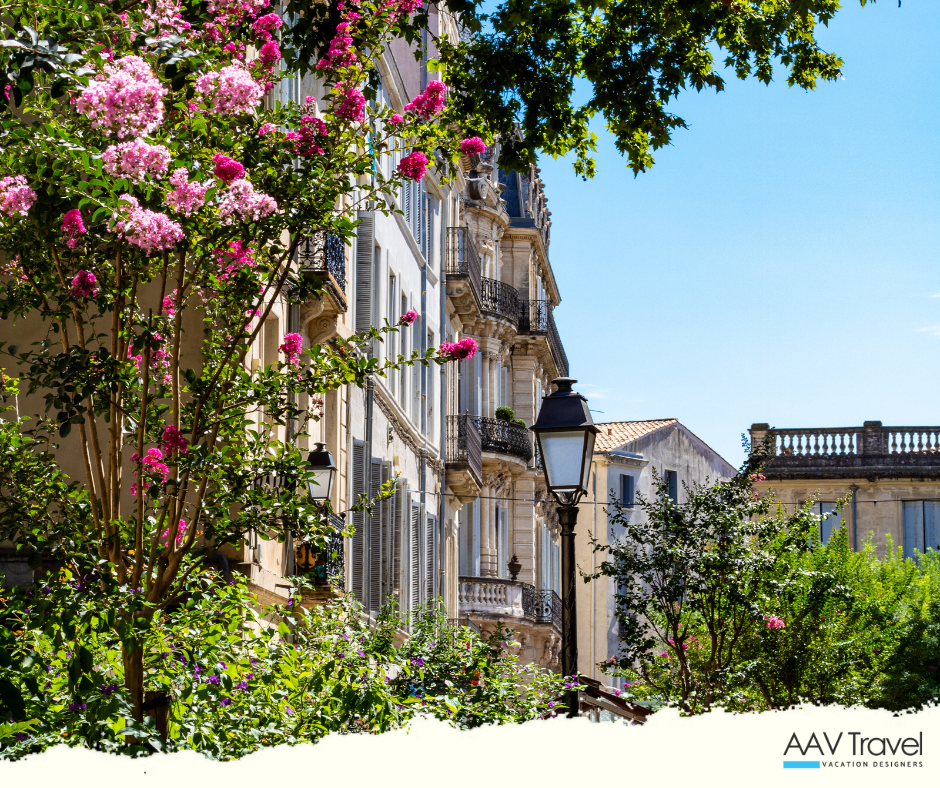
Crossing into France, the Mediterranean takes on a different character—more understated, yet endlessly refined. Montpellier, with its graceful squares, neoclassical architecture, and youthful vibrancy, anchors the region. South of the city, long stretches of sandy beaches give way to tranquil lagoons and vineyards that flourish under the southern sun. The nearby Camargue offers a striking contrast: wild horses galloping across salt flats, flamingos wading in shallow waters, and traditional ranches offering luxurious equestrian stays.

Further east, the influence of Provence begins to weave through the landscape—olive groves, lavender fields, and picturesque villages perched on rolling hills. Here, luxury comes in the form of experience: private villa stays surrounded by vineyards, market tours with local chefs, and exclusive spa retreats within ancient stone estates. The wines of Languedoc, once overshadowed by Bordeaux and Burgundy, now rival France’s finest and offer intimate tastings in family-run domaines. For travelers who appreciate elegance with authenticity, France’s Mediterranean coast blends heritage, gastronomy, and effortless chic in perfect harmony.

Insider Tip: For a rare and unforgettable moment, enjoy a private horseback ride at sunset through the Camargue’s salt marshes, guided by a gardian (local cowboy). Conclude with a champagne picnic overlooking the flamingos—a truly cinematic Mediterranean evening.

The Atlantic Coast of France:
Bordeaux and Its Environs

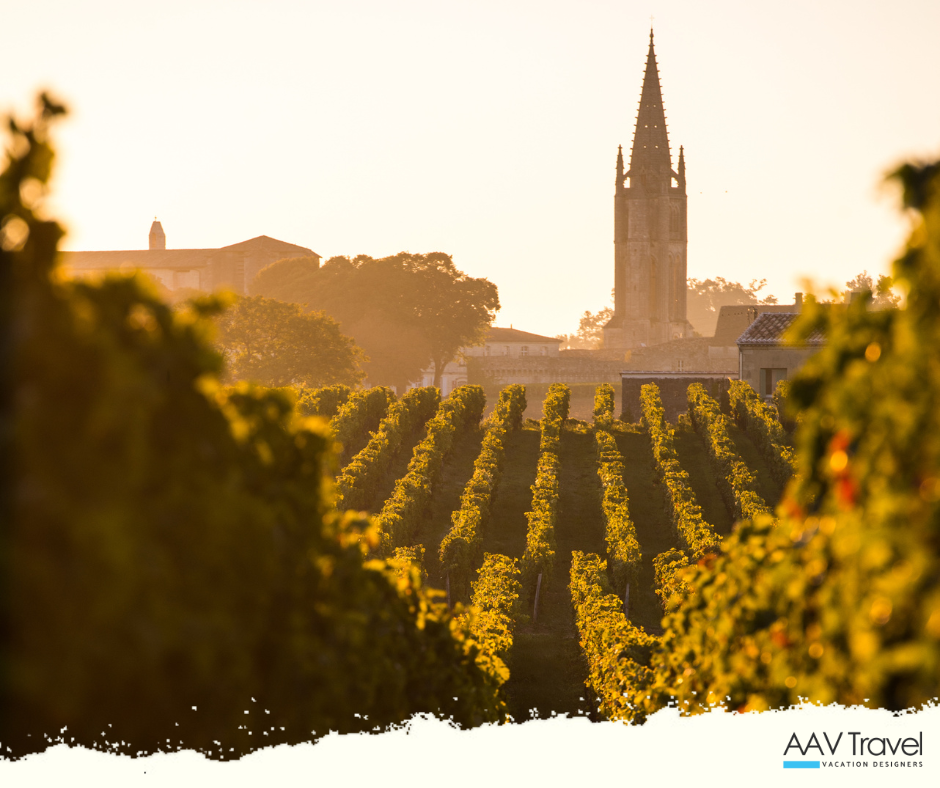
As the Mediterranean breeze gives way to Atlantic salt air, the scenery transforms. Bordeaux, long synonymous with the world’s most prestigious wines, is the beating heart of this transformation. Beyond its grand 18th-century architecture and riverfront promenades, the city serves as a gateway to vineyard regions that define luxury travel—Médoc, Saint-Émilion, and Pomerol. Here, private châteaux open their cellars for curated tastings and gourmet pairings, while Michelin-starred restaurants reinterpret French gastronomy with modern flair.

Yet Bordeaux’s allure extends to its coast. Just an hour away lies Arcachon Bay, a serene enclave of oyster farms, Belle Époque villas, and the monumental Dune du Pilat—the tallest sand dune in Europe. Visitors can sail privately across the bay, enjoy freshly harvested oysters with chilled white Bordeaux, or unwind at elegant seaside retreats. This area celebrates understated luxury: an immersion in nature, fine craftsmanship, and quiet indulgence. Whether you’re cycling through vineyards or retreating to a château surrounded by oak forests, the Atlantic coast of France exudes refinement rooted deeply in tradition.

Insider Tip: Arrange a private helicopter transfer from Bordeaux to Arcachon Bay, followed by an exclusive oyster tasting directly on the water with a local producer. This unforgettable pairing of flight and flavor captures the essence of the French Atlantic in style.

The Atlantic Coast of Spain:
Basque Spirit and Coastal Sophistication

From the French border to Bilbao, Spain’s northern coast captivates with its wild beauty and vibrant cultural identity. The Basque Country blends raw landscapes with avant-garde cuisine and contemporary art. San Sebastián, with its crescent-shaped bay and world-renowned gastronomy, is a destination where luxury is experienced through the senses—tasting menus at Arzak or Mugaritz, strolls along La Concha Beach, and stays in historic belle époque hotels. Further west, Bilbao has reinvented itself as a hub of design and innovation, anchored by the iconic Guggenheim Museum and a growing collection of boutique accommodations that mirror its creative energy.

The Atlantic here is untamed yet inviting, perfect for those drawn to authenticity and sophistication in equal measure. Green mountains tumble into the sea, fishing villages serve exceptional pintxos, and the region’s wines—Txakoli in particular—offer crisp refreshment to complement the coastal fare. For the discerning traveler, this stretch of Spain offers an intimate, luxurious immersion into a culture that celebrates both tradition and reinvention. It’s the ideal place to conclude a journey through southern Europe’s most diverse region—where every turn reveals another layer of art, flavor, and natural splendor.

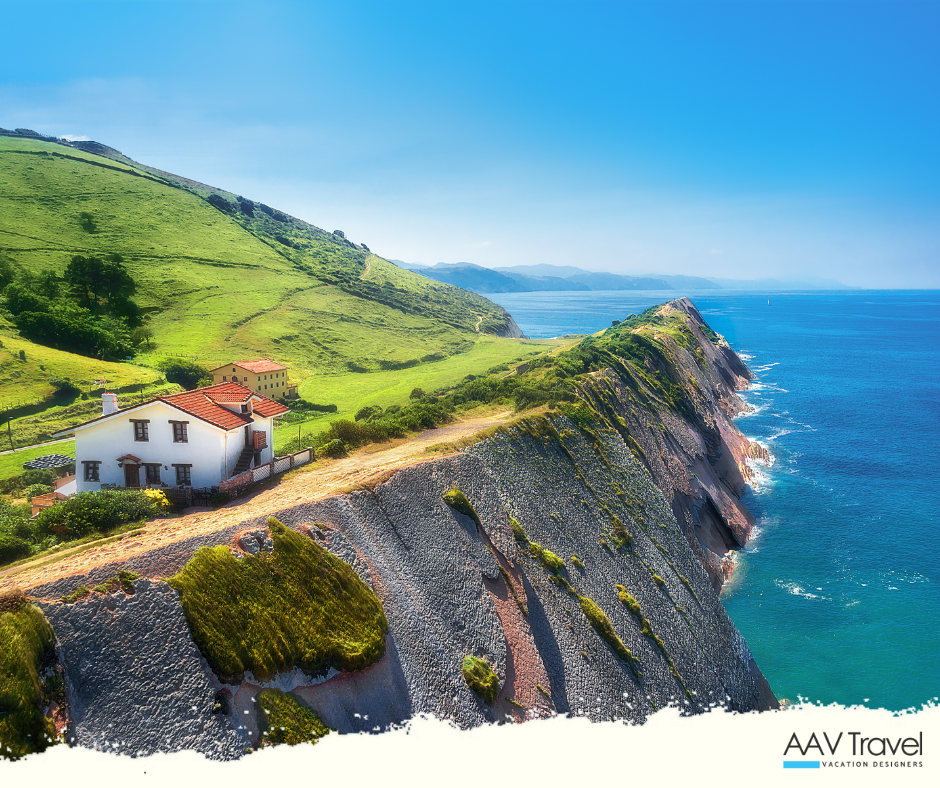
Insider Tip: Step beyond the city and embark on a privately guided hike along the Flysch cliffs near Zumaia, where geological layers tell the story of Earth’s evolution. Finish the day with a chef-prepared Basque seafood picnic overlooking the roaring Atlantic.

The Heart of the Pyrenees:
Mountain Majesty and Timeless Charm

Between the two seas lies the soaring spine of the Pyrenees, a world apart where France and Spain meet in a tapestry of snow-capped peaks, deep valleys, and remote stone villages. This central region offers a refreshing contrast to the coasts—a place where mountain air, alpine lakes, and centuries-old traditions shape a slower rhythm of life. In summer, wildflower meadows and crystal-clear streams invite hiking, cycling, and picnics beside glacial lakes; in winter, charming resorts like Baqueira-Beret or Saint-Lary-Soulan offer sophisticated skiing with a distinctly local flavor. Beyond outdoor pursuits, the Pyrenees are rich in cultural treasures: Romanesque chapels, bustling local markets, and thermal spas that date back to the Belle Époque.

Here, luxury takes the form of connection—with nature, with heritage, and with the authenticity of mountain hospitality. Intimate alpine lodges, converted monasteries, and boutique hotels offer candlelit dining by the fire, while Michelin-starred chefs reimagine rustic recipes using ingredients foraged in the valleys. Whether approached from Spain’s Aragonese side or France’s pastoral foothills, the Pyrenees invite travelers to pause, breathe, and rediscover balance amid one of Europe’s most pristine landscapes.

Insider Tip: For an unforgettable experience, embark on a private guided journey along the Route des Cols, the legendary mountain passes connecting France and Spain. Stop for a gourmet picnic overlooking the shimmering Lac de Gaube, or unwind in the natural thermal waters of Bains de Dorres, a centuries-old open-air spa with sweeping views of the peaks.

Seamless Access and Effortless Exploration

One of the many advantages of this region is how effortlessly it can be reached and explored. Non-stop flights from the U.S. bring travelers directly to Barcelona, while international airports in Montpellier, Bordeaux, and Bilbao are easily accessible from major European hubs. Once here, getting around is remarkably convenient—the driving distance between these key cities is no more than five hours, making it possible to experience an extraordinary variety of landscapes and cultures within a compact footprint. From the golden Mediterranean shores to the vineyards of Bordeaux, the rugged Pyrenees, and the vibrant Basque coast, the region lends itself beautifully to exploration by private driver-guide, luxury road trip, or a combination of high-speed trains and tailored transfers. This seamless connectivity allows AAV Travel to craft itineraries that unfold naturally—inviting travelers to savor every transition as part of the journey itself.

Curating a Journey Through Southern Europe

From the sun-drenched Mediterranean villages of Tarragona and Montpellier to the sophisticated Atlantic shores of Bordeaux and Bilbao, and finally into the serene heights of the Pyrenees, this region offers a remarkable palette of experiences within a single, easily navigable area. Each corner of this quadrangle reveals a distinct rhythm—coastal elegance, vineyard refinement, mountain tranquility, and cultural vibrancy—yet together they form a seamless journey that feels both diverse and harmonious. With AAV Travel as your guide, every detail—from private transfers and curated tastings to boutique accommodations and insider experiences—can be arranged to ensure a travel experience that is both effortless and unforgettable.

Allow us to craft your personal itinerary, blending discovery, indulgence, and authenticity. Your next journey through the heart of southern Europe awaits. To begin planning, contact us via email at info@aav-travel.com or visit the website.

Written by: Stefanie P.

Experiential Luxury Travel: Supporting Endangered Crafts and Cultural Heritage Around the World

In an increasingly globalized world, many traditional crafts—once vital to a community’s economy and identity—are quietly vanishing. Centuries-old techniques are being lost as younger generations turn toward urban careers, cheaper manufacturing takes over, and consumer demand shifts toward fast, mass-produced goods. Yet these crafts hold the stories of a people, a place, and a time-honored way of life. For luxury travelers seeking deeper meaning and authentic cultural connection, experiencing and supporting these endangered crafts offers more than just a souvenir—it’s an opportunity to engage with living heritage and leave a positive footprint.

Korea | Hanji: The Art of Handmade Paper

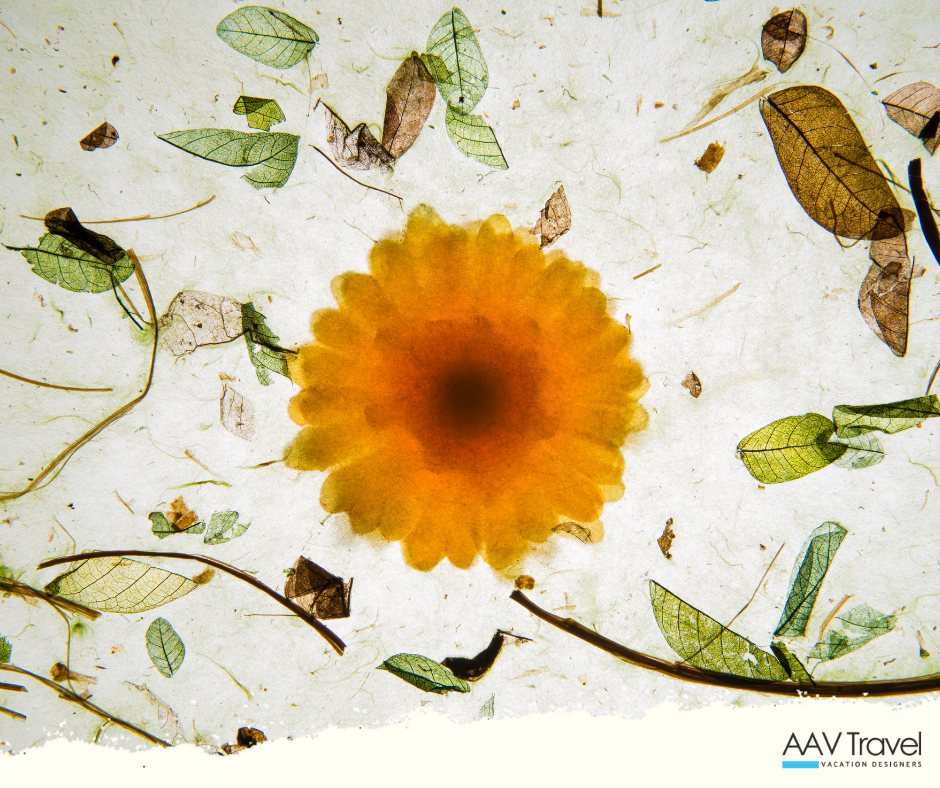
Korean artisan demonstrating traditional hanji paper-making techniques using mulberry bark fibers—an endangered heritage craft preserved through workshops and cultural tourism in Korea.

Korean hanji, crafted from the inner bark of mulberry trees, is celebrated for its strength, beauty, and longevity. Historically used for everything from official documents to window coverings and sacred texts, hanji represents both artistry and practicality. Today, this delicate craft faces extinction as industrial paper dominates the market and traditional skills fade with retiring artisans.

For travelers eager to engage, several hanji workshops in Seoul, Jeonju, and Andong offer immersive, hands-on experiences. Whether learning to create textured stationery, folding lamps, or even crafting small furniture, visitors can support local artisans by purchasing directly from them. Opt for certified, handmade hanji products and consider attending a workshop where your participation helps keep the tradition alive.

Scotland | Harris Tweed: Woven by Hand, Protected by Law

Weaver in the Outer Hebrides, Scotland, working on a traditional loom to create authentic Harris Tweed fabric—an iconic, handwoven textile protected by law and supported through responsible luxury travel experiences.

Harris Tweed is not just fabric; it’s a legally protected cultural artifact. Handwoven by islanders in the Outer Hebrides of Scotland, this woolen cloth has clothed royals and fashion icons for decades. The intricate weaving process and the island’s rugged climate give each piece a distinctive character. However, the craft faces challenges: an aging weaver population and competition from mass-produced fabrics threaten its future.

Visitors can explore weaving sheds, meet artisans, and even take mini weaving workshops. Buying directly from official Harris Tweed makers ensures your purchase adheres to quality standards and directly supports the island economy. Look for the official Harris Tweed Orb trademark—your guarantee that the cloth was woven by hand in the Outer Hebrides.

Venice | Murano Glass: Centuries of Fire and Artistry

Master glassblower in Murano, Venice, shaping vibrant, molten glass into intricate designs—preserving a centuries-old Venetian craft threatened by cheap imports and rising production costs.

For more than 700 years, the island of Murano has been synonymous with exquisite glassmaking. From delicate chandeliers to intricate millefiori beads, Murano artisans have passed their skills down through generations. But today, rising energy costs, cheap imports, and a dwindling pool of apprentices are putting this iconic craft at risk.

To support the genuine artisans, book private demonstrations at established studios where you can witness masters at work and even try glassblowing yourself. Be wary of cheap “Murano-style” glass sold in tourist shops. Instead, choose galleries and boutiques that showcase certified works, often accompanied by a certificate of authenticity.

France | Le Puy Lace: Threads of French Elegance

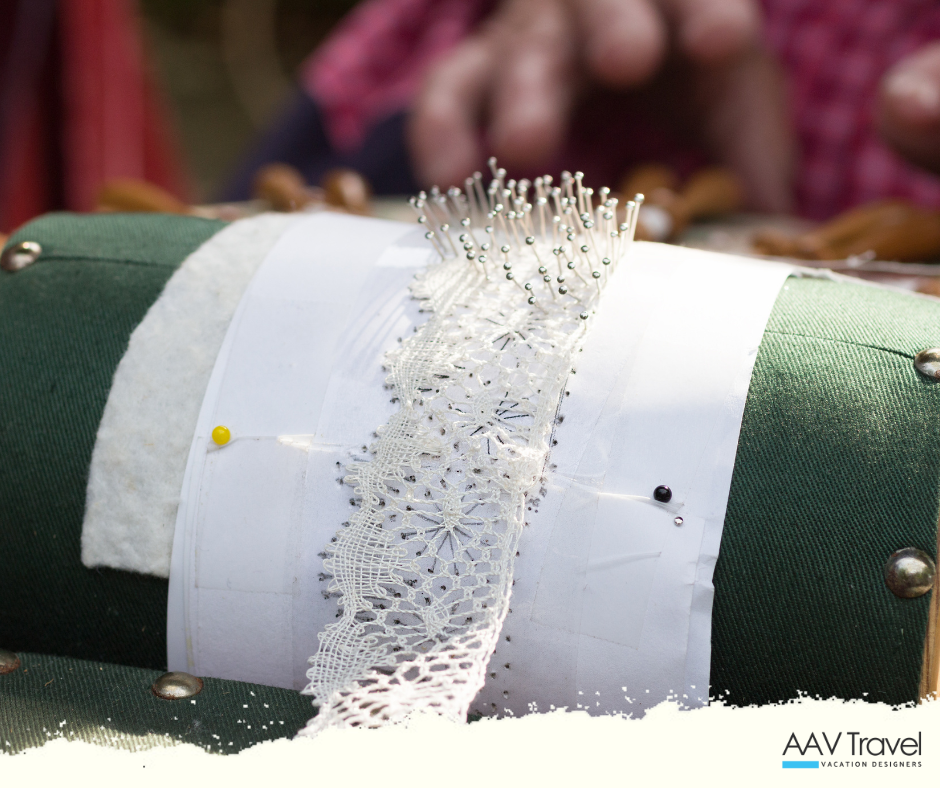
Lacemaker in Le Puy-en-Velay, France, skillfully using bobbins and threads to create intricate handmade lace patterns—an endangered French textile tradition supported by cultural tourism and artisan workshops

In the small town of Le Puy-en-Velay, France, lacemaking is a delicate dance of hands and bobbins. Known for its intricate patterns and light, airy designs, Le Puy lace was once coveted by European nobility. Today, mechanized production and limited demand for hand-stitched lace threaten the survival of this art.

For a meaningful encounter, visit the Lace Center (Centre d’Enseignement de la Dentelle) in Le Puy where artisans demonstrate traditional techniques. Small group workshops let visitors try their hand at lace-making, and the boutique offers authentic pieces perfect for heirloom keepsakes. By purchasing directly from the center or from certified artisans, you help sustain this fragile tradition.

Turkey | Iznik Pottery: Ottoman Colors in Ceramic Form

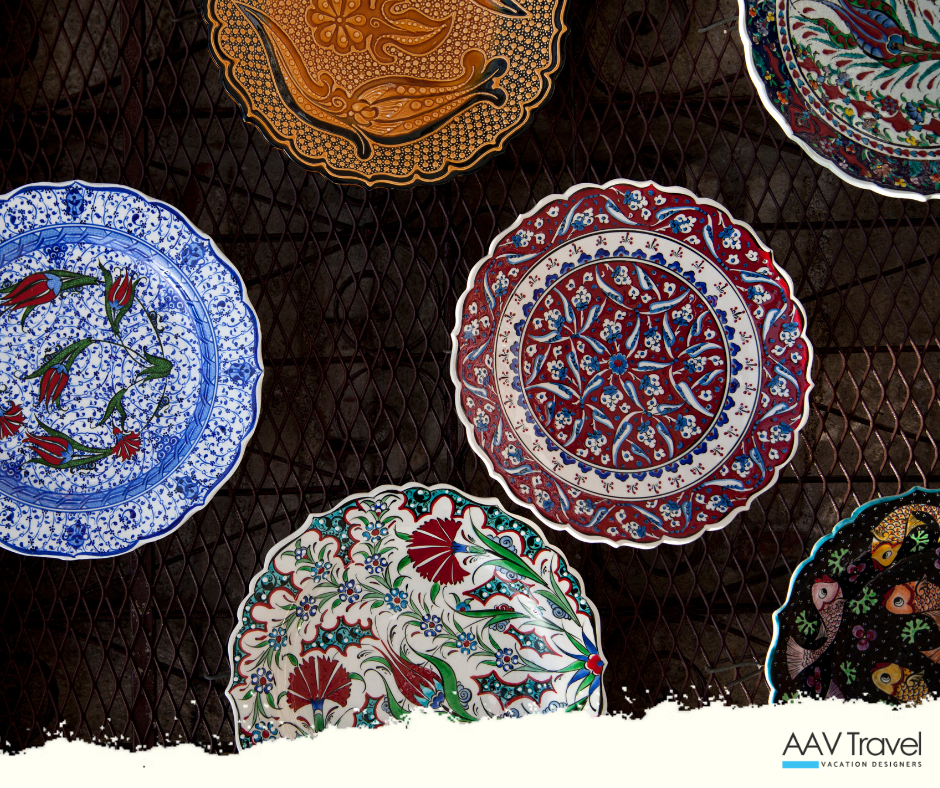
Turkish ceramic artist painting traditional Ottoman floral patterns onto Iznik pottery.

Iznik pottery, with its luminous white glaze and rich blue-and-red floral motifs, graced Ottoman palaces and mosques for centuries. The techniques used—multiple firings and natural pigments—require time, patience, and great skill. Sadly, the craft declined for nearly 300 years and only experienced a revival in the late 20th century. Even now, few workshops continue the painstaking process.

In Iznik and Istanbul, travelers can visit studios where artists explain the chemistry behind the colors and allow guests to paint their own tiles. Supporting workshops committed to traditional methods—rather than mass-produced imitations—ensures that your purchase supports true artisanship. Always ask about the production process when shopping for Iznik pieces.

Spain | Esparto Grass Weaving: Rustic Mediterranean Charm

Artisan in Andalusia, Spain, hand-weaving traditional esparto grass into baskets and home décor—an endangered Mediterranean craft preserved through sustainable tourism and cultural workshops.

Esparto grass weaving, a craft deeply rooted in rural Spain (especially Andalusia and Murcia), has long been used to make baskets, mats, and even architectural elements like doors and walls. As synthetic materials and modern manufacturing took hold, demand for esparto goods dwindled, and with it, the number of skilled weavers.

Travelers can take part in community-led workshops where elderly artisans share their knowledge. Purchasing handwoven baskets, wall decor, or even contemporary design pieces directly from these artisans ensures your support goes where it’s needed most. Look for collectives that are part of regional heritage preservation initiatives for authentic, ethically made items.

Travel Deeper: Authentic Cultural Experiences and Artisan Connections—Curated by AAV Travel

Traditional craft workshop, a authentic and enriching experience for the whole family.

At AAV Travel, we don’t just book trips—we craft meaningful journeys that immerse you in the heart of a destination’s living culture. When you partner with us, you gain access to trusted local artisans, private studio visits, authentic workshops, and ethically curated shopping experiences. We work closely with our ground partners to ensure your cultural encounters are respectful, responsible, and unforgettable—allowing you to bring home more than just beautiful objects, but stories that sustain both heritage and hope for the future.

At AAV Travel, we believe in the power of slow and sustainable travel. Rather than rushing from one landmark to the next or simply checking destinations off a list, we encourage our travelers to approach each journey with curiosity and intention. Taking the time to connect with local people, understand their traditions, and experience the craftsmanship that has shaped their communities adds a depth and richness that no checklist can offer. It’s about meaningful moments—learning how a piece of Harris Tweed comes to life on a loom, shaping your own hanji paper, or hearing the stories behind Murano’s glass furnaces. These immersive experiences not only create lasting memories but also contribute to the preservation of cultural heritage for generations to come.

Written by: Stefanie P.
To start planning, contact us via email at info@aav-travel.com or visit the website.

A Visit to Barcelona

When my friend asked me late last year if I wanted to join her on a trip to Barcelona I did not hesitate. Not only had I been fascinated by the city I visited over 20 years ago for just one day, but also had I received more and more client requests for this area. Movies like Vicky Cristina Barcelona and the fact that Barcelona is a major departure port for Mediterranean cruises has increasingly put the city on a map. Trust me, the trip and city did not disappoint!

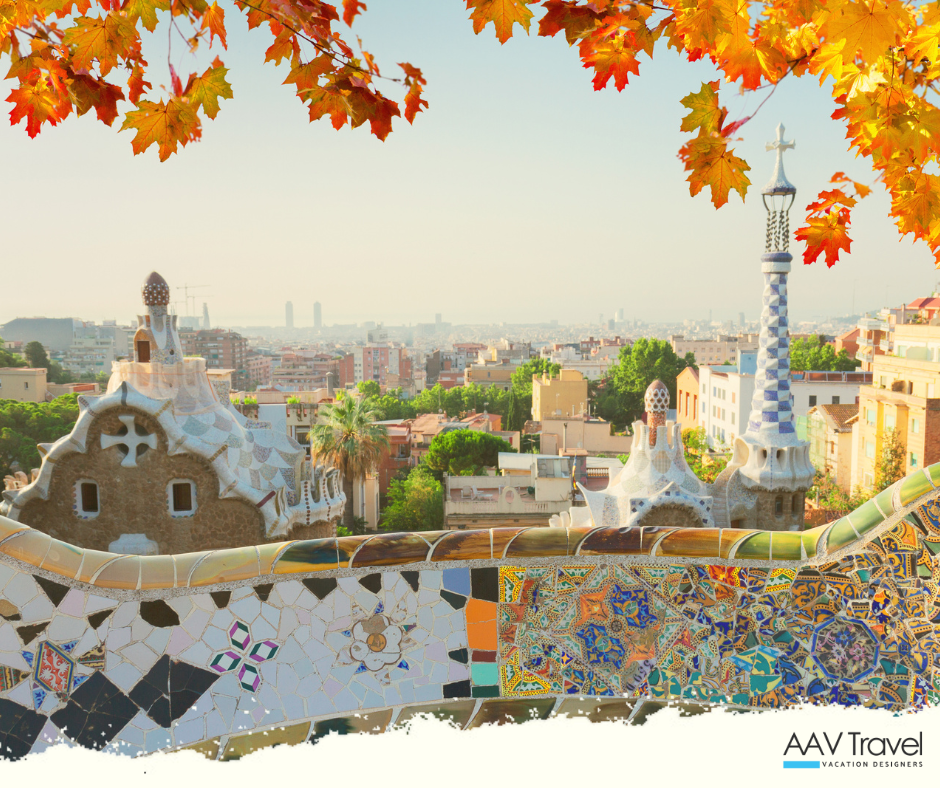
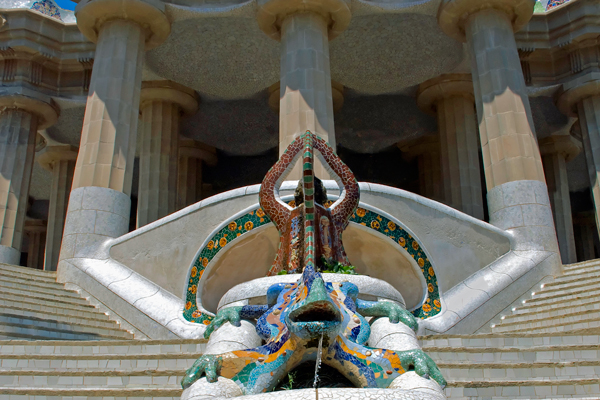
park guell barcelona aavtravelDespite it being early spring (mid-March) the temperatures were fairly comfortable and the weather quite good. Although it is considered off-season, the city was packed with tourists from Europe, particularly lots of student groups.

Barcelona has come a long way in its recent years. It is a very creative and passionate place. Despite its multicultural appearance few English is spoken and we found ourselves in quite a few funny situations.

One of the main challenges are the streets and numbers. Once you find your path thru the maze of streets and squares, success is not guaranteed, as house number do not follow any particular rule. Sometimes number 3 is next to number 550, and some buildings have no numbers at all. We quickly learnt that the key to success was knowing your cross streets.

There are lots of things to see and do in Barcelona. The main attractions, e.g. Sagrada Familia, Balto House, Picasso museum, Guell Park can be visited in 1 to 2 days. Apart from these wonderful sites, Barcelona is famous for its phenomenal nightlife.

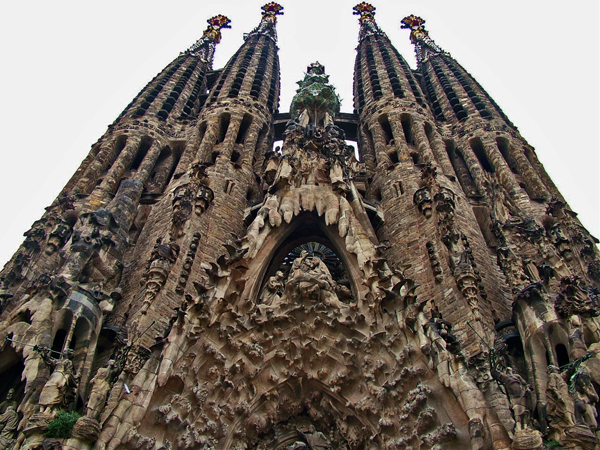
sagrada familia barcelona aavtravelTaking advantage of our jet lag (EST – 6 hours behind) it was easy for us to go to dinner at 9pm and then check out the different bars and locales. Some of the coolest things we did was eating Calçots at Can Xurrades and then strolling the Gracia neighborhood, famous for it bars and restaurants where you can find locals and expatriates mingle until the early morning. We also went to the Aire de Barcelona, an old restored Roman hammam (bathhouse) for a 10pm to midnight session. It was fairly strange to receive a 10pm massage and then soak in different baths until midnight. What was even weirder, is that some people came in at midnight and stayed until 2am. Another event not to miss is an evening of Flamenco, we were enchanted by the performers at Palau de Musica.

In addition to Barcelona itself there are a few easy day trips that you can do. My top would be Sitges. It is a small picturesque town along the coast which can be reached in about 30 minutes by train from Barcelona. Sitges is a very cute town with excellent shops and a very nice beachfront where you will find plenty of restaurants to sit outside and soak up the sun. Some of the best Paella is served at Cal Pinxo.
sitges barcelona aavtravelThere would be much more to tell but I think everybody should make their own experience. However, these are my main tips and conclusions:

  • Getting from the airport to town is easy and takes about 30 minutes. The cab is probably the most convenient way and at EUR 30 reasonably priced. Know where you go though as language can be an issue.
  • Cab fares are generally low and offer a great way to get around town particularly for shorter distances. The subway is EUR 2 per person/way and if you are only going 2 stops a cab for 2 is usually equal to that (EUR 4).
  • Study your map before you go and know where you want to go. It will come in handy.
  • Barcelona is generally safe, even at night. We walked around a lot, even late at night and had no issues. The only place I felt unsafe was walking the beach front between Hotel Arts and the W at night. Everybody will warn you about pick pocketing. Keep your purses close and make sure they are zipped close.
  • Try to get off the beaten tourist path. It is so worth it. Not only are you going to have much more fun (the Spanish are super friendly and fun) but you are also going to pay way less.
  • Spaniards are passionate. There is a lot of public display of affection.
  • Make friends with some English speaking locals and have them give you tips. Alberto Jimenez at the Mandarin Oriental and Jordi Baldó from the Soho Hotel both proved to be great resources.
  • Know your cross streets and do not rely on the cab driver to know your hotel and its location.
  • Try Cava. This Spanish sparkling wine is delicious, inexpensive and there are lots and lots of different brands to try.
  • It is not always easy to find “free wi-fi”. That being said, if you heavily rely on it, pick a hotel that offers wi-fi.

To start planning, contact us via email at info@aav-travel.com or visit the website.
Written by: Stefanie P.