Cultural Curations of 2026: Europe’s Most Anticipated Museum Openings and What They Reveal About Thoughtful Travel

There are years when travel feels driven by novelty for novelty’s sake, and then there are years when change feels quieter, more deliberate, and far more meaningful. 2026 is shaping up to be the latter, particularly across Europe’s cultural landscape. A series of museum openings and reimagined cultural institutions are not simply adding new attractions to the map; they are reshaping how places tell their stories and how travelers are invited to engage with them.

For travelers who value context over checklists and depth over speed, these openings offer something rare: the chance to experience destinations at moments of thoughtful reinvention. Museums are, after all, mirrors of a society’s values. Where and how a country chooses to invest in culture reveals far more than any ranking or headline ever could.
What follows is not a list of “must-sees,” but a curated look at how Europe’s most anticipated museum openings in 2026 can anchor journeys designed with intention, balance, and discernment.

In Budapest, the long-anticipated House of Hungarian Music continues to redefine how cultural spaces can blend architecture, sound, and landscape. Set within the historic City Park, the museum is less about static displays and more about immersive storytelling, inviting visitors to understand Hungarian identity through rhythm, folk traditions, and contemporary interpretation. It is the kind of place that rewards unhurried exploration, ideally paired with time spent in Budapest’s café culture, thermal baths, and lesser-visited residential neighborhoods where daily life unfolds slowly and with character. This is cultural travel as immersion rather than observation.

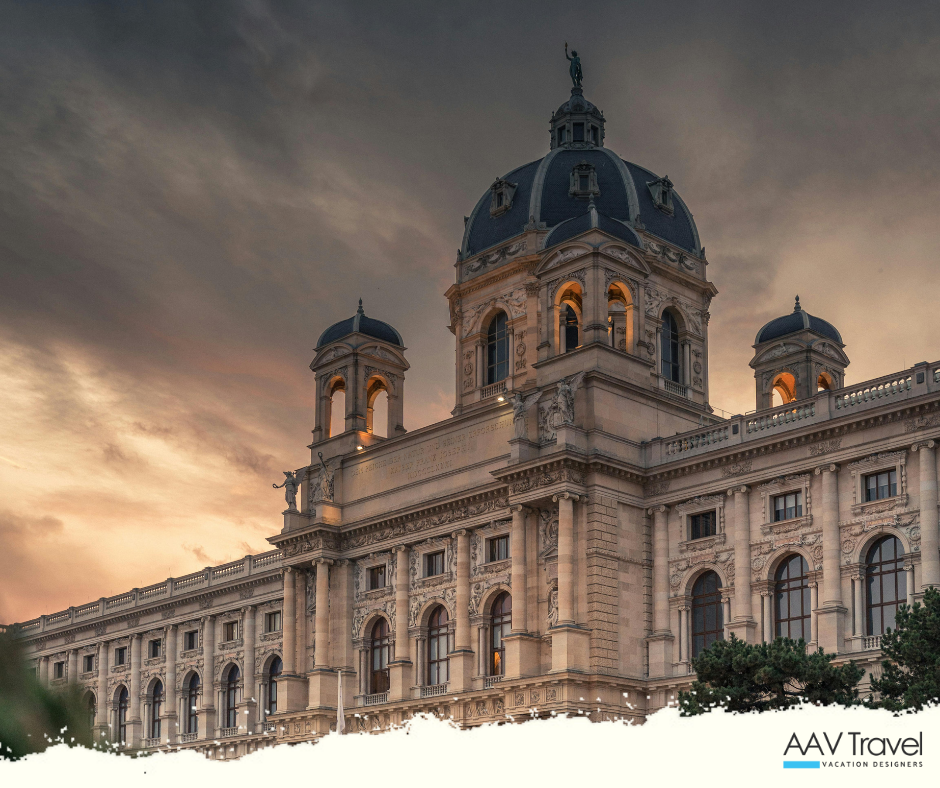
Further west, Paris continues its steady evolution as a city that honors its past while reshaping its future. In 2026, newly reimagined museum spaces and expanded exhibition halls are placing renewed emphasis on underrepresented narratives, contemporary voices, and global connections. These developments subtly shift the experience of Paris away from the greatest-hits circuit and toward a more layered understanding of the city’s role in a changing cultural world. Travelers who build time into their itineraries for temporary exhibitions and smaller satellite museums often find these experiences more revealing than the iconic stops they may have visited decades earlier.

In Scandinavia, cultural investment is increasingly tied to sustainability and social reflection. New museum openings in cities such as Copenhagen and Oslo are designed not only to display art and history but to function as civic spaces, blending public gathering areas, waterfront access, and thoughtful architectural design. These are places meant to be lived in, not rushed through. When approached as part of a slower Nordic journey, perhaps combined with coastal travel or countryside stays, they offer insight into how modern European societies think about community, design, and balance.
Southern Europe, too, is seeing a shift in how heritage is presented. In Italy and Spain, several museum projects coming to fruition in 2026 focus on regional identity rather than national narratives. Smaller cities and secondary destinations are investing in institutions that celebrate local craft, archaeology, and cultural continuity. For travelers, this opens the door to itineraries that move beyond the obvious cities and into places where history feels personal and grounded. A museum visit becomes a gateway to conversations with local artisans, family-run trattorias, and landscapes shaped by centuries of tradition.

These developments reflect a broader truth about cultural travel today: museums are no longer standalone attractions. They are anchors. When thoughtfully integrated into an itinerary, they provide a framework for understanding a destination’s past, present, and aspirations for the future. They also influence pacing. A morning spent in a carefully curated exhibition often naturally leads to a slower afternoon, perhaps lingering over lunch, wandering without agenda, or returning for an evening performance or lecture connected to the museum’s theme.

For travelers accustomed to moving quickly, this shift can feel unfamiliar at first. Yet those who allow their journeys to be shaped by cultural context often find their experiences richer and more resonant. A museum opening year, in particular, carries a certain energy. There is pride, conversation, and a sense of shared anticipation that can be felt well beyond the museum walls.
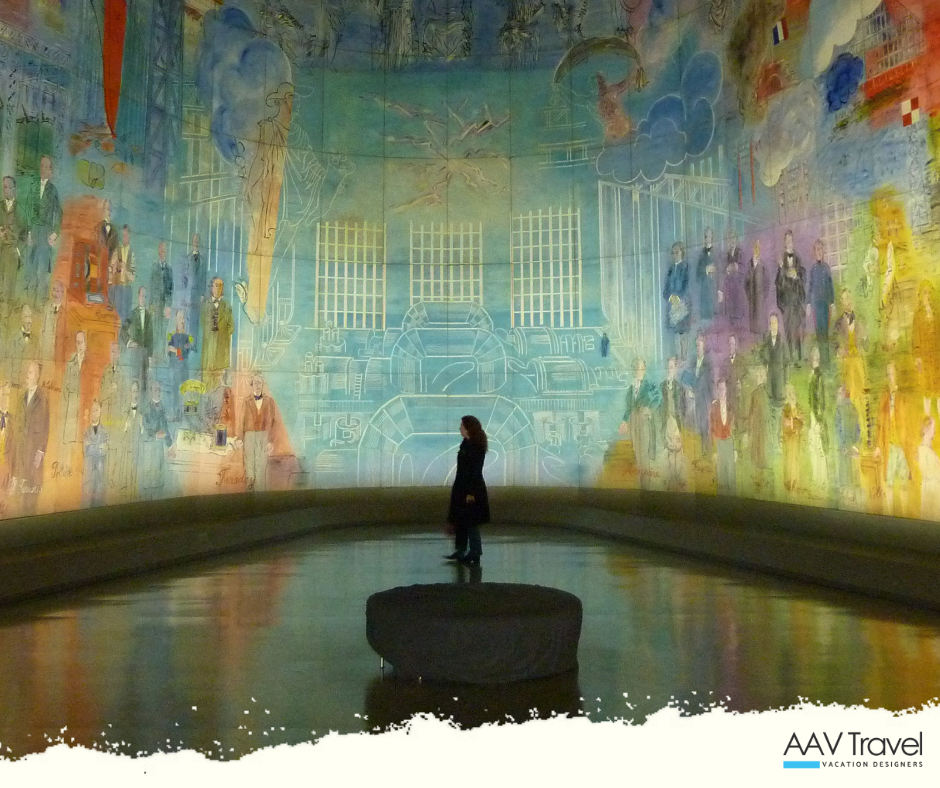
While Europe leads the conversation in 2026, similar patterns are emerging elsewhere. In Australia, cultural institutions continue to deepen their engagement with Indigenous narratives, emphasizing consultation, authenticity, and long-term stewardship. New museum spaces and expanded exhibitions in cities like Sydney and Melbourne are designed to encourage reflection rather than spectacle, inviting visitors to understand place through time, land, and lived experience. When paired with regional travel, whether along the coast or into wine country, these museums add essential context to the Australian story.

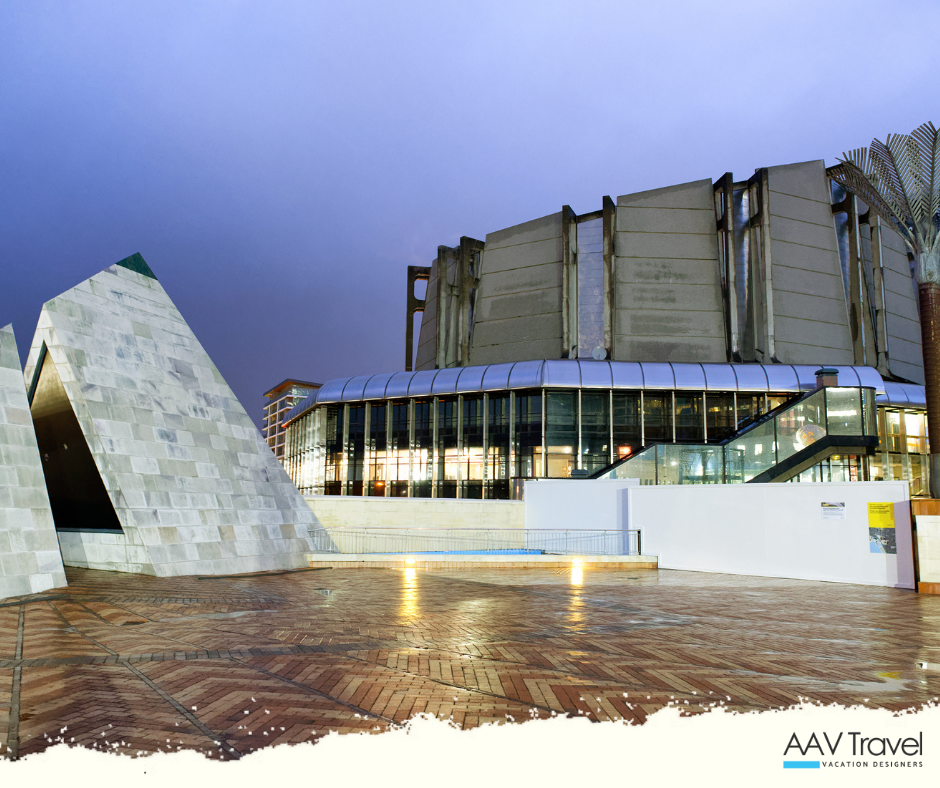
New Zealand’s cultural landscape follows a similarly thoughtful path. Museum developments and reinterpretations increasingly center Māori perspectives, weaving language, art, and ancestral knowledge into immersive experiences. For travelers, these spaces provide grounding before venturing into the country’s dramatic natural environments. Understanding cultural foundations first often transforms how landscapes are perceived and appreciated.
What all of these developments share is an emphasis on intentionality. The most compelling cultural journeys of 2026 will not be about seeing more, but about seeing better. They will be designed around moments that invite reflection, conversation, and a genuine sense of place.

This approach requires judgment. Not every new opening deserves equal attention, and not every trip benefits from constant stimulation. The art lies in knowing when a museum should be the centerpiece of a journey and when it should simply offer a quiet lens through which to understand a destination more deeply. It also requires thoughtful timing, avoiding peak moments when possible and allowing space for experiences to unfold naturally.

For travelers who value calm authority in planning, this is where expert guidance becomes quietly invaluable. Cultural openings often come with logistical nuances, from timed entry systems and limited exhibitions to neighborhood transformations that affect where one stays and how one moves through a city. Navigating these details with foresight ensures that cultural travel remains enriching rather than overwhelming.
As Europe and the wider world step into 2026, the most rewarding journeys will be those shaped by curiosity, patience, and discernment. Museums, at their best, do not demand attention. They invite it. And when woven thoughtfully into a broader journey, they can transform travel from a sequence of stops into a cohesive, meaningful experience.

If you are considering travel in 2026 and find yourself drawn to culture, history, and places in moments of thoughtful evolution, an intentional conversation can help shape a journey that reflects not just where you want to go but how you want to experience it. At AAV Travel, these conversations focus on pacing, judgment, and thoughtful travel design, ensuring that each journey feels seamless, grounded, and deeply personal. You are always welcome to explore what that might look like by visiting www.aav-travel.com or reaching out directly at info@aav-travel.com.

Written by: Stefanie P.

Why Australia Takes Time: Planning a Trip That Leaves You Awestruck

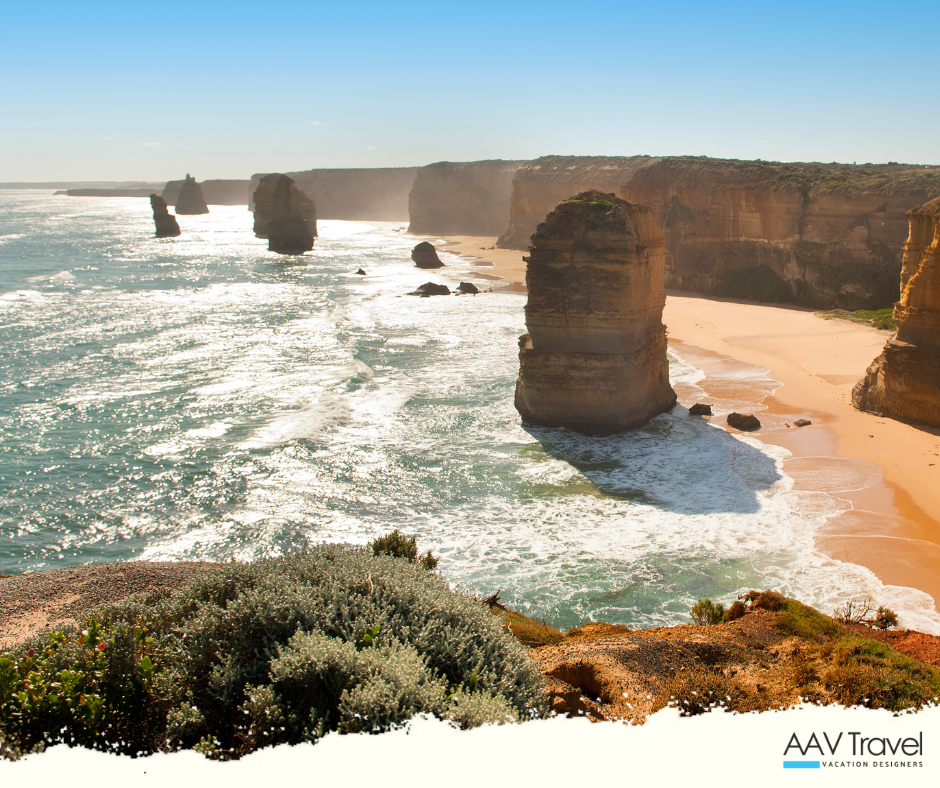
There’s something undeniably magnetic about Australia. It’s a place that demands time, both to get there and to truly take it in—but every mile traveled across the oceans is more than rewarded. From the moment you step off the plane, you feel it: the vastness, the freedom, and the pulse of a land that has been millions of years in the making. Australia isn’t just another country to check off a list; it’s an adventure in its own right, one that invites you to slow down, explore, and marvel at sights you won’t find anywhere else in the world.

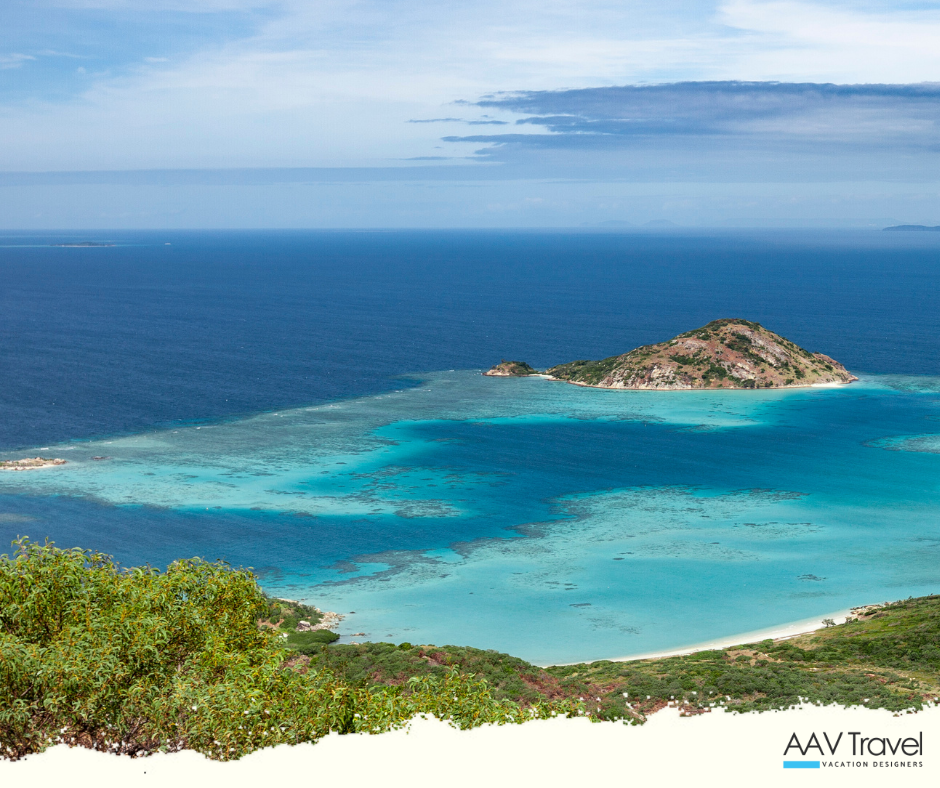
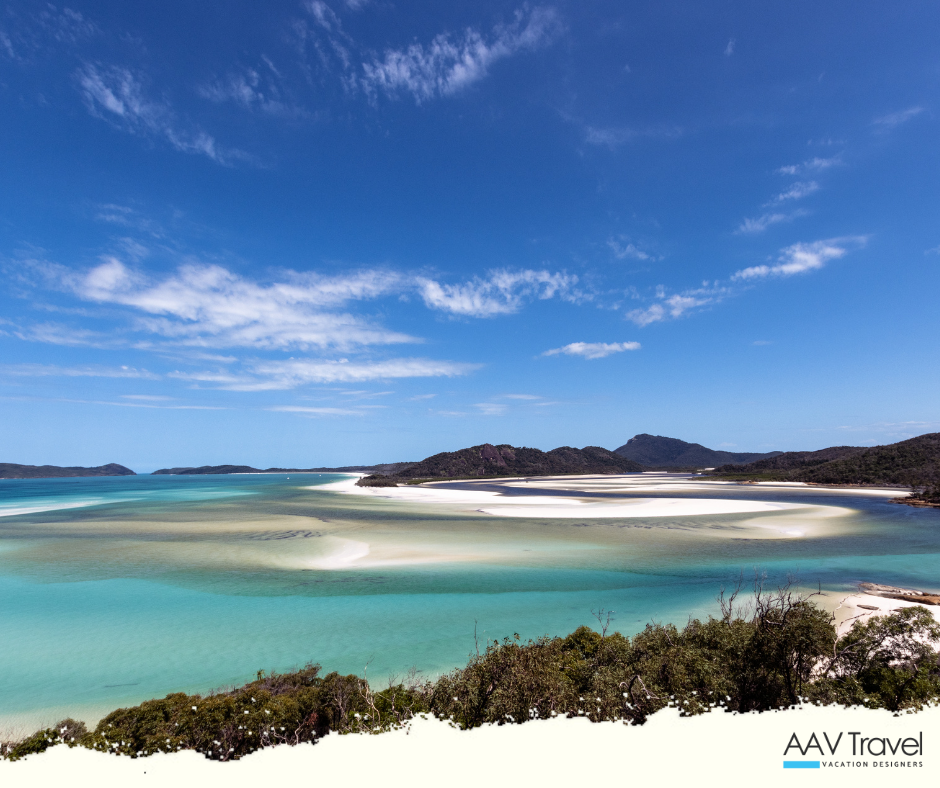
The landscapes alone make it a journey worth every hour of the flight. Imagine standing before Uluru at sunset, the massive sandstone monolith glowing a deep, fiery red, its contours shifting with the fading light. It’s a moment that photography can’t fully capture—you simply have to be there. Or picture walking along the white sands of Fraser Island, the largest sand island on Earth, where freshwater lakes sparkle amidst windswept dunes and wild dingoes wander freely. And then there’s the Great Barrier Reef, a kaleidoscope of coral and marine life so vast that it’s visible from space. Snorkeling or diving here is like entering an entirely different universe, teeming with creatures that exist nowhere in the continental U.S.—giant clams, rainbow-colored fish, and the occasional graceful sea turtle gliding past.

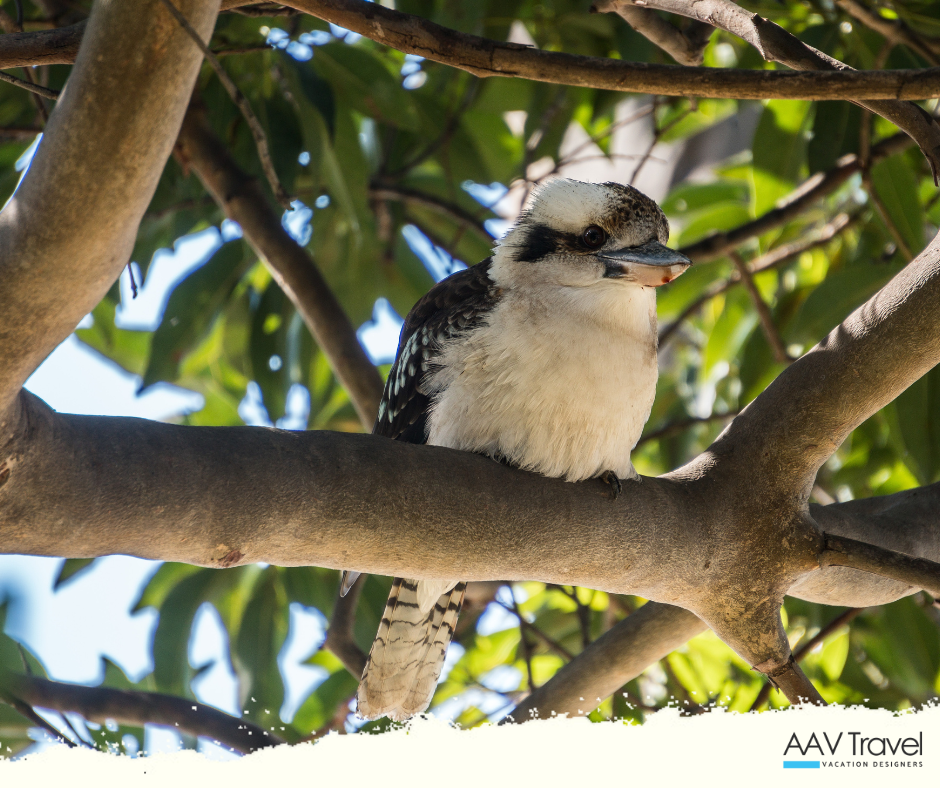
Australia’s wildlife is just as unique as its scenery. In the U.S., you might spot deer or eagles, but here, kangaroos bound across the outback, koalas cling lazily to eucalyptus trees, and the odd platypus glides silently through the water. Even a casual walk through Tasmania or Queensland can feel like stepping into a nature documentary, with species you’ve only ever seen in books or on screens. There’s a magic in watching a quokka’s cheeky grin or spotting a wombat waddling along a forest trail—a gentle reminder that Australia’s ecosystems are unlike any other.

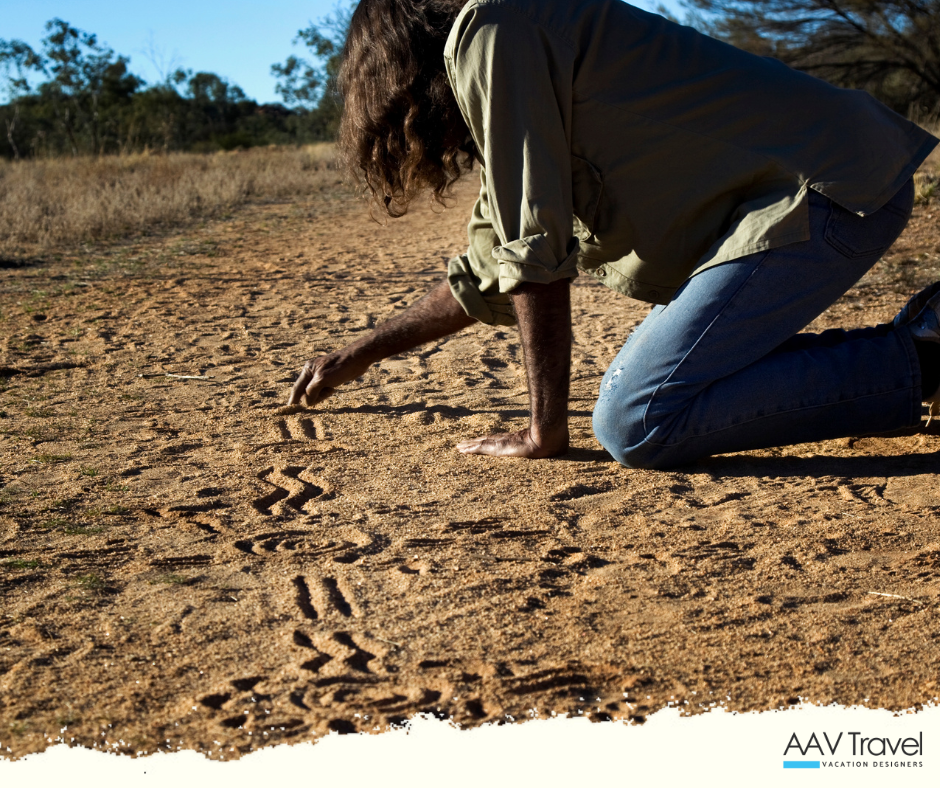
And then there’s the human story, one that stretches back tens of thousands of years. Aboriginal culture is woven into the land itself, from the ancient rock art of Kakadu and Arnhem Land to the Dreamtime stories that explain creation, survival, and the rhythms of nature. Experiencing these stories firsthand—learning to forage bush foods, listening to traditional songs, or simply standing in the quiet majesty of a sacred site—is both humbling and unforgettable. It’s a perspective you won’t find anywhere else and one that adds a profound depth to your journey.

Australia is vast, wild, and endlessly surprising. It’s not a destination for a weekend getaway or a rushed itinerary—it’s a place that calls for curiosity, patience, and a spirit of adventure. But once you’ve wandered its beaches, hiked its rainforests, met its animals, and heard the whispers of its oldest cultures, you realize that every hour spent traveling there was more than worth it. It’s a land that stays with you long after you’ve left its shores, inviting you to dream of the next visit even before the plane touches down.

One of the first things we tell our clients about Australia is that distance here is no small detail. The country is enormous—roughly the size of the continental U.S.—and the main highlights are often separated by thousands of miles.

A quick hop from Sydney to the Great Barrier Reef or from Melbourne to Uluru can eat up hours of your day in transit, leaving less time to actually experience the magic at each destination. If you try to cram too much into a short trip, you risk spending more time on planes and in airports than exploring the beaches, rainforests, or outback landscapes that make Australia truly unforgettable. To savor it properly, a slower pace is essential—one that allows you to linger in each place, soak in the unique wildlife, and feel the rhythm of a land that unfolds on its own time.

On top of the distances, Australia spans multiple climate zones—from tropical north to temperate south and arid interior—so timing your trip matters. Visiting the wrong region in the wrong season can mean extreme heat in the Outback, wet-season rains in the tropics, or chilly, unpredictable weather in the southern cities, which can affect what you’re able to see and do.

Crafting Your Own Australian Adventure

What you choose to focus on in Australia—what you truly want to experience—makes all the difference. This isn’t a place to just tick off the “usual suspects”; it’s a country that rewards curiosity, openness, and a sense of wonder. Having someone who’s actually walked the red sands, paddled the crystal waters, and wandered the rainforests can make all the difference in shaping a journey that feels uniquely yours.

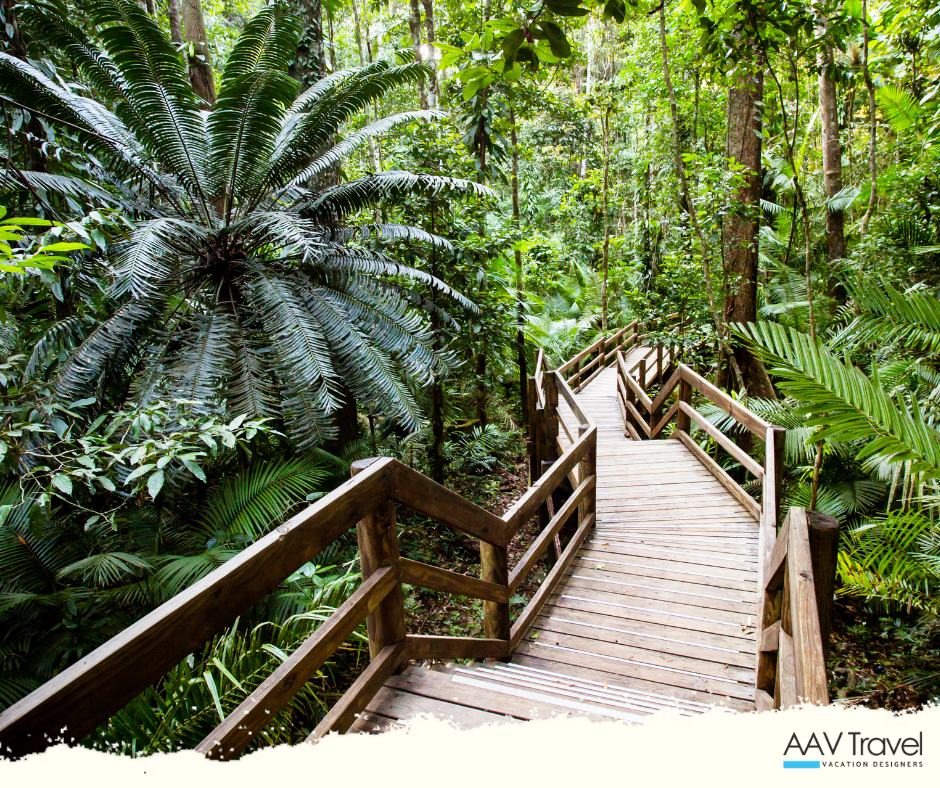
For me, one of the most unforgettable experiences was exploring the Daintree Rainforest with an Aboriginal guide. It wasn’t just about seeing towering ferns and ancient trees—it was about listening to the stories woven into the land, learning which plants provide food, medicine, or shelter, and understanding what it means to grow up immersed in this living landscape. There’s a rhythm to the rainforest, a quiet intelligence, that you can only truly feel when someone who knows it intimately is sharing it with you.

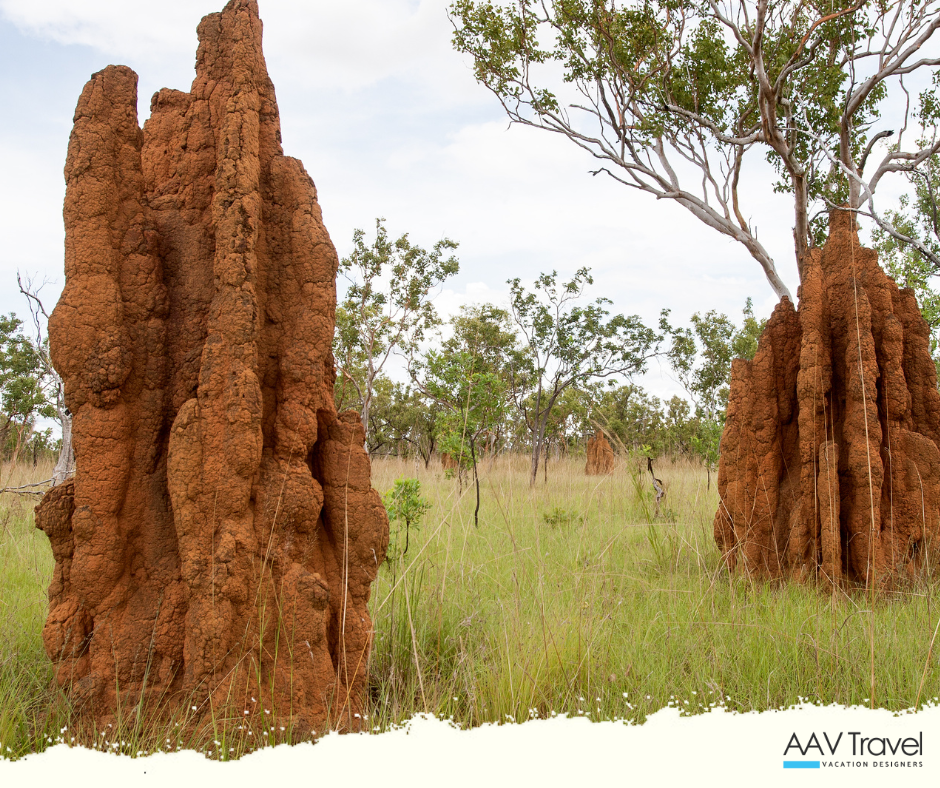
Contrast that with the raw, unforgiving beauty of the Northern Territory, where the heat presses down like nothing else you’ve felt, and crocodiles reign supreme in the rivers. Here, the landscape commands respect: the dust swirls in the wind, the flies seem endless, and the land feels both ancient and ferocious. It’s a face-to-face encounter with nature at its most untamed, and it leaves you humbled, exhilarated, and more alive than you expected.

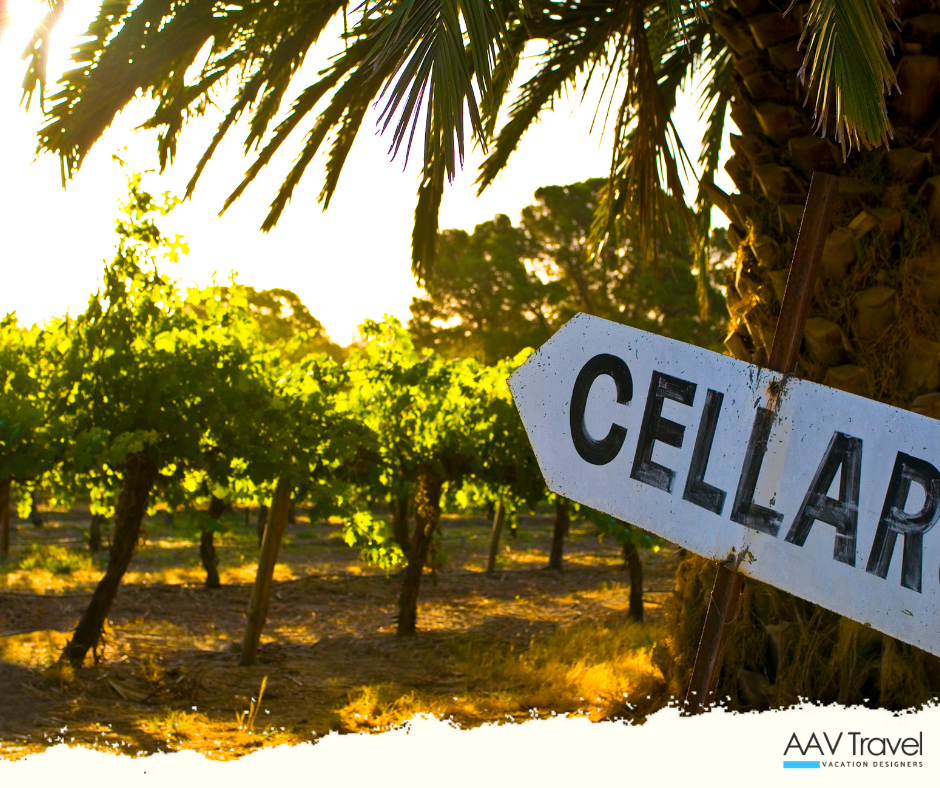
And then there are the moments of serene pleasure, the small joys that balance the intensity: a balmy evening in a vineyard, sipping crisp, locally made wine while savoring farm-to-table cuisine as the sun sets over rolling hills; or dining seaside on freshly caught barracuda, waves crashing nearby, surfers carving the waves, and the salty air blending with the aroma of your meal. Even a simple pause in the Red Center, enjoying an ice-cold beer in a frosted glass under a blazing sun, becomes a moment you’ll remember for years.

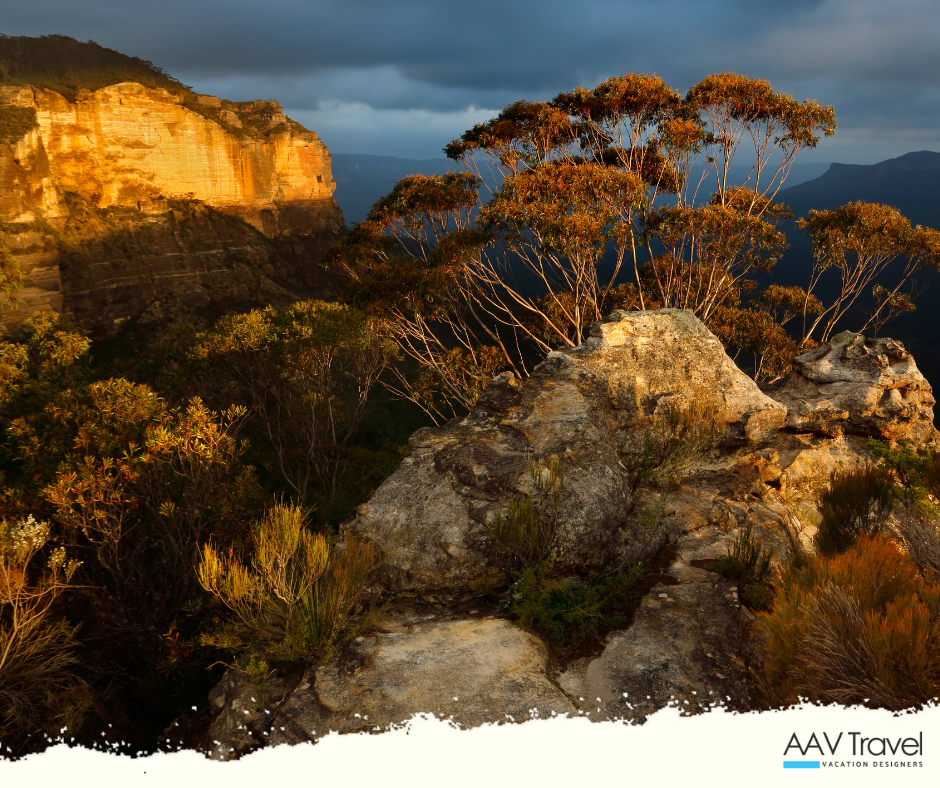
And everywhere you look, life bursts in color: brightly plumed birds flitting between gum trees, curious marsupials peeking out from the brush, and the rich palette of the land itself—from ochre deserts to turquoise waters. These are the memories that linger, the details you’ll carry with you long after you leave. Australia is not just a destination; it’s an emotional, sensory, and deeply personal journey, and how you choose to navigate it shapes what you take home.

Giving Yourself Time to Truly Experience Australia

If there’s one thing I’ve learned from traveling across Australia, it’s that time is your greatest ally. Ten days might be the absolute minimum to scratch the surface, but to truly feel the heartbeat of this vast, diverse country, three weeks or more is ideal. With enough time, you can linger in the rainforests, explore the rugged outback, dive into the reef, and savor quiet moments along the coastline—without feeling rushed from plane to plane, hotel to hotel. You’ll experience the land in a way that’s immersive, memorable, and profoundly rewarding.

This is also where working with a trusted advisor can make all the difference. At AAV Travel, we specialize in designing journeys that maximize your time, tailor experiences to your personal interests, and ensure you encounter the Australia that most resonates with you. From arranging unique wildlife encounters to guiding you through hidden corners of the outback or connecting you with local cultural experiences, we take care of the details so that every day is meaningful and seamless. The result is not just a trip—but a deeply authentic adventure, where you feel fully present and enriched at every turn.

Because Australia deserves more than a checklist—it deserves your curiosity, your time, and a guide who knows how to turn those hours into memories that last a lifetime.

If Australia is calling to you, now is the perfect time to start planning a journey that’s truly your own. Let us help you craft an experience where every moment matters, and every memory lasts a lifetime. To begin planning, contact us via email at info@aav-travel.com or visit the website.

Written by: Stefanie P.