Cultural Curations of 2026: Europe’s Most Anticipated Museum Openings and What They Reveal About Thoughtful Travel

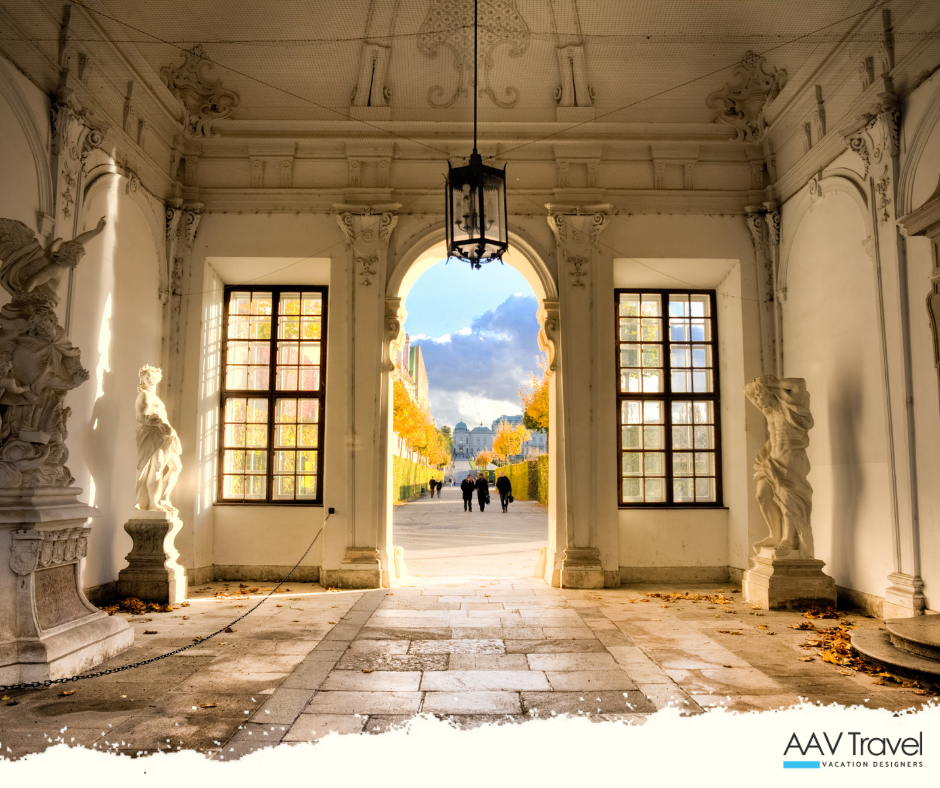
There are years when travel feels driven by novelty for novelty’s sake, and then there are years when change feels quieter, more deliberate, and far more meaningful. 2026 is shaping up to be the latter, particularly across Europe’s cultural landscape. A series of museum openings and reimagined cultural institutions are not simply adding new attractions to the map; they are reshaping how places tell their stories and how travelers are invited to engage with them.

For travelers who value context over checklists and depth over speed, these openings offer something rare: the chance to experience destinations at moments of thoughtful reinvention. Museums are, after all, mirrors of a society’s values. Where and how a country chooses to invest in culture reveals far more than any ranking or headline ever could.
What follows is not a list of “must-sees,” but a curated look at how Europe’s most anticipated museum openings in 2026 can anchor journeys designed with intention, balance, and discernment.

In Budapest, the long-anticipated House of Hungarian Music continues to redefine how cultural spaces can blend architecture, sound, and landscape. Set within the historic City Park, the museum is less about static displays and more about immersive storytelling, inviting visitors to understand Hungarian identity through rhythm, folk traditions, and contemporary interpretation. It is the kind of place that rewards unhurried exploration, ideally paired with time spent in Budapest’s café culture, thermal baths, and lesser-visited residential neighborhoods where daily life unfolds slowly and with character. This is cultural travel as immersion rather than observation.

Further west, Paris continues its steady evolution as a city that honors its past while reshaping its future. In 2026, newly reimagined museum spaces and expanded exhibition halls are placing renewed emphasis on underrepresented narratives, contemporary voices, and global connections. These developments subtly shift the experience of Paris away from the greatest-hits circuit and toward a more layered understanding of the city’s role in a changing cultural world. Travelers who build time into their itineraries for temporary exhibitions and smaller satellite museums often find these experiences more revealing than the iconic stops they may have visited decades earlier.

In Scandinavia, cultural investment is increasingly tied to sustainability and social reflection. New museum openings in cities such as Copenhagen and Oslo are designed not only to display art and history but to function as civic spaces, blending public gathering areas, waterfront access, and thoughtful architectural design. These are places meant to be lived in, not rushed through. When approached as part of a slower Nordic journey, perhaps combined with coastal travel or countryside stays, they offer insight into how modern European societies think about community, design, and balance.
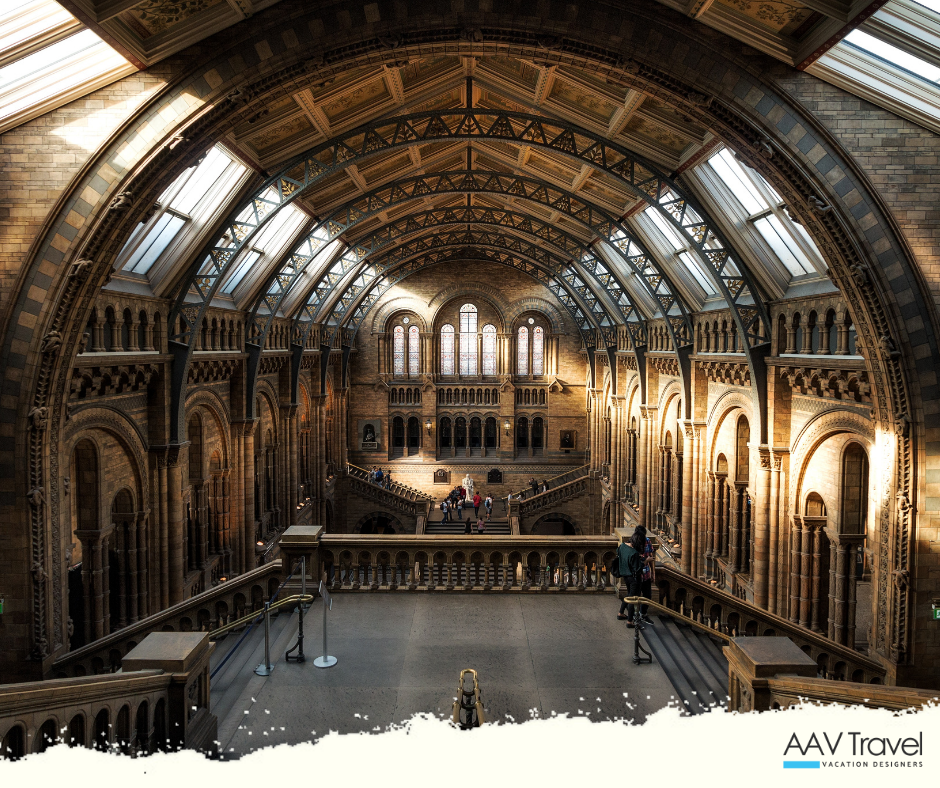
Southern Europe, too, is seeing a shift in how heritage is presented. In Italy and Spain, several museum projects coming to fruition in 2026 focus on regional identity rather than national narratives. Smaller cities and secondary destinations are investing in institutions that celebrate local craft, archaeology, and cultural continuity. For travelers, this opens the door to itineraries that move beyond the obvious cities and into places where history feels personal and grounded. A museum visit becomes a gateway to conversations with local artisans, family-run trattorias, and landscapes shaped by centuries of tradition.

These developments reflect a broader truth about cultural travel today: museums are no longer standalone attractions. They are anchors. When thoughtfully integrated into an itinerary, they provide a framework for understanding a destination’s past, present, and aspirations for the future. They also influence pacing. A morning spent in a carefully curated exhibition often naturally leads to a slower afternoon, perhaps lingering over lunch, wandering without agenda, or returning for an evening performance or lecture connected to the museum’s theme.

For travelers accustomed to moving quickly, this shift can feel unfamiliar at first. Yet those who allow their journeys to be shaped by cultural context often find their experiences richer and more resonant. A museum opening year, in particular, carries a certain energy. There is pride, conversation, and a sense of shared anticipation that can be felt well beyond the museum walls.
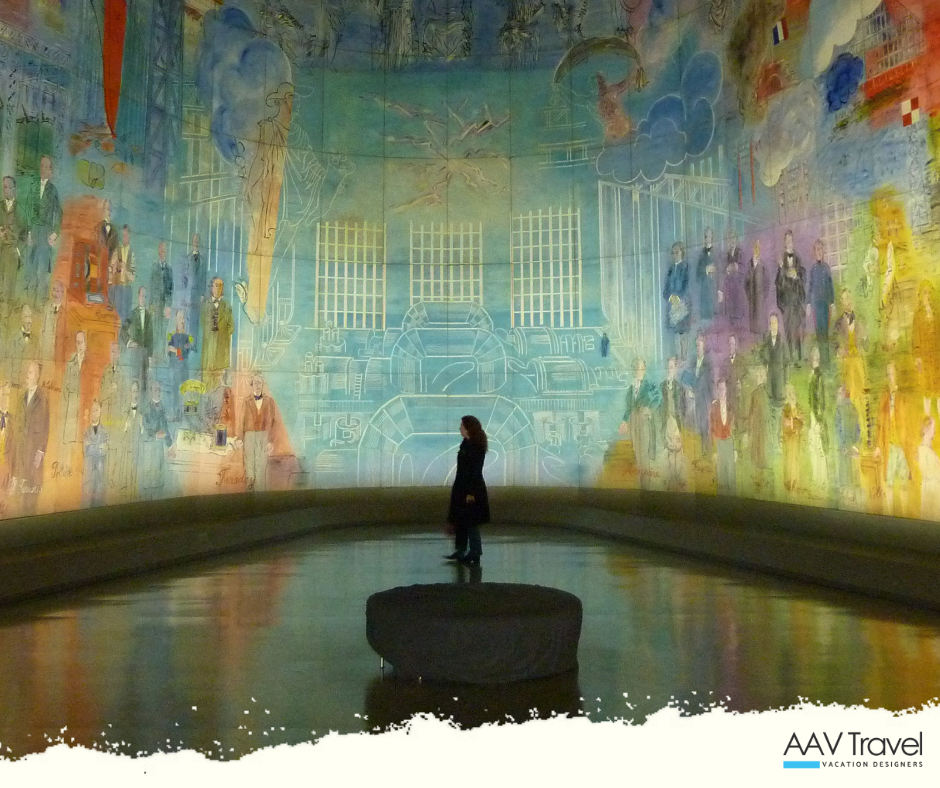
While Europe leads the conversation in 2026, similar patterns are emerging elsewhere. In Australia, cultural institutions continue to deepen their engagement with Indigenous narratives, emphasizing consultation, authenticity, and long-term stewardship. New museum spaces and expanded exhibitions in cities like Sydney and Melbourne are designed to encourage reflection rather than spectacle, inviting visitors to understand place through time, land, and lived experience. When paired with regional travel, whether along the coast or into wine country, these museums add essential context to the Australian story.

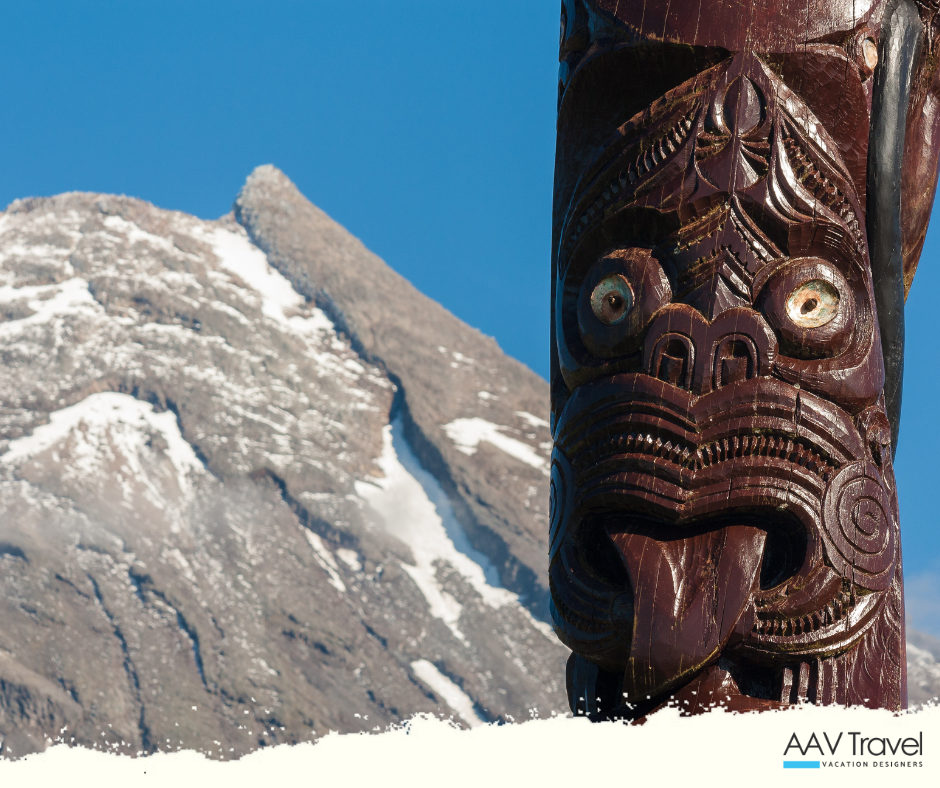
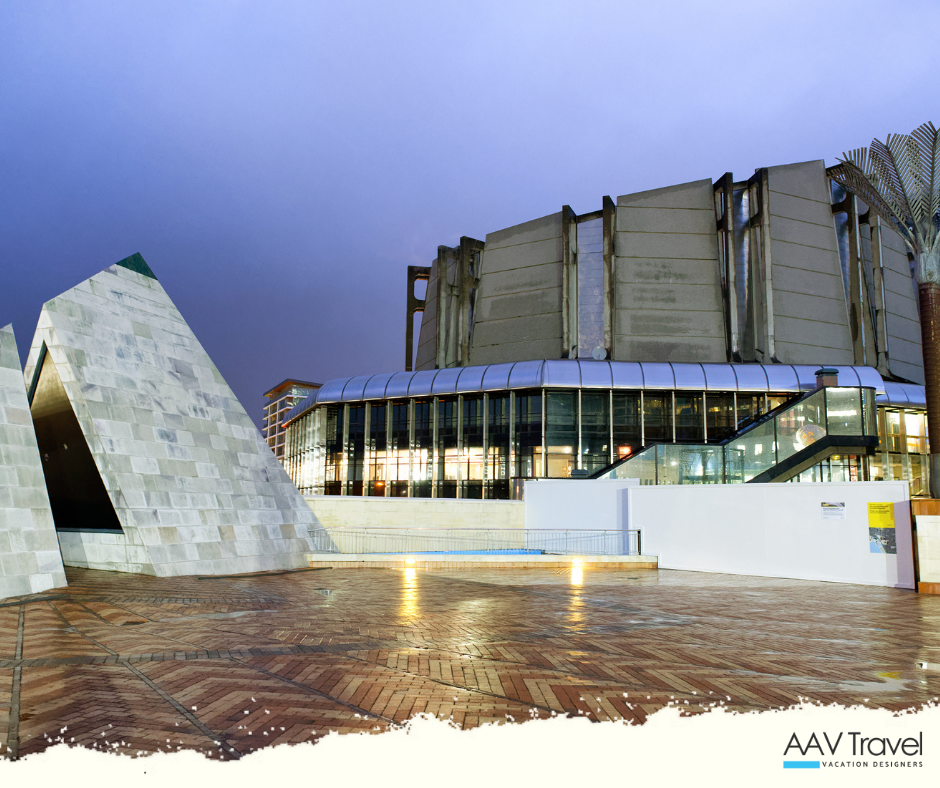
New Zealand’s cultural landscape follows a similarly thoughtful path. Museum developments and reinterpretations increasingly center Māori perspectives, weaving language, art, and ancestral knowledge into immersive experiences. For travelers, these spaces provide grounding before venturing into the country’s dramatic natural environments. Understanding cultural foundations first often transforms how landscapes are perceived and appreciated.
What all of these developments share is an emphasis on intentionality. The most compelling cultural journeys of 2026 will not be about seeing more, but about seeing better. They will be designed around moments that invite reflection, conversation, and a genuine sense of place.

This approach requires judgment. Not every new opening deserves equal attention, and not every trip benefits from constant stimulation. The art lies in knowing when a museum should be the centerpiece of a journey and when it should simply offer a quiet lens through which to understand a destination more deeply. It also requires thoughtful timing, avoiding peak moments when possible and allowing space for experiences to unfold naturally.

For travelers who value calm authority in planning, this is where expert guidance becomes quietly invaluable. Cultural openings often come with logistical nuances, from timed entry systems and limited exhibitions to neighborhood transformations that affect where one stays and how one moves through a city. Navigating these details with foresight ensures that cultural travel remains enriching rather than overwhelming.
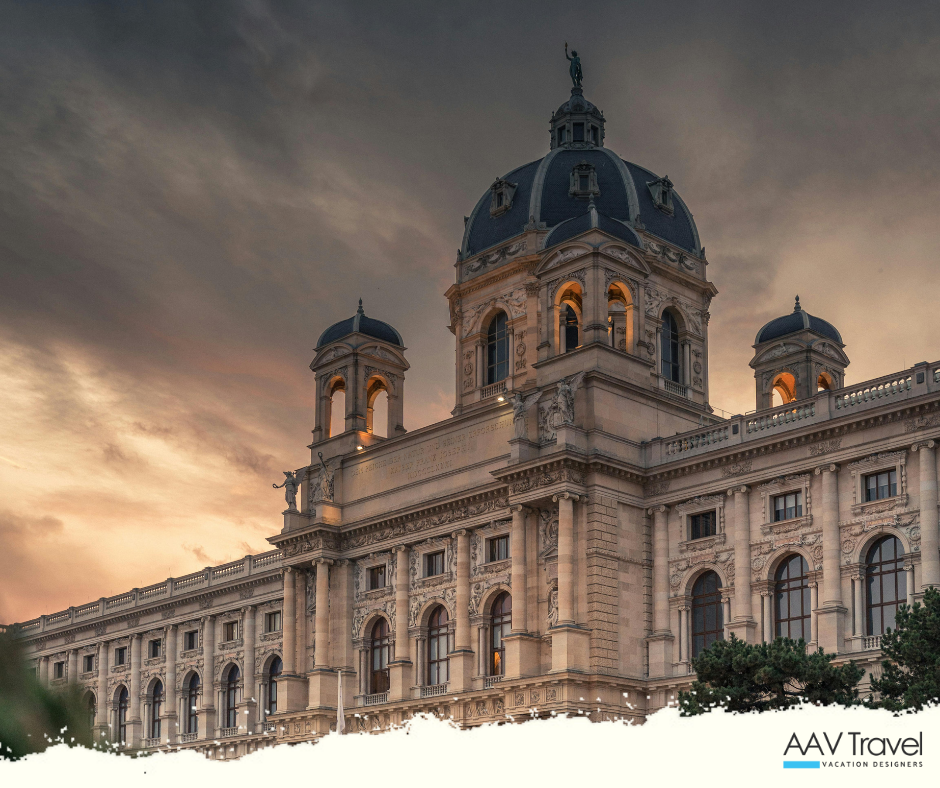
As Europe and the wider world step into 2026, the most rewarding journeys will be those shaped by curiosity, patience, and discernment. Museums, at their best, do not demand attention. They invite it. And when woven thoughtfully into a broader journey, they can transform travel from a sequence of stops into a cohesive, meaningful experience.

If you are considering travel in 2026 and find yourself drawn to culture, history, and places in moments of thoughtful evolution, an intentional conversation can help shape a journey that reflects not just where you want to go but how you want to experience it. At AAV Travel, these conversations focus on pacing, judgment, and thoughtful travel design, ensuring that each journey feels seamless, grounded, and deeply personal. You are always welcome to explore what that might look like by visiting www.aav-travel.com or reaching out directly at info@aav-travel.com.

Written by: Stefanie P.
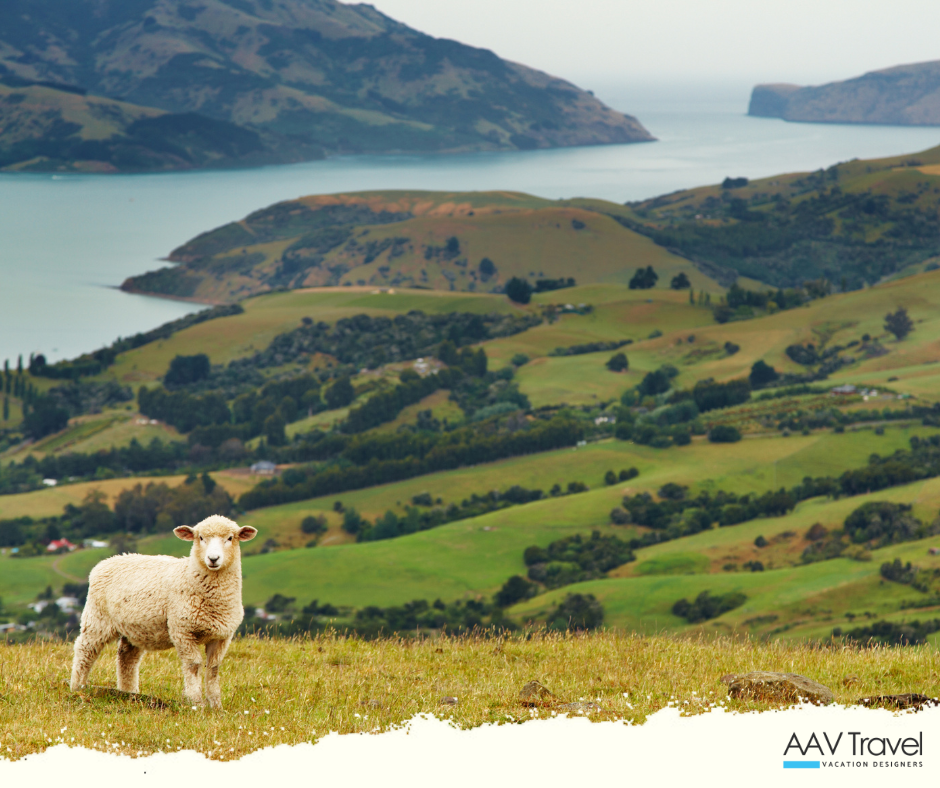
From Fjords to Vineyards: New Zealand’s Sophisticated Take on the Classic European Journey

For many seasoned luxury travelers, Europe is the natural choice — a place of fine wines, historic towns, and sweeping alpine vistas. But what if we told you there’s a destination just as refined, equally breathtaking, and often far less crowded? New Zealand offers everything you love about Europe — dramatic mountains, world-class vineyards, wellness retreats, and rich cultural encounters — with a fresh, adventurous twist.

And here’s the fun part: getting there is not as daunting as it may seem. A nonstop flight from Dallas to Rome takes about 10 hours, while Dallas to Auckland runs closer to 15. Think of it as just five extra hours — the perfect excuse to indulge in a second movie marathon, catch up on that book you’ve been meaning to finish, or finally allow yourself a proper mid-air nap. By the time you land, you’ll be stepping into landscapes that feel like Europe’s long-lost southern cousin, ready to surprise and delight at every turn.

When planning a journey this special, time is your greatest luxury. While a week might be enough for a taste of one region, New Zealand truly shines when you give it the space it deserves — at least 10 days, and preferably two to three weeks if your calendar allows. This way, you can balance the South Island’s alpine drama with the North Island’s cultural and culinary treasures, savoring each experience without rushing. The reward? A trip that feels immersive, unhurried, and every bit as rich as a grand European tour.

New Zealand is often described as “the world in one country,” and for good reason. Just like Europe, it offers a remarkable diversity of landscapes, cuisines, and cultural experiences — but with the added luxury of space and tranquility. For travelers who have explored Europe’s classics, New Zealand provides that same sense of sophistication and wonder, yet feels refreshingly new.

Landscapes That Rival Europe’s Grandeur


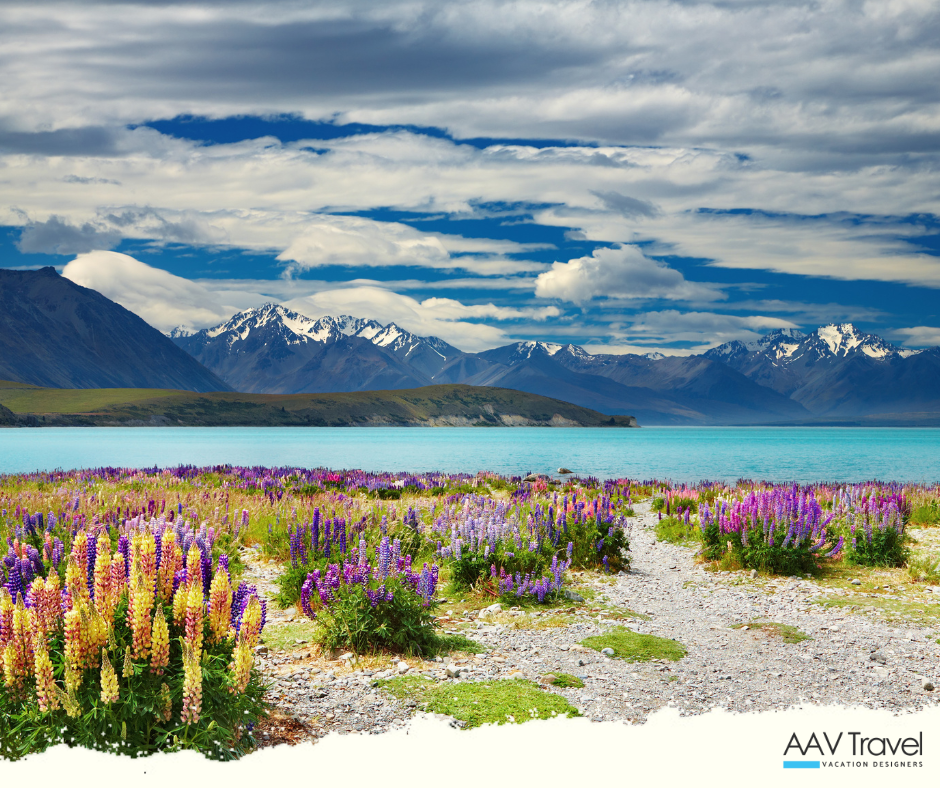
If you’ve marveled at the Swiss Alps, you’ll feel the same awe when gazing at New Zealand’s Southern Alps — snow-capped peaks reflected in deep alpine lakes, framed by rolling hills and wide valleys. Milford Sound, with its dramatic cliffs and misty waterfalls, is every bit as spectacular as Norway’s fjords, only without the crowds of cruise ships. Scenic flights, private yacht charters, or gentle heli-tours let you take in this breathtaking scenery in comfort, making it easy to admire nature without strenuous activity.

A Gastronomic Journey: From Vineyards to Seaside Tables


Wine lovers who flock to Bordeaux or Tuscany will be equally delighted by New Zealand’s offerings. Central Otago’s pinot noirs are among the best in the world, while Marlborough has become synonymous with crisp sauvignon blancs. Pair these with farm-to-table dining experiences where chefs highlight local lamb, fresh seafood, and indigenous ingredients. Staying in wine-country estates can feel just as indulgent as nights in a European château, but with a uniquely Kiwi flavor.

Wellness & Rejuvenation


Europe’s historic spa towns, from Baden-Baden to Lake Como, have long drawn those seeking relaxation. New Zealand takes wellness to the next level by immersing you in its natural wonders. Rotorua’s geothermal springs invite you to soak in warm, mineral-rich waters surrounded by lush forest. Boutique lodges offer spa treatments with panoramic lake or mountain views, blending European-style luxury with a distinct connection to the land.

Cultural Encounters with Depth


Just as Europe is defined by its castles, cathedrals, and medieval squares, New Zealand invites travelers into the living traditions of the Māori people. From powerful haka performances to intimate storytelling and indigenous art, these cultural encounters go beyond observation — they invite participation and connection. Meeting with local guides or staying at properties that weave Māori traditions into their design and hospitality provides an authenticity that rivals Europe’s deep history, but with a spirit that is vibrant and alive today.

A World Apart: Experiences Found Nowhere Else


While New Zealand echoes many of Europe’s charms, it also offers wonders you simply won’t find anywhere else. Towering kauri forests and glowworm-lit caves create a sense of natural magic, while volcanic landscapes dotted with geysers and bubbling mud pools feel almost otherworldly. The wildlife is equally distinctive — from the cheeky alpine kea parrots to the rare kiwi bird, encounters that make every walk or boat ride feel like a discovery. Layer in the country’s adventurous spirit — think scenic train rides across wild landscapes or boutique lodges accessible only by helicopter — and you have a collection of experiences that are unmistakably and uniquely Kiwi.

Auckland: Your Gateway to Discovery


Every New Zealand journey begins in Auckland, a cosmopolitan city that blends urban sophistication with a laid-back coastal vibe. Often compared to a smaller, more approachable version of Sydney, Auckland charms with its harborside setting, sparkling skyline, and easy access to surrounding natural beauty. You can sail a yacht across the Waitematā Harbour in the morning, sip your way through nearby Waiheke Island’s boutique wineries in the afternoon, and dine at world-class restaurants by evening. With its blend of culture, cuisine, and seaside charm, Auckland makes for a delightful introduction — or finale — to a New Zealand adventure.

The Seasonal Advantage

Lake Wanaka New Zealand


One of New Zealand’s best-kept secrets is its reverse climate — a gift for travelers who want a Europe-like escape all year round. When January brings frost to Paris and snow to Vienna, New Zealand is basking in warm summer sunshine, perfect for sipping wine on a vineyard terrace or sailing the Bay of Islands. Likewise, when Europe’s Mediterranean coasts are heating up in July, New Zealand offers crisp winter air and snow-dusted peaks that feel straight out of the Swiss Alps. It’s a destination that mirrors Europe’s best seasons — only flipped, giving you endless possibilities to plan the perfect trip, no matter the time of year.

At AAV Travel, we’ve explored New Zealand firsthand and know how to craft journeys that balance luxury with discovery, and comfort with cultural depth. From securing your stays at exclusive lodges to designing a pace that feels just right, we make it easy to experience this remarkable country in a way that’s tailored entirely to you. If Europe has long been your go-to, let us show you how New Zealand can surprise you with its beauty, warmth, and sophistication.

Ready to see Europe’s elegance in a whole new light?
Let AAV Travel craft a New Zealand itinerary that delivers luxury, culture, and scenery — all in a refreshingly unexpected setting.
To begin planning, contact us via email at info@aav-travel.com or visit the website.

Written by: Stefanie P.

Benefits of International Business Class: Beyond the Obvious

The Allure of Business Class, is it worth the extra cost?

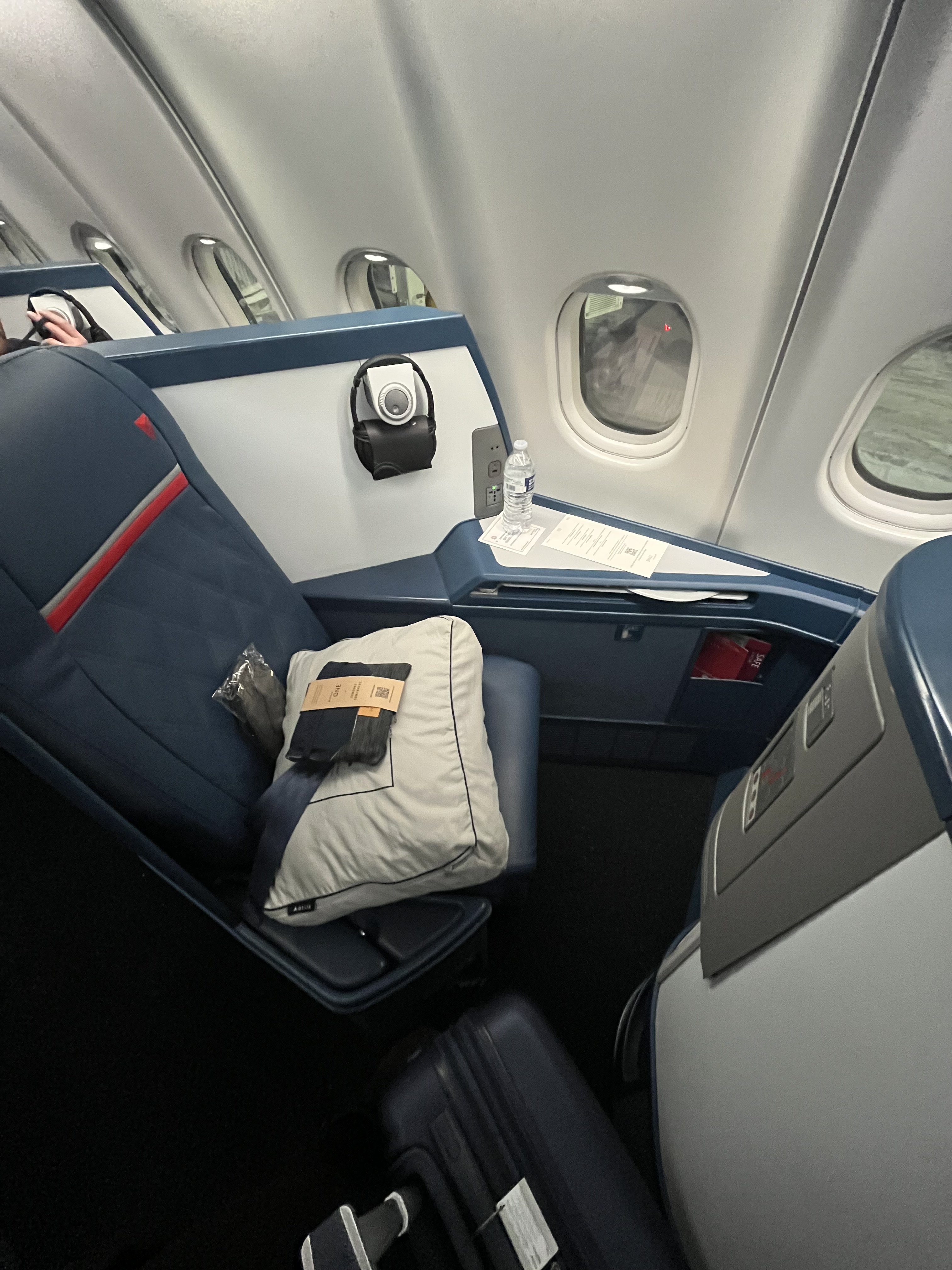
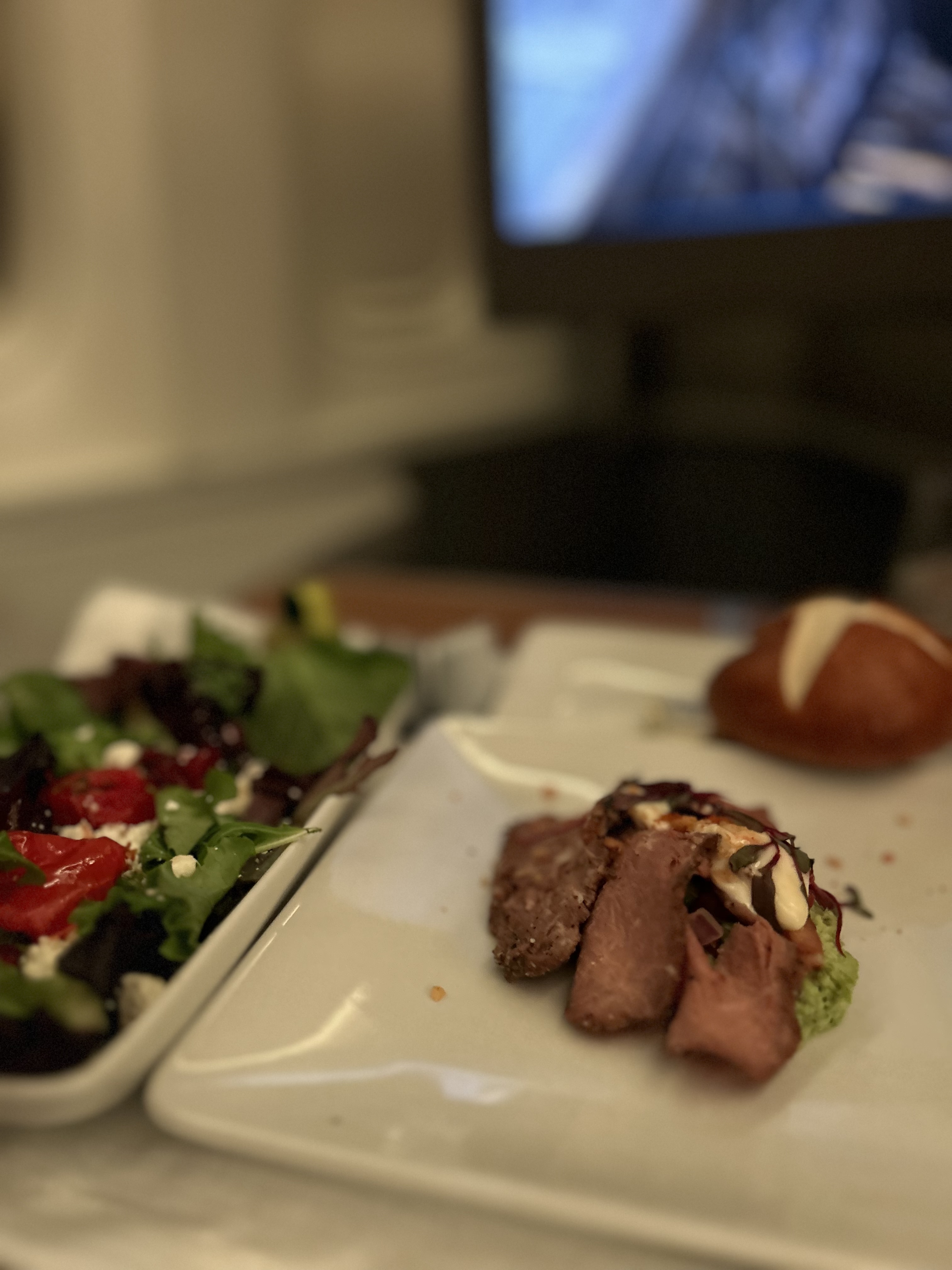
There’s something undeniably enticing about the perks of business class: the allure of a lay-flat seat, upgraded drinks, and a meal selected from a menu and served on a lovely plate with a folded cloth napkin. A larger screen for movies, a Bose headset, and a welcome kit with essentials like lip balm, hand cream, a toothbrush, and a comb. Settling into your private cubby, you might almost believe you’re one of the few on this flight.

But, are these reasons enough to justify paying thousands of dollars extra? After all, the meal is still an airplane meal, and the bed isn’t as comfortable as a 5-star hotel’s. You might argue that you’d rather spend that extra money elsewhere.

Why I Believe in Business Class

The real value of business class goes beyond the obvious perks.

Check-in: The experience begins with not having to stand in line for more than five minutes. Dropping off bags is a breeze, and seeing them tagged as “priority” is a nice touch.

Priority Security: Some airports and airlines offer business passengers priority security lines, saving even more time.

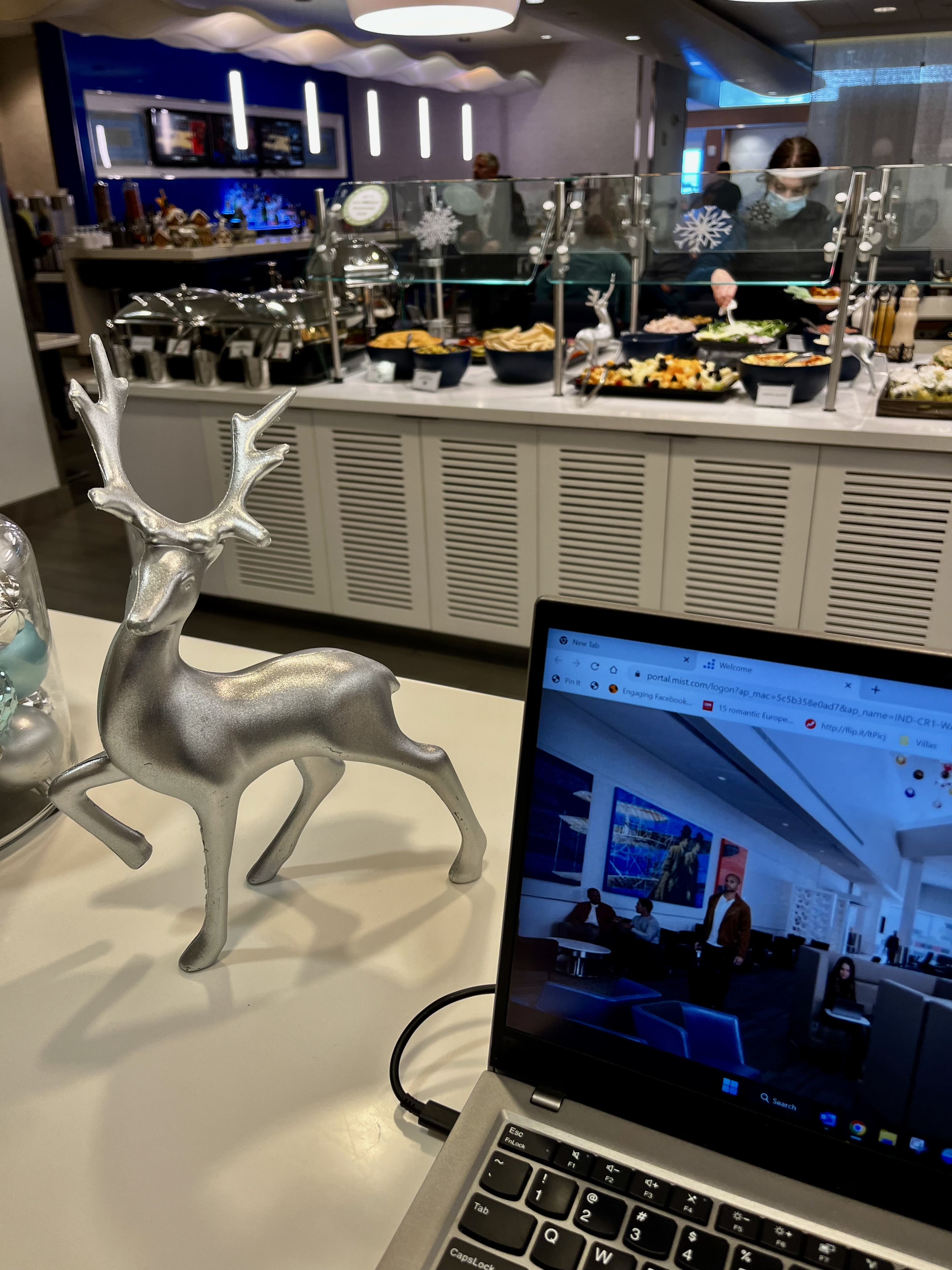
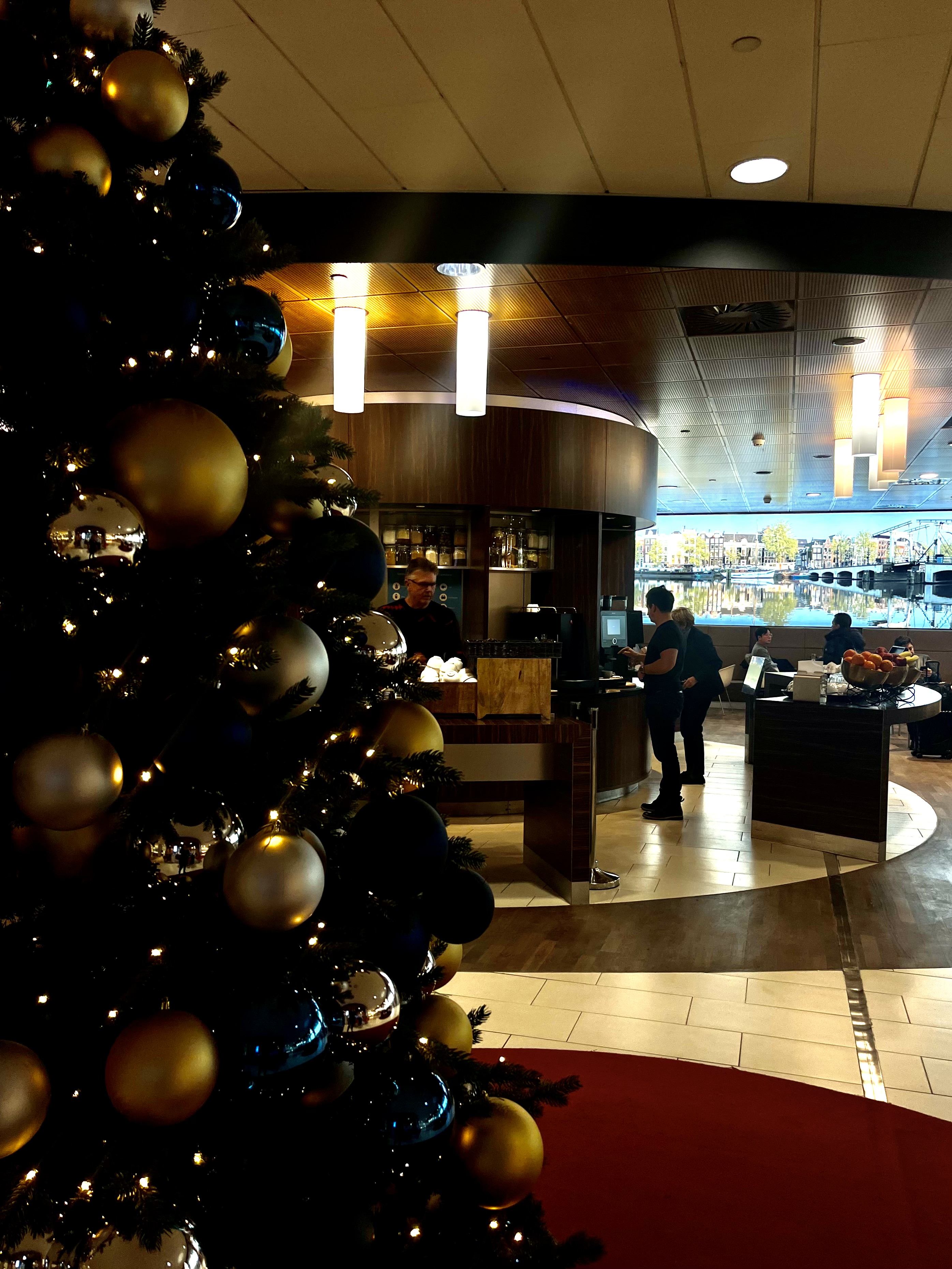
Airport Lounge Access: Enjoying a meal and a comfortable seat in an airport lounge, rather than fighting with the masses, is a treat, particularly if you don’t like feeling like herded cattle.

Flight Delays or Cancellations: If there’s a delay or cancellation, getting assistance within the lounge rather than at a customer service desk is priceless. What might take hours in line can often be resolved within 15 minutes in the lounge.

First Off the Plane: Being among the first off the plane typically means you’re first in line at immigration, saving even more time.

Beating the Jet Lag: The real quality of business class is the solid chance of beating jet lag. Not only are you likely ready to explore as soon as you get off the plane, but it also greatly helps in adjusting to the new time quickly.

Tips for Beating Jet Lag (Even if You Fly Economy)

  1. Drink Water: Stay hydrated by drinking 2-3 times as much water as you would on the ground. The dry air on the plane can dehydrate you, so replenishing your body’s 70% water content helps you adjust more easily.
  2. Limit Alcohol: Avoid or limit alcohol intake as it can dehydrate you further.
  3. Nap Wisely: Upon arrival, allow yourself a short nap (no more than 2-3 hours). After that, get moving—walk around, explore, and have a healthy dinner. Aim to stay awake until at least 8 pm local time.
  4. Wake Up Early: Set a consistent wake-up time. If you plan to be on the go by 8 am every day, force yourself to get out of bed by 7 am. Catch some daylight right away to signal your body to adjust to the new time zone.

Following these steps should help you adjust smoothly.

Share your thoughts

Do you love flying business class, or do you feel it’s not worth the cost? Have any jet lag tips to share? I’d love to hear from you.

At AAV Travel, we specialize in creating customized itineraries, saving our clients time, and ensuring their vacations are seamless. We take the guesswork out of your travel plans!

To start planning, contact us via email at info@aav-travel.com or visit the website.
Written by: Stefanie P.