Expert Travel Advisor Shares Top Tips for Staying Healthy While Flying

Flying can be exciting, but staying healthy along the way is key to fully enjoying your trip!

Here are some simple, practical tips from my experience to help you feel your best before, during, and after your flight.

Photo by Oleksandr P on Pexels.com

Before You Fly

Supercharge Your Immune System
A strong immune system is your secret weapon! In the days leading up to your flight, focus on eating healthy, nutrient-packed meals, drinking plenty of water, and getting good rest. You can even add a little extra boost with vitamin C or echinacea!

Hydration is Key
Flying dries you out! Make sure you’re well-hydrated before even heading to the airport. Water is your friend! Try to skip the alcohol and caffeine, as they’ll only make dehydration worse.

Pack Smart
Don’t forget the essentials: hand sanitizer, disinfectant wipes, and a reusable water bottle. These simple items will keep you fresh and hydrated, no matter what the journey throws your way.

While You’re in the Air

Get Moving
Staying in one spot for too long can make you stiff or, worse, increase your risk of DVT (deep vein thrombosis). Every hour, get up, stretch, or even take a quick stroll around the cabin. You can also do easy seat exercises like ankle circles to keep the blood flowing.

Sip, Sip, Sip
Keep drinking water! A good rule of thumb is to double what you usually drink. Having your own water bottle helps keep track, allows you to refill in the airport, and saves plastic or paper cups.

Keep It Clean
Planes can be a bit of a germ fest, so sanitize when you feel the need! You may even want to opt to wear a mask.

Snack Smart
Hungry? Go for snacks that fuel you, like nuts, fruit, or whole-grain crackers. Greasy, heavy foods can make you feel sluggish and less than your best. On long-distance flights, you can often pre-order your meals: Why not opt for a vegetarian option or some of the lighter cuisines?

Photo by Ali Dashti on Pexels.com

After You’ve Landed

Stretch It Out
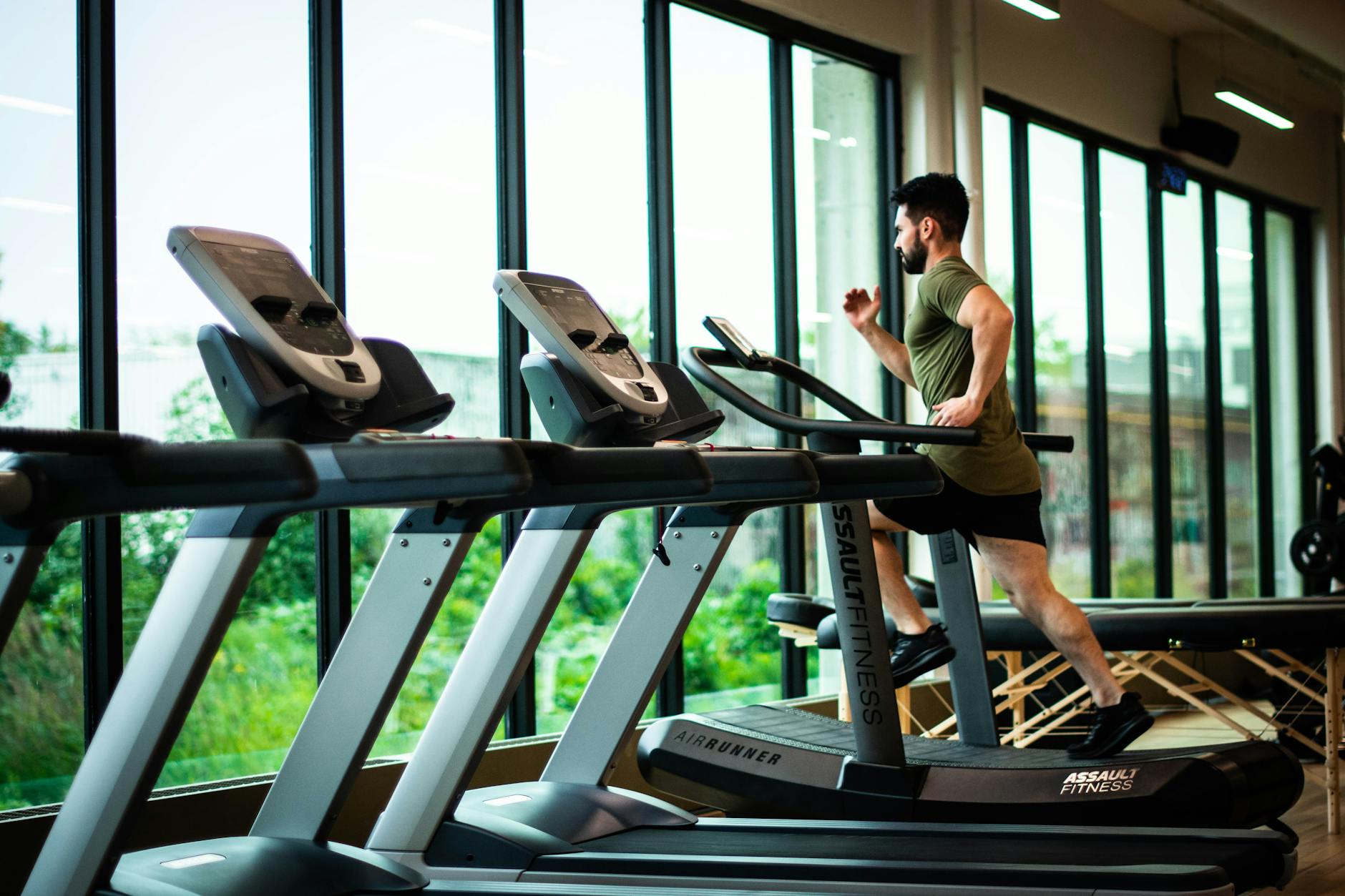
Once you’re off the plane, a good stretch or walk can help shake off any stiffness. A brisk walk through the airport will make you feel as good as new. Follow up with a good workout. It doesn’t have to be long; twenty minutes will do the trick!

Refuel and Rehydrate
Drink up! Keep hydrating after your flight, and refuel with a healthy meal. Fresh fruits, veggies, and lean proteins will help get your energy back.

Catch Some Zzz’s
Long flights, especially with time changes, can leave you feeling drained. Make sure to get plenty of rest once you reach your destination to adjust and refresh, but respect the local hours so you can minimize jet lag.

Photo by William Choquette on Pexels.com

Travel is all about having fun and making memories, and with a little preparation, you can ensure that your health doesn’t hold you back. Follow these tips, and you’ll be well on your way to a happy, healthy journey. Safe travels!

To start planning, contact us via email at info@aav-travel.com or visit the website.
Written by: Stefanie P.
Relive the Magic: Tips to Keep Your Vacation Memories Alive!

What did you love most?
Think back to your last vacation—what was the highlight for you? Whether it was savoring new flavors, exploring unfamiliar streets, or simply basking in the sun, those moments don’t have to fade away with your tan. Here are a few friendly tips to keep the vacation glow going long after you’ve unpacked.

Tip One: Create Mini Adventures in Your Everyday Life
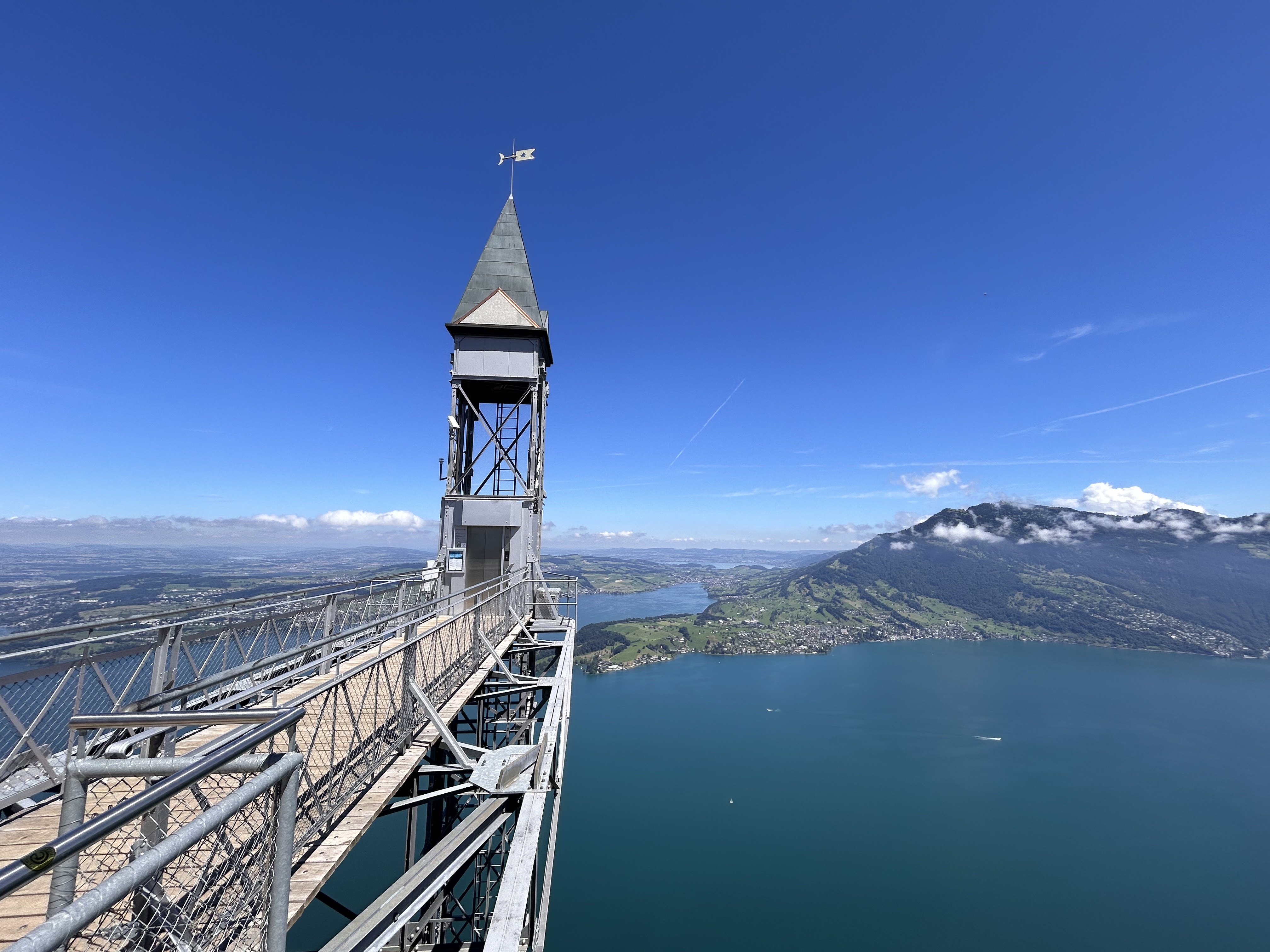
Whatever made your vacation special, try weaving a little bit of that magic into your routine. Did daily bike rides bring you joy? Set aside time for a weekly ride. If exploring new places excited you, invite a friend to discover a new neighborhood and play tourist for a day. You’ll be amazed at what you find when you look at your hometown through the eyes of a first-time visitor! I’ve made it a habit to explore new areas every time I return to Switzerland, where I grew up. Each trip is like a mini adventure, and I’m always left in awe!

Tip Two: Embrace the Outdoors
Vacations often mean more time spent outside, and we all know how wonderful nature is for our well-being. Soak in the fresh air and notice the little things—nature changes daily. Whether you start your day with a morning walk or take a midday break outdoors, these small moments can boost your mood and keep you connected to that vacation feeling.

Tip Three: Engage your Senses
If certain smells, tastes, or sounds made your vacation unforgettable, bring those elements into your everyday life. After spending a week with a friend in Rome, I was hooked on the rich aroma of stovetop espresso. As soon as I got home, I bought a Bialetti Moka Express. Now, every time I brew a cup, I’m transported back to those charming Roman mornings!

Scents are especially powerful—so if you loved the lavender fields of Provence, bring a bit of that fragrance into your home with lavender plants or essential oils.

Photo by Pixabay on Pexels.com

Tip Four: Showcase Souvenirs
Never underestimate the power of a good keepsake! Whether it’s a painting you picked up or a comfy pair of linen pants from the Amalfi Coast, these items can bring a smile to your face every time you see or wear them.
One of my personal favorites is a painting I bought in a Hanoi gallery at the turn of the century. It’s not just a beautiful piece of art, but a vivid reminder of my time in Vietnam, full of bustling markets and vibrant culture.

Tip Five: Let the Music Play
Music has a way of instantly transporting you to another place. Tune in to a local band or find a radio station from your vacation destination. Before you know it, you’ll be right back in that special spot, soaking in the vibes and memories.

Photo by Mikhail Nilov on Pexels.com

Share your thoughts!
How do you keep your vacation memories alive? Have a favorite tip or souvenir to share? I’d love to hear all about it!

Planning Your Next Luxury Getaway?
At AAV Travel, we take the stress out of travel planning so you can focus on what truly matters—relaxation, adventure, and making memories that last. Reach out when you are ready to start planning!

To start planning, contact us via email at info@aav-travel.com or visit the website.
Written by: Stefanie P.
Sip Exquisite Wine and Soak in Stunning Views!

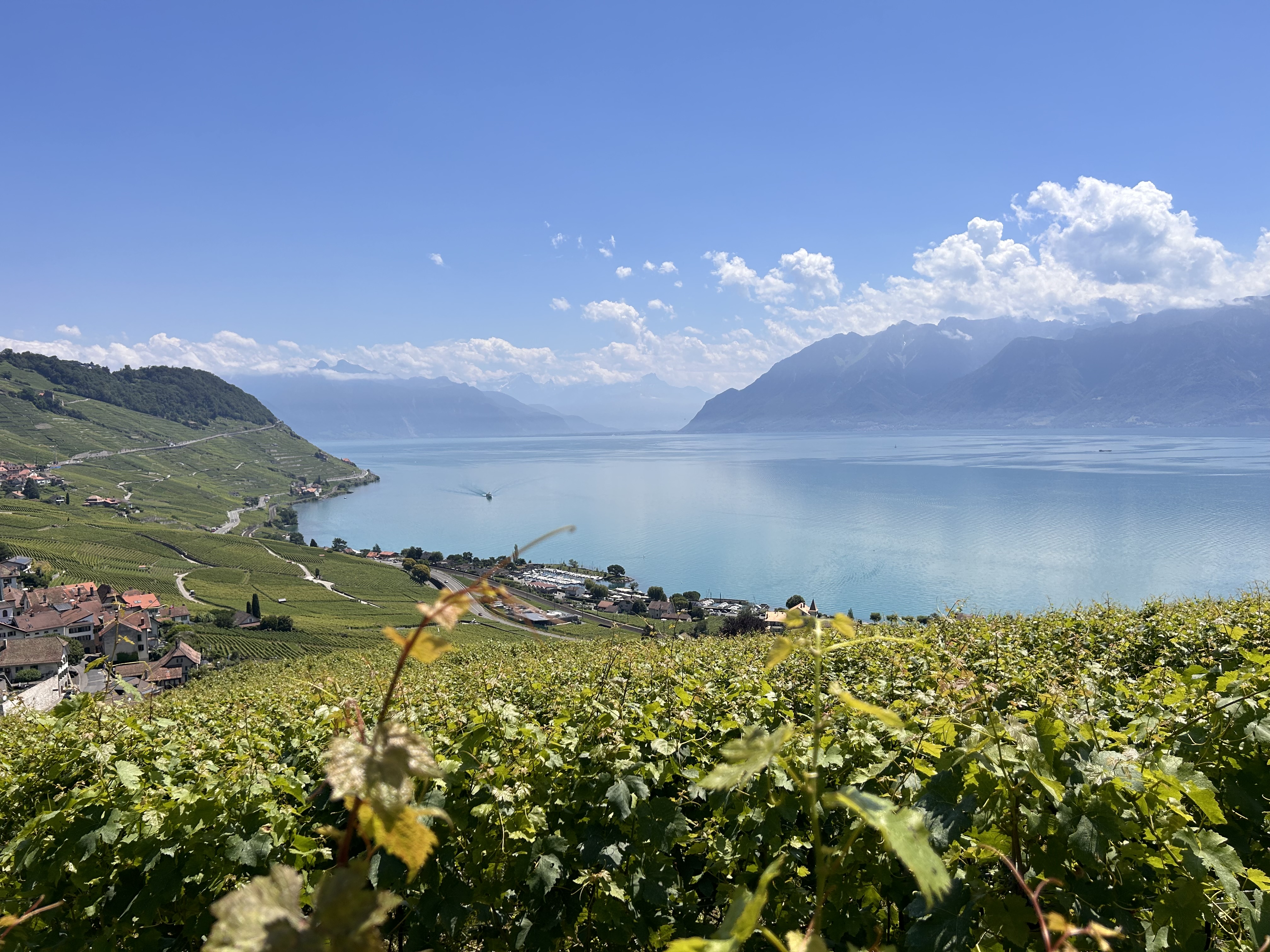
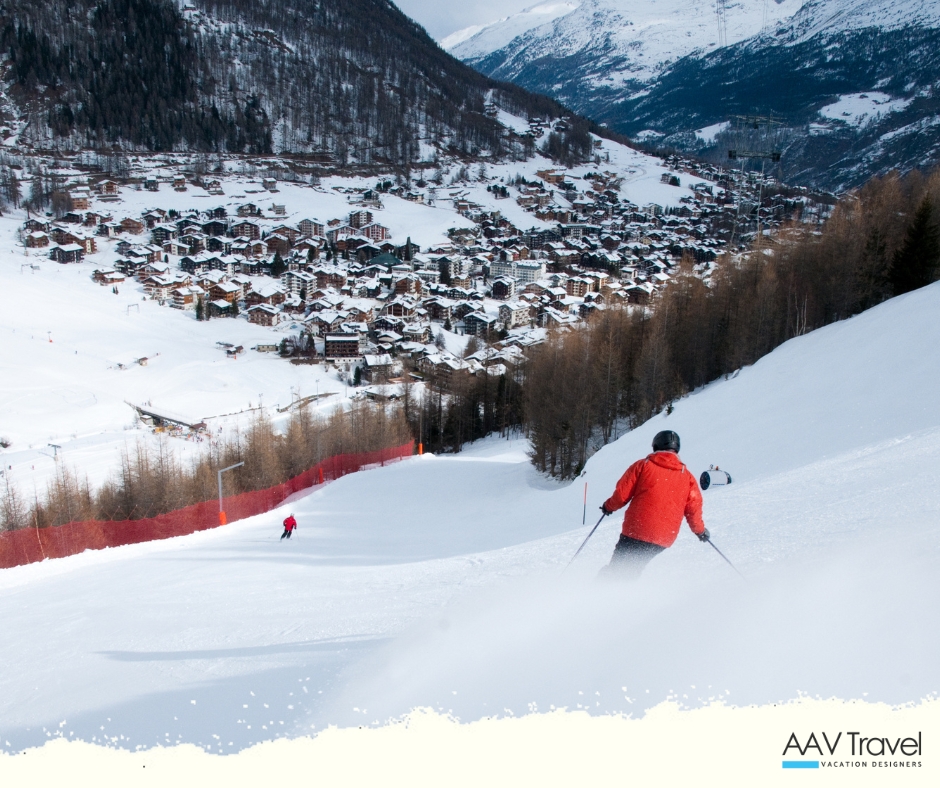
Where, you ask? Discovering the Lavaux region feels like stepping into a postcard. Nestled along the dazzling shores of Lake Geneva, this Swiss gem offers more than just stunning scenery – it’s a haven for wine lovers and anyone looking to savor the good life.

Dating back to the 11th century, Lavaux’s terraced vineyards are a testament to centuries of dedication and passion. The primary grape here is Chasselas, which produces crisp, refreshing white wines that complement local dishes like cheese fondue and lake fish. Switzerland’s favorite lake fish is ‘Eglifilet,’ called ‘Filets de Perche’ in the Lavaux region.

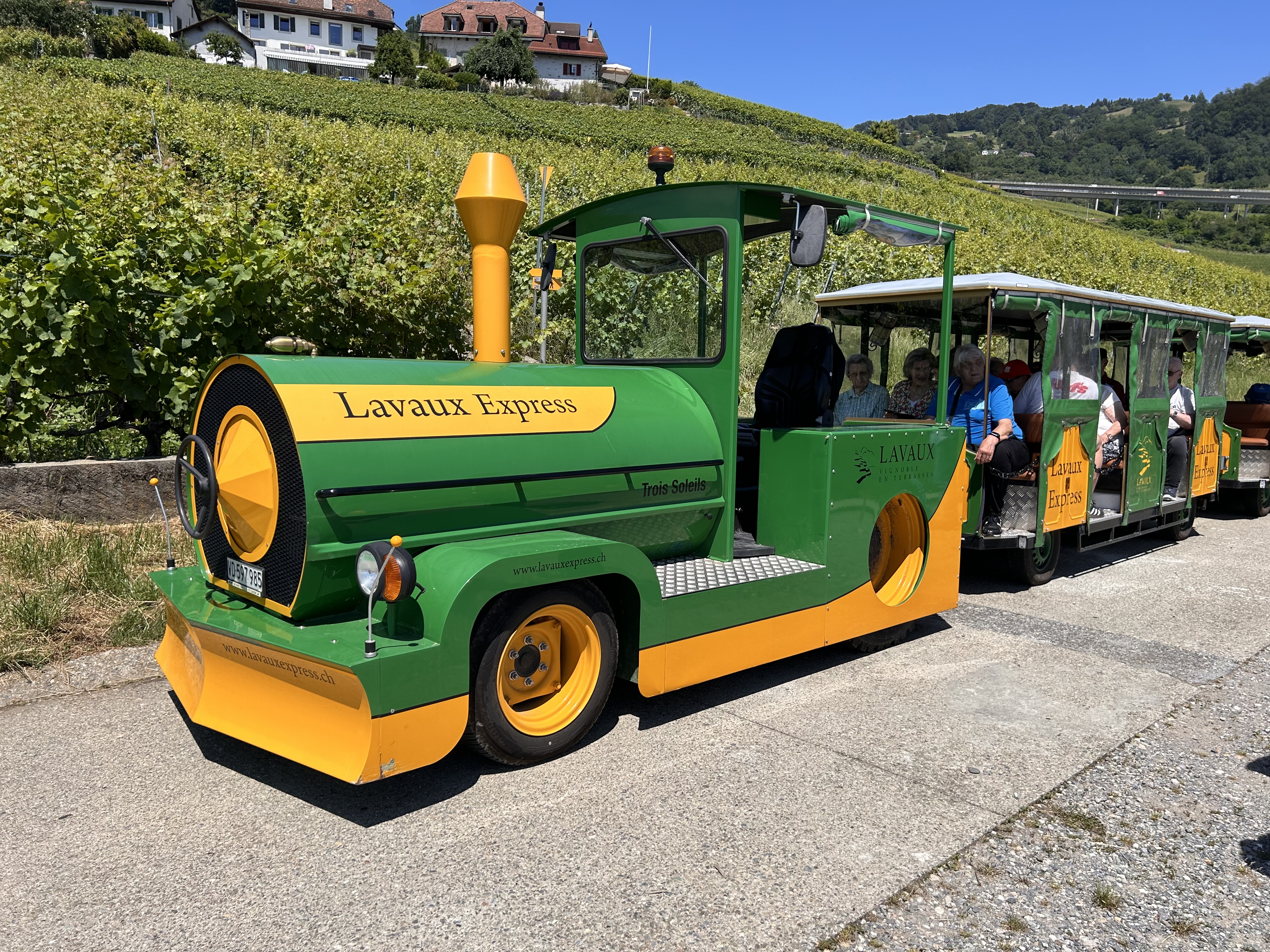
One of my favorite ways to explore Lavaux is by hopping on the Lavaux Panoramic, a charming little train that winds through the vineyards, offering panoramic views and fascinating tidbits about the area’s history. However, if you want to be active instead, there are numerous walking and cycling trails that snake through the terraces. Each trail is peppered with local wineries where you can stop, taste, and ‘papoter” (chat) with the winemakers who are always eager to share their passion and stories.

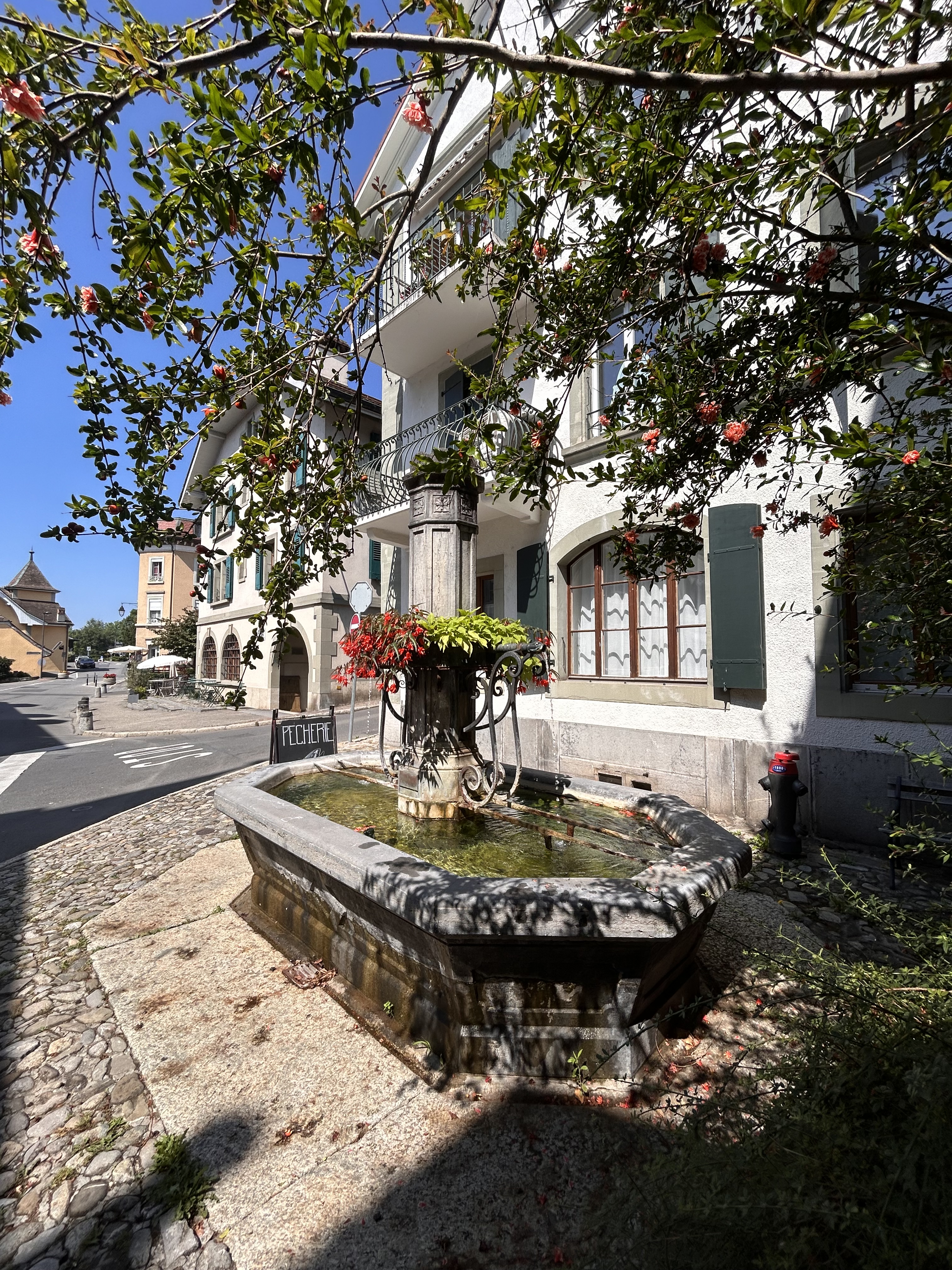
The region is also home to quaint villages like Cully, Lutry, and Saint-Saphorin, each brimming with charm and character. Imagine strolling through cobblestone streets, discovering cozy cafes, historic buildings, and inviting wine cellars at every turn. If you time your visit right, you might even catch one of the local ‘Fêtes de Vendanges” (harvest festival), where the community comes together in celebration with music, food, and, of course, plenty of wine.

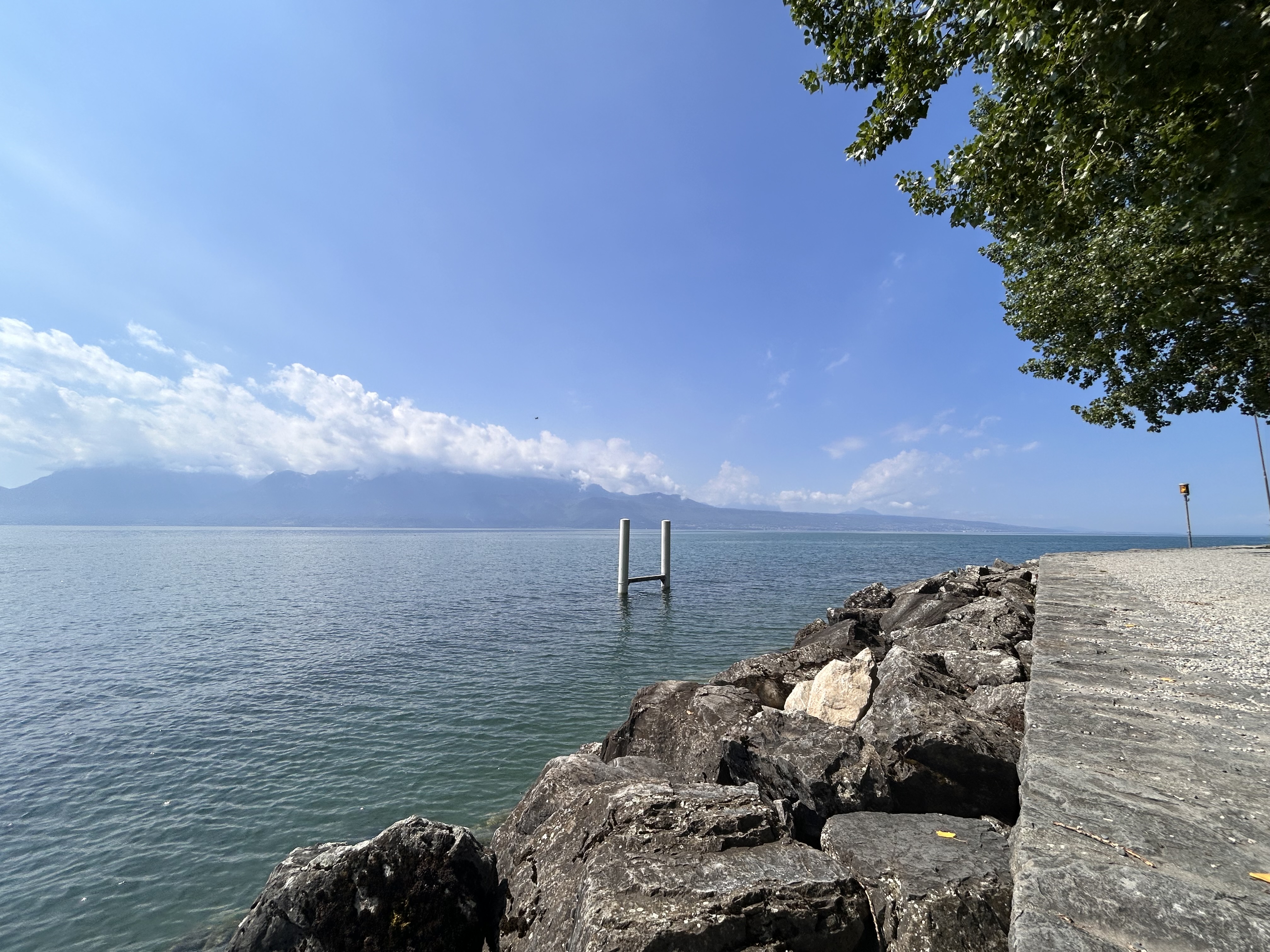
Lavaux isn’t just about wine and scenery; it’s about the peace and tranquility that washes over you as you take in the gentle waves of Lake Geneva and the endless rows of vineyards. It’s always a good idea to have a swimsuit handy as you may be tempted to take a dip in the lake.

I promise, there’s nothing quite like enjoying a glass of Chasselas while taking in the views of the lake and the majestic Alps in the background!

That said, there are plenty of different experiences to be had in Switzerland, and I truly enjoy helping my clients plan their perfect time in my country of origin.

To start planning, contact us via email at info@aav-travel.com or visit the website.
Written by: Stefanie P.
Benefits of International Business Class: Beyond the Obvious

The Allure of Business Class, is it worth the extra cost?

There’s something undeniably enticing about the perks of business class: the allure of a lay-flat seat, upgraded drinks, and a meal selected from a menu and served on a lovely plate with a folded cloth napkin. A larger screen for movies, a Bose headset, and a welcome kit with essentials like lip balm, hand cream, a toothbrush, and a comb. Settling into your private cubby, you might almost believe you’re one of the few on this flight.

But, are these reasons enough to justify paying thousands of dollars extra? After all, the meal is still an airplane meal, and the bed isn’t as comfortable as a 5-star hotel’s. You might argue that you’d rather spend that extra money elsewhere.

Why I Believe in Business Class

The real value of business class goes beyond the obvious perks.

Check-in: The experience begins with not having to stand in line for more than five minutes. Dropping off bags is a breeze, and seeing them tagged as “priority” is a nice touch.

Priority Security: Some airports and airlines offer business passengers priority security lines, saving even more time.

Airport Lounge Access: Enjoying a meal and a comfortable seat in an airport lounge, rather than fighting with the masses, is a treat, particularly if you don’t like feeling like herded cattle.

Flight Delays or Cancellations: If there’s a delay or cancellation, getting assistance within the lounge rather than at a customer service desk is priceless. What might take hours in line can often be resolved within 15 minutes in the lounge.

First Off the Plane: Being among the first off the plane typically means you’re first in line at immigration, saving even more time.

Beating the Jet Lag: The real quality of business class is the solid chance of beating jet lag. Not only are you likely ready to explore as soon as you get off the plane, but it also greatly helps in adjusting to the new time quickly.

Tips for Beating Jet Lag (Even if You Fly Economy)

  1. Drink Water: Stay hydrated by drinking 2-3 times as much water as you would on the ground. The dry air on the plane can dehydrate you, so replenishing your body’s 70% water content helps you adjust more easily.
  2. Limit Alcohol: Avoid or limit alcohol intake as it can dehydrate you further.
  3. Nap Wisely: Upon arrival, allow yourself a short nap (no more than 2-3 hours). After that, get moving—walk around, explore, and have a healthy dinner. Aim to stay awake until at least 8 pm local time.
  4. Wake Up Early: Set a consistent wake-up time. If you plan to be on the go by 8 am every day, force yourself to get out of bed by 7 am. Catch some daylight right away to signal your body to adjust to the new time zone.

Following these steps should help you adjust smoothly.

Share your thoughts

Do you love flying business class, or do you feel it’s not worth the cost? Have any jet lag tips to share? I’d love to hear from you.

At AAV Travel, we specialize in creating customized itineraries, saving our clients time, and ensuring their vacations are seamless. We take the guesswork out of your travel plans!

To start planning, contact us via email at info@aav-travel.com or visit the website.
Written by: Stefanie P.

Unlock the Secrets: How to Travel Europe Like a Pro!

Planning a trip to Europe, or just need a refresher since it’s been a while? There’s a lot to know about traveling this diverse continent, and it’s not as straightforward as exploring the United States. While traveling across the States means finding familiar places like McDonald’s, Marriott hotels, or Walmarts everywhere you go, Europe offers a completely different experience.

In Europe, every country has its own language, and some even have several. These countries have rich histories dating back hundreds of years, leading to unique cultures, architecture, and cuisines. For example, the UK was founded in 927 AD, Portugal in 1143, Switzerland in 1291, and the Netherlands in 1581. Each country has its distinct characteristics—some are more organized, while others are more laid-back and passionate.

Geography also plays a huge role in travel. A distance that looks short on the map can take hours if there’s a mountain in the way. While some countries have modern infrastructure, others have evolved differently due to their geography and culture.

To make the most of your trip, take time to learn about the country you want to visit. Does it have multiple points of interest? How much time do you need to truly immerse yourself and not just snap a quick photo?

As a rule, if you only have a week, dedicate it to one country.
For two weeks, focus on a country like Italy or Greece.
If you want to city-hop between places like London, Paris, and Amsterdam, go for it!
But if you want to truly embrace a country like France or the UK, spend your two weeks there. Many people combine Ireland and the UK, which works with two weeks, but to see Ireland properly, you need two weeks, and at least three weeks for the UK.

Commit that kind of time, and you can truly say you’ve visited and know the country well.

At AAV Travel, we make planning easy and stress-free; plus, we provide expert guidance, making your European itinerary seamless and something to remember!

To start planning, contact us via email at info@aav-travel.com or visit the website.
Written by: Stefanie P.
Step into Adventure: Walk Europe with Confidence and Comfort!

Walking is deeply ingrained in the daily routines of many Europeans, with urban planning often prioritizing pedestrian-friendly environments. Cities feature narrow, historic streets and well-maintained sidewalks that encourage locals and tourists to explore by foot.

In iconic cities like Paris, Amsterdam, and Copenhagen, walking is more than just a mode of transportation; it’s a way to immerse oneself in the local culture, enjoy bustling street life, and take in beautiful sights. Additionally, public policies that support pedestrian infrastructure make walking a convenient, healthy, and enjoyable choice for navigating urban areas. Many times, walking is the most efficient way to get from point A to point B.

Photo by Evgeniy Kostyunin on Pexels.com

If you’re not used to walking a lot, exploring European cities can feel pretty overwhelming. For starters, you might find yourself covering much more ground on foot than you’re used to, which can be pretty tiring. The cobblestone streets, hills, and stairs in those charming historic areas can add to the challenge. Plus, locals tend to walk briskly and confidently, making it easy to feel a bit out of step. Navigating through bustling crowds, busy streets, and unfamiliar places takes a lot of energy and can be quite a shock if you’re more accustomed to driving everywhere.

So here are a few tips to get prepared. Ideally, you start about two months before your trip:

  • Walk with friends. Join a walking club or get together with friends who enjoy the outdoors.
  • Experienced walkers can offer valuable tips and motivation, like recommending the best shoes for comfort.
  • Pick up the pace and try different terrains. Cobblestones, potholes, uneven streets, and inclines are all very common in Europe.
  • Invest in comfortable walking shoes or hiking boots, and don’t skimp on good-quality socks.
  • Consider the weather, too—a waterproof option is better for wet climates than mesh sneakers.
  • Remember to dress in layers. This helps regulate moisture and temperature; being outside more means a quick trip back for extra clothes might not be convenient.
Photo by Gu00fcl Iu015fu0131k on Pexels.com

Are you an avid walker and have some tips to share or gear to recommend? I would love to hear from you!

Reach out when you feel the itch to plan a European adventure, I’d love to help!

To start planning, contact us via email at info@aav-travel.com or visit the website.
Written by: Stefanie P.

Summer 2024: Europe Travel Tips

Paris Summer Olympics

Be prepared to pay steep prices in Paris as the games approach. Hotels and food will become more expensive, and some metro stations might close. Check the Paris Ministry of Transport website for updates on those closures. Arrange transfer in advance, as strikes could affect public transportation.

Our tip: If you don’t like crowds, avoid Paris this summer and choose a more laid-back spot.

The consequence of climate change: Natural occurrences

Photo by Jasmin kaemmerer on Pexels.com

Europe is set to face a major heatwave in 2024, and unfortunately, natural disasters are becoming more frequent in this region. Massive floods hit Germany and Belgium last year and are now back. Greece dealt with wildfires in 2023. Iceland’s volcano keeps erupting.

That River cruise you booked may not be operating as planned. The hotel you booked may not have air conditioning or have restrictions on air conditioning use due to environmental objectives.

Our Tip: A professional travel advisor has deep insights into European travel because they stay updated on various factors that can impact your trip, such as natural disasters, political changes, and strikes. Their extensive network and access to real-time information allow them to anticipate and navigate potential disruptions. They can provide personalized advice and contingency plans that you might not easily find on your own, ensuring a smoother and safer travel experience.

Strikes and Delays: The new normal

Photo by Free Stock on Pexels.com

Train travel is an awesome way to explore Europe, but air and land transportation has been delayed more frequently lately. Major travel strikes are happening across several countries. To deal with these inevitable strikes, it’s smart to prepare for delays and have a backup plan ready.

Our Tip: Slow down! Instead of hopping around every other day from city to city, country to the next, allow yourself time. That way, you still have days left if you miss a day and some space to make alternate arrangements. A good travel advisor will help you create an itinerary that holds up!

Tickets, guides, and politics

Photo by Chait Goli on Pexels.com

Popular attraction tickets are getting scalped. Some of the best guides refuse their services because the sights are overcrowded. Some attraction time slots, like the Colosseum in Rome, are allocated at the last minute. That said, your tour time could change.

Our Tip: You get what you pay for! Trust your advisor, upgrade your experiences, get up early, and don’t overload your day.

Daytripper fees

Photo by Gotta Be Worth It on Pexels.com

The city of Venice rolled out its one-day visitor fee this summer. On arrival, train passengers are checked to see if they purchased a day pass and fined if not. Venice overnight guests have to file an exception. The town of Clovelly in Cornwall charges a daily visitor fee. Lauterbrunnen, Switzerland, is discussing implementing a fee for visitors arriving by car. This is becoming the norm.

Our Tip: Work with a specialist! Unless you are a very thorough trip planner with hours to learn about destinations and how best to navigate them, trust an expert to help you craft your trip and prepare you ahead of time.

Is Europe on your mind? Reach out, and we will happily help you plan your trip!

To start planning, contact us via email at info@aav-travel.com or visit the website.
Written by: Stefanie P.

Puerto Vallarta Viewpoint – Mirador Cerro de la Cruz, Scenic Overlook

Photo Jun 10, 11 56 33 AM

Shaped like a horseshoe, the Bay of Banderas sits in the State of Jalisco and offers over 50 miles of beautiful shoreline, ranging from jagged cliffs to sandy beaches. In its heart sits the city of Puerto Vallarta.

Puerto Vallarta is famous for many things, including its beautiful old town, El Malecon, the wonderful beachfront boardwalk, and its spectacular sunsets.

Needless to say, a viewpoint overlooking the Bay of Banderas and the colonial city promised to be spectacular, especially when you imagine the sun dropping into the ocean!

However, the day we set out to find the scenic viewpoint over the city, the so called Mirador Cerro de la Cruz, was cloudy and hot.

It hadn’t been easy to find information on how to get there beforehand, but with a bit of persistence, a sense of adventure, and a lot of sweat, we made it to the top. It was worth every drop of sweat, despite the cloudy skies!

Photo Jun 10, 12 03 51 PM

To make it easier for those wanting to visit the viewpoint after us, here is how to get there:

MiradorDeLaCruzMap

From the Malecon, take Calle Aldama to walk towards the hilltop. Once you get to Calle Emilio Carrenza, take a left.

This is what it looks like where you turn left into Calle Emilio Carrenza. It is the beginning of the steeper, more dirt road part, of the ascent:

Photo Jun 10, 12 23 32 PM

Photo Jun 10, 12 22 08 PM

Walk up the cobble stone pathway towards the white house, all the way to Calle Abasolo. There you turn right. From here it is a straight shot to heaven!

You’ll come by some awesome street art, as well as local houses. No need to worry, the people are really friendly and many of them offer water for sale.

Photo Jun 10, 12 17 36 PM

Photo Jun 10, 12 18 03 PM

Calle Abasolo ends at the staircase which will take you directly to the viewpoint.

Photo Jun 10, 11 51 11 AM

On top, you will see the cross which gives the viewpoint its name, as well as the viewing platforms.

Photo Jun 10, 11 56 49 AM

A few tips for the road:

  • Wear sturdy shoes, the road is not always paved and it can get a bit slippery on the dustier slopes.
  • Have a sense for adventure, keep an open mind, show respect, and appreciation for different cultures.
  • To put safety into perspective,  my daughters and I, no man in tow, felt completely safe at all times.
  • Bring water, or have a few pesos to buy water from the locals that live there. I am sure they will appreciate it greatly!
  • Don’t forget sunscreen, hat, and bug spray.
  • If you are physically fit it will take about 20 minutes from bottom to top.

We’d love to hear how your experience was, if you end up going on this little adventure, just comment below!

To start planning, contact us via email at info@aav-travel.com or visit the website.
Written by: Stefanie P.
Indy FastPark Ride & Relax – Best Place to Park your Car at Indianapolis Airport (IND)

honolulu, hawaii, aavtravelWhenever you take a plane to head somewhere, you either get dropped off at the airport or need to find a place to leave your car.

When it comes to parking around Indianapolis Airport there are a few options. If you have an early flight, you might want to choose to stay at one of the many airport hotels that offer so called Park and Fly rates. There are a few things you need to pay attention to when making your reservation:

  • Make sure the hotel’s airport shuttle actually runs during the hours you need it. Some shuttles run 6am – 10pm. So if your flight departs really early in the morning, or comes in really late, you won’t be able to take advantage of the shuttle.
  • Airport hotels can be located around Indianapolis’ old airport, or the new airport. Depending on the direction you are coming from, it makes more sense to stay in one area instead of the other. If, for example, you are coming from Terre Haute, your best options are located in the Plainfield and South Ameriplex area, as these locations will save you a good 20 minutes in additional travel time each way.Ready for take offIf you are looking for a parking solution, you can stay on one of Indianapolis Airport’s official garage or parking lots, or you can choose an off airport solution. The best one, in my opinion, is FastPark Ride & Relax. Here are a few reasons why:
  • The hourly rate is very similar to Indianapolis airport’s Economy Parking. However, if you have an AAA Membership card your receive a 15% discount on the rate!
  • You are picked up and dropped off directly at your car. No need to drag your luggage around  the parking lot or wait. If you can open your trunk with a click, the driver will deposit your luggage right into your trunk when you get off the shuttle.
  • They will even give you a bottle of water when you leave the parking area. What a nice gesture!
  • The parking is covered so you can expect a cleared and ready to go vehicle during those cold winter months. No defrosting and scratching icy windshields. This comes in particularly handy when your landing looks like this!

Snow landing INDHow to get to Indy FastPark Ride & Relax?
If you come from Terre Haute on I-70 follow these instructions:

At the airport exit, stay right towards SOUTH Ameriplex Pkwy

IND Airport Exit coming from I-70WAfter about a mile you will see the first FastPark sign and the rooftops of the covered parking area.

IndyParkRideRelax002Turn right on Stansted Drive, right before Subway.  FastPark IndyIndyParkRideRelax004 IndyParkRideRelax005 FastPark Indy Covered Airport ParkingPark, Relax and have a great trip!

How to plan your time? To be on the safe side, plan about 30 minutes from the time you enter the parking lot to the time you make it to the terminal.

To start planning, contact us via email at info@aav-travel.com or visit the website.
Written by: Stefanie P.
Do-it-Yourself Shore Excursion: Ketchikan, Alaska

Ketchikan is known for its steady rainfall. Big, grey clouds and a soft drizzle awaited us the day our ship pulled into the port. The first thing that stood out, were the many seaplanes looping around the port, landing and taking off. As we learned later, these were taking tourists to the nearby Fjord. As always, we had planned to escape our ship and its passengers as soon as we got off.
seaplanes, ketchikan, alaskaOn this particular day, we were heading to the Rainbird Trail. I hadn’t found much information about it online but knew that it should be short enough for us to hike within the 4 hours we had ashore.

ketchikan, cruise, crown princess, princess cruise, alaskaThe official trail-head is located in downtown Ketchikan, by the Alaska University. Since Ketchikan spreads out to both sides of the cruise terminal, we weren’t quite sure whether to go right or left, and ended up asking a local. We asked for the Rainbird Trail. With a broad grin and pointing uphill he said: “If you can make it up there!”

Having hiked at our two prior Alaskan stops we felt very comfortable and were sure we could manage “the hill”. It was steep alright, and probably took 10 minutes to climb. However, I am really glad we started the trail at its end. It makes for a much better beginning. Once on top of the hill we couldn’t quite make out where to go, so we stopped by the local radio station. Not much was going on that early in the morning, but the lady swiftly pointed us in the right direction and we found the trail’s end in no time.

ketchikan, rainbird trail, alaska, hikingketchikan, rainbird trail, alaska, hikingThe Rainbird trail goes along the mountain side backing Juneau. You basically walk from the cruise port to the University of Alaska, located in downtown Juneau (left side), in very dense rainforest. At first we were a bit skeptical as we would see the harbor and neighboring islands. However, it didn’t take long and we were in the midst of it. It looked like a place straight out of Middle Earth, magical. Densely green, lush, and overgrown, large trees, broken trees, lots of moss, and everything wet, it was simply beautiful and always changing.

Ketchikan012 Ketchikan011 Ketchikan010 Ketchikan009 ketchikan, rainbird trail, alaska, hiking, aavtravelAs it was early in the morning, we were the only ones there. Half way into the trail, we spotted a reindeer. Instead of running off it simply looked at us with its dark black and gentle eyes. I felt as if it was communicating with us. We kept staring at each other for a good 5 minutes, before it peacefully trailed off.

ketchikan, rainbird trail, alaska, hiking, aavtravel, reindeerKetchikan006 ketchikan, rainbird trail, alaska, hiking, aavtravelThe Rainbird Trail proved to be a wonderfully authentic adventure, for a town otherwise thriving with tourist shops and masses of cruise passengers.

Here are a few things you will want to watch out for if you are headed to the Rainbird Trail:

  • It will rain, make sure you have the proper gear and protect your electronics
  • Bring some water to drink
  • Your shoes need good tread and need to be ideally waterproof. The terrain goes up and downhill, there are large rocks, gravel, and tree trunks to cross. Make sure your shoes snug tightly to your foot and your gear is adequate.
  • Chances are, not many of your fellow travelers will know about the trail. And, even if they do, if you start at the end, you will likely not run into any of them until the very beginning of the trail.
  • The trail requires a certain level of fitness. You do not need to be a professional athlete, but it is steep at times and can be a bit challenging.
  • You can do the trail with your children, however they need to be old enough to hike on their own, be responsible as some parts of the trail can seem risky.
  • Bring bug spray just in case
  • To walk the entire trail and back to the ship you will need about 2 hours.
  • The official trail-head is located behind the Ketchikan University in downtown Ketchikan (left side when getting off the ship). I recommend starting at the trail end however, which you can find by walking up Schoenbar Road and then turning left onto 3rd Avenue. Once you turn into 3rd Avenue you will quickly come upon the set of stairs that lead you onto the trail.
  • Tread quietly, you never know what kind of animal you might be lucky to spot

ketchikan, rainbird trail, alaska, hiking, aavtravelketchikan, rainbird trail, alaska, hiking, university of alaska, aavtravel

To start planning, contact us via email at info@aav-travel.com or visit the website.
Written by: Stefanie P.