
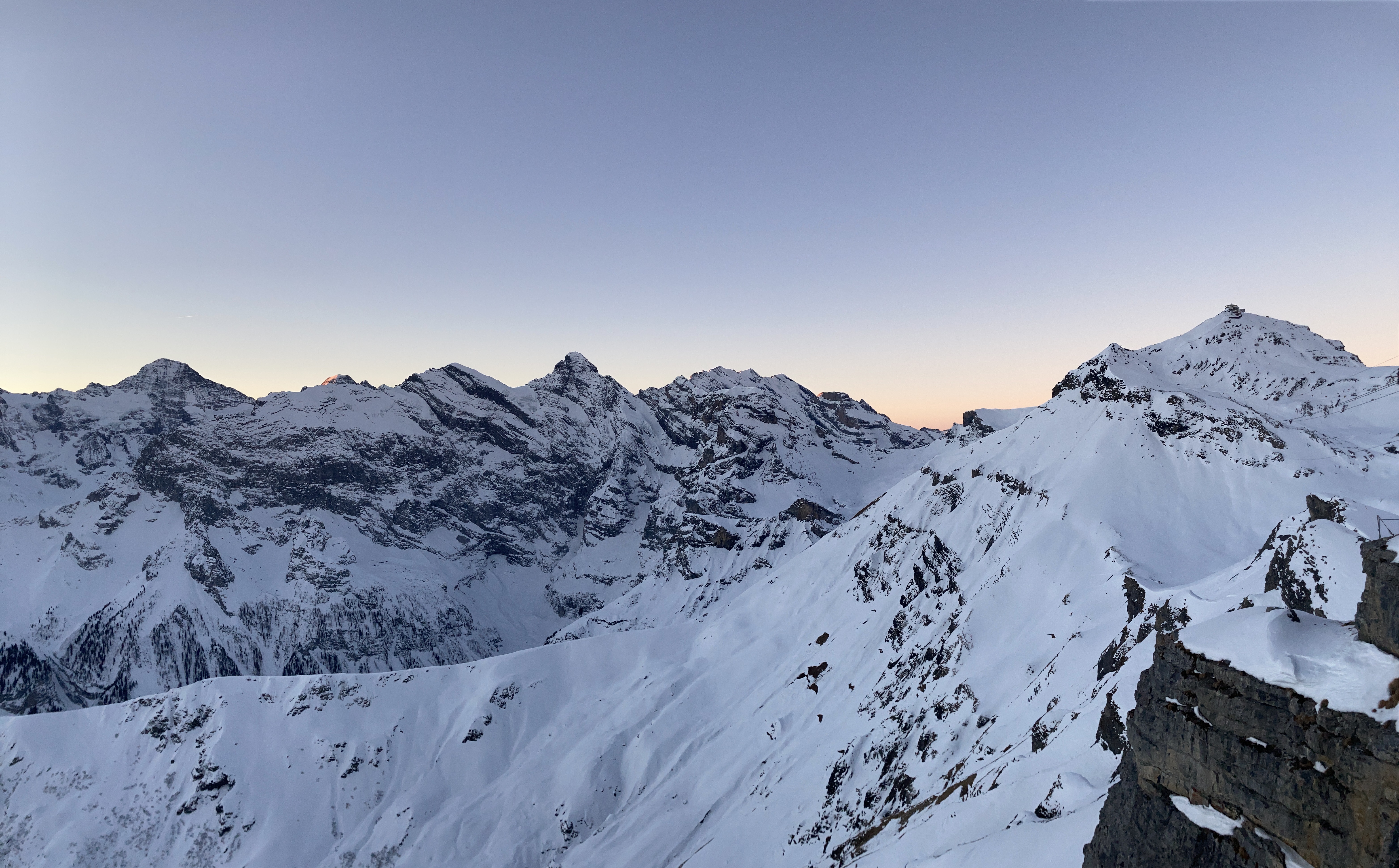
Switzerland is synonymous with world-class skiing, offering an enticing blend of adventure, charm, and luxury in its iconic Alpine resorts. Whether you’re an avid skier or simply seeking a snowy escape, Switzerland’s legendary destinations promise unforgettable experiences. But planning a trip that perfectly balances skiing, relaxation, and exploration can be daunting. This is where a luxury travel advisor, like AAV Travel, steps in to curate your dream ski vacation.
Let’s explore Switzerland’s top ski destinations, critical considerations for your trip, and how a travel advisor can elevate your Alpine adventure.
Switzerland’s Iconic Ski Destinations
St. Moritz: The Birthplace of Alpine Tourism
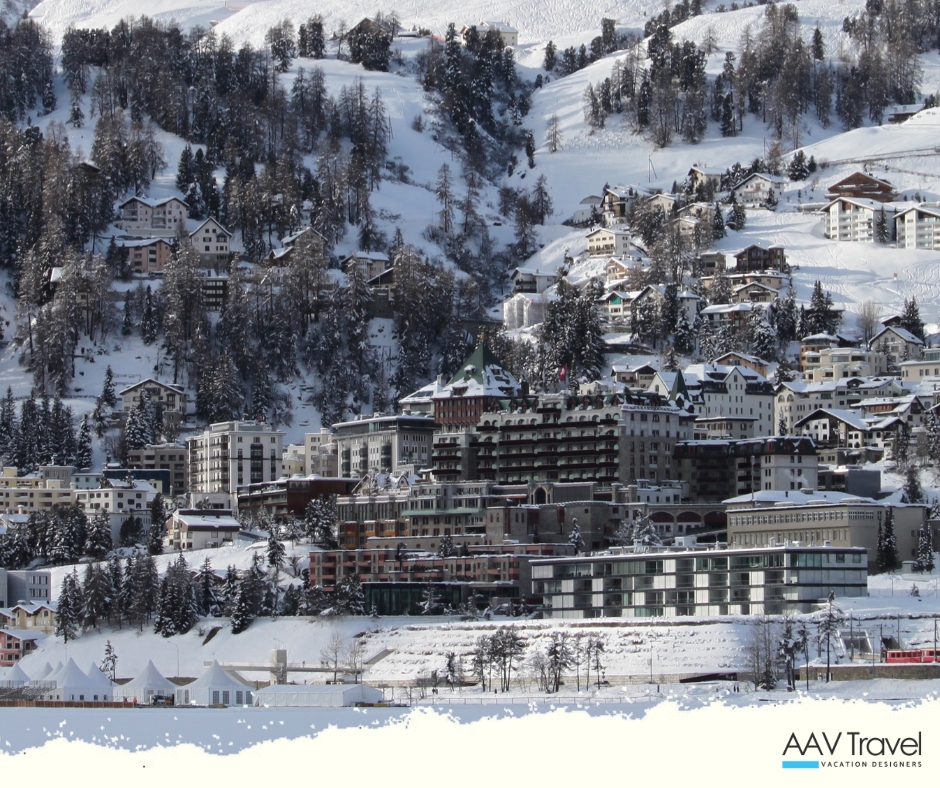
St. Moritz is where luxury skiing began. With over 300 days of sunshine each year, it dazzles visitors with perfectly groomed slopes, opulent accommodations, and an exclusive après-ski scene. The resort is a haven for those seeking a mix of sophistication and adventure. Think gourmet dining, designer shopping, and rejuvenating spas—all within reach of pristine ski runs.
Saas-Fee: The Pearl of the Alps
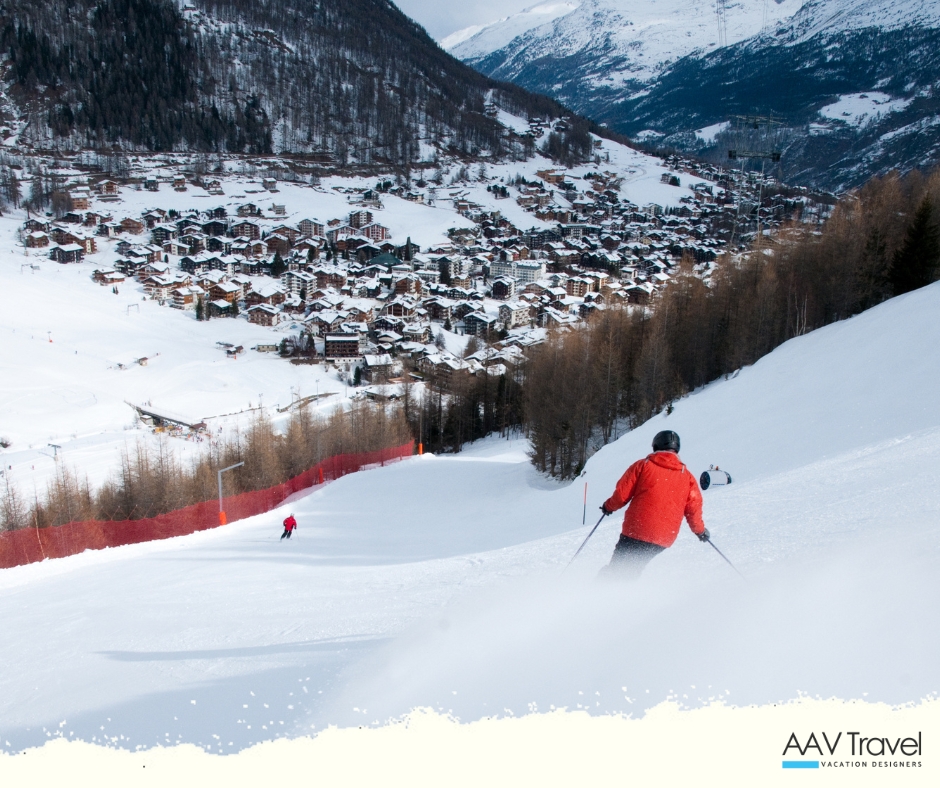
Saas-Fee enchants visitors with glacier-capped peaks and a serene, car-free village atmosphere. Known for its breathtaking landscapes, it’s a paradise for those seeking tranquility and natural beauty. Ideal for both beginners and advanced skiers, Saas-Fee offers a unique charm that invites visitors to disconnect and unwind.
Zermatt: At the Foot of the Matterhorn
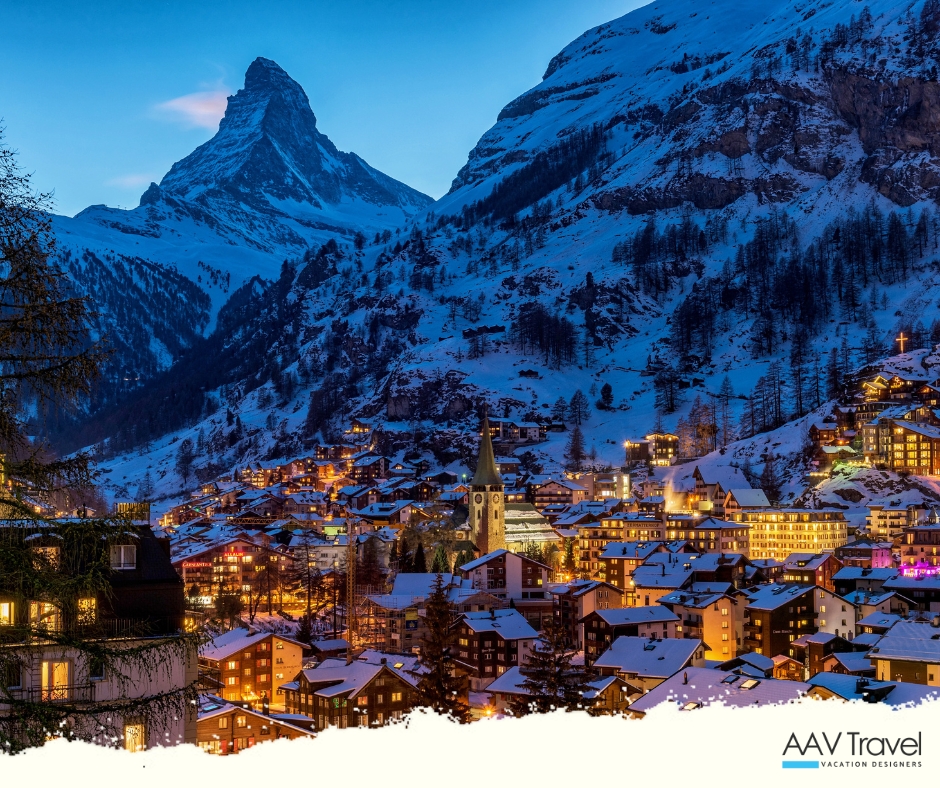
Nestled beneath the iconic Matterhorn, Zermatt combines world-class skiing with high-end dining and a vibrant atmosphere. Known for its extensive slopes and challenging off-piste runs, it’s a favorite among discerning travelers. The village itself offers a lively mix of gourmet restaurants, boutique shopping, and cultural activities.
Mürren: Authentic Swiss Charm

For a more intimate experience, Mürren offers stunning panoramic views of the Eiger and an authentic Alpine vibe. Its traditional chalets and quiet ambiance make it a perfect retreat for those seeking a slower pace. Mürren’s slopes cater to all skill levels, while the charming village ensures a cozy and memorable stay.
The Benefits of a Travel Advisor for Your Ski Trip
Planning a luxury ski vacation involves balancing several factors to create the perfect experience. As a Swiss native, Stefanie at AAV Travel can transform your trip:
Skill Level Compatibility
Ski resorts vary in terrain and difficulty, making it essential to choose one that suits your abilities. Whether you’re a beginner, an intermediate skier, or a seasoned pro, we’ll guide you to destinations like St. Moritz for its balanced terrain or Zermatt for adrenaline-pumping off-piste runs.
Tailored Accommodations
Your choice of lodging sets the tone for your trip. From ski-in/ski-out chalets with private amenities to five-star hotels with world-class spas, accommodations in Switzerland cater to every taste. At AAV Travel, we can secure exclusive perks, such as room upgrades, complimentary breakfast, or private transfers, ensuring your stay is as seamless as it is luxurious.
Off-Slope Activities
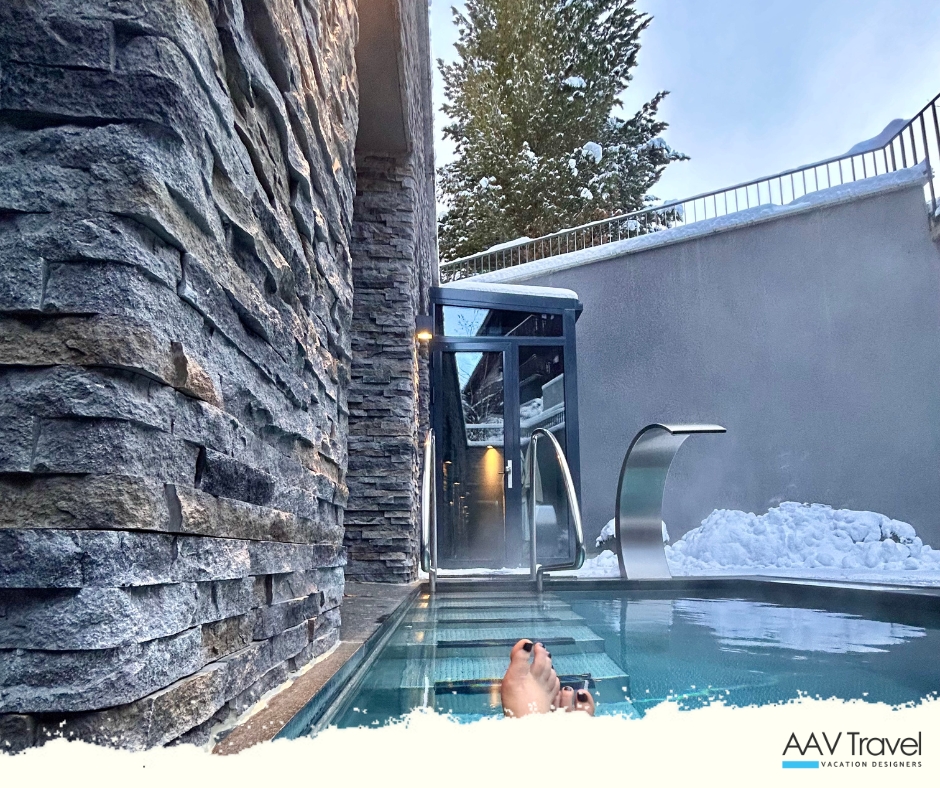
Switzerland isn’t just about skiing. Whether you’re drawn to après-ski glamour, cultural excursions, or wellness retreats, a travel advisor helps you find experiences that complement your itinerary. For instance, St. Moritz offers upscale shopping and fine dining, while Mürren is perfect for serene Alpine walks and cozy evenings by the fire.
Logistics and Accessibility
Navigating Switzerland’s Alpine terrain requires careful planning. From arranging flights and transfers to managing ski equipment logistics, we handle it all. Prefer to send your luggage ahead or combine your ski trip with a city break in Zurich or Geneva? We’ll ensure every detail is accounted for so you can focus on enjoying your journey.
Optimal Timing
Weather patterns, snow quality, and crowd levels can vary dramatically throughout the season. Our expertise ensures you visit during the best time for ideal skiing conditions and a more exclusive experience.

Luxury Skiing in Switzerland: Is It Worth It?
A luxury ski trip to Switzerland often compares favorably to similar experiences in the U.S., particularly when considering the value of Swiss hospitality and the overall experience. Let’s break it down:
Accommodations
High-end stays in resorts like Zermatt or St. Moritz typically range from CHF 300–1,000 per night. By comparison, luxury lodgings in U.S. destinations like Aspen or Vail often exceed $400 per night and can reach $1,500 during peak seasons.
Lift Passes
A six-day pass in Swiss resorts averages CHF 350–400 (around $375–430), significantly lower than the $600+ often charged in U.S. resorts.

Ski Lessons and Rentals
Private lessons in Switzerland cost $70–$130 per hour, compared to $150–$200 in the U.S. Equipment rentals are also more affordable, averaging CHF 100–150 for a week.
Dining
Swiss resorts offer more budget-friendly dining options compared to the U.S. An on-mountain meal in Switzerland typically costs CHF 30–60, while in the U.S., it can range from $50–100 per person.
While flights to Switzerland may be pricier, the savings on lessons, rentals, and lift passes often balance out, making a Swiss ski vacation an attractive option. At AAV Travel, we excel at finding value-packed packages tailored to your preferences.
Don’t Miss Switzerland’s Winter Events
Switzerland is not just a skiing destination—it’s a hub for thrilling winter sports events. Here are some highlights:
- FIS Alpine Ski World Cup: Watch elite skiers compete in downhill, slalom, and giant slalom races at locations like Wengen and Adelboden.
- Freeride World Tour in Verbier: Witness daring athletes take on the extreme Bec des Rosses terrain.
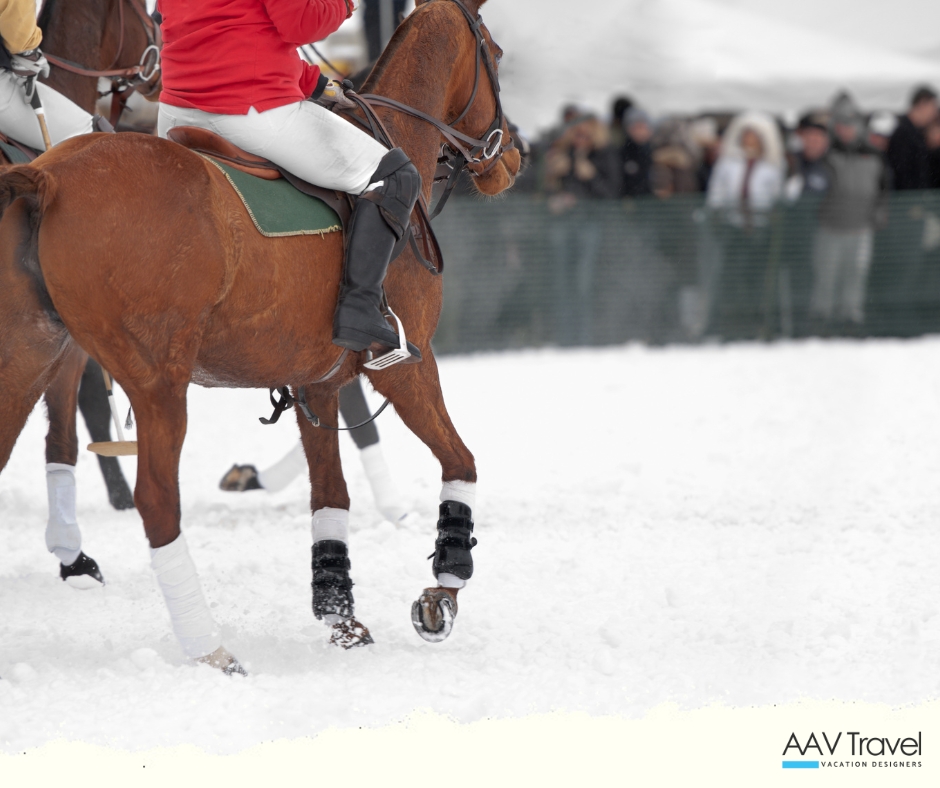
- Snow Polo World Cup St. Moritz: Held on a frozen lake, this high-goal polo tournament is a glamorous blend of sport and luxury.
- Laax Open: A premier snowboarding event featuring slopestyle and halfpipe competitions.
A luxury travel advisor ensures seamless access to these events, securing accommodations and exclusive experiences that align with your interests.
Why Choose AAV Travel?
Planning a ski trip to Switzerland involves countless details—from selecting the right destination to coordinating logistics. At AAV Travel, we leverage insider knowledge, Swiss expertise, and industry connections to craft bespoke itineraries tailored to your desires.
Imagine arriving at a cozy chalet with breathtaking mountain views, indulging in gourmet cuisine after a day on the slopes, and knowing every aspect of your trip has been meticulously planned. This is the level of service and care we provide.
Is It Time to Hit the Slopes?
Switzerland offers an unparalleled ski experience, blending natural beauty, adventure, and sophistication. Whether you’re drawn to the glitz of St. Moritz, the charm of Mürren, or the iconic slopes of Zermatt, a carefully curated itinerary ensures your vacation is nothing short of extraordinary.
Ready to start planning your Swiss ski adventure? Let AAV Travel make it effortless. With our expertise, your dream vacation is just a call away. Contact us today and turn your Swiss ski dreams into reality.
To start planning, contact us via email at info@aav-travel.com or visit the website.
Written by: Stefanie P.



 AAV Explorations