
If you’re planning a beach escape to the U.S., Mexico, or the Caribbean, there’s one natural phenomenon you might want to know about—sargassum. While it can show up unexpectedly on beautiful shores, learning a little about it can turn potential frustration into informed appreciation.
Sargassum is a type of floating brown macroalgae. Unlike seaweed that clings to the seabed, sargassum stays buoyant thanks to tiny gas-filled bulbs, or pneumatocysts, that look like grapes.
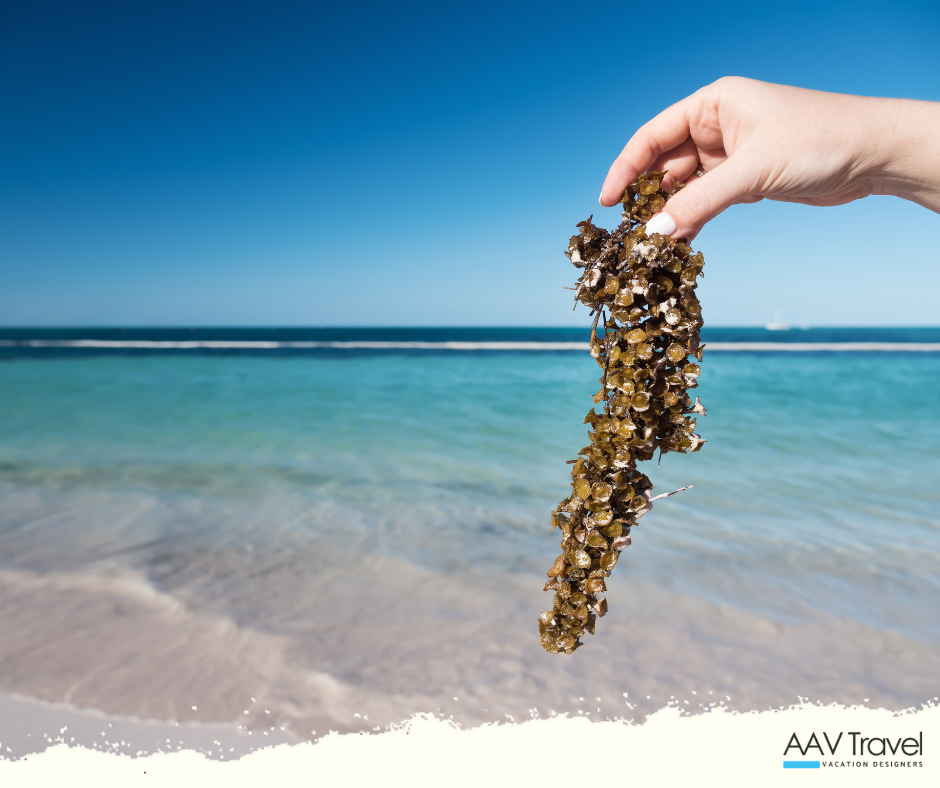
When it’s drifting offshore, this seaweed plays a vital ecological role. It’s a floating nursery—home to juvenile fish, crabs, invertebrates, and even sea turtles and sharks—all finding shelter and food within its mats. Scientists see these floating ecosystems as “essential fish habitat,” supporting valuable marine life.
Why Is It Suddenly Everywhere—and So Unpredictable?
Since around 2011, sargassum blooms have ramped up dramatically. The Great Atlantic Sargassum Belt—a vast swath stretching between West Africa and the Western Atlantic—is now visible even from space. In recent years, researchers have recorded record-breaking amounts, with tens of millions of tons drifting across the Atlantic.
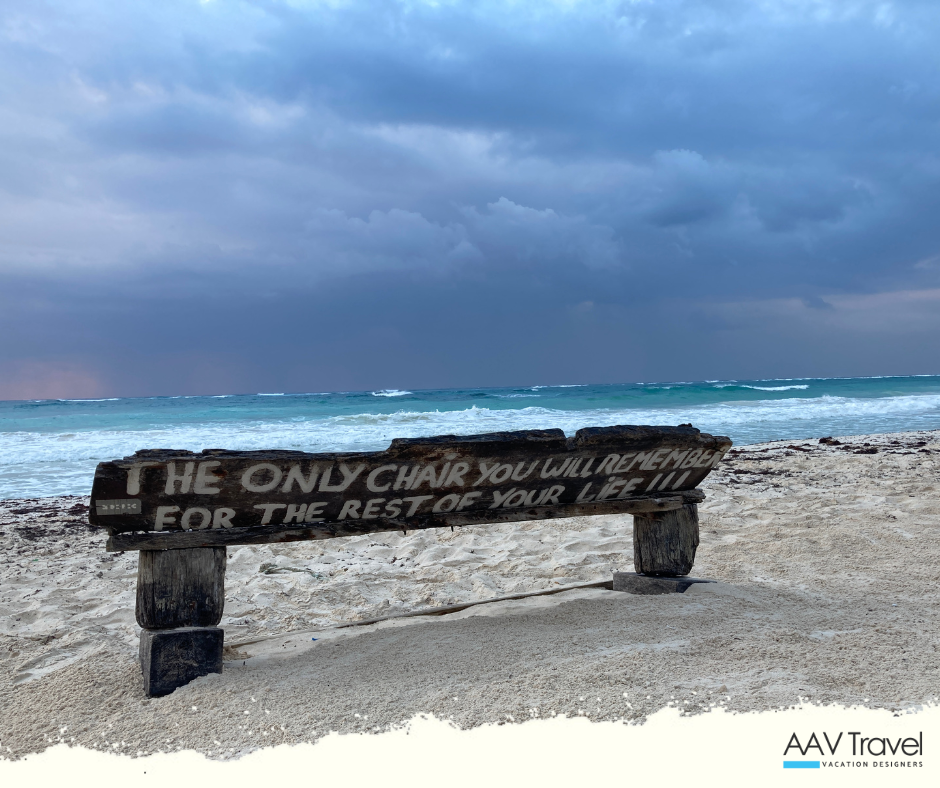
Why such explosive growth? A combination of warmer seas, nutrient influxes—fed by river runoff and atmospheric nitrogen—and shifting ocean and wind patterns have given sargassum the perfect opportunity to thrive. Scientists also point to a tipping point triggered by altered atmospheric pressure since 2009, which has changed currents and pushed more sargassum into tropical waters.
What makes sargassum especially challenging for travelers is its sheer unpredictability. One beach might be pristine today, while a nearby one gets overwhelmed tomorrow—thanks to how currents, wind, and tides move these mats.
How Sargassum Affects Your Vacation
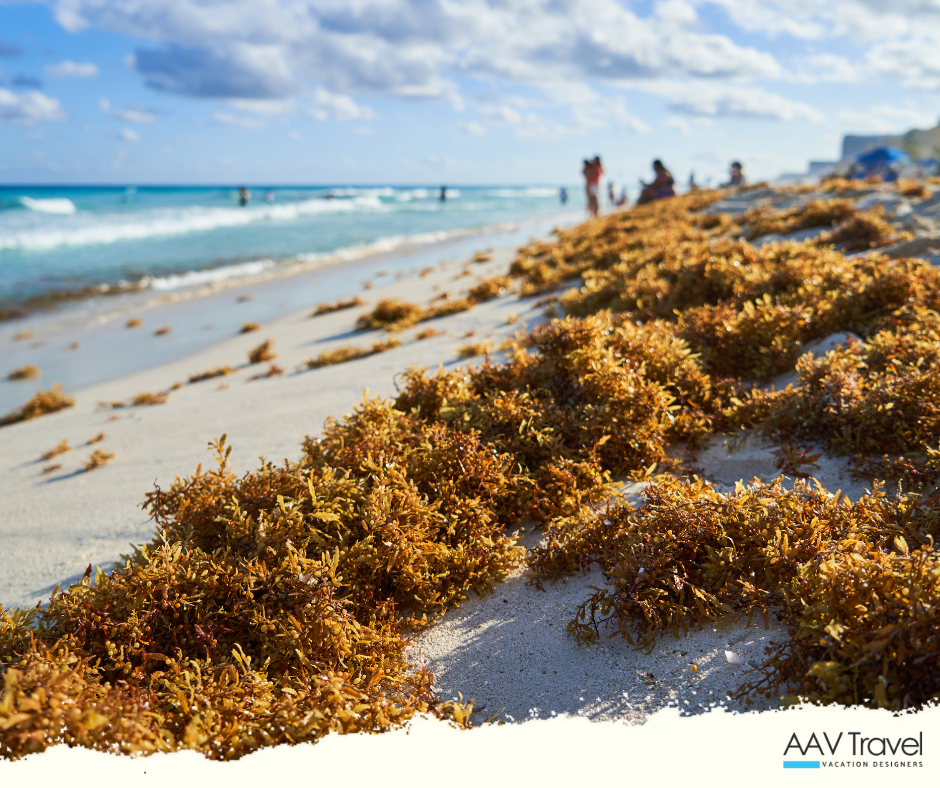
When sargassum drifts ashore in large quantities, it’s more than a visual nuisance:
- It can release a strong, rotten-egg smell—thanks to hydrogen sulfide gas, which can irritate eyes and throats and even exacerbate asthma.
- Decomposition can create oxygen-depleted zones, harming coral, seagrass, and marine life—and even causing fish kills.
- It can clog infrastructure like water intakes and affect coastal ecosystems negatively.
- There’s a potential health concern: decomposing sargassum can harbor harmful bacteria like Vibrio, which might cling to plastic debris entangled in the mats.
- Communities report beach closures, disruption to tourism, and expensive cleanup operations.
Why It’s a Traveler’s “Fact of Life”
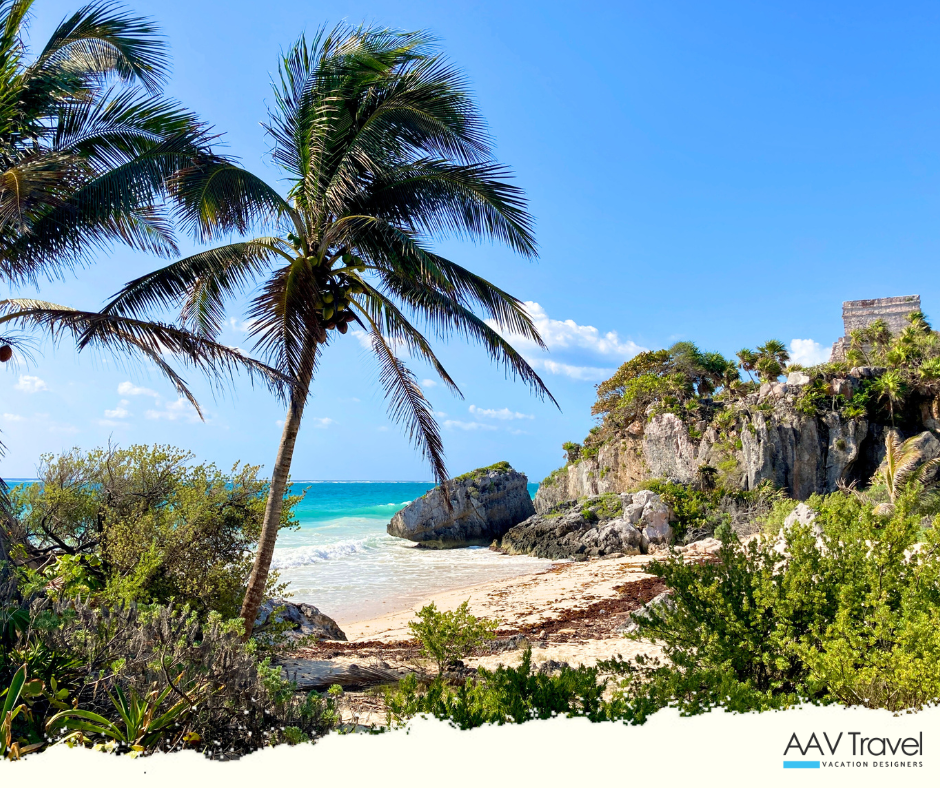
Simply put: sargassum is unpredictable—but persistent. It doesn’t follow schedules. The Mexican Caribbean—Cancún, Tulum, Playa del Carmen—has seen heavy influxes in recent years, with record amounts piling up along beaches. Florida, Puerto Rico, and areas across the eastern Caribbean have also been hit severely during peak seasons.
Because currents and weather shift constantly, no travel insurance or forecast can guarantee clean shores—but smart planning can make your trip smoother.
How to Make the Most of It—Smart, Savvy, and Sargassum-Aware
Lean on your resort’s resources
High-end resorts often feature stunning infinity pools, private cabanas, and curated sun decks—allowing you to relax in style without ever noticing the sargassum.

Travel during lower-risk months
While no season is immune, sargassum tends to peak between April and August—especially in the Mexican Caribbean—but patterns can vary.
Embrace alternative experiences
Offshore snorkeling, boat trips, cenotes, inland culture, or spa days provide great options when beaches are affected.
Remember there’s good in sargassum too
It supports marine biodiversity and when harvested, can be repurposed into biofuel, compost, bioplastics, building materials, cosmetics, and more—though these solutions are still developing.
Take a soft, adaptable mindset
Rather than seeing sargassum as a total shutdown, view your trip as a dynamic adventure. With a proactive mindset, you can still find warmth, beauty, and memorable moments.
Bottom Line
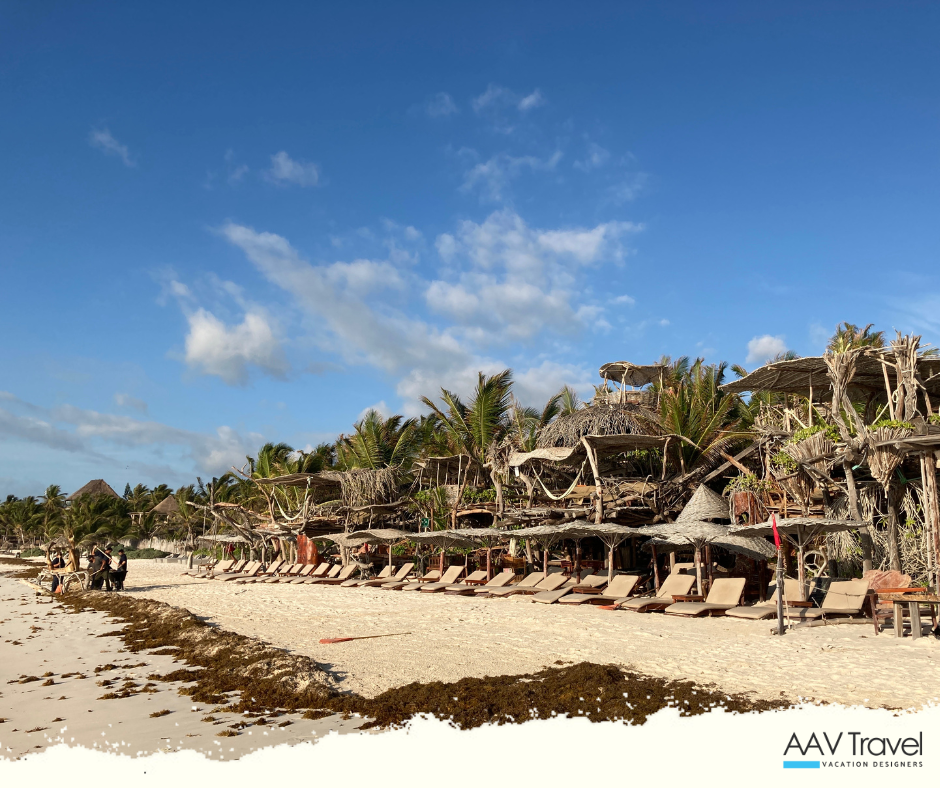
While sargassum may sometimes feel overwhelming, it’s important to understand that this natural occurrence is entirely outside of anyone’s control. What travelers can take comfort in, however, is the incredible dedication of local communities and resort staff. Day after day, teams rise early to clear beaches, maintain swimming areas, and create welcoming spaces for visitors to enjoy. Their ongoing efforts are a testament to how deeply these destinations value tourism and the guest experience. Recognizing this commitment helps travelers see beyond the seaweed and appreciate the warmth, hospitality, and pride that shine through in every stay.
And remember, sargassum may wash up, but it’s not the end of your beach dream. Understanding what it is, why it blooms unpredictably, and how to adapt can help your getaway stay sunny—no matter the seaweed situation. With flexibility, local knowledge, and open-mindedness, you can ride the waves of sargassum season and still score beach bliss.
Ready to embrace your next getaway with confidence—sargassum or not? To begin planning, contact us via email at info@aav-travel.com or visit the website.
Written by: Stefanie P.
 AAV Explorations