
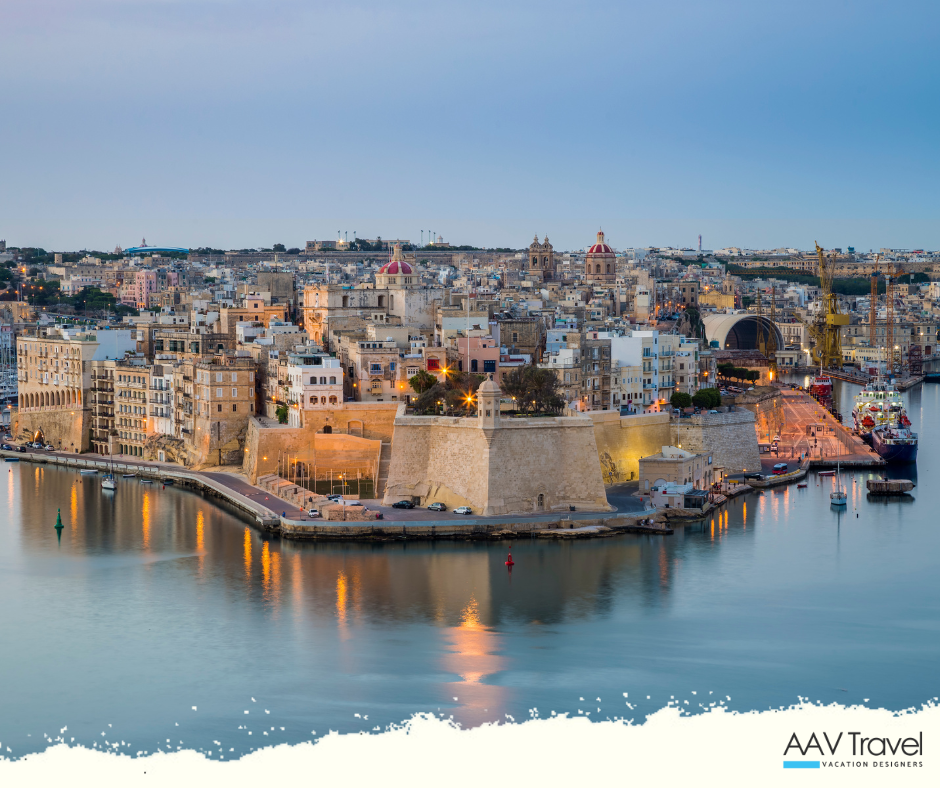
Malta isn’t the Mediterranean you already know. It’s not a “one landmark after another” destination, and it’s not at its best when you treat it like an island you can simply cover in a few busy days. Malta rewards travelers who like their history layered, their pace unhurried, and their days designed with intention—because the difference between a good Malta trip and a truly memorable one is often timing, geography, and flow.
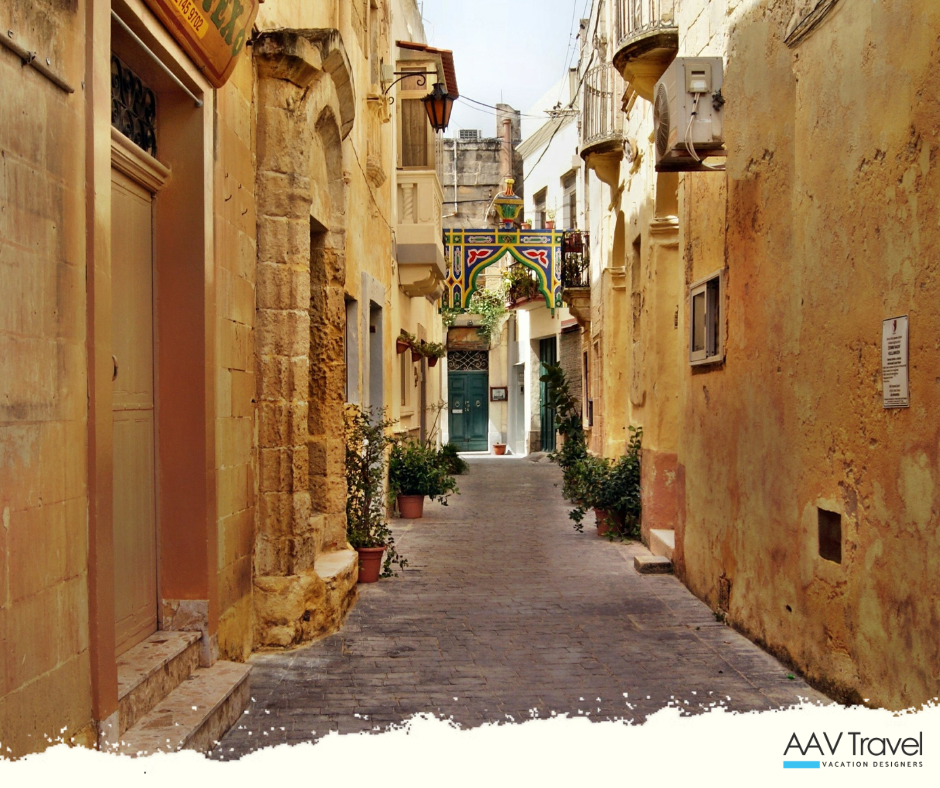
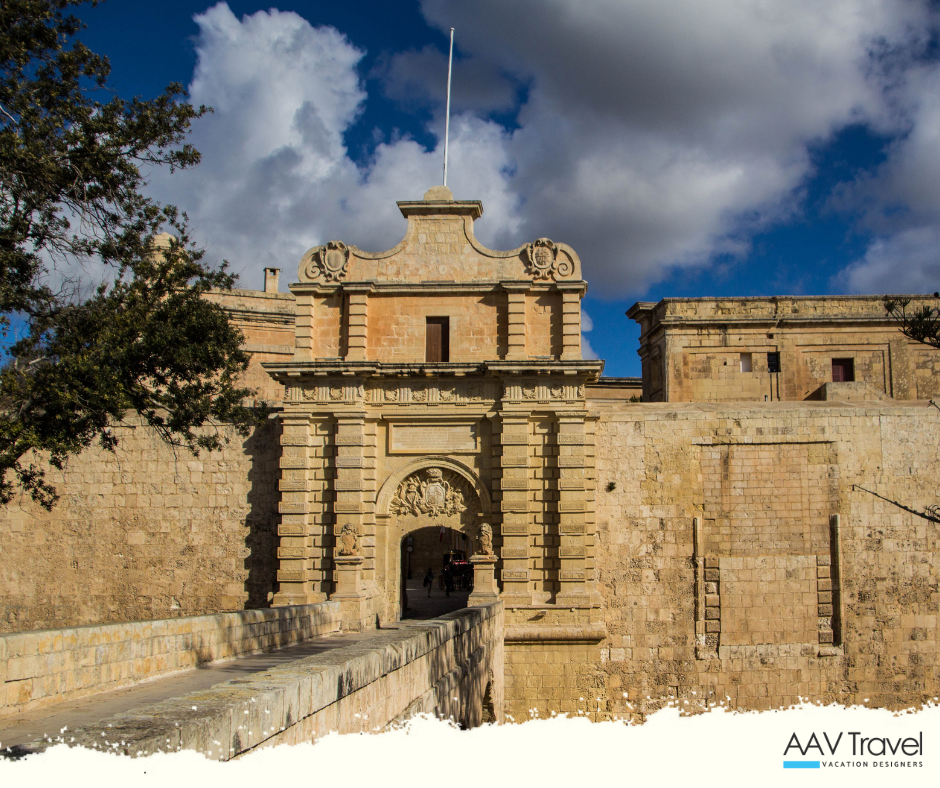
Perched between Europe and North Africa, Malta has always been a crossroads, and you feel that in the architecture, the language, and the table. Valletta’s honey-colored stone and Baroque grandeur can feel cinematic, while Mdina’s quiet lanes turn the volume down completely. And then, just beyond the cities, the coast takes over—limestone cliffs, small coves, and that particular Mediterranean light that makes even an ordinary afternoon feel luminous.
What makes Malta especially appealing for American travelers is that it still feels like a discovery. It’s compact enough to feel manageable, yet rich enough that you don’t want to rush it. Done well, a Malta trip feels like a week of contrasts: cathedral bells and salt air, ancient temples and modern design, seafood lunches that stretch longer than planned—exactly as they should.
Choosing Where to Stay
Malta’s small size can be misleading. Where you stay shapes the entire tone of the trip.

Valletta is ideal for travelers drawn to history, architecture, and a city that comes alive in the evenings. Staying within the fortified capital allows you to experience the city after day-trippers leave, when church bells echo softly through narrow streets and restaurants feel relaxed rather than rushed.
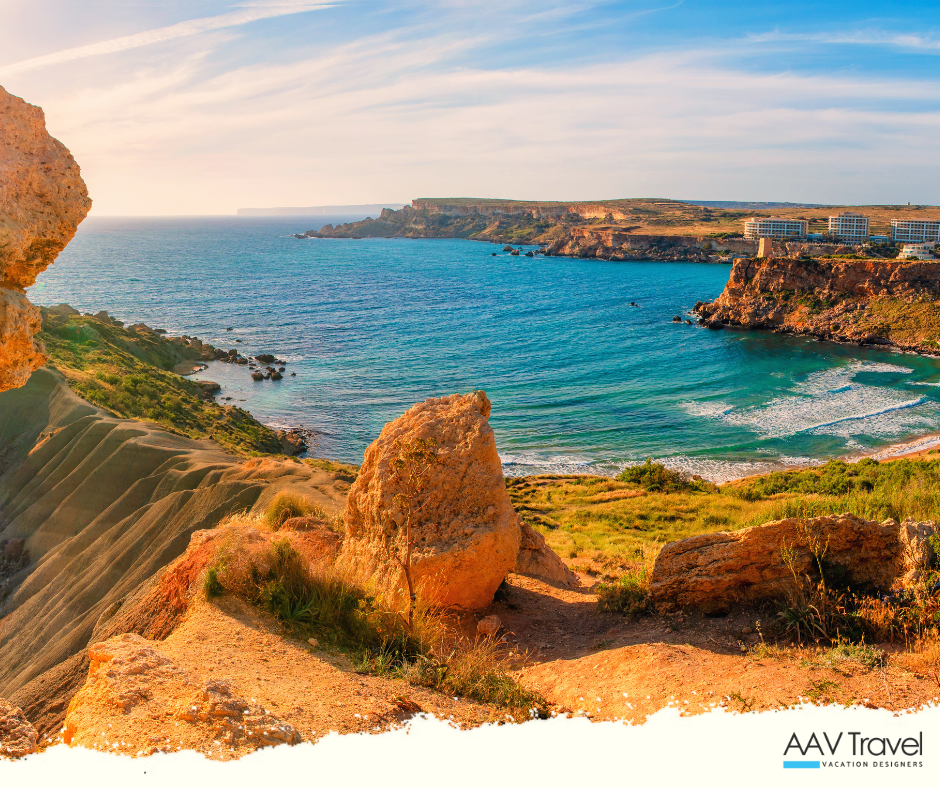
For those who prefer a more coastal rhythm, areas such as Sliema or St. Julian’s offer easy access to the sea, along with a more contemporary feel. These locations work well when paired with intentional day planning, ensuring historic visits and coastal downtime feel balanced rather than disjointed.

Gozo, Malta’s quieter sister island, deserves special consideration. With its slower pace, open landscapes, and dramatic coastline, it’s often best experienced as an overnight stay rather than a rushed day trip. Travelers who enjoy walking, photography, and a sense of space tend to find Gozo deeply restorative.
Experiencing Malta’s History Without Fatigue
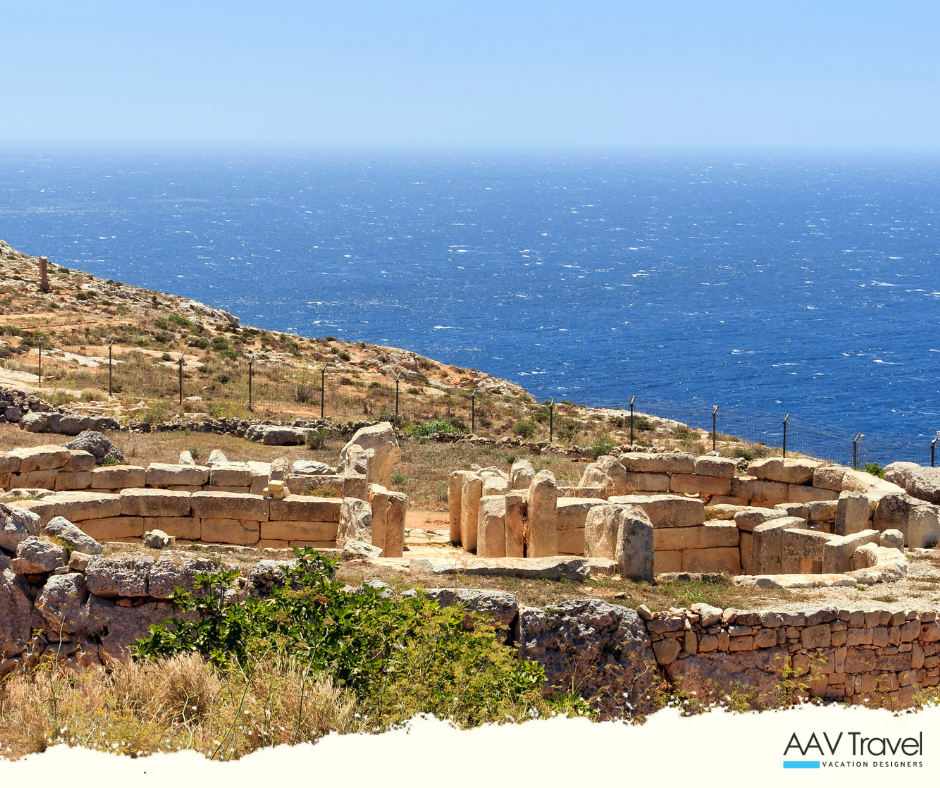
Malta’s history is astonishingly deep—sometimes overwhelming if approached without curation. The island is home to some of the world’s oldest free-standing structures, including the prehistoric temples of Ħaġar Qim and Mnajdra, which predate the Egyptian pyramids. Later centuries brought the Knights of St. John, whose legacy defines Valletta’s Baroque grandeur, followed by Malta’s pivotal role in World War II.
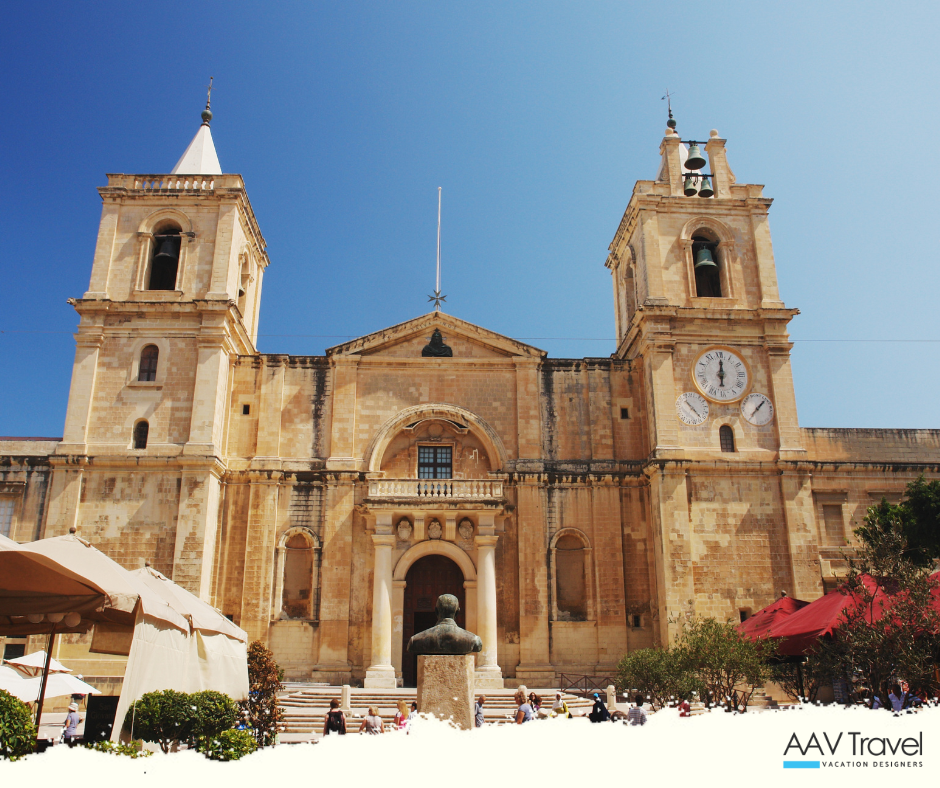
The difference between absorbing this history and feeling buried by it often comes down to pacing and context. Rather than attempting to see everything, Malta rewards travelers who focus on fewer sites with richer interpretation—ideally with guides who bring the narrative to life and connect the dots between eras. Seeing St. John’s Co-Cathedral at opening hours, before tour groups arrive, reveals details most visitors miss. Followed by an unhurried lunch or a coastal walk, keeps the experience engaging rather than exhausting.
Malta by Sea: Timing Is Everything
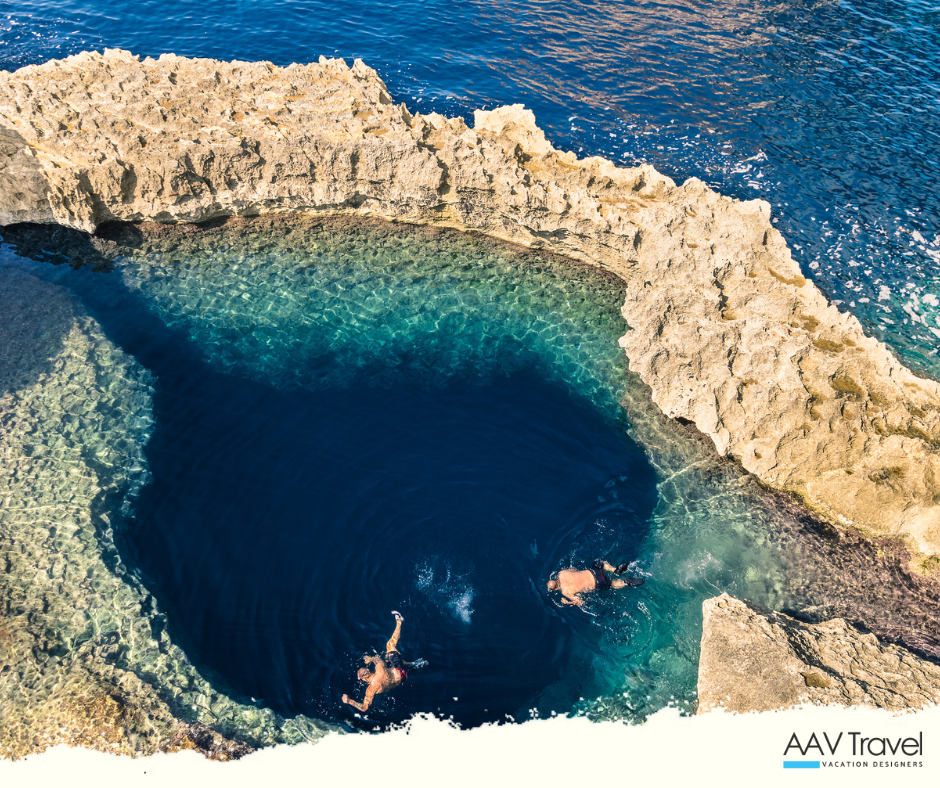
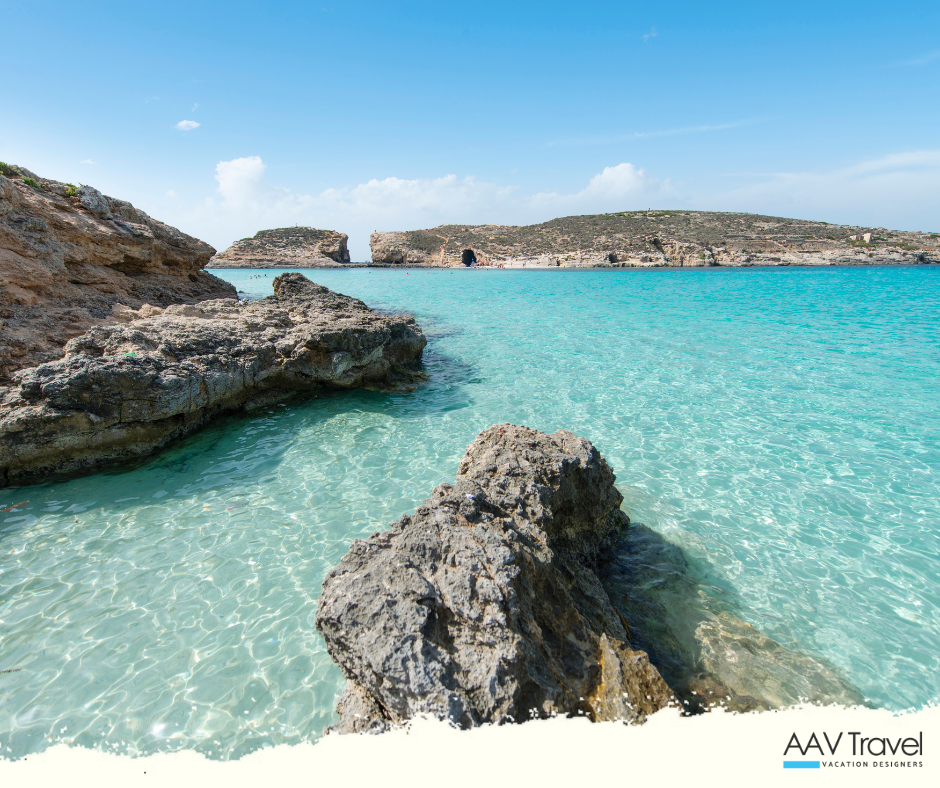
The sea is inseparable from life in Malta, and time on the water is often a highlight of the journey. From the luminous Blue Lagoon at Comino to the rugged cliffs of Gozo, Malta’s coastline offers extraordinary beauty—but it also requires careful timing.

In peak summer months, popular spots can feel energetic rather than serene. Experiencing them well often means adjusting the schedule: visiting early in the day, choosing private or semi-private boat routes, or pairing well-known swim spots with quieter coves that feel more intimate. When approached thoughtfully, Malta’s coastal experiences become moments of calm and clarity rather than crowd management.
Walking Malta: Cities, Coastlines, and Quiet Views
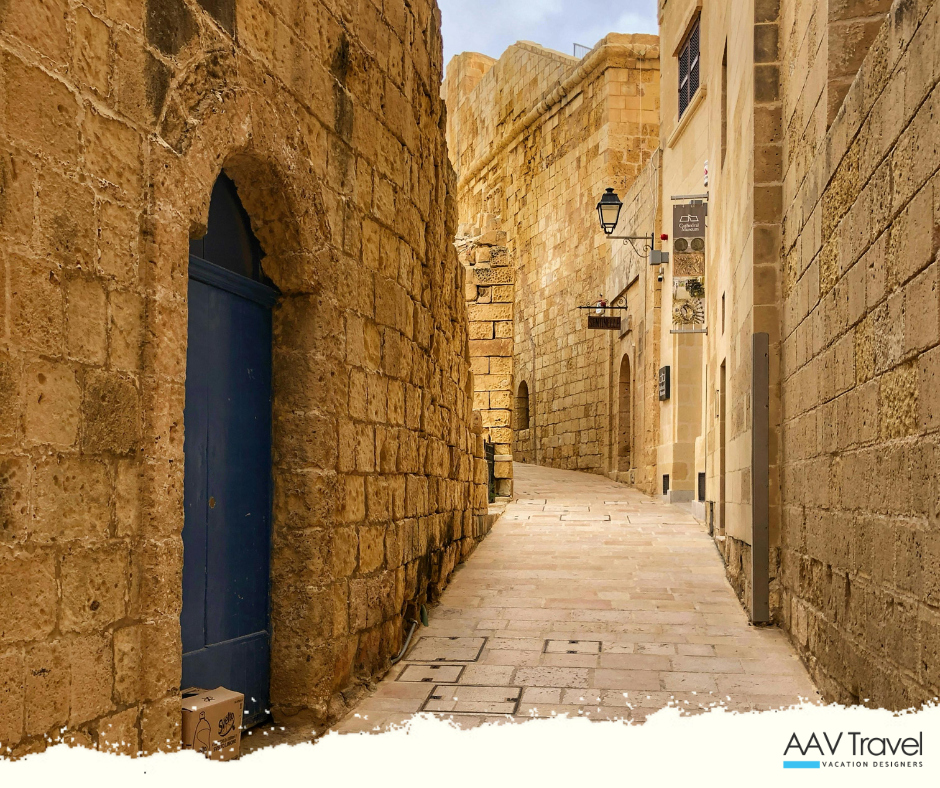
Malta is a destination best explored on foot—though travelers should be prepared for hills, cobblestones, and uneven terrain, particularly in historic areas. Valletta and Mdina reward walkers with panoramic harbor views and architectural details that are easy to miss from a vehicle. On Gozo, coastal trails offer dramatic vistas and a sense of openness that contrasts beautifully with Malta’s cities.
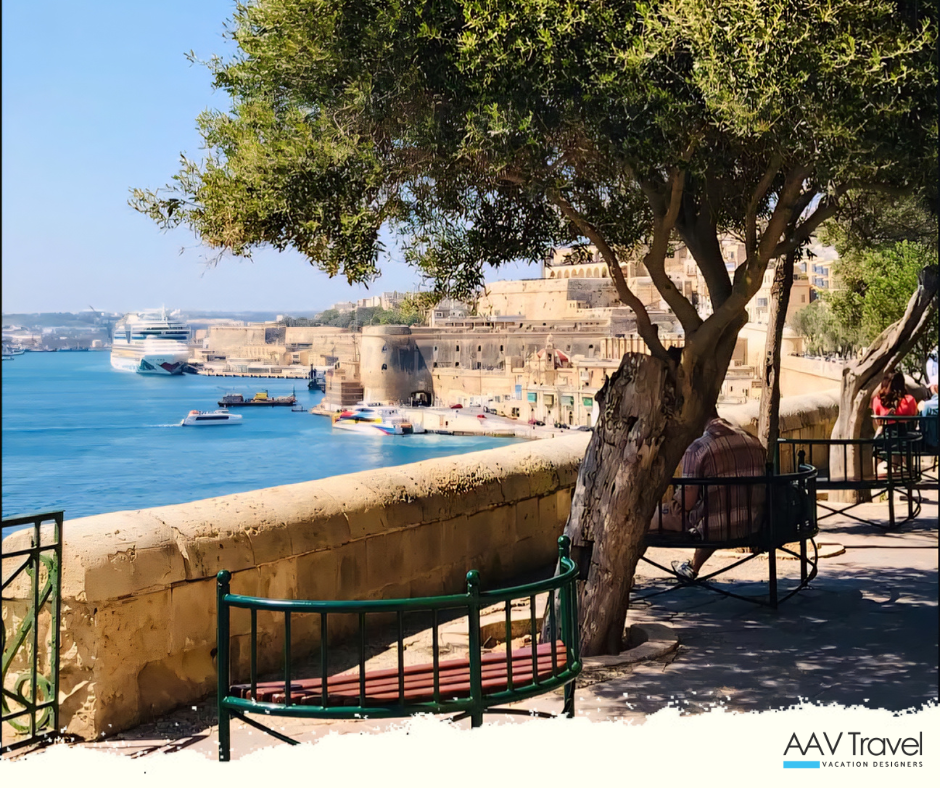
For active travelers, walking here isn’t about conquering distances; it’s about slowing down enough to notice the interplay of sea, stone, and sky.
Dining in Malta: A Reflection of Its History
Malta’s cuisine mirrors its layered past. Italian, Arabic, and British influences blend with local traditions to create food that feels both familiar and distinctive. Fresh seafood, simple preparations, and long-standing local specialties anchor the dining experience, while a growing fine-dining scene adds refinement.

As of October 2025, the Michelin Guide recognizes 42 restaurants across the islands, including six with one Michelin star and one with two stars. Dining well in Malta is less about chasing accolades and more about choosing the right setting for the moment—whether that’s a seaside table at sunset or a tucked-away restaurant in a centuries-old building. Reservations, location, and timing often make the difference between a good meal and a memorable one.
When to Go: Understanding the Seasons
Malta changes significantly with the seasons. Summer brings warmth, energy, and vibrant coastal life, but also heat and crowds at the most famous sites. Shoulder seasons—late spring and early autumn—often offer the most balanced experience, with comfortable temperatures, lively restaurants, and a gentler pace. Winter, while cooler, reveals a quieter, more contemplative side of the islands that appeals to travelers focused on history, walking, and cultural immersion.
Understanding these seasonal shifts is essential to designing a trip that aligns with how you prefer to travel.
Who Malta Suits Best
Malta tends to resonate most with travelers who enjoy cultural depth, walkable cities, and variety without constant movement. It works beautifully for couples, curious multi-generational groups, and travelers who value atmosphere as much as attractions. Those expecting a purely beach-driven escape may be surprised—but travelers open to a layered Mediterranean experience often leave deeply impressed.
At AAV Travel, we approach Malta not as a checklist of highlights, but as a carefully composed journey. That means choosing the right bases, designing days that flow naturally, and building in moments that feel effortless rather than over-scheduled. It might involve arranging expert-led historical visits, planning coastal experiences outside peak hours, or creating a balance between exploration and rest that allows the island’s character to come through.
If Malta feels like the kind of place you want to experience — thoughtfully, at your pace — we’re here to help shape the journey. Reach out at info@aav-travel.com to begin crafting a journey that reflects how you like to travel: seamlessly, thoughtfully, and with room to truly experience the place.
Written by: Stefanie P.
 AAV Explorations