Christmas on Screen in Europe: Holiday Films as Windows into Tradition

In the United States, Christmas is more than a date on the calendar. It is a season shaped by ritual, repetition, and a familiar sense of comfort. As evenings grow darker and the pace of daily life finally begins to slow, many households return to the same small traditions year after year. One of the most enduring is the simple act of gathering in front of the television, wrapped in blankets, a warm drink within reach, letting a familiar holiday film play in the background.

These movies are rarely watched with full attention, and that is part of their charm. They become part of the rhythm of December rather than the focus of it, offering a shared backdrop for conversation, laughter, and quiet moments together. Parents introduce the films they grew up with to their children. Siblings quote lines they have known by heart for decades. Grown children return home and slip easily into routines that feel unchanged. In many American households, these films are not entertainment so much as reassurance. They signal that the season has truly arrived.

Coming from Switzerland, I have always found this aspect of American Christmas culture quietly fascinating. Each year, someone inevitably references a holiday classic with genuine surprise when I admit I have never seen it. Many of these films are deeply woven into American memory in a way that feels both communal and personal. They reflect how culture, storytelling, and seasonality intersect, shaping how people experience the holidays without necessarily thinking about it.

In Europe, Christmas films play a different role. In many countries, they are less about spectacle or novelty and more about continuity. The same films return year after year, not because they are new or particularly festive, but because they feel familiar. They belong to the season in a way that mirrors how traditions themselves are passed down.

Switzerland
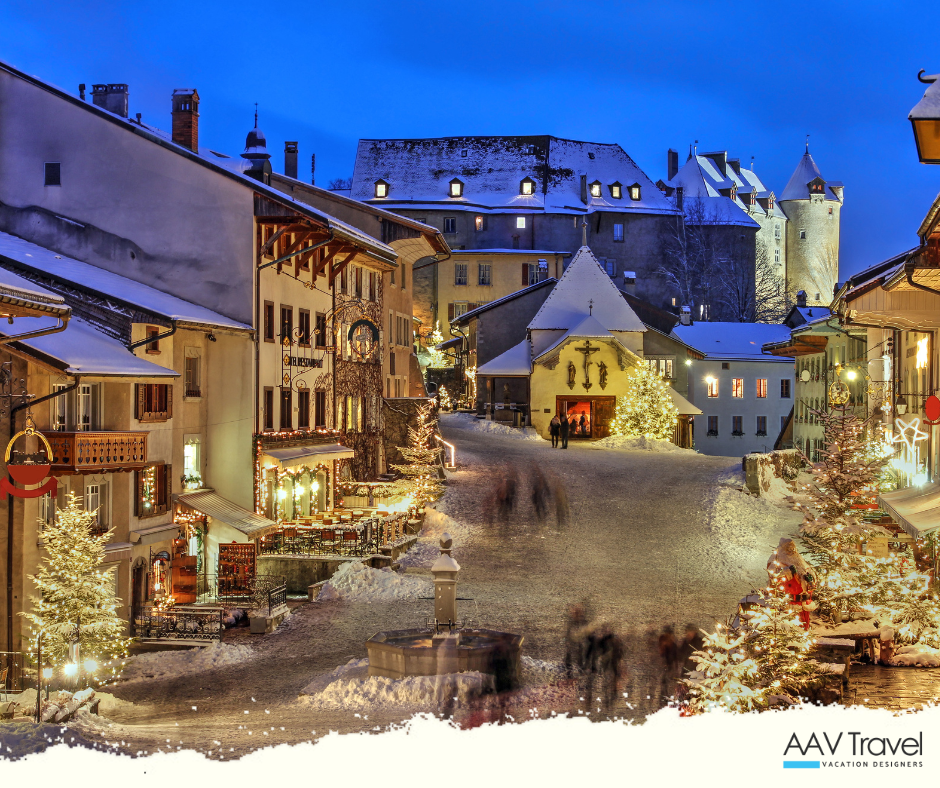
In Switzerland, Christmas unfolds quietly. The season begins with Advent and moves gently through St. Nicholas Day, Christmas Eve, and the days that follow. It is marked by candlelight, winter landscapes, and time spent close to home. Switzerland does not have a strong tradition of producing Christmas-specific films, yet certain stories have become inseparable from the season. In the German-speaking regions, “Drei Haselnüsse für Aschenbrödel,” known in English as “Three Wishes for Cinderella,” appears on television every December, watched by generations who know the story by heart. The classic “Sissi” films often accompany it, their romantic nostalgia fitting naturally into the slower, reflective mood of the holidays. These films mirror Switzerland’s approach to Christmas itself: understated, intimate, and rooted in continuity rather than excess.

Italy
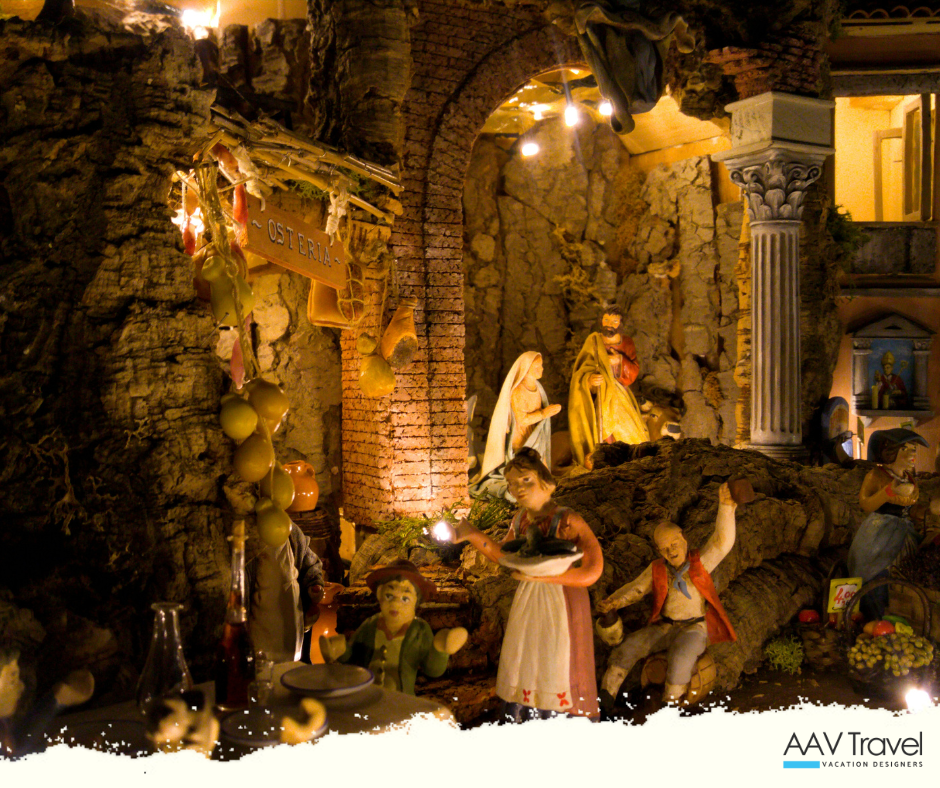
In Italy, Christmas is expansive in a different way. The season stretches well beyond Christmas Day, carrying through to Epiphany in early January. Family meals are long and unhurried, nativity scenes are lovingly displayed, and traditions unfold gradually rather than all at once. Italy has few homegrown Christmas films, yet one foreign movie has unexpectedly become a national ritual. Every Christmas Eve, millions of Italians watch “Una poltrona per due,” the Italian broadcast of “Trading Places.” What began as an American comedy has taken on a distinctly Italian rhythm through repetition, becoming part of the country’s shared holiday language. Alongside it, animated favorites such as “How the Grinch Stole Christmas” often appear, adding lightness and familiarity to evenings spent together.

Ireland
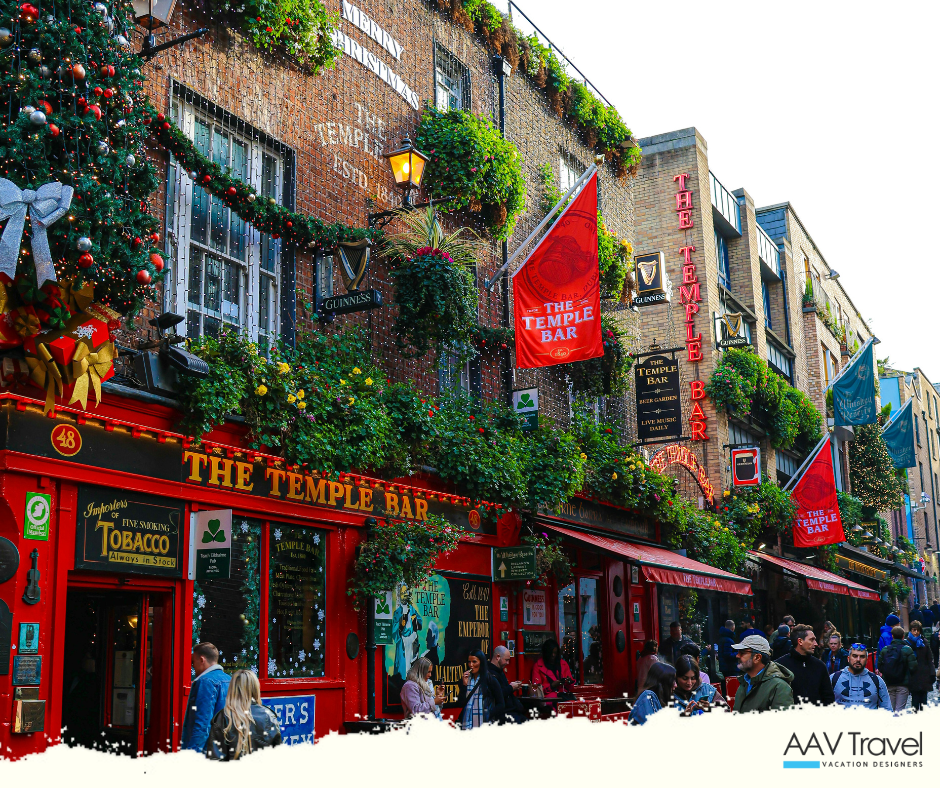
In Ireland, Christmas is deeply social, shaped by humor, community, and shared moments rather than strict formality. One of the most anticipated events of the season is not a film at all, but “The Late Late Toy Show,” a live television broadcast that signals the unofficial beginning of Christmas for many families. It is joyful, chaotic, heartfelt, and unmistakably Irish. Films still play their role, though, and classics like “The Muppet Christmas Carol” return year after year, appealing equally to children and adults. These viewing traditions reflect an Irish Christmas that values warmth, storytelling, and the pleasure of being together above all else.

France
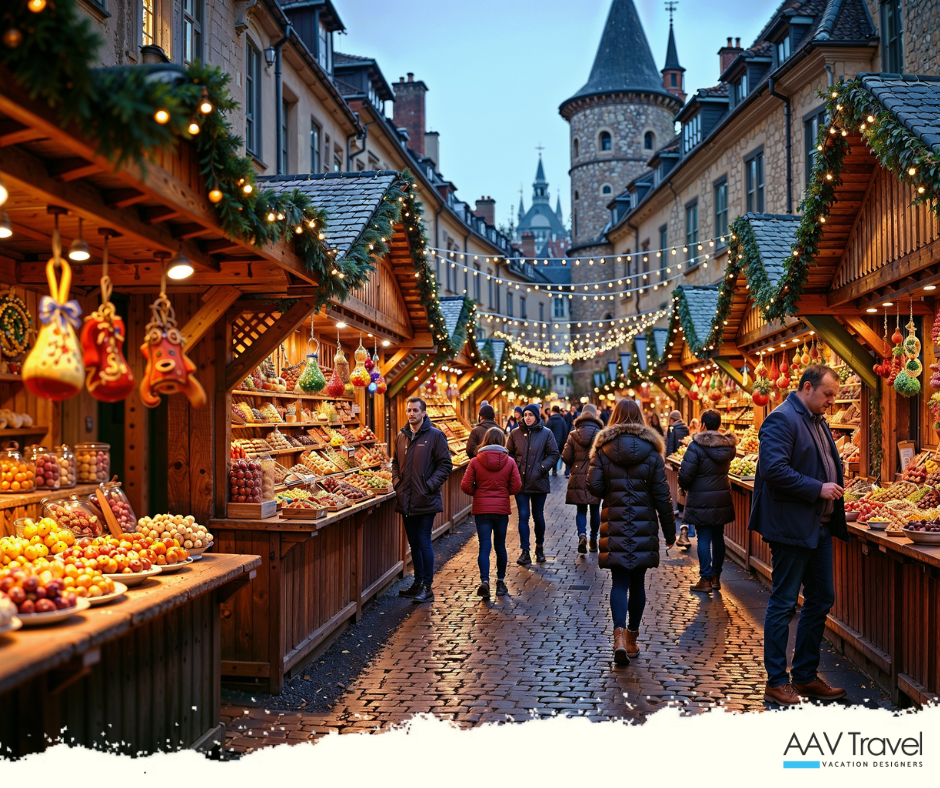
France approaches Christmas with a sense of balance between celebration and restraint. Family meals, particularly the Réveillon on Christmas Eve, remain central, and festive markets bring warmth to winter evenings. While France does not place great emphasis on Christmas films as a category, certain titles have become seasonal touchstones. “Le Père Noël est une ordure,” a darkly comedic cult classic, reappears every December, its humor as familiar as it is irreverent. During the holiday break, French television often broadcasts the Harry Potter films, especially the first installment, which has come to feel inseparable from Christmas despite its British origins. Together, these films add layers of nostalgia and quiet magic to the season without overpowering it

Norway
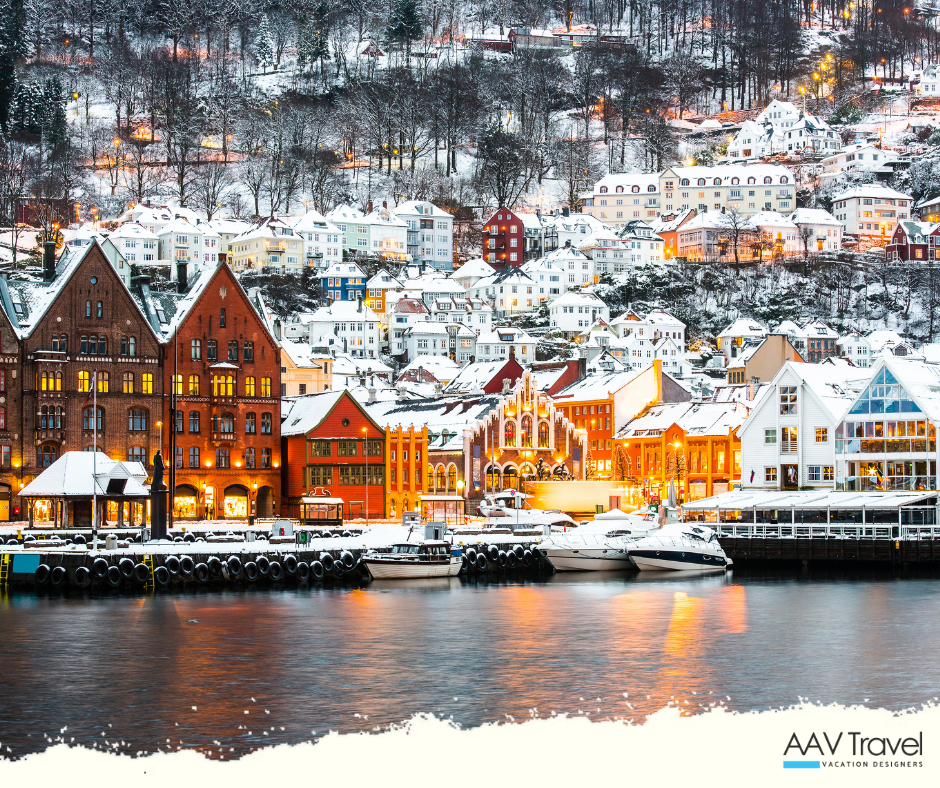
In Norway, Christmas, or Jul, is defined by coziness, candlelight, and preparation. The weeks leading up to Christmas are as important as the day itself, filled with baking, decorating, and shared anticipation. Norwegian holiday television traditions are particularly strong, and for many families, Christmas Eve would feel incomplete without “Tre nøtter til Askepott,” the Norwegian broadcast of the Cinderella fairy tale also beloved in Switzerland. “Reisen til julestjernen,” or “Journey to the Christmas Star,” is another cherished favorite, embodying the fairy-tale quality and emotional warmth that define the season. These films capture the essence of kos, Norway’s expression of comfort, intimacy, and seasonal calm.

UK
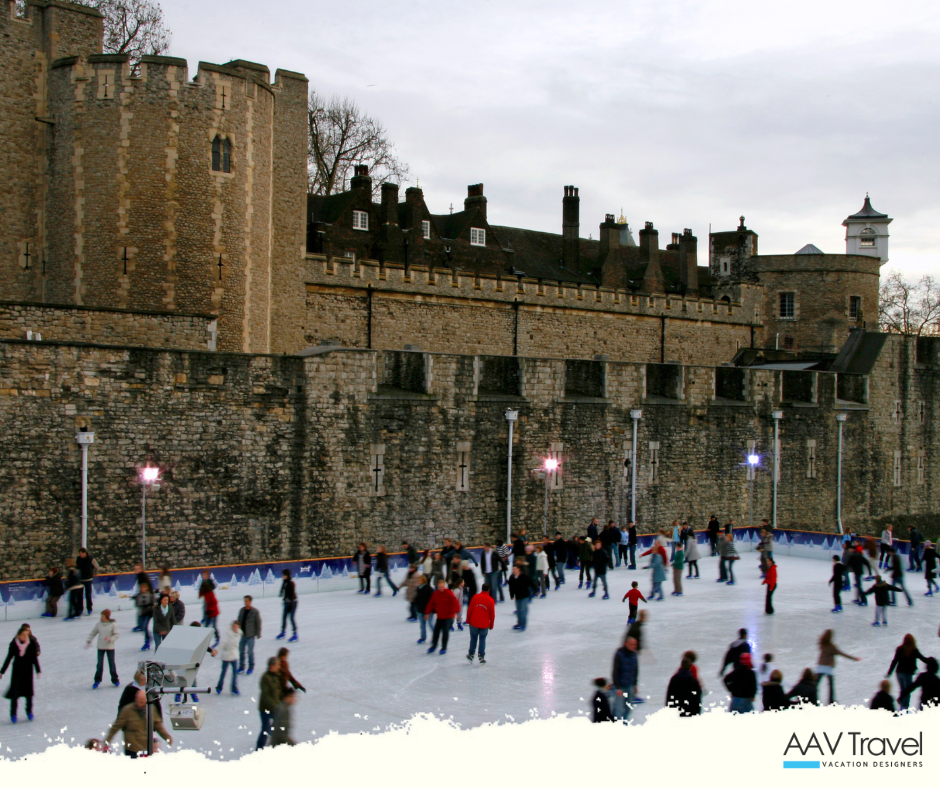
In the United Kingdom, Christmas television is a tradition in its own right. Families gather year after year to watch the same films, often at the same time, creating a shared national rhythm. “Love Actually” has become a modern classic, its interwoven stories reflecting both the humor and tenderness associated with British Christmas culture. “The Snowman,” with its quiet animation and haunting score, has aired every Christmas since the early 1980s, offering a moment of stillness amid the festivities. These films reflect the British love of storytelling and ritual, where familiarity is part of the pleasure.

Travel Through Christmas Films Without Leaving Home

For those spending the holidays at home, these films offer a gentle way to experience Christmas beyond one’s own traditions. They provide insight into how different cultures approach the season, not through spectacle, but through repetition, tone, and shared memory. Watching them is not about escaping home, but about widening perspective, one quiet evening at a time.

And for those who find themselves drawn to the idea of experiencing these traditions firsthand one day, whether at a Christmas market, a family-run hotel, or a candlelit village square, thoughtful planning makes all the difference. Christmas travel carries its own rhythms, trade-offs, and considerations, and understanding how the season is truly lived is often what transforms a beautiful idea into a rewarding experience. When the time feels right, AAV Travel would be happy to help.

Written by: Stefanie P.
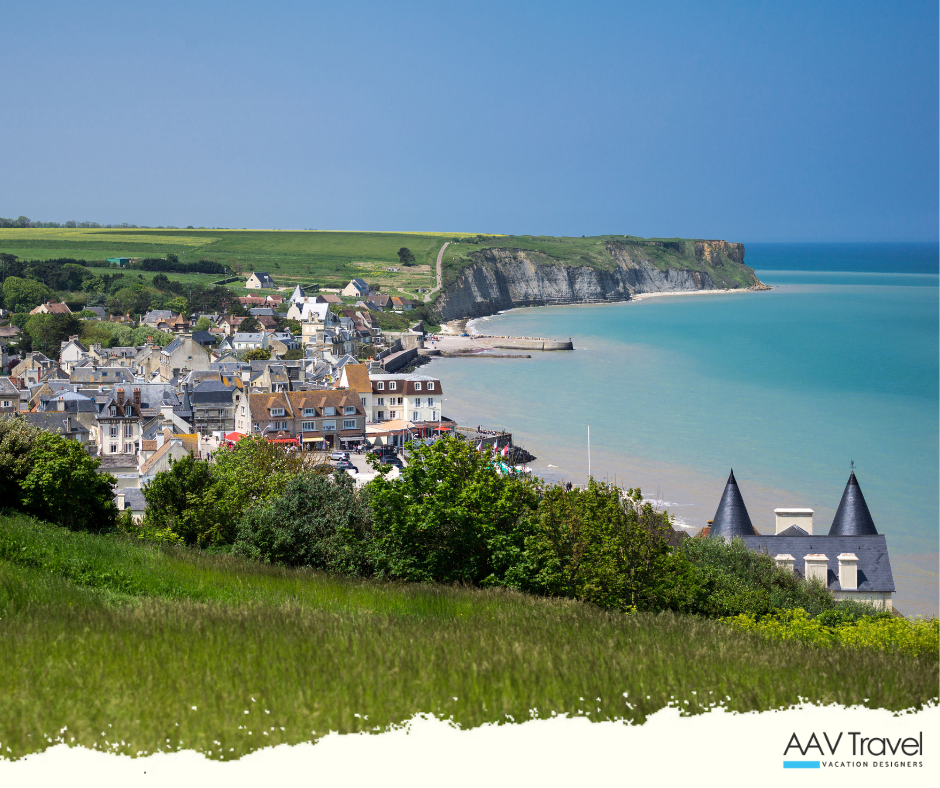
Luxury Travel to Normandy: Beyond the D-Day Beaches to History, Culture, and Coastal Charm

When Americans think of Normandy, the first images that usually come to mind are those of June 6, 1944. Omaha Beach, Pointe du Hoc, and the American Cemetery at Colleville-sur-Mer are deeply etched into the national consciousness as sacred ground, places where courage, sacrifice, and freedom converged in history’s most pivotal battle. For many visitors from the United States, honoring the memory of D-Day and tracing the footsteps of the Greatest Generation is the initial, and sometimes only, reason they consider traveling to this part of France. Standing before the endless rows of white crosses and stars of David overlooking the Channel is an experience so moving, it is often described as life-changing. Normandy has rightfully become a place of remembrance, a destination where gratitude and history take center stage.

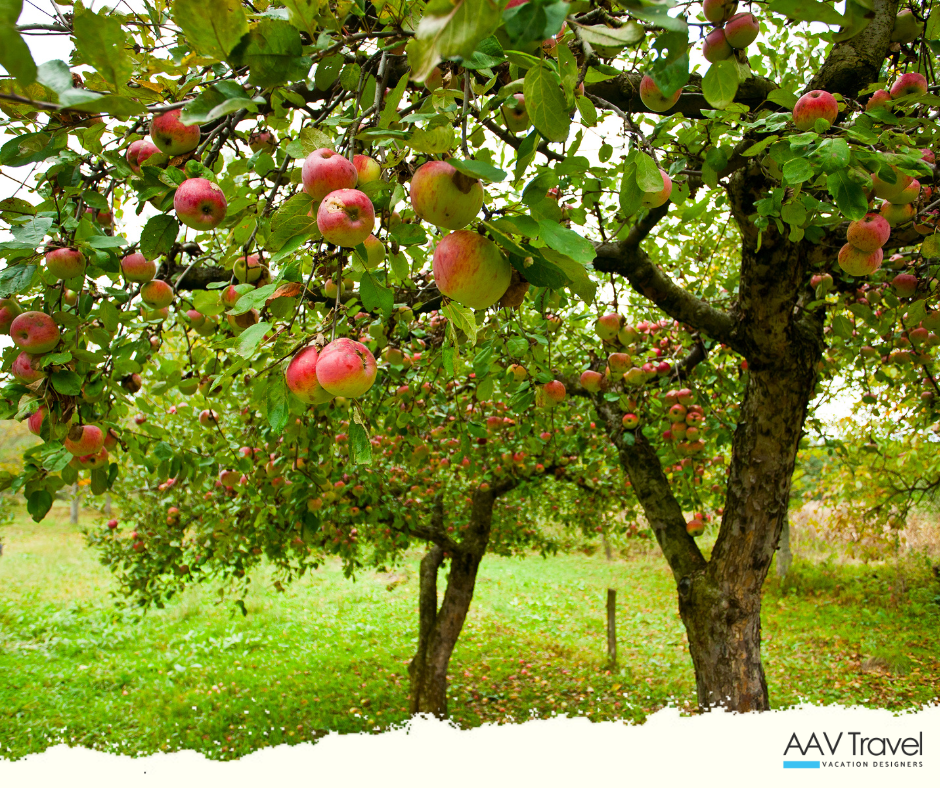
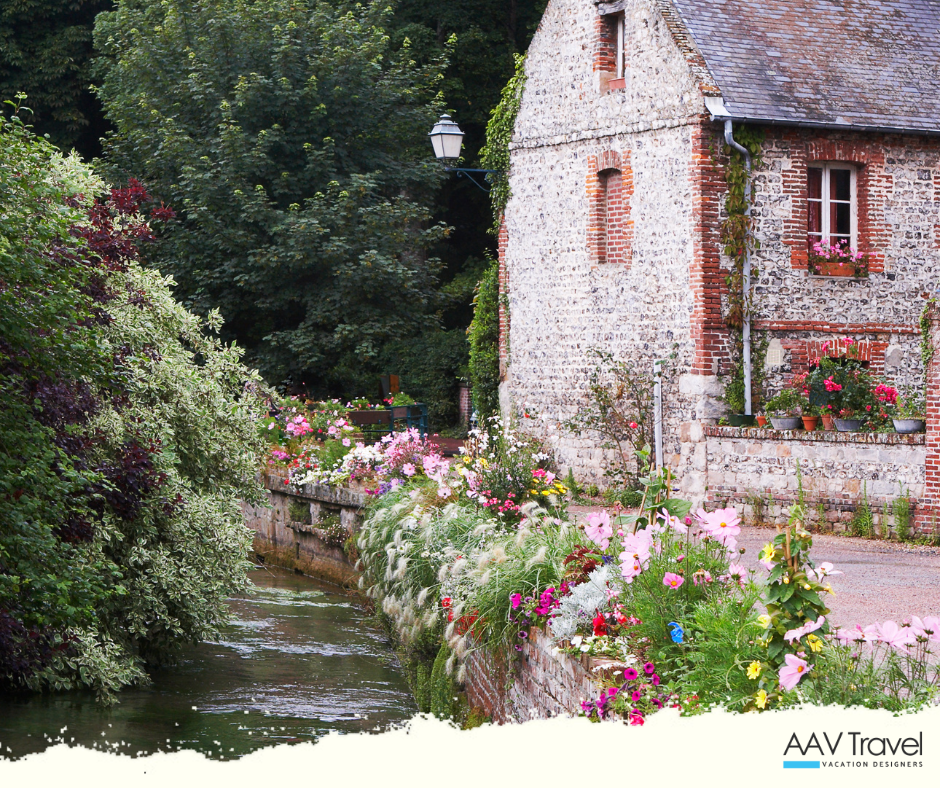
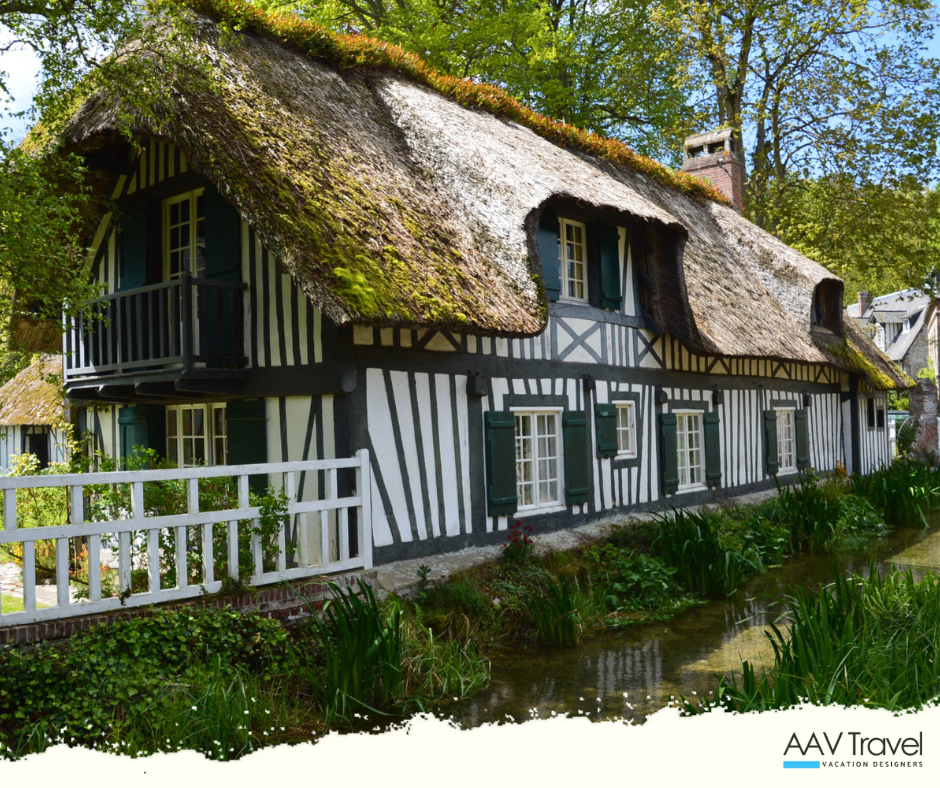
Yet to stop there would mean missing out on the extraordinary depth and richness that define Normandy. Beyond its beaches and battlefields, the region unfolds as a tapestry of rolling countryside, medieval towns, and a rugged coastline that has inspired artists, writers, and dreamers for centuries. Here, half-timbered houses lean over cobbled streets, apple orchards blossom into the world’s finest cider and Calvados, and local markets brim with cheeses, seafood, and farm-fresh produce. It is a France that feels both timeless and deeply authentic, far removed from the bustle of Paris, yet just a few hours’ journey away.

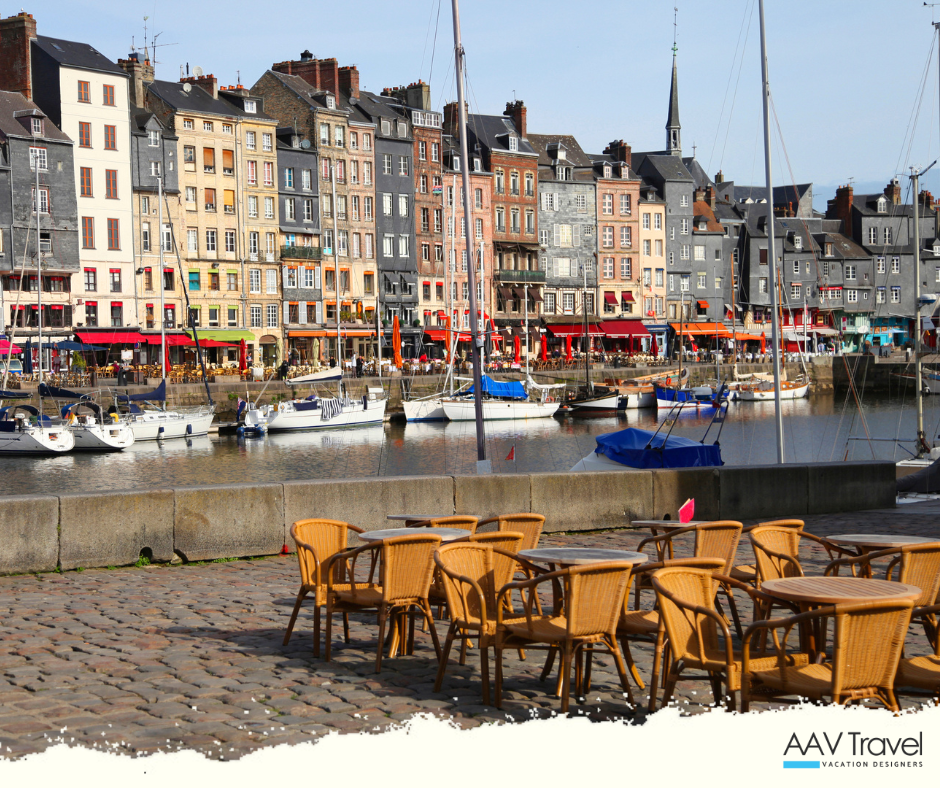
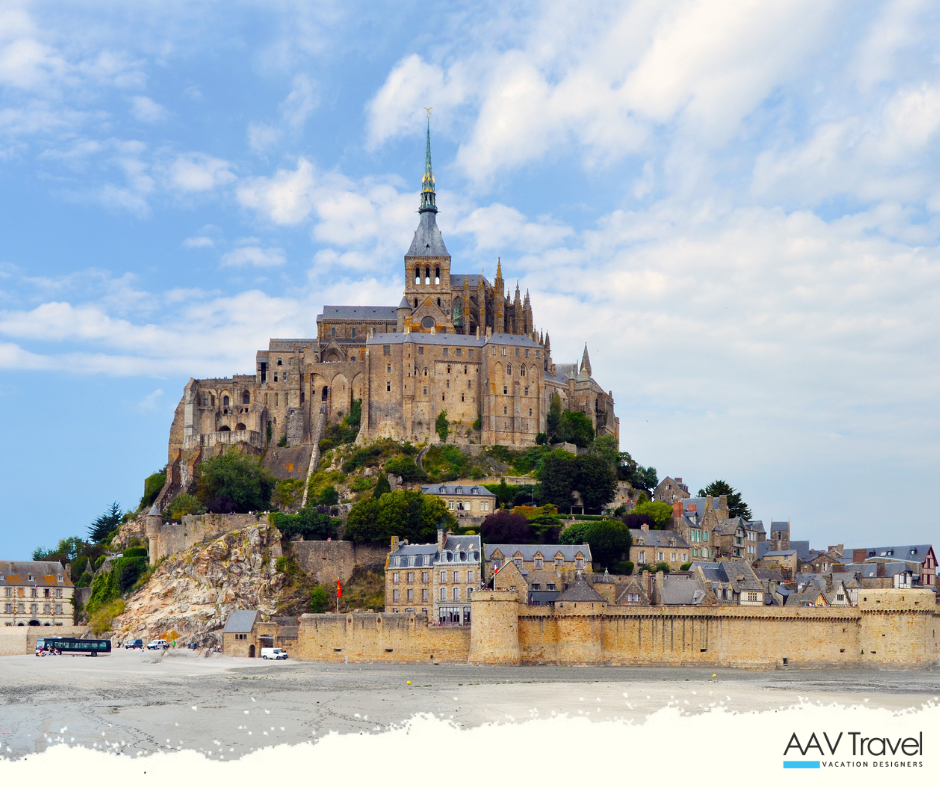
Normandy’s cultural legacy runs deep. Long before D-Day, the region was shaping European history as the home of the formidable Normans, who conquered England in 1066. The magnificent Bayeux Tapestry tells this story in 230 feet of embroidered detail, a medieval masterpiece that has survived nearly a thousand years. Coastal towns like Honfleur and Deauville speak to a different heritage—one of seafaring, Impressionist art, and seaside leisure that lured Monet, Boudin, and countless other painters to capture the play of light on water and sky. And of course, no visit would be complete without experiencing Mont-Saint-Michel, the gravity-defying abbey rising from tidal sands, a place that seems pulled straight from the pages of a fairy tale.

For the American traveler, Normandy offers the chance to reflect on history while also discovering a side of France that is warm, welcoming, and endlessly diverse. Whether you’re sipping cider under apple blossoms, wandering through fishing villages, or tracing the artistic paths of the Impressionists, you’ll find that Normandy is much more than a chapter in World War II—it’s a destination that rewards curiosity at every turn.

Spending anywhere from three to seven days in Normandy allows travelers to experience the region’s incredible variety without feeling rushed. On a shorter visit of about three days, the focus is usually on highlights: the poignant D-Day landing beaches and the American Cemetery at Colleville-sur-Mer, the stunning Mont-Saint-Michel rising dramatically from the tidal flats, and a taste of Normandy’s countryside charm with perhaps a stop in Bayeux to admire its famous medieval tapestry. This itinerary balances history, culture, and iconic sights, giving visitors a strong impression of what makes Normandy so special.

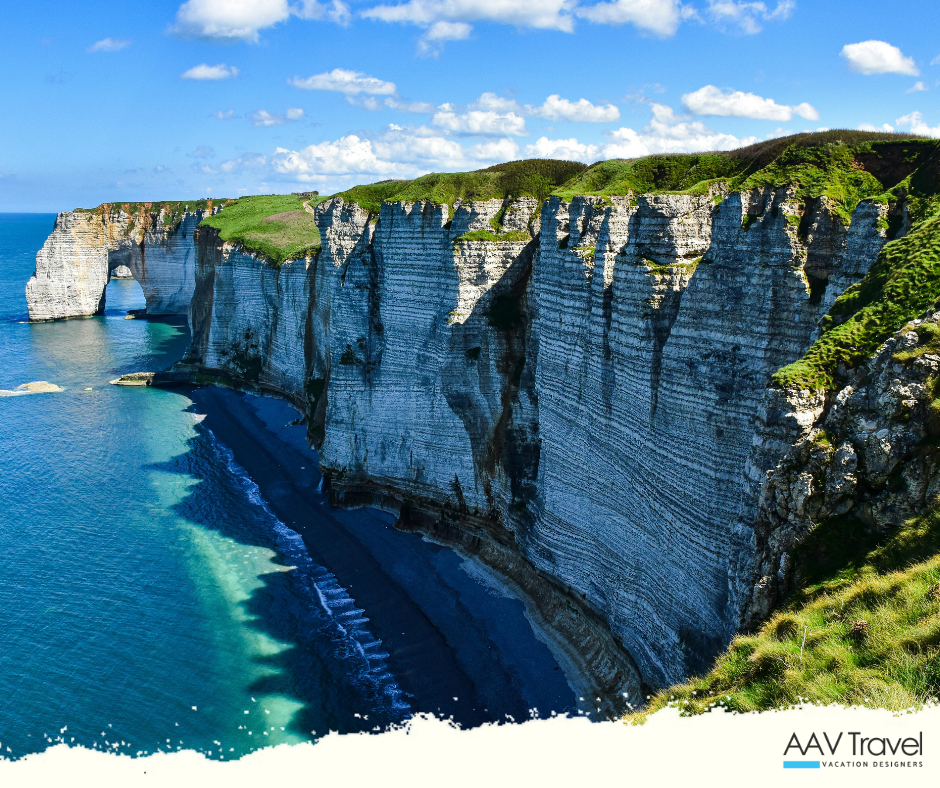
With more time—say five to seven days—you can move beyond the highlights and settle into the rhythm of local life. This might include wandering through the half-timbered streets of Honfleur, exploring Rouen’s magnificent cathedral and medieval quarter, or discovering charming seaside towns like Deauville and Trouville. Food lovers can indulge in gourmet experiences such as sampling Normandy’s cheeses, cider, and calvados directly from local producers, or dining on fresh oysters along the coast. A longer stay also allows you to enjoy the region’s natural beauty at a slower pace—whether that means a walk along the dramatic cliffs of Étretat, a drive through the apple orchards of the Pays d’Auge, or time spent in quiet fishing villages that feel untouched by time.

By combining medieval towns, rich local traditions, and delicious culinary experiences with Normandy’s striking landscapes, a week in the region becomes a layered journey rather than just a checklist of sights. Each day can offer something different, from reflection on powerful history to leisurely market mornings, coastal strolls, or evenings lingering over a glass of calvados. It’s this blend of depth and variety that makes Normandy so rewarding for travelers who allow themselves the time to explore.

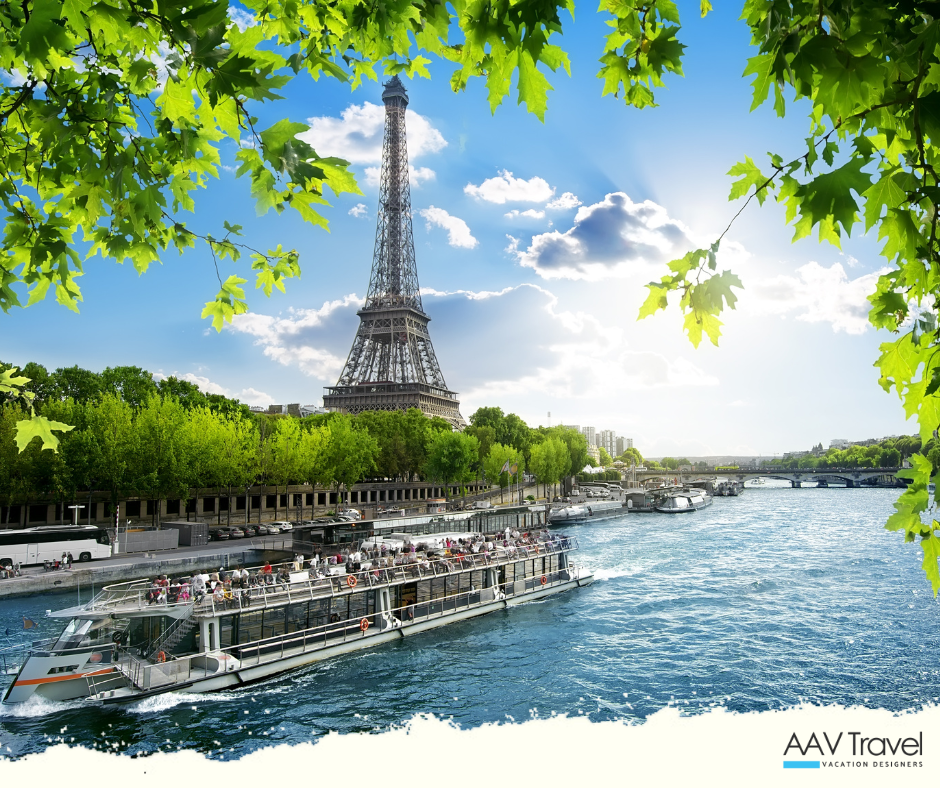
One of Normandy’s greatest advantages for American travelers is its easy connection to Paris, making it simple to combine the allure of the French capital with the charm of the countryside. In just about two hours by train or car, you can leave behind the bustle of Parisian boulevards and find yourself amid Normandy’s rolling hills, half-timbered villages, and dramatic coastline. This proximity allows travelers to balance the world-class museums, shopping, and café culture of Paris with the slower pace and authentic flavors of rural France. A few days in each creates a well-rounded journey—one that pairs the sophistication of the city with the history, landscapes, and traditions of Normandy.

For the especially curious traveler, Normandy can also serve as a springboard to explore across the Channel. From Calais, about a three-hour drive from Normandy’s heartland, ferries regularly cross to Dover, offering a seamless way to link two iconic destinations in one trip. Imagine tracing the stories of D-Day in France and then standing atop the White Cliffs of Dover, or combining Normandy’s medieval treasures with the castles and literary landscapes of southern England. This connection not only highlights the shared history between the two nations but also adds a sense of adventure, turning a European vacation into a richly layered experience that spans cultures, coastlines, and centuries of intertwined heritage.

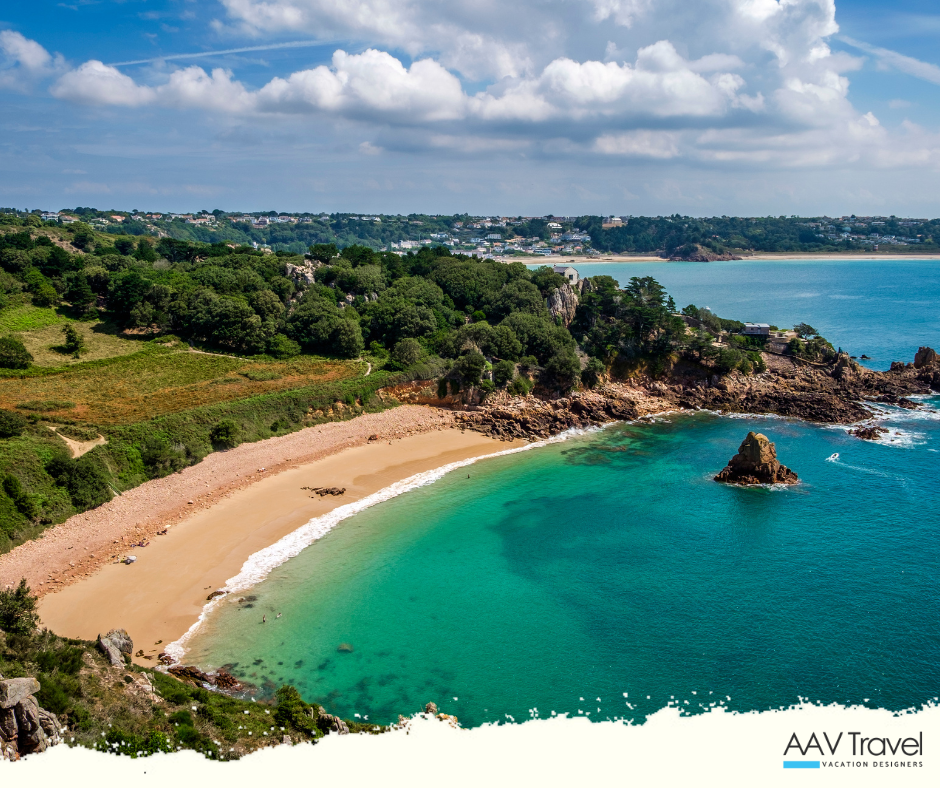
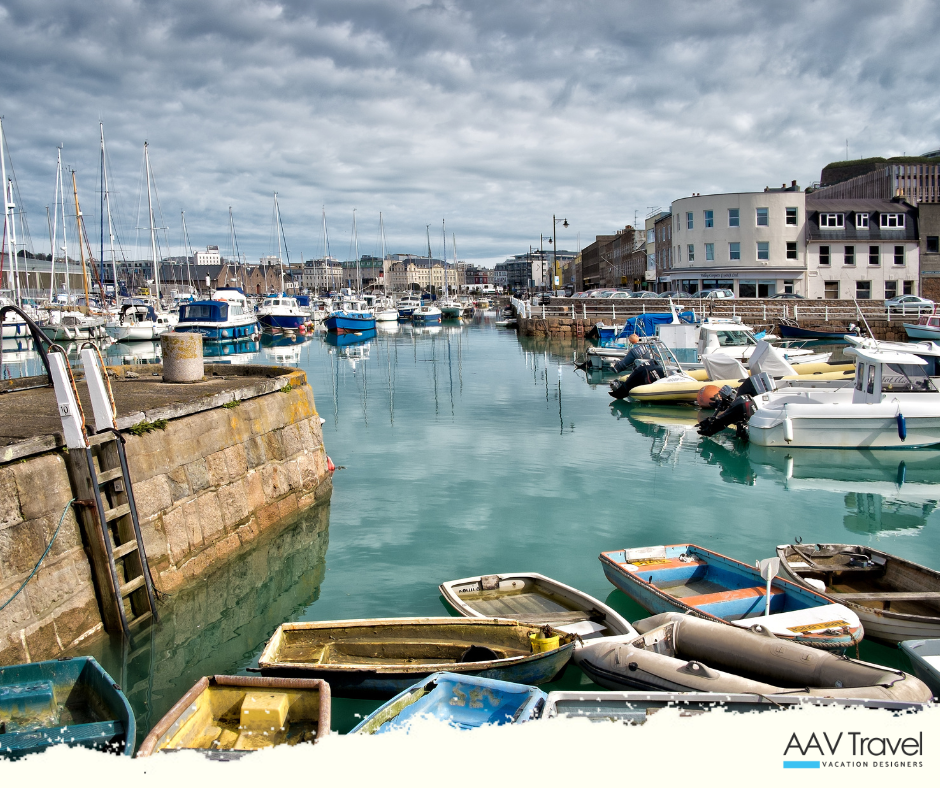
For those eager to go a little off the beaten path, combining Normandy with the Channel Islands offers a truly unique twist. From ports like Granville or Carteret, you can hop on a ferry and in just over an hour reach Jersey, the largest of the islands. Though technically a British Crown Dependency, Jersey feels like a fascinating blend of French and English influences, with its own character shaped by tides, fortresses, and windswept beaches. Here, travelers can explore cliffside trails, dine on exquisite seafood, and wander through charming St. Helier with its lively markets and maritime history. Pairing Normandy with Jersey creates a journey that is both unexpected and enriching—an adventure where you discover hidden gems beyond the mainland, while still staying comfortably close to France.

At AAV Travel, we know that the magic of Normandy lies not only in its iconic sites but also in the thoughtful way a journey is put together. Having explored the region first-hand, we understand how to balance the profound history of the D-Day beaches with the pleasures of wandering through medieval towns, savoring local cuisine, or venturing further to England or the Channel Islands. Our expertise allows us to craft seamless itineraries that weave Parisian sophistication with Normandy’s charm, or add in unexpected dimensions like Jersey’s coastal trails or Dover’s white cliffs. With our guidance, your trip becomes more than a visit—it transforms into an extraordinary experience, rich with moments that reflect your interests and curiosity, while leaving all the details and logistics in expert hands.

Let us help you uncover Normandy beyond the beaches and design a journey that’s as meaningful as it is memorable. To begin planning, contact us via email at info@aav-travel.com or visit the website.
Written by: Stefanie P.
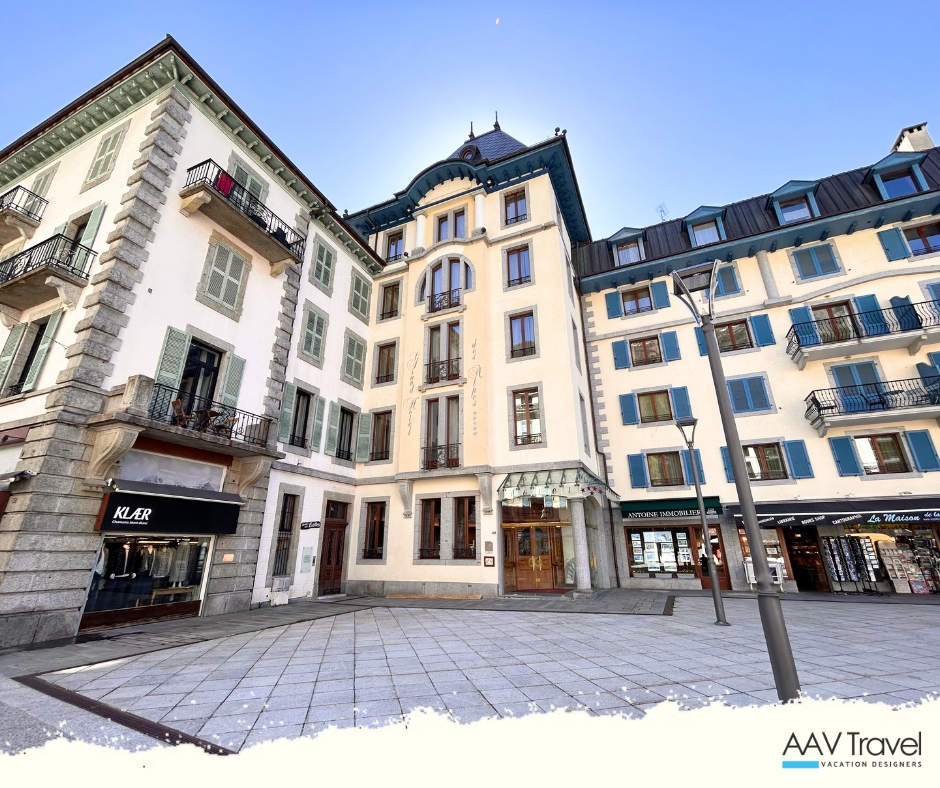
Chamonix for the Luxury Traveler: Where Alpine Adventure Meets Refined Elegance

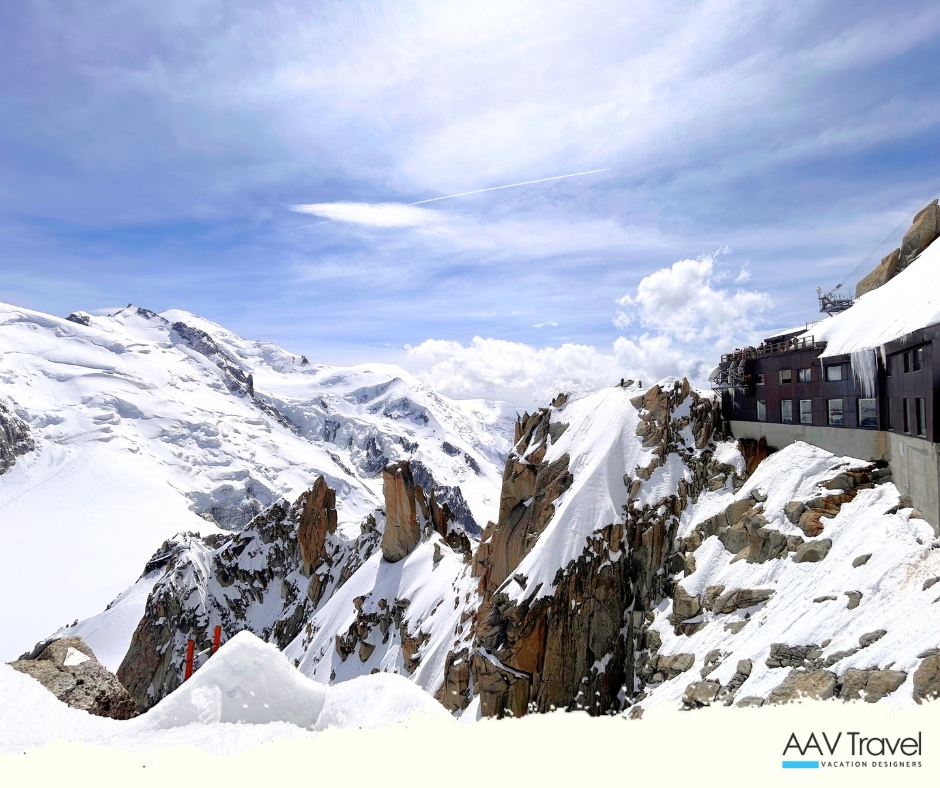
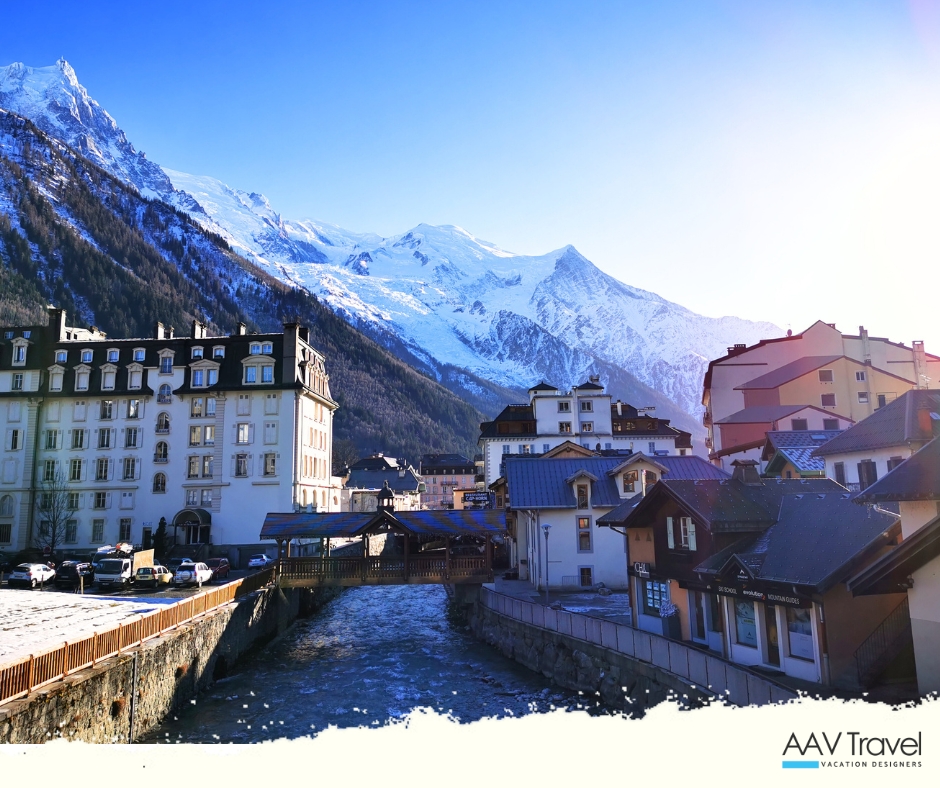
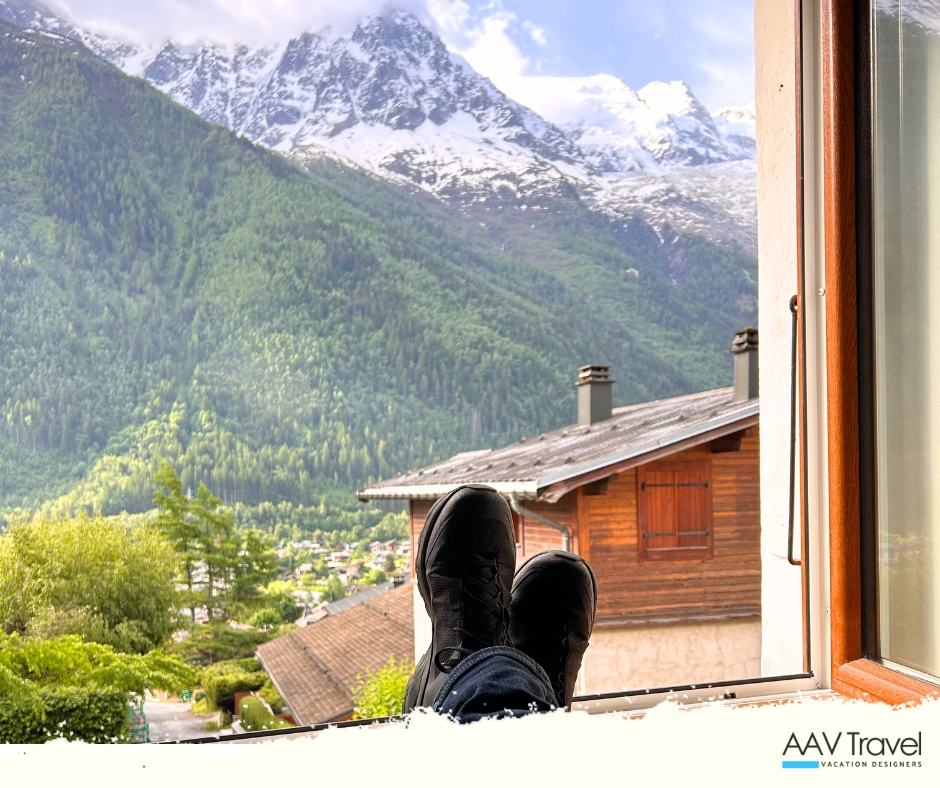
Tucked at the foot of Mont Blanc, Europe’s highest peak, Chamonix is a place that speaks to the soul of the discerning traveler. The first time I arrived in the valley, the sheer majesty of the mountains took my breath away, yet what lingered was the effortless fusion of rugged alpine beauty and refined European charm. For the luxury traveler, Chamonix is not about opulence for show—it’s about substance, quality, and rare moments that feel deeply personal.

Here, mornings can begin with a private glacier hike guided by a world-class mountaineer, followed by an afternoon spent indulging in a curated wine tasting paired with aged Beaufort at a tucked-away chalet. In winter, a heli-skiing excursion might be followed by a massage in a spa that feels like a modern sanctuary carved into the mountains. The appeal lies not just in the activities but in how they’re experienced—always tailored, always intentional.

A Playground Year-Round

In summer, the Mont Blanc Valley reveals an entirely different kind of magic. There’s paragliding over the peaks, hiking through wildflower-laced meadows, and mountaineering routes that cater to various skill levels. Many of my clients enjoy privately guided treks on the Tour du Mont Blanc or e-bike tours that include gourmet picnics overlooking glacial valleys.

Winter, of course, is when Chamonix’s legend comes alive. The town becomes a snowy stage for world-class skiing, ice climbing, and husky sledding. From ski-in/ski-out chalets with private chefs to off-piste adventures led by elite guides, the experience is elevated by attention to detail and exclusivity. Yet it’s never forced—Chamonix knows how to impress without ever trying too hard.

A Destination That Welcomes All

What makes Chamonix particularly special is its unique mix of people. You’ll find ultra-endurance athletes, understated billionaires, mountain guides, artists, and families all rubbing shoulders on the same cobblestone streets. It’s not a scene where luxury shouts—it whispers. This atmosphere allows high-end travelers to enjoy extraordinary experiences without the need to showcase status. Instead of standing out, many find a sense of belonging here. It’s about being part of the mountain rhythm, where respect for nature and good company matter more than logos or labels.

Style That Performs Without Pretense

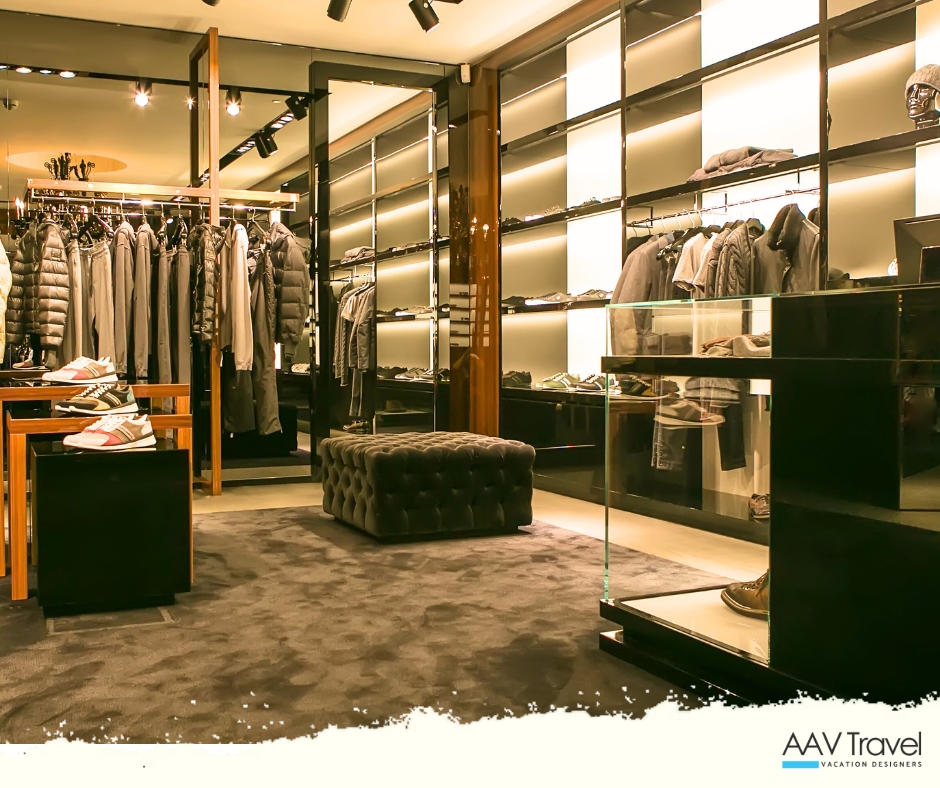
That said, what you wear does matter here—but more for functionality than flash. High-performance outerwear is essential, especially with the unpredictable alpine weather. Brands like Arc’teryx Veilance, Kjus, and Moncler Grenoble strike a perfect balance—sleek lines, technical fabrics, and quiet luxury. Think breathable Gore-Tex that transitions from glacier trek to après-ski lounge, or insulated mid-layers that look as sharp as they perform.

Where Fashion Meets Function

There’s also a growing synergy between fashion and function that’s captivating the luxury market. Collaborations between brands like Fusalp and Chloé, The North Face x Gucci, and Moncler Genius collections are redefining what adventure clothing can look like. These partnerships bring couture detailing to weather-resistant materials, offering pieces that are not only mountain-ready but also street-smart.

Why an Expert Makes All the Difference

Chamonix is not a destination where one-size-fits-all travel planning works. Transfers can be tricky with weather delays, lift passes come with fine print, and boutique properties book up far in advance—especially the ones with true character.

As a travel advisor, I help clients navigate these complexities. Whether it’s securing a private mountain guide who speaks your language, recommending the right spa after a day on the Vallée Blanche, or knowing which restaurants require reservations (and which to skip altogether), my role is to simplify without sacrificing quality. I also understand the rhythm of the valley—when to go, how long to stay, and how to balance adventure with rest.

In the end, luxury in Chamonix is not about extravagance—it’s about access, authenticity, and experience. And when done right, it’s absolutely unforgettable.

Written by: Stefanie P.
To start planning, contact us via email at info@aav-travel.com or visit the website.