
In the United States, Christmas is more than a date on the calendar. It is a season shaped by ritual, repetition, and a familiar sense of comfort. As evenings grow darker and the pace of daily life finally begins to slow, many households return to the same small traditions year after year. One of the most enduring is the simple act of gathering in front of the television, wrapped in blankets, a warm drink within reach, letting a familiar holiday film play in the background.

These movies are rarely watched with full attention, and that is part of their charm. They become part of the rhythm of December rather than the focus of it, offering a shared backdrop for conversation, laughter, and quiet moments together. Parents introduce the films they grew up with to their children. Siblings quote lines they have known by heart for decades. Grown children return home and slip easily into routines that feel unchanged. In many American households, these films are not entertainment so much as reassurance. They signal that the season has truly arrived.
Coming from Switzerland, I have always found this aspect of American Christmas culture quietly fascinating. Each year, someone inevitably references a holiday classic with genuine surprise when I admit I have never seen it. Many of these films are deeply woven into American memory in a way that feels both communal and personal. They reflect how culture, storytelling, and seasonality intersect, shaping how people experience the holidays without necessarily thinking about it.
In Europe, Christmas films play a different role. In many countries, they are less about spectacle or novelty and more about continuity. The same films return year after year, not because they are new or particularly festive, but because they feel familiar. They belong to the season in a way that mirrors how traditions themselves are passed down.
Switzerland
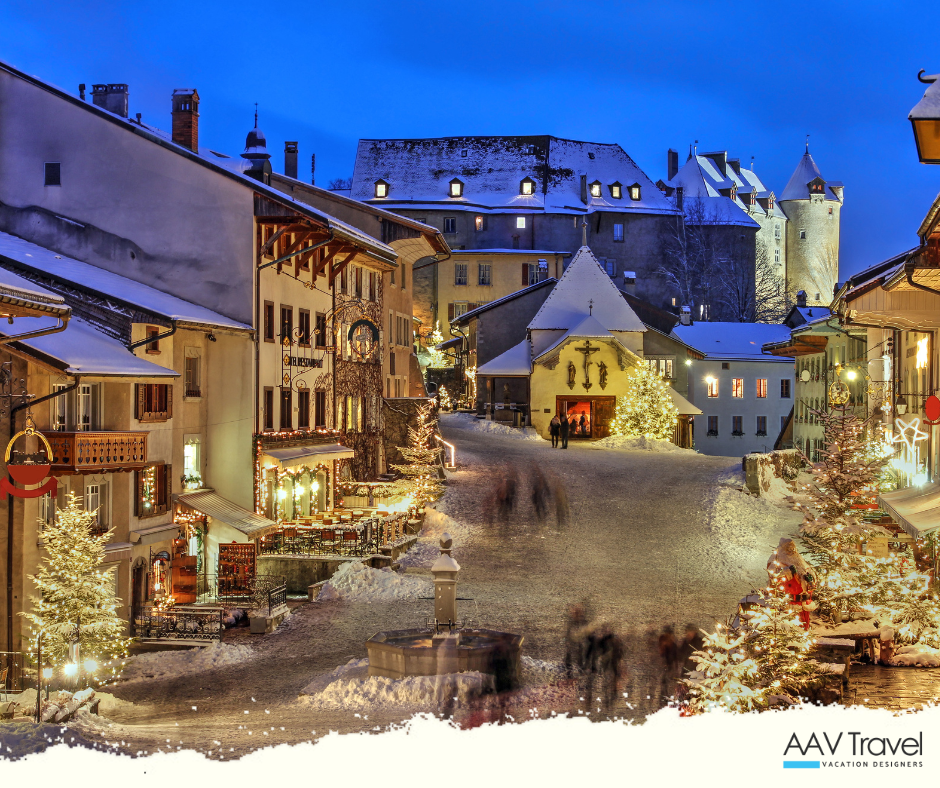
In Switzerland, Christmas unfolds quietly. The season begins with Advent and moves gently through St. Nicholas Day, Christmas Eve, and the days that follow. It is marked by candlelight, winter landscapes, and time spent close to home. Switzerland does not have a strong tradition of producing Christmas-specific films, yet certain stories have become inseparable from the season. In the German-speaking regions, “Drei Haselnüsse für Aschenbrödel,” known in English as “Three Wishes for Cinderella,” appears on television every December, watched by generations who know the story by heart. The classic “Sissi” films often accompany it, their romantic nostalgia fitting naturally into the slower, reflective mood of the holidays. These films mirror Switzerland’s approach to Christmas itself: understated, intimate, and rooted in continuity rather than excess.
Italy
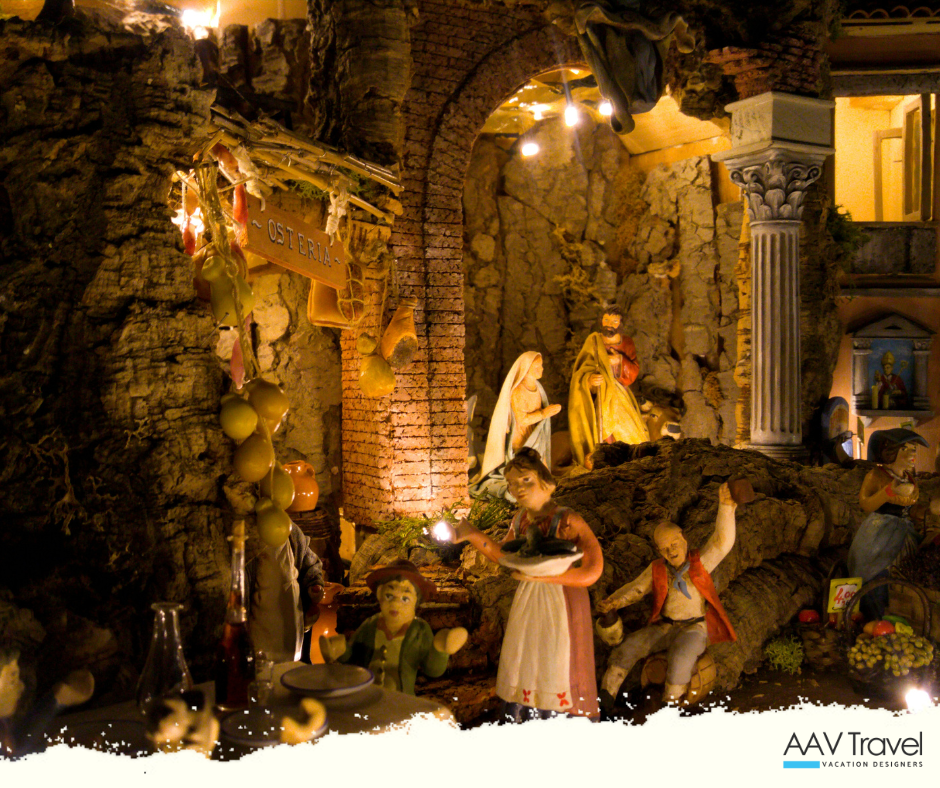
In Italy, Christmas is expansive in a different way. The season stretches well beyond Christmas Day, carrying through to Epiphany in early January. Family meals are long and unhurried, nativity scenes are lovingly displayed, and traditions unfold gradually rather than all at once. Italy has few homegrown Christmas films, yet one foreign movie has unexpectedly become a national ritual. Every Christmas Eve, millions of Italians watch “Una poltrona per due,” the Italian broadcast of “Trading Places.” What began as an American comedy has taken on a distinctly Italian rhythm through repetition, becoming part of the country’s shared holiday language. Alongside it, animated favorites such as “How the Grinch Stole Christmas” often appear, adding lightness and familiarity to evenings spent together.
Ireland

In Ireland, Christmas is deeply social, shaped by humor, community, and shared moments rather than strict formality. One of the most anticipated events of the season is not a film at all, but “The Late Late Toy Show,” a live television broadcast that signals the unofficial beginning of Christmas for many families. It is joyful, chaotic, heartfelt, and unmistakably Irish. Films still play their role, though, and classics like “The Muppet Christmas Carol” return year after year, appealing equally to children and adults. These viewing traditions reflect an Irish Christmas that values warmth, storytelling, and the pleasure of being together above all else.
France

France approaches Christmas with a sense of balance between celebration and restraint. Family meals, particularly the Réveillon on Christmas Eve, remain central, and festive markets bring warmth to winter evenings. While France does not place great emphasis on Christmas films as a category, certain titles have become seasonal touchstones. “Le Père Noël est une ordure,” a darkly comedic cult classic, reappears every December, its humor as familiar as it is irreverent. During the holiday break, French television often broadcasts the Harry Potter films, especially the first installment, which has come to feel inseparable from Christmas despite its British origins. Together, these films add layers of nostalgia and quiet magic to the season without overpowering it
Norway

In Norway, Christmas, or Jul, is defined by coziness, candlelight, and preparation. The weeks leading up to Christmas are as important as the day itself, filled with baking, decorating, and shared anticipation. Norwegian holiday television traditions are particularly strong, and for many families, Christmas Eve would feel incomplete without “Tre nøtter til Askepott,” the Norwegian broadcast of the Cinderella fairy tale also beloved in Switzerland. “Reisen til julestjernen,” or “Journey to the Christmas Star,” is another cherished favorite, embodying the fairy-tale quality and emotional warmth that define the season. These films capture the essence of kos, Norway’s expression of comfort, intimacy, and seasonal calm.
UK

In the United Kingdom, Christmas television is a tradition in its own right. Families gather year after year to watch the same films, often at the same time, creating a shared national rhythm. “Love Actually” has become a modern classic, its interwoven stories reflecting both the humor and tenderness associated with British Christmas culture. “The Snowman,” with its quiet animation and haunting score, has aired every Christmas since the early 1980s, offering a moment of stillness amid the festivities. These films reflect the British love of storytelling and ritual, where familiarity is part of the pleasure.
Travel Through Christmas Films Without Leaving Home

For those spending the holidays at home, these films offer a gentle way to experience Christmas beyond one’s own traditions. They provide insight into how different cultures approach the season, not through spectacle, but through repetition, tone, and shared memory. Watching them is not about escaping home, but about widening perspective, one quiet evening at a time.
And for those who find themselves drawn to the idea of experiencing these traditions firsthand one day, whether at a Christmas market, a family-run hotel, or a candlelit village square, thoughtful planning makes all the difference. Christmas travel carries its own rhythms, trade-offs, and considerations, and understanding how the season is truly lived is often what transforms a beautiful idea into a rewarding experience. When the time feels right, AAV Travel would be happy to help.
Written by: Stefanie P.











 AAV Explorations