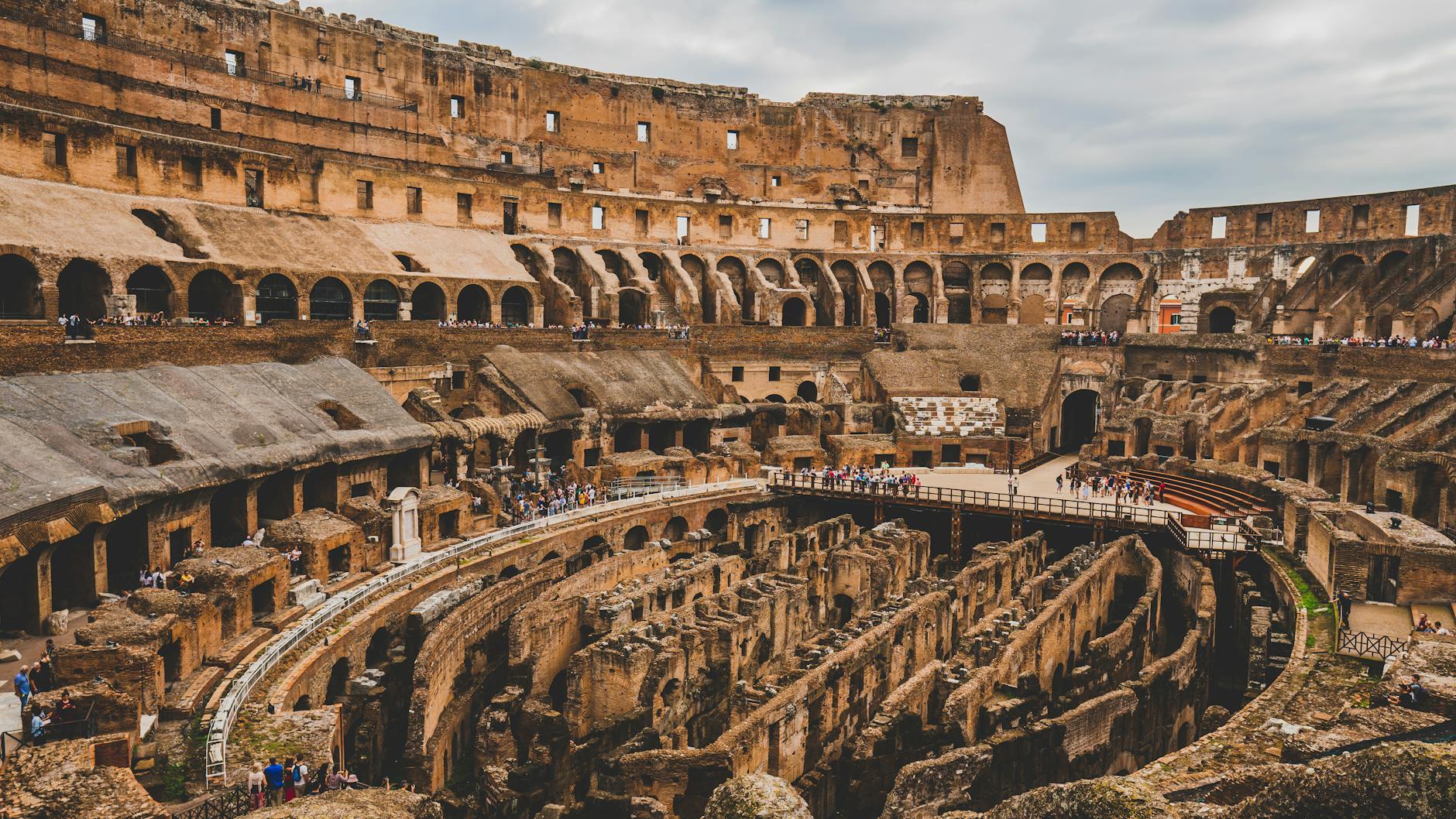
Christmas on Screen in Europe: Holiday Films as Windows into Tradition

In the United States, Christmas is more than a date on the calendar. It is a season shaped by ritual, repetition, and a familiar sense of comfort. As evenings grow darker and the pace of daily life finally begins to slow, many households return to the same small traditions year after year. One of the most enduring is the simple act of gathering in front of the television, wrapped in blankets, a warm drink within reach, letting a familiar holiday film play in the background.

These movies are rarely watched with full attention, and that is part of their charm. They become part of the rhythm of December rather than the focus of it, offering a shared backdrop for conversation, laughter, and quiet moments together. Parents introduce the films they grew up with to their children. Siblings quote lines they have known by heart for decades. Grown children return home and slip easily into routines that feel unchanged. In many American households, these films are not entertainment so much as reassurance. They signal that the season has truly arrived.

Coming from Switzerland, I have always found this aspect of American Christmas culture quietly fascinating. Each year, someone inevitably references a holiday classic with genuine surprise when I admit I have never seen it. Many of these films are deeply woven into American memory in a way that feels both communal and personal. They reflect how culture, storytelling, and seasonality intersect, shaping how people experience the holidays without necessarily thinking about it.

In Europe, Christmas films play a different role. In many countries, they are less about spectacle or novelty and more about continuity. The same films return year after year, not because they are new or particularly festive, but because they feel familiar. They belong to the season in a way that mirrors how traditions themselves are passed down.

Switzerland
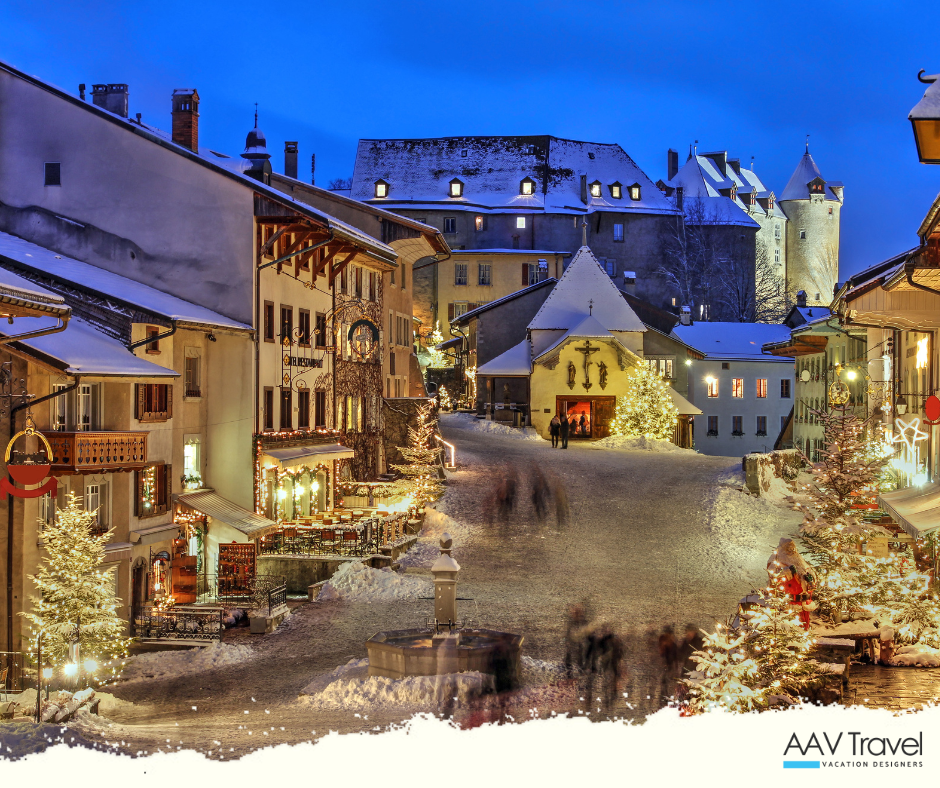
In Switzerland, Christmas unfolds quietly. The season begins with Advent and moves gently through St. Nicholas Day, Christmas Eve, and the days that follow. It is marked by candlelight, winter landscapes, and time spent close to home. Switzerland does not have a strong tradition of producing Christmas-specific films, yet certain stories have become inseparable from the season. In the German-speaking regions, “Drei Haselnüsse für Aschenbrödel,” known in English as “Three Wishes for Cinderella,” appears on television every December, watched by generations who know the story by heart. The classic “Sissi” films often accompany it, their romantic nostalgia fitting naturally into the slower, reflective mood of the holidays. These films mirror Switzerland’s approach to Christmas itself: understated, intimate, and rooted in continuity rather than excess.

Italy
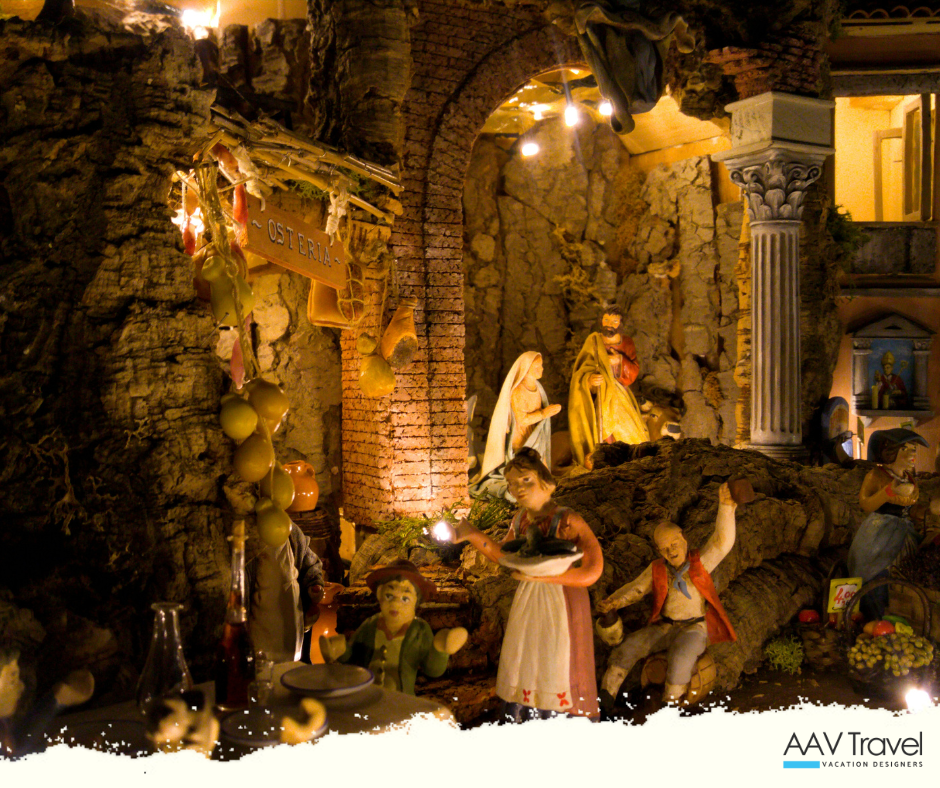
In Italy, Christmas is expansive in a different way. The season stretches well beyond Christmas Day, carrying through to Epiphany in early January. Family meals are long and unhurried, nativity scenes are lovingly displayed, and traditions unfold gradually rather than all at once. Italy has few homegrown Christmas films, yet one foreign movie has unexpectedly become a national ritual. Every Christmas Eve, millions of Italians watch “Una poltrona per due,” the Italian broadcast of “Trading Places.” What began as an American comedy has taken on a distinctly Italian rhythm through repetition, becoming part of the country’s shared holiday language. Alongside it, animated favorites such as “How the Grinch Stole Christmas” often appear, adding lightness and familiarity to evenings spent together.

Ireland
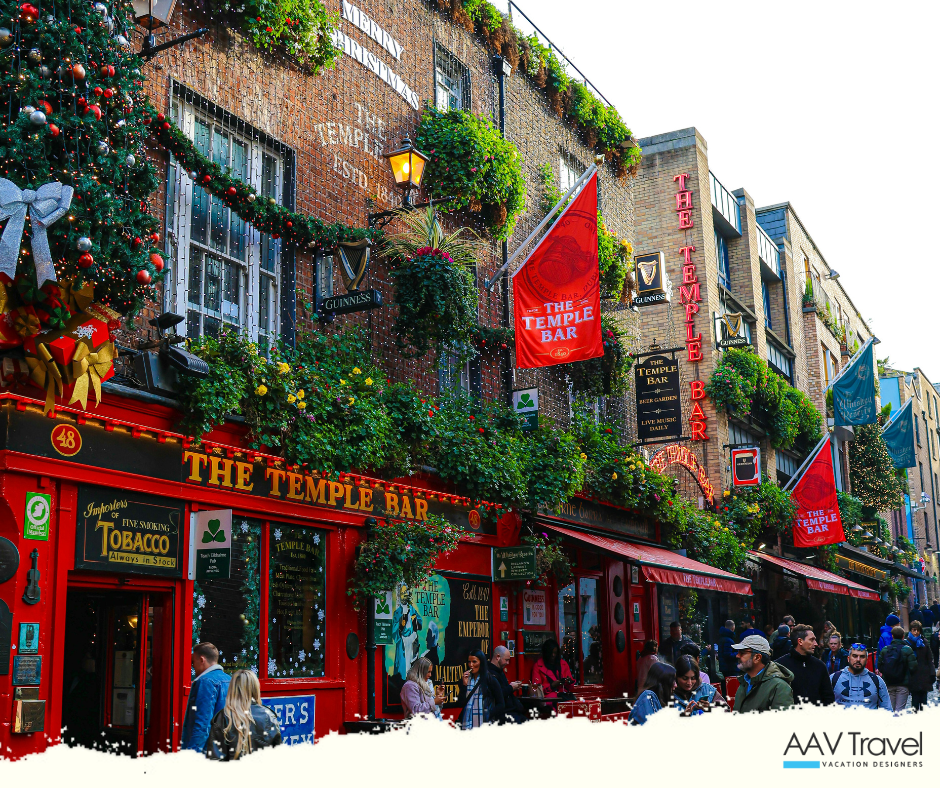
In Ireland, Christmas is deeply social, shaped by humor, community, and shared moments rather than strict formality. One of the most anticipated events of the season is not a film at all, but “The Late Late Toy Show,” a live television broadcast that signals the unofficial beginning of Christmas for many families. It is joyful, chaotic, heartfelt, and unmistakably Irish. Films still play their role, though, and classics like “The Muppet Christmas Carol” return year after year, appealing equally to children and adults. These viewing traditions reflect an Irish Christmas that values warmth, storytelling, and the pleasure of being together above all else.

France
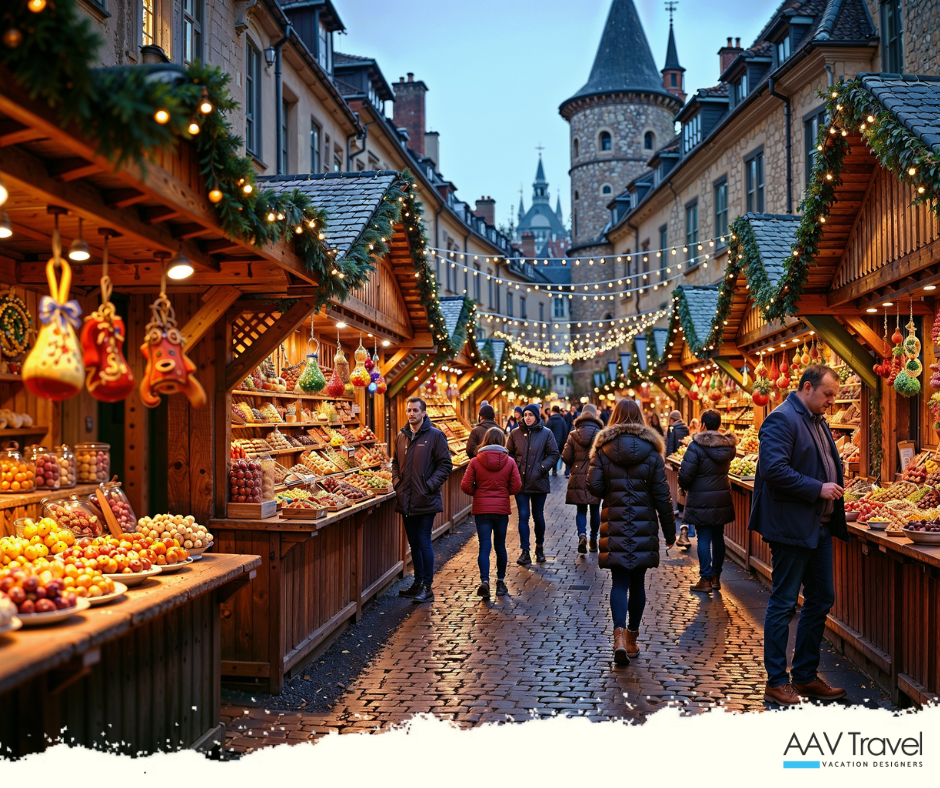
France approaches Christmas with a sense of balance between celebration and restraint. Family meals, particularly the Réveillon on Christmas Eve, remain central, and festive markets bring warmth to winter evenings. While France does not place great emphasis on Christmas films as a category, certain titles have become seasonal touchstones. “Le Père Noël est une ordure,” a darkly comedic cult classic, reappears every December, its humor as familiar as it is irreverent. During the holiday break, French television often broadcasts the Harry Potter films, especially the first installment, which has come to feel inseparable from Christmas despite its British origins. Together, these films add layers of nostalgia and quiet magic to the season without overpowering it

Norway
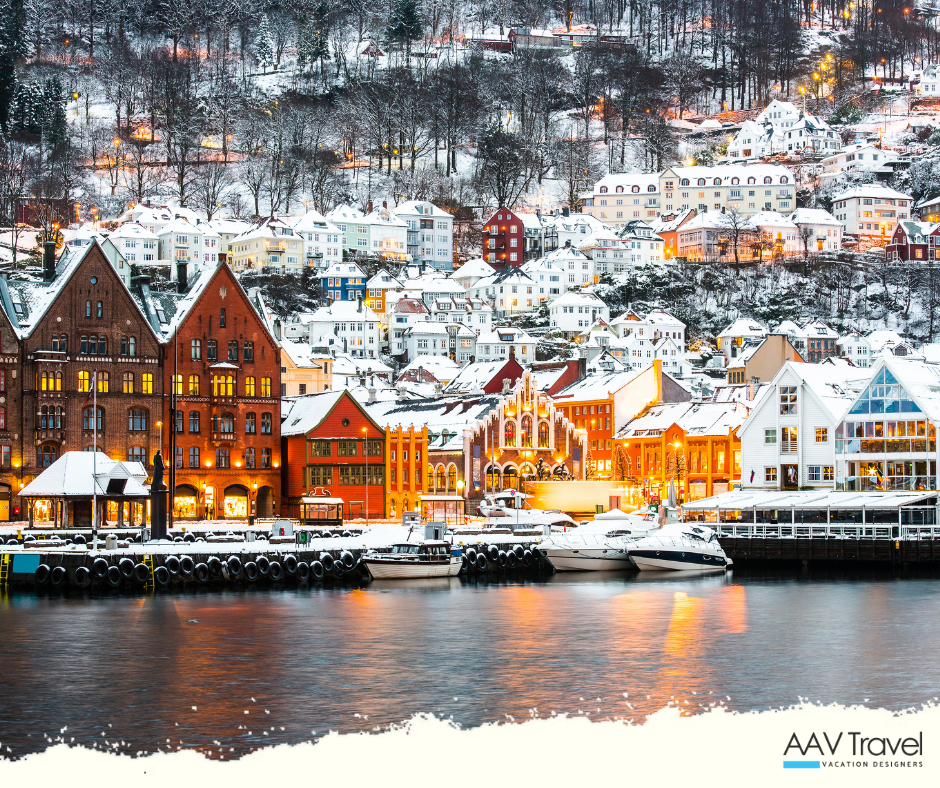
In Norway, Christmas, or Jul, is defined by coziness, candlelight, and preparation. The weeks leading up to Christmas are as important as the day itself, filled with baking, decorating, and shared anticipation. Norwegian holiday television traditions are particularly strong, and for many families, Christmas Eve would feel incomplete without “Tre nøtter til Askepott,” the Norwegian broadcast of the Cinderella fairy tale also beloved in Switzerland. “Reisen til julestjernen,” or “Journey to the Christmas Star,” is another cherished favorite, embodying the fairy-tale quality and emotional warmth that define the season. These films capture the essence of kos, Norway’s expression of comfort, intimacy, and seasonal calm.

UK
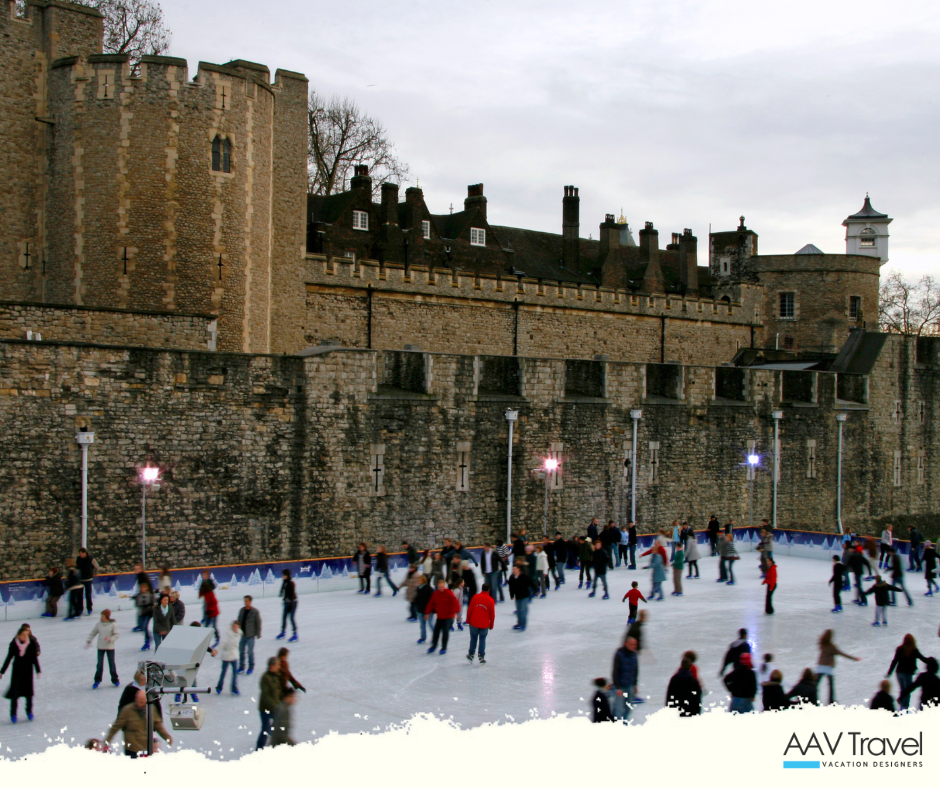
In the United Kingdom, Christmas television is a tradition in its own right. Families gather year after year to watch the same films, often at the same time, creating a shared national rhythm. “Love Actually” has become a modern classic, its interwoven stories reflecting both the humor and tenderness associated with British Christmas culture. “The Snowman,” with its quiet animation and haunting score, has aired every Christmas since the early 1980s, offering a moment of stillness amid the festivities. These films reflect the British love of storytelling and ritual, where familiarity is part of the pleasure.

Travel Through Christmas Films Without Leaving Home

For those spending the holidays at home, these films offer a gentle way to experience Christmas beyond one’s own traditions. They provide insight into how different cultures approach the season, not through spectacle, but through repetition, tone, and shared memory. Watching them is not about escaping home, but about widening perspective, one quiet evening at a time.

And for those who find themselves drawn to the idea of experiencing these traditions firsthand one day, whether at a Christmas market, a family-run hotel, or a candlelit village square, thoughtful planning makes all the difference. Christmas travel carries its own rhythms, trade-offs, and considerations, and understanding how the season is truly lived is often what transforms a beautiful idea into a rewarding experience. When the time feels right, AAV Travel would be happy to help.

Written by: Stefanie P.
5 Safe Yet Underrated Destinations to Discover Before the Crowds Do

Not going to lie — I can’t stand crowds. When I travel, I want space to breathe, to connect, and to experience a place without feeling like I’m in a theme park. Lately, everyone seems to be searching for those same under-the-radar spots, and the media loves to highlight “hidden gems” around the world. The problem? Many of those places, while fascinating, aren’t always the safest—especially for women. So, I decided to put together a list of destinations that still feel authentic and undiscovered, and where you can explore with peace of mind, even if you are traveling solo.

Italy without the Crowds

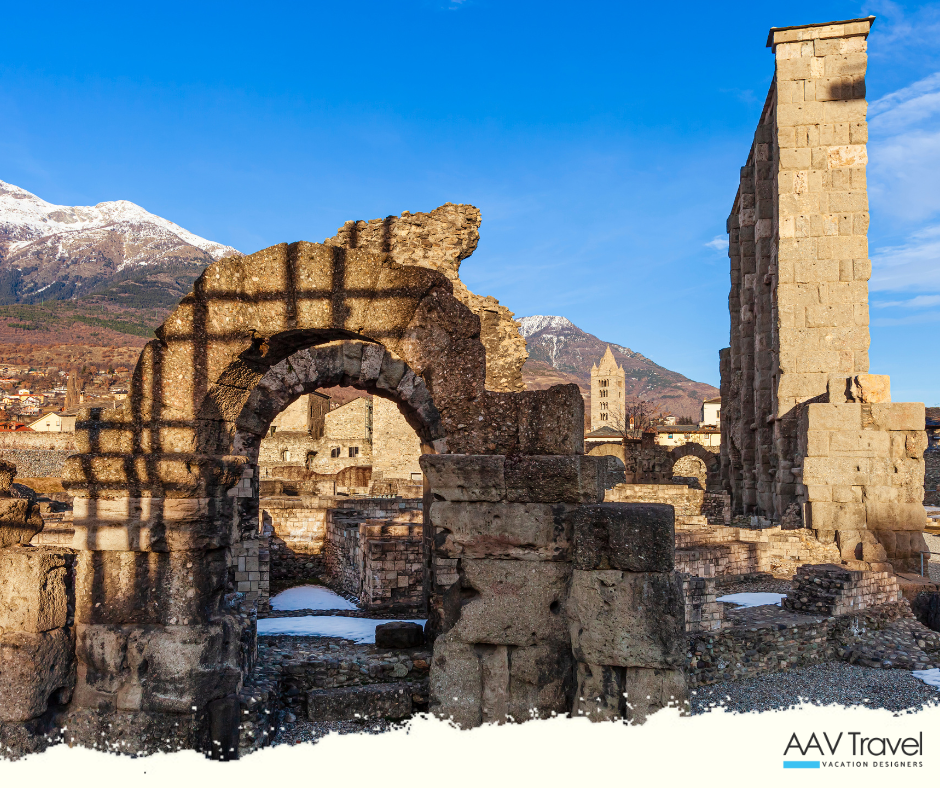
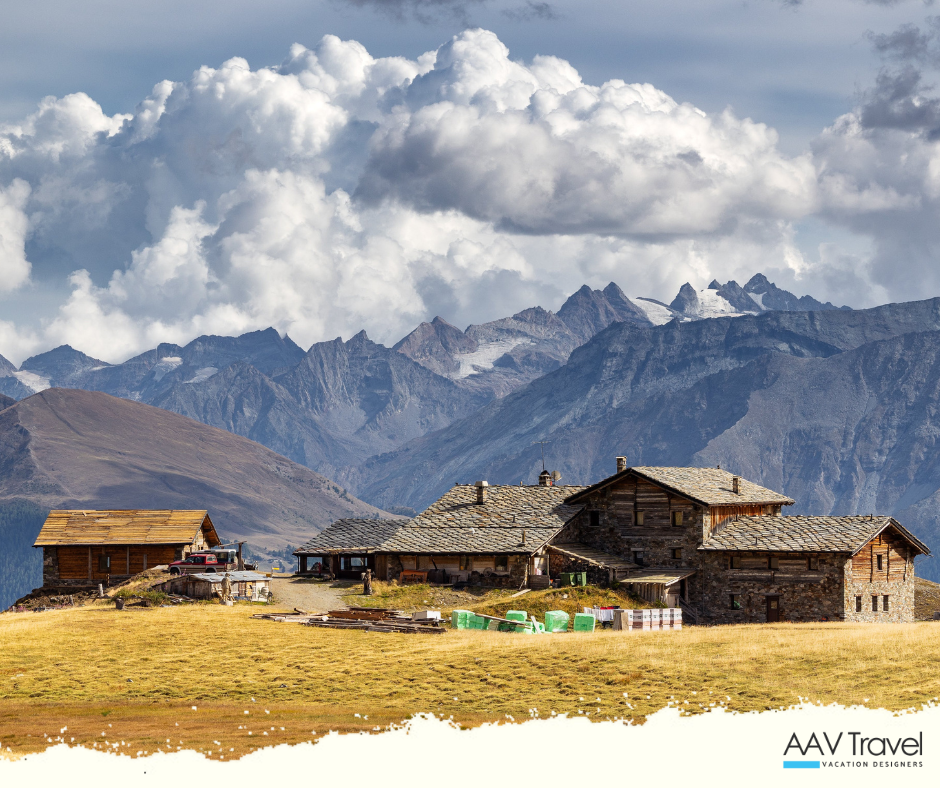
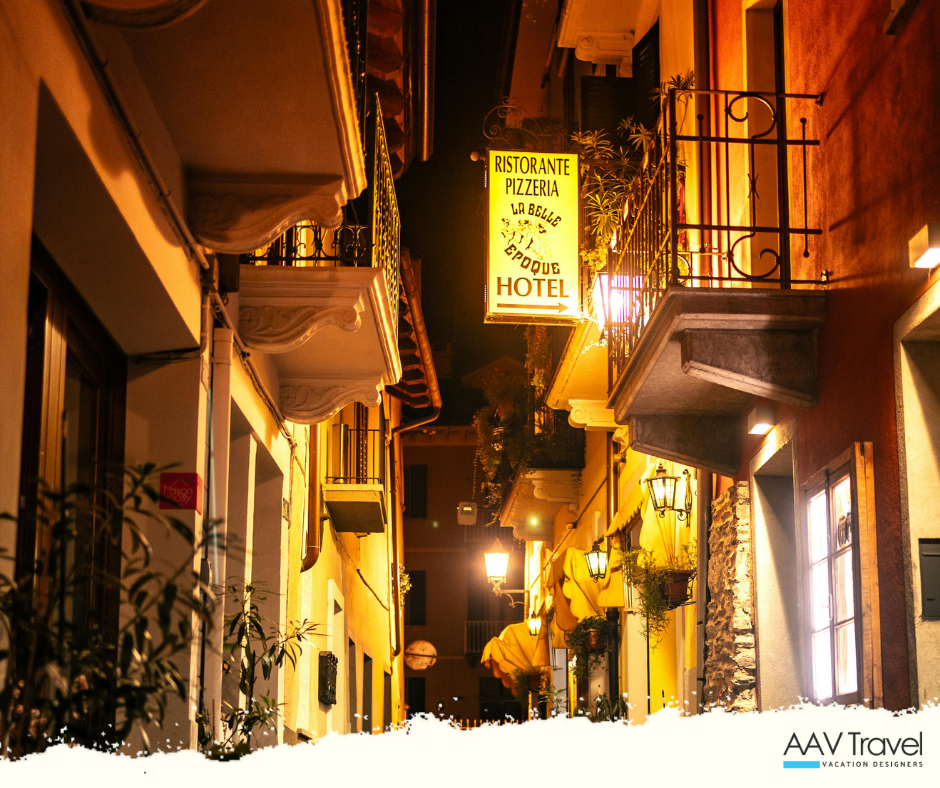
Tucked away in Italy’s northwestern corner, Aosta is a gem hidden in plain sight. Surrounded by the towering peaks of the Alps and just a stone’s throw from both France and Switzerland, this small mountain town blends dramatic scenery with centuries of history. Wander through its charming streets, and you’ll encounter remarkably preserved Roman ruins—an ancient theater, city gates, and even a forum—set against a backdrop of snow-capped summits. It’s a place where the past feels alive, yet life moves at a relaxed, alpine pace.

Beyond the town, the Aosta Valley unfolds into a wonderland for outdoor enthusiasts. In summer, hiking and cycling trails wind through flower-strewn meadows and pristine national parks, while winter transforms the region into a skier’s paradise with world-class slopes and cozy mountain lodges. Add in authentic Italian cuisine with a hearty Alpine twist—think polenta, fontina cheese, and rich mountain wines—and you have the perfect setting for those who crave both adventure and culture.

Aosta is perfect for those who love mountains as much as museums—travelers who find joy in tracing ancient footsteps before heading out on alpine trails. If you value depth and discovery more than crowds and clichés, this is where you’ll find the best of both worlds: Italy’s timeless soul, beautifully elevated.

Instead of St. Lucia

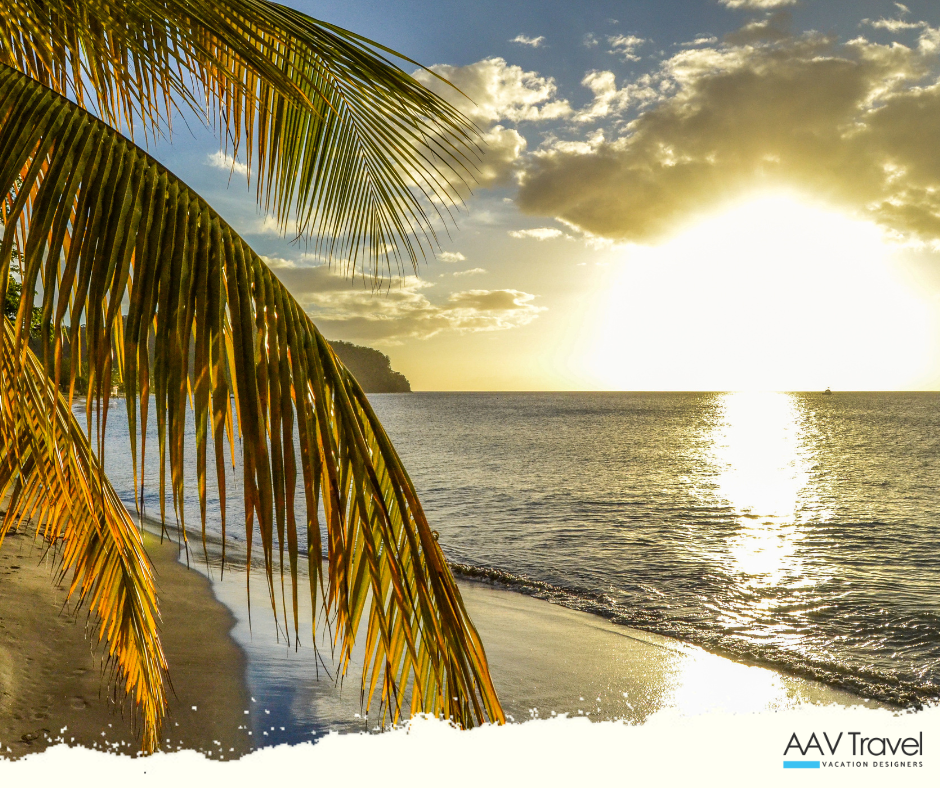
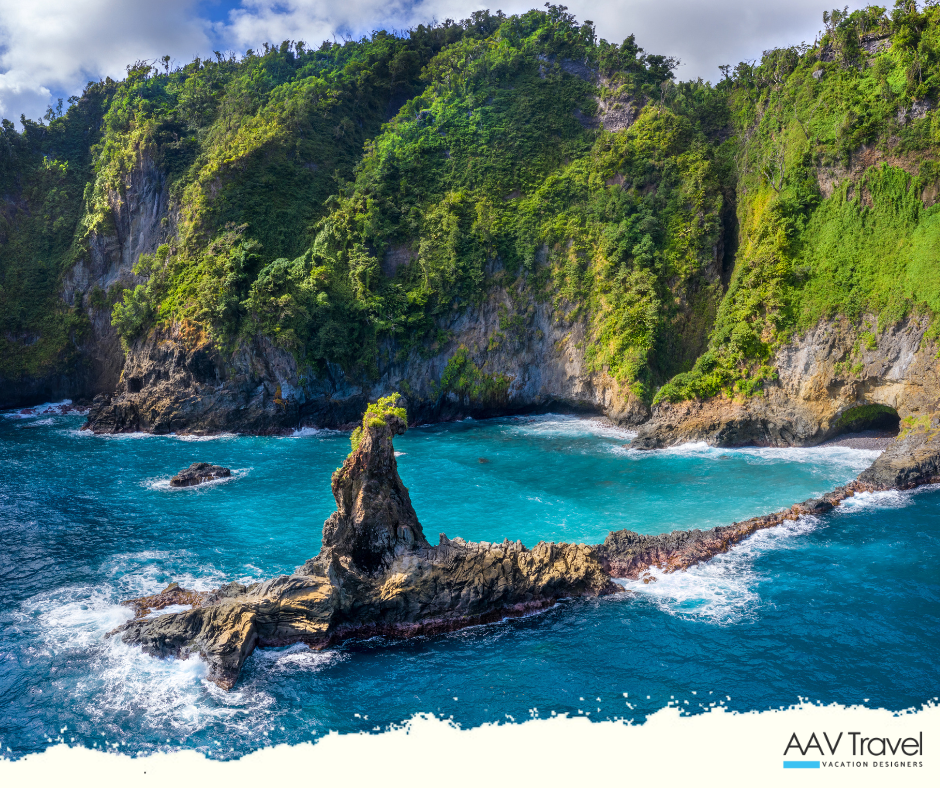
Often called the “Nature Island” of the Caribbean, Dominica is a lush, volcanic paradise that feels a world away from the typical resort scene. Here, dramatic landscapes—steaming hot springs, plunging waterfalls, and jagged volcanic peaks—meet vibrant local culture, from lively Creole villages to colorful weekly markets. The island’s beaches may not be endless stretches of white sand, but they offer rugged beauty and a sense of solitude that’s hard to find elsewhere in the Caribbean.

Beyond its natural wonders, Dominica is a haven for outdoor enthusiasts. Hikers can explore the Morne Trois Pitons National Park, a UNESCO World Heritage site, with trails that lead past boiling lakes, rainforest canopies, and hidden waterfalls. Snorkelers and divers will be rewarded with pristine coral reefs teeming with marine life, while kayakers can navigate calm rivers framed by dense jungle. It’s an island that invites curiosity, exploration, and a slower pace of life.

Dominica is ideal for travelers who want more than just a beach vacation—those who find joy in trekking, discovering local traditions, and immersing themselves in nature’s grandeur. If you’re seeking an authentic Caribbean experience that’s both adventurous and rejuvenating, Dominica delivers it in spades.

Instead of exploring Medieval Towns in Tuscany

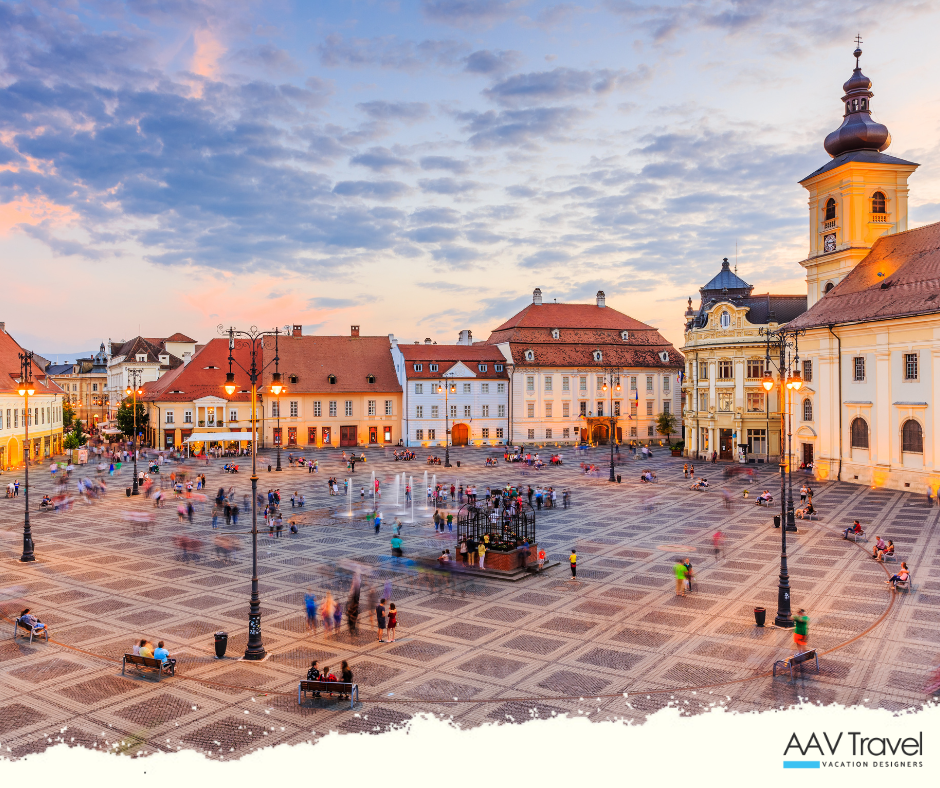
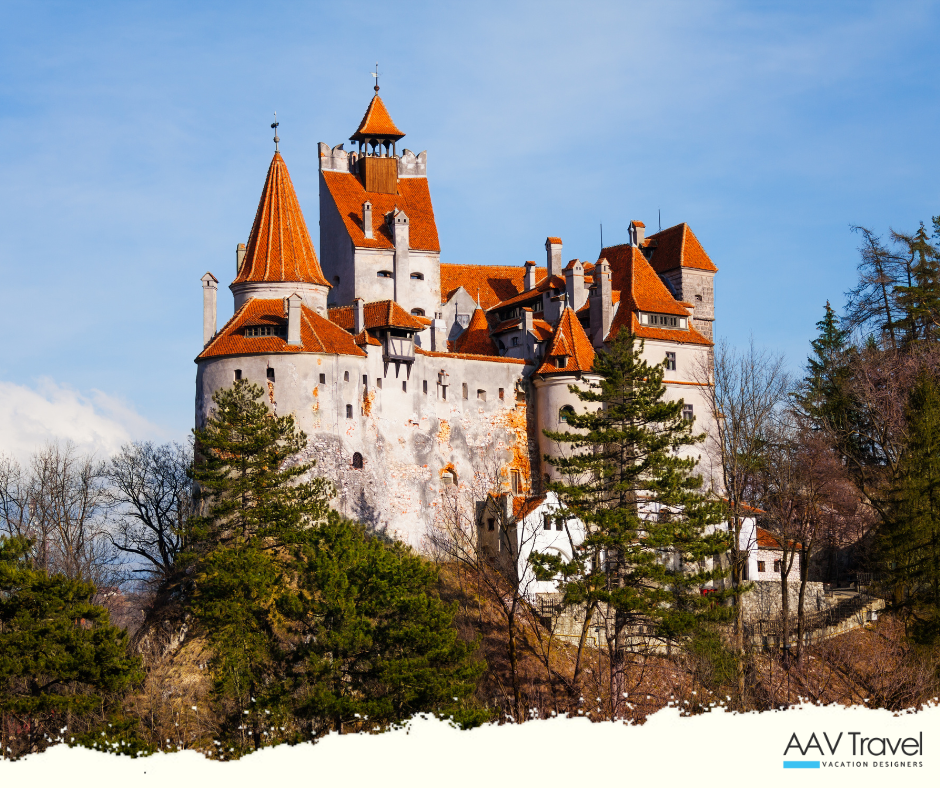
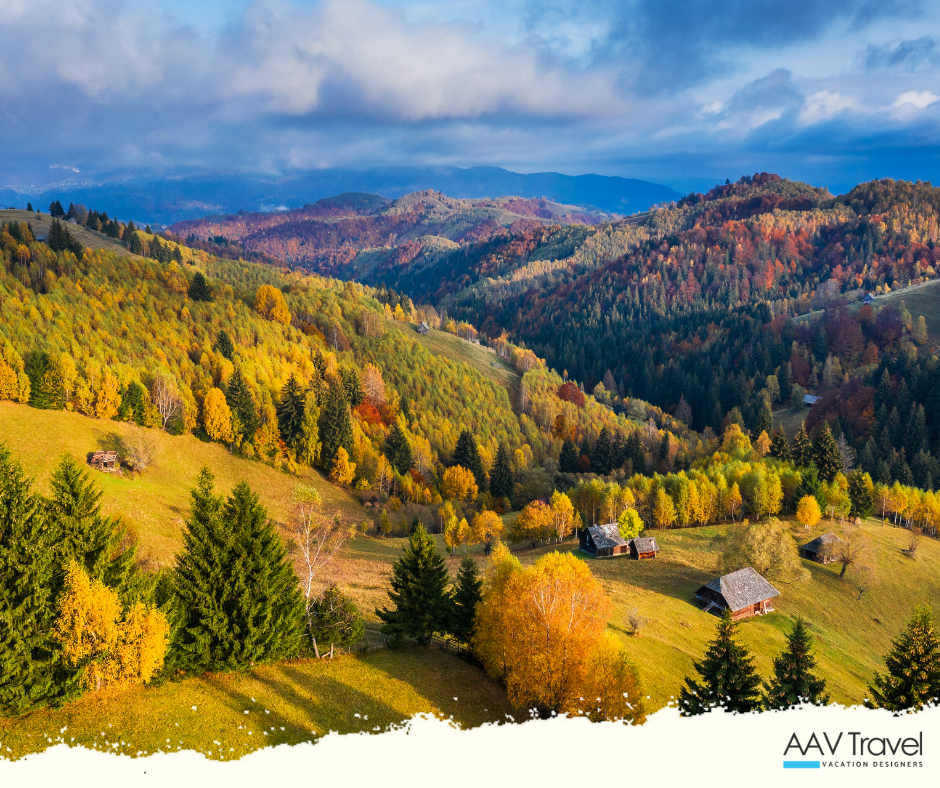
Romania is a country that surprises at every turn, offering travelers a rich tapestry of history, culture, and natural beauty—all without the crowds that often accompany Europe’s more famous destinations. From the cobblestone streets of Sibiu and Brașov, where medieval architecture and colorful squares invite leisurely exploration, to the fortified churches of Transylvania and the hauntingly beautiful castles scattered throughout the countryside, Romania feels like stepping into a storybook.

For those who love the outdoors, Romania’s landscapes are equally compelling. The Carpathian Mountains offer hiking, wildlife spotting, and serene forested valleys, while the Danube Delta is a paradise for birdwatchers and nature enthusiasts. Vineyards, charming villages, and local markets provide endless opportunities to connect with authentic Romanian culture—sampling traditional dishes like sarmale or tasting local wines in centuries-old cellars.

Romania is ideal for travelers who seek depth and discovery over convenience, those who enjoy wandering off the beaten path to uncover hidden gems. If you’re drawn to history, culture, and natural beauty in equal measure, Romania offers an experience that feels both authentic and endlessly rewarding.

And for a Feel of France

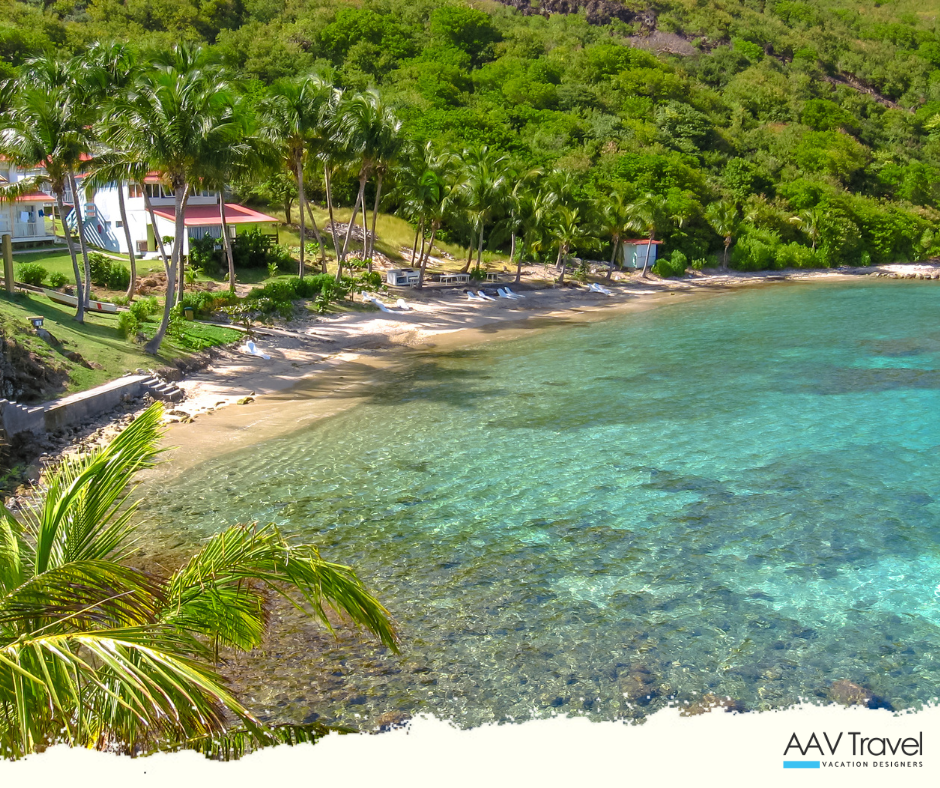
Guadeloupe has a distinctly French flair that sets it apart from many other Caribbean islands. As an overseas region of France, it blends Caribbean vibrancy with European sophistication. You’ll find French-style bakeries (pâtisseries), cafés where locals sip espresso, and gourmet markets stocked with fresh produce, cheeses, and wine. Street signs are in French, the official language is French, and the local administrative systems and cultural events reflect French influence.

The island is a Caribbean treasure that often flies under the radar, offering travelers a mix of lush landscapes, charming towns, and rich culture far removed from the usual resort crowd. Composed of two main islands—Basse-Terre and Grande-Terre—it’s a place where volcanoes, waterfalls, and rainforests meet white-sand beaches and turquoise waters. The island’s Creole heritage shines through in its colorful markets, lively music, and flavorful cuisine, from fresh seafood to spicy local dishes.

For outdoor enthusiasts, Guadeloupe delivers endlessly. Hike the trails of La Soufrière, an active volcano, or explore the tropical jungles and cascading waterfalls of Basse-Terre. Snorkelers and divers will find pristine reefs teeming with marine life, while kayaking through mangroves or taking a boat trip to nearby islands offers a sense of adventure and discovery. Unlike some of the more commercialized Caribbean destinations, Guadeloupe feels genuine and lived-in, with authentic experiences around every corner.

Guadeloupe is ideal for travelers who want the charm and sophistication of France without leaving the Caribbean—those who enjoy strolling through colorful markets, savoring fresh pastries and local cuisine, and soaking in both culture and nature. If you’re seeking a destination that combines French flair with tropical adventure, Guadeloupe offers an authentic and enriching experience unlike anywhere else.

Instead of Santorini

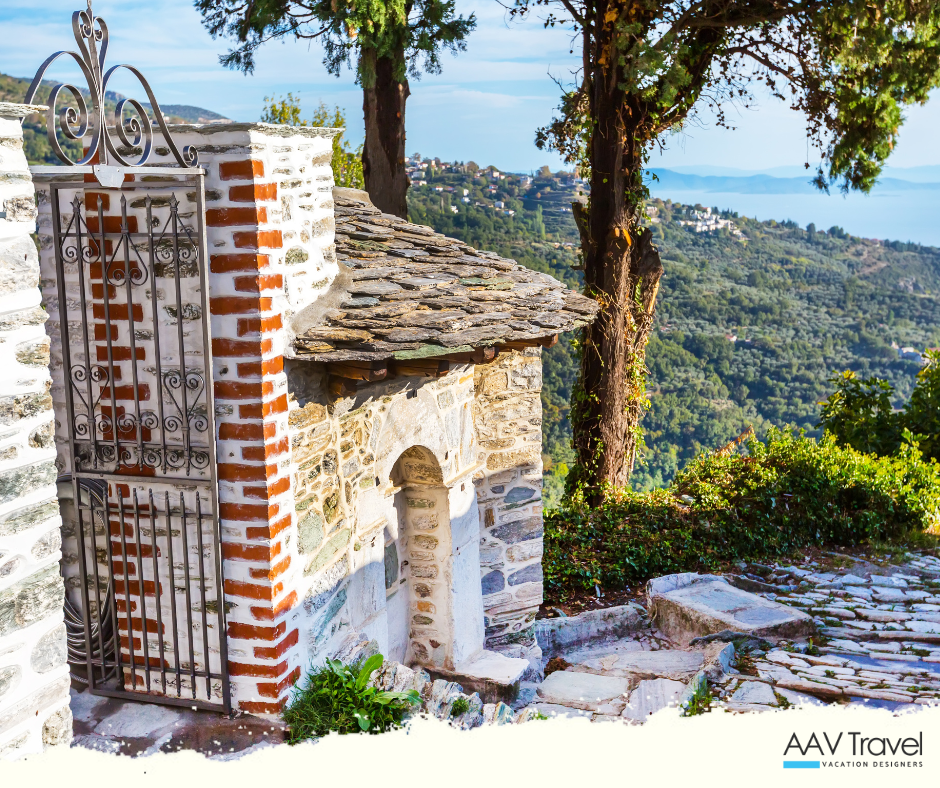
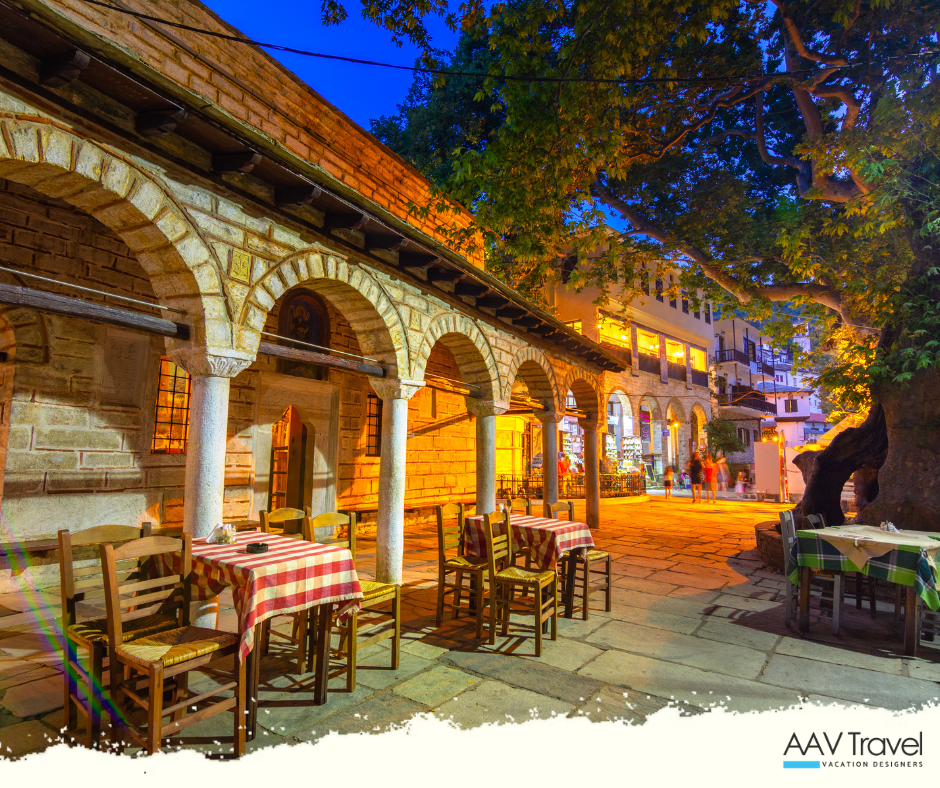
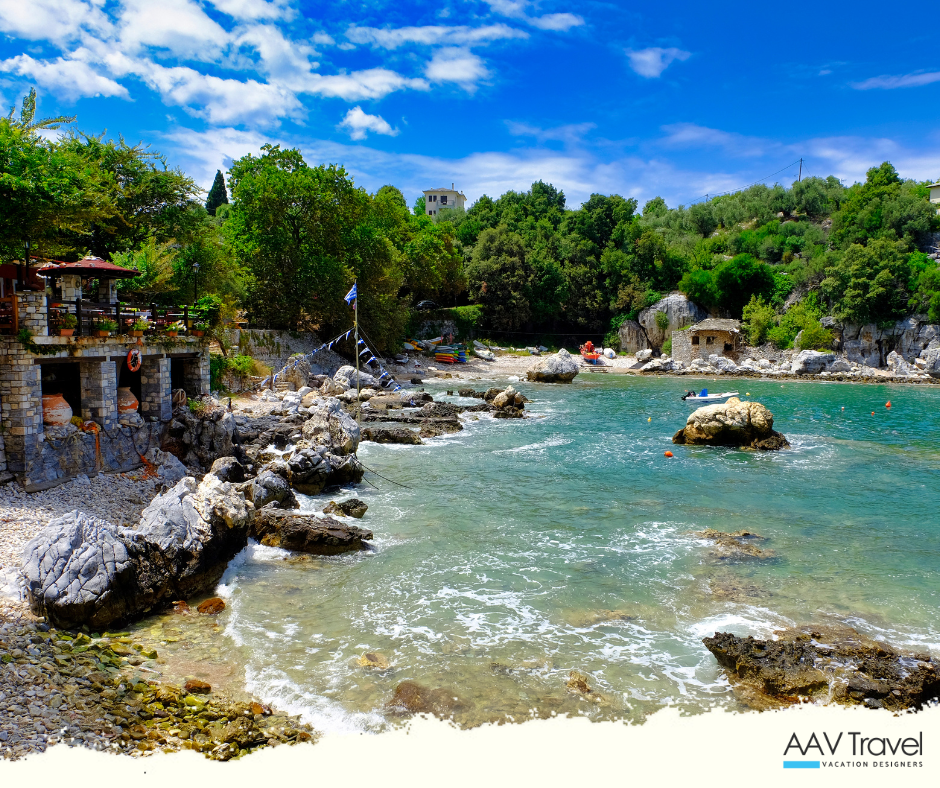
Tucked between the mountains and the sea, the Pelion Peninsula in Greece is a hidden treasure that offers the perfect blend of natural beauty, traditional culture, and tranquility. Unlike Santorini or Mykonos, Pelion remains largely undiscovered by mass tourism, giving travelers a sense of authenticity that feels increasingly rare. Charming stone villages cling to lush hillsides, cobbled streets wind past old churches and cafés, and locals welcome visitors with warm hospitality and the flavors of home-cooked Greek cuisine.

The region is a paradise for nature lovers and outdoor enthusiasts. In summer, you can hike scenic trails through olive groves and pine forests, swim in secluded coves along the Aegean or Pagasetic coast, and explore waterfalls tucked away in verdant valleys. In winter, the mountains offer skiing and cozy lodges with wood-burning fireplaces. Foodies will delight in sampling fresh seafood, local cheeses, and traditional sweets at family-run tavernas, making it a full sensory experience.

The Pelion Peninsula is perfect for travelers who want Greece beyond the crowds—those who enjoy wandering off the beaten path, discovering small villages, and soaking up both culture and nature at a relaxed pace. If you’re looking for an authentic, peaceful escape with plenty of adventure, Pelion offers the best of both worlds.

Exploring lesser-known destinations like Aosta, Dominica, Guadeloupe, Romania, or the Pelion Peninsula can be incredibly rewarding—but the true magic often lies in the details that only an experienced travel advisor can uncover. Beyond flashy headlines or viral “must-see” spots, a knowledgeable advisor understands how to craft experiences that balance safety, authenticity, and personal interests, ensuring your trip is seamless, enriching, and unforgettable. With the right guidance, you don’t just visit a destination—you connect with it on a deeper level, creating memories that last far beyond a vacation photo.

Ready to discover hidden gems and authentic experiences? Let us help you plan a journey that goes beyond the typical tourist trail. To begin planning, contact us via email at info@aav-travel.com or visit the website.

Written by: Stefanie P.
Experiencing Italy’s Aperitivo Tradition: Rooftop Luxury at Singer Palace Hotel in Rome

Before dinner comes the drink — and in Italy, this is more than just a ritual. It’s a treasured cultural tradition that dates back centuries. The Italian concept of aperitivo—literally meaning “to open”—is rooted in the idea of awakening the appetite with a light, often bittersweet drink. This custom gained momentum in late 18th-century Turin with the rise of vermouth, a delicately infused fortified wine that set the stage for the modern aperitivo. By the mid-19th century, cafés in northern Italy began pairing their cocktails with small savory bites called stuzzichini, teasing the palate and enriching the experience. What started as a fashionable trend evolved into a national tradition, embracing not only flavor but the joy of coming together.

Knowing how to “do” aperitivo properly can elevate your travel experience. Unlike the discounted drink specials familiar in North America, Italy’s version of happy hour is an elegant affair where your beverage often includes a thoughtfully prepared spread of snacks—sometimes modest, sometimes generous enough to be called apericena, a hybrid of aperitivo and dinner. You might pay a bit more for your glass of Prosecco or your spritz in a city like Rome, but that price includes the pleasure of grazing on regional delicacies and soaking in the atmosphere. Whether you choose a bold Negroni, a bubbly Prosecco, or a crisp Italian craft beer, what matters most is how you enjoy it: unhurried, in good company, and just before dinner—often beginning around 7 or 8 PM.

As the Italian sun stretches into the evening, the aperitivo reaches its peak. Especially in summer, outdoor terraces and piazzas come to life. Locals and travelers alike gather under golden skies, catching up on the day and relishing the simple act of being together. It’s this unspoken art of connection that defines the aperitivo—an essential thread in the tapestry of Italian life. Though the drinks and snacks may vary by region, the spirit remains the same: convivial, relaxed, and deliciously communal.

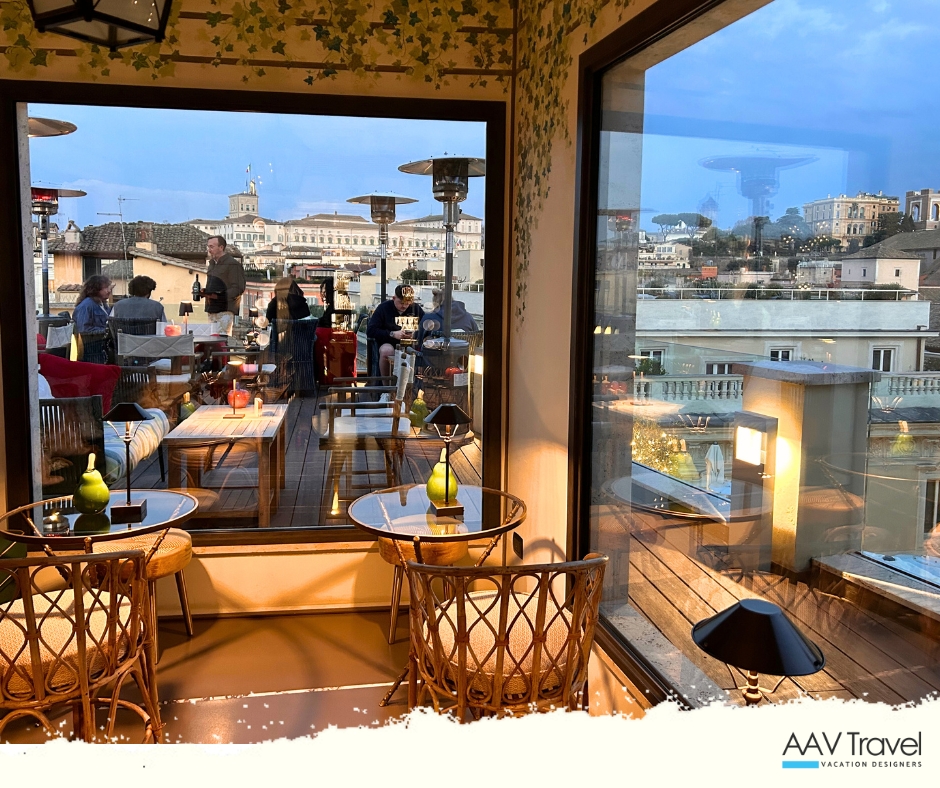
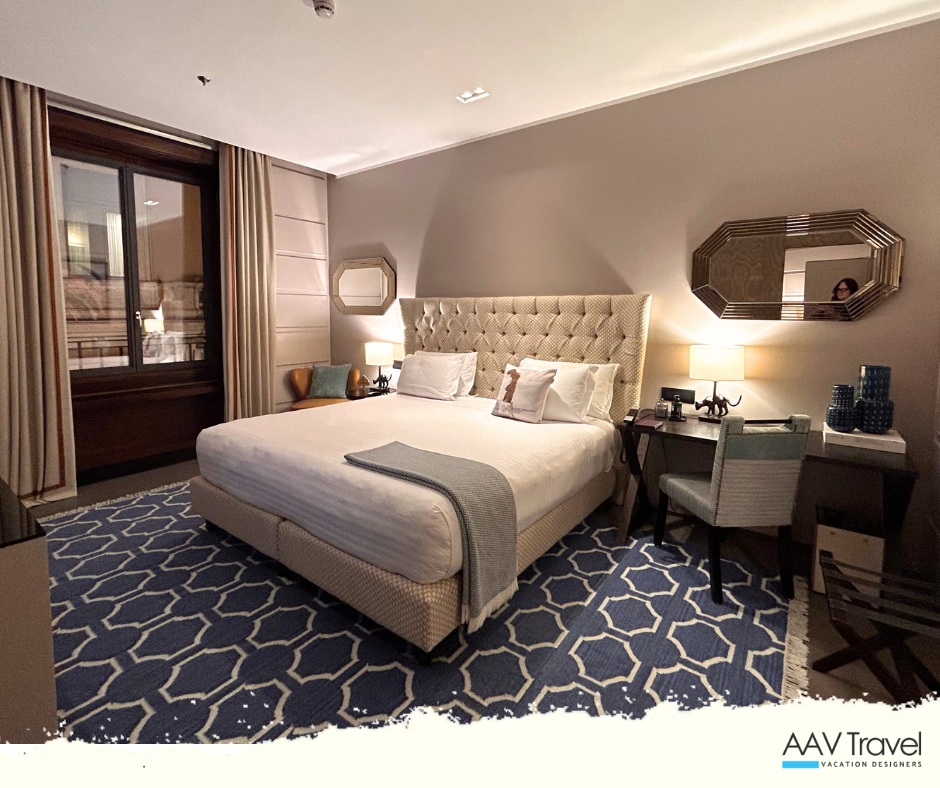
My evening aperitivo at the Singer Palace rooftop terrace remains one of my most treasured Roman memories. I had the pleasure of being invited by Michela Mola, who welcomed me warmly and joined me on the rooftop as the golden hour bathed the Eternal City in a soft, amber glow. From our vantage point above a tapestry of terracotta rooftops and Renaissance domes, the waiter brought over a perfectly prepared Spritz, paired with a tray of local delicacies—tempura vegetables, olives, and chips. As we sipped and admired the view, Michela shared the captivating history of the building and the unique vision behind Singer Palace’s family-run philosophy. Her insight brought the hotel’s character to life, revealing just how much care and thought go into each guest experience. Following our aperitivo, she kindly gave me a personal tour of several rooms—each exquisitely designed, with its own distinct charm. That evening, as the sun slipped below the skyline, I raised my glass in quiet celebration of the Italian art of slowing down, connecting meaningfully, and savoring beauty in both place and people.

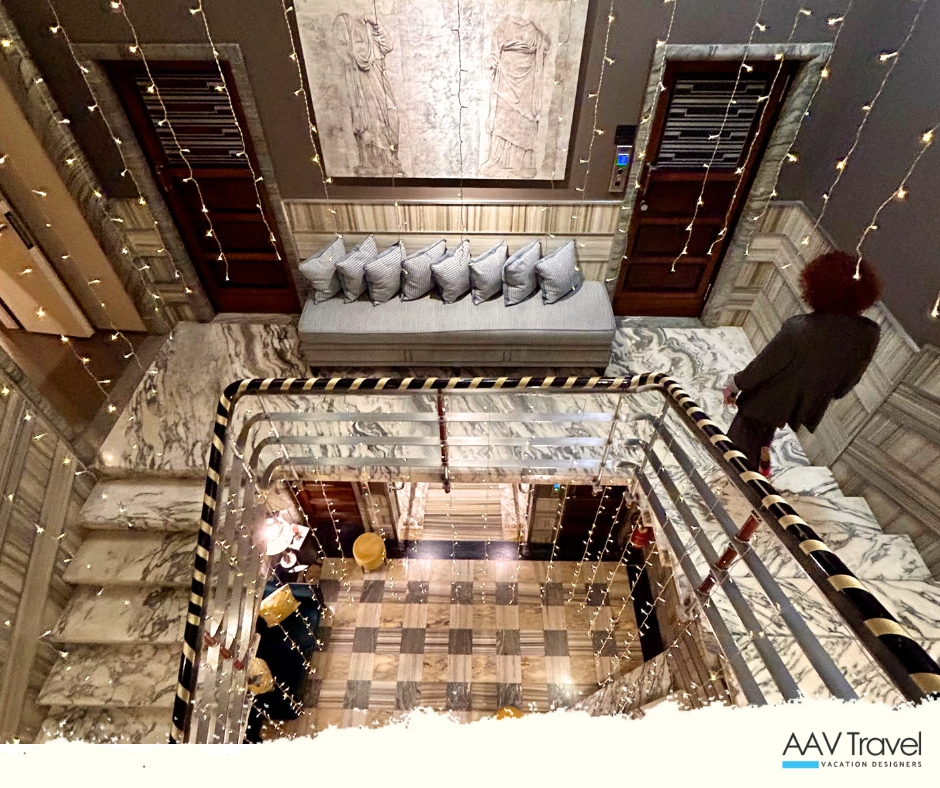
For those in the know, the Singer Palace Hotel is a Roman gem that blends refined luxury with the warmth of a privately owned residence. Tucked away just off Via del Corso—within easy reach of the Pantheon and Trevi Fountain—this discreet address occupies a beautifully preserved 20th-century building that once housed the Italian headquarters of the famed Singer sewing machine company. Today, it’s a meticulously restored haven that remains under the stewardship of the Visocchi family, a detail that ensures an exceptional level of service, attention to detail, and genuine hospitality rarely found in larger hotels. With just 30 elegantly appointed rooms and suites, Singer Palace offers an understated kind of opulence—think Carrara marble, hand-selected furnishings, and bespoke Italian craftsmanship. It’s the kind of place whispered about among seasoned travelers, where heritage meets modern comfort, and where aperitivo hour is best savored on the rooftop, gazing out over Rome’s storied skyline.

Whether you’re exploring Rome for the first time or returning for the tenth, an aperitivo at the Singer Palace rooftop is a must—a graceful pause in the day, served with elegance and heart.

When you let a luxury travel advisor at AAV Travel plan your visit to Rome, you gain access to far more than just hotel bookings and sightseeing suggestions—you benefit from deeply personal, firsthand experience. With extensive on-the-ground knowledge of the city’s finest boutique hotels, hidden-gem trattorias, private guides, and off-the-beaten-path moments, your advisor ensures your Roman holiday feels effortless, immersive, and truly tailored to you. Whether it’s securing a table at a rooftop restaurant with sunset views, arranging VIP access to the Vatican before the crowds arrive, or handpicking a hotel like Singer Palace that matches your style and pace, AAV Travel brings insider insight and white-glove service to every detail—so all you have to do is relax and soak up la dolce vita.

Written by: Stefanie P.

To start planning, contact us via email at info@aav-travel.com or visit the website.

Why Traveling Off-Season to Liguria is a Smart Choice: A Luxury Travel Advisor’s Guide to Cinque Terre and Portofino

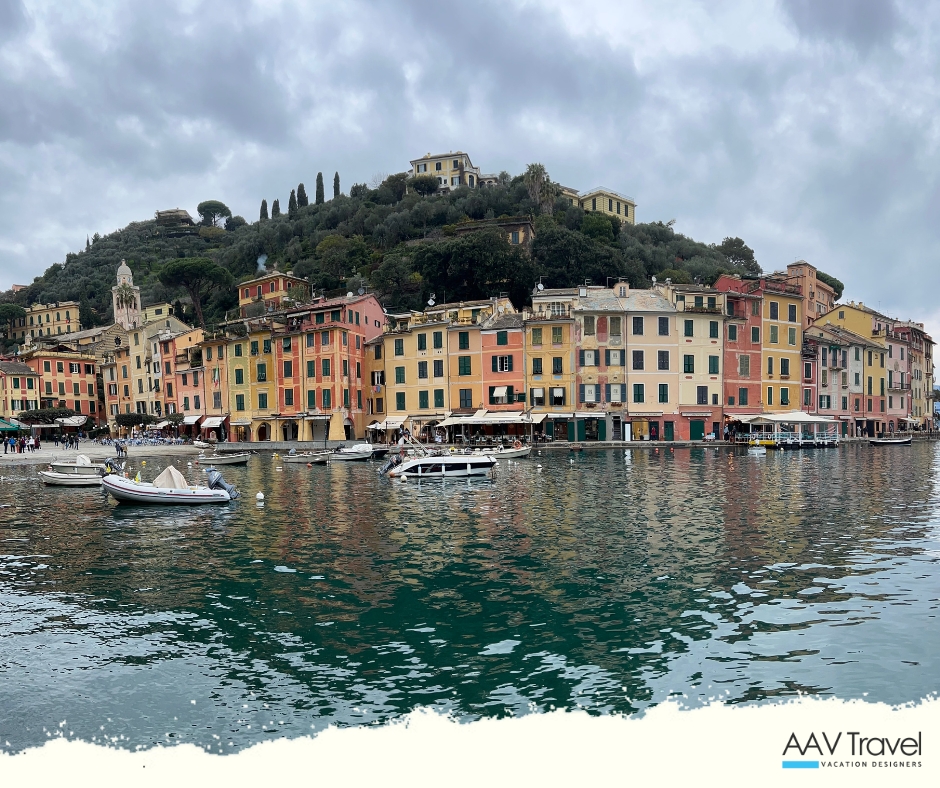
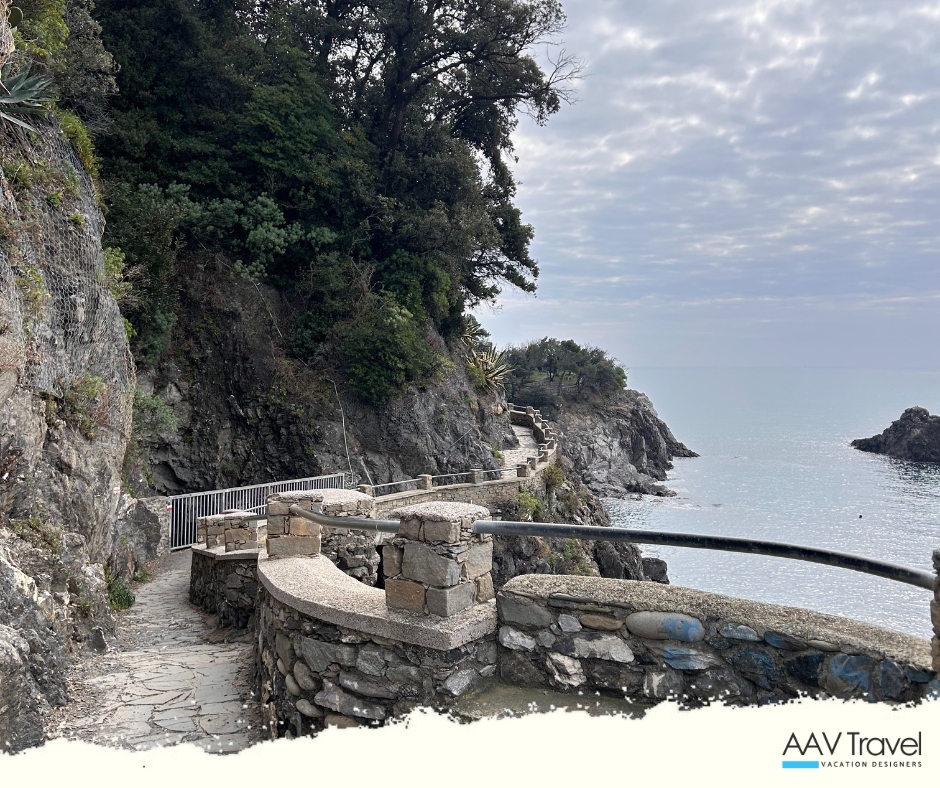
There’s something undeniably magical about Liguria—the dramatic cliffs plunging into the turquoise Ligurian Sea, the pastel-colored villages of Cinque Terre, and the timeless elegance of the Portofino Coast. While most travelers flock here in the summer, a growing number of discerning visitors are discovering the advantages of off-season travel.

But is it the right choice for you? As a luxury travel advisor, I help my clients weigh the benefits and drawbacks to craft the perfect itinerary. Let’s explore what off-season travel to Liguria really means.

The Advantages of Off-Season Travel

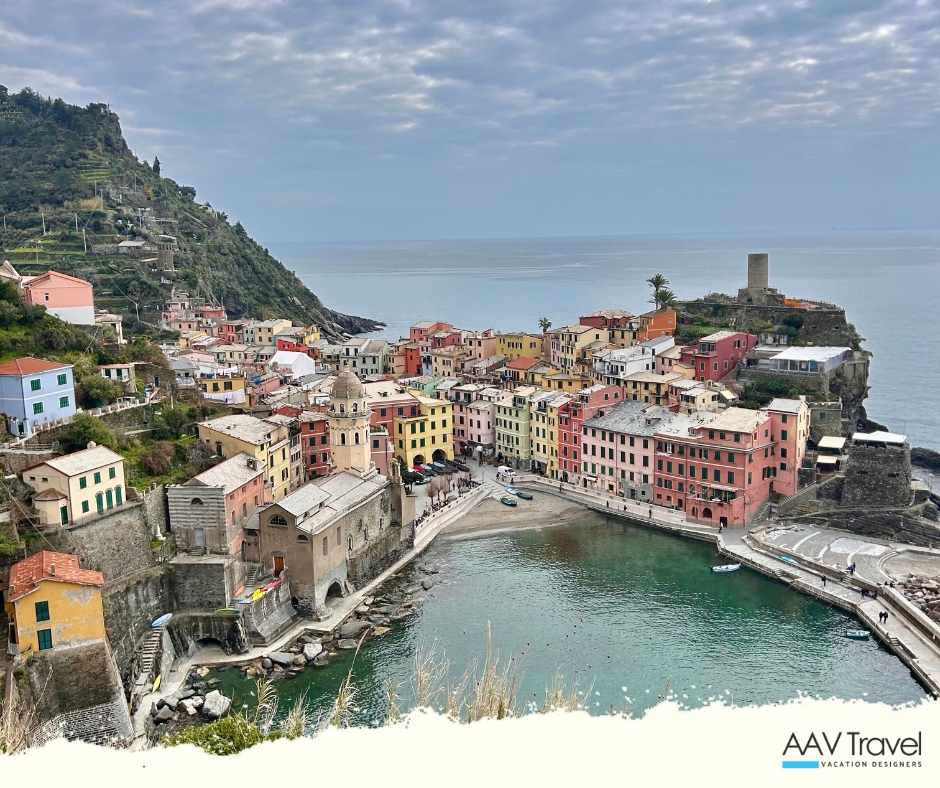
  • Fewer Crowds, More Serenity: One of the greatest pleasures of visiting Liguria in the off-season (late fall to early spring) is the tranquility. Gone are the cruise ship crowds and day-trippers that can overwhelm Cinque Terre in peak season. You’ll have the picturesque streets of Vernazza, Manarola, and Riomaggiore almost to yourself, making for a more intimate and authentic experience.
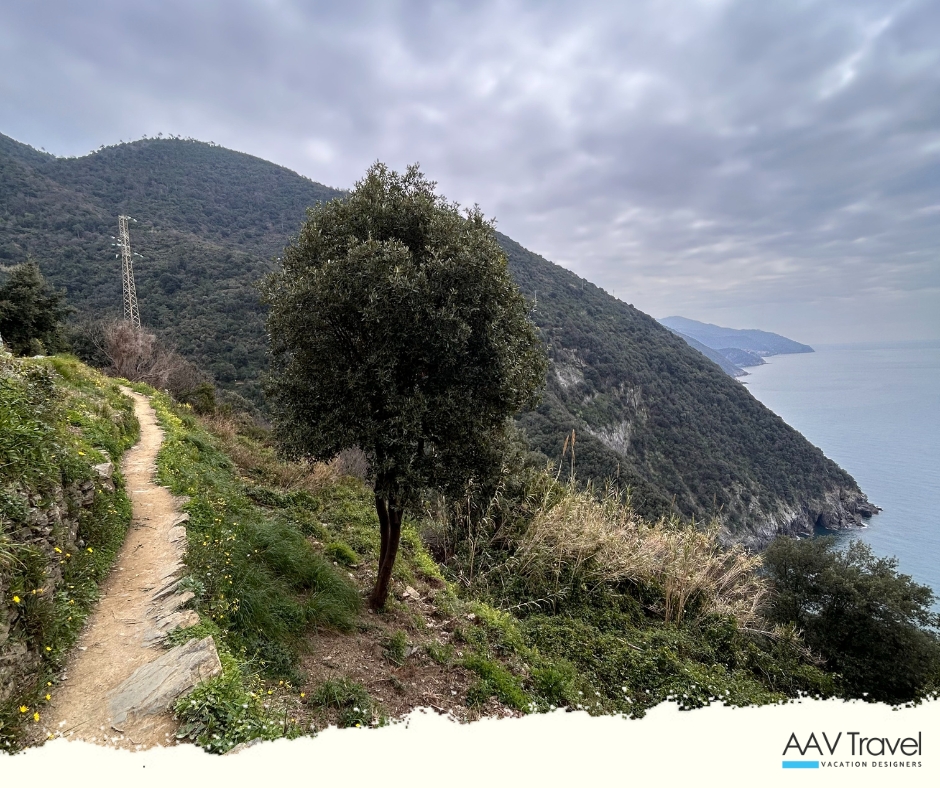
  • Milder Temperatures: Summer in Liguria can be sweltering, with temperatures often exceeding 85°F (30°C). In contrast, the off-season brings crisp air and pleasant daytime temperatures, usually ranging between 50–65°F (10–18°C). This makes it ideal for hiking the famed Sentiero Azzurro trails or strolling through the quaint fishing villages without breaking a sweat.
  • More Affordable Luxury: With fewer tourists, many luxury hotels in Portofino, Santa Margherita Ligure, and Monterosso al Mare offer lower rates, allowing you to enjoy high-end accommodations at a fraction of peak-season prices. Some boutique properties even offer exclusive experiences in the off-season, such as private wine tastings or chef-led cooking classes.
  • A more local Experience: Without the seasonal tourist influx, Liguria’s coastal villages return to their natural rhythm. You’ll see fishermen repairing their nets, locals enjoying their morning espresso, and shop owners with more time to chat. It’s a chance to experience the region as it truly is, rather than as a backdrop for mass tourism.

The Disadvantages of Off-Season Travel

  • Limited Ferry Service: One of the biggest drawbacks is the reduced (or nonexistent) ferry service between Cinque Terre’s villages and the Portofino Coast. In peak season, ferries make it easy to hop between charming seaside towns. But in winter, you’ll need to rely on trains and taxis, which can be less convenient—especially if you’re dreaming of those iconic sea views.
  • Many Restaurants and Shops Close for the Season: While larger towns like La Spezia and Genoa remain lively, smaller villages see many restaurants, gelaterias, and boutiques shuttered until spring. That charming seaside trattoria you saw on Instagram? It might be closed in January. However, a seasoned travel advisor can recommend the best year-round spots, ensuring you still experience Liguria’s renowned cuisine.
  • Unpredictable Weather: While off-season temperatures are comfortable, the weather can be unpredictable. November and December tend to bring rain, and while sunny winter days are glorious, you might also encounter strong coastal winds or rough seas. If your dream is a sun-drenched Italian escape, off-season travel might not be the best fit.

How AAV Travel can help:

Off-season travel to Liguria is all about balance—knowing where to go, what’s open, and how to navigate the region smoothly. This is where expert planning makes all the difference.

At AAV Travel, we can:

  • Identify the best hotels offering off-season perks
  • Arrange private transfers to replace missing ferry routes
  • Secure reservations at top restaurants that remain open
  • Design a seamless itinerary that maximizes your experience

Off-season travel isn’t for everyone, but for those seeking a quieter, more immersive Ligurian escape, it can be a dream come true. It’s particularly well-suited for active travelers who prioritize nature and the outdoors—think breathtaking coastal hikes, scenic photography, and tranquil seaside walks—over shopping and fine dining. If you’re drawn to Liguria’s natural beauty and prefer exploring without the crowds, the off-season might be the perfect time for your visit. And with expert planning, you won’t have to worry about logistics—we’ll ensure your itinerary maximizes every moment, no matter the season.

Reach out when you are ready to start planning your off-season trip!

To start planning, contact us via email at info@aav-travel.com or visit the website.
Written by: Stefanie P.

Summer 2024: Europe Travel Tips

Paris Summer Olympics

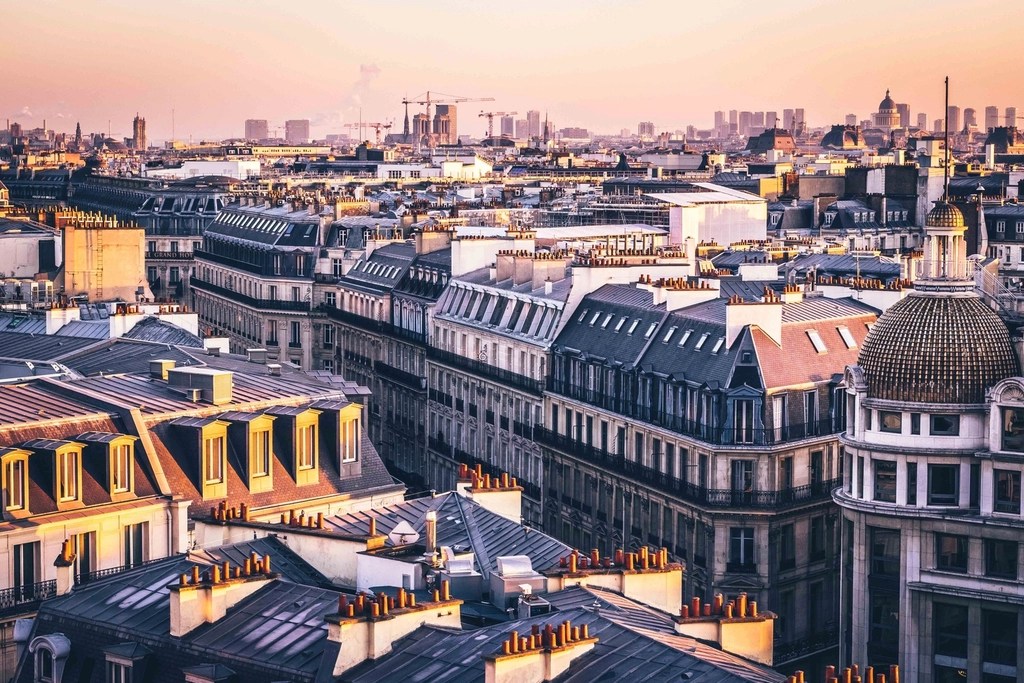
Be prepared to pay steep prices in Paris as the games approach. Hotels and food will become more expensive, and some metro stations might close. Check the Paris Ministry of Transport website for updates on those closures. Arrange transfer in advance, as strikes could affect public transportation.

Our tip: If you don’t like crowds, avoid Paris this summer and choose a more laid-back spot.

The consequence of climate change: Natural occurrences

Photo by Jasmin kaemmerer on Pexels.com

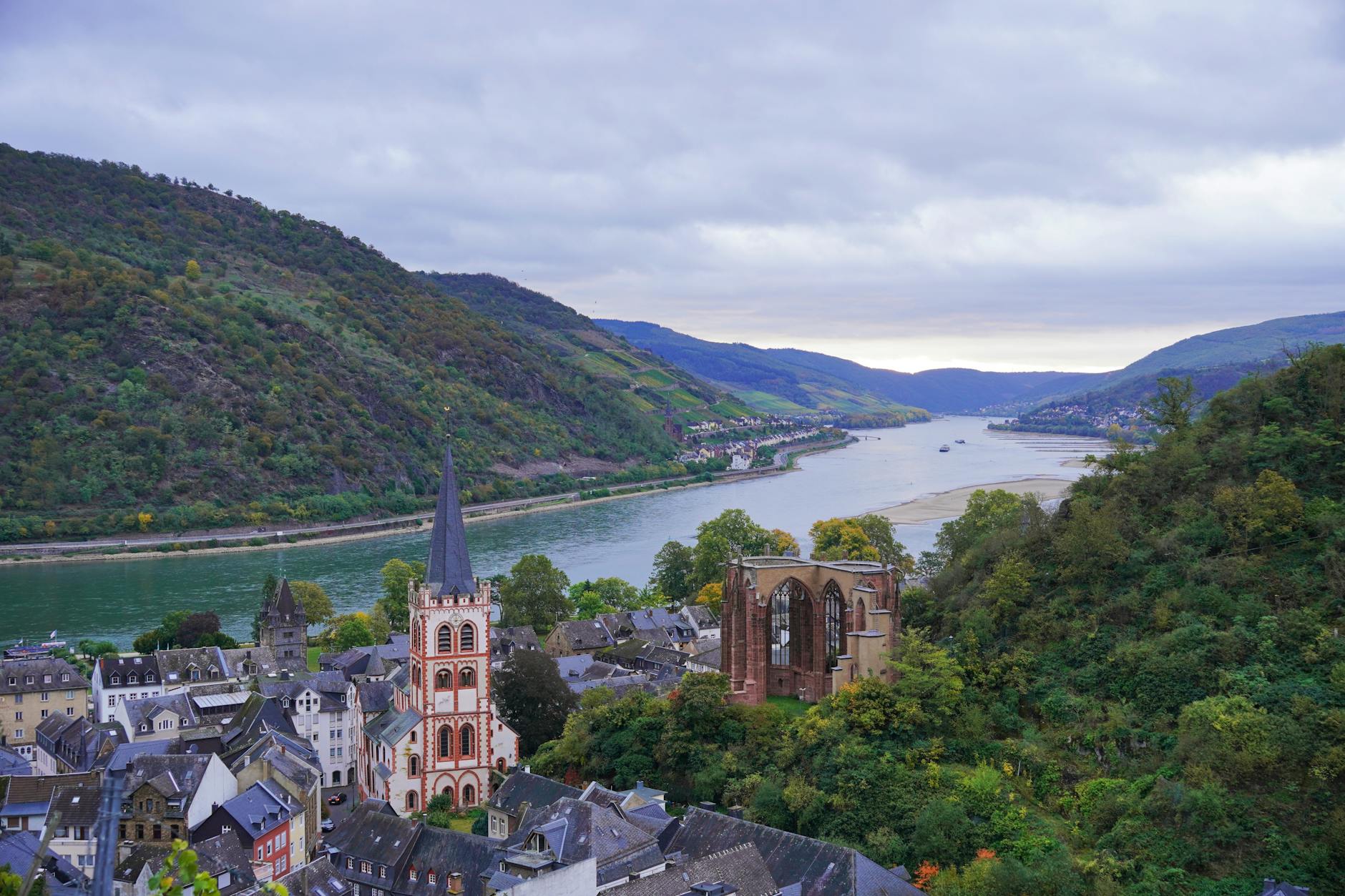
Europe is set to face a major heatwave in 2024, and unfortunately, natural disasters are becoming more frequent in this region. Massive floods hit Germany and Belgium last year and are now back. Greece dealt with wildfires in 2023. Iceland’s volcano keeps erupting.

That River cruise you booked may not be operating as planned. The hotel you booked may not have air conditioning or have restrictions on air conditioning use due to environmental objectives.

Our Tip: A professional travel advisor has deep insights into European travel because they stay updated on various factors that can impact your trip, such as natural disasters, political changes, and strikes. Their extensive network and access to real-time information allow them to anticipate and navigate potential disruptions. They can provide personalized advice and contingency plans that you might not easily find on your own, ensuring a smoother and safer travel experience.

Strikes and Delays: The new normal

Photo by Free Stock on Pexels.com

Train travel is an awesome way to explore Europe, but air and land transportation has been delayed more frequently lately. Major travel strikes are happening across several countries. To deal with these inevitable strikes, it’s smart to prepare for delays and have a backup plan ready.

Our Tip: Slow down! Instead of hopping around every other day from city to city, country to the next, allow yourself time. That way, you still have days left if you miss a day and some space to make alternate arrangements. A good travel advisor will help you create an itinerary that holds up!

Tickets, guides, and politics

Photo by Chait Goli on Pexels.com

Popular attraction tickets are getting scalped. Some of the best guides refuse their services because the sights are overcrowded. Some attraction time slots, like the Colosseum in Rome, are allocated at the last minute. That said, your tour time could change.

Our Tip: You get what you pay for! Trust your advisor, upgrade your experiences, get up early, and don’t overload your day.

Daytripper fees

Photo by Gotta Be Worth It on Pexels.com

The city of Venice rolled out its one-day visitor fee this summer. On arrival, train passengers are checked to see if they purchased a day pass and fined if not. Venice overnight guests have to file an exception. The town of Clovelly in Cornwall charges a daily visitor fee. Lauterbrunnen, Switzerland, is discussing implementing a fee for visitors arriving by car. This is becoming the norm.

Our Tip: Work with a specialist! Unless you are a very thorough trip planner with hours to learn about destinations and how best to navigate them, trust an expert to help you craft your trip and prepare you ahead of time.

Is Europe on your mind? Reach out, and we will happily help you plan your trip!

To start planning, contact us via email at info@aav-travel.com or visit the website.
Written by: Stefanie P.