Christmas on Screen in Europe: Holiday Films as Windows into Tradition

In the United States, Christmas is more than a date on the calendar. It is a season shaped by ritual, repetition, and a familiar sense of comfort. As evenings grow darker and the pace of daily life finally begins to slow, many households return to the same small traditions year after year. One of the most enduring is the simple act of gathering in front of the television, wrapped in blankets, a warm drink within reach, letting a familiar holiday film play in the background.

These movies are rarely watched with full attention, and that is part of their charm. They become part of the rhythm of December rather than the focus of it, offering a shared backdrop for conversation, laughter, and quiet moments together. Parents introduce the films they grew up with to their children. Siblings quote lines they have known by heart for decades. Grown children return home and slip easily into routines that feel unchanged. In many American households, these films are not entertainment so much as reassurance. They signal that the season has truly arrived.

Coming from Switzerland, I have always found this aspect of American Christmas culture quietly fascinating. Each year, someone inevitably references a holiday classic with genuine surprise when I admit I have never seen it. Many of these films are deeply woven into American memory in a way that feels both communal and personal. They reflect how culture, storytelling, and seasonality intersect, shaping how people experience the holidays without necessarily thinking about it.

In Europe, Christmas films play a different role. In many countries, they are less about spectacle or novelty and more about continuity. The same films return year after year, not because they are new or particularly festive, but because they feel familiar. They belong to the season in a way that mirrors how traditions themselves are passed down.

Switzerland

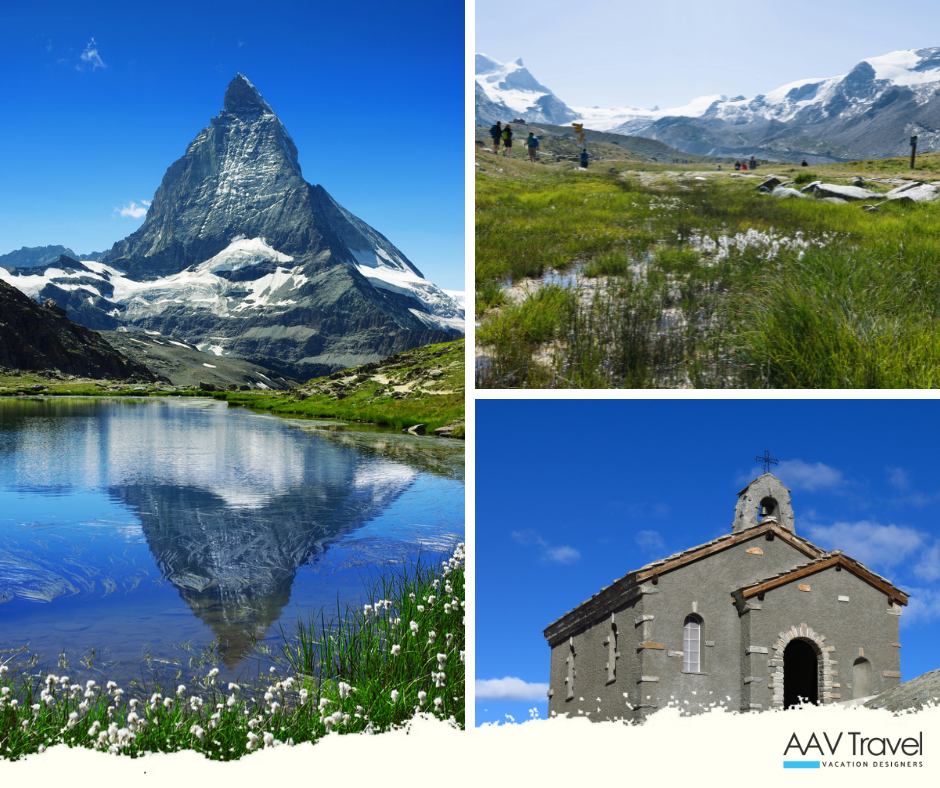
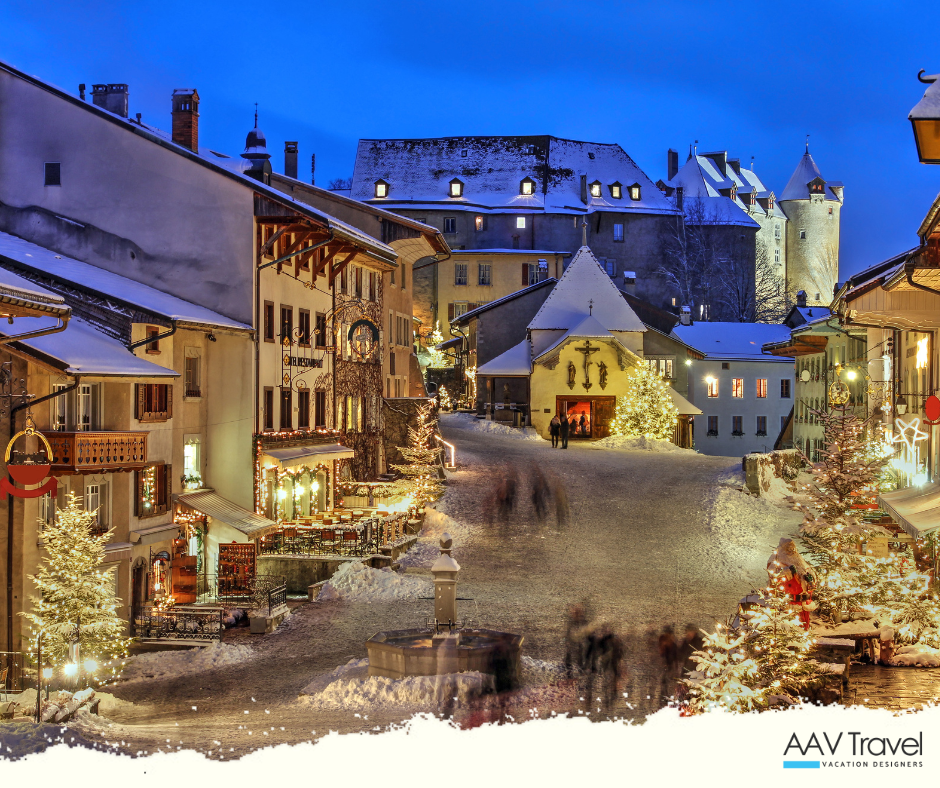
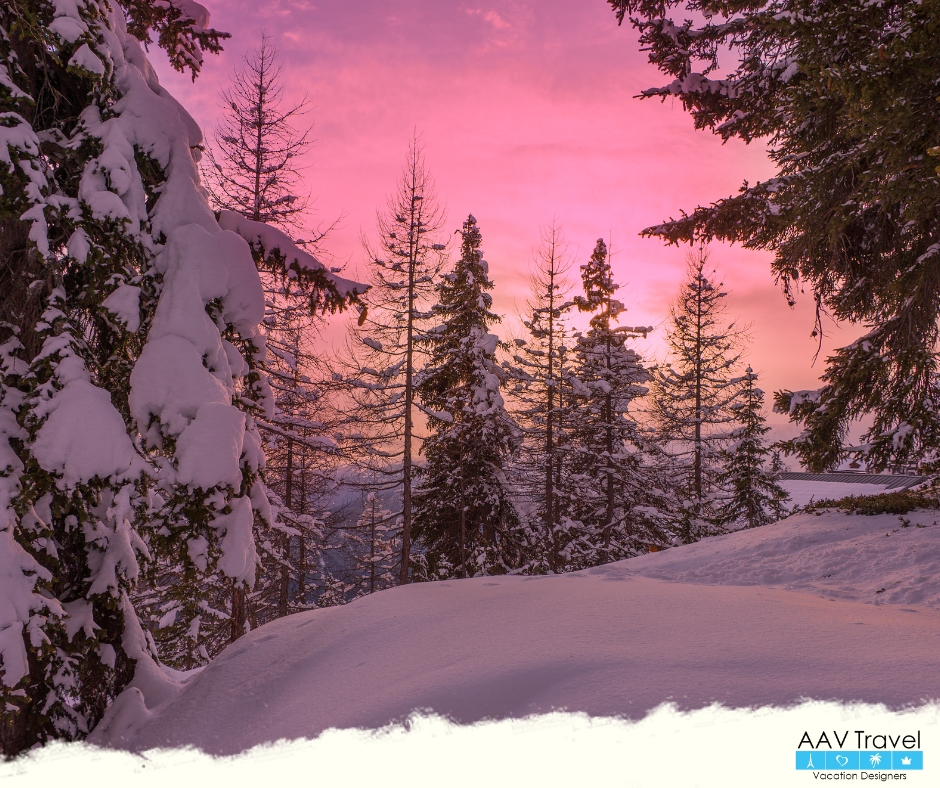
In Switzerland, Christmas unfolds quietly. The season begins with Advent and moves gently through St. Nicholas Day, Christmas Eve, and the days that follow. It is marked by candlelight, winter landscapes, and time spent close to home. Switzerland does not have a strong tradition of producing Christmas-specific films, yet certain stories have become inseparable from the season. In the German-speaking regions, “Drei Haselnüsse für Aschenbrödel,” known in English as “Three Wishes for Cinderella,” appears on television every December, watched by generations who know the story by heart. The classic “Sissi” films often accompany it, their romantic nostalgia fitting naturally into the slower, reflective mood of the holidays. These films mirror Switzerland’s approach to Christmas itself: understated, intimate, and rooted in continuity rather than excess.

Italy

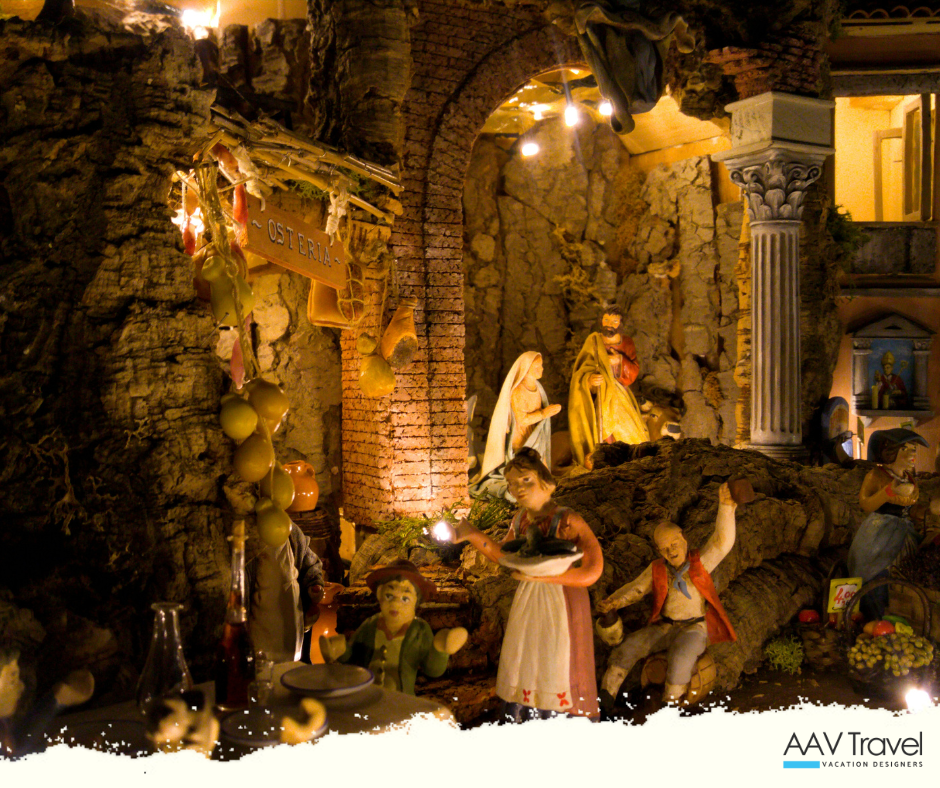
In Italy, Christmas is expansive in a different way. The season stretches well beyond Christmas Day, carrying through to Epiphany in early January. Family meals are long and unhurried, nativity scenes are lovingly displayed, and traditions unfold gradually rather than all at once. Italy has few homegrown Christmas films, yet one foreign movie has unexpectedly become a national ritual. Every Christmas Eve, millions of Italians watch “Una poltrona per due,” the Italian broadcast of “Trading Places.” What began as an American comedy has taken on a distinctly Italian rhythm through repetition, becoming part of the country’s shared holiday language. Alongside it, animated favorites such as “How the Grinch Stole Christmas” often appear, adding lightness and familiarity to evenings spent together.

Ireland

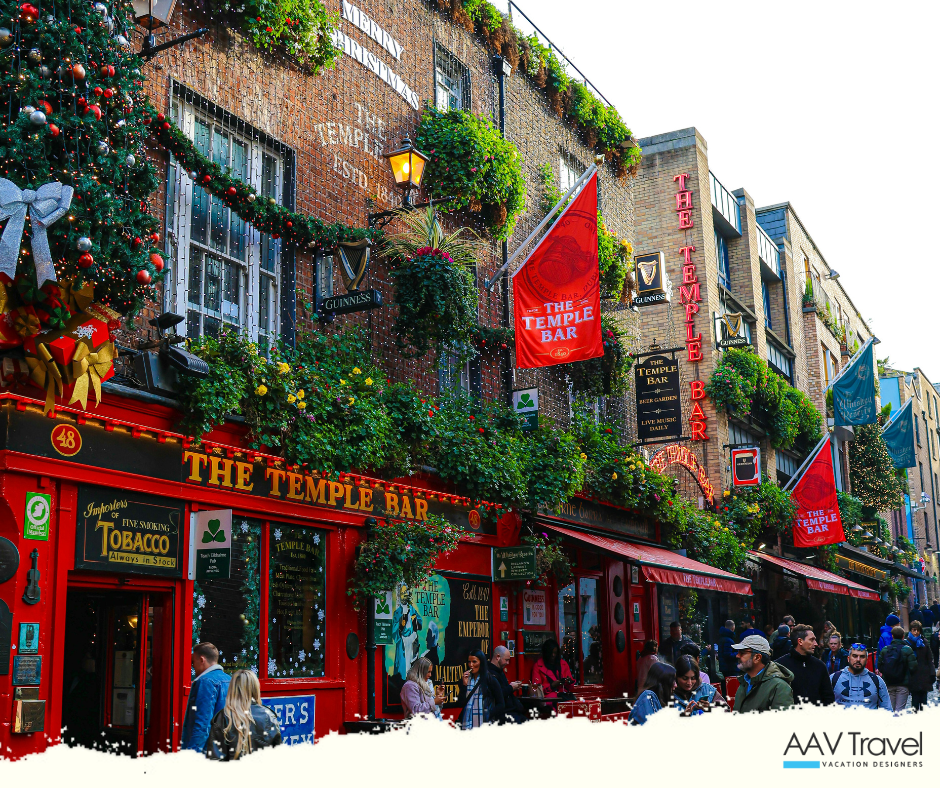
In Ireland, Christmas is deeply social, shaped by humor, community, and shared moments rather than strict formality. One of the most anticipated events of the season is not a film at all, but “The Late Late Toy Show,” a live television broadcast that signals the unofficial beginning of Christmas for many families. It is joyful, chaotic, heartfelt, and unmistakably Irish. Films still play their role, though, and classics like “The Muppet Christmas Carol” return year after year, appealing equally to children and adults. These viewing traditions reflect an Irish Christmas that values warmth, storytelling, and the pleasure of being together above all else.

France

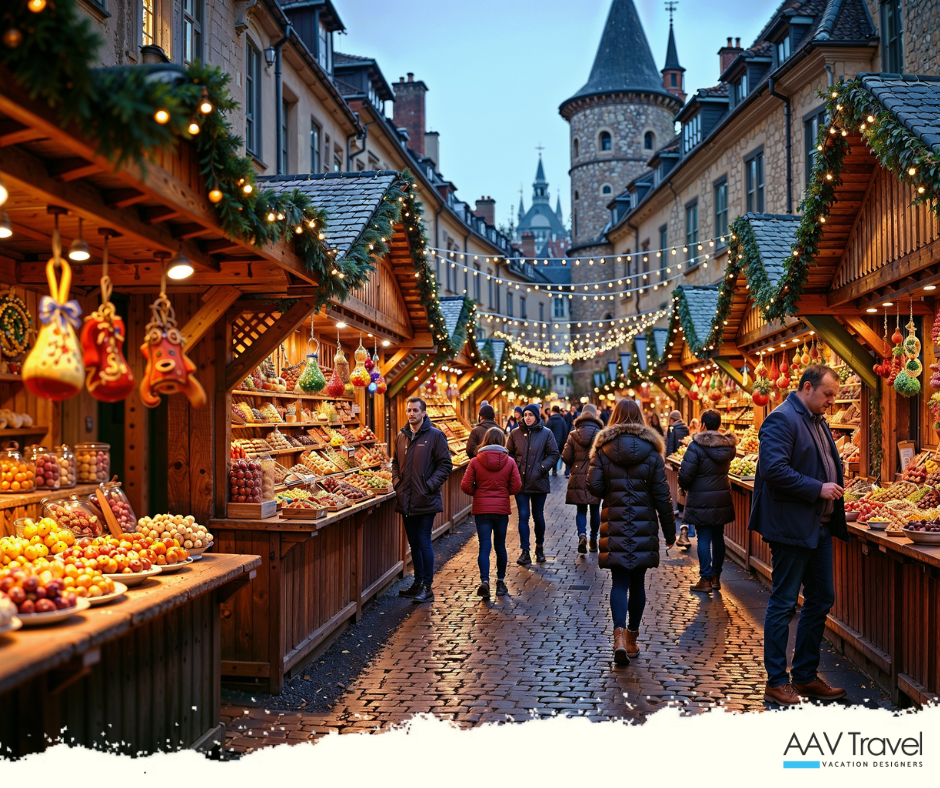
France approaches Christmas with a sense of balance between celebration and restraint. Family meals, particularly the Réveillon on Christmas Eve, remain central, and festive markets bring warmth to winter evenings. While France does not place great emphasis on Christmas films as a category, certain titles have become seasonal touchstones. “Le Père Noël est une ordure,” a darkly comedic cult classic, reappears every December, its humor as familiar as it is irreverent. During the holiday break, French television often broadcasts the Harry Potter films, especially the first installment, which has come to feel inseparable from Christmas despite its British origins. Together, these films add layers of nostalgia and quiet magic to the season without overpowering it

Norway

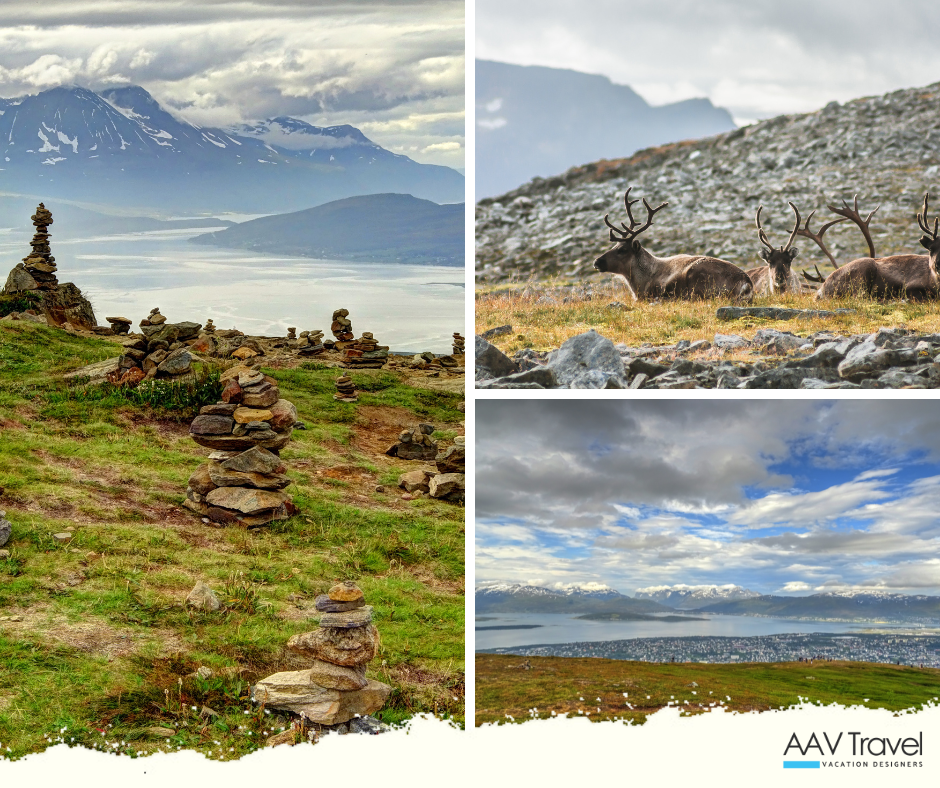
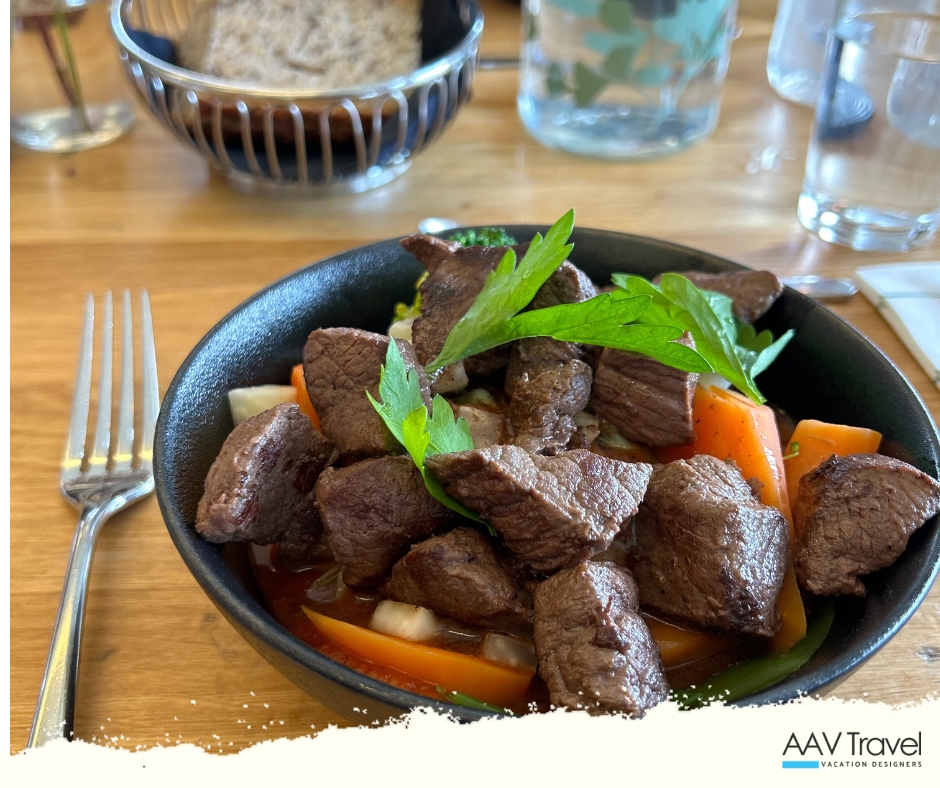
In Norway, Christmas, or Jul, is defined by coziness, candlelight, and preparation. The weeks leading up to Christmas are as important as the day itself, filled with baking, decorating, and shared anticipation. Norwegian holiday television traditions are particularly strong, and for many families, Christmas Eve would feel incomplete without “Tre nøtter til Askepott,” the Norwegian broadcast of the Cinderella fairy tale also beloved in Switzerland. “Reisen til julestjernen,” or “Journey to the Christmas Star,” is another cherished favorite, embodying the fairy-tale quality and emotional warmth that define the season. These films capture the essence of kos, Norway’s expression of comfort, intimacy, and seasonal calm.

UK

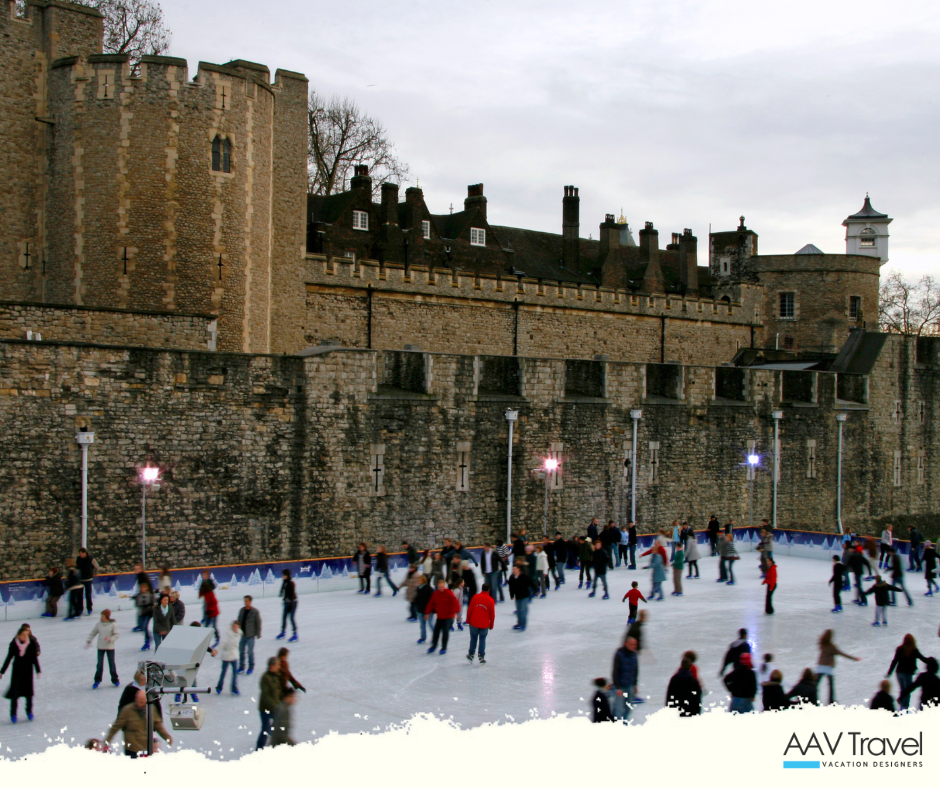
In the United Kingdom, Christmas television is a tradition in its own right. Families gather year after year to watch the same films, often at the same time, creating a shared national rhythm. “Love Actually” has become a modern classic, its interwoven stories reflecting both the humor and tenderness associated with British Christmas culture. “The Snowman,” with its quiet animation and haunting score, has aired every Christmas since the early 1980s, offering a moment of stillness amid the festivities. These films reflect the British love of storytelling and ritual, where familiarity is part of the pleasure.

Travel Through Christmas Films Without Leaving Home

For those spending the holidays at home, these films offer a gentle way to experience Christmas beyond one’s own traditions. They provide insight into how different cultures approach the season, not through spectacle, but through repetition, tone, and shared memory. Watching them is not about escaping home, but about widening perspective, one quiet evening at a time.

And for those who find themselves drawn to the idea of experiencing these traditions firsthand one day, whether at a Christmas market, a family-run hotel, or a candlelit village square, thoughtful planning makes all the difference. Christmas travel carries its own rhythms, trade-offs, and considerations, and understanding how the season is truly lived is often what transforms a beautiful idea into a rewarding experience. When the time feels right, AAV Travel would be happy to help.

Written by: Stefanie P.
Why Experiencing Norway Isn’t Just About Checking Off the Fjords: Solving the Biggest Challenge for Luxury Travelers

Many luxury travelers struggle with how dispersed, logistically challenging, and time-consuming it can be to see Norway’s top highlights in comfort—especially without excessive hotel-hopping, early flights, or long travel days. Norway’s geography and limited infrastructure can make it hard to craft an elegant, seamless, and well-paced itinerary.

Norway often tops the bucket list for luxury travelers seeking breathtaking landscapes, immersive cultural experiences, and a touch of adventure, all wrapped in comfort and style. The allure of gliding through dramatic fjords, standing beneath the Northern Lights, savoring Nordic cuisine, and staying in boutique, design-forward hotels is undeniable. But here’s what many don’t realize until they start planning: experiencing the best of Norway isn’t as simple as drawing a line on the map and booking a few hotels. Despite being a modern, well-developed country, Norway’s unique geography and infrastructure pose real challenges, especially for travelers who expect a seamless, unhurried, and elevated experience.

The Geography Challenge: Distances, Connections & Slow Travel

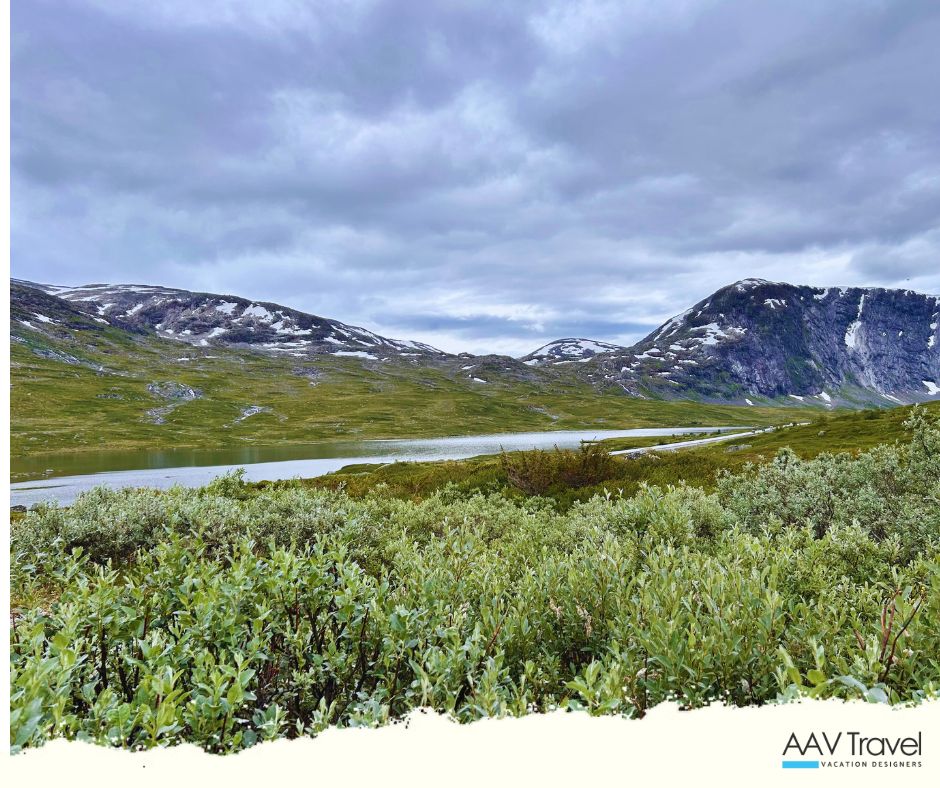
One of the most surprising aspects of planning a luxury trip to Norway is how spread out the country’s highlights really are. On paper, Oslo, Bergen, the Lofoten Islands, and the Arctic Circle sound easily combinable. In reality, they’re separated by long distances, with limited transportation links between them. Norway’s stunning landscapes—mountains, fjords, and remote coastal stretches—are also the very things that make overland travel slow and often complicated.

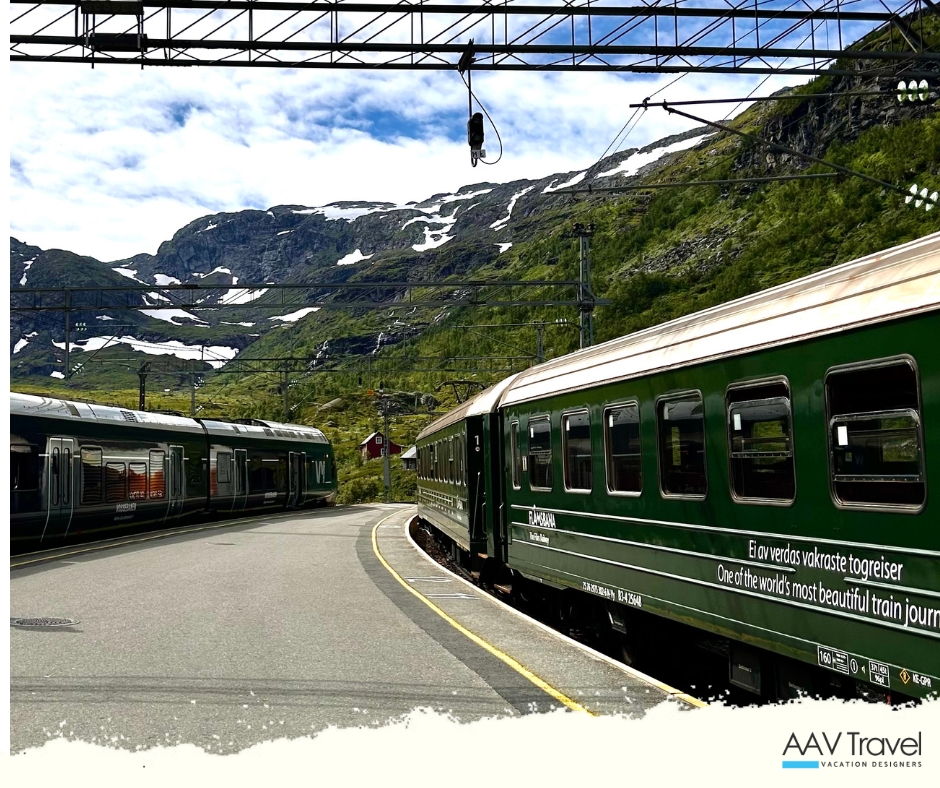
While there are regional flights, they’re not always conveniently timed for smooth same-day connections. Trains like the famous Bergen Railway or the Flåm Railway offer spectacular journeys but require precise coordination. Ferries and scenic drives add even more layers to the puzzle. Without careful planning, travelers often find themselves packing and unpacking every day, rushing to catch transport, and missing the relaxed, immersive experience they were hoping for.

The Luxury Hotel Reality: Boutique Gems… with Limited Availability

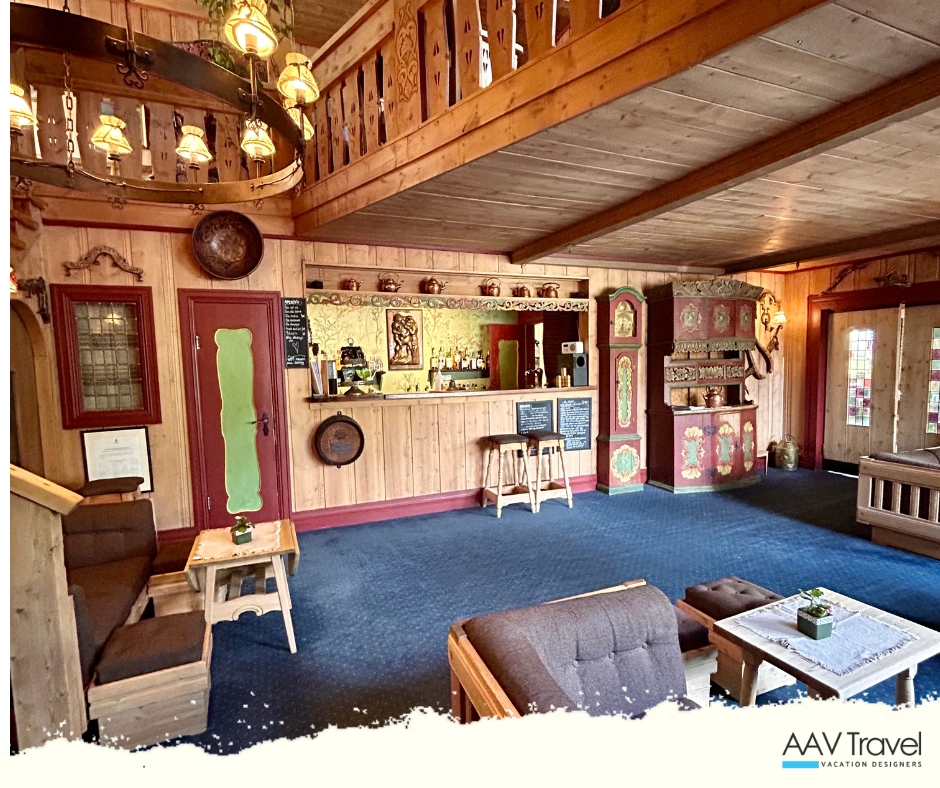
Another often-overlooked challenge? The limited number of true luxury accommodations, especially outside the major cities. While Oslo and Bergen offer a small selection of high-end hotels, once you venture toward the fjords, the Arctic, or more remote destinations like Lofoten or Senja, options become scarce. Many of the most charming properties are small boutique hotels or historic lodges with just a handful of rooms—places that book out months (sometimes a year) in advance during peak seasons.

For luxury travelers used to having their pick of five-star hotels, this can come as a surprise. Last-minute changes or spontaneous bookings often aren’t possible. This is why traveling with an expert who knows how to secure these hidden gems—and who can build an itinerary that balances comfort with the realities of Norway’s geography—is essential for anyone wanting to experience Norway in style.

Why Small Group Travel Can Be the Answer (Even for Independent Travelers)

For many luxury travelers, the idea of joining a group trip can feel counterintuitive. After all, part of the appeal of high-end travel is the freedom to set your own pace and avoid crowds. But when it comes to Norway, a well-curated small group journey can actually deliver a more exclusive, seamless, and elevated experience than piecing everything together independently.

The key is in the design. With a small group (think 10–12 travelers, not a tour bus full of strangers), every detail can be tailored for comfort and access. Private transfers replace public transport. Accommodations are chosen for their charm and quality, not just availability. Experiences like private guided fjord cruises, insider-led city tours, and intimate cultural encounters with locals become part of the journey. Plus, traveling with a group allows for shared costs on things like private guides and transportation, making certain elevated experiences more accessible without compromising on quality.

Most importantly, a small group trip eliminates the logistical stress that often comes with navigating Norway solo. You won’t have to worry about ferry timetables, internal flight schedules, or figuring out how to get from a train station to a remote lodge in time for dinner. Everything is thoughtfully choreographed, so you’re free to soak in the views, enjoy the cuisine, and truly experience Norway at its best.

Highlights of Norway, a report from a Small Group Experience

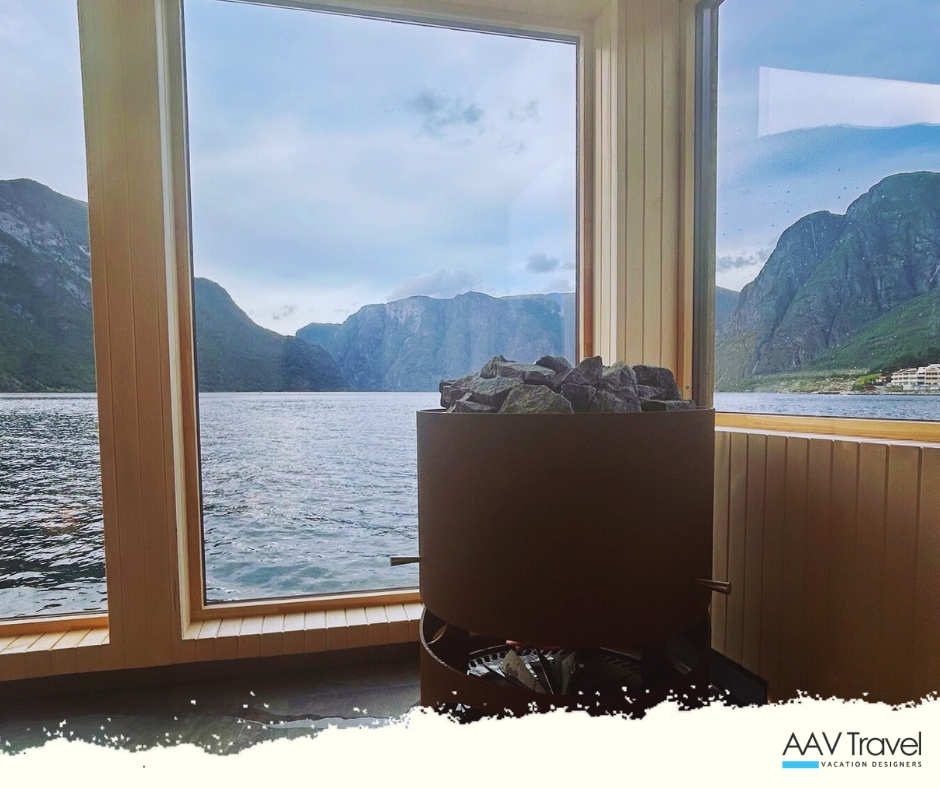
Last summer, I had the opportunity to experience a small group journey through Norway firsthand—an experience that gave me invaluable insight into how to design the most rewarding itineraries for my clients. The trip was led by Aino, a passionate and knowledgeable local guide who grew up in Lapland. In the winter, she leads dog sledding expeditions; in the summer, she takes small groups through some of Norway’s most beautiful and remote regions. Her deep connection to the land, love for foraging, and understanding of Norway’s hidden corners added layers of storytelling and authenticity that would have been impossible to find on my own.

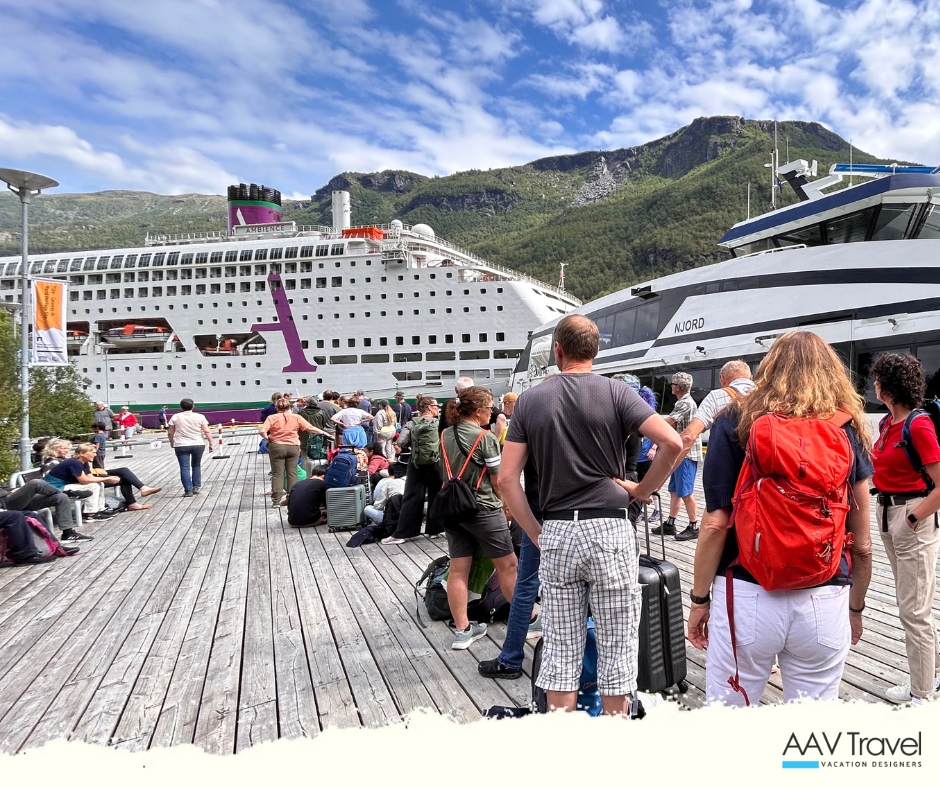
Originally, I had planned to join the tour in early summer, when the crowds are lighter. A change of plans meant I traveled during the height of the summer season instead—an experience that turned out to be incredibly educational. Popular spots like Geirangerfjord were noticeably busier with cruise ship visitors and day-trippers, and witnessing this firsthand gave me a clear understanding of how timing and itinerary design can dramatically affect the travel experience in Norway.

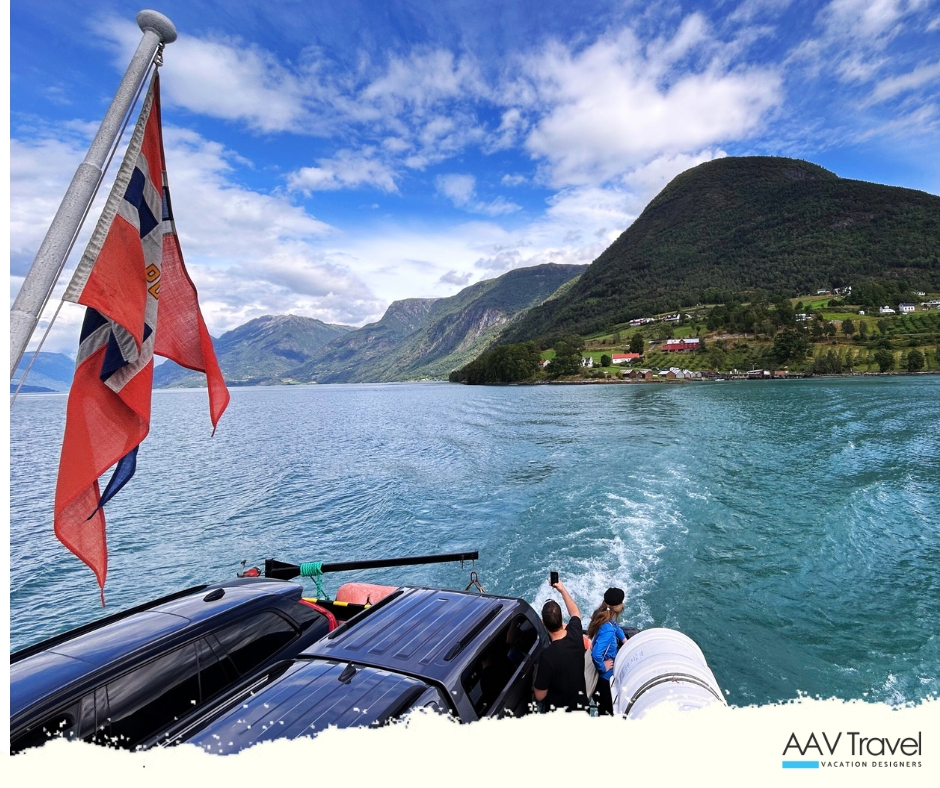
What stood out most to me was how effortless the trip felt as a participant. Everything—from ferry schedules only the locals know about, to scenic detours and hidden photo stops—was handled seamlessly by Aino and our drivers. Their insider knowledge allowed us to avoid peak congestion whenever possible and make the most of our time, turning potential travel days into rich, experience-filled journeys.

The group itself was a lovely mix of well-traveled, curious individuals from the U.S., the U.K., and Australia—solo travelers and couples alike. Despite some members being grandparents, everyone embraced the active, outdoorsy nature that Norway naturally encourages. The camaraderie, open-mindedness, and shared sense of adventure among the group added a layer of enjoyment I hadn’t fully anticipated.

As your advisor, this experience was incredibly valuable. It deepened my understanding of Norway’s geography, the flow of travel between regions, and the distinct differences between busy tourist hubs and quieter, off-the-beaten-path gems. I was able to personally assess accommodation options, excursion logistics, and pacing—all of which will directly inform how I craft both small group journeys and customized private itineraries for my clients moving forward.

Private Journey or Small Group?

Of course, it’s absolutely possible to craft a fully customized, private itinerary for independent travelers who want this level of comfort and seamless coordination—but doing so in Norway often comes with a hefty price tag. Private guides, chauffeurs, and boutique accommodations in remote areas command premium rates, and with no one to share the cost, the price per person can quickly climb. Additionally, securing space at the most sought-after properties often requires booking well over a year in advance. For many travelers, a thoughtfully curated small group journey strikes the perfect balance—offering the same high-touch experiences and insider access, but at a more approachable cost without compromising on quality or style.

Whether you choose to join a small group or pursue a private journey, working with AAV Travel offers you the benefit of first-hand knowledge, insider contacts, and carefully nurtured relationships with local partners throughout Norway. Having spent time exploring the country, staying in these hotels, and working with trusted local experts, we are able to design itineraries that go beyond the typical tourist path, ensuring your experience is as smooth, meaningful, and memorable as possible.

Written by: Stefanie P.
To start planning, contact us via email at info@aav-travel.com or visit the website.

Chic & Cool: Upscale European Getaways to Escape the Scorching Sun

As global temperatures continue to rise, the way we plan summer vacations is shifting. For the discerning traveler who prefers fresh air over sweltering sidewalks and serene landscapes over crowded tourist traps, Europe offers a wealth of destinations where cool breezes and untouched nature reign supreme.

Welcome to the world of “coolcations”—journeys designed to escape the summer heat without sacrificing luxury, culture, or comfort.

If you’re dreaming of long daylight hours, crisp air, and soul-stirring scenery, here are the top European destinations to consider for your next escape—and why working with an experienced travel advisor can turn a good vacation into an unforgettable one.

Norway: The Art of Nordic Elegance

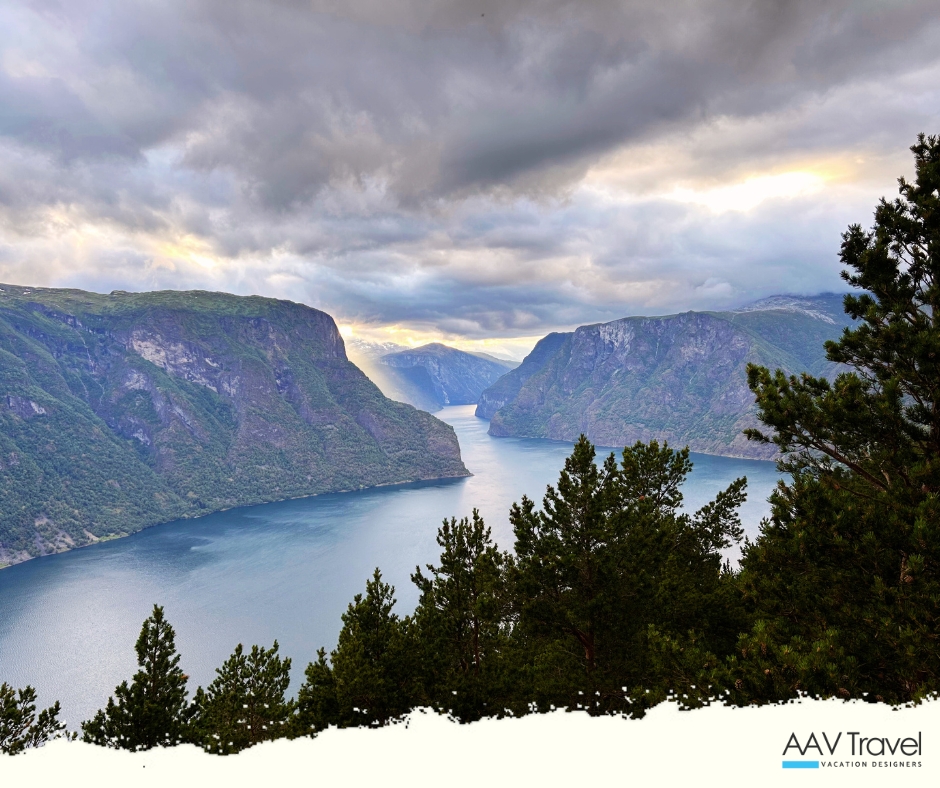
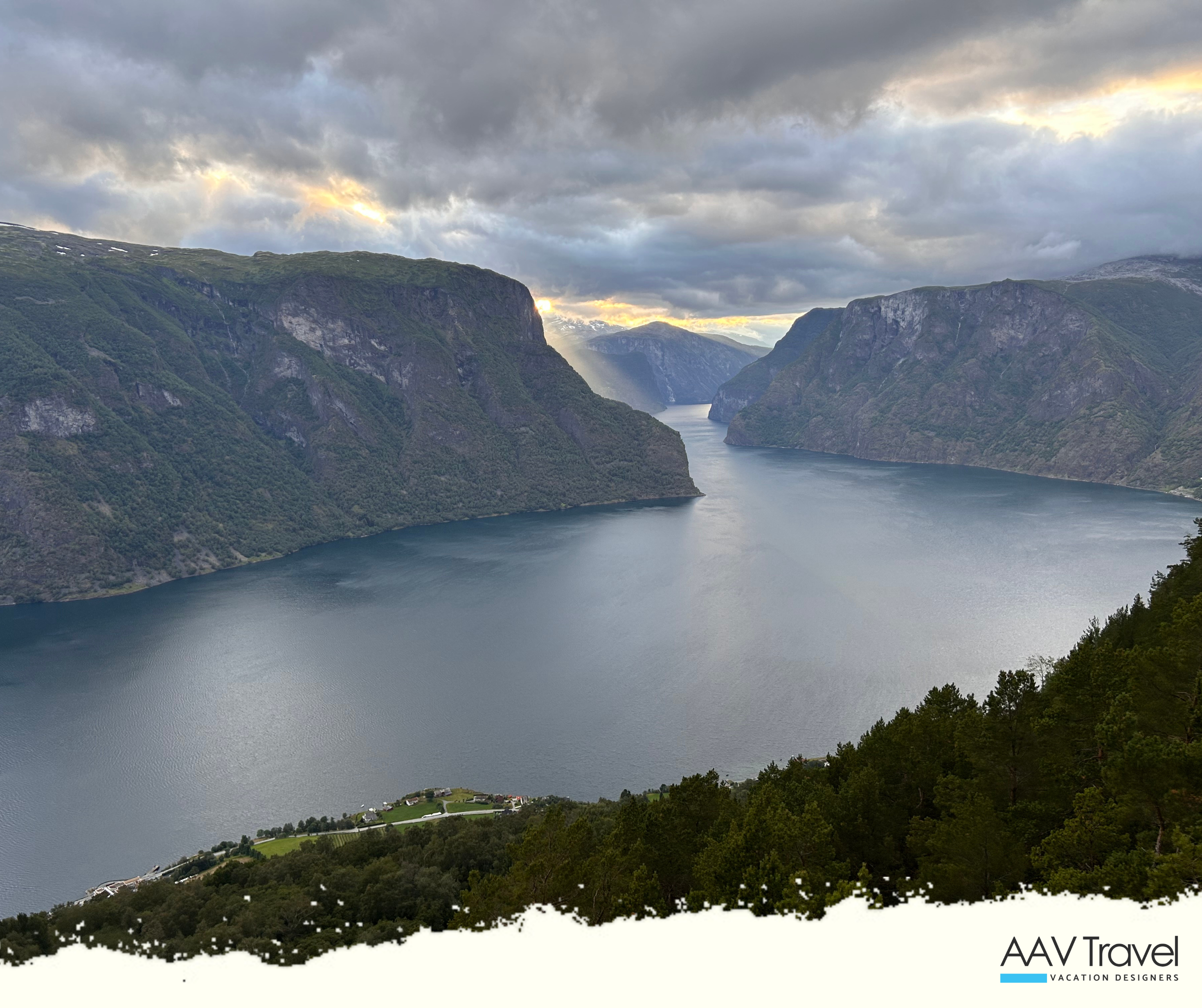
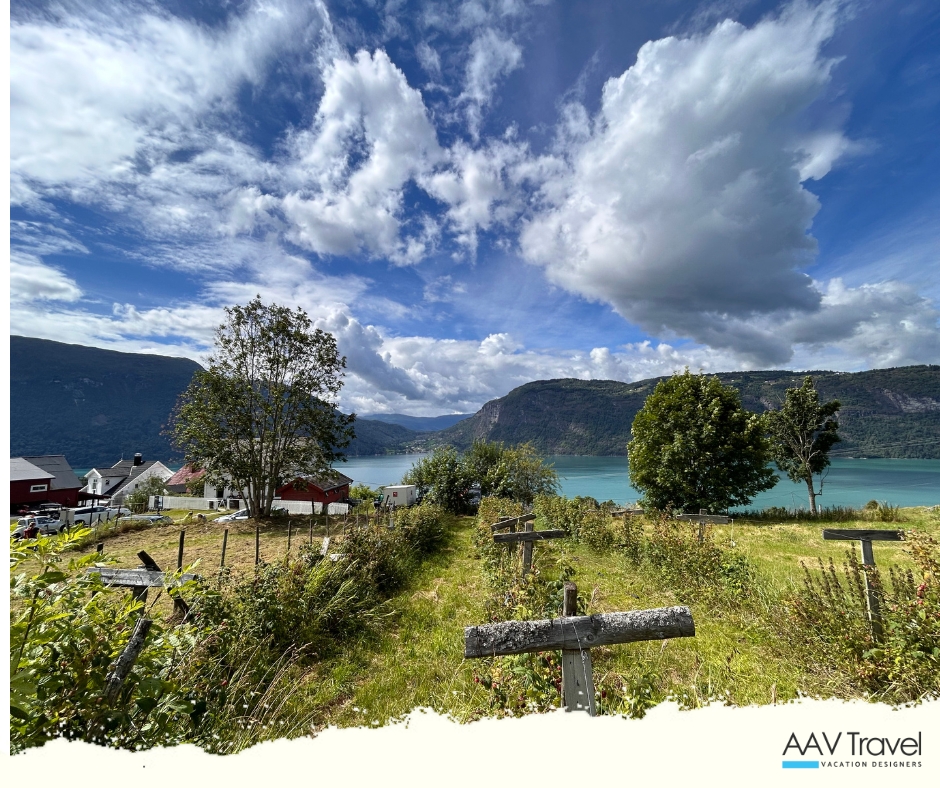
Norway is the epitome of understated luxury. From Oslo’s sleek design hotels to the fjords’ breathtaking beauty, this country knows how to deliver a sophisticated yet nature-immersive experience. Imagine gliding through Geirangerfjord aboard a private yacht, sipping champagne as waterfalls cascade down emerald cliffs. Or perhaps you’d prefer a stay at a high-end eco-lodge in Lofoten, where the midnight sun paints the sky in golds and pinks.

Beyond the iconic landscapes, Norway is also home to world-class cuisine—think Michelin-starred restaurants in Bergen and foraged delicacies in Tromsø. And for culture lovers, the Munch Museum and Oslo Opera House provide elegant indoor diversions.

Travel Tip: Luxury experiences in Norway often book out well in advance. Your seasoned AAV Travel advisor ensures access to exclusive stays and curated experiences that go far beyond the guidebook.

Iceland: Fire, Ice, and Five-Star Comfort

Iceland offers a rare mix of raw wilderness and refined living. Even in July, temperatures hover comfortably between 50-60°F (10-15°C), making it a haven for those seeking cool air and surreal landscapes. You could explore the Golden Circle in a private super jeep, bathe in the soothing waters of the Blue Lagoon Retreat, or stay in a sleek countryside villa with panoramic views of volcanoes and glaciers.

The country’s geothermal activity fuels not just hot springs but also innovative farm-to-table dining and ultra-sustainable luxury hotels. Whether you’re stargazing in a glass-domed room or heli-hiking across a glacier, Iceland offers exhilaration without the exhaustion.

Travel Tip: Iceland’s popularity continues to rise, but your AAV Travel expert advisor can unlock the quieter, lesser-known corners of the island where tranquility and exclusivity are the norm.

Finland: Forest Bathing and Arctic Chic

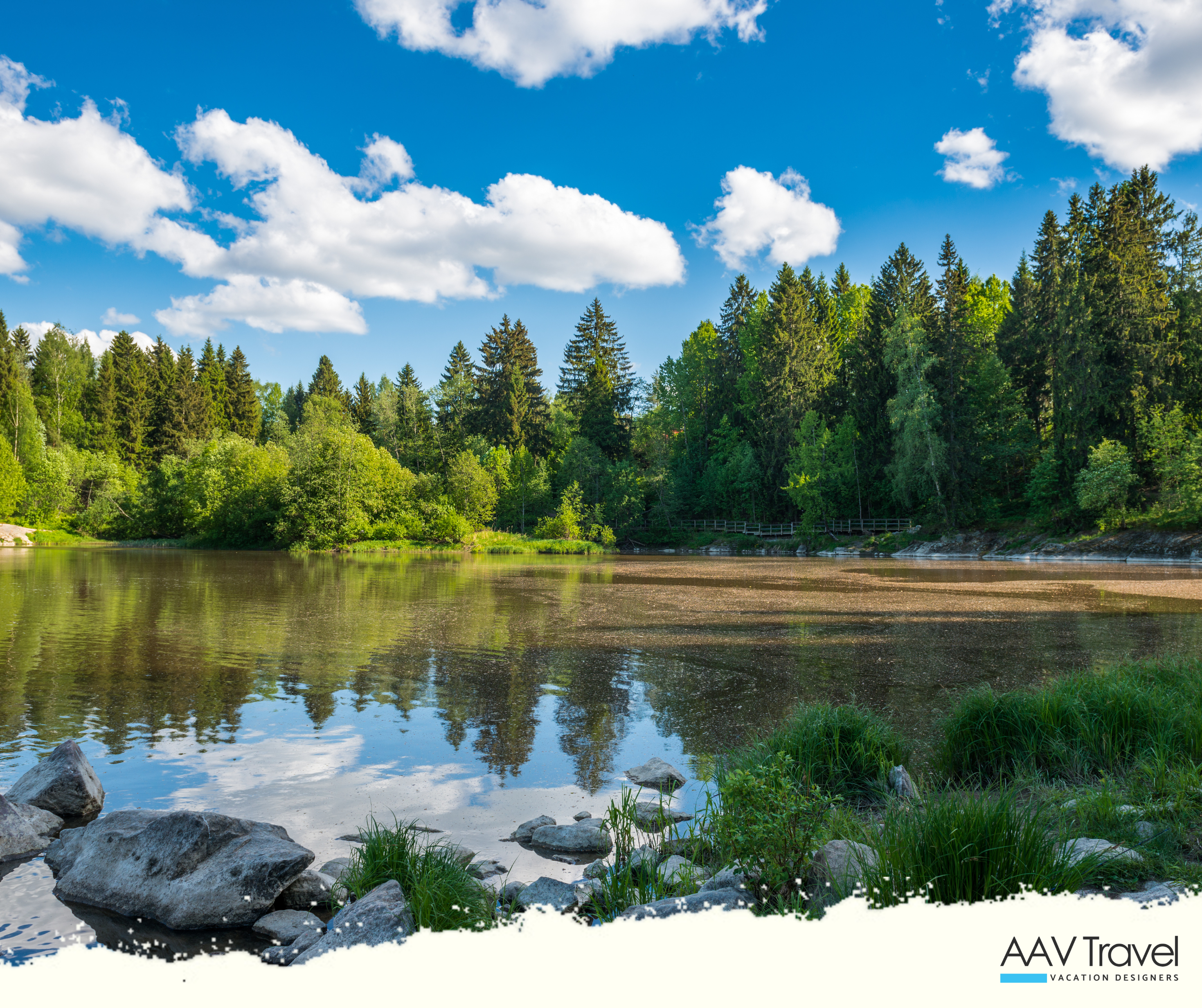
For those who find peace among pine trees and pristine lakes, Finland is a summer sanctuary. In Lapland, you’ll find sleek glass igloos and stylish wilderness lodges offering experiences like silent kayaking, private saunas, and berry-foraging in the midnight sun.

Helsinki, with its design-forward aesthetic, offers urban luxury with a cool Nordic flair. Take a bespoke architecture tour, dine at avant-garde restaurants, and unwind in a waterfront spa—without breaking a sweat.

The concept of “friluftsliv,” or open-air living, is central to Finnish life, and it’s contagious. A guided retreat here often includes mindfulness walks, lake swims, and forest hikes—experiences that are both rejuvenating and enriching.

Travel Tip: Your AAV Travel advisor can tailor your itinerary to strike a perfect balance between nature and culture, adding personal touches like a private chef at your lakeside retreat or a chartered flight north of the Arctic Circle.

The Scottish Highlands: Misty Romance and Manor House Living

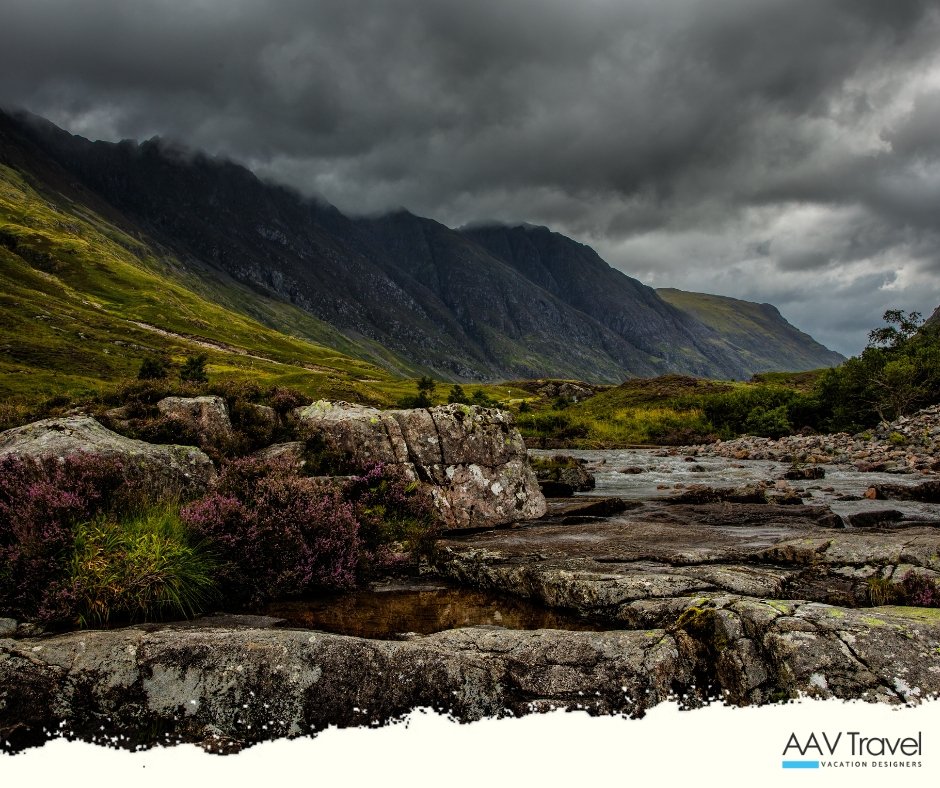
While mainland Europe swelters, the Scottish Highlands remain a breath of fresh air—literally. Picture yourself waking up in a historic manor, sipping your morning tea as mist rolls over emerald hills. Days here are spent fly fishing, hiking to hidden lochs, or enjoying an alfresco lunch on the estate grounds.

Scotland’s luxury offering includes castle stays, private whisky tastings, and golf at world-renowned courses like Royal Dornoch and Gleneagles. The temperatures rarely exceed 70°F (21°C), which means you can explore comfortably all day long.

Travel Tip: Your AAV Travel advisor with direct relationships in the region can secure private estate tours, hard-to-book tee times, and immersive cultural experiences that most visitors miss entirely.

The Alps: Cool Altitudes, Warm Hospitality

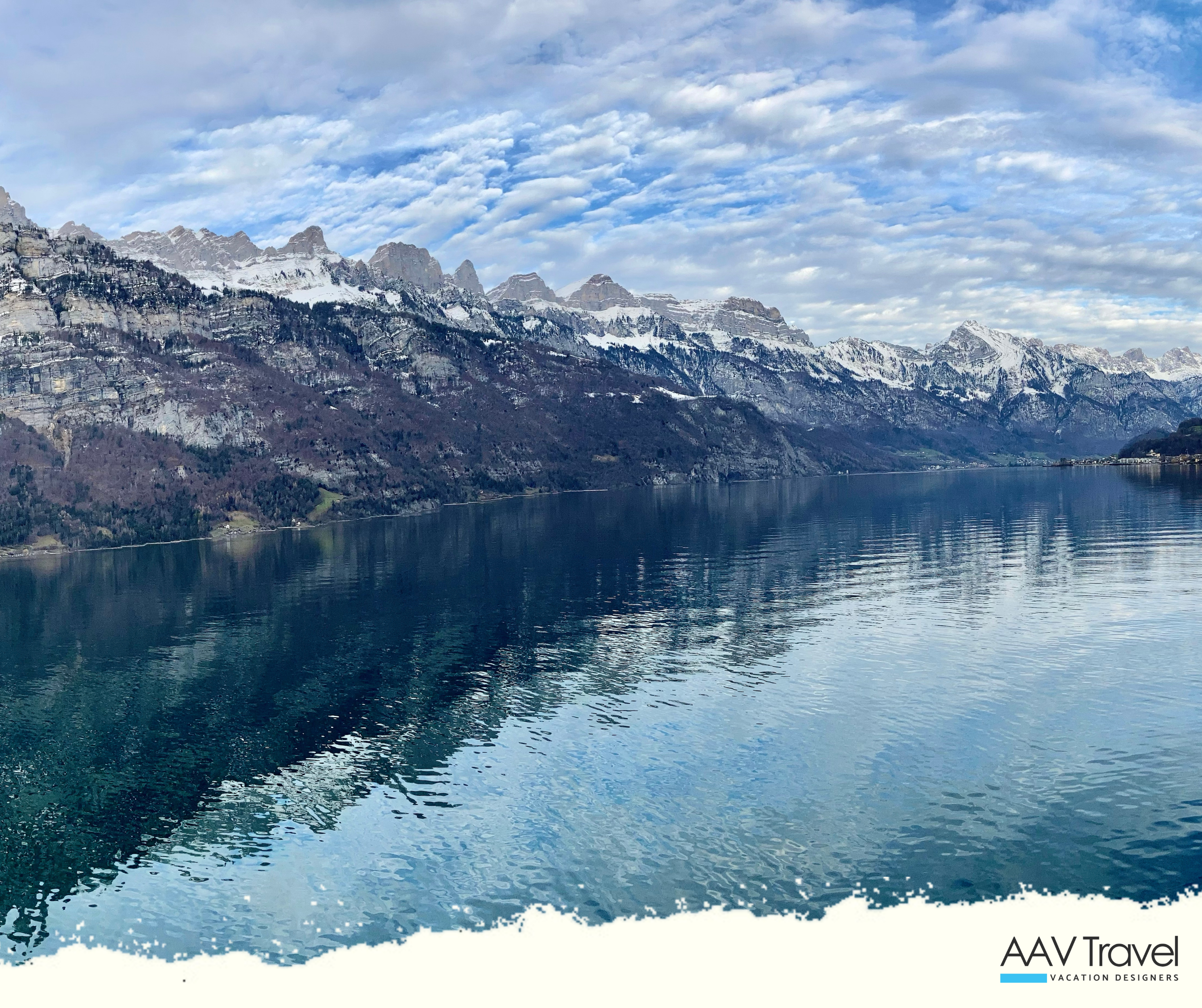
Often associated with winter sports, the Alps are an ideal summer destination for those seeking altitude and alpine luxury. Switzerland, Austria, and the Italian Dolomites offer crisp mountain air, gourmet cuisine, and chic chalets that feel like a home away from home.

Think leisurely e-bike rides through flower-filled meadows, spa afternoons with glacier views, and picnics prepared by Michelin-starred chefs. Towns like Zermatt, St. Moritz, and Cortina d’Ampezzo come alive with cultural events, music festivals, and stylish summer visitors.

Travel Tip: Many alpine properties offer limited summer availability. Your trusted AAV Travel advisor ensures prime accommodations and arranges exclusive excursions, from paragliding to mountaintop dinners accessible only by cable car.

Why Work with AAV Travel?

In the world of luxury travel, time and access are the most valuable currencies. Being a skilled travel advisor means we don’t just book hotels and transfers—we curate seamless, meaningful journeys tailored to your personal style and interests.

When you’re exploring remote fjords, chartering a helicopter to a glacier, or trying to secure a private dining experience in a Michelin-starred mountain inn, experience and connections matter. From securing early access to limited-availability lodges to ensuring your itinerary flows effortlessly, your AAV Travel advisor adds an invisible layer of comfort and care.

Most importantly, when we know you—the way you relax, the types of memories you want to make—we can anticipate your needs before you do. That’s the real luxury.

Final Thoughts

This summer or next, rather than following the crowds to sun-scorched beaches, why not elevate your travel to cooler, more refined heights? Europe’s northern and alpine regions offer not just relief from the heat, but a reconnection with nature, culture, and yourself.

With our guidance, your coolcation becomes more than a vacation—it becomes a beautifully choreographed experience, one that leaves you feeling not just refreshed, but truly renewed.

If cool breezes, long golden evenings, and curated indulgence sound like your ideal summer, reach out about 6 – 8 months ahead to start planning!

To start planning, contact us via email at info@aav-travel.com or visit the website.
Written by: Stefanie P.
Chasing the Northern Lights: Best Places and Times for an Unforgettable Experience

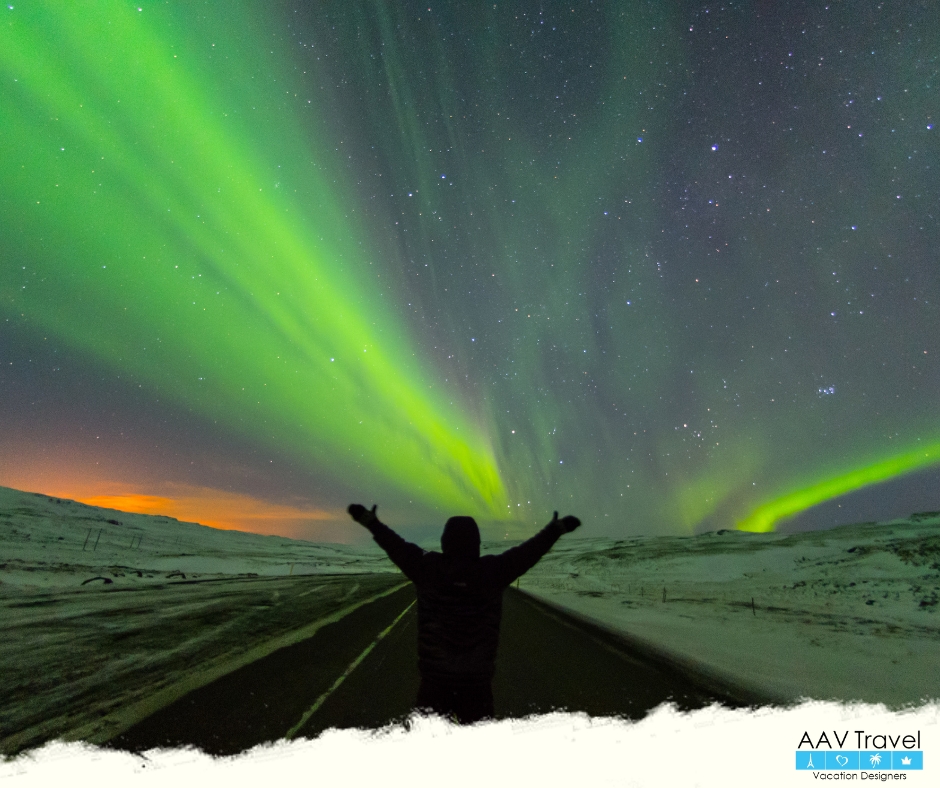
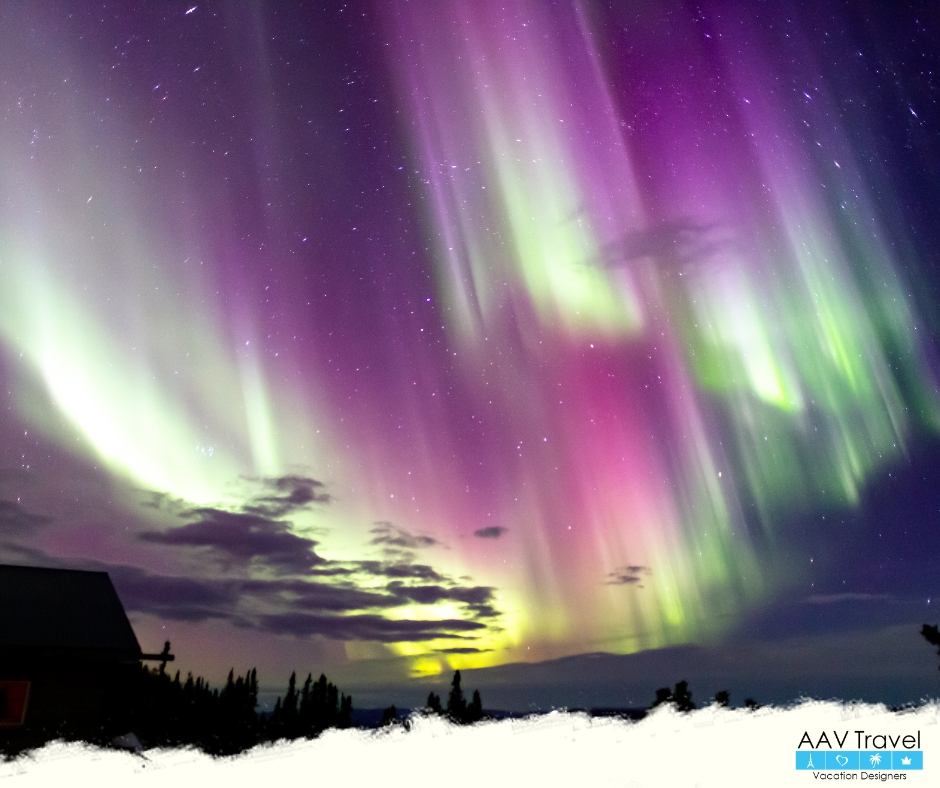
Imagine standing under a canopy of stars, watching as swirls of green, pink, and violet lights dance across the night sky. This phenomenon, known as the Northern Lights or Aurora Borealis, is a bucket-list experience that travelers seek out for its beauty and mystique. Witnessing the Northern Lights requires a mix of planning, timing, and, of course, the perfect location.

The journey to the Northern Lights often involves travel to remote locations, and getting the timing right is crucial. Working with a travel advisor ensures a seamless and unforgettable experience. To give you an idea of the options, I’ve compiled a list of some of the best destinations worldwide, with the optimal chance of spotting these mesmerizing lights.

Tromsø, Norway: December to March

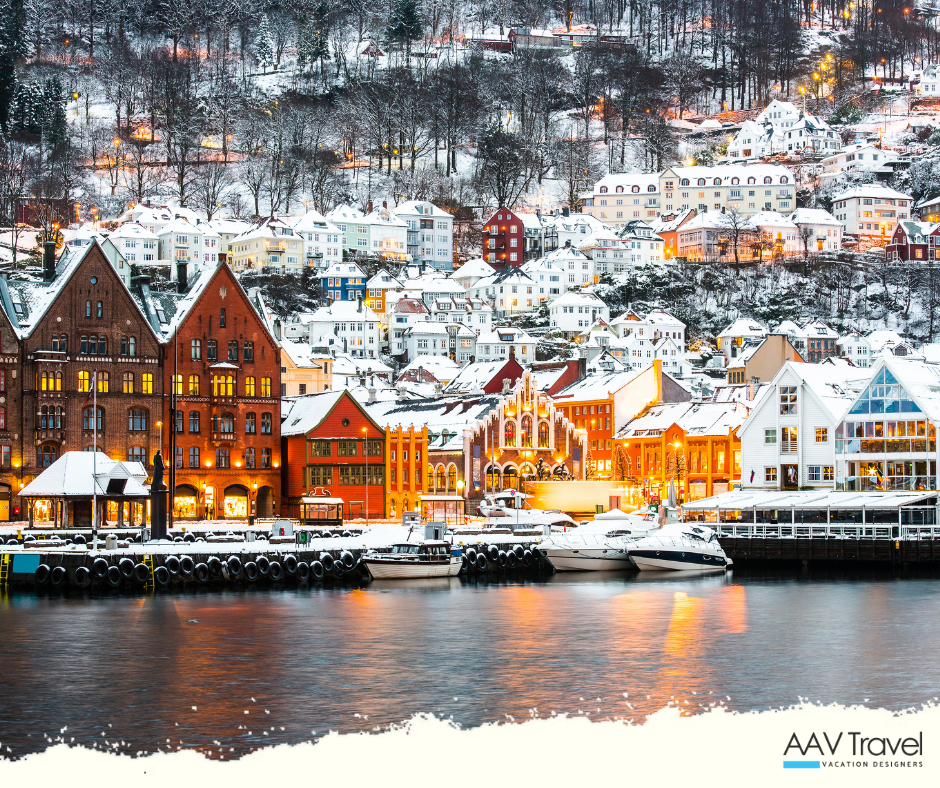
Tromsø, nestled within the Arctic Circle, is often called the “Gateway to the Arctic” and is one of the world’s top spots for Northern Lights viewing. During the winter months, the polar night provides extended hours of darkness, maximizing your chances of seeing the lights. The snowy landscapes and surrounding fjords create a stunning backdrop. Tromsø also has charming boutique hotels and exceptional local cuisine, including fresh seafood and reindeer dishes, which add to the winter magic.

Reykjavik, Iceland: September to March

Iceland’s unique landscapes, from volcanic fields to icy glaciers, make Northern Lights viewing an otherworldly experience. While Reykjavik offers city-based aurora sightings, venturing just beyond the city limits reveals unspoiled, open skies that are perfect for clear viewing. September to March are ideal months, as the long nights increase the likelihood of witnessing an aurora. Iceland’s winter activities – think glacier hikes and relaxing in hot springs under the Northern Lights – make it an adventure-filled destination.

Lapland, Finland: November to February

Finnish Lapland is one of the most magical places to view the Northern Lights. Rovaniemi, known as the “official” hometown of Santa Claus, offers unique viewing opportunities from glass igloos and luxury lodges, where you can watch the aurora from the warmth of your bed. November to February is ideal for aurora sightings, and with activities like dog sledding and reindeer safaris, you’ll feel like you’re part of a winter fairytale.

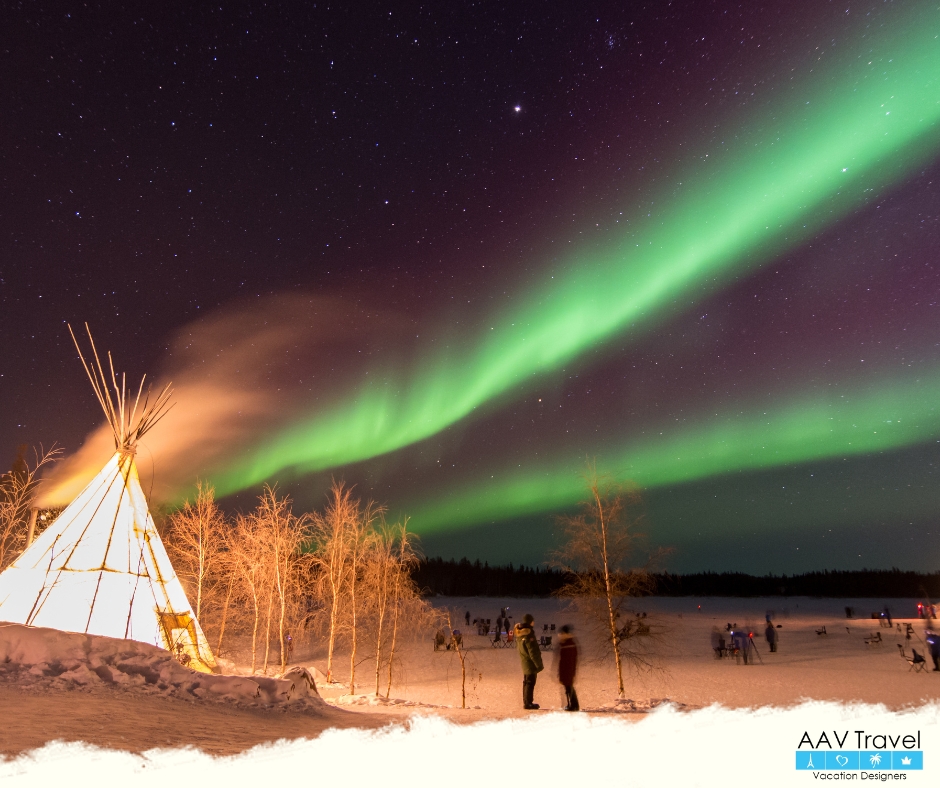
Yellowknife, Canada: August to April

In Canada’s Northwest Territories, Yellowknife boasts clear skies and minimal light pollution, making it an excellent destination for Northern Lights enthusiasts. Aurora season here stretches from late August to April, with peak viewing in the fall and winter. Unlike the Arctic destinations, Yellowknife offers aurora viewing from cozy, heated lodges on the shorelines of Great Slave Lake, often considered one of the most accessible Northern Lights locations in North America.

Fairbanks, Alaska: August to April

Fairbanks is another top Northern Lights destination, with a reputation for consistently high aurora activity. Located under the “auroral oval,” it sees frequent displays of the Northern Lights. Travelers can combine aurora hunting with quintessential Alaskan experiences, such as visiting ice-carving festivals and trying dog sledding. From August to April, the skies here are especially vibrant, offering a Northern Lights experience like no other.

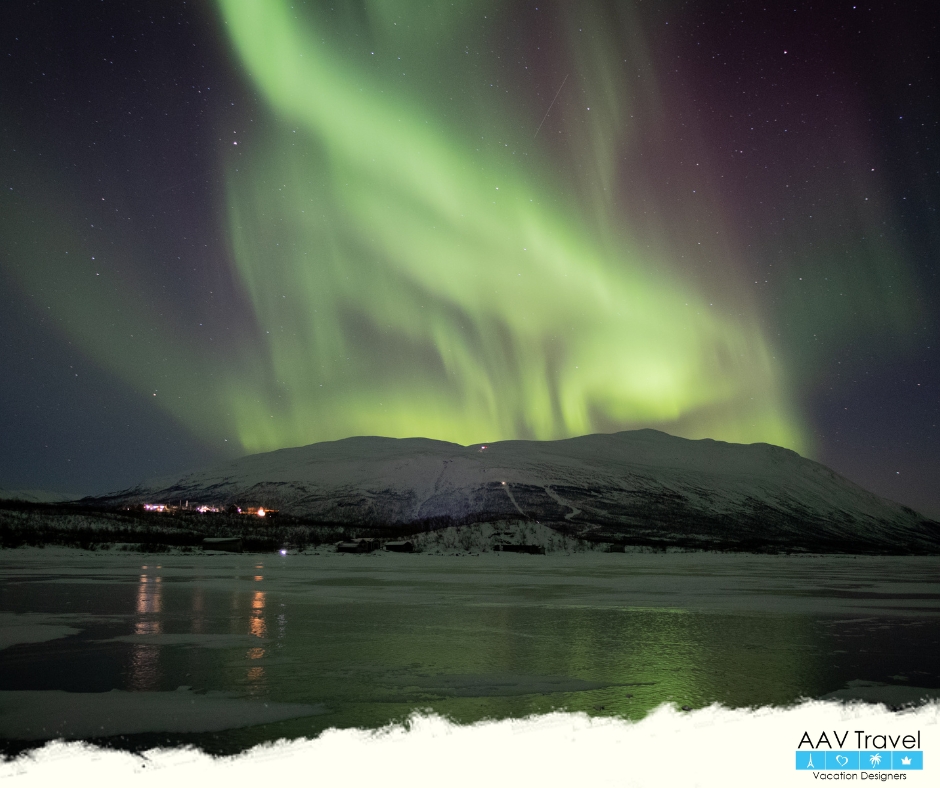
Abisko, Sweden: December to March

Located within Sweden’s Arctic Circle, Abisko is known for its Aurora Sky Station, a remote mountaintop observatory specifically designed for Northern Lights viewing. The area’s microclimate results in clear skies, increasing the odds of seeing an aurora even during cloudy weather elsewhere. Abisko offers a luxury feel with its dedicated viewing station, winter activities, and serene settings in the heart of Swedish Lapland.

Why Use a Travel Advisor for Your Northern Lights Adventure?

The journey to the Northern Lights often involves travel to remote locations, and getting the timing right is crucial. Working with a travel advisor ensures a seamless and unforgettable experience. At AAV Travel, we tailor the journey to your preferences, selecting boutique lodges, arranging private guides, and scheduling activities based on your interests, from exclusive excursions to comfortable transfers. We’ll handle the logistics, allowing you to focus on the magic of the Northern Lights.

Insider Tip: To maximize your chances of seeing the Northern Lights, you should ideally plan a trip of at least 5-7 days. Here’s why:

  • Weather and Light Activity:
    The Northern Lights are influenced by solar activity, which can be unpredictable, and clear skies are essential for visibility. A longer stay gives you flexibility in case of cloudy nights.
  • Higher Success Rate:
    Staying at least a week increases the probability of experiencing a night with clear skies and strong auroras. Many operators suggest a 7-day stay to optimize your chances.
  • Timing Matters:
    If possible, align your trip with the new moon, when the sky is darkest, for better visibility.

To start planning, contact us via email at info@aav-travel.com or visit the website.
Written by: Stefanie P.