Not going to lie — I can’t stand crowds. When I travel, I want space to breathe, to connect, and to experience a place without feeling like I’m in a theme park. Lately, everyone seems to be searching for those same under-the-radar spots, and the media loves to highlight “hidden gems” around the world. The problem? Many of those places, while fascinating, aren’t always the safest—especially for women. So, I decided to put together a list of destinations that still feel authentic and undiscovered, and where you can explore with peace of mind, even if you are traveling solo.
Italy without the Crowds
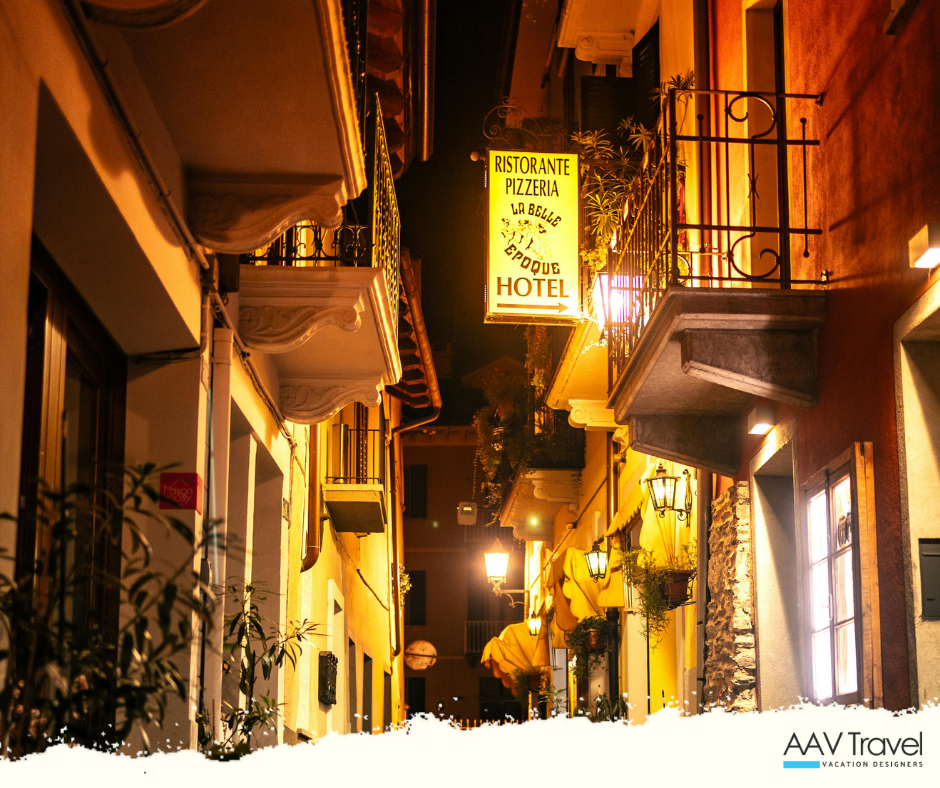
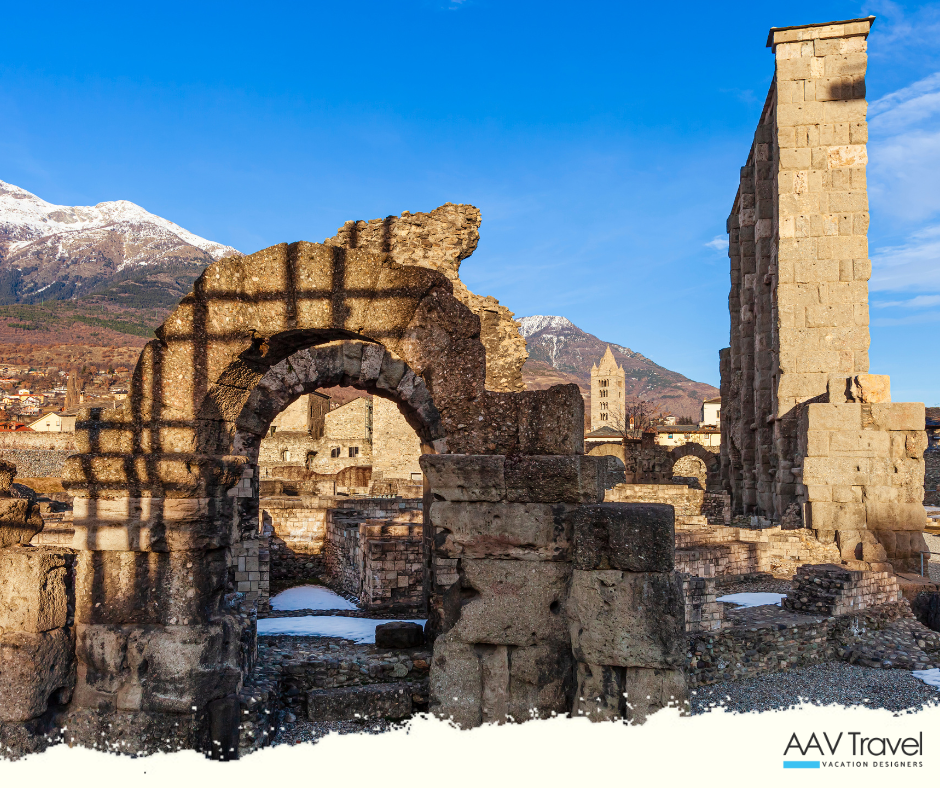
Tucked away in Italy’s northwestern corner, Aosta is a gem hidden in plain sight. Surrounded by the towering peaks of the Alps and just a stone’s throw from both France and Switzerland, this small mountain town blends dramatic scenery with centuries of history. Wander through its charming streets, and you’ll encounter remarkably preserved Roman ruins—an ancient theater, city gates, and even a forum—set against a backdrop of snow-capped summits. It’s a place where the past feels alive, yet life moves at a relaxed, alpine pace.
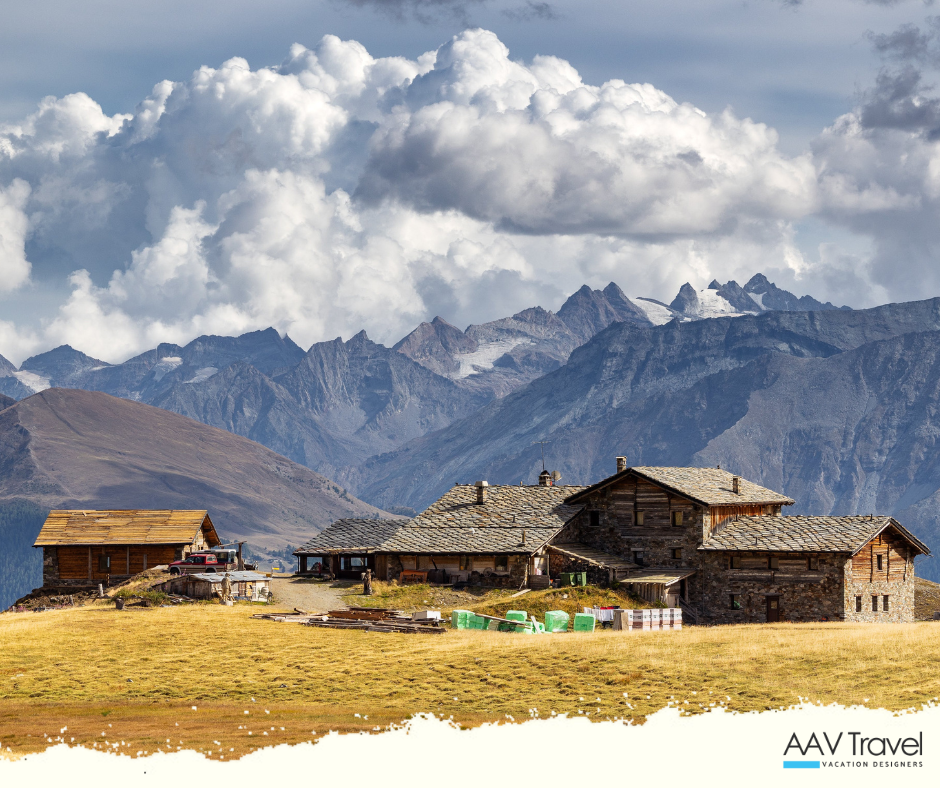
Beyond the town, the Aosta Valley unfolds into a wonderland for outdoor enthusiasts. In summer, hiking and cycling trails wind through flower-strewn meadows and pristine national parks, while winter transforms the region into a skier’s paradise with world-class slopes and cozy mountain lodges. Add in authentic Italian cuisine with a hearty Alpine twist—think polenta, fontina cheese, and rich mountain wines—and you have the perfect setting for those who crave both adventure and culture.
Aosta is perfect for those who love mountains as much as museums—travelers who find joy in tracing ancient footsteps before heading out on alpine trails. If you value depth and discovery more than crowds and clichés, this is where you’ll find the best of both worlds: Italy’s timeless soul, beautifully elevated.
Instead of St. Lucia
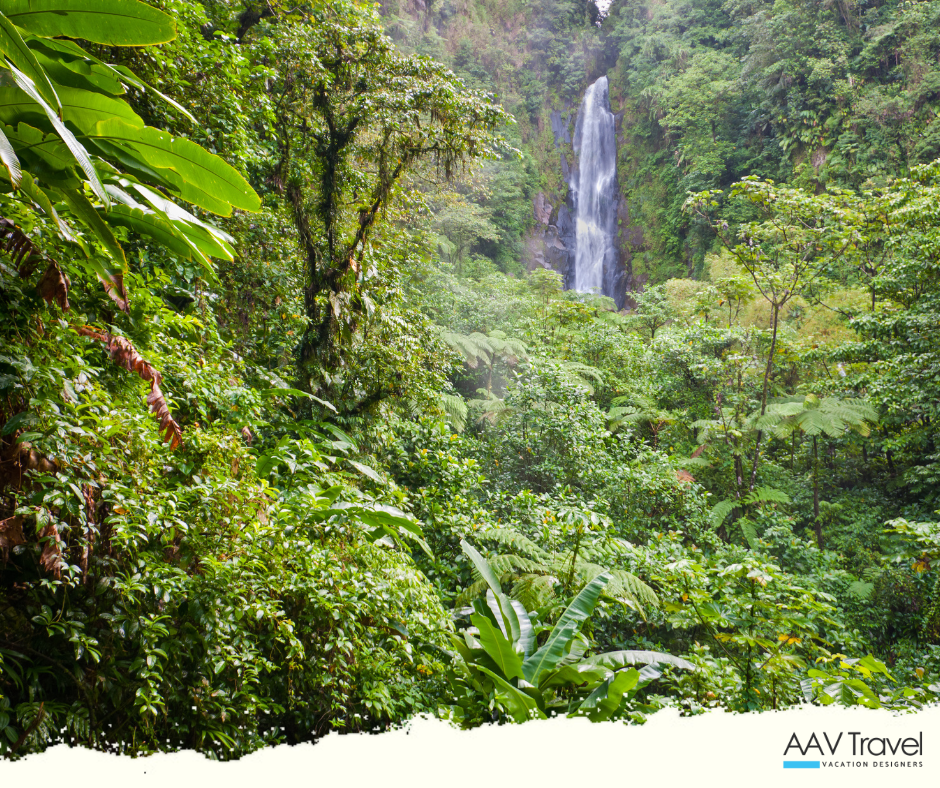
Often called the “Nature Island” of the Caribbean, Dominica is a lush, volcanic paradise that feels a world away from the typical resort scene. Here, dramatic landscapes—steaming hot springs, plunging waterfalls, and jagged volcanic peaks—meet vibrant local culture, from lively Creole villages to colorful weekly markets. The island’s beaches may not be endless stretches of white sand, but they offer rugged beauty and a sense of solitude that’s hard to find elsewhere in the Caribbean.
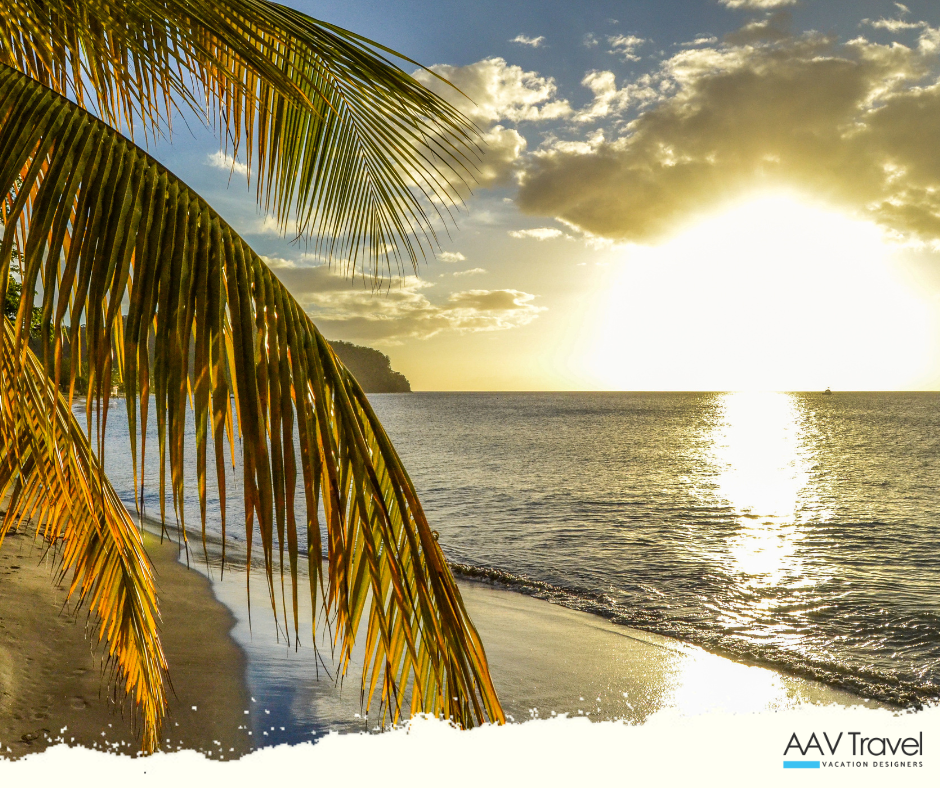
Beyond its natural wonders, Dominica is a haven for outdoor enthusiasts. Hikers can explore the Morne Trois Pitons National Park, a UNESCO World Heritage site, with trails that lead past boiling lakes, rainforest canopies, and hidden waterfalls. Snorkelers and divers will be rewarded with pristine coral reefs teeming with marine life, while kayakers can navigate calm rivers framed by dense jungle. It’s an island that invites curiosity, exploration, and a slower pace of life.
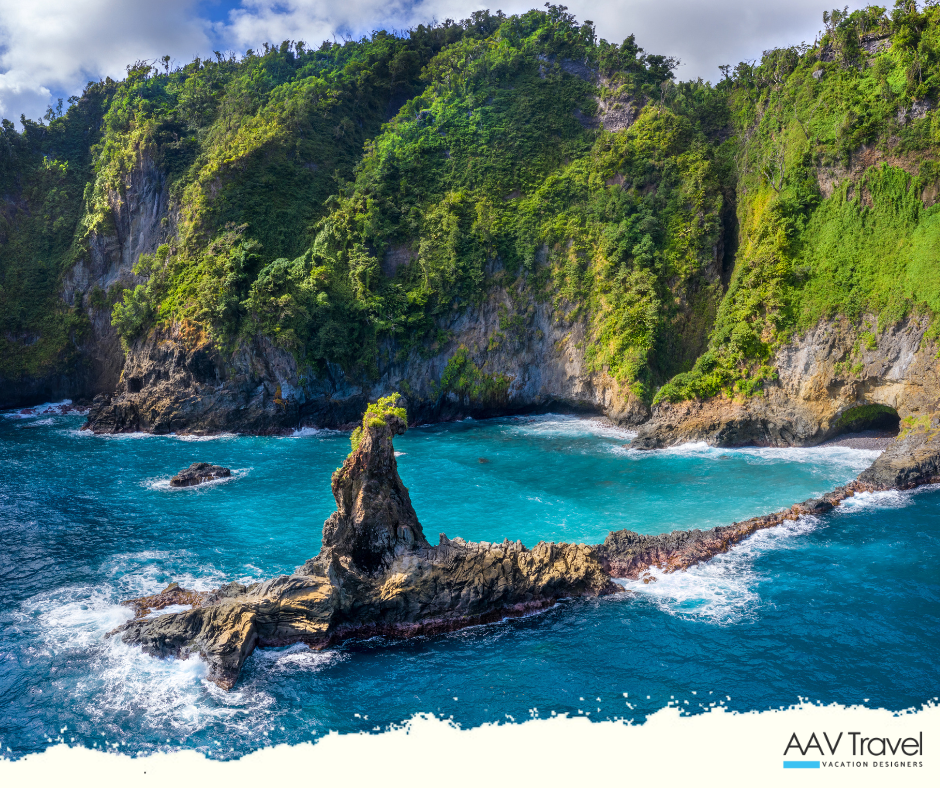
Dominica is ideal for travelers who want more than just a beach vacation—those who find joy in trekking, discovering local traditions, and immersing themselves in nature’s grandeur. If you’re seeking an authentic Caribbean experience that’s both adventurous and rejuvenating, Dominica delivers it in spades.
Instead of exploring Medieval Towns in Tuscany
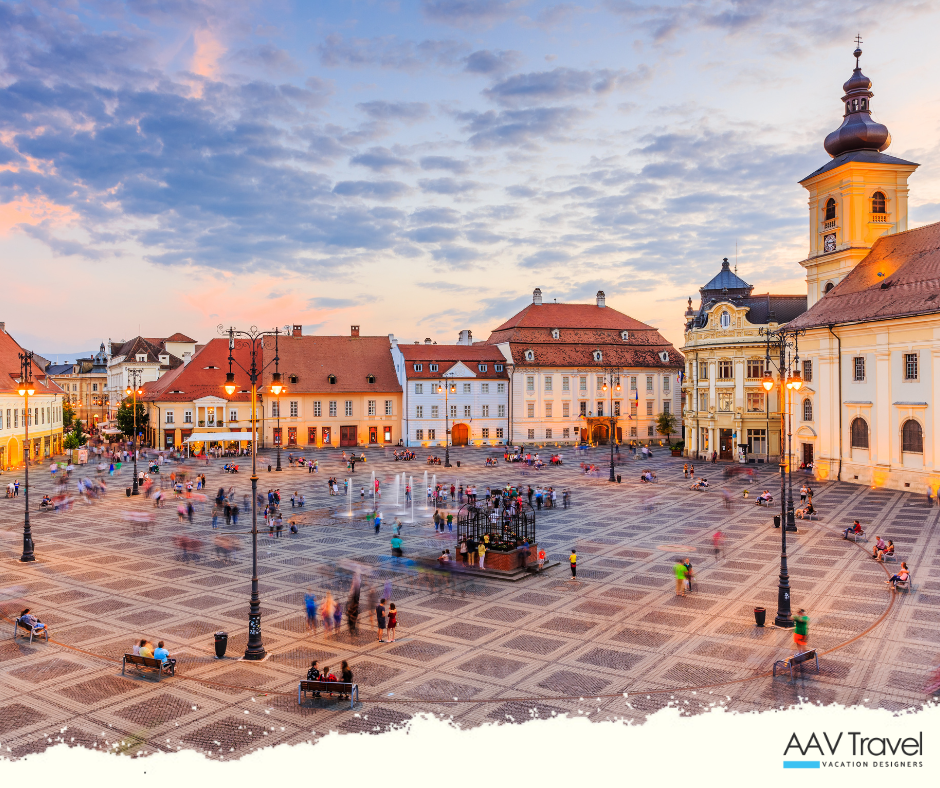
Romania is a country that surprises at every turn, offering travelers a rich tapestry of history, culture, and natural beauty—all without the crowds that often accompany Europe’s more famous destinations. From the cobblestone streets of Sibiu and Brașov, where medieval architecture and colorful squares invite leisurely exploration, to the fortified churches of Transylvania and the hauntingly beautiful castles scattered throughout the countryside, Romania feels like stepping into a storybook.
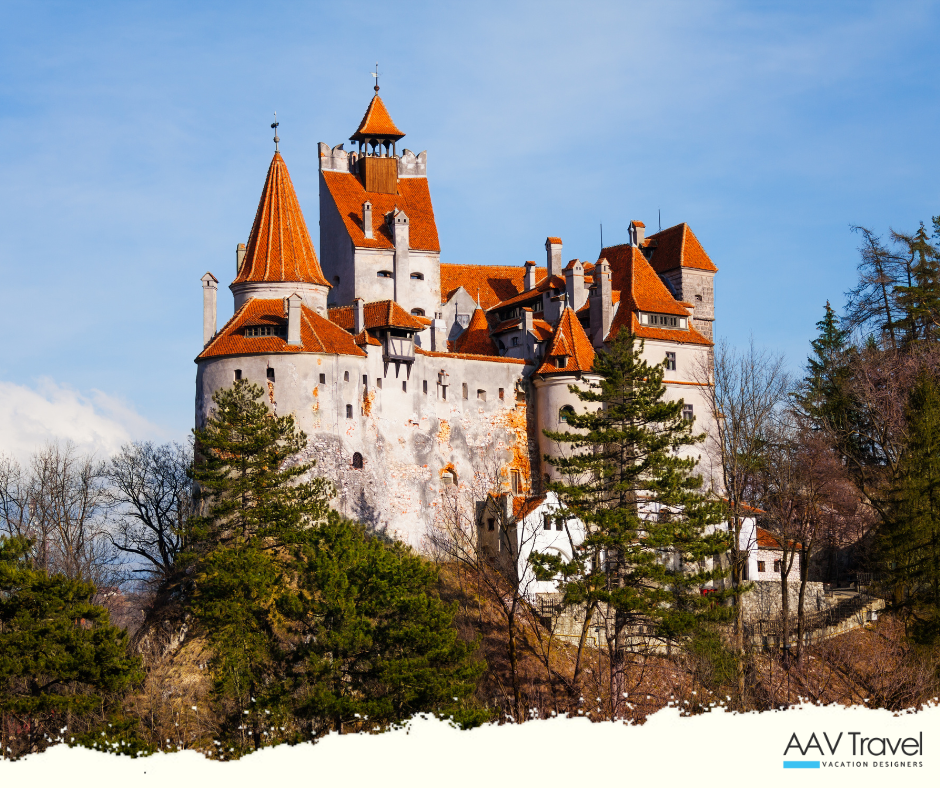
For those who love the outdoors, Romania’s landscapes are equally compelling. The Carpathian Mountains offer hiking, wildlife spotting, and serene forested valleys, while the Danube Delta is a paradise for birdwatchers and nature enthusiasts. Vineyards, charming villages, and local markets provide endless opportunities to connect with authentic Romanian culture—sampling traditional dishes like sarmale or tasting local wines in centuries-old cellars.
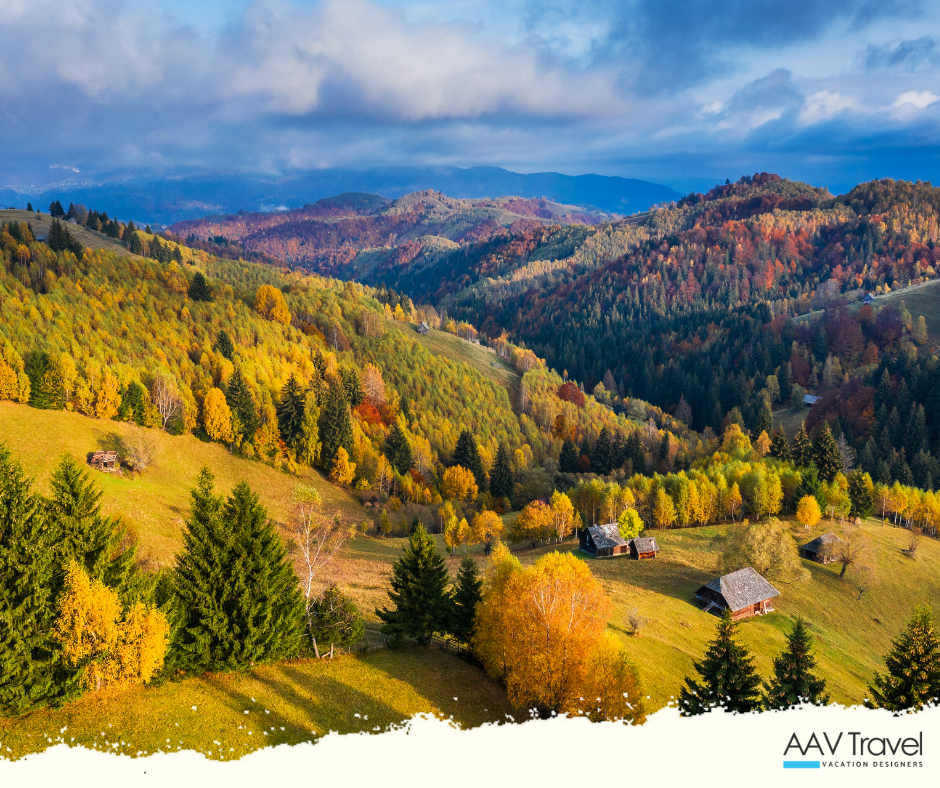
Romania is ideal for travelers who seek depth and discovery over convenience, those who enjoy wandering off the beaten path to uncover hidden gems. If you’re drawn to history, culture, and natural beauty in equal measure, Romania offers an experience that feels both authentic and endlessly rewarding.
And for a Feel of France

Guadeloupe has a distinctly French flair that sets it apart from many other Caribbean islands. As an overseas region of France, it blends Caribbean vibrancy with European sophistication. You’ll find French-style bakeries (pâtisseries), cafés where locals sip espresso, and gourmet markets stocked with fresh produce, cheeses, and wine. Street signs are in French, the official language is French, and the local administrative systems and cultural events reflect French influence.
The island is a Caribbean treasure that often flies under the radar, offering travelers a mix of lush landscapes, charming towns, and rich culture far removed from the usual resort crowd. Composed of two main islands—Basse-Terre and Grande-Terre—it’s a place where volcanoes, waterfalls, and rainforests meet white-sand beaches and turquoise waters. The island’s Creole heritage shines through in its colorful markets, lively music, and flavorful cuisine, from fresh seafood to spicy local dishes.

For outdoor enthusiasts, Guadeloupe delivers endlessly. Hike the trails of La Soufrière, an active volcano, or explore the tropical jungles and cascading waterfalls of Basse-Terre. Snorkelers and divers will find pristine reefs teeming with marine life, while kayaking through mangroves or taking a boat trip to nearby islands offers a sense of adventure and discovery. Unlike some of the more commercialized Caribbean destinations, Guadeloupe feels genuine and lived-in, with authentic experiences around every corner.
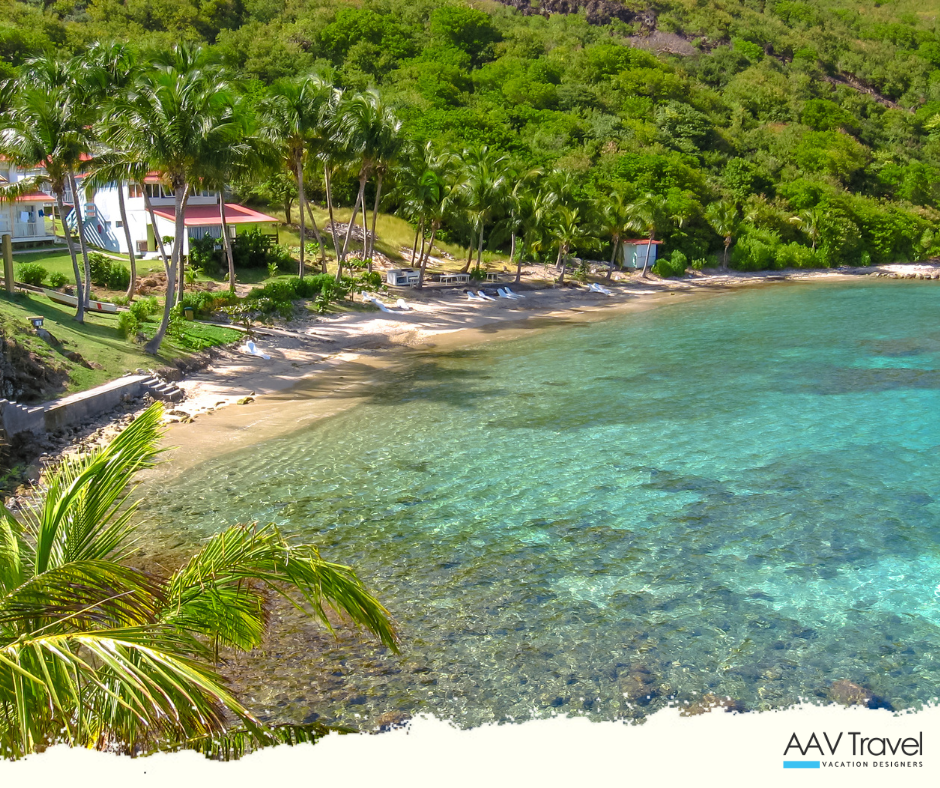
Guadeloupe is ideal for travelers who want the charm and sophistication of France without leaving the Caribbean—those who enjoy strolling through colorful markets, savoring fresh pastries and local cuisine, and soaking in both culture and nature. If you’re seeking a destination that combines French flair with tropical adventure, Guadeloupe offers an authentic and enriching experience unlike anywhere else.
Instead of Santorini
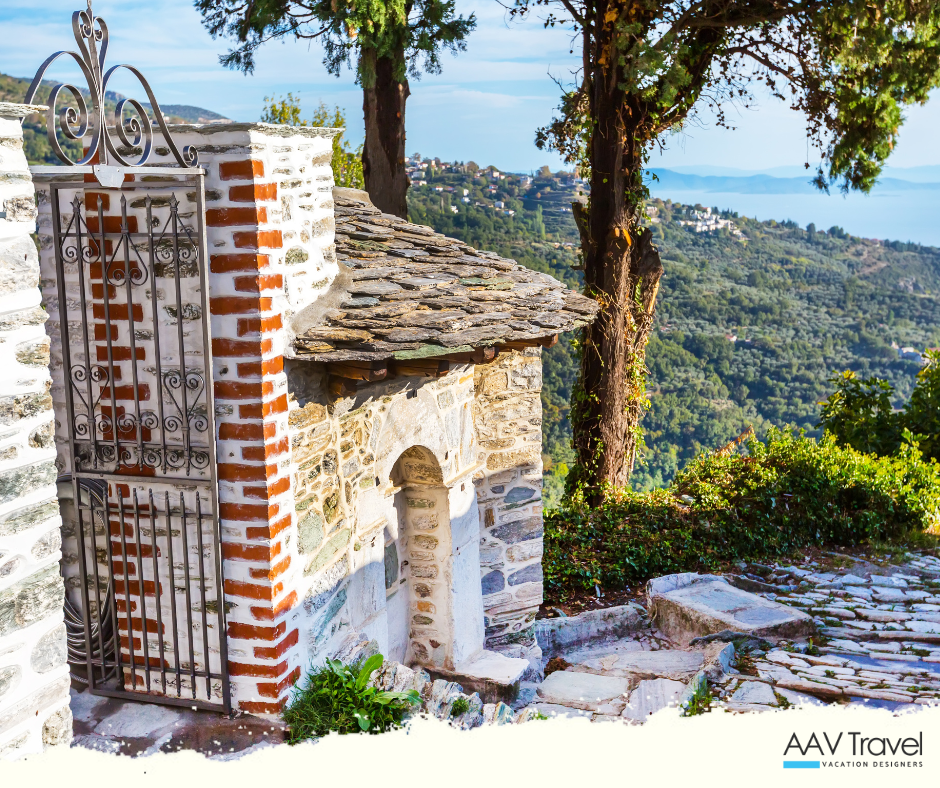
Tucked between the mountains and the sea, the Pelion Peninsula in Greece is a hidden treasure that offers the perfect blend of natural beauty, traditional culture, and tranquility. Unlike Santorini or Mykonos, Pelion remains largely undiscovered by mass tourism, giving travelers a sense of authenticity that feels increasingly rare. Charming stone villages cling to lush hillsides, cobbled streets wind past old churches and cafés, and locals welcome visitors with warm hospitality and the flavors of home-cooked Greek cuisine.
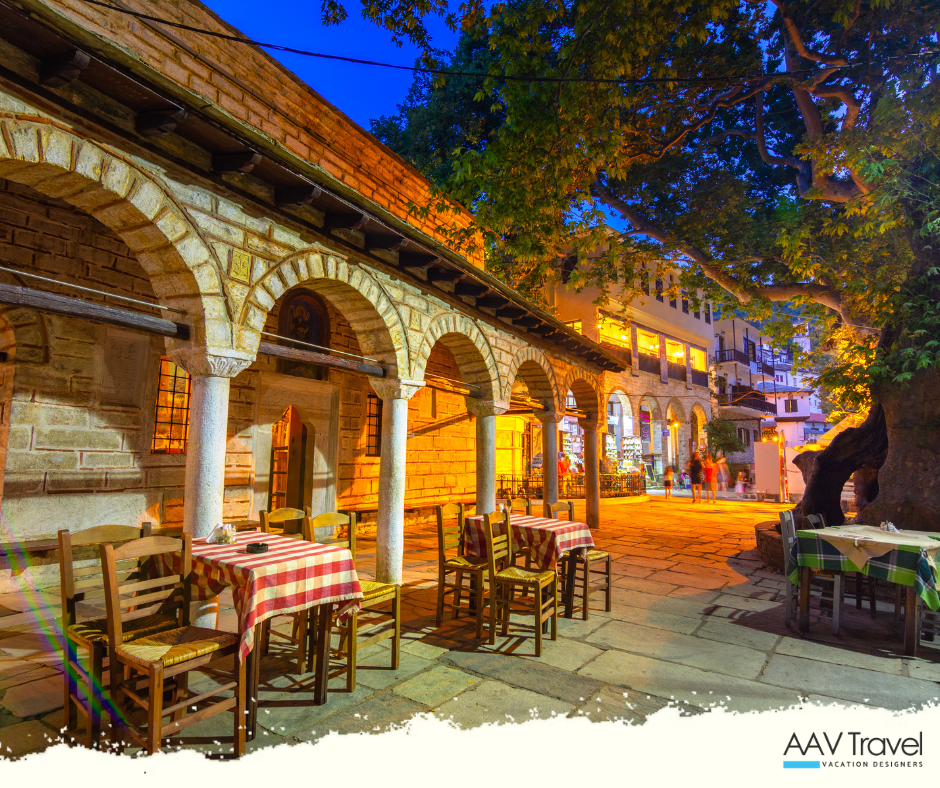
The region is a paradise for nature lovers and outdoor enthusiasts. In summer, you can hike scenic trails through olive groves and pine forests, swim in secluded coves along the Aegean or Pagasetic coast, and explore waterfalls tucked away in verdant valleys. In winter, the mountains offer skiing and cozy lodges with wood-burning fireplaces. Foodies will delight in sampling fresh seafood, local cheeses, and traditional sweets at family-run tavernas, making it a full sensory experience.
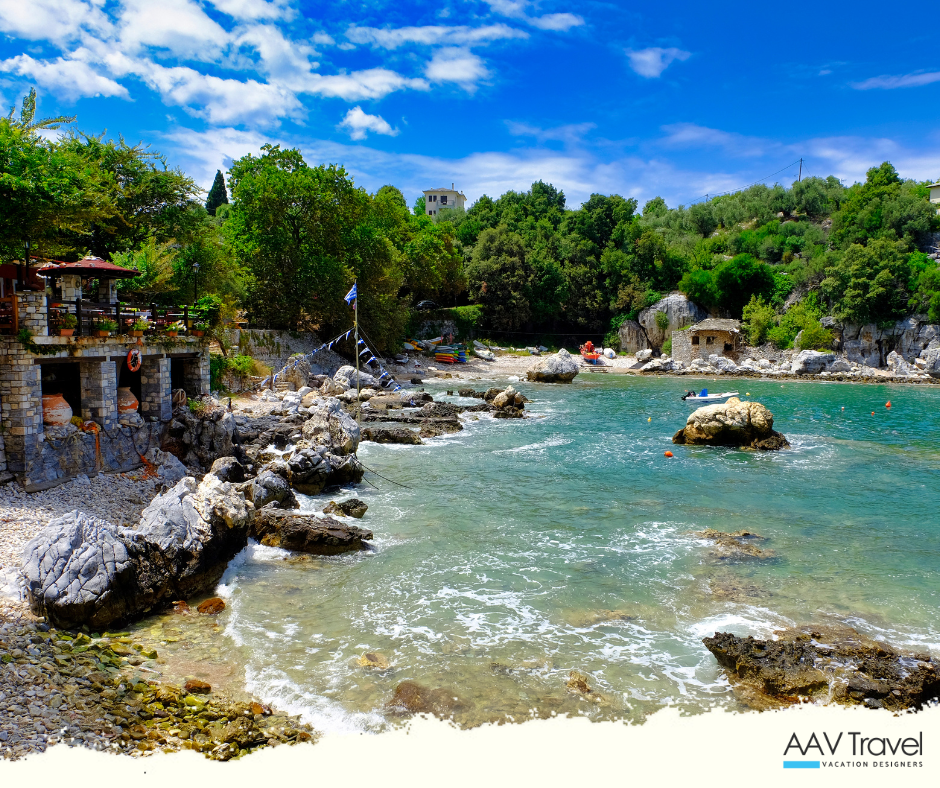
The Pelion Peninsula is perfect for travelers who want Greece beyond the crowds—those who enjoy wandering off the beaten path, discovering small villages, and soaking up both culture and nature at a relaxed pace. If you’re looking for an authentic, peaceful escape with plenty of adventure, Pelion offers the best of both worlds.
Exploring lesser-known destinations like Aosta, Dominica, Guadeloupe, Romania, or the Pelion Peninsula can be incredibly rewarding—but the true magic often lies in the details that only an experienced travel advisor can uncover. Beyond flashy headlines or viral “must-see” spots, a knowledgeable advisor understands how to craft experiences that balance safety, authenticity, and personal interests, ensuring your trip is seamless, enriching, and unforgettable. With the right guidance, you don’t just visit a destination—you connect with it on a deeper level, creating memories that last far beyond a vacation photo.
Ready to discover hidden gems and authentic experiences? Let us help you plan a journey that goes beyond the typical tourist trail. To begin planning, contact us via email at info@aav-travel.com or visit the website.
Written by: Stefanie P.




 AAV Explorations