Luxury Travel to Normandy: Beyond the D-Day Beaches to History, Culture, and Coastal Charm

When Americans think of Normandy, the first images that usually come to mind are those of June 6, 1944. Omaha Beach, Pointe du Hoc, and the American Cemetery at Colleville-sur-Mer are deeply etched into the national consciousness as sacred ground, places where courage, sacrifice, and freedom converged in history’s most pivotal battle. For many visitors from the United States, honoring the memory of D-Day and tracing the footsteps of the Greatest Generation is the initial, and sometimes only, reason they consider traveling to this part of France. Standing before the endless rows of white crosses and stars of David overlooking the Channel is an experience so moving, it is often described as life-changing. Normandy has rightfully become a place of remembrance, a destination where gratitude and history take center stage.
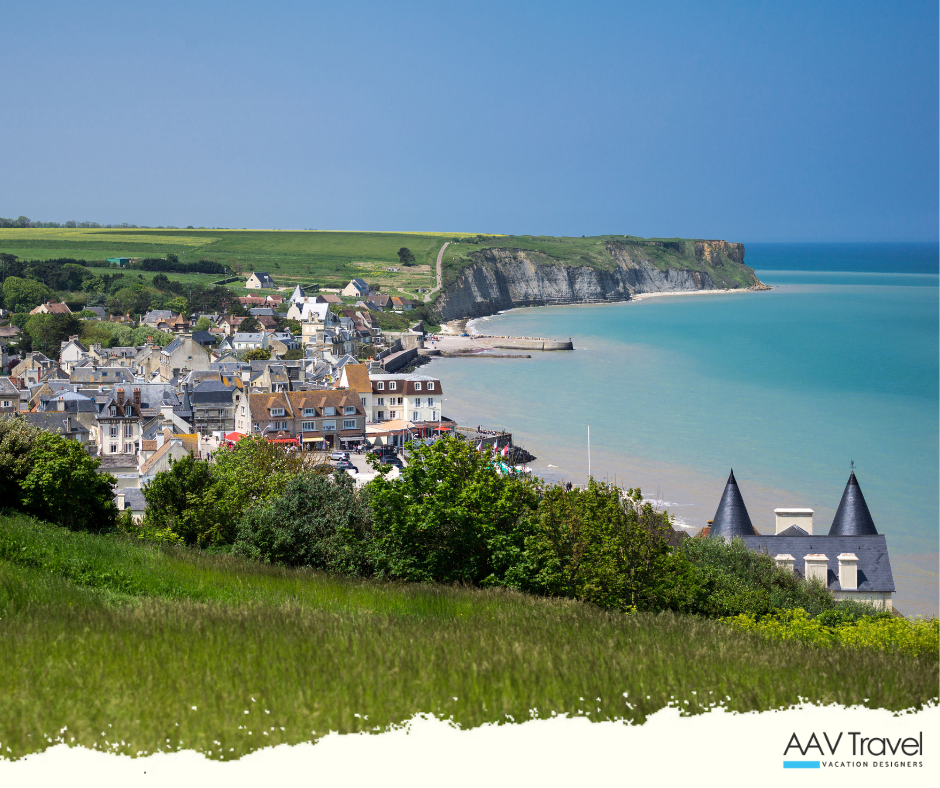
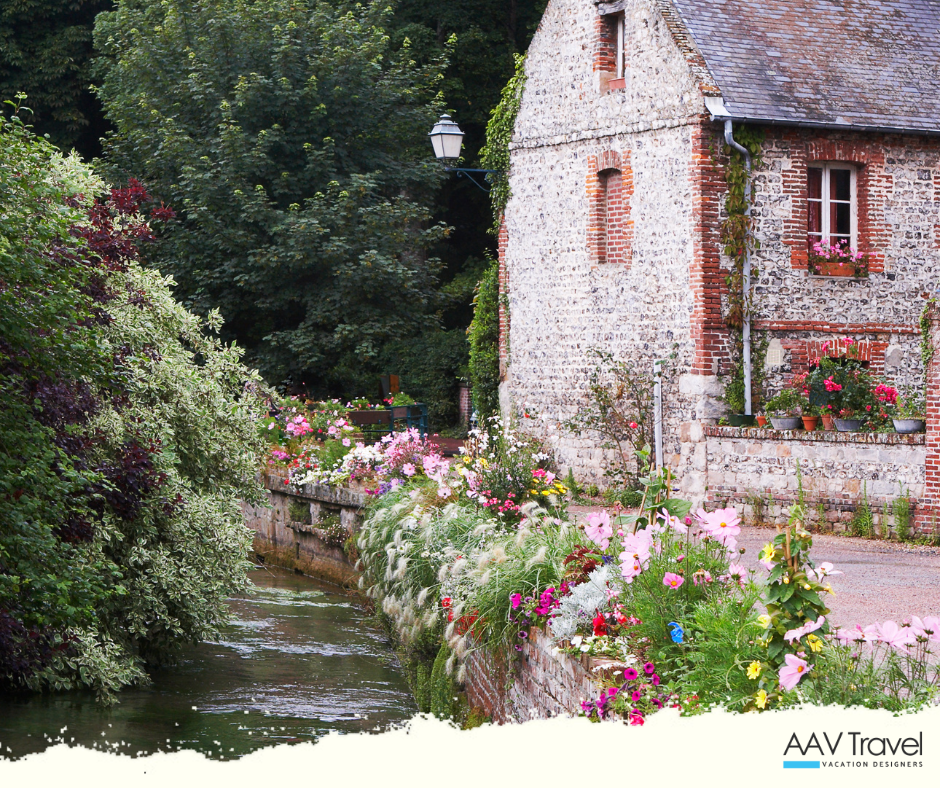
Yet to stop there would mean missing out on the extraordinary depth and richness that define Normandy. Beyond its beaches and battlefields, the region unfolds as a tapestry of rolling countryside, medieval towns, and a rugged coastline that has inspired artists, writers, and dreamers for centuries. Here, half-timbered houses lean over cobbled streets, apple orchards blossom into the world’s finest cider and Calvados, and local markets brim with cheeses, seafood, and farm-fresh produce. It is a France that feels both timeless and deeply authentic, far removed from the bustle of Paris, yet just a few hours’ journey away.

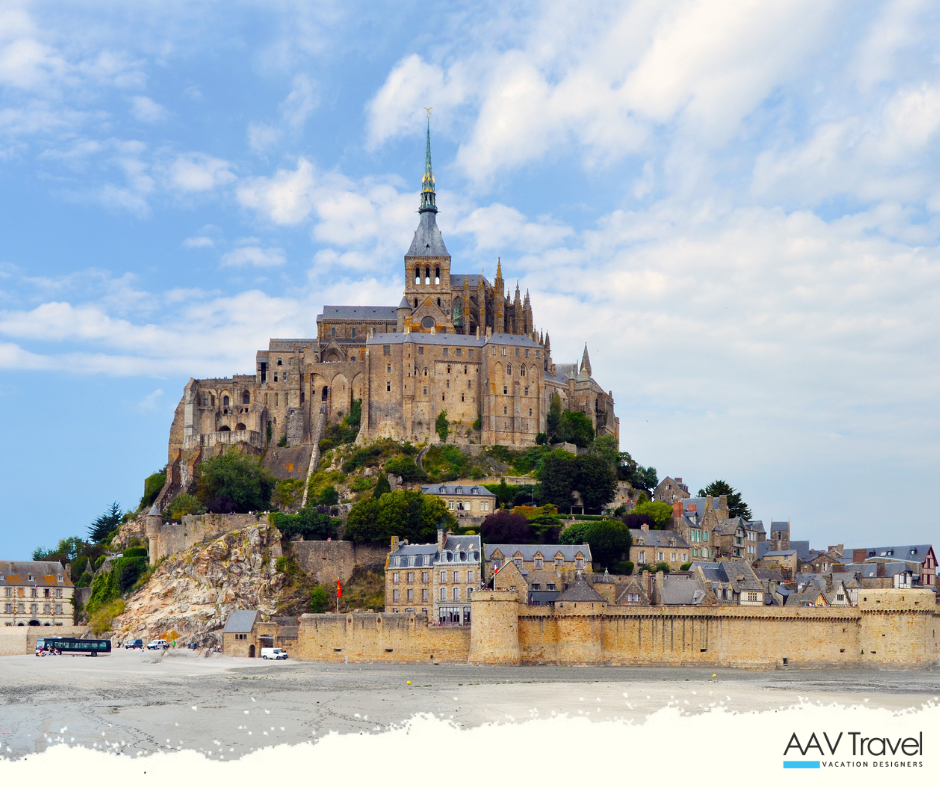
Normandy’s cultural legacy runs deep. Long before D-Day, the region was shaping European history as the home of the formidable Normans, who conquered England in 1066. The magnificent Bayeux Tapestry tells this story in 230 feet of embroidered detail, a medieval masterpiece that has survived nearly a thousand years. Coastal towns like Honfleur and Deauville speak to a different heritage—one of seafaring, Impressionist art, and seaside leisure that lured Monet, Boudin, and countless other painters to capture the play of light on water and sky. And of course, no visit would be complete without experiencing Mont-Saint-Michel, the gravity-defying abbey rising from tidal sands, a place that seems pulled straight from the pages of a fairy tale.
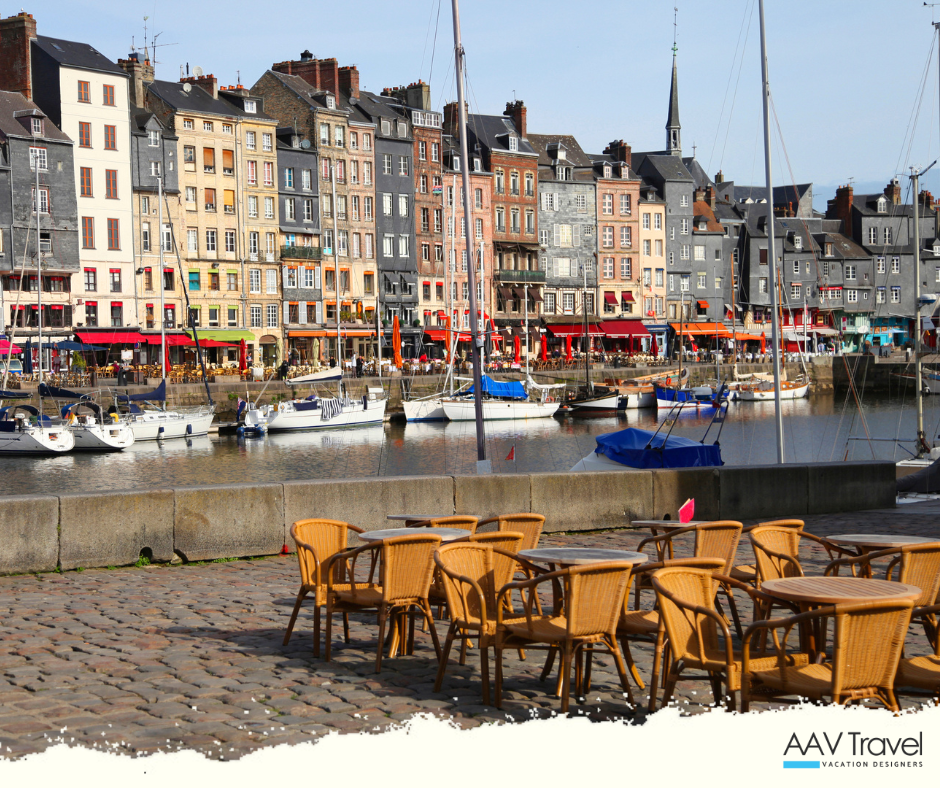
For the American traveler, Normandy offers the chance to reflect on history while also discovering a side of France that is warm, welcoming, and endlessly diverse. Whether you’re sipping cider under apple blossoms, wandering through fishing villages, or tracing the artistic paths of the Impressionists, you’ll find that Normandy is much more than a chapter in World War II—it’s a destination that rewards curiosity at every turn.
Spending anywhere from three to seven days in Normandy allows travelers to experience the region’s incredible variety without feeling rushed. On a shorter visit of about three days, the focus is usually on highlights: the poignant D-Day landing beaches and the American Cemetery at Colleville-sur-Mer, the stunning Mont-Saint-Michel rising dramatically from the tidal flats, and a taste of Normandy’s countryside charm with perhaps a stop in Bayeux to admire its famous medieval tapestry. This itinerary balances history, culture, and iconic sights, giving visitors a strong impression of what makes Normandy so special.
With more time—say five to seven days—you can move beyond the highlights and settle into the rhythm of local life. This might include wandering through the half-timbered streets of Honfleur, exploring Rouen’s magnificent cathedral and medieval quarter, or discovering charming seaside towns like Deauville and Trouville. Food lovers can indulge in gourmet experiences such as sampling Normandy’s cheeses, cider, and calvados directly from local producers, or dining on fresh oysters along the coast. A longer stay also allows you to enjoy the region’s natural beauty at a slower pace—whether that means a walk along the dramatic cliffs of Étretat, a drive through the apple orchards of the Pays d’Auge, or time spent in quiet fishing villages that feel untouched by time.
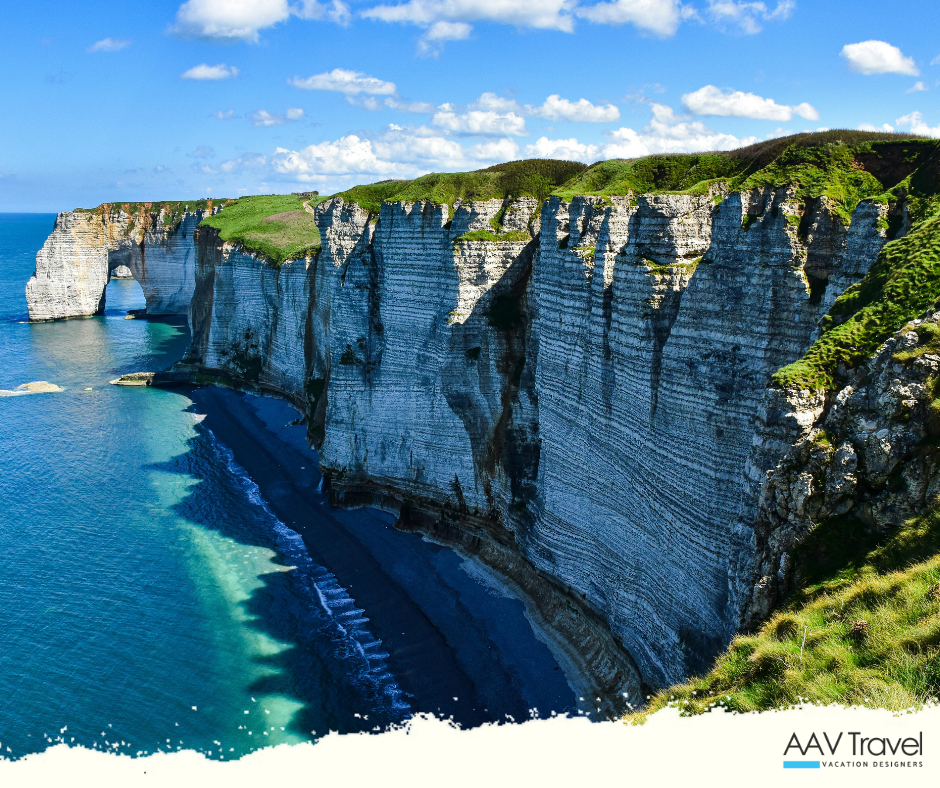
By combining medieval towns, rich local traditions, and delicious culinary experiences with Normandy’s striking landscapes, a week in the region becomes a layered journey rather than just a checklist of sights. Each day can offer something different, from reflection on powerful history to leisurely market mornings, coastal strolls, or evenings lingering over a glass of calvados. It’s this blend of depth and variety that makes Normandy so rewarding for travelers who allow themselves the time to explore.
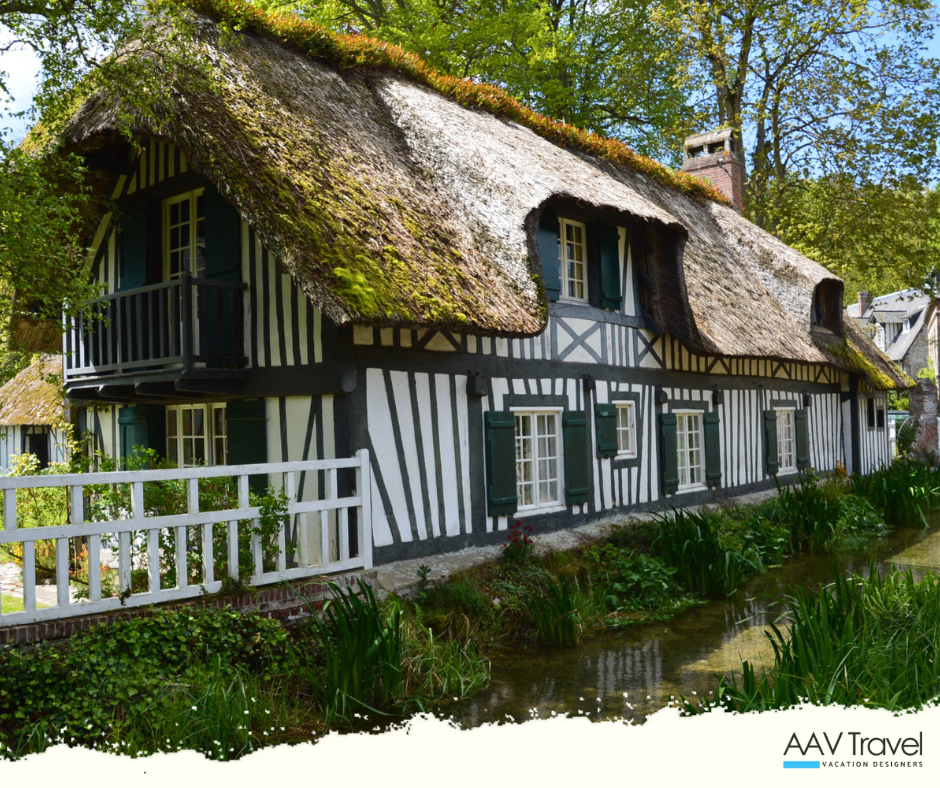
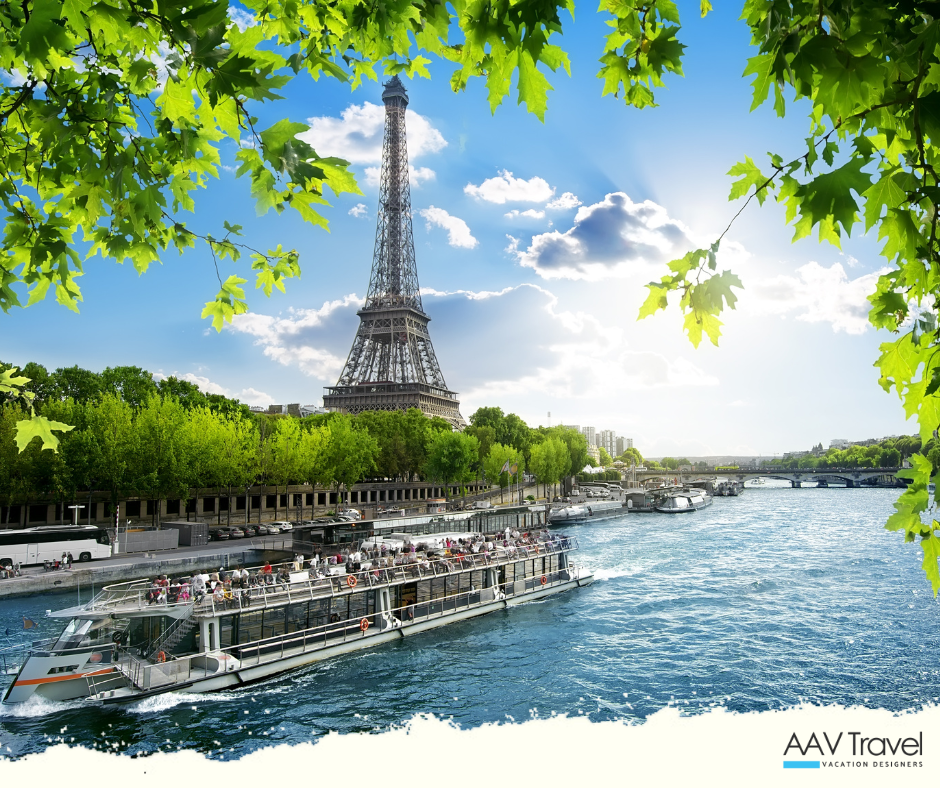
One of Normandy’s greatest advantages for American travelers is its easy connection to Paris, making it simple to combine the allure of the French capital with the charm of the countryside. In just about two hours by train or car, you can leave behind the bustle of Parisian boulevards and find yourself amid Normandy’s rolling hills, half-timbered villages, and dramatic coastline. This proximity allows travelers to balance the world-class museums, shopping, and café culture of Paris with the slower pace and authentic flavors of rural France. A few days in each creates a well-rounded journey—one that pairs the sophistication of the city with the history, landscapes, and traditions of Normandy.
For the especially curious traveler, Normandy can also serve as a springboard to explore across the Channel. From Calais, about a three-hour drive from Normandy’s heartland, ferries regularly cross to Dover, offering a seamless way to link two iconic destinations in one trip. Imagine tracing the stories of D-Day in France and then standing atop the White Cliffs of Dover, or combining Normandy’s medieval treasures with the castles and literary landscapes of southern England. This connection not only highlights the shared history between the two nations but also adds a sense of adventure, turning a European vacation into a richly layered experience that spans cultures, coastlines, and centuries of intertwined heritage.

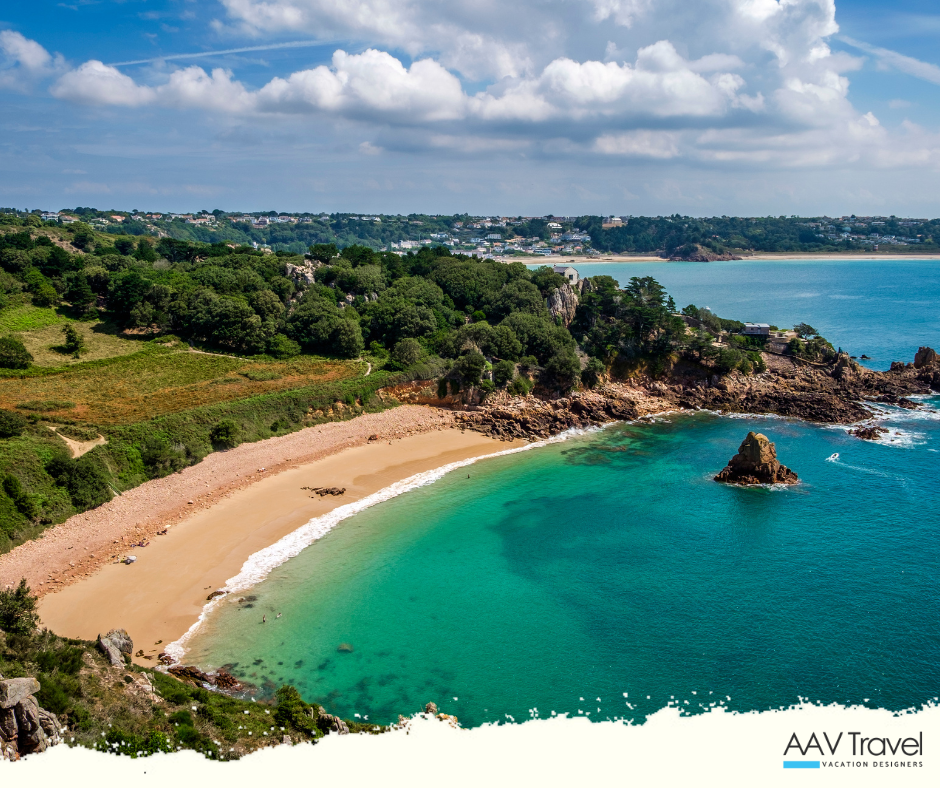
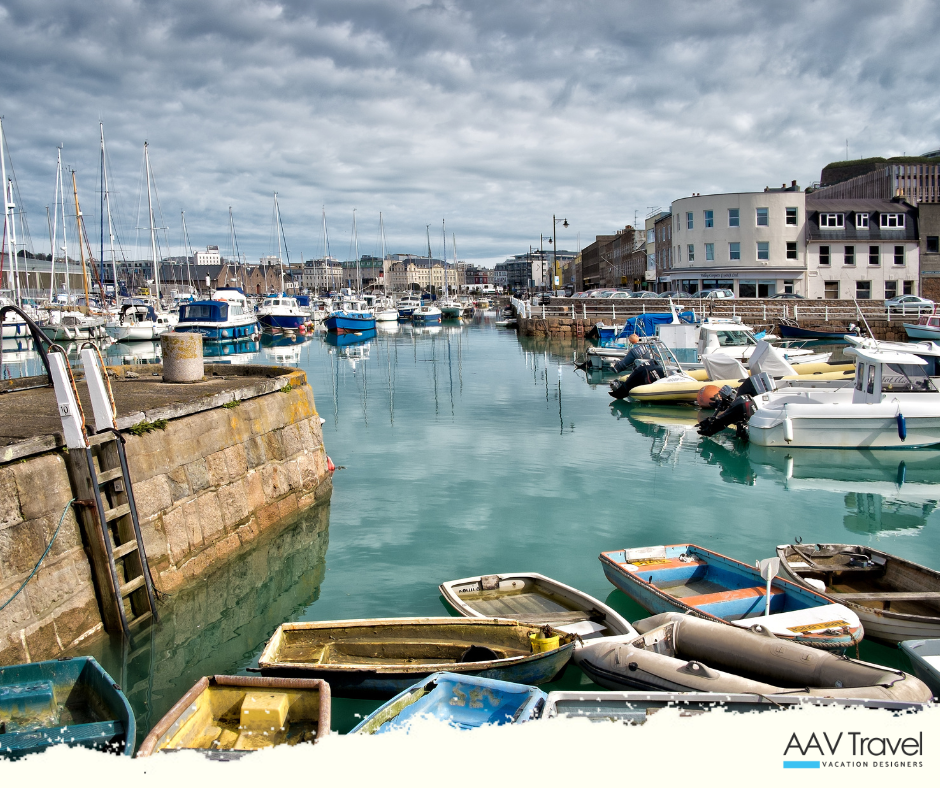
For those eager to go a little off the beaten path, combining Normandy with the Channel Islands offers a truly unique twist. From ports like Granville or Carteret, you can hop on a ferry and in just over an hour reach Jersey, the largest of the islands. Though technically a British Crown Dependency, Jersey feels like a fascinating blend of French and English influences, with its own character shaped by tides, fortresses, and windswept beaches. Here, travelers can explore cliffside trails, dine on exquisite seafood, and wander through charming St. Helier with its lively markets and maritime history. Pairing Normandy with Jersey creates a journey that is both unexpected and enriching—an adventure where you discover hidden gems beyond the mainland, while still staying comfortably close to France.
At AAV Travel, we know that the magic of Normandy lies not only in its iconic sites but also in the thoughtful way a journey is put together. Having explored the region first-hand, we understand how to balance the profound history of the D-Day beaches with the pleasures of wandering through medieval towns, savoring local cuisine, or venturing further to England or the Channel Islands. Our expertise allows us to craft seamless itineraries that weave Parisian sophistication with Normandy’s charm, or add in unexpected dimensions like Jersey’s coastal trails or Dover’s white cliffs. With our guidance, your trip becomes more than a visit—it transforms into an extraordinary experience, rich with moments that reflect your interests and curiosity, while leaving all the details and logistics in expert hands.

Let us help you uncover Normandy beyond the beaches and design a journey that’s as meaningful as it is memorable. To begin planning, contact us via email at info@aav-travel.com or visit the website.
Written by: Stefanie P.

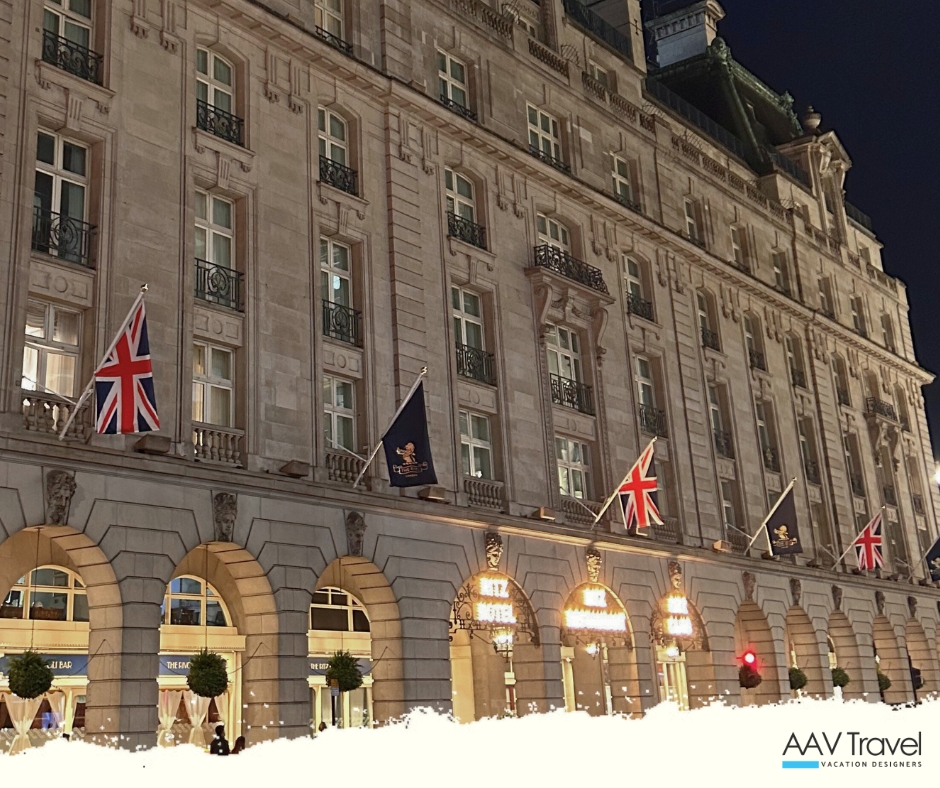
Where Elegance Endures: The Ritz London & the Allure of Iconic Hotels

There’s something undeniably alluring about iconic hotels. These aren’t merely places to sleep—they are storied landmarks, cultural institutions, and enduring symbols of timeless elegance. From the moment you step through the revolving doors of a historic grand hotel, there’s a palpable sense of legacy and luxury. These legendary properties have long catered to royalty, Hollywood stars, artists, and political powerhouses, and they continue to draw the rich, the famous, and the discerning traveler in search of something far beyond the ordinary.

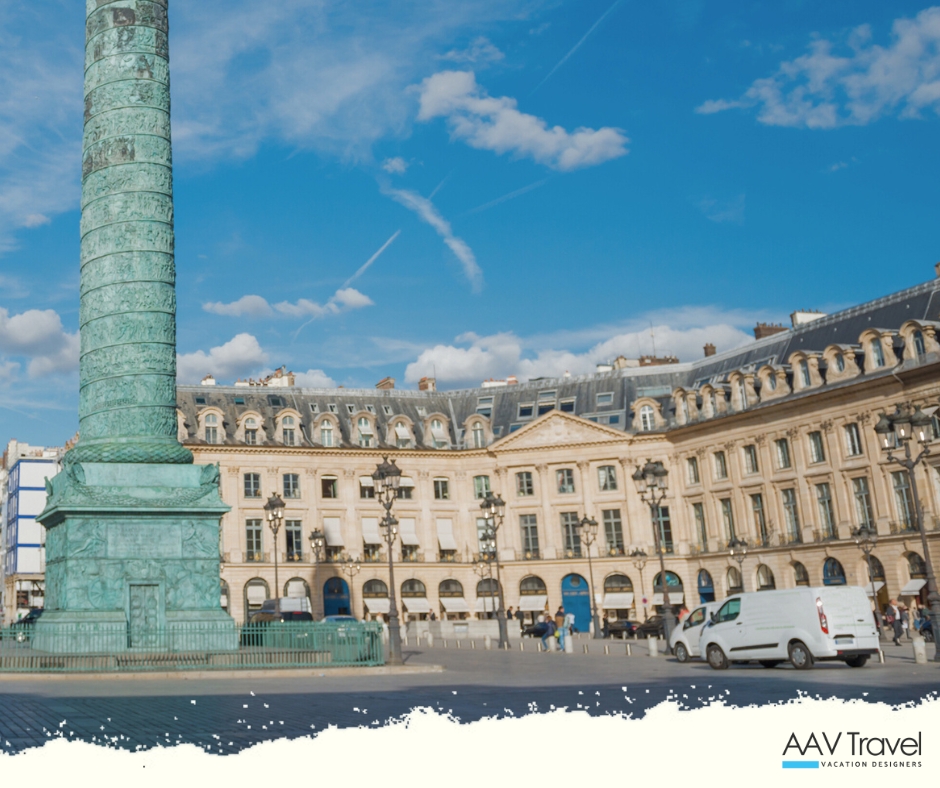
The legacy of iconic hotels begins with the Ritz Paris, which opened in 1898. Founded by César Ritz, the hotel revolutionized the concept of luxury with its refined interiors, modern comforts, and uncompromising service. It wasn’t just about opulence—it was about creating a lifestyle defined by elegance and exclusivity. Coco Chanel lived there. Hemingway drank at its bar. Royals and rockstars alike sought its sanctuary. The Ritz became more than a hotel—it became a benchmark, inspiring a new era of hospitality that blended grandeur with intimacy.

What makes these storied hotels endure is not just their illustrious past, but their ability to evolve without losing their essence. From Claridge’s in London to the Gritti Palace in Venice and The Plaza in New York, these properties strike a delicate balance between tradition and innovation. While marble floors, antique chandeliers, and historic ballrooms remain, today’s luxury traveler also discovers Michelin-starred dining, world-class wellness, curated cultural access, and highly personalized, discreet service. This harmonious blend of heritage and modernity is what keeps them relevant—and utterly irresistible.

A stay at a hotel like The Ritz London is a masterclass in elegance. Since opening in 1906, this grand dame of Piccadilly has set the tone for luxury hospitality in the British capital. Conceived by César Ritz following the success of his Parisian triumph, The Ritz London was designed to unite French refinement with English charm. It has welcomed prime ministers, film legends, and royalty, all drawn to its unwavering standards, graceful surroundings, and its celebrated discretion.

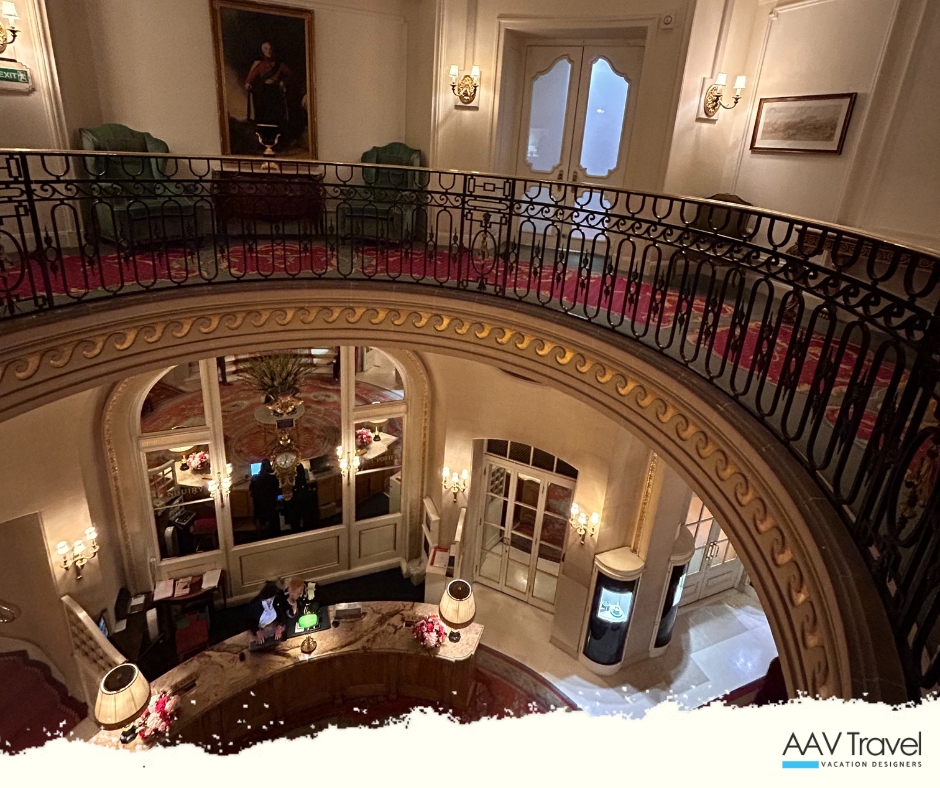
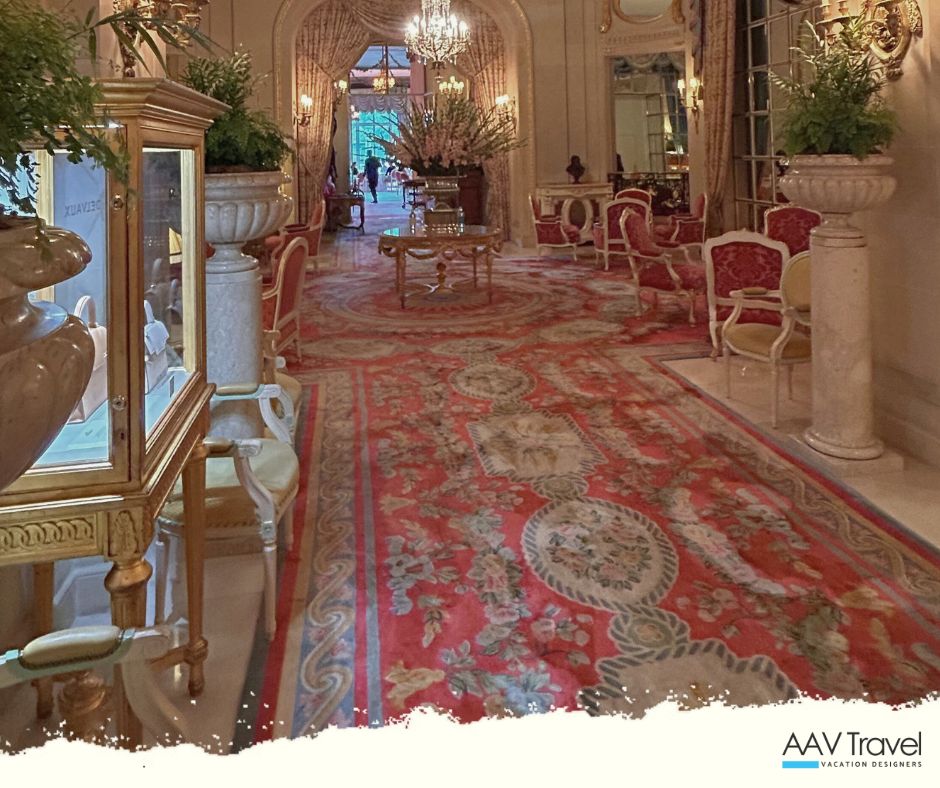
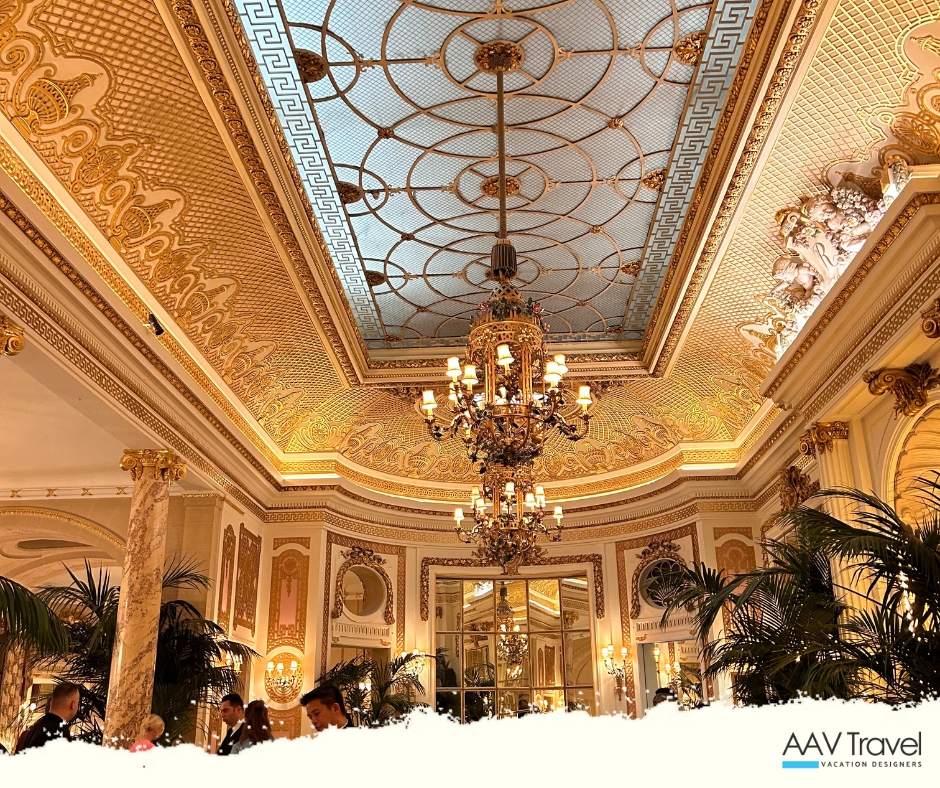
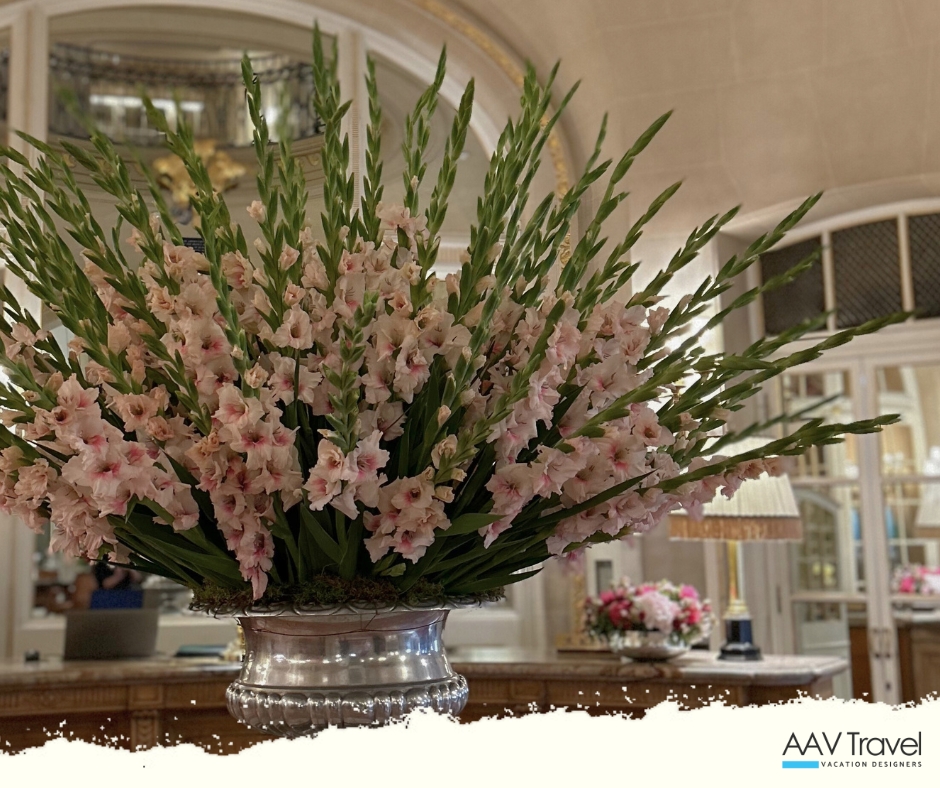
Stepping into The Ritz London feels like entering a bygone era—yet everything is flawlessly polished for the modern traveler. Gilded moldings, marble columns, and glittering chandeliers evoke Edwardian splendor, while the ambiance remains refreshingly inviting. Beyond the visual grandeur, it is the service that truly distinguishes The Ritz. From white-gloved doormen to personal concierges, the staff delivers each experience with warmth, grace, and impeccable attention to detail. Whether enjoying a tailored cocktail at the Rivoli Bar or arranging a bespoke shopping experience, everything is handled with quiet precision.

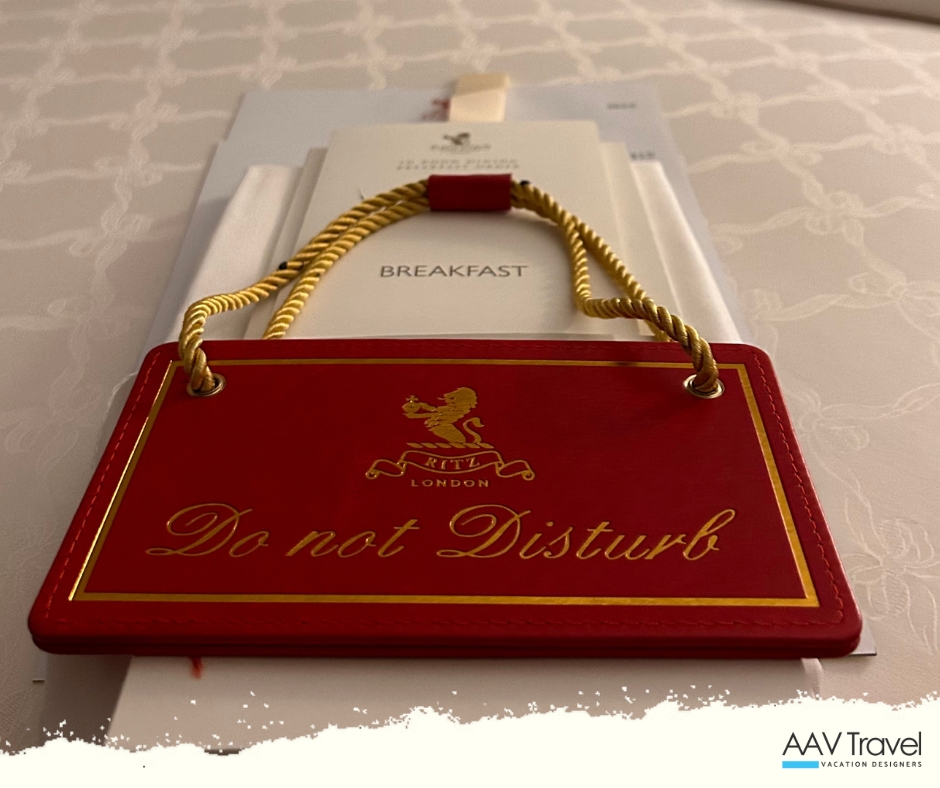
During my stay, it genuinely felt like time slowed down. At The Ritz, the outside world fades away, replaced by a rhythm of intentional care, elegance, and excellence. Service is not merely offered—it’s anticipated. Every interaction is part of a greater symphony, performed by professionals who seem to intuitively know your needs before you do. It’s an environment that invites you to let go, be cared for, and delight in the rare privilege of being fully catered to.

This high-touch service is not optional—it’s essential to the experience. The staff is part of the charm, the tradition, the theatre of it all. You are invited to engage with them, to be part of the flow, not simply observe it. Here, self-service has no place; the art lies in letting yourself be looked after.

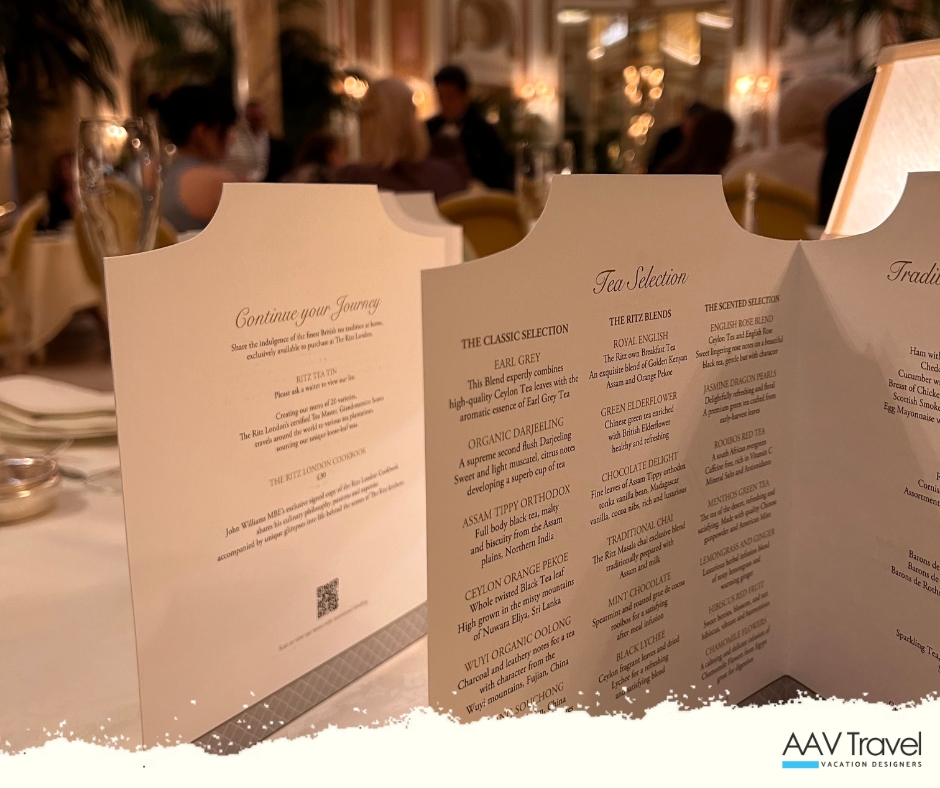
A highlight of our visit was the iconic Afternoon Tea at The Palm Court, graciously hosted by Umberto Schioppa, The Ritz’s Director of Sales. This cherished ritual is nothing short of a celebration, featuring live music, gleaming silver, fine china, and a dress code that honors the tradition. Every detail speaks to a refined, bygone age—yet feels entirely relevant and immersive today.

What truly sets The Ritz’s Afternoon Tea apart is the presence of their dedicated tea sommelier—a rare touch that elevates the experience even further. With genuine passion and deep expertise, the sommelier guides guests through an impressive menu of 18 fine teas sourced from across the globe. Whether you prefer a classic Darjeeling, a floral Earl Grey, or a more adventurous white or oolong tea, each selection is expertly matched to complement the delicate pastries, warm scones, and elegant sandwiches. It’s not simply tea—it’s a ceremony of taste, precision, and tradition.

For travelers who seek glamour, sophistication, and meaningful experiences, staying at an iconic hotel isn’t just about luxury—it’s about becoming part of a story. These hotels don’t just host guests; they host moments in history. And for those with a taste for the extraordinary, that’s the true essence of travel.

Booking a room at a property like The Ritz London is just the beginning. To truly capture the spirit and exclusivity of such a stay, it takes the insight and expertise of a seasoned luxury travel advisor. From securing the most coveted tables to arranging private cultural encounters and seamless transportation, every detail is thoughtfully orchestrated to enhance your journey. Whether it’s discovering London’s hidden gems or elevating an already exceptional hotel experience, working with AAV Travel ensures that your trip is not only seamless—but unforgettable.

Written by: Stefanie P.

To start planning, contact us via email at info@aav-travel.com or visit the website.

Summer 2024: Europe Travel Tips

Paris Summer Olympics

Be prepared to pay steep prices in Paris as the games approach. Hotels and food will become more expensive, and some metro stations might close. Check the Paris Ministry of Transport website for updates on those closures. Arrange transfer in advance, as strikes could affect public transportation.

Our tip: If you don’t like crowds, avoid Paris this summer and choose a more laid-back spot.

The consequence of climate change: Natural occurrences

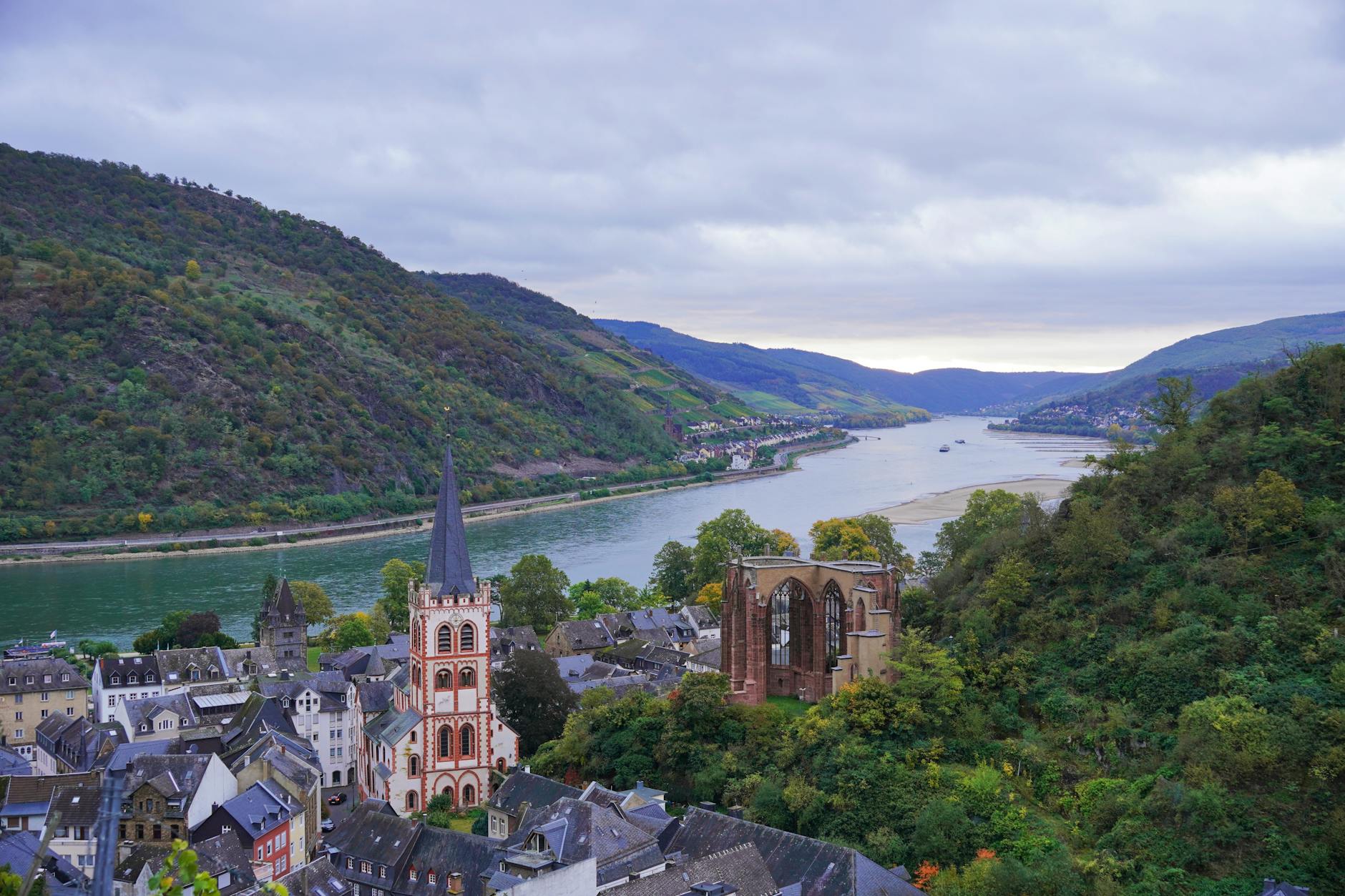
Photo by Jasmin kaemmerer on Pexels.com

Europe is set to face a major heatwave in 2024, and unfortunately, natural disasters are becoming more frequent in this region. Massive floods hit Germany and Belgium last year and are now back. Greece dealt with wildfires in 2023. Iceland’s volcano keeps erupting.

That River cruise you booked may not be operating as planned. The hotel you booked may not have air conditioning or have restrictions on air conditioning use due to environmental objectives.

Our Tip: A professional travel advisor has deep insights into European travel because they stay updated on various factors that can impact your trip, such as natural disasters, political changes, and strikes. Their extensive network and access to real-time information allow them to anticipate and navigate potential disruptions. They can provide personalized advice and contingency plans that you might not easily find on your own, ensuring a smoother and safer travel experience.

Strikes and Delays: The new normal

Photo by Free Stock on Pexels.com

Train travel is an awesome way to explore Europe, but air and land transportation has been delayed more frequently lately. Major travel strikes are happening across several countries. To deal with these inevitable strikes, it’s smart to prepare for delays and have a backup plan ready.

Our Tip: Slow down! Instead of hopping around every other day from city to city, country to the next, allow yourself time. That way, you still have days left if you miss a day and some space to make alternate arrangements. A good travel advisor will help you create an itinerary that holds up!

Tickets, guides, and politics

Photo by Chait Goli on Pexels.com

Popular attraction tickets are getting scalped. Some of the best guides refuse their services because the sights are overcrowded. Some attraction time slots, like the Colosseum in Rome, are allocated at the last minute. That said, your tour time could change.

Our Tip: You get what you pay for! Trust your advisor, upgrade your experiences, get up early, and don’t overload your day.

Daytripper fees

Photo by Gotta Be Worth It on Pexels.com

The city of Venice rolled out its one-day visitor fee this summer. On arrival, train passengers are checked to see if they purchased a day pass and fined if not. Venice overnight guests have to file an exception. The town of Clovelly in Cornwall charges a daily visitor fee. Lauterbrunnen, Switzerland, is discussing implementing a fee for visitors arriving by car. This is becoming the norm.

Our Tip: Work with a specialist! Unless you are a very thorough trip planner with hours to learn about destinations and how best to navigate them, trust an expert to help you craft your trip and prepare you ahead of time.

Is Europe on your mind? Reach out, and we will happily help you plan your trip!

To start planning, contact us via email at info@aav-travel.com or visit the website.
Written by: Stefanie P.