Switzerland: Indulge in Luxury Ski Resorts, Chalet Charm, and Wellness Bliss in the Alps

Switzerland is synonymous with world-class skiing, offering an enticing blend of adventure, charm, and luxury in its iconic Alpine resorts. Whether you’re an avid skier or simply seeking a snowy escape, Switzerland’s legendary destinations promise unforgettable experiences. But planning a trip that perfectly balances skiing, relaxation, and exploration can be daunting. This is where a luxury travel advisor, like AAV Travel, steps in to curate your dream ski vacation.

Let’s explore Switzerland’s top ski destinations, critical considerations for your trip, and how a travel advisor can elevate your Alpine adventure.


Switzerland’s Iconic Ski Destinations

St. Moritz: The Birthplace of Alpine Tourism
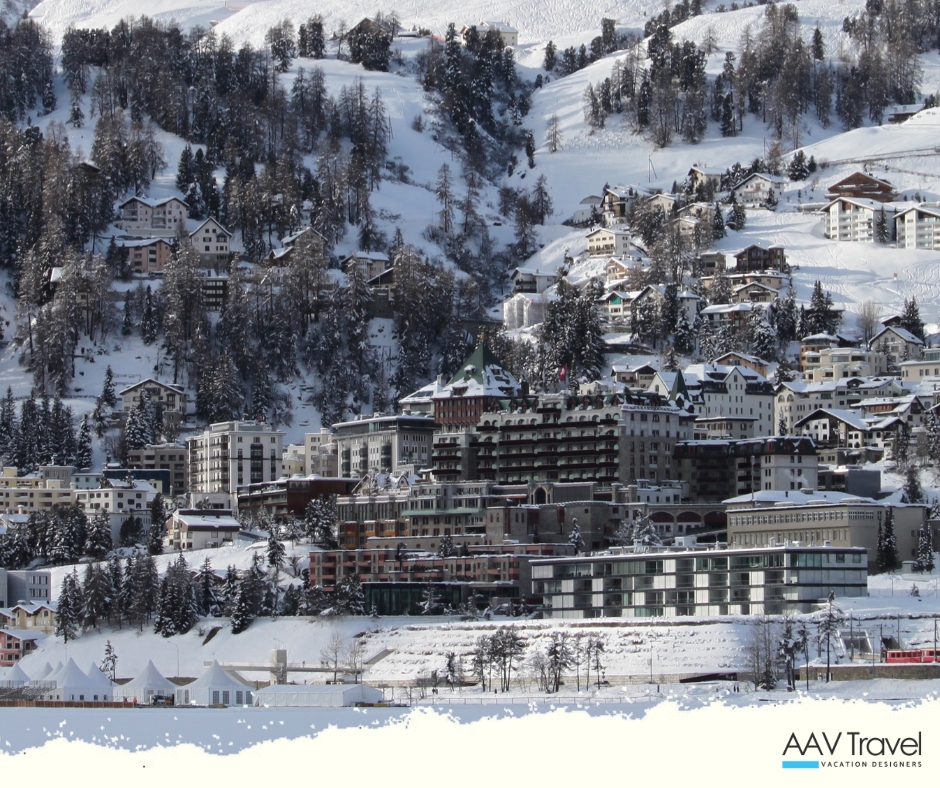
St. Moritz is where luxury skiing began. With over 300 days of sunshine each year, it dazzles visitors with perfectly groomed slopes, opulent accommodations, and an exclusive après-ski scene. The resort is a haven for those seeking a mix of sophistication and adventure. Think gourmet dining, designer shopping, and rejuvenating spas—all within reach of pristine ski runs.

Saas-Fee: The Pearl of the Alps
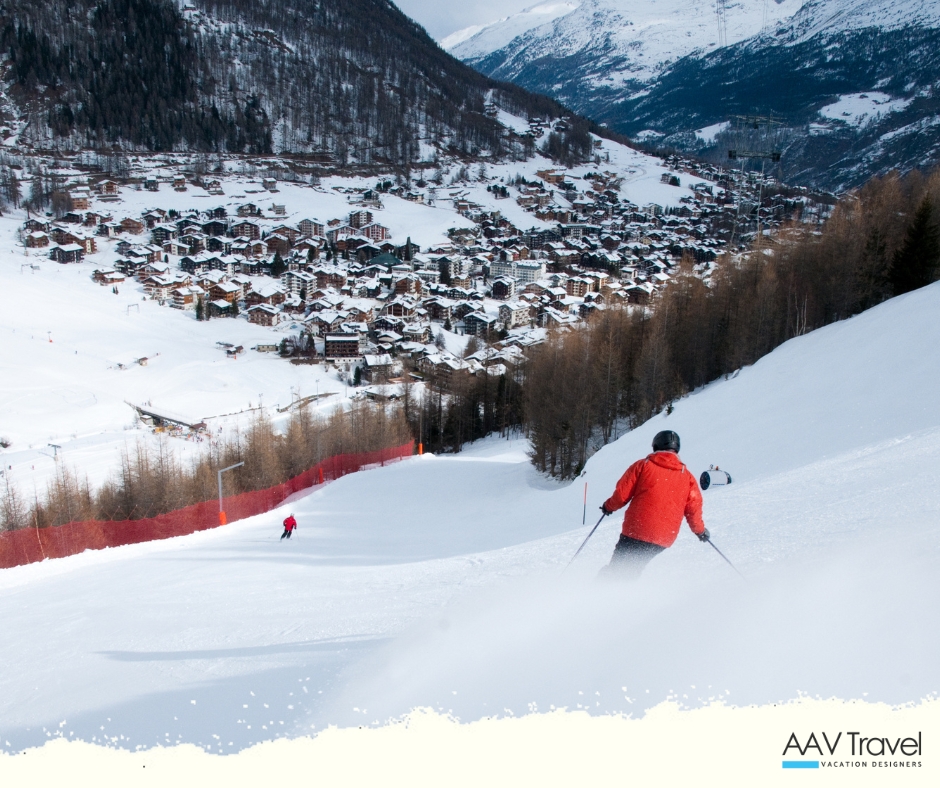
Saas-Fee enchants visitors with glacier-capped peaks and a serene, car-free village atmosphere. Known for its breathtaking landscapes, it’s a paradise for those seeking tranquility and natural beauty. Ideal for both beginners and advanced skiers, Saas-Fee offers a unique charm that invites visitors to disconnect and unwind.

Zermatt: At the Foot of the Matterhorn
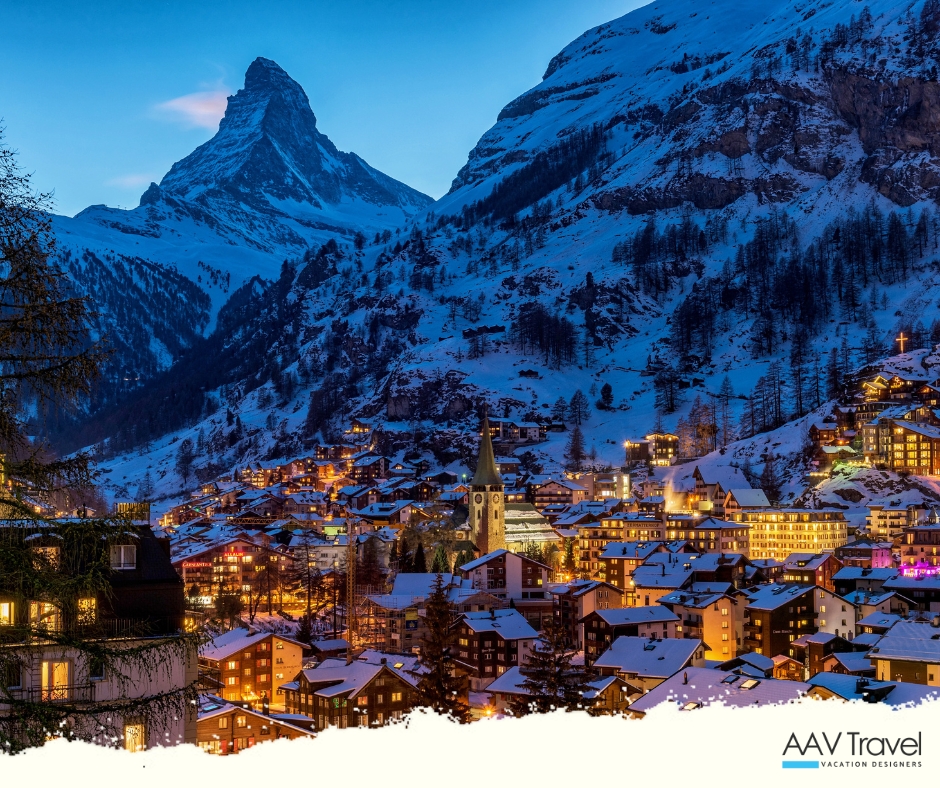
Nestled beneath the iconic Matterhorn, Zermatt combines world-class skiing with high-end dining and a vibrant atmosphere. Known for its extensive slopes and challenging off-piste runs, it’s a favorite among discerning travelers. The village itself offers a lively mix of gourmet restaurants, boutique shopping, and cultural activities.

Mürren: Authentic Swiss Charm

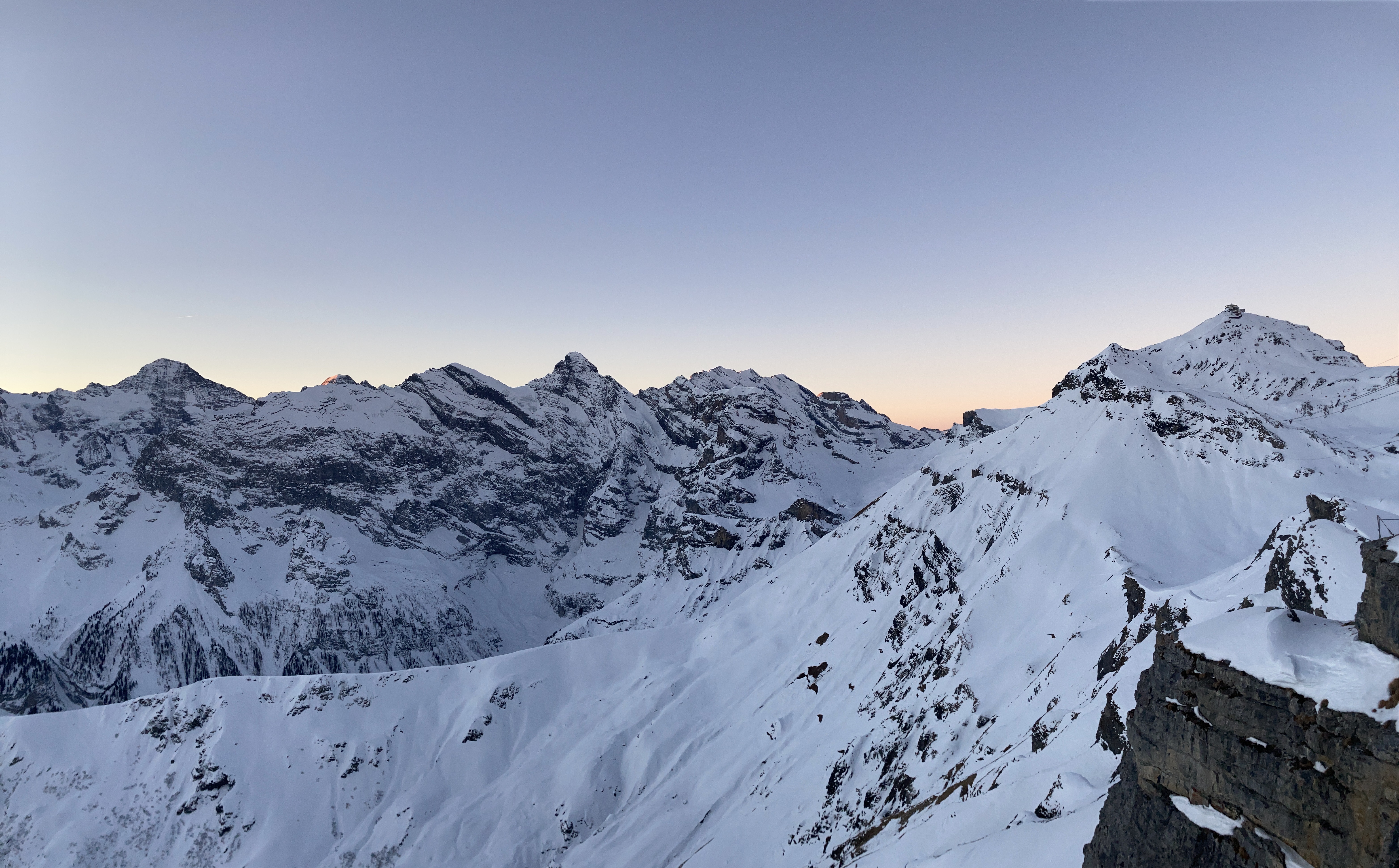
For a more intimate experience, Mürren offers stunning panoramic views of the Eiger and an authentic Alpine vibe. Its traditional chalets and quiet ambiance make it a perfect retreat for those seeking a slower pace. Mürren’s slopes cater to all skill levels, while the charming village ensures a cozy and memorable stay.


The Benefits of a Travel Advisor for Your Ski Trip

Planning a luxury ski vacation involves balancing several factors to create the perfect experience. As a Swiss native, Stefanie at AAV Travel can transform your trip:

Skill Level Compatibility

Ski resorts vary in terrain and difficulty, making it essential to choose one that suits your abilities. Whether you’re a beginner, an intermediate skier, or a seasoned pro, we’ll guide you to destinations like St. Moritz for its balanced terrain or Zermatt for adrenaline-pumping off-piste runs.

Tailored Accommodations

Your choice of lodging sets the tone for your trip. From ski-in/ski-out chalets with private amenities to five-star hotels with world-class spas, accommodations in Switzerland cater to every taste. At AAV Travel, we can secure exclusive perks, such as room upgrades, complimentary breakfast, or private transfers, ensuring your stay is as seamless as it is luxurious.
Off-Slope Activities

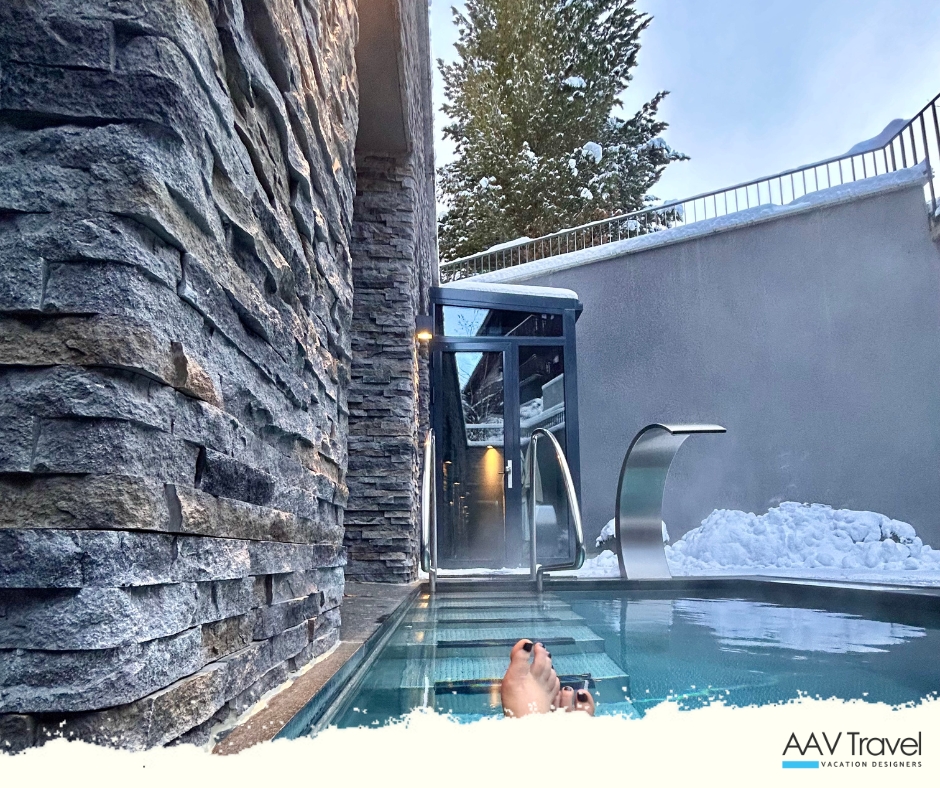
Switzerland isn’t just about skiing. Whether you’re drawn to après-ski glamour, cultural excursions, or wellness retreats, a travel advisor helps you find experiences that complement your itinerary. For instance, St. Moritz offers upscale shopping and fine dining, while Mürren is perfect for serene Alpine walks and cozy evenings by the fire.

Logistics and Accessibility

Navigating Switzerland’s Alpine terrain requires careful planning. From arranging flights and transfers to managing ski equipment logistics, we handle it all. Prefer to send your luggage ahead or combine your ski trip with a city break in Zurich or Geneva? We’ll ensure every detail is accounted for so you can focus on enjoying your journey.

Optimal Timing

Weather patterns, snow quality, and crowd levels can vary dramatically throughout the season. Our expertise ensures you visit during the best time for ideal skiing conditions and a more exclusive experience.


Luxury Skiing in Switzerland: Is It Worth It?

A luxury ski trip to Switzerland often compares favorably to similar experiences in the U.S., particularly when considering the value of Swiss hospitality and the overall experience. Let’s break it down:

Accommodations

High-end stays in resorts like Zermatt or St. Moritz typically range from CHF 300–1,000 per night. By comparison, luxury lodgings in U.S. destinations like Aspen or Vail often exceed $400 per night and can reach $1,500 during peak seasons.

Lift Passes

A six-day pass in Swiss resorts averages CHF 350–400 (around $375–430), significantly lower than the $600+ often charged in U.S. resorts.

Ski Lessons and Rentals

Private lessons in Switzerland cost $70–$130 per hour, compared to $150–$200 in the U.S. Equipment rentals are also more affordable, averaging CHF 100–150 for a week.

Dining

Swiss resorts offer more budget-friendly dining options compared to the U.S. An on-mountain meal in Switzerland typically costs CHF 30–60, while in the U.S., it can range from $50–100 per person.

While flights to Switzerland may be pricier, the savings on lessons, rentals, and lift passes often balance out, making a Swiss ski vacation an attractive option. At AAV Travel, we excel at finding value-packed packages tailored to your preferences.


Don’t Miss Switzerland’s Winter Events
Switzerland is not just a skiing destination—it’s a hub for thrilling winter sports events. Here are some highlights:

  • FIS Alpine Ski World Cup: Watch elite skiers compete in downhill, slalom, and giant slalom races at locations like Wengen and Adelboden.
  • Freeride World Tour in Verbier: Witness daring athletes take on the extreme Bec des Rosses terrain.
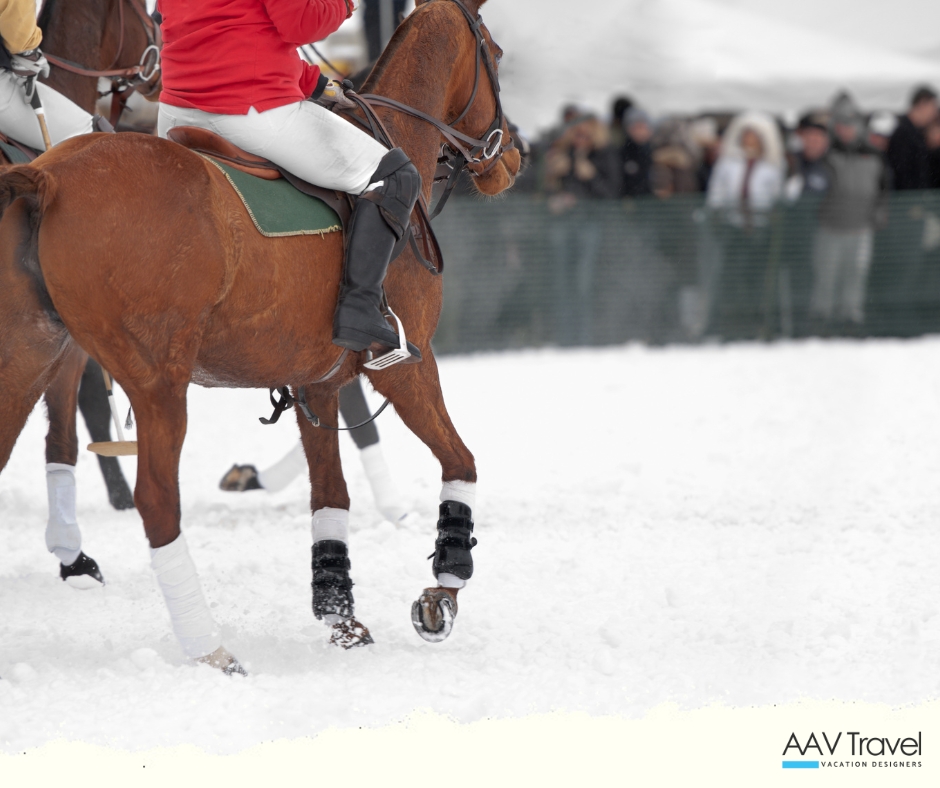
  • Snow Polo World Cup St. Moritz: Held on a frozen lake, this high-goal polo tournament is a glamorous blend of sport and luxury.
  • Laax Open: A premier snowboarding event featuring slopestyle and halfpipe competitions.

A luxury travel advisor ensures seamless access to these events, securing accommodations and exclusive experiences that align with your interests.


Why Choose AAV Travel?

Planning a ski trip to Switzerland involves countless details—from selecting the right destination to coordinating logistics. At AAV Travel, we leverage insider knowledge, Swiss expertise, and industry connections to craft bespoke itineraries tailored to your desires.

Imagine arriving at a cozy chalet with breathtaking mountain views, indulging in gourmet cuisine after a day on the slopes, and knowing every aspect of your trip has been meticulously planned. This is the level of service and care we provide.

Is It Time to Hit the Slopes?

Switzerland offers an unparalleled ski experience, blending natural beauty, adventure, and sophistication. Whether you’re drawn to the glitz of St. Moritz, the charm of Mürren, or the iconic slopes of Zermatt, a carefully curated itinerary ensures your vacation is nothing short of extraordinary.

Ready to start planning your Swiss ski adventure? Let AAV Travel make it effortless. With our expertise, your dream vacation is just a call away. Contact us today and turn your Swiss ski dreams into reality.

To start planning, contact us via email at info@aav-travel.com or visit the website.
Written by: Stefanie P.

Expert Travel Advisor Shares Top Tips for Staying Healthy While Flying

Flying can be exciting, but staying healthy along the way is key to fully enjoying your trip!

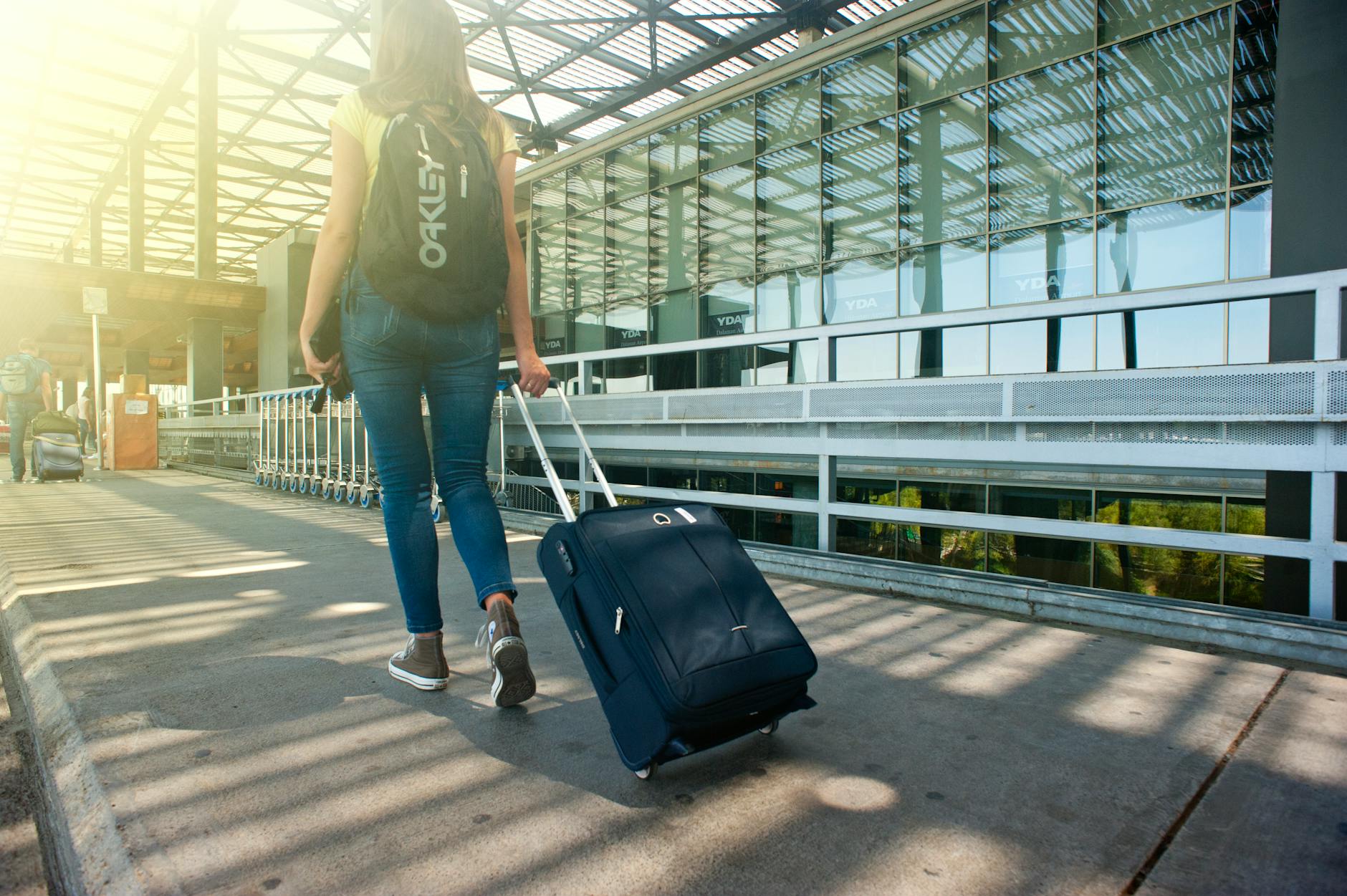
Here are some simple, practical tips from my experience to help you feel your best before, during, and after your flight.

Photo by Oleksandr P on Pexels.com

Before You Fly

Supercharge Your Immune System
A strong immune system is your secret weapon! In the days leading up to your flight, focus on eating healthy, nutrient-packed meals, drinking plenty of water, and getting good rest. You can even add a little extra boost with vitamin C or echinacea!

Hydration is Key
Flying dries you out! Make sure you’re well-hydrated before even heading to the airport. Water is your friend! Try to skip the alcohol and caffeine, as they’ll only make dehydration worse.

Pack Smart
Don’t forget the essentials: hand sanitizer, disinfectant wipes, and a reusable water bottle. These simple items will keep you fresh and hydrated, no matter what the journey throws your way.

While You’re in the Air

Get Moving
Staying in one spot for too long can make you stiff or, worse, increase your risk of DVT (deep vein thrombosis). Every hour, get up, stretch, or even take a quick stroll around the cabin. You can also do easy seat exercises like ankle circles to keep the blood flowing.

Sip, Sip, Sip
Keep drinking water! A good rule of thumb is to double what you usually drink. Having your own water bottle helps keep track, allows you to refill in the airport, and saves plastic or paper cups.

Keep It Clean
Planes can be a bit of a germ fest, so sanitize when you feel the need! You may even want to opt to wear a mask.

Snack Smart
Hungry? Go for snacks that fuel you, like nuts, fruit, or whole-grain crackers. Greasy, heavy foods can make you feel sluggish and less than your best. On long-distance flights, you can often pre-order your meals: Why not opt for a vegetarian option or some of the lighter cuisines?

Photo by Ali Dashti on Pexels.com

After You’ve Landed

Stretch It Out
Once you’re off the plane, a good stretch or walk can help shake off any stiffness. A brisk walk through the airport will make you feel as good as new. Follow up with a good workout. It doesn’t have to be long; twenty minutes will do the trick!

Refuel and Rehydrate
Drink up! Keep hydrating after your flight, and refuel with a healthy meal. Fresh fruits, veggies, and lean proteins will help get your energy back.

Catch Some Zzz’s
Long flights, especially with time changes, can leave you feeling drained. Make sure to get plenty of rest once you reach your destination to adjust and refresh, but respect the local hours so you can minimize jet lag.

Photo by William Choquette on Pexels.com

Travel is all about having fun and making memories, and with a little preparation, you can ensure that your health doesn’t hold you back. Follow these tips, and you’ll be well on your way to a happy, healthy journey. Safe travels!

To start planning, contact us via email at info@aav-travel.com or visit the website.
Written by: Stefanie P.

Step into Adventure: Walk Europe with Confidence and Comfort!

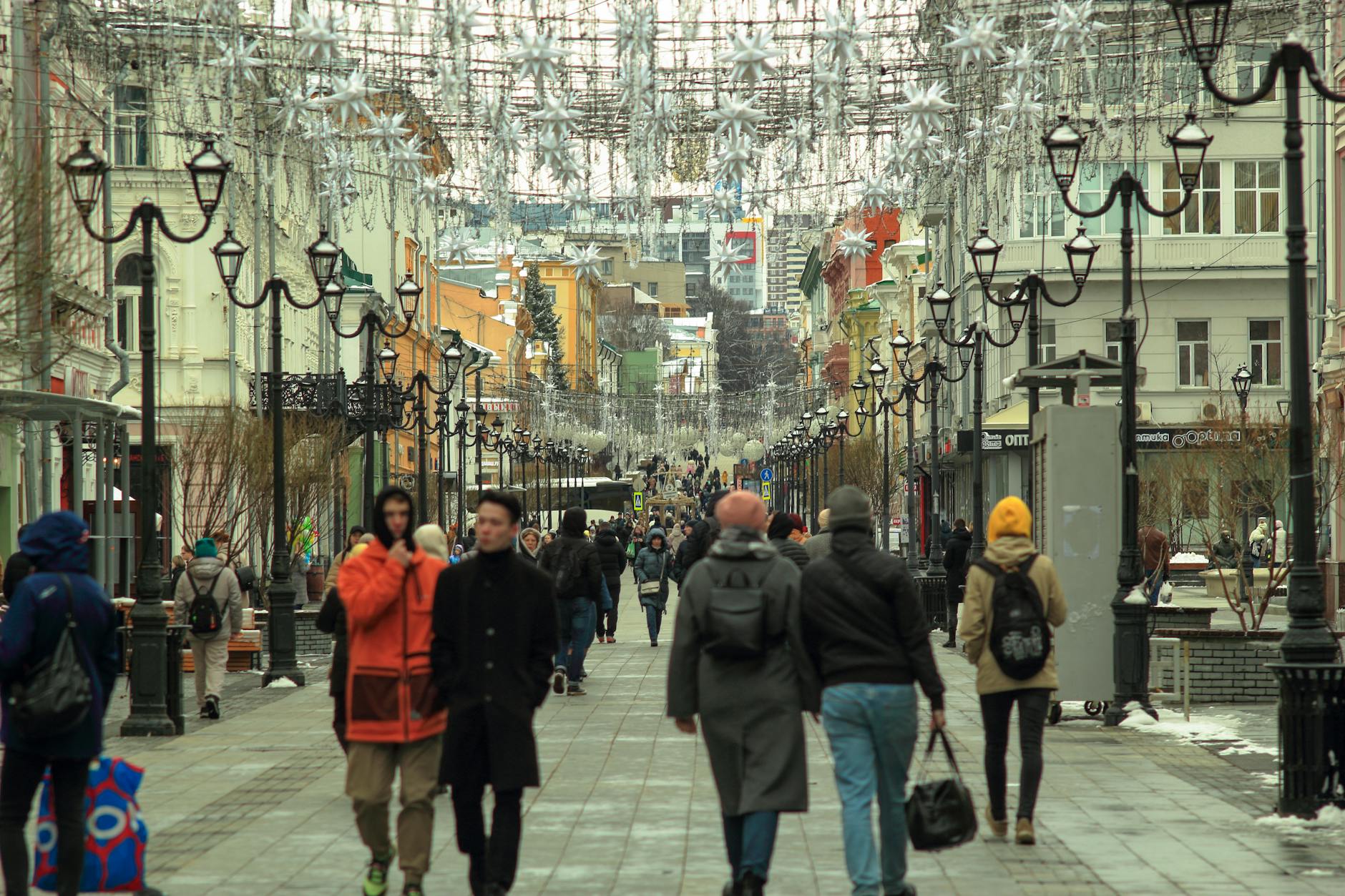
Walking is deeply ingrained in the daily routines of many Europeans, with urban planning often prioritizing pedestrian-friendly environments. Cities feature narrow, historic streets and well-maintained sidewalks that encourage locals and tourists to explore by foot.

In iconic cities like Paris, Amsterdam, and Copenhagen, walking is more than just a mode of transportation; it’s a way to immerse oneself in the local culture, enjoy bustling street life, and take in beautiful sights. Additionally, public policies that support pedestrian infrastructure make walking a convenient, healthy, and enjoyable choice for navigating urban areas. Many times, walking is the most efficient way to get from point A to point B.

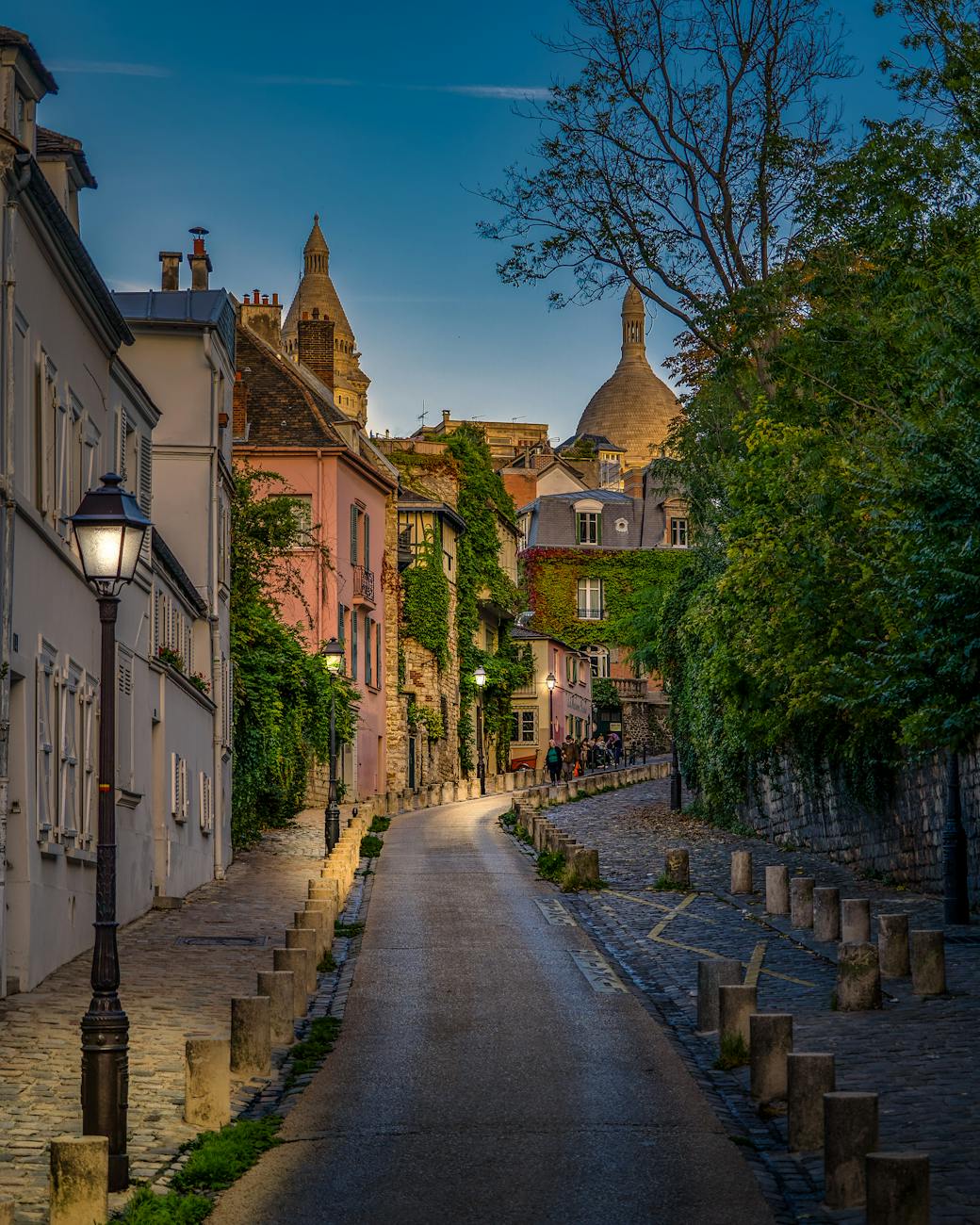
Photo by Evgeniy Kostyunin on Pexels.com

If you’re not used to walking a lot, exploring European cities can feel pretty overwhelming. For starters, you might find yourself covering much more ground on foot than you’re used to, which can be pretty tiring. The cobblestone streets, hills, and stairs in those charming historic areas can add to the challenge. Plus, locals tend to walk briskly and confidently, making it easy to feel a bit out of step. Navigating through bustling crowds, busy streets, and unfamiliar places takes a lot of energy and can be quite a shock if you’re more accustomed to driving everywhere.

So here are a few tips to get prepared. Ideally, you start about two months before your trip:

  • Walk with friends. Join a walking club or get together with friends who enjoy the outdoors.
  • Experienced walkers can offer valuable tips and motivation, like recommending the best shoes for comfort.
  • Pick up the pace and try different terrains. Cobblestones, potholes, uneven streets, and inclines are all very common in Europe.
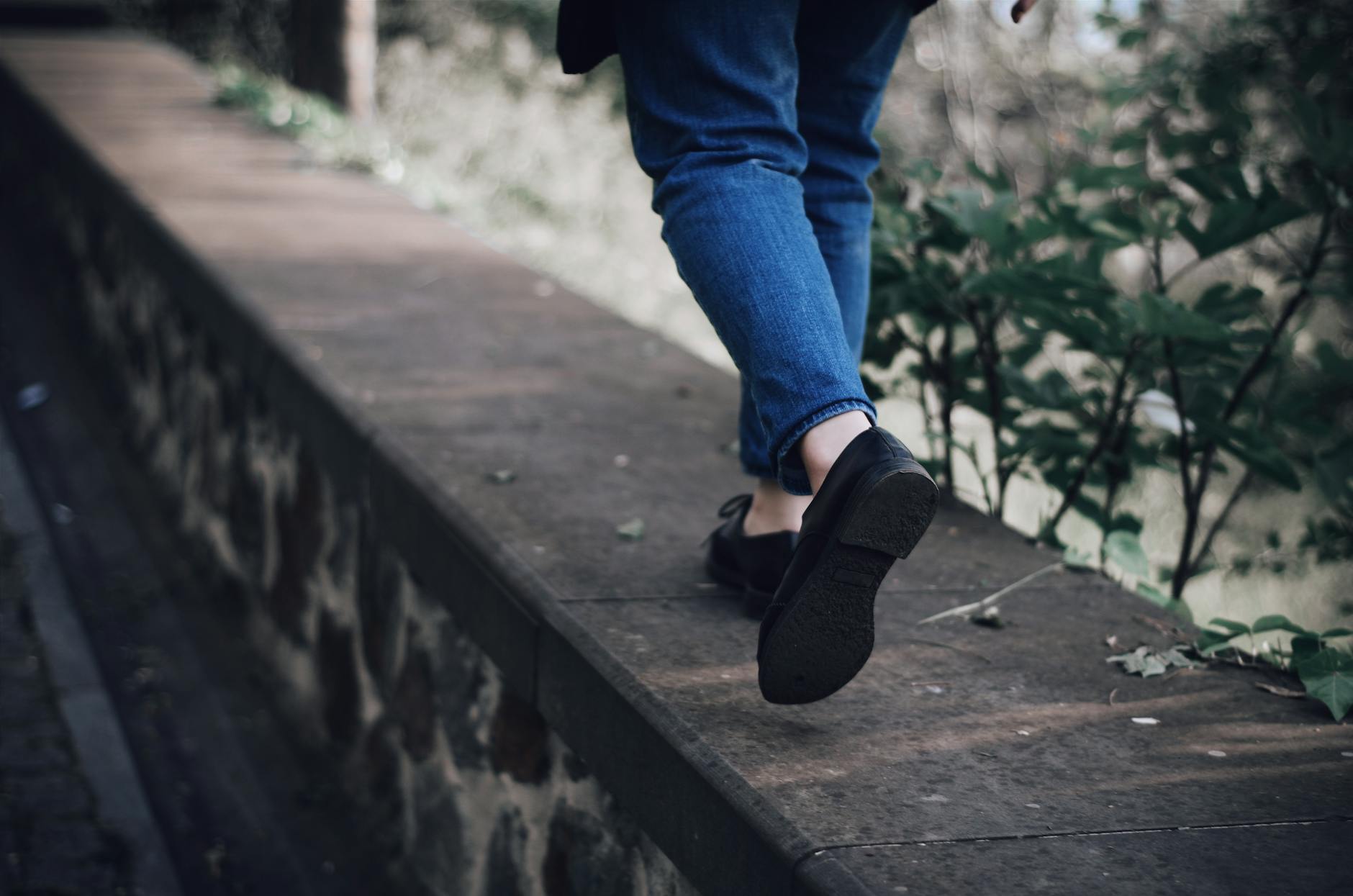
  • Invest in comfortable walking shoes or hiking boots, and don’t skimp on good-quality socks.
  • Consider the weather, too—a waterproof option is better for wet climates than mesh sneakers.
  • Remember to dress in layers. This helps regulate moisture and temperature; being outside more means a quick trip back for extra clothes might not be convenient.
Photo by Gu00fcl Iu015fu0131k on Pexels.com

Are you an avid walker and have some tips to share or gear to recommend? I would love to hear from you!

Reach out when you feel the itch to plan a European adventure, I’d love to help!

To start planning, contact us via email at info@aav-travel.com or visit the website.
Written by: Stefanie P.
A Visit to Barcelona

When my friend asked me late last year if I wanted to join her on a trip to Barcelona I did not hesitate. Not only had I been fascinated by the city I visited over 20 years ago for just one day, but also had I received more and more client requests for this area. Movies like Vicky Cristina Barcelona and the fact that Barcelona is a major departure port for Mediterranean cruises has increasingly put the city on a map. Trust me, the trip and city did not disappoint!

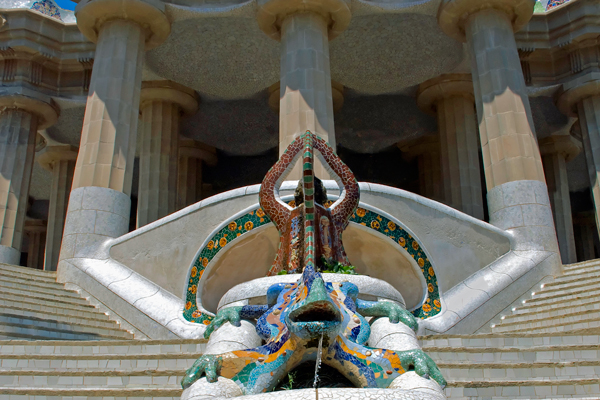
park guell barcelona aavtravelDespite it being early spring (mid-March) the temperatures were fairly comfortable and the weather quite good. Although it is considered off-season, the city was packed with tourists from Europe, particularly lots of student groups.

Barcelona has come a long way in its recent years. It is a very creative and passionate place. Despite its multicultural appearance few English is spoken and we found ourselves in quite a few funny situations.

One of the main challenges are the streets and numbers. Once you find your path thru the maze of streets and squares, success is not guaranteed, as house number do not follow any particular rule. Sometimes number 3 is next to number 550, and some buildings have no numbers at all. We quickly learnt that the key to success was knowing your cross streets.

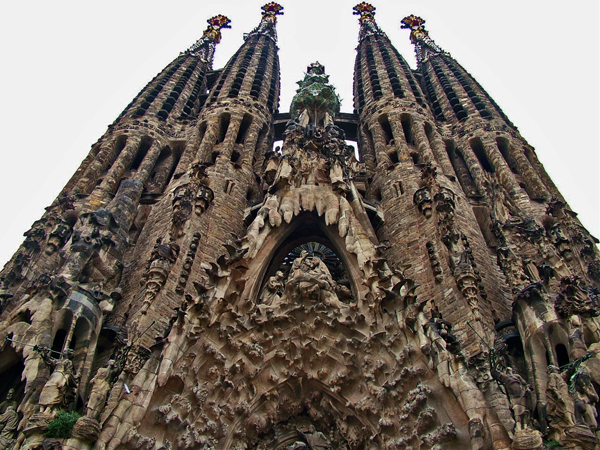
There are lots of things to see and do in Barcelona. The main attractions, e.g. Sagrada Familia, Balto House, Picasso museum, Guell Park can be visited in 1 to 2 days. Apart from these wonderful sites, Barcelona is famous for its phenomenal nightlife.

sagrada familia barcelona aavtravelTaking advantage of our jet lag (EST – 6 hours behind) it was easy for us to go to dinner at 9pm and then check out the different bars and locales. Some of the coolest things we did was eating Calçots at Can Xurrades and then strolling the Gracia neighborhood, famous for it bars and restaurants where you can find locals and expatriates mingle until the early morning. We also went to the Aire de Barcelona, an old restored Roman hammam (bathhouse) for a 10pm to midnight session. It was fairly strange to receive a 10pm massage and then soak in different baths until midnight. What was even weirder, is that some people came in at midnight and stayed until 2am. Another event not to miss is an evening of Flamenco, we were enchanted by the performers at Palau de Musica.

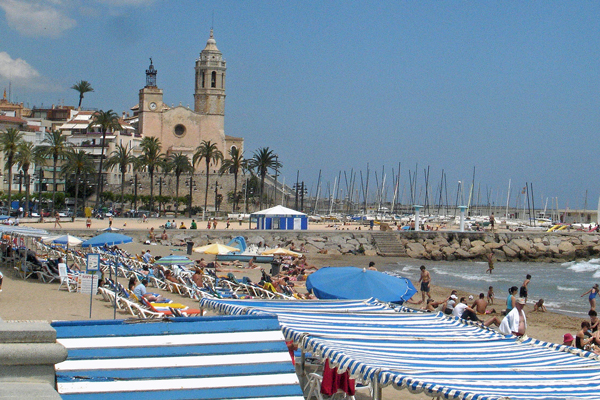
In addition to Barcelona itself there are a few easy day trips that you can do. My top would be Sitges. It is a small picturesque town along the coast which can be reached in about 30 minutes by train from Barcelona. Sitges is a very cute town with excellent shops and a very nice beachfront where you will find plenty of restaurants to sit outside and soak up the sun. Some of the best Paella is served at Cal Pinxo.
sitges barcelona aavtravelThere would be much more to tell but I think everybody should make their own experience. However, these are my main tips and conclusions:

  • Getting from the airport to town is easy and takes about 30 minutes. The cab is probably the most convenient way and at EUR 30 reasonably priced. Know where you go though as language can be an issue.
  • Cab fares are generally low and offer a great way to get around town particularly for shorter distances. The subway is EUR 2 per person/way and if you are only going 2 stops a cab for 2 is usually equal to that (EUR 4).
  • Study your map before you go and know where you want to go. It will come in handy.
  • Barcelona is generally safe, even at night. We walked around a lot, even late at night and had no issues. The only place I felt unsafe was walking the beach front between Hotel Arts and the W at night. Everybody will warn you about pick pocketing. Keep your purses close and make sure they are zipped close.
  • Try to get off the beaten tourist path. It is so worth it. Not only are you going to have much more fun (the Spanish are super friendly and fun) but you are also going to pay way less.
  • Spaniards are passionate. There is a lot of public display of affection.
  • Make friends with some English speaking locals and have them give you tips. Alberto Jimenez at the Mandarin Oriental and Jordi Baldó from the Soho Hotel both proved to be great resources.
  • Know your cross streets and do not rely on the cab driver to know your hotel and its location.
  • Try Cava. This Spanish sparkling wine is delicious, inexpensive and there are lots and lots of different brands to try.
  • It is not always easy to find “free wi-fi”. That being said, if you heavily rely on it, pick a hotel that offers wi-fi.

To start planning, contact us via email at info@aav-travel.com or visit the website.
Written by: Stefanie P.