
Before dinner comes the drink — and in Italy, this is more than just a ritual. It’s a treasured cultural tradition that dates back centuries. The Italian concept of aperitivo—literally meaning “to open”—is rooted in the idea of awakening the appetite with a light, often bittersweet drink. This custom gained momentum in late 18th-century Turin with the rise of vermouth, a delicately infused fortified wine that set the stage for the modern aperitivo. By the mid-19th century, cafés in northern Italy began pairing their cocktails with small savory bites called stuzzichini, teasing the palate and enriching the experience. What started as a fashionable trend evolved into a national tradition, embracing not only flavor but the joy of coming together.

Knowing how to “do” aperitivo properly can elevate your travel experience. Unlike the discounted drink specials familiar in North America, Italy’s version of happy hour is an elegant affair where your beverage often includes a thoughtfully prepared spread of snacks—sometimes modest, sometimes generous enough to be called apericena, a hybrid of aperitivo and dinner. You might pay a bit more for your glass of Prosecco or your spritz in a city like Rome, but that price includes the pleasure of grazing on regional delicacies and soaking in the atmosphere. Whether you choose a bold Negroni, a bubbly Prosecco, or a crisp Italian craft beer, what matters most is how you enjoy it: unhurried, in good company, and just before dinner—often beginning around 7 or 8 PM.

As the Italian sun stretches into the evening, the aperitivo reaches its peak. Especially in summer, outdoor terraces and piazzas come to life. Locals and travelers alike gather under golden skies, catching up on the day and relishing the simple act of being together. It’s this unspoken art of connection that defines the aperitivo—an essential thread in the tapestry of Italian life. Though the drinks and snacks may vary by region, the spirit remains the same: convivial, relaxed, and deliciously communal.
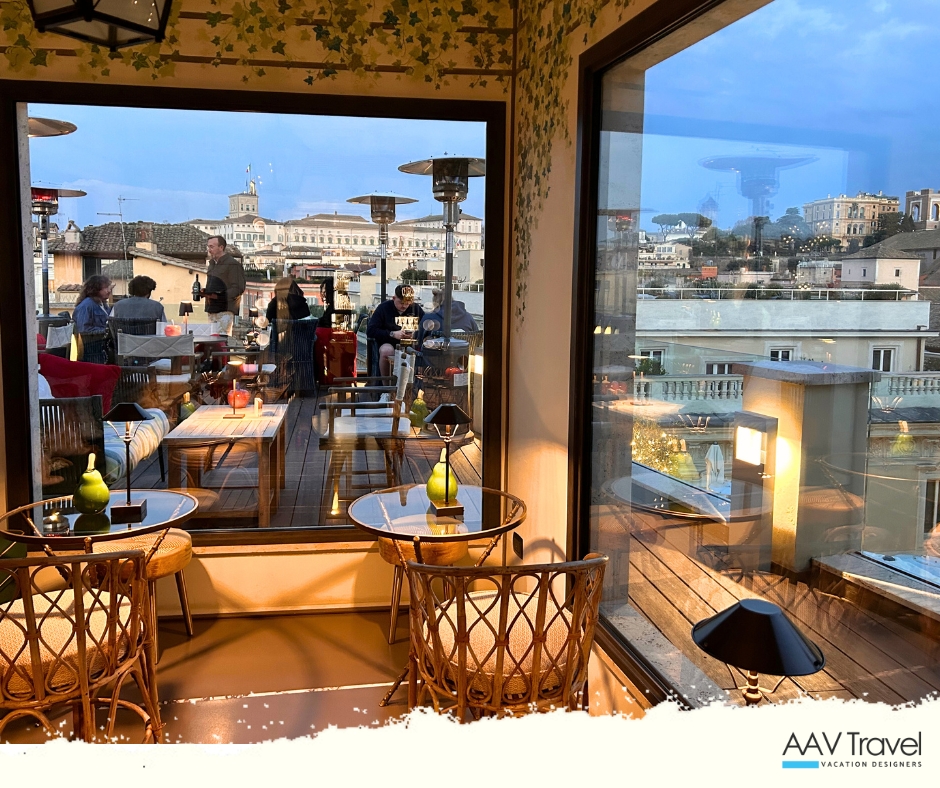
My evening aperitivo at the Singer Palace rooftop terrace remains one of my most treasured Roman memories. I had the pleasure of being invited by Michela Mola, who welcomed me warmly and joined me on the rooftop as the golden hour bathed the Eternal City in a soft, amber glow. From our vantage point above a tapestry of terracotta rooftops and Renaissance domes, the waiter brought over a perfectly prepared Spritz, paired with a tray of local delicacies—tempura vegetables, olives, and chips. As we sipped and admired the view, Michela shared the captivating history of the building and the unique vision behind Singer Palace’s family-run philosophy. Her insight brought the hotel’s character to life, revealing just how much care and thought go into each guest experience. Following our aperitivo, she kindly gave me a personal tour of several rooms—each exquisitely designed, with its own distinct charm. That evening, as the sun slipped below the skyline, I raised my glass in quiet celebration of the Italian art of slowing down, connecting meaningfully, and savoring beauty in both place and people.
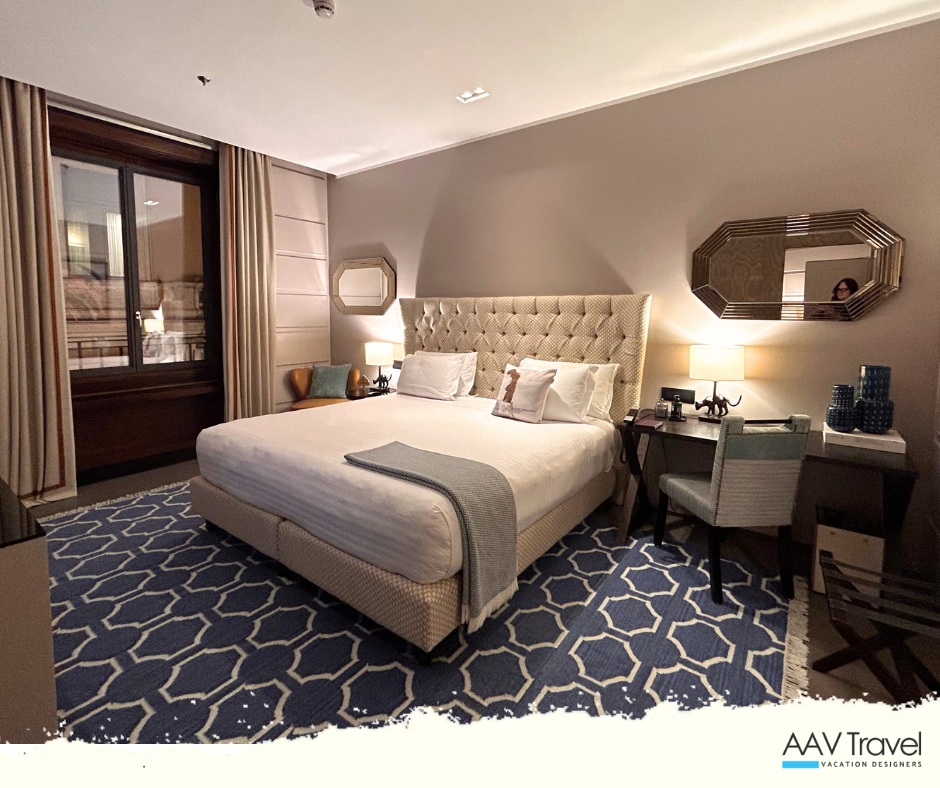
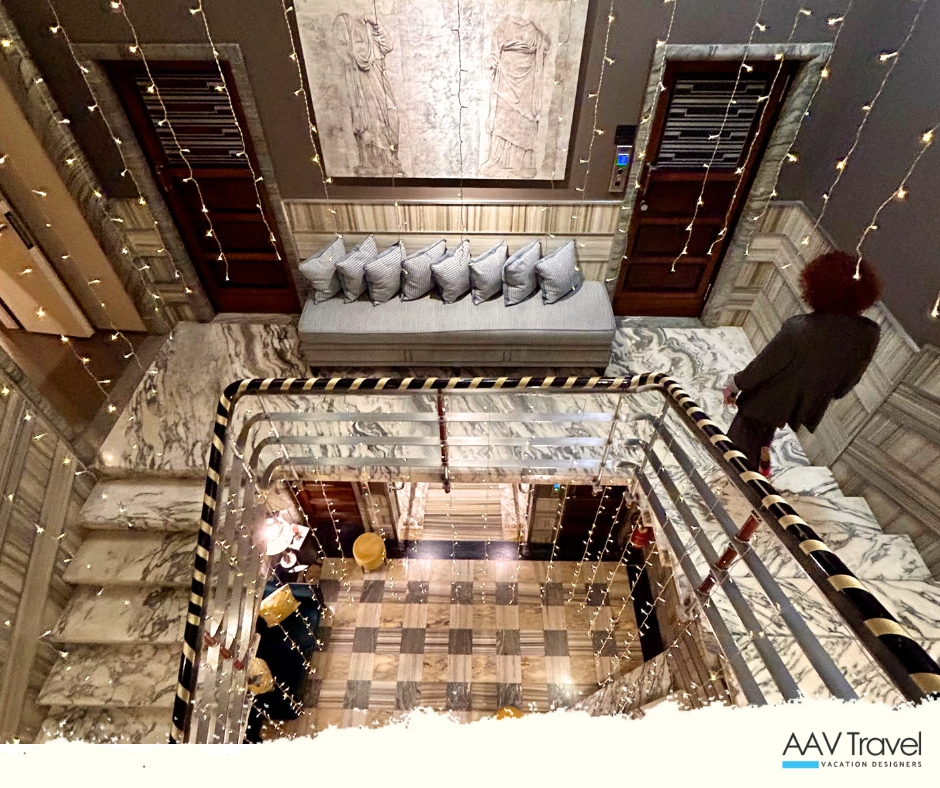
For those in the know, the Singer Palace Hotel is a Roman gem that blends refined luxury with the warmth of a privately owned residence. Tucked away just off Via del Corso—within easy reach of the Pantheon and Trevi Fountain—this discreet address occupies a beautifully preserved 20th-century building that once housed the Italian headquarters of the famed Singer sewing machine company. Today, it’s a meticulously restored haven that remains under the stewardship of the Visocchi family, a detail that ensures an exceptional level of service, attention to detail, and genuine hospitality rarely found in larger hotels. With just 30 elegantly appointed rooms and suites, Singer Palace offers an understated kind of opulence—think Carrara marble, hand-selected furnishings, and bespoke Italian craftsmanship. It’s the kind of place whispered about among seasoned travelers, where heritage meets modern comfort, and where aperitivo hour is best savored on the rooftop, gazing out over Rome’s storied skyline.
Whether you’re exploring Rome for the first time or returning for the tenth, an aperitivo at the Singer Palace rooftop is a must—a graceful pause in the day, served with elegance and heart.
When you let a luxury travel advisor at AAV Travel plan your visit to Rome, you gain access to far more than just hotel bookings and sightseeing suggestions—you benefit from deeply personal, firsthand experience. With extensive on-the-ground knowledge of the city’s finest boutique hotels, hidden-gem trattorias, private guides, and off-the-beaten-path moments, your advisor ensures your Roman holiday feels effortless, immersive, and truly tailored to you. Whether it’s securing a table at a rooftop restaurant with sunset views, arranging VIP access to the Vatican before the crowds arrive, or handpicking a hotel like Singer Palace that matches your style and pace, AAV Travel brings insider insight and white-glove service to every detail—so all you have to do is relax and soak up la dolce vita.
Written by: Stefanie P.
To start planning, contact us via email at info@aav-travel.com or visit the website.






 AAV Explorations