Experiential Luxury Travel: Supporting Endangered Crafts and Cultural Heritage Around the World

In an increasingly globalized world, many traditional crafts—once vital to a community’s economy and identity—are quietly vanishing. Centuries-old techniques are being lost as younger generations turn toward urban careers, cheaper manufacturing takes over, and consumer demand shifts toward fast, mass-produced goods. Yet these crafts hold the stories of a people, a place, and a time-honored way of life. For luxury travelers seeking deeper meaning and authentic cultural connection, experiencing and supporting these endangered crafts offers more than just a souvenir—it’s an opportunity to engage with living heritage and leave a positive footprint.

Korea | Hanji: The Art of Handmade Paper

Korean artisan demonstrating traditional hanji paper-making techniques using mulberry bark fibers—an endangered heritage craft preserved through workshops and cultural tourism in Korea.

Korean hanji, crafted from the inner bark of mulberry trees, is celebrated for its strength, beauty, and longevity. Historically used for everything from official documents to window coverings and sacred texts, hanji represents both artistry and practicality. Today, this delicate craft faces extinction as industrial paper dominates the market and traditional skills fade with retiring artisans.

For travelers eager to engage, several hanji workshops in Seoul, Jeonju, and Andong offer immersive, hands-on experiences. Whether learning to create textured stationery, folding lamps, or even crafting small furniture, visitors can support local artisans by purchasing directly from them. Opt for certified, handmade hanji products and consider attending a workshop where your participation helps keep the tradition alive.

Scotland | Harris Tweed: Woven by Hand, Protected by Law

Weaver in the Outer Hebrides, Scotland, working on a traditional loom to create authentic Harris Tweed fabric—an iconic, handwoven textile protected by law and supported through responsible luxury travel experiences.

Harris Tweed is not just fabric; it’s a legally protected cultural artifact. Handwoven by islanders in the Outer Hebrides of Scotland, this woolen cloth has clothed royals and fashion icons for decades. The intricate weaving process and the island’s rugged climate give each piece a distinctive character. However, the craft faces challenges: an aging weaver population and competition from mass-produced fabrics threaten its future.

Visitors can explore weaving sheds, meet artisans, and even take mini weaving workshops. Buying directly from official Harris Tweed makers ensures your purchase adheres to quality standards and directly supports the island economy. Look for the official Harris Tweed Orb trademark—your guarantee that the cloth was woven by hand in the Outer Hebrides.

Venice | Murano Glass: Centuries of Fire and Artistry

Master glassblower in Murano, Venice, shaping vibrant, molten glass into intricate designs—preserving a centuries-old Venetian craft threatened by cheap imports and rising production costs.

For more than 700 years, the island of Murano has been synonymous with exquisite glassmaking. From delicate chandeliers to intricate millefiori beads, Murano artisans have passed their skills down through generations. But today, rising energy costs, cheap imports, and a dwindling pool of apprentices are putting this iconic craft at risk.

To support the genuine artisans, book private demonstrations at established studios where you can witness masters at work and even try glassblowing yourself. Be wary of cheap “Murano-style” glass sold in tourist shops. Instead, choose galleries and boutiques that showcase certified works, often accompanied by a certificate of authenticity.

France | Le Puy Lace: Threads of French Elegance

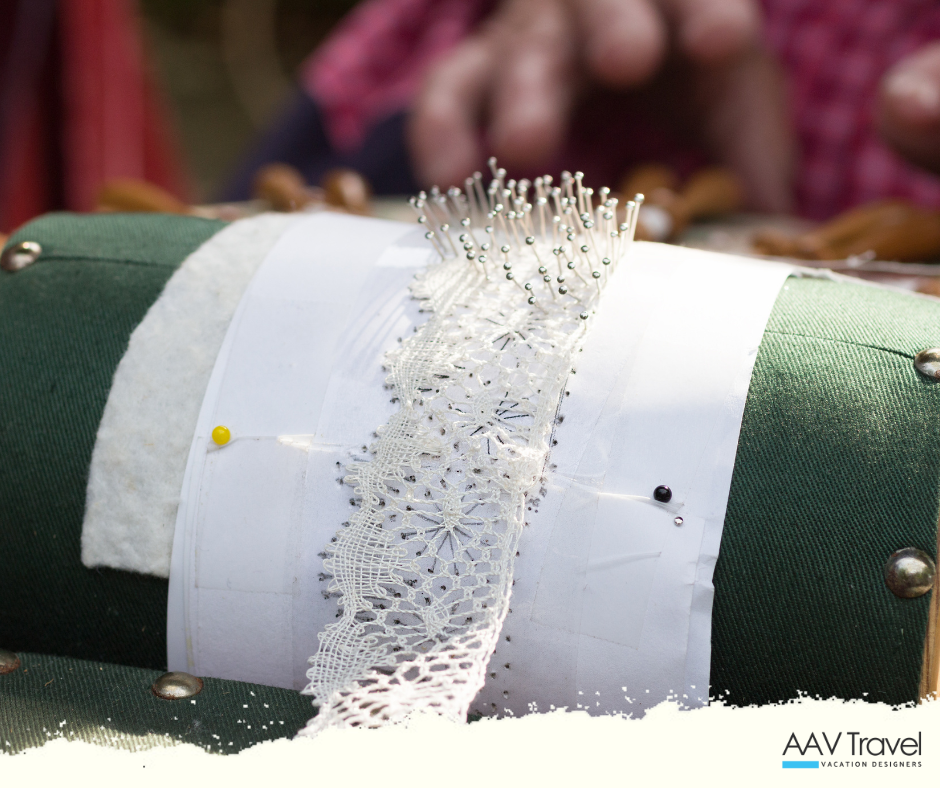
Lacemaker in Le Puy-en-Velay, France, skillfully using bobbins and threads to create intricate handmade lace patterns—an endangered French textile tradition supported by cultural tourism and artisan workshops

In the small town of Le Puy-en-Velay, France, lacemaking is a delicate dance of hands and bobbins. Known for its intricate patterns and light, airy designs, Le Puy lace was once coveted by European nobility. Today, mechanized production and limited demand for hand-stitched lace threaten the survival of this art.

For a meaningful encounter, visit the Lace Center (Centre d’Enseignement de la Dentelle) in Le Puy where artisans demonstrate traditional techniques. Small group workshops let visitors try their hand at lace-making, and the boutique offers authentic pieces perfect for heirloom keepsakes. By purchasing directly from the center or from certified artisans, you help sustain this fragile tradition.

Turkey | Iznik Pottery: Ottoman Colors in Ceramic Form

Turkish ceramic artist painting traditional Ottoman floral patterns onto Iznik pottery.

Iznik pottery, with its luminous white glaze and rich blue-and-red floral motifs, graced Ottoman palaces and mosques for centuries. The techniques used—multiple firings and natural pigments—require time, patience, and great skill. Sadly, the craft declined for nearly 300 years and only experienced a revival in the late 20th century. Even now, few workshops continue the painstaking process.

In Iznik and Istanbul, travelers can visit studios where artists explain the chemistry behind the colors and allow guests to paint their own tiles. Supporting workshops committed to traditional methods—rather than mass-produced imitations—ensures that your purchase supports true artisanship. Always ask about the production process when shopping for Iznik pieces.

Spain | Esparto Grass Weaving: Rustic Mediterranean Charm

Artisan in Andalusia, Spain, hand-weaving traditional esparto grass into baskets and home décor—an endangered Mediterranean craft preserved through sustainable tourism and cultural workshops.

Esparto grass weaving, a craft deeply rooted in rural Spain (especially Andalusia and Murcia), has long been used to make baskets, mats, and even architectural elements like doors and walls. As synthetic materials and modern manufacturing took hold, demand for esparto goods dwindled, and with it, the number of skilled weavers.

Travelers can take part in community-led workshops where elderly artisans share their knowledge. Purchasing handwoven baskets, wall decor, or even contemporary design pieces directly from these artisans ensures your support goes where it’s needed most. Look for collectives that are part of regional heritage preservation initiatives for authentic, ethically made items.

Travel Deeper: Authentic Cultural Experiences and Artisan Connections—Curated by AAV Travel

Traditional craft workshop, a authentic and enriching experience for the whole family.

At AAV Travel, we don’t just book trips—we craft meaningful journeys that immerse you in the heart of a destination’s living culture. When you partner with us, you gain access to trusted local artisans, private studio visits, authentic workshops, and ethically curated shopping experiences. We work closely with our ground partners to ensure your cultural encounters are respectful, responsible, and unforgettable—allowing you to bring home more than just beautiful objects, but stories that sustain both heritage and hope for the future.

At AAV Travel, we believe in the power of slow and sustainable travel. Rather than rushing from one landmark to the next or simply checking destinations off a list, we encourage our travelers to approach each journey with curiosity and intention. Taking the time to connect with local people, understand their traditions, and experience the craftsmanship that has shaped their communities adds a depth and richness that no checklist can offer. It’s about meaningful moments—learning how a piece of Harris Tweed comes to life on a loom, shaping your own hanji paper, or hearing the stories behind Murano’s glass furnaces. These immersive experiences not only create lasting memories but also contribute to the preservation of cultural heritage for generations to come.

Written by: Stefanie P.
To start planning, contact us via email at info@aav-travel.com or visit the website.

Luxury City Escapes Without the Crowds: Where to Stay Just Outside Europe’s Most Beloved Cities

Europe’s most iconic cities—Paris, Rome, Barcelona, Porto—continue to inspire wanderlust across generations. Yet, in recent years, these same places have also become symbols of overtourism. Long queues, congested streets, rising hotel prices, and growing resistance from locals are changing the way many travelers wish to experience their favorite destinations. For those in search of rich cultural experiences minus the pressure of the crowds, the solution might not be avoiding cities altogether, but simply reimagining how to stay in them.

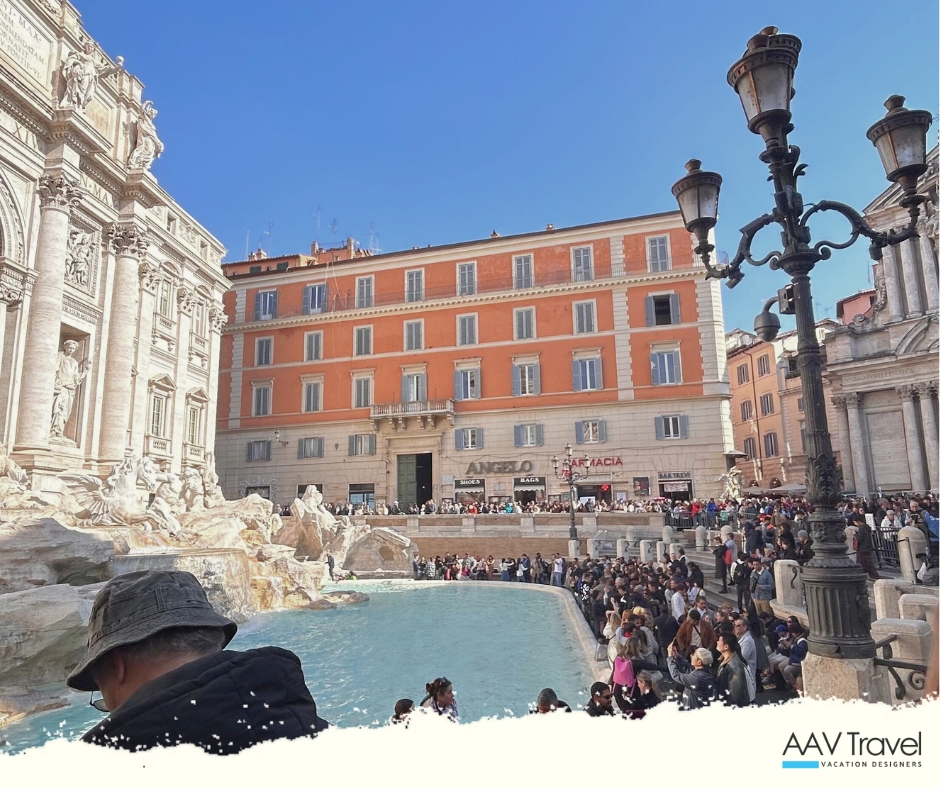
Fontana di Trevi Rome picture by AAV Travel

More and more, communities in major European cities are pushing back against high visitor volumes. This isn’t about being unwelcoming—quite the contrary. Locals are fighting to preserve the authenticity, pace, and soul of their neighborhoods. From limiting short-term rentals to controlling access to certain hotspots, these actions are a reminder that tourism should be a two-way relationship—one that respects the local rhythm and infrastructure.

But if you love the energy of a great city, don’t worry: you can still enjoy it—just a little differently. By choosing to stay on the outskirts or just outside the city center, you’ll discover a more relaxed, luxurious, and immersive experience—one that combines proximity with peace, and connection with comfort.

Here are two examples of exceptional properties that offer the best of both worlds:

Nighttime scene of a bustling outdoor cafe with patrons seated under large umbrellas, surrounded by historic buildings in a European city.

La Réserve Geneva – Urban Elegance on the Lake

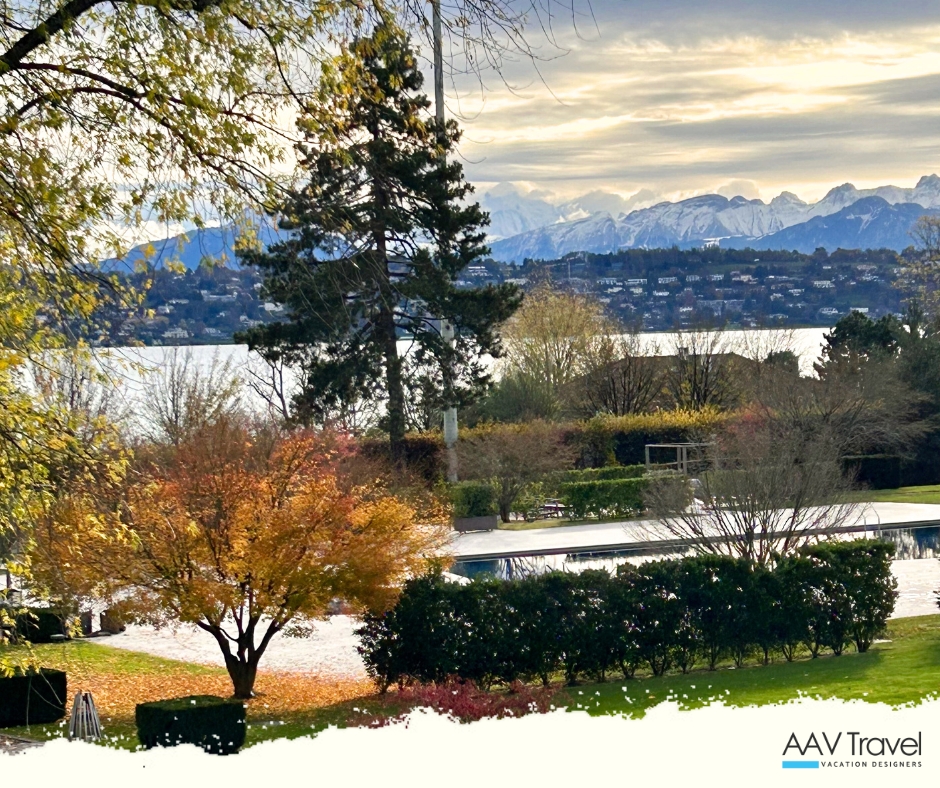
Scenic view of Lake Geneva framed by autumn trees, featuring mountains in the background and a tranquil outdoor pool in the foreground.

Tucked into a lush 10-acre park on the shores of Lake Geneva, La Réserve Geneva is an oasis just minutes from the city. This refined lakeside retreat offers a resort-like experience without sacrificing easy access to Geneva’s cultural pulse. During the summer, a complimentary private boat whisks guests across the lake directly into the city center, while a nearby train station provides swift connections to the city, the airport, and beyond.

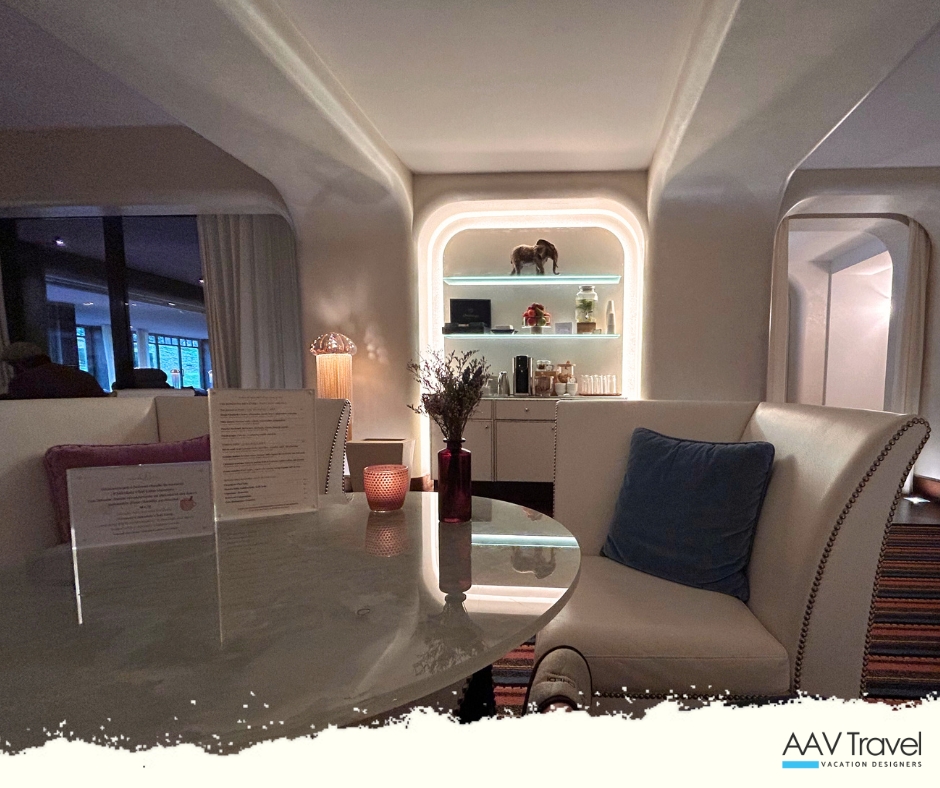
A cozy, elegant interior of a hotel spa, featuring a round table with a textured surface, stylish seating, and soft lighting. A vase of dried flowers and a lit candle add a warm ambiance, while shelves in the background display decorative items.

What makes La Réserve truly special, however, is the lifestyle it fosters. The property is home to one of Switzerland’s most renowned spas, offering Nescens treatments focused on longevity and well-being. Daily fitness classes—from yoga to water workouts—are included in your stay, encouraging you to slow down and restore, not just explore.

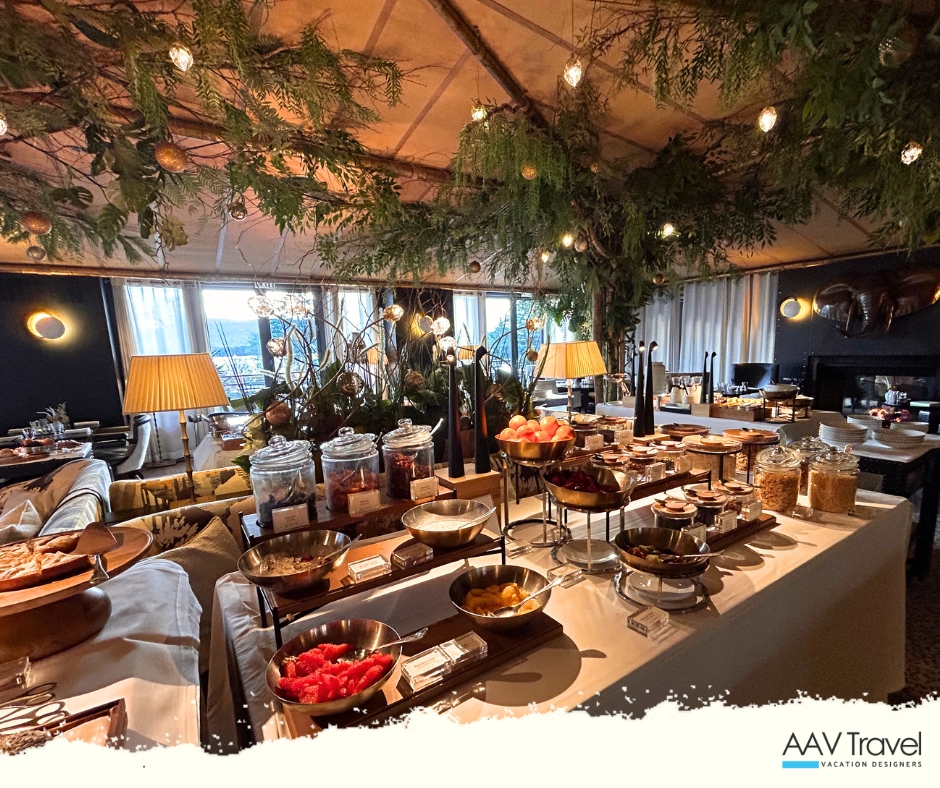
A beautifully decorated dining area featuring a variety of breakfast options, including fruit, pastries, and snacks. The atmosphere is enhanced by greenery and elegant lighting, creating a cozy and inviting setting.

Beloved by Geneva locals, La Réserve feels more like a members-only club than a traditional hotel. Whether you’re lounging by the outdoor pool, enjoying a quiet moment in the spa, or dining in one of its elegant restaurants, the ambiance is relaxed and residential. It’s an ideal choice for travelers who want to feel like they belong—rather than just visit.

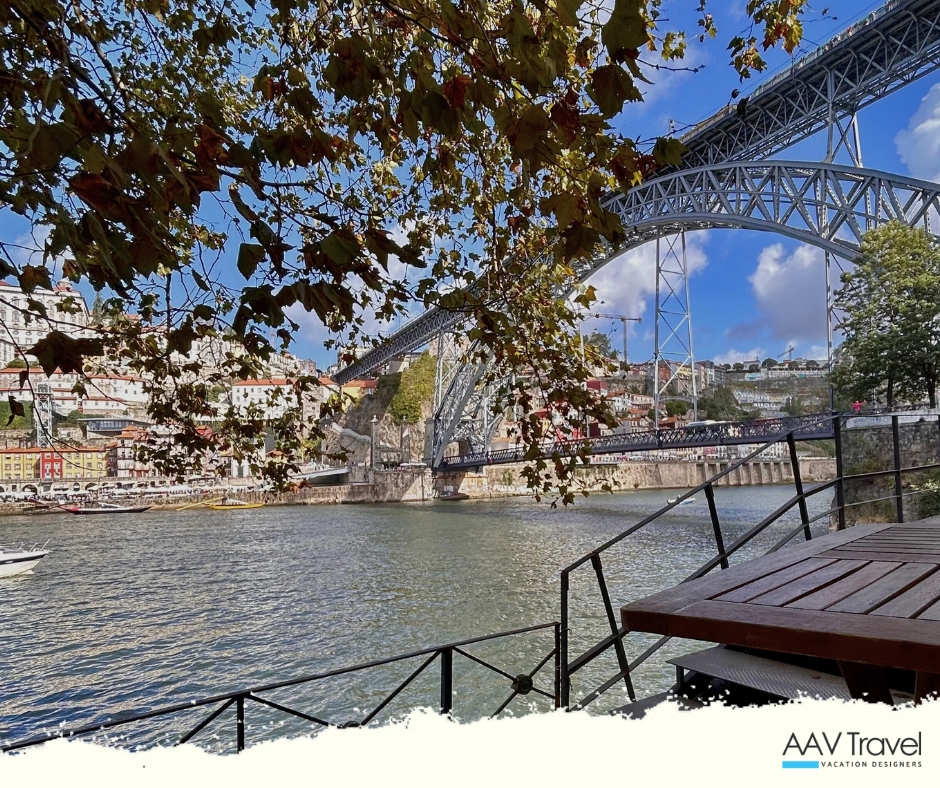
View of the Douro River with a rustic wooden table in the foreground, framed by autumn leaves, showcasing the iconic Dom Luís I Bridge in Porto, Portugal in the background.

The Vinha Boutique Hotel – Riverside Luxury Near Porto

Exterior view of a vibrant red building with multiple windows and balconies, surrounded by lush greenery.

Situated along the scenic banks of the Douro River, just outside the heart of Porto, The Vinha Boutique Hotel offers a serene and stylish escape for those wanting proximity to the city without the crowds. With its striking architecture, lush gardens, and privileged riverside setting, the hotel feels worlds away—yet remains easily connected thanks to its private boat service, which glides guests straight into Porto’s historic core during warm weather months.

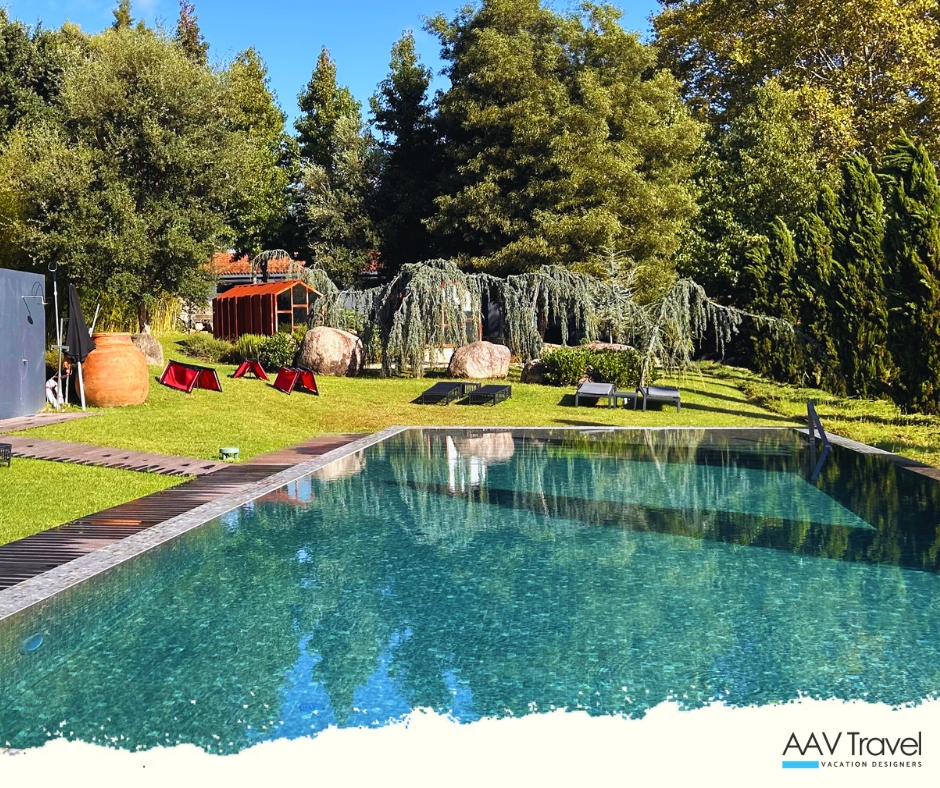
A serene outdoor pool situated in La Vinha's lush garden, surrounded by trees and a few lounge chairs, offering a tranquil escape.

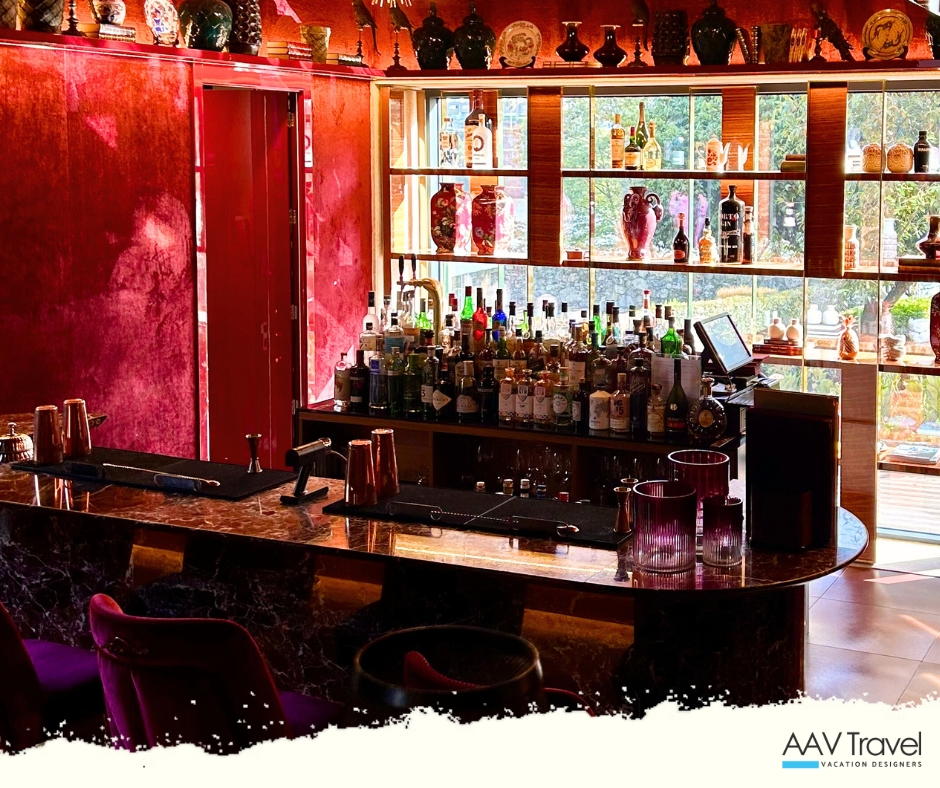
This intimate luxury property is designed for rest and indulgence. Guests can unwind by the picturesque outdoor pool with river views, rejuvenate at the elegant spa, or savor a gastronomic journey at the hotel’s Michelin-starred restaurant. Every detail—from the artfully curated interiors to the attentive service—reflects a refined, boutique approach to hospitality.

Despite its calm setting, The Vinha Boutique Hotel provides quick access to the city’s cultural treasures, while also appealing to locals looking for an exclusive, peaceful retreat. It’s a wonderful choice for travelers seeking a more immersive, unhurried way to experience Porto.

Crafting Your Ideal Escape with AAV Travel

Choosing where you stay can dramatically change how you experience a destination. With AAV Travel, you gain more than just reservations—you gain an advocate who understands how to match your pace, preferences, and personality with the right place.

Whether you’re dreaming of a quiet morning paddle across Lake Geneva or a sunset toast overlooking the Douro, we’ll help you design a city experience that’s refreshingly crowd-free—but never lacking in vibrance. From spa appointments to boat transfers, private tours to curated dining, every detail is hand-picked with care.

Let us show you how to experience Europe’s most celebrated cities in a new, more meaningful way—luxury without compromise, and connection without chaos.

Written by: Stefanie P.
To start planning, contact us via email at info@aav-travel.com or visit the website.

Why Traveling Off-Season to Liguria is a Smart Choice: A Luxury Travel Advisor’s Guide to Cinque Terre and Portofino

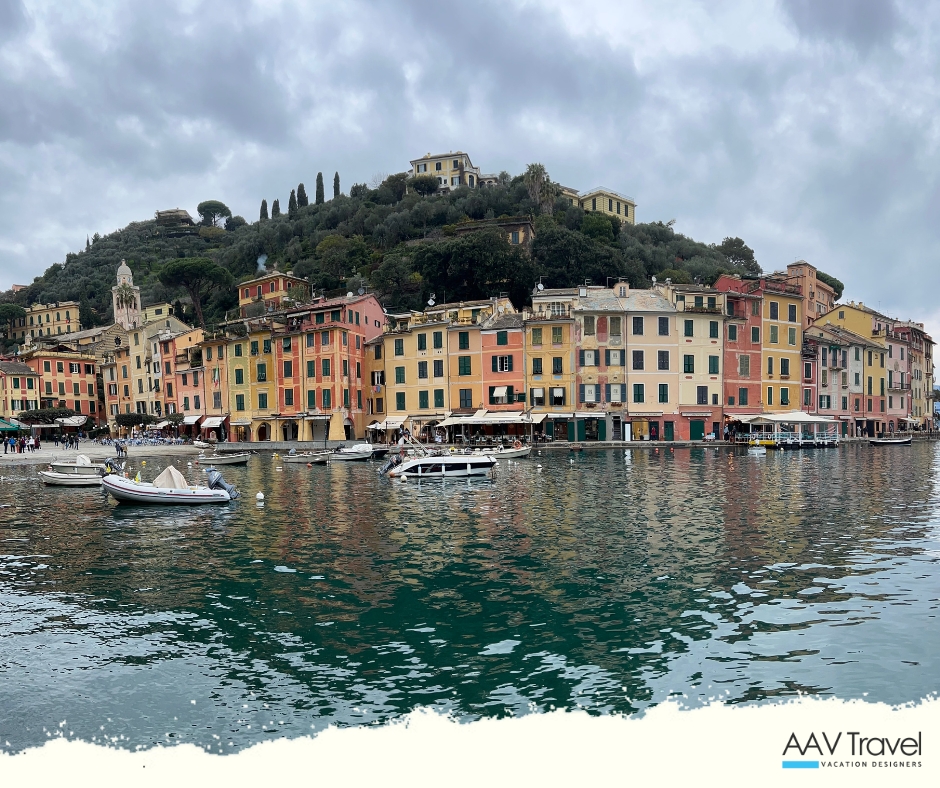
There’s something undeniably magical about Liguria—the dramatic cliffs plunging into the turquoise Ligurian Sea, the pastel-colored villages of Cinque Terre, and the timeless elegance of the Portofino Coast. While most travelers flock here in the summer, a growing number of discerning visitors are discovering the advantages of off-season travel.

But is it the right choice for you? As a luxury travel advisor, I help my clients weigh the benefits and drawbacks to craft the perfect itinerary. Let’s explore what off-season travel to Liguria really means.

The Advantages of Off-Season Travel

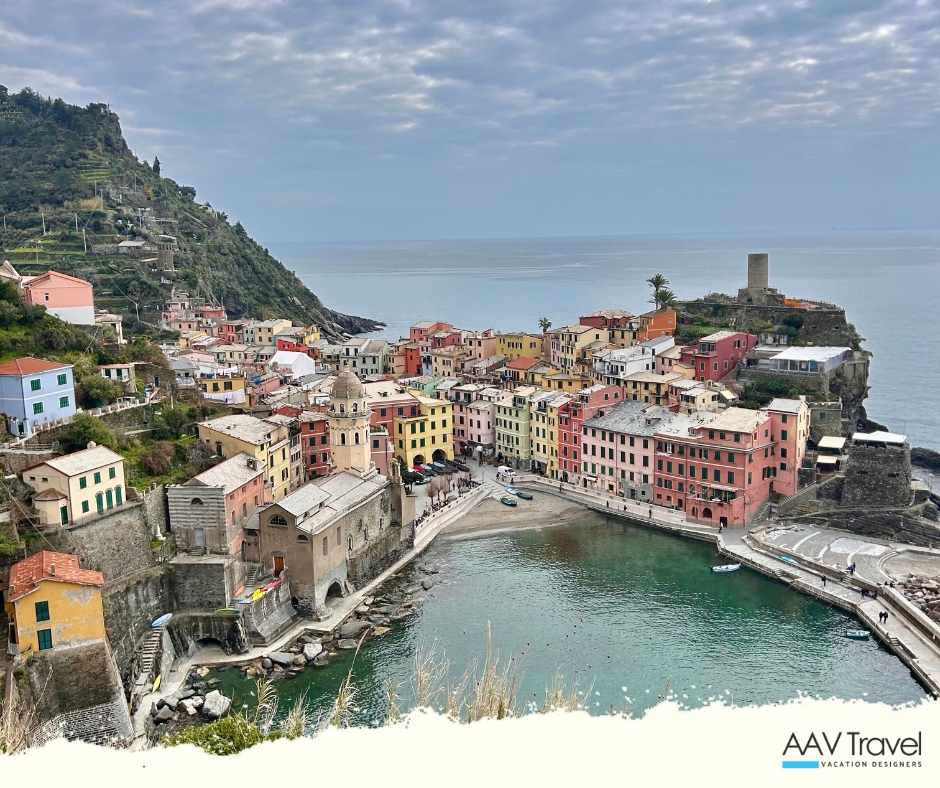
  • Fewer Crowds, More Serenity: One of the greatest pleasures of visiting Liguria in the off-season (late fall to early spring) is the tranquility. Gone are the cruise ship crowds and day-trippers that can overwhelm Cinque Terre in peak season. You’ll have the picturesque streets of Vernazza, Manarola, and Riomaggiore almost to yourself, making for a more intimate and authentic experience.
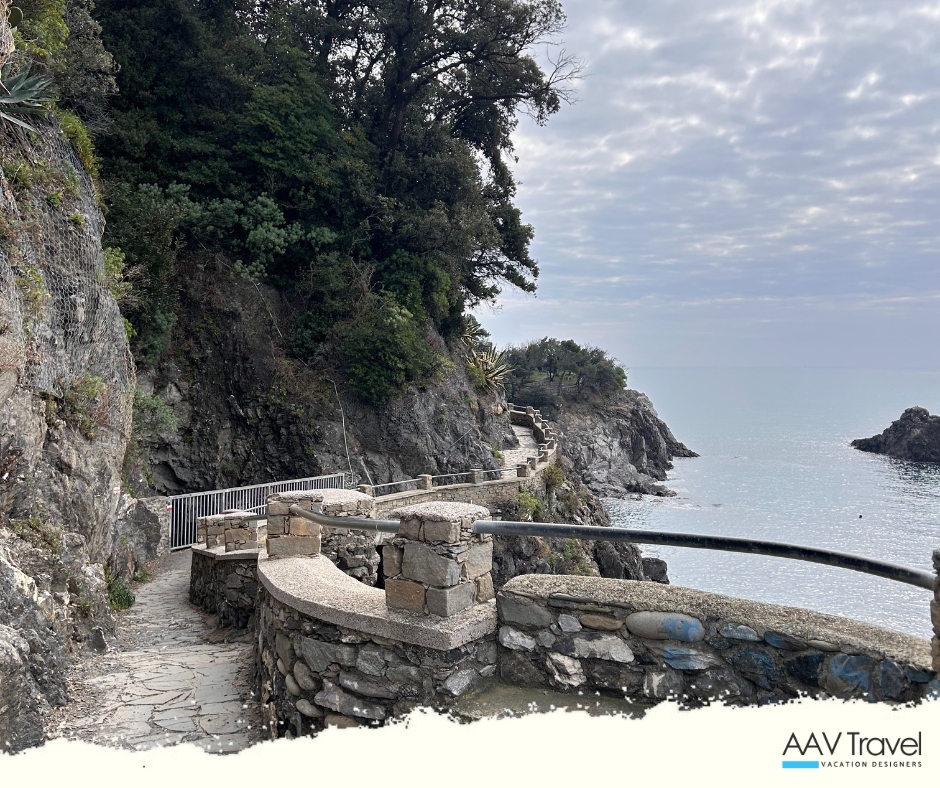
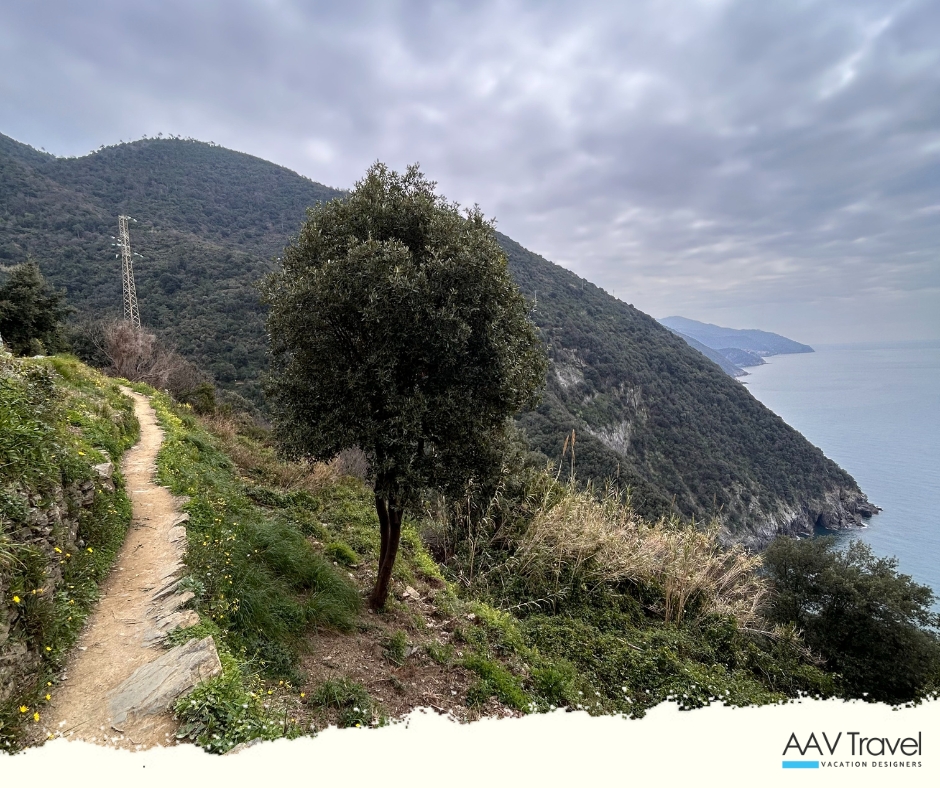
  • Milder Temperatures: Summer in Liguria can be sweltering, with temperatures often exceeding 85°F (30°C). In contrast, the off-season brings crisp air and pleasant daytime temperatures, usually ranging between 50–65°F (10–18°C). This makes it ideal for hiking the famed Sentiero Azzurro trails or strolling through the quaint fishing villages without breaking a sweat.
  • More Affordable Luxury: With fewer tourists, many luxury hotels in Portofino, Santa Margherita Ligure, and Monterosso al Mare offer lower rates, allowing you to enjoy high-end accommodations at a fraction of peak-season prices. Some boutique properties even offer exclusive experiences in the off-season, such as private wine tastings or chef-led cooking classes.
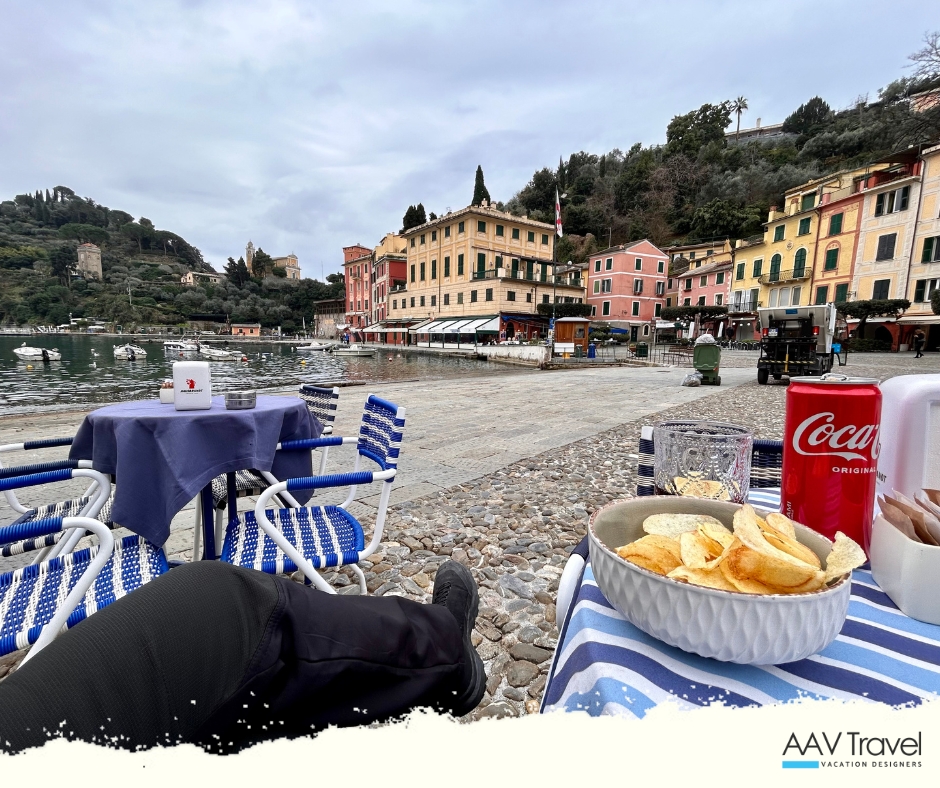
  • A more local Experience: Without the seasonal tourist influx, Liguria’s coastal villages return to their natural rhythm. You’ll see fishermen repairing their nets, locals enjoying their morning espresso, and shop owners with more time to chat. It’s a chance to experience the region as it truly is, rather than as a backdrop for mass tourism.

The Disadvantages of Off-Season Travel

  • Limited Ferry Service: One of the biggest drawbacks is the reduced (or nonexistent) ferry service between Cinque Terre’s villages and the Portofino Coast. In peak season, ferries make it easy to hop between charming seaside towns. But in winter, you’ll need to rely on trains and taxis, which can be less convenient—especially if you’re dreaming of those iconic sea views.
  • Many Restaurants and Shops Close for the Season: While larger towns like La Spezia and Genoa remain lively, smaller villages see many restaurants, gelaterias, and boutiques shuttered until spring. That charming seaside trattoria you saw on Instagram? It might be closed in January. However, a seasoned travel advisor can recommend the best year-round spots, ensuring you still experience Liguria’s renowned cuisine.
  • Unpredictable Weather: While off-season temperatures are comfortable, the weather can be unpredictable. November and December tend to bring rain, and while sunny winter days are glorious, you might also encounter strong coastal winds or rough seas. If your dream is a sun-drenched Italian escape, off-season travel might not be the best fit.

How AAV Travel can help:

Off-season travel to Liguria is all about balance—knowing where to go, what’s open, and how to navigate the region smoothly. This is where expert planning makes all the difference.

At AAV Travel, we can:

  • Identify the best hotels offering off-season perks
  • Arrange private transfers to replace missing ferry routes
  • Secure reservations at top restaurants that remain open
  • Design a seamless itinerary that maximizes your experience

Off-season travel isn’t for everyone, but for those seeking a quieter, more immersive Ligurian escape, it can be a dream come true. It’s particularly well-suited for active travelers who prioritize nature and the outdoors—think breathtaking coastal hikes, scenic photography, and tranquil seaside walks—over shopping and fine dining. If you’re drawn to Liguria’s natural beauty and prefer exploring without the crowds, the off-season might be the perfect time for your visit. And with expert planning, you won’t have to worry about logistics—we’ll ensure your itinerary maximizes every moment, no matter the season.

Reach out when you are ready to start planning your off-season trip!

To start planning, contact us via email at info@aav-travel.com or visit the website.
Written by: Stefanie P.
How Many Days for the Perfect Bucket List Vacation?

The COVID-19 pandemic profoundly impacted how we view life, travel, and our priorities. After years of restrictions and uncertainties, many people are rethinking how they spend their time and money, leading to a surge in bucket list travel. Travelers are not just dreaming about their ideal adventures anymore—they’re planning them with urgency and a desire to experience as much as possible in shorter timeframes. Here’s a closer look at this trend and its implications for travel planning.

The Shift in Travel Priorities

Before the pandemic, many travelers adopted a “someday” approach to their dream trips, waiting for the “perfect” time. However, the global pause on travel and the stark reminder of life’s unpredictability have fueled a “now or never” mindset. People are no longer content to wait; they want to explore the world while they can, resulting in a significant rise in bucket list travel.

Studies and surveys highlight this shift:

  • According to a 2023 Expedia survey, 71% of travelers reported a desire to take at least one “once-in-a-lifetime” trip within the next two years.
  • A survey by American Express Travel found that 62% of respondents are more interested in unique, dream destinations than they were pre-pandemic.
  • Skyscanner’s 2024 Travel Trends Report shows a 48% increase in multi-destination itineraries compared to 2019.
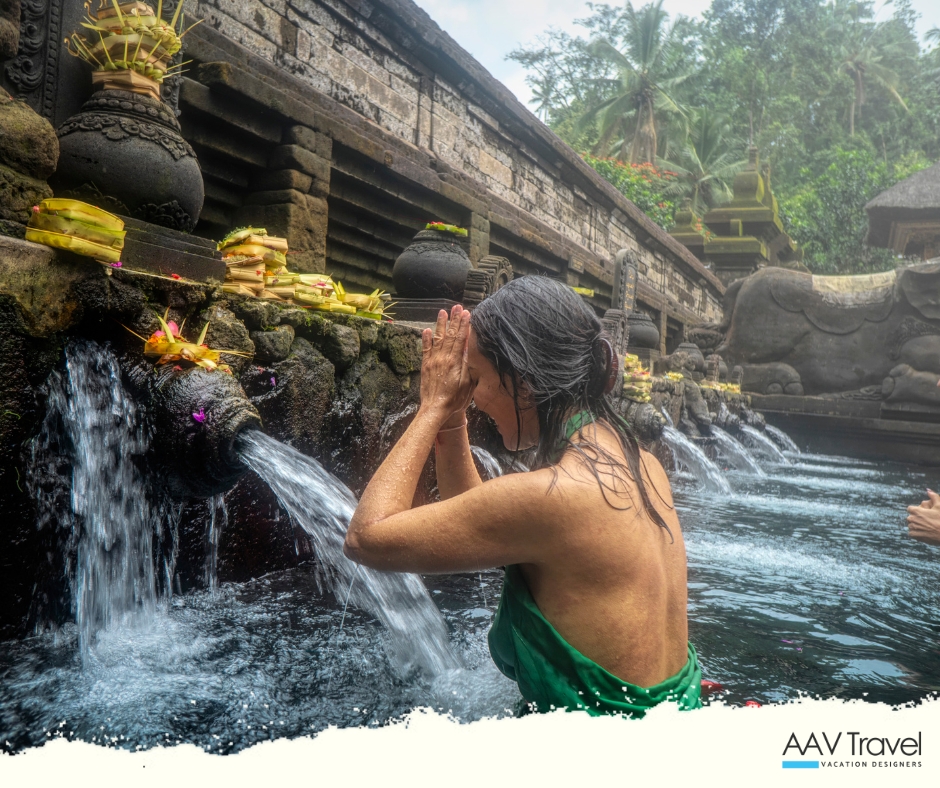
Lake above the sea

The Hidden Costs of Bucket List Travel: Cultural Overload, Overtourism, and the Case for Slow Travel

Bucket list travelers increasingly aim to check off several destinations or experiences in one trip. This approach allows them to maximize their time and investment while ensuring they don’t miss out on their must-see locations. On the other hand, it also impacts the quality of their vacation:

Cultural Overload: The Pitfall of Mixing Destinations

Packing multiple destinations into a single trip may seem efficient, but it often results in missing the depth and nuance of each culture. Rapidly transitioning from one locale to another can create a blur of experiences, where traditions, cuisines, and languages mix in a way that overwhelms rather than enriches. This sensory overload not only diminishes the traveler’s ability to fully appreciate each destination but can also foster a superficial understanding of the places visited. Taking time to immerse oneself in a single culture fosters deeper connections and more meaningful memories, proving that sometimes less truly is more.

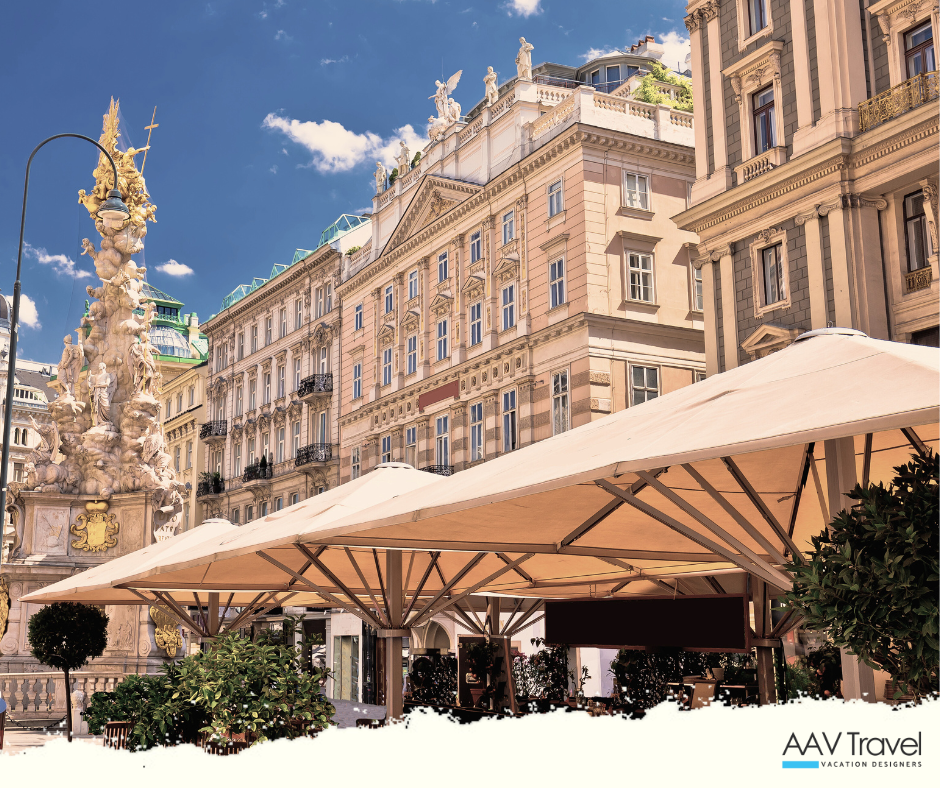
Strolling the streets in Japan

Negative Impacts on Destinations and the Environment

The rise in bucket list travel has also brought negative consequences for destinations and the environment. Over-tourism in popular areas can strain local resources, disrupt communities, and erode cultural heritage. Natural landmarks often face increased wear and tear, while ecosystems can suffer from overcrowding and pollution. Additionally, the carbon footprint of frequent flights and high-intensity itineraries contributes to climate change, raising concerns about the long-term sustainability of this trend. Travelers and industry professionals must work together to mitigate these effects by promoting responsible tourism practices and prioritizing sustainable travel solutions.

The Stop Overtourism Movement

The “stop overtourism” movement is gaining momentum as destinations and communities push back against the negative effects of mass tourism. Popular tourist hotspots, from Venice to Bali, have experienced severe overcrowding, which strains infrastructure, disrupts daily life for residents, and diminishes the quality of the visitor experience. This movement advocates for more sustainable tourism practices, including limiting visitor numbers, encouraging travel to lesser-known destinations, and promoting off-season travel. By addressing these issues, the movement aims to protect cultural heritage, preserve natural environments, and ensure that tourism remains a positive force for both locals and travelers.

Toasting to your life in Paris

The Slow Travel Movement: A Sustainable Alternative

In contrast to the fast-paced nature of bucket list travel, the slow travel movement offers a more sustainable and enriching approach. Slow travel focuses on spending more time in fewer destinations, allowing travelers to deeply connect with local cultures, traditions, and communities. This method not only reduces environmental impact by minimizing flights and transit but also supports local economies by encouraging longer stays and greater investment in local businesses. For travelers, the slower pace fosters meaningful experiences, reduces travel fatigue, and provides opportunities for genuine cultural immersion. Embracing slow travel benefits everyone involved, creating a win-win scenario for both visitors and the destinations they explore.

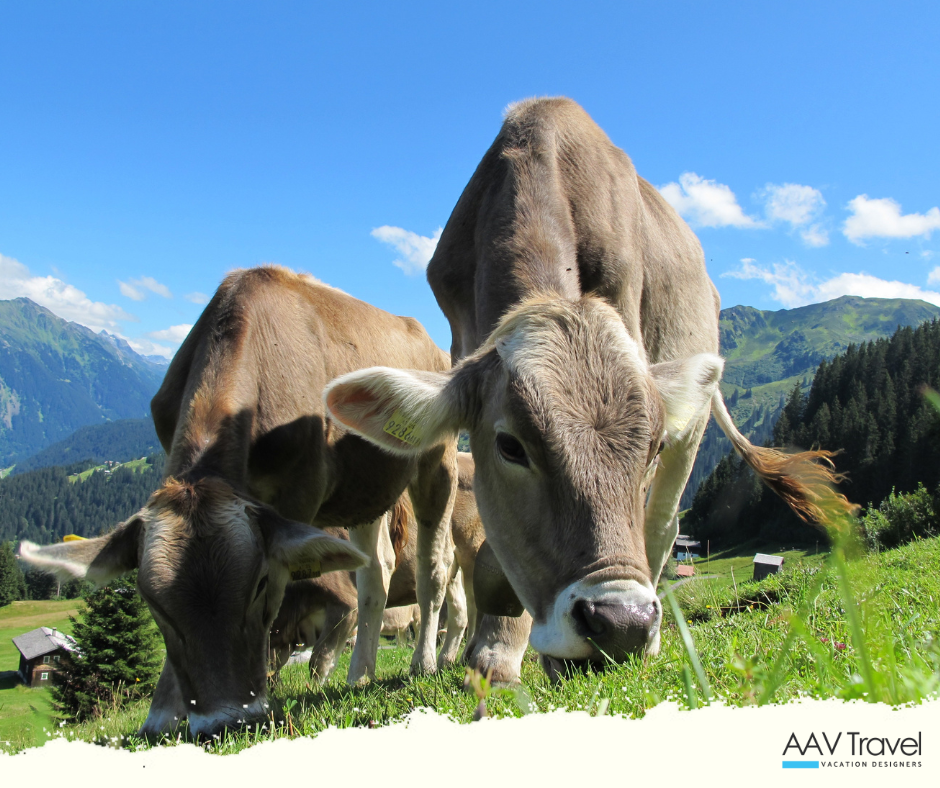
Alaska bear watching

How to Plan Efficient Bucket List Travel: Embrace the Journey with Expert Guidance

The rise in bucket list travel reflects a powerful shift in how we approach life and the experiences we cherish. While the allure of destination hopping may seem irresistible, the rewards of slow, immersive travel often lead to richer memories and deeper connections. Whether you’re chasing once-in-a-lifetime moments or savoring the nuances of a single destination, finding the right balance is key.

Working with a seasoned travel advisor ensures your journey is thoughtfully planned, balancing efficiency, sustainability, and personal fulfillment. From crafting seamless itineraries to uncovering hidden gems, a specialist can help transform your travel dreams into unforgettable realities. Now is the perfect time to make your bucket list a reality—let’s plan it together.

To start planning, contact us via email at info@aav-travel.com or visit the website.
Written by: Stefanie P.

Traveling with Purpose: Aligning Values and Mindset for Transformative Journeys in 2025

As we approach 2025, I have a bold suggestion—forget about making New Year’s resolutions or setting fleeting travel intentions. Instead, consider embracing a transformative approach: align your mindset and values to guide your travels.

In a world that continues to be unpredictable, taking time to understand your core values and how they shape your mindset can profoundly impact your journeys. By traveling with clarity about what you truly value and consciously activating those values, you’ll create experiences that are meaningful, enriching, and deeply aligned with your authentic self.

Why Values Matter in Travel

Values are the beliefs and attitudes that drive our decisions and actions. When activated, they guide us toward feeling fulfilled and aligned with our purpose. In travel, values play a crucial role in shaping not only where we go but how we experience those destinations.

For instance, if you value authenticity, you might choose to immerse yourself in a culture by staying in local accommodations, eating at family-owned restaurants, and engaging with communities. If sustainability is important to you, you might opt for eco-friendly travel options or support organizations that promote conservation.

Categories of Travel Values to Consider

To begin aligning your travels with your values, start by exploring these three broad categories:

  • Personal Growth
    Do you seek adventure that challenges you to grow, such as trekking through remote mountains or learning a new language? Personal growth-oriented travel often pushes you out of your comfort zone and helps you discover new facets of yourself.
  • Connection
    Perhaps your travels are about deepening relationships—with loved ones, with cultures, or with nature. Whether it’s a family retreat or a solo journey to connect with your inner self, this value prioritizes meaningful interactions.
  • Impact
    Do you want your travels to leave a positive mark? Traveling with impact might involve volunteering, participating in responsible tourism initiatives, or simply making ethical choices that support local economies.

Activating Your Travel Values in 2025

Once you’ve clarified your values, the next step is to activate them in your travel planning and experiences. Here’s how:

  • Authenticity
    Let go of tourist clichés and seek out real connections. For example, instead of following the most popular itinerary, ask locals for their favorite hidden gems or attend cultural festivals off the beaten path.
  • Peace
    If tranquility is your goal, choose destinations and activities that nurture your spirit. Maybe it’s a yoga retreat in Bali, a serene cabin in the Swiss Alps, or a slow-paced journey through Europe by train.
  • Adventure
    Love the thrill of new challenges? Try activities that test your limits, like scuba diving in the Great Barrier Reef or hiking Patagonia’s rugged terrain.
  • Sustainability
    If preserving the planet is close to your heart, prioritize eco-conscious travel. Opt for destinations with strong conservation practices and choose accommodations that minimize their environmental impact.
  • Contribution
    Traveling as a contribution can mean giving back to the communities you visit. Whether it’s through volunteer opportunities or supporting local artisans, your travels can create a ripple effect of positive change.

Questions to Guide Your Next Adventure

As you prepare for the new year, shift your focus from resolutions to values. Ask yourself:

  • What are the core values that I want my travels to reflect?
  • How can I design trips that align with these values?
  • What experiences will leave me feeling more connected, authentic, and fulfilled?

Embrace Values-Based Travel

When you approach travel with a mindset rooted in your values, every journey becomes an opportunity for growth, connection, and impact. Every decision—from the destinations you choose to the experiences you seek—becomes more meaningful when aligned with what truly matters to you. But crafting such purposeful journeys often requires more than inspiration; it demands insight, expertise, and a thoughtful approach.

This is where working with an experienced luxury travel advisor can transform your travels. A skilled advisor listens deeply to understand your unique values and aspirations, translating them into curated experiences that reflect your desires.

At AAV Travel, we can open doors to authentic cultural encounters, recommend accommodations and activities aligned with sustainability, or craft itineraries that balance peace and adventure. With our expertise, the guesswork is removed, leaving you free to immerse yourself fully in the moment, confident that every detail has been considered with your values in mind.

So, as 2025 begins, ask yourself not only where you want to go but also how you want to feel during and after your travels. By focusing on your values and enlisting the guidance of someone who understands how to translate them into extraordinary experiences, you’ll embark on journeys that resonate deeply—ones that enrich your life and leave a lasting impact.

Where will your values, supported by thoughtful planning, take you this year? Reach out, I am here to assist!

To start planning, contact us via email at info@aav-travel.com or visit the website.
Written by: Stefanie P.