
On Tetiaroa, a small atoll 33 miles north of Tahiti, there is a moment each year when the Pleiades sink below the horizon and do not return for months. The Tahitians call this period Matari’i i Raro. It is the beginning of the cooler, drier season, and for centuries it has carried a specific cultural weight: a time of scarcity and frugality, when communities slowed down and turned inward before abundance returned.

The atoll quiets during these months. The surrounding water grows calmer. Humpback whales begin arriving from Antarctic waters, traveling north into the warmer shallows around French Polynesia to give birth and nurse their young. On clear nights, with nothing competing, the sky over Tetiaroa is staggering in a way that other seasons, with their cloud cover and humidity, do not quite match. Stargazing belongs to these weeks. So do traditions of oral storytelling and cultural transmission, practices tied to the cooler months when communities turned inward and shared what they carried. The ‘ava ceremony, a ritual with deep roots in Polynesian life that was nearly lost during the missionary period, has been carefully revived and remains part of the seasonal celebrations that mark these transitions.
None of this appears in a climate chart. A traveler researching Tetiaroa for these months would find comfortable temperatures, lower humidity, and less rain. All accurate. All incomplete. The data describes conditions. It says nothing about what the place is actually doing.
Every destination operates on its own calendar, shaped by agriculture, light, migration, spirituality, or tradition. These rhythms determine what a place is doing during any given week, and they can change the character of a visit entirely. Most travelers never encounter them because the usual planning questions, where to go, when the weather is best, how to avoid the crowds, do not surface them. They sit beneath the logistics, invisible until someone who knows the place well enough makes them visible.
The travelers most drawn to Tetiaroa during Matari’i i Raro tend to share something. Their professional lives move fast and leave little room for stillness. Many spend their days moving from one obligation to the next, measuring success through productivity and pace. Even their vacations often carry that same momentum: ambitious itineraries and the instinct to fill every available hour. Part of the appeal of a place like Tetiaroa during these months is that it operates according to a different rhythm altogether. The season invites you to notice more. To sit outside after dinner and watch the Southern Cross move across a sky that has no competition from anything on the ground. To let a conversation with someone from the atoll stretch past its useful point and into something personal. For travelers who have spent decades in motion, that kind of permission can be hard to give themselves. A destination that builds it into its culture makes it easier to accept.

In the Douro Valley of northern Portugal, the grape harvest in September and October changes the region completely. The terraced hillsides that look serene and photographic in June become working landscapes, full of activity and the smell of crushed fruit and the particular energy of a community focused on a single purpose. Producers open their quintas to visitors willing to get close to the process. You sit on a stone terrace at dusk while the day’s picking winds down below, the valley filling with the smell of warm earth, and someone hands you a glass of wine that has not finished becoming itself. The conversation is unhurried. The winemaker’s shoes are still dusty from the vineyard rows. The light over the terraces turns amber and then blue. This is a different thing from the polished tasting room visit available in spring, when the Douro is quiet and beautiful and the vines have not yet begun their work.
Many experienced travelers eventually notice that their most memorable trips share a quality. The weather may not have been ideal. The destination may not have been at its most famous. What made the trip was a feeling of having arrived when the place was doing something true to its own character, something honest and unrehearsed. That feeling is hard to plan for through conventional research, because it depends on knowledge that climate data and crowd calendars do not contain.
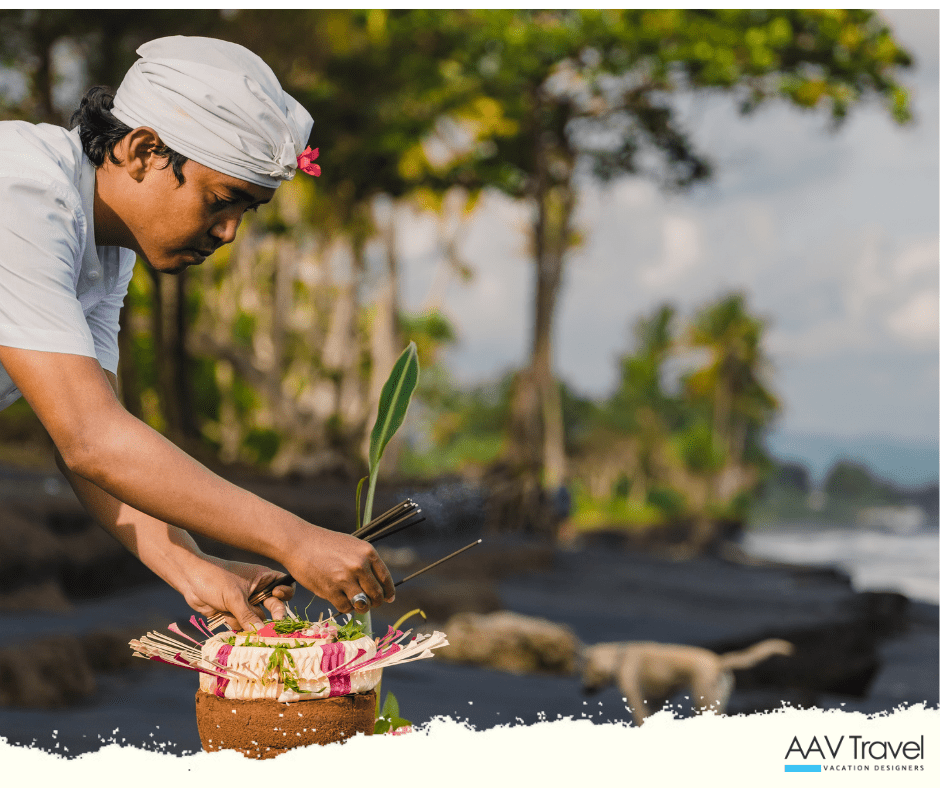
In Bali, the Nyepi celebration falls on the Balinese New Year and brings the entire island to stillness. Ngurah Rai International Airport closes for 24 hours. No cars move. Hotels require guests to remain on their grounds. What stays with travelers who have experienced Nyepi is the sound, or the absence of it. Stand on a balcony in Ubud during those hours and you hear insects, wind, water. Nothing mechanical. Nothing human beyond the occasional voice of a child somewhere below. Millions of people, across every village and city on the island, observing 24 hours of collective silence. The experience of being inside that quiet is available once a year, on a date that most international visitors never think to look up.
These rhythms are easy to overlook because they rarely appear in the sources most travelers use when planning a trip. They exist in the specific knowledge of people who have spent years watching a destination change across its own calendar, who have watched how a place changes across its own calendar. The Douro during harvest. Bali in silence. Tetiaroa during Matari’i i Raro. Each is the same place a traveler might visit at another time of year, and each is a different experience because of when the traveler arrived.
The Pleiades will rise again above Tetiaroa later in the year. The whales will move on. The ceremonies of the cooler months will give way to other traditions. A traveler who visits during Matari’i i Raro will carry something from the experience that belongs only to those particular weeks: a sense of having been present for something quiet and intentional, shaped by a rhythm that predates tourism by centuries.
The most meaningful journeys often have as much to do with when a traveler arrives as with where they go. Timing shapes what a destination reveals, what it holds back, and what it offers to someone who is paying attention. That question, when is this place most itself, is worth asking before any itinerary takes shape.
If the timing of a journey is something you have started thinking about differently, or if you have a destination in mind and want to understand when it is most worth experiencing, that conversation is a useful place to begin. You are welcome to reach out through AAV Travel or contact us directly at info@aav-travel.com.
Written by: Stefanie P.


