Experiential Luxury Travel: Supporting Endangered Crafts and Cultural Heritage Around the World

In an increasingly globalized world, many traditional crafts—once vital to a community’s economy and identity—are quietly vanishing. Centuries-old techniques are being lost as younger generations turn toward urban careers, cheaper manufacturing takes over, and consumer demand shifts toward fast, mass-produced goods. Yet these crafts hold the stories of a people, a place, and a time-honored way of life. For luxury travelers seeking deeper meaning and authentic cultural connection, experiencing and supporting these endangered crafts offers more than just a souvenir—it’s an opportunity to engage with living heritage and leave a positive footprint.

Korea | Hanji: The Art of Handmade Paper

Korean artisan demonstrating traditional hanji paper-making techniques using mulberry bark fibers—an endangered heritage craft preserved through workshops and cultural tourism in Korea.

Korean hanji, crafted from the inner bark of mulberry trees, is celebrated for its strength, beauty, and longevity. Historically used for everything from official documents to window coverings and sacred texts, hanji represents both artistry and practicality. Today, this delicate craft faces extinction as industrial paper dominates the market and traditional skills fade with retiring artisans.

For travelers eager to engage, several hanji workshops in Seoul, Jeonju, and Andong offer immersive, hands-on experiences. Whether learning to create textured stationery, folding lamps, or even crafting small furniture, visitors can support local artisans by purchasing directly from them. Opt for certified, handmade hanji products and consider attending a workshop where your participation helps keep the tradition alive.

Scotland | Harris Tweed: Woven by Hand, Protected by Law

Weaver in the Outer Hebrides, Scotland, working on a traditional loom to create authentic Harris Tweed fabric—an iconic, handwoven textile protected by law and supported through responsible luxury travel experiences.

Harris Tweed is not just fabric; it’s a legally protected cultural artifact. Handwoven by islanders in the Outer Hebrides of Scotland, this woolen cloth has clothed royals and fashion icons for decades. The intricate weaving process and the island’s rugged climate give each piece a distinctive character. However, the craft faces challenges: an aging weaver population and competition from mass-produced fabrics threaten its future.

Visitors can explore weaving sheds, meet artisans, and even take mini weaving workshops. Buying directly from official Harris Tweed makers ensures your purchase adheres to quality standards and directly supports the island economy. Look for the official Harris Tweed Orb trademark—your guarantee that the cloth was woven by hand in the Outer Hebrides.

Venice | Murano Glass: Centuries of Fire and Artistry

Master glassblower in Murano, Venice, shaping vibrant, molten glass into intricate designs—preserving a centuries-old Venetian craft threatened by cheap imports and rising production costs.

For more than 700 years, the island of Murano has been synonymous with exquisite glassmaking. From delicate chandeliers to intricate millefiori beads, Murano artisans have passed their skills down through generations. But today, rising energy costs, cheap imports, and a dwindling pool of apprentices are putting this iconic craft at risk.

To support the genuine artisans, book private demonstrations at established studios where you can witness masters at work and even try glassblowing yourself. Be wary of cheap “Murano-style” glass sold in tourist shops. Instead, choose galleries and boutiques that showcase certified works, often accompanied by a certificate of authenticity.

France | Le Puy Lace: Threads of French Elegance
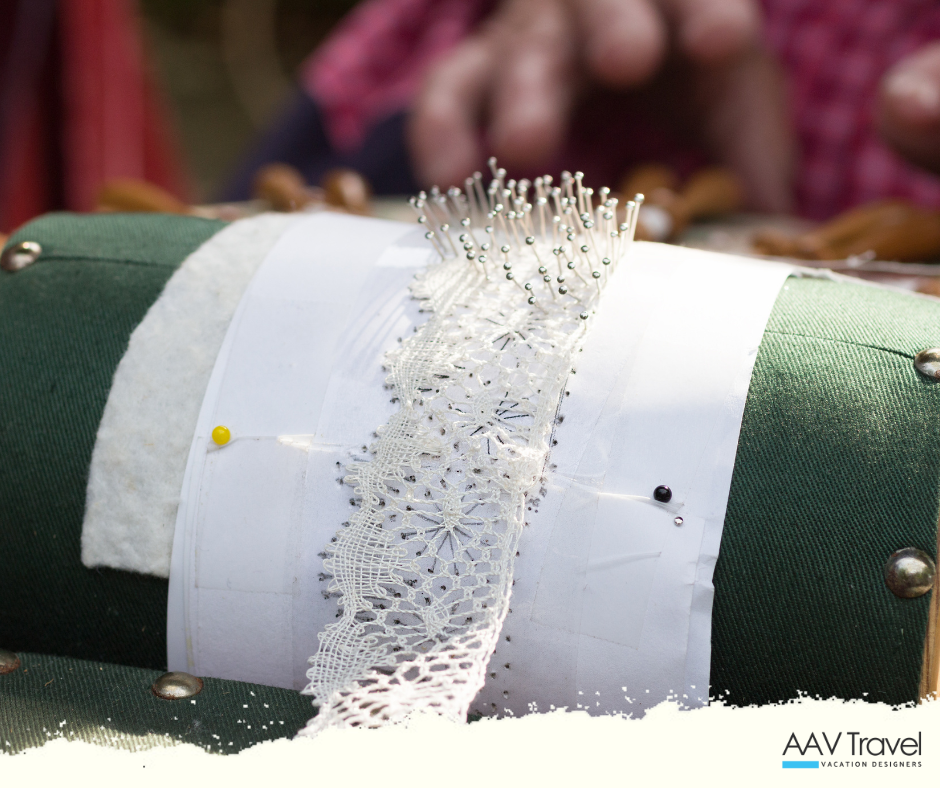
Lacemaker in Le Puy-en-Velay, France, skillfully using bobbins and threads to create intricate handmade lace patterns—an endangered French textile tradition supported by cultural tourism and artisan workshops

In the small town of Le Puy-en-Velay, France, lacemaking is a delicate dance of hands and bobbins. Known for its intricate patterns and light, airy designs, Le Puy lace was once coveted by European nobility. Today, mechanized production and limited demand for hand-stitched lace threaten the survival of this art.

For a meaningful encounter, visit the Lace Center (Centre d’Enseignement de la Dentelle) in Le Puy where artisans demonstrate traditional techniques. Small group workshops let visitors try their hand at lace-making, and the boutique offers authentic pieces perfect for heirloom keepsakes. By purchasing directly from the center or from certified artisans, you help sustain this fragile tradition.

Turkey | Iznik Pottery: Ottoman Colors in Ceramic Form
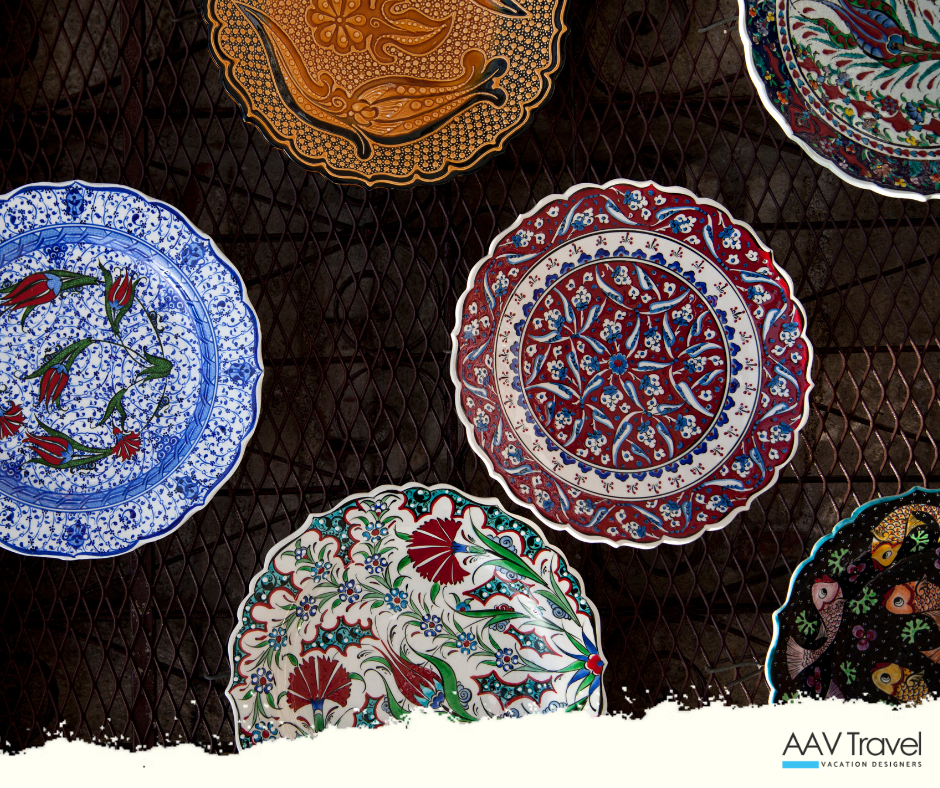
Turkish ceramic artist painting traditional Ottoman floral patterns onto Iznik pottery.

Iznik pottery, with its luminous white glaze and rich blue-and-red floral motifs, graced Ottoman palaces and mosques for centuries. The techniques used—multiple firings and natural pigments—require time, patience, and great skill. Sadly, the craft declined for nearly 300 years and only experienced a revival in the late 20th century. Even now, few workshops continue the painstaking process.

In Iznik and Istanbul, travelers can visit studios where artists explain the chemistry behind the colors and allow guests to paint their own tiles. Supporting workshops committed to traditional methods—rather than mass-produced imitations—ensures that your purchase supports true artisanship. Always ask about the production process when shopping for Iznik pieces.

Spain | Esparto Grass Weaving: Rustic Mediterranean Charm

Artisan in Andalusia, Spain, hand-weaving traditional esparto grass into baskets and home décor—an endangered Mediterranean craft preserved through sustainable tourism and cultural workshops.

Esparto grass weaving, a craft deeply rooted in rural Spain (especially Andalusia and Murcia), has long been used to make baskets, mats, and even architectural elements like doors and walls. As synthetic materials and modern manufacturing took hold, demand for esparto goods dwindled, and with it, the number of skilled weavers.

Travelers can take part in community-led workshops where elderly artisans share their knowledge. Purchasing handwoven baskets, wall decor, or even contemporary design pieces directly from these artisans ensures your support goes where it’s needed most. Look for collectives that are part of regional heritage preservation initiatives for authentic, ethically made items.

Travel Deeper: Authentic Cultural Experiences and Artisan Connections—Curated by AAV Travel

Traditional craft workshop, a authentic and enriching experience for the whole family.

At AAV Travel, we don’t just book trips—we craft meaningful journeys that immerse you in the heart of a destination’s living culture. When you partner with us, you gain access to trusted local artisans, private studio visits, authentic workshops, and ethically curated shopping experiences. We work closely with our ground partners to ensure your cultural encounters are respectful, responsible, and unforgettable—allowing you to bring home more than just beautiful objects, but stories that sustain both heritage and hope for the future.

At AAV Travel, we believe in the power of slow and sustainable travel. Rather than rushing from one landmark to the next or simply checking destinations off a list, we encourage our travelers to approach each journey with curiosity and intention. Taking the time to connect with local people, understand their traditions, and experience the craftsmanship that has shaped their communities adds a depth and richness that no checklist can offer. It’s about meaningful moments—learning how a piece of Harris Tweed comes to life on a loom, shaping your own hanji paper, or hearing the stories behind Murano’s glass furnaces. These immersive experiences not only create lasting memories but also contribute to the preservation of cultural heritage for generations to come.

Written by: Stefanie P.
To start planning, contact us via email at info@aav-travel.com or visit the website.
Why Experiencing Norway Isn’t Just About Checking Off the Fjords: Solving the Biggest Challenge for Luxury Travelers

Many luxury travelers struggle with how dispersed, logistically challenging, and time-consuming it can be to see Norway’s top highlights in comfort—especially without excessive hotel-hopping, early flights, or long travel days. Norway’s geography and limited infrastructure can make it hard to craft an elegant, seamless, and well-paced itinerary.

Norway often tops the bucket list for luxury travelers seeking breathtaking landscapes, immersive cultural experiences, and a touch of adventure, all wrapped in comfort and style. The allure of gliding through dramatic fjords, standing beneath the Northern Lights, savoring Nordic cuisine, and staying in boutique, design-forward hotels is undeniable. But here’s what many don’t realize until they start planning: experiencing the best of Norway isn’t as simple as drawing a line on the map and booking a few hotels. Despite being a modern, well-developed country, Norway’s unique geography and infrastructure pose real challenges, especially for travelers who expect a seamless, unhurried, and elevated experience.

The Geography Challenge: Distances, Connections & Slow Travel

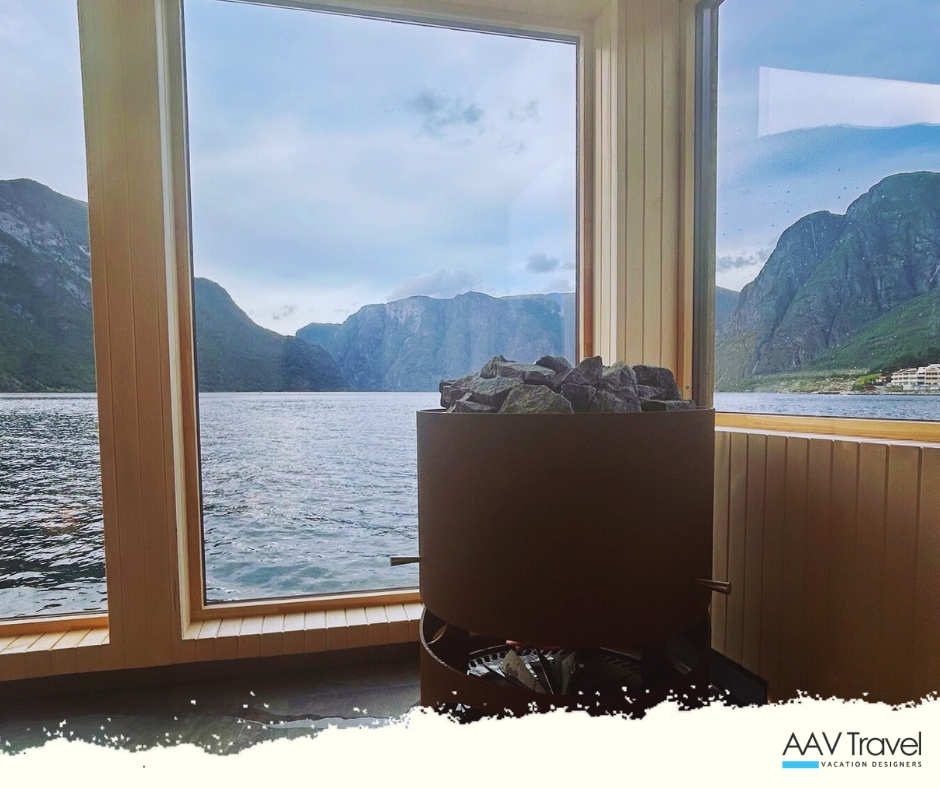
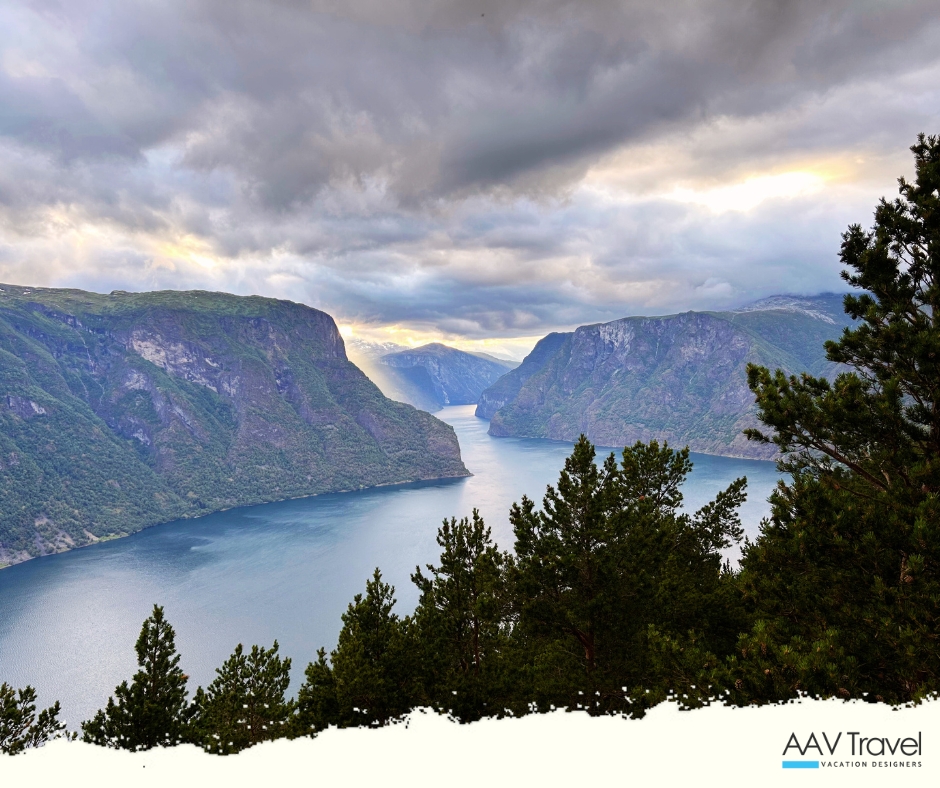
One of the most surprising aspects of planning a luxury trip to Norway is how spread out the country’s highlights really are. On paper, Oslo, Bergen, the Lofoten Islands, and the Arctic Circle sound easily combinable. In reality, they’re separated by long distances, with limited transportation links between them. Norway’s stunning landscapes—mountains, fjords, and remote coastal stretches—are also the very things that make overland travel slow and often complicated.

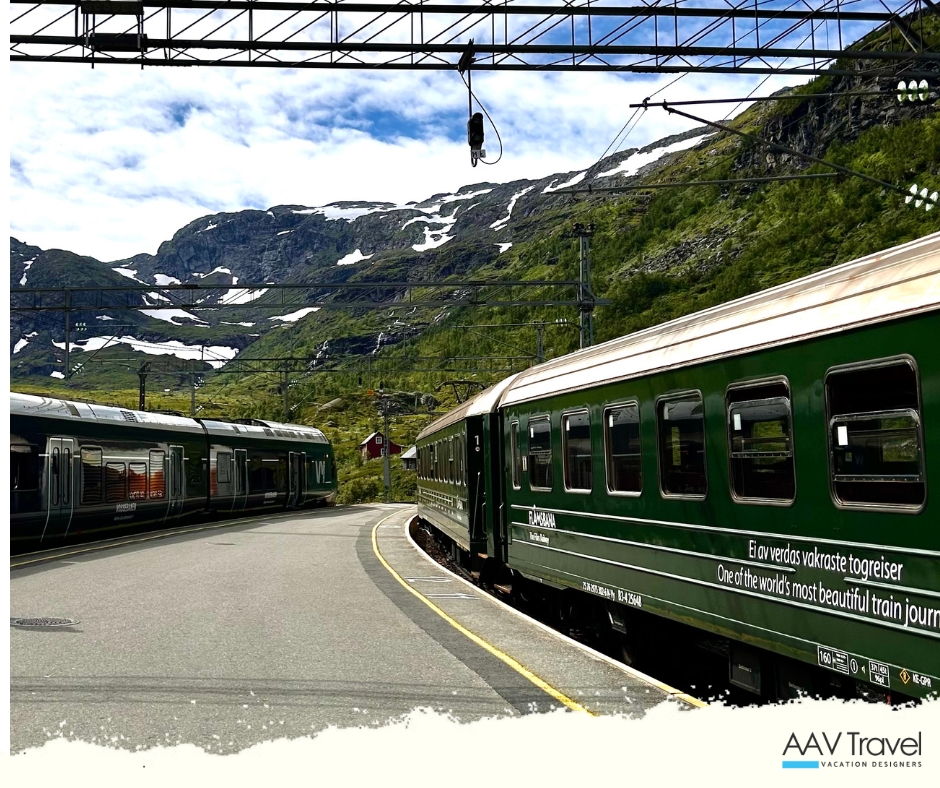
While there are regional flights, they’re not always conveniently timed for smooth same-day connections. Trains like the famous Bergen Railway or the Flåm Railway offer spectacular journeys but require precise coordination. Ferries and scenic drives add even more layers to the puzzle. Without careful planning, travelers often find themselves packing and unpacking every day, rushing to catch transport, and missing the relaxed, immersive experience they were hoping for.

The Luxury Hotel Reality: Boutique Gems… with Limited Availability

Another often-overlooked challenge? The limited number of true luxury accommodations, especially outside the major cities. While Oslo and Bergen offer a small selection of high-end hotels, once you venture toward the fjords, the Arctic, or more remote destinations like Lofoten or Senja, options become scarce. Many of the most charming properties are small boutique hotels or historic lodges with just a handful of rooms—places that book out months (sometimes a year) in advance during peak seasons.

For luxury travelers used to having their pick of five-star hotels, this can come as a surprise. Last-minute changes or spontaneous bookings often aren’t possible. This is why traveling with an expert who knows how to secure these hidden gems—and who can build an itinerary that balances comfort with the realities of Norway’s geography—is essential for anyone wanting to experience Norway in style.

Why Small Group Travel Can Be the Answer (Even for Independent Travelers)

For many luxury travelers, the idea of joining a group trip can feel counterintuitive. After all, part of the appeal of high-end travel is the freedom to set your own pace and avoid crowds. But when it comes to Norway, a well-curated small group journey can actually deliver a more exclusive, seamless, and elevated experience than piecing everything together independently.

The key is in the design. With a small group (think 10–12 travelers, not a tour bus full of strangers), every detail can be tailored for comfort and access. Private transfers replace public transport. Accommodations are chosen for their charm and quality, not just availability. Experiences like private guided fjord cruises, insider-led city tours, and intimate cultural encounters with locals become part of the journey. Plus, traveling with a group allows for shared costs on things like private guides and transportation, making certain elevated experiences more accessible without compromising on quality.

Most importantly, a small group trip eliminates the logistical stress that often comes with navigating Norway solo. You won’t have to worry about ferry timetables, internal flight schedules, or figuring out how to get from a train station to a remote lodge in time for dinner. Everything is thoughtfully choreographed, so you’re free to soak in the views, enjoy the cuisine, and truly experience Norway at its best.

Highlights of Norway, a report from a Small Group Experience

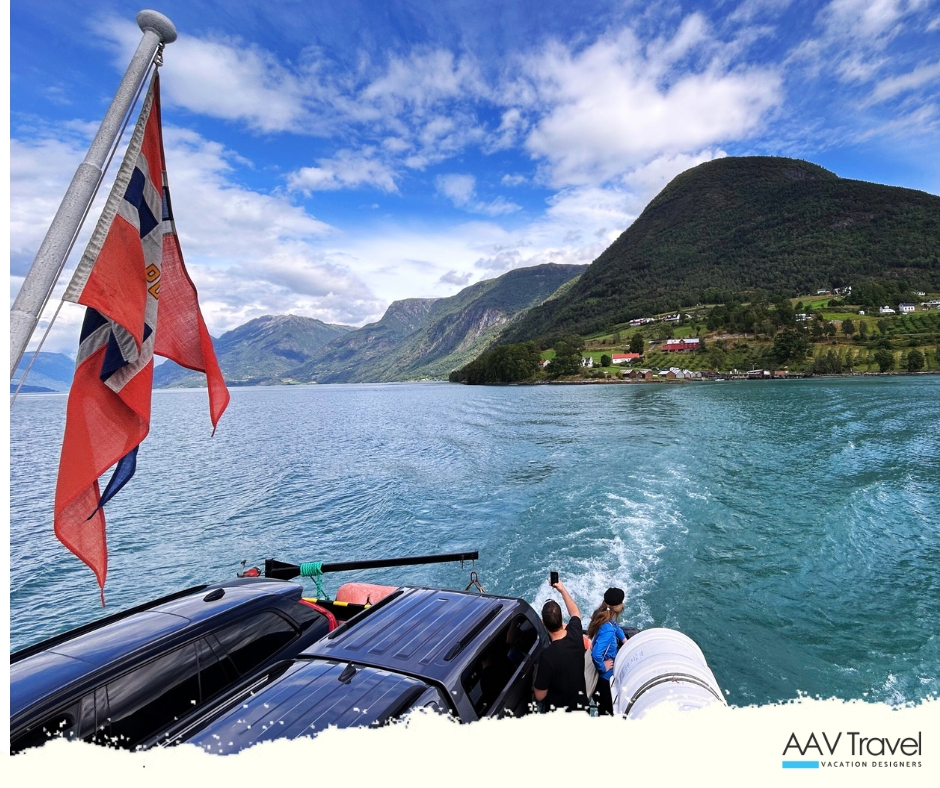
Last summer, I had the opportunity to experience a small group journey through Norway firsthand—an experience that gave me invaluable insight into how to design the most rewarding itineraries for my clients. The trip was led by Aino, a passionate and knowledgeable local guide who grew up in Lapland. In the winter, she leads dog sledding expeditions; in the summer, she takes small groups through some of Norway’s most beautiful and remote regions. Her deep connection to the land, love for foraging, and understanding of Norway’s hidden corners added layers of storytelling and authenticity that would have been impossible to find on my own.

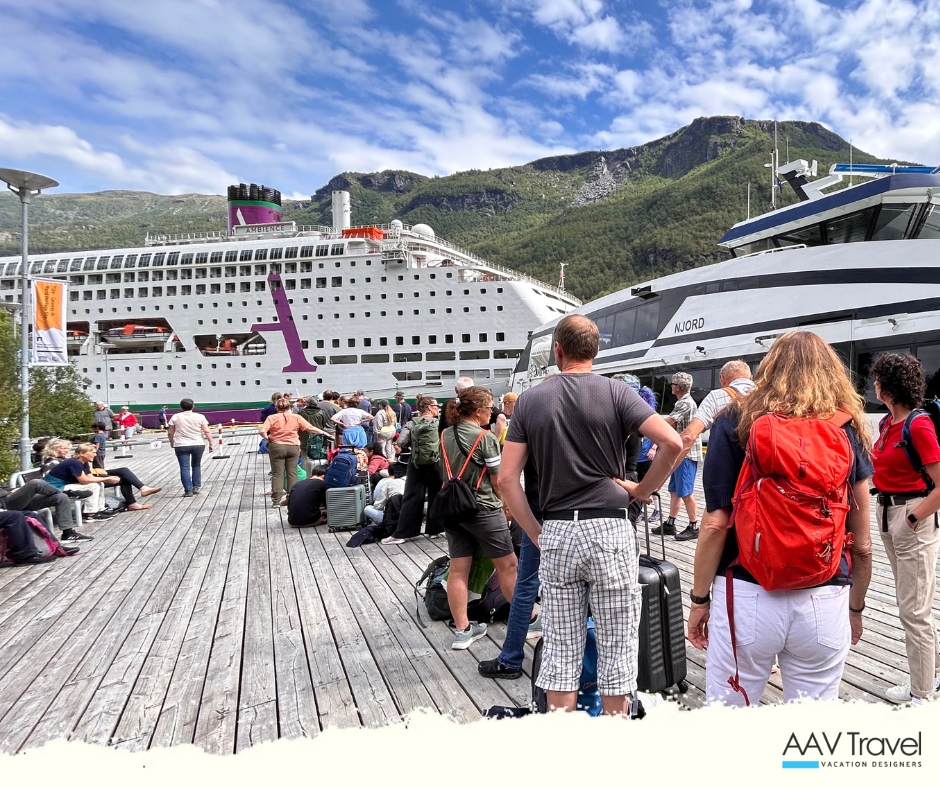
Originally, I had planned to join the tour in early summer, when the crowds are lighter. A change of plans meant I traveled during the height of the summer season instead—an experience that turned out to be incredibly educational. Popular spots like Geirangerfjord were noticeably busier with cruise ship visitors and day-trippers, and witnessing this firsthand gave me a clear understanding of how timing and itinerary design can dramatically affect the travel experience in Norway.

What stood out most to me was how effortless the trip felt as a participant. Everything—from ferry schedules only the locals know about, to scenic detours and hidden photo stops—was handled seamlessly by Aino and our drivers. Their insider knowledge allowed us to avoid peak congestion whenever possible and make the most of our time, turning potential travel days into rich, experience-filled journeys.

The group itself was a lovely mix of well-traveled, curious individuals from the U.S., the U.K., and Australia—solo travelers and couples alike. Despite some members being grandparents, everyone embraced the active, outdoorsy nature that Norway naturally encourages. The camaraderie, open-mindedness, and shared sense of adventure among the group added a layer of enjoyment I hadn’t fully anticipated.

As your advisor, this experience was incredibly valuable. It deepened my understanding of Norway’s geography, the flow of travel between regions, and the distinct differences between busy tourist hubs and quieter, off-the-beaten-path gems. I was able to personally assess accommodation options, excursion logistics, and pacing—all of which will directly inform how I craft both small group journeys and customized private itineraries for my clients moving forward.

Private Journey or Small Group?

Of course, it’s absolutely possible to craft a fully customized, private itinerary for independent travelers who want this level of comfort and seamless coordination—but doing so in Norway often comes with a hefty price tag. Private guides, chauffeurs, and boutique accommodations in remote areas command premium rates, and with no one to share the cost, the price per person can quickly climb. Additionally, securing space at the most sought-after properties often requires booking well over a year in advance. For many travelers, a thoughtfully curated small group journey strikes the perfect balance—offering the same high-touch experiences and insider access, but at a more approachable cost without compromising on quality or style.

Whether you choose to join a small group or pursue a private journey, working with AAV Travel offers you the benefit of first-hand knowledge, insider contacts, and carefully nurtured relationships with local partners throughout Norway. Having spent time exploring the country, staying in these hotels, and working with trusted local experts, we are able to design itineraries that go beyond the typical tourist path, ensuring your experience is as smooth, meaningful, and memorable as possible.

Written by: Stefanie P.
To start planning, contact us via email at info@aav-travel.com or visit the website.
Luxury City Escapes Without the Crowds: Where to Stay Just Outside Europe’s Most Beloved Cities

Europe’s most iconic cities—Paris, Rome, Barcelona, Porto—continue to inspire wanderlust across generations. Yet, in recent years, these same places have also become symbols of overtourism. Long queues, congested streets, rising hotel prices, and growing resistance from locals are changing the way many travelers wish to experience their favorite destinations. For those in search of rich cultural experiences minus the pressure of the crowds, the solution might not be avoiding cities altogether, but simply reimagining how to stay in them.

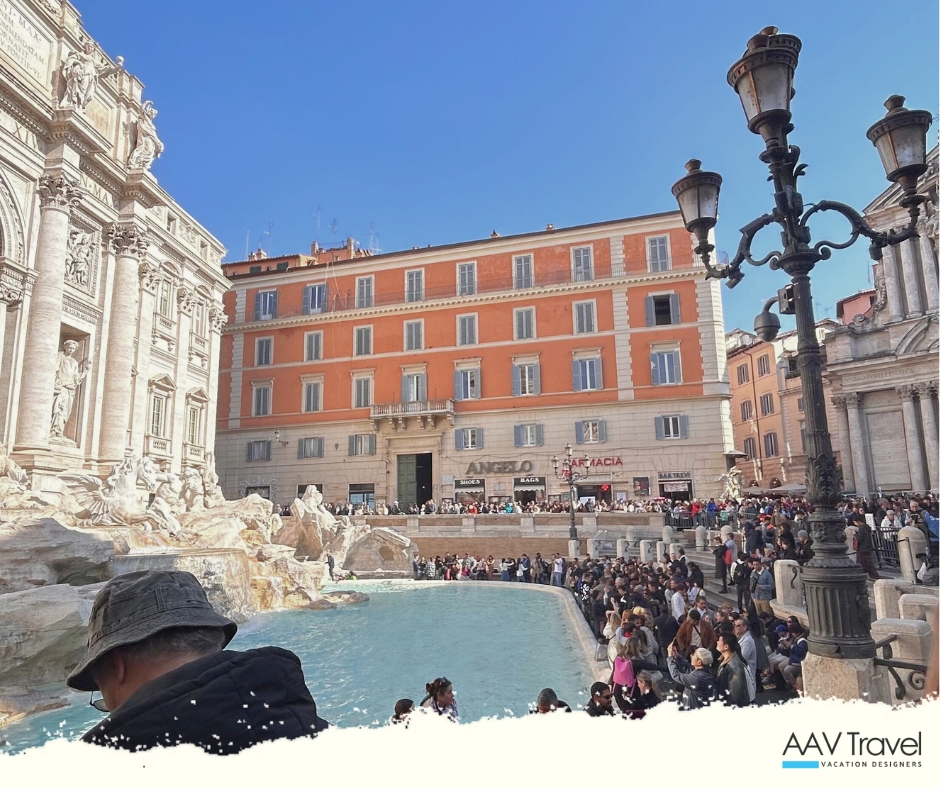
Fontana di Trevi Rome picture by AAV Travel

More and more, communities in major European cities are pushing back against high visitor volumes. This isn’t about being unwelcoming—quite the contrary. Locals are fighting to preserve the authenticity, pace, and soul of their neighborhoods. From limiting short-term rentals to controlling access to certain hotspots, these actions are a reminder that tourism should be a two-way relationship—one that respects the local rhythm and infrastructure.

But if you love the energy of a great city, don’t worry: you can still enjoy it—just a little differently. By choosing to stay on the outskirts or just outside the city center, you’ll discover a more relaxed, luxurious, and immersive experience—one that combines proximity with peace, and connection with comfort.

Here are two examples of exceptional properties that offer the best of both worlds:

Nighttime scene of a bustling outdoor cafe with patrons seated under large umbrellas, surrounded by historic buildings in a European city.

La Réserve Geneva – Urban Elegance on the Lake

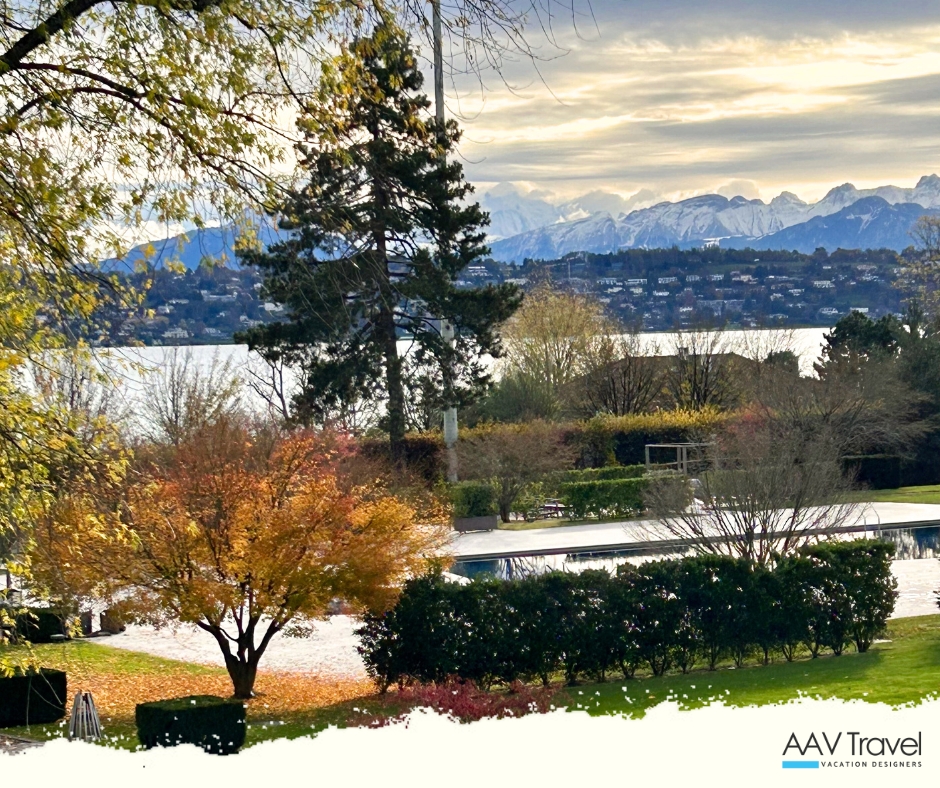
Scenic view of Lake Geneva framed by autumn trees, featuring mountains in the background and a tranquil outdoor pool in the foreground.

Tucked into a lush 10-acre park on the shores of Lake Geneva, La Réserve Geneva is an oasis just minutes from the city. This refined lakeside retreat offers a resort-like experience without sacrificing easy access to Geneva’s cultural pulse. During the summer, a complimentary private boat whisks guests across the lake directly into the city center, while a nearby train station provides swift connections to the city, the airport, and beyond.

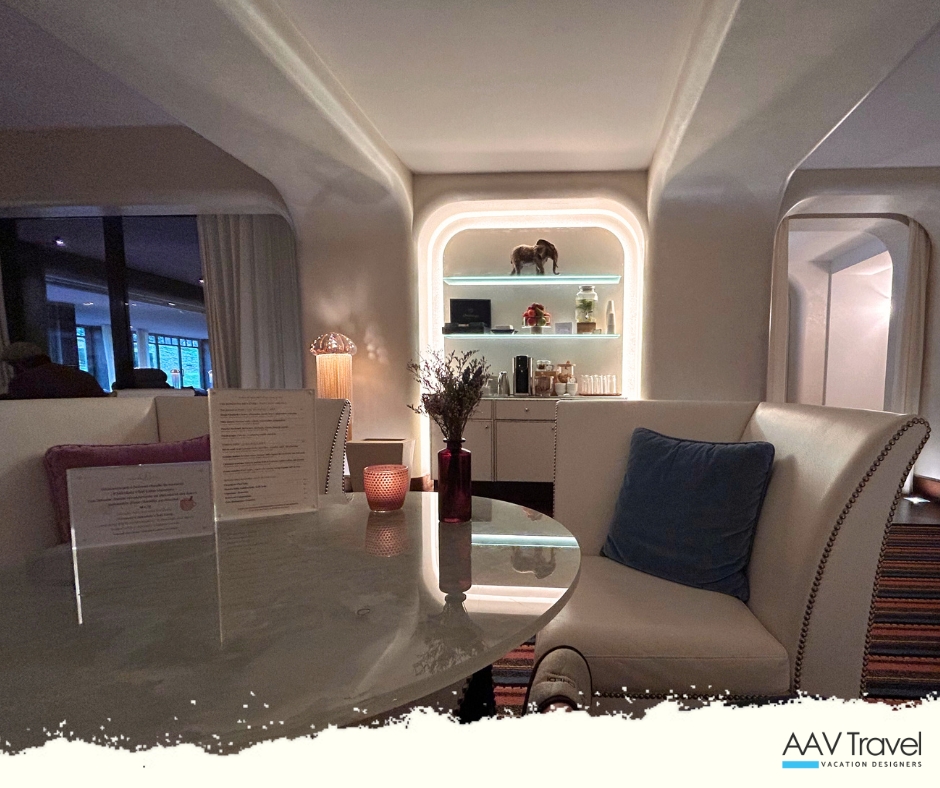
A cozy, elegant interior of a hotel spa, featuring a round table with a textured surface, stylish seating, and soft lighting. A vase of dried flowers and a lit candle add a warm ambiance, while shelves in the background display decorative items.

What makes La Réserve truly special, however, is the lifestyle it fosters. The property is home to one of Switzerland’s most renowned spas, offering Nescens treatments focused on longevity and well-being. Daily fitness classes—from yoga to water workouts—are included in your stay, encouraging you to slow down and restore, not just explore.

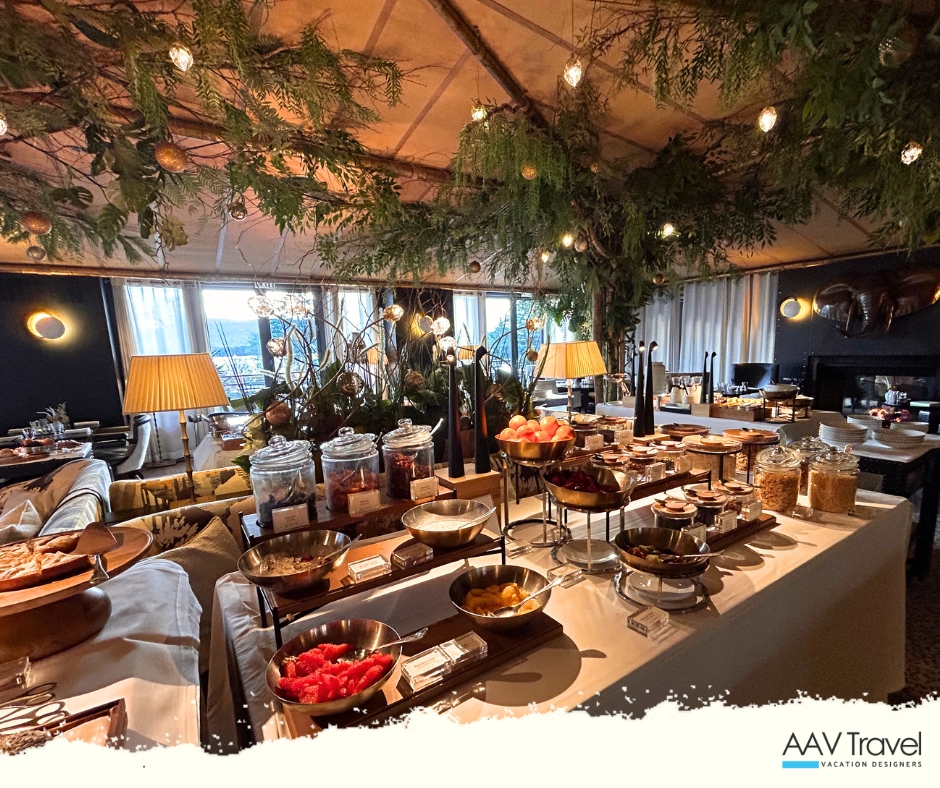
A beautifully decorated dining area featuring a variety of breakfast options, including fruit, pastries, and snacks. The atmosphere is enhanced by greenery and elegant lighting, creating a cozy and inviting setting.

Beloved by Geneva locals, La Réserve feels more like a members-only club than a traditional hotel. Whether you’re lounging by the outdoor pool, enjoying a quiet moment in the spa, or dining in one of its elegant restaurants, the ambiance is relaxed and residential. It’s an ideal choice for travelers who want to feel like they belong—rather than just visit.

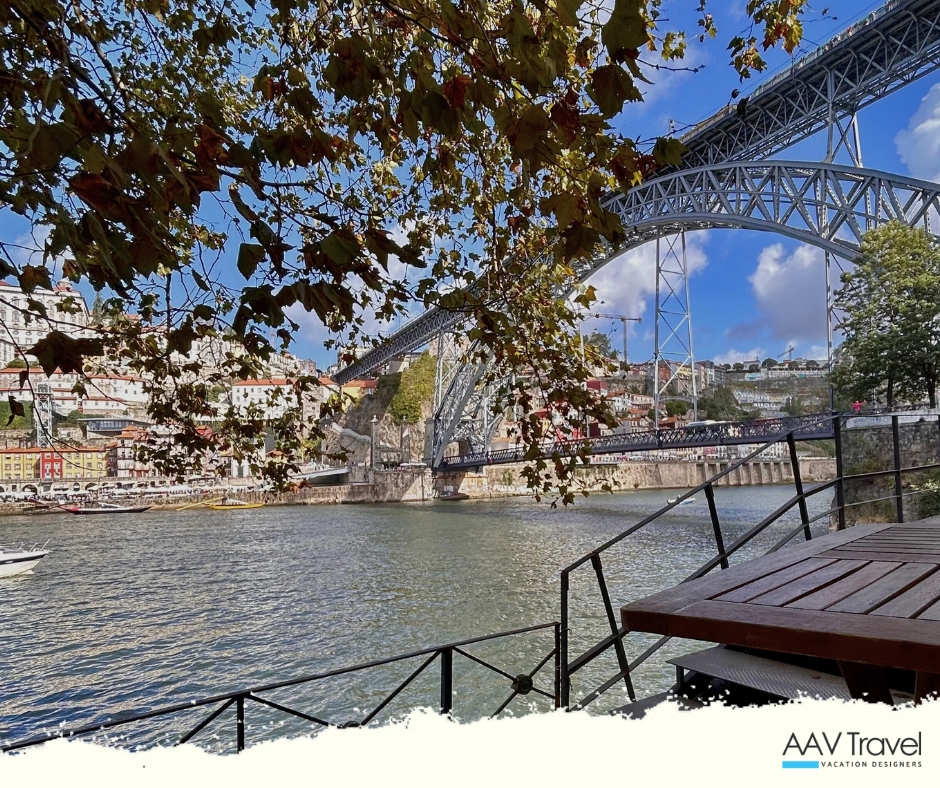
View of the Douro River with a rustic wooden table in the foreground, framed by autumn leaves, showcasing the iconic Dom Luís I Bridge in Porto, Portugal in the background.

The Vinha Boutique Hotel – Riverside Luxury Near Porto

Exterior view of a vibrant red building with multiple windows and balconies, surrounded by lush greenery.

Situated along the scenic banks of the Douro River, just outside the heart of Porto, The Vinha Boutique Hotel offers a serene and stylish escape for those wanting proximity to the city without the crowds. With its striking architecture, lush gardens, and privileged riverside setting, the hotel feels worlds away—yet remains easily connected thanks to its private boat service, which glides guests straight into Porto’s historic core during warm weather months.

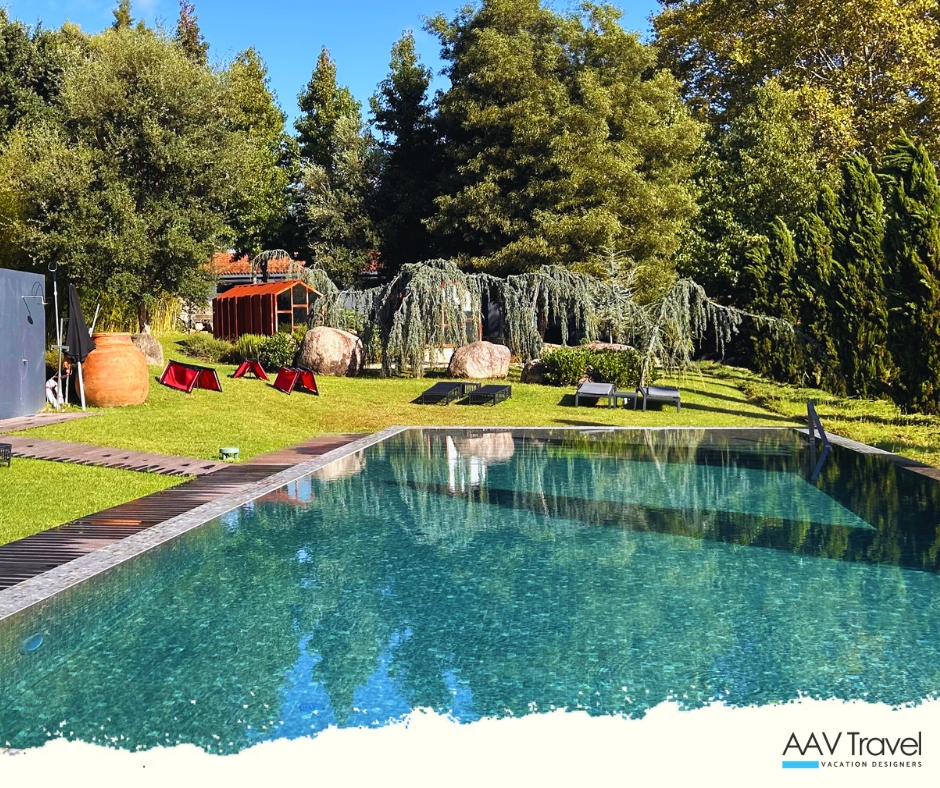
A serene outdoor pool situated in La Vinha's lush garden, surrounded by trees and a few lounge chairs, offering a tranquil escape.

This intimate luxury property is designed for rest and indulgence. Guests can unwind by the picturesque outdoor pool with river views, rejuvenate at the elegant spa, or savor a gastronomic journey at the hotel’s Michelin-starred restaurant. Every detail—from the artfully curated interiors to the attentive service—reflects a refined, boutique approach to hospitality.

Despite its calm setting, The Vinha Boutique Hotel provides quick access to the city’s cultural treasures, while also appealing to locals looking for an exclusive, peaceful retreat. It’s a wonderful choice for travelers seeking a more immersive, unhurried way to experience Porto.

Crafting Your Ideal Escape with AAV Travel

Choosing where you stay can dramatically change how you experience a destination. With AAV Travel, you gain more than just reservations—you gain an advocate who understands how to match your pace, preferences, and personality with the right place.

Whether you’re dreaming of a quiet morning paddle across Lake Geneva or a sunset toast overlooking the Douro, we’ll help you design a city experience that’s refreshingly crowd-free—but never lacking in vibrance. From spa appointments to boat transfers, private tours to curated dining, every detail is hand-picked with care.

Let us show you how to experience Europe’s most celebrated cities in a new, more meaningful way—luxury without compromise, and connection without chaos.

Written by: Stefanie P.
To start planning, contact us via email at info@aav-travel.com or visit the website.
Luxury, Intimacy, and Exclusivity: Why Boutique Hotels Like J.K. Place Rome Are the Ideal Choice for the Discerning Traveler

For today’s luxury traveler, the true indulgence lies in the experience—one that’s private, thoughtfully curated, and completely in tune with their unique expectations. While grand resorts and palatial hotels certainly have their allure, many sophisticated globetrotters are increasingly seeking spaces where they can retreat from the spotlight, without sacrificing style, comfort, or service.

A desire for privacy often stems not only from the need for rest but from the yearning for authenticity—a place that feels like a refined sanctuary rather than a tourist destination. Luxury is no longer just about opulence; it’s about meaningful, personalized encounters and surroundings that reflect one’s lifestyle and values.

Equally important is the atmosphere. Boutique luxury hotels have a distinct ability to foster a sense of connection—whether that’s a warm conversation with the concierge who remembers your favorite aperitivo, or simply the shared understanding among guests who appreciate refined yet relaxed elegance. It’s about being surrounded by like-minded individuals in a setting that feels intimate and exclusive, not crowded or impersonal.

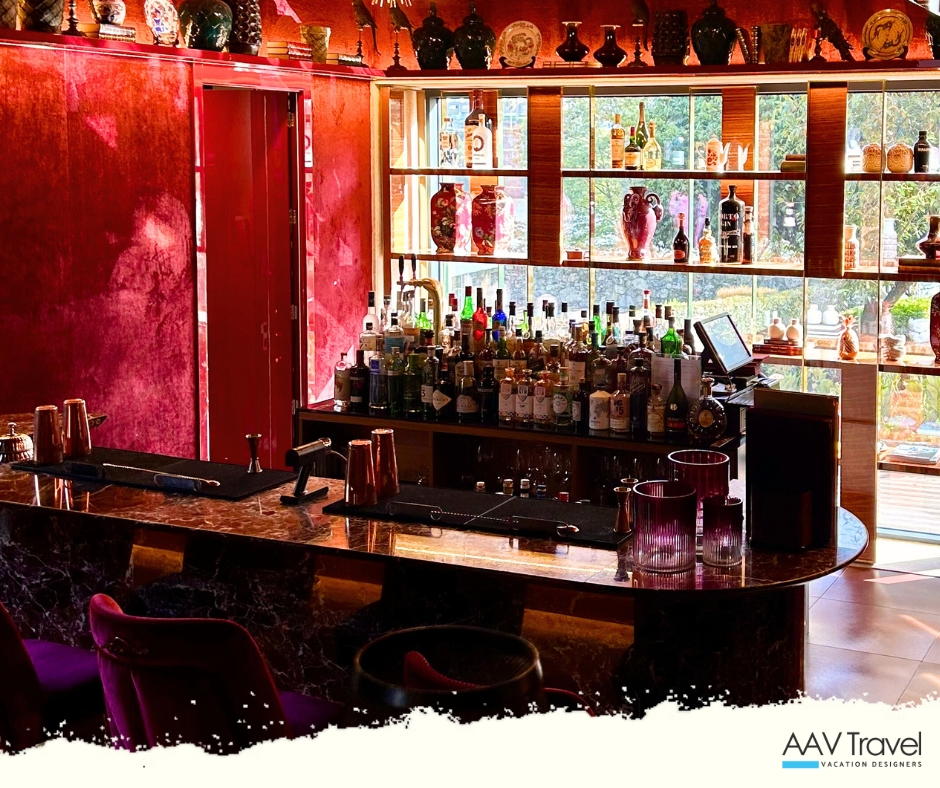
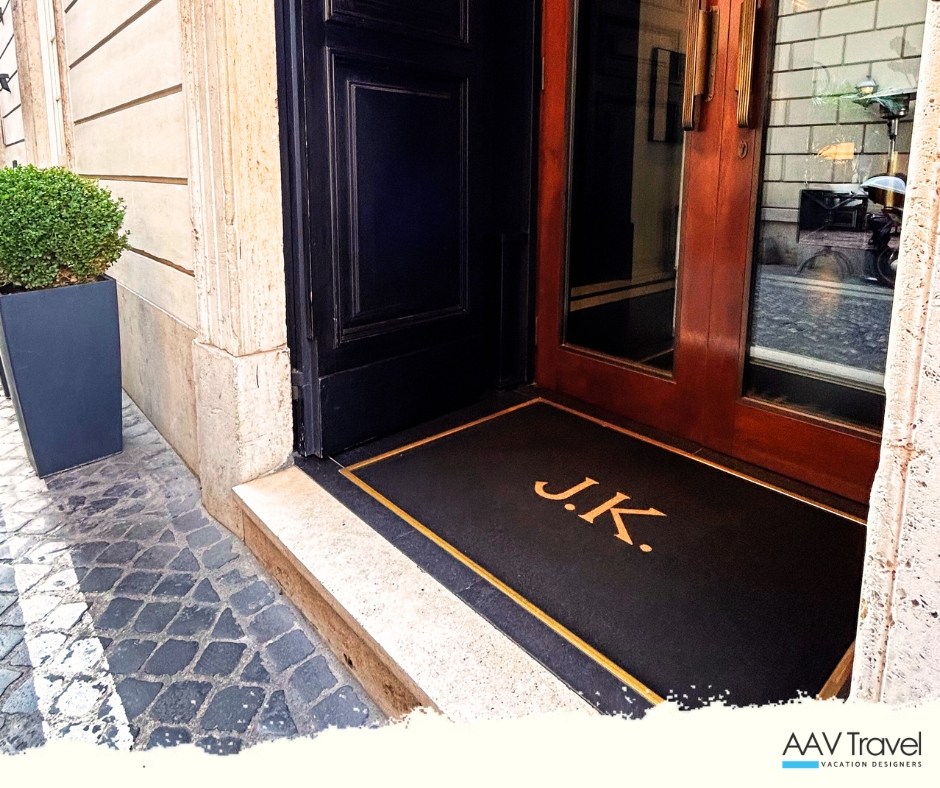
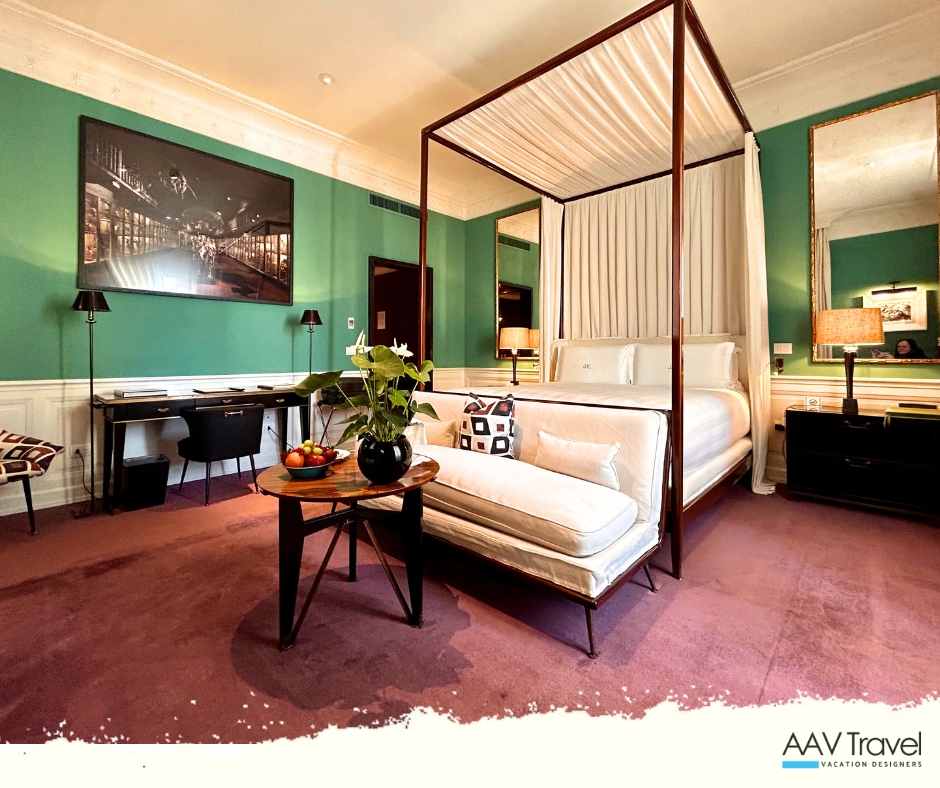
During a recent overnight stay at J.K. Place Rome, I had the opportunity to experience just how beautifully these ideals come together. I am immensely grateful to the team—and in particular, my gracious hosts —for welcoming me and allowing me to get a firsthand glimpse into what makes this property so exceptional.

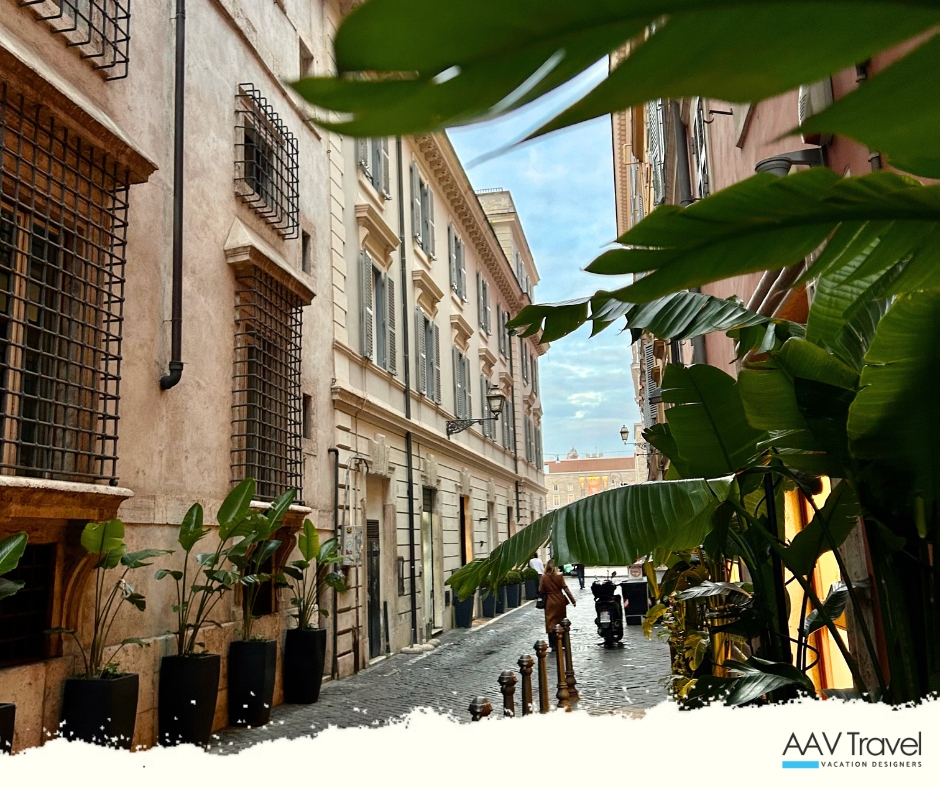
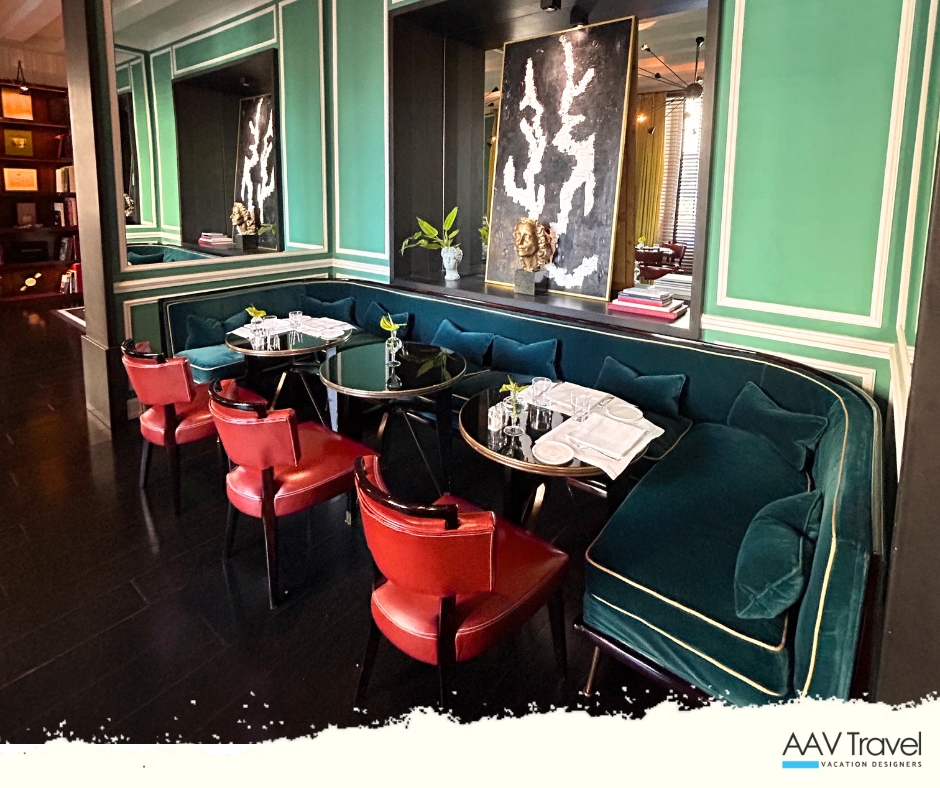
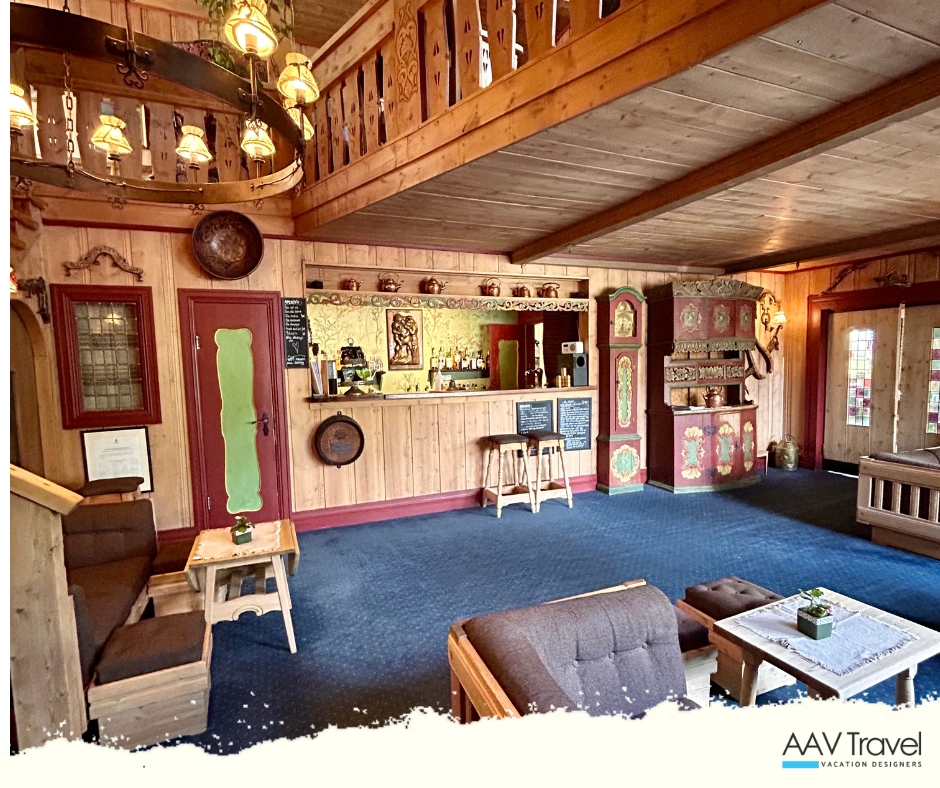
Nestled in the heart of Rome’s historic center, J.K. Place offers an impeccable balance between discretion and warmth. With just 27 rooms, it feels more like a private Roman residence than a hotel. Interiors by Michele Bönan blend mid-century design with classic Italian elegance, creating spaces that are at once stylish and supremely comfortable. Rooms are bathed in natural light, outfitted with thoughtful details—cashmere throws, Carrara marble bathrooms, personalized welcome amenities—and designed with an understated sophistication that whispers rather than shouts.

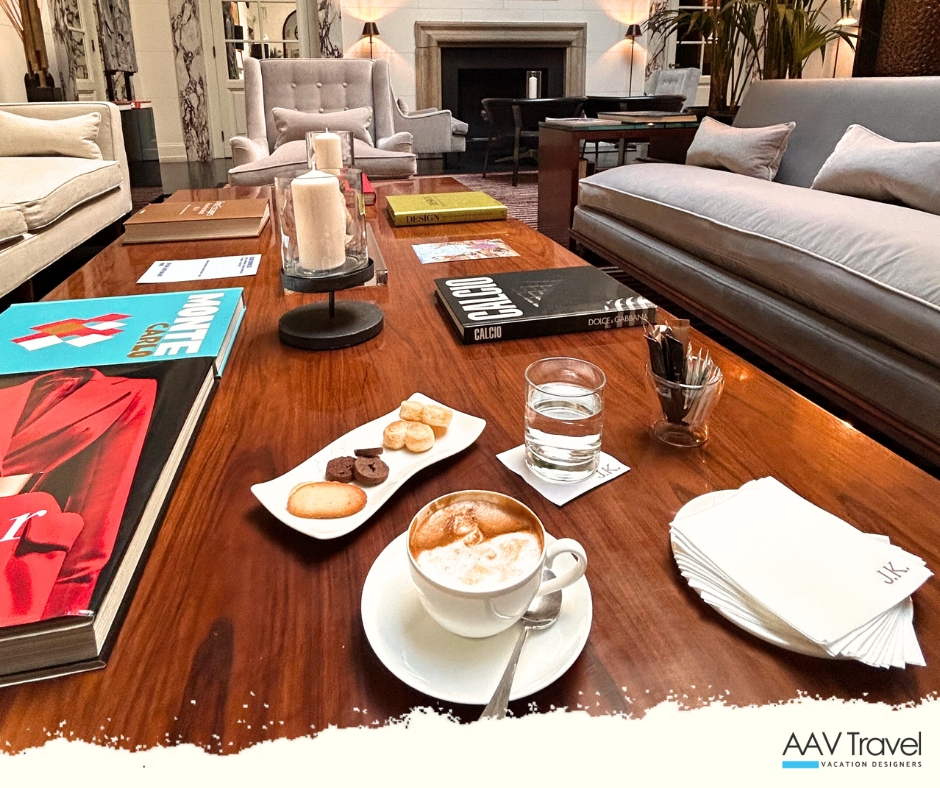
What sets J.K. Place Rome apart, however, is its intuitive service. Every interaction, from check-in to breakfast in the library lounge, is marked by genuine attention and discretion. There is a comforting sense of familiarity, as if you are returning to a place that knows you well—without ever having been there before. It’s a rare combination of luxury and approachability that makes you feel not just pampered, but truly seen.

Adding to this thoughtful experience, General Manager Maria Strati curates a monthly newsletter that offers handpicked insights into Rome’s ever-evolving cultural and culinary scene—highlighting events, must-visit restaurants, insider shopping spots, and a personal tip for the month. And for anything else you might need, the concierge team is just a WhatsApp message away, ready to assist with the kind of effortless efficiency and warmth that defines the J.K. experience.

For those planning a journey to the Eternal City, working with an experienced luxury travel advisor adds another layer of ease and refinement. With insider knowledge, firsthand hotel visits, and longstanding relationships with properties like J.K. Place, your AAV Travel advisor ensures that your Roman holiday is seamless, personalized, and unforgettable—from the moment you arrive to your final gelato in Piazza Navona.

In addition, you gain access to far more than just hotel bookings and sightseeing suggestions—you benefit from deeply personal, firsthand experience. With extensive on-the-ground knowledge of the city’s finest boutique hotels, hidden-gem trattorias, private guides, and off-the-beaten-path moments, your advisor ensures your Roman holiday feels effortless, immersive, and truly tailored to you.

Written by: Stefanie P.
To start planning, contact us via email at info@aav-travel.com or visit the website.