Flying Into Uncertainty What Thoughtful Travel Planning Looks Like in 2026

Flying is one of the greatest enablers of exploration and connection in our world, yet the skies that carry us to distant beaches, hidden villages, and bucket-list cities are shaped by forces that extend far beyond departure gates and check-in counters. As we move into 2026, the travel industry itself is navigating a period of profound transition, influenced by economic volatility, climate impacts, geopolitical turbulence, and evolving policy frameworks. For thoughtful travelers who seek not just destinations but meaningful experiences, understanding these forces and preparing with insight and intention can make all the difference between stress and serenity on the journey.

Recent weeks offered an unmistakable example of how quickly external events can ripple through the travel ecosystem. In early January 2026, a sudden United States military operation in Venezuela prompted the Federal Aviation Administration to issue restrictions on airspace use across large portions of the Caribbean. Within hours, hundreds of flights were canceled, and tens of thousands of people found their plans dramatically altered amid one of the busiest travel periods of the year. The closure itself lasted less than a day, but the impacts — bottlenecked schedules, backlogged aircraft and crews, limited seat availability, and travelers facing extended stays far longer than anticipated — lingered for days afterward.

Stories emerged of newlyweds turning a six-day honeymoon into a fourteen-day adventure not by choice but by circumstance, and of logistical headaches that few had anticipated as part of their Caribbean getaway. While the Federal Aviation Administration lifted restrictions and airlines worked to restore service, the episode underscored a simple truth: even brief geopolitical disruptions can cascade into real, tangible complications for civilian travel, regardless of the destination’s inherent safety or appeal. The Caribbean remains open for flights and welcoming visitors, as carriers resume and add capacity to clear the backlog, but the experience itself revealed how quickly normalcy can shift in aviation.

Travel insurance is a natural part of how many travelers seek peace of mind, yet conventional policies often come with limitations that are not widely understood until after the fact. One of the more surprising gaps for most travelers is that standard travel insurance policies frequently exclude coverage for war and acts of war, leaving those disrupted by geopolitical events without the financial protection they assumed was in place. These exclusions typically arise because the potential losses associated with war-related events can be so extensive that insurers exclude them by default in standard consumer plans.

Even when policies offer coverage for “terrorism” or related risks, defined narrowly and subject to stringent criteria, broader hostilities such as conflict between nations or sudden military operations are often carved out. Ordinary travel insurance may not cover cancellations, interruptions, or additional expenses stemming from these types of events, which means that travelers who believe they are fully protected might find themselves responsible for unexpected costs if circumstances shift suddenly abroad.

This reality isn’t meant to incite fear or deter exploration. Quite the opposite. Understanding the scope and limitations of travel insurance allows travelers and travel designers alike to build resilience into their plans in ways that go beyond ticket prices and hotel confirmations. Knowing what is and isn’t covered encourages intentional choices, such as evaluating whether supplementing a standard policy with specialized riders or Cancel-For-Any-Reason coverage makes sense for a given itinerary, or simply starting a conversation about risk tolerance and contingency planning sooner rather than later.

It also highlights the value of working with an advisor who can help travelers navigate conversations around insurance limitations, flag areas where additional clarification from licensed providers may be needed, and thoughtfully design itineraries and contingencies that reduce exposure to unpredictable variables.

The Caribbean airspace event in January 2026 reinforces how planning travel today is not just about the joys of destination discovery but about approaching the unknown with preparedness and poise. Thoughtful travel design anticipates that schedules can change, that policies have parameters, and that sometimes the greatest luxury is not the absence of complexity, but the freedom from worry that comes with thoughtful planning. When travel is anchored in context and care, disruptions become detours rather than derailments, and the traveler’s experience remains rich, fluid, and rewarding.

In the end, the art of travel is not measured by flawless execution alone, but by our capacity to navigate unforeseen twists with calm, dignified judgment. For those who seek meaningful journeys paced with intention, the skies ahead may hold uncertainty, but they also hold possibility. With informed planning and a clear understanding of risk and resilience, the horizons we chase can be embraced with confidence and curiosity.

Travel today asks for more than enthusiasm and a destination wish list. It invites discernment, context, and a steady hand in shaping experiences that can flex when the world does. When journeys are designed with intention, timing, and an understanding of the broader landscape in which they unfold, uncertainty becomes something to navigate calmly rather than fear. If you find yourself considering a future journey and would value a thoughtful conversation about how to approach it with clarity and confidence, I welcome you to connect at www.aav-travel.com or email info@aav-travel.com.

Written by: Stefanie P.

How Florence Is Best Experienced: A Journey Through the Six Senses

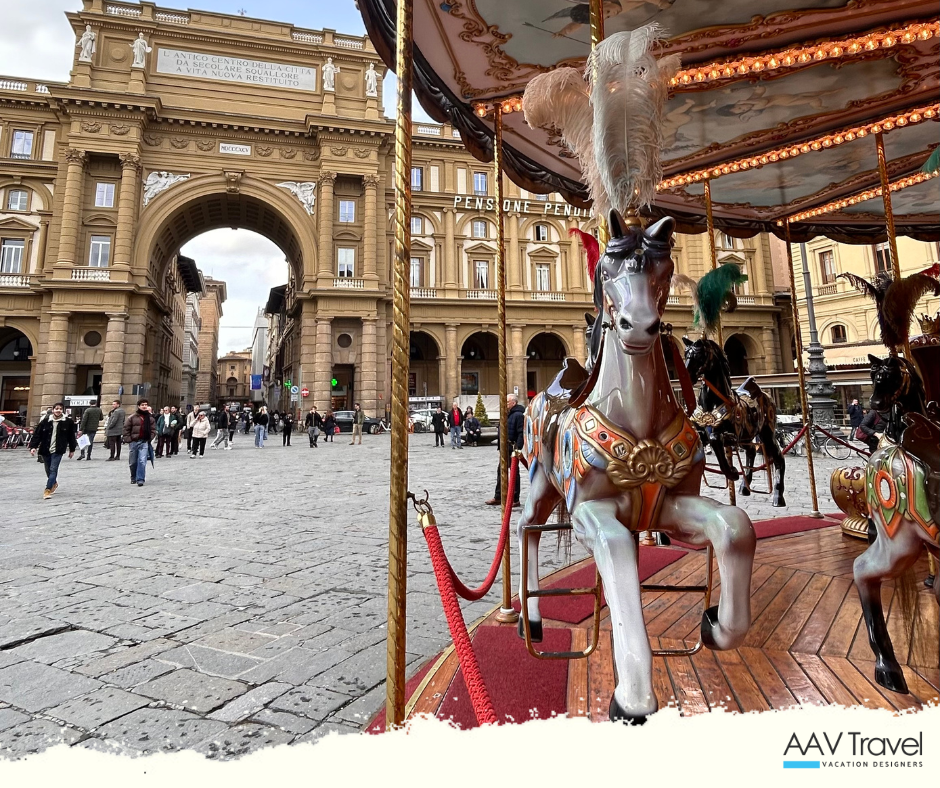
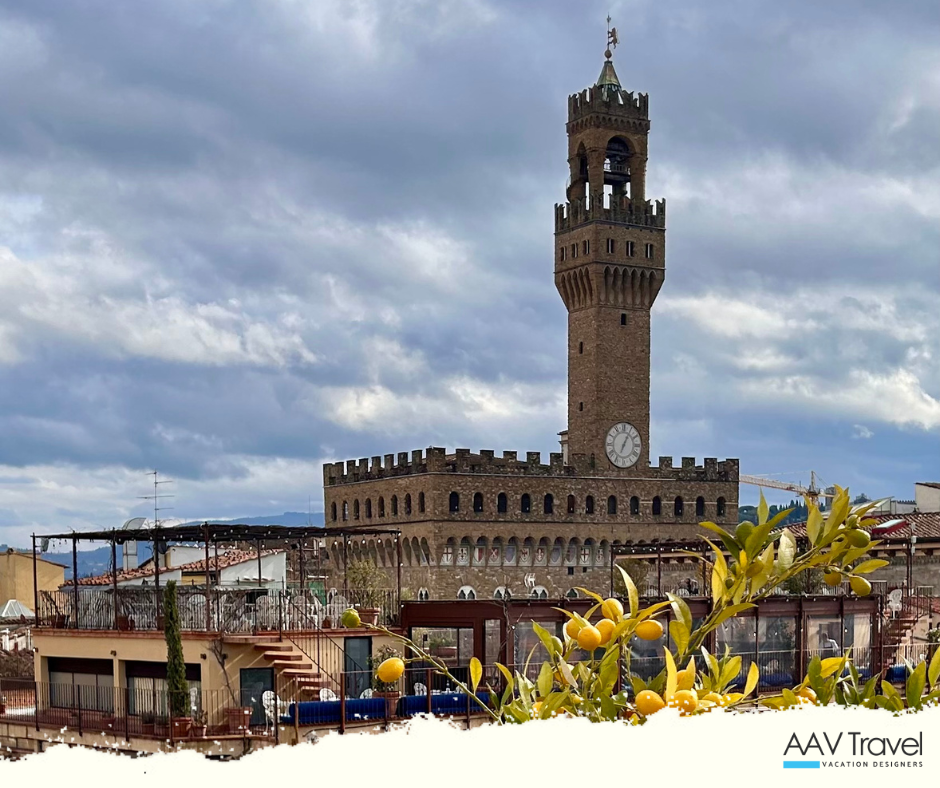
Florence is often introduced through masterpieces and monuments. The Duomo. The David. The Uffizi. Yet the travelers who leave feeling most connected to the city rarely describe it only in terms of what they saw. Instead, they recall the weight of warm stone under their palms at dusk, the echo of chanting drifting through a quiet basilica, the faint perfume of roses on a hillside breeze, the way a simple meal lingered in memory long after the last bite.

Florence reveals itself most fully when it is experienced through the senses, not hurried through as a checklist of sights. When approached with presence and intention, the city becomes less a destination to be consumed and more a place to be felt.

Modern psychology tells us what seasoned travelers already know instinctively: our senses are gateways to wellbeing, memory, and meaning. Sight, sound, smell, taste, touch, and intuition shape how we process the world and how deeply we feel connected to it. Travel, when designed with care, awakens these senses in ways everyday life rarely allows.

Florence, with its layered history, human scale, and enduring craftsmanship, offers an unusually rich setting for this kind of experience.

SIGHT: When Light Becomes the Experience

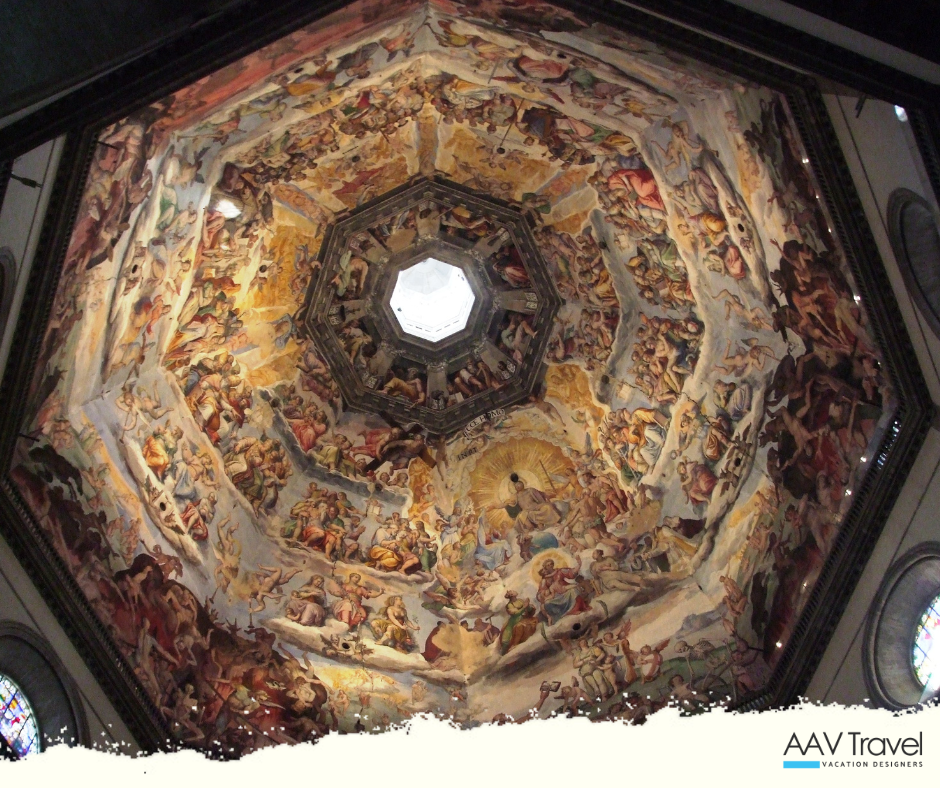
Inside Santa Maria del Fiore, sight is not merely about architecture or ornamentation. At midday on the summer solstice, a single beam of sunlight enters through a small aperture high in the dome and lands precisely on a marble disc below, a quiet yet extraordinary convergence of art, science, and faith. Installed centuries ago as part of an astronomical instrument, this moment transforms light itself into an event.

Standing in the cathedral as that beam appears, the instinct is not to photograph, but to pause. The filtered colors from stained glass shift across stone that has witnessed generations. The experience asks for stillness. Sight here is immersive and emotional, reminding us that seeing is not passive; it shapes how we remember and how we feel.

Florence excels at these subtle visual moments. They are easy to miss when moving too quickly, yet deeply affecting when allowed to unfold at their own pace.

SOUND: Listening to the City’s Inner Rhythm

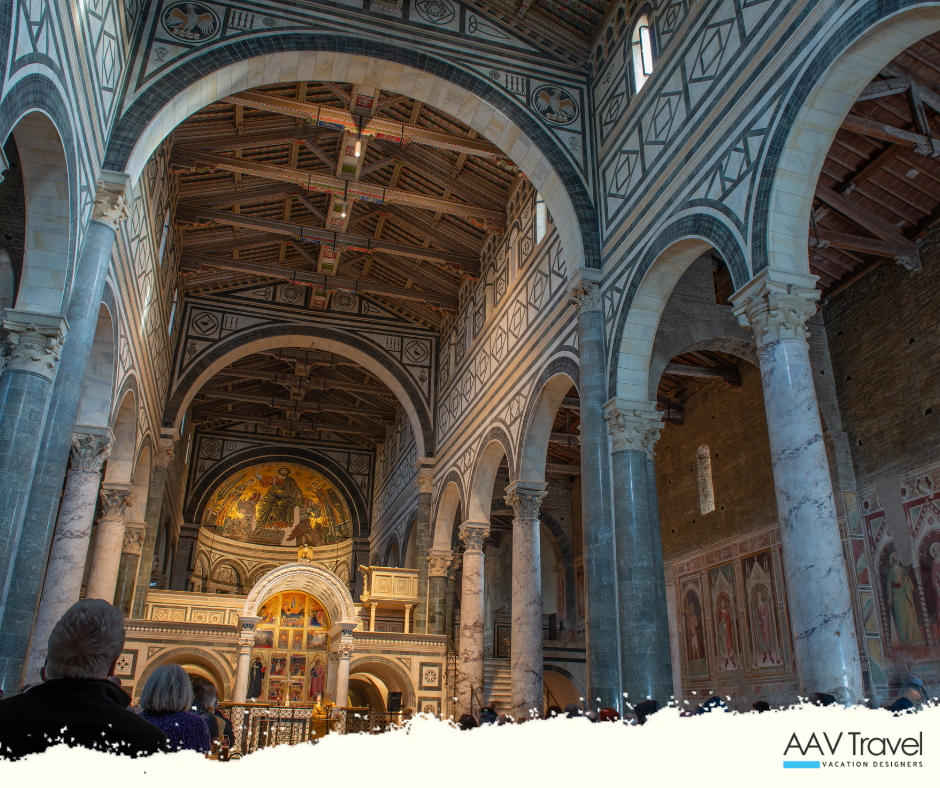
Above the city, the Basilica di San Miniato al Monte offers one of Florence’s most profound sensory contrasts. Outside, expansive views stretch across terracotta rooftops and rolling hills. Inside, sound becomes the defining element.

The Romanesque interior holds silence with intention. Footsteps echo softly. A single voice resonates longer than expected. In the early evening, Gregorian chant fills the space, its ancient cadence amplified by stone and proportion rather than technology.

This is not performance but ritual, and the effect is quietly disarming. The acoustics encourage slowing down, listening more deeply, and allowing sound to linger. In Florence, sound often reveals what sight cannot: the continuity of daily life layered over centuries.

SMELL: Memory Carried on the Breeze

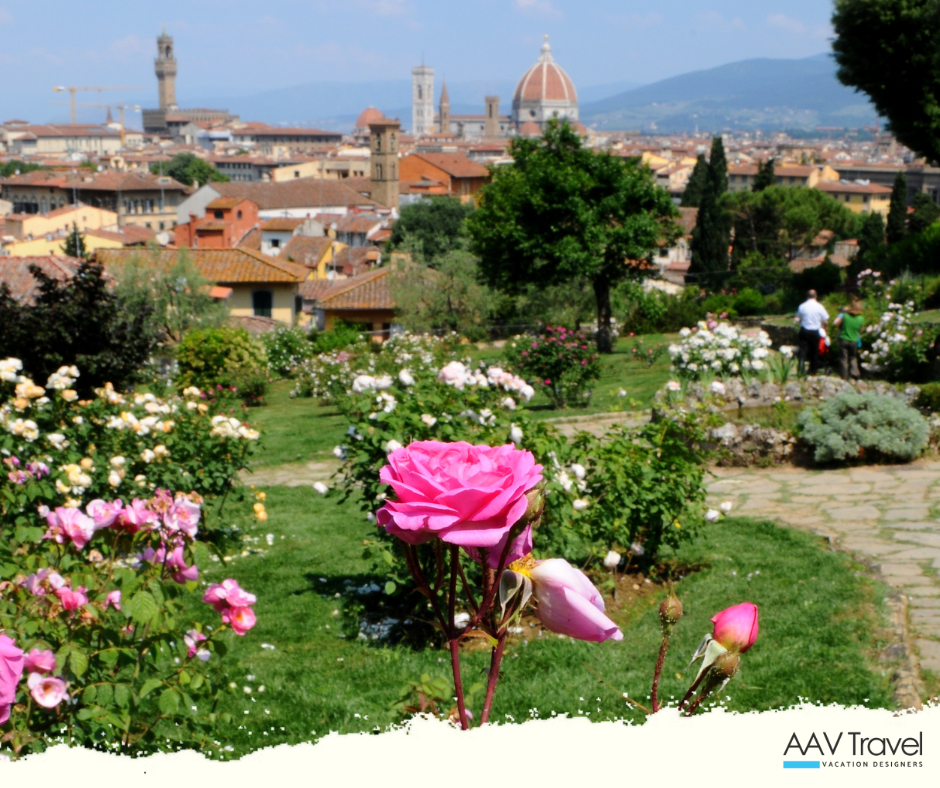
Below Piazzale Michelangelo, the Giardino delle Rose offers a different kind of perspective. Here, Florence is experienced through scent as much as through view. In late spring, hundreds of rose varieties bloom, their fragrances mingling with citrus trees and warm air rising from the city below.

Smell has a unique ability to anchor memory. Long after the view fades, it is often the scent of a place that resurfaces unexpectedly years later. In this garden, time seems to slow. The city’s hum softens, replaced by birdsong and the subtle rustle of leaves.

Pausing here is not about seeing Florence from above, but about inhaling it, allowing place and moment to register fully before moving on.

TASTE: A Culinary Language of Place

Florentine cuisine is direct, grounded, and deeply tied to its landscape. A well-prepared bistecca alla fiorentina, a bowl of ribollita, a slice of bread drizzled with new olive oil, these are not indulgences so much as expressions of place.

Taste in Florence rewards patience. Meals are meant to be lingered over, flavors allowed to develop, conversations given time. Ingredients carry history: grains milled nearby, oil pressed from surrounding hills, recipes shaped by necessity and care rather than trend.

To eat well here is not about excess but about understanding. Food becomes a quiet education in geography, climate, and tradition, one that stays with you long after the table is cleared.

TOUCH: Where Craft Still Lives

Florence remains a city where the human hand matters. In the Oltrarno, artisan workshops continue traditions passed down through generations. Leather, wood, paper, and metal are shaped slowly, deliberately.

Running your fingers over a finished piece, or watching the rhythm of hand stitching in a small workshop, connects you to the city in a way no museum display can. Touch brings history into the present tense. It reminds us that Florence was built not only by great artists, but by skilled hands working day after day.

These tactile experiences are often quiet and unscheduled, yet they are among the most enduring.

INTUITION: Knowing When to Pause

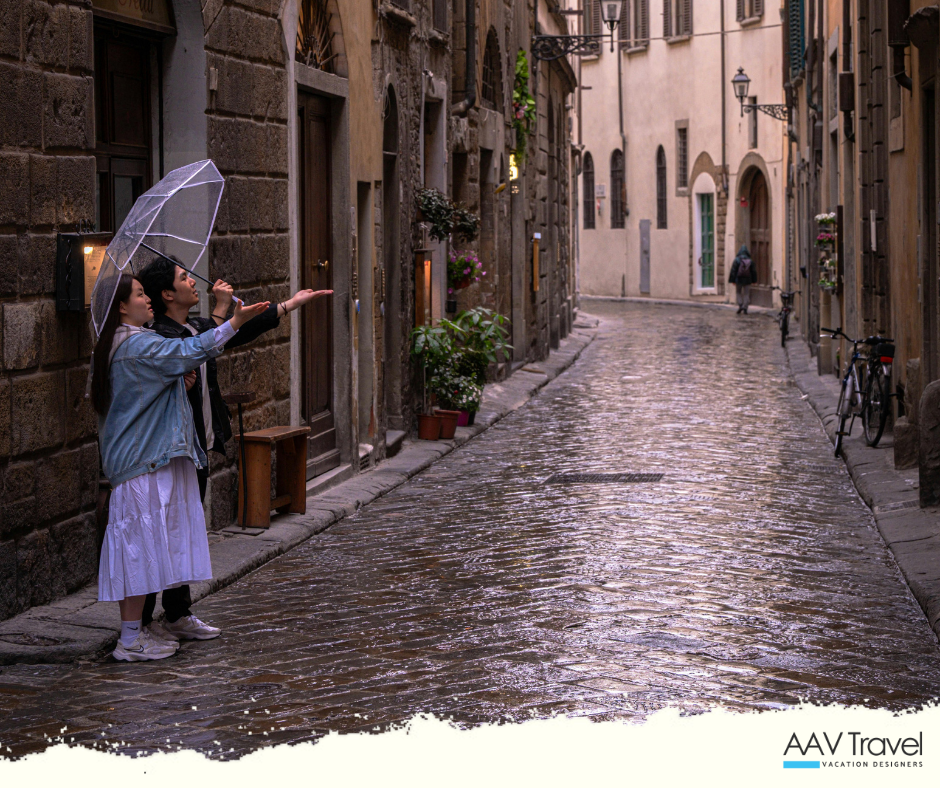
Beyond the senses we can name is the one that guides the most meaningful travel decisions: intuition. It is the instinct that suggests crossing a bridge at dusk, lingering in a small piazza, or choosing a café filled with locals rather than lines.

Florence rewards those who listen to this inner compass. In moments of unplanned stillness, the city feels less like a stage set and more like a living companion. This is where presence replaces performance, and travel becomes personal.

Thoughtful Hospitality as Part of the Experience

Where you stay in Florence shapes how the city is experienced between these moments. Properties that value calm, proportion, and restraint allow the senses to reset rather than compete for attention.

Hotel La Gemma, housed within a restored palazzo near the historic center, reflects this philosophy. Its atmosphere is quietly composed rather than overtly grand. Light-filled rooms, soundproofed interiors, tactile materials, and a sense of ease create a refuge after days spent absorbing the city.

Spaces like this do not distract from Florence; they support it, offering continuity and balance. When accommodation aligns with the rhythm of a destination, the experience feels cohesive rather than fragmented.

Designing Florence with Intention

Experiencing Florence through the senses is not about adding more activities, but about making thoughtful choices: when to visit certain spaces, where to linger, what to skip, and how to pace each day. These decisions shape how the city is felt, not just seen.

At AAV Travel, journeys are designed with this discernment in mind. Beyond reservations and logistics, the focus is on flow, timing, and context, ensuring that each element supports the overall experience rather than competes with it. The goal is travel that feels seamless, grounded, and deeply personal.

Florence has been inspiring travelers for centuries. When approached with intention, it continues to do so in ways that are subtle, restorative, and lasting. For those ready to experience the city beyond sightseeing, Florence offers not spectacle, but connection, one sense at a time.

If you are considering a journey to Florence and would like it shaped with care, pacing, and insight, AAV Travel welcomes the conversation.

Written by: Stefanie P.