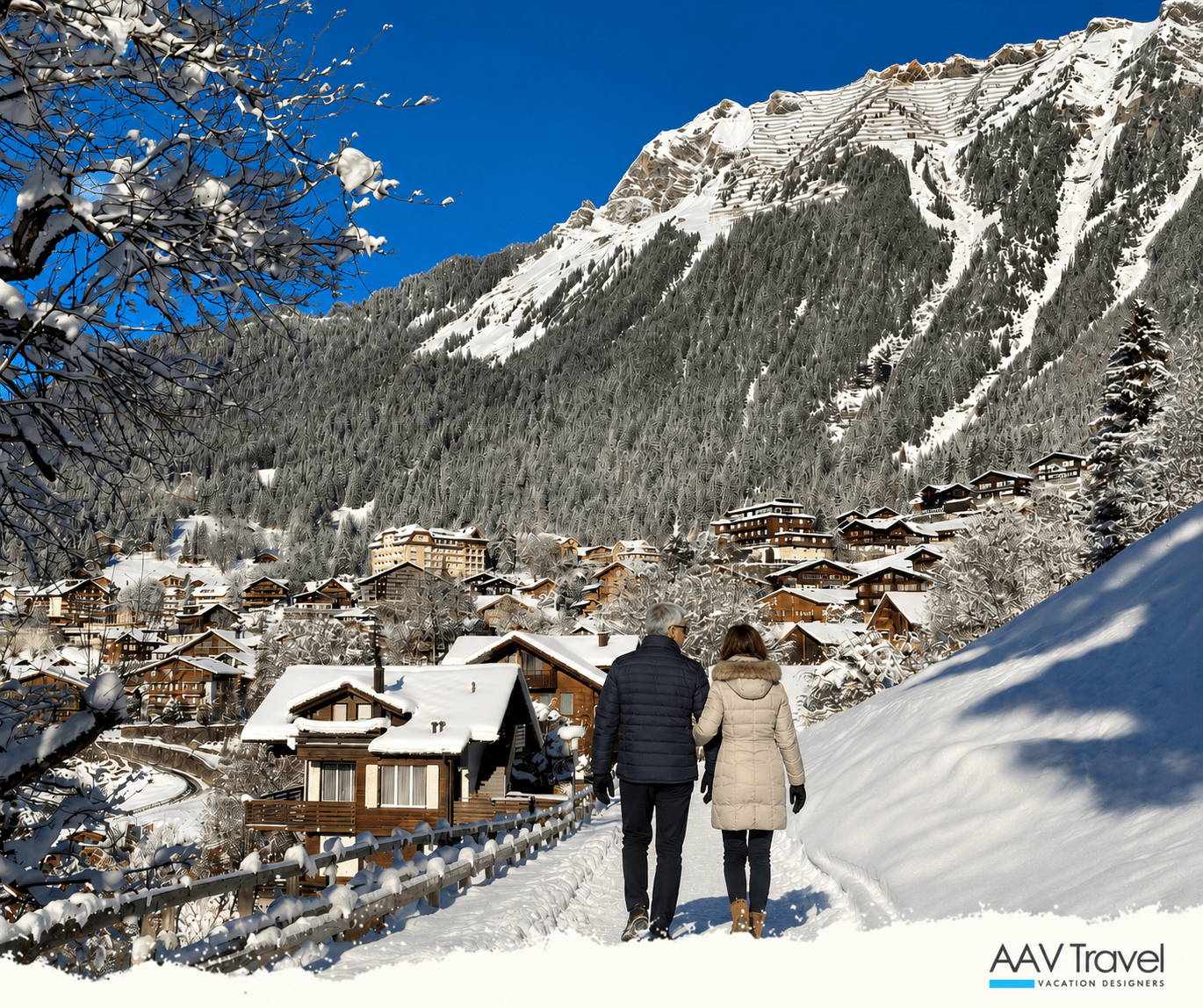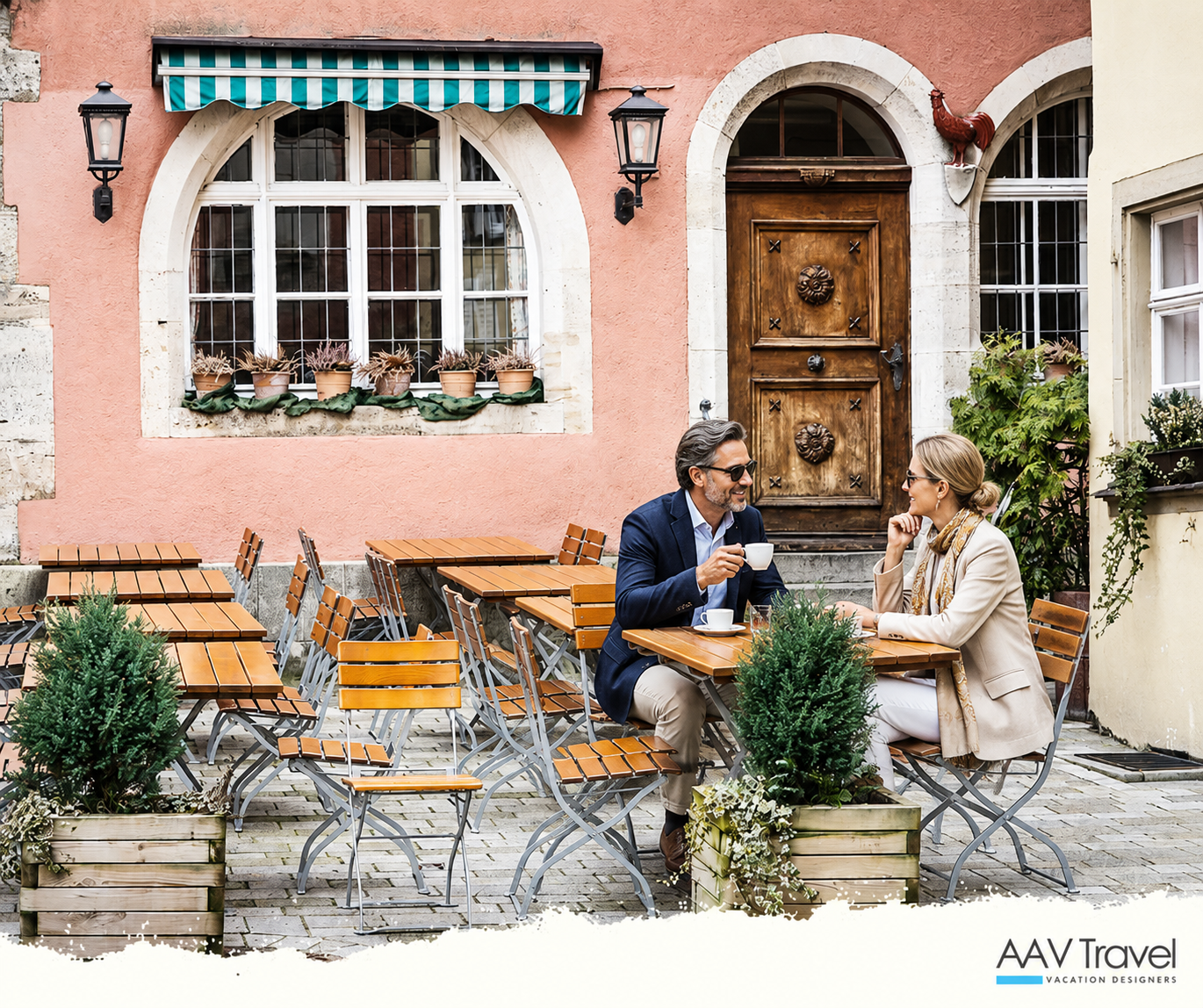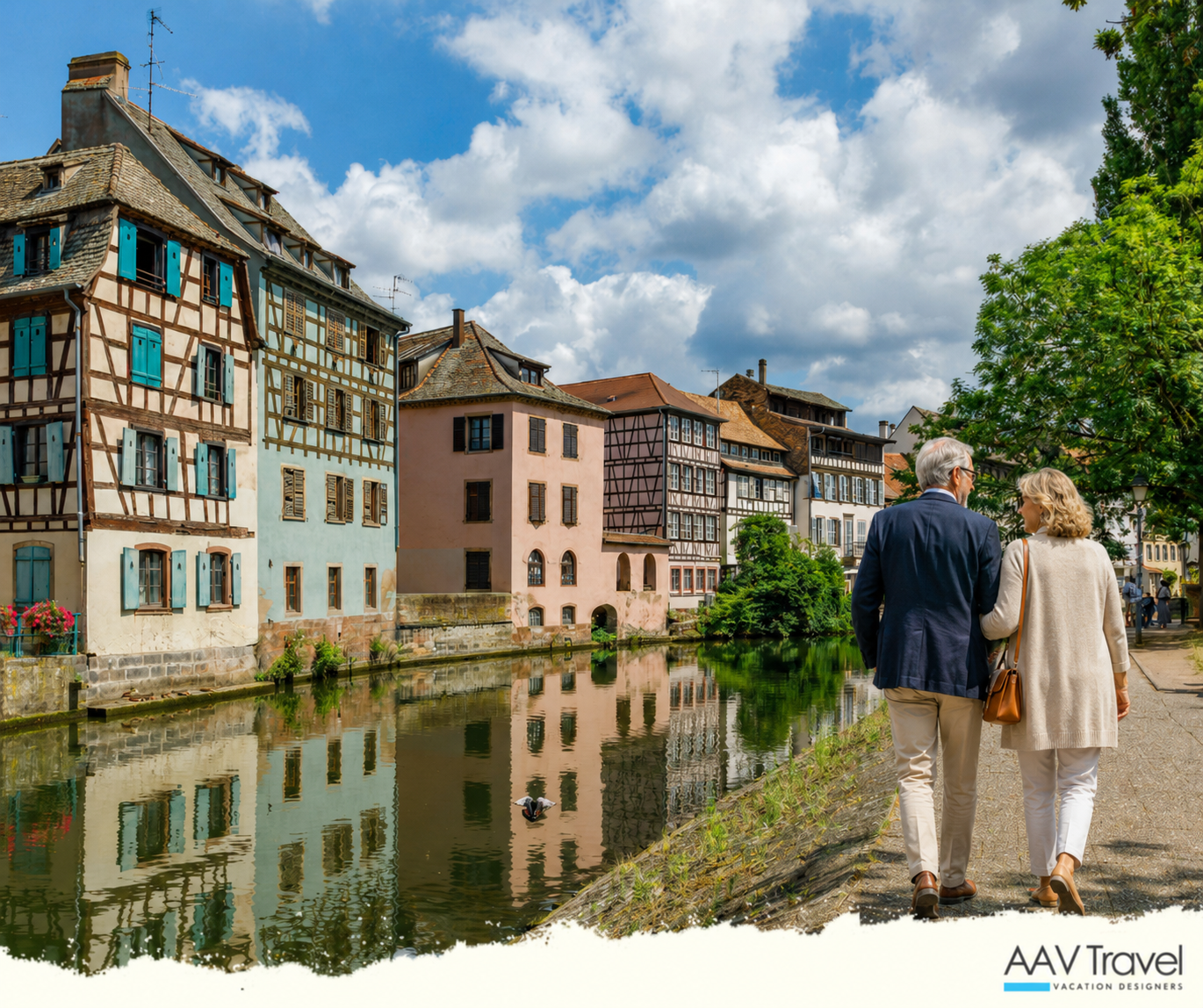
Anti-Aging Is Anti-Living. Designing Travel for the Years That Are Worth Getting To.

Anti-aging is anti-living.

That is not a wellness slogan. It is a structural problem. When the entire framework of how you approach getting older is built around avoidance — avoid certain foods, avoid looking your age, avoid slowing down, avoid the very word — you have organized your life around fear. And fear is a poor architect.

There is a different question worth asking. Not: what do I need to do to prevent aging? But rather: how do I design my life so that I age well?

The distinction is not semantic. One question puts you in a permanent defensive crouch. The other puts you in motion forward, with intention, toward something you are actually building.

The Years You Are Moving Toward

Most people spend their fifties and sixties treating later life as something to be outrun. The wellness industry is largely built on this anxiety, selling the illusion that the right protocol, the right regimen, the right intervention, will hold time at bay long enough to matter. It is an exhausting premise. It is also a dishonest one.

The truth is simpler and far more interesting. You are not running out of time. You are accumulating it. The later decades of a well-designed life, what we think of as the Harvest Years, are not a winding down. They are a culmination. They are where discernment replaces urgency, where clarity replaces obligation, where the things that actually matter have finally had enough time to reveal themselves.

Research continues to challenge the assumption that aging means decline across the board. Judgment sharpens. Priorities clarify. Emotional regulation improves. Many people report greater satisfaction in their sixties and seventies than they felt in the demanding middle decades of their lives. The framing of loss, so common in how we talk about growing older, misses a great deal of what is actually happening.

Designing for Power, Not Protection

If the Harvest Years are worth moving toward — and they are — then the question becomes one of design. How do you build a life, starting now, that makes those years rich?

The answer is not found in restriction. It is found in intention. What you do with your time, where you direct your attention, how you structure your days and your travels and your relationships, these choices compound. They do not produce results in a week. They produce a life, over decades, that either reflects your values or reflects your defaults.

Travel is one of the clearest mirrors for this kind of thinking. The way someone travels in their fifties and sixties says a great deal about how they have begun to relate to time. Travelers who are still moving at the pace they kept at thirty, cramming destinations, filling every hour, measuring the value of a trip by how much ground was covered, are often exhausted by experiences that should have been extraordinary. They are still running the old program.

Travelers who have begun to design their journeys differently arrive somewhere else entirely. Not in geography. In quality of experience.

What Travel Looks Like When You Are Building Toward Something

The shift is rarely dramatic. It often looks like spending ten days in one region rather than five countries in two weeks. It looks like choosing a slower pace not because of physical limitation but because depth has become more interesting than breadth. It looks like traveling with a clear sense of what you are there for — a particular landscape, a culinary tradition, a chapter of history you have been meaning to understand — rather than assembling a list of what you are supposed to see.

It also looks like being honest about trade-offs. A week in coastal Portugal in late September means smaller crowds, softer light, and easier access to the places worth visiting. It also means accepting that the water will be cooler and the days slightly shorter. That is not a compromise. That is a considered decision made by someone who knows what they actually want from a journey.

The same thinking applies to the less obvious choices. Spending four nights in a single hill town in Umbria rather than moving through Rome, Florence, and the Amalfi Coast in eight days is not a lesser version of Italy. For the right traveler, it is a truer one. The morning walk to the same bakery. The afternoon that has no agenda. The dinner that lasts three hours because the conversation is good and no one has an early train. These are not the experiences that appear on highlight reels, but they tend to be the ones people describe years later when they talk about the trip that changed something.

This kind of clarity does not arrive automatically with age. It has to be cultivated. And it tends to develop fastest in people who have started asking the right questions, not what am I trying to avoid, but what am I trying to build?

The Agency You Already Have

There is something quietly radical about deciding that your later years are not a diminishment to be managed but a destination to be designed. It requires rejecting a significant amount of cultural messaging. It requires trusting your own judgment more than the anxiety of the moment. And it requires acting accordingly, in the small choices of daily life and in the larger ones, like how you spend your time when you finally have the freedom to spend it well.

Travel, at its best, is a rehearsal for exactly this. Every well-designed journey requires you to decide what matters, let go of what does not, and trust the expertise of people who know the terrain better than you do. These are not travel skills. They are life skills. And the people who bring them to their journeys tend to return not just rested, but clarified.

The Harvest Years are not something that happens to you. They are something you move toward, with intention, one choice at a time. The only real question is whether you are designing them, or simply arriving unprepared.

IN CLOSING

If you are beginning to think differently about how you travel in this chapter of life, more deliberately, more intentionally, with a clearer sense of what you are building toward, a thoughtful conversation is often the most useful place to start. At AAV Travel, advisory sessions are designed around exactly this kind of thinking: not just where to go, but how to travel in a way that reflects where you are and what you want these years to become. You are welcome to reach out through AAV Travel or contact us directly at info@aav-travel.com.

Written by: Stefanie P.

When Life Changes, Travel Changes With It

There is a particular kind of alone that arrives not because you chose it, but because something ended. A marriage or long partnership that defined the shape of your days for years. Or a person whose presence meant that going somewhere together was simply what travel was, until it was not. When either of those things changes, whether through the slow unraveling of a relationship or the sudden absence of someone you loved, travel does not disappear from your life. But the version of it you knew does.

What takes its place is not immediately clear. That uncertainty, far more than the logistics of booking a single room or sitting at a table for one, is what most people are actually navigating.

It is worth saying plainly: these are two different experiences, and they carry different weight. The end of a marriage brings its own particular grief, alongside the strange task of reconfiguring a life that was built for two. Loss of a person you traveled with, a spouse, a close companion, a sibling who was always the one to suggest somewhere new, leaves an absence that shows up everywhere, including in the way you think about going anywhere at all. What they share is this: travel, which once had a familiar shape, suddenly does not.

The Weight of the Empty Seat

In travel, absence is unusually visible. It is there in the hotel room that feels too large, in the restaurant table that seats two, in the moment at a viewpoint when there is no one beside you to say anything to. People who have lost a travel companion, in whatever form that loss took, often describe a version of the same experience: the trip they imagined and the trip they are on feel like two different things, and they are not sure which one they are supposed to be having.

One of the more honest things I can say after eighteen years of designing travel for others is that this feeling is real, and it deserves to be treated as such rather than planned around. The instinct is often to fill the days so completely that there is no room for it. That rarely works. What tends to work better is choosing a pace and an environment that can hold both the difficulty and the possibility, without demanding that you resolve the tension before you have had time to feel it.

The pause before the journey is not a failure of readiness. It is information. It is telling you that the old map no longer matches the terrain, and that a different approach is worth considering.

What Changes When You Travel Alone

Solo travel is not the same as lonely travel. This distinction matters more than it might initially seem, and it is worth sitting with before you book anything.

When travel has always been shared, going alone can feel at first like a presence is missing rather than a new presence arriving. But that framing tends to shift once you are actually on the ground somewhere, responsible only for your own pace, your own appetite, your own decisions about where to be and for how long. There is a quality of attention that emerges when you are not also managing someone else’s experience. You notice more. You absorb more. You find yourself in conversations that would never have opened up otherwise.

The owner of a historic tea shop in Ulverston, England, tells you how they blend their teas and why nothing about it has changed for generations. A monk at a cloister in Italy who speaks quietly about ancient remedies and points out the plants still growing in the garden just outside the wall. A boat captain on a Norwegian fjord who cuts the engine for a moment and says nothing, because the silence is the thing worth listening to. These are the encounters that happen when you are fully present in a place, not divided between it and the person beside you. They are also, in my experience, the ones that stay.

There is also something to be said for the slower discovery of your own preferences. No itinerary built around compromise. No restaurant chosen to satisfy more than one set of tastes. The quiet, slightly unfamiliar pleasure of deciding entirely based on what you actually want is something that travelers returning from a first solo trip almost universally mention. It takes some adjustment. Then it becomes something worth protecting.

Taking the First Step Without Waiting to Feel Ready

The most common thing we hear from clients navigating this kind of transition is some version of: I will go when I feel more prepared. The honest answer is that the preparation does not come first. It comes during.

The first trip does not need to be ambitious. It needs to be manageable. A destination with a genuine culture of hospitality, where a single traveler is welcomed rather than conspicuous, makes an enormous difference in those early days. Ireland and Portugal are particularly well suited to this. The warmth is embedded in how people interact, the pace is forgiving, and the landscape in both cases does a great deal of the work for you.

For those who find the idea of entirely unstructured time difficult at first, a small group journey can serve as a thoughtful middle ground. Not a large escorted tour, but something more intimate: a handful of travelers moving through a region together, with a knowledgeable guide and enough built-in rhythm to anchor the days. Norway’s fjord country works beautifully for this. The scale of the landscape tends to quiet everything else, and a small group in that setting rarely feels like a crowd. It feels, more often, like the right amount of company at the right time.

What we find matters most is choosing a destination that rewards slow observation rather than constant movement. A place where the texture of daily life is visible and worth watching, and where the days do not need to be filled in order to feel worthwhile. The goal is not distraction. It is presence. Those are different things, and the distinction shapes every decision that follows, from where you stay to how long you linger somewhere that turns out to be exactly right.

What You Find on the Other Side

People who travel through grief or through the aftermath of a significant loss do not always come back transformed in the ways they expected. The difficulty does not disappear. But something else tends to emerge alongside it: a clearer sense of what they actually want, what pace suits them, what kind of experience genuinely restores them as opposed to simply distracting them. That clarity is not nothing. In many cases it is the beginning of a relationship with travel that is more honest and more satisfying than anything that came before.

We work with clients to find that through better questions before the trip, not after it. Not simply: where should I go? But: what do I want to feel during this journey? What have I been curious about for years but never made the central point of a trip? What would it mean to design something entirely around my own pace and my own interests, perhaps for the first time?

Those questions matter because generic answers produce generic travel, and generic travel is the last thing someone at this particular turning point needs. What tends to be most useful is a journey that reflects who you are now, not who you were when you last traveled with someone else. The two are often quite different people. Getting acquainted with the current one, somewhere worth being, is a reasonable place to start.

If you are standing at one of these turning points and wondering what travel might look like from here, AAV Travel offers Strategic Travel Advisory Sessions designed for exactly this kind of conversation. There is no agenda and no fixed answer, only a considered, unhurried discussion about where you are and where you want to go. Reach out at info@aav-travel.com or visit AAV Travel when you are ready.

Written by: Stefanie P.

The Art of Selective Trust: Why the Best Journeys Begin With Letting Go

There is a particular type of traveler who plans beautifully. They research thoroughly, cross-reference reviews, bookmark restaurants months in advance, and arrive at the airport with color-coded documents and contingency plans for their contingency plans. In their professional lives, this precision has served them well. It has built companies, guided careers, and produced outcomes worth being proud of.

And yet, on the trip itself, something quietly goes wrong. Not logistically. Logistically, things unfold exactly as planned. What goes wrong is subtler. The schedule becomes a constraint. The research becomes a script. The beautiful morning in a medieval village is partially experienced through the filter of whether the next stop will go smoothly. The traveler arrives home rested on paper and quietly exhausted in practice.

Control, when applied to travel with the same intensity it is applied to business, tends to produce a version of the destination rather than the destination itself.

The Illusion of the Perfectly Managed Trip

There is a meaningful difference between being informed and being in command. An informed traveler understands what they want from a journey, what kind of pace suits them, what trade-offs they are willing to make, and what truly matters versus what simply looks good on an itinerary. A traveler attempting to remain in command of every variable is doing something different altogether. They are managing a project.

Travel, at its best, does not behave like a project. It breathes. It offers moments that cannot be scheduled and connections that cannot be engineered. A conversation with a winemaker who decides, spontaneously, to open a bottle that never appears on any list. A morning fog lifting over the Douro Valley at precisely the hour you happened to be sitting on a terrace with your coffee. A sommelier at a small restaurant in Burgundy who, having spoken with you for six minutes, brings something entirely different from what you ordered because he could tell, exactly, what you needed.

These are not accidental moments. They are made possible by the deliberate act of creating space for them.

What Japan Teaches About Trust and Expertise

A well-known observation in hospitality and service design points to Japan as one of the most instructive examples in the world. In Japanese service culture, the customer is not assumed to always know best. Not out of disrespect, but out of genuine expertise. A master craftsman, a seasoned chef, or a deeply trained guide has spent years developing judgment that a visitor, however intelligent and well-prepared, simply does not possess. The expectation of deference flows toward expertise, not toward the paying guest.

This is not a power imbalance. It is a form of respect. It acknowledges that the person who knows the subject most deeply is in the best position to guide the experience. And it produces, in the hands of someone truly skilled, results that the traveler could not have imagined on their own.

The same principle applies to travel design, though it is rarely framed that way in Western contexts where the client is always assumed to be the final authority on their own trip. There is something worth reconsidering in that assumption.

The Real Cost of Overmanaging

When a traveler overmanages a luxury itinerary, the cost is not usually visible. The flight lands, the hotel is beautiful, the driver arrives on time. What is lost is less tangible: the opportunity for the experience to exceed what was anticipated. For something genuinely unexpected to occur within a well-held container.

Luxury travel, at its most effective, is not the elimination of all uncertainty. It is the careful management of risk so that the right kind of openness can exist. An experienced travel advisor does not simply execute logistics. They create conditions for things to go unexpectedly well, which requires a different kind of engagement from the traveler. It requires some degree of trust.

This is a meaningful distinction for travelers who are high-functioning and accustomed to directing outcomes. The ask is not to become passive. It is to redirect the energy that typically goes into control toward something more productive: communicating clearly what matters, being honest about what does not, and then allowing someone with genuine expertise to translate that into a design they could not have built alone.

When Letting Go Produces Better Results

The travelers who tend to describe their trips as transformative are rarely the ones with the most detailed pre-departure research. They are the ones who entered the journey with clarity about what they wanted to feel, and then trusted the people around them to help create that feeling. They did not surrender judgment. They exercised it in a different place. At the beginning, in the design conversation, where it belongs.

A well-designed trip does not require constant intervention from the traveler once it has begun. The structure is already there, built thoughtfully, tested against experience, and calibrated to what the person actually values. When a change occurs, and changes always occur, the advisor is already ahead of it. The traveler does not need to manage the situation. They need only to be present in it.

This is what selective trust looks like in practice. Not blind delegation, not abdication, but choosing deliberately to place confidence in someone who has earned it, so that you can be fully in the experience rather than managing it from a slight remove.

Designing for Openness

The question worth sitting with before any major journey is not how much you know about the destination. It is how much of the experience you are actually willing to receive. Some travelers arrive with every hour accounted for and return home never having been surprised by anything. Others come with a clear sense of what they value, a trusted advisor who understands them well, and enough openness to let the trip become something they could not have planned themselves.

The latter tends to be the more memorable experience. Not because it was less structured. It may have been meticulously structured. But because the structure was held by someone else, someone who understood what it was for and what it was meant to protect.

Expertise is not a service feature. It is a design element. The best journeys are not the ones where the traveler was most in control. They are the ones where control was placed wisely, and then released.

If this way of thinking about travel resonates with you, I would welcome the opportunity to explore what that looks like for your next trip. Through a Strategic Travel Advisory Session with AAV Travel, we can begin with what matters most to you and design from there, with the kind of expertise and judgment that transforms a well-planned trip into an experience that genuinely exceeds expectation. Reach out at info@aav-travel.com to begin the conversation.

Written by: Stefanie P.

From Vineyard to Village: What Happens When Travel Is Designed Around What Moves You

There is a particular kind of traveler who does not begin with a map. They begin with an obsession. It might be a grape varietal they first tasted on a rainy evening in a restaurant they can no longer name. It might be a fascination with ceramics, or opera, or the history of navigation, or the quiet rituals of tea. Whatever the thread, it is personal, and it is powerful. And when travel is designed around that thread, something shifts. The journey stops being about where you go and starts being about why you go there.

This is what passion-led travel looks like at its best. Not a themed package or a surface-level experience bolted onto an otherwise generic itinerary, but a journey built from the inside out, where the traveler’s deepest curiosity becomes the organizing principle of the entire trip.

Why the Best Journeys Start with a Personal Thread

Most travel planning begins with logistics. Where should we go. When is the best time. Which hotel has the best reviews. These are reasonable questions, but they are also limiting ones. They place the destination at the center and the traveler at the periphery. Passion-led travel reverses that equation. It asks not “what is there to do in Burgundy?” but rather “what would Burgundy reveal to someone who has spent years falling in love with Pinot Noir?”

The distinction matters more than it might seem. A wine lover visiting Burgundy without context will certainly enjoy beautiful landscapes and good tastings. But a wine lover whose journey has been designed around their specific palate, their curiosity about biodynamic farming, their interest in the tension between tradition and innovation in winemaking, will experience the same region at an entirely different depth. They will taste differently because they are tasting with intention. They will notice details that would otherwise blur into scenery.

Wine as a Lens, Not a Destination

Wine travel has become enormously popular, and with that popularity has come a great deal of repetition. The same celebrated estates appear on every curated list. The same tasting room format is replicated across regions. The result is often pleasant but predictable, a series of pours accompanied by scripted explanations that leave the traveler entertained but not truly changed.

For travelers who care deeply about wine, the most rewarding journeys look quite different. They might involve spending an unhurried morning with a winemaker whose family has worked the same hillside for five generations, listening not to a sales pitch but to a philosophy. They might include a walk through the vineyard itself, understanding how soil and microclimate create the flavors that end up in the glass. They might mean visiting during harvest, when the air smells of crushed fruit and the energy of the estate is raw and alive, rather than during the polished calm of the tourist season.

Regions like Piedmont, the Douro Valley, Ribera del Duero, or the quieter corners of Bordeaux all offer this kind of depth, but only when the itinerary is designed to access it. Timing matters enormously. The difference between visiting a wine region in April versus October is not merely aesthetic. It changes the conversations you have, the people you meet, and the understanding you take home. A thoughtful advisor knows these rhythms because they have lived them, and that knowledge shapes not only what is included in a journey but what is deliberately left out.

When Passions Converge

Some of the most extraordinary journeys happen when multiple passions are woven together. A traveler who loves both wine and architecture might find that a week in the Rioja region, where centuries-old bodegas sit alongside buildings designed by Frank Gehry and Zaha Hadid, creates a dialogue between craft and design that neither passion could sustain alone. A couple where one partner is drawn to culinary tradition and the other to maritime history might discover that the Basque Country or coastal Portugal offers both in equal measure, without compromise.

The key is integration, not accumulation. A well-designed passion-led journey does not try to pack in every possible interest. It identifies the thread that will give the trip its emotional coherence and builds outward from there, layering complementary experiences in a way that feels organic rather than forced. This is the difference between a trip that tries to be everything and a trip that feels like it was made for you.

Beyond the Obvious Passions

Wine is among the most recognized entry points for passion-led travel, but the principle extends far beyond it. Travelers have designed remarkable journeys around botanical gardens and rare plant species, around the history of jazz from New Orleans to Paris, around textile traditions from Oaxaca to Marrakech, around sacred architecture from Romanesque chapels to Byzantine monasteries, and around the quiet art of birdwatching in some of the world’s most pristine ecosystems.

What all of these journeys share is a common structure. They begin with something the traveler already loves. They use that love as a compass. And they result in trips that feel not like consumption but like conversation, a dialogue between the traveler and the place that leaves both slightly changed.

The world is extraordinarily generous to travelers who arrive with a genuine question rather than a checklist. A lover of handmade textiles visiting Oaxaca will be welcomed into weaving studios that most tourists walk right past. A birdwatcher in Costa Rica will notice an entirely different forest than the one described in guidebooks. A history enthusiast walking the battlefields of Normandy with real preparation will feel the weight of the landscape in a way that no audio tour can replicate.

The Trade-Offs Worth Making

Passion-led travel also requires honesty about trade-offs. A journey designed around vineyard visits may mean spending less time in cities. A trip built around opera season in Verona means committing to specific dates and potentially navigating summer heat and crowds. These are not problems to be solved. They are decisions to be made with clarity and intention.

The travelers who enjoy passion-led journeys most are often those who understand that choosing deeply in one direction means releasing the pressure to see everything else. That release is, in itself, a form of luxury. It is the freedom to say “this is what matters to me on this trip” and to design every day around that declaration.

Why This Kind of Travel Requires a Different Kind of Planning

Passion-led travel is not something that can be assembled from a list of top-rated experiences. It requires listening, not just to what a traveler wants to do, but to what moves them. It requires understanding context, seasonality, and the often invisible logistics that determine whether a private winery visit feels intimate or awkward, whether a cultural encounter feels revelatory or contrived.

It also requires the kind of relationships that take years to build. Access to a celebrated winemaker’s private cellar is not something that appears on a booking platform. These connections exist within networks built on trust, reputation, and a shared commitment to quality, and they are often the difference between a good trip and an unforgettable one.

If you have been thinking about a journey shaped by something you truly love, whether it is wine, art, music, history, or a passion you have not yet explored through travel, an intentional conversation is often the most meaningful place to begin. The best itineraries are not assembled from recommendations. They are designed through careful listening, honest discussion of pacing and trade-offs, and the kind of judgment that comes from years of experience shaping journeys around what matters most to each traveler. You are welcome to reach out through AAV Travel or contact us directly at info@aav-travel.com to start a thoughtful planning conversation.

Written by: Stefanie P.

Why Time Is One Of The Most Underrated Luxuries In Travel Planning

Most people think a journey begins when they step onto a plane. In reality, travel begins much earlier, in the quiet moment when a trip shifts from a passing idea to a deliberate intention. That space between deciding and departing is not empty time. It is where expectations form, choices take shape, and the tone of the journey is quietly set, often long before a suitcase is opened.

Window to the World

In recent years, many travelers have grown accustomed to planning closer and closer to departure. Flexibility has become a virtue, spontaneity a badge of honor. And while last‑minute travel can absolutely work in the right circumstances, it often comes at an invisible cost. The difference between planning eight months ahead versus three months ahead is not just logistical. It is psychological, emotional, and experiential.

One of the most overlooked benefits of planning well ahead is anticipation. Knowing that a meaningful journey is on the horizon has a grounding effect. It introduces a steady undercurrent of pleasure into everyday life — something to look forward to during busy seasons, demanding projects, or uncertain stretches. Anticipation stretches the joy of travel across time, rather than confining it to a single week away.

When travel is planned early, the mind has room to wander. Travelers begin to imagine textures, tastes, and rhythms. They read, notice, and reflect. This mental engagement is not trivial; it is part of why travel feels restorative. By contrast, trips planned close to departure often feel compressed. Decisions are made quickly, options are weighed under pressure, and excitement is mixed with stress. The journey may still be enjoyable, but the runway leading up to it is shorter and more crowded.

Time also plays a critical role in the quality of choices available. Eight months ahead, the world of travel is simply more open. Preferred rooms are still available, not just any room. The best‑suited guides, sailings, and access windows can be selected thoughtfully rather than accepted by default. Flights can be chosen to support rest and pacing instead of endurance. These are not luxuries in the superficial sense; they are elements that quietly shape how a trip feels in the body.

Early planning allows for discernment. It gives travelers the ability to say yes to what truly fits and no to what does not, without feeling boxed in by scarcity. This is particularly important for travelers who value comfort, context, and depth over volume. A well‑designed journey is not about doing more. It is about aligning experiences with energy, interests, and timing — something that is far easier to achieve when options are abundant.

Planning closer to departure naturally narrows that field. Three months out, excellent trips are still possible, but the process changes. Creativity is often replaced by efficiency. Trade‑offs become necessary, not because a traveler prefers them, but because the calendar dictates them. The question shifts from “What would suit us best?” to “What is still available?” That subtle shift is where many trips lose a degree of elegance.

None of this is meant to suggest that every journey must be planned far in advance. Life does not always cooperate, and there are moments when spontaneity is exactly right. But for milestone trips, longer journeys, or experiences that matter deeply, time is an ally worth respecting. It brings clarity. It softens decision‑making. It allows travel to be shaped deliberately rather than assembled reactively.

In the end, planning eight months ahead is not about being early. It is about creating space — space to imagine, to choose well, and to travel with fewer compromises. When time is used intentionally, it becomes one of the most powerful tools in designing a journey that feels not just enjoyable, but genuinely sustaining.

Thoughtful travel rarely happens by accident. It benefits from conversation, perspective, and a calm understanding of what matters most to you. If you are considering an upcoming journey and would value a more intentional approach to timing, pacing, and design, an initial conversation can help clarify the path forward. You can learn more at AAV Travel or reach out directly at info@aav-travel.com.

Written by: Stefanie P.

Why Locals in Europe Don’t Choose Restaurants by Online Reviews—and What That Means for How You Travel

In an era shaped by smartphones and instant validation, it’s easy to assume that choosing where to eat is a universal exercise in scrolling, comparing, and ranking. Yet across much of Europe, this approach feels oddly out of place. In many cities, towns, and villages, locals simply do not rely on online reviews to decide where to dine. Some barely consult them at all. Instead, restaurant choices are guided by habit, intuition, seasonal rhythm, and relationships built quietly over decades.

Dining in Europe is rarely transactional. It is cultural, personal, and deeply rooted in a sense of belonging. Many people return again and again to the same neighborhood restaurants their parents and grandparents frequented, not because they once read a glowing review, but because those places feel familiar and trusted. In residential neighborhoods, chefs often cook not for tourists chasing novelty, but for neighbors they know by name, preferences, and routine. The goal is consistency and care, not visibility.

This is why some of the most memorable meals travelers experience happen in places with no website, no social media presence, and no interest in collecting stars. These restaurants are not hiding; they simply exist outside the digital feedback loop. Finding them requires a different way of paying attention—one that values context over comparison and presence over prediction.

Across Europe, subtle signals often speak louder than online praise. A short, focused menu typically suggests a kitchen that cooks with intention, adapting to what is fresh and available rather than offering endless choice. Regional specificity matters deeply. Pasta shapes in Italy, breads in France, dumplings in Central Europe, or sauces that vary by village rather than country often indicate a restaurant grounded in place. These details are not designed for display; they are habits formed through tradition.

Atmosphere also tells its own story. A lively dining room filled with animated conversation, familiar greetings between staff and guests, and a steady rhythm of service usually reveals more than any rating ever could. So do the small gestures that arrive before the meal itself. Bread that is warm and distinctive, a starter prepared with care, or a handwritten note about the day’s offerings can quietly signal what kind of experience lies ahead.

In many European cities, restaurants do not need to announce themselves loudly. Reputation spreads locally, and confidence comes from longevity rather than marketing. Places that rely heavily on multilingual signage, photos of every dish, or exaggerated claims aimed at passersby are often catering to a different audience. Locals tend to gravitate toward restaurants that feel unforced, where the focus remains on the food, the flow of the meal, and the shared experience of being there.

Timing matters as well. Restaurants that fill naturally during local mealtimes tend to do so for good reason. Empty tables at peak hours can be telling, while the gentle hum of a full room often reflects trust earned over time. Even the aromas drifting from a doorway—something simmering slowly, bread baking, onions caramelizing—can offer a more honest invitation than any algorithm.

For travelers accustomed to relying on reviews, this approach can feel unsettling at first. Choosing a restaurant based on atmosphere, instinct, or observation rather than certainty requires a willingness to be present and curious. Yet this slower, more intuitive way of dining often becomes one of the most rewarding aspects of traveling through Europe. It allows room for surprise, encourages engagement with local rhythms, and invites travelers to taste flavors they might not have selected in advance.

That said, discernment matters. Not every traveler enjoys unpredictability, and there is no virtue in discomfort for its own sake. Reviews can still serve a purpose, particularly for those with dietary restrictions or strong preferences. The difference lies in how they are used—not as the sole decision-maker, but as one of several inputs balanced with observation, context, and local insight.

One of the most valuable yet underutilized resources for navigating Europe’s dining landscape is the human one. Luxury hotel concierges often have exceptional knowledge of their city’s culinary scene and can secure reservations at sought-after restaurants with ease. But the most interesting recommendations often emerge when the conversation goes a step further. Asking where someone eats with their family on a Sunday, or which neighborhood spot they return to after a long day, often leads to places that never appear on curated lists.

Food tours can also play an important role, particularly early in a stay. Led by passionate locals, these experiences provide more than tastings. They offer cultural context, stories, and confidence. Visiting markets, bakeries, cafés, and small eateries with someone who understands the city’s rhythms helps travelers recognize the signs of quality and authenticity on their own. A well-chosen food tour doesn’t replace independent discovery; it enhances it.

Once travelers begin to understand a destination’s culinary language, integrating local rituals becomes especially meaningful. Enjoying afternoon tea in England or lingering over hot chocolate in one of Vienna’s historic cafés is about more than the food itself. These traditions invite travelers to slow down, observe, and participate in moments that locals have cherished for generations. They provide structure to the day and a deeper sense of connection to place.

Experiencing Europe through its food is not about finding the “best” restaurant. It is about understanding how, when, and why people eat the way they do. It is about pacing, judgment, and choosing moments that align with the character of a destination rather than rushing to collect highlights.

At AAV Travel, this philosophy shapes how journeys are designed. Thoughtful travel is not about maximizing experiences, but about choosing the right ones—at the right time, in the right way, with an understanding of context and trade-offs. Through intentional conversations, careful planning, and calm judgment, AAV Travel helps travelers experience destinations with confidence and ease, allowing space for discovery without unnecessary risk or overwhelm. If you’re curious about how a more intentional approach could shape your next journey, you’re warmly invited to begin a conversation at www.aav-travel.com or by reaching out to info@aav-travel.com.

Written by: Stefanie P.

Hushpitality: When Silence Becomes the Most Thoughtful Luxury

There was a time when luxury travel was measured by abundance. More destinations, more activities, more dining reservations, more stimulation. Today, among experienced travelers who have already seen much of the world, that definition is quietly changing. The most valuable element of travel is no longer excess — it is relief. Relief from noise, from pressure, from constant decision-making, from the subtle tension that follows us even on holiday.

This is where hushpitality enters the conversation, not as a trend to chase, but as a response to how people truly want to feel when they travel.

Hushpitality is not about silence for silence’s sake. It is about designing travel that allows the nervous system to settle. It is about places and experiences that understand the difference between being alone and being at peace, between isolation and intentional quiet. For travelers who are accomplished, curious, and deeply engaged in their lives, this shift feels less like novelty and more like recognition.

Many travelers don’t articulate it this way at first. They say they want something “easy,” “restful,” or “less rushed.” They may say they want nature, or fewer hotel changes, or a villa instead of a city center property. What they are often seeking is not a destination, but a condition — the rare luxury of mental and emotional quiet.

True hushpitality begins long before arrival. It is shaped by decisions that are invisible when done well and immediately felt when done poorly. The choice of location within a destination matters more than the destination itself. A room facing the sea instead of the road. A countryside property twenty minutes farther out that trades convenience for calm. A carefully chosen travel window that avoids the subtle stress of crowds, weather volatility, or local events that change the rhythm of a place.

Silence, in this sense, is curated.

This is where experienced travelers often discover the limits of self-planning. Online inspiration tends to reward stimulation: the must-see, the must-do, the newly opened, the loudly celebrated. But quiet luxury requires discernment. It requires understanding not only what a place offers, but how it feels at different times of day, different seasons, and different stages of life.

Hushpitality also invites a rethinking of pace. It favors fewer transitions and longer stays, allowing the body to adjust and the mind to stop scanning for what comes next. It creates room for mornings without agendas and evenings that don’t require reservations. The absence of structure becomes the structure.

For many travelers, this kind of experience feels unfamiliar at first. There can be a subtle discomfort in slowing down, in realizing how accustomed we have become to noise. But once that threshold is crossed, something shifts. Travelers report sleeping more deeply. Conversations become richer. Small details — light on water, the sound of wind through trees, the rhythm of a local café — take on meaning again.

Importantly, hushpitality does not mean sacrificing comfort, beauty, or cultural depth. In fact, it often heightens them. A thoughtfully chosen museum visit early in the day, before crowds arrive, can feel almost private. A single, meaningful guide encounter can replace a full day of scheduled touring. A well-designed spa experience, or simply time spent walking without purpose, can become the most memorable part of a journey.

Silence sharpens perception.

This approach is particularly resonant for milestone travelers — those marking transitions rather than escapes. Empty nesters redefining freedom. Couples recalibrating after demanding years. Individuals traveling solo not out of necessity, but intention. In these moments, travel becomes less about distraction and more about alignment.

Designing for hushpitality also carries a responsibility. Quiet spaces must be genuinely protected, not merely marketed. Some destinations appear tranquil in photographs but feel restless in reality. Others require careful handling to avoid overexposure, environmental strain, or social friction that disrupts the very calm travelers seek.

This is where thoughtful travel design intersects with private travel risk advisory. Noise is not always audible. It can take the form of logistical friction, poorly timed connections, unreliable services, or cultural misunderstandings that pull travelers out of ease and into vigilance. Seamlessness is not indulgence; it is what allows quiet to exist.

At AAV Travel, hushpitality is not treated as a category, but as a lens. It informs how journeys are shaped, how trade-offs are evaluated, and how success is measured. Sometimes that means advising against a popular property in favor of one with better spatial design. Sometimes it means encouraging clients to stay put rather than move on. Sometimes it means acknowledging that a destination may be right — just not right now.

Silence, after all, is not something you add at the end. It must be designed from the beginning.

As travelers become more discerning, the value of judgment increases. Not every quiet place is restorative. Not every slow itinerary is satisfying. The art lies in understanding who a journey is for, what they carry with them into it, and what they hope to leave behind — even temporarily.

Hushpitality speaks to a deeper evolution in travel. Away from consumption and toward consideration. Away from performance and toward presence. It asks not “How much can I see?” but “How do I want to feel while I am there — and when I return?”

For those ready to travel with greater intention, silence is no longer an absence. It is the experience itself.

If you’re considering a journey where calm, clarity, and thoughtful design matter more than volume or velocity, a quiet conversation is often the best place to begin.

If a quieter, more intentional way of traveling resonates — one shaped by pacing, judgment, and an understanding of what truly restores — an intentional conversation can be a meaningful first step. AAV Travel works with clients to think through the broader picture before plans take shape, aligning destinations, timing, and structure with how travel is meant to feel. You can reach out to us directly at info@aav-travel.com to begin the conversation.

Written by: Stefanie P.

Flying Into Uncertainty What Thoughtful Travel Planning Looks Like in 2026

Flying is one of the greatest enablers of exploration and connection in our world, yet the skies that carry us to distant beaches, hidden villages, and bucket-list cities are shaped by forces that extend far beyond departure gates and check-in counters. As we move into 2026, the travel industry itself is navigating a period of profound transition, influenced by economic volatility, climate impacts, geopolitical turbulence, and evolving policy frameworks. For thoughtful travelers who seek not just destinations but meaningful experiences, understanding these forces and preparing with insight and intention can make all the difference between stress and serenity on the journey.

Recent weeks offered an unmistakable example of how quickly external events can ripple through the travel ecosystem. In early January 2026, a sudden United States military operation in Venezuela prompted the Federal Aviation Administration to issue restrictions on airspace use across large portions of the Caribbean. Within hours, hundreds of flights were canceled, and tens of thousands of people found their plans dramatically altered amid one of the busiest travel periods of the year. The closure itself lasted less than a day, but the impacts — bottlenecked schedules, backlogged aircraft and crews, limited seat availability, and travelers facing extended stays far longer than anticipated — lingered for days afterward.

Stories emerged of newlyweds turning a six-day honeymoon into a fourteen-day adventure not by choice but by circumstance, and of logistical headaches that few had anticipated as part of their Caribbean getaway. While the Federal Aviation Administration lifted restrictions and airlines worked to restore service, the episode underscored a simple truth: even brief geopolitical disruptions can cascade into real, tangible complications for civilian travel, regardless of the destination’s inherent safety or appeal. The Caribbean remains open for flights and welcoming visitors, as carriers resume and add capacity to clear the backlog, but the experience itself revealed how quickly normalcy can shift in aviation.

Travel insurance is a natural part of how many travelers seek peace of mind, yet conventional policies often come with limitations that are not widely understood until after the fact. One of the more surprising gaps for most travelers is that standard travel insurance policies frequently exclude coverage for war and acts of war, leaving those disrupted by geopolitical events without the financial protection they assumed was in place. These exclusions typically arise because the potential losses associated with war-related events can be so extensive that insurers exclude them by default in standard consumer plans.

Even when policies offer coverage for “terrorism” or related risks, defined narrowly and subject to stringent criteria, broader hostilities such as conflict between nations or sudden military operations are often carved out. Ordinary travel insurance may not cover cancellations, interruptions, or additional expenses stemming from these types of events, which means that travelers who believe they are fully protected might find themselves responsible for unexpected costs if circumstances shift suddenly abroad.

This reality isn’t meant to incite fear or deter exploration. Quite the opposite. Understanding the scope and limitations of travel insurance allows travelers and travel designers alike to build resilience into their plans in ways that go beyond ticket prices and hotel confirmations. Knowing what is and isn’t covered encourages intentional choices, such as evaluating whether supplementing a standard policy with specialized riders or Cancel-For-Any-Reason coverage makes sense for a given itinerary, or simply starting a conversation about risk tolerance and contingency planning sooner rather than later.

It also highlights the value of working with an advisor who can help travelers navigate conversations around insurance limitations, flag areas where additional clarification from licensed providers may be needed, and thoughtfully design itineraries and contingencies that reduce exposure to unpredictable variables.

The Caribbean airspace event in January 2026 reinforces how planning travel today is not just about the joys of destination discovery but about approaching the unknown with preparedness and poise. Thoughtful travel design anticipates that schedules can change, that policies have parameters, and that sometimes the greatest luxury is not the absence of complexity, but the freedom from worry that comes with thoughtful planning. When travel is anchored in context and care, disruptions become detours rather than derailments, and the traveler’s experience remains rich, fluid, and rewarding.

In the end, the art of travel is not measured by flawless execution alone, but by our capacity to navigate unforeseen twists with calm, dignified judgment. For those who seek meaningful journeys paced with intention, the skies ahead may hold uncertainty, but they also hold possibility. With informed planning and a clear understanding of risk and resilience, the horizons we chase can be embraced with confidence and curiosity.

Travel today asks for more than enthusiasm and a destination wish list. It invites discernment, context, and a steady hand in shaping experiences that can flex when the world does. When journeys are designed with intention, timing, and an understanding of the broader landscape in which they unfold, uncertainty becomes something to navigate calmly rather than fear. If you find yourself considering a future journey and would value a thoughtful conversation about how to approach it with clarity and confidence, I welcome you to connect at www.aav-travel.com or email info@aav-travel.com.

Written by: Stefanie P.