There is a particular kind of traveler who has done enough hiking to feel reasonably self-sufficient in unfamiliar terrain. They know how to dress for weather, read a map, and manage their own pace. They are not looking for someone to hold their hand. What they are looking for is a trip that delivers on its full promise rather than only a partial version of it.
For that traveler, guided hiking is not about limitation. It is a considered choice, made when the environment is genuinely complex and the value of local expertise outweighs the satisfaction of pure independence. The Scottish Highlands and the Swiss Alps are exactly the kind of settings where that calculation tends to resolve clearly. Not because either landscape is prohibitive, but because both are layered in ways that reward informed knowledge far beyond what most experienced travelers anticipate before they arrive.
What the Weather Actually Does in the Scottish Highlands
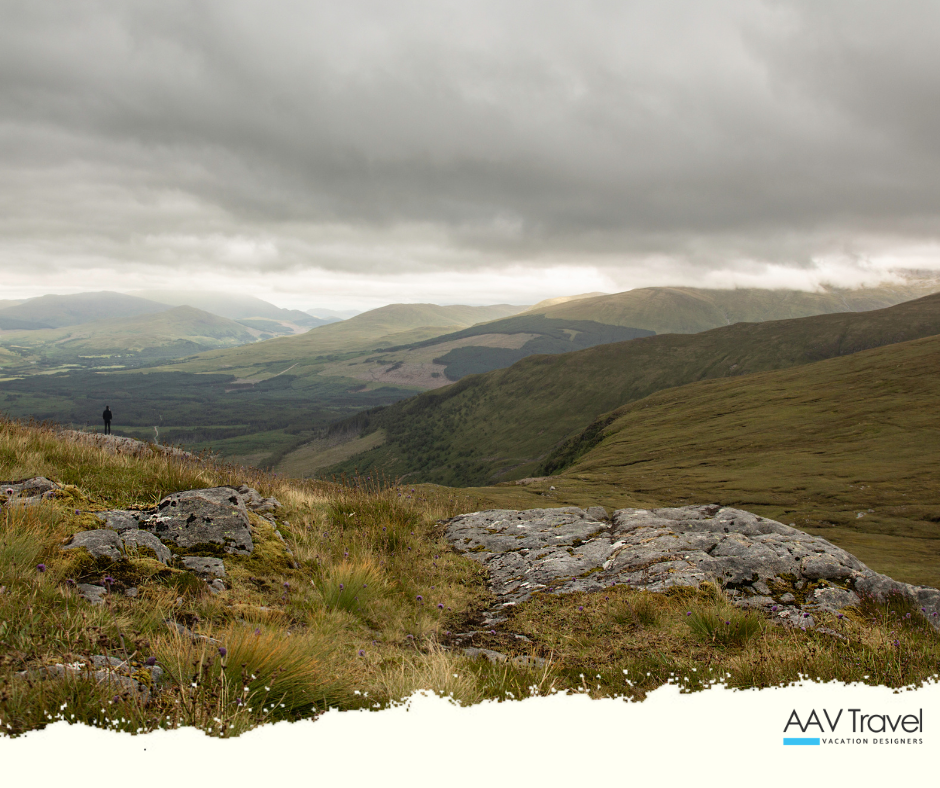
Those who have spent time in the Highlands know that forecasts carry a certain optimism that the mountains do not always honor. Conditions change with a speed and completeness that can be genuinely disorienting. A clear morning gives way to low cloud and reduced visibility within an hour, and anyone who has walked a ridge in sudden mist understands that the trail seeming obvious from below becomes a much more interpretive exercise once the landmarks disappear.
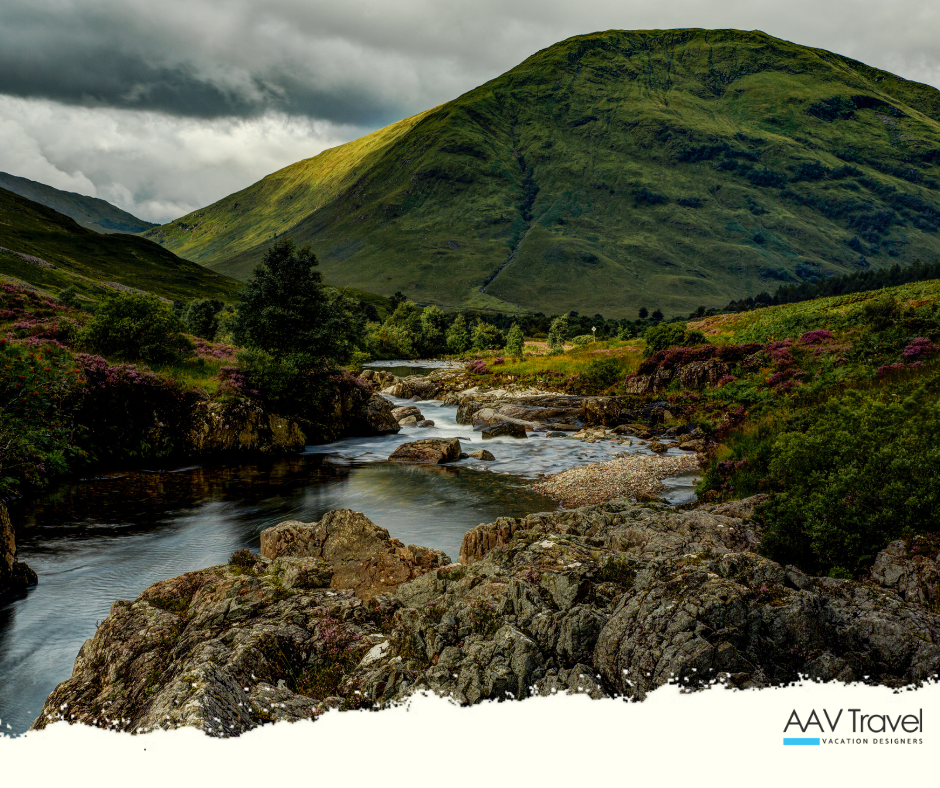
What I have observed in these moments, hiking alongside guides with long familiarity with the terrain, is not alarm. It is quiet adjustment. A good guide reads the environment continuously, not just at the trailhead. They notice shifts in light quality, changes in wind direction, the particular way cloud is building across a hillside. All of it carries information that is genuinely useful, and they respond to it without drawing attention to the response. The route may not change. The pacing might. A rest that seemed optional becomes deliberate. A conversation shifts to what is immediately in front of you, and that conversation is worth more than it would have been in clearer conditions.
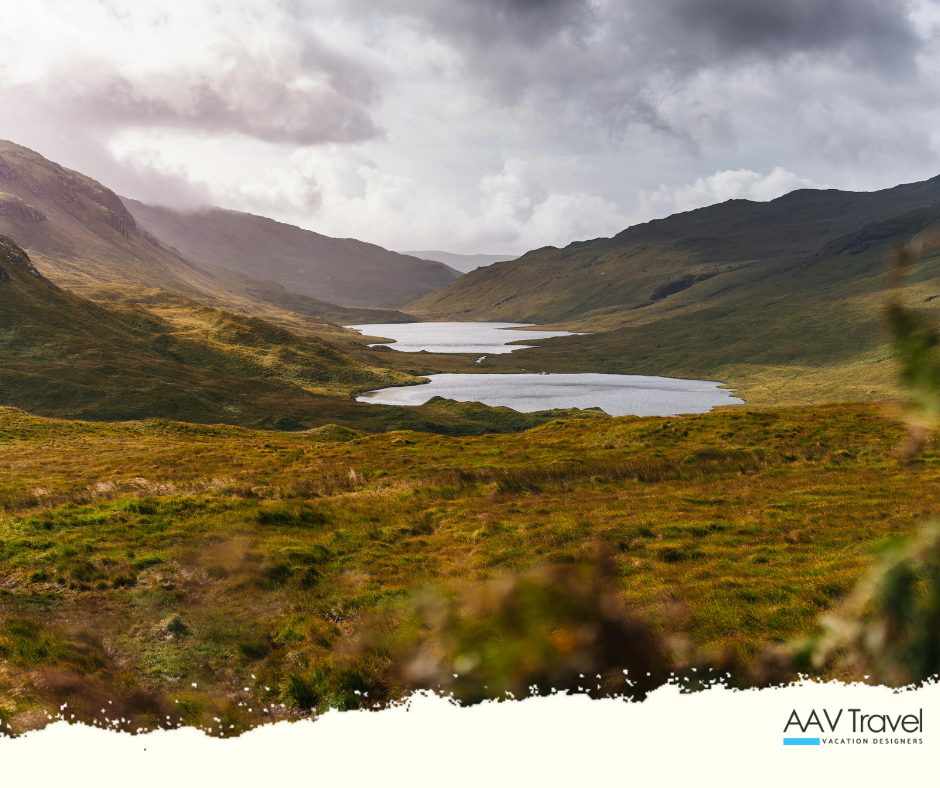
This is also where the value of a guide begins to reveal itself in ways that have nothing to do with navigation. A guide who knows the Highlands well knows where red deer tend to move at dusk, which loch sides hold the oldest Scots pines, and what the ruins on a distant hillside were before they became an atmospheric backdrop. The hiking becomes a conversation with the landscape rather than a traverse of it. That distinction is not small. It is, for many travelers, the difference between a long walk and a genuinely memorable experience.
What the Alps Ask of a Traveler
The Swiss Alps introduce a different set of variables. The scale is immediate, and the terrain is less forgiving than it appears from valley level. Elevation gain that looks moderate on a map can involve sustained technical effort at altitude, where the air is thinner and the body adjusts more slowly than most people expect. The consequence is rarely dramatic, but it is consistent: travelers who push harder than their acclimatization supports tend to arrive at the most extraordinary viewpoints feeling depleted rather than expansive.
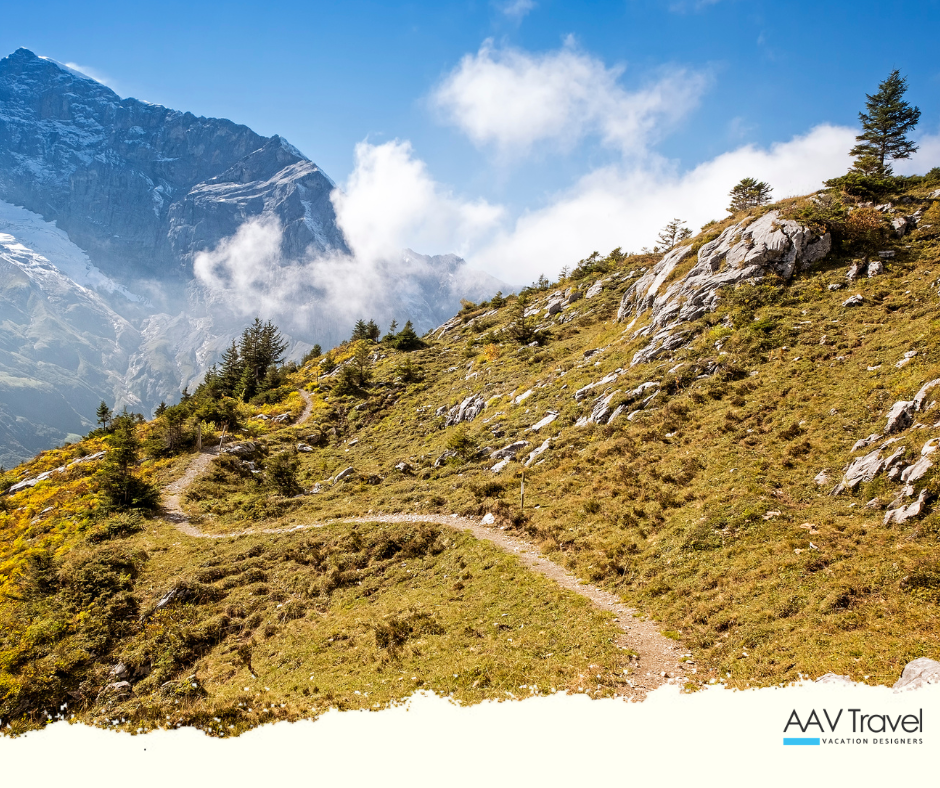
A knowledgeable guide calibrates this without making it the subject of conversation. The pacing simply feels right. Rest comes at the moments when the body is ready for it, before fatigue has accumulated rather than after it has set in. The route unfolds in a way that builds steadily rather than demands abruptly. That design is largely invisible when it is working well, and you tend to notice it most when comparing a well-guided day against one that was not.
There is also the question of route confidence. Trails in the Alps fork frequently, and the signage, while generally reliable, requires local interpretation. Some paths suit certain fitness levels and objectives far better than others, and the decision of which fork to take involves knowledge of what lies ahead that a guidebook cannot reliably provide. Traveling with someone who has made that decision dozens of times changes the whole character of the day. It allows a traveler to push further than they might have dared alone, because the edge of what is manageable is being held steady by someone who understands where it is.
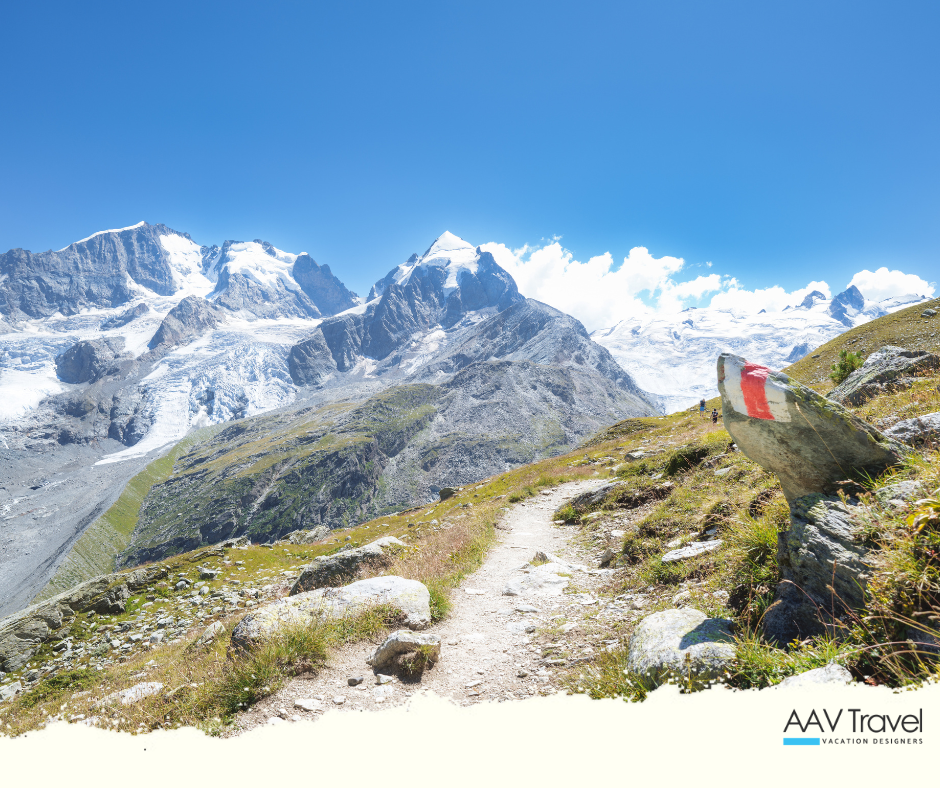
I have watched this happen. In fact, it has happened to me, a Swiss, who is used to hiking the Alps. A traveler arriving at a trailhead genuinely uncertain whether they could complete a particular route, working with a trusted guide who adjusted the approach incrementally, finishing with something that felt earned in the deepest sense. That is not luck. It is design.
What a Guide Notices That a Traveler Cannot
There is an aspect of guided hiking that rarely appears in the practical conversation about it, perhaps because it is harder to quantify. A guide with genuine depth brings contextual knowledge that quietly transforms the experience without announcing itself. This is not the scripted narration of a group tour. It is closer to walking with someone who has thought carefully about a place over many years and shares that thinking naturally, in response to what is immediately in front of you.
In the Highlands, that might mean understanding the geologic history of a particular glen, knowing the seasonal movements of certain bird species, or being able to explain why a stone dyke running across open moorland was built exactly where it was and by whom. In the Alps, it might mean tracing the relationship between a village and the high pastures above it, or identifying a wildflower that carries a local name and a traditional use that appears in no guidebook written for visitors.
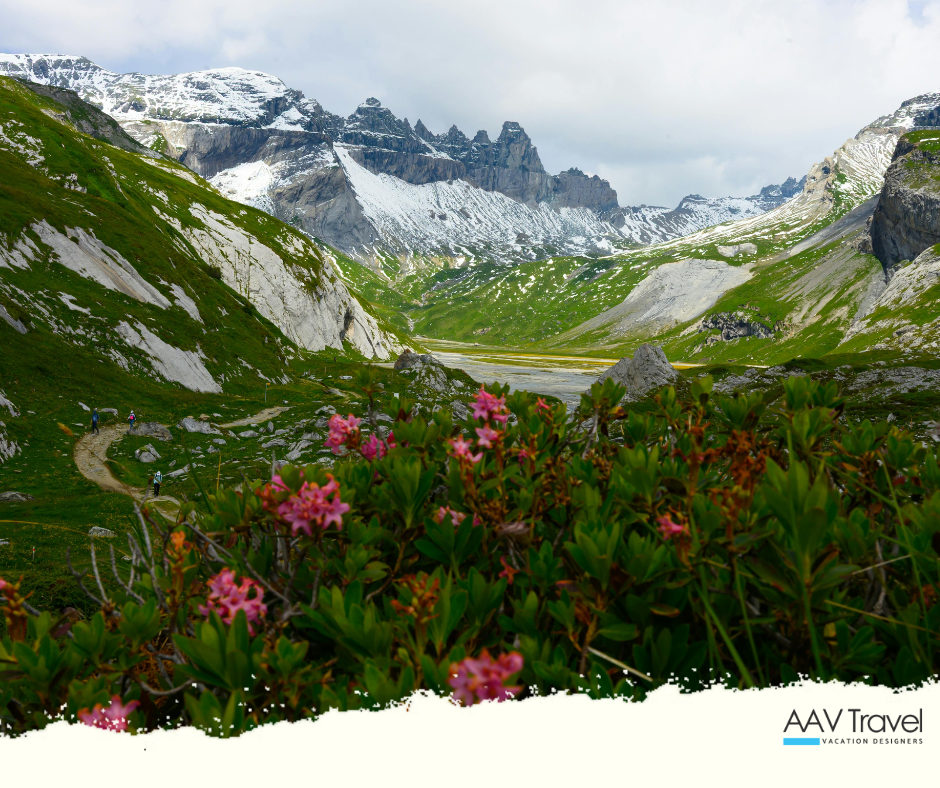
This kind of knowledge is not available on a trail map. It is accumulated through sustained time spent in a place with genuine attention, and it is one of the clearest arguments for traveling with a guide who has truly earned their understanding of a landscape rather than simply acquired a qualification to lead people through it. The difference between the two is significant, and experienced travelers generally sense it within the first hour on the trail.
A Refinement, Not a Concession
Guided hiking is not the right choice for every trail or every traveler. A well-marked path through familiar terrain, walked on a clear day with appropriate preparation, asks nothing more than a traveler’s own judgment. But terrain like the Highlands or the Alps introduces a genuine complexity that shifts the equation. These are environments where the variables are real, where local knowledge operates at a different level than general competence, and where the experience available to a well-supported traveler is qualitatively different from what independent hiking can provide.
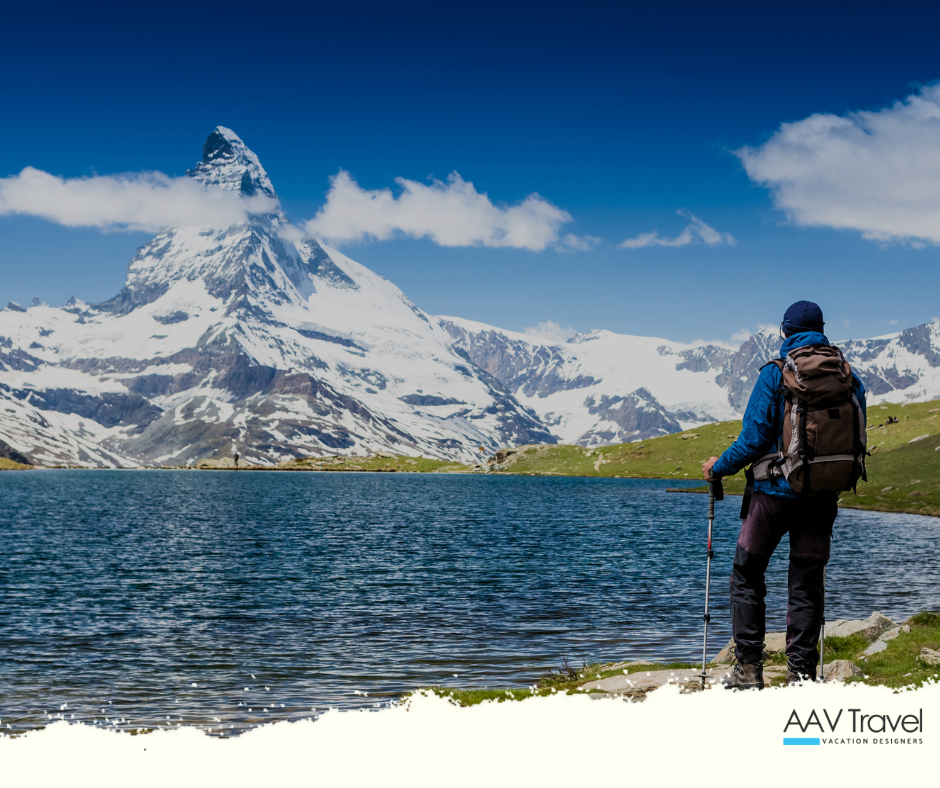
For travelers who have hiked before and are now considering terrain that is genuinely new, or who want to push into something more physically or mentally demanding than their previous experience, this is not a question of capability. It is a question of how they want to allocate their attention. Managing uncertainty in an unfamiliar environment requires cognitive effort. Handing that effort to someone who is genuinely qualified to carry it frees the traveler to do something more interesting: actually be present in an extraordinary place.
That, in the end, is the most accurate description of what a good guide provides. Not safety as an abstraction, not reassurance, not the removal of all uncertainty. But the quiet management of variables that would otherwise occupy the foreground, creating enough space for the traveler to engage with the landscape at the level it deserves. In a setting like the Scottish Highlands or the Swiss Alps, that space is worth something. It is, for many travelers, what the trip was actually for.
If you are considering a hiking journey in the Scottish Highlands, the Swiss Alps, or another landscape that calls for thoughtful planning and trusted local expertise, the itinerary conversation is worth having before the logistics are set. AAV Travel works with a network of trusted partners whose knowledge of their terrain is the kind that only comes from years of sustained attention. You are welcome to reach out directly at info@aav-travel.com to begin a thoughtful conversation about how the right expertise can shape your journey from the very first step.
Written by: Stefanie P.
 AAV Explorations