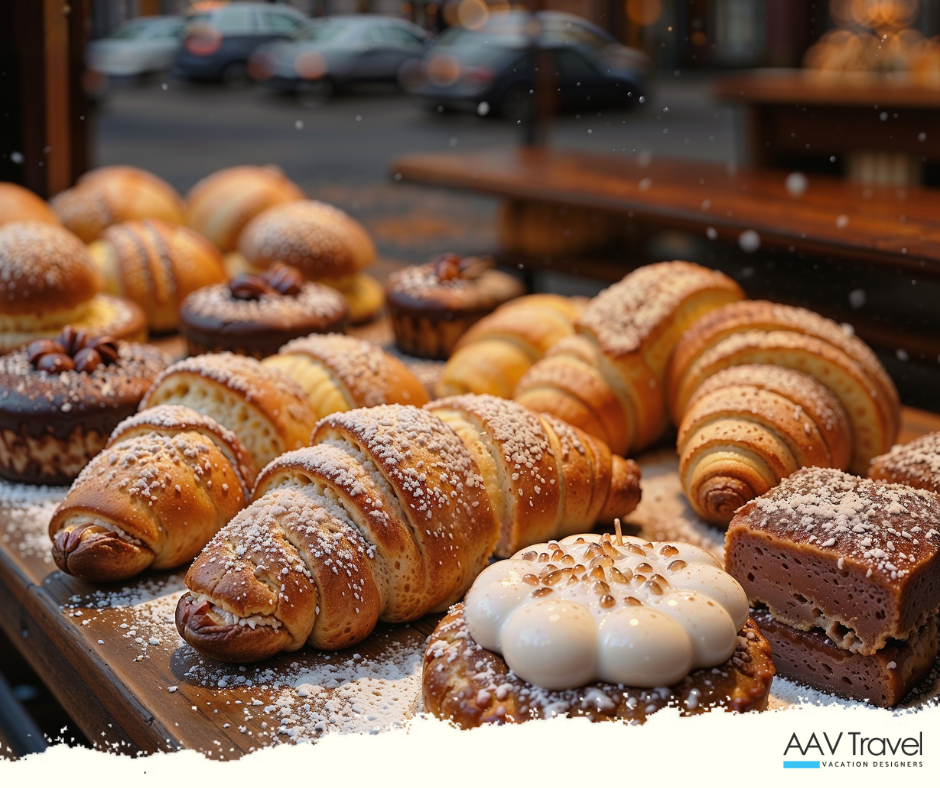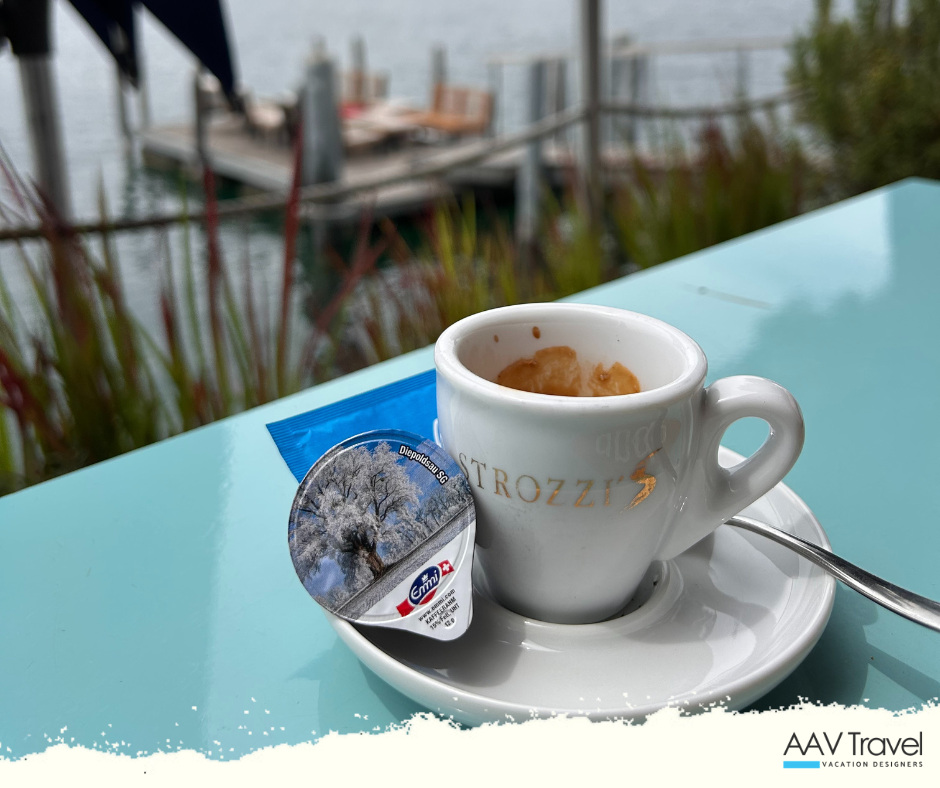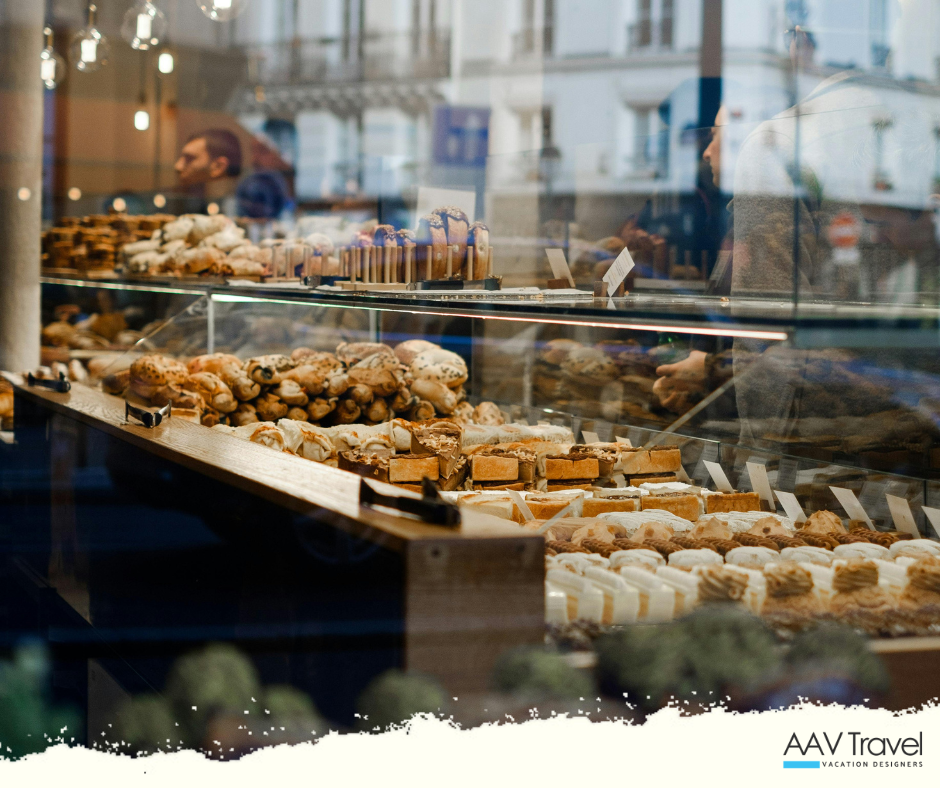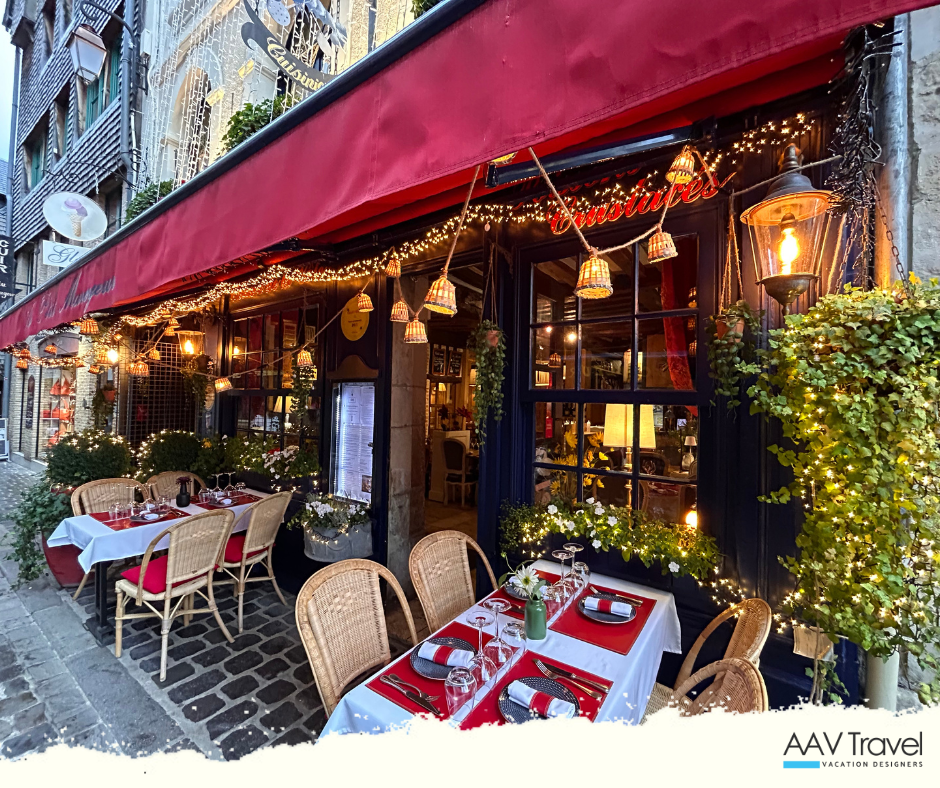
Christmas on Screen in Europe: Holiday Films as Windows into Tradition

In the United States, Christmas is more than a date on the calendar. It is a season shaped by ritual, repetition, and a familiar sense of comfort. As evenings grow darker and the pace of daily life finally begins to slow, many households return to the same small traditions year after year. One of the most enduring is the simple act of gathering in front of the television, wrapped in blankets, a warm drink within reach, letting a familiar holiday film play in the background.

These movies are rarely watched with full attention, and that is part of their charm. They become part of the rhythm of December rather than the focus of it, offering a shared backdrop for conversation, laughter, and quiet moments together. Parents introduce the films they grew up with to their children. Siblings quote lines they have known by heart for decades. Grown children return home and slip easily into routines that feel unchanged. In many American households, these films are not entertainment so much as reassurance. They signal that the season has truly arrived.

Coming from Switzerland, I have always found this aspect of American Christmas culture quietly fascinating. Each year, someone inevitably references a holiday classic with genuine surprise when I admit I have never seen it. Many of these films are deeply woven into American memory in a way that feels both communal and personal. They reflect how culture, storytelling, and seasonality intersect, shaping how people experience the holidays without necessarily thinking about it.

In Europe, Christmas films play a different role. In many countries, they are less about spectacle or novelty and more about continuity. The same films return year after year, not because they are new or particularly festive, but because they feel familiar. They belong to the season in a way that mirrors how traditions themselves are passed down.

Switzerland

In Switzerland, Christmas unfolds quietly. The season begins with Advent and moves gently through St. Nicholas Day, Christmas Eve, and the days that follow. It is marked by candlelight, winter landscapes, and time spent close to home. Switzerland does not have a strong tradition of producing Christmas-specific films, yet certain stories have become inseparable from the season. In the German-speaking regions, “Drei Haselnüsse für Aschenbrödel,” known in English as “Three Wishes for Cinderella,” appears on television every December, watched by generations who know the story by heart. The classic “Sissi” films often accompany it, their romantic nostalgia fitting naturally into the slower, reflective mood of the holidays. These films mirror Switzerland’s approach to Christmas itself: understated, intimate, and rooted in continuity rather than excess.

Italy

In Italy, Christmas is expansive in a different way. The season stretches well beyond Christmas Day, carrying through to Epiphany in early January. Family meals are long and unhurried, nativity scenes are lovingly displayed, and traditions unfold gradually rather than all at once. Italy has few homegrown Christmas films, yet one foreign movie has unexpectedly become a national ritual. Every Christmas Eve, millions of Italians watch “Una poltrona per due,” the Italian broadcast of “Trading Places.” What began as an American comedy has taken on a distinctly Italian rhythm through repetition, becoming part of the country’s shared holiday language. Alongside it, animated favorites such as “How the Grinch Stole Christmas” often appear, adding lightness and familiarity to evenings spent together.

Ireland

In Ireland, Christmas is deeply social, shaped by humor, community, and shared moments rather than strict formality. One of the most anticipated events of the season is not a film at all, but “The Late Late Toy Show,” a live television broadcast that signals the unofficial beginning of Christmas for many families. It is joyful, chaotic, heartfelt, and unmistakably Irish. Films still play their role, though, and classics like “The Muppet Christmas Carol” return year after year, appealing equally to children and adults. These viewing traditions reflect an Irish Christmas that values warmth, storytelling, and the pleasure of being together above all else.

France

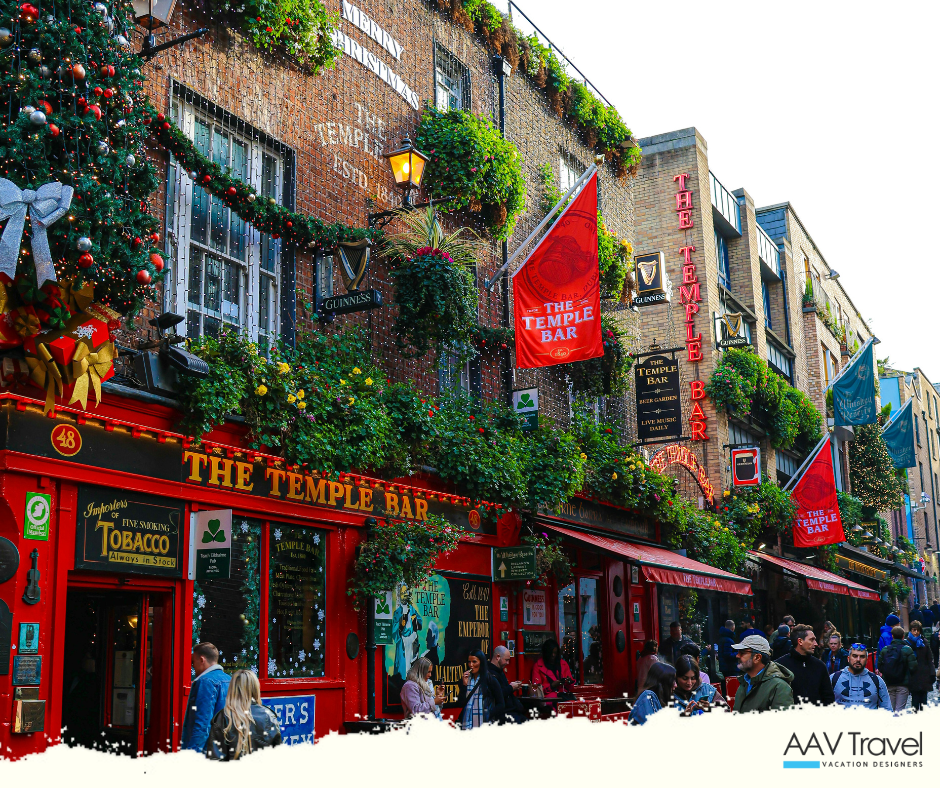
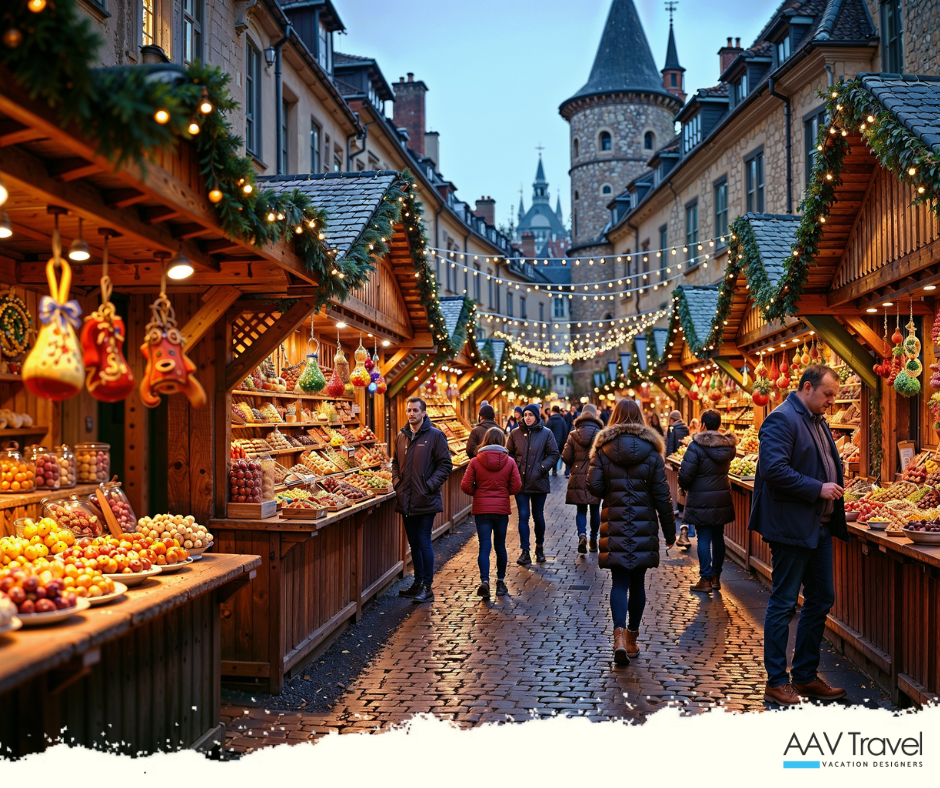
France approaches Christmas with a sense of balance between celebration and restraint. Family meals, particularly the Réveillon on Christmas Eve, remain central, and festive markets bring warmth to winter evenings. While France does not place great emphasis on Christmas films as a category, certain titles have become seasonal touchstones. “Le Père Noël est une ordure,” a darkly comedic cult classic, reappears every December, its humor as familiar as it is irreverent. During the holiday break, French television often broadcasts the Harry Potter films, especially the first installment, which has come to feel inseparable from Christmas despite its British origins. Together, these films add layers of nostalgia and quiet magic to the season without overpowering it

Norway

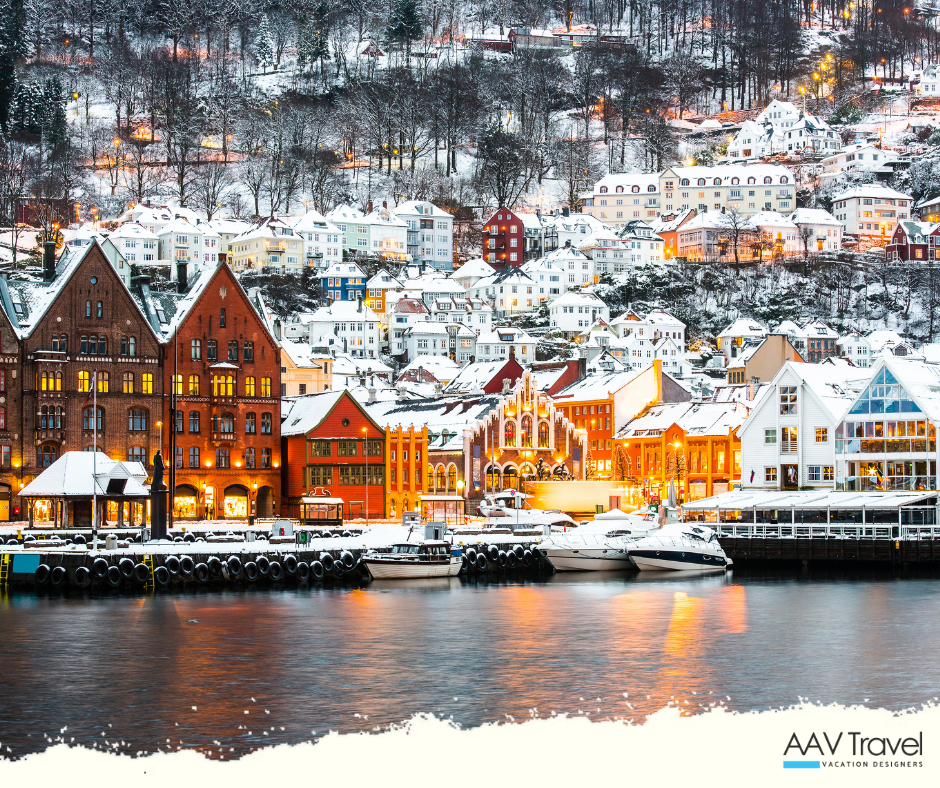
In Norway, Christmas, or Jul, is defined by coziness, candlelight, and preparation. The weeks leading up to Christmas are as important as the day itself, filled with baking, decorating, and shared anticipation. Norwegian holiday television traditions are particularly strong, and for many families, Christmas Eve would feel incomplete without “Tre nøtter til Askepott,” the Norwegian broadcast of the Cinderella fairy tale also beloved in Switzerland. “Reisen til julestjernen,” or “Journey to the Christmas Star,” is another cherished favorite, embodying the fairy-tale quality and emotional warmth that define the season. These films capture the essence of kos, Norway’s expression of comfort, intimacy, and seasonal calm.

UK

In the United Kingdom, Christmas television is a tradition in its own right. Families gather year after year to watch the same films, often at the same time, creating a shared national rhythm. “Love Actually” has become a modern classic, its interwoven stories reflecting both the humor and tenderness associated with British Christmas culture. “The Snowman,” with its quiet animation and haunting score, has aired every Christmas since the early 1980s, offering a moment of stillness amid the festivities. These films reflect the British love of storytelling and ritual, where familiarity is part of the pleasure.

Travel Through Christmas Films Without Leaving Home

For those spending the holidays at home, these films offer a gentle way to experience Christmas beyond one’s own traditions. They provide insight into how different cultures approach the season, not through spectacle, but through repetition, tone, and shared memory. Watching them is not about escaping home, but about widening perspective, one quiet evening at a time.

And for those who find themselves drawn to the idea of experiencing these traditions firsthand one day, whether at a Christmas market, a family-run hotel, or a candlelit village square, thoughtful planning makes all the difference. Christmas travel carries its own rhythms, trade-offs, and considerations, and understanding how the season is truly lived is often what transforms a beautiful idea into a rewarding experience. When the time feels right, AAV Travel would be happy to help.

Written by: Stefanie P.
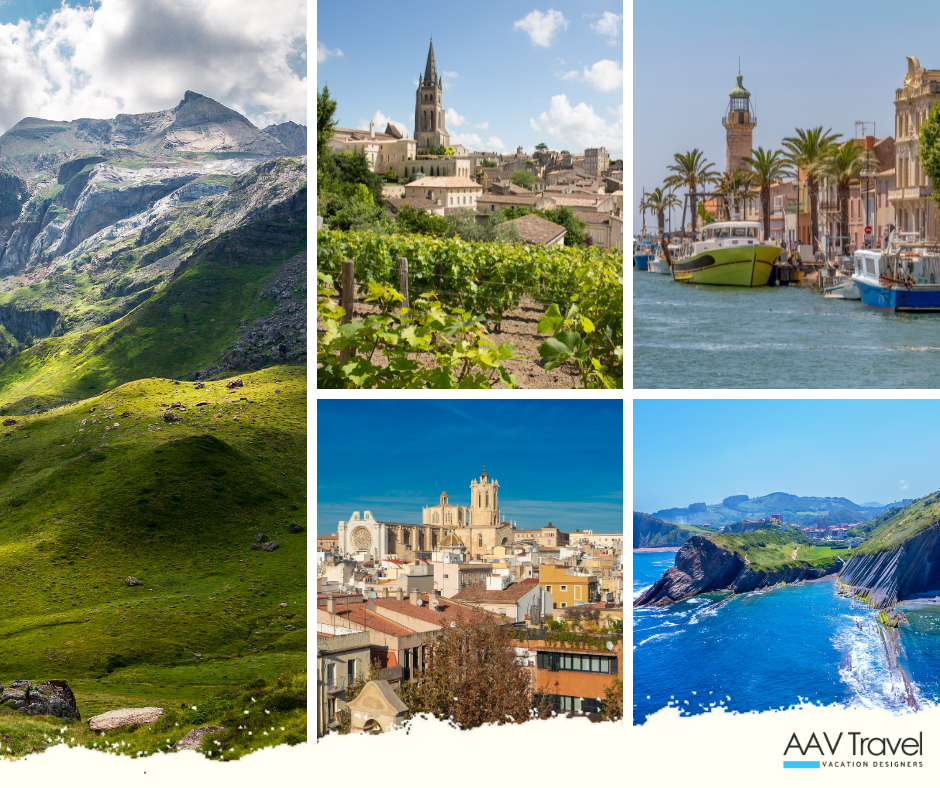
The Ultimate Quadrangle: An Experience of Coastlines, Wines, and Mountain Serenity

For the discerning traveler seeking variety without compromise, this region is a journey through Europe’s finest contrasts: the Mediterranean’s gentle rhythm meeting the Atlantic’s bold spirit.

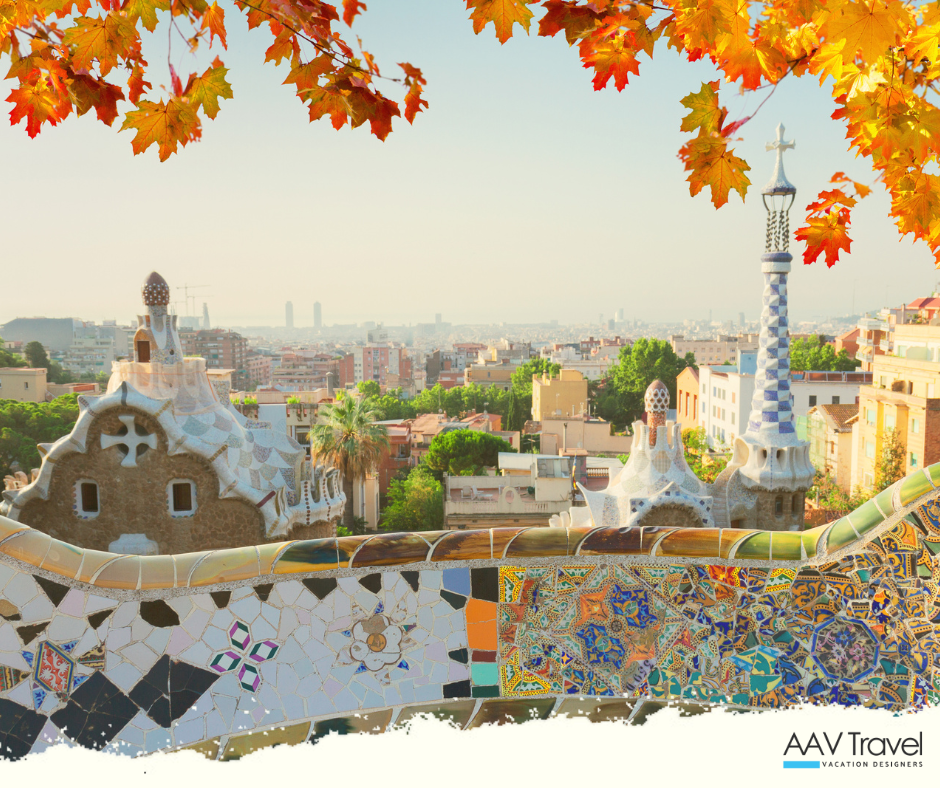
Stretching from Tarragona on Spain’s sun-kissed Costa Dorada to the elegant shores of Montpellier, sweeping across Bordeaux’s refined vineyards, and curving back toward the Basque energy of Bilbao, lies one of Europe’s most captivating travel quadrants. This vast square—spanning the Pyrenees and both the Mediterranean and Atlantic coasts—encompasses an extraordinary diversity of landscapes, languages, cuisines, and lifestyles. Here, the art of slow living intertwines with millennia of culture. You can sip rosé overlooking lavender fields, stroll through medieval seaside villages, taste wines that have shaped global palettes, and dine in Michelin-starred restaurants that celebrate terroir with every bite.

The Mediterranean Coast of Spain:
Tarragona and Beyond

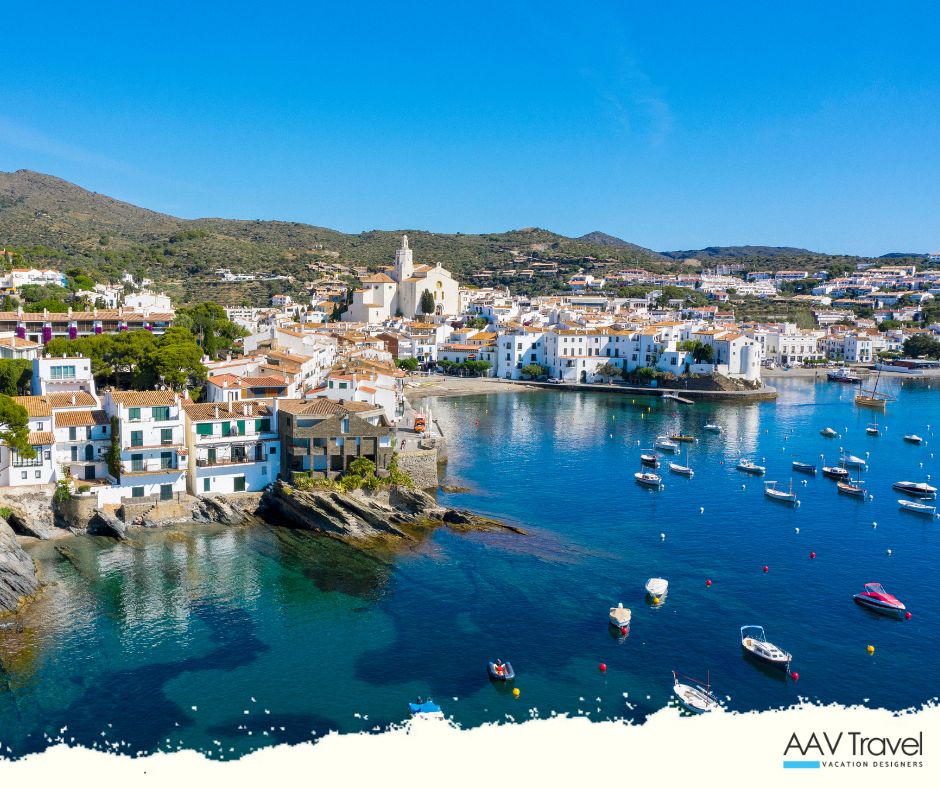
The Spanish Mediterranean coastline from Tarragona up toward the French border combines the historic richness of Catalonia with an irresistible seaside allure. Tarragona itself, a UNESCO World Heritage Site, offers a mesmerizing fusion of ancient Roman ruins, golden beaches, and Catalan culture. Its amphitheater facing the sea perfectly captures the region’s harmony between past and present. Just north, the Costa Brava unfolds with rugged coves, pine-framed beaches, and fishing villages that once inspired Salvador Dalí. Each seaside town—Calella de Palafrugell, Begur, Cadaqués—tells its own story, balancing authenticity with understated sophistication.

Luxury travelers will find secluded boutique hotels nestled in former masías (farmhouses), Michelin-starred restaurants highlighting Catalonia’s culinary creativity, and private yachts ready to explore crystalline coves. Inland, medieval towns like Pals or Peratallada reveal a quieter side of Catalonia, ideal for immersive wine tastings or truffle experiences. The Mediterranean climate, soft and luminous, makes this a year-round destination—perfect for those who appreciate culture as much as coastline. Whether you’re relaxing at an exclusive coastal retreat or venturing into the Priorat wine region for bold reds, Spain’s Mediterranean side invites travelers to savor life at a deliberate, pleasurable pace.

Insider Tip: Experience the Costa Brava’s artistic soul with a private guided day tracing Salvador Dalí’s footsteps—from his surreal home in Portlligat to the striking Dalí Theatre-Museum in Figueres. End the day with a sunset cruise along the Cap de Creus coastline, glass of cava in hand.

The Mediterranean Coast of France:
From Montpellier to Provence’s Edge

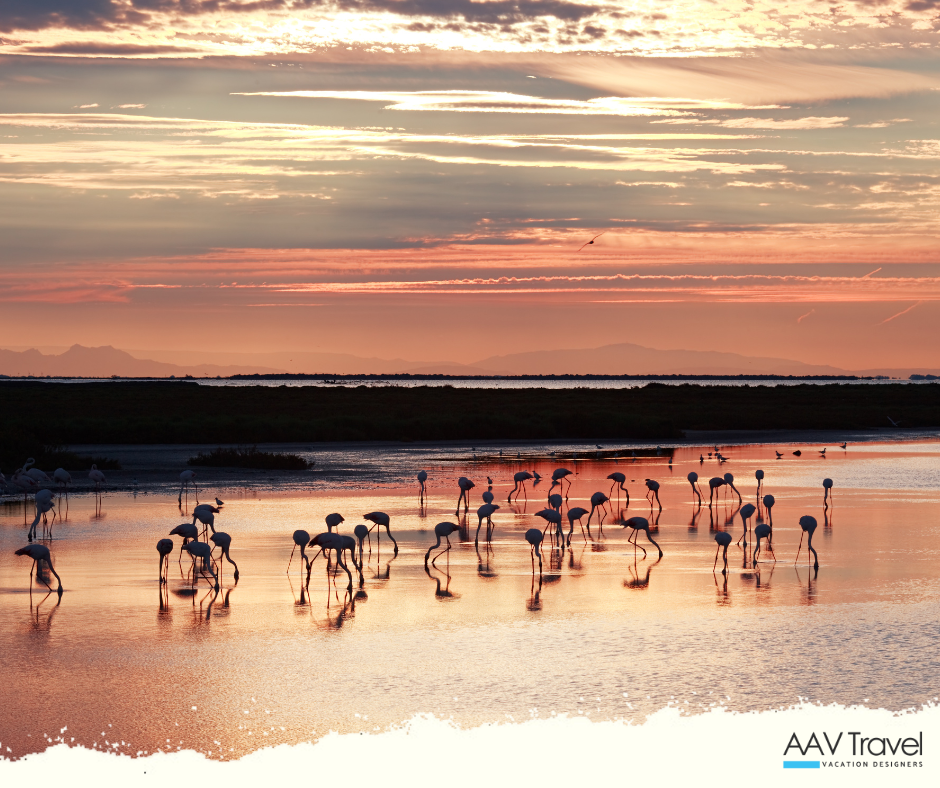
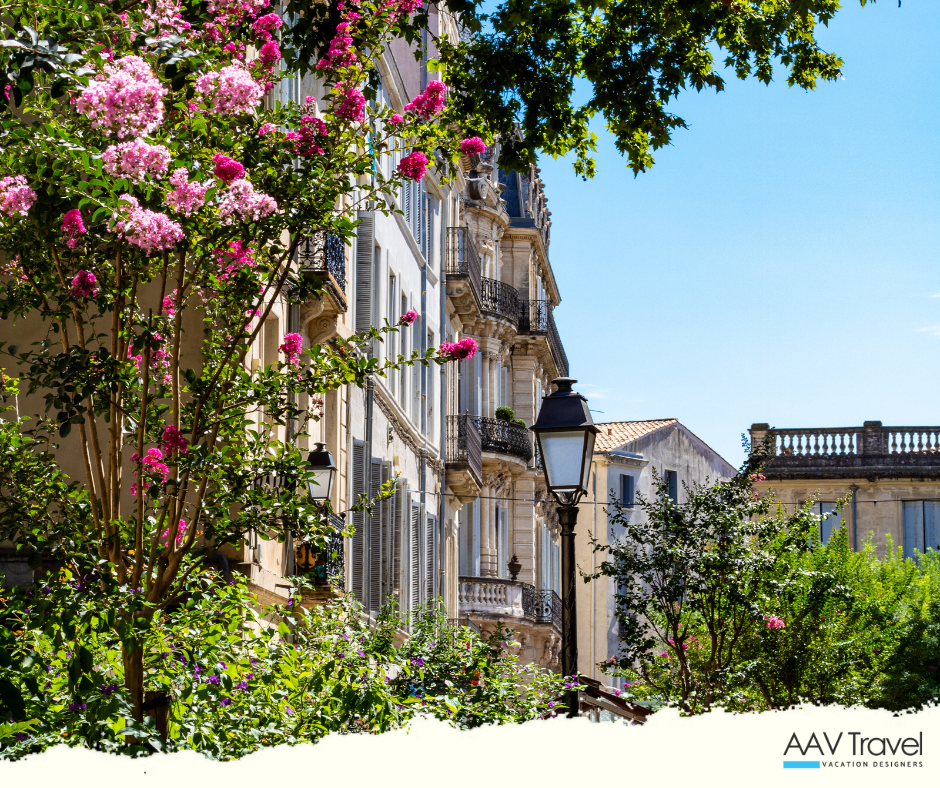
Crossing into France, the Mediterranean takes on a different character—more understated, yet endlessly refined. Montpellier, with its graceful squares, neoclassical architecture, and youthful vibrancy, anchors the region. South of the city, long stretches of sandy beaches give way to tranquil lagoons and vineyards that flourish under the southern sun. The nearby Camargue offers a striking contrast: wild horses galloping across salt flats, flamingos wading in shallow waters, and traditional ranches offering luxurious equestrian stays.

Further east, the influence of Provence begins to weave through the landscape—olive groves, lavender fields, and picturesque villages perched on rolling hills. Here, luxury comes in the form of experience: private villa stays surrounded by vineyards, market tours with local chefs, and exclusive spa retreats within ancient stone estates. The wines of Languedoc, once overshadowed by Bordeaux and Burgundy, now rival France’s finest and offer intimate tastings in family-run domaines. For travelers who appreciate elegance with authenticity, France’s Mediterranean coast blends heritage, gastronomy, and effortless chic in perfect harmony.

Insider Tip: For a rare and unforgettable moment, enjoy a private horseback ride at sunset through the Camargue’s salt marshes, guided by a gardian (local cowboy). Conclude with a champagne picnic overlooking the flamingos—a truly cinematic Mediterranean evening.

The Atlantic Coast of France:
Bordeaux and Its Environs

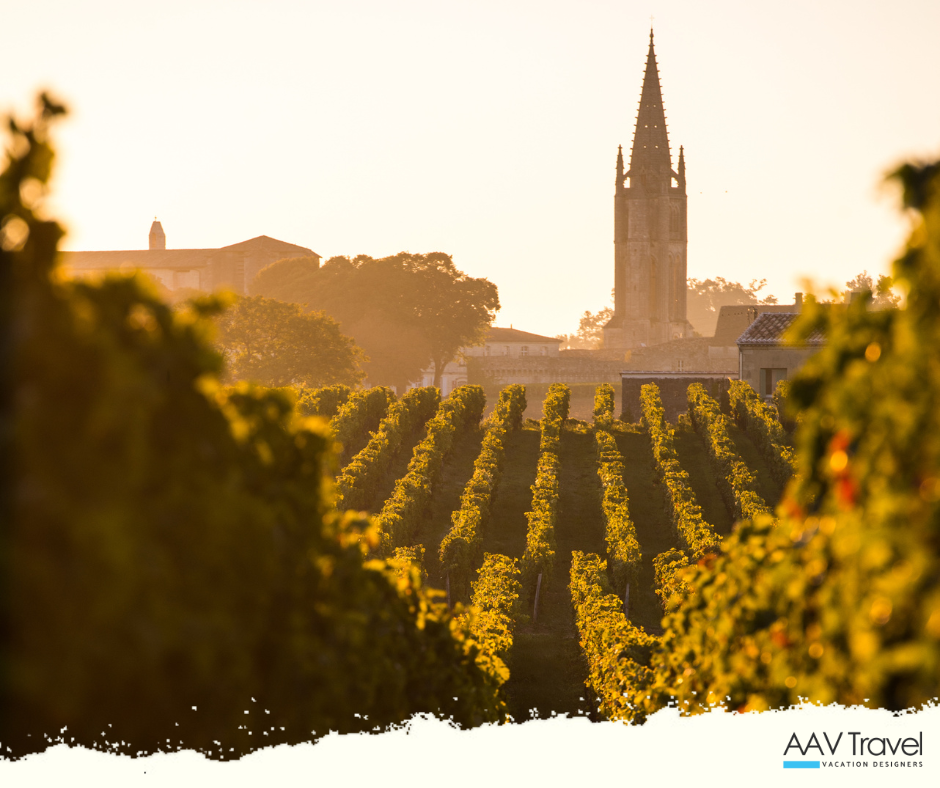
As the Mediterranean breeze gives way to Atlantic salt air, the scenery transforms. Bordeaux, long synonymous with the world’s most prestigious wines, is the beating heart of this transformation. Beyond its grand 18th-century architecture and riverfront promenades, the city serves as a gateway to vineyard regions that define luxury travel—Médoc, Saint-Émilion, and Pomerol. Here, private châteaux open their cellars for curated tastings and gourmet pairings, while Michelin-starred restaurants reinterpret French gastronomy with modern flair.

Yet Bordeaux’s allure extends to its coast. Just an hour away lies Arcachon Bay, a serene enclave of oyster farms, Belle Époque villas, and the monumental Dune du Pilat—the tallest sand dune in Europe. Visitors can sail privately across the bay, enjoy freshly harvested oysters with chilled white Bordeaux, or unwind at elegant seaside retreats. This area celebrates understated luxury: an immersion in nature, fine craftsmanship, and quiet indulgence. Whether you’re cycling through vineyards or retreating to a château surrounded by oak forests, the Atlantic coast of France exudes refinement rooted deeply in tradition.

Insider Tip: Arrange a private helicopter transfer from Bordeaux to Arcachon Bay, followed by an exclusive oyster tasting directly on the water with a local producer. This unforgettable pairing of flight and flavor captures the essence of the French Atlantic in style.

The Atlantic Coast of Spain:
Basque Spirit and Coastal Sophistication

From the French border to Bilbao, Spain’s northern coast captivates with its wild beauty and vibrant cultural identity. The Basque Country blends raw landscapes with avant-garde cuisine and contemporary art. San Sebastián, with its crescent-shaped bay and world-renowned gastronomy, is a destination where luxury is experienced through the senses—tasting menus at Arzak or Mugaritz, strolls along La Concha Beach, and stays in historic belle époque hotels. Further west, Bilbao has reinvented itself as a hub of design and innovation, anchored by the iconic Guggenheim Museum and a growing collection of boutique accommodations that mirror its creative energy.

The Atlantic here is untamed yet inviting, perfect for those drawn to authenticity and sophistication in equal measure. Green mountains tumble into the sea, fishing villages serve exceptional pintxos, and the region’s wines—Txakoli in particular—offer crisp refreshment to complement the coastal fare. For the discerning traveler, this stretch of Spain offers an intimate, luxurious immersion into a culture that celebrates both tradition and reinvention. It’s the ideal place to conclude a journey through southern Europe’s most diverse region—where every turn reveals another layer of art, flavor, and natural splendor.

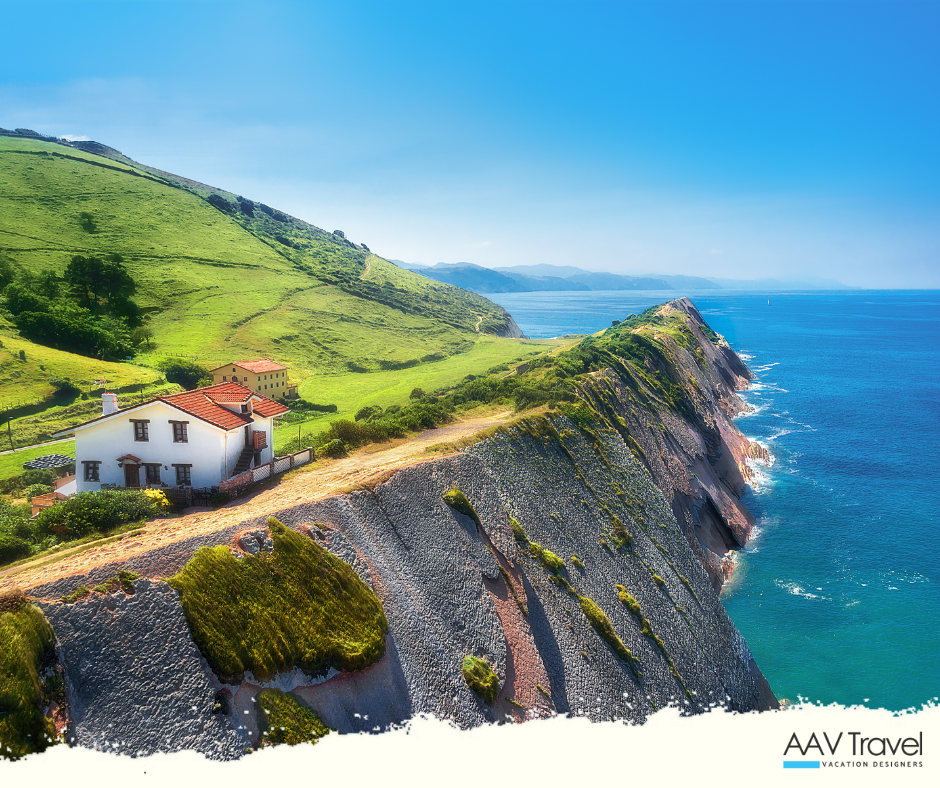
Insider Tip: Step beyond the city and embark on a privately guided hike along the Flysch cliffs near Zumaia, where geological layers tell the story of Earth’s evolution. Finish the day with a chef-prepared Basque seafood picnic overlooking the roaring Atlantic.

The Heart of the Pyrenees:
Mountain Majesty and Timeless Charm

Between the two seas lies the soaring spine of the Pyrenees, a world apart where France and Spain meet in a tapestry of snow-capped peaks, deep valleys, and remote stone villages. This central region offers a refreshing contrast to the coasts—a place where mountain air, alpine lakes, and centuries-old traditions shape a slower rhythm of life. In summer, wildflower meadows and crystal-clear streams invite hiking, cycling, and picnics beside glacial lakes; in winter, charming resorts like Baqueira-Beret or Saint-Lary-Soulan offer sophisticated skiing with a distinctly local flavor. Beyond outdoor pursuits, the Pyrenees are rich in cultural treasures: Romanesque chapels, bustling local markets, and thermal spas that date back to the Belle Époque.

Here, luxury takes the form of connection—with nature, with heritage, and with the authenticity of mountain hospitality. Intimate alpine lodges, converted monasteries, and boutique hotels offer candlelit dining by the fire, while Michelin-starred chefs reimagine rustic recipes using ingredients foraged in the valleys. Whether approached from Spain’s Aragonese side or France’s pastoral foothills, the Pyrenees invite travelers to pause, breathe, and rediscover balance amid one of Europe’s most pristine landscapes.

Insider Tip: For an unforgettable experience, embark on a private guided journey along the Route des Cols, the legendary mountain passes connecting France and Spain. Stop for a gourmet picnic overlooking the shimmering Lac de Gaube, or unwind in the natural thermal waters of Bains de Dorres, a centuries-old open-air spa with sweeping views of the peaks.

Seamless Access and Effortless Exploration

One of the many advantages of this region is how effortlessly it can be reached and explored. Non-stop flights from the U.S. bring travelers directly to Barcelona, while international airports in Montpellier, Bordeaux, and Bilbao are easily accessible from major European hubs. Once here, getting around is remarkably convenient—the driving distance between these key cities is no more than five hours, making it possible to experience an extraordinary variety of landscapes and cultures within a compact footprint. From the golden Mediterranean shores to the vineyards of Bordeaux, the rugged Pyrenees, and the vibrant Basque coast, the region lends itself beautifully to exploration by private driver-guide, luxury road trip, or a combination of high-speed trains and tailored transfers. This seamless connectivity allows AAV Travel to craft itineraries that unfold naturally—inviting travelers to savor every transition as part of the journey itself.

Curating a Journey Through Southern Europe

From the sun-drenched Mediterranean villages of Tarragona and Montpellier to the sophisticated Atlantic shores of Bordeaux and Bilbao, and finally into the serene heights of the Pyrenees, this region offers a remarkable palette of experiences within a single, easily navigable area. Each corner of this quadrangle reveals a distinct rhythm—coastal elegance, vineyard refinement, mountain tranquility, and cultural vibrancy—yet together they form a seamless journey that feels both diverse and harmonious. With AAV Travel as your guide, every detail—from private transfers and curated tastings to boutique accommodations and insider experiences—can be arranged to ensure a travel experience that is both effortless and unforgettable.

Allow us to craft your personal itinerary, blending discovery, indulgence, and authenticity. Your next journey through the heart of southern Europe awaits. To begin planning, contact us via email at info@aav-travel.com or visit the website.

Written by: Stefanie P.
The Ultimate Power Play: Experiencing World-Class Sports Through Luxury Travel

There’s something undeniably thrilling about combining a love of travel with the excitement of a world-class sporting event. From the manicured lawns of Wimbledon to the high-octane streets of Monaco during the Grand Prix, or the icy slopes of the 2026 Winter Games, these events offer far more than just competition—they promise a complete experience, blending culture, luxury, and unforgettable memories.

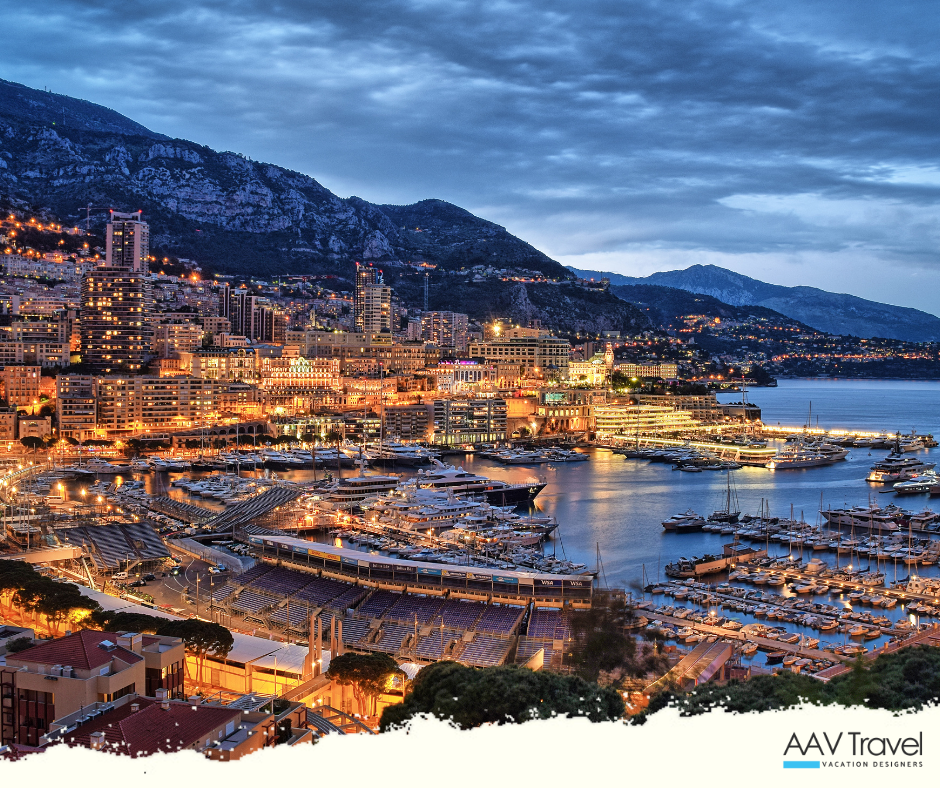
Attending such events, however, comes with its own set of challenges. Tickets can be notoriously difficult to obtain, often requiring early planning, insider knowledge, or connections that aren’t readily available to the casual fan. Once you secure your seats, the next challenge emerges: finding accommodations near the venues. Hotels fill quickly, and the best locations can disappear months in advance, making the planning process as intricate as the events themselves. Yet, it’s precisely this complexity that makes the experience so rewarding. Navigating the logistics transforms a simple trip into a fully immersive adventure. Picture arriving in London for Wimbledon, feeling the buzz of the crowds as you explore historic neighborhoods, savoring traditional afternoon tea before settling into your prime court-side seat. Or imagine the Monaco Grand Prix, where the roar of engines is matched only by the glamour of the city-state’s luxury hotels, rooftop terraces, and yachts lining the harbor.

Timing and insider knowledge are key

Tickets for prestigious events often sell out almost as soon as they are released, and keeping on top of public release dates is essential. Many events release tickets first to wholesalers or through exclusive hospitality packages before they reach the general public, making early planning indispensable. By booking ahead, you not only secure your seats but also gain access to the best accommodations and premium experiences. Working with AAV Travel gives you a distinct advantage: our insider connections allow us to monitor ticket releases, secure coveted seats, and access exclusive packages, while coordinating accommodations and all transportation logistics. This ensures you can immerse yourself fully in the excitement of the event, free from the stress of planning every detail.

Extending your stay transforms the trip

Attending a major sporting event is just the beginning—arriving a few days early or staying a little longer afterward opens the door to an immersive travel experience. By planning beyond the event dates, you can explore local attractions, enjoy curated culinary experiences, or uncover hidden cultural gems that most visitors miss. Not only does this make the journey more memorable, but it can also positively affect costs, as flights and accommodations may be more flexible and reasonably priced outside the peak event window. Thoughtful planning transforms a simple trip into a rich adventure, blending the thrill of competition with the culture, scenery, and flavors of your destination.

Some of the most memorable moments happen off the field

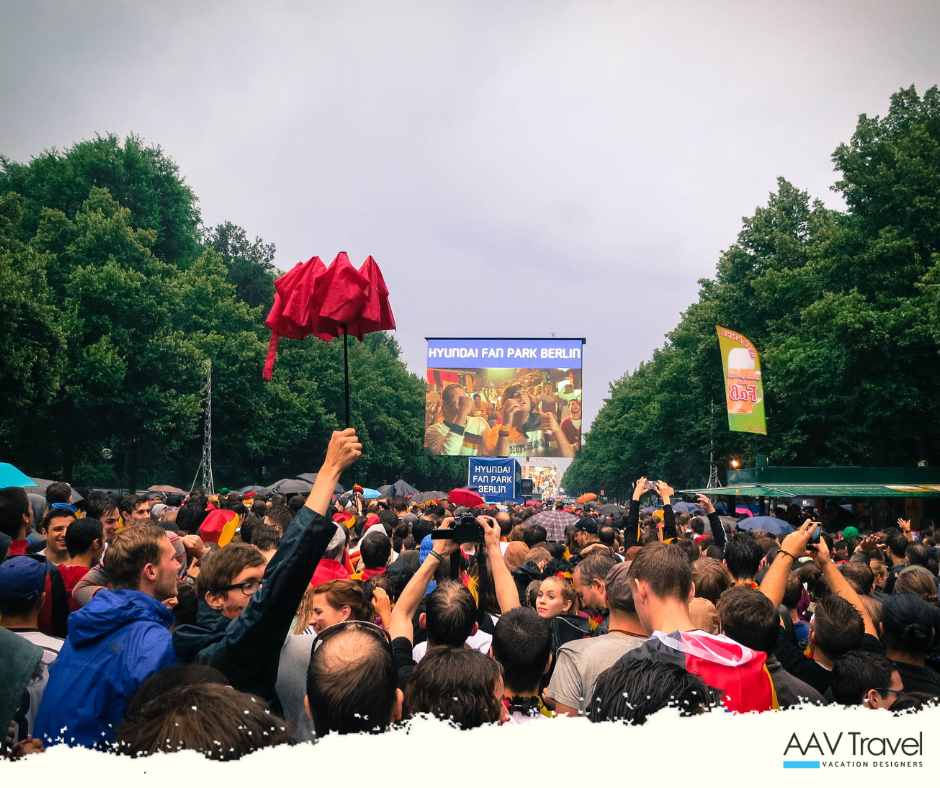
While prime seats and VIP experiences are undeniably thrilling, experiencing a major sporting event in a local pub or at a public viewing area offers a completely different kind of joy. Immersing yourself in the energy and passion of the crowd allows you to connect with locals, celebrate victories, and share in the communal excitement. Sampling regional food and drinks, cheering alongside fans, and feeling the heartbeat of the city can be just as rewarding as witnessing the action firsthand. These communal experiences reveal the spirit of the destination, turning a sporting event into a cultural adventure.

Dress for the occasion with elegance and practicality

Attending a prestigious event isn’t only about where you sit—it’s also about how you present yourself. Many events have established dress codes, from the crisp whites at Wimbledon to smart-casual attire at motorsport races. Even when no formal dress code exists, balancing style with comfort is essential. Consider weather, long days outdoors, and walking between venues. Sporting apparel is often welcome, particularly when showing support for a favorite team or athlete, but pairing it thoughtfully with versatile layers, comfortable shoes, and weather-appropriate outerwear ensures both elegance and ease. Dressing with respect for the event’s culture adds an extra layer of enjoyment, helping you feel fully immersed in the occasion while exuding refined style.

Luxury and convenience come hand in hand

Attending major international sports events can be a logistical puzzle, but with thoughtful planning, it can become an unparalleled travel experience. Every detail—from tickets to accommodations, transportation, and local experiences—plays a role in creating seamless enjoyment. By working with AAV Travel, travelers gain access to insider knowledge and expertise that elevates every aspect of the journey. Our team navigates ticket releases, secures the best accommodations, arranges transportation, and even curates bespoke local experiences, all tailored to your preferences. This level of attention ensures you experience the thrill of the event, the elegance of your surroundings, and the local culture without the stress of managing logistics.

Ultimately, the reward of attending a world-class sporting event lies not just in the competition itself, but in the full spectrum of experiences surrounding it. From the exhilaration of the match or race to the charm of local streets, restaurants, and cultural gems, every moment can be savored. With the guidance and expertise of AAV Travel, your trip becomes effortless, luxurious, and truly unforgettable—allowing you to focus entirely on creating memories that last a lifetime.

Whether it’s the elegance of Wimbledon or the excitement of the Monaco Grand Prix, AAV Travel can turn your dream sports experience into a seamless, one-of-a-kind journey. Ready to experience your favorite sporting event in style? To begin planning, contact us via email at info@aav-travel.com or visit the website.

Written by: Stefanie P.
Luxury Travel to Normandy: Beyond the D-Day Beaches to History, Culture, and Coastal Charm

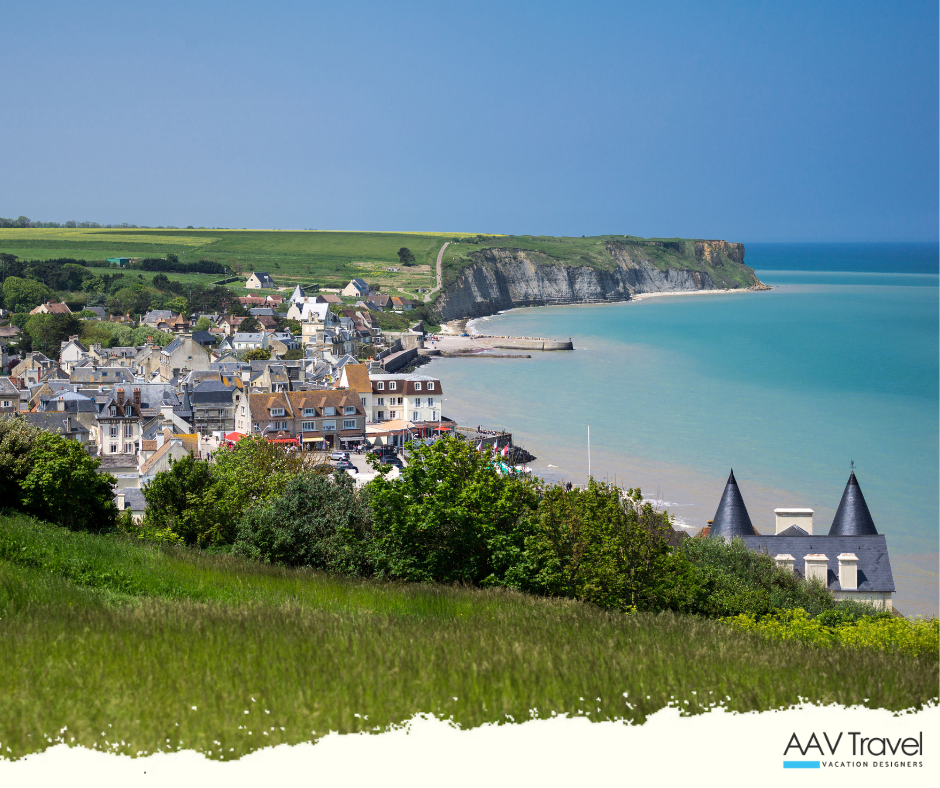
When Americans think of Normandy, the first images that usually come to mind are those of June 6, 1944. Omaha Beach, Pointe du Hoc, and the American Cemetery at Colleville-sur-Mer are deeply etched into the national consciousness as sacred ground, places where courage, sacrifice, and freedom converged in history’s most pivotal battle. For many visitors from the United States, honoring the memory of D-Day and tracing the footsteps of the Greatest Generation is the initial, and sometimes only, reason they consider traveling to this part of France. Standing before the endless rows of white crosses and stars of David overlooking the Channel is an experience so moving, it is often described as life-changing. Normandy has rightfully become a place of remembrance, a destination where gratitude and history take center stage.

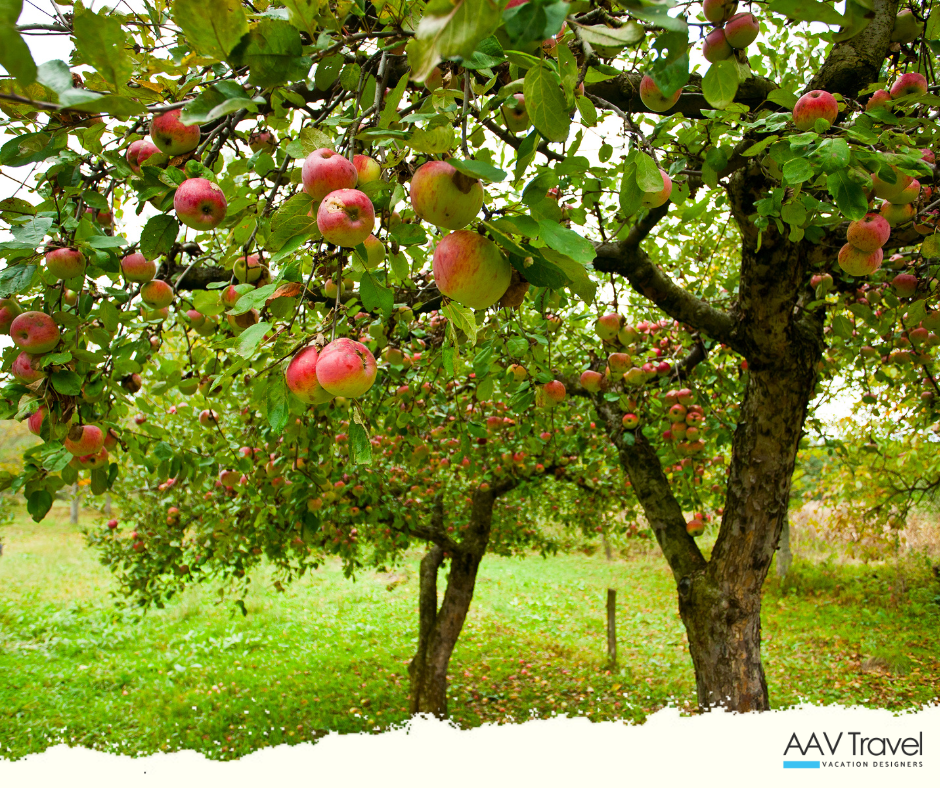
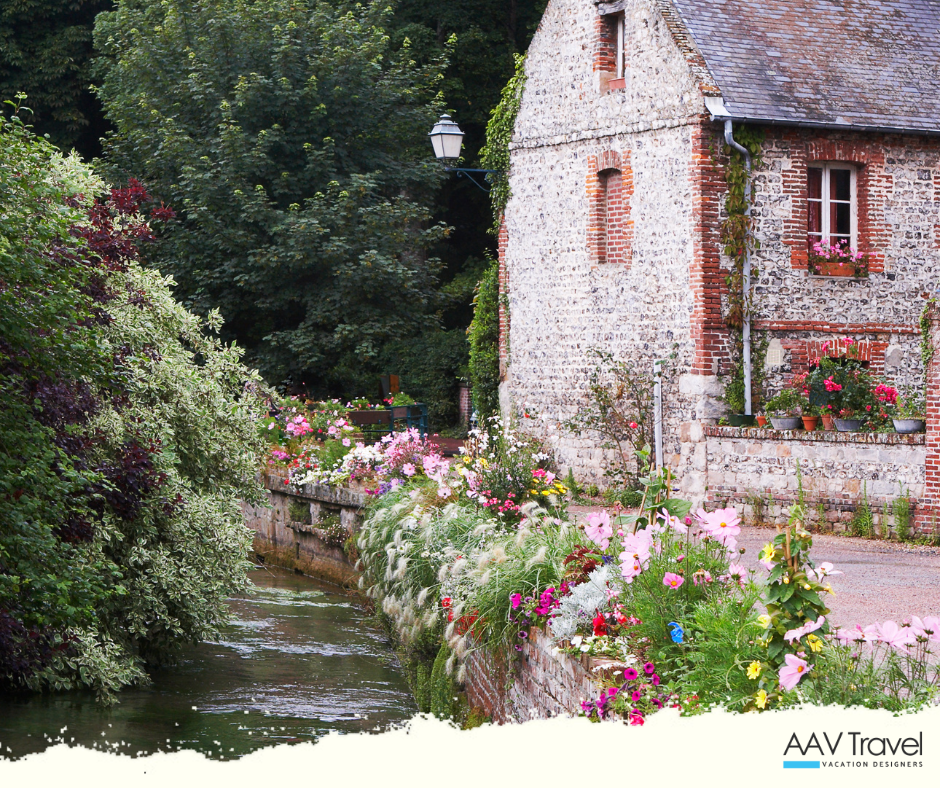
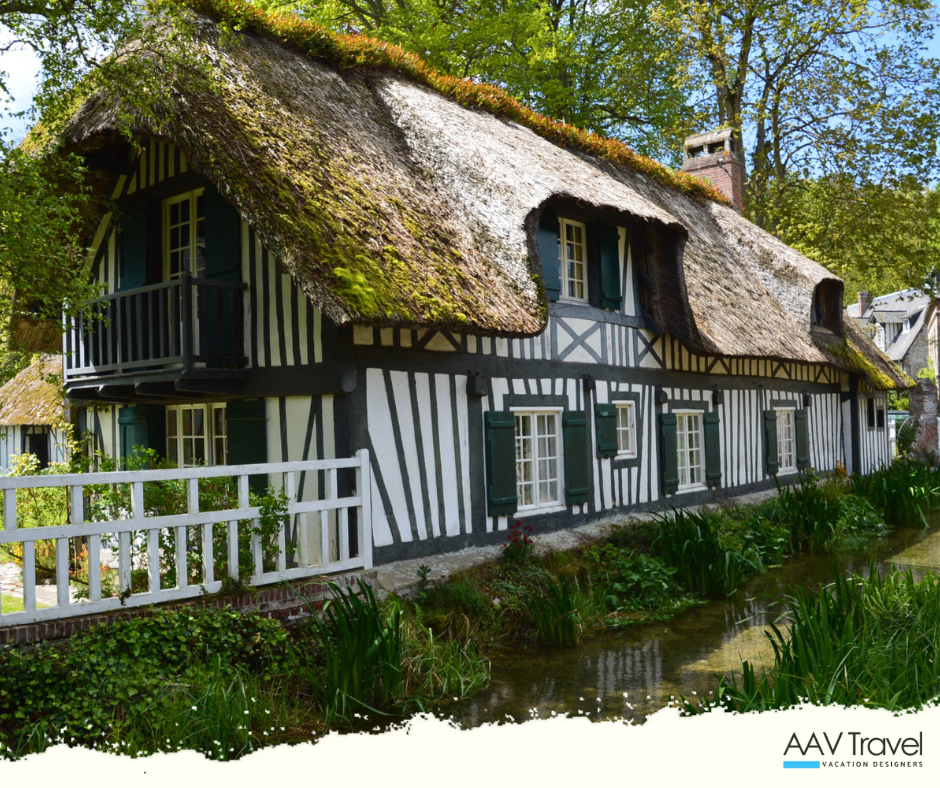
Yet to stop there would mean missing out on the extraordinary depth and richness that define Normandy. Beyond its beaches and battlefields, the region unfolds as a tapestry of rolling countryside, medieval towns, and a rugged coastline that has inspired artists, writers, and dreamers for centuries. Here, half-timbered houses lean over cobbled streets, apple orchards blossom into the world’s finest cider and Calvados, and local markets brim with cheeses, seafood, and farm-fresh produce. It is a France that feels both timeless and deeply authentic, far removed from the bustle of Paris, yet just a few hours’ journey away.

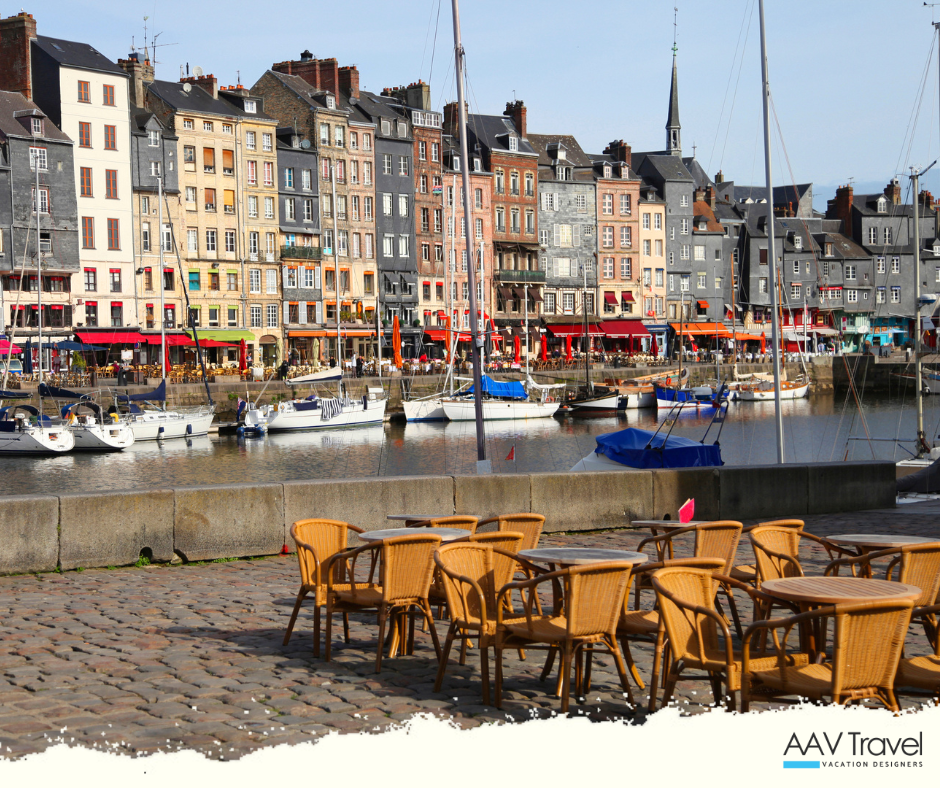
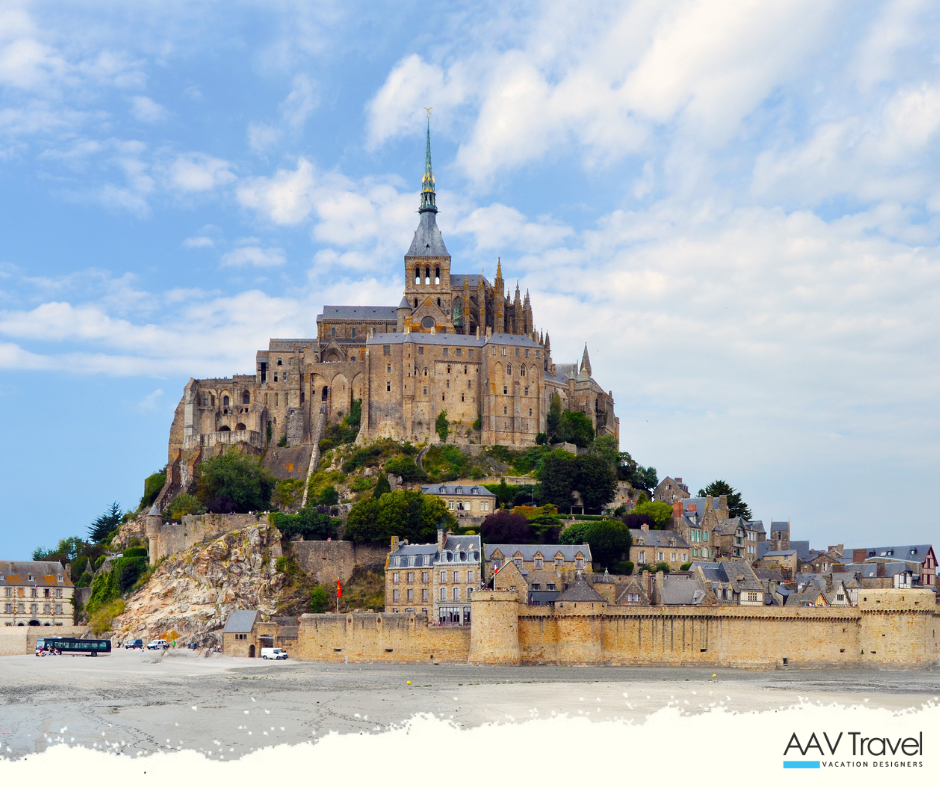
Normandy’s cultural legacy runs deep. Long before D-Day, the region was shaping European history as the home of the formidable Normans, who conquered England in 1066. The magnificent Bayeux Tapestry tells this story in 230 feet of embroidered detail, a medieval masterpiece that has survived nearly a thousand years. Coastal towns like Honfleur and Deauville speak to a different heritage—one of seafaring, Impressionist art, and seaside leisure that lured Monet, Boudin, and countless other painters to capture the play of light on water and sky. And of course, no visit would be complete without experiencing Mont-Saint-Michel, the gravity-defying abbey rising from tidal sands, a place that seems pulled straight from the pages of a fairy tale.

For the American traveler, Normandy offers the chance to reflect on history while also discovering a side of France that is warm, welcoming, and endlessly diverse. Whether you’re sipping cider under apple blossoms, wandering through fishing villages, or tracing the artistic paths of the Impressionists, you’ll find that Normandy is much more than a chapter in World War II—it’s a destination that rewards curiosity at every turn.

Spending anywhere from three to seven days in Normandy allows travelers to experience the region’s incredible variety without feeling rushed. On a shorter visit of about three days, the focus is usually on highlights: the poignant D-Day landing beaches and the American Cemetery at Colleville-sur-Mer, the stunning Mont-Saint-Michel rising dramatically from the tidal flats, and a taste of Normandy’s countryside charm with perhaps a stop in Bayeux to admire its famous medieval tapestry. This itinerary balances history, culture, and iconic sights, giving visitors a strong impression of what makes Normandy so special.

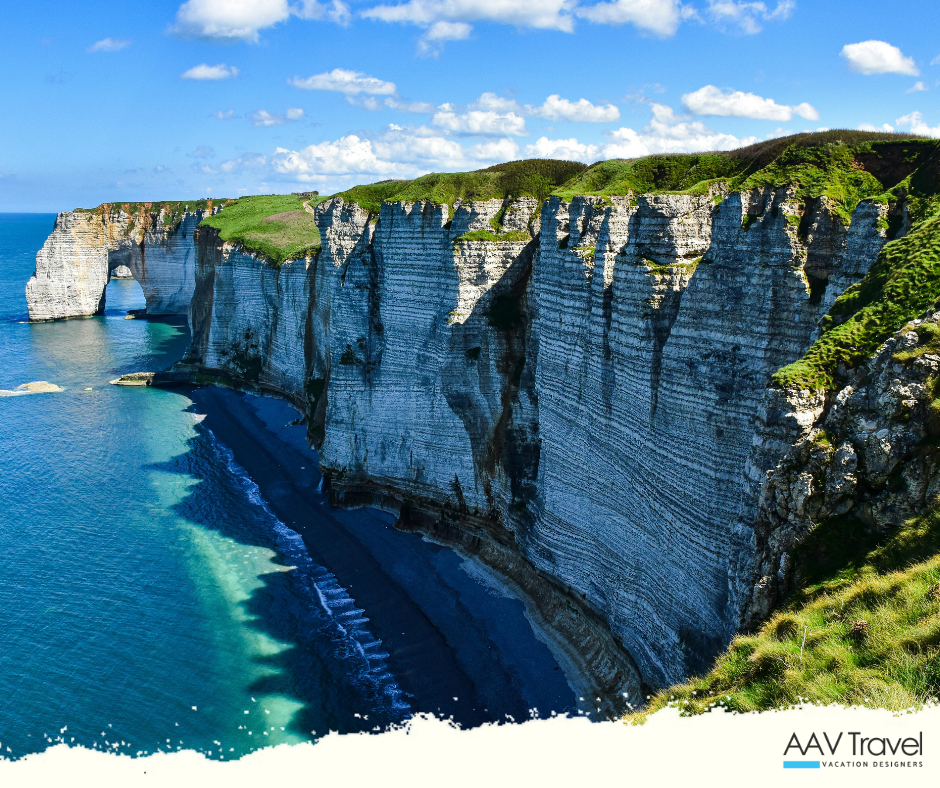
With more time—say five to seven days—you can move beyond the highlights and settle into the rhythm of local life. This might include wandering through the half-timbered streets of Honfleur, exploring Rouen’s magnificent cathedral and medieval quarter, or discovering charming seaside towns like Deauville and Trouville. Food lovers can indulge in gourmet experiences such as sampling Normandy’s cheeses, cider, and calvados directly from local producers, or dining on fresh oysters along the coast. A longer stay also allows you to enjoy the region’s natural beauty at a slower pace—whether that means a walk along the dramatic cliffs of Étretat, a drive through the apple orchards of the Pays d’Auge, or time spent in quiet fishing villages that feel untouched by time.

By combining medieval towns, rich local traditions, and delicious culinary experiences with Normandy’s striking landscapes, a week in the region becomes a layered journey rather than just a checklist of sights. Each day can offer something different, from reflection on powerful history to leisurely market mornings, coastal strolls, or evenings lingering over a glass of calvados. It’s this blend of depth and variety that makes Normandy so rewarding for travelers who allow themselves the time to explore.

One of Normandy’s greatest advantages for American travelers is its easy connection to Paris, making it simple to combine the allure of the French capital with the charm of the countryside. In just about two hours by train or car, you can leave behind the bustle of Parisian boulevards and find yourself amid Normandy’s rolling hills, half-timbered villages, and dramatic coastline. This proximity allows travelers to balance the world-class museums, shopping, and café culture of Paris with the slower pace and authentic flavors of rural France. A few days in each creates a well-rounded journey—one that pairs the sophistication of the city with the history, landscapes, and traditions of Normandy.

For the especially curious traveler, Normandy can also serve as a springboard to explore across the Channel. From Calais, about a three-hour drive from Normandy’s heartland, ferries regularly cross to Dover, offering a seamless way to link two iconic destinations in one trip. Imagine tracing the stories of D-Day in France and then standing atop the White Cliffs of Dover, or combining Normandy’s medieval treasures with the castles and literary landscapes of southern England. This connection not only highlights the shared history between the two nations but also adds a sense of adventure, turning a European vacation into a richly layered experience that spans cultures, coastlines, and centuries of intertwined heritage.

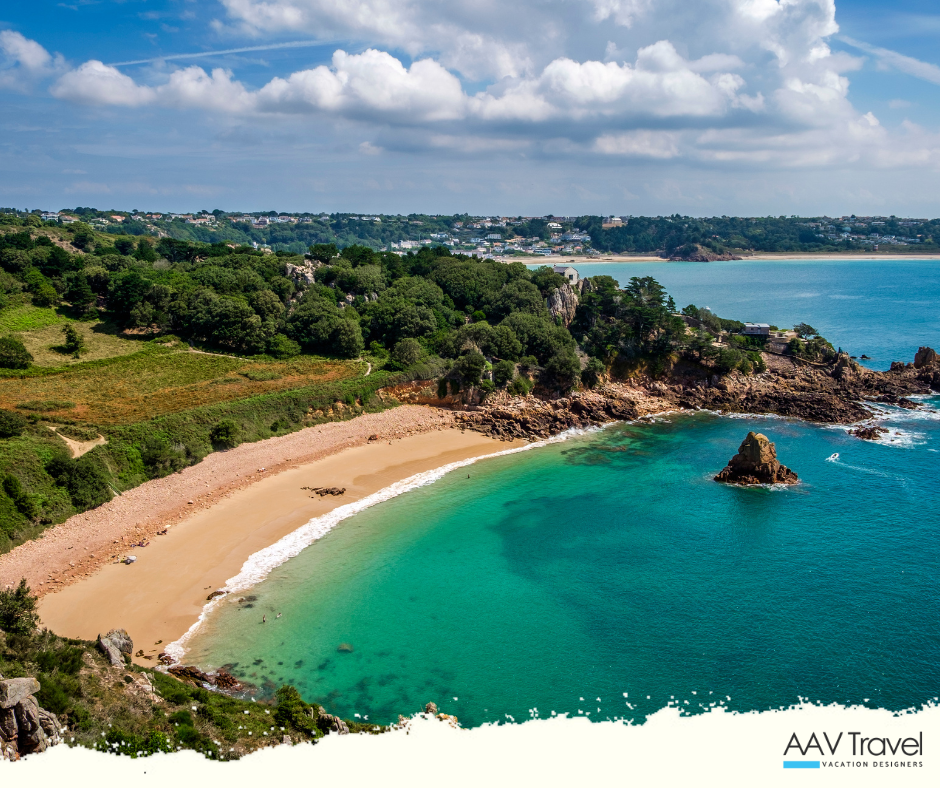
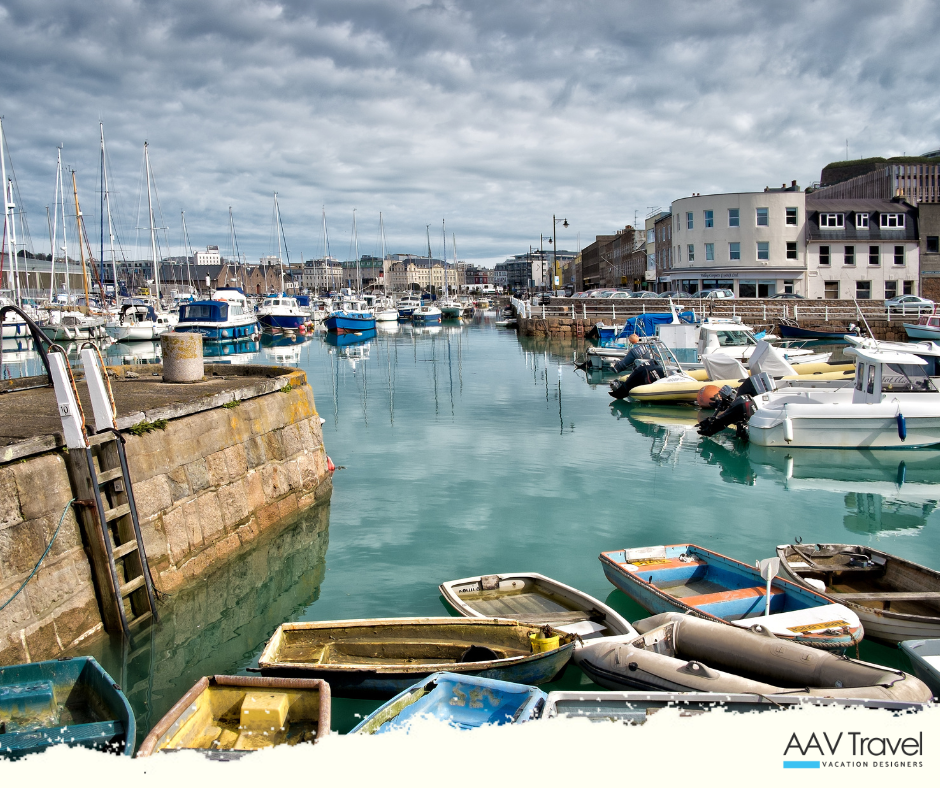
For those eager to go a little off the beaten path, combining Normandy with the Channel Islands offers a truly unique twist. From ports like Granville or Carteret, you can hop on a ferry and in just over an hour reach Jersey, the largest of the islands. Though technically a British Crown Dependency, Jersey feels like a fascinating blend of French and English influences, with its own character shaped by tides, fortresses, and windswept beaches. Here, travelers can explore cliffside trails, dine on exquisite seafood, and wander through charming St. Helier with its lively markets and maritime history. Pairing Normandy with Jersey creates a journey that is both unexpected and enriching—an adventure where you discover hidden gems beyond the mainland, while still staying comfortably close to France.

At AAV Travel, we know that the magic of Normandy lies not only in its iconic sites but also in the thoughtful way a journey is put together. Having explored the region first-hand, we understand how to balance the profound history of the D-Day beaches with the pleasures of wandering through medieval towns, savoring local cuisine, or venturing further to England or the Channel Islands. Our expertise allows us to craft seamless itineraries that weave Parisian sophistication with Normandy’s charm, or add in unexpected dimensions like Jersey’s coastal trails or Dover’s white cliffs. With our guidance, your trip becomes more than a visit—it transforms into an extraordinary experience, rich with moments that reflect your interests and curiosity, while leaving all the details and logistics in expert hands.

Let us help you uncover Normandy beyond the beaches and design a journey that’s as meaningful as it is memorable. To begin planning, contact us via email at info@aav-travel.com or visit the website.
Written by: Stefanie P.
Beyond Yellowstone: Europe’s Most Breathtaking National Parks for Discerning Travelers

America’s National Parks have long captured the hearts of travelers with their dramatic landscapes and awe-inspiring natural beauty. But while many adventurers have ticked off the likes of Yellowstone and the Grand Canyon, few consider looking beyond U.S. borders.

Europe, with its rich history and diverse landscapes, is home to an array of breathtaking national parks, offering everything from alpine peaks and coastal cliffs to ancient forests and volcanic terrains. The best part? Exploring a European National Park doesn’t have to be an either-or choice. It can easily be woven into a journey that also includes charming villages, world-class cuisine, and cultural treasures. If you’re curious to see what lies beyond the well-trodden American trails, let us take you on a tour of some of Europe’s most stunning and underrated national parks.

Here’s why your next national park journey could take you to Europe—and why AAV Travel is your perfect partner to get you there.

Écrins National Park, France

Nestled in the heart of the French Alps, Écrins National Park boasts soaring peaks, glaciers, and lush alpine meadows. Unlike the bustling ski resorts of Mont Blanc, this area offers quieter luxury: charming mountain chalets, exclusive spa retreats, and guided alpine adventures. The park is home to over 150 summits rising above 3,000 meters, providing panoramic views that captivate every type of traveler. Hikers can explore trails through alpine pastures dotted with wildflowers, or challenge themselves on technical climbs with the help of local mountain guides. Glacial lakes and rushing rivers add to the sensory experience, while marmots, ibex, and golden eagles bring the landscape to life.

Perfect for: Families and groups of mixed ability. Easy trails run alongside technical climbs, and scenic cable cars make the heights accessible for all generations.

Where to Stay: Upscale chalets in Les Deux Alpes or the thermal spa town of Monêtier-les-Bains.

Dolomiti Bellunesi National Park, Italy

Less famous than the Dolomites around Cortina d’Ampezzo, Dolomiti Bellunesi delivers an authentic, less crowded mountain escape. Think limestone cliffs, flower-filled pastures, and peaceful valleys. This UNESCO-protected park is a haven for geology lovers and photographers, with dramatic rock formations and deep gorges. Families can enjoy leisurely hikes to hidden waterfalls or join foraging tours to discover wild herbs and mushrooms. The park’s rifugi offer a uniquely Italian mountain experience—rustic yet refined—with homemade cuisine, fine wines, and sweeping views of the surrounding peaks.

Ideal for: Families wanting a taste of true Italian alpine culture without sacrificing comfort. Stay in rifugi (mountain lodges) with gourmet meals and breathtaking views.

Top Experience: Hut-to-hut hiking with luggage transfers and tailored trail options.

Pembrokeshire Coast National Park, Wales

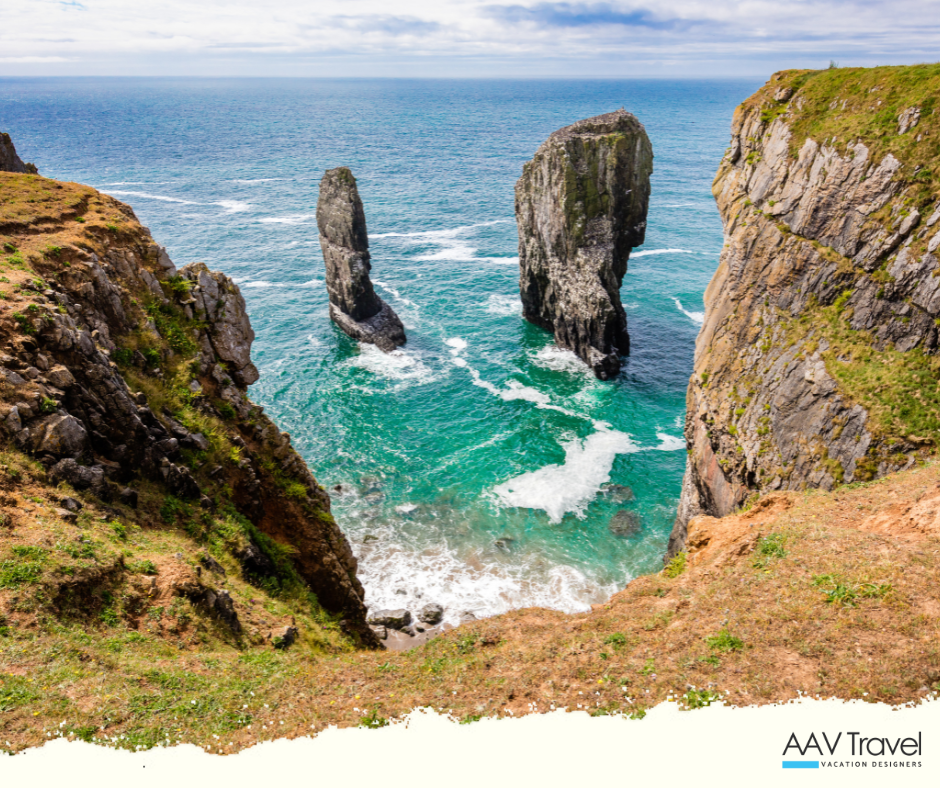
This Welsh gem is the UK’s only fully coastal national park. Picture dramatic cliffs, puffin-populated islands, and secret coves. The famous Pembrokeshire Coast Path spans over 180 miles, offering walking routes that range from gentle strolls to cliff-hugging adventures. Wildlife enthusiasts can spot Atlantic grey seals, dolphins, and a host of seabirds while exploring remote beaches or taking guided sea-kayak tours. Charming fishing villages like Tenby and St Davids add a historical and cultural flair to your visit, while family-friendly attractions such as ancient castles and activity centers ensure that every generation is engaged.

Best for: Active families and nature-loving grandparents. Coastal trails offer everything from short scenic strolls to adrenaline-filled coasteering.

What Makes It Special: Opportunities to blend exploration with rest. Boat tours, historic sites, and wellness retreats are all close at hand.

Kerry Seas National Park, Ireland

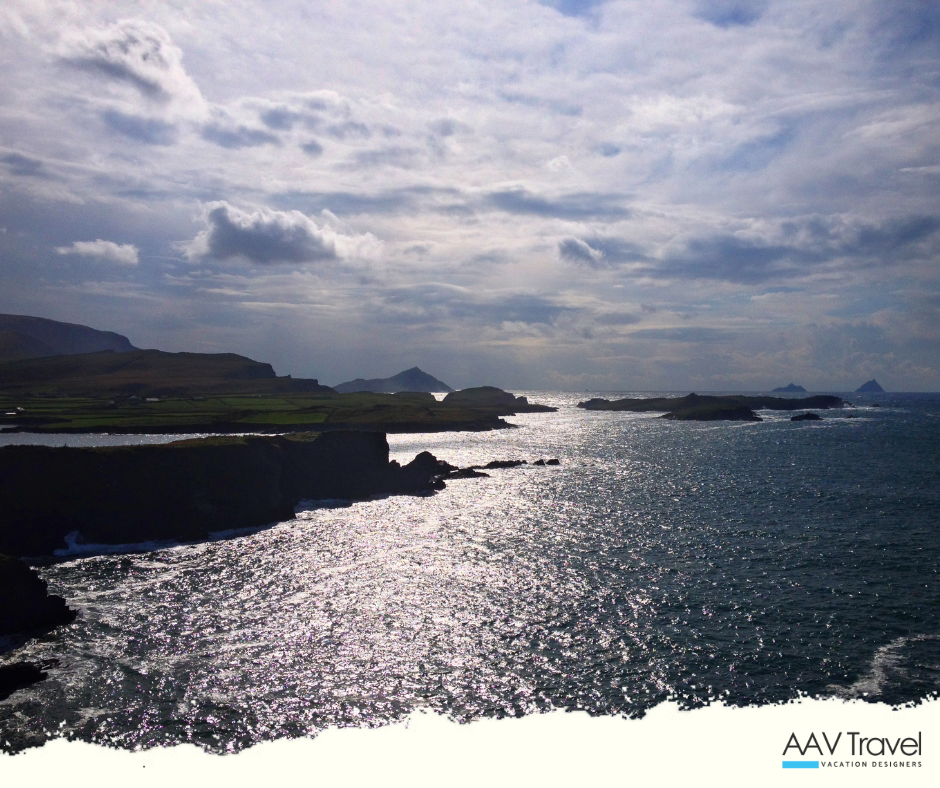
Ireland’s newest marine national park blends ocean, wildlife, and ancient history. Skellig Michael’s monastic ruins rise from the sea, while playful seals and dolphins call its shores home. The surrounding waters are ideal for private boat excursions and wildlife watching, while on land, coastal walks provide cinematic views of the Atlantic. The region is also steeped in Celtic lore, with megalithic tombs and early Christian sites waiting to be explored. The area’s dramatic cliffs and sweeping beaches make it a visual and sensory delight. Local seafood dining and artisanal shops enhance the overall cultural immersion.

Great for: Multi-generational travelers interested in marine life, history, and spectacular landscapes.

Stay Here: Elegant seaside manors and boutique hotels near the Ring of Kerry.

Vatnajökull National Park, Iceland

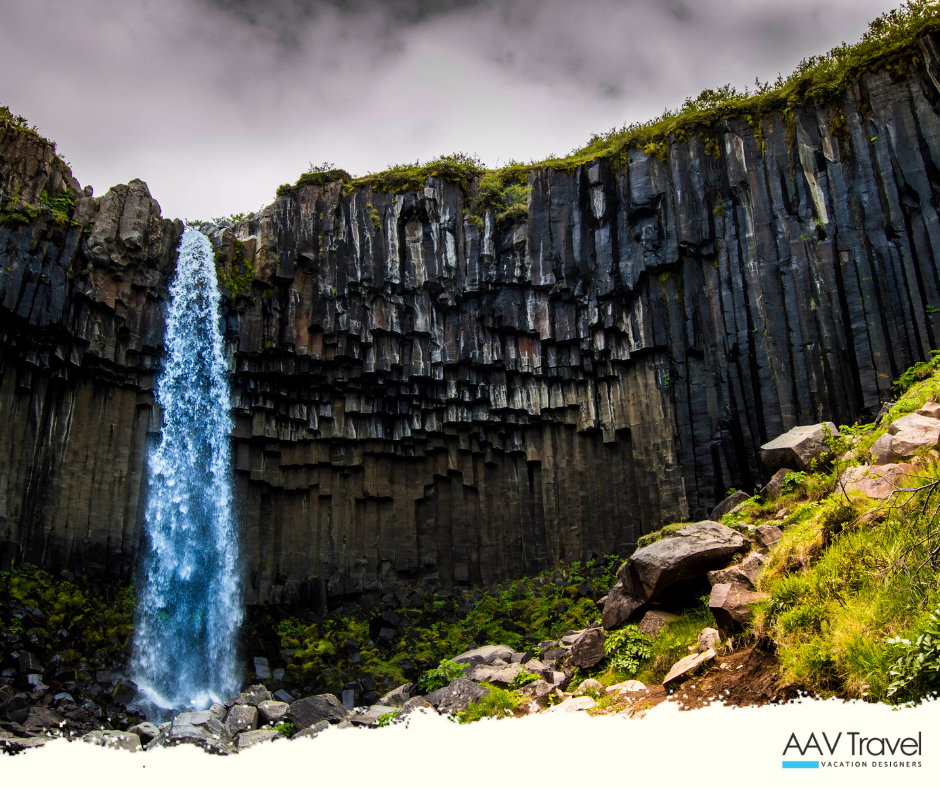
Covering 14% of Iceland, Vatnajökull offers Europe’s most dramatic display of fire and ice. Active volcanoes, black sand beaches, and glacier tongues make it a playground for outdoor lovers. Visitors can traverse ice caves, witness calving glaciers, and soak in thermal hot springs—often with views of snow-capped peaks. The park is divided into multiple regions, each with its own highlights like the thundering Dettifoss waterfall and the serene Jökulsárlón glacier lagoon. Local guides offer super jeep tours and ice-climbing experiences, ensuring both safety and excitement for all ages.

Adventure Includes: Private glacier hikes, jeep safaris, and geothermal hot spring swims.

Luxury Touches: Remote designer lodges with Northern Lights views, fine dining, and in-house guides.

Lofotodden National Park, Norway

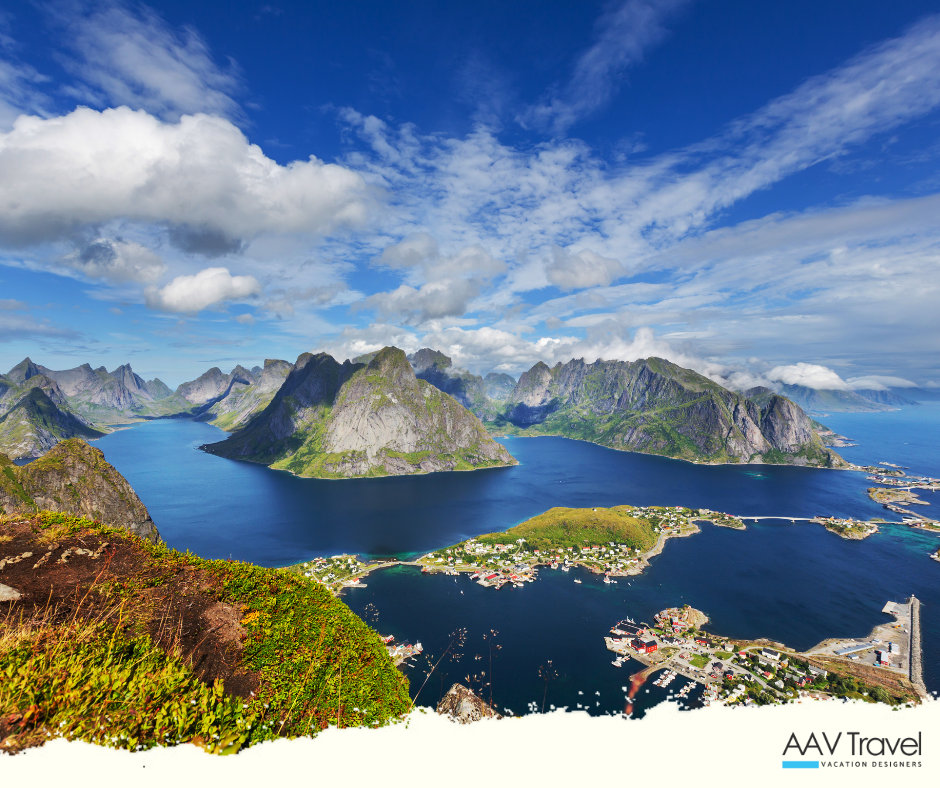
Set in the magical Lofoten Islands, Lofotodden is a place of jagged peaks, turquoise bays, and near-endless daylight in summer. The dramatic terrain is perfect for photography, with golden light stretching into the early hours during the Midnight Sun season. Sea kayaking along the fjords and island-hopping boat trips reveal hidden beaches and traditional fishing villages. Hiking trails lead to panoramic viewpoints and ancient Viking sites, adding depth to the journey. Birdwatchers will enjoy observing puffins and sea eagles, while foodies can indulge in locally caught Arctic cod and award-winning cheeses.

Appeals to: Active and well-traveled families seeking kayaking, hiking, and photography tours.

Extraordinary Stay: Secluded Scandinavian-style luxury cabins with panoramic sea and mountain views.

Triglav National Park, Slovenia

Slovenia’s only national park surrounds Mount Triglav and includes the pristine waters of Lake Bohinj and the Soča River. The area is a paradise for water sports enthusiasts, with kayaking, canyoning, and fly fishing all on offer. Scenic cable cars whisk travelers up to high-altitude plateaus where mountain huts serve traditional stews and strudels. The Julian Alps provide a fairy-tale backdrop, particularly stunning in summer when wildflowers bloom across the high meadows. The park is also culturally rich, with WWI heritage trails and traditional alpine villages offering insight into Slovenian history and hospitality.

Why It Works: Offers a variety of outdoor adventures like white-water rafting, hiking, and cycling—all within a compact, luxurious setting.

Where to Stay: Boutique alpine hotels or modern eco-lodges in charming Slovenian villages.

Oulanka National Park, Finland

Located near the Arctic Circle, Oulanka is famed for its wild rivers, ancient forests, and rich wildlife. The park is especially known for the Karhunkierros Trail, a scenic route that winds through suspension bridges, canyons, and waterfalls. In summer, the Midnight Sun bathes the landscape in a magical glow, perfect for long, leisurely walks or photography excursions. Nature lovers will delight in spotting elk, otters, and over 300 species of birds. After a day of activity, visitors can retreat to luxury cabins complete with saunas and views of the forest canopy.

Perfect For: Mature travelers who love nature but appreciate the comfort of guided hikes, glamping, and cozy lodges.

Must-Do: The Karhunkierros Trail, one of Finland’s most scenic long-distance routes, adapted to suit different abilities.

Why Choose Europe Over the U.S. Parks?

Choosing a European National Park over one in the U.S. opens the door to an entirely different kind of experience—one that blends natural beauty with cultural richness and seamless travel logistics. One of the biggest advantages is accessibility. Many European parks are just a short drive or scenic train ride away from major cities, making it easy to go from urban sophistication to untouched wilderness in a matter of hours. This ease of access allows travelers to experience nature without needing to commit to long, remote journeys—perfect for those who want the best of both worlds.

What truly sets Europe apart is the opportunity to integrate culture, comfort, and variety into your outdoor adventure. Imagine spending the morning hiking through a glacier-carved valley, exploring a medieval castle in the afternoon, and ending the day with a Michelin-starred meal.

European National Park experiences effortlessly blend refined comfort with the principles of sustainable, slower travel. From luxury lodges with spacious family suites to bespoke services, every detail is designed with elegance and ease in mind, ensuring that travelers feel cared for. During the warmer months, northern and alpine regions provide a welcome escape from the heat, offering refreshingly mild climates ideal for outdoor pursuits. Europe’s compact layout and efficient rail networks also support a more mindful way to travel: instead of long-haul flights and hectic transitions, guests can enjoy a smooth, scenic journey between destinations, often crossing borders without even noticing. The result is a travel experience that feels both indulgent and intentional, where natural beauty, cultural depth, and environmental respect come together to create something truly extraordinary.

The AAV Travel Advantage

Planning a European national park vacation requires local knowledge, seamless logistics, and personalized touches. That’s where AAV Travel comes in.

We specialize in crafting immersive, upscale adventures tailored to your group’s preferences and pace. Whether you’re traveling with children, aging parents, or a group of friends, or are looking for a romantic yet active vacation, we handle every detail—from private drivers and local guides to exclusive accommodations and curated dining.

Our itineraries aren’t one-size-fits-all. They’re artfully built around your passions—whether that’s wildlife, hiking, history, wellness, or a combination. And we don’t stop at the park gate: your trip can include vineyard visits, museum stops, beach days, or mountain villages.

Written by: Stefanie P.
Let us help you discover Europe’s wild side in comfort and style.
To start planning, contact us via email at info@aav-travel.com or visit the website.

Experiential Luxury Travel: Supporting Endangered Crafts and Cultural Heritage Around the World

In an increasingly globalized world, many traditional crafts—once vital to a community’s economy and identity—are quietly vanishing. Centuries-old techniques are being lost as younger generations turn toward urban careers, cheaper manufacturing takes over, and consumer demand shifts toward fast, mass-produced goods. Yet these crafts hold the stories of a people, a place, and a time-honored way of life. For luxury travelers seeking deeper meaning and authentic cultural connection, experiencing and supporting these endangered crafts offers more than just a souvenir—it’s an opportunity to engage with living heritage and leave a positive footprint.

Korea | Hanji: The Art of Handmade Paper

Korean artisan demonstrating traditional hanji paper-making techniques using mulberry bark fibers—an endangered heritage craft preserved through workshops and cultural tourism in Korea.

Korean hanji, crafted from the inner bark of mulberry trees, is celebrated for its strength, beauty, and longevity. Historically used for everything from official documents to window coverings and sacred texts, hanji represents both artistry and practicality. Today, this delicate craft faces extinction as industrial paper dominates the market and traditional skills fade with retiring artisans.

For travelers eager to engage, several hanji workshops in Seoul, Jeonju, and Andong offer immersive, hands-on experiences. Whether learning to create textured stationery, folding lamps, or even crafting small furniture, visitors can support local artisans by purchasing directly from them. Opt for certified, handmade hanji products and consider attending a workshop where your participation helps keep the tradition alive.

Scotland | Harris Tweed: Woven by Hand, Protected by Law

Weaver in the Outer Hebrides, Scotland, working on a traditional loom to create authentic Harris Tweed fabric—an iconic, handwoven textile protected by law and supported through responsible luxury travel experiences.

Harris Tweed is not just fabric; it’s a legally protected cultural artifact. Handwoven by islanders in the Outer Hebrides of Scotland, this woolen cloth has clothed royals and fashion icons for decades. The intricate weaving process and the island’s rugged climate give each piece a distinctive character. However, the craft faces challenges: an aging weaver population and competition from mass-produced fabrics threaten its future.

Visitors can explore weaving sheds, meet artisans, and even take mini weaving workshops. Buying directly from official Harris Tweed makers ensures your purchase adheres to quality standards and directly supports the island economy. Look for the official Harris Tweed Orb trademark—your guarantee that the cloth was woven by hand in the Outer Hebrides.

Venice | Murano Glass: Centuries of Fire and Artistry

Master glassblower in Murano, Venice, shaping vibrant, molten glass into intricate designs—preserving a centuries-old Venetian craft threatened by cheap imports and rising production costs.

For more than 700 years, the island of Murano has been synonymous with exquisite glassmaking. From delicate chandeliers to intricate millefiori beads, Murano artisans have passed their skills down through generations. But today, rising energy costs, cheap imports, and a dwindling pool of apprentices are putting this iconic craft at risk.

To support the genuine artisans, book private demonstrations at established studios where you can witness masters at work and even try glassblowing yourself. Be wary of cheap “Murano-style” glass sold in tourist shops. Instead, choose galleries and boutiques that showcase certified works, often accompanied by a certificate of authenticity.

France | Le Puy Lace: Threads of French Elegance

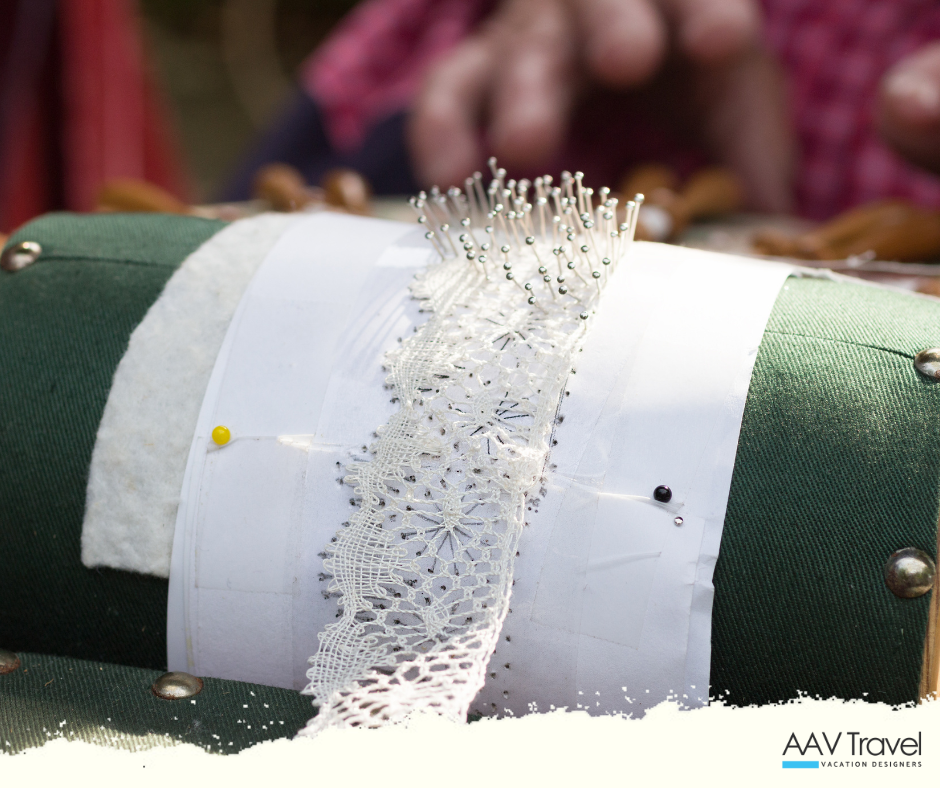
Lacemaker in Le Puy-en-Velay, France, skillfully using bobbins and threads to create intricate handmade lace patterns—an endangered French textile tradition supported by cultural tourism and artisan workshops

In the small town of Le Puy-en-Velay, France, lacemaking is a delicate dance of hands and bobbins. Known for its intricate patterns and light, airy designs, Le Puy lace was once coveted by European nobility. Today, mechanized production and limited demand for hand-stitched lace threaten the survival of this art.

For a meaningful encounter, visit the Lace Center (Centre d’Enseignement de la Dentelle) in Le Puy where artisans demonstrate traditional techniques. Small group workshops let visitors try their hand at lace-making, and the boutique offers authentic pieces perfect for heirloom keepsakes. By purchasing directly from the center or from certified artisans, you help sustain this fragile tradition.

Turkey | Iznik Pottery: Ottoman Colors in Ceramic Form

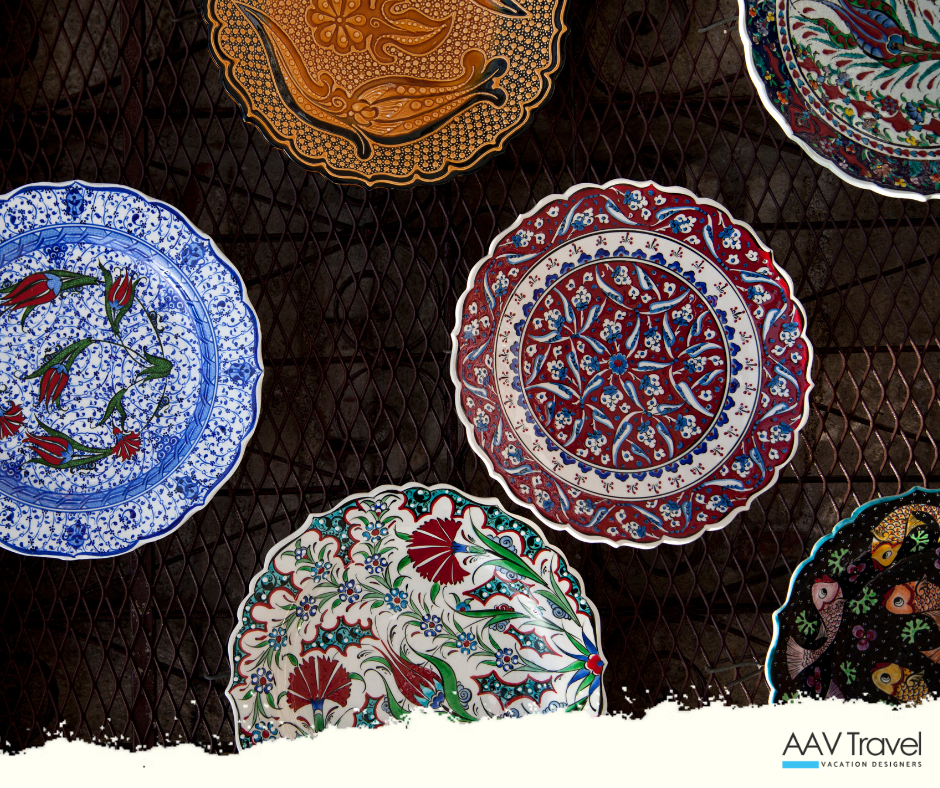
Turkish ceramic artist painting traditional Ottoman floral patterns onto Iznik pottery.

Iznik pottery, with its luminous white glaze and rich blue-and-red floral motifs, graced Ottoman palaces and mosques for centuries. The techniques used—multiple firings and natural pigments—require time, patience, and great skill. Sadly, the craft declined for nearly 300 years and only experienced a revival in the late 20th century. Even now, few workshops continue the painstaking process.

In Iznik and Istanbul, travelers can visit studios where artists explain the chemistry behind the colors and allow guests to paint their own tiles. Supporting workshops committed to traditional methods—rather than mass-produced imitations—ensures that your purchase supports true artisanship. Always ask about the production process when shopping for Iznik pieces.

Spain | Esparto Grass Weaving: Rustic Mediterranean Charm

Artisan in Andalusia, Spain, hand-weaving traditional esparto grass into baskets and home décor—an endangered Mediterranean craft preserved through sustainable tourism and cultural workshops.

Esparto grass weaving, a craft deeply rooted in rural Spain (especially Andalusia and Murcia), has long been used to make baskets, mats, and even architectural elements like doors and walls. As synthetic materials and modern manufacturing took hold, demand for esparto goods dwindled, and with it, the number of skilled weavers.

Travelers can take part in community-led workshops where elderly artisans share their knowledge. Purchasing handwoven baskets, wall decor, or even contemporary design pieces directly from these artisans ensures your support goes where it’s needed most. Look for collectives that are part of regional heritage preservation initiatives for authentic, ethically made items.

Travel Deeper: Authentic Cultural Experiences and Artisan Connections—Curated by AAV Travel

Traditional craft workshop, a authentic and enriching experience for the whole family.

At AAV Travel, we don’t just book trips—we craft meaningful journeys that immerse you in the heart of a destination’s living culture. When you partner with us, you gain access to trusted local artisans, private studio visits, authentic workshops, and ethically curated shopping experiences. We work closely with our ground partners to ensure your cultural encounters are respectful, responsible, and unforgettable—allowing you to bring home more than just beautiful objects, but stories that sustain both heritage and hope for the future.

At AAV Travel, we believe in the power of slow and sustainable travel. Rather than rushing from one landmark to the next or simply checking destinations off a list, we encourage our travelers to approach each journey with curiosity and intention. Taking the time to connect with local people, understand their traditions, and experience the craftsmanship that has shaped their communities adds a depth and richness that no checklist can offer. It’s about meaningful moments—learning how a piece of Harris Tweed comes to life on a loom, shaping your own hanji paper, or hearing the stories behind Murano’s glass furnaces. These immersive experiences not only create lasting memories but also contribute to the preservation of cultural heritage for generations to come.

Written by: Stefanie P.
To start planning, contact us via email at info@aav-travel.com or visit the website.

Where Elegance Endures: The Ritz London & the Allure of Iconic Hotels

There’s something undeniably alluring about iconic hotels. These aren’t merely places to sleep—they are storied landmarks, cultural institutions, and enduring symbols of timeless elegance. From the moment you step through the revolving doors of a historic grand hotel, there’s a palpable sense of legacy and luxury. These legendary properties have long catered to royalty, Hollywood stars, artists, and political powerhouses, and they continue to draw the rich, the famous, and the discerning traveler in search of something far beyond the ordinary.

The legacy of iconic hotels begins with the Ritz Paris, which opened in 1898. Founded by César Ritz, the hotel revolutionized the concept of luxury with its refined interiors, modern comforts, and uncompromising service. It wasn’t just about opulence—it was about creating a lifestyle defined by elegance and exclusivity. Coco Chanel lived there. Hemingway drank at its bar. Royals and rockstars alike sought its sanctuary. The Ritz became more than a hotel—it became a benchmark, inspiring a new era of hospitality that blended grandeur with intimacy.

What makes these storied hotels endure is not just their illustrious past, but their ability to evolve without losing their essence. From Claridge’s in London to the Gritti Palace in Venice and The Plaza in New York, these properties strike a delicate balance between tradition and innovation. While marble floors, antique chandeliers, and historic ballrooms remain, today’s luxury traveler also discovers Michelin-starred dining, world-class wellness, curated cultural access, and highly personalized, discreet service. This harmonious blend of heritage and modernity is what keeps them relevant—and utterly irresistible.

A stay at a hotel like The Ritz London is a masterclass in elegance. Since opening in 1906, this grand dame of Piccadilly has set the tone for luxury hospitality in the British capital. Conceived by César Ritz following the success of his Parisian triumph, The Ritz London was designed to unite French refinement with English charm. It has welcomed prime ministers, film legends, and royalty, all drawn to its unwavering standards, graceful surroundings, and its celebrated discretion.

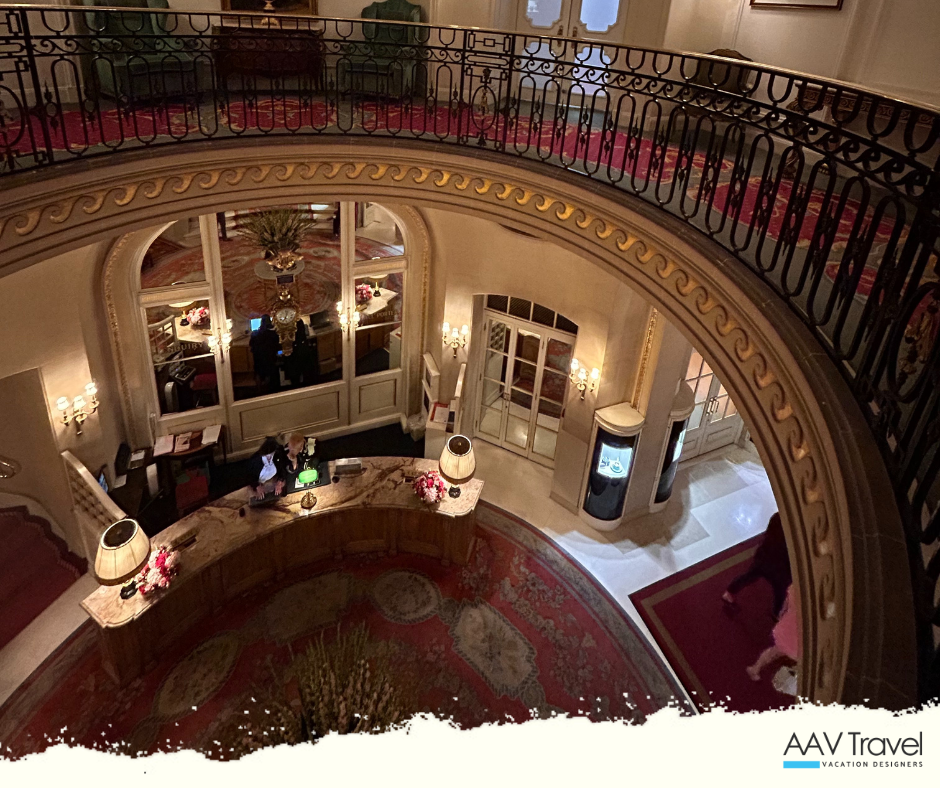
Stepping into The Ritz London feels like entering a bygone era—yet everything is flawlessly polished for the modern traveler. Gilded moldings, marble columns, and glittering chandeliers evoke Edwardian splendor, while the ambiance remains refreshingly inviting. Beyond the visual grandeur, it is the service that truly distinguishes The Ritz. From white-gloved doormen to personal concierges, the staff delivers each experience with warmth, grace, and impeccable attention to detail. Whether enjoying a tailored cocktail at the Rivoli Bar or arranging a bespoke shopping experience, everything is handled with quiet precision.

During my stay, it genuinely felt like time slowed down. At The Ritz, the outside world fades away, replaced by a rhythm of intentional care, elegance, and excellence. Service is not merely offered—it’s anticipated. Every interaction is part of a greater symphony, performed by professionals who seem to intuitively know your needs before you do. It’s an environment that invites you to let go, be cared for, and delight in the rare privilege of being fully catered to.

This high-touch service is not optional—it’s essential to the experience. The staff is part of the charm, the tradition, the theatre of it all. You are invited to engage with them, to be part of the flow, not simply observe it. Here, self-service has no place; the art lies in letting yourself be looked after.

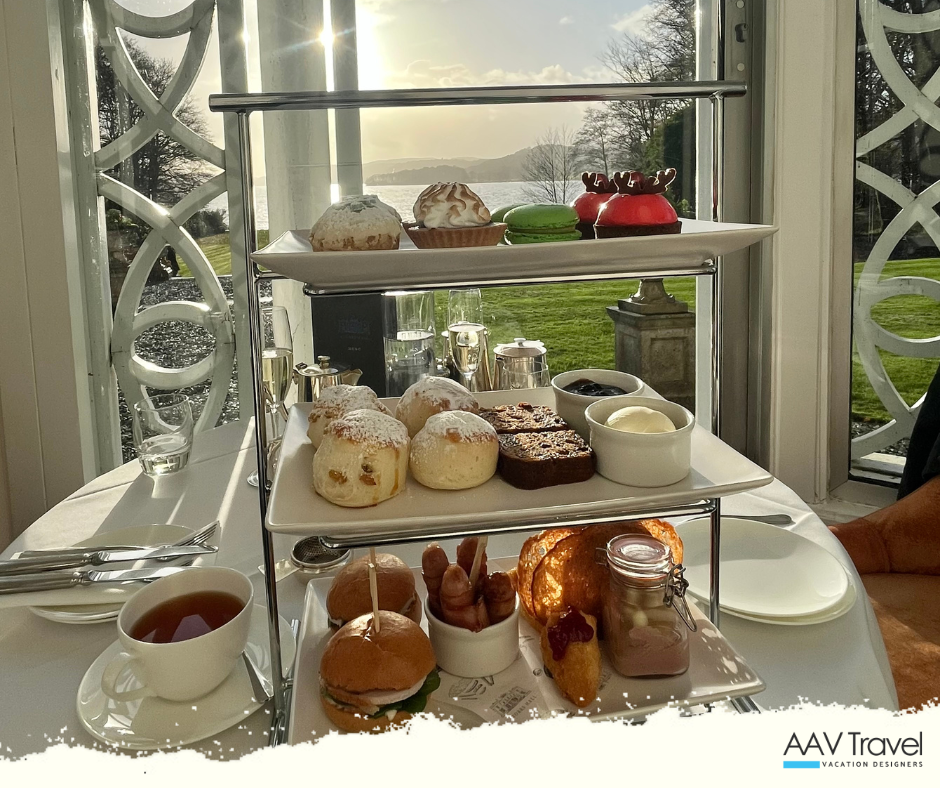
A highlight of our visit was the iconic Afternoon Tea at The Palm Court, graciously hosted by Umberto Schioppa, The Ritz’s Director of Sales. This cherished ritual is nothing short of a celebration, featuring live music, gleaming silver, fine china, and a dress code that honors the tradition. Every detail speaks to a refined, bygone age—yet feels entirely relevant and immersive today.

What truly sets The Ritz’s Afternoon Tea apart is the presence of their dedicated tea sommelier—a rare touch that elevates the experience even further. With genuine passion and deep expertise, the sommelier guides guests through an impressive menu of 18 fine teas sourced from across the globe. Whether you prefer a classic Darjeeling, a floral Earl Grey, or a more adventurous white or oolong tea, each selection is expertly matched to complement the delicate pastries, warm scones, and elegant sandwiches. It’s not simply tea—it’s a ceremony of taste, precision, and tradition.

For travelers who seek glamour, sophistication, and meaningful experiences, staying at an iconic hotel isn’t just about luxury—it’s about becoming part of a story. These hotels don’t just host guests; they host moments in history. And for those with a taste for the extraordinary, that’s the true essence of travel.

Booking a room at a property like The Ritz London is just the beginning. To truly capture the spirit and exclusivity of such a stay, it takes the insight and expertise of a seasoned luxury travel advisor. From securing the most coveted tables to arranging private cultural encounters and seamless transportation, every detail is thoughtfully orchestrated to enhance your journey. Whether it’s discovering London’s hidden gems or elevating an already exceptional hotel experience, working with AAV Travel ensures that your trip is not only seamless—but unforgettable.

Written by: Stefanie P.
To start planning, contact us via email at info@aav-travel.com or visit the website.

Chamonix for the Luxury Traveler: Where Alpine Adventure Meets Refined Elegance

Tucked at the foot of Mont Blanc, Europe’s highest peak, Chamonix is a place that speaks to the soul of the discerning traveler. The first time I arrived in the valley, the sheer majesty of the mountains took my breath away, yet what lingered was the effortless fusion of rugged alpine beauty and refined European charm. For the luxury traveler, Chamonix is not about opulence for show—it’s about substance, quality, and rare moments that feel deeply personal.

Here, mornings can begin with a private glacier hike guided by a world-class mountaineer, followed by an afternoon spent indulging in a curated wine tasting paired with aged Beaufort at a tucked-away chalet. In winter, a heli-skiing excursion might be followed by a massage in a spa that feels like a modern sanctuary carved into the mountains. The appeal lies not just in the activities but in how they’re experienced—always tailored, always intentional.

A Playground Year-Round

In summer, the Mont Blanc Valley reveals an entirely different kind of magic. There’s paragliding over the peaks, hiking through wildflower-laced meadows, and mountaineering routes that cater to various skill levels. Many of my clients enjoy privately guided treks on the Tour du Mont Blanc or e-bike tours that include gourmet picnics overlooking glacial valleys.

Winter, of course, is when Chamonix’s legend comes alive. The town becomes a snowy stage for world-class skiing, ice climbing, and husky sledding. From ski-in/ski-out chalets with private chefs to off-piste adventures led by elite guides, the experience is elevated by attention to detail and exclusivity. Yet it’s never forced—Chamonix knows how to impress without ever trying too hard.

A Destination That Welcomes All

What makes Chamonix particularly special is its unique mix of people. You’ll find ultra-endurance athletes, understated billionaires, mountain guides, artists, and families all rubbing shoulders on the same cobblestone streets. It’s not a scene where luxury shouts—it whispers. This atmosphere allows high-end travelers to enjoy extraordinary experiences without the need to showcase status. Instead of standing out, many find a sense of belonging here. It’s about being part of the mountain rhythm, where respect for nature and good company matter more than logos or labels.

Style That Performs Without Pretense

That said, what you wear does matter here—but more for functionality than flash. High-performance outerwear is essential, especially with the unpredictable alpine weather. Brands like Arc’teryx Veilance, Kjus, and Moncler Grenoble strike a perfect balance—sleek lines, technical fabrics, and quiet luxury. Think breathable Gore-Tex that transitions from glacier trek to après-ski lounge, or insulated mid-layers that look as sharp as they perform.

Where Fashion Meets Function

There’s also a growing synergy between fashion and function that’s captivating the luxury market. Collaborations between brands like Fusalp and Chloé, The North Face x Gucci, and Moncler Genius collections are redefining what adventure clothing can look like. These partnerships bring couture detailing to weather-resistant materials, offering pieces that are not only mountain-ready but also street-smart.

Why an Expert Makes All the Difference

Chamonix is not a destination where one-size-fits-all travel planning works. Transfers can be tricky with weather delays, lift passes come with fine print, and boutique properties book up far in advance—especially the ones with true character.

As a travel advisor, I help clients navigate these complexities. Whether it’s securing a private mountain guide who speaks your language, recommending the right spa after a day on the Vallée Blanche, or knowing which restaurants require reservations (and which to skip altogether), my role is to simplify without sacrificing quality. I also understand the rhythm of the valley—when to go, how long to stay, and how to balance adventure with rest.

In the end, luxury in Chamonix is not about extravagance—it’s about access, authenticity, and experience. And when done right, it’s absolutely unforgettable.

Written by: Stefanie P.
To start planning, contact us via email at info@aav-travel.com or visit the website.

12 Days of Christmas, 12 Destinations: Travel Inspiration for 2025

The 12 Days of Christmas aren’t just about festive carols and holiday cheer—they’re also a perfect source of inspiration for your next adventure! From romantic getaways to cultural escapes and nature-filled retreats, each day’s theme sparks ideas for extraordinary journeys. Whether you’re dreaming of cozy winter landscapes or far-flung exotic locales, these 12 travel ideas will make 2025 a year to remember. Let’s dive into a world of adventure, one “day” at a time!

First Day: Portugal’s Douro Valley
Partridge in a Pear Tree

Explore Portugal’s famous wine region and enjoy pear-infused Portuguese cuisine, local wines, and scenic views.

Nestled in the heart of Portugal’s stunning Douro Valley, the country’s famous wine region offers a feast for the senses. As you wind through terraced vineyards overlooking the meandering Douro River, you’ll discover the region’s rich winemaking heritage, from robust reds to world-renowned ports. Pair your tasting adventures with pear-infused Portuguese dishes, a local culinary specialty that highlights the region’s love for fresh, seasonal ingredients. Whether savoring pear and wine tarts in a hillside vineyard or dining on roasted pork with pear sauce at a family-owned estate, each bite is a celebration of Portugal’s flavors. With every sip of local wine and panoramic view of lush vineyards, you’ll find yourself immersed in the charm and beauty of one of Europe’s most enchanting wine destinations.

Actual meaning: The Partridge in the Pear Tree is Jesus Christ.

Second Day: Venice, Italy
Two Turtle Doves

This romantic city, with its winding canals and gondola rides, offers perfect moments for lovebirds.

Venice, often hailed as the most romantic city in the world, enchants couples with its winding canals, timeless architecture, and the gentle lull of gondolas gliding through the water. Every corner of this floating city seems designed for romance, from intimate strolls along cobblestone streets to sunset views from the Rialto Bridge. Indulge in the magic of a private gondola ride, serenaded by soft melodies, as you drift beneath centuries-old bridges and past historic palazzos. Share a candlelit dinner by the Grand Canal, savoring Venetian delicacies and fine wine while the city sparkles around you. In Venice, love is not just in the air—it’s reflected in every shimmering waterway.

Actual meaning: The 2 Turtle Doves are The Old and New Testaments.

Third Day: Burgundy, France
Three French Hens

Visit this iconic region of France for a farm-to-table culinary experience featuring rustic French dishes like Coq au Vin.

A visit to Burgundy, one of France’s most iconic regions, is a journey into the heart of rustic elegance and culinary tradition. Known for its rolling vineyards and quaint villages, Burgundy offers a farm-to-table dining experience that captures the essence of French gastronomy. Imagine savoring Coq au Vin, a classic dish slow-cooked in local red wine, alongside fresh ingredients sourced from nearby farms. Each meal is a celebration of Burgundy’s bounty, paired perfectly with the region’s world-famous Pinot Noirs and Chardonnays. Whether dining in a cozy countryside bistro or at a family-run vineyard, the flavors of Burgundy tell a story of authenticity, heritage, and a passion for good food.

Actual meaning: The 3 French hens are Faith, Hope and Charity, the theological virtues.

Fourth Day: Costa Rica’s Rainforest
Four Calling Birds

Discover birdwatching in Costa Rica’s lush forests, where you’ll find the colorful resplendent quetzal, toucans, parrots, and hummingbirds.

Costa Rica’s lush forests are a paradise for birdwatching enthusiasts, offering a chance to witness some of the world’s most vibrant avian species in their natural habitat. The resplendent quetzal, with its iridescent green plumage and flowing tail feathers, is a true jewel of the cloud forests, while toucans enchant with their oversized, colorful beaks. Flocks of parrots add splashes of brilliance to the canopy, and hummingbirds flit gracefully among the tropical flowers, their wings a blur of activity. Whether exploring the Monteverde Cloud Forest Reserve or the lowland jungles of Corcovado National Park, each moment is alive with the songs and sights of Costa Rica’s feathered treasures. Birdwatching here isn’t just a hobby—it’s an unforgettable immersion into the vibrant ecosystems of this biodiverse gem.

Actual meaning: The 4 Calling Birds are the four gospels and/or the four evangelists.

Fifth Day: Golden Circle, Iceland
Five Golden Rings

Travel along Iceland’s Golden Circle route, where you can see geysers, waterfalls, and Þingvellir National Park. This iconic journey offers breathtaking natural “golden” wonders around every bend!

Traveling Iceland’s Golden Circle is an unforgettable journey through some of the country’s most iconic natural wonders. This picturesque route takes you to the explosive geysers of the Geysir Geothermal Area, where Strokkur erupts like clockwork, shooting water high into the sky. Just a short drive away, the powerful Gullfoss waterfall cascades into a dramatic canyon, its golden mist glistening in the sunlight. At Þingvellir National Park, walk between the tectonic plates of North America and Eurasia while marveling at the park’s historical significance as the birthplace of Iceland’s ancient parliament. Each stop along the Golden Circle route unveils a new layer of Iceland’s stunning landscapes, creating golden moments you’ll treasure forever.

Actual meaning: The 5 Golden Rings are the first five books of the Old Testament.

Sixth Day: Norfolk Broads, England
Six Geese A-Laying

A peaceful waterway in England where visitors can enjoy quiet boat trips and spot a variety of waterfowl, including wild geese.

The Norfolk Broads in England are a haven for nature enthusiasts, especially those who love birdwatching. As the crisp air fills with the honking of migrating geese, this serene network of waterways and wetlands comes alive with the sights and sounds of avian activity. Thousands of pink-footed geese arrive each year, creating a spectacular display as they gather in the skies and settle on the marshes. Explore the Broads by boat or on foot, and you’ll encounter not just geese but a variety of waterfowl and wading birds thriving in this unique ecosystem. With its tranquil landscapes, picturesque windmills, and vibrant wildlife, the Norfolk Broads offer an idyllic escape for those seeking a connection with England’s natural beauty.

Actual meaning: The 6 Geese A-laying are the six days of creation.

Seventh Day: Lake Geneva, Switzerland
Seven Swans A-Swimming

Known for graceful swans, Lake Geneva offers beautiful lakeside promenades, boat rides, and panoramic views of the Alps.

Lake Geneva, Switzerland, is a vision of elegance, and its resident swans add a touch of timeless beauty to its pristine waters. Gliding gracefully along the lake’s edge, these majestic birds create a serene backdrop for the towering Alps and charming lakeside towns like Montreux and Vevey. Visitors strolling the flower-lined promenades or enjoying a meal at a waterfront café can’t help but pause to admire the swans as they drift effortlessly, their reflections shimmering on the crystal-clear surface. Whether capturing a photograph or simply soaking in the tranquil ambiance, the swans of Lake Geneva are a gentle reminder of the harmony between nature and this breathtaking alpine setting.

Actual meaning: The 7 Swans A-swimming are the gifts of the Holy Spirit, the seven sacraments.

Eighth Day: The Swiss Alps
Eight Maids A-Milking

Visit an alpine farm where traditional cheese-making takes place, and taste fresh milk and cheese in idyllic pastoral settings.

A visit to the Swiss Alps isn’t complete without experiencing the timeless tradition of alpine cheese-making. Nestled amidst breathtaking mountain vistas, the rustic charm of an alpine farm offers a glimpse into a way of life that has remained unchanged for generations. Watch as skilled artisans transform fresh, creamy milk from grazing cows into wheels of aromatic cheese, using time-honored techniques passed down through the centuries. The experience becomes even more delightful as you sample fresh milk and cheese in a serene pastoral setting, surrounded by the crisp alpine air and the gentle sounds of cowbells. This immersive journey into Swiss culinary heritage is as enriching as the stunning landscapes that frame it.

Actual meaning: The 8 Maids A-milking are the eight beatitudes.

Ninth Day: Buenos Aires, Argentina
Nine Ladies Dancing

Immerse yourself in the vibrant world of tango dancing and enjoy a night of music, dance, and passion in this lively city.

Buenos Aires, the passionate heart of Argentina, pulses to the rhythm of tango, a dance that embodies the soul of the city. From the cobblestone streets of San Telmo to the grand theaters of Recoleta, the vibrant energy of tango is everywhere. Visitors can take in a mesmerizing live performance at a traditional milonga or even join a tango class to learn the seductive steps firsthand. As the music’s haunting melodies and dramatic movements fill the air, tango becomes more than a dance—it’s a story of love, longing, and resilience. In Buenos Aires, every embrace, every step, and every note carries the spirit of this iconic art form, making it an unforgettable experience for all who visit.

Actual meaning: The 9 Ladies Dancing are the nine fruits of the Holy Spirit.

Tenth Day: Scottish Highlands
Ten Lords A-Leaping

Discover Scottish Highland games, where you can watch feats of strength and traditional dances in a picturesque landscape.

The Highlands of Scotland come alive with energy and tradition during the iconic Highland Games, a celebration of Scottish culture set against the region’s breathtaking landscapes. These lively events showcase feats of strength and skill, from caber tossing to hammer throwing, as kilt-clad competitors demonstrate their prowess. The games are more than just athletic contests; they’re a vibrant festival of Scottish heritage, complete with traditional dances, stirring bagpipe performances, and the warm camaraderie of locals and visitors alike. Held in picturesque villages surrounded by rolling hills and rugged mountains, the Highland Games offer a unique opportunity to immerse yourself in the spirit and beauty of Scotland’s Highlands.

Actual meaning: The 10 Lords A-leaping are the ten commandments.

Eleventh Day: Edinburgh, Scotland
Eleven Pipers Piping

Enjoy the sound of bagpipes in Edinburgh’s historic streets or plan a trip during the Edinburgh Military Tattoo for a stunning musical experience.

Edinburgh, Scotland’s enchanting capital, offers a symphony of culture and history, with the soulful sound of bagpipes often echoing through its cobblestone streets. Wander along the Royal Mile, where the melodies of traditional Scottish tunes provide the perfect soundtrack to exploring the city’s medieval charm. For an unforgettable experience, plan your visit during the world-famous Edinburgh Military Tattoo, held each August against the dramatic backdrop of Edinburgh Castle. This spectacular event showcases precision performances by military bands, dancers, and musicians from around the globe, culminating in a dazzling fireworks display. Whether soaking in the city’s daily rhythms or witnessing the grandeur of the Tattoo, Edinburgh promises a magical musical journey.

Actual meaning: The 11 Pipers Piping are the eleven faithful apostles.

Twelfth Day: Tokyo, Japan
Twelve Drummers Drumming

Experience the Taiko drumming culture in Tokyo, with performances that showcase Japan’s rich musical traditions and lively festivals.

Tokyo pulses with the energy of Taiko drumming, a captivating art form deeply rooted in Japan’s rich musical traditions. These powerful drum performances, with their rhythmic beats and dynamic choreography, bring festivals and cultural events across the city to life. Witnessing a Taiko performance is more than just a musical experience—it’s a journey into Japan’s heritage, where every strike of the drum conveys a sense of unity, discipline, and celebration. In Tokyo, you can enjoy Taiko drumming at lively festivals, dedicated performances in cultural venues, or even join a workshop to feel the rhythm firsthand. It’s an exhilarating way to connect with Japan’s vibrant spirit and timeless traditions.

Actual meaning: The 12 Drummers Drumming are the twelve points of doctrine in the Apostle’s Creed.

A heartfelt thank you!

As we wrap up 2024 and reflect on the magic of the “12 Days of Christmas” and the incredible journeys they inspire, we want to take a moment to express our heartfelt gratitude to all of AAV Travel’s wonderful clients. It’s been our absolute pleasure to help you discover new destinations, craft unforgettable experiences, and create lasting memories along the way. Whether you’ve ventured to serene landscapes, vibrant cities, or cultural gems, we’re honored to have been part of your travel adventures. Here’s to many more exciting trips and joyous holidays ahead—thank you for trusting AAV Travel to bring your dream vacations to life!

To start planning, contact us via email at info@aav-travel.com or visit the website.
Written by: Stefanie P.
Planning a Small Group Trip to Europe? Here’s What You Need to Know

When it comes to planning a small group trip to Europe, let’s say for 6–10 people, there’s a bit more to consider than simply booking flights and finding a few hotels. Whether it’s a multi-generational family with grandparents, children, and grandkids, or a close-knit group of friends with a shared sense of adventure, each small group trip brings its own set of unique challenges. With the right preparation, though, these challenges become opportunities for unforgettable memories. Here’s what you need to know about planning a small group trip to Europe – and why having a travel advisor can make all the difference.
The Abundance of Advice – Sorting Through the Noise

When planning a trip, one of the first things that comes up is advice from friends or family. We hear it often: “Oh, my friend said we should definitely do this…” or “My cousin loved that place and said we must go.” Advice from friends is valuable, no doubt – but it’s not always practical for a small group. Sometimes recommendations don’t account for the added complexity of moving multiple people, coordinating varying activity levels, or even the logistics of booking group accommodations.

This is where an experienced advisor comes in. We understand the finer details of traveling in Europe as a group and can help you navigate the sometimes overwhelming advice from well-meaning friends. Not only do we bring insights from years of planning, but we also tailor those insights to what will actually work for your group.

Navigating Europe’s Transport with Ease

Europe’s transport system is remarkable, but group travel can present unexpected obstacles. If you’ve ever tried boarding a train with luggage, you’ll know that space is often at a premium. Now, imagine a group of eight people trying to find space for multiple suitcases. It’s easy to get separated, and luggage space might run out, leaving you hauling bags down the length of the train to find room. These are the types of logistical hurdles a travel advisor anticipates and manages. From reserving seats to planning realistic luggage solutions, we can make sure your group isn’t scattered across train cars or struggling to find storage. And, if it makes sense, we might suggest an alternative solution.

Walking is also part of the European experience. Those cobbled streets and charming city centers are best explored on foot, but not everyone in a group may be equally up for the task. As advisors, we know how to customize itineraries, taking into account accessibility and scheduling tours with breaks for rest or shorter walking distances, so everyone can enjoy the experience without overdoing it.

Group Dynamics – Moving at Everyone’s Pace

When traveling in a group, even simple tasks like bathroom breaks or walking from one spot to another can take a bit longer. Groups often move slower, especially if you need to accommodate the slowest pace. From ensuring there’s time for everyone to stay comfortable, to helping arrange help for those who need assistance with luggage or walking, we consider the entire group’s needs and pace.

Finding the Right Hotel Fit for Groups

Not every hotel is equipped – or eager – to host groups, even small ones. Since the pandemic, hotels have become more cautious about last-minute cancellations. Popular and seasonal hotels are particularly sensitive to occupancy, as every unfilled room represents lost revenue. Working with an advisor means we handle these complexities for you, finding properties that are well-suited to group travel, and ensuring your reservations are rock-solid.

Budget Considerations – Managing Expectations

With a multi-generational family trip, finances may be straightforward – parents or grandparents often handle the bill. However, different people in a group may have different expectations, and even budgets. One couple might want a hotel with a stunning view, while others are more budget-conscious. Managing these details ahead of time saves headaches and disappointment. We help set expectations early, ensuring everyone’s priorities are respected and everyone feels like they’re getting the most out of their experience.

Bringing It All Together

Planning a small group trip to Europe comes with its challenges, but with thoughtful preparation, these challenges become opportunities for smoother travels and unforgettable experiences. At AAV Travel, we aim to showcase Europe at its best, believing you deserve the chance to sit back, enjoy, and bond with your travel companions as you experience the magic of Europe!

Just like the group of friends in the picture at the beginning of this post, touring Europe and visiting Oktoberfest, we help design an itinerary tailored to your group’s needs to ensure everyone gets the most out of the journey. From navigating Europe’s trains and hotels to balancing interests and budgets, we handle the details so you can enjoy the journey together – just as you envisioned.

To start planning, contact us via email at info@aav-travel.com or visit the website.
Written by: Stefanie P.