The Art of Selective Trust: Why the Best Journeys Begin With Letting Go

There is a particular type of traveler who plans beautifully. They research thoroughly, cross-reference reviews, bookmark restaurants months in advance, and arrive at the airport with color-coded documents and contingency plans for their contingency plans. In their professional lives, this precision has served them well. It has built companies, guided careers, and produced outcomes worth being proud of.

And yet, on the trip itself, something quietly goes wrong. Not logistically. Logistically, things unfold exactly as planned. What goes wrong is subtler. The schedule becomes a constraint. The research becomes a script. The beautiful morning in a medieval village is partially experienced through the filter of whether the next stop will go smoothly. The traveler arrives home rested on paper and quietly exhausted in practice.

Control, when applied to travel with the same intensity it is applied to business, tends to produce a version of the destination rather than the destination itself.

The Illusion of the Perfectly Managed Trip

There is a meaningful difference between being informed and being in command. An informed traveler understands what they want from a journey, what kind of pace suits them, what trade-offs they are willing to make, and what truly matters versus what simply looks good on an itinerary. A traveler attempting to remain in command of every variable is doing something different altogether. They are managing a project.

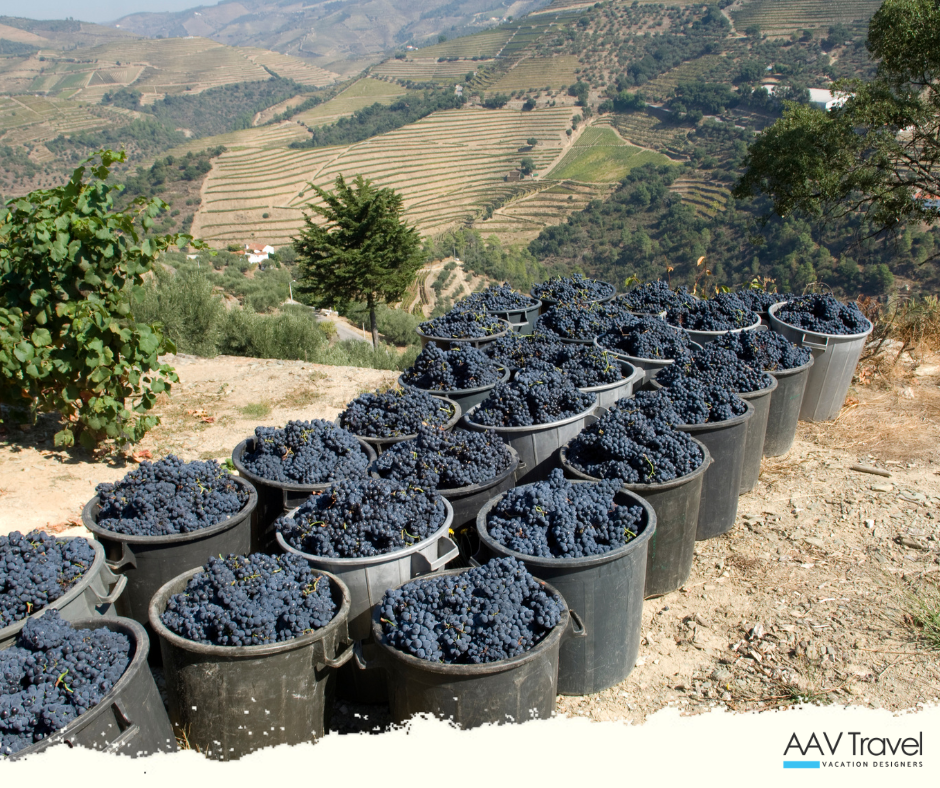
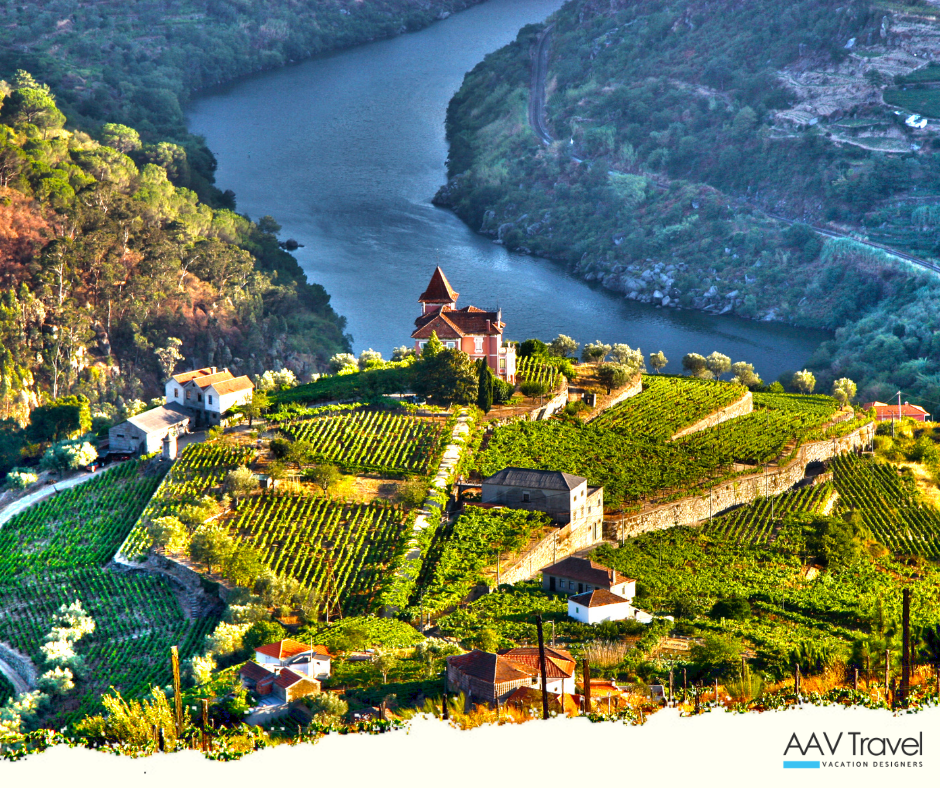
Travel, at its best, does not behave like a project. It breathes. It offers moments that cannot be scheduled and connections that cannot be engineered. A conversation with a winemaker who decides, spontaneously, to open a bottle that never appears on any list. A morning fog lifting over the Douro Valley at precisely the hour you happened to be sitting on a terrace with your coffee. A sommelier at a small restaurant in Burgundy who, having spoken with you for six minutes, brings something entirely different from what you ordered because he could tell, exactly, what you needed.

These are not accidental moments. They are made possible by the deliberate act of creating space for them.

What Japan Teaches About Trust and Expertise

A well-known observation in hospitality and service design points to Japan as one of the most instructive examples in the world. In Japanese service culture, the customer is not assumed to always know best. Not out of disrespect, but out of genuine expertise. A master craftsman, a seasoned chef, or a deeply trained guide has spent years developing judgment that a visitor, however intelligent and well-prepared, simply does not possess. The expectation of deference flows toward expertise, not toward the paying guest.

This is not a power imbalance. It is a form of respect. It acknowledges that the person who knows the subject most deeply is in the best position to guide the experience. And it produces, in the hands of someone truly skilled, results that the traveler could not have imagined on their own.

The same principle applies to travel design, though it is rarely framed that way in Western contexts where the client is always assumed to be the final authority on their own trip. There is something worth reconsidering in that assumption.

The Real Cost of Overmanaging

When a traveler overmanages a luxury itinerary, the cost is not usually visible. The flight lands, the hotel is beautiful, the driver arrives on time. What is lost is less tangible: the opportunity for the experience to exceed what was anticipated. For something genuinely unexpected to occur within a well-held container.

Luxury travel, at its most effective, is not the elimination of all uncertainty. It is the careful management of risk so that the right kind of openness can exist. An experienced travel advisor does not simply execute logistics. They create conditions for things to go unexpectedly well, which requires a different kind of engagement from the traveler. It requires some degree of trust.

This is a meaningful distinction for travelers who are high-functioning and accustomed to directing outcomes. The ask is not to become passive. It is to redirect the energy that typically goes into control toward something more productive: communicating clearly what matters, being honest about what does not, and then allowing someone with genuine expertise to translate that into a design they could not have built alone.

When Letting Go Produces Better Results
The travelers who tend to describe their trips as transformative are rarely the ones with the most detailed pre-departure research. They are the ones who entered the journey with clarity about what they wanted to feel, and then trusted the people around them to help create that feeling. They did not surrender judgment. They exercised it in a different place. At the beginning, in the design conversation, where it belongs.

A well-designed trip does not require constant intervention from the traveler once it has begun. The structure is already there, built thoughtfully, tested against experience, and calibrated to what the person actually values. When a change occurs, and changes always occur, the advisor is already ahead of it. The traveler does not need to manage the situation. They need only to be present in it.

This is what selective trust looks like in practice. Not blind delegation, not abdication, but choosing deliberately to place confidence in someone who has earned it, so that you can be fully in the experience rather than managing it from a slight remove.

Designing for Openness
The question worth sitting with before any major journey is not how much you know about the destination. It is how much of the experience you are actually willing to receive. Some travelers arrive with every hour accounted for and return home never having been surprised by anything. Others come with a clear sense of what they value, a trusted advisor who understands them well, and enough openness to let the trip become something they could not have planned themselves.

The latter tends to be the more memorable experience. Not because it was less structured. It may have been meticulously structured. But because the structure was held by someone else, someone who understood what it was for and what it was meant to protect.

Expertise is not a service feature. It is a design element. The best journeys are not the ones where the traveler was most in control. They are the ones where control was placed wisely, and then released.

If this way of thinking about travel resonates with you, I would welcome the opportunity to explore what that looks like for your next trip. Through a Strategic Travel Advisory Session with AAV Travel, we can begin with what matters most to you and design from there, with the kind of expertise and judgment that transforms a well-planned trip into an experience that genuinely exceeds expectation. Reach out at info@aav-travel.com to begin the conversation.

Written by: Stefanie P.
From Vineyard to Village: What Happens When Travel Is Designed Around What Moves You

There is a particular kind of traveler who does not begin with a map. They begin with an obsession. It might be a grape varietal they first tasted on a rainy evening in a restaurant they can no longer name. It might be a fascination with ceramics, or opera, or the history of navigation, or the quiet rituals of tea. Whatever the thread, it is personal, and it is powerful. And when travel is designed around that thread, something shifts. The journey stops being about where you go and starts being about why you go there.

This is what passion-led travel looks like at its best. Not a themed package or a surface-level experience bolted onto an otherwise generic itinerary, but a journey built from the inside out, where the traveler’s deepest curiosity becomes the organizing principle of the entire trip.

Why the Best Journeys Start with a Personal Thread

Most travel planning begins with logistics. Where should we go. When is the best time. Which hotel has the best reviews. These are reasonable questions, but they are also limiting ones. They place the destination at the center and the traveler at the periphery. Passion-led travel reverses that equation. It asks not “what is there to do in Burgundy?” but rather “what would Burgundy reveal to someone who has spent years falling in love with Pinot Noir?”

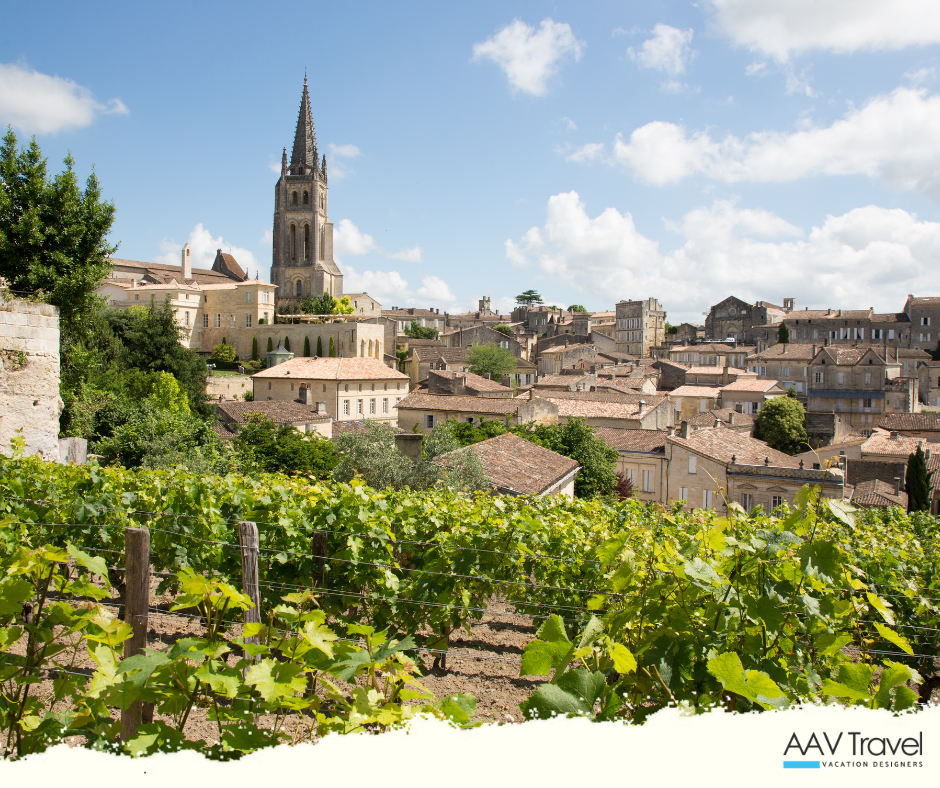
The distinction matters more than it might seem. A wine lover visiting Burgundy without context will certainly enjoy beautiful landscapes and good tastings. But a wine lover whose journey has been designed around their specific palate, their curiosity about biodynamic farming, their interest in the tension between tradition and innovation in winemaking, will experience the same region at an entirely different depth. They will taste differently because they are tasting with intention. They will notice details that would otherwise blur into scenery.

Wine as a Lens, Not a Destination

Wine travel has become enormously popular, and with that popularity has come a great deal of repetition. The same celebrated estates appear on every curated list. The same tasting room format is replicated across regions. The result is often pleasant but predictable, a series of pours accompanied by scripted explanations that leave the traveler entertained but not truly changed.

For travelers who care deeply about wine, the most rewarding journeys look quite different. They might involve spending an unhurried morning with a winemaker whose family has worked the same hillside for five generations, listening not to a sales pitch but to a philosophy. They might include a walk through the vineyard itself, understanding how soil and microclimate create the flavors that end up in the glass. They might mean visiting during harvest, when the air smells of crushed fruit and the energy of the estate is raw and alive, rather than during the polished calm of the tourist season.

Regions like Piedmont, the Douro Valley, Ribera del Duero, or the quieter corners of Bordeaux all offer this kind of depth, but only when the itinerary is designed to access it. Timing matters enormously. The difference between visiting a wine region in April versus October is not merely aesthetic. It changes the conversations you have, the people you meet, and the understanding you take home. A thoughtful advisor knows these rhythms because they have lived them, and that knowledge shapes not only what is included in a journey but what is deliberately left out.

When Passions Converge

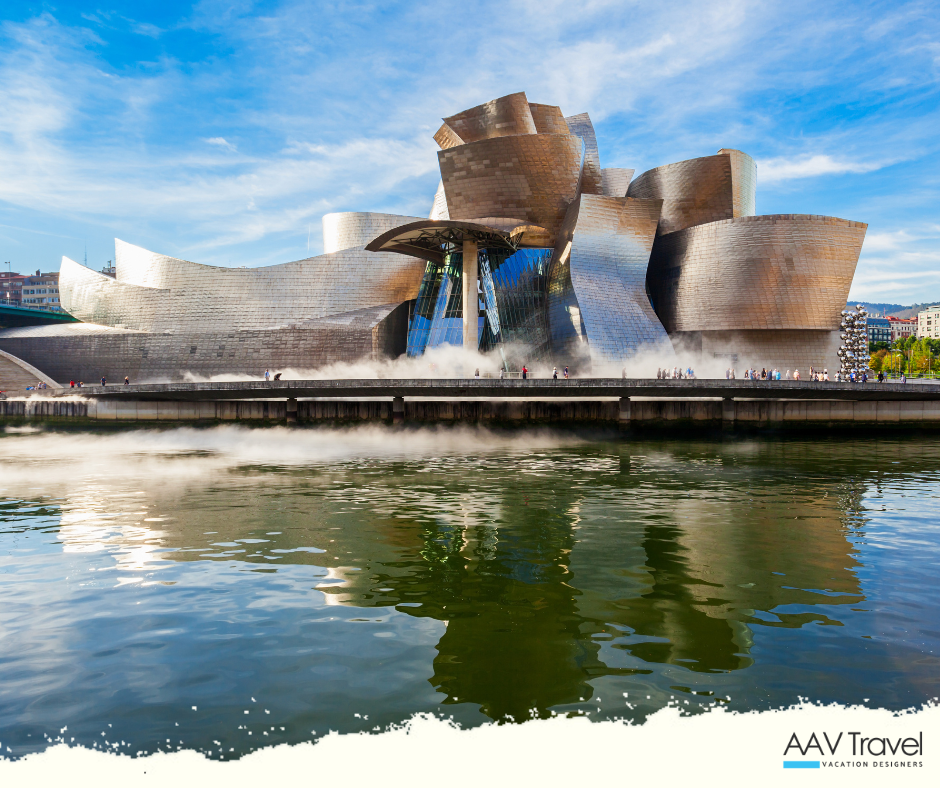
Some of the most extraordinary journeys happen when multiple passions are woven together. A traveler who loves both wine and architecture might find that a week in the Rioja region, where centuries-old bodegas sit alongside buildings designed by Frank Gehry and Zaha Hadid, creates a dialogue between craft and design that neither passion could sustain alone. A couple where one partner is drawn to culinary tradition and the other to maritime history might discover that the Basque Country or coastal Portugal offers both in equal measure, without compromise.

The key is integration, not accumulation. A well-designed passion-led journey does not try to pack in every possible interest. It identifies the thread that will give the trip its emotional coherence and builds outward from there, layering complementary experiences in a way that feels organic rather than forced. This is the difference between a trip that tries to be everything and a trip that feels like it was made for you.

Beyond the Obvious Passions

Wine is among the most recognized entry points for passion-led travel, but the principle extends far beyond it. Travelers have designed remarkable journeys around botanical gardens and rare plant species, around the history of jazz from New Orleans to Paris, around textile traditions from Oaxaca to Marrakech, around sacred architecture from Romanesque chapels to Byzantine monasteries, and around the quiet art of birdwatching in some of the world’s most pristine ecosystems.

What all of these journeys share is a common structure. They begin with something the traveler already loves. They use that love as a compass. And they result in trips that feel not like consumption but like conversation, a dialogue between the traveler and the place that leaves both slightly changed.

The world is extraordinarily generous to travelers who arrive with a genuine question rather than a checklist. A lover of handmade textiles visiting Oaxaca will be welcomed into weaving studios that most tourists walk right past. A birdwatcher in Costa Rica will notice an entirely different forest than the one described in guidebooks. A history enthusiast walking the battlefields of Normandy with real preparation will feel the weight of the landscape in a way that no audio tour can replicate.

The Trade-Offs Worth Making

Passion-led travel also requires honesty about trade-offs. A journey designed around vineyard visits may mean spending less time in cities. A trip built around opera season in Verona means committing to specific dates and potentially navigating summer heat and crowds. These are not problems to be solved. They are decisions to be made with clarity and intention.

The travelers who enjoy passion-led journeys most are often those who understand that choosing deeply in one direction means releasing the pressure to see everything else. That release is, in itself, a form of luxury. It is the freedom to say “this is what matters to me on this trip” and to design every day around that declaration.

Why This Kind of Travel Requires a Different Kind of Planning

Passion-led travel is not something that can be assembled from a list of top-rated experiences. It requires listening, not just to what a traveler wants to do, but to what moves them. It requires understanding context, seasonality, and the often invisible logistics that determine whether a private winery visit feels intimate or awkward, whether a cultural encounter feels revelatory or contrived.

It also requires the kind of relationships that take years to build. Access to a celebrated winemaker’s private cellar is not something that appears on a booking platform. These connections exist within networks built on trust, reputation, and a shared commitment to quality, and they are often the difference between a good trip and an unforgettable one.

If you have been thinking about a journey shaped by something you truly love, whether it is wine, art, music, history, or a passion you have not yet explored through travel, an intentional conversation is often the most meaningful place to begin. The best itineraries are not assembled from recommendations. They are designed through careful listening, honest discussion of pacing and trade-offs, and the kind of judgment that comes from years of experience shaping journeys around what matters most to each traveler. You are welcome to reach out through AAV Travel or contact us directly at info@aav-travel.com to start a thoughtful planning conversation.

Written by: Stefanie P.
The Luxury of Being Unreachable: Why Private Island Resorts Offer More Than Beauty

There is a certain kind of traveler who has stayed in the finest suites, flown in the most comfortable cabins, and dined at the most celebrated restaurants, yet still returns home feeling oddly tired. Not because the trip was not beautiful. It was. Not because the service was lacking. It was flawless. But because the world followed them there.

Crowds. Noise. Logistics. Visibility. The subtle pressure of being surrounded by other people’s energy and expectations. The constant low hum of unpredictability that can quietly undermine even the most luxurious holiday.

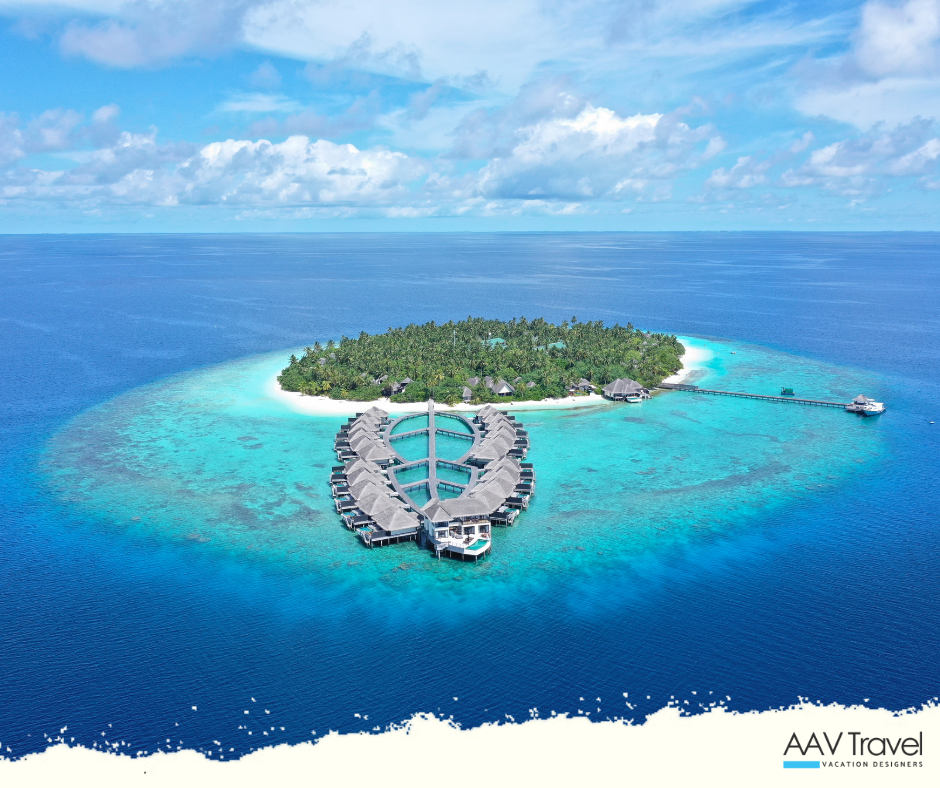
This is where private island resorts enter the conversation, not as a status symbol, but as a different philosophy of travel altogether. They are not simply a more exclusive version of a beach resort. At their best, they are a form of intentional travel design. A place where the experience feels calmer because the environment is controlled, the pace is protected, and the variables that typically create friction are reduced.

In other words, private island resorts are often less about indulgence and more about something far more valuable. They offer the rare luxury of being unreachable.

Privacy is no longer a celebrity concern

It is easy to assume private island travel is only relevant to celebrities or high profile individuals. In reality, privacy has become a growing priority for a much wider group of travelers, including business owners, professionals, families, and couples who simply want the freedom to relax without being observed.

For many experienced travelers, the definition of luxury has shifted. It is no longer about being seen. It is about being left alone.

Privacy today is not always about secrecy. It is about mental space. It is about choosing who you interact with and when. It is about the ability to exhale fully without being pulled back into the social atmosphere of a busy resort.

The irony is that many of the world’s most celebrated luxury destinations have become victims of their own popularity. The hotels are exceptional, but the surrounding energy is louder. The restaurants are world class, but reservations are competitive. The beaches are stunning, but never quite empty.

A private island, by contrast, offers something most travelers do not realize they are craving until they experience it. Containment.

The hidden safety advantages of private island resorts

When travelers think about safety, they often think in broad terms. Political stability. Crime rates. Health advisories. Travel insurance. All important considerations, of course, but the reality is that safety is often built from smaller details.

  • How you arrive.
  • Who has access to the property.
  • How many unfamiliar faces move through the resort each day.
  • How easily you can retreat into quiet if you feel overwhelmed.
  • How prepared the staff is for medical situations.
  • How quickly you can be transferred if something goes wrong.

Private island resorts reduce risk not through fear based marketing, but through design. Many operate as self contained environments with controlled access points, limited arrivals, and a level of guest screening that naturally reduces exposure to unwanted attention.

This is particularly valuable for travelers who prioritize discretion. It is also valuable for families, especially those traveling with teenagers, or those simply wanting a setting where children can roam more freely without constant parental vigilance.

Even for travelers who do not consider themselves anxious, there is something profoundly calming about a destination where the perimeter is defined and the flow of people is intentional.

The best private island resorts do not feel guarded. They feel protected.

Why being unreachable feels so restorative

Most travelers underestimate how much energy is spent navigating the invisible demands of modern travel. Even on vacation, we are often negotiating.

  • Should we wake early to claim a beach chair.
  • Should we ask the concierge again about the restaurant reservation.
  • Should we move away from the loud group by the pool.
  • Should we try to avoid the wedding party that has taken over the lounge.
  • Should we walk back to our room because the beach feels too busy.

These are not major problems, but they accumulate. Over time, they chip away at the sense of escape that travelers are trying to achieve.

Private island resorts remove much of this friction. The experience tends to feel quieter and smoother because there are fewer competing agendas in the environment. The resort is not one option among many in a crowded destination. It is the destination.

This is also why private islands are so appealing for milestone travel. Anniversaries, major birthdays, retirement celebrations, or simply the kind of trip that is meant to mark a chapter in life. When the occasion matters, travelers often want to eliminate distractions and maximize presence.

A private island encourages that naturally. You do not have to fight for tranquility. It is built into the setting.

Not all private islands are created equal

It is important to say this clearly. Private island resorts vary dramatically in quality, experience, and the kind of traveler they suit.

Some are romantic and remote, built for couples who want a quiet rhythm and very little outside stimulation. Others feel more social, with a strong sense of community among repeat guests.

Some focus on barefoot elegance and wellness. Others lean toward high adventure, with diving, sailing, and active itineraries.

And then there are islands that market themselves as private but are essentially small resorts with limited charm, complicated logistics, and inconsistent service.

The difference is not always visible in the photos. It often comes down to how thoughtfully the island is run, how the resort manages guest flow, and how well the logistics are handled from the moment you land in the country.

Because the truth about private island travel is this. The remoteness is only luxurious if it is managed correctly.

The real question is not luxury. It is logistics.

Private island travel can be effortless, but it can also be surprisingly complicated. This is where many travelers get caught off guard.

A private island resort might require multiple flight connections, a boat transfer, a small plane flight, or a combination of all three. Weather can affect arrivals. Baggage handling can be more delicate. If you are traveling with medical concerns, mobility limitations, or a tight schedule, the planning must be done with more precision than most travelers expect.

This is why the most successful private island trips are not simply booked. They are designed.

A well planned private island journey considers everything in advance.

  • The arrival sequence.
  • The timing of connections.
  • The backup plan if the weather shifts.
  • The best room location for privacy.
  • The best time of year for sea conditions.
  • The most discreet villa options.
  • The best activities for the traveler’s energy level.
  • The best way to structure the days so the experience feels restorative rather than rushed.

In private island travel, small decisions create the difference between a dream trip and a trip that feels like work.

Jumby Bay: a Caribbean escape built on calm exclusivity

Jumby Bay, located off the coast of Antigua, is one of those rare Caribbean properties that delivers what so many resorts promise.

Space. Quiet. Privacy. Ease.

Because the island itself is private, the atmosphere feels naturally contained. Guests are not sharing the shoreline with day trippers or cruise ship crowds. The resort experience is shaped by the fact that everyone on the island is there for the same reason. To slow down.

Jumby Bay is often described as barefoot luxury, but what makes it exceptional is the sense of relaxed control. The resort feels polished without being formal. Elegant without being performative.

For travelers who want privacy without isolation, it is a particularly strong choice. The villas offer an exceptional level of seclusion, while the resort itself still has warmth and sociability for those who want it. It is also a destination where repeat guests are common, which creates an atmosphere that feels quietly established rather than trendy.

Jumby Bay suits travelers who want the Caribbean to feel restorative again, the way it did decades ago, before certain islands became crowded and overly commercialized.

It is also a wonderful option for multigenerational travel, where families want space and comfort without sacrificing quality dining and service.

The Brando: where remoteness becomes an art form

The Brando, located on the private island of Tetiaroa in French Polynesia, is not just a resort. It is an experience built around the concept of deliberate isolation.

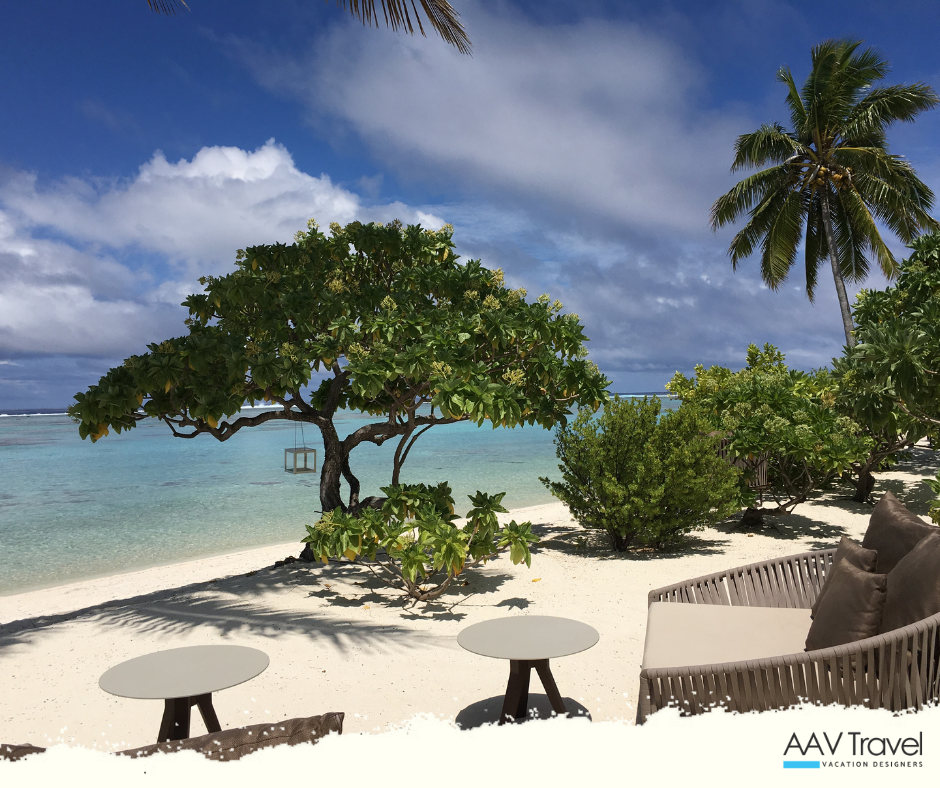
This is a property for travelers who are ready to disconnect fully. It is remote, quiet, and designed with an almost cinematic sense of space. The villas are beautifully integrated into the landscape, and privacy feels effortless rather than engineered.

The Brando appeals to travelers who want nature without sacrificing refinement. The environment is deeply calming, and the service is exceptionally discreet. There is also an understated intelligence to the resort’s approach. Sustainability is not presented as a trend. It is embedded into the way the island operates.

But The Brando is also an example of why private island travel must be approached with realism.

Getting there requires careful planning. The transfer experience is part of the journey. Timing matters. The right villa selection matters. The right season matters.

When it is designed properly, the reward is extraordinary. Travelers do not simply relax at The Brando. They disappear. And for many, that is the ultimate luxury.

The trade offs that sophisticated travelers should consider

Private island resorts offer rare advantages, but they are not automatically the right choice for every traveler. In fact, the travelers who enjoy them most are often those who understand the trade offs in advance.

  • Remoteness can mean fewer dining options beyond the resort.
  • Weather can influence transfer schedules.
  • Medical facilities may be limited, depending on the island and the region.
  • Some travelers feel restless without the ability to explore towns, museums, or local markets.
  • Others miss the spontaneity of walking into a restaurant or wandering through a lively harbor.

This is why choosing a private island resort is not simply about selecting the most beautiful property. It is about selecting the right type of experience for your personal travel style and your desired pace.

For some travelers, a private island is perfect for five nights, followed by a second destination with more cultural immersion. For others, it is ideal for a full ten day reset. For some, it is best as a couple’s retreat. For others, it becomes the most seamless and relaxing family holiday they have ever taken.

The magic is not in the island itself. The magic is in matching the island to the traveler.

What separates a truly exceptional private island resort from the rest

In my experience, the private island resorts that deliver the most satisfying journeys share a few key qualities.

  • They have strong operational consistency.
  • They have a clear identity and do not try to appeal to everyone.
  • They understand that privacy is a feeling, not a feature.
  • They design guest flow carefully, so the resort never feels crowded.
  • They offer discreet but capable safety infrastructure.
  • They handle arrivals and departures with precision.
  • They offer villa categories that genuinely support seclusion.

And most importantly, they make the traveler feel calm from the moment the journey begins, not only once they arrive. A private island resort should feel like an exhale. Not a project.

Private island travel is not about escaping the world. It is about escaping friction.

The travelers who love private island resorts are often the ones who have reached a certain point in life. They have worked hard, they are used to responsibility, and they do not want their holiday to involve managing details or navigating unpredictability.

  • They want an environment that supports rest.
  • They want space.
  • They want discretion.
  • They want to feel safe without thinking about safety.
  • They want travel that is not only beautiful, but intelligently structured.

This is why private islands have become such a compelling category of luxury travel. They are not simply about exclusivity. They are about control, containment, and calm. And when chosen thoughtfully, they offer something increasingly rare. The ability to truly disappear.

If you are considering a private island escape, the most important step is not choosing the most famous property. It is choosing the right setting, season, and travel rhythm for the kind of experience you actually want. Private island travel can be effortless and restorative when it is designed with care, judgment, and a clear understanding of the logistics behind the beauty. If you would like to explore whether a private island resort is the right fit for your next journey, I invite you to reach out for a thoughtful planning conversation. You can learn more at AAV Travel or contact us directly at info@aav-travel.com

Written by: Stefanie P.

Why Time Is One Of The Most Underrated Luxuries In Travel Planning

Most people think a journey begins when they step onto a plane. In reality, travel begins much earlier, in the quiet moment when a trip shifts from a passing idea to a deliberate intention. That space between deciding and departing is not empty time. It is where expectations form, choices take shape, and the tone of the journey is quietly set, often long before a suitcase is opened.

Window to the World

In recent years, many travelers have grown accustomed to planning closer and closer to departure. Flexibility has become a virtue, spontaneity a badge of honor. And while last‑minute travel can absolutely work in the right circumstances, it often comes at an invisible cost. The difference between planning eight months ahead versus three months ahead is not just logistical. It is psychological, emotional, and experiential.

One of the most overlooked benefits of planning well ahead is anticipation. Knowing that a meaningful journey is on the horizon has a grounding effect. It introduces a steady undercurrent of pleasure into everyday life — something to look forward to during busy seasons, demanding projects, or uncertain stretches. Anticipation stretches the joy of travel across time, rather than confining it to a single week away.

When travel is planned early, the mind has room to wander. Travelers begin to imagine textures, tastes, and rhythms. They read, notice, and reflect. This mental engagement is not trivial; it is part of why travel feels restorative. By contrast, trips planned close to departure often feel compressed. Decisions are made quickly, options are weighed under pressure, and excitement is mixed with stress. The journey may still be enjoyable, but the runway leading up to it is shorter and more crowded.

Time also plays a critical role in the quality of choices available. Eight months ahead, the world of travel is simply more open. Preferred rooms are still available, not just any room. The best‑suited guides, sailings, and access windows can be selected thoughtfully rather than accepted by default. Flights can be chosen to support rest and pacing instead of endurance. These are not luxuries in the superficial sense; they are elements that quietly shape how a trip feels in the body.

Early planning allows for discernment. It gives travelers the ability to say yes to what truly fits and no to what does not, without feeling boxed in by scarcity. This is particularly important for travelers who value comfort, context, and depth over volume. A well‑designed journey is not about doing more. It is about aligning experiences with energy, interests, and timing — something that is far easier to achieve when options are abundant.

Planning closer to departure naturally narrows that field. Three months out, excellent trips are still possible, but the process changes. Creativity is often replaced by efficiency. Trade‑offs become necessary, not because a traveler prefers them, but because the calendar dictates them. The question shifts from “What would suit us best?” to “What is still available?” That subtle shift is where many trips lose a degree of elegance.

None of this is meant to suggest that every journey must be planned far in advance. Life does not always cooperate, and there are moments when spontaneity is exactly right. But for milestone trips, longer journeys, or experiences that matter deeply, time is an ally worth respecting. It brings clarity. It softens decision‑making. It allows travel to be shaped deliberately rather than assembled reactively.

In the end, planning eight months ahead is not about being early. It is about creating space — space to imagine, to choose well, and to travel with fewer compromises. When time is used intentionally, it becomes one of the most powerful tools in designing a journey that feels not just enjoyable, but genuinely sustaining.

Thoughtful travel rarely happens by accident. It benefits from conversation, perspective, and a calm understanding of what matters most to you. If you are considering an upcoming journey and would value a more intentional approach to timing, pacing, and design, an initial conversation can help clarify the path forward. You can learn more at AAV Travel or reach out directly at info@aav-travel.com.

Written by: Stefanie P.

Why Locals in Europe Don’t Choose Restaurants by Online Reviews—and What That Means for How You Travel

In an era shaped by smartphones and instant validation, it’s easy to assume that choosing where to eat is a universal exercise in scrolling, comparing, and ranking. Yet across much of Europe, this approach feels oddly out of place. In many cities, towns, and villages, locals simply do not rely on online reviews to decide where to dine. Some barely consult them at all. Instead, restaurant choices are guided by habit, intuition, seasonal rhythm, and relationships built quietly over decades.

Dining in Europe is rarely transactional. It is cultural, personal, and deeply rooted in a sense of belonging. Many people return again and again to the same neighborhood restaurants their parents and grandparents frequented, not because they once read a glowing review, but because those places feel familiar and trusted. In residential neighborhoods, chefs often cook not for tourists chasing novelty, but for neighbors they know by name, preferences, and routine. The goal is consistency and care, not visibility.

This is why some of the most memorable meals travelers experience happen in places with no website, no social media presence, and no interest in collecting stars. These restaurants are not hiding; they simply exist outside the digital feedback loop. Finding them requires a different way of paying attention—one that values context over comparison and presence over prediction.

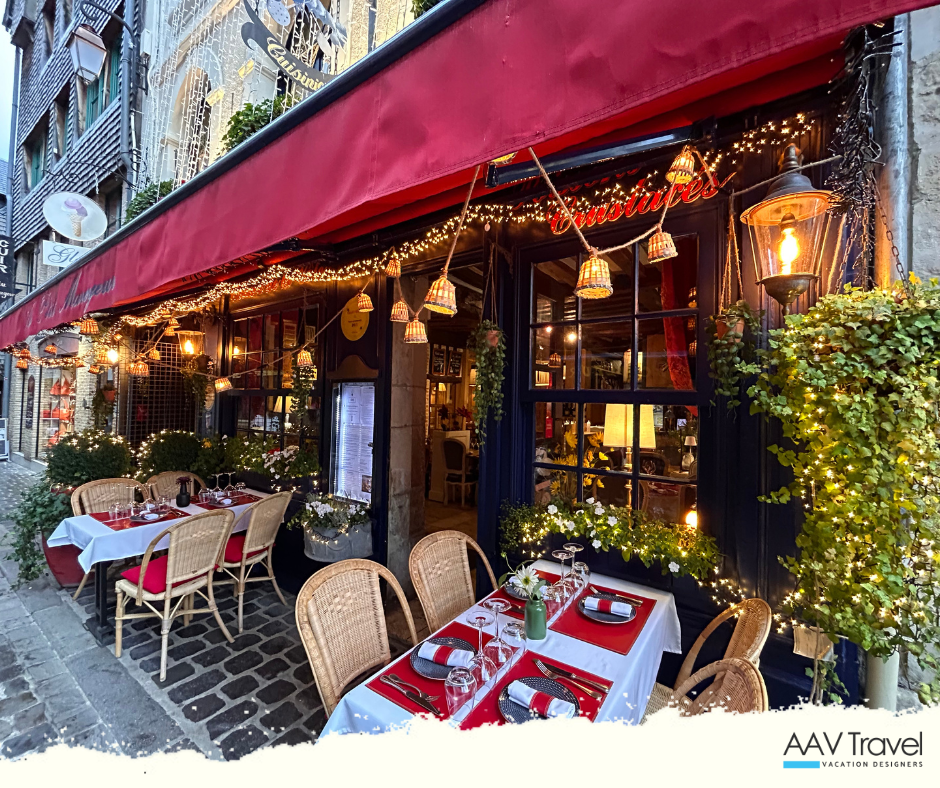
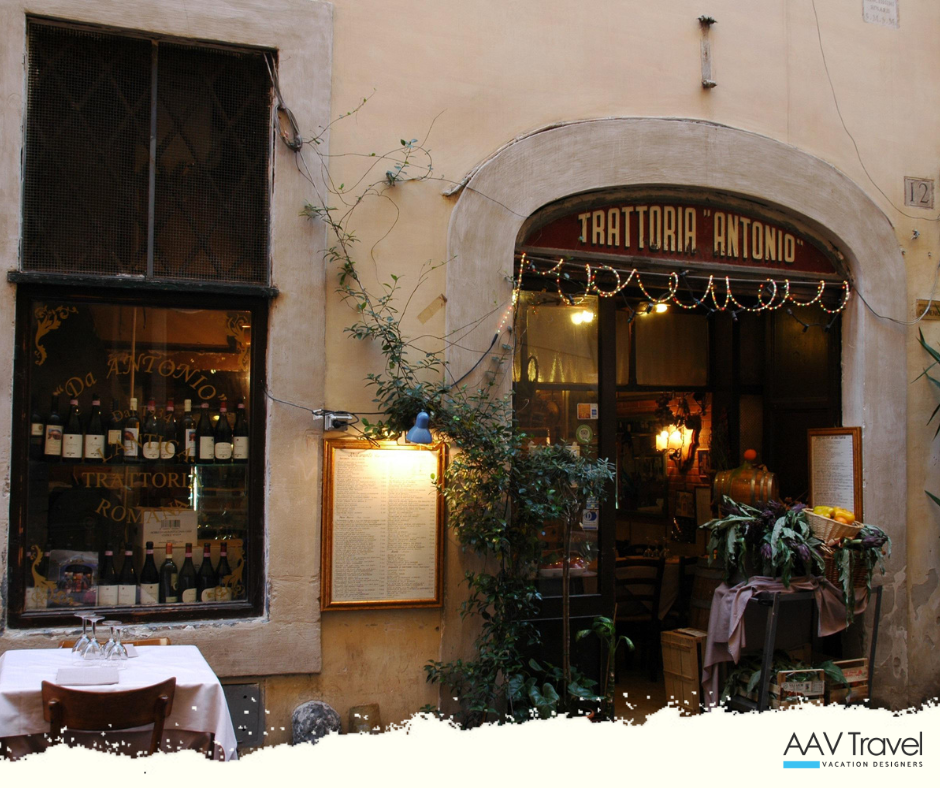
Across Europe, subtle signals often speak louder than online praise. A short, focused menu typically suggests a kitchen that cooks with intention, adapting to what is fresh and available rather than offering endless choice. Regional specificity matters deeply. Pasta shapes in Italy, breads in France, dumplings in Central Europe, or sauces that vary by village rather than country often indicate a restaurant grounded in place. These details are not designed for display; they are habits formed through tradition.

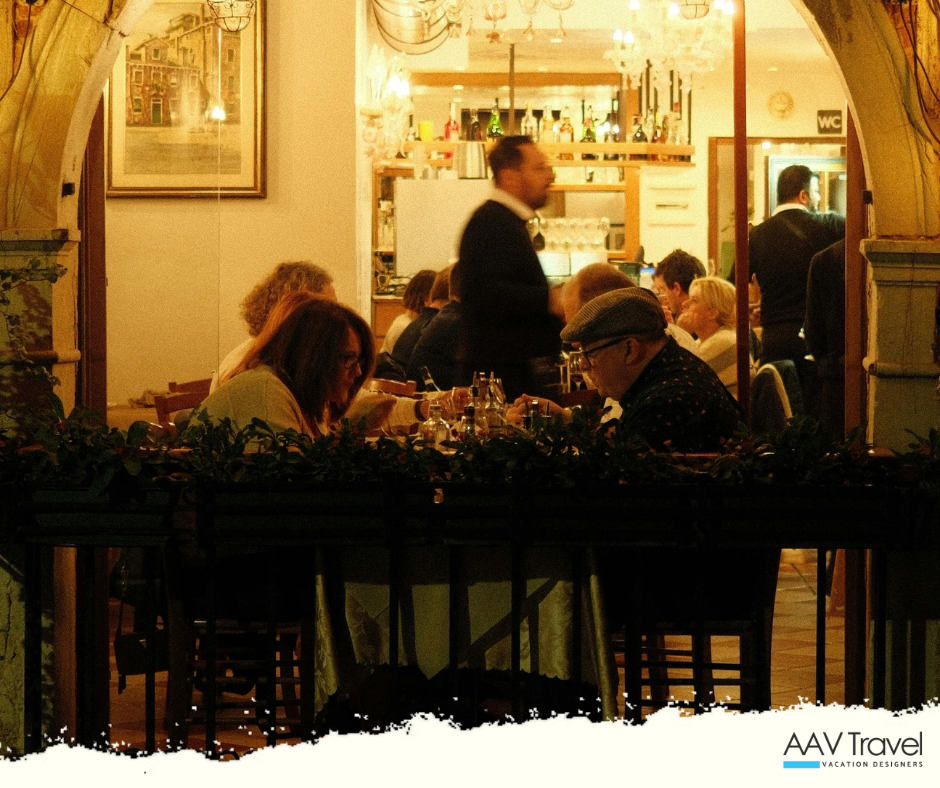
Atmosphere also tells its own story. A lively dining room filled with animated conversation, familiar greetings between staff and guests, and a steady rhythm of service usually reveals more than any rating ever could. So do the small gestures that arrive before the meal itself. Bread that is warm and distinctive, a starter prepared with care, or a handwritten note about the day’s offerings can quietly signal what kind of experience lies ahead.

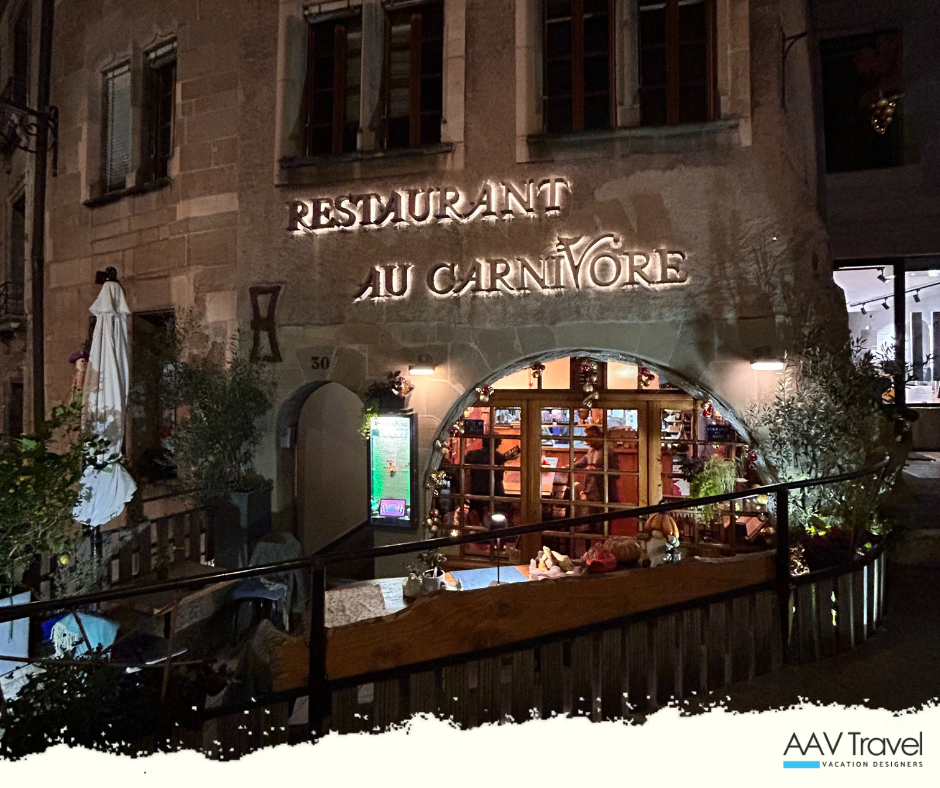
In many European cities, restaurants do not need to announce themselves loudly. Reputation spreads locally, and confidence comes from longevity rather than marketing. Places that rely heavily on multilingual signage, photos of every dish, or exaggerated claims aimed at passersby are often catering to a different audience. Locals tend to gravitate toward restaurants that feel unforced, where the focus remains on the food, the flow of the meal, and the shared experience of being there.

Timing matters as well. Restaurants that fill naturally during local mealtimes tend to do so for good reason. Empty tables at peak hours can be telling, while the gentle hum of a full room often reflects trust earned over time. Even the aromas drifting from a doorway—something simmering slowly, bread baking, onions caramelizing—can offer a more honest invitation than any algorithm.

For travelers accustomed to relying on reviews, this approach can feel unsettling at first. Choosing a restaurant based on atmosphere, instinct, or observation rather than certainty requires a willingness to be present and curious. Yet this slower, more intuitive way of dining often becomes one of the most rewarding aspects of traveling through Europe. It allows room for surprise, encourages engagement with local rhythms, and invites travelers to taste flavors they might not have selected in advance.

That said, discernment matters. Not every traveler enjoys unpredictability, and there is no virtue in discomfort for its own sake. Reviews can still serve a purpose, particularly for those with dietary restrictions or strong preferences. The difference lies in how they are used—not as the sole decision-maker, but as one of several inputs balanced with observation, context, and local insight.

One of the most valuable yet underutilized resources for navigating Europe’s dining landscape is the human one. Luxury hotel concierges often have exceptional knowledge of their city’s culinary scene and can secure reservations at sought-after restaurants with ease. But the most interesting recommendations often emerge when the conversation goes a step further. Asking where someone eats with their family on a Sunday, or which neighborhood spot they return to after a long day, often leads to places that never appear on curated lists.

Food tours can also play an important role, particularly early in a stay. Led by passionate locals, these experiences provide more than tastings. They offer cultural context, stories, and confidence. Visiting markets, bakeries, cafés, and small eateries with someone who understands the city’s rhythms helps travelers recognize the signs of quality and authenticity on their own. A well-chosen food tour doesn’t replace independent discovery; it enhances it.

Once travelers begin to understand a destination’s culinary language, integrating local rituals becomes especially meaningful. Enjoying afternoon tea in England or lingering over hot chocolate in one of Vienna’s historic cafés is about more than the food itself. These traditions invite travelers to slow down, observe, and participate in moments that locals have cherished for generations. They provide structure to the day and a deeper sense of connection to place.

Experiencing Europe through its food is not about finding the “best” restaurant. It is about understanding how, when, and why people eat the way they do. It is about pacing, judgment, and choosing moments that align with the character of a destination rather than rushing to collect highlights.

At AAV Travel, this philosophy shapes how journeys are designed. Thoughtful travel is not about maximizing experiences, but about choosing the right ones—at the right time, in the right way, with an understanding of context and trade-offs. Through intentional conversations, careful planning, and calm judgment, AAV Travel helps travelers experience destinations with confidence and ease, allowing space for discovery without unnecessary risk or overwhelm. If you’re curious about how a more intentional approach could shape your next journey, you’re warmly invited to begin a conversation at www.aav-travel.com or by reaching out to info@aav-travel.com.

Written by: Stefanie P.