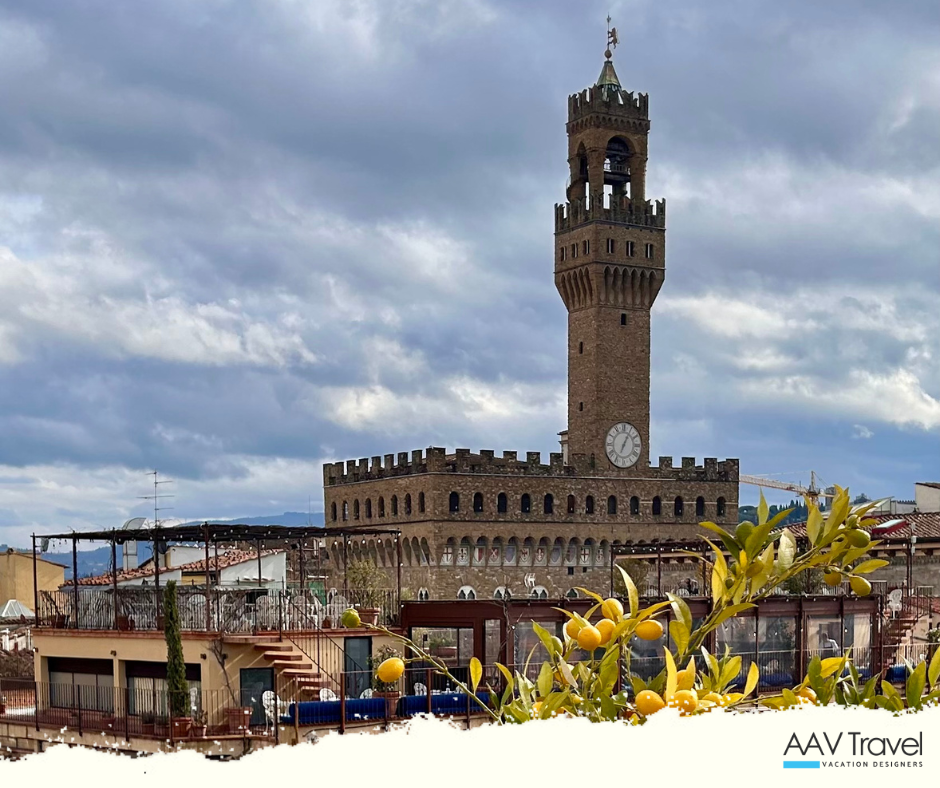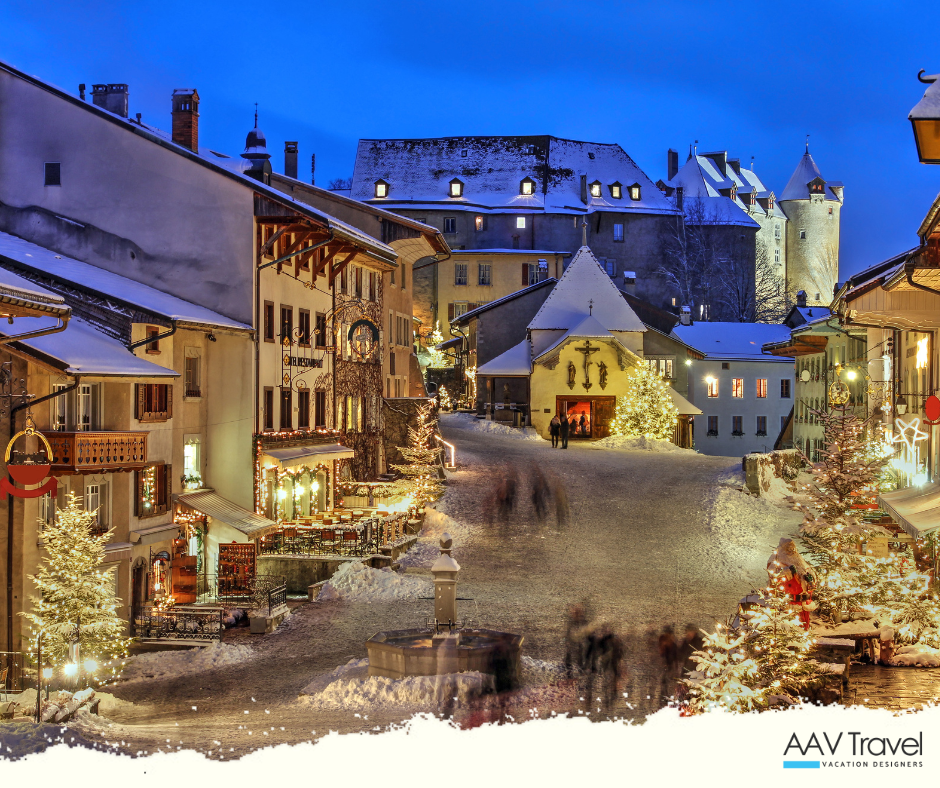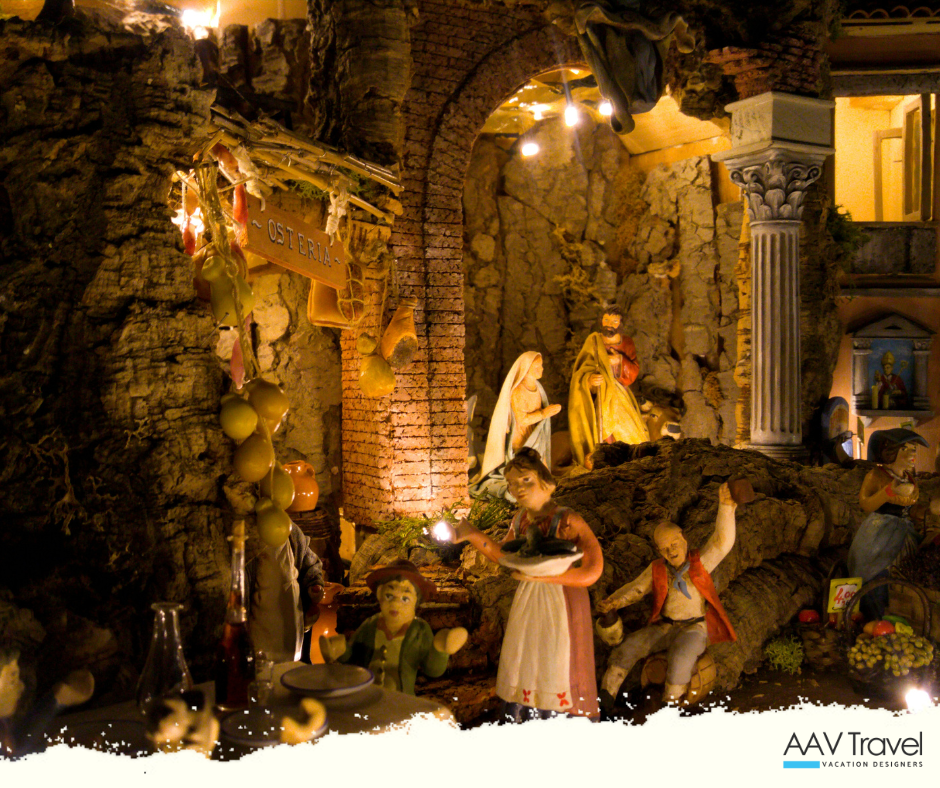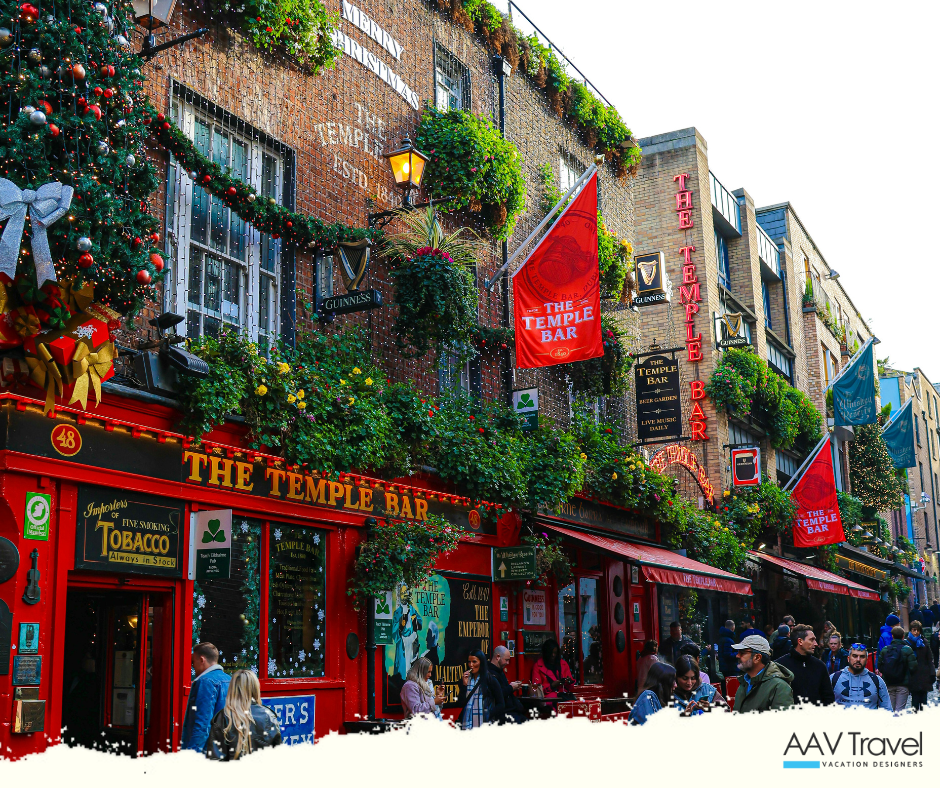
Why Locals in Europe Don’t Choose Restaurants by Online Reviews—and What That Means for How You Travel

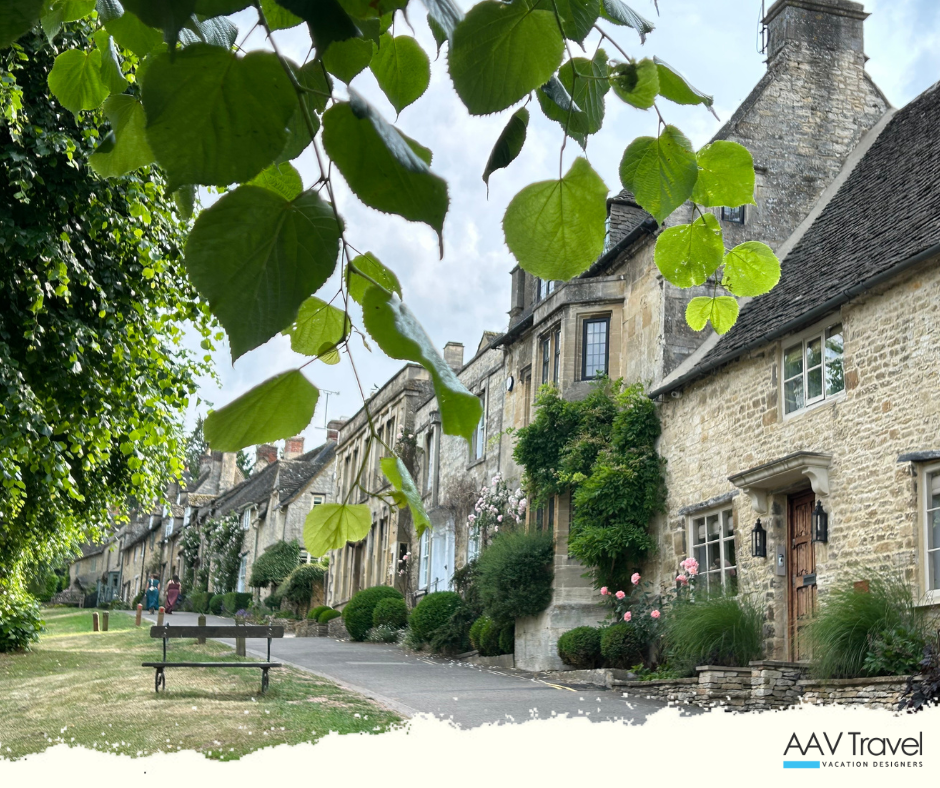
In an era shaped by smartphones and instant validation, it’s easy to assume that choosing where to eat is a universal exercise in scrolling, comparing, and ranking. Yet across much of Europe, this approach feels oddly out of place. In many cities, towns, and villages, locals simply do not rely on online reviews to decide where to dine. Some barely consult them at all. Instead, restaurant choices are guided by habit, intuition, seasonal rhythm, and relationships built quietly over decades.

Dining in Europe is rarely transactional. It is cultural, personal, and deeply rooted in a sense of belonging. Many people return again and again to the same neighborhood restaurants their parents and grandparents frequented, not because they once read a glowing review, but because those places feel familiar and trusted. In residential neighborhoods, chefs often cook not for tourists chasing novelty, but for neighbors they know by name, preferences, and routine. The goal is consistency and care, not visibility.

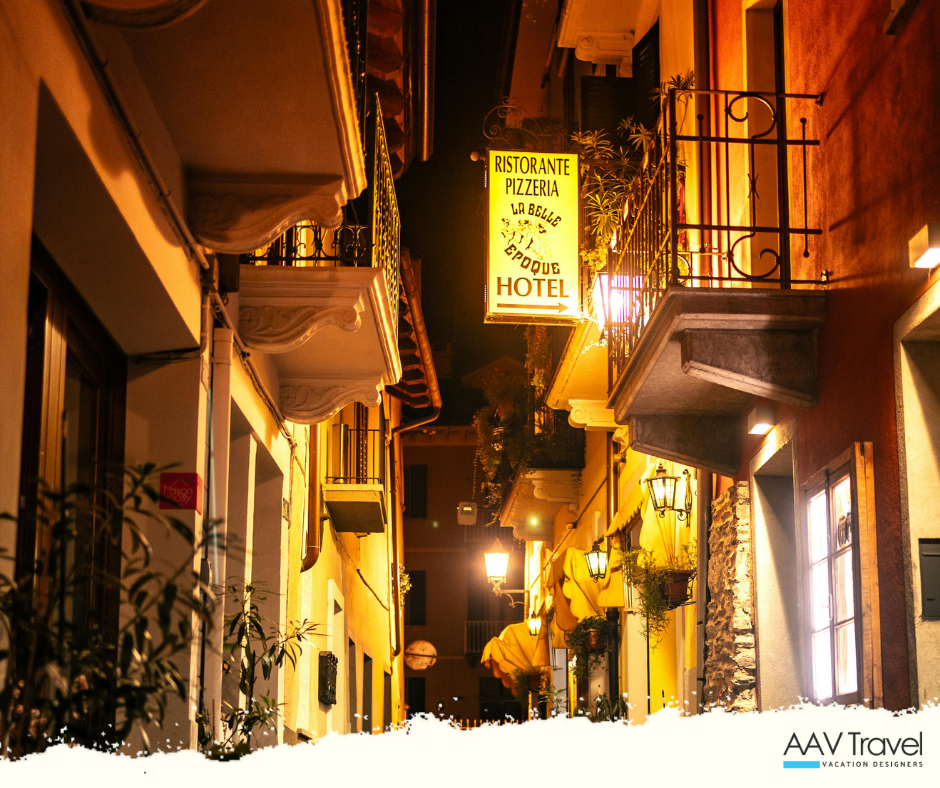
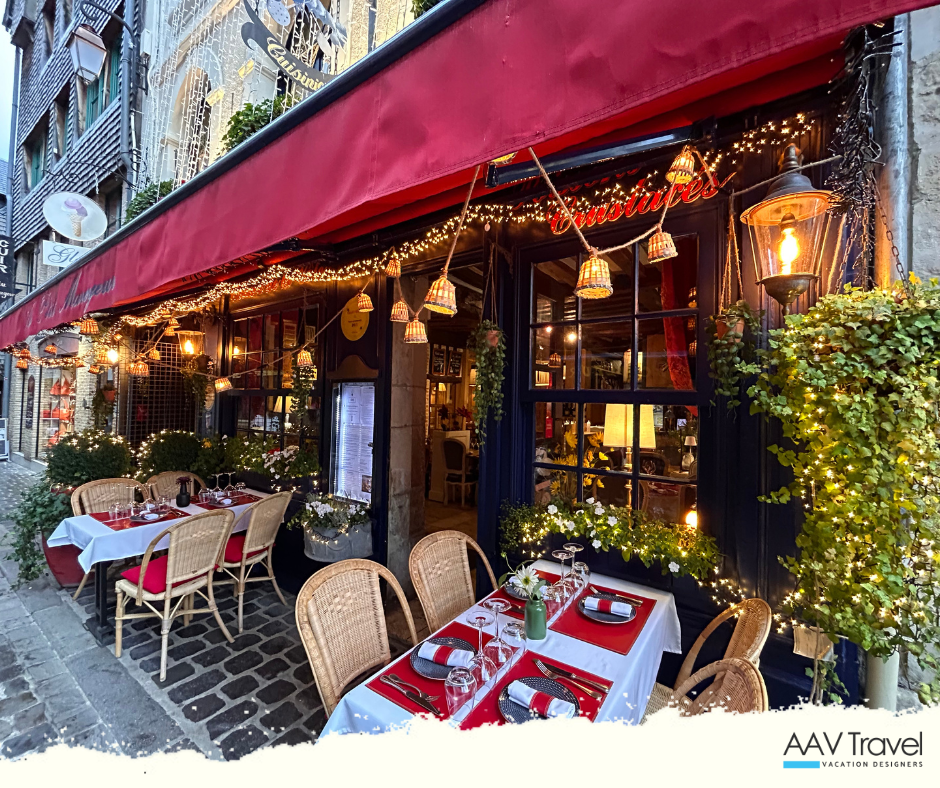
This is why some of the most memorable meals travelers experience happen in places with no website, no social media presence, and no interest in collecting stars. These restaurants are not hiding; they simply exist outside the digital feedback loop. Finding them requires a different way of paying attention—one that values context over comparison and presence over prediction.

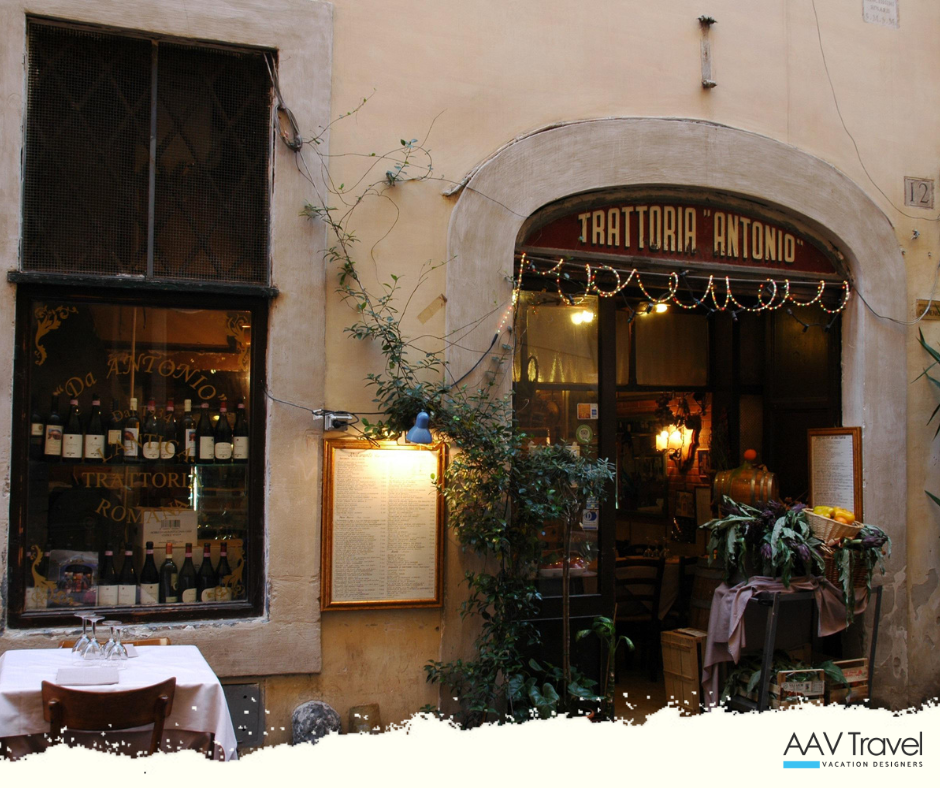
Across Europe, subtle signals often speak louder than online praise. A short, focused menu typically suggests a kitchen that cooks with intention, adapting to what is fresh and available rather than offering endless choice. Regional specificity matters deeply. Pasta shapes in Italy, breads in France, dumplings in Central Europe, or sauces that vary by village rather than country often indicate a restaurant grounded in place. These details are not designed for display; they are habits formed through tradition.

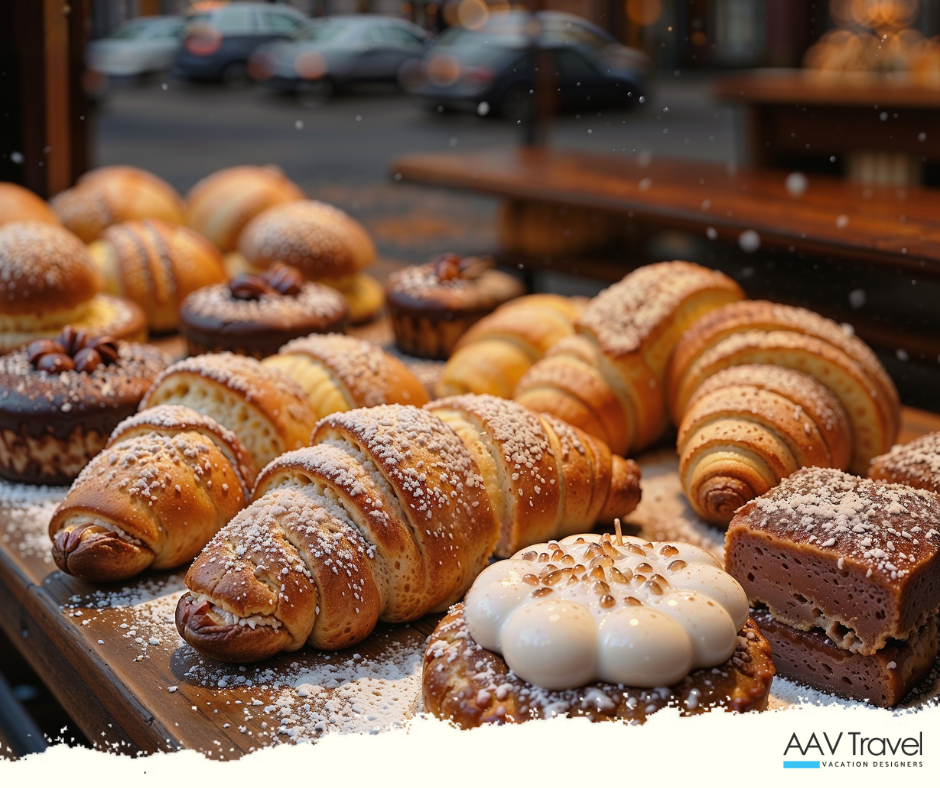
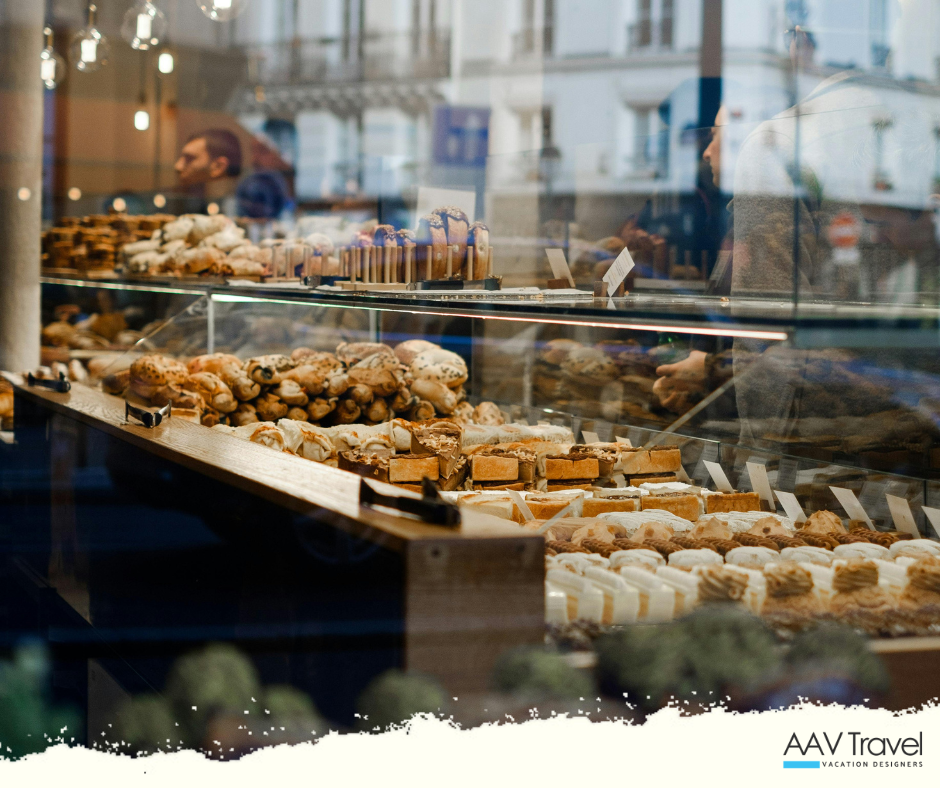
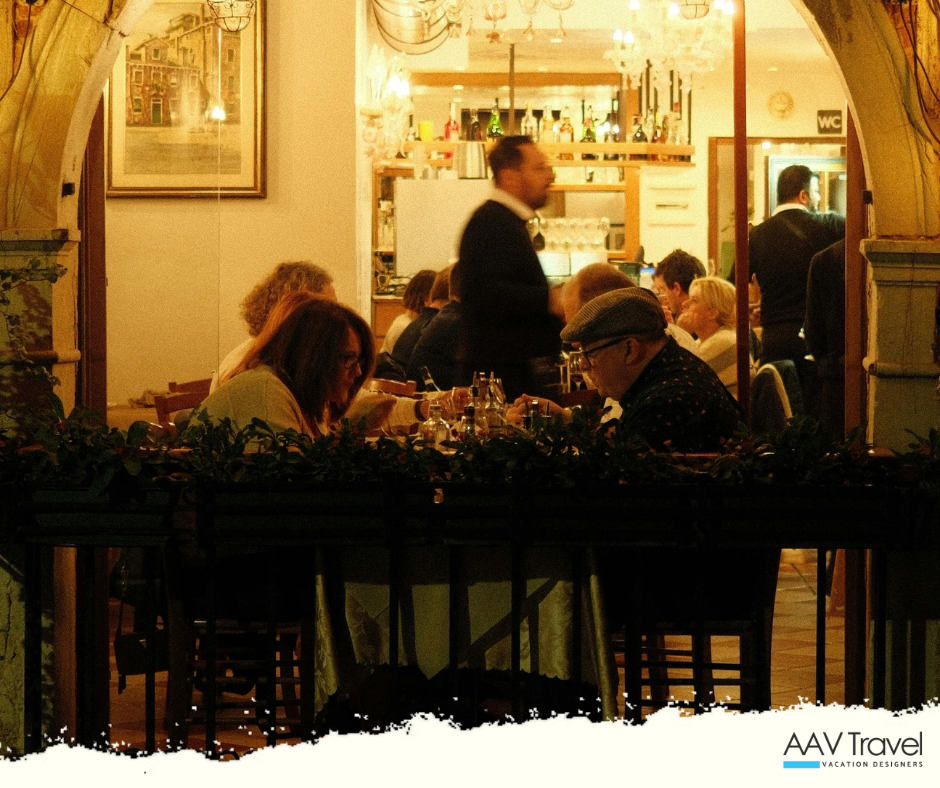
Atmosphere also tells its own story. A lively dining room filled with animated conversation, familiar greetings between staff and guests, and a steady rhythm of service usually reveals more than any rating ever could. So do the small gestures that arrive before the meal itself. Bread that is warm and distinctive, a starter prepared with care, or a handwritten note about the day’s offerings can quietly signal what kind of experience lies ahead.

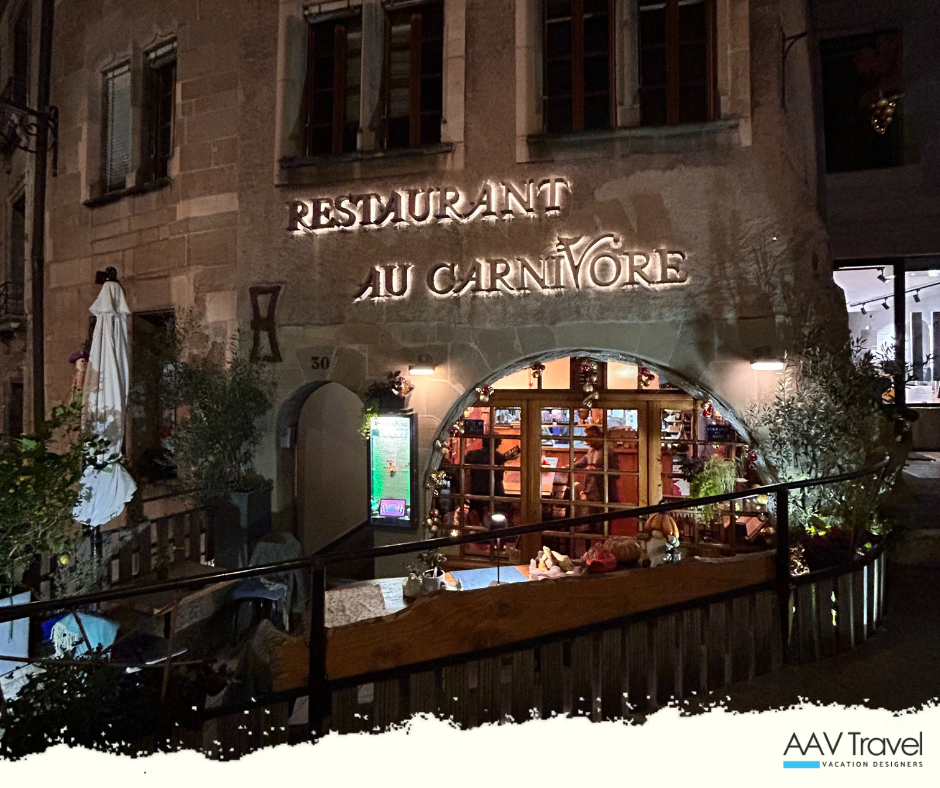
In many European cities, restaurants do not need to announce themselves loudly. Reputation spreads locally, and confidence comes from longevity rather than marketing. Places that rely heavily on multilingual signage, photos of every dish, or exaggerated claims aimed at passersby are often catering to a different audience. Locals tend to gravitate toward restaurants that feel unforced, where the focus remains on the food, the flow of the meal, and the shared experience of being there.

Timing matters as well. Restaurants that fill naturally during local mealtimes tend to do so for good reason. Empty tables at peak hours can be telling, while the gentle hum of a full room often reflects trust earned over time. Even the aromas drifting from a doorway—something simmering slowly, bread baking, onions caramelizing—can offer a more honest invitation than any algorithm.

For travelers accustomed to relying on reviews, this approach can feel unsettling at first. Choosing a restaurant based on atmosphere, instinct, or observation rather than certainty requires a willingness to be present and curious. Yet this slower, more intuitive way of dining often becomes one of the most rewarding aspects of traveling through Europe. It allows room for surprise, encourages engagement with local rhythms, and invites travelers to taste flavors they might not have selected in advance.

That said, discernment matters. Not every traveler enjoys unpredictability, and there is no virtue in discomfort for its own sake. Reviews can still serve a purpose, particularly for those with dietary restrictions or strong preferences. The difference lies in how they are used—not as the sole decision-maker, but as one of several inputs balanced with observation, context, and local insight.

One of the most valuable yet underutilized resources for navigating Europe’s dining landscape is the human one. Luxury hotel concierges often have exceptional knowledge of their city’s culinary scene and can secure reservations at sought-after restaurants with ease. But the most interesting recommendations often emerge when the conversation goes a step further. Asking where someone eats with their family on a Sunday, or which neighborhood spot they return to after a long day, often leads to places that never appear on curated lists.

Food tours can also play an important role, particularly early in a stay. Led by passionate locals, these experiences provide more than tastings. They offer cultural context, stories, and confidence. Visiting markets, bakeries, cafés, and small eateries with someone who understands the city’s rhythms helps travelers recognize the signs of quality and authenticity on their own. A well-chosen food tour doesn’t replace independent discovery; it enhances it.

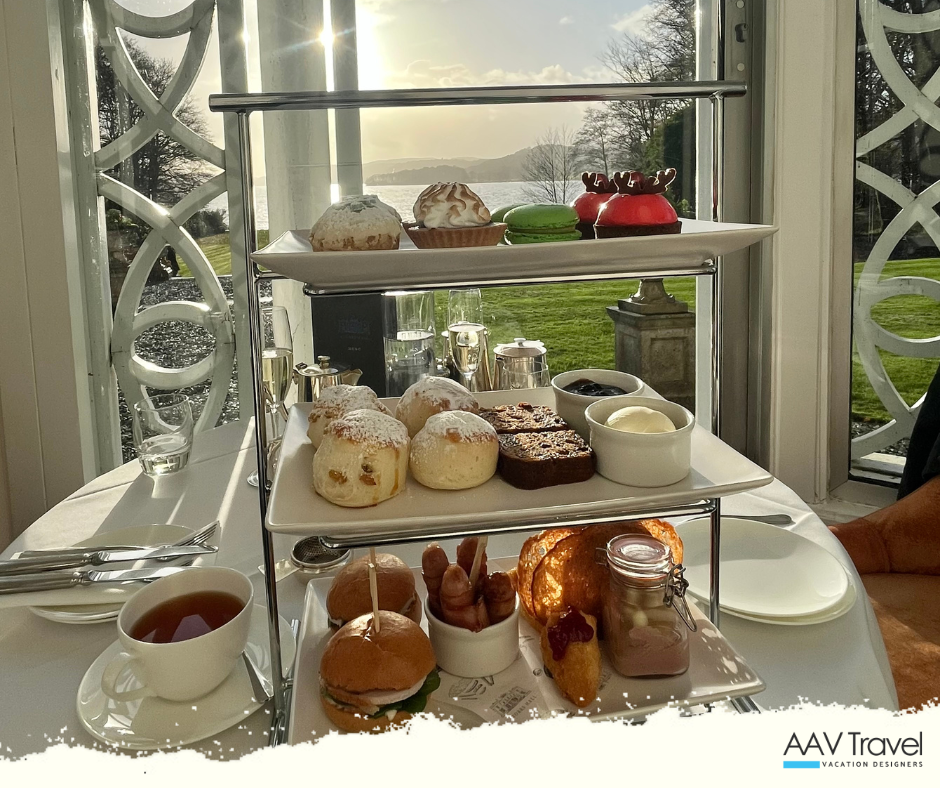
Once travelers begin to understand a destination’s culinary language, integrating local rituals becomes especially meaningful. Enjoying afternoon tea in England or lingering over hot chocolate in one of Vienna’s historic cafés is about more than the food itself. These traditions invite travelers to slow down, observe, and participate in moments that locals have cherished for generations. They provide structure to the day and a deeper sense of connection to place.

Experiencing Europe through its food is not about finding the “best” restaurant. It is about understanding how, when, and why people eat the way they do. It is about pacing, judgment, and choosing moments that align with the character of a destination rather than rushing to collect highlights.

At AAV Travel, this philosophy shapes how journeys are designed. Thoughtful travel is not about maximizing experiences, but about choosing the right ones—at the right time, in the right way, with an understanding of context and trade-offs. Through intentional conversations, careful planning, and calm judgment, AAV Travel helps travelers experience destinations with confidence and ease, allowing space for discovery without unnecessary risk or overwhelm. If you’re curious about how a more intentional approach could shape your next journey, you’re warmly invited to begin a conversation at www.aav-travel.com or by reaching out to info@aav-travel.com.

Written by: Stefanie P.
How Florence Is Best Experienced: A Journey Through the Six Senses

Florence is often introduced through masterpieces and monuments. The Duomo. The David. The Uffizi. Yet the travelers who leave feeling most connected to the city rarely describe it only in terms of what they saw. Instead, they recall the weight of warm stone under their palms at dusk, the echo of chanting drifting through a quiet basilica, the faint perfume of roses on a hillside breeze, the way a simple meal lingered in memory long after the last bite.

Florence reveals itself most fully when it is experienced through the senses, not hurried through as a checklist of sights. When approached with presence and intention, the city becomes less a destination to be consumed and more a place to be felt.

Modern psychology tells us what seasoned travelers already know instinctively: our senses are gateways to wellbeing, memory, and meaning. Sight, sound, smell, taste, touch, and intuition shape how we process the world and how deeply we feel connected to it. Travel, when designed with care, awakens these senses in ways everyday life rarely allows.

Florence, with its layered history, human scale, and enduring craftsmanship, offers an unusually rich setting for this kind of experience.

SIGHT: When Light Becomes the Experience

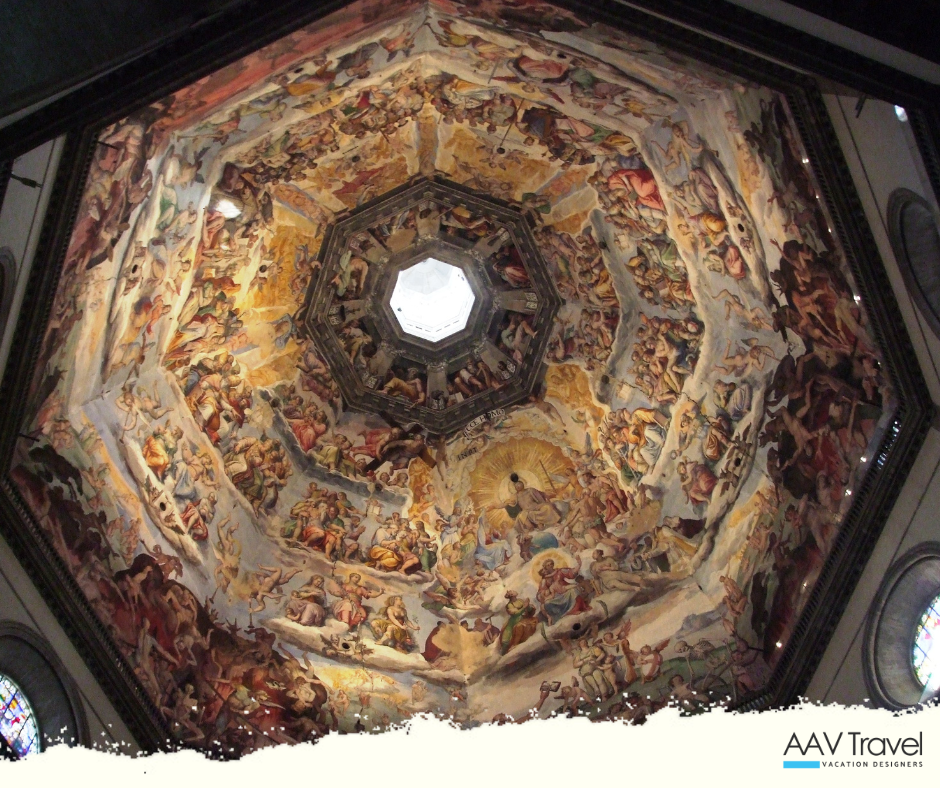
Inside Santa Maria del Fiore, sight is not merely about architecture or ornamentation. At midday on the summer solstice, a single beam of sunlight enters through a small aperture high in the dome and lands precisely on a marble disc below, a quiet yet extraordinary convergence of art, science, and faith. Installed centuries ago as part of an astronomical instrument, this moment transforms light itself into an event.

Standing in the cathedral as that beam appears, the instinct is not to photograph, but to pause. The filtered colors from stained glass shift across stone that has witnessed generations. The experience asks for stillness. Sight here is immersive and emotional, reminding us that seeing is not passive; it shapes how we remember and how we feel.

Florence excels at these subtle visual moments. They are easy to miss when moving too quickly, yet deeply affecting when allowed to unfold at their own pace.

SOUND: Listening to the City’s Inner Rhythm

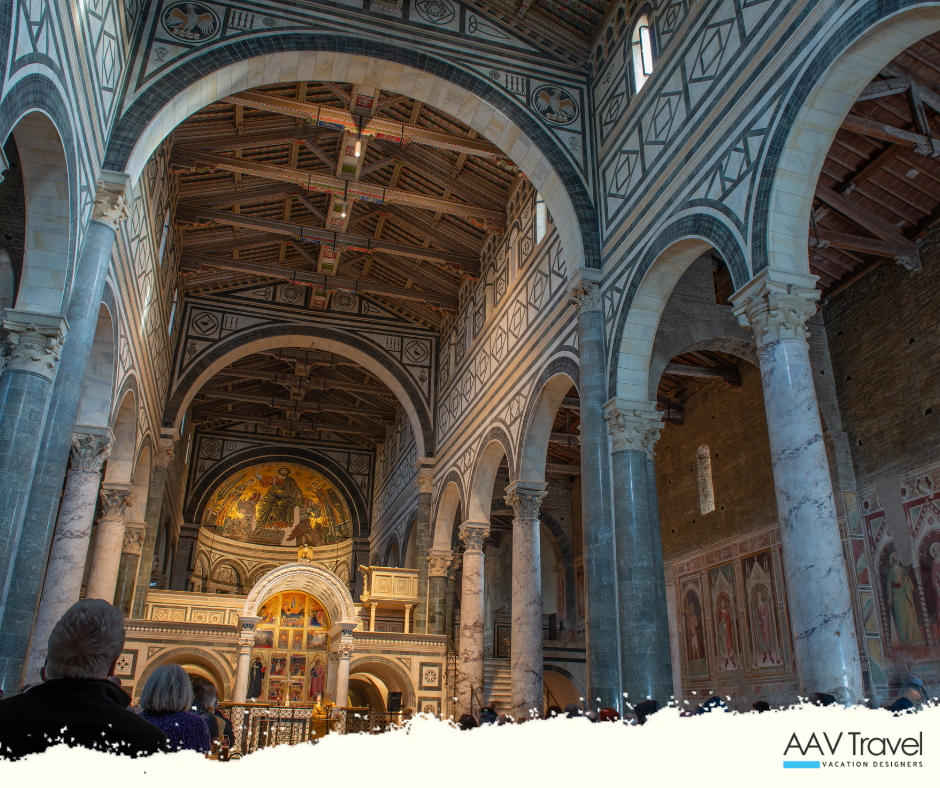
Above the city, the Basilica di San Miniato al Monte offers one of Florence’s most profound sensory contrasts. Outside, expansive views stretch across terracotta rooftops and rolling hills. Inside, sound becomes the defining element.

The Romanesque interior holds silence with intention. Footsteps echo softly. A single voice resonates longer than expected. In the early evening, Gregorian chant fills the space, its ancient cadence amplified by stone and proportion rather than technology.

This is not performance but ritual, and the effect is quietly disarming. The acoustics encourage slowing down, listening more deeply, and allowing sound to linger. In Florence, sound often reveals what sight cannot: the continuity of daily life layered over centuries.

SMELL: Memory Carried on the Breeze

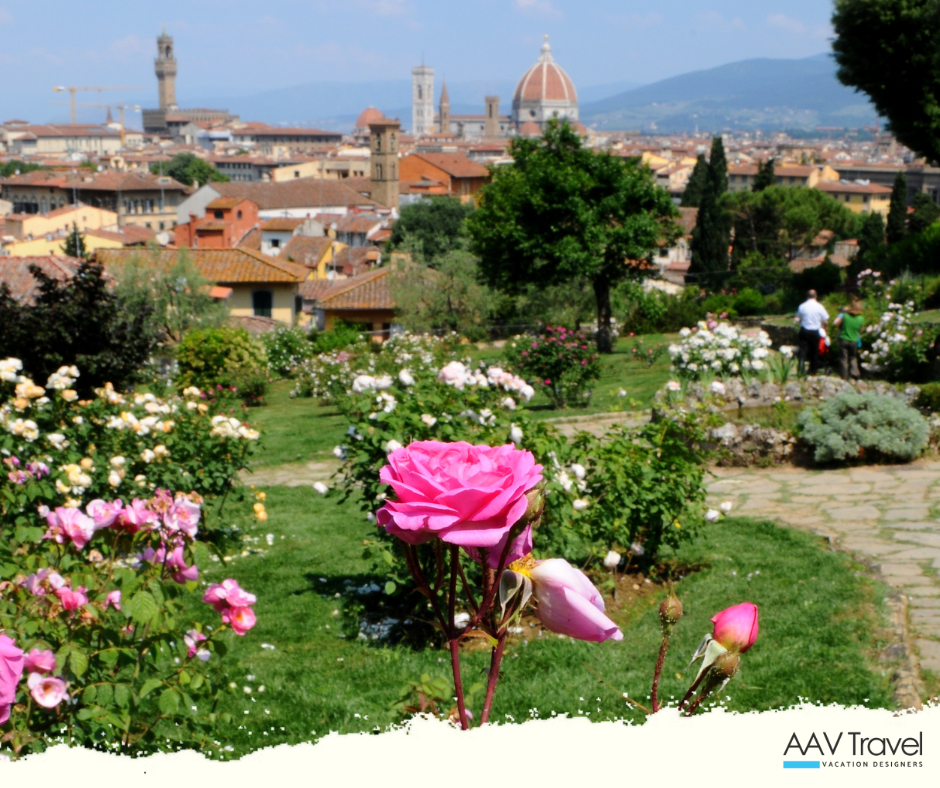
Below Piazzale Michelangelo, the Giardino delle Rose offers a different kind of perspective. Here, Florence is experienced through scent as much as through view. In late spring, hundreds of rose varieties bloom, their fragrances mingling with citrus trees and warm air rising from the city below.

Smell has a unique ability to anchor memory. Long after the view fades, it is often the scent of a place that resurfaces unexpectedly years later. In this garden, time seems to slow. The city’s hum softens, replaced by birdsong and the subtle rustle of leaves.

Pausing here is not about seeing Florence from above, but about inhaling it, allowing place and moment to register fully before moving on.

TASTE: A Culinary Language of Place

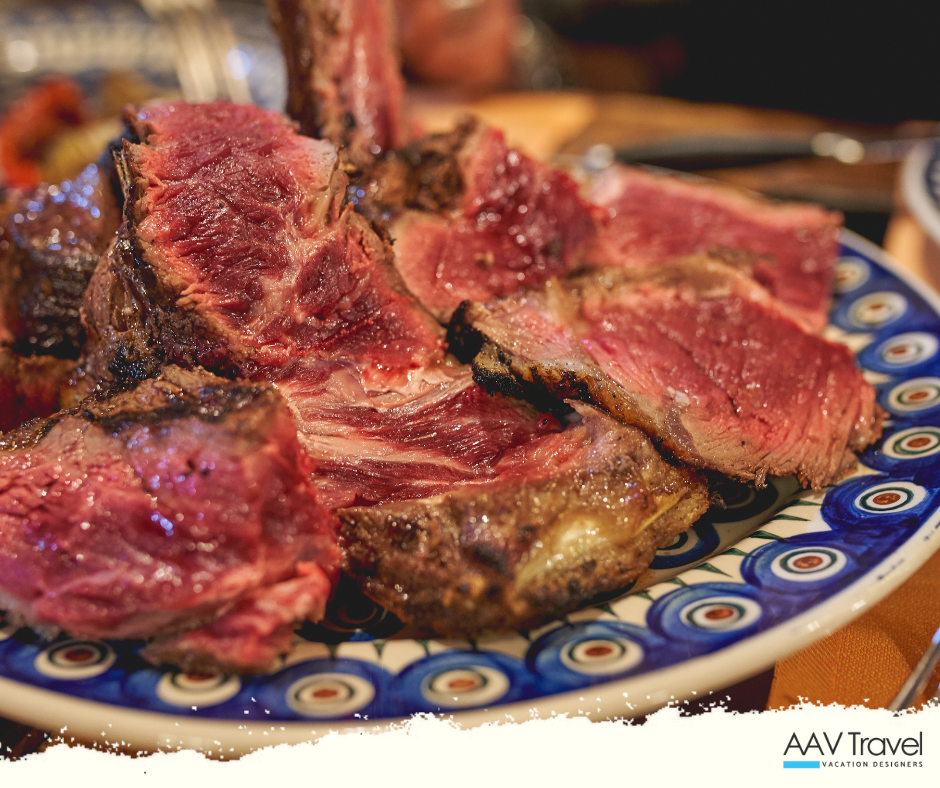
Florentine cuisine is direct, grounded, and deeply tied to its landscape. A well-prepared bistecca alla fiorentina, a bowl of ribollita, a slice of bread drizzled with new olive oil, these are not indulgences so much as expressions of place.

Taste in Florence rewards patience. Meals are meant to be lingered over, flavors allowed to develop, conversations given time. Ingredients carry history: grains milled nearby, oil pressed from surrounding hills, recipes shaped by necessity and care rather than trend.

To eat well here is not about excess but about understanding. Food becomes a quiet education in geography, climate, and tradition, one that stays with you long after the table is cleared.

TOUCH: Where Craft Still Lives

Florence remains a city where the human hand matters. In the Oltrarno, artisan workshops continue traditions passed down through generations. Leather, wood, paper, and metal are shaped slowly, deliberately.

Running your fingers over a finished piece, or watching the rhythm of hand stitching in a small workshop, connects you to the city in a way no museum display can. Touch brings history into the present tense. It reminds us that Florence was built not only by great artists, but by skilled hands working day after day.

These tactile experiences are often quiet and unscheduled, yet they are among the most enduring.

INTUITION: Knowing When to Pause

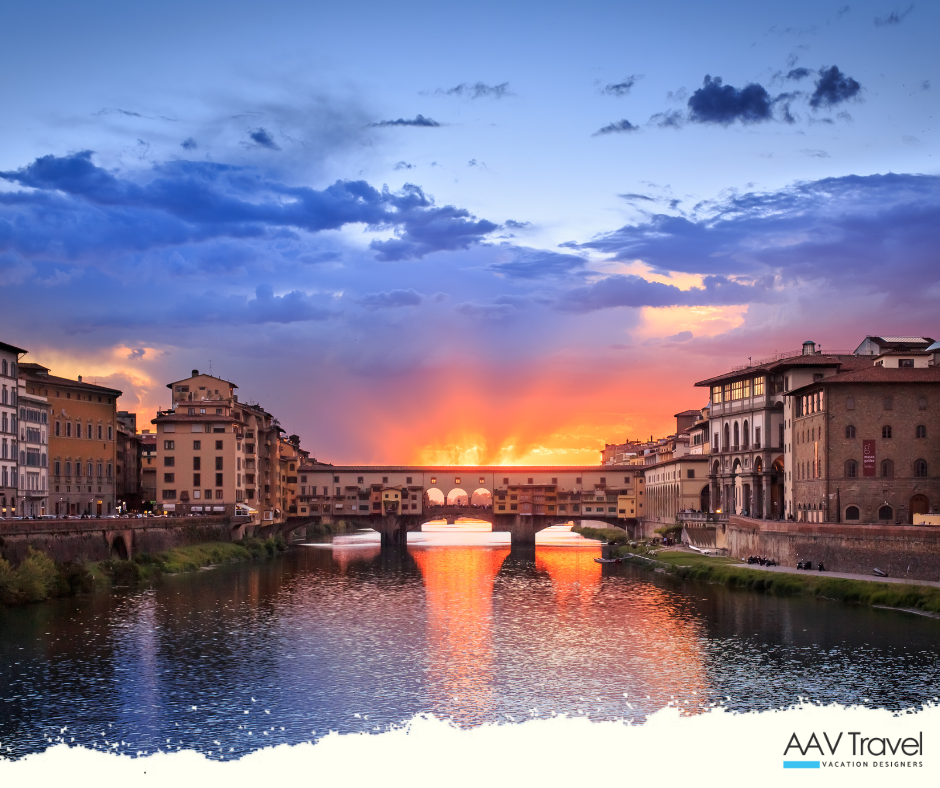
Beyond the senses we can name is the one that guides the most meaningful travel decisions: intuition. It is the instinct that suggests crossing a bridge at dusk, lingering in a small piazza, or choosing a café filled with locals rather than lines.

Florence rewards those who listen to this inner compass. In moments of unplanned stillness, the city feels less like a stage set and more like a living companion. This is where presence replaces performance, and travel becomes personal.

Thoughtful Hospitality as Part of the Experience

Where you stay in Florence shapes how the city is experienced between these moments. Properties that value calm, proportion, and restraint allow the senses to reset rather than compete for attention.

Hotel La Gemma, housed within a restored palazzo near the historic center, reflects this philosophy. Its atmosphere is quietly composed rather than overtly grand. Light-filled rooms, soundproofed interiors, tactile materials, and a sense of ease create a refuge after days spent absorbing the city.

Spaces like this do not distract from Florence; they support it, offering continuity and balance. When accommodation aligns with the rhythm of a destination, the experience feels cohesive rather than fragmented.

Designing Florence with Intention

Experiencing Florence through the senses is not about adding more activities, but about making thoughtful choices: when to visit certain spaces, where to linger, what to skip, and how to pace each day. These decisions shape how the city is felt, not just seen.

At AAV Travel, journeys are designed with this discernment in mind. Beyond reservations and logistics, the focus is on flow, timing, and context, ensuring that each element supports the overall experience rather than competes with it. The goal is travel that feels seamless, grounded, and deeply personal.

Florence has been inspiring travelers for centuries. When approached with intention, it continues to do so in ways that are subtle, restorative, and lasting. For those ready to experience the city beyond sightseeing, Florence offers not spectacle, but connection, one sense at a time.

If you are considering a journey to Florence and would like it shaped with care, pacing, and insight, AAV Travel welcomes the conversation.

Written by: Stefanie P.

Christmas on Screen in Europe: Holiday Films as Windows into Tradition

In the United States, Christmas is more than a date on the calendar. It is a season shaped by ritual, repetition, and a familiar sense of comfort. As evenings grow darker and the pace of daily life finally begins to slow, many households return to the same small traditions year after year. One of the most enduring is the simple act of gathering in front of the television, wrapped in blankets, a warm drink within reach, letting a familiar holiday film play in the background.

These movies are rarely watched with full attention, and that is part of their charm. They become part of the rhythm of December rather than the focus of it, offering a shared backdrop for conversation, laughter, and quiet moments together. Parents introduce the films they grew up with to their children. Siblings quote lines they have known by heart for decades. Grown children return home and slip easily into routines that feel unchanged. In many American households, these films are not entertainment so much as reassurance. They signal that the season has truly arrived.

Coming from Switzerland, I have always found this aspect of American Christmas culture quietly fascinating. Each year, someone inevitably references a holiday classic with genuine surprise when I admit I have never seen it. Many of these films are deeply woven into American memory in a way that feels both communal and personal. They reflect how culture, storytelling, and seasonality intersect, shaping how people experience the holidays without necessarily thinking about it.

In Europe, Christmas films play a different role. In many countries, they are less about spectacle or novelty and more about continuity. The same films return year after year, not because they are new or particularly festive, but because they feel familiar. They belong to the season in a way that mirrors how traditions themselves are passed down.

Switzerland

In Switzerland, Christmas unfolds quietly. The season begins with Advent and moves gently through St. Nicholas Day, Christmas Eve, and the days that follow. It is marked by candlelight, winter landscapes, and time spent close to home. Switzerland does not have a strong tradition of producing Christmas-specific films, yet certain stories have become inseparable from the season. In the German-speaking regions, “Drei Haselnüsse für Aschenbrödel,” known in English as “Three Wishes for Cinderella,” appears on television every December, watched by generations who know the story by heart. The classic “Sissi” films often accompany it, their romantic nostalgia fitting naturally into the slower, reflective mood of the holidays. These films mirror Switzerland’s approach to Christmas itself: understated, intimate, and rooted in continuity rather than excess.

Italy

In Italy, Christmas is expansive in a different way. The season stretches well beyond Christmas Day, carrying through to Epiphany in early January. Family meals are long and unhurried, nativity scenes are lovingly displayed, and traditions unfold gradually rather than all at once. Italy has few homegrown Christmas films, yet one foreign movie has unexpectedly become a national ritual. Every Christmas Eve, millions of Italians watch “Una poltrona per due,” the Italian broadcast of “Trading Places.” What began as an American comedy has taken on a distinctly Italian rhythm through repetition, becoming part of the country’s shared holiday language. Alongside it, animated favorites such as “How the Grinch Stole Christmas” often appear, adding lightness and familiarity to evenings spent together.

Ireland

In Ireland, Christmas is deeply social, shaped by humor, community, and shared moments rather than strict formality. One of the most anticipated events of the season is not a film at all, but “The Late Late Toy Show,” a live television broadcast that signals the unofficial beginning of Christmas for many families. It is joyful, chaotic, heartfelt, and unmistakably Irish. Films still play their role, though, and classics like “The Muppet Christmas Carol” return year after year, appealing equally to children and adults. These viewing traditions reflect an Irish Christmas that values warmth, storytelling, and the pleasure of being together above all else.

France

France approaches Christmas with a sense of balance between celebration and restraint. Family meals, particularly the Réveillon on Christmas Eve, remain central, and festive markets bring warmth to winter evenings. While France does not place great emphasis on Christmas films as a category, certain titles have become seasonal touchstones. “Le Père Noël est une ordure,” a darkly comedic cult classic, reappears every December, its humor as familiar as it is irreverent. During the holiday break, French television often broadcasts the Harry Potter films, especially the first installment, which has come to feel inseparable from Christmas despite its British origins. Together, these films add layers of nostalgia and quiet magic to the season without overpowering it

Norway

In Norway, Christmas, or Jul, is defined by coziness, candlelight, and preparation. The weeks leading up to Christmas are as important as the day itself, filled with baking, decorating, and shared anticipation. Norwegian holiday television traditions are particularly strong, and for many families, Christmas Eve would feel incomplete without “Tre nøtter til Askepott,” the Norwegian broadcast of the Cinderella fairy tale also beloved in Switzerland. “Reisen til julestjernen,” or “Journey to the Christmas Star,” is another cherished favorite, embodying the fairy-tale quality and emotional warmth that define the season. These films capture the essence of kos, Norway’s expression of comfort, intimacy, and seasonal calm.

UK

In the United Kingdom, Christmas television is a tradition in its own right. Families gather year after year to watch the same films, often at the same time, creating a shared national rhythm. “Love Actually” has become a modern classic, its interwoven stories reflecting both the humor and tenderness associated with British Christmas culture. “The Snowman,” with its quiet animation and haunting score, has aired every Christmas since the early 1980s, offering a moment of stillness amid the festivities. These films reflect the British love of storytelling and ritual, where familiarity is part of the pleasure.

Travel Through Christmas Films Without Leaving Home

For those spending the holidays at home, these films offer a gentle way to experience Christmas beyond one’s own traditions. They provide insight into how different cultures approach the season, not through spectacle, but through repetition, tone, and shared memory. Watching them is not about escaping home, but about widening perspective, one quiet evening at a time.

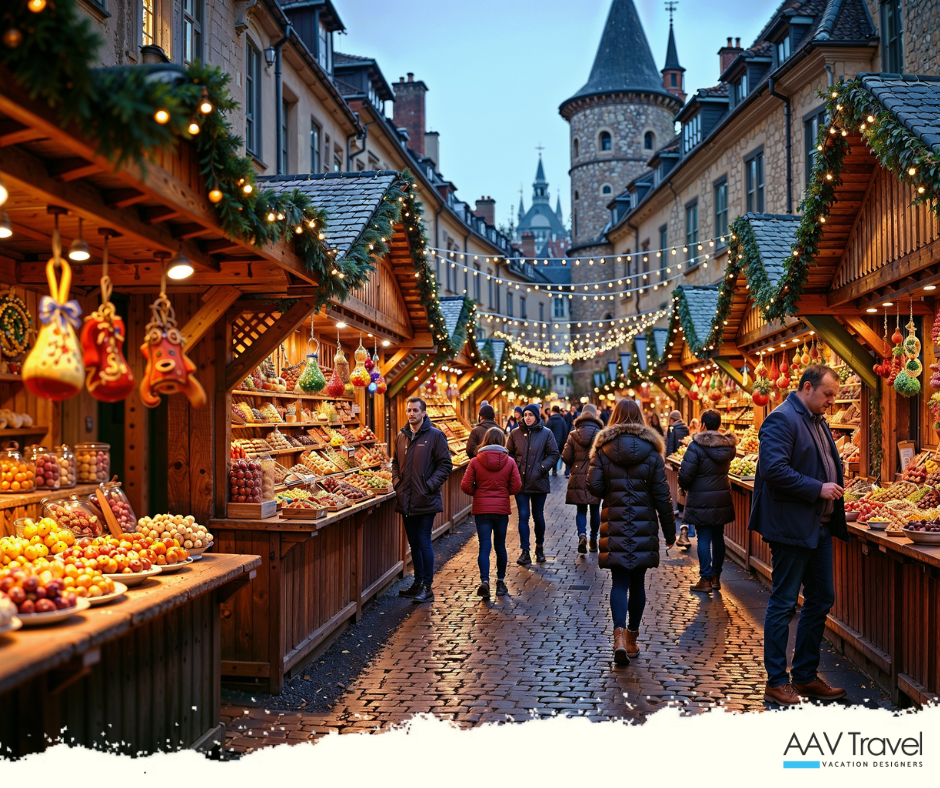
And for those who find themselves drawn to the idea of experiencing these traditions firsthand one day, whether at a Christmas market, a family-run hotel, or a candlelit village square, thoughtful planning makes all the difference. Christmas travel carries its own rhythms, trade-offs, and considerations, and understanding how the season is truly lived is often what transforms a beautiful idea into a rewarding experience. When the time feels right, AAV Travel would be happy to help.

Written by: Stefanie P.
5 Safe Yet Underrated Destinations to Discover Before the Crowds Do

Not going to lie — I can’t stand crowds. When I travel, I want space to breathe, to connect, and to experience a place without feeling like I’m in a theme park. Lately, everyone seems to be searching for those same under-the-radar spots, and the media loves to highlight “hidden gems” around the world. The problem? Many of those places, while fascinating, aren’t always the safest—especially for women. So, I decided to put together a list of destinations that still feel authentic and undiscovered, and where you can explore with peace of mind, even if you are traveling solo.

Italy without the Crowds

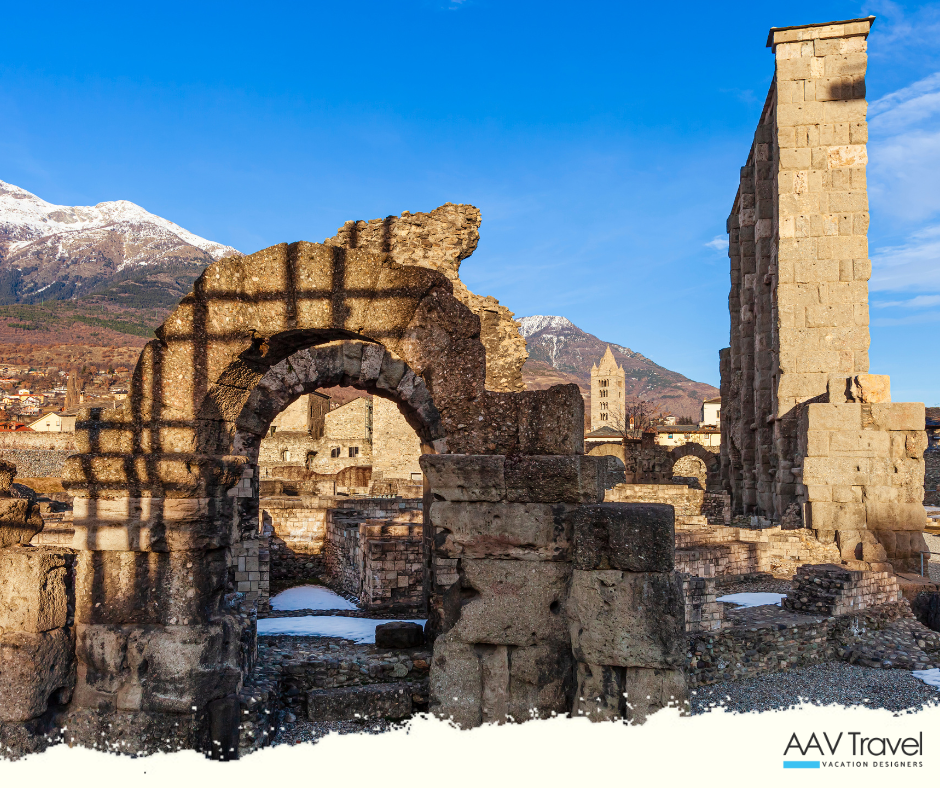
Tucked away in Italy’s northwestern corner, Aosta is a gem hidden in plain sight. Surrounded by the towering peaks of the Alps and just a stone’s throw from both France and Switzerland, this small mountain town blends dramatic scenery with centuries of history. Wander through its charming streets, and you’ll encounter remarkably preserved Roman ruins—an ancient theater, city gates, and even a forum—set against a backdrop of snow-capped summits. It’s a place where the past feels alive, yet life moves at a relaxed, alpine pace.

Beyond the town, the Aosta Valley unfolds into a wonderland for outdoor enthusiasts. In summer, hiking and cycling trails wind through flower-strewn meadows and pristine national parks, while winter transforms the region into a skier’s paradise with world-class slopes and cozy mountain lodges. Add in authentic Italian cuisine with a hearty Alpine twist—think polenta, fontina cheese, and rich mountain wines—and you have the perfect setting for those who crave both adventure and culture.

Aosta is perfect for those who love mountains as much as museums—travelers who find joy in tracing ancient footsteps before heading out on alpine trails. If you value depth and discovery more than crowds and clichés, this is where you’ll find the best of both worlds: Italy’s timeless soul, beautifully elevated.

Instead of St. Lucia

Often called the “Nature Island” of the Caribbean, Dominica is a lush, volcanic paradise that feels a world away from the typical resort scene. Here, dramatic landscapes—steaming hot springs, plunging waterfalls, and jagged volcanic peaks—meet vibrant local culture, from lively Creole villages to colorful weekly markets. The island’s beaches may not be endless stretches of white sand, but they offer rugged beauty and a sense of solitude that’s hard to find elsewhere in the Caribbean.

Beyond its natural wonders, Dominica is a haven for outdoor enthusiasts. Hikers can explore the Morne Trois Pitons National Park, a UNESCO World Heritage site, with trails that lead past boiling lakes, rainforest canopies, and hidden waterfalls. Snorkelers and divers will be rewarded with pristine coral reefs teeming with marine life, while kayakers can navigate calm rivers framed by dense jungle. It’s an island that invites curiosity, exploration, and a slower pace of life.

Dominica is ideal for travelers who want more than just a beach vacation—those who find joy in trekking, discovering local traditions, and immersing themselves in nature’s grandeur. If you’re seeking an authentic Caribbean experience that’s both adventurous and rejuvenating, Dominica delivers it in spades.

Instead of exploring Medieval Towns in Tuscany

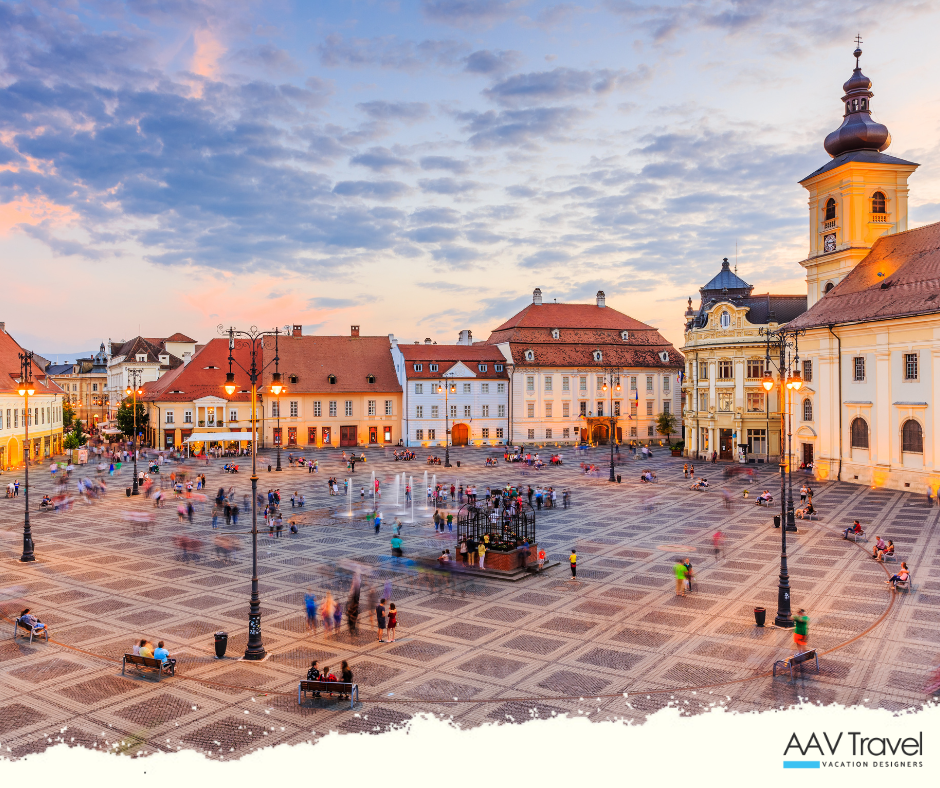
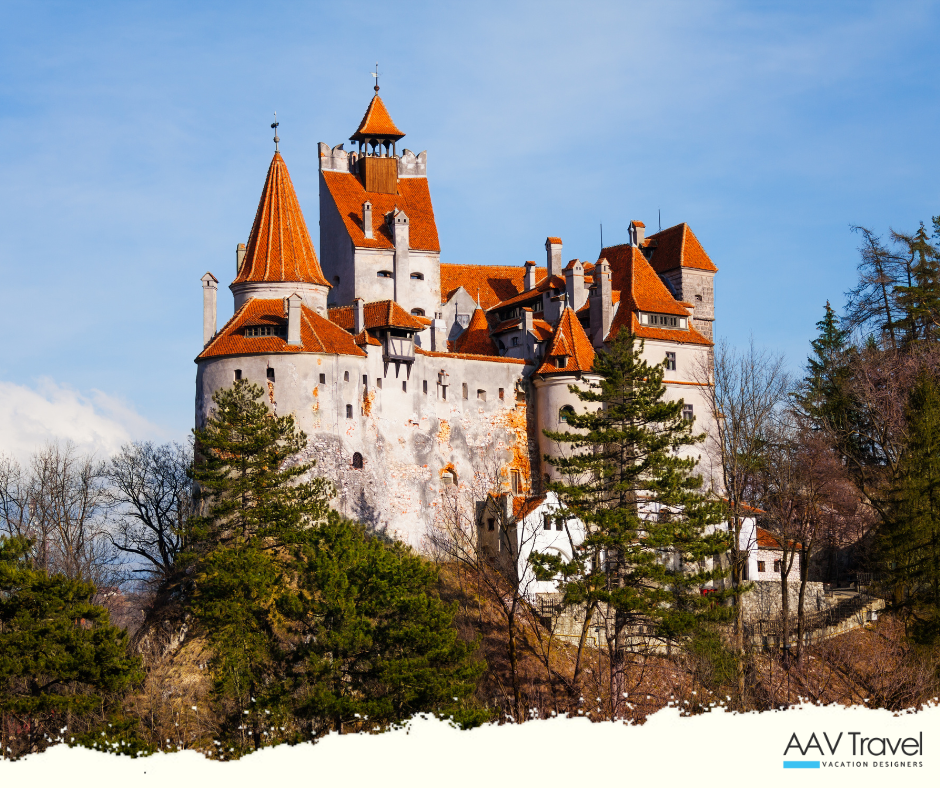
Romania is a country that surprises at every turn, offering travelers a rich tapestry of history, culture, and natural beauty—all without the crowds that often accompany Europe’s more famous destinations. From the cobblestone streets of Sibiu and Brașov, where medieval architecture and colorful squares invite leisurely exploration, to the fortified churches of Transylvania and the hauntingly beautiful castles scattered throughout the countryside, Romania feels like stepping into a storybook.

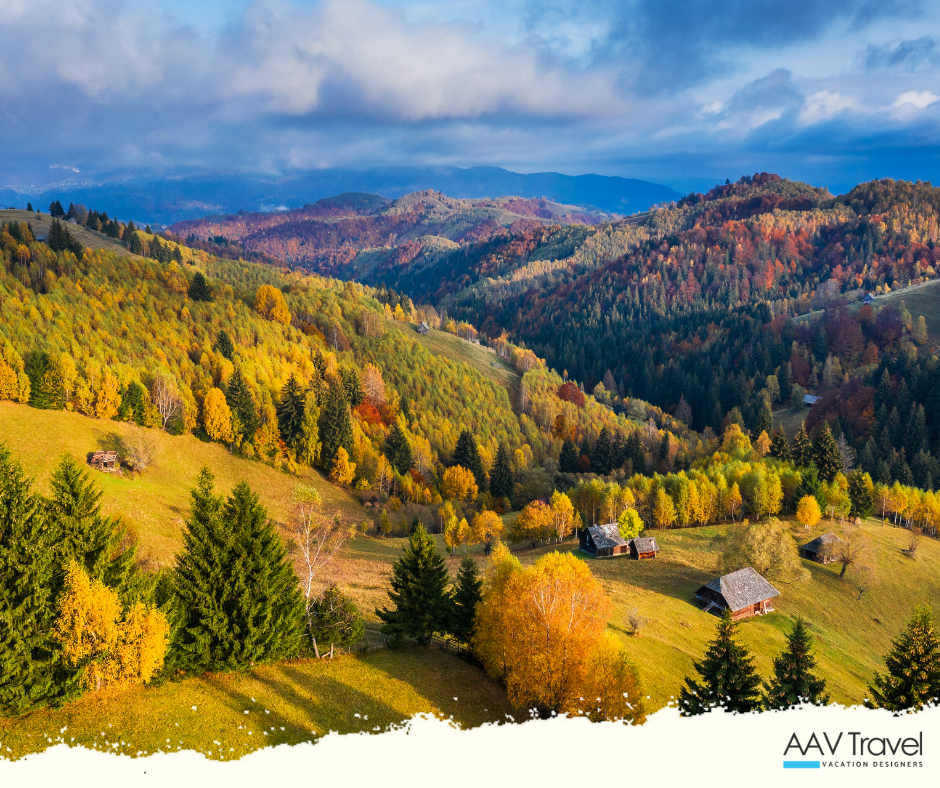
For those who love the outdoors, Romania’s landscapes are equally compelling. The Carpathian Mountains offer hiking, wildlife spotting, and serene forested valleys, while the Danube Delta is a paradise for birdwatchers and nature enthusiasts. Vineyards, charming villages, and local markets provide endless opportunities to connect with authentic Romanian culture—sampling traditional dishes like sarmale or tasting local wines in centuries-old cellars.

Romania is ideal for travelers who seek depth and discovery over convenience, those who enjoy wandering off the beaten path to uncover hidden gems. If you’re drawn to history, culture, and natural beauty in equal measure, Romania offers an experience that feels both authentic and endlessly rewarding.

And for a Feel of France

Guadeloupe has a distinctly French flair that sets it apart from many other Caribbean islands. As an overseas region of France, it blends Caribbean vibrancy with European sophistication. You’ll find French-style bakeries (pâtisseries), cafés where locals sip espresso, and gourmet markets stocked with fresh produce, cheeses, and wine. Street signs are in French, the official language is French, and the local administrative systems and cultural events reflect French influence.

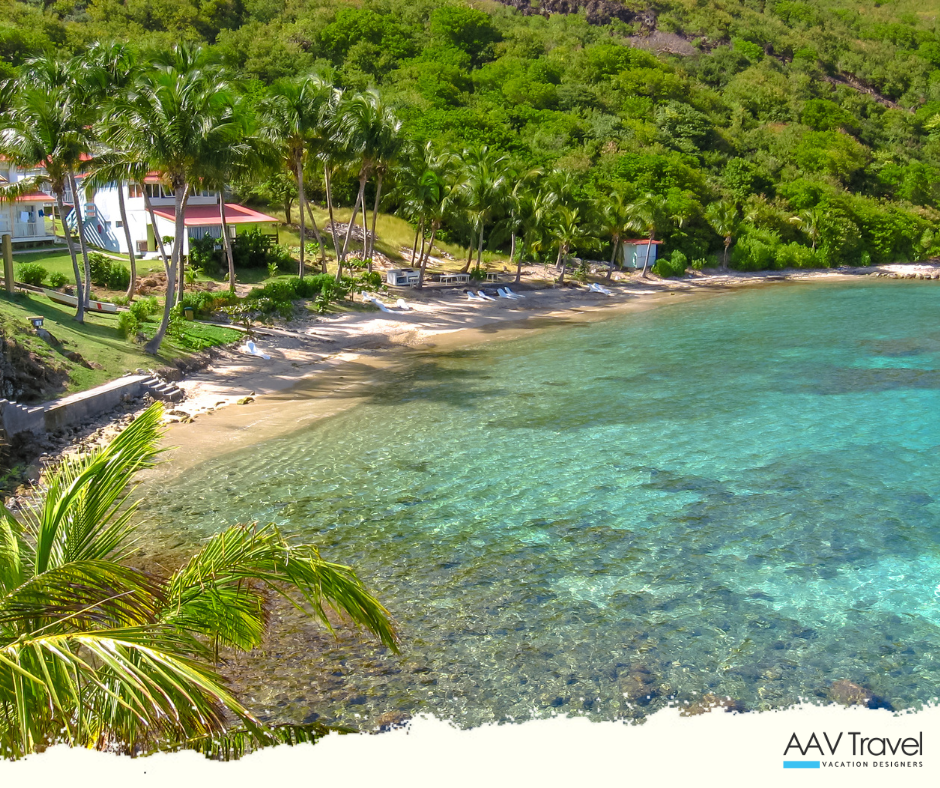
The island is a Caribbean treasure that often flies under the radar, offering travelers a mix of lush landscapes, charming towns, and rich culture far removed from the usual resort crowd. Composed of two main islands—Basse-Terre and Grande-Terre—it’s a place where volcanoes, waterfalls, and rainforests meet white-sand beaches and turquoise waters. The island’s Creole heritage shines through in its colorful markets, lively music, and flavorful cuisine, from fresh seafood to spicy local dishes.

For outdoor enthusiasts, Guadeloupe delivers endlessly. Hike the trails of La Soufrière, an active volcano, or explore the tropical jungles and cascading waterfalls of Basse-Terre. Snorkelers and divers will find pristine reefs teeming with marine life, while kayaking through mangroves or taking a boat trip to nearby islands offers a sense of adventure and discovery. Unlike some of the more commercialized Caribbean destinations, Guadeloupe feels genuine and lived-in, with authentic experiences around every corner.

Guadeloupe is ideal for travelers who want the charm and sophistication of France without leaving the Caribbean—those who enjoy strolling through colorful markets, savoring fresh pastries and local cuisine, and soaking in both culture and nature. If you’re seeking a destination that combines French flair with tropical adventure, Guadeloupe offers an authentic and enriching experience unlike anywhere else.

Instead of Santorini

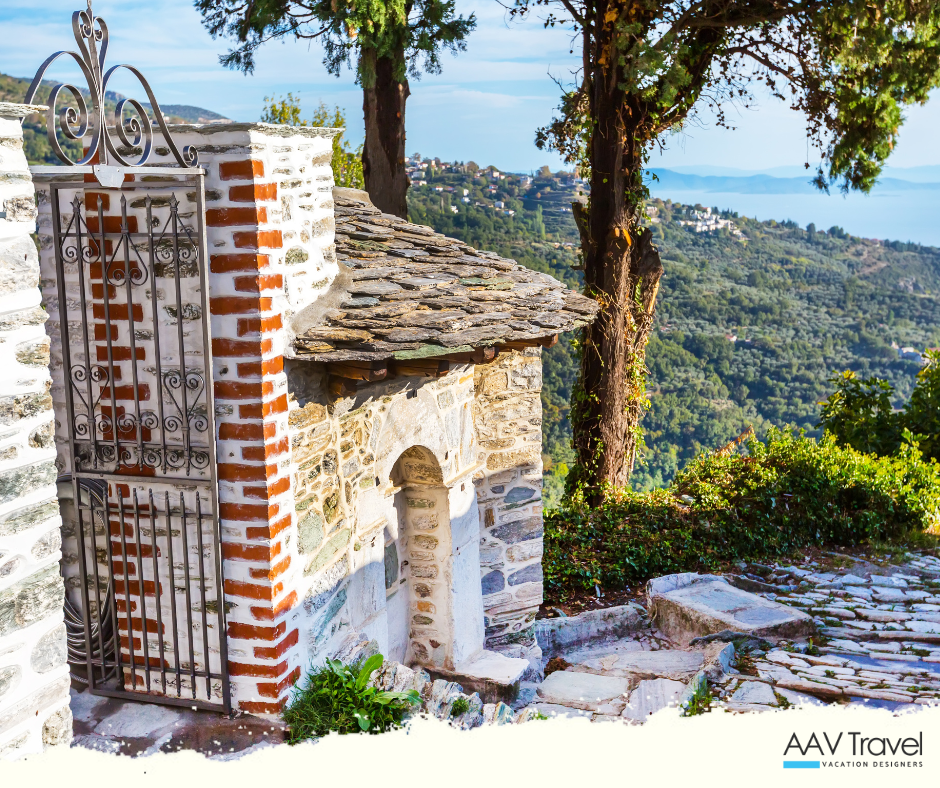
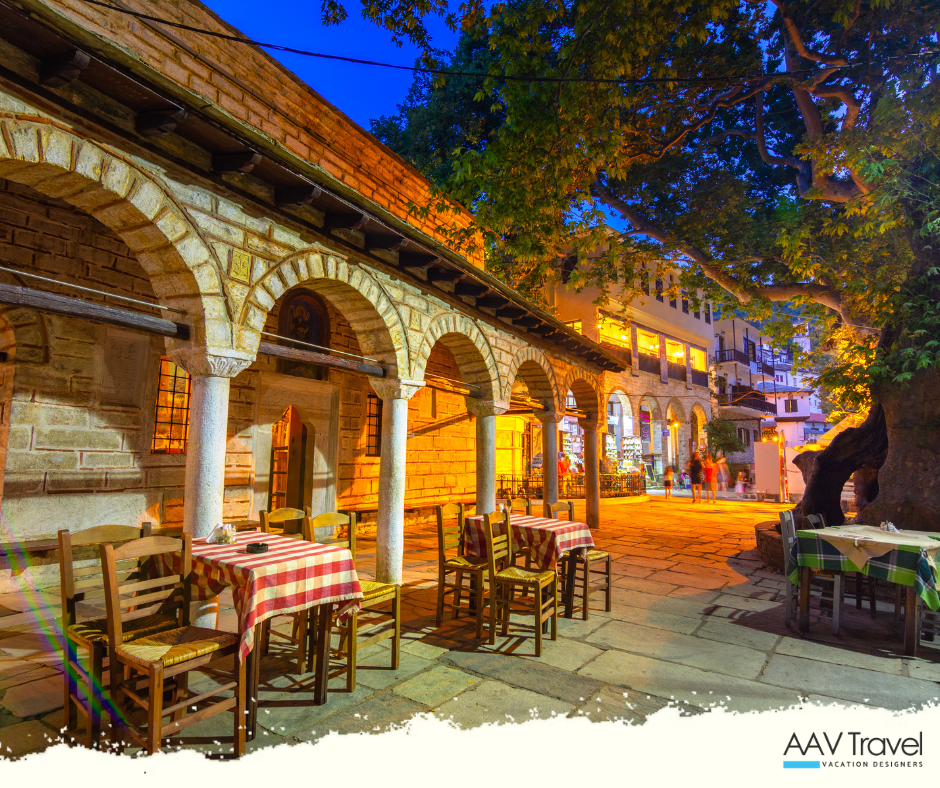
Tucked between the mountains and the sea, the Pelion Peninsula in Greece is a hidden treasure that offers the perfect blend of natural beauty, traditional culture, and tranquility. Unlike Santorini or Mykonos, Pelion remains largely undiscovered by mass tourism, giving travelers a sense of authenticity that feels increasingly rare. Charming stone villages cling to lush hillsides, cobbled streets wind past old churches and cafés, and locals welcome visitors with warm hospitality and the flavors of home-cooked Greek cuisine.

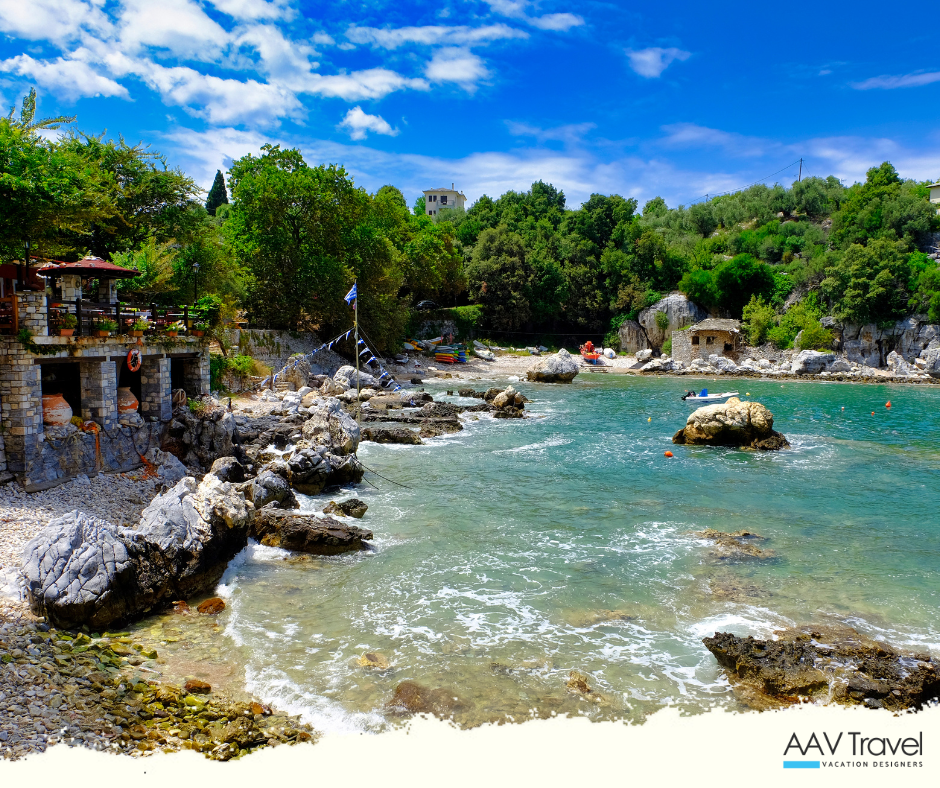
The region is a paradise for nature lovers and outdoor enthusiasts. In summer, you can hike scenic trails through olive groves and pine forests, swim in secluded coves along the Aegean or Pagasetic coast, and explore waterfalls tucked away in verdant valleys. In winter, the mountains offer skiing and cozy lodges with wood-burning fireplaces. Foodies will delight in sampling fresh seafood, local cheeses, and traditional sweets at family-run tavernas, making it a full sensory experience.

The Pelion Peninsula is perfect for travelers who want Greece beyond the crowds—those who enjoy wandering off the beaten path, discovering small villages, and soaking up both culture and nature at a relaxed pace. If you’re looking for an authentic, peaceful escape with plenty of adventure, Pelion offers the best of both worlds.

Exploring lesser-known destinations like Aosta, Dominica, Guadeloupe, Romania, or the Pelion Peninsula can be incredibly rewarding—but the true magic often lies in the details that only an experienced travel advisor can uncover. Beyond flashy headlines or viral “must-see” spots, a knowledgeable advisor understands how to craft experiences that balance safety, authenticity, and personal interests, ensuring your trip is seamless, enriching, and unforgettable. With the right guidance, you don’t just visit a destination—you connect with it on a deeper level, creating memories that last far beyond a vacation photo.

Ready to discover hidden gems and authentic experiences? Let us help you plan a journey that goes beyond the typical tourist trail. To begin planning, contact us via email at info@aav-travel.com or visit the website.

Written by: Stefanie P.

The Ultimate Power Play: Experiencing World-Class Sports Through Luxury Travel

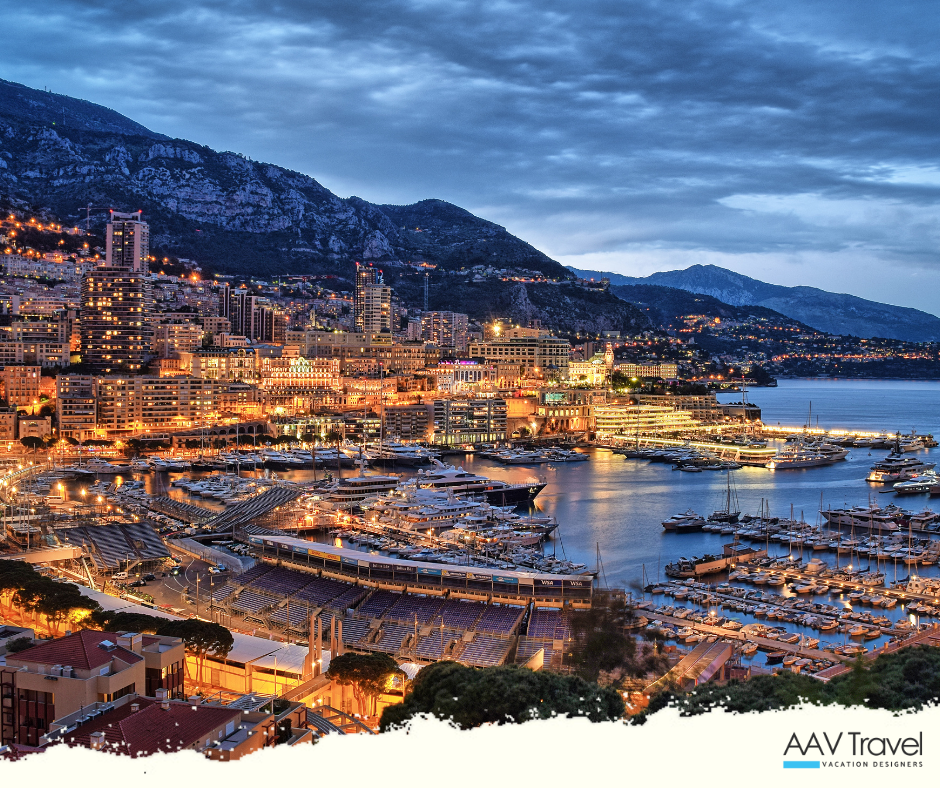
There’s something undeniably thrilling about combining a love of travel with the excitement of a world-class sporting event. From the manicured lawns of Wimbledon to the high-octane streets of Monaco during the Grand Prix, or the icy slopes of the 2026 Winter Games, these events offer far more than just competition—they promise a complete experience, blending culture, luxury, and unforgettable memories.

Attending such events, however, comes with its own set of challenges. Tickets can be notoriously difficult to obtain, often requiring early planning, insider knowledge, or connections that aren’t readily available to the casual fan. Once you secure your seats, the next challenge emerges: finding accommodations near the venues. Hotels fill quickly, and the best locations can disappear months in advance, making the planning process as intricate as the events themselves. Yet, it’s precisely this complexity that makes the experience so rewarding. Navigating the logistics transforms a simple trip into a fully immersive adventure. Picture arriving in London for Wimbledon, feeling the buzz of the crowds as you explore historic neighborhoods, savoring traditional afternoon tea before settling into your prime court-side seat. Or imagine the Monaco Grand Prix, where the roar of engines is matched only by the glamour of the city-state’s luxury hotels, rooftop terraces, and yachts lining the harbor.

Timing and insider knowledge are key

Tickets for prestigious events often sell out almost as soon as they are released, and keeping on top of public release dates is essential. Many events release tickets first to wholesalers or through exclusive hospitality packages before they reach the general public, making early planning indispensable. By booking ahead, you not only secure your seats but also gain access to the best accommodations and premium experiences. Working with AAV Travel gives you a distinct advantage: our insider connections allow us to monitor ticket releases, secure coveted seats, and access exclusive packages, while coordinating accommodations and all transportation logistics. This ensures you can immerse yourself fully in the excitement of the event, free from the stress of planning every detail.

Extending your stay transforms the trip

Attending a major sporting event is just the beginning—arriving a few days early or staying a little longer afterward opens the door to an immersive travel experience. By planning beyond the event dates, you can explore local attractions, enjoy curated culinary experiences, or uncover hidden cultural gems that most visitors miss. Not only does this make the journey more memorable, but it can also positively affect costs, as flights and accommodations may be more flexible and reasonably priced outside the peak event window. Thoughtful planning transforms a simple trip into a rich adventure, blending the thrill of competition with the culture, scenery, and flavors of your destination.

Some of the most memorable moments happen off the field

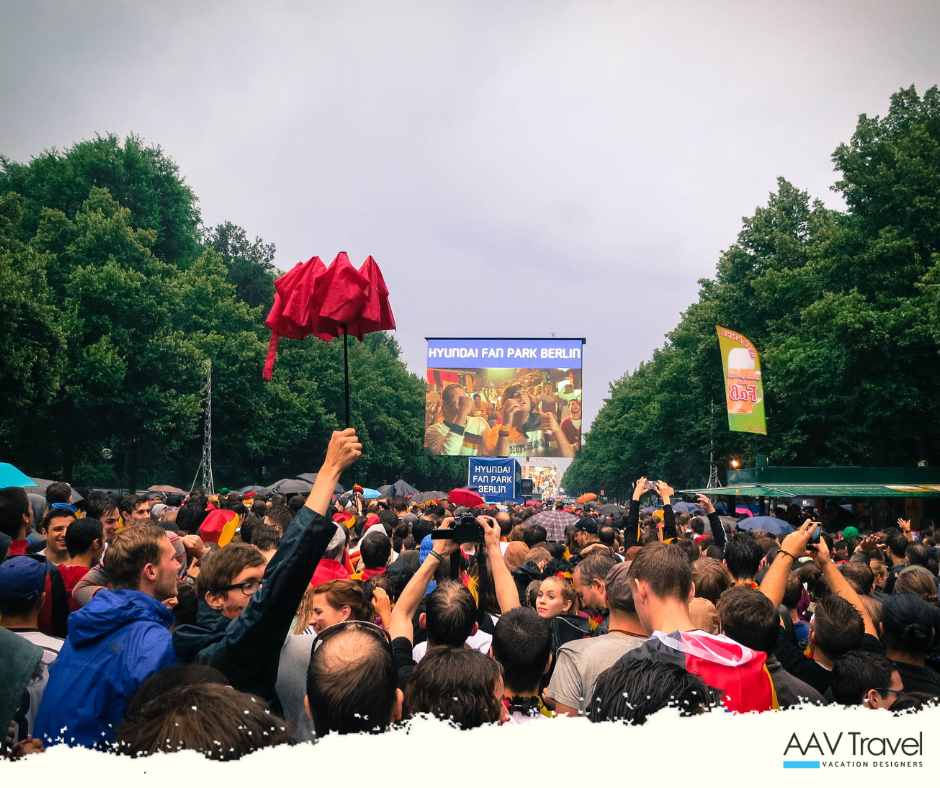
While prime seats and VIP experiences are undeniably thrilling, experiencing a major sporting event in a local pub or at a public viewing area offers a completely different kind of joy. Immersing yourself in the energy and passion of the crowd allows you to connect with locals, celebrate victories, and share in the communal excitement. Sampling regional food and drinks, cheering alongside fans, and feeling the heartbeat of the city can be just as rewarding as witnessing the action firsthand. These communal experiences reveal the spirit of the destination, turning a sporting event into a cultural adventure.

Dress for the occasion with elegance and practicality

Attending a prestigious event isn’t only about where you sit—it’s also about how you present yourself. Many events have established dress codes, from the crisp whites at Wimbledon to smart-casual attire at motorsport races. Even when no formal dress code exists, balancing style with comfort is essential. Consider weather, long days outdoors, and walking between venues. Sporting apparel is often welcome, particularly when showing support for a favorite team or athlete, but pairing it thoughtfully with versatile layers, comfortable shoes, and weather-appropriate outerwear ensures both elegance and ease. Dressing with respect for the event’s culture adds an extra layer of enjoyment, helping you feel fully immersed in the occasion while exuding refined style.

Luxury and convenience come hand in hand

Attending major international sports events can be a logistical puzzle, but with thoughtful planning, it can become an unparalleled travel experience. Every detail—from tickets to accommodations, transportation, and local experiences—plays a role in creating seamless enjoyment. By working with AAV Travel, travelers gain access to insider knowledge and expertise that elevates every aspect of the journey. Our team navigates ticket releases, secures the best accommodations, arranges transportation, and even curates bespoke local experiences, all tailored to your preferences. This level of attention ensures you experience the thrill of the event, the elegance of your surroundings, and the local culture without the stress of managing logistics.

Ultimately, the reward of attending a world-class sporting event lies not just in the competition itself, but in the full spectrum of experiences surrounding it. From the exhilaration of the match or race to the charm of local streets, restaurants, and cultural gems, every moment can be savored. With the guidance and expertise of AAV Travel, your trip becomes effortless, luxurious, and truly unforgettable—allowing you to focus entirely on creating memories that last a lifetime.

Whether it’s the elegance of Wimbledon or the excitement of the Monaco Grand Prix, AAV Travel can turn your dream sports experience into a seamless, one-of-a-kind journey. Ready to experience your favorite sporting event in style? To begin planning, contact us via email at info@aav-travel.com or visit the website.

Written by: Stefanie P.
Wellness Escapes for the Discerning Traveler: Spa, Sauna, and Cold-Water Retreats in Italy and Scandinavia

In a world that never slows down, the most luxurious indulgence may no longer be a five-star suite or fine dining—it’s the gift of true wellness. For discerning travelers, a journey focused on health, relaxation, and mental clarity offers an unparalleled opportunity to reset and reconnect. From the soothing alpine spas of Northern Italy to the invigorating saunas and icy lakes of Scandinavia, wellness travel combines expert care, breathtaking surroundings, and mindful practices to nurture body, mind, and spirit.

From a psychological perspective, wellness vacations are equally transformative. Positive psychology, the study of what makes life most worth living, highlights the importance of experiences that foster joy, gratitude, and connection. Stepping away from routine allows the mind to reset, creating space for reflection, insight, and creativity. Many travelers report returning from wellness retreats with a renewed sense of purpose, clearer priorities, and a deeper appreciation for life’s simple pleasures. In this way, wellness travel isn’t just a temporary escape—it’s an investment in your long-term emotional resilience and satisfaction.

The power of a wellness-focused getaway extends beyond structured activities. Simply being in a new environment, free from the usual pressures and expectations, can provide a mental reset that rewires how you perceive challenges back home. Natural surroundings, whether the gentle waves of a Caribbean shore or the quiet majesty of alpine forests, have been shown to reduce anxiety and promote feelings of awe and gratitude. This combination of mindful activity, restorative environments, and intentional self-care fosters a perspective shift—a renewed joy in everyday life, a calmer mindset, and an increased capacity for connection with yourself and others.

Ultimately, wellness travel is about more than pampering or indulgence; it’s about creating the conditions for lasting physical, emotional, and psychological renewal. By intentionally carving out time to focus on your health and happiness, you allow yourself to return to your life not only rested, but inspired, centered, and energized. A wellness vacation offers the rare and precious chance to reconnect with what truly matters—your well-being, your perspective, and the joy of living fully.

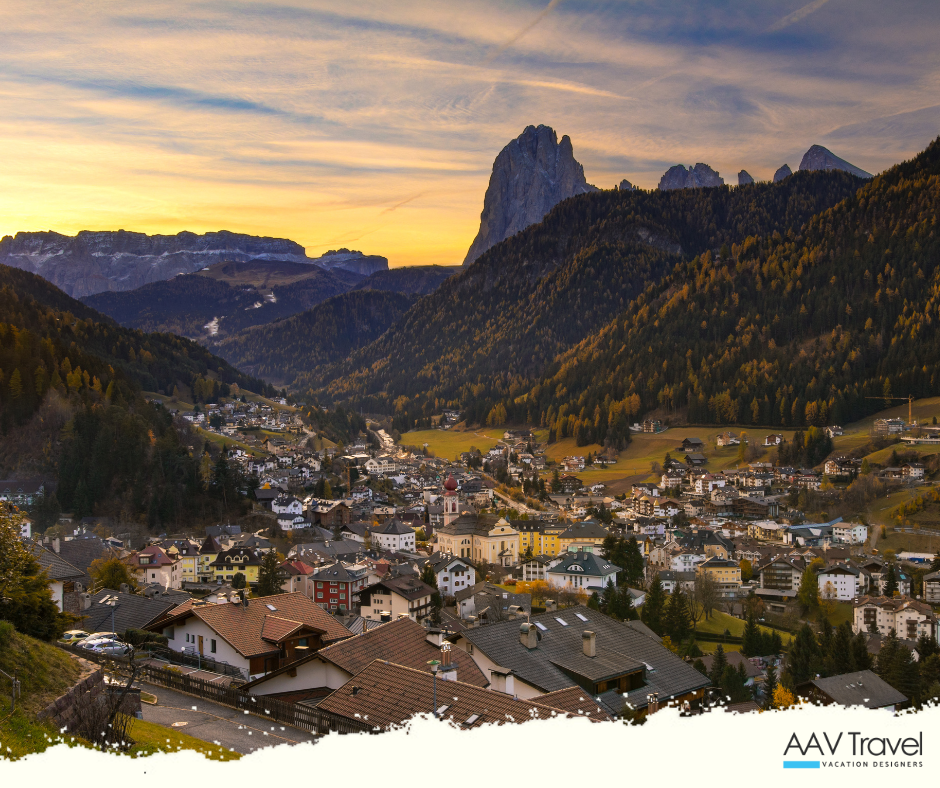
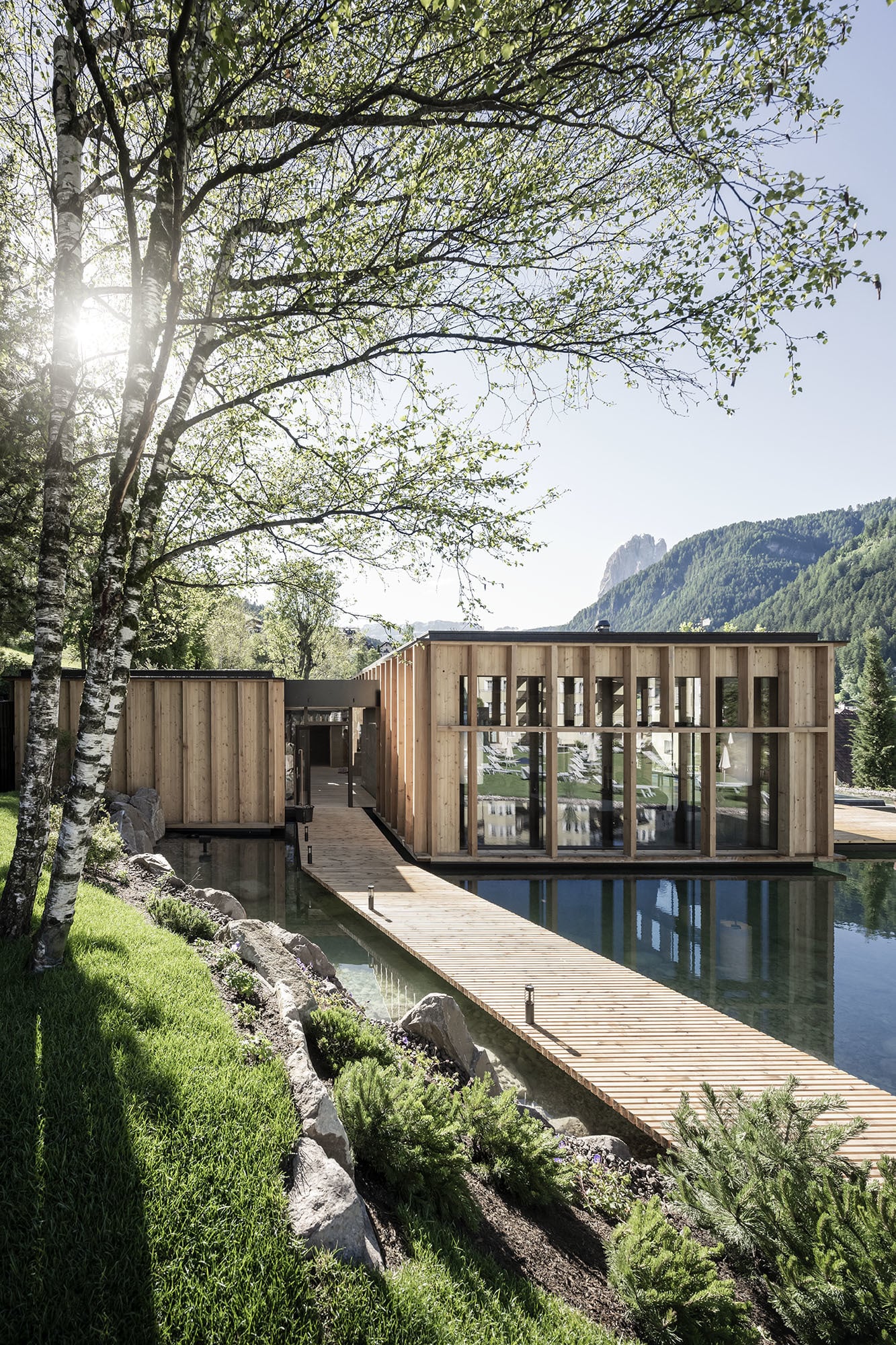
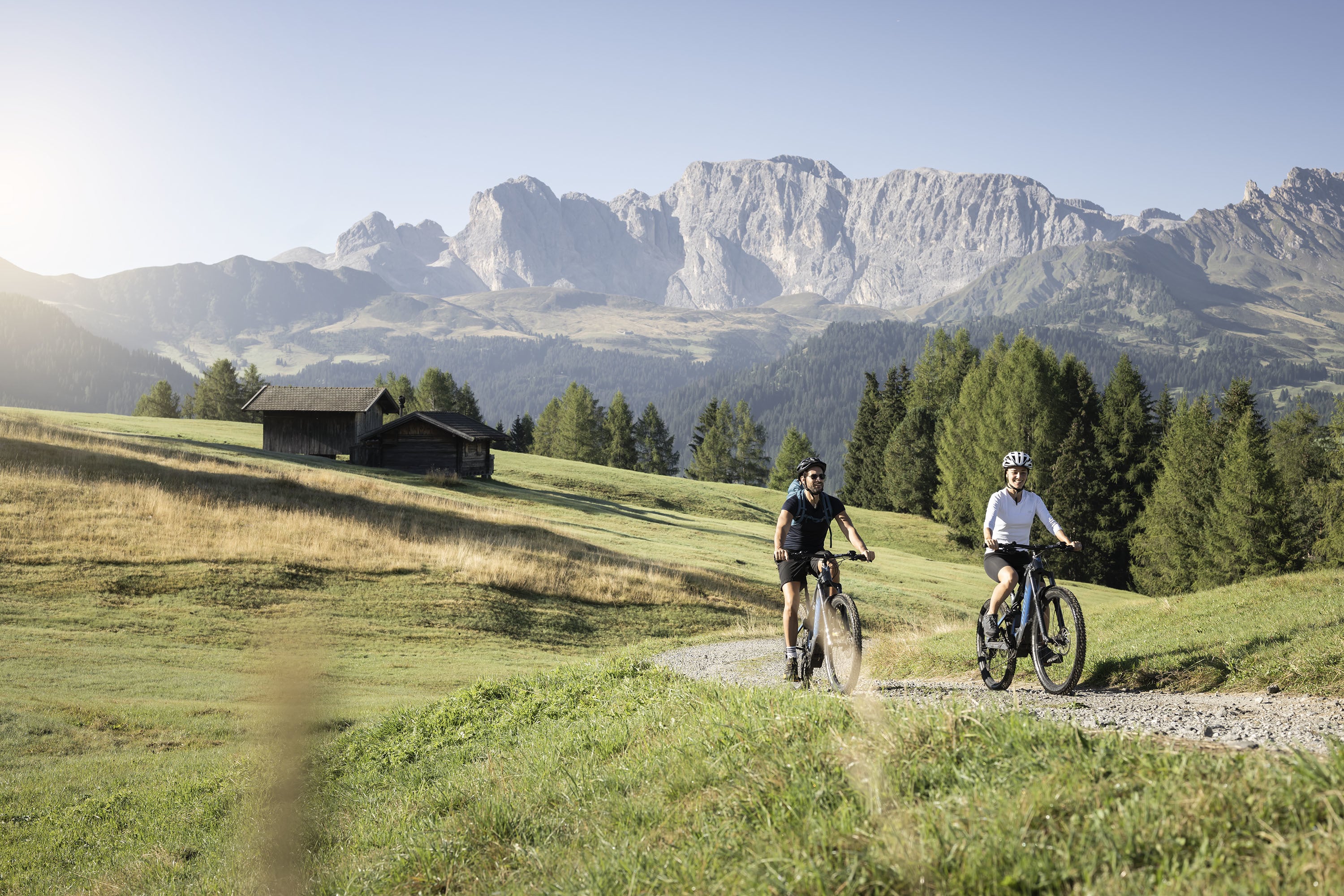
Northern Italy has long been celebrated not just for its art, cuisine, and landscapes, but also for its rich spa culture. Nestled among the Dolomites, the region’s wellness resorts combine the restorative power of nature with centuries-old traditions of relaxation and rejuvenation. Spa towns and mountain retreats offer an array of treatments designed to soothe both body and mind—from thermal baths and hydrotherapy circuits to holistic massages and guided meditation sessions. Here, wellness is not an afterthought, but a lifestyle, woven seamlessly into every element of the stay.

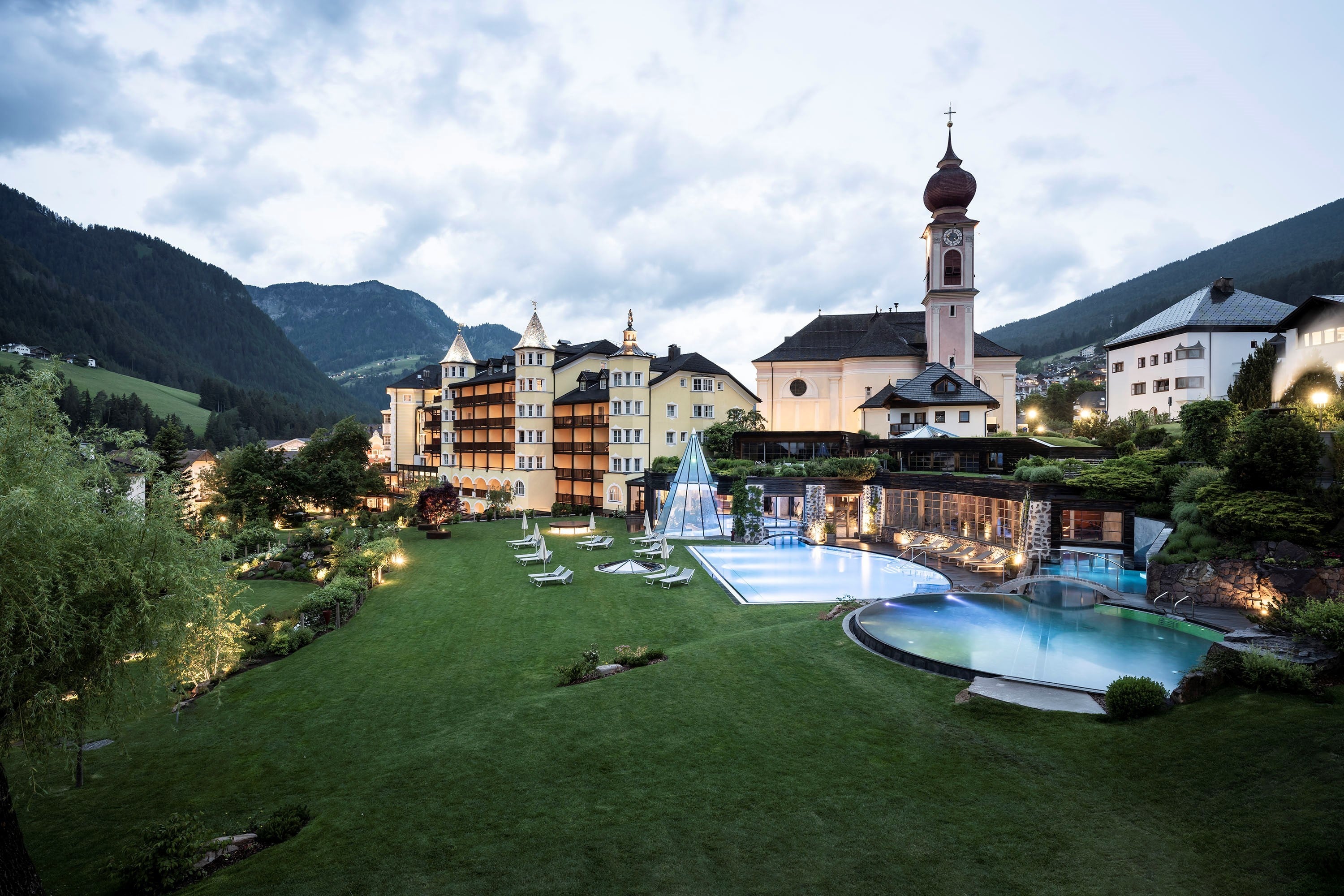
Hotel Adler & Spa, perched in the heart of the Italian Alps, exemplifies this approach. Its award-winning spa offers an extensive selection of treatments that cater to both short escapes and extended stays. Guests arriving for a weekend can enjoy a curated selection of signature therapies, such as alpine hot stone massages or revitalizing facials, paired with time in the sauna, steam rooms, and relaxation lounges. Those seeking a longer retreat have the opportunity to immerse themselves fully, exploring multi-day wellness programs that combine daily spa rituals, outdoor movement, and nutritional guidance. Each program is thoughtfully designed to balance relaxation with revitalization, ensuring that the benefits extend far beyond the duration of the trip.

Culinary offerings at wellness resorts like Hotel Adler & Spa are an integral part of the experience. Fresh, locally sourced ingredients are transformed into flavorful dishes that support both health and indulgence. From vibrant salads and detoxifying soups to hearty yet light alpine specialties, every meal is crafted to nourish the body while delighting the senses. Guests find that the combination of restorative treatments, mindful movement, and balanced cuisine creates a holistic rhythm—a natural reset that rejuvenates the mind, restores energy, and encourages a renewed appreciation for life’s pleasures.

For those seeking a more invigorating approach to wellness, cold freshwater swimming offers a powerful way to boost both body and mind. Studies have shown that immersion in cold water can improve circulation, strengthen the immune system, and elevate mood by triggering the release of endorphins and reducing stress hormones. Beyond the physiological benefits, the practice also cultivates mindfulness and presence, as each dip requires focus, breath control, and an attunement to the surrounding environment. For many, the exhilaration of cold-water swimming becomes a joyful ritual, leaving the body energized and the mind refreshed.

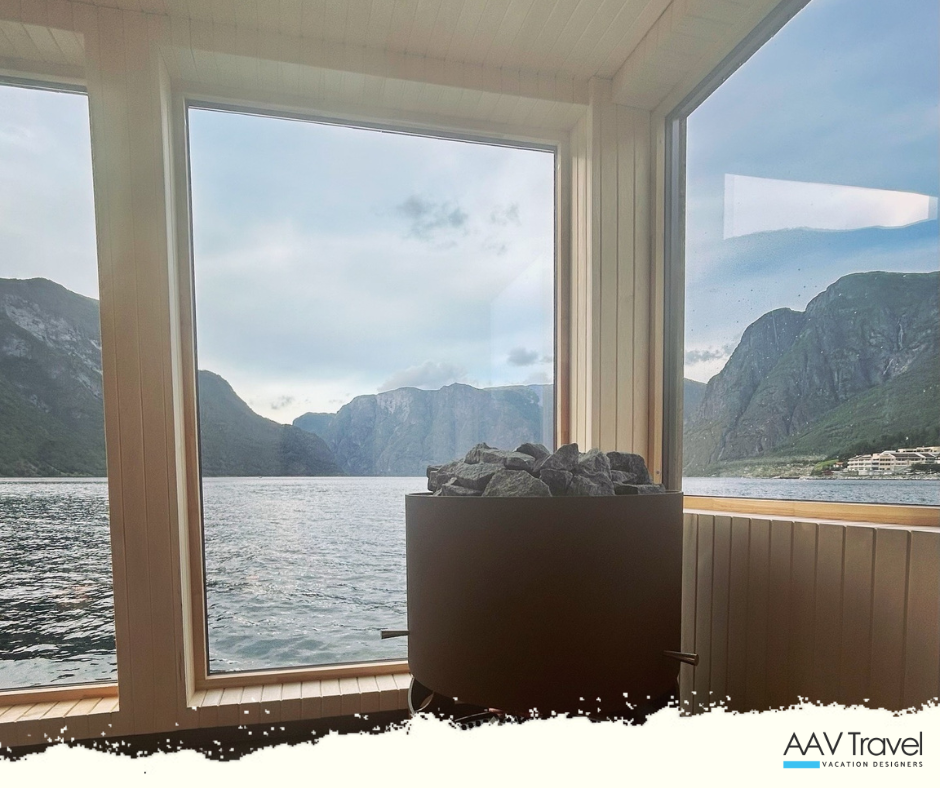
Scandinavian countries have perfected the art of combining heat and cold for optimal wellness. The tradition of alternating between hot saunas and icy lakes or rivers is deeply ingrained in Finnish, Swedish, and Norwegian culture, creating a rhythmic practice that balances circulation, relaxation, and mental clarity. Resorts throughout the region have elevated this experience into a full wellness lifestyle, pairing natural immersion with expert guidance and luxurious amenities.

Arctic Bath in Swedish Lapland is a standout example of this unique approach to rejuvenation. Situated on the Lule River, the resort offers guests the chance to float in freezing waters surrounded by pristine wilderness, then warm in saunas, steam baths, and cozy relaxation lounges. Short visits provide a taste of this invigorating ritual, while longer stays allow for full immersion in wellness programs that combine cold-water therapy, sauna sessions, and mindful outdoor activities like yoga, forest walks, and meditation. Every moment is designed to awaken the senses, stimulate circulation, and foster a profound sense of presence and vitality.

The wellness benefits of the Scandinavian approach extend far beyond the physical. Alternating between heat and cold not only revitalizes the body but also cultivates resilience and mental clarity. Guests return home feeling both invigorated and grounded, with a renewed appreciation for the restorative power of nature and a deeper connection to their own well-being. For travelers seeking a distinctive, transformative wellness experience, Arctic Bath and the broader Scandinavian spa culture offer a perfect blend of adventure, serenity, and holistic health.

Whether you’re drawn to the serene warmth of Northern Italy’s alpine spas or the invigorating chill of Scandinavian cold-water traditions, wellness travel offers more than just relaxation—it provides a chance to reset, recharge, and rediscover joy in everyday life. Each experience, from the restorative treatments at Hotel Adler & Spa to the energizing saunas and icy dips at Arctic Bath, demonstrates how intentional travel can enhance physical health, mental clarity, and emotional well-being.

Crafting a truly transformative wellness journey often requires careful planning to balance treatments, activities, cuisine, and timing. This is where working with a travel advisor like AAV Travel makes all the difference. With in-depth knowledge of global wellness destinations, we curate personalized itineraries that align with your goals, whether you seek a weekend escape, a weeklong retreat, or an extended immersive program. Our expertise ensures that every detail—accommodations, spa experiences, and wellness-focused dining—is thoughtfully arranged, so you can focus entirely on your rejuvenation.

More than just logistics, AAV Travel helps you access experiences that might otherwise be difficult to coordinate on your own, from exclusive spa treatments to immersive outdoor wellness rituals. By designing journeys that are tailored to your pace, preferences, and passions, we create an environment where true relaxation and renewal are possible. The result is not just a vacation, but a lasting shift in perspective—a chance to return home with renewed energy, a calmer mindset, and a deeper appreciation for life’s pleasures.

Wellness travel is an investment in yourself, and with the right guidance, it can be effortless, restorative, and unforgettable. AAV Travel ensures your journey is seamless, enriching, and tailored entirely to you—turning every moment into an opportunity for well-being and joy.

Ready to rejuvenate and relax with confidence? To begin planning, contact us via email at info@aav-travel.com or visit the website.
Written by: Stefanie P.
Experiential Luxury Travel: Supporting Endangered Crafts and Cultural Heritage Around the World

In an increasingly globalized world, many traditional crafts—once vital to a community’s economy and identity—are quietly vanishing. Centuries-old techniques are being lost as younger generations turn toward urban careers, cheaper manufacturing takes over, and consumer demand shifts toward fast, mass-produced goods. Yet these crafts hold the stories of a people, a place, and a time-honored way of life. For luxury travelers seeking deeper meaning and authentic cultural connection, experiencing and supporting these endangered crafts offers more than just a souvenir—it’s an opportunity to engage with living heritage and leave a positive footprint.

Korea | Hanji: The Art of Handmade Paper

Korean artisan demonstrating traditional hanji paper-making techniques using mulberry bark fibers—an endangered heritage craft preserved through workshops and cultural tourism in Korea.

Korean hanji, crafted from the inner bark of mulberry trees, is celebrated for its strength, beauty, and longevity. Historically used for everything from official documents to window coverings and sacred texts, hanji represents both artistry and practicality. Today, this delicate craft faces extinction as industrial paper dominates the market and traditional skills fade with retiring artisans.

For travelers eager to engage, several hanji workshops in Seoul, Jeonju, and Andong offer immersive, hands-on experiences. Whether learning to create textured stationery, folding lamps, or even crafting small furniture, visitors can support local artisans by purchasing directly from them. Opt for certified, handmade hanji products and consider attending a workshop where your participation helps keep the tradition alive.

Scotland | Harris Tweed: Woven by Hand, Protected by Law

Weaver in the Outer Hebrides, Scotland, working on a traditional loom to create authentic Harris Tweed fabric—an iconic, handwoven textile protected by law and supported through responsible luxury travel experiences.

Harris Tweed is not just fabric; it’s a legally protected cultural artifact. Handwoven by islanders in the Outer Hebrides of Scotland, this woolen cloth has clothed royals and fashion icons for decades. The intricate weaving process and the island’s rugged climate give each piece a distinctive character. However, the craft faces challenges: an aging weaver population and competition from mass-produced fabrics threaten its future.

Visitors can explore weaving sheds, meet artisans, and even take mini weaving workshops. Buying directly from official Harris Tweed makers ensures your purchase adheres to quality standards and directly supports the island economy. Look for the official Harris Tweed Orb trademark—your guarantee that the cloth was woven by hand in the Outer Hebrides.

Venice | Murano Glass: Centuries of Fire and Artistry

Master glassblower in Murano, Venice, shaping vibrant, molten glass into intricate designs—preserving a centuries-old Venetian craft threatened by cheap imports and rising production costs.

For more than 700 years, the island of Murano has been synonymous with exquisite glassmaking. From delicate chandeliers to intricate millefiori beads, Murano artisans have passed their skills down through generations. But today, rising energy costs, cheap imports, and a dwindling pool of apprentices are putting this iconic craft at risk.

To support the genuine artisans, book private demonstrations at established studios where you can witness masters at work and even try glassblowing yourself. Be wary of cheap “Murano-style” glass sold in tourist shops. Instead, choose galleries and boutiques that showcase certified works, often accompanied by a certificate of authenticity.

France | Le Puy Lace: Threads of French Elegance

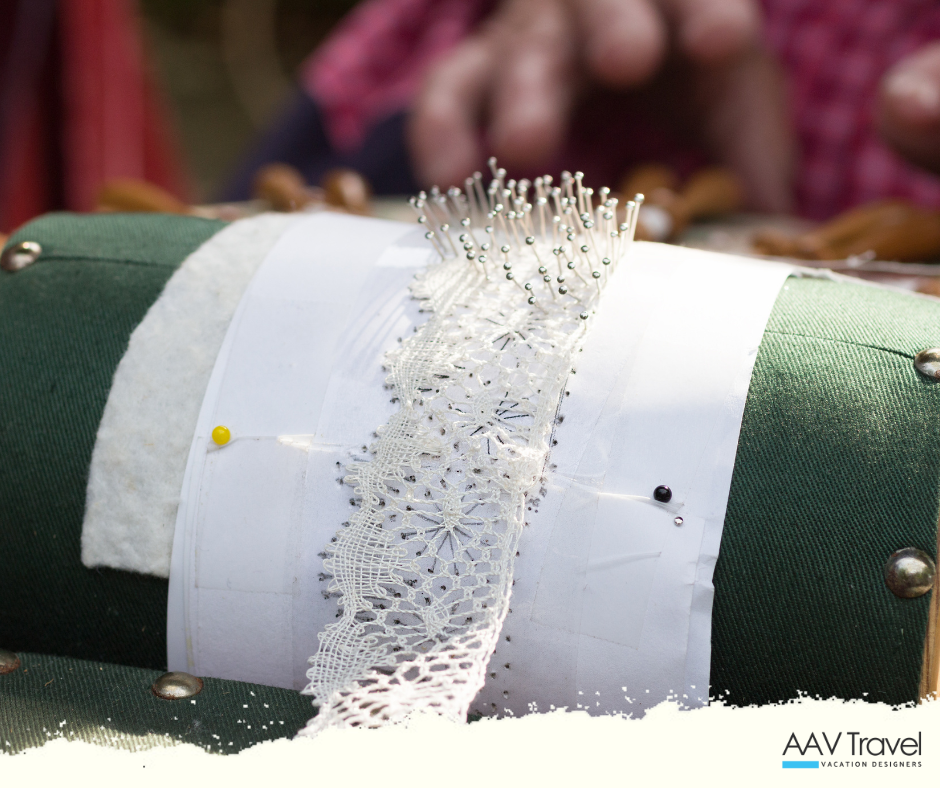
Lacemaker in Le Puy-en-Velay, France, skillfully using bobbins and threads to create intricate handmade lace patterns—an endangered French textile tradition supported by cultural tourism and artisan workshops

In the small town of Le Puy-en-Velay, France, lacemaking is a delicate dance of hands and bobbins. Known for its intricate patterns and light, airy designs, Le Puy lace was once coveted by European nobility. Today, mechanized production and limited demand for hand-stitched lace threaten the survival of this art.

For a meaningful encounter, visit the Lace Center (Centre d’Enseignement de la Dentelle) in Le Puy where artisans demonstrate traditional techniques. Small group workshops let visitors try their hand at lace-making, and the boutique offers authentic pieces perfect for heirloom keepsakes. By purchasing directly from the center or from certified artisans, you help sustain this fragile tradition.

Turkey | Iznik Pottery: Ottoman Colors in Ceramic Form

Turkish ceramic artist painting traditional Ottoman floral patterns onto Iznik pottery.

Iznik pottery, with its luminous white glaze and rich blue-and-red floral motifs, graced Ottoman palaces and mosques for centuries. The techniques used—multiple firings and natural pigments—require time, patience, and great skill. Sadly, the craft declined for nearly 300 years and only experienced a revival in the late 20th century. Even now, few workshops continue the painstaking process.

In Iznik and Istanbul, travelers can visit studios where artists explain the chemistry behind the colors and allow guests to paint their own tiles. Supporting workshops committed to traditional methods—rather than mass-produced imitations—ensures that your purchase supports true artisanship. Always ask about the production process when shopping for Iznik pieces.

Spain | Esparto Grass Weaving: Rustic Mediterranean Charm

Artisan in Andalusia, Spain, hand-weaving traditional esparto grass into baskets and home décor—an endangered Mediterranean craft preserved through sustainable tourism and cultural workshops.

Esparto grass weaving, a craft deeply rooted in rural Spain (especially Andalusia and Murcia), has long been used to make baskets, mats, and even architectural elements like doors and walls. As synthetic materials and modern manufacturing took hold, demand for esparto goods dwindled, and with it, the number of skilled weavers.

Travelers can take part in community-led workshops where elderly artisans share their knowledge. Purchasing handwoven baskets, wall decor, or even contemporary design pieces directly from these artisans ensures your support goes where it’s needed most. Look for collectives that are part of regional heritage preservation initiatives for authentic, ethically made items.

Travel Deeper: Authentic Cultural Experiences and Artisan Connections—Curated by AAV Travel

Traditional craft workshop, a authentic and enriching experience for the whole family.

At AAV Travel, we don’t just book trips—we craft meaningful journeys that immerse you in the heart of a destination’s living culture. When you partner with us, you gain access to trusted local artisans, private studio visits, authentic workshops, and ethically curated shopping experiences. We work closely with our ground partners to ensure your cultural encounters are respectful, responsible, and unforgettable—allowing you to bring home more than just beautiful objects, but stories that sustain both heritage and hope for the future.

At AAV Travel, we believe in the power of slow and sustainable travel. Rather than rushing from one landmark to the next or simply checking destinations off a list, we encourage our travelers to approach each journey with curiosity and intention. Taking the time to connect with local people, understand their traditions, and experience the craftsmanship that has shaped their communities adds a depth and richness that no checklist can offer. It’s about meaningful moments—learning how a piece of Harris Tweed comes to life on a loom, shaping your own hanji paper, or hearing the stories behind Murano’s glass furnaces. These immersive experiences not only create lasting memories but also contribute to the preservation of cultural heritage for generations to come.

Written by: Stefanie P.
To start planning, contact us via email at info@aav-travel.com or visit the website.

Where Elegance Endures: The Ritz London & the Allure of Iconic Hotels

There’s something undeniably alluring about iconic hotels. These aren’t merely places to sleep—they are storied landmarks, cultural institutions, and enduring symbols of timeless elegance. From the moment you step through the revolving doors of a historic grand hotel, there’s a palpable sense of legacy and luxury. These legendary properties have long catered to royalty, Hollywood stars, artists, and political powerhouses, and they continue to draw the rich, the famous, and the discerning traveler in search of something far beyond the ordinary.

The legacy of iconic hotels begins with the Ritz Paris, which opened in 1898. Founded by César Ritz, the hotel revolutionized the concept of luxury with its refined interiors, modern comforts, and uncompromising service. It wasn’t just about opulence—it was about creating a lifestyle defined by elegance and exclusivity. Coco Chanel lived there. Hemingway drank at its bar. Royals and rockstars alike sought its sanctuary. The Ritz became more than a hotel—it became a benchmark, inspiring a new era of hospitality that blended grandeur with intimacy.

What makes these storied hotels endure is not just their illustrious past, but their ability to evolve without losing their essence. From Claridge’s in London to the Gritti Palace in Venice and The Plaza in New York, these properties strike a delicate balance between tradition and innovation. While marble floors, antique chandeliers, and historic ballrooms remain, today’s luxury traveler also discovers Michelin-starred dining, world-class wellness, curated cultural access, and highly personalized, discreet service. This harmonious blend of heritage and modernity is what keeps them relevant—and utterly irresistible.

A stay at a hotel like The Ritz London is a masterclass in elegance. Since opening in 1906, this grand dame of Piccadilly has set the tone for luxury hospitality in the British capital. Conceived by César Ritz following the success of his Parisian triumph, The Ritz London was designed to unite French refinement with English charm. It has welcomed prime ministers, film legends, and royalty, all drawn to its unwavering standards, graceful surroundings, and its celebrated discretion.

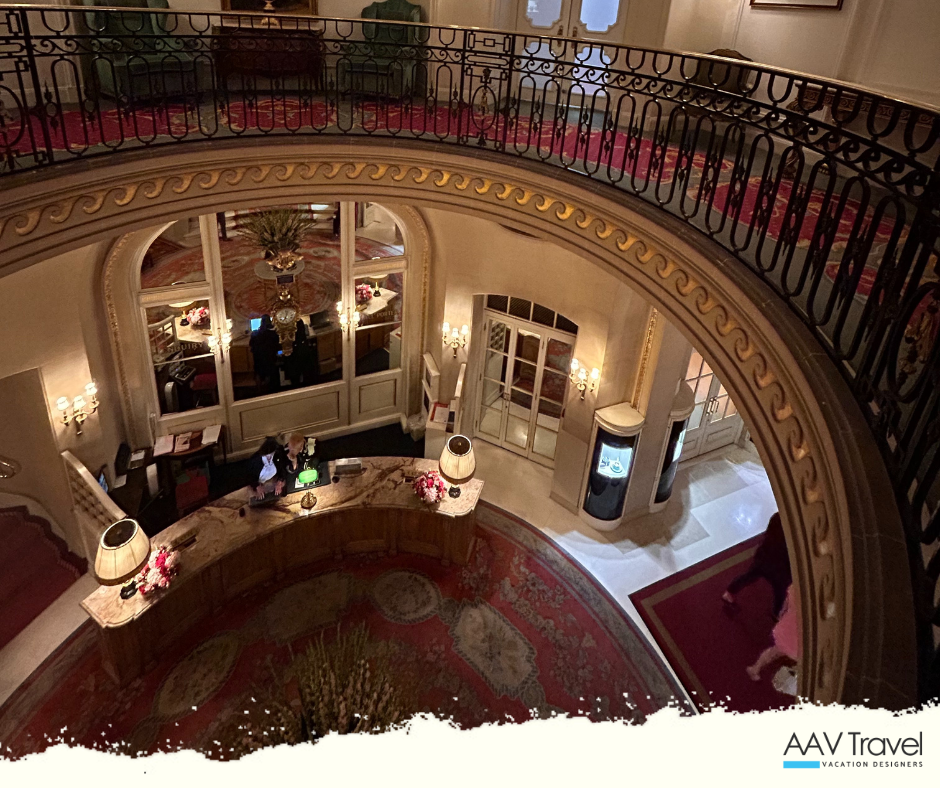
Stepping into The Ritz London feels like entering a bygone era—yet everything is flawlessly polished for the modern traveler. Gilded moldings, marble columns, and glittering chandeliers evoke Edwardian splendor, while the ambiance remains refreshingly inviting. Beyond the visual grandeur, it is the service that truly distinguishes The Ritz. From white-gloved doormen to personal concierges, the staff delivers each experience with warmth, grace, and impeccable attention to detail. Whether enjoying a tailored cocktail at the Rivoli Bar or arranging a bespoke shopping experience, everything is handled with quiet precision.

During my stay, it genuinely felt like time slowed down. At The Ritz, the outside world fades away, replaced by a rhythm of intentional care, elegance, and excellence. Service is not merely offered—it’s anticipated. Every interaction is part of a greater symphony, performed by professionals who seem to intuitively know your needs before you do. It’s an environment that invites you to let go, be cared for, and delight in the rare privilege of being fully catered to.

This high-touch service is not optional—it’s essential to the experience. The staff is part of the charm, the tradition, the theatre of it all. You are invited to engage with them, to be part of the flow, not simply observe it. Here, self-service has no place; the art lies in letting yourself be looked after.

A highlight of our visit was the iconic Afternoon Tea at The Palm Court, graciously hosted by Umberto Schioppa, The Ritz’s Director of Sales. This cherished ritual is nothing short of a celebration, featuring live music, gleaming silver, fine china, and a dress code that honors the tradition. Every detail speaks to a refined, bygone age—yet feels entirely relevant and immersive today.

What truly sets The Ritz’s Afternoon Tea apart is the presence of their dedicated tea sommelier—a rare touch that elevates the experience even further. With genuine passion and deep expertise, the sommelier guides guests through an impressive menu of 18 fine teas sourced from across the globe. Whether you prefer a classic Darjeeling, a floral Earl Grey, or a more adventurous white or oolong tea, each selection is expertly matched to complement the delicate pastries, warm scones, and elegant sandwiches. It’s not simply tea—it’s a ceremony of taste, precision, and tradition.

For travelers who seek glamour, sophistication, and meaningful experiences, staying at an iconic hotel isn’t just about luxury—it’s about becoming part of a story. These hotels don’t just host guests; they host moments in history. And for those with a taste for the extraordinary, that’s the true essence of travel.

Booking a room at a property like The Ritz London is just the beginning. To truly capture the spirit and exclusivity of such a stay, it takes the insight and expertise of a seasoned luxury travel advisor. From securing the most coveted tables to arranging private cultural encounters and seamless transportation, every detail is thoughtfully orchestrated to enhance your journey. Whether it’s discovering London’s hidden gems or elevating an already exceptional hotel experience, working with AAV Travel ensures that your trip is not only seamless—but unforgettable.

Written by: Stefanie P.
To start planning, contact us via email at info@aav-travel.com or visit the website.

Luxury, Intimacy, and Exclusivity: Why Boutique Hotels Like J.K. Place Rome Are the Ideal Choice for the Discerning Traveler

For today’s luxury traveler, the true indulgence lies in the experience—one that’s private, thoughtfully curated, and completely in tune with their unique expectations. While grand resorts and palatial hotels certainly have their allure, many sophisticated globetrotters are increasingly seeking spaces where they can retreat from the spotlight, without sacrificing style, comfort, or service.

A desire for privacy often stems not only from the need for rest but from the yearning for authenticity—a place that feels like a refined sanctuary rather than a tourist destination. Luxury is no longer just about opulence; it’s about meaningful, personalized encounters and surroundings that reflect one’s lifestyle and values.

Equally important is the atmosphere. Boutique luxury hotels have a distinct ability to foster a sense of connection—whether that’s a warm conversation with the concierge who remembers your favorite aperitivo, or simply the shared understanding among guests who appreciate refined yet relaxed elegance. It’s about being surrounded by like-minded individuals in a setting that feels intimate and exclusive, not crowded or impersonal.

During a recent overnight stay at J.K. Place Rome, I had the opportunity to experience just how beautifully these ideals come together. I am immensely grateful to the team—and in particular, my gracious hosts —for welcoming me and allowing me to get a firsthand glimpse into what makes this property so exceptional.

Nestled in the heart of Rome’s historic center, J.K. Place offers an impeccable balance between discretion and warmth. With just 27 rooms, it feels more like a private Roman residence than a hotel. Interiors by Michele Bönan blend mid-century design with classic Italian elegance, creating spaces that are at once stylish and supremely comfortable. Rooms are bathed in natural light, outfitted with thoughtful details—cashmere throws, Carrara marble bathrooms, personalized welcome amenities—and designed with an understated sophistication that whispers rather than shouts.

What sets J.K. Place Rome apart, however, is its intuitive service. Every interaction, from check-in to breakfast in the library lounge, is marked by genuine attention and discretion. There is a comforting sense of familiarity, as if you are returning to a place that knows you well—without ever having been there before. It’s a rare combination of luxury and approachability that makes you feel not just pampered, but truly seen.

Adding to this thoughtful experience, General Manager Maria Strati curates a monthly newsletter that offers handpicked insights into Rome’s ever-evolving cultural and culinary scene—highlighting events, must-visit restaurants, insider shopping spots, and a personal tip for the month. And for anything else you might need, the concierge team is just a WhatsApp message away, ready to assist with the kind of effortless efficiency and warmth that defines the J.K. experience.

For those planning a journey to the Eternal City, working with an experienced luxury travel advisor adds another layer of ease and refinement. With insider knowledge, firsthand hotel visits, and longstanding relationships with properties like J.K. Place, your AAV Travel advisor ensures that your Roman holiday is seamless, personalized, and unforgettable—from the moment you arrive to your final gelato in Piazza Navona.

In addition, you gain access to far more than just hotel bookings and sightseeing suggestions—you benefit from deeply personal, firsthand experience. With extensive on-the-ground knowledge of the city’s finest boutique hotels, hidden-gem trattorias, private guides, and off-the-beaten-path moments, your advisor ensures your Roman holiday feels effortless, immersive, and truly tailored to you.

Written by: Stefanie P.
To start planning, contact us via email at info@aav-travel.com or visit the website.

Experiencing Italy’s Aperitivo Tradition: Rooftop Luxury at Singer Palace Hotel in Rome

Before dinner comes the drink — and in Italy, this is more than just a ritual. It’s a treasured cultural tradition that dates back centuries. The Italian concept of aperitivo—literally meaning “to open”—is rooted in the idea of awakening the appetite with a light, often bittersweet drink. This custom gained momentum in late 18th-century Turin with the rise of vermouth, a delicately infused fortified wine that set the stage for the modern aperitivo. By the mid-19th century, cafés in northern Italy began pairing their cocktails with small savory bites called stuzzichini, teasing the palate and enriching the experience. What started as a fashionable trend evolved into a national tradition, embracing not only flavor but the joy of coming together.

Knowing how to “do” aperitivo properly can elevate your travel experience. Unlike the discounted drink specials familiar in North America, Italy’s version of happy hour is an elegant affair where your beverage often includes a thoughtfully prepared spread of snacks—sometimes modest, sometimes generous enough to be called apericena, a hybrid of aperitivo and dinner. You might pay a bit more for your glass of Prosecco or your spritz in a city like Rome, but that price includes the pleasure of grazing on regional delicacies and soaking in the atmosphere. Whether you choose a bold Negroni, a bubbly Prosecco, or a crisp Italian craft beer, what matters most is how you enjoy it: unhurried, in good company, and just before dinner—often beginning around 7 or 8 PM.

As the Italian sun stretches into the evening, the aperitivo reaches its peak. Especially in summer, outdoor terraces and piazzas come to life. Locals and travelers alike gather under golden skies, catching up on the day and relishing the simple act of being together. It’s this unspoken art of connection that defines the aperitivo—an essential thread in the tapestry of Italian life. Though the drinks and snacks may vary by region, the spirit remains the same: convivial, relaxed, and deliciously communal.

My evening aperitivo at the Singer Palace rooftop terrace remains one of my most treasured Roman memories. I had the pleasure of being invited by Michela Mola, who welcomed me warmly and joined me on the rooftop as the golden hour bathed the Eternal City in a soft, amber glow. From our vantage point above a tapestry of terracotta rooftops and Renaissance domes, the waiter brought over a perfectly prepared Spritz, paired with a tray of local delicacies—tempura vegetables, olives, and chips. As we sipped and admired the view, Michela shared the captivating history of the building and the unique vision behind Singer Palace’s family-run philosophy. Her insight brought the hotel’s character to life, revealing just how much care and thought go into each guest experience. Following our aperitivo, she kindly gave me a personal tour of several rooms—each exquisitely designed, with its own distinct charm. That evening, as the sun slipped below the skyline, I raised my glass in quiet celebration of the Italian art of slowing down, connecting meaningfully, and savoring beauty in both place and people.

For those in the know, the Singer Palace Hotel is a Roman gem that blends refined luxury with the warmth of a privately owned residence. Tucked away just off Via del Corso—within easy reach of the Pantheon and Trevi Fountain—this discreet address occupies a beautifully preserved 20th-century building that once housed the Italian headquarters of the famed Singer sewing machine company. Today, it’s a meticulously restored haven that remains under the stewardship of the Visocchi family, a detail that ensures an exceptional level of service, attention to detail, and genuine hospitality rarely found in larger hotels. With just 30 elegantly appointed rooms and suites, Singer Palace offers an understated kind of opulence—think Carrara marble, hand-selected furnishings, and bespoke Italian craftsmanship. It’s the kind of place whispered about among seasoned travelers, where heritage meets modern comfort, and where aperitivo hour is best savored on the rooftop, gazing out over Rome’s storied skyline.

Whether you’re exploring Rome for the first time or returning for the tenth, an aperitivo at the Singer Palace rooftop is a must—a graceful pause in the day, served with elegance and heart.

When you let a luxury travel advisor at AAV Travel plan your visit to Rome, you gain access to far more than just hotel bookings and sightseeing suggestions—you benefit from deeply personal, firsthand experience. With extensive on-the-ground knowledge of the city’s finest boutique hotels, hidden-gem trattorias, private guides, and off-the-beaten-path moments, your advisor ensures your Roman holiday feels effortless, immersive, and truly tailored to you. Whether it’s securing a table at a rooftop restaurant with sunset views, arranging VIP access to the Vatican before the crowds arrive, or handpicking a hotel like Singer Palace that matches your style and pace, AAV Travel brings insider insight and white-glove service to every detail—so all you have to do is relax and soak up la dolce vita.

Written by: Stefanie P.

To start planning, contact us via email at info@aav-travel.com or visit the website.