
Travel has a remarkable way of returning us to ourselves, and few experiences do this as naturally as stepping onto a trail. Hiking invites a different rhythm, one that feels both grounding and quietly expansive. With each steady step, the body strengthens, the mind clears, and the world becomes more vivid. The pace slows just enough for you to notice the scent of pine carried on the breeze, the shifting light across a valley, or the simple satisfaction of moving forward with purpose.
In a world that constantly encourages speed, trails offer something rarer: presence. They remind us that adventure does not always need adrenaline or intensity. Sometimes it simply requires time, curiosity, and the willingness to experience a place in a more intimate way.
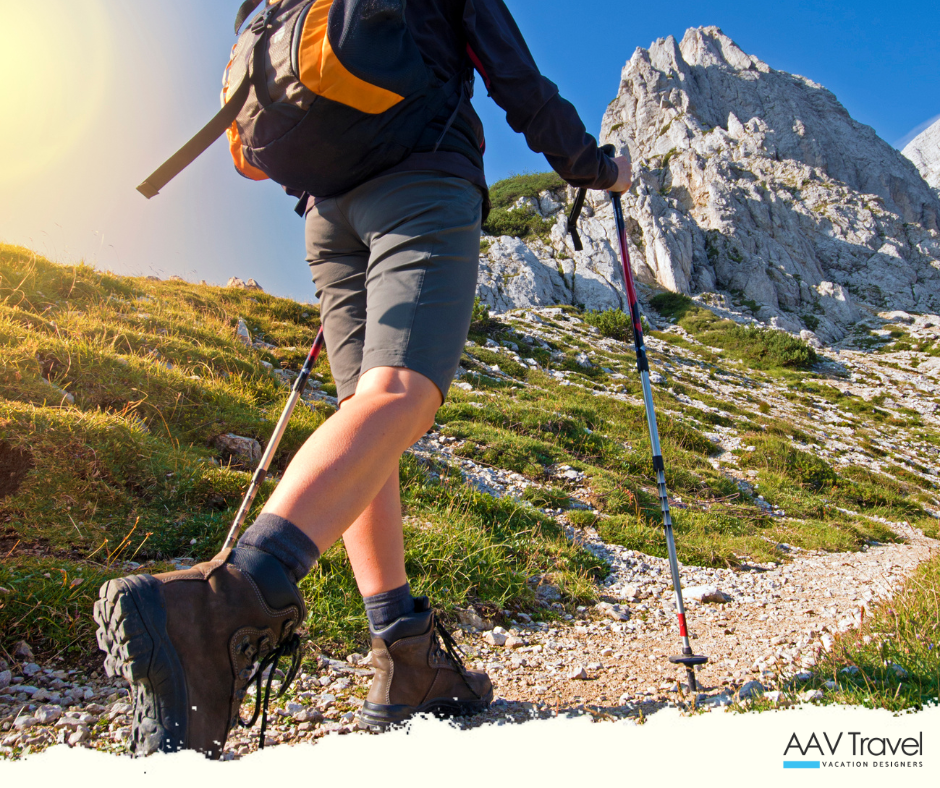
Positive psychology often points to the restorative effects of nature, and hiking weaves these benefits into every ascent, descent, and panoramic view. Trails naturally ease stress, drawing us away from the noise of daily life and gently restoring mental balance. A long walk can clear mental fog, spark fresh perspective, and renew emotional energy. When travel is built around hiking, it becomes more than scenery. It becomes a way of stepping out of routine and into a landscape that reshapes how we feel, how we think, and how we see the world.
The following destinations are worth traveling for not only because they are beautiful, but because they invite the kind of transformation that can only happen when you move through a place slowly and with intention.
Madeira, Portugal
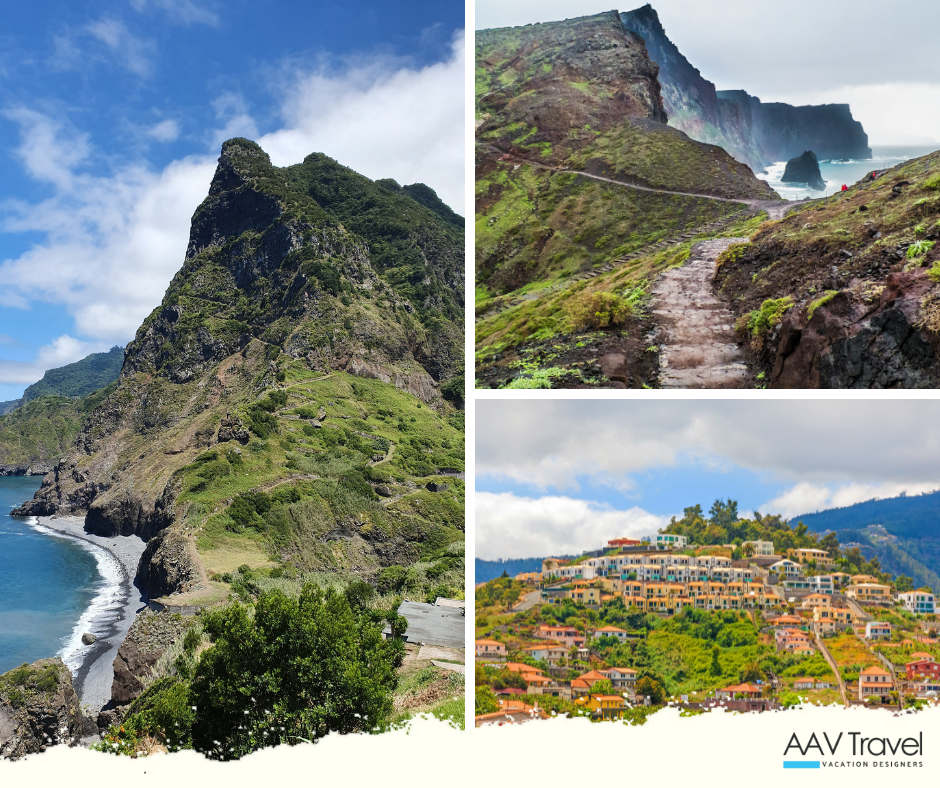
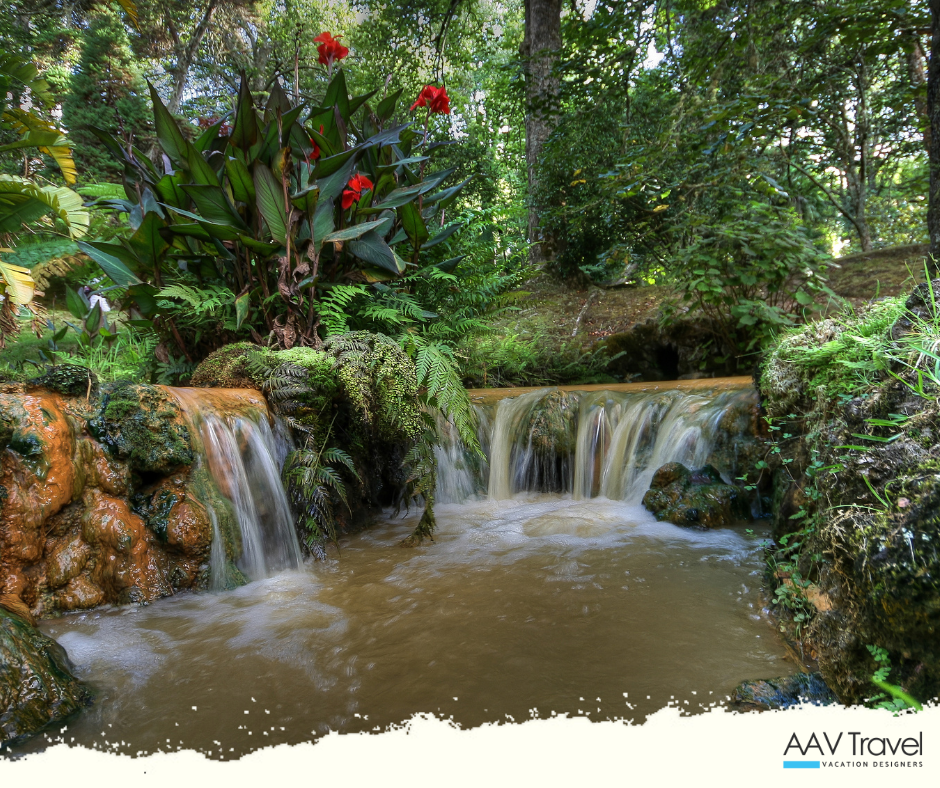
Madeira is a hiker’s paradise, a lush volcanic island where dramatic cliffs drop into the Atlantic and ancient laurel forests create a world that feels almost otherworldly. Many trails follow the island’s historic levadas, irrigation channels that cut through the landscape, forming gentle, scenic walking routes. These paths often wind through green tunnels before opening into sweeping views that feel cinematic and remote.
For those seeking more challenge, Madeira also offers ridge hikes and high peak routes that reward confident hikers with breathtaking vistas across the island. It is a destination for travelers who appreciate variety, and for those who want a balance of quiet forest immersion and dramatic viewpoints, all within a mild climate that makes walking enjoyable nearly year round.
Amalfi Coast, Italy
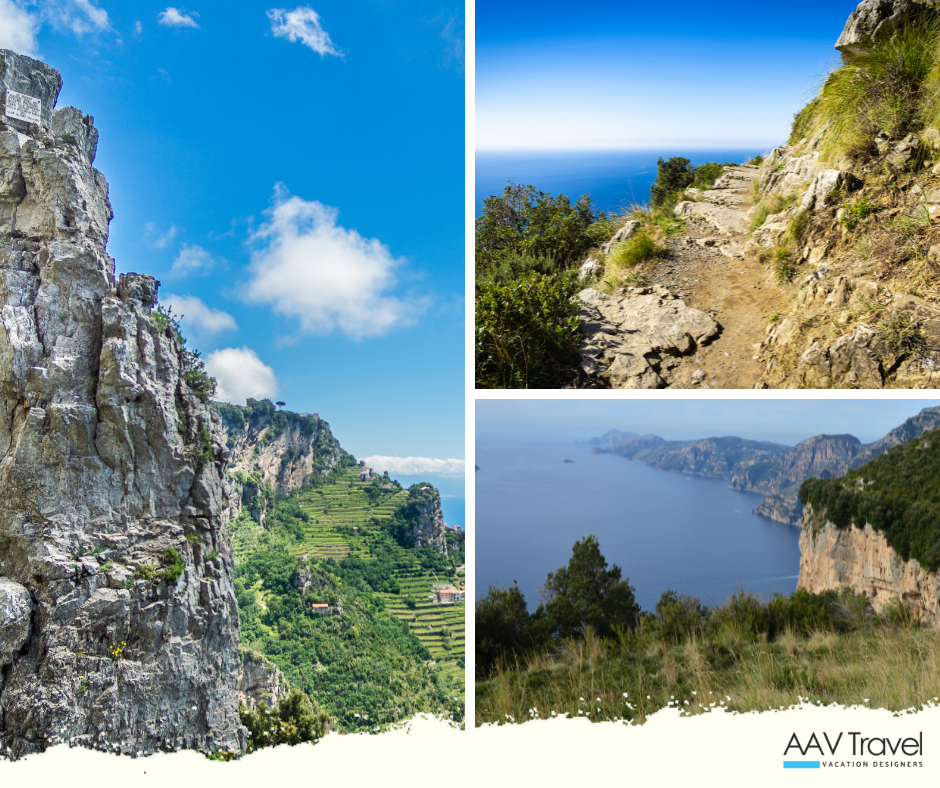
The Amalfi Coast delivers hiking with unmistakable character. Cliffside trails overlook terraced lemon groves, pastel villages cling to steep hillsides, and the Mediterranean glimmers far below. Some routes require stamina and sure footing, while others are gentler and designed for travelers who prefer a slower pace and more time to absorb the scenery.
This is an ideal region for travelers who love the combination of natural beauty and cultural richness. Hiking here is never just hiking. It is an experience shaped by historic footpaths, local life, and the reward of returning to a village for fresh seafood, regional wine, and views that feel timeless.
Lake Bled, Slovenia
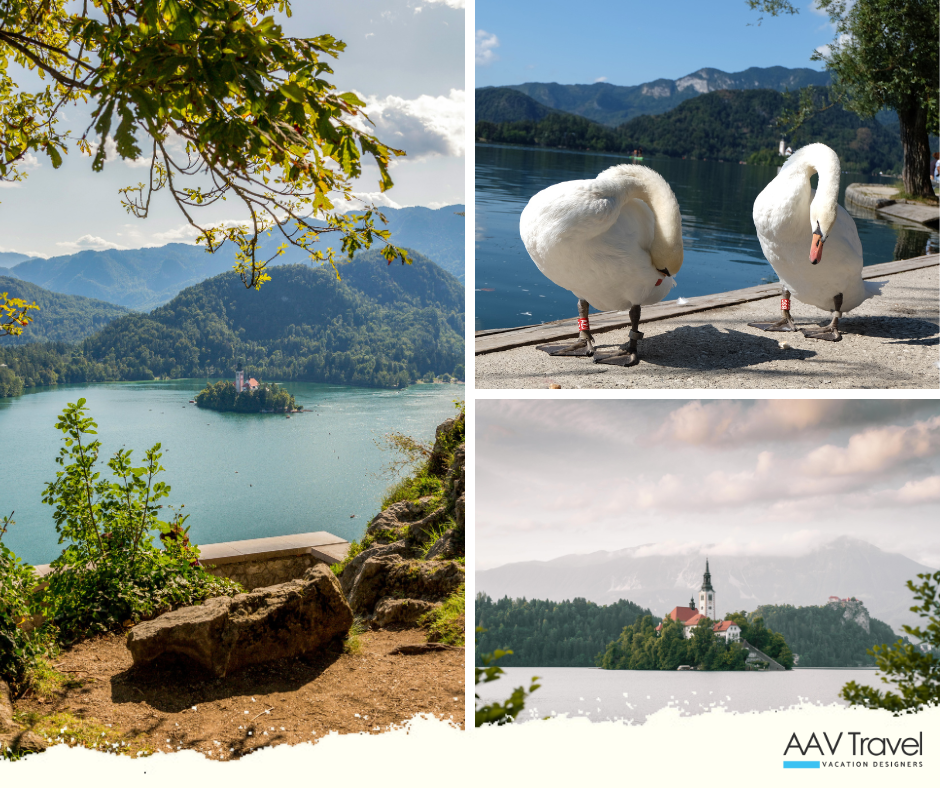
Lake Bled feels like it Lake Bled feels almost unreal, with emerald water, a small island topped by a church, and a castle perched high above the shore. The walking paths around the lake are peaceful and accessible, but the surrounding hills offer more demanding climbs for travelers who want elevation and sweeping views.
This destination is especially well suited for those who enjoy a sense of calm woven into their travels. It is a place for travelers who appreciate photography moments at every turn, who want nature without extremes, and who find joy in landscapes that feel serene, storybook, and quietly restorative.
Zermatt, Switzerland
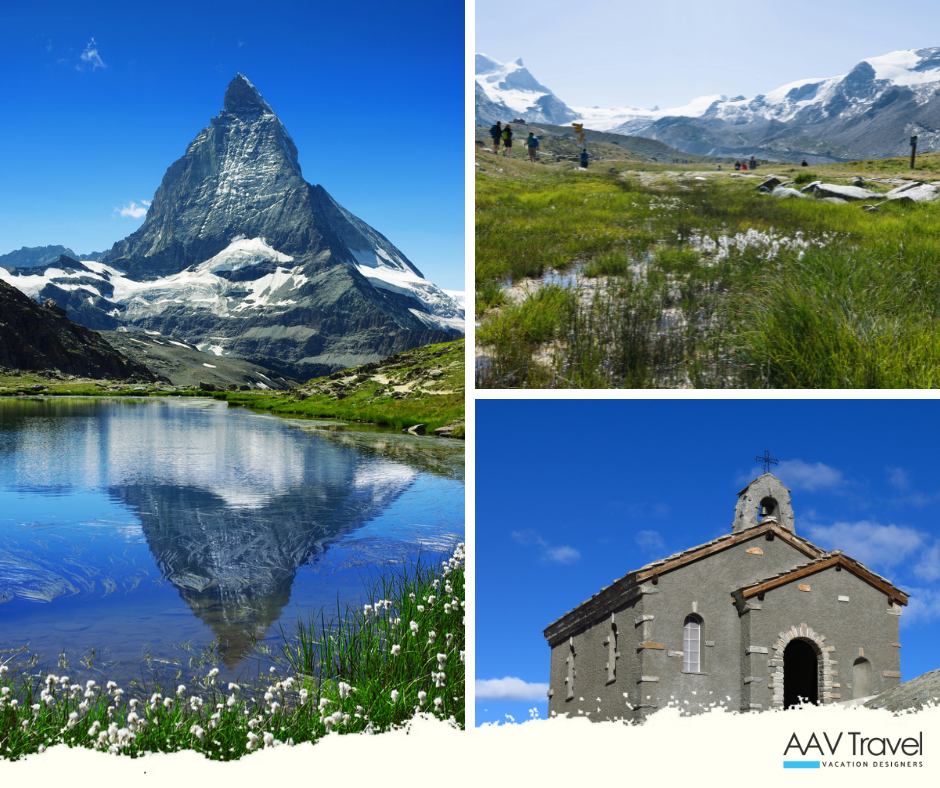
Zermatt is iconic for good reason. Standing before the Matterhorn brings a sense of awe that is difficult to describe and impossible to forget. The trails here move through alpine meadows, past turquoise lakes, and into high altitude landscapes that feel pristine and powerful.
The range of hiking is extensive, from gentle panoramic walks to ambitious routes that require endurance and confidence. Zermatt appeals to travelers who love mountain air and dramatic scenery, and who appreciate the ability to pair adventure with comfort. It is one of those rare destinations where the landscape feels both grand and deeply personal, offering moments of quiet reflection alongside the exhilaration of being in the Alps.
Tromsø, Norway
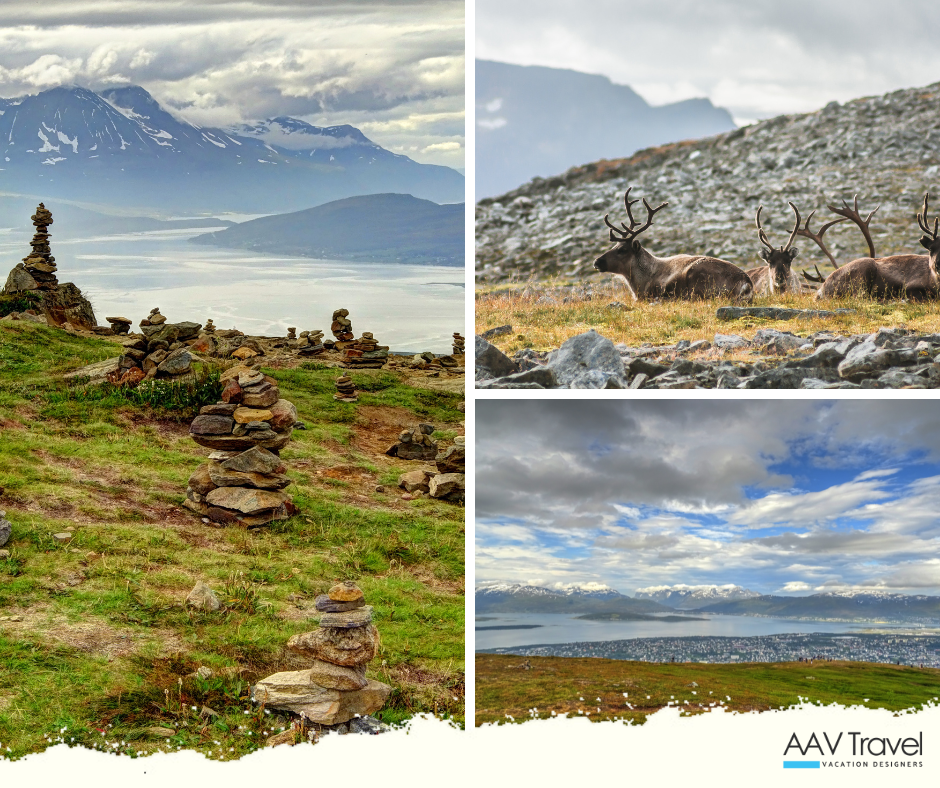
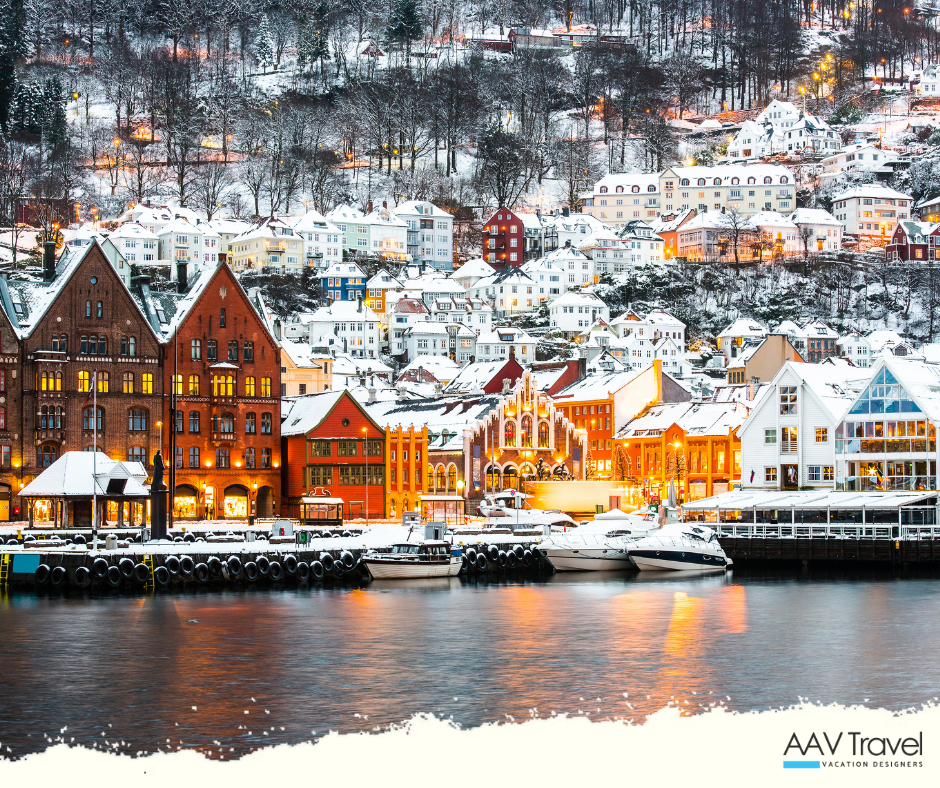
Far above the Arctic Circle, Tromsø offers hiking that feels remote, raw, and unforgettable. Trails lead through birch forests, across rugged ridges, and up to viewpoints overlooking fjords stretching toward the horizon. The experience shifts dramatically with the seasons. In summer, you may hike under the midnight sun. In winter, the same landscape becomes a world of snow, twilight, and Arctic stillness.
This region speaks to travelers who are drawn to places that feel wild and expansive. It is for those who want crisp air, solitude, and the deep sense of perspective that comes from being surrounded by nature on a grand scale. The possibility of seeing the northern lights after a day on the trail only adds to the sense of wonder.
Cornwall, England
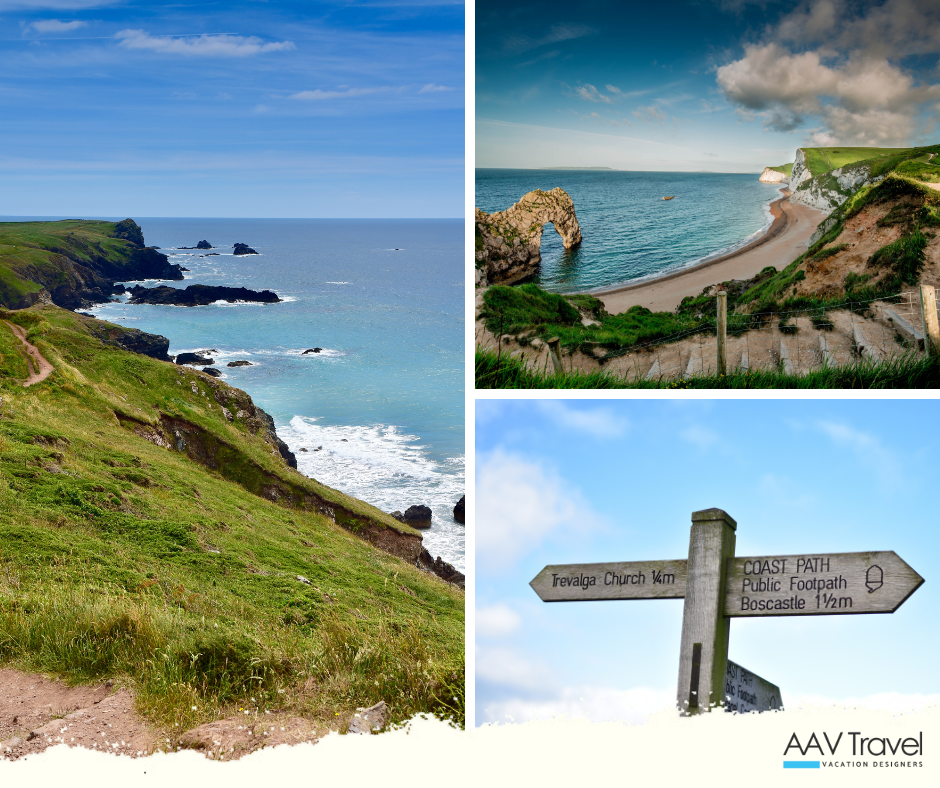
Cornwall’s coastal paths are a pleasure for travelers who love dramatic sea views, wildflower lined cliffs, and villages that feel full of charm. The South West Coast Path is one of the region’s greatest treasures, offering rolling terrain that ranges from gentle to moderately challenging, always rewarding the effort with sweeping views of turquoise coves and rugged coastline.
Cornwall is ideal for travelers who appreciate a slower pace and the kind of walking that encourages reflection. It is also a destination that pairs beautifully with comfort. Days on the trail can end with cozy pubs, fresh seafood, and the quiet satisfaction of being near the sea. With weather that shifts quickly and scenery that constantly changes, no two walks here ever feel the same.
Northern Ireland’s Coast
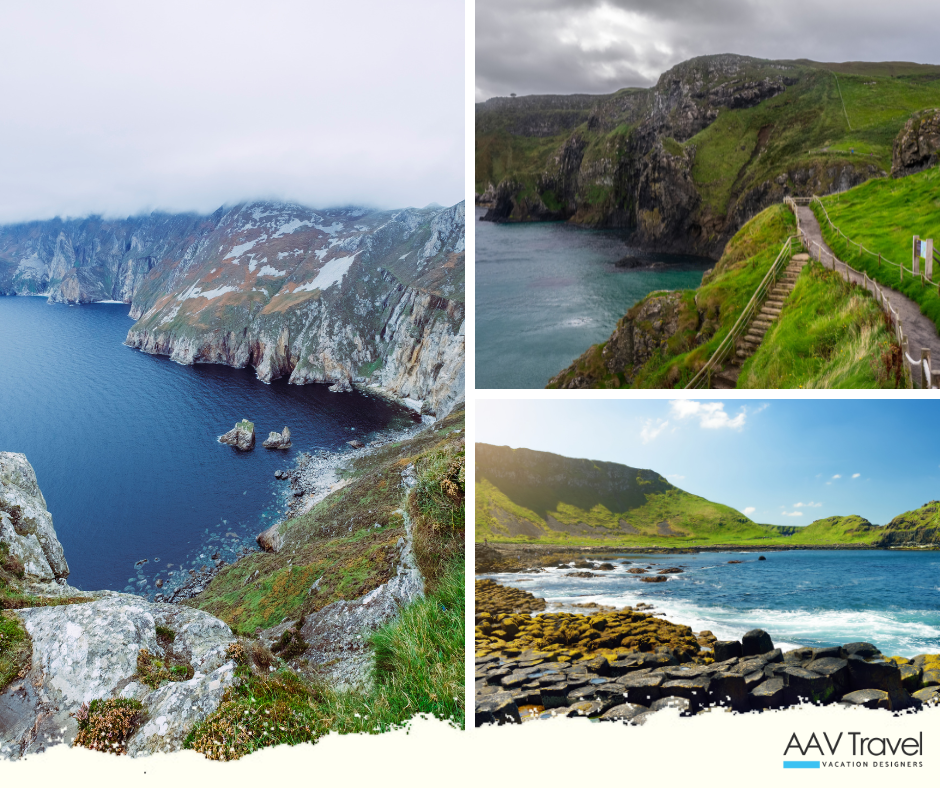
Northern Ireland’s coastline is a landscape shaped by wind, sea, and legend. Cliffs rise dramatically above the water, basalt formations create striking natural patterns, and green fields spill toward the shore. Trails near the Giant’s Causeway offer a fascinating intersection of geology, history, and storytelling, with scenery that feels both powerful and deeply atmospheric.
The terrain offers enough variety to satisfy both casual walkers and experienced hikers. This is a destination for travelers who love places with character, where the landscape feels like it carries a narrative. It is the kind of coastline that stays with you, not only for its beauty, but for the mood and depth it evokes.
Making Long-Distance Walks Effortless and Enriching

Designing a Hiking Journey with Ease and Intention
Long distance walking trips are among the most rewarding ways to travel, but they are also the kind of journey where thoughtful planning makes all the difference. The right pacing, the right route, and the right accommodations can turn a demanding itinerary into an experience that feels seamless and deeply enjoyable.
When luggage transfers are arranged, accommodations are chosen with care, and logistics flow smoothly from one stage to the next, you are free to focus on what matters most. The trail, the scenery, the quiet satisfaction of progress, and the feeling of being fully immersed in a place.
At AAV Travel, we design hiking journeys with the same discernment and attention we bring to every itinerary. That may include selecting boutique stays that reflect the spirit of a region, arranging meaningful local experiences that complement your walking days, and tailoring each route to match your comfort level and personal travel style. The goal is never simply to create a hiking trip. It is to design an experience that feels balanced, intentional, and beautifully paced.
If you are ready to explore the world on foot, we would love to help you craft a walking journey that feels extraordinary from start to finish. Visit AAV Travel or email us at info@aav-travel.com to begin the conversation.
Written by: Stefanie P.









 AAV Explorations