
There is a certain kind of traveler who has stayed in the finest suites, flown in the most comfortable cabins, and dined at the most celebrated restaurants, yet still returns home feeling oddly tired. Not because the trip was not beautiful. It was. Not because the service was lacking. It was flawless. But because the world followed them there.
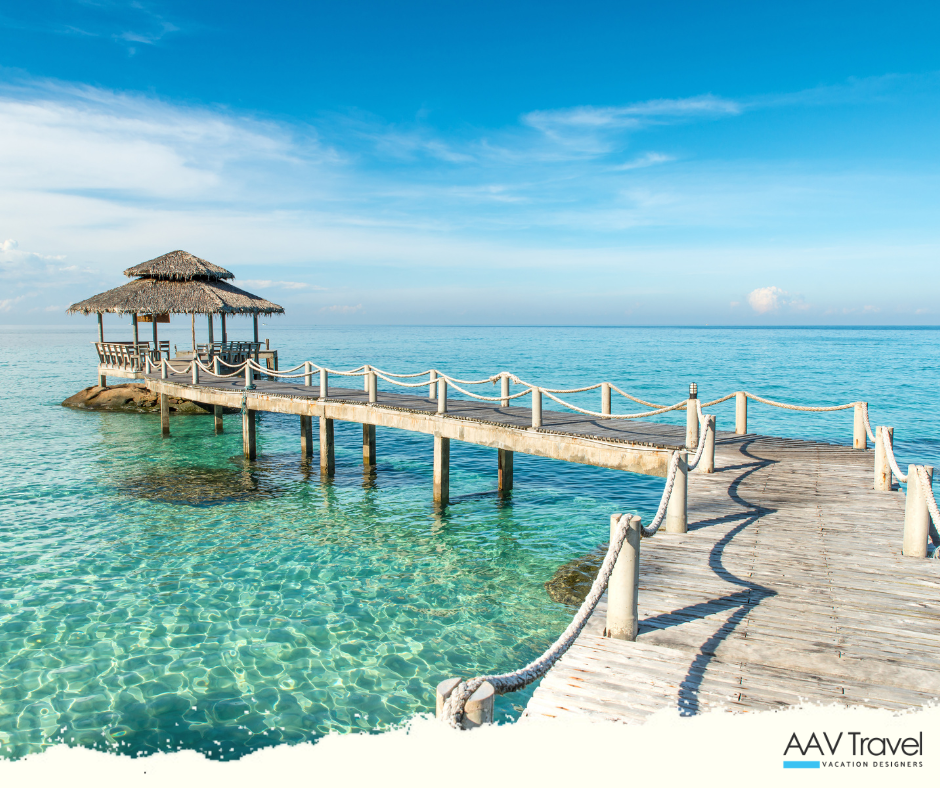
Crowds. Noise. Logistics. Visibility. The subtle pressure of being surrounded by other people’s energy and expectations. The constant low hum of unpredictability that can quietly undermine even the most luxurious holiday.
This is where private island resorts enter the conversation, not as a status symbol, but as a different philosophy of travel altogether. They are not simply a more exclusive version of a beach resort. At their best, they are a form of intentional travel design. A place where the experience feels calmer because the environment is controlled, the pace is protected, and the variables that typically create friction are reduced.
In other words, private island resorts are often less about indulgence and more about something far more valuable. They offer the rare luxury of being unreachable.
Privacy is no longer a celebrity concern
It is easy to assume private island travel is only relevant to celebrities or high profile individuals. In reality, privacy has become a growing priority for a much wider group of travelers, including business owners, professionals, families, and couples who simply want the freedom to relax without being observed.
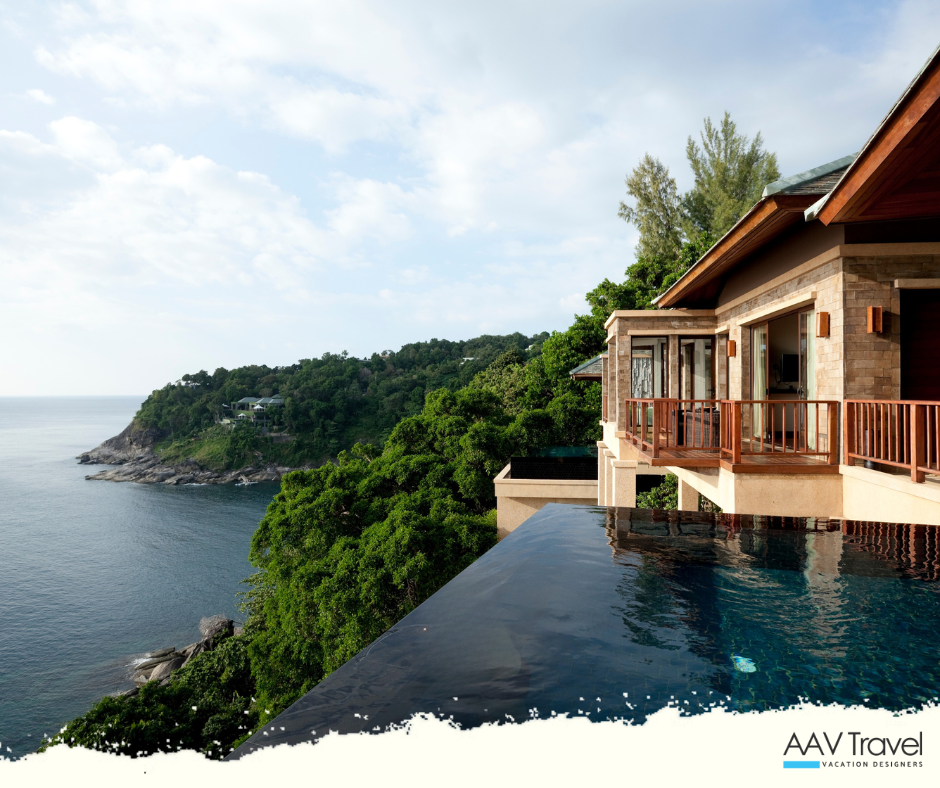
For many experienced travelers, the definition of luxury has shifted. It is no longer about being seen. It is about being left alone.
Privacy today is not always about secrecy. It is about mental space. It is about choosing who you interact with and when. It is about the ability to exhale fully without being pulled back into the social atmosphere of a busy resort.
The irony is that many of the world’s most celebrated luxury destinations have become victims of their own popularity. The hotels are exceptional, but the surrounding energy is louder. The restaurants are world class, but reservations are competitive. The beaches are stunning, but never quite empty.
A private island, by contrast, offers something most travelers do not realize they are craving until they experience it. Containment.
The hidden safety advantages of private island resorts
When travelers think about safety, they often think in broad terms. Political stability. Crime rates. Health advisories. Travel insurance. All important considerations, of course, but the reality is that safety is often built from smaller details.
- How you arrive.
- Who has access to the property.
- How many unfamiliar faces move through the resort each day.
- How easily you can retreat into quiet if you feel overwhelmed.
- How prepared the staff is for medical situations.
- How quickly you can be transferred if something goes wrong.
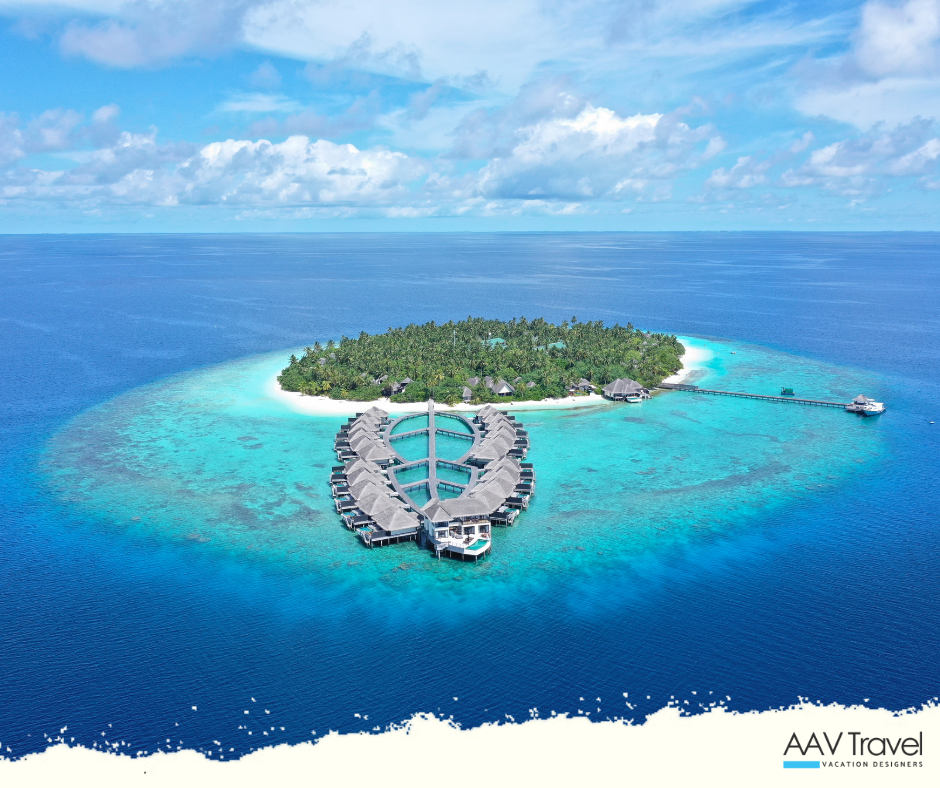
Private island resorts reduce risk not through fear based marketing, but through design. Many operate as self contained environments with controlled access points, limited arrivals, and a level of guest screening that naturally reduces exposure to unwanted attention.
This is particularly valuable for travelers who prioritize discretion. It is also valuable for families, especially those traveling with teenagers, or those simply wanting a setting where children can roam more freely without constant parental vigilance.
Even for travelers who do not consider themselves anxious, there is something profoundly calming about a destination where the perimeter is defined and the flow of people is intentional.
The best private island resorts do not feel guarded. They feel protected.
Why being unreachable feels so restorative
Most travelers underestimate how much energy is spent navigating the invisible demands of modern travel. Even on vacation, we are often negotiating.
- Should we wake early to claim a beach chair.
- Should we ask the concierge again about the restaurant reservation.
- Should we move away from the loud group by the pool.
- Should we try to avoid the wedding party that has taken over the lounge.
- Should we walk back to our room because the beach feels too busy.
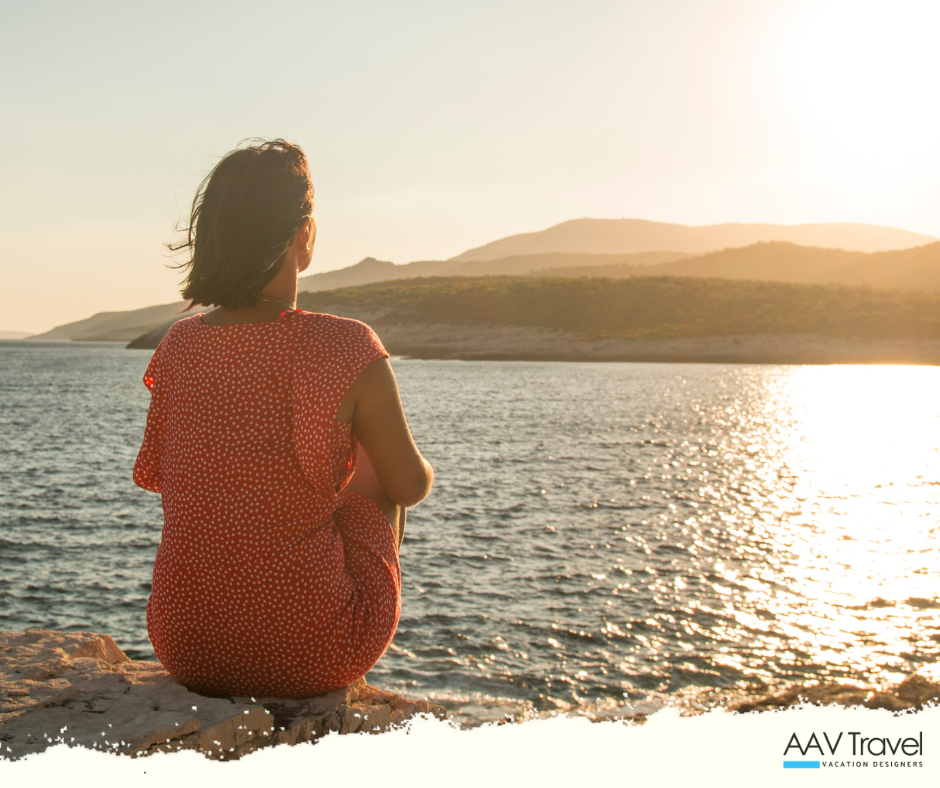
These are not major problems, but they accumulate. Over time, they chip away at the sense of escape that travelers are trying to achieve.
Private island resorts remove much of this friction. The experience tends to feel quieter and smoother because there are fewer competing agendas in the environment. The resort is not one option among many in a crowded destination. It is the destination.
This is also why private islands are so appealing for milestone travel. Anniversaries, major birthdays, retirement celebrations, or simply the kind of trip that is meant to mark a chapter in life. When the occasion matters, travelers often want to eliminate distractions and maximize presence.
A private island encourages that naturally. You do not have to fight for tranquility. It is built into the setting.
Not all private islands are created equal
It is important to say this clearly. Private island resorts vary dramatically in quality, experience, and the kind of traveler they suit.
Some are romantic and remote, built for couples who want a quiet rhythm and very little outside stimulation. Others feel more social, with a strong sense of community among repeat guests.
Some focus on barefoot elegance and wellness. Others lean toward high adventure, with diving, sailing, and active itineraries.
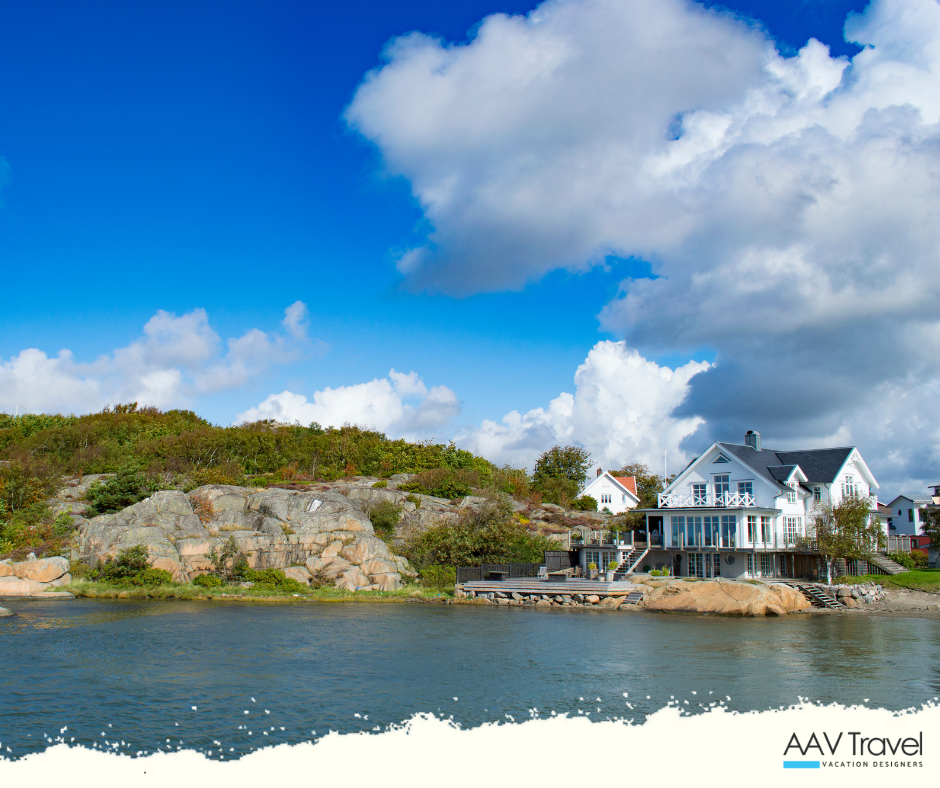
And then there are islands that market themselves as private but are essentially small resorts with limited charm, complicated logistics, and inconsistent service.
The difference is not always visible in the photos. It often comes down to how thoughtfully the island is run, how the resort manages guest flow, and how well the logistics are handled from the moment you land in the country.
Because the truth about private island travel is this. The remoteness is only luxurious if it is managed correctly.
The real question is not luxury. It is logistics.
Private island travel can be effortless, but it can also be surprisingly complicated. This is where many travelers get caught off guard.
A private island resort might require multiple flight connections, a boat transfer, a small plane flight, or a combination of all three. Weather can affect arrivals. Baggage handling can be more delicate. If you are traveling with medical concerns, mobility limitations, or a tight schedule, the planning must be done with more precision than most travelers expect.
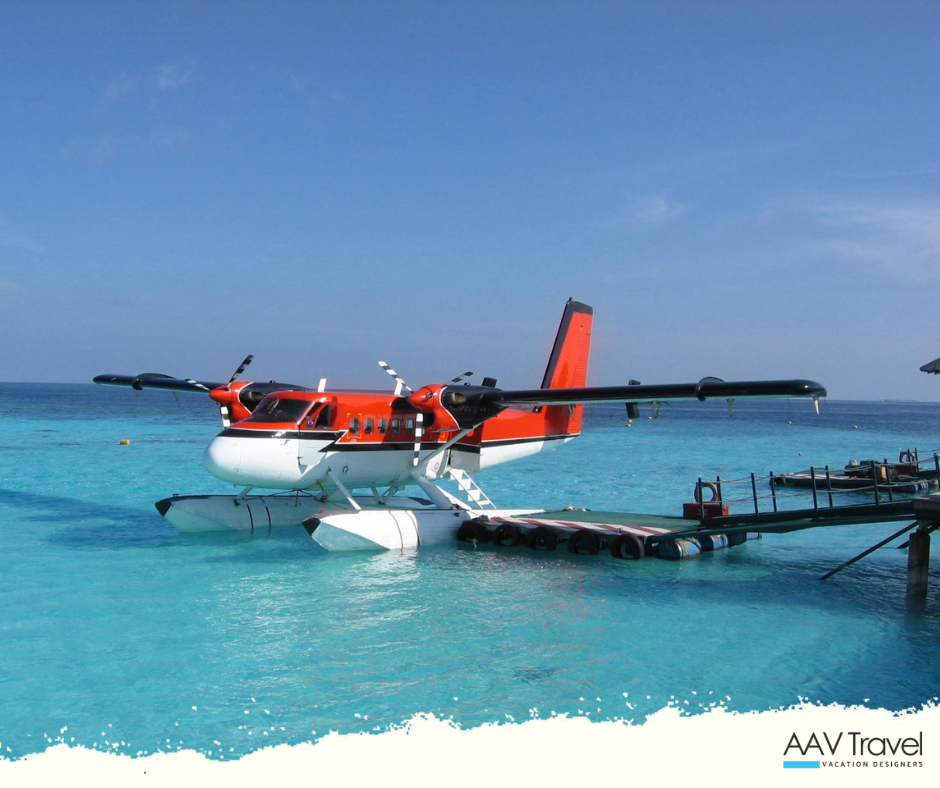
This is why the most successful private island trips are not simply booked. They are designed.
A well planned private island journey considers everything in advance.
- The arrival sequence.
- The timing of connections.
- The backup plan if the weather shifts.
- The best room location for privacy.
- The best time of year for sea conditions.
- The most discreet villa options.
- The best activities for the traveler’s energy level.
- The best way to structure the days so the experience feels restorative rather than rushed.
In private island travel, small decisions create the difference between a dream trip and a trip that feels like work.
Jumby Bay: a Caribbean escape built on calm exclusivity
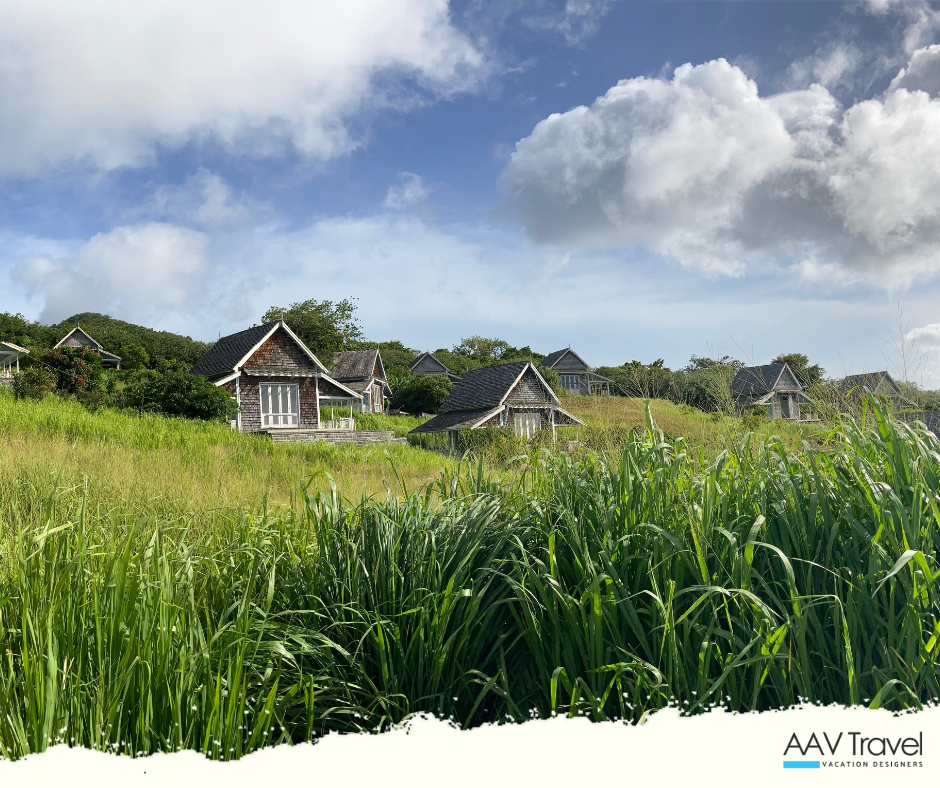
Jumby Bay, located off the coast of Antigua, is one of those rare Caribbean properties that delivers what so many resorts promise.
Space. Quiet. Privacy. Ease.
Because the island itself is private, the atmosphere feels naturally contained. Guests are not sharing the shoreline with day trippers or cruise ship crowds. The resort experience is shaped by the fact that everyone on the island is there for the same reason. To slow down.
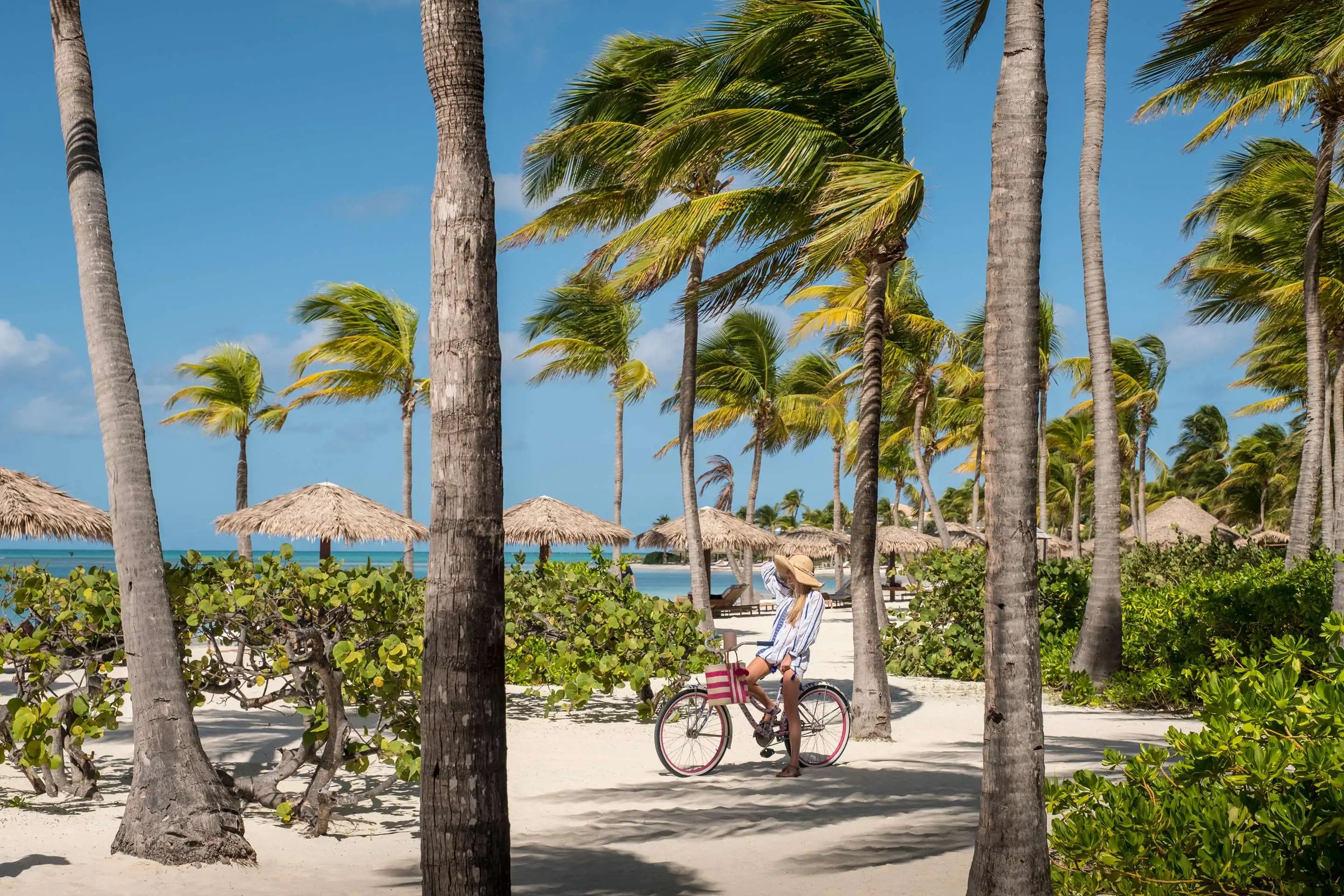
Jumby Bay is often described as barefoot luxury, but what makes it exceptional is the sense of relaxed control. The resort feels polished without being formal. Elegant without being performative.
For travelers who want privacy without isolation, it is a particularly strong choice. The villas offer an exceptional level of seclusion, while the resort itself still has warmth and sociability for those who want it. It is also a destination where repeat guests are common, which creates an atmosphere that feels quietly established rather than trendy.
Jumby Bay suits travelers who want the Caribbean to feel restorative again, the way it did decades ago, before certain islands became crowded and overly commercialized.
It is also a wonderful option for multigenerational travel, where families want space and comfort without sacrificing quality dining and service.
The Brando: where remoteness becomes an art form
The Brando, located on the private island of Tetiaroa in French Polynesia, is not just a resort. It is an experience built around the concept of deliberate isolation.
This is a property for travelers who are ready to disconnect fully. It is remote, quiet, and designed with an almost cinematic sense of space. The villas are beautifully integrated into the landscape, and privacy feels effortless rather than engineered.
The Brando appeals to travelers who want nature without sacrificing refinement. The environment is deeply calming, and the service is exceptionally discreet. There is also an understated intelligence to the resort’s approach. Sustainability is not presented as a trend. It is embedded into the way the island operates.
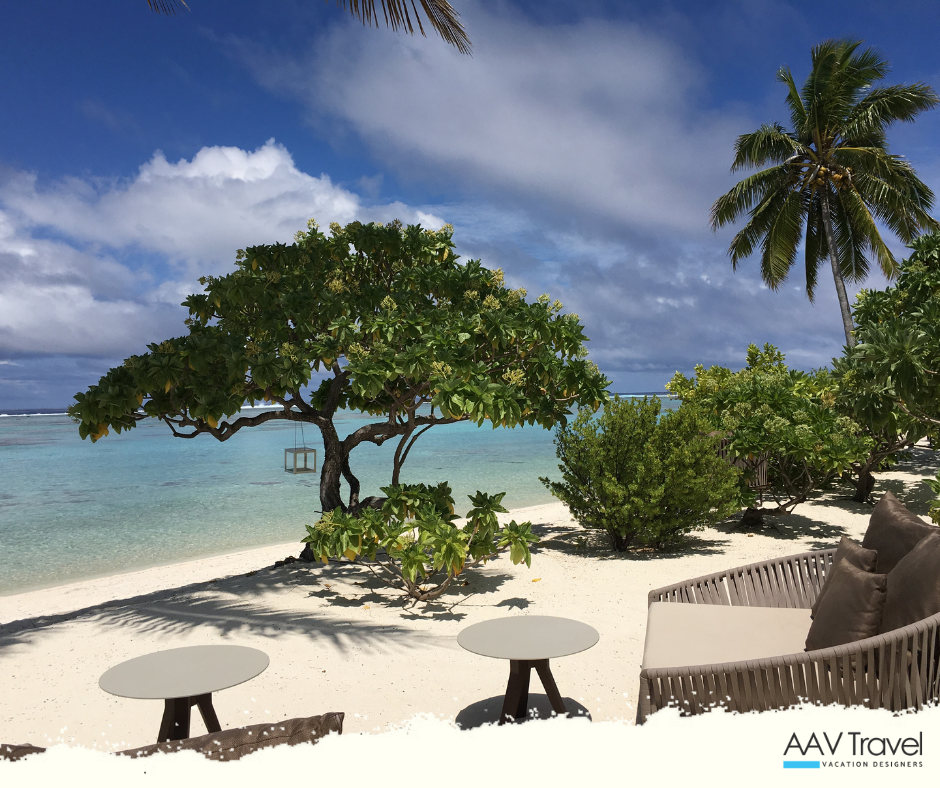
But The Brando is also an example of why private island travel must be approached with realism.
Getting there requires careful planning. The transfer experience is part of the journey. Timing matters. The right villa selection matters. The right season matters.
When it is designed properly, the reward is extraordinary. Travelers do not simply relax at The Brando. They disappear. And for many, that is the ultimate luxury.
The trade offs that sophisticated travelers should consider
Private island resorts offer rare advantages, but they are not automatically the right choice for every traveler. In fact, the travelers who enjoy them most are often those who understand the trade offs in advance.
- Remoteness can mean fewer dining options beyond the resort.
- Weather can influence transfer schedules.
- Medical facilities may be limited, depending on the island and the region.
- Some travelers feel restless without the ability to explore towns, museums, or local markets.
- Others miss the spontaneity of walking into a restaurant or wandering through a lively harbor.
This is why choosing a private island resort is not simply about selecting the most beautiful property. It is about selecting the right type of experience for your personal travel style and your desired pace.
For some travelers, a private island is perfect for five nights, followed by a second destination with more cultural immersion. For others, it is ideal for a full ten day reset. For some, it is best as a couple’s retreat. For others, it becomes the most seamless and relaxing family holiday they have ever taken.
The magic is not in the island itself. The magic is in matching the island to the traveler.
What separates a truly exceptional private island resort from the rest
In my experience, the private island resorts that deliver the most satisfying journeys share a few key qualities.
- They have strong operational consistency.
- They have a clear identity and do not try to appeal to everyone.
- They understand that privacy is a feeling, not a feature.
- They design guest flow carefully, so the resort never feels crowded.
- They offer discreet but capable safety infrastructure.
- They handle arrivals and departures with precision.
- They offer villa categories that genuinely support seclusion.
And most importantly, they make the traveler feel calm from the moment the journey begins, not only once they arrive. A private island resort should feel like an exhale. Not a project.
Private island travel is not about escaping the world. It is about escaping friction.
The travelers who love private island resorts are often the ones who have reached a certain point in life. They have worked hard, they are used to responsibility, and they do not want their holiday to involve managing details or navigating unpredictability.
- They want an environment that supports rest.
- They want space.
- They want discretion.
- They want to feel safe without thinking about safety.
- They want travel that is not only beautiful, but intelligently structured.
This is why private islands have become such a compelling category of luxury travel. They are not simply about exclusivity. They are about control, containment, and calm. And when chosen thoughtfully, they offer something increasingly rare. The ability to truly disappear.
If you are considering a private island escape, the most important step is not choosing the most famous property. It is choosing the right setting, season, and travel rhythm for the kind of experience you actually want. Private island travel can be effortless and restorative when it is designed with care, judgment, and a clear understanding of the logistics behind the beauty. If you would like to explore whether a private island resort is the right fit for your next journey, I invite you to reach out for a thoughtful planning conversation. You can learn more at AAV Travel or contact us directly at info@aav-travel.com
Written by: Stefanie P.




 AAV Explorations