
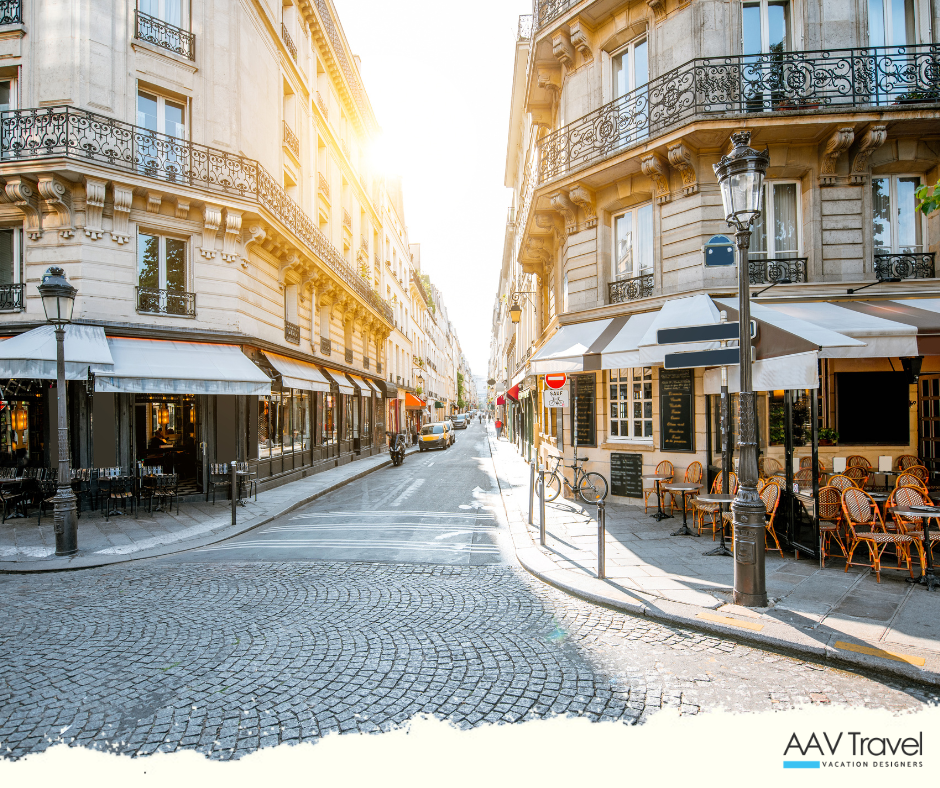
A Season That Reveals Character
There is a particular kind of traveler who understands that desserts are rarely just desserts. They are memory and ritual, regional pride and inherited technique. They are proof that a culture still values patience, craft, and seasonality. For those who pay attention to these details, Easter in Europe can be one of the most rewarding times of year to travel. Not because it is flashy or loud, but because it is subtle and deeply rooted.
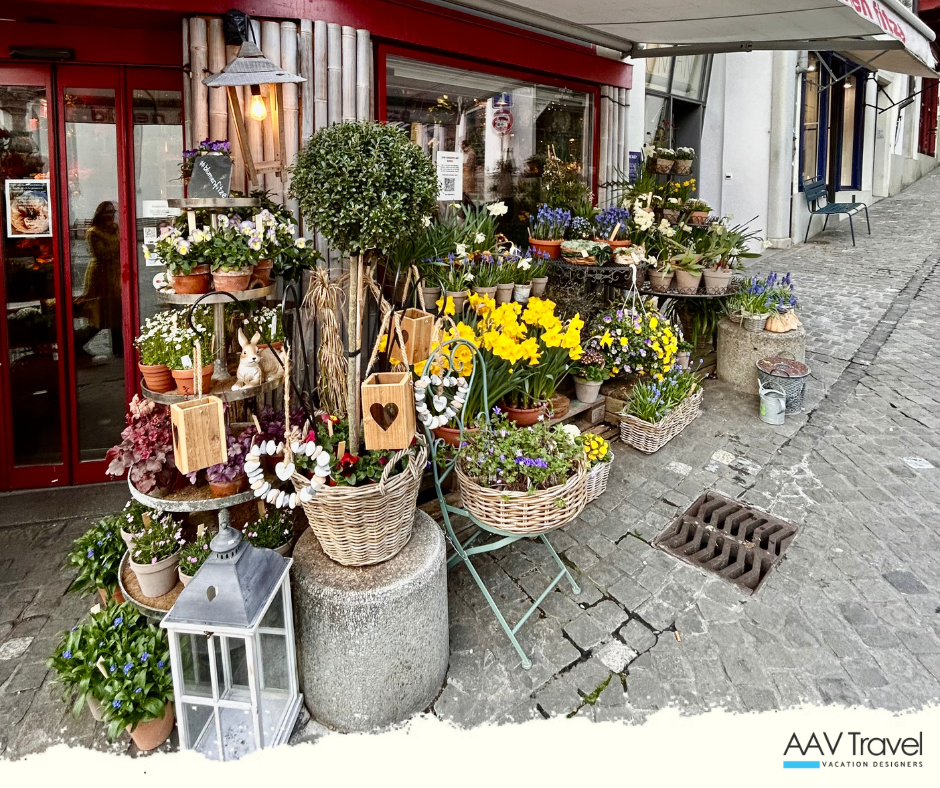
Easter arrives in Europe with a quiet elegance. Spring light returns, café terraces reopen, and cities feel freshly awakened after winter. Shop windows shift from muted tones to carefully curated displays, and bakeries begin producing specialties that appear only once a year and vanish just as quickly. For travelers who care about craftsmanship and tradition, this moment is far more than a seasonal novelty. It is a connoisseur’s window, a brief period when culinary heritage, faith, music, and the natural renewal of spring intersect.
This is not about sugar for its own sake. It is about timing, restraint, and knowing where to be when something truly special is being made.
The Strategic Advantage of Easter Travel
Many Americans view spring as a practical shoulder season in Europe, a pleasant gap before summer crowds take over. That is certainly true from a logistical standpoint. But Easter adds another dimension. It brings anticipation. Cities feel expectant. Florists overflow with color, sacred music fills churches and concert halls, and pastry counters become almost theatrical in their seasonal offerings.
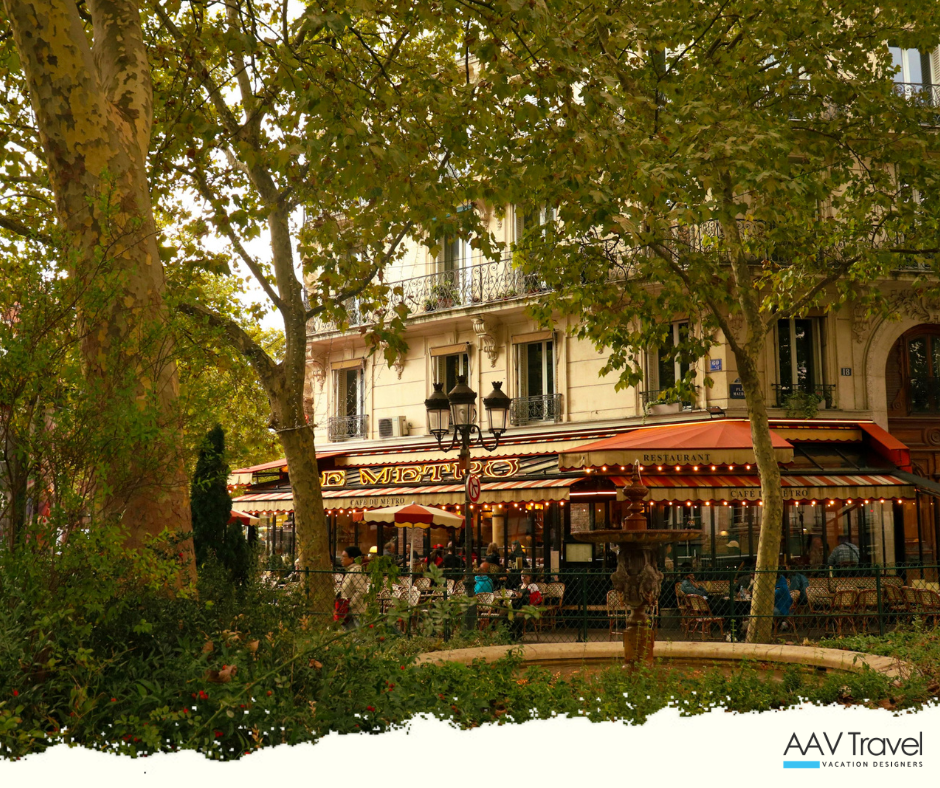
What makes this period so compelling is that many Easter specialties are not designed for tourists. They are personal and symbolic, rooted in family tables and local memory. They often require techniques that resist mass production. That is precisely why they are worth traveling for. When you taste something that is truly of its place and of its moment, you experience a culture in a way that cannot be replicated in high season.
Vienna. Pastry, Music, and Measured Indulgence
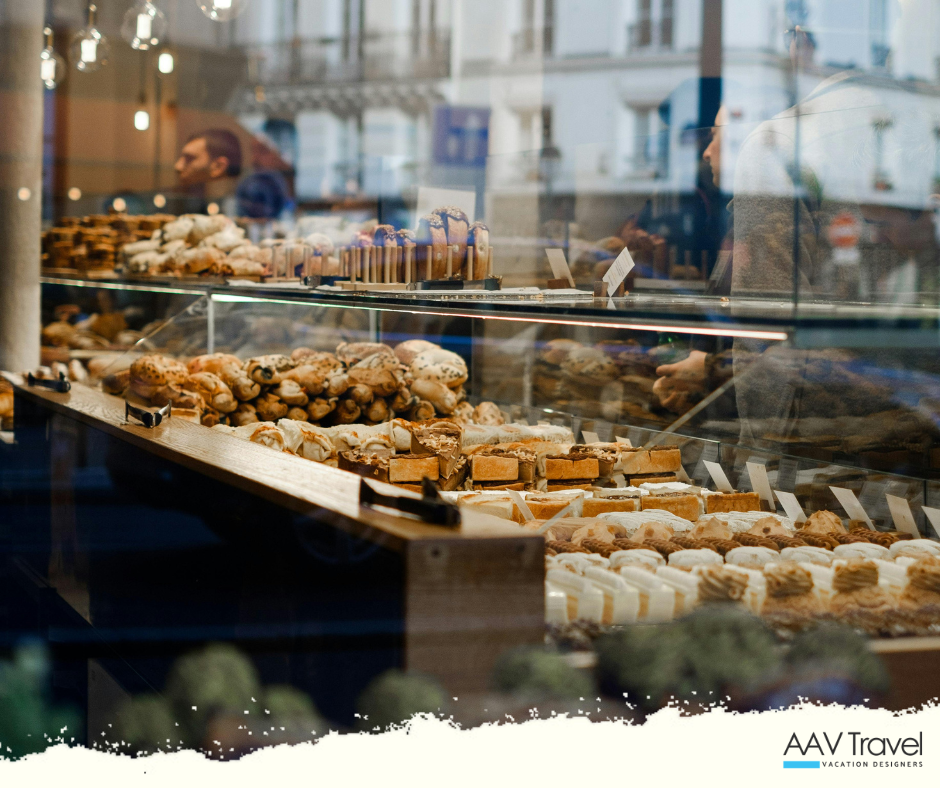
Vienna, for example, feels particularly polished at Easter. The city already carries an innate elegance, but in spring it softens. Gardens begin to bloom, the air is crisp, and the café culture becomes irresistible. In Vienna, pastry is not an indulgence tucked away in a corner. It is heritage. The grand cafés are not merely places to eat cake; they are institutions where one lingers under chandeliers, reads the paper, and participates in a ritual that has changed very little over decades.
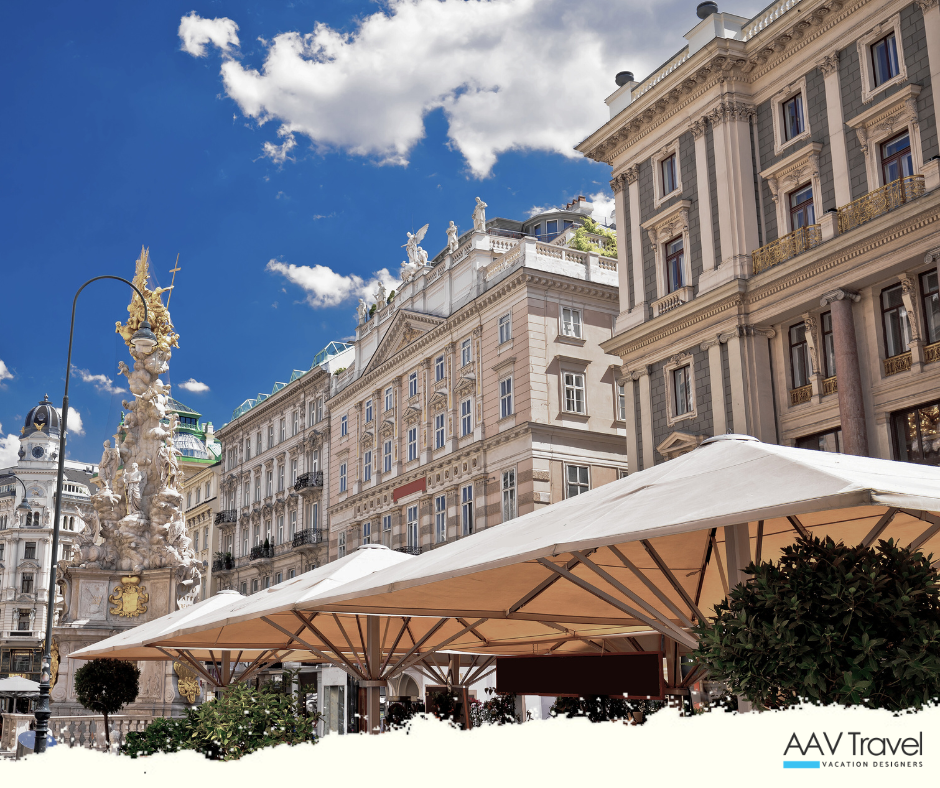
During Easter, pastry counters often feature seasonal variations and refined confections that do not appear at other times of year. Yet Vienna is not a city that rewards excess. The pleasure lies in pacing. A late morning coffee accompanied by a delicate slice of something seasonal can be followed by an afternoon in a museum and an evening concert that anchors the day in something deeper than indulgence. When designed thoughtfully, the sweetness enhances the experience rather than overwhelming it.
Florence. Sacred Tradition and the Art of Slowing Down
Florence offers a different kind of Easter atmosphere. Too often, visitors arrive determined to conquer the city with a checklist. Easter gently resists that approach. Spring light softens the stone facades, and the city feels more human before the density of summer arrives. Traditions are woven quietly into daily life, from church services to neighborhood bakeries displaying Colomba, the dove shaped sweet bread that symbolizes peace and renewal.
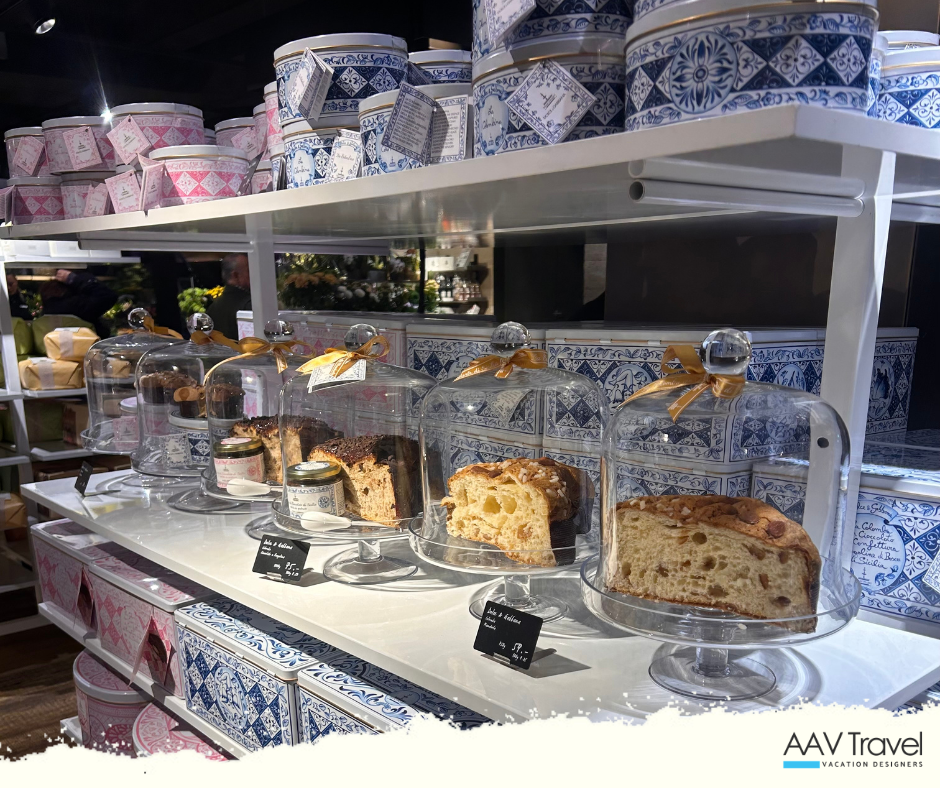
In Florence and throughout Tuscany, you can find artisanal versions of this seasonal bread that feel far removed from mass produced alternatives. But the real reward is in the contrast the city offers. You might spend the morning in a quiet church where incense lingers in the air, then wander a few streets and find a bakery fragrant with citrus and vanilla. An afternoon at the Uffizi can be followed by an unhurried espresso in a neighborhood café where locals are shopping for Easter treats as they have for generations. Florence at Easter invites you to notice details rather than rush past them.
France. Chocolate as Craft and Cultural Expression
France approaches Easter with its characteristic refinement. Here, chocolate becomes art. In Paris and other cities, chocolatiers create sculptural eggs and intricate designs that are displayed almost like jewelry. These are not novelty items. They are expressions of discipline and artistry, crafted for a brief moment of admiration before they are enjoyed and gone.
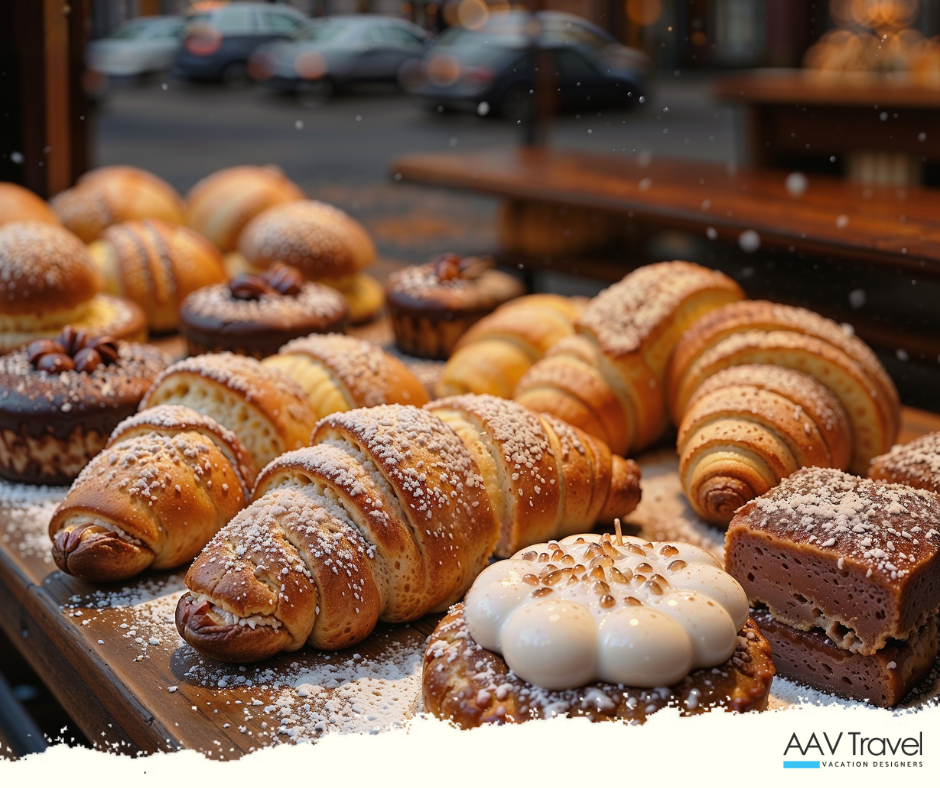
Traveling to France at Easter is compelling precisely because it is fleeting. The most memorable experiences in Europe are often those tied to a specific season, impossible to replicate in July or October. Yet discernment matters. A thoughtful itinerary might include a private tasting with a respected chocolatier balanced with time in spring gardens, smaller neighborhoods, and cultural experiences that ground the sweetness in context. France demonstrates that luxury is not about quantity. It is about refinement and intention.
Switzerland. Precision, Comfort, and Spring Light
Switzerland offers a quieter interpretation of the season. Easter here feels grounded and sincere, less theatrical and more intimate. Seasonal breads and beautifully executed chocolate are tied to family tables and local tradition rather than display. There is comfort in the simplicity, paired with the precision for which Switzerland is known.
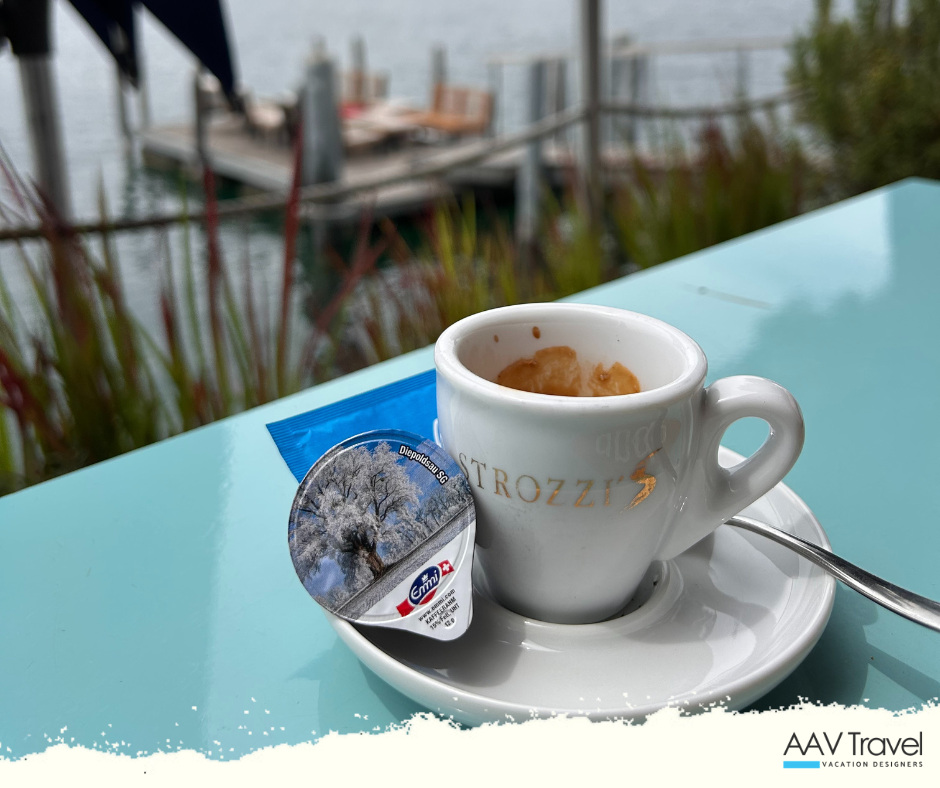
Spring in Switzerland also brings a striking natural transition. Snow still crowns the mountains while valleys begin to bloom. Lakeside towns regain energy without the intensity of summer tourism. Hotels and trains feel calmer, and the overall rhythm is unhurried. A well designed Swiss Easter journey might combine time in a sophisticated city with a few days in an alpine region where nature and tradition coexist seamlessly. The sweetness of the season becomes part of a larger experience of clarity, landscape, and calm.
Discernment Is the Difference
It is tempting to frame an Easter journey as a culinary theme. But experienced travelers understand that a meaningful trip is built on balance. If you approach Europe at Easter as a sugar hunt, you risk missing the deeper texture of the season. Easter is as much about music, ritual, and renewal as it is about pastry and chocolate.
This is where discernment becomes essential. Days should be paced so that indulgence feels special rather than constant. Neighborhoods and hotels should be chosen to encourage walking rather than rushing. Cultural experiences should anchor culinary ones. Vienna pairs pastry with music. Florence pairs sweetness with sacred art and Renaissance beauty. France pairs chocolate with disciplined craft. Switzerland pairs seasonal baking with serenity and landscape.
Choosing Better, Not More
The sweetest season is not about having more. It is about choosing better. Easter in Europe offers a softer mood, a more local rhythm, and a fleeting moment when culinary heritage feels deeply personal. For travelers who appreciate being in the right place at the right time, it can be one of the most quietly extraordinary windows of the year.
If you are considering an Easter journey to Europe, I would welcome a thoughtful planning conversation. The right itinerary is not simply about where you go, but how you move through each destination, how the days are paced, and how the experience is shaped around what you value most. To begin designing a journey with care and discernment, visit www.aav-travel.com or email me at info@aav-travel.com.
 AAV Explorations