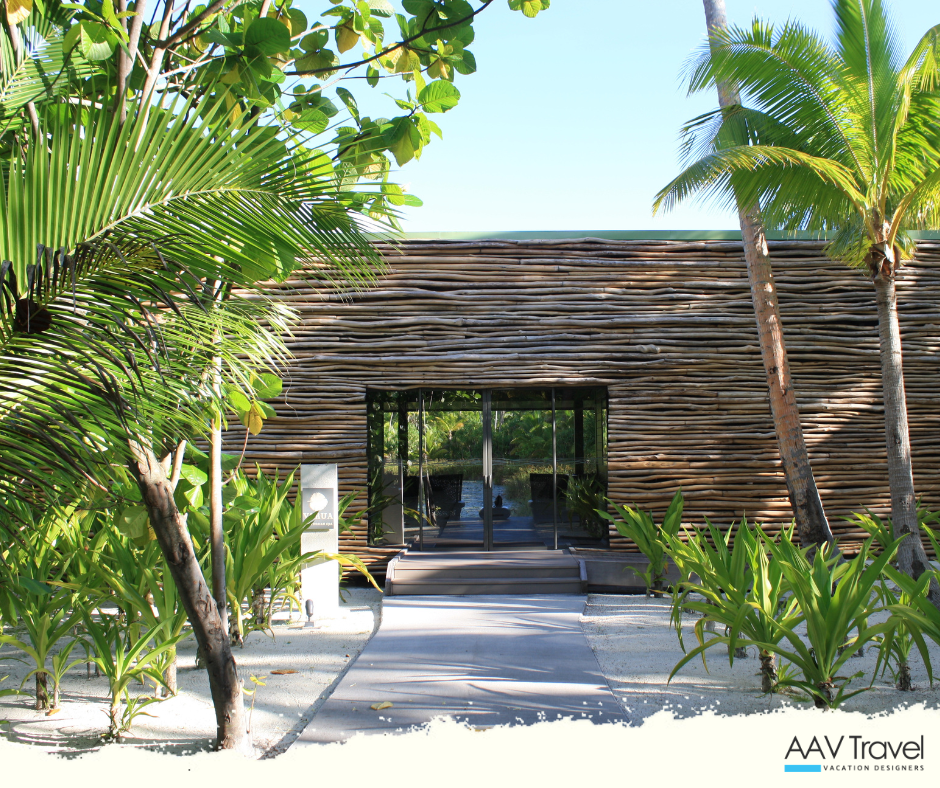
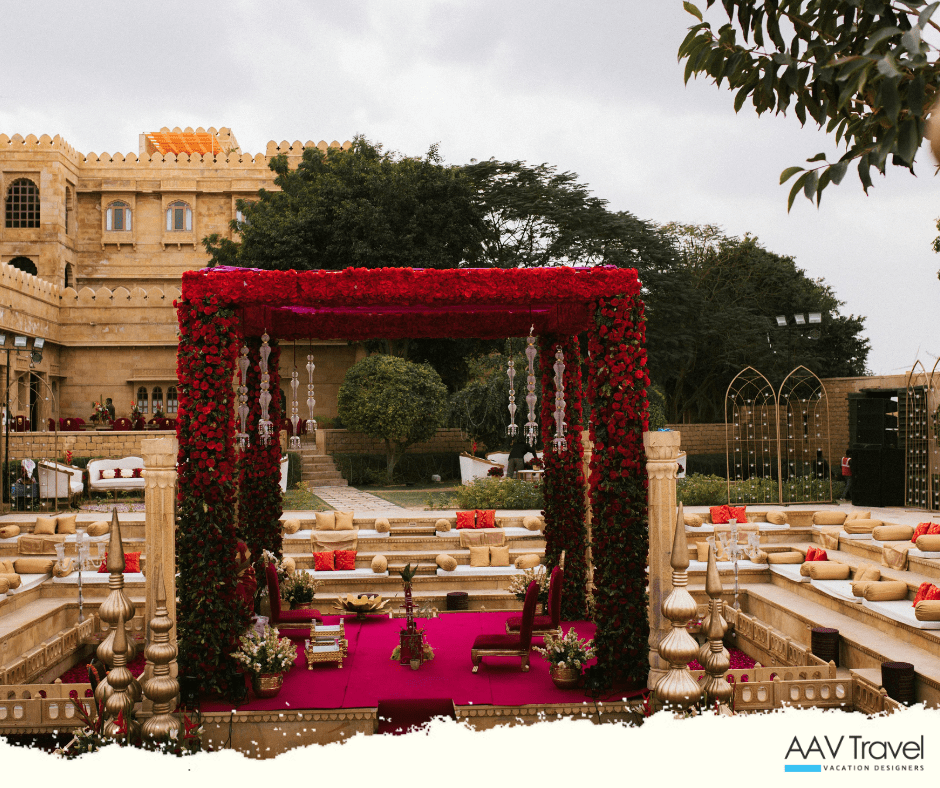
At Leela Palace’s Hotels and Resorts in India, the flowers used for weddings and celebrations do not end up in landfill once the event is over. Instead, they are collected and sent to Phool, a social enterprise that transforms them into charcoal free incense while creating employment opportunities for women from underserved communities.
Most guests will never know this happens. The flowers arrive, the celebration unfolds, and afterward the flowers quietly disappear. It is the kind of detail that reveals something real about how a hotel thinks, even though no one is there to see it.
What happens behind the scenes
Hotels have always competed on what you can see. The room, the view, the restaurant, the service at check-in. Those things matter and they should. But the decisions a hotel makes out of sight often say more about its character than the lobby or the wine list.
A hotel that collects its event flowers and routes them to a social enterprise is choosing to think carefully about what happens after the guests leave. A hotel that invests in a cooling system no one will ever hear about is making a long-term commitment to careful operation. A hotel that builds with stone quarried from its own valley is deciding to belong to a place.
In my experience, hotels that invest this kind of thought behind the scenes often bring the same level of care to the guest experience itself.
The Brando, Tetiaroa
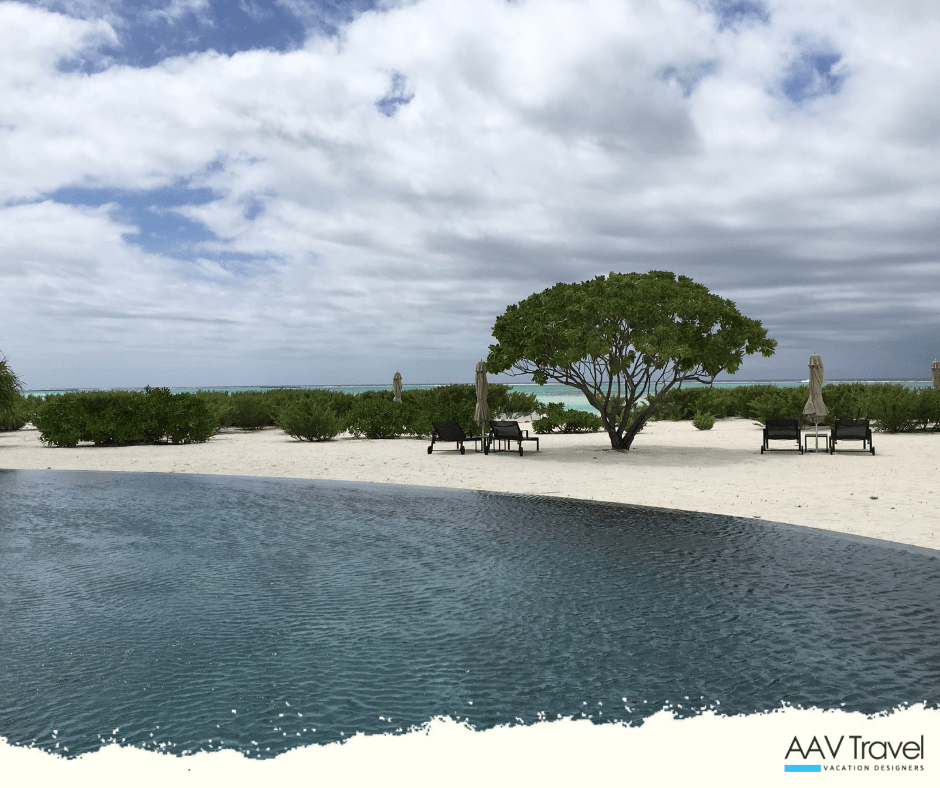
I have spent time at The Brando on Tetiaroa, and the experience changed how I think about what a resort can be. The resort uses a Sea Water Air Conditioning system that draws cold water from the deep ocean to cool its buildings, reducing the energy required for air conditioning by roughly 90%. Food waste is composted within 24 hours and cycled back into the on-site gardens, where produce is grown for the restaurants.
The resort also built an Ecostation on the island and donated it to the Tetiaroa Society, a nonprofit that brings scientists from around the world to study coral reef ecology, sea turtle nesting, and ocean acidification. Guests can visit, though most never do.
Standing on Tetiaroa, I realized that none of these systems announce themselves. Guests simply experience a beautiful resort that feels effortless. That, to me, is the hallmark of thoughtful luxury. The most important decisions often disappear into the experience itself.
Peter Zumthor designed the thermal baths at 7132 in Vals using 60,000 slabs of quartzite quarried from the surrounding valley. The building is set into the mountainside, its grass roof merging with the alpine meadow above it, and its walls carry the texture and color of the landscape they came from.
Bathing here, surrounded by stone that holds light and warmth in equal measure, is one of the most considered experiences I have had in European travel. Everything about the design responds to where it is. The water comes from the St. Peters Spring and emerges naturally at about 30 degrees Celsius. The same source feeds the VALSER mineral water operation nearby. A heat pump captures the thermal energy released when that water is cooled for bottling and redirects it to heat the baths, reducing heating oil consumption by roughly 250,000 litres per year.
The baths feel the same to the guest whether the heat comes from oil or from recovered energy. The thinking behind it is entirely different. And that kind of thinking, the sort that shapes a guest’s experience without ever drawing attention to itself, is what I look for when evaluating a property for a client.
Where the flowers go
The bouquet at a wedding lasts only a few days. What happens after the flowers fade may seem like a small detail, but those unseen choices often reveal far more about a hotel than the arrangement itself. Increasingly, it is those quiet decisions that distinguish exceptional hospitality from merely beautiful hospitality.
Whether it is recycled flowers in India, deep ocean seawater cooling in French Polynesia, or recovered thermal energy in a Swiss valley, the pattern is the same. The best hotels today are shaped by hundreds of considered decisions that most guests will never see. Knowing which properties operate this way, and recognizing the quieter signs of thoughtful hospitality, is one of the reasons I spend so much time getting to know the hotels I recommend. Those conversations often become part of designing a journey that is truly worth the time.
You are welcome to reach out through AAV Travel or contact us directly at info@aav-travel.com to start that conversation.
Greece has always been one of those destinations that seems to live in the imagination long before a traveler ever arrives. The whitewashed villages. The deep blue sea. The mythology. The feeling that time slows down the moment you step onto an island.
But Greece is evolving.
Not in a way that makes it less appealing, quite the opposite. It is simply becoming a destination that rewards smarter planning and more thoughtful choices. Travelers are no longer looking for the most famous photo opportunity. They are looking for rhythm, atmosphere, authenticity, and the kind of experiences that feel deeply personal.
For those considering Greece in the coming seasons, there are several emerging trends that are shaping what luxury travel there looks like now, and what will define it next.
Greece Is No Longer a “Quick Stop” on a European Tour
One of the most noticeable shifts is how travelers are structuring their time. Greece is increasingly being treated as its own journey rather than a fast paced extension of a larger European itinerary.
This changes everything. When travelers give Greece the time it deserves, the trip becomes more immersive. Days feel less compressed. Transfers become less stressful. And instead of bouncing between destinations, travelers can actually settle into a place and experience it properly.
The most memorable Greece itineraries today are not packed. They are paced. They include room for long lunches, slow mornings, and spontaneous discoveries, which is often where Greece feels most magical.
Athens Has Become a True Luxury Destination
Athens used to be seen as the necessary gateway to the islands, a quick stop to check off the Acropolis before moving on.
That mindset is rapidly fading.
Athens has become one of the most dynamic places in Greece, with a growing luxury hotel scene, more sophisticated dining, and increasingly creative private experiences. It is also an ideal city for travelers who want culture and energy balanced with comfort.
Even the Athenian Riviera is gaining attention, offering a softer and more coastal experience without leaving the mainland.
For travelers who want Greece to feel layered rather than one dimensional, Athens is no longer optional. It is part of the experience.
The Cyclades Still Dominate, But Travelers Are Looking Beyond the Usual Names
Santorini, Mykonos, and Paros remain incredibly popular, and for good reason. They offer iconic landscapes, beautiful hotels, and strong infrastructure for travelers who want a polished experience.
But something is changing.
More travelers are arriving with curiosity. They still want the classics, but they are also asking what else exists beyond the obvious. They want islands that feel quieter, more intimate, and more rooted in daily Greek life.
This is where smaller Cycladic islands are gaining momentum.
Syros and Tinos, for example, are becoming appealing for travelers who want a sense of culture and authenticity while still remaining within easy reach of the better known islands. Sifnos and Folegandros are also drawing attention for their understated beauty, dramatic landscapes, and calmer pace.
The emerging trend is not about skipping the iconic islands entirely. It is about designing itineraries that balance them with places that offer breathing room.
Naxos Is Quietly Becoming One of the Most Compelling Islands
Naxos has always had a certain advantage. It offers more depth than many islands, with mountain villages, strong culinary traditions, sweeping beaches, and a sense of scale that allows travelers to explore without feeling confined.
For years, its main limitation was that the luxury hotel landscape lagged behind its potential.
That is beginning to shift.
As higher end accommodations emerge, Naxos is increasingly being seen as a destination that can deliver both authenticity and comfort. It may never have the polished glamour of Mykonos, but that is exactly the point. It offers a different kind of luxury, one built on space, versatility, and a sense of place.
For travelers who want Greece to feel more expansive and less curated, Naxos is becoming a standout.
Crete’s Appeal Is Growing, Especially for Food and Culture
Crete is no longer being viewed as a destination for only certain types of travelers. It is increasingly being recognized as one of Greece’s richest islands for culinary depth, cultural history, and landscape variety.
What makes Crete special is that it does not feel like a single island experience. It feels like a world of its own. Travelers can move from beaches to rugged mountains to historic towns, with remarkable food at every step.
The shift is that more travelers are now choosing Crete not as an add on, but as a centerpiece. It offers the kind of layered travel experience that repeat Greece visitors crave, and it also works beautifully for those who want something less predictable than a pure Cycladic itinerary.
Multi Generational Greece Travel Is Surging
Another clear shift is the rise of multi-generational travel.
Greece is becoming a favorite for families traveling with adult children, grandparents, or larger groups who want shared experiences without sacrificing comfort. The variety of islands, the food culture, and the villa style accommodations available in many destinations make it especially well suited for these trips.
The best multi gen Greece itineraries are carefully structured. They include experiences that appeal across ages, while still allowing downtime and independence.
Properties that offer villa style privacy with hotel level service are increasingly becoming the gold standard for these travelers.
Experiences Are Becoming the True Measure of Luxury
Perhaps the most important emerging trend is this: in Greece, luxury is being defined less by the hotel and more by what surrounds it.
Travelers are no longer satisfied with passive sightseeing. They want experiences that feel participatory and meaningful.
Private boat days remain popular, but even these are evolving. Travelers are looking for more authentic sailing, multi day options, and experiences that feel connected to the sea rather than simply floating on it.
Food experiences are also becoming more sophisticated, especially when they include cultural context. Travelers want to taste Greece, but they also want to understand it.
There is a growing interest in immersive workshops, such as cooking, writing, art, or sailing. These are not one hour tourist activities. They are experiences that allow travelers to engage deeply, learn something new, and take something personal home with them.
Even shopping is shifting. Guests are moving away from souvenirs and toward meaningful mementos, such as handmade items, artisan collaborations, or custom pieces that carry a story.
This is where Greece shines. It is a destination where experiences can still feel intimate, tactile, and real.
Wellness Travel Is Becoming More Rooted and Less Performative
Wellness in Greece is moving beyond spa menus and into something more holistic.
Travelers are increasingly drawn to the kind of wellness that feels natural, tied to landscape, ritual, and lifestyle. Greece is home to regions known for longevity, and many travelers are seeking experiences that reflect that philosophy.
The emerging trend is wellness as a way of living, not a luxury add on. Outdoor movement, simple nourishing meals, and quiet coastal time are becoming part of the appeal.
It is a more grounded approach to wellness travel, and it fits Greece beautifully.
Timing Is Becoming a Strategy, Not a Detail
With Greece’s growing popularity, the question of when to go has become just as important as where.
Travelers are paying more attention to seasonality, shoulder months, and crowd patterns. The goal is no longer just good weather. It is atmosphere.
A well planned trip takes into account ferry schedules, heat levels, local festivals, cruise ship traffic, and the subtle difference between an island in early summer versus late summer.
The emerging trend is that travelers are treating timing as a strategic part of the experience, which is exactly how Greece should be approached.
The Future of Greece Travel Is About Fit
The clearest shift of all is that travelers are moving away from generic itineraries. They want trips designed around who they are.
Is this a honeymoon or a milestone anniversary. Is it a second or third trip where the goal is to go deeper. Is it a multi generational gathering where comfort and accessibility matter. Is it a trip that should feel social and vibrant, or quiet and restorative.
Greece can deliver all of these experiences, but not in the same place, and not with the same structure.
The next era of luxury Greece travel is not about doing more. It is about choosing better.
It is about designing a trip with balance, pacing, and intention so that the destination feels like it is unfolding naturally rather than being rushed through.
If you are considering Greece and want your trip to feel beautifully paced, thoughtfully designed, and aligned with the experience you truly want, I would love to help. The most seamless journeys are shaped through an intentional conversation, where timing, priorities, and the right trade offs are considered from the start. To begin planning, visit AAV Travel or reach out directly at info@aav-travel.com.