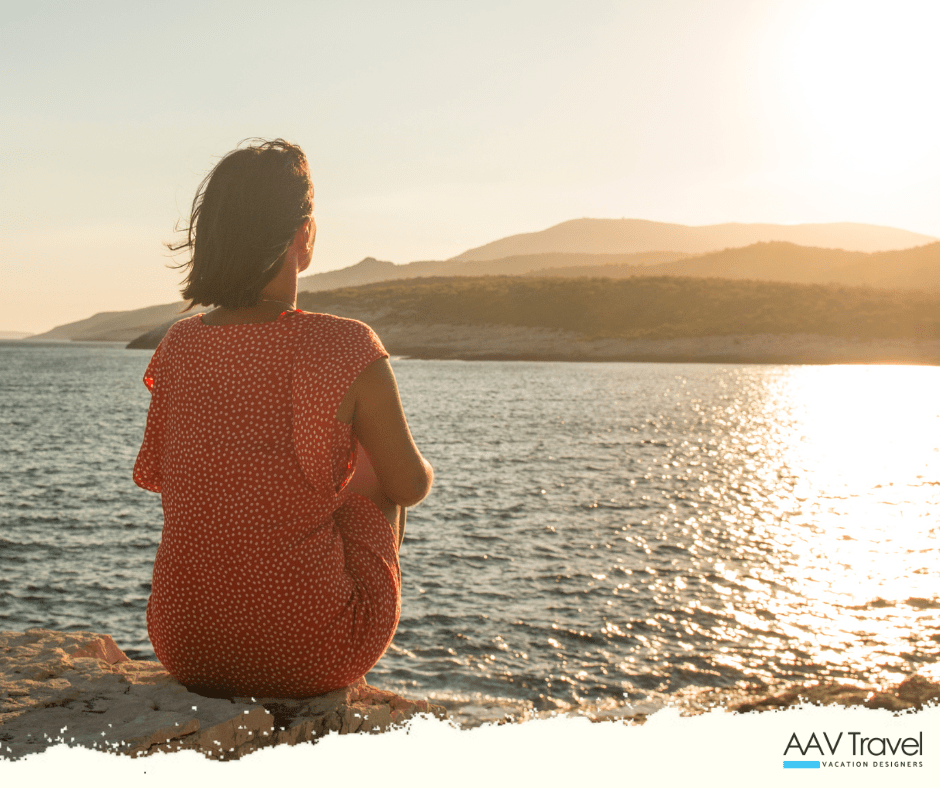
Why Understanding a Destination’s Rhythm Matters More Than Its Season

On Tetiaroa, a small atoll 33 miles north of Tahiti, there is a moment each year when the Pleiades sink below the horizon and do not return for months. The Tahitians call this period Matari’i i Raro. It is the beginning of the cooler, drier season, and for centuries it has carried a specific cultural weight: a time of scarcity and frugality, when communities slowed down and turned inward before abundance returned.

The atoll quiets during these months. The surrounding water grows calmer. Humpback whales begin arriving from Antarctic waters, traveling north into the warmer shallows around French Polynesia to give birth and nurse their young. On clear nights, with nothing competing, the sky over Tetiaroa is staggering in a way that other seasons, with their cloud cover and humidity, do not quite match. Stargazing belongs to these weeks. So do traditions of oral storytelling and cultural transmission, practices tied to the cooler months when communities turned inward and shared what they carried. The ‘ava ceremony, a ritual with deep roots in Polynesian life that was nearly lost during the missionary period, has been carefully revived and remains part of the seasonal celebrations that mark these transitions.

None of this appears in a climate chart. A traveler researching Tetiaroa for these months would find comfortable temperatures, lower humidity, and less rain. All accurate. All incomplete. The data describes conditions. It says nothing about what the place is actually doing.

Every destination operates on its own calendar, shaped by agriculture, light, migration, spirituality, or tradition. These rhythms determine what a place is doing during any given week, and they can change the character of a visit entirely. Most travelers never encounter them because the usual planning questions, where to go, when the weather is best, how to avoid the crowds, do not surface them. They sit beneath the logistics, invisible until someone who knows the place well enough makes them visible.

The travelers most drawn to Tetiaroa during Matari’i i Raro tend to share something. Their professional lives move fast and leave little room for stillness. Many spend their days moving from one obligation to the next, measuring success through productivity and pace. Even their vacations often carry that same momentum: ambitious itineraries and the instinct to fill every available hour. Part of the appeal of a place like Tetiaroa during these months is that it operates according to a different rhythm altogether. The season invites you to notice more. To sit outside after dinner and watch the Southern Cross move across a sky that has no competition from anything on the ground. To let a conversation with someone from the atoll stretch past its useful point and into something personal. For travelers who have spent decades in motion, that kind of permission can be hard to give themselves. A destination that builds it into its culture makes it easier to accept.

In the Douro Valley of northern Portugal, the grape harvest in September and October changes the region completely. The terraced hillsides that look serene and photographic in June become working landscapes, full of activity and the smell of crushed fruit and the particular energy of a community focused on a single purpose. Producers open their quintas to visitors willing to get close to the process. You sit on a stone terrace at dusk while the day’s picking winds down below, the valley filling with the smell of warm earth, and someone hands you a glass of wine that has not finished becoming itself. The conversation is unhurried. The winemaker’s shoes are still dusty from the vineyard rows. The light over the terraces turns amber and then blue. This is a different thing from the polished tasting room visit available in spring, when the Douro is quiet and beautiful and the vines have not yet begun their work.

Many experienced travelers eventually notice that their most memorable trips share a quality. The weather may not have been ideal. The destination may not have been at its most famous. What made the trip was a feeling of having arrived when the place was doing something true to its own character, something honest and unrehearsed. That feeling is hard to plan for through conventional research, because it depends on knowledge that climate data and crowd calendars do not contain.
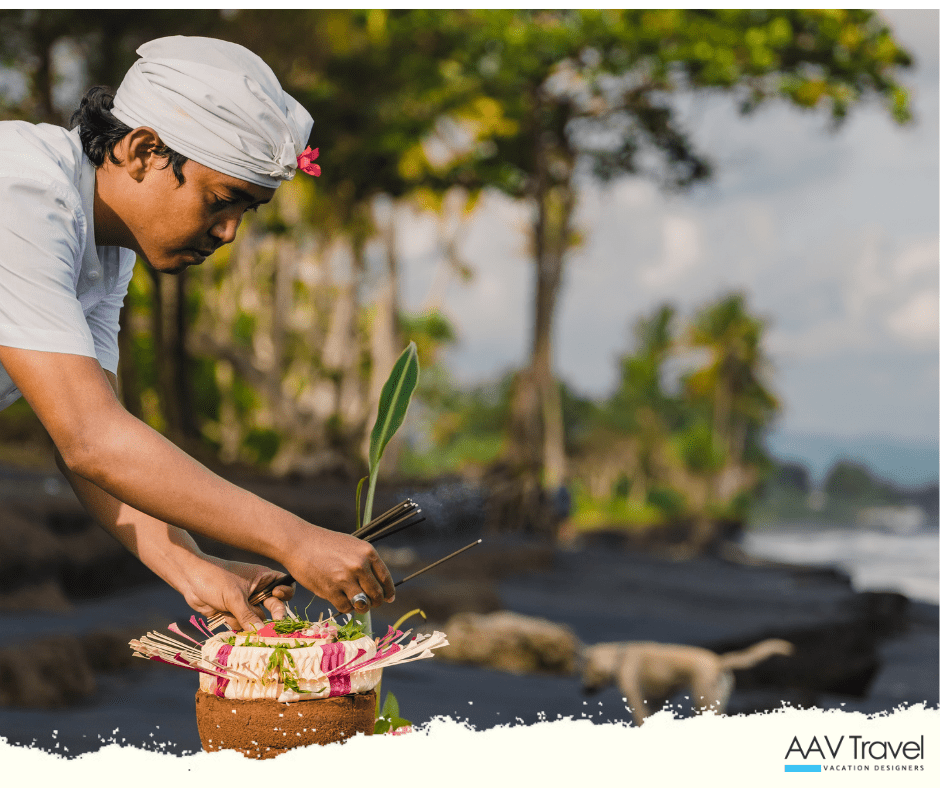
In Bali, the Nyepi celebration falls on the Balinese New Year and brings the entire island to stillness. Ngurah Rai International Airport closes for 24 hours. No cars move. Hotels require guests to remain on their grounds. What stays with travelers who have experienced Nyepi is the sound, or the absence of it. Stand on a balcony in Ubud during those hours and you hear insects, wind, water. Nothing mechanical. Nothing human beyond the occasional voice of a child somewhere below. Millions of people, across every village and city on the island, observing 24 hours of collective silence. The experience of being inside that quiet is available once a year, on a date that most international visitors never think to look up.

These rhythms are easy to overlook because they rarely appear in the sources most travelers use when planning a trip. They exist in the specific knowledge of people who have spent years watching a destination change across its own calendar, who have watched how a place changes across its own calendar. The Douro during harvest. Bali in silence. Tetiaroa during Matari’i i Raro. Each is the same place a traveler might visit at another time of year, and each is a different experience because of when the traveler arrived.

The Pleiades will rise again above Tetiaroa later in the year. The whales will move on. The ceremonies of the cooler months will give way to other traditions. A traveler who visits during Matari’i i Raro will carry something from the experience that belongs only to those particular weeks: a sense of having been present for something quiet and intentional, shaped by a rhythm that predates tourism by centuries.

The most meaningful journeys often have as much to do with when a traveler arrives as with where they go. Timing shapes what a destination reveals, what it holds back, and what it offers to someone who is paying attention. That question, when is this place most itself, is worth asking before any itinerary takes shape.

If the timing of a journey is something you have started thinking about differently, or if you have a destination in mind and want to understand when it is most worth experiencing, that conversation is a useful place to begin. You are welcome to reach out through AAV Travel or contact us directly at info@aav-travel.com.

Written by: Stefanie P.

The Greece That Never Needed an Island

Greece has a mainland, and most people who love the country have barely touched it.

That is not a criticism. The islands earn their reputation. But the Peloponnese alone moves through more distinct landscapes than most European countries manage from border to border, and it does so without a single ferry. Within a few hours of driving, the terrain shifts from severe stone peninsula to gentle vine-covered valley to a Venetian harbor city so well-proportioned it seems designed for a different era of travel. These places do not feel related to each other. They do not feel like Greece in the way that phrase is usually meant.

That is, in part, why they are worth the attention.

The Mani: A Landscape on Its Own Terms

The Mani occupies the middle finger of the southern Peloponnese, and its character is unlike anything else in the Mediterranean. Stone tower houses rise from dry hillsides above a coastline that feels genuinely remote, the kind of remote that is not performed for visitors but that exists because the terrain made it so. These towers were built by feuding clans over centuries, and the history is still legible in the architecture. Narrow paths between buildings designed to slow an intruder down. Small churches tucked into ravines, visible from the road only if you know to look.

There are no large resorts here. The region requires narrower roads and longer drives and fewer polished conveniences, and it gives back something that polished convenience tends to push out. A handful of beautifully restored tower houses now take guests, with thick stone walls and views that photographs rarely do justice to. The coastline has small coves with water so clear it appears lit from below, reachable by footpath or by boat. In spring, wildflowers cover the hillsides and the scale of it needs to be felt physically, with the wind and the silence and the long views south toward open water.

The Mani does not go out of its way to make things easy. That is part of what makes it worth planning carefully.

Nemea: A Grape the World Has Barely Heard Of

Roughly two hours from Athens, the Nemea wine region sits in a valley surrounded by low hills in the northeastern Peloponnese. The grape it is built around is Agiorgitiko, a red variety that produces wines ranging from bright and approachable to deeply structured depending on altitude, soil, and the ambitions of the winemaker. Outside Greece, almost no one is paying attention to it yet. Serious collectors in France and Italy are beginning to notice. The window in which a traveler can walk into a family winery in Nemea and taste with the person who made the wine, without a booking platform involved and without a scripted tasting room experience, may not stay open indefinitely.

The producers are mostly small. Tastings tend to be personal. You sit with someone who can account for every decision in what is in your glass, including the ones that did not work out, and that conversation is a different thing from what most wine travel produces.

The region also carries layers of ancient history that do not feel separated from the vineyards. The Temple of Zeus at Nemea, site of the original Nemean Games, sits within the same valley where Agiorgitiko grows today. You are not visiting a ruin and then driving to a winery. You are moving through one landscape where both exist together, the ancient and the agricultural occupying the same hills.

Harvest runs through September and October. The vineyards in autumn, when the leaves turn and the valley goes quiet and golden, are at their best. If the timing works, it is worth arranging a visit around.

Nafplio: Venetian Refinement on a Human Scale

Nafplio may be the most beautiful small city in Greece that most international travelers have never encountered. It sits on the eastern coast of the Peloponnese, built around a natural harbor and watched over by the Palamidi, a massive Venetian fortress on a rocky promontory above the town. The architecture is layered, Venetian, Ottoman, early Greek, the result being a place that feels distinctly Mediterranean without resembling anywhere else in particular.

The city is walkable in a way that larger Greek cities are not. The old town has narrow streets, shaded squares, and the kind of small restaurants that seat twelve people and do not bother with a website. The harbor in the early morning, before the breeze picks up, has a particular quality of light and stillness. The Venetian facades along the waterfront catch a warmth that makes the whole scene feel as though it belongs to a slower century. It lasts about an hour after sunrise. Then the town wakes up and becomes something else entirely.

Nafplio works well as a base. Epidaurus, with its ancient theater and acoustics that still stop people mid-sentence, is a short drive. Mycenae is within easy reach. The advantage of staying rather than passing through is that both sites can be visited early, before the tour buses arrive, and the rest of the day can unfold without a schedule pressing against it.

A Country That Does Not Close for the Season

One of the most persistent assumptions about Greece is that it is a summer destination. The islands reinforce this, many of them shutting down almost entirely between November and April, their infrastructure built around a few intense months followed by long silence.

The mainland runs on different rhythms. Nafplio is pleasant year round, with mild winters and a spring that arrives well before northern Europe thaws. The Mani is at its most walkable in April and May. Nemea’s harvest peaks in October, when the valley has a quality that the height of summer simply does not offer. And winter has its own character. The Peloponnese in December is cool but rarely cold, and the absence of visitors changes the texture of daily life in ways that are hard to describe but easy to feel. Villages that hum in August feel genuinely inhabited. Restaurants serve the people who live there. The rhythms that high season obscures become visible again.

For travelers who know Western Europe well and are looking for somewhere with comparable historical depth but an entirely different feel, the mainland repays attention. The Mani, Nemea, and Nafplio each offer something distinct, and each rewards the kind of traveler who is willing to slow down enough to receive it.

Mainland Greece rewards travelers willing to trade spectacle for texture, pace, and a stronger sense of place. If the Peloponnese has been in the back of your mind, whether for the wine, the history, the landscapes, or simply the appeal of a part of Europe that most travelers walk past on the way to a ferry, a thoughtful conversation about timing and pacing is often the most useful place to begin. Planning here is not complicated, but it is specific, and the details tend to matter more than the broad strokes. You are welcome to reach out through AAV Travel or contact us directly at info@aav-travel.com to start that discussion.

Written by: Stefanie P.

The Place You Keep Almost Booking

Somewhere around the 25th or 30th country, a quiet shift happens. The passport fills. The wish list gets shorter instead of longer. And the question changes from “where haven’t I been?” to something harder to answer: “where do I actually want to be?”

For a lot of experienced travelers, the honest answer is somewhere they’ve already visited. They just feel strange saying it.

Why it feels like a confession

The travel industry is built around novelty. New destinations, new properties. Social media reinforces the same message. The implication is that a well-traveled person keeps expanding the map, and going back means you’ve stalled.

It is worth questioning whether that’s true.

What a first visit costs

A first visit to any destination, no matter how well planned, is mostly orientation. You’re learning streets, adjusting to rhythm, sorting the genuine recommendations from the ones with referral arrangements behind them. The geography of a new place takes cognitive effort whether you notice it or not.

A 4-night stay in Lisbon or Florence means roughly 2 days of real comfort before departure. Everything before that is calibration. By the time you feel settled, you’re packing.

The version of you that shows up

A return visit brings a different person to a familiar place. That difference is where most of the value lives.

A couple who spent a week on the Amalfi Coast at 50 had a particular experience of that coastline. They were present, but they were also managing. Checking in on the teenagers back home. Half-thinking about a presentation due Monday. Enjoying the beauty in the way you enjoy something when part of your attention is committed elsewhere.

The same couple at 62 arrives differently. The teenagers are grown. The professional urgency has shifted or lifted entirely. They have time now that they didn’t have then, and not just days on the calendar. Internally. The light on the water at 7 in the morning is the same light. The capacity to sit with it for 40 minutes without reaching for a phone is different.

This is what travel maturity looks like in practice. A 35-year-old visiting Burgundy for the first time is tasting wine. A 58-year-old returning to the same producer after a decade is having a conversation about craft, patience, and what it takes to make something that lasts. Same glass. Different drinker. I’ve seen this repeatedly with clients.

The travelers I work with who get the most from return visits share a quality. They measure trips by what stays with them afterward. Going to fewer places with more of yourself available turns out to be a reasonable definition of traveling well.

What the place gives back

There is also a practical dimension worth naming. A winemaker in Nemea or the Douro Valley who remembers you from a previous visit skips the introduction. They open something they wouldn’t pour for a first-time guest. The hotel staff who recognize your name seat you differently, recommend differently. These things happen on their own when a relationship has had time to begin. They can’t be rushed, and they can’t be booked.

Going back well

The common mistake with a return trip is replaying the original. Same hotel, same restaurants, same routes. That produces comfort but not much new.

It also sets up the most common disappointment. Travelers return expecting the feeling to be where they left it, preserved exactly, and when it isn’t, they blame the place. The restaurant didn’t decline. The coastline didn’t lose its beauty. What changed is that the original experience included the surprise of discovery, and that particular element doesn’t survive repetition. The travelers who avoid this tend to arrive curious about what the place is now.

One advantage of working with someone who follows destinations over time is understanding how a place evolves. Restaurants open and close. Neighborhoods shift. Tourism patterns change. A return visit is often most rewarding when it reflects what has changed as much as what has remained familiar. The producer who was barely getting started on your last visit and now has something worth tasting. The part of the region you skipped because the first itinerary couldn’t hold it.

What the pull is telling you

There’s a version of this I hear from clients who have been traveling for decades. They’ve visited 30 or 40 countries. And somewhere in a conversation about the next trip, they mention a place from years ago with a kind of affection that nothing on their current list quite matches.

That’s worth paying attention to.

The pull toward a particular place usually means something specific. It might mean the pace of that destination suited them in a way they haven’t found elsewhere. It might mean they left something unfinished: a season they haven’t seen, a region they didn’t reach, a conversation with a local host that deserved more time. Or it might simply mean they were happy there, in a way that felt uncomplicated, and they’d like to feel that again.

The places that stay with you don’t go anywhere. They tend to have more to offer on the second visit, especially if you’ve done some living in between.

A thoughtful conversation about what drew you there, what has changed since, and what that place might offer at this point in your life is often the most useful starting point. You are welcome to reach out through AAV Travel or contact us directly at info@aav-travel.com to start that conversation.

Written by: Stefanie P.

The Moment That Shapes the Journey: Designing Travel Around a Single Extraordinary Experience

There is a remote stop on the northernmost rail line in Western Europe, deep inside the Arctic Circle, called Katterat. You cannot reach it by car. The only way in or out is by train, along a stretch of track that runs through some of the darkest sky in the region. When the train arrives at night during the polar months, the platform is quiet. A fire burns near a traditional Sami lavvu. The lamps inside the carriages have already been switched off so that the eyes can adjust. And then, if the weather cooperates, the sky begins to move. Green ribbons rise above the mountains, fold over themselves, and dissolve. Travelers stand on the snow and watch in silence, because there is nothing else worth saying.

This is the kind of moment that some journeys are built around. Not visited in passing. Not added as an evening activity. Anchored.

Travel design changes when you accept that a single experience can carry the emotional weight of an entire trip. Most itineraries are constructed the other way. They begin with destinations and proceed to fill the days with reasonable things to do, with the assumption that pleasure will accumulate gradually across the week. That approach works well enough for many travelers. But it tends to produce trips that are enjoyable in the moment and forgettable a year later. The alternative is to identify the one experience that must be right, and then arrange everything else in service of it.

The Northern Lights are an excellent example, because the aurora cannot be scheduled or guaranteed. You can buy a ticket, fly to the Arctic, and see nothing. You can also walk outside your hotel on the first evening and witness one of the most extraordinary sights of your life. The traveler has very little control. What can be controlled is the structure of the trip around it. How many nights are built in, in case the first attempts are clouded over. Where you stay, and whether your accommodation has the kind of darkness, comfort, and patience required for a long wait. Whether you have planned other meaningful experiences during the day, so that the trip never becomes an anxious vigil. Whether the moment, when it comes, will find you rested and present rather than worn out from a punishing schedule.

Designing for a moment like that is not about luxury in the conventional sense. It is about pacing and judgment. A well sequenced aurora trip might include slower days near a fjord, a single guided dinner with a Sami family, a quiet morning on cross country skis, and only one or two evening excursions chosen for their location and their guides rather than their marketing. The accommodation matters less for its thread count than for its view of the sky. The vehicle matters less for its leather than for whether it can move you quickly when the forecast shifts.

AI-generated content: An artistic rendering inspired by summer opera evenings at the Verona Arena.

Anchor moments take other forms in other places. They might be the hush that falls over the Roman arena in Verona on a summer evening, when the last light leaves the stone and small candles flicker on across the tiers just before the orchestra begins. They might be the morning a vineyard begins its harvest. They might be a single evening at maison in the English countryside, where a chef and his wife open the ground floor of their fifteenth century home to a small handful of guests, and a Michelin level dinner unfolds beside a restored bread oven that has been quietly waiting for company for five hundred years. The principle is the same. One experience holds the trip together. Everything around it is sequenced to protect it.

What surprises many travelers, once they have built a journey this way, is how much lighter the rest of the itinerary feels. The pressure to see everything dissolves. You no longer measure success by the number of cities visited or photographs taken. You are not trying to extract maximum value from each day. Instead, you are creating the conditions for one true experience and allowing the rest of the journey to breathe around it.

This kind of planning requires real expertise, and a degree of honesty that surface level itineraries do not. It requires understanding which moments are worth anchoring a trip around, and which only sound that way in brochures. It requires knowing when an aurora trip should be five nights and when it should be eight, and which lodgings have genuine access to dark sky and which only claim to. It requires the kind of judgment that comes from years of sending travelers to these places, hearing what worked, and adjusting accordingly. There is no formula for this. There is only attention, experience, and a willingness to tell a traveler, kindly and clearly, when their original idea will not deliver what they are hoping for.

The trade is that this way of traveling asks you to choose. You cannot build a trip around the Northern Lights and also expect to see five Norwegian cities in a week. You cannot build a journey around harvest in Piedmont and also fit in the Amalfi Coast and Florence. A trip with a true center, by its nature, asks something of you. It asks you to say yes to one thing and gracefully let go of others. That release, paradoxically, is what creates the space for something genuinely memorable to happen.

There is also a quieter benefit, one that travelers often discover only afterward. A trip built around a single anchor experience tends to settle in the memory differently. Years later, the details of where you ate breakfast or how the bathroom was tiled will have faded, as they always do. But the moment will remain, sharp and unchanged. The hour at Katterat, watching the sky move. The first notes of an aria rising from the Roman arena. The taste of a wine made from grapes you watched being picked that morning. These are the kinds of memories that justify the journey, and they cannot be manufactured by accumulation. They can only be designed for.

If a single extraordinary moment has been forming in your imagination, whether it is the aurora over an Arctic mountain, a particular festival, a harvest, or something more personal still, the most useful next step is rarely a search engine. It is a conversation. The best journeys are designed through careful listening, honest discussion of pacing and trade offs, and the kind of judgment that comes from many years of shaping trips around what matters most to each traveler. You are welcome to reach out through AAV Travel or contact us directly at info@aav-travel.com to begin a thoughtful planning conversation.

Written by: Stefanie P.

Beyond the Boutiques. Discovering the Hidden World of the Paris Fashion Houses

Paris has long been considered the global capital of fashion. Yet the real story of the great fashion houses unfolds far beyond the storefronts along Avenue Montaigne and Rue Cambon. Behind those elegant facades lies a world of craftsmanship, creative vision, and cultural heritage that has shaped the identity of this city for more than a century. For travelers who care about context, that world is worth seeking out.

Haute couture is often associated with glamour and runway spectacle, but its foundation rests on something quieter and far more demanding: extraordinary skill and patience. Within the ateliers of the great houses, artisans devote years to mastering highly specialized crafts. Embroiderers, pleaters, feather workers, milliners, and pattern makers work without fanfare, bringing a designer’s vision to life stitch by stitch. Many of these trades exist almost nowhere else in the world. When you understand that, the storefronts begin to look very different.

Opening the Doors to Fashion Heritage

Travelers who are genuinely curious about this world will find that several fashion houses have opened doors that once remained firmly closed to the public. The shift has been gradual but meaningful, and it has created some of the more compelling cultural experiences available in Paris right now.

One of the most rewarding places to begin is La Galerie Dior near Avenue Montaigne. This immersive space traces the evolution of the house through beautifully curated rooms that reveal the inspirations behind Christian Dior’s designs, moving through decades of creativity to show how architecture, gardens, and art shaped the silhouettes that defined postwar elegance. It is less a museum in the conventional sense and more a meditation on the relationship between beauty and intention.

The Musée Yves Saint Laurent offers a different but equally absorbing perspective. Located in the designer’s former haute couture house, the museum preserves the studio where Saint Laurent worked for nearly thirty years. The Palais Galliera, Paris’ dedicated fashion museum, provides a useful counterpoint to both: its rotating exhibitions place couture within the broader arc of social and cultural change, so that garments become historical documents rather than objects of admiration alone. Taken together, these spaces give travelers a vocabulary for the city that most visits never develop.

The Stories Written Into the Streets

Even beyond the museums, the geography of Paris quietly traces the legacy of its designers. A walk through the right neighborhoods is its own kind of archive. Rue Cambon evokes the revolutionary clarity of Coco Chanel. Avenue Montaigne carries the postwar refinement that Dior brought to a city still finding its footing. The Faubourg Saint-Honoré has long anchored houses such as Hermès and Lanvin, whose craftsmanship remains rooted in traditions that predate the modern fashion calendar by generations.

These neighborhoods illustrate something important: fashion in Paris is not confined to runways or boutiques. It is woven into the physical fabric of the city, present in the proportions of its buildings, the rhythm of its streets, and the creative energy that has drawn makers and thinkers here for centuries. Travelers who move through Paris with that awareness will find the experience considerably richer than those who arrive with a shopping agenda.

Seeing Paris Through a Different Lens

When the context is in place, the way you move through Paris changes. A quiet courtyard might once have housed a small atelier. A discreet doorway may have been the entrance to a designer’s studio. What appears at first to be a world of polished luxury reveals itself as something far more layered and far more worth your time.

The fashion houses of Paris are cultural institutions as much as they are commercial ones. They preserve rare skills, sustain creative traditions, and carry forward a philosophy of craft that has endured precisely because it demands so much. For travelers who appreciate thoughtful design, disciplined making, and the kind of history that does not announce itself loudly, this side of Paris offers a particularly durable form of reward.

Good preparation shapes how much of it you actually reach. Knowing which spaces merit the time, how to sequence a visit before the crowds arrive, and what context will transform an afternoon from pleasant to genuinely memorable — these are decisions worth making carefully before you land.

If Paris is on your horizon, whether as a stand-alone journey or as part of a longer European itinerary, it is worth thinking carefully about what you most want to take away from it. The city rewards intention and penalizes vagueness in equal measure. A Strategic Travel Advisory Session is a focused conversation about pacing, priorities, and the kind of depth that turns a good trip into one you will still be thinking about years later. You are welcome to start that conversation at AAV Travel or by reaching out directly at info@aav-travel.com

Written by: Stefanie P.

The Thinking Traveler’s Case for a Guide: On Terrain, Weather, and What You Miss

There is a particular kind of traveler who has done enough hiking to feel reasonably self-sufficient in unfamiliar terrain. They know how to dress for weather, read a map, and manage their own pace. They are not looking for someone to hold their hand. What they are looking for is a trip that delivers on its full promise rather than only a partial version of it.

For that traveler, guided hiking is not about limitation. It is a considered choice, made when the environment is genuinely complex and the value of local expertise outweighs the satisfaction of pure independence. The Scottish Highlands and the Swiss Alps are exactly the kind of settings where that calculation tends to resolve clearly. Not because either landscape is prohibitive, but because both are layered in ways that reward informed knowledge far beyond what most experienced travelers anticipate before they arrive.

What the Weather Actually Does in the Scottish Highlands

Those who have spent time in the Highlands know that forecasts carry a certain optimism that the mountains do not always honor. Conditions change with a speed and completeness that can be genuinely disorienting. A clear morning gives way to low cloud and reduced visibility within an hour, and anyone who has walked a ridge in sudden mist understands that the trail seeming obvious from below becomes a much more interpretive exercise once the landmarks disappear.

What I have observed in these moments, hiking alongside guides with long familiarity with the terrain, is not alarm. It is quiet adjustment. A good guide reads the environment continuously, not just at the trailhead. They notice shifts in light quality, changes in wind direction, the particular way cloud is building across a hillside. All of it carries information that is genuinely useful, and they respond to it without drawing attention to the response. The route may not change. The pacing might. A rest that seemed optional becomes deliberate. A conversation shifts to what is immediately in front of you, and that conversation is worth more than it would have been in clearer conditions.

This is also where the value of a guide begins to reveal itself in ways that have nothing to do with navigation. A guide who knows the Highlands well knows where red deer tend to move at dusk, which loch sides hold the oldest Scots pines, and what the ruins on a distant hillside were before they became an atmospheric backdrop. The hiking becomes a conversation with the landscape rather than a traverse of it. That distinction is not small. It is, for many travelers, the difference between a long walk and a genuinely memorable experience.

What the Alps Ask of a Traveler

The Swiss Alps introduce a different set of variables. The scale is immediate, and the terrain is less forgiving than it appears from valley level. Elevation gain that looks moderate on a map can involve sustained technical effort at altitude, where the air is thinner and the body adjusts more slowly than most people expect. The consequence is rarely dramatic, but it is consistent: travelers who push harder than their acclimatization supports tend to arrive at the most extraordinary viewpoints feeling depleted rather than expansive.

A knowledgeable guide calibrates this without making it the subject of conversation. The pacing simply feels right. Rest comes at the moments when the body is ready for it, before fatigue has accumulated rather than after it has set in. The route unfolds in a way that builds steadily rather than demands abruptly. That design is largely invisible when it is working well, and you tend to notice it most when comparing a well-guided day against one that was not.

There is also the question of route confidence. Trails in the Alps fork frequently, and the signage, while generally reliable, requires local interpretation. Some paths suit certain fitness levels and objectives far better than others, and the decision of which fork to take involves knowledge of what lies ahead that a guidebook cannot reliably provide. Traveling with someone who has made that decision dozens of times changes the whole character of the day. It allows a traveler to push further than they might have dared alone, because the edge of what is manageable is being held steady by someone who understands where it is.

I have watched this happen. In fact, it has happened to me, a Swiss, who is used to hiking the Alps. A traveler arriving at a trailhead genuinely uncertain whether they could complete a particular route, working with a trusted guide who adjusted the approach incrementally, finishing with something that felt earned in the deepest sense. That is not luck. It is design.

What a Guide Notices That a Traveler Cannot

There is an aspect of guided hiking that rarely appears in the practical conversation about it, perhaps because it is harder to quantify. A guide with genuine depth brings contextual knowledge that quietly transforms the experience without announcing itself. This is not the scripted narration of a group tour. It is closer to walking with someone who has thought carefully about a place over many years and shares that thinking naturally, in response to what is immediately in front of you.

In the Highlands, that might mean understanding the geologic history of a particular glen, knowing the seasonal movements of certain bird species, or being able to explain why a stone dyke running across open moorland was built exactly where it was and by whom. In the Alps, it might mean tracing the relationship between a village and the high pastures above it, or identifying a wildflower that carries a local name and a traditional use that appears in no guidebook written for visitors.

This kind of knowledge is not available on a trail map. It is accumulated through sustained time spent in a place with genuine attention, and it is one of the clearest arguments for traveling with a guide who has truly earned their understanding of a landscape rather than simply acquired a qualification to lead people through it. The difference between the two is significant, and experienced travelers generally sense it within the first hour on the trail.

A Refinement, Not a Concession

Guided hiking is not the right choice for every trail or every traveler. A well-marked path through familiar terrain, walked on a clear day with appropriate preparation, asks nothing more than a traveler’s own judgment. But terrain like the Highlands or the Alps introduces a genuine complexity that shifts the equation. These are environments where the variables are real, where local knowledge operates at a different level than general competence, and where the experience available to a well-supported traveler is qualitatively different from what independent hiking can provide.

For travelers who have hiked before and are now considering terrain that is genuinely new, or who want to push into something more physically or mentally demanding than their previous experience, this is not a question of capability. It is a question of how they want to allocate their attention. Managing uncertainty in an unfamiliar environment requires cognitive effort. Handing that effort to someone who is genuinely qualified to carry it frees the traveler to do something more interesting: actually be present in an extraordinary place.

That, in the end, is the most accurate description of what a good guide provides. Not safety as an abstraction, not reassurance, not the removal of all uncertainty. But the quiet management of variables that would otherwise occupy the foreground, creating enough space for the traveler to engage with the landscape at the level it deserves. In a setting like the Scottish Highlands or the Swiss Alps, that space is worth something. It is, for many travelers, what the trip was actually for.

If you are considering a hiking journey in the Scottish Highlands, the Swiss Alps, or another landscape that calls for thoughtful planning and trusted local expertise, the itinerary conversation is worth having before the logistics are set. AAV Travel works with a network of trusted partners whose knowledge of their terrain is the kind that only comes from years of sustained attention. You are welcome to reach out directly at info@aav-travel.com to begin a thoughtful conversation about how the right expertise can shape your journey from the very first step.

Written by: Stefanie P.

Beyond the Nostalgia: Placing a Luxury Train Within a Thoughtfully Designed Itinerary

The Enduring Allure of Luxury Rail

Luxury trains carry a powerful pull. Polished wood panels. White tablecloth dining. Landscapes unfolding beyond wide picture windows. The marketing imagery often leans into nostalgia and the golden age of travel. Yet for today’s experienced traveler, the question is rarely whether these journeys are beautiful. The more relevant question is where, and whether, they belong within a larger, carefully designed itinerary.

A luxury train should not be added to a journey simply because it is iconic. It should serve a clear purpose within the overall arc of the experience. When placed thoughtfully, it can elevate a trip. When inserted without consideration for pacing, sequencing, or personal travel style, it can feel like an interruption rather than a highlight.

When the Train Becomes the Centerpiece

There are times when the train should be the emotional anchor of the journey. An anniversary trip built around the Venice Simplon Orient Express from Paris to Venice benefits from careful framing. A night or two in Paris allows anticipation to build without exhaustion. Arrival in Venice should not immediately lead into a packed sightseeing schedule. The experience on board, with its structured dining and intimate cabins, requires space before and after to breathe.

When the train is the centerpiece, the surrounding days must support its role rather than compete with it. Private guides, unhurried mornings, and thoughtfully selected hotels create continuity. The train becomes not just transportation, but the defining chapter of the story.

When the Train Serves as a Connector

In other cases, the train works best as a transition. Scotland offers a strong example. A client may wish to explore Edinburgh in depth and then immerse themselves in the Highlands. Integrating the Royal Scotsman into the middle of that journey creates a natural shift in pace. The train becomes a bridge, both physically and psychologically, easing the movement from city energy to remote landscapes.

Here, the rail experience enhances continuity rather than dominating the entire narrative. It connects chapters rather than replacing them.

Italy and the Art of Integration

Italy presents similar decisions. A Belmond journey through Tuscany can either anchor a celebratory itinerary or serve as a refined interlude between Florence and Venice. The distinction depends on the traveler’s priorities. Is the focus on private vineyard access, culinary immersion, and extended stays in historic properties, with the train adding texture? Or is the rail journey itself the milestone moment, with surrounding cities playing a supporting role?

These are structural decisions, not decorative ones. The placement of the train shapes the emotional pacing of the entire trip.

Understanding the Structure of Life On Board

It is also important to understand the built in rhythm of luxury rail. Even the highest cabin categories are compact compared to the suites many established travelers prefer on land or sea. Dining is often communal, with set times and dress expectations. Excursions are curated and typically group based.

For some, this structure creates welcome ease and sociability. For others, particularly those who value privacy and flexibility, it may feel limiting. Evaluating comfort with these dynamics is essential before positioning a train within a broader itinerary.

Sequencing, Seasonality, and Climate

Timing influences experience more than most travelers anticipate. A train journey placed at the end of a fast paced European tour can feel confining. Positioned too early, it may limit time to adjust to a new time zone before entering a structured environment.

Season also matters. The light in Scotland in late spring differs dramatically from autumn. Tuscany in midsummer carries a different atmosphere than in October. Weather, daylight hours, and landscape color all affect how the journey feels. The train does not exist in isolation from these elements.

The Practical Realities Behind the Scenes

There are also considerations that rarely appear in glossy brochures. Luggage restrictions require advance coordination, particularly when combining rail with extended hotel stays. Certain routes travel through remote areas with limited medical access. Inventory can be tight, and cancellation structures are often more rigid than traditional hotel bookings.

These factors do not diminish the appeal of the experience. They simply require thoughtful planning and integration into the larger design.

Looking Beyond Europe: The Rocky Mountaineer Context

For those considering rail beyond Europe, such as the Rocky Mountaineer in Western Canada, similar principles apply. While stylistically different from heritage European trains, it remains a curated and structured journey with defined pacing.

The Rocky Mountaineer can beautifully connect Banff and Vancouver, but expectations must align with the style of service, the nature of the scenery, and the broader rhythm of a Canadian itinerary. As in Europe, it works best when it serves a strategic purpose within the trip rather than functioning as an isolated indulgence.

Placing the Train With Intention

A luxury train is neither automatically transformative nor inherently impractical. Its value depends on placement. When it aligns with a milestone celebration, tolerance for structure, desire for social engagement, and overall itinerary goals, it can become one of the most memorable chapters of a journey. When added for novelty alone, it risks feeling disconnected.

Designing travel at this level requires stepping back from imagery and asking deeper questions. What is the desired emotional arc of the trip? Where should the pace slow? Where should privacy be prioritized? Where does shared experience enhance rather than detract? Only then can a decision be made about whether the train should lead, follow, or gently connect.

For those considering a luxury rail journey in Europe or beyond, the most important step is not selecting the cabin category or departure date. It is understanding how the experience fits within the whole. If you are exploring whether a train belongs in your next milestone journey, I invite you to begin with a thoughtful conversation. Through a Strategic Travel Advisory Session, we can evaluate how each component of your itinerary supports the overall design, ensuring that every element, including a luxury train, is placed with intention and care. To begin that conversation, visit AAV Travel or reach out at info@aav-travel.com.

Written by: Stefanie P.

The Luxury of Being Unreachable: Why Private Island Resorts Offer More Than Beauty

There is a certain kind of traveler who has stayed in the finest suites, flown in the most comfortable cabins, and dined at the most celebrated restaurants, yet still returns home feeling oddly tired. Not because the trip was not beautiful. It was. Not because the service was lacking. It was flawless. But because the world followed them there.

Crowds. Noise. Logistics. Visibility. The subtle pressure of being surrounded by other people’s energy and expectations. The constant low hum of unpredictability that can quietly undermine even the most luxurious holiday.

This is where private island resorts enter the conversation, not as a status symbol, but as a different philosophy of travel altogether. They are not simply a more exclusive version of a beach resort. At their best, they are a form of intentional travel design. A place where the experience feels calmer because the environment is controlled, the pace is protected, and the variables that typically create friction are reduced.

In other words, private island resorts are often less about indulgence and more about something far more valuable. They offer the rare luxury of being unreachable.

Privacy is no longer a celebrity concern

It is easy to assume private island travel is only relevant to celebrities or high profile individuals. In reality, privacy has become a growing priority for a much wider group of travelers, including business owners, professionals, families, and couples who simply want the freedom to relax without being observed.

For many experienced travelers, the definition of luxury has shifted. It is no longer about being seen. It is about being left alone.

Privacy today is not always about secrecy. It is about mental space. It is about choosing who you interact with and when. It is about the ability to exhale fully without being pulled back into the social atmosphere of a busy resort.

The irony is that many of the world’s most celebrated luxury destinations have become victims of their own popularity. The hotels are exceptional, but the surrounding energy is louder. The restaurants are world class, but reservations are competitive. The beaches are stunning, but never quite empty.

A private island, by contrast, offers something most travelers do not realize they are craving until they experience it. Containment.

The hidden safety advantages of private island resorts

When travelers think about safety, they often think in broad terms. Political stability. Crime rates. Health advisories. Travel insurance. All important considerations, of course, but the reality is that safety is often built from smaller details.

  • How you arrive.
  • Who has access to the property.
  • How many unfamiliar faces move through the resort each day.
  • How easily you can retreat into quiet if you feel overwhelmed.
  • How prepared the staff is for medical situations.
  • How quickly you can be transferred if something goes wrong.

Private island resorts reduce risk not through fear based marketing, but through design. Many operate as self contained environments with controlled access points, limited arrivals, and a level of guest screening that naturally reduces exposure to unwanted attention.

This is particularly valuable for travelers who prioritize discretion. It is also valuable for families, especially those traveling with teenagers, or those simply wanting a setting where children can roam more freely without constant parental vigilance.

Even for travelers who do not consider themselves anxious, there is something profoundly calming about a destination where the perimeter is defined and the flow of people is intentional.

The best private island resorts do not feel guarded. They feel protected.

Why being unreachable feels so restorative

Most travelers underestimate how much energy is spent navigating the invisible demands of modern travel. Even on vacation, we are often negotiating.

  • Should we wake early to claim a beach chair.
  • Should we ask the concierge again about the restaurant reservation.
  • Should we move away from the loud group by the pool.
  • Should we try to avoid the wedding party that has taken over the lounge.
  • Should we walk back to our room because the beach feels too busy.

These are not major problems, but they accumulate. Over time, they chip away at the sense of escape that travelers are trying to achieve.

Private island resorts remove much of this friction. The experience tends to feel quieter and smoother because there are fewer competing agendas in the environment. The resort is not one option among many in a crowded destination. It is the destination.

This is also why private islands are so appealing for milestone travel. Anniversaries, major birthdays, retirement celebrations, or simply the kind of trip that is meant to mark a chapter in life. When the occasion matters, travelers often want to eliminate distractions and maximize presence.

A private island encourages that naturally. You do not have to fight for tranquility. It is built into the setting.

Not all private islands are created equal

It is important to say this clearly. Private island resorts vary dramatically in quality, experience, and the kind of traveler they suit.

Some are romantic and remote, built for couples who want a quiet rhythm and very little outside stimulation. Others feel more social, with a strong sense of community among repeat guests.

Some focus on barefoot elegance and wellness. Others lean toward high adventure, with diving, sailing, and active itineraries.

And then there are islands that market themselves as private but are essentially small resorts with limited charm, complicated logistics, and inconsistent service.

The difference is not always visible in the photos. It often comes down to how thoughtfully the island is run, how the resort manages guest flow, and how well the logistics are handled from the moment you land in the country.

Because the truth about private island travel is this. The remoteness is only luxurious if it is managed correctly.

The real question is not luxury. It is logistics.

Private island travel can be effortless, but it can also be surprisingly complicated. This is where many travelers get caught off guard.

A private island resort might require multiple flight connections, a boat transfer, a small plane flight, or a combination of all three. Weather can affect arrivals. Baggage handling can be more delicate. If you are traveling with medical concerns, mobility limitations, or a tight schedule, the planning must be done with more precision than most travelers expect.

This is why the most successful private island trips are not simply booked. They are designed.

A well planned private island journey considers everything in advance.

  • The arrival sequence.
  • The timing of connections.
  • The backup plan if the weather shifts.
  • The best room location for privacy.
  • The best time of year for sea conditions.
  • The most discreet villa options.
  • The best activities for the traveler’s energy level.
  • The best way to structure the days so the experience feels restorative rather than rushed.

In private island travel, small decisions create the difference between a dream trip and a trip that feels like work.

Jumby Bay: a Caribbean escape built on calm exclusivity

Jumby Bay, located off the coast of Antigua, is one of those rare Caribbean properties that delivers what so many resorts promise.

Space. Quiet. Privacy. Ease.

Because the island itself is private, the atmosphere feels naturally contained. Guests are not sharing the shoreline with day trippers or cruise ship crowds. The resort experience is shaped by the fact that everyone on the island is there for the same reason. To slow down.

Jumby Bay is often described as barefoot luxury, but what makes it exceptional is the sense of relaxed control. The resort feels polished without being formal. Elegant without being performative.

For travelers who want privacy without isolation, it is a particularly strong choice. The villas offer an exceptional level of seclusion, while the resort itself still has warmth and sociability for those who want it. It is also a destination where repeat guests are common, which creates an atmosphere that feels quietly established rather than trendy.

Jumby Bay suits travelers who want the Caribbean to feel restorative again, the way it did decades ago, before certain islands became crowded and overly commercialized.

It is also a wonderful option for multigenerational travel, where families want space and comfort without sacrificing quality dining and service.

The Brando: where remoteness becomes an art form

The Brando, located on the private island of Tetiaroa in French Polynesia, is not just a resort. It is an experience built around the concept of deliberate isolation.

This is a property for travelers who are ready to disconnect fully. It is remote, quiet, and designed with an almost cinematic sense of space. The villas are beautifully integrated into the landscape, and privacy feels effortless rather than engineered.

The Brando appeals to travelers who want nature without sacrificing refinement. The environment is deeply calming, and the service is exceptionally discreet. There is also an understated intelligence to the resort’s approach. Sustainability is not presented as a trend. It is embedded into the way the island operates.

But The Brando is also an example of why private island travel must be approached with realism.

Getting there requires careful planning. The transfer experience is part of the journey. Timing matters. The right villa selection matters. The right season matters.

When it is designed properly, the reward is extraordinary. Travelers do not simply relax at The Brando. They disappear. And for many, that is the ultimate luxury.

The trade offs that sophisticated travelers should consider

Private island resorts offer rare advantages, but they are not automatically the right choice for every traveler. In fact, the travelers who enjoy them most are often those who understand the trade offs in advance.

  • Remoteness can mean fewer dining options beyond the resort.
  • Weather can influence transfer schedules.
  • Medical facilities may be limited, depending on the island and the region.
  • Some travelers feel restless without the ability to explore towns, museums, or local markets.
  • Others miss the spontaneity of walking into a restaurant or wandering through a lively harbor.

This is why choosing a private island resort is not simply about selecting the most beautiful property. It is about selecting the right type of experience for your personal travel style and your desired pace.

For some travelers, a private island is perfect for five nights, followed by a second destination with more cultural immersion. For others, it is ideal for a full ten day reset. For some, it is best as a couple’s retreat. For others, it becomes the most seamless and relaxing family holiday they have ever taken.

The magic is not in the island itself. The magic is in matching the island to the traveler.

What separates a truly exceptional private island resort from the rest

In my experience, the private island resorts that deliver the most satisfying journeys share a few key qualities.

  • They have strong operational consistency.
  • They have a clear identity and do not try to appeal to everyone.
  • They understand that privacy is a feeling, not a feature.
  • They design guest flow carefully, so the resort never feels crowded.
  • They offer discreet but capable safety infrastructure.
  • They handle arrivals and departures with precision.
  • They offer villa categories that genuinely support seclusion.

And most importantly, they make the traveler feel calm from the moment the journey begins, not only once they arrive. A private island resort should feel like an exhale. Not a project.

Private island travel is not about escaping the world. It is about escaping friction.

The travelers who love private island resorts are often the ones who have reached a certain point in life. They have worked hard, they are used to responsibility, and they do not want their holiday to involve managing details or navigating unpredictability.

  • They want an environment that supports rest.
  • They want space.
  • They want discretion.
  • They want to feel safe without thinking about safety.
  • They want travel that is not only beautiful, but intelligently structured.

This is why private islands have become such a compelling category of luxury travel. They are not simply about exclusivity. They are about control, containment, and calm. And when chosen thoughtfully, they offer something increasingly rare. The ability to truly disappear.

If you are considering a private island escape, the most important step is not choosing the most famous property. It is choosing the right setting, season, and travel rhythm for the kind of experience you actually want. Private island travel can be effortless and restorative when it is designed with care, judgment, and a clear understanding of the logistics behind the beauty. If you would like to explore whether a private island resort is the right fit for your next journey, I invite you to reach out for a thoughtful planning conversation. You can learn more at AAV Travel or contact us directly at info@aav-travel.com

Written by: Stefanie P.

Greece Travel Is Changing: The Emerging Trends Shaping the Next Era of Luxury

Greece has always been one of those destinations that seems to live in the imagination long before a traveler ever arrives. The whitewashed villages. The deep blue sea. The mythology. The feeling that time slows down the moment you step onto an island.

But Greece is evolving.

Not in a way that makes it less appealing, quite the opposite. It is simply becoming a destination that rewards smarter planning and more thoughtful choices. Travelers are no longer looking for the most famous photo opportunity. They are looking for rhythm, atmosphere, authenticity, and the kind of experiences that feel deeply personal.

For those considering Greece in the coming seasons, there are several emerging trends that are shaping what luxury travel there looks like now, and what will define it next.

Greece Is No Longer a “Quick Stop” on a European Tour

One of the most noticeable shifts is how travelers are structuring their time. Greece is increasingly being treated as its own journey rather than a fast paced extension of a larger European itinerary.

This changes everything. When travelers give Greece the time it deserves, the trip becomes more immersive. Days feel less compressed. Transfers become less stressful. And instead of bouncing between destinations, travelers can actually settle into a place and experience it properly.

The most memorable Greece itineraries today are not packed. They are paced. They include room for long lunches, slow mornings, and spontaneous discoveries, which is often where Greece feels most magical.

Athens Has Become a True Luxury Destination

Athens used to be seen as the necessary gateway to the islands, a quick stop to check off the Acropolis before moving on.

That mindset is rapidly fading.

Athens has become one of the most dynamic places in Greece, with a growing luxury hotel scene, more sophisticated dining, and increasingly creative private experiences. It is also an ideal city for travelers who want culture and energy balanced with comfort.

Even the Athenian Riviera is gaining attention, offering a softer and more coastal experience without leaving the mainland.

For travelers who want Greece to feel layered rather than one dimensional, Athens is no longer optional. It is part of the experience.

The Cyclades Still Dominate, But Travelers Are Looking Beyond the Usual Names

Santorini, Mykonos, and Paros remain incredibly popular, and for good reason. They offer iconic landscapes, beautiful hotels, and strong infrastructure for travelers who want a polished experience.

But something is changing.

More travelers are arriving with curiosity. They still want the classics, but they are also asking what else exists beyond the obvious. They want islands that feel quieter, more intimate, and more rooted in daily Greek life.

This is where smaller Cycladic islands are gaining momentum.

Syros and Tinos, for example, are becoming appealing for travelers who want a sense of culture and authenticity while still remaining within easy reach of the better known islands. Sifnos and Folegandros are also drawing attention for their understated beauty, dramatic landscapes, and calmer pace.

The emerging trend is not about skipping the iconic islands entirely. It is about designing itineraries that balance them with places that offer breathing room.

Naxos Is Quietly Becoming One of the Most Compelling Islands

Naxos has always had a certain advantage. It offers more depth than many islands, with mountain villages, strong culinary traditions, sweeping beaches, and a sense of scale that allows travelers to explore without feeling confined.

For years, its main limitation was that the luxury hotel landscape lagged behind its potential.

That is beginning to shift.

As higher end accommodations emerge, Naxos is increasingly being seen as a destination that can deliver both authenticity and comfort. It may never have the polished glamour of Mykonos, but that is exactly the point. It offers a different kind of luxury, one built on space, versatility, and a sense of place.

For travelers who want Greece to feel more expansive and less curated, Naxos is becoming a standout.

Crete’s Appeal Is Growing, Especially for Food and Culture

Crete is no longer being viewed as a destination for only certain types of travelers. It is increasingly being recognized as one of Greece’s richest islands for culinary depth, cultural history, and landscape variety.

What makes Crete special is that it does not feel like a single island experience. It feels like a world of its own. Travelers can move from beaches to rugged mountains to historic towns, with remarkable food at every step.

The shift is that more travelers are now choosing Crete not as an add on, but as a centerpiece. It offers the kind of layered travel experience that repeat Greece visitors crave, and it also works beautifully for those who want something less predictable than a pure Cycladic itinerary.

Multi Generational Greece Travel Is Surging

Another clear shift is the rise of multi-generational travel.

Greece is becoming a favorite for families traveling with adult children, grandparents, or larger groups who want shared experiences without sacrificing comfort. The variety of islands, the food culture, and the villa style accommodations available in many destinations make it especially well suited for these trips.

The best multi gen Greece itineraries are carefully structured. They include experiences that appeal across ages, while still allowing downtime and independence.

Properties that offer villa style privacy with hotel level service are increasingly becoming the gold standard for these travelers.

Experiences Are Becoming the True Measure of Luxury

Perhaps the most important emerging trend is this: in Greece, luxury is being defined less by the hotel and more by what surrounds it.

Travelers are no longer satisfied with passive sightseeing. They want experiences that feel participatory and meaningful.

Private boat days remain popular, but even these are evolving. Travelers are looking for more authentic sailing, multi day options, and experiences that feel connected to the sea rather than simply floating on it.

Food experiences are also becoming more sophisticated, especially when they include cultural context. Travelers want to taste Greece, but they also want to understand it.

There is a growing interest in immersive workshops, such as cooking, writing, art, or sailing. These are not one hour tourist activities. They are experiences that allow travelers to engage deeply, learn something new, and take something personal home with them.

Even shopping is shifting. Guests are moving away from souvenirs and toward meaningful mementos, such as handmade items, artisan collaborations, or custom pieces that carry a story.

This is where Greece shines. It is a destination where experiences can still feel intimate, tactile, and real.

Wellness Travel Is Becoming More Rooted and Less Performative

Wellness in Greece is moving beyond spa menus and into something more holistic.

Travelers are increasingly drawn to the kind of wellness that feels natural, tied to landscape, ritual, and lifestyle. Greece is home to regions known for longevity, and many travelers are seeking experiences that reflect that philosophy.

The emerging trend is wellness as a way of living, not a luxury add on. Outdoor movement, simple nourishing meals, and quiet coastal time are becoming part of the appeal.

It is a more grounded approach to wellness travel, and it fits Greece beautifully.

Timing Is Becoming a Strategy, Not a Detail

With Greece’s growing popularity, the question of when to go has become just as important as where.

Travelers are paying more attention to seasonality, shoulder months, and crowd patterns. The goal is no longer just good weather. It is atmosphere.

A well planned trip takes into account ferry schedules, heat levels, local festivals, cruise ship traffic, and the subtle difference between an island in early summer versus late summer.

The emerging trend is that travelers are treating timing as a strategic part of the experience, which is exactly how Greece should be approached.

The Future of Greece Travel Is About Fit

The clearest shift of all is that travelers are moving away from generic itineraries. They want trips designed around who they are.

Is this a honeymoon or a milestone anniversary. Is it a second or third trip where the goal is to go deeper. Is it a multi generational gathering where comfort and accessibility matter. Is it a trip that should feel social and vibrant, or quiet and restorative.

Greece can deliver all of these experiences, but not in the same place, and not with the same structure.

The next era of luxury Greece travel is not about doing more. It is about choosing better.

It is about designing a trip with balance, pacing, and intention so that the destination feels like it is unfolding naturally rather than being rushed through.

If you are considering Greece and want your trip to feel beautifully paced, thoughtfully designed, and aligned with the experience you truly want, I would love to help. The most seamless journeys are shaped through an intentional conversation, where timing, priorities, and the right trade offs are considered from the start. To begin planning, visit AAV Travel or reach out directly at info@aav-travel.com.

The Sweetest Season. Why Easter in Europe Is a Connoisseur’s Window

A Season That Reveals Character

There is a particular kind of traveler who understands that desserts are rarely just desserts. They are memory and ritual, regional pride and inherited technique. They are proof that a culture still values patience, craft, and seasonality. For those who pay attention to these details, Easter in Europe can be one of the most rewarding times of year to travel. Not because it is flashy or loud, but because it is subtle and deeply rooted.

Easter arrives in Europe with a quiet elegance. Spring light returns, café terraces reopen, and cities feel freshly awakened after winter. Shop windows shift from muted tones to carefully curated displays, and bakeries begin producing specialties that appear only once a year and vanish just as quickly. For travelers who care about craftsmanship and tradition, this moment is far more than a seasonal novelty. It is a connoisseur’s window, a brief period when culinary heritage, faith, music, and the natural renewal of spring intersect.

This is not about sugar for its own sake. It is about timing, restraint, and knowing where to be when something truly special is being made.

The Strategic Advantage of Easter Travel

Many Americans view spring as a practical shoulder season in Europe, a pleasant gap before summer crowds take over. That is certainly true from a logistical standpoint. But Easter adds another dimension. It brings anticipation. Cities feel expectant. Florists overflow with color, sacred music fills churches and concert halls, and pastry counters become almost theatrical in their seasonal offerings.

What makes this period so compelling is that many Easter specialties are not designed for tourists. They are personal and symbolic, rooted in family tables and local memory. They often require techniques that resist mass production. That is precisely why they are worth traveling for. When you taste something that is truly of its place and of its moment, you experience a culture in a way that cannot be replicated in high season.

Vienna. Pastry, Music, and Measured Indulgence

Vienna, for example, feels particularly polished at Easter. The city already carries an innate elegance, but in spring it softens. Gardens begin to bloom, the air is crisp, and the café culture becomes irresistible. In Vienna, pastry is not an indulgence tucked away in a corner. It is heritage. The grand cafés are not merely places to eat cake; they are institutions where one lingers under chandeliers, reads the paper, and participates in a ritual that has changed very little over decades.

During Easter, pastry counters often feature seasonal variations and refined confections that do not appear at other times of year. Yet Vienna is not a city that rewards excess. The pleasure lies in pacing. A late morning coffee accompanied by a delicate slice of something seasonal can be followed by an afternoon in a museum and an evening concert that anchors the day in something deeper than indulgence. When designed thoughtfully, the sweetness enhances the experience rather than overwhelming it.

Florence. Sacred Tradition and the Art of Slowing Down

Florence offers a different kind of Easter atmosphere. Too often, visitors arrive determined to conquer the city with a checklist. Easter gently resists that approach. Spring light softens the stone facades, and the city feels more human before the density of summer arrives. Traditions are woven quietly into daily life, from church services to neighborhood bakeries displaying Colomba, the dove shaped sweet bread that symbolizes peace and renewal.

In Florence and throughout Tuscany, you can find artisanal versions of this seasonal bread that feel far removed from mass produced alternatives. But the real reward is in the contrast the city offers. You might spend the morning in a quiet church where incense lingers in the air, then wander a few streets and find a bakery fragrant with citrus and vanilla. An afternoon at the Uffizi can be followed by an unhurried espresso in a neighborhood café where locals are shopping for Easter treats as they have for generations. Florence at Easter invites you to notice details rather than rush past them.

France. Chocolate as Craft and Cultural Expression

France approaches Easter with its characteristic refinement. Here, chocolate becomes art. In Paris and other cities, chocolatiers create sculptural eggs and intricate designs that are displayed almost like jewelry. These are not novelty items. They are expressions of discipline and artistry, crafted for a brief moment of admiration before they are enjoyed and gone.

Traveling to France at Easter is compelling precisely because it is fleeting. The most memorable experiences in Europe are often those tied to a specific season, impossible to replicate in July or October. Yet discernment matters. A thoughtful itinerary might include a private tasting with a respected chocolatier balanced with time in spring gardens, smaller neighborhoods, and cultural experiences that ground the sweetness in context. France demonstrates that luxury is not about quantity. It is about refinement and intention.

Switzerland. Precision, Comfort, and Spring Light

Switzerland offers a quieter interpretation of the season. Easter here feels grounded and sincere, less theatrical and more intimate. Seasonal breads and beautifully executed chocolate are tied to family tables and local tradition rather than display. There is comfort in the simplicity, paired with the precision for which Switzerland is known.

Spring in Switzerland also brings a striking natural transition. Snow still crowns the mountains while valleys begin to bloom. Lakeside towns regain energy without the intensity of summer tourism. Hotels and trains feel calmer, and the overall rhythm is unhurried. A well designed Swiss Easter journey might combine time in a sophisticated city with a few days in an alpine region where nature and tradition coexist seamlessly. The sweetness of the season becomes part of a larger experience of clarity, landscape, and calm.

Discernment Is the Difference

It is tempting to frame an Easter journey as a culinary theme. But experienced travelers understand that a meaningful trip is built on balance. If you approach Europe at Easter as a sugar hunt, you risk missing the deeper texture of the season. Easter is as much about music, ritual, and renewal as it is about pastry and chocolate.

This is where discernment becomes essential. Days should be paced so that indulgence feels special rather than constant. Neighborhoods and hotels should be chosen to encourage walking rather than rushing. Cultural experiences should anchor culinary ones. Vienna pairs pastry with music. Florence pairs sweetness with sacred art and Renaissance beauty. France pairs chocolate with disciplined craft. Switzerland pairs seasonal baking with serenity and landscape.

Choosing Better, Not More

The sweetest season is not about having more. It is about choosing better. Easter in Europe offers a softer mood, a more local rhythm, and a fleeting moment when culinary heritage feels deeply personal. For travelers who appreciate being in the right place at the right time, it can be one of the most quietly extraordinary windows of the year.

If you are considering an Easter journey to Europe, I would welcome a thoughtful planning conversation. The right itinerary is not simply about where you go, but how you move through each destination, how the days are paced, and how the experience is shaped around what you value most. To begin designing a journey with care and discernment, visit www.aav-travel.com or email me at info@aav-travel.com.