
What a bouquet can tell you about the future of luxury travel

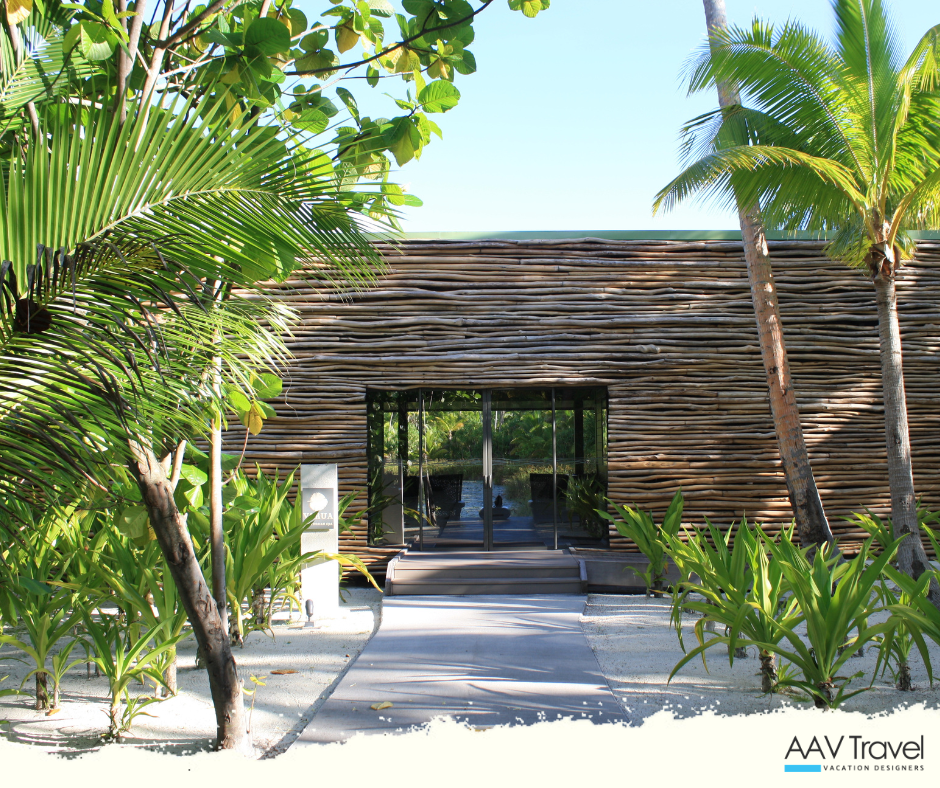
At Leela Palace’s Hotels and Resorts in India, the flowers used for weddings and celebrations do not end up in landfill once the event is over. Instead, they are collected and sent to Phool, a social enterprise that transforms them into charcoal free incense while creating employment opportunities for women from underserved communities.

Most guests will never know this happens. The flowers arrive, the celebration unfolds, and afterward the flowers quietly disappear. It is the kind of detail that reveals something real about how a hotel thinks, even though no one is there to see it.
What happens behind the scenes

Hotels have always competed on what you can see. The room, the view, the restaurant, the service at check-in. Those things matter and they should. But the decisions a hotel makes out of sight often say more about its character than the lobby or the wine list.

A hotel that collects its event flowers and routes them to a social enterprise is choosing to think carefully about what happens after the guests leave. A hotel that invests in a cooling system no one will ever hear about is making a long-term commitment to careful operation. A hotel that builds with stone quarried from its own valley is deciding to belong to a place.

In my experience, hotels that invest this kind of thought behind the scenes often bring the same level of care to the guest experience itself.

The Brando, Tetiaroa
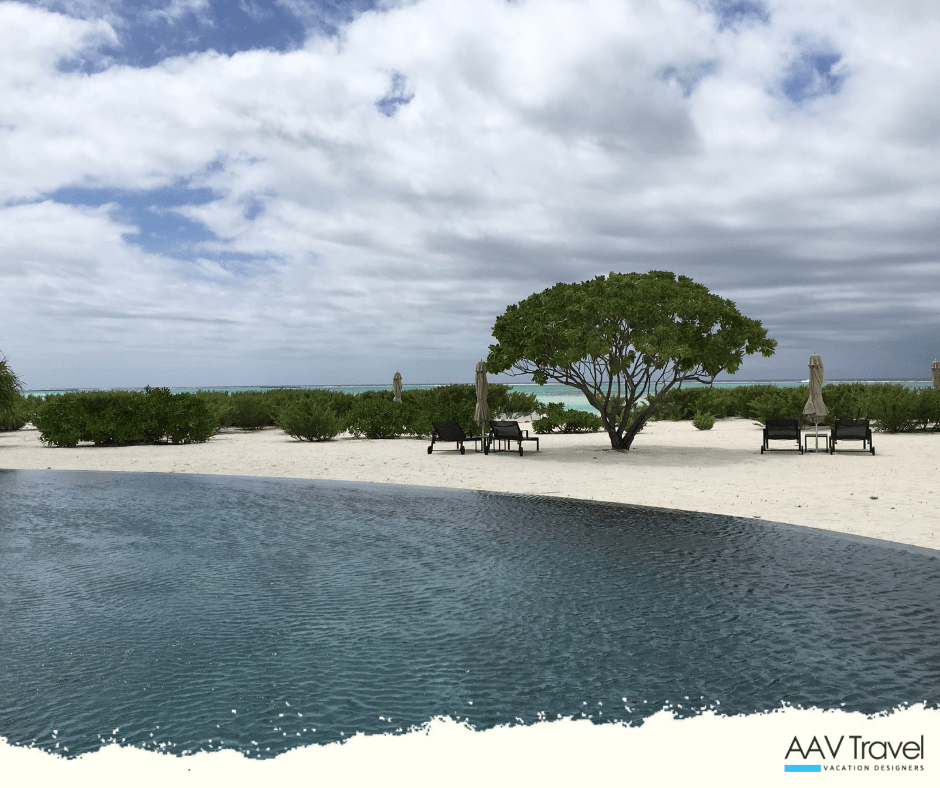
I have spent time at The Brando on Tetiaroa, and the experience changed how I think about what a resort can be. The resort uses a Sea Water Air Conditioning system that draws cold water from the deep ocean to cool its buildings, reducing the energy required for air conditioning by roughly 90%. Food waste is composted within 24 hours and cycled back into the on-site gardens, where produce is grown for the restaurants.

The resort also built an Ecostation on the island and donated it to the Tetiaroa Society, a nonprofit that brings scientists from around the world to study coral reef ecology, sea turtle nesting, and ocean acidification. Guests can visit, though most never do.
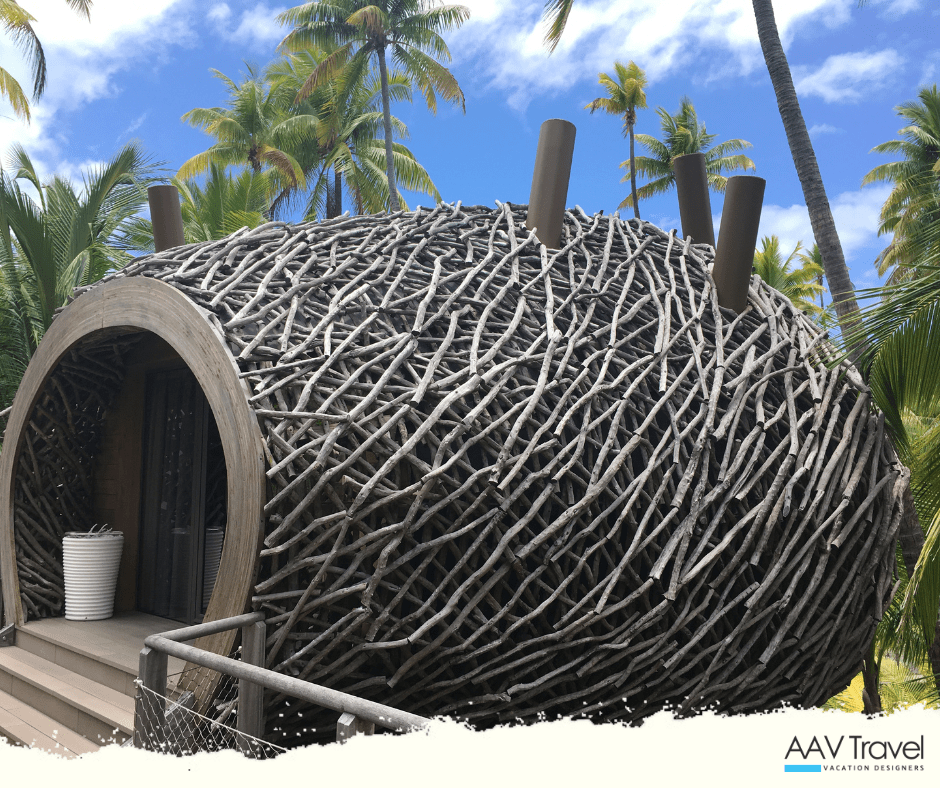
Standing on Tetiaroa, I realized that none of these systems announce themselves. Guests simply experience a beautiful resort that feels effortless. That, to me, is the hallmark of thoughtful luxury. The most important decisions often disappear into the experience itself.

7132 Thermal Baths, Vals

Zumthor © 7132 Hotel – Global Image Creation | Jeremy Mason McGraw

Peter Zumthor designed the thermal baths at 7132 in Vals using 60,000 slabs of quartzite quarried from the surrounding valley. The building is set into the mountainside, its grass roof merging with the alpine meadow above it, and its walls carry the texture and color of the landscape they came from.

Bathing here, surrounded by stone that holds light and warmth in equal measure, is one of the most considered experiences I have had in European travel. Everything about the design responds to where it is. The water comes from the St. Peters Spring and emerges naturally at about 30 degrees Celsius. The same source feeds the VALSER mineral water operation nearby. A heat pump captures the thermal energy released when that water is cooled for bottling and redirects it to heat the baths, reducing heating oil consumption by roughly 250,000 litres per year.

7132 Therme Indoor © 7132 Hotel – Julien Balmer

The baths feel the same to the guest whether the heat comes from oil or from recovered energy. The thinking behind it is entirely different. And that kind of thinking, the sort that shapes a guest’s experience without ever drawing attention to itself, is what I look for when evaluating a property for a client.

Where the flowers go

The bouquet at a wedding lasts only a few days. What happens after the flowers fade may seem like a small detail, but those unseen choices often reveal far more about a hotel than the arrangement itself. Increasingly, it is those quiet decisions that distinguish exceptional hospitality from merely beautiful hospitality.
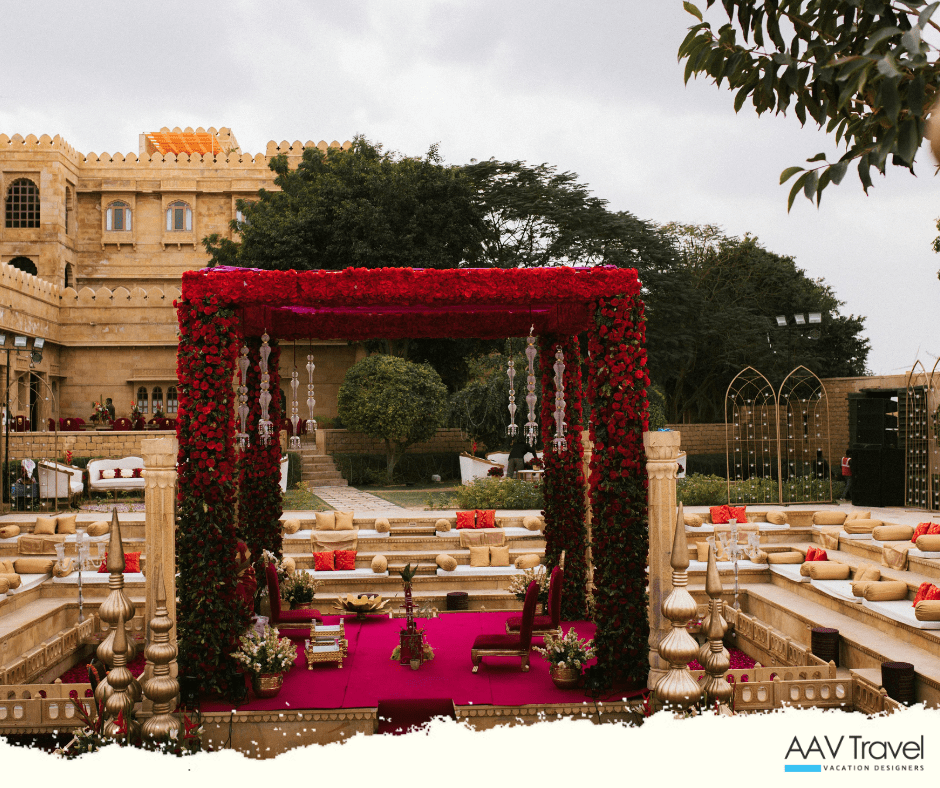
Whether it is recycled flowers in India, deep ocean seawater cooling in French Polynesia, or recovered thermal energy in a Swiss valley, the pattern is the same. The best hotels today are shaped by hundreds of considered decisions that most guests will never see. Knowing which properties operate this way, and recognizing the quieter signs of thoughtful hospitality, is one of the reasons I spend so much time getting to know the hotels I recommend. Those conversations often become part of designing a journey that is truly worth the time.

You are welcome to reach out through AAV Travel or contact us directly at info@aav-travel.com to start that conversation.

Written by: Stefanie P.

Curaçao: Where European Restraint Meets Caribbean Ease

If you’re the kind of traveler who values culture as deeply as coastline, Curaçao often feels like a quiet revelation. This is not a destination built on spectacle or excess. Instead, it unfolds slowly, revealing its character through rhythm, history, and lived-in beauty. Mornings invite you to wander pastel streets shaped by centuries of trade and migration. Afternoons drift toward secluded coves discovered almost accidentally, the sea impossibly clear, the pace unhurried. Curaçao rewards curiosity rather than urgency, offering a sense of place that lingers long after the salt has dried on your skin.

The island’s identity is inseparable from its layered history. Once a strategic hub of the Dutch trading empire, Curaçao remains a constituent country within the Kingdom of the Netherlands. That legacy is visible everywhere, from the gabled façades of Willemstad to the cadence of Papiamentu, a language shaped by Dutch, Portuguese, Spanish, and African roots. Cuisine reflects this same convergence, blending European structure with Caribbean warmth and Latin influence. Positioned just north of Venezuela and safely outside the hurricane belt, Curaçao enjoys a stable climate and year-round appeal, long favored by European travelers seeking winter sun without unpredictability.

Willemstad’s UNESCO-listed harbor remains a focal point, animated by cafés, galleries, and daily life rather than performance. Beyond the city, the island opens into rugged coastlines, salt flats, and hidden beaches best reached by car and curiosity. Curaçao is not about curated perfection; it’s about discovery. That quality, paired with its safety and ease of navigation, makes it particularly appealing to travelers who value independence and thoughtful exploration over tightly packaged experiences.

Luxury here follows a different logic than on many Caribbean islands. Curaçao’s Dutch heritage subtly shapes its hospitality culture, favoring practicality, quality, and restraint over extravagance. Hotels tend to be well-run rather than ostentatious, comfortable rather than theatrical. Boutique properties and small-scale accommodations dominate, while traditional ultra-luxury resorts remain rare. For travelers accustomed to more overt indulgence, this can feel like an adjustment. For others, it’s precisely the appeal.

This understated landscape makes true refinement stand out all the more clearly, which is why Baoase Luxury Resort feels so singular within Curaçao. Tucked discreetly along the coast, Baoase operates on an entirely different frequency. It is not simply one of the island’s best places to stay; it is a destination in its own right, designed for travelers who value privacy, intention, and deeply personal service.

With only a handful of suites and private villas, Baoase feels closer to a private estate than a hotel. The experience is shaped by scale and philosophy rather than grandeur. Guests are known by name, preferences are remembered without being announced, and service unfolds quietly in the background. Design leans toward natural materials and a serene, Balinese-inspired aesthetic, creating an atmosphere that feels grounded, intimate, and restorative rather than performative.

The resort itself was born from a passion project by Dutch owners inspired by Southeast Asian architecture and craftsmanship. That influence is felt throughout the property, from winding garden paths to secluded beach areas and private pools designed for retreat rather than display. Dining is refined and artful, service is attentive without intrusion, and the overall rhythm encourages guests to slow down and remain present.

One of Baoase’s defining characteristics is its firm commitment to privacy. Photography within the property is intentionally restricted, fostering an environment where guests can truly disconnect. This is luxury that exists for the experience itself, not for documentation. It appeals to travelers who value discretion and depth, and who understand that the most meaningful moments are rarely the most visible ones.

When thoughtfully planned, a stay at Baoase pairs beautifully with time spent exploring the island beyond the resort. Curaçao invites movement. Renting a car, tracing the coastline, stopping spontaneously at quiet beaches or local cafés, and engaging with the island on its own terms reveals a warmth and authenticity that feels increasingly rare. The island is welcoming, easygoing, and refreshingly unpretentious, offering a sense of ease that allows travelers to settle in rather than rush through.

Baoase’s story adds to its charm. Founded by Dutch owners who fell in love with both Curaçao and Southeast Asian architecture, the resort was built as a passion project—a place that blended Caribbean beauty with the tranquility and craftsmanship of Bali. The result is a lush, intimate hideaway featuring private pools, secluded beach areas, and winding tropical pathways that encourage guests to slow down and savor the surroundings.

Curaçao is best suited for travelers who appreciate balance: culture alongside coastline, independence alongside comfort, refinement alongside realism. It’s a destination that rewards discernment and pacing, offering depth to those willing to engage with it thoughtfully.

If Curaçao has begun to spark your curiosity, the next step isn’t booking a hotel or choosing dates. It’s having a calm, intentional conversation about how this destination fits into your broader travel goals, your timing, and the experience you truly want to have. That’s where thoughtful travel design begins. You’re welcome to reach out via www.aav-travel.com or info@aav-travel.com when you’re ready to explore what that could look like.

Written by: Stefanie P.