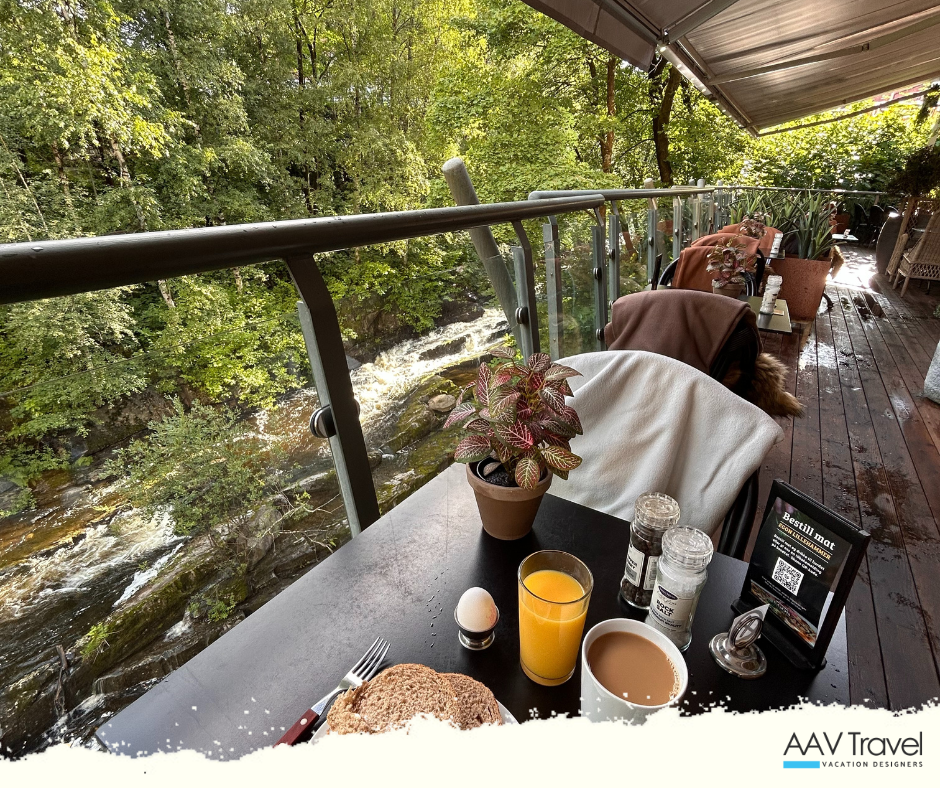
Hushpitality: When Silence Becomes the Most Thoughtful Luxury

There was a time when luxury travel was measured by abundance. More destinations, more activities, more dining reservations, more stimulation. Today, among experienced travelers who have already seen much of the world, that definition is quietly changing. The most valuable element of travel is no longer excess — it is relief. Relief from noise, from pressure, from constant decision-making, from the subtle tension that follows us even on holiday.

This is where hushpitality enters the conversation, not as a trend to chase, but as a response to how people truly want to feel when they travel.

Hushpitality is not about silence for silence’s sake. It is about designing travel that allows the nervous system to settle. It is about places and experiences that understand the difference between being alone and being at peace, between isolation and intentional quiet. For travelers who are accomplished, curious, and deeply engaged in their lives, this shift feels less like novelty and more like recognition.

Many travelers don’t articulate it this way at first. They say they want something “easy,” “restful,” or “less rushed.” They may say they want nature, or fewer hotel changes, or a villa instead of a city center property. What they are often seeking is not a destination, but a condition — the rare luxury of mental and emotional quiet.

True hushpitality begins long before arrival. It is shaped by decisions that are invisible when done well and immediately felt when done poorly. The choice of location within a destination matters more than the destination itself. A room facing the sea instead of the road. A countryside property twenty minutes farther out that trades convenience for calm. A carefully chosen travel window that avoids the subtle stress of crowds, weather volatility, or local events that change the rhythm of a place.

Silence, in this sense, is curated.

This is where experienced travelers often discover the limits of self-planning. Online inspiration tends to reward stimulation: the must-see, the must-do, the newly opened, the loudly celebrated. But quiet luxury requires discernment. It requires understanding not only what a place offers, but how it feels at different times of day, different seasons, and different stages of life.

Hushpitality also invites a rethinking of pace. It favors fewer transitions and longer stays, allowing the body to adjust and the mind to stop scanning for what comes next. It creates room for mornings without agendas and evenings that don’t require reservations. The absence of structure becomes the structure.

For many travelers, this kind of experience feels unfamiliar at first. There can be a subtle discomfort in slowing down, in realizing how accustomed we have become to noise. But once that threshold is crossed, something shifts. Travelers report sleeping more deeply. Conversations become richer. Small details — light on water, the sound of wind through trees, the rhythm of a local café — take on meaning again.

Importantly, hushpitality does not mean sacrificing comfort, beauty, or cultural depth. In fact, it often heightens them. A thoughtfully chosen museum visit early in the day, before crowds arrive, can feel almost private. A single, meaningful guide encounter can replace a full day of scheduled touring. A well-designed spa experience, or simply time spent walking without purpose, can become the most memorable part of a journey.

Silence sharpens perception.

This approach is particularly resonant for milestone travelers — those marking transitions rather than escapes. Empty nesters redefining freedom. Couples recalibrating after demanding years. Individuals traveling solo not out of necessity, but intention. In these moments, travel becomes less about distraction and more about alignment.

Designing for hushpitality also carries a responsibility. Quiet spaces must be genuinely protected, not merely marketed. Some destinations appear tranquil in photographs but feel restless in reality. Others require careful handling to avoid overexposure, environmental strain, or social friction that disrupts the very calm travelers seek.

This is where thoughtful travel design intersects with private travel risk advisory. Noise is not always audible. It can take the form of logistical friction, poorly timed connections, unreliable services, or cultural misunderstandings that pull travelers out of ease and into vigilance. Seamlessness is not indulgence; it is what allows quiet to exist.

At AAV Travel, hushpitality is not treated as a category, but as a lens. It informs how journeys are shaped, how trade-offs are evaluated, and how success is measured. Sometimes that means advising against a popular property in favor of one with better spatial design. Sometimes it means encouraging clients to stay put rather than move on. Sometimes it means acknowledging that a destination may be right — just not right now.

Silence, after all, is not something you add at the end. It must be designed from the beginning.

As travelers become more discerning, the value of judgment increases. Not every quiet place is restorative. Not every slow itinerary is satisfying. The art lies in understanding who a journey is for, what they carry with them into it, and what they hope to leave behind — even temporarily.

Hushpitality speaks to a deeper evolution in travel. Away from consumption and toward consideration. Away from performance and toward presence. It asks not “How much can I see?” but “How do I want to feel while I am there — and when I return?”

For those ready to travel with greater intention, silence is no longer an absence. It is the experience itself.

If you’re considering a journey where calm, clarity, and thoughtful design matter more than volume or velocity, a quiet conversation is often the best place to begin.

If a quieter, more intentional way of traveling resonates — one shaped by pacing, judgment, and an understanding of what truly restores — an intentional conversation can be a meaningful first step. AAV Travel works with clients to think through the broader picture before plans take shape, aligning destinations, timing, and structure with how travel is meant to feel. You can reach out to us directly at info@aav-travel.com to begin the conversation.

Written by: Stefanie P.

How Many Days for the Perfect Bucket List Vacation?

The COVID-19 pandemic profoundly impacted how we view life, travel, and our priorities. After years of restrictions and uncertainties, many people are rethinking how they spend their time and money, leading to a surge in bucket list travel. Travelers are not just dreaming about their ideal adventures anymore—they’re planning them with urgency and a desire to experience as much as possible in shorter timeframes. Here’s a closer look at this trend and its implications for travel planning.

The Shift in Travel Priorities

Before the pandemic, many travelers adopted a “someday” approach to their dream trips, waiting for the “perfect” time. However, the global pause on travel and the stark reminder of life’s unpredictability have fueled a “now or never” mindset. People are no longer content to wait; they want to explore the world while they can, resulting in a significant rise in bucket list travel.

Studies and surveys highlight this shift:

  • According to a 2023 Expedia survey, 71% of travelers reported a desire to take at least one “once-in-a-lifetime” trip within the next two years.
  • A survey by American Express Travel found that 62% of respondents are more interested in unique, dream destinations than they were pre-pandemic.
  • Skyscanner’s 2024 Travel Trends Report shows a 48% increase in multi-destination itineraries compared to 2019.
Lake above the sea

The Hidden Costs of Bucket List Travel: Cultural Overload, Overtourism, and the Case for Slow Travel

Bucket list travelers increasingly aim to check off several destinations or experiences in one trip. This approach allows them to maximize their time and investment while ensuring they don’t miss out on their must-see locations. On the other hand, it also impacts the quality of their vacation:

Cultural Overload: The Pitfall of Mixing Destinations

Packing multiple destinations into a single trip may seem efficient, but it often results in missing the depth and nuance of each culture. Rapidly transitioning from one locale to another can create a blur of experiences, where traditions, cuisines, and languages mix in a way that overwhelms rather than enriches. This sensory overload not only diminishes the traveler’s ability to fully appreciate each destination but can also foster a superficial understanding of the places visited. Taking time to immerse oneself in a single culture fosters deeper connections and more meaningful memories, proving that sometimes less truly is more.

Strolling the streets in Japan

Negative Impacts on Destinations and the Environment

The rise in bucket list travel has also brought negative consequences for destinations and the environment. Over-tourism in popular areas can strain local resources, disrupt communities, and erode cultural heritage. Natural landmarks often face increased wear and tear, while ecosystems can suffer from overcrowding and pollution. Additionally, the carbon footprint of frequent flights and high-intensity itineraries contributes to climate change, raising concerns about the long-term sustainability of this trend. Travelers and industry professionals must work together to mitigate these effects by promoting responsible tourism practices and prioritizing sustainable travel solutions.

The Stop Overtourism Movement

The “stop overtourism” movement is gaining momentum as destinations and communities push back against the negative effects of mass tourism. Popular tourist hotspots, from Venice to Bali, have experienced severe overcrowding, which strains infrastructure, disrupts daily life for residents, and diminishes the quality of the visitor experience. This movement advocates for more sustainable tourism practices, including limiting visitor numbers, encouraging travel to lesser-known destinations, and promoting off-season travel. By addressing these issues, the movement aims to protect cultural heritage, preserve natural environments, and ensure that tourism remains a positive force for both locals and travelers.

Toasting to your life in Paris

The Slow Travel Movement: A Sustainable Alternative

In contrast to the fast-paced nature of bucket list travel, the slow travel movement offers a more sustainable and enriching approach. Slow travel focuses on spending more time in fewer destinations, allowing travelers to deeply connect with local cultures, traditions, and communities. This method not only reduces environmental impact by minimizing flights and transit but also supports local economies by encouraging longer stays and greater investment in local businesses. For travelers, the slower pace fosters meaningful experiences, reduces travel fatigue, and provides opportunities for genuine cultural immersion. Embracing slow travel benefits everyone involved, creating a win-win scenario for both visitors and the destinations they explore.

Alaska bear watching

How to Plan Efficient Bucket List Travel: Embrace the Journey with Expert Guidance

The rise in bucket list travel reflects a powerful shift in how we approach life and the experiences we cherish. While the allure of destination hopping may seem irresistible, the rewards of slow, immersive travel often lead to richer memories and deeper connections. Whether you’re chasing once-in-a-lifetime moments or savoring the nuances of a single destination, finding the right balance is key.

Working with a seasoned travel advisor ensures your journey is thoughtfully planned, balancing efficiency, sustainability, and personal fulfillment. From crafting seamless itineraries to uncovering hidden gems, a specialist can help transform your travel dreams into unforgettable realities. Now is the perfect time to make your bucket list a reality—let’s plan it together.

To start planning, contact us via email at info@aav-travel.com or visit the website.
Written by: Stefanie P.