Most people think a journey begins when they step onto a plane. In reality, travel begins much earlier, in the quiet moment when a trip shifts from a passing idea to a deliberate intention. That space between deciding and departing is not empty time. It is where expectations form, choices take shape, and the tone of the journey is quietly set, often long before a suitcase is opened.
In recent years, many travelers have grown accustomed to planning closer and closer to departure. Flexibility has become a virtue, spontaneity a badge of honor. And while last‑minute travel can absolutely work in the right circumstances, it often comes at an invisible cost. The difference between planning eight months ahead versus three months ahead is not just logistical. It is psychological, emotional, and experiential.
One of the most overlooked benefits of planning well ahead is anticipation. Knowing that a meaningful journey is on the horizon has a grounding effect. It introduces a steady undercurrent of pleasure into everyday life — something to look forward to during busy seasons, demanding projects, or uncertain stretches. Anticipation stretches the joy of travel across time, rather than confining it to a single week away.
When travel is planned early, the mind has room to wander. Travelers begin to imagine textures, tastes, and rhythms. They read, notice, and reflect. This mental engagement is not trivial; it is part of why travel feels restorative. By contrast, trips planned close to departure often feel compressed. Decisions are made quickly, options are weighed under pressure, and excitement is mixed with stress. The journey may still be enjoyable, but the runway leading up to it is shorter and more crowded.
Time also plays a critical role in the quality of choices available. Eight months ahead, the world of travel is simply more open. Preferred rooms are still available, not just any room. The best‑suited guides, sailings, and access windows can be selected thoughtfully rather than accepted by default. Flights can be chosen to support rest and pacing instead of endurance. These are not luxuries in the superficial sense; they are elements that quietly shape how a trip feels in the body.
Early planning allows for discernment. It gives travelers the ability to say yes to what truly fits and no to what does not, without feeling boxed in by scarcity. This is particularly important for travelers who value comfort, context, and depth over volume. A well‑designed journey is not about doing more. It is about aligning experiences with energy, interests, and timing — something that is far easier to achieve when options are abundant.
Planning closer to departure naturally narrows that field. Three months out, excellent trips are still possible, but the process changes. Creativity is often replaced by efficiency. Trade‑offs become necessary, not because a traveler prefers them, but because the calendar dictates them. The question shifts from “What would suit us best?” to “What is still available?” That subtle shift is where many trips lose a degree of elegance.
None of this is meant to suggest that every journey must be planned far in advance. Life does not always cooperate, and there are moments when spontaneity is exactly right. But for milestone trips, longer journeys, or experiences that matter deeply, time is an ally worth respecting. It brings clarity. It softens decision‑making. It allows travel to be shaped deliberately rather than assembled reactively.
In the end, planning eight months ahead is not about being early. It is about creating space — space to imagine, to choose well, and to travel with fewer compromises. When time is used intentionally, it becomes one of the most powerful tools in designing a journey that feels not just enjoyable, but genuinely sustaining.
Thoughtful travel rarely happens by accident. It benefits from conversation, perspective, and a calm understanding of what matters most to you. If you are considering an upcoming journey and would value a more intentional approach to timing, pacing, and design, an initial conversation can help clarify the path forward. You can learn more at AAV Travel or reach out directly at info@aav-travel.com.
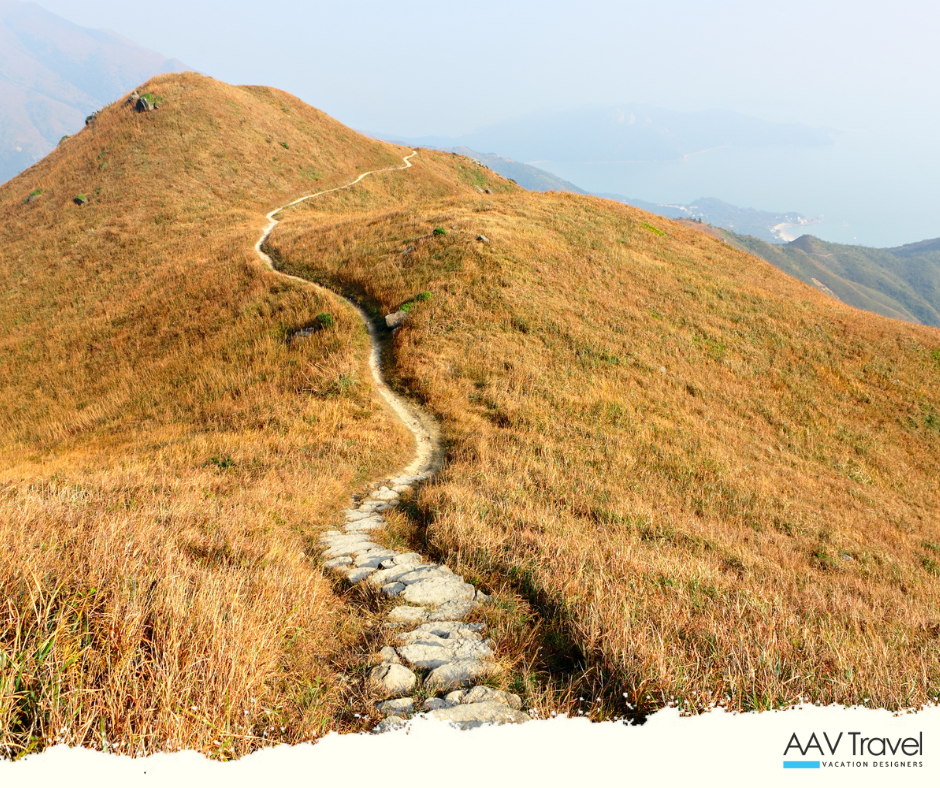
Travel has a remarkable way of returning us to ourselves, and few experiences do this as naturally as stepping onto a trail. Hiking invites a different rhythm, one that feels both grounding and quietly expansive. With each steady step, the body strengthens, the mind clears, and the world becomes more vivid. The pace slows just enough for you to notice the scent of pine carried on the breeze, the shifting light across a valley, or the simple satisfaction of moving forward with purpose.
In a world that constantly encourages speed, trails offer something rarer: presence. They remind us that adventure does not always need adrenaline or intensity. Sometimes it simply requires time, curiosity, and the willingness to experience a place in a more intimate way.
Positive psychology often points to the restorative effects of nature, and hiking weaves these benefits into every ascent, descent, and panoramic view. Trails naturally ease stress, drawing us away from the noise of daily life and gently restoring mental balance. A long walk can clear mental fog, spark fresh perspective, and renew emotional energy. When travel is built around hiking, it becomes more than scenery. It becomes a way of stepping out of routine and into a landscape that reshapes how we feel, how we think, and how we see the world.
The following destinations are worth traveling for not only because they are beautiful, but because they invite the kind of transformation that can only happen when you move through a place slowly and with intention.
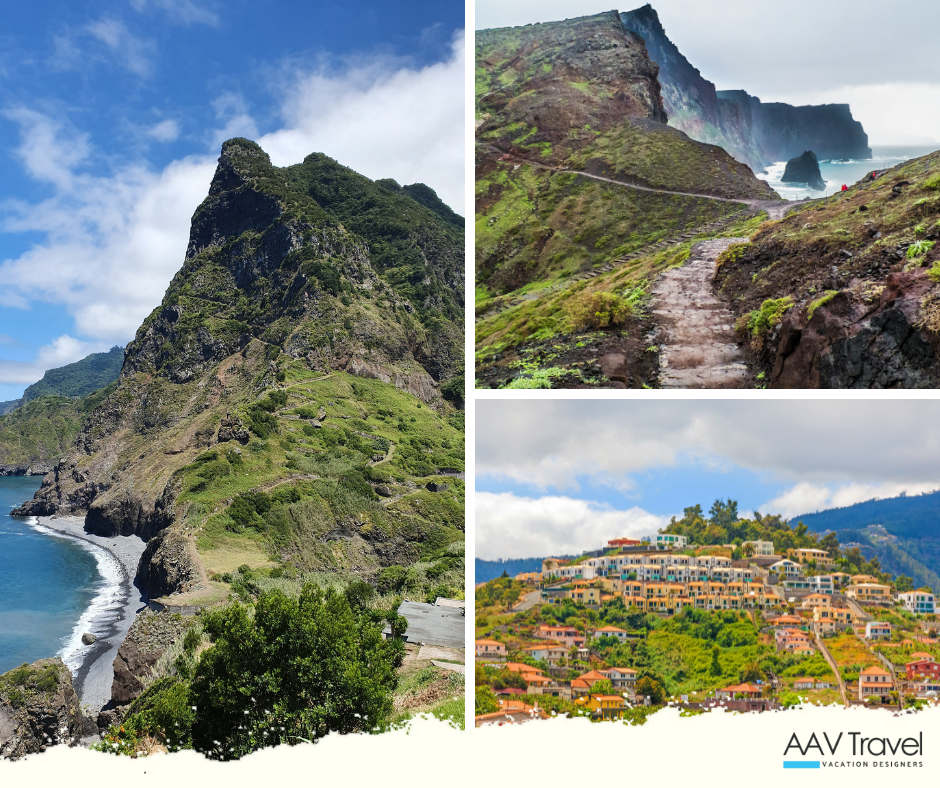
Madeira, Portugal
Madeira is a hiker’s paradise, a lush volcanic island where dramatic cliffs drop into the Atlantic and ancient laurel forests create a world that feels almost otherworldly. Many trails follow the island’s historic levadas, irrigation channels that cut through the landscape, forming gentle, scenic walking routes. These paths often wind through green tunnels before opening into sweeping views that feel cinematic and remote.
For those seeking more challenge, Madeira also offers ridge hikes and high peak routes that reward confident hikers with breathtaking vistas across the island. It is a destination for travelers who appreciate variety, and for those who want a balance of quiet forest immersion and dramatic viewpoints, all within a mild climate that makes walking enjoyable nearly year round.
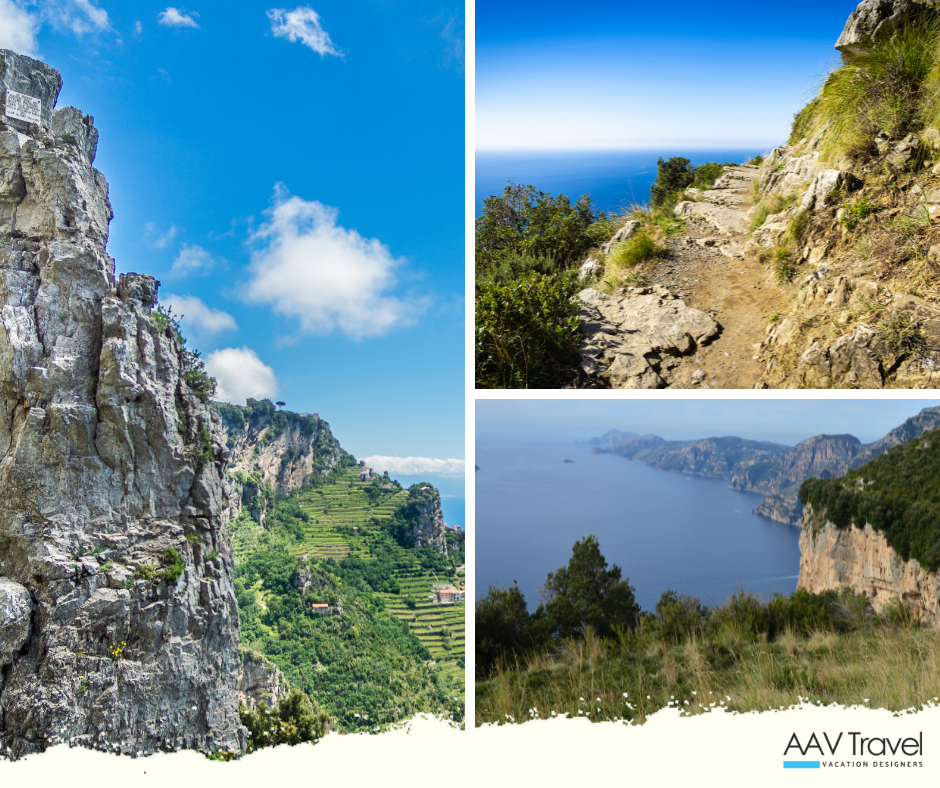
Amalfi Coast, Italy
The Amalfi Coast delivers hiking with unmistakable character. Cliffside trails overlook terraced lemon groves, pastel villages cling to steep hillsides, and the Mediterranean glimmers far below. Some routes require stamina and sure footing, while others are gentler and designed for travelers who prefer a slower pace and more time to absorb the scenery.
This is an ideal region for travelers who love the combination of natural beauty and cultural richness. Hiking here is never just hiking. It is an experience shaped by historic footpaths, local life, and the reward of returning to a village for fresh seafood, regional wine, and views that feel timeless.
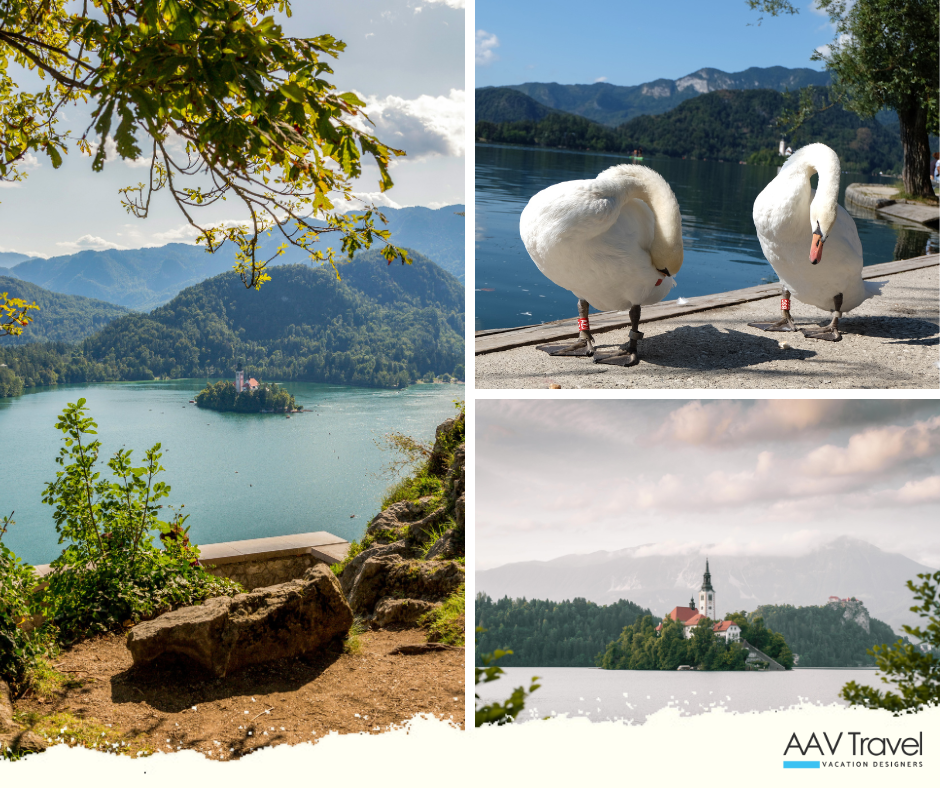
Lake Bled, Slovenia
Lake Bled feels like it Lake Bled feels almost unreal, with emerald water, a small island topped by a church, and a castle perched high above the shore. The walking paths around the lake are peaceful and accessible, but the surrounding hills offer more demanding climbs for travelers who want elevation and sweeping views.
This destination is especially well suited for those who enjoy a sense of calm woven into their travels. It is a place for travelers who appreciate photography moments at every turn, who want nature without extremes, and who find joy in landscapes that feel serene, storybook, and quietly restorative.
Zermatt, Switzerland
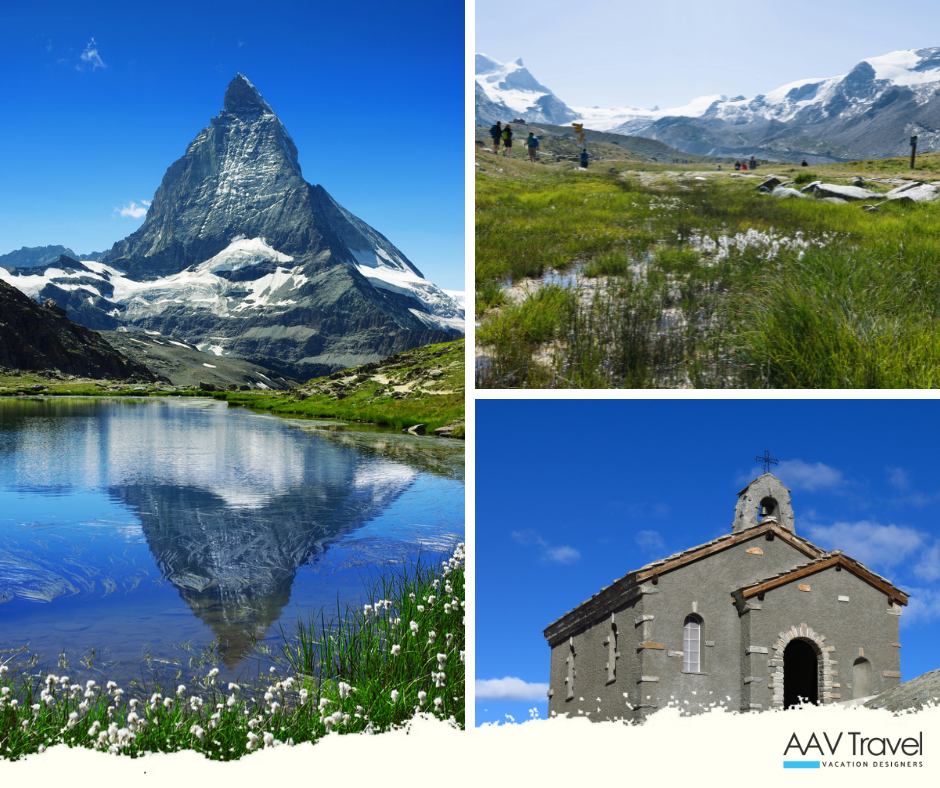
Zermatt is iconic for good reason. Standing before the Matterhorn brings a sense of awe that is difficult to describe and impossible to forget. The trails here move through alpine meadows, past turquoise lakes, and into high altitude landscapes that feel pristine and powerful.
The range of hiking is extensive, from gentle panoramic walks to ambitious routes that require endurance and confidence. Zermatt appeals to travelers who love mountain air and dramatic scenery, and who appreciate the ability to pair adventure with comfort. It is one of those rare destinations where the landscape feels both grand and deeply personal, offering moments of quiet reflection alongside the exhilaration of being in the Alps.
Tromsø, Norway
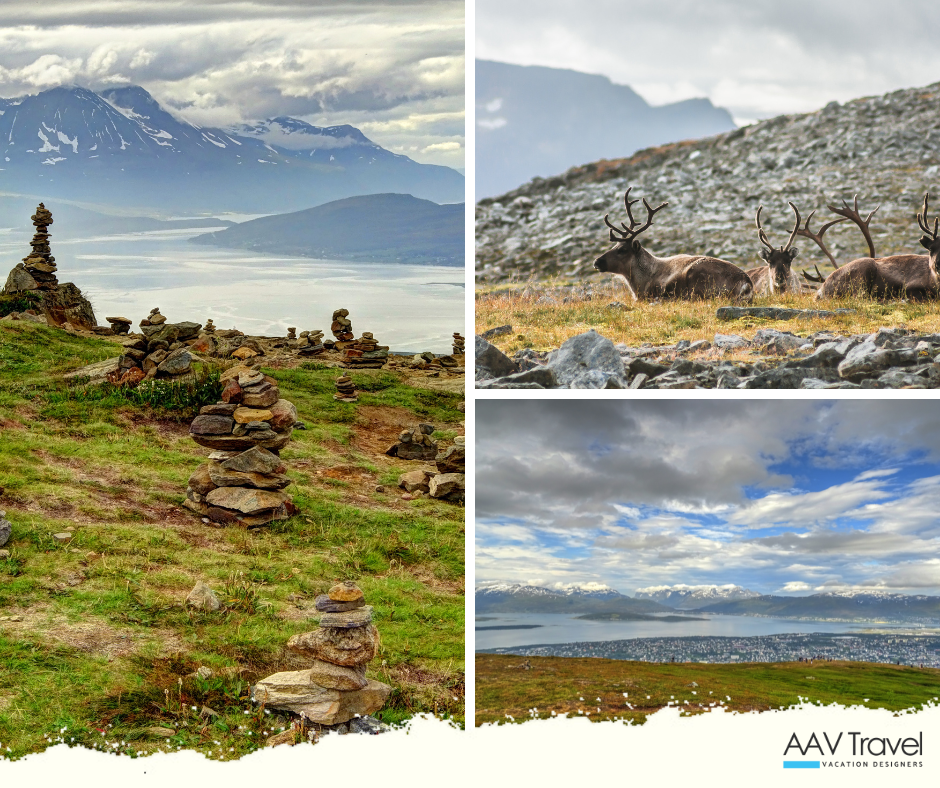
Far above the Arctic Circle, Tromsø offers hiking that feels remote, raw, and unforgettable. Trails lead through birch forests, across rugged ridges, and up to viewpoints overlooking fjords stretching toward the horizon. The experience shifts dramatically with the seasons. In summer, you may hike under the midnight sun. In winter, the same landscape becomes a world of snow, twilight, and Arctic stillness.
This region speaks to travelers who are drawn to places that feel wild and expansive. It is for those who want crisp air, solitude, and the deep sense of perspective that comes from being surrounded by nature on a grand scale. The possibility of seeing the northern lights after a day on the trail only adds to the sense of wonder.
Cornwall, England
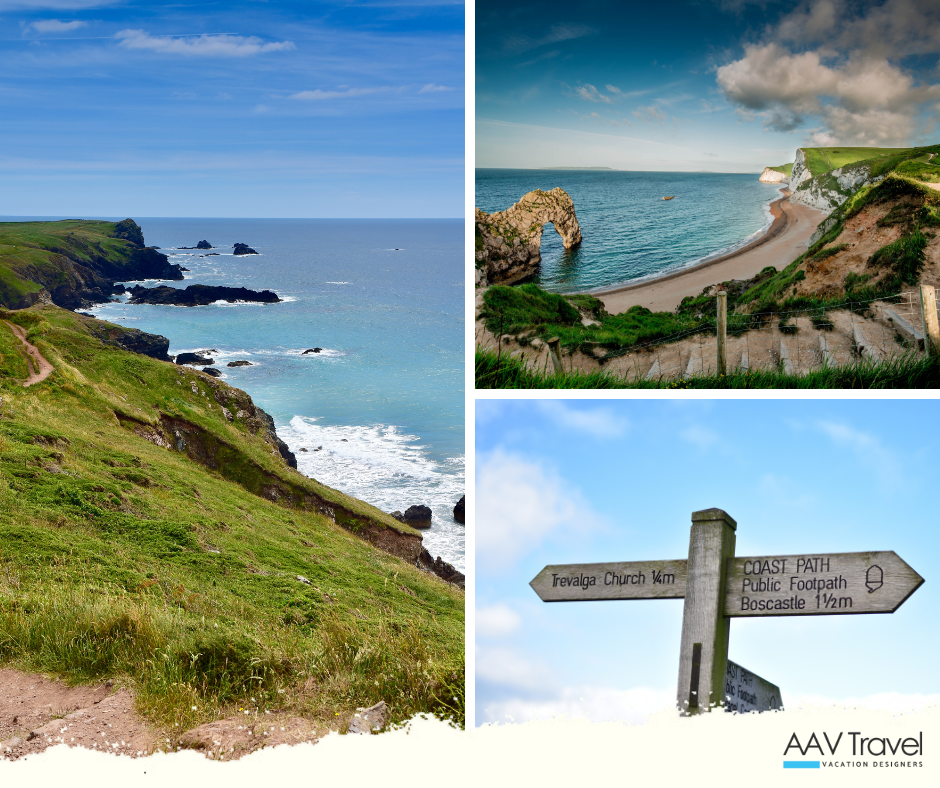
Cornwall’s coastal paths are a pleasure for travelers who love dramatic sea views, wildflower lined cliffs, and villages that feel full of charm. The South West Coast Path is one of the region’s greatest treasures, offering rolling terrain that ranges from gentle to moderately challenging, always rewarding the effort with sweeping views of turquoise coves and rugged coastline.
Cornwall is ideal for travelers who appreciate a slower pace and the kind of walking that encourages reflection. It is also a destination that pairs beautifully with comfort. Days on the trail can end with cozy pubs, fresh seafood, and the quiet satisfaction of being near the sea. With weather that shifts quickly and scenery that constantly changes, no two walks here ever feel the same.
Northern Ireland’s Coast
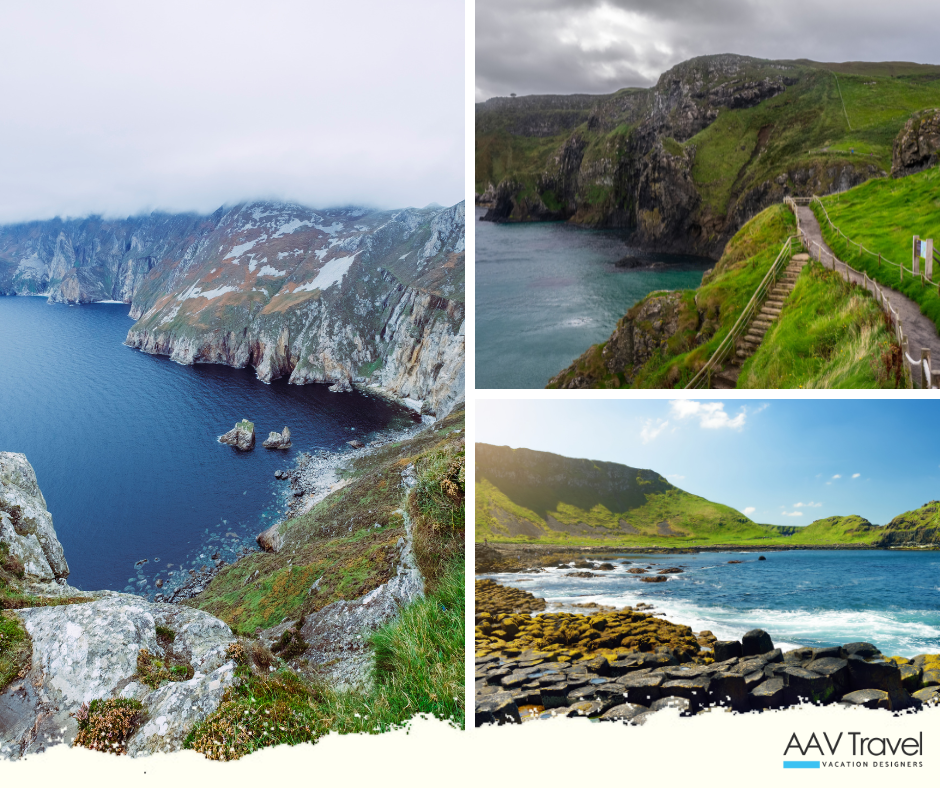
Northern Ireland’s coastline is a landscape shaped by wind, sea, and legend. Cliffs rise dramatically above the water, basalt formations create striking natural patterns, and green fields spill toward the shore. Trails near the Giant’s Causeway offer a fascinating intersection of geology, history, and storytelling, with scenery that feels both powerful and deeply atmospheric.
The terrain offers enough variety to satisfy both casual walkers and experienced hikers. This is a destination for travelers who love places with character, where the landscape feels like it carries a narrative. It is the kind of coastline that stays with you, not only for its beauty, but for the mood and depth it evokes.
Making Long-Distance Walks Effortless and Enriching
Designing a Hiking Journey with Ease and Intention
Long distance walking trips are among the most rewarding ways to travel, but they are also the kind of journey where thoughtful planning makes all the difference. The right pacing, the right route, and the right accommodations can turn a demanding itinerary into an experience that feels seamless and deeply enjoyable.
When luggage transfers are arranged, accommodations are chosen with care, and logistics flow smoothly from one stage to the next, you are free to focus on what matters most. The trail, the scenery, the quiet satisfaction of progress, and the feeling of being fully immersed in a place.
At AAV Travel, we design hiking journeys with the same discernment and attention we bring to every itinerary. That may include selecting boutique stays that reflect the spirit of a region, arranging meaningful local experiences that complement your walking days, and tailoring each route to match your comfort level and personal travel style. The goal is never simply to create a hiking trip. It is to design an experience that feels balanced, intentional, and beautifully paced.
If you are ready to explore the world on foot, we would love to help you craft a walking journey that feels extraordinary from start to finish. Visit AAV Travel or email us at info@aav-travel.com to begin the conversation.
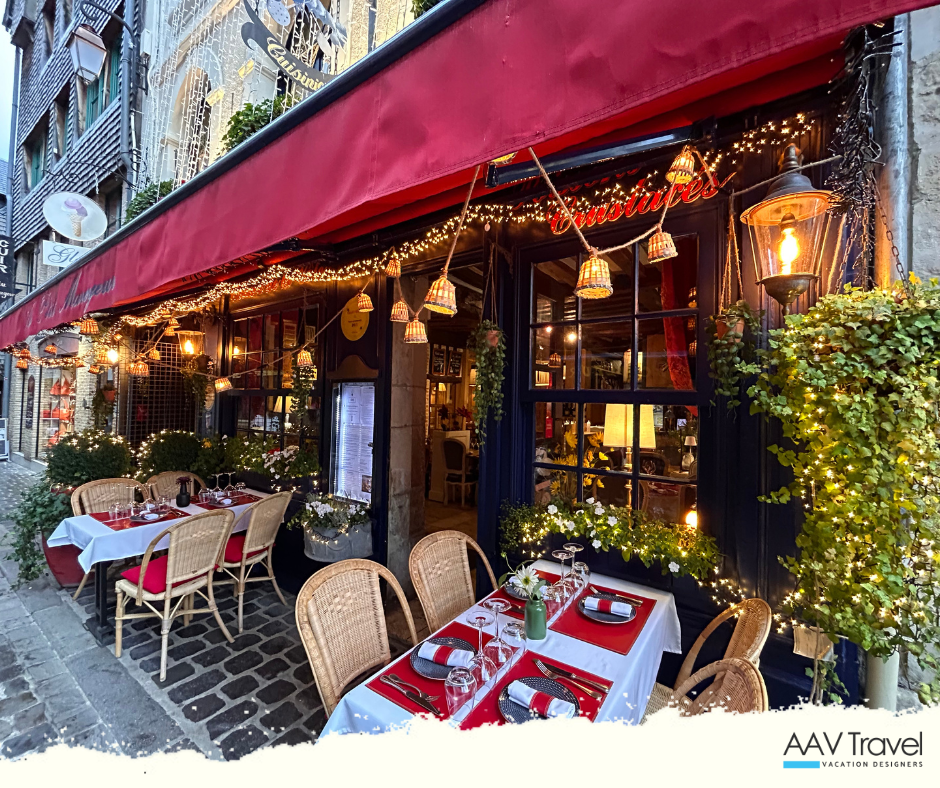
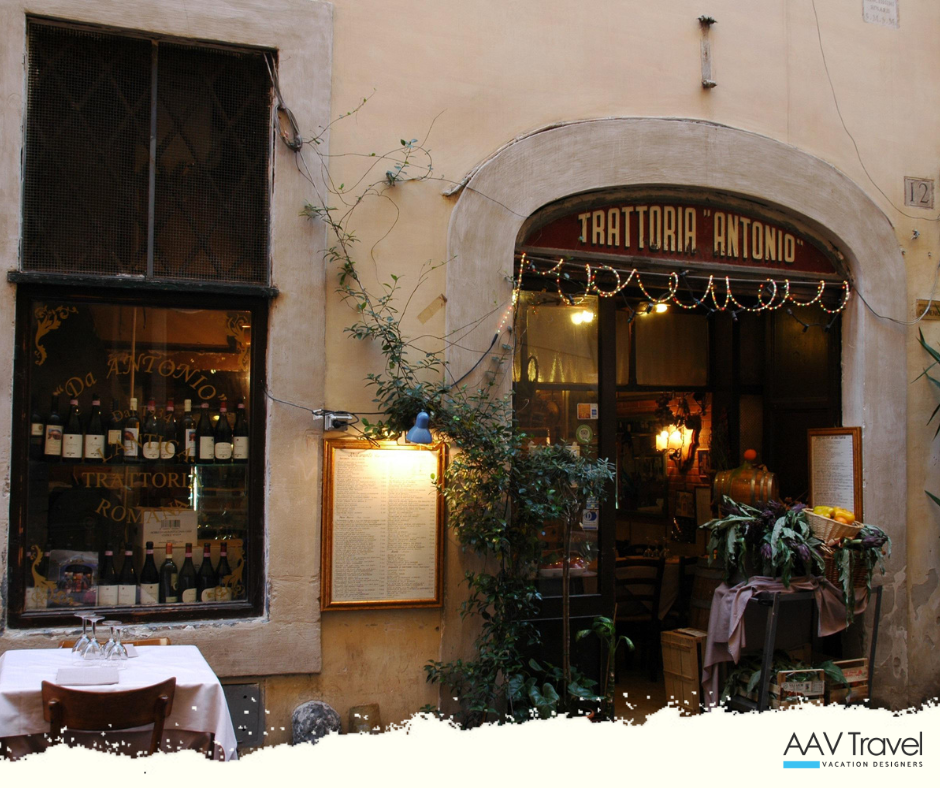
In an era shaped by smartphones and instant validation, it’s easy to assume that choosing where to eat is a universal exercise in scrolling, comparing, and ranking. Yet across much of Europe, this approach feels oddly out of place. In many cities, towns, and villages, locals simply do not rely on online reviews to decide where to dine. Some barely consult them at all. Instead, restaurant choices are guided by habit, intuition, seasonal rhythm, and relationships built quietly over decades.
Dining in Europe is rarely transactional. It is cultural, personal, and deeply rooted in a sense of belonging. Many people return again and again to the same neighborhood restaurants their parents and grandparents frequented, not because they once read a glowing review, but because those places feel familiar and trusted. In residential neighborhoods, chefs often cook not for tourists chasing novelty, but for neighbors they know by name, preferences, and routine. The goal is consistency and care, not visibility.
This is why some of the most memorable meals travelers experience happen in places with no website, no social media presence, and no interest in collecting stars. These restaurants are not hiding; they simply exist outside the digital feedback loop. Finding them requires a different way of paying attention—one that values context over comparison and presence over prediction.
Across Europe, subtle signals often speak louder than online praise. A short, focused menu typically suggests a kitchen that cooks with intention, adapting to what is fresh and available rather than offering endless choice. Regional specificity matters deeply. Pasta shapes in Italy, breads in France, dumplings in Central Europe, or sauces that vary by village rather than country often indicate a restaurant grounded in place. These details are not designed for display; they are habits formed through tradition.
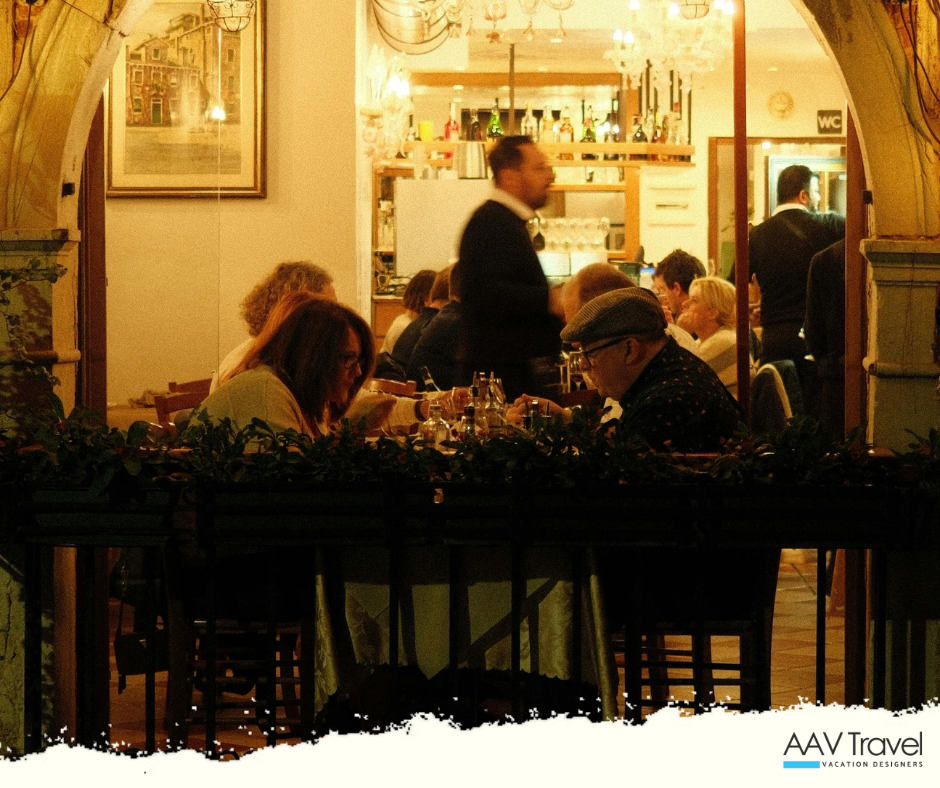
Atmosphere also tells its own story. A lively dining room filled with animated conversation, familiar greetings between staff and guests, and a steady rhythm of service usually reveals more than any rating ever could. So do the small gestures that arrive before the meal itself. Bread that is warm and distinctive, a starter prepared with care, or a handwritten note about the day’s offerings can quietly signal what kind of experience lies ahead.
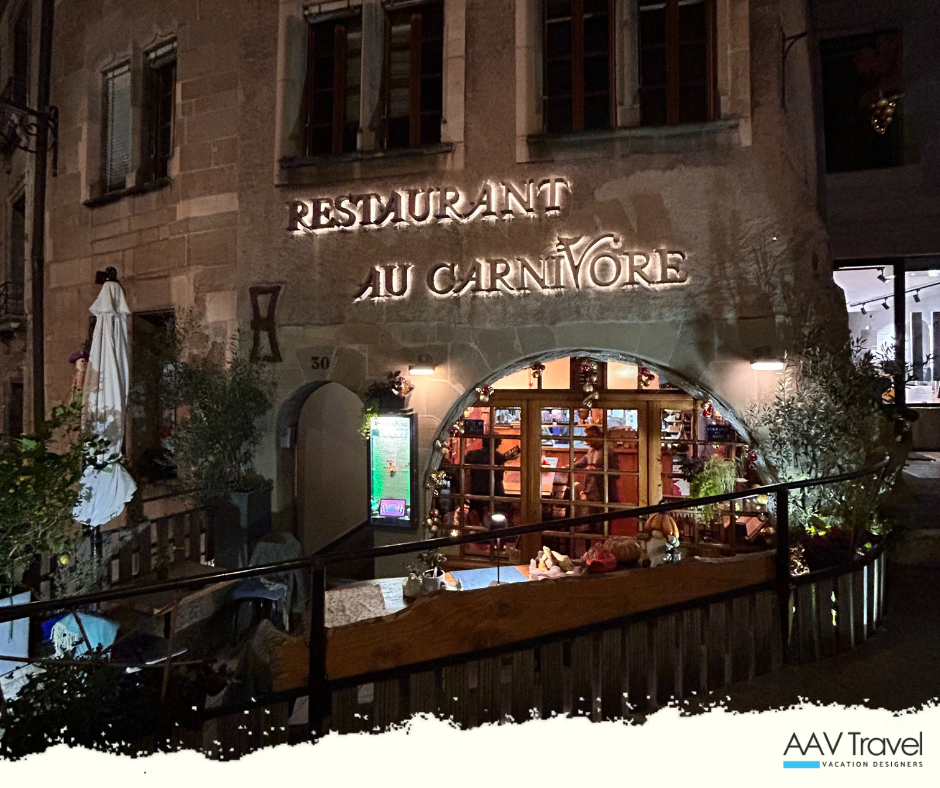
In many European cities, restaurants do not need to announce themselves loudly. Reputation spreads locally, and confidence comes from longevity rather than marketing. Places that rely heavily on multilingual signage, photos of every dish, or exaggerated claims aimed at passersby are often catering to a different audience. Locals tend to gravitate toward restaurants that feel unforced, where the focus remains on the food, the flow of the meal, and the shared experience of being there.
Timing matters as well. Restaurants that fill naturally during local mealtimes tend to do so for good reason. Empty tables at peak hours can be telling, while the gentle hum of a full room often reflects trust earned over time. Even the aromas drifting from a doorway—something simmering slowly, bread baking, onions caramelizing—can offer a more honest invitation than any algorithm.
For travelers accustomed to relying on reviews, this approach can feel unsettling at first. Choosing a restaurant based on atmosphere, instinct, or observation rather than certainty requires a willingness to be present and curious. Yet this slower, more intuitive way of dining often becomes one of the most rewarding aspects of traveling through Europe. It allows room for surprise, encourages engagement with local rhythms, and invites travelers to taste flavors they might not have selected in advance.
That said, discernment matters. Not every traveler enjoys unpredictability, and there is no virtue in discomfort for its own sake. Reviews can still serve a purpose, particularly for those with dietary restrictions or strong preferences. The difference lies in how they are used—not as the sole decision-maker, but as one of several inputs balanced with observation, context, and local insight.
One of the most valuable yet underutilized resources for navigating Europe’s dining landscape is the human one. Luxury hotel concierges often have exceptional knowledge of their city’s culinary scene and can secure reservations at sought-after restaurants with ease. But the most interesting recommendations often emerge when the conversation goes a step further. Asking where someone eats with their family on a Sunday, or which neighborhood spot they return to after a long day, often leads to places that never appear on curated lists.
Food tours can also play an important role, particularly early in a stay. Led by passionate locals, these experiences provide more than tastings. They offer cultural context, stories, and confidence. Visiting markets, bakeries, cafés, and small eateries with someone who understands the city’s rhythms helps travelers recognize the signs of quality and authenticity on their own. A well-chosen food tour doesn’t replace independent discovery; it enhances it.
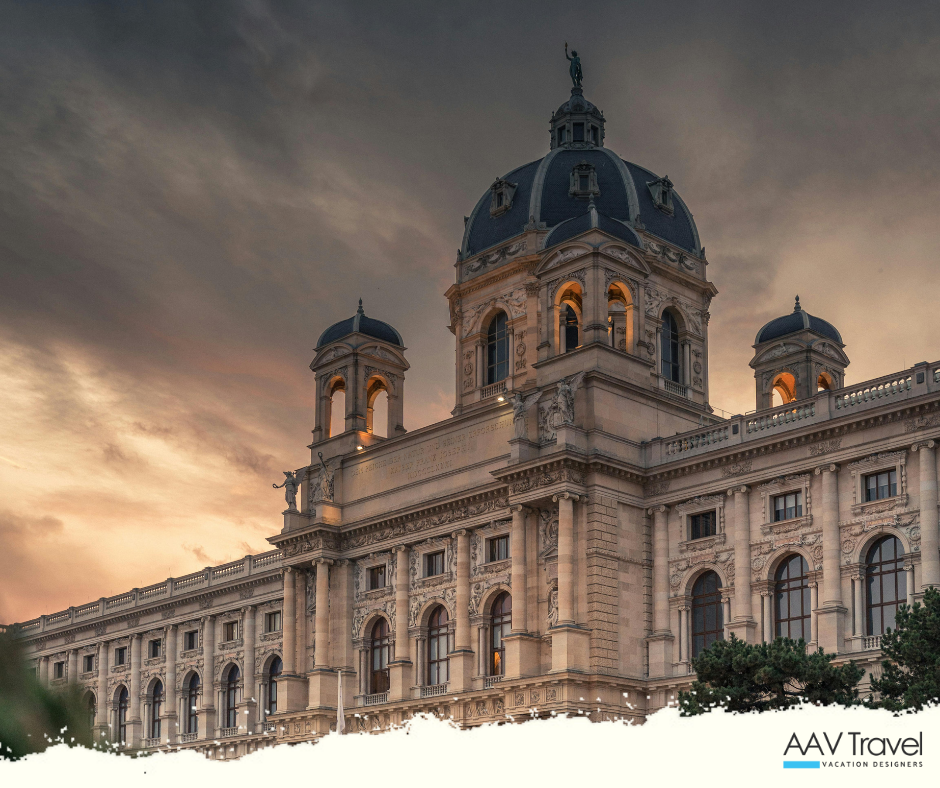
Once travelers begin to understand a destination’s culinary language, integrating local rituals becomes especially meaningful. Enjoying afternoon tea in England or lingering over hot chocolate in one of Vienna’s historic cafés is about more than the food itself. These traditions invite travelers to slow down, observe, and participate in moments that locals have cherished for generations. They provide structure to the day and a deeper sense of connection to place.
Experiencing Europe through its food is not about finding the “best” restaurant. It is about understanding how, when, and why people eat the way they do. It is about pacing, judgment, and choosing moments that align with the character of a destination rather than rushing to collect highlights.
At AAV Travel, this philosophy shapes how journeys are designed. Thoughtful travel is not about maximizing experiences, but about choosing the right ones—at the right time, in the right way, with an understanding of context and trade-offs. Through intentional conversations, careful planning, and calm judgment, AAV Travel helps travelers experience destinations with confidence and ease, allowing space for discovery without unnecessary risk or overwhelm. If you’re curious about how a more intentional approach could shape your next journey, you’re warmly invited to begin a conversation at www.aav-travel.com or by reaching out to info@aav-travel.com.
There was a time when luxury travel was measured by abundance. More destinations, more activities, more dining reservations, more stimulation. Today, among experienced travelers who have already seen much of the world, that definition is quietly changing. The most valuable element of travel is no longer excess — it is relief. Relief from noise, from pressure, from constant decision-making, from the subtle tension that follows us even on holiday.
This is where hushpitality enters the conversation, not as a trend to chase, but as a response to how people truly want to feel when they travel.
Hushpitality is not about silence for silence’s sake. It is about designing travel that allows the nervous system to settle. It is about places and experiences that understand the difference between being alone and being at peace, between isolation and intentional quiet. For travelers who are accomplished, curious, and deeply engaged in their lives, this shift feels less like novelty and more like recognition.
Many travelers don’t articulate it this way at first. They say they want something “easy,” “restful,” or “less rushed.” They may say they want nature, or fewer hotel changes, or a villa instead of a city center property. What they are often seeking is not a destination, but a condition — the rare luxury of mental and emotional quiet.
True hushpitality begins long before arrival. It is shaped by decisions that are invisible when done well and immediately felt when done poorly. The choice of location within a destination matters more than the destination itself. A room facing the sea instead of the road. A countryside property twenty minutes farther out that trades convenience for calm. A carefully chosen travel window that avoids the subtle stress of crowds, weather volatility, or local events that change the rhythm of a place.
Silence, in this sense, is curated.
This is where experienced travelers often discover the limits of self-planning. Online inspiration tends to reward stimulation: the must-see, the must-do, the newly opened, the loudly celebrated. But quiet luxury requires discernment. It requires understanding not only what a place offers, but how it feels at different times of day, different seasons, and different stages of life.
Hushpitality also invites a rethinking of pace. It favors fewer transitions and longer stays, allowing the body to adjust and the mind to stop scanning for what comes next. It creates room for mornings without agendas and evenings that don’t require reservations. The absence of structure becomes the structure.
For many travelers, this kind of experience feels unfamiliar at first. There can be a subtle discomfort in slowing down, in realizing how accustomed we have become to noise. But once that threshold is crossed, something shifts. Travelers report sleeping more deeply. Conversations become richer. Small details — light on water, the sound of wind through trees, the rhythm of a local café — take on meaning again.
Importantly, hushpitality does not mean sacrificing comfort, beauty, or cultural depth. In fact, it often heightens them. A thoughtfully chosen museum visit early in the day, before crowds arrive, can feel almost private. A single, meaningful guide encounter can replace a full day of scheduled touring. A well-designed spa experience, or simply time spent walking without purpose, can become the most memorable part of a journey.
Silence sharpens perception.
This approach is particularly resonant for milestone travelers — those marking transitions rather than escapes. Empty nesters redefining freedom. Couples recalibrating after demanding years. Individuals traveling solo not out of necessity, but intention. In these moments, travel becomes less about distraction and more about alignment.
Designing for hushpitality also carries a responsibility. Quiet spaces must be genuinely protected, not merely marketed. Some destinations appear tranquil in photographs but feel restless in reality. Others require careful handling to avoid overexposure, environmental strain, or social friction that disrupts the very calm travelers seek.
This is where thoughtful travel design intersects with private travel risk advisory. Noise is not always audible. It can take the form of logistical friction, poorly timed connections, unreliable services, or cultural misunderstandings that pull travelers out of ease and into vigilance. Seamlessness is not indulgence; it is what allows quiet to exist.
At AAV Travel, hushpitality is not treated as a category, but as a lens. It informs how journeys are shaped, how trade-offs are evaluated, and how success is measured. Sometimes that means advising against a popular property in favor of one with better spatial design. Sometimes it means encouraging clients to stay put rather than move on. Sometimes it means acknowledging that a destination may be right — just not right now.
Silence, after all, is not something you add at the end. It must be designed from the beginning.
As travelers become more discerning, the value of judgment increases. Not every quiet place is restorative. Not every slow itinerary is satisfying. The art lies in understanding who a journey is for, what they carry with them into it, and what they hope to leave behind — even temporarily.
Hushpitality speaks to a deeper evolution in travel. Away from consumption and toward consideration. Away from performance and toward presence. It asks not “How much can I see?” but “How do I want to feel while I am there — and when I return?”
For those ready to travel with greater intention, silence is no longer an absence. It is the experience itself.
If you’re considering a journey where calm, clarity, and thoughtful design matter more than volume or velocity, a quiet conversation is often the best place to begin.
If a quieter, more intentional way of traveling resonates — one shaped by pacing, judgment, and an understanding of what truly restores — an intentional conversation can be a meaningful first step. AAV Travel works with clients to think through the broader picture before plans take shape, aligning destinations, timing, and structure with how travel is meant to feel. You can reach out to us directly at info@aav-travel.com to begin the conversation.
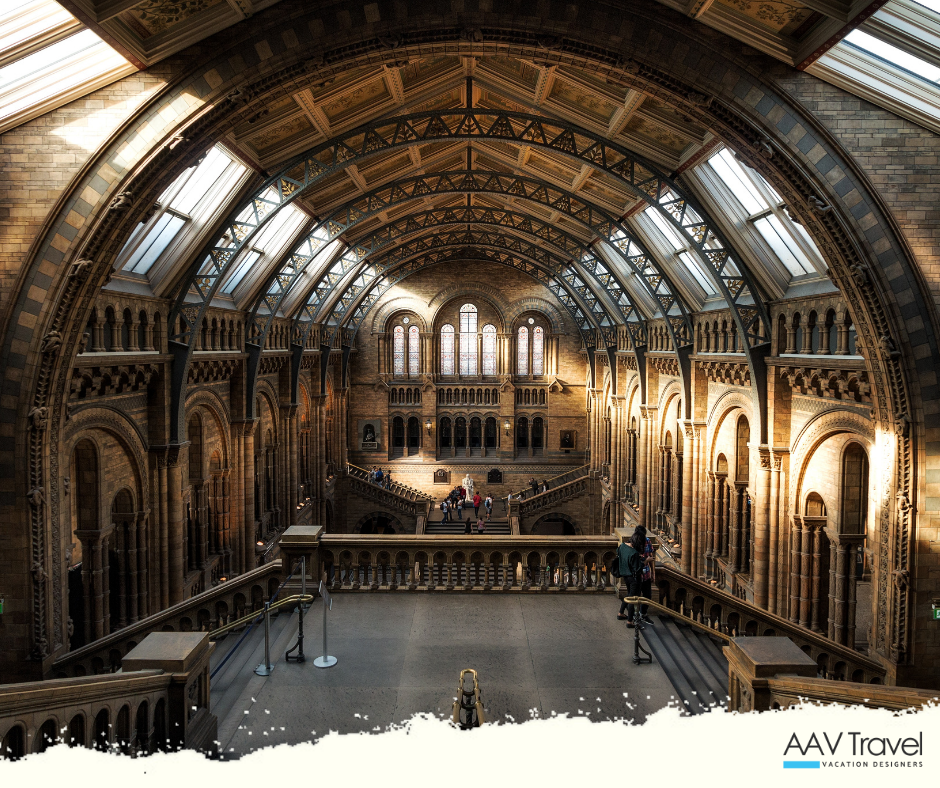
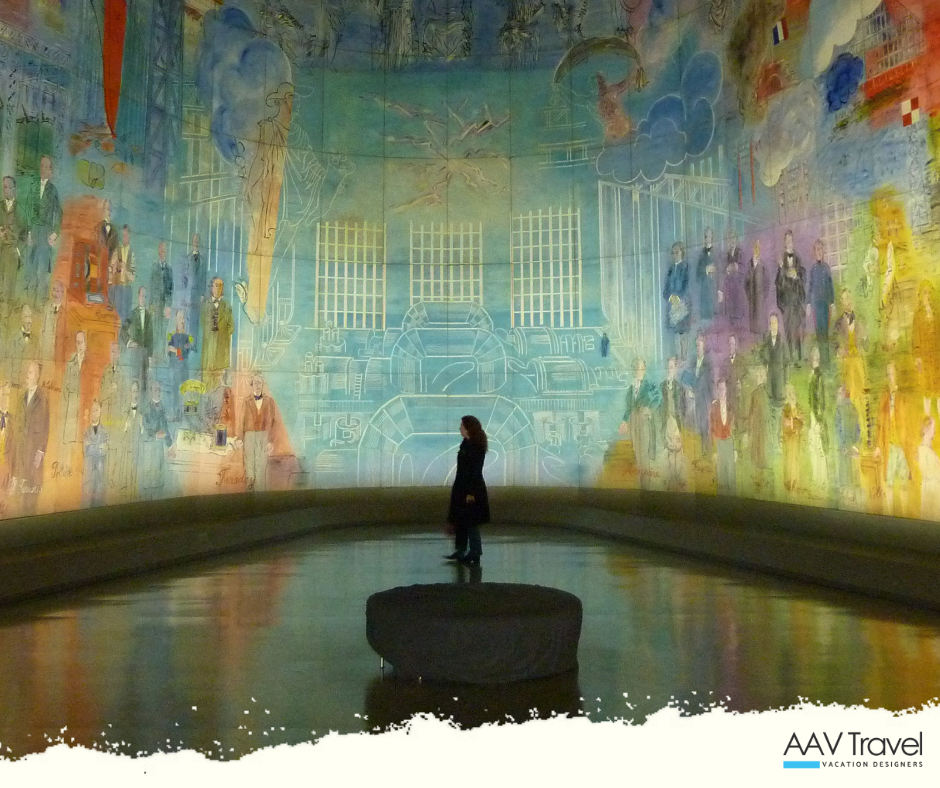
There are years when travel feels driven by novelty for novelty’s sake, and then there are years when change feels quieter, more deliberate, and far more meaningful. 2026 is shaping up to be the latter, particularly across Europe’s cultural landscape. A series of museum openings and reimagined cultural institutions are not simply adding new attractions to the map; they are reshaping how places tell their stories and how travelers are invited to engage with them.
For travelers who value context over checklists and depth over speed, these openings offer something rare: the chance to experience destinations at moments of thoughtful reinvention. Museums are, after all, mirrors of a society’s values. Where and how a country chooses to invest in culture reveals far more than any ranking or headline ever could.
What follows is not a list of “must-sees,” but a curated look at how Europe’s most anticipated museum openings in 2026 can anchor journeys designed with intention, balance, and discernment.
In Budapest, the long-anticipated House of Hungarian Music continues to redefine how cultural spaces can blend architecture, sound, and landscape. Set within the historic City Park, the museum is less about static displays and more about immersive storytelling, inviting visitors to understand Hungarian identity through rhythm, folk traditions, and contemporary interpretation. It is the kind of place that rewards unhurried exploration, ideally paired with time spent in Budapest’s café culture, thermal baths, and lesser-visited residential neighborhoods where daily life unfolds slowly and with character. This is cultural travel as immersion rather than observation.
Further west, Paris continues its steady evolution as a city that honors its past while reshaping its future. In 2026, newly reimagined museum spaces and expanded exhibition halls are placing renewed emphasis on underrepresented narratives, contemporary voices, and global connections. These developments subtly shift the experience of Paris away from the greatest-hits circuit and toward a more layered understanding of the city’s role in a changing cultural world. Travelers who build time into their itineraries for temporary exhibitions and smaller satellite museums often find these experiences more revealing than the iconic stops they may have visited decades earlier.
In Scandinavia, cultural investment is increasingly tied to sustainability and social reflection. New museum openings in cities such as Copenhagen and Oslo are designed not only to display art and history but to function as civic spaces, blending public gathering areas, waterfront access, and thoughtful architectural design. These are places meant to be lived in, not rushed through. When approached as part of a slower Nordic journey, perhaps combined with coastal travel or countryside stays, they offer insight into how modern European societies think about community, design, and balance.
Southern Europe, too, is seeing a shift in how heritage is presented. In Italy and Spain, several museum projects coming to fruition in 2026 focus on regional identity rather than national narratives. Smaller cities and secondary destinations are investing in institutions that celebrate local craft, archaeology, and cultural continuity. For travelers, this opens the door to itineraries that move beyond the obvious cities and into places where history feels personal and grounded. A museum visit becomes a gateway to conversations with local artisans, family-run trattorias, and landscapes shaped by centuries of tradition.
These developments reflect a broader truth about cultural travel today: museums are no longer standalone attractions. They are anchors. When thoughtfully integrated into an itinerary, they provide a framework for understanding a destination’s past, present, and aspirations for the future. They also influence pacing. A morning spent in a carefully curated exhibition often naturally leads to a slower afternoon, perhaps lingering over lunch, wandering without agenda, or returning for an evening performance or lecture connected to the museum’s theme.
For travelers accustomed to moving quickly, this shift can feel unfamiliar at first. Yet those who allow their journeys to be shaped by cultural context often find their experiences richer and more resonant. A museum opening year, in particular, carries a certain energy. There is pride, conversation, and a sense of shared anticipation that can be felt well beyond the museum walls.
While Europe leads the conversation in 2026, similar patterns are emerging elsewhere. In Australia, cultural institutions continue to deepen their engagement with Indigenous narratives, emphasizing consultation, authenticity, and long-term stewardship. New museum spaces and expanded exhibitions in cities like Sydney and Melbourne are designed to encourage reflection rather than spectacle, inviting visitors to understand place through time, land, and lived experience. When paired with regional travel, whether along the coast or into wine country, these museums add essential context to the Australian story.
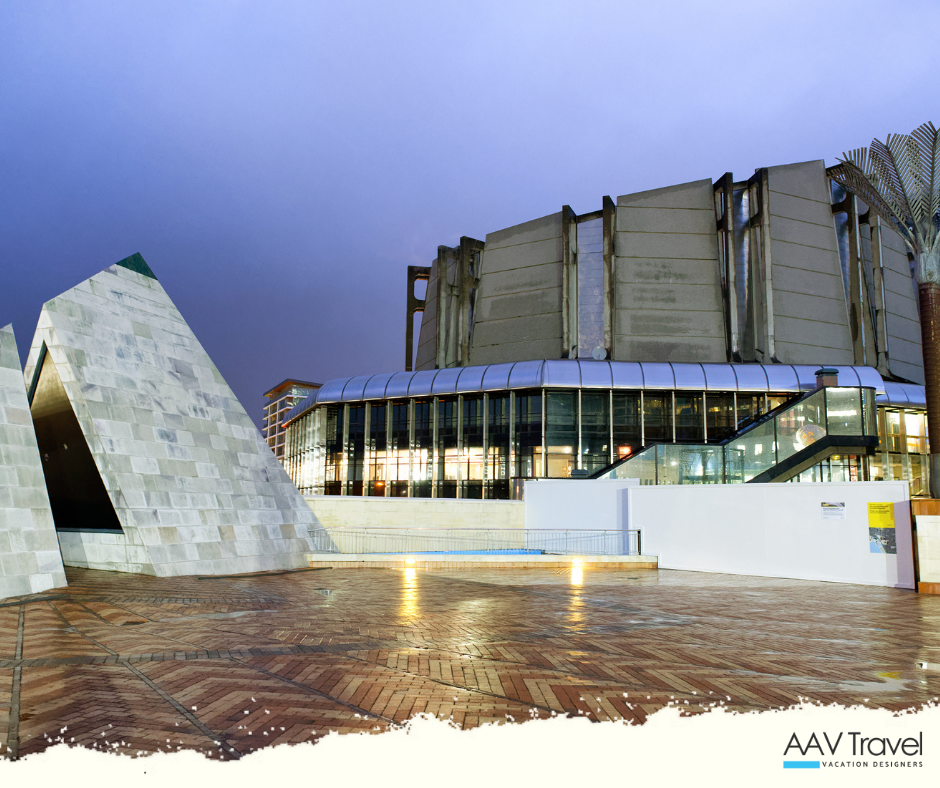
New Zealand’s cultural landscape follows a similarly thoughtful path. Museum developments and reinterpretations increasingly center Māori perspectives, weaving language, art, and ancestral knowledge into immersive experiences. For travelers, these spaces provide grounding before venturing into the country’s dramatic natural environments. Understanding cultural foundations first often transforms how landscapes are perceived and appreciated.
What all of these developments share is an emphasis on intentionality. The most compelling cultural journeys of 2026 will not be about seeing more, but about seeing better. They will be designed around moments that invite reflection, conversation, and a genuine sense of place.
This approach requires judgment. Not every new opening deserves equal attention, and not every trip benefits from constant stimulation. The art lies in knowing when a museum should be the centerpiece of a journey and when it should simply offer a quiet lens through which to understand a destination more deeply. It also requires thoughtful timing, avoiding peak moments when possible and allowing space for experiences to unfold naturally.
For travelers who value calm authority in planning, this is where expert guidance becomes quietly invaluable. Cultural openings often come with logistical nuances, from timed entry systems and limited exhibitions to neighborhood transformations that affect where one stays and how one moves through a city. Navigating these details with foresight ensures that cultural travel remains enriching rather than overwhelming.
As Europe and the wider world step into 2026, the most rewarding journeys will be those shaped by curiosity, patience, and discernment. Museums, at their best, do not demand attention. They invite it. And when woven thoughtfully into a broader journey, they can transform travel from a sequence of stops into a cohesive, meaningful experience.
If you are considering travel in 2026 and find yourself drawn to culture, history, and places in moments of thoughtful evolution, an intentional conversation can help shape a journey that reflects not just where you want to go but how you want to experience it. At AAV Travel, these conversations focus on pacing, judgment, and thoughtful travel design, ensuring that each journey feels seamless, grounded, and deeply personal. You are always welcome to explore what that might look like by visiting www.aav-travel.com or reaching out directly at info@aav-travel.com.
Flying is one of the greatest enablers of exploration and connection in our world, yet the skies that carry us to distant beaches, hidden villages, and bucket-list cities are shaped by forces that extend far beyond departure gates and check-in counters. As we move into 2026, the travel industry itself is navigating a period of profound transition, influenced by economic volatility, climate impacts, geopolitical turbulence, and evolving policy frameworks. For thoughtful travelers who seek not just destinations but meaningful experiences, understanding these forces and preparing with insight and intention can make all the difference between stress and serenity on the journey.
Recent weeks offered an unmistakable example of how quickly external events can ripple through the travel ecosystem. In early January 2026, a sudden United States military operation in Venezuela prompted the Federal Aviation Administration to issue restrictions on airspace use across large portions of the Caribbean. Within hours, hundreds of flights were canceled, and tens of thousands of people found their plans dramatically altered amid one of the busiest travel periods of the year. The closure itself lasted less than a day, but the impacts — bottlenecked schedules, backlogged aircraft and crews, limited seat availability, and travelers facing extended stays far longer than anticipated — lingered for days afterward.
Stories emerged of newlyweds turning a six-day honeymoon into a fourteen-day adventure not by choice but by circumstance, and of logistical headaches that few had anticipated as part of their Caribbean getaway. While the Federal Aviation Administration lifted restrictions and airlines worked to restore service, the episode underscored a simple truth: even brief geopolitical disruptions can cascade into real, tangible complications for civilian travel, regardless of the destination’s inherent safety or appeal. The Caribbean remains open for flights and welcoming visitors, as carriers resume and add capacity to clear the backlog, but the experience itself revealed how quickly normalcy can shift in aviation.
Travel insurance is a natural part of how many travelers seek peace of mind, yet conventional policies often come with limitations that are not widely understood until after the fact. One of the more surprising gaps for most travelers is that standard travel insurance policies frequently exclude coverage for war and acts of war, leaving those disrupted by geopolitical events without the financial protection they assumed was in place. These exclusions typically arise because the potential losses associated with war-related events can be so extensive that insurers exclude them by default in standard consumer plans.
Even when policies offer coverage for “terrorism” or related risks, defined narrowly and subject to stringent criteria, broader hostilities such as conflict between nations or sudden military operations are often carved out. Ordinary travel insurance may not cover cancellations, interruptions, or additional expenses stemming from these types of events, which means that travelers who believe they are fully protected might find themselves responsible for unexpected costs if circumstances shift suddenly abroad.
This reality isn’t meant to incite fear or deter exploration. Quite the opposite. Understanding the scope and limitations of travel insurance allows travelers and travel designers alike to build resilience into their plans in ways that go beyond ticket prices and hotel confirmations. Knowing what is and isn’t covered encourages intentional choices, such as evaluating whether supplementing a standard policy with specialized riders or Cancel-For-Any-Reason coverage makes sense for a given itinerary, or simply starting a conversation about risk tolerance and contingency planning sooner rather than later.
It also highlights the value of working with an advisor who can help travelers navigate conversations around insurance limitations, flag areas where additional clarification from licensed providers may be needed, and thoughtfully design itineraries and contingencies that reduce exposure to unpredictable variables.
The Caribbean airspace event in January 2026 reinforces how planning travel today is not just about the joys of destination discovery but about approaching the unknown with preparedness and poise. Thoughtful travel design anticipates that schedules can change, that policies have parameters, and that sometimes the greatest luxury is not the absence of complexity, but the freedom from worry that comes with thoughtful planning. When travel is anchored in context and care, disruptions become detours rather than derailments, and the traveler’s experience remains rich, fluid, and rewarding.
In the end, the art of travel is not measured by flawless execution alone, but by our capacity to navigate unforeseen twists with calm, dignified judgment. For those who seek meaningful journeys paced with intention, the skies ahead may hold uncertainty, but they also hold possibility. With informed planning and a clear understanding of risk and resilience, the horizons we chase can be embraced with confidence and curiosity.
Travel today asks for more than enthusiasm and a destination wish list. It invites discernment, context, and a steady hand in shaping experiences that can flex when the world does. When journeys are designed with intention, timing, and an understanding of the broader landscape in which they unfold, uncertainty becomes something to navigate calmly rather than fear. If you find yourself considering a future journey and would value a thoughtful conversation about how to approach it with clarity and confidence, I welcome you to connect at www.aav-travel.com or email info@aav-travel.com.
Not going to lie — I can’t stand crowds. When I travel, I want space to breathe, to connect, and to experience a place without feeling like I’m in a theme park. Lately, everyone seems to be searching for those same under-the-radar spots, and the media loves to highlight “hidden gems” around the world. The problem? Many of those places, while fascinating, aren’t always the safest—especially for women. So, I decided to put together a list of destinations that still feel authentic and undiscovered, and where you can explore with peace of mind, even if you are traveling solo.
Italy without the Crowds
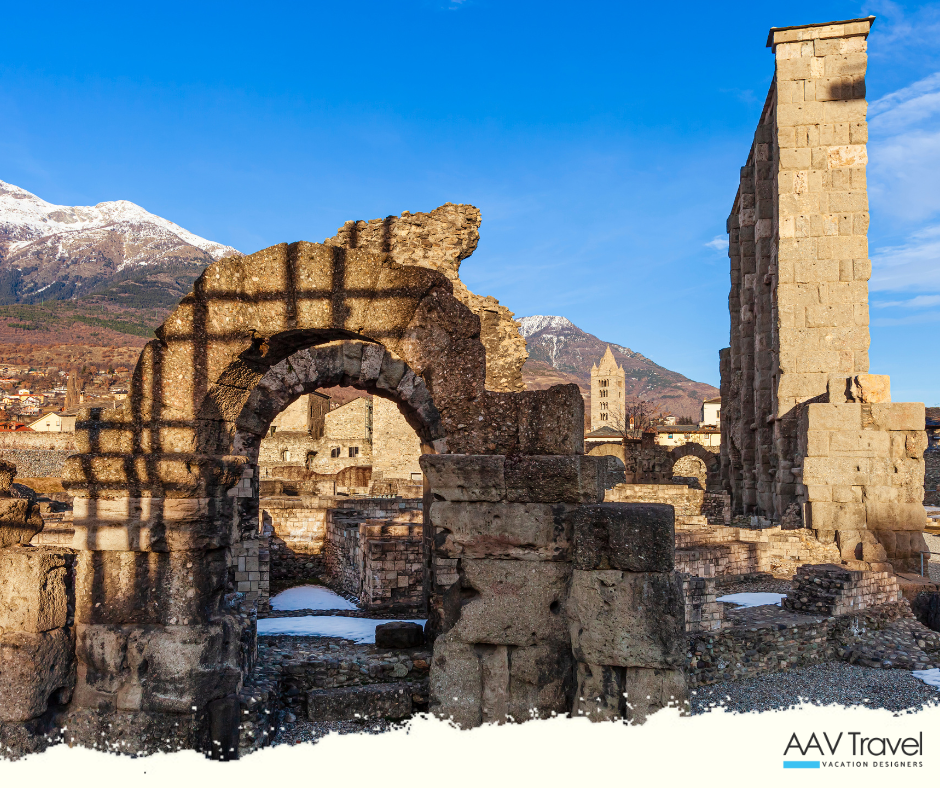
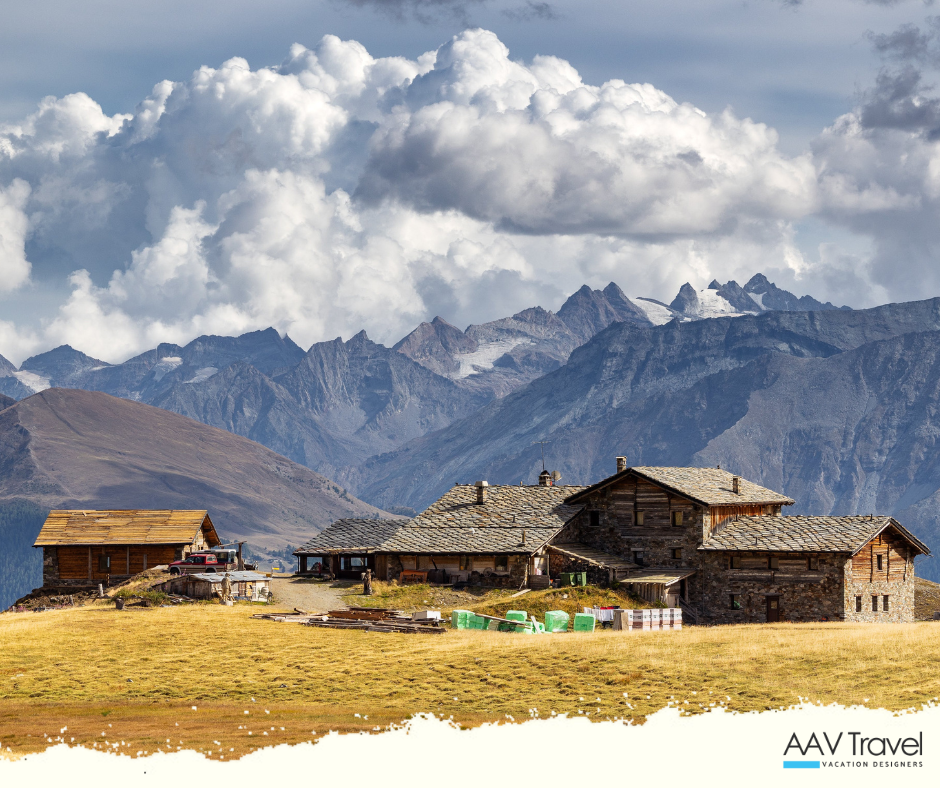
Tucked away in Italy’s northwestern corner, Aosta is a gem hidden in plain sight. Surrounded by the towering peaks of the Alps and just a stone’s throw from both France and Switzerland, this small mountain town blends dramatic scenery with centuries of history. Wander through its charming streets, and you’ll encounter remarkably preserved Roman ruins—an ancient theater, city gates, and even a forum—set against a backdrop of snow-capped summits. It’s a place where the past feels alive, yet life moves at a relaxed, alpine pace.
Beyond the town, the Aosta Valleyunfolds into a wonderland for outdoor enthusiasts. In summer, hiking and cycling trails wind through flower-strewn meadows and pristine national parks, while winter transforms the region into a skier’s paradise with world-class slopes and cozy mountain lodges. Add in authentic Italian cuisine with a hearty Alpine twist—think polenta, fontina cheese, and rich mountain wines—and you have the perfect setting for those who crave both adventure and culture.
Aosta is perfect for those who love mountains as much as museums—travelers who find joy in tracing ancient footsteps before heading out on alpine trails. If you value depth and discovery more than crowds and clichés, this is where you’ll find the best of both worlds: Italy’s timeless soul, beautifully elevated.
Instead of St. Lucia
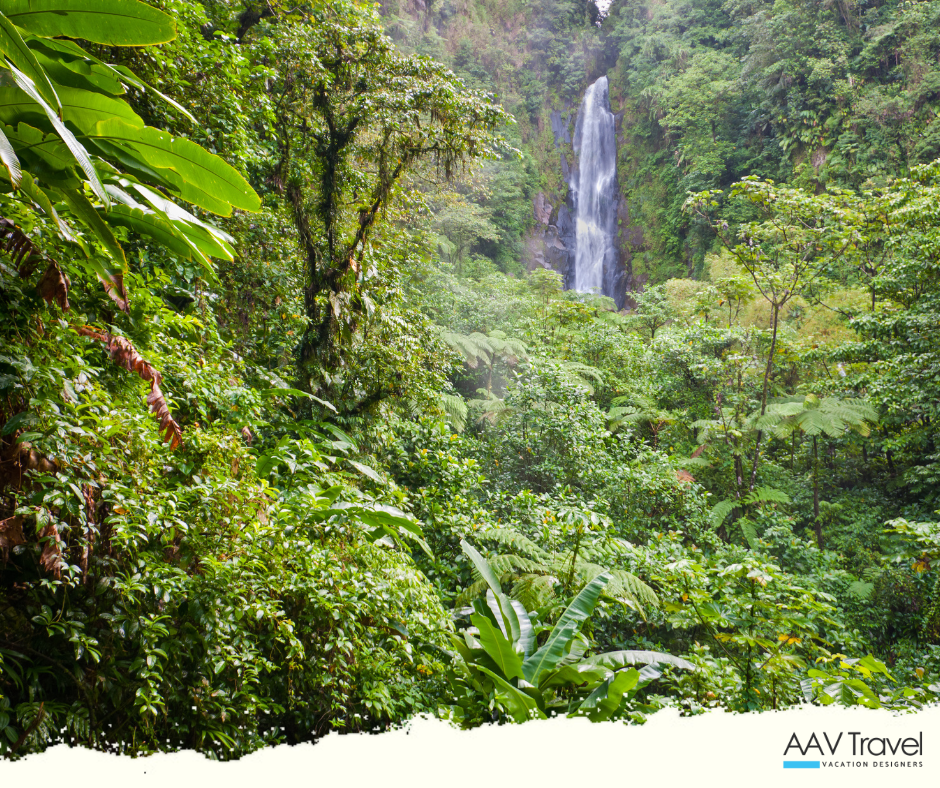
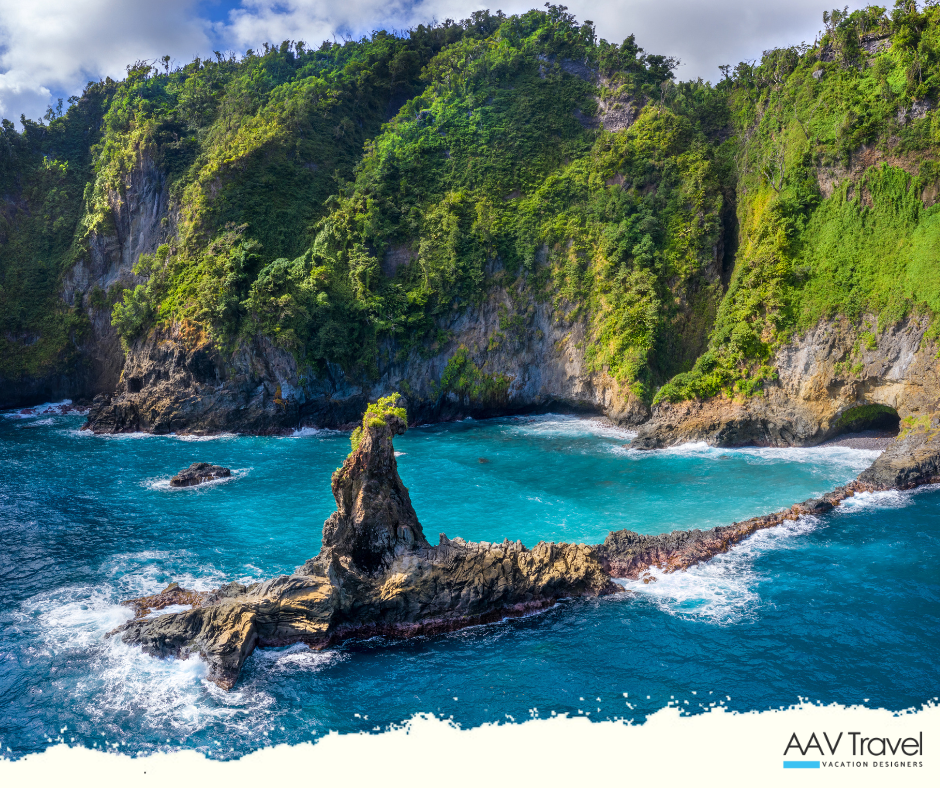
Often called the “Nature Island” of the Caribbean, Dominica is a lush, volcanic paradise that feels a world away from the typical resort scene. Here, dramatic landscapes—steaming hot springs, plunging waterfalls, and jagged volcanic peaks—meet vibrant local culture, from lively Creole villages to colorful weekly markets. The island’s beaches may not be endless stretches of white sand, but they offer rugged beauty and a sense of solitude that’s hard to find elsewhere in the Caribbean.
Beyond its natural wonders, Dominica is a haven for outdoor enthusiasts. Hikers can explore the Morne Trois Pitons National Park, a UNESCO World Heritage site, with trails that lead past boiling lakes, rainforest canopies, and hidden waterfalls. Snorkelers and divers will be rewarded with pristine coral reefs teeming with marine life, while kayakers can navigate calm rivers framed by dense jungle. It’s an island that invites curiosity, exploration, and a slower pace of life.
Dominica is ideal for travelers who want more than just a beach vacation—those who find joy in trekking, discovering local traditions, and immersing themselves in nature’s grandeur. If you’re seeking an authentic Caribbean experience that’s both adventurous and rejuvenating, Dominica delivers it in spades.
Instead of exploring Medieval Towns in Tuscany
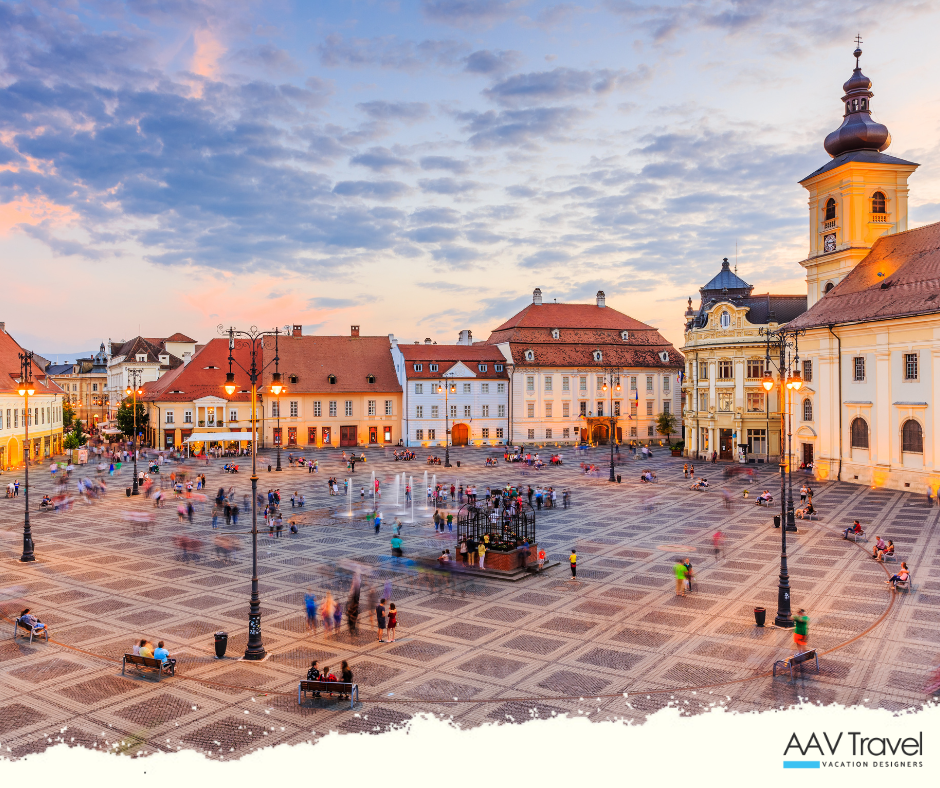
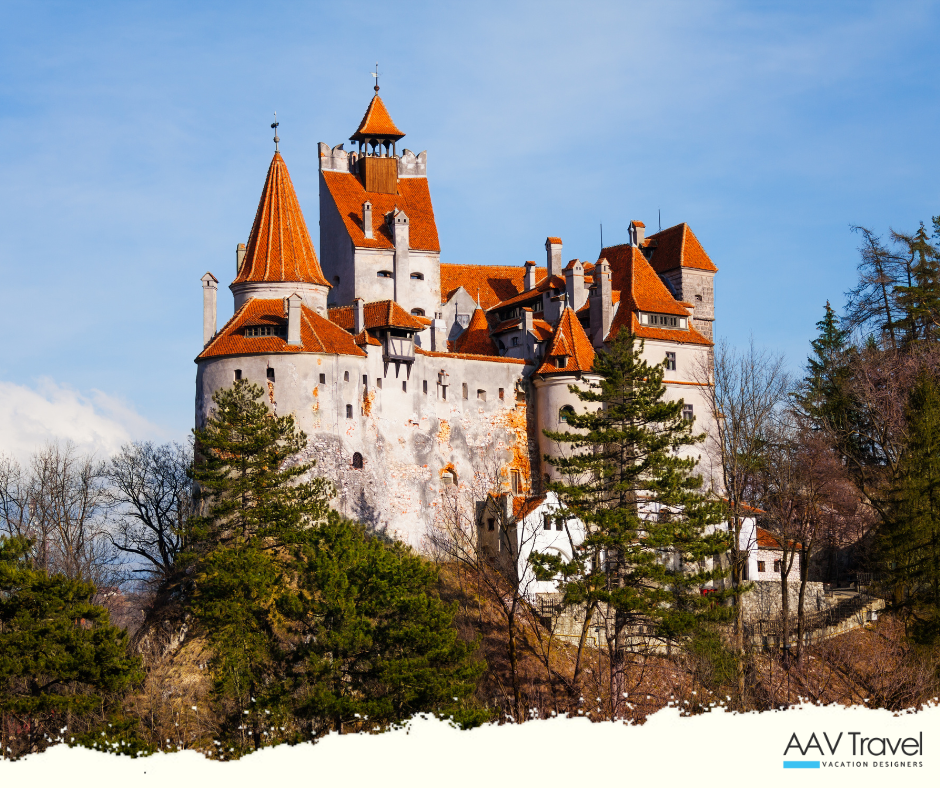
Romania is a country that surprises at every turn, offering travelers a rich tapestry of history, culture, and natural beauty—all without the crowds that often accompany Europe’s more famous destinations. From the cobblestone streets of Sibiu and Brașov, where medieval architecture and colorful squares invite leisurely exploration, to the fortified churches of Transylvania and the hauntingly beautiful castles scattered throughout the countryside, Romania feels like stepping into a storybook.
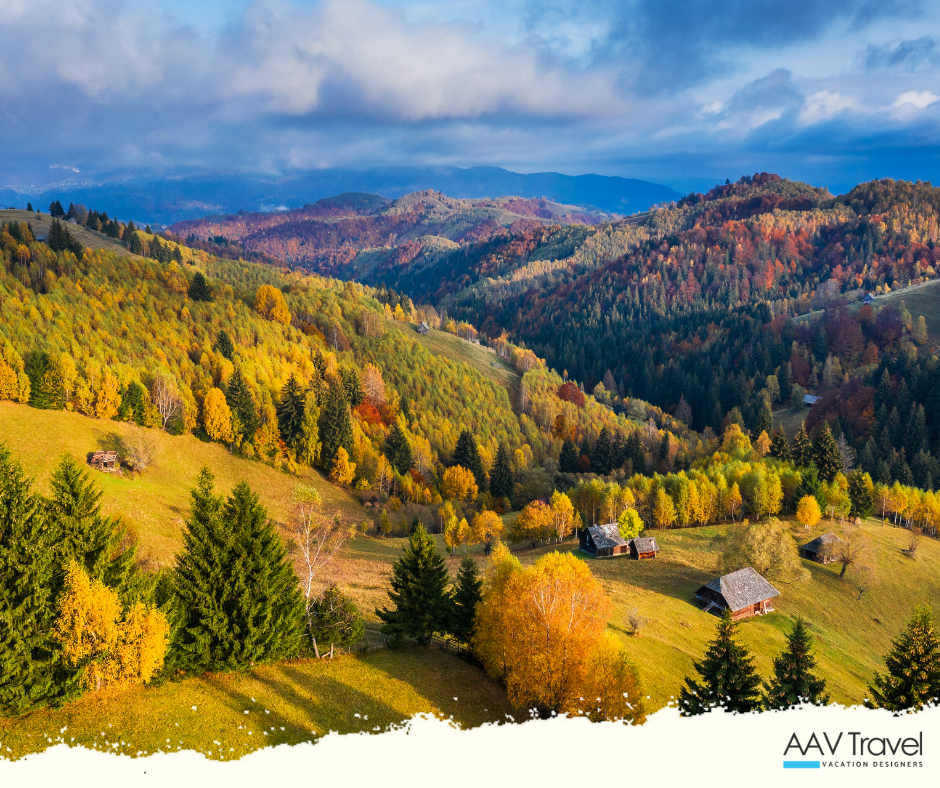
For those who love the outdoors, Romania’s landscapes are equally compelling. The Carpathian Mountains offer hiking, wildlife spotting, and serene forested valleys, while the Danube Delta is a paradise for birdwatchers and nature enthusiasts. Vineyards, charming villages, and local markets provide endless opportunities to connect with authentic Romanian culture—sampling traditional dishes like sarmale or tasting local wines in centuries-old cellars.
Romania is ideal for travelers who seek depth and discovery over convenience, those who enjoy wandering off the beaten path to uncover hidden gems. If you’re drawn to history, culture, and natural beauty in equal measure, Romania offers an experience that feels both authentic and endlessly rewarding.
And for a Feel of France
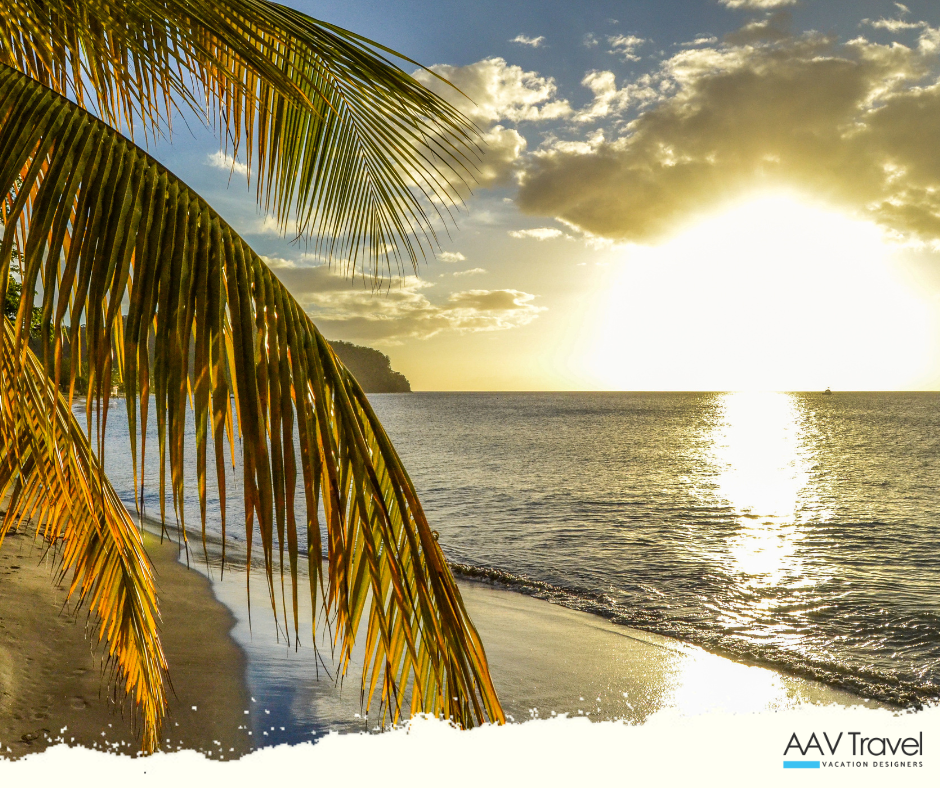
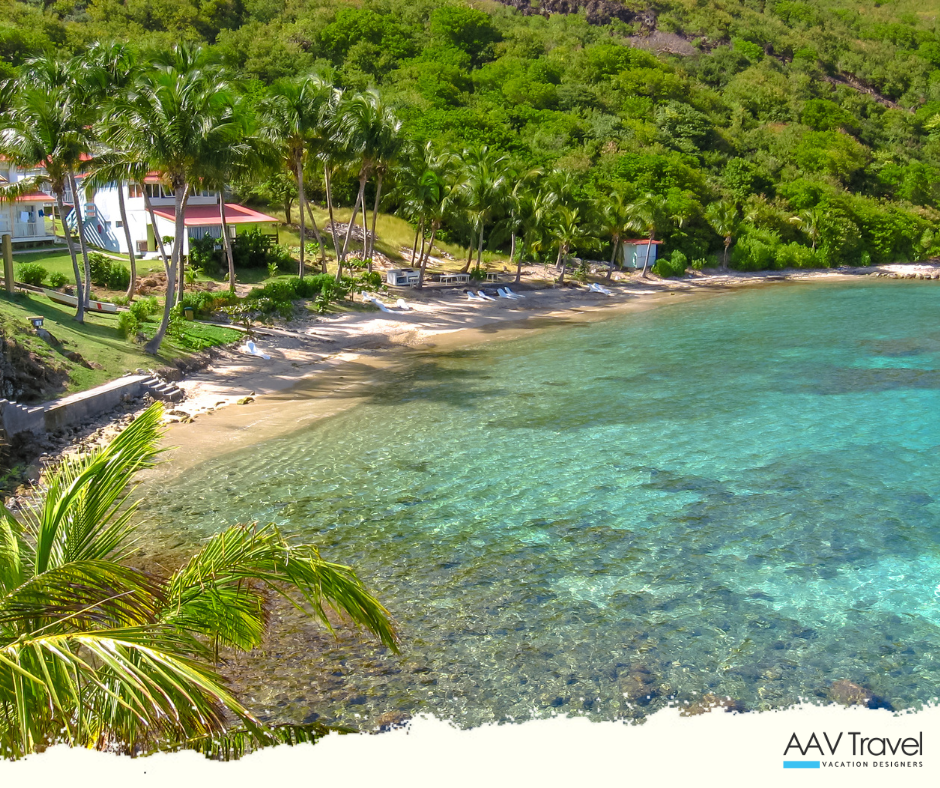
Guadeloupe has a distinctly French flair that sets it apart from many other Caribbean islands. As an overseas region of France, it blends Caribbean vibrancy with European sophistication. You’ll find French-style bakeries (pâtisseries), cafés where locals sip espresso, and gourmet markets stocked with fresh produce, cheeses, and wine. Street signs are in French, the official language is French, and the local administrative systems and cultural events reflect French influence.
The island is a Caribbean treasure that often flies under the radar, offering travelers a mix of lush landscapes, charming towns, and rich culture far removed from the usual resort crowd. Composed of two main islands—Basse-Terre and Grande-Terre—it’s a place where volcanoes, waterfalls, and rainforests meet white-sand beaches and turquoise waters. The island’s Creole heritage shines through in its colorful markets, lively music, and flavorful cuisine, from fresh seafood to spicy local dishes.
For outdoor enthusiasts, Guadeloupe delivers endlessly. Hike the trails of La Soufrière, an active volcano, or explore the tropical jungles and cascading waterfalls of Basse-Terre. Snorkelers and divers will find pristine reefs teeming with marine life, while kayaking through mangroves or taking a boat trip to nearby islands offers a sense of adventure and discovery. Unlike some of the more commercialized Caribbean destinations, Guadeloupe feels genuine and lived-in, with authentic experiences around every corner.
Guadeloupe is ideal for travelers who want the charm and sophistication of France without leaving the Caribbean—those who enjoy strolling through colorful markets, savoring fresh pastries and local cuisine, and soaking in both culture and nature. If you’re seeking a destination that combines French flair with tropical adventure, Guadeloupe offers an authentic and enriching experience unlike anywhere else.
Instead of Santorini
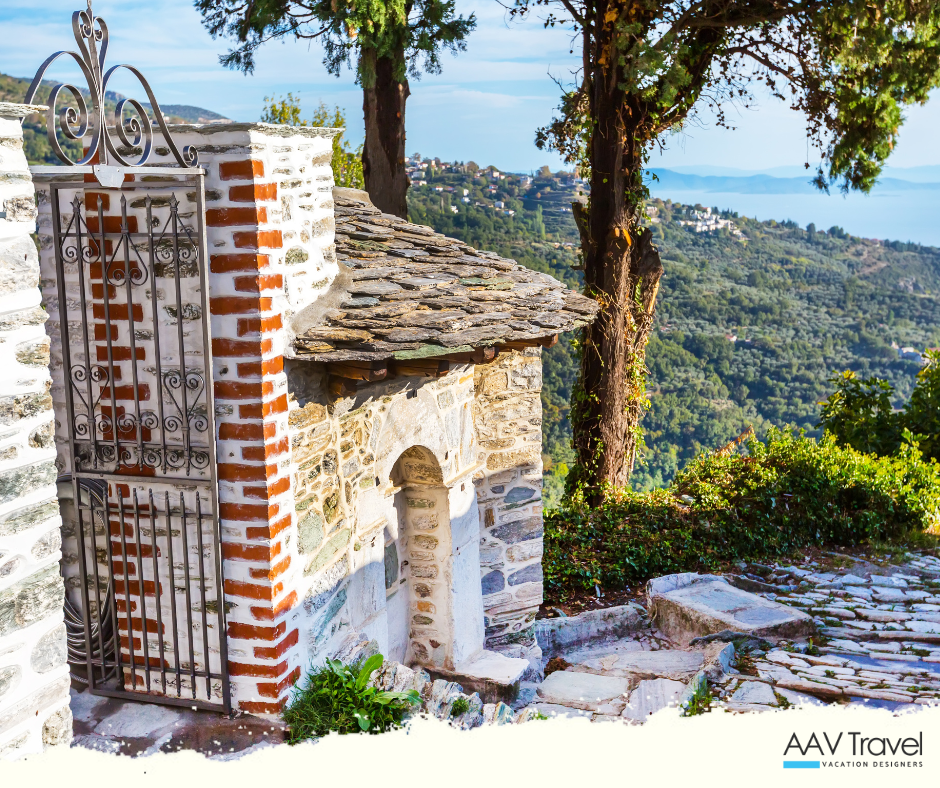
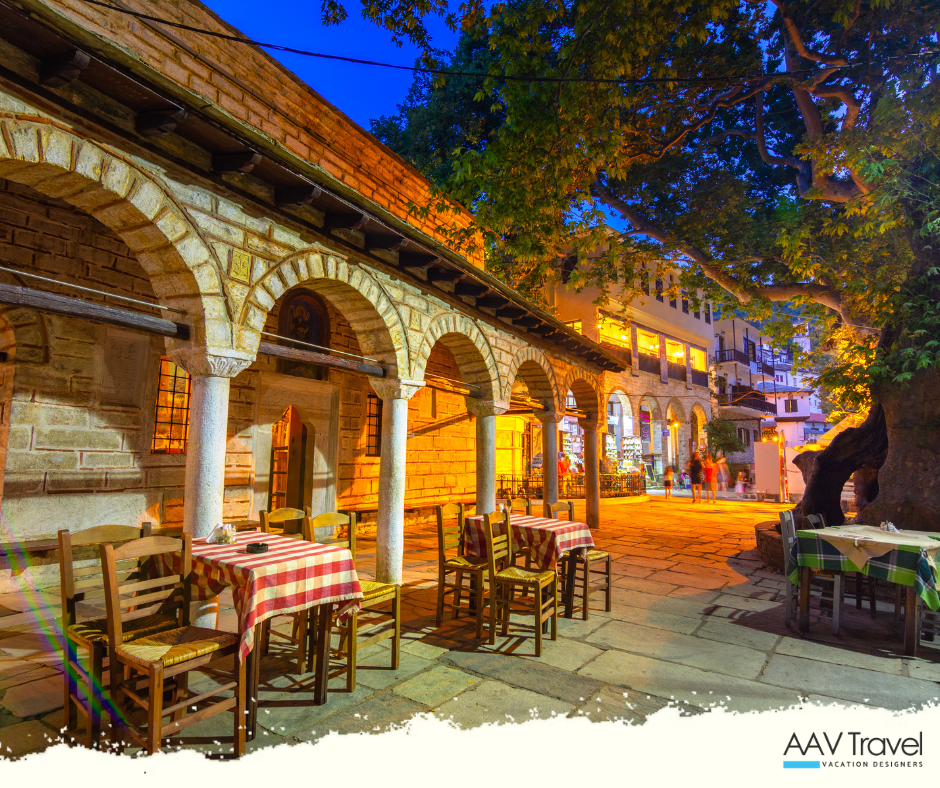
Tucked between the mountains and the sea, the Pelion Peninsula in Greece is a hidden treasure that offers the perfect blend of natural beauty, traditional culture, and tranquility. Unlike Santorini or Mykonos, Pelion remains largely undiscovered by mass tourism, giving travelers a sense of authenticity that feels increasingly rare. Charming stone villages cling to lush hillsides, cobbled streets wind past old churches and cafés, and locals welcome visitors with warm hospitality and the flavors of home-cooked Greek cuisine.
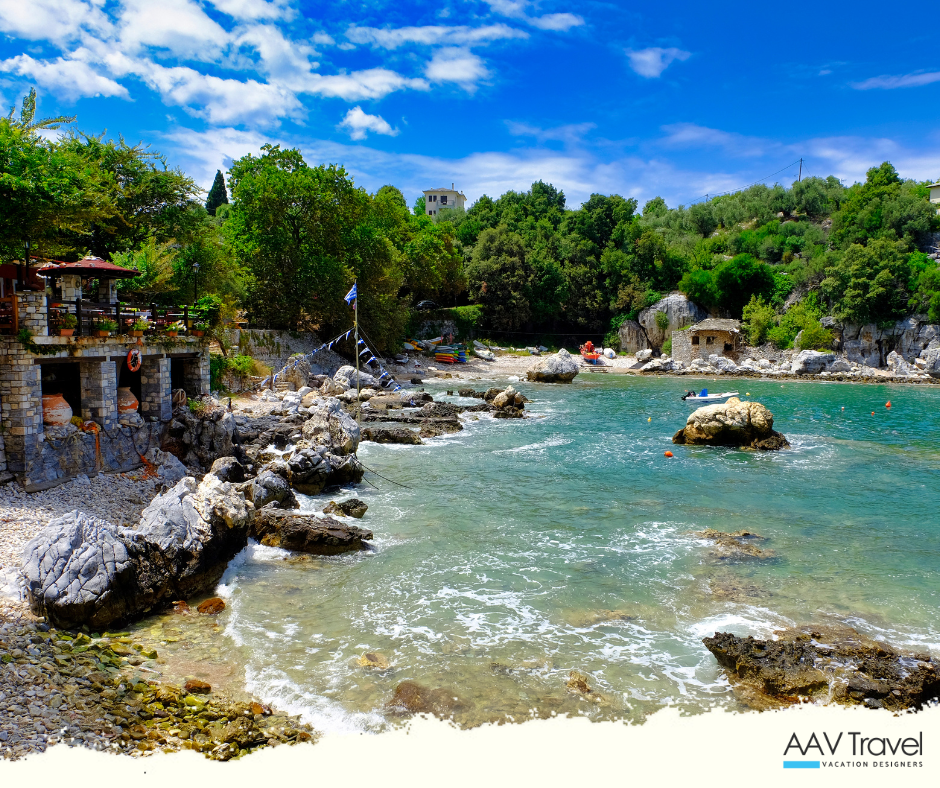
The region is a paradise for nature lovers and outdoor enthusiasts. In summer, you can hike scenic trails through olive groves and pine forests, swim in secluded coves along the Aegean or Pagasetic coast, and explore waterfalls tucked away in verdant valleys. In winter, the mountains offer skiing and cozy lodges with wood-burning fireplaces. Foodies will delight in sampling fresh seafood, local cheeses, and traditional sweets at family-run tavernas, making it a full sensory experience.
The Pelion Peninsula is perfect for travelers who want Greece beyond the crowds—those who enjoy wandering off the beaten path, discovering small villages, and soaking up both culture and nature at a relaxed pace. If you’re looking for an authentic, peaceful escape with plenty of adventure, Pelion offers the best of both worlds.
Exploring lesser-known destinations like Aosta, Dominica, Guadeloupe, Romania, or the Pelion Peninsula can be incredibly rewarding—but the true magic often lies in the details that only an experienced travel advisor can uncover. Beyond flashy headlines or viral “must-see” spots, a knowledgeable advisor understands how to craft experiences that balance safety, authenticity, and personal interests, ensuring your trip is seamless, enriching, and unforgettable. With the right guidance, you don’t just visit a destination—you connect with it on a deeper level, creating memories that last far beyond a vacation photo.
Ready to discover hidden gems and authentic experiences? Let us help you plan a journey that goes beyond the typical tourist trail.To begin planning, contact us via email at info@aav-travel.com or visit the website.
For the discerning traveler seeking variety without compromise, this region is a journey through Europe’s finest contrasts: the Mediterranean’s gentle rhythm meeting the Atlantic’s bold spirit.
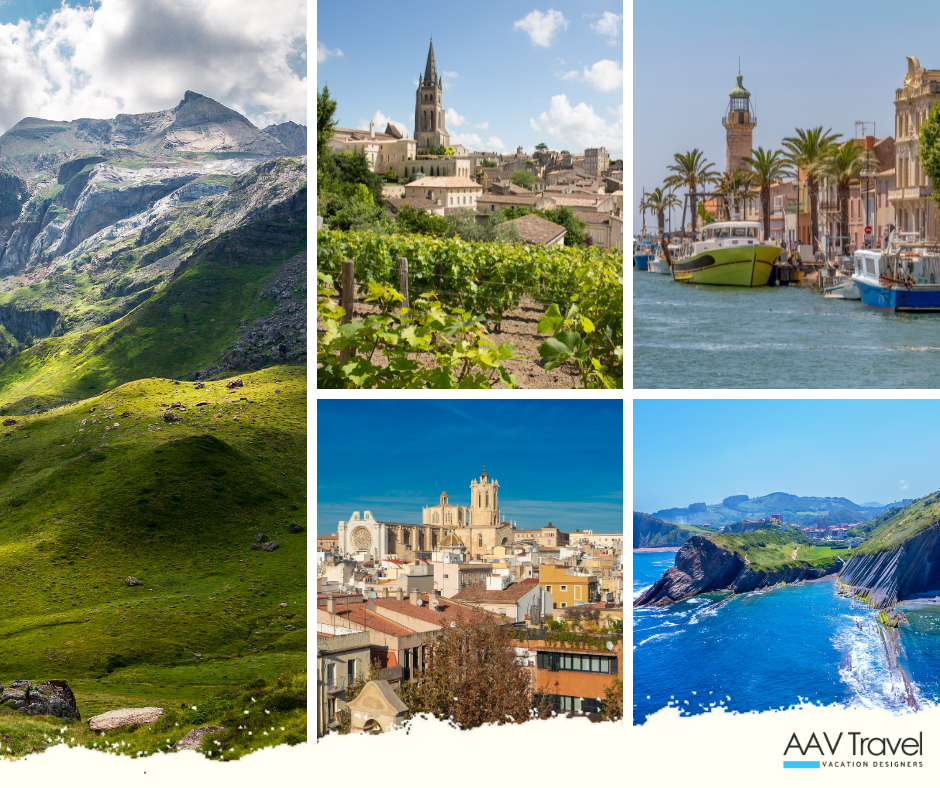
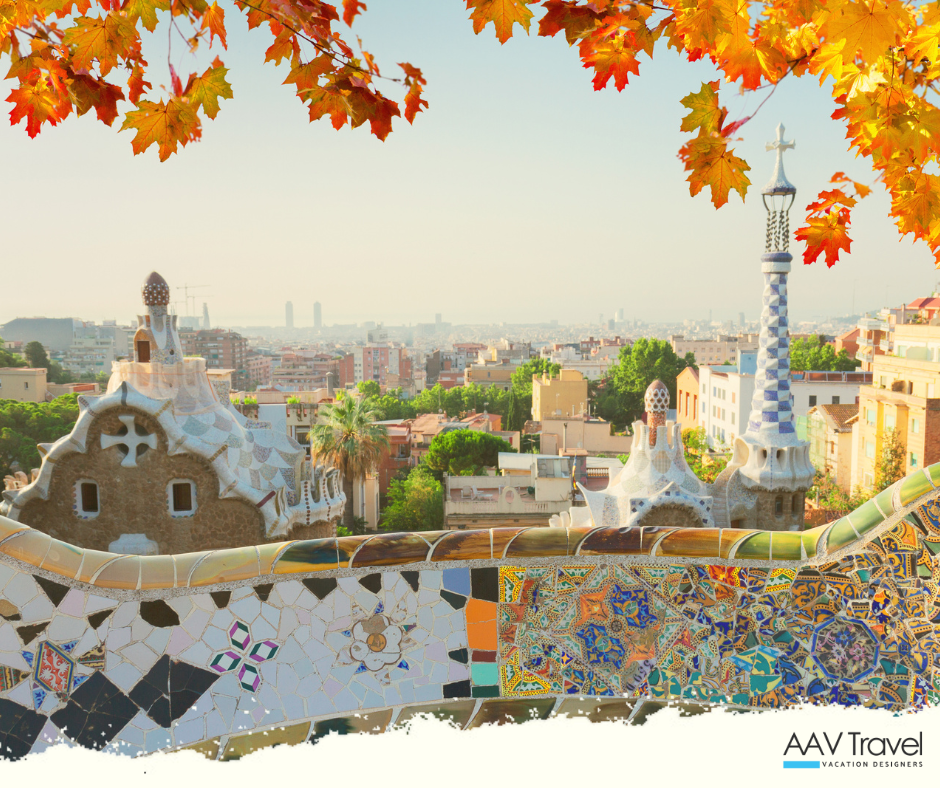
Stretching from Tarragona on Spain’s sun-kissed Costa Dorada to the elegant shores of Montpellier, sweeping across Bordeaux’s refined vineyards, and curving back toward the Basque energy of Bilbao, lies one of Europe’s most captivating travel quadrants. This vast square—spanning the Pyrenees and both the Mediterranean and Atlantic coasts—encompasses an extraordinary diversity of landscapes, languages, cuisines, and lifestyles. Here, the art of slow living intertwines with millennia of culture. You can sip rosé overlooking lavender fields, stroll through medieval seaside villages, taste wines that have shaped global palettes, and dine in Michelin-starred restaurants that celebrate terroir with every bite.
The Mediterranean Coast of Spain: Tarragona and Beyond
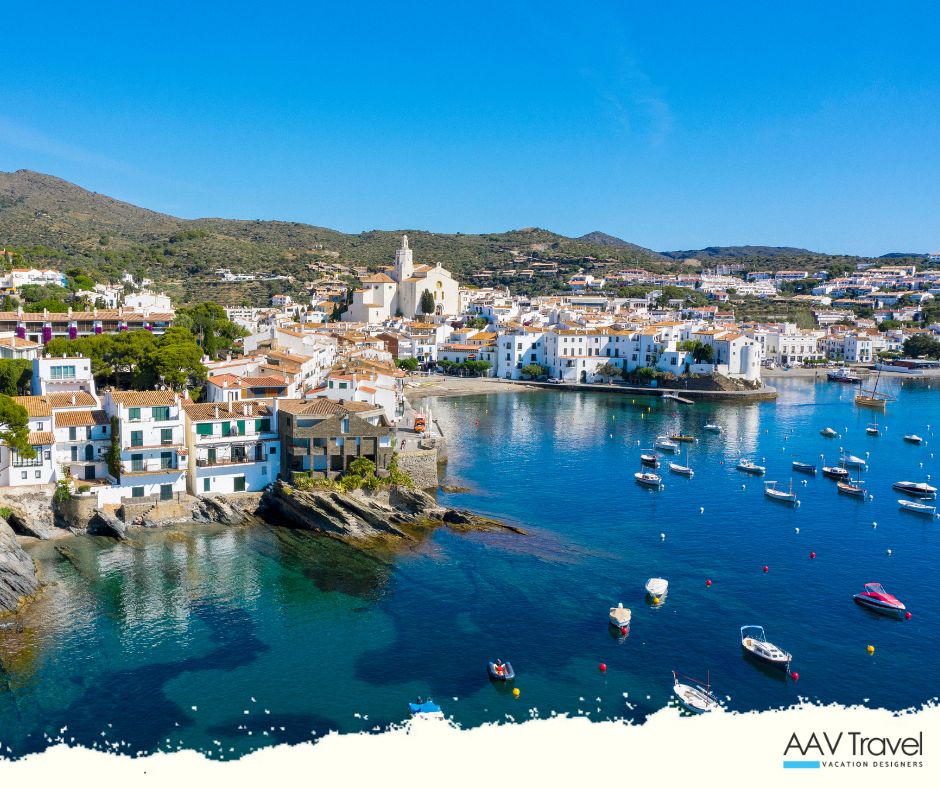
The Spanish Mediterranean coastline from Tarragona up toward the French border combines the historic richness of Catalonia with an irresistible seaside allure. Tarragona itself, a UNESCO World Heritage Site, offers a mesmerizing fusion of ancient Roman ruins, golden beaches, and Catalan culture. Its amphitheater facing the sea perfectly captures the region’s harmony between past and present. Just north, the Costa Brava unfolds with rugged coves, pine-framed beaches, and fishing villages that once inspired Salvador Dalí. Each seaside town—Calella de Palafrugell, Begur, Cadaqués—tells its own story, balancing authenticity with understated sophistication.
Luxury travelers will find secluded boutique hotels nestled in former masías (farmhouses), Michelin-starred restaurants highlighting Catalonia’s culinary creativity, and private yachts ready to explore crystalline coves. Inland, medieval towns like Pals or Peratallada reveal a quieter side of Catalonia, ideal for immersive wine tastings or truffle experiences. The Mediterranean climate, soft and luminous, makes this a year-round destination—perfect for those who appreciate culture as much as coastline. Whether you’re relaxing at an exclusive coastal retreat or venturing into the Priorat wine region for bold reds, Spain’s Mediterranean side invites travelers to savor life at a deliberate, pleasurable pace.
Insider Tip: Experience the Costa Brava’s artistic soul with a private guided day tracing Salvador Dalí’s footsteps—from his surreal home in Portlligat to the striking Dalí Theatre-Museum in Figueres. End the day with a sunset cruise along the Cap de Creus coastline, glass of cava in hand.
The Mediterranean Coast of France: From Montpellier to Provence’s Edge
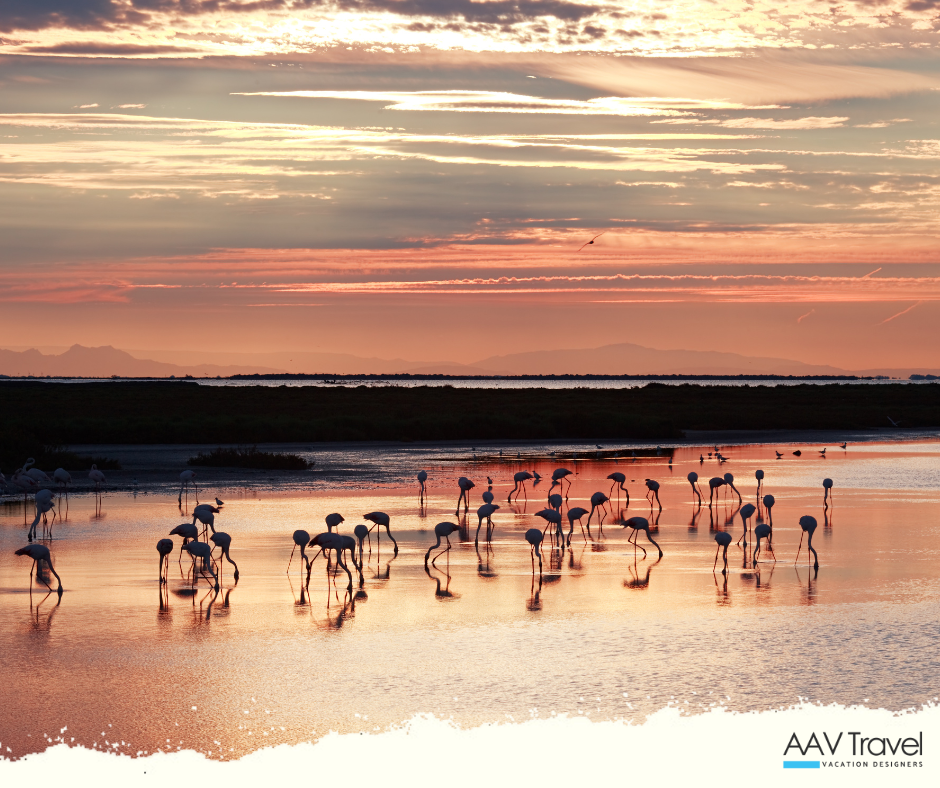
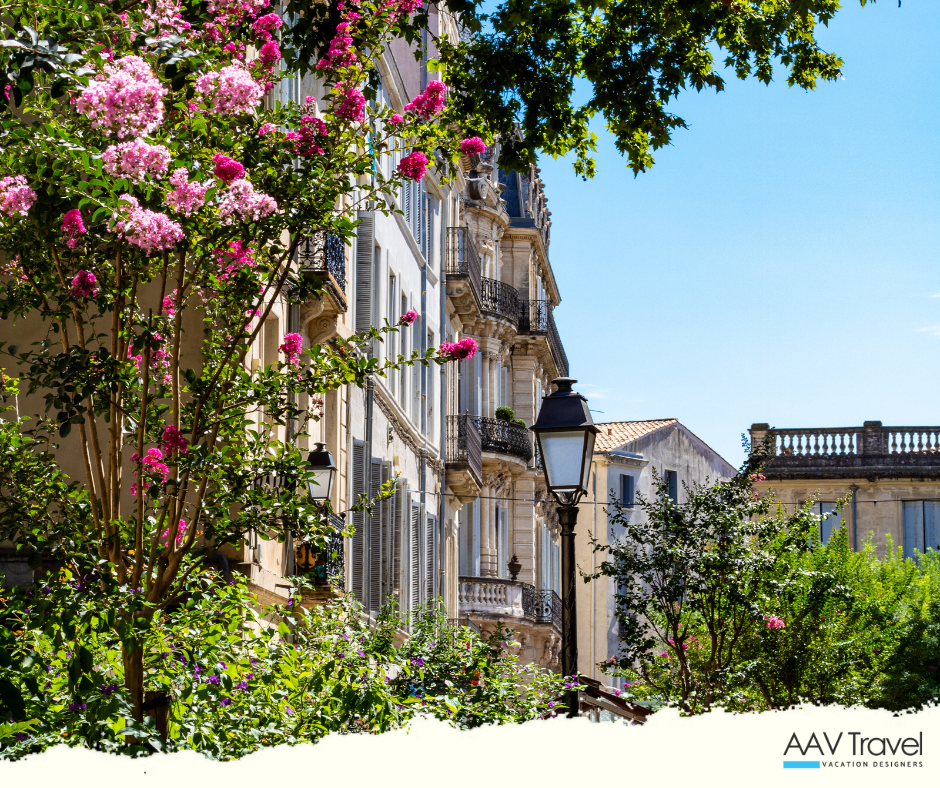
Crossing into France, the Mediterranean takes on a different character—more understated, yet endlessly refined. Montpellier, with its graceful squares, neoclassical architecture, and youthful vibrancy, anchors the region. South of the city, long stretches of sandy beaches give way to tranquil lagoons and vineyards that flourish under the southern sun. The nearby Camargue offers a striking contrast: wild horses galloping across salt flats, flamingos wading in shallow waters, and traditional ranches offering luxurious equestrian stays.
Further east, the influence of Provence begins to weave through the landscape—olive groves, lavender fields, and picturesque villages perched on rolling hills. Here, luxury comes in the form of experience: private villa stays surrounded by vineyards, market tours with local chefs, and exclusive spa retreats within ancient stone estates. The wines of Languedoc, once overshadowed by Bordeaux and Burgundy, now rival France’s finest and offer intimate tastings in family-run domaines. For travelers who appreciate elegance with authenticity, France’s Mediterranean coast blends heritage, gastronomy, and effortless chic in perfect harmony.
Insider Tip: For a rare and unforgettable moment, enjoy a private horseback ride at sunset through the Camargue’s salt marshes, guided by a gardian (local cowboy). Conclude with a champagne picnic overlooking the flamingos—a truly cinematic Mediterranean evening.
The Atlantic Coast of France: Bordeaux and Its Environs
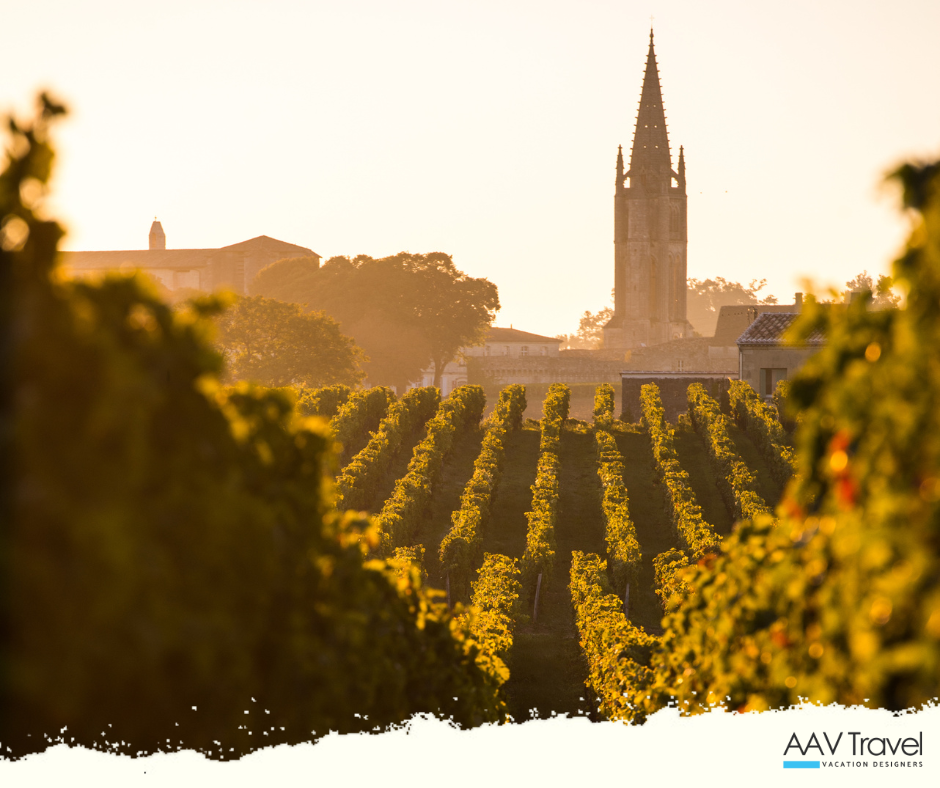
As the Mediterranean breeze gives way to Atlantic salt air, the scenery transforms. Bordeaux, long synonymous with the world’s most prestigious wines, is the beating heart of this transformation. Beyond its grand 18th-century architecture and riverfront promenades, the city serves as a gateway to vineyard regions that define luxury travel—Médoc, Saint-Émilion, and Pomerol. Here, private châteaux open their cellars for curated tastings and gourmet pairings, while Michelin-starred restaurants reinterpret French gastronomy with modern flair.
Yet Bordeaux’s allure extends to its coast. Just an hour away lies Arcachon Bay, a serene enclave of oyster farms, Belle Époque villas, and the monumental Dune du Pilat—the tallest sand dune in Europe. Visitors can sail privately across the bay, enjoy freshly harvested oysters with chilled white Bordeaux, or unwind at elegant seaside retreats. This area celebrates understated luxury: an immersion in nature, fine craftsmanship, and quiet indulgence. Whether you’re cycling through vineyards or retreating to a château surrounded by oak forests, the Atlantic coast of France exudes refinement rooted deeply in tradition.
Insider Tip: Arrange a private helicopter transfer from Bordeaux to Arcachon Bay, followed by an exclusive oyster tasting directly on the water with a local producer. This unforgettable pairing of flight and flavor captures the essence of the French Atlantic in style.
The Atlantic Coast of Spain: Basque Spirit and Coastal Sophistication
From the French border to Bilbao, Spain’s northern coast captivates with its wild beauty and vibrant cultural identity. The Basque Country blends raw landscapes with avant-garde cuisine and contemporary art. San Sebastián, with its crescent-shaped bay and world-renowned gastronomy, is a destination where luxury is experienced through the senses—tasting menus at Arzak or Mugaritz, strolls along La Concha Beach, and stays in historic belle époque hotels. Further west, Bilbao has reinvented itself as a hub of design and innovation, anchored by the iconic Guggenheim Museum and a growing collection of boutique accommodations that mirror its creative energy.
The Atlantic here is untamed yet inviting, perfect for those drawn to authenticity and sophistication in equal measure. Green mountains tumble into the sea, fishing villages serve exceptional pintxos, and the region’s wines—Txakoli in particular—offer crisp refreshment to complement the coastal fare. For the discerning traveler, this stretch of Spain offers an intimate, luxurious immersion into a culture that celebrates both tradition and reinvention. It’s the ideal place to conclude a journey through southern Europe’s most diverse region—where every turn reveals another layer of art, flavor, and natural splendor.
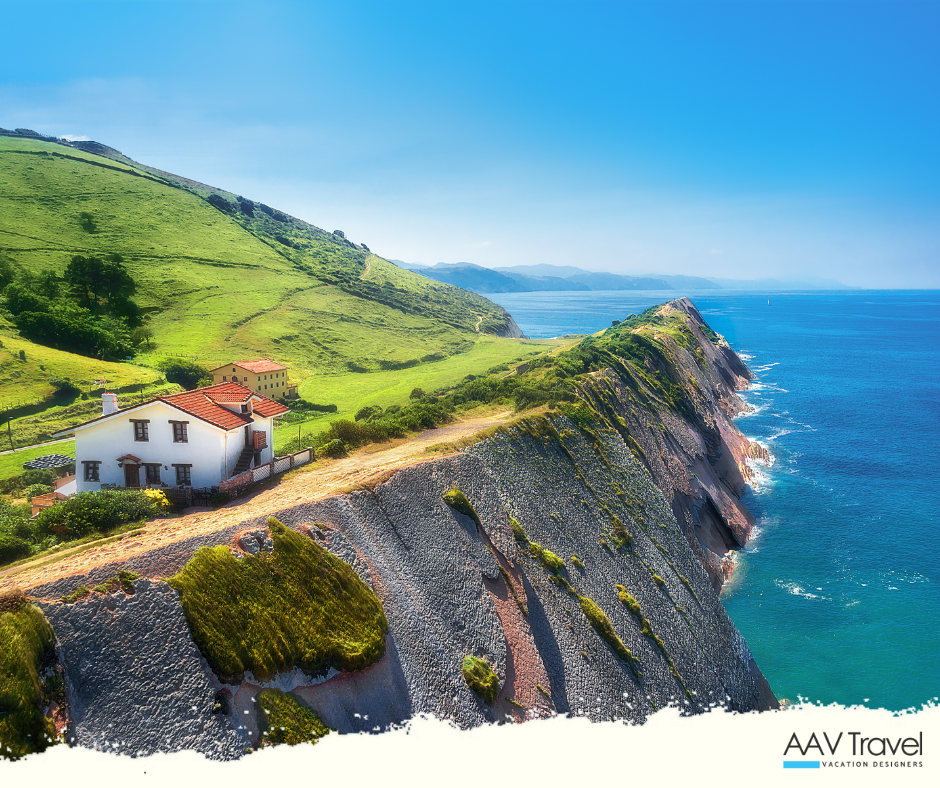
Insider Tip: Step beyond the city and embark on a privately guided hike along the Flysch cliffs near Zumaia, where geological layers tell the story of Earth’s evolution. Finish the day with a chef-prepared Basque seafood picnic overlooking the roaring Atlantic.
The Heart of the Pyrenees: Mountain Majesty and Timeless Charm
Between the two seas lies the soaring spine of the Pyrenees, a world apart where France and Spain meet in a tapestry of snow-capped peaks, deep valleys, and remote stone villages. This central region offers a refreshing contrast to the coasts—a place where mountain air, alpine lakes, and centuries-old traditions shape a slower rhythm of life. In summer, wildflower meadows and crystal-clear streams invite hiking, cycling, and picnics beside glacial lakes; in winter, charming resorts like Baqueira-Beret or Saint-Lary-Soulan offer sophisticated skiing with a distinctly local flavor. Beyond outdoor pursuits, the Pyrenees are rich in cultural treasures: Romanesque chapels, bustling local markets, and thermal spas that date back to the Belle Époque.
Here, luxury takes the form of connection—with nature, with heritage, and with the authenticity of mountain hospitality. Intimate alpine lodges, converted monasteries, and boutique hotels offer candlelit dining by the fire, while Michelin-starred chefs reimagine rustic recipes using ingredients foraged in the valleys. Whether approached from Spain’s Aragonese side or France’s pastoral foothills, the Pyrenees invite travelers to pause, breathe, and rediscover balance amid one of Europe’s most pristine landscapes.
Insider Tip: For an unforgettable experience, embark on a private guided journey along the Route des Cols, the legendary mountain passes connecting France and Spain. Stop for a gourmet picnic overlooking the shimmering Lac de Gaube, or unwind in the natural thermal waters of Bains de Dorres, a centuries-old open-air spa with sweeping views of the peaks.
Seamless Access and Effortless Exploration
One of the many advantages of this region is how effortlessly it can be reached and explored. Non-stop flights from the U.S. bring travelers directly to Barcelona, while international airports in Montpellier, Bordeaux, and Bilbao are easily accessible from major European hubs. Once here, getting around is remarkably convenient—the driving distance between these key cities is no more than five hours, making it possible to experience an extraordinary variety of landscapes and cultures within a compact footprint. From the golden Mediterranean shores to the vineyards of Bordeaux, the rugged Pyrenees, and the vibrant Basque coast, the region lends itself beautifully to exploration by private driver-guide, luxury road trip, or a combination of high-speed trains and tailored transfers. This seamless connectivity allows AAV Travel to craft itineraries that unfold naturally—inviting travelers to savor every transition as part of the journey itself.
Curating a Journey Through Southern Europe
From the sun-drenched Mediterranean villages of Tarragona and Montpellier to the sophisticated Atlantic shores of Bordeaux and Bilbao, and finally into the serene heights of the Pyrenees, this region offers a remarkable palette of experiences within a single, easily navigable area. Each corner of this quadrangle reveals a distinct rhythm—coastal elegance, vineyard refinement, mountain tranquility, and cultural vibrancy—yet together they form a seamless journey that feels both diverse and harmonious. With AAV Travel as your guide, every detail—from private transfers and curated tastings to boutique accommodations and insider experiences—can be arranged to ensure a travel experience that is both effortless and unforgettable.
Allow us to craft your personal itinerary, blending discovery, indulgence, and authenticity. Your next journey through the heart of southern Europe awaits.To begin planning, contact us via email at info@aav-travel.com or visit the website.
Many luxury travelers struggle with how dispersed, logistically challenging, and time-consuming it can be to see Norway’s top highlights in comfort—especially without excessive hotel-hopping, early flights, or long travel days. Norway’s geography and limited infrastructure can make it hard to craft an elegant, seamless, and well-paced itinerary.
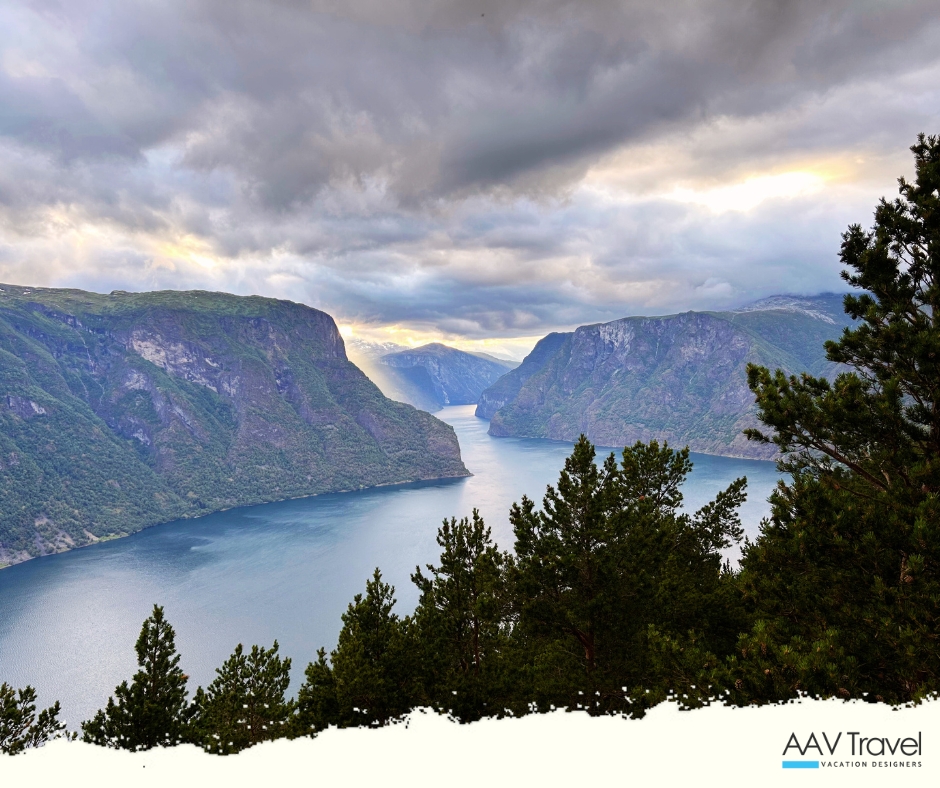
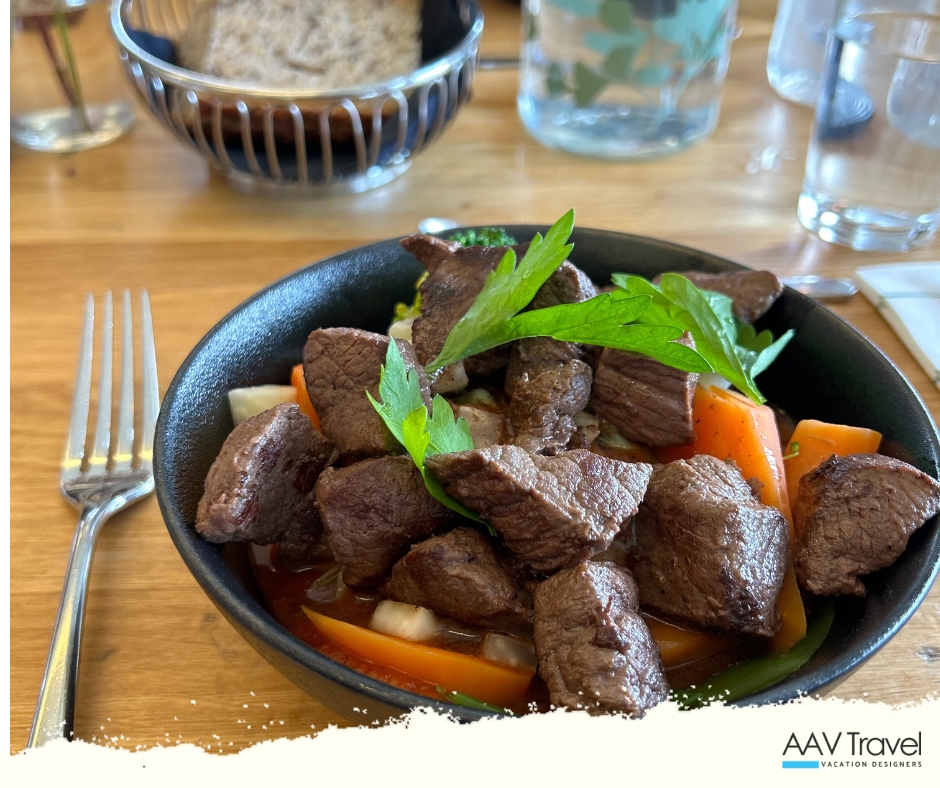
Norway often tops the bucket list for luxury travelers seeking breathtaking landscapes, immersive cultural experiences, and a touch of adventure, all wrapped in comfort and style. The allure of gliding through dramatic fjords, standing beneath the Northern Lights, savoring Nordic cuisine, and staying in boutique, design-forward hotels is undeniable. But here’s what many don’t realize until they start planning: experiencing the best of Norway isn’t as simple as drawing a line on the map and booking a few hotels. Despite being a modern, well-developed country, Norway’s unique geography and infrastructure pose real challenges, especially for travelers who expect a seamless, unhurried, and elevated experience.
The Geography Challenge: Distances, Connections & Slow Travel
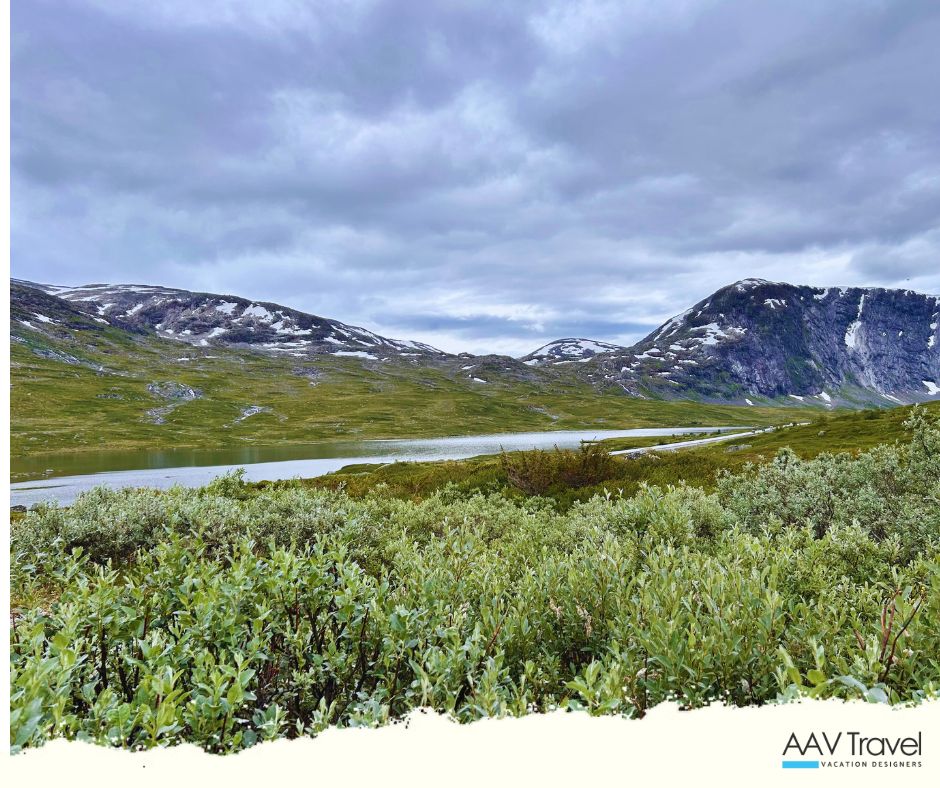
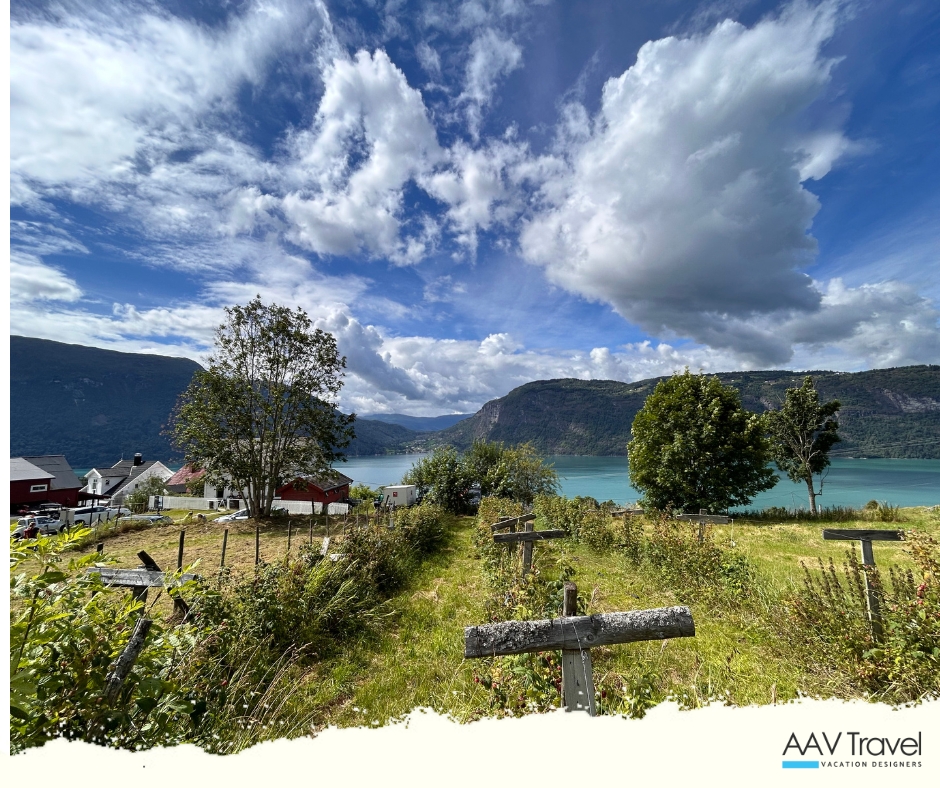
One of the most surprising aspects of planning a luxury trip to Norway is how spread out the country’s highlights really are. On paper, Oslo, Bergen, the Lofoten Islands, and the Arctic Circle sound easily combinable. In reality, they’re separated by long distances, with limited transportation links between them. Norway’s stunning landscapes—mountains, fjords, and remote coastal stretches—are also the very things that make overland travel slow and often complicated.
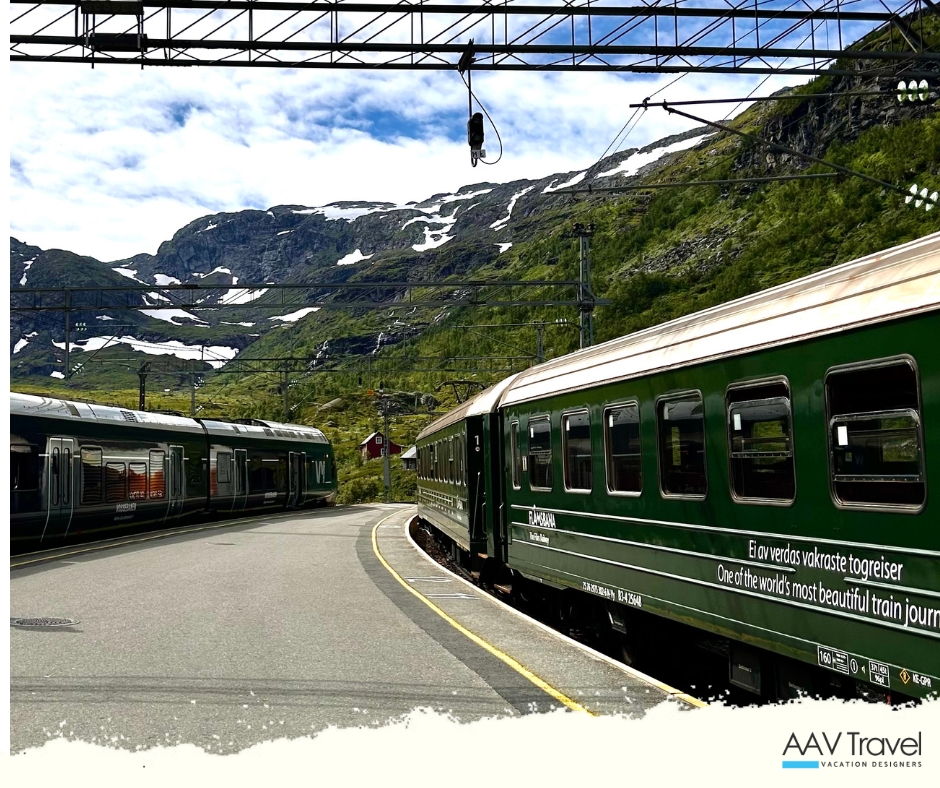
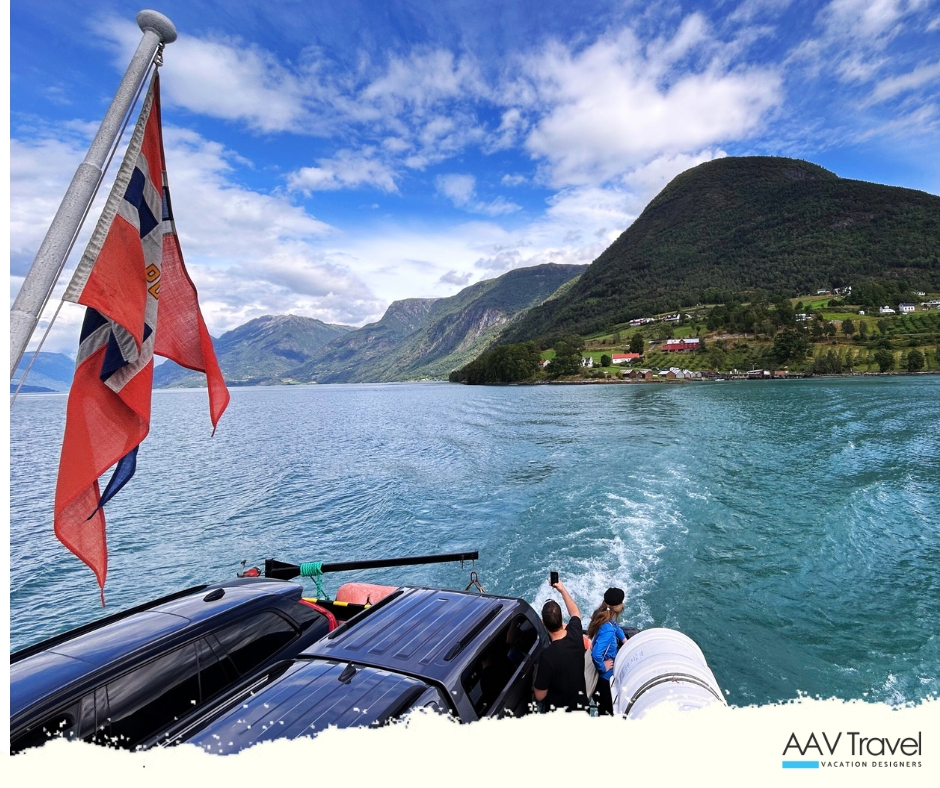
While there are regional flights, they’re not always conveniently timed for smooth same-day connections. Trains like the famous Bergen Railway or the Flåm Railway offer spectacular journeys but require precise coordination. Ferries and scenic drives add even more layers to the puzzle. Without careful planning, travelers often find themselves packing and unpacking every day, rushing to catch transport, and missing the relaxed, immersive experience they were hoping for.
The Luxury Hotel Reality: Boutique Gems… with Limited Availability
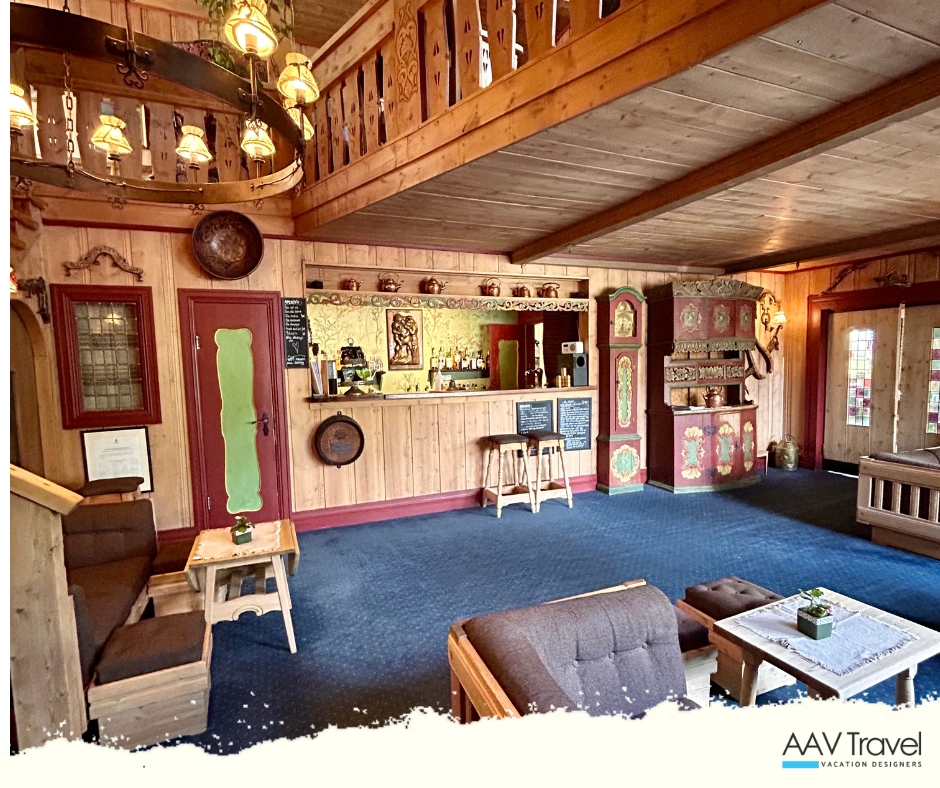
Another often-overlooked challenge? The limited number of true luxury accommodations, especially outside the major cities. While Oslo and Bergen offer a small selection of high-end hotels, once you venture toward the fjords, the Arctic, or more remote destinations like Lofoten or Senja, options become scarce. Many of the most charming properties are small boutique hotels or historic lodges with just a handful of rooms—places that book out months (sometimes a year) in advance during peak seasons.
For luxury travelers used to having their pick of five-star hotels, this can come as a surprise. Last-minute changes or spontaneous bookings often aren’t possible. This is why traveling with an expert who knows how to secure these hidden gems—and who can build an itinerary that balances comfort with the realities of Norway’s geography—is essential for anyone wanting to experience Norway in style.
Why Small Group Travel Can Be the Answer (Even for Independent Travelers)
For many luxury travelers, the idea of joining a group trip can feel counterintuitive. After all, part of the appeal of high-end travel is the freedom to set your own pace and avoid crowds. But when it comes to Norway, a well-curated small group journey can actually deliver a more exclusive, seamless, and elevated experience than piecing everything together independently.
The key is in the design. With a small group (think 10–12 travelers, not a tour bus full of strangers), every detail can be tailored for comfort and access. Private transfers replace public transport. Accommodations are chosen for their charm and quality, not just availability. Experiences like private guided fjord cruises, insider-led city tours, and intimate cultural encounters with locals become part of the journey. Plus, traveling with a group allows for shared costs on things like private guides and transportation, making certain elevated experiences more accessible without compromising on quality.
Most importantly, a small group trip eliminates the logistical stress that often comes with navigating Norway solo. You won’t have to worry about ferry timetables, internal flight schedules, or figuring out how to get from a train station to a remote lodge in time for dinner. Everything is thoughtfully choreographed, so you’re free to soak in the views, enjoy the cuisine, and truly experience Norway at its best.
Highlights of Norway, a report from a Small Group Experience
Last summer, I had the opportunity to experience a small group journey through Norway firsthand—an experience that gave me invaluable insight into how to design the most rewarding itineraries for my clients. The trip was led by Aino, a passionate and knowledgeable local guide who grew up in Lapland. In the winter, she leads dog sledding expeditions; in the summer, she takes small groups through some of Norway’s most beautiful and remote regions. Her deep connection to the land, love for foraging, and understanding of Norway’s hidden corners added layers of storytelling and authenticity that would have been impossible to find on my own.
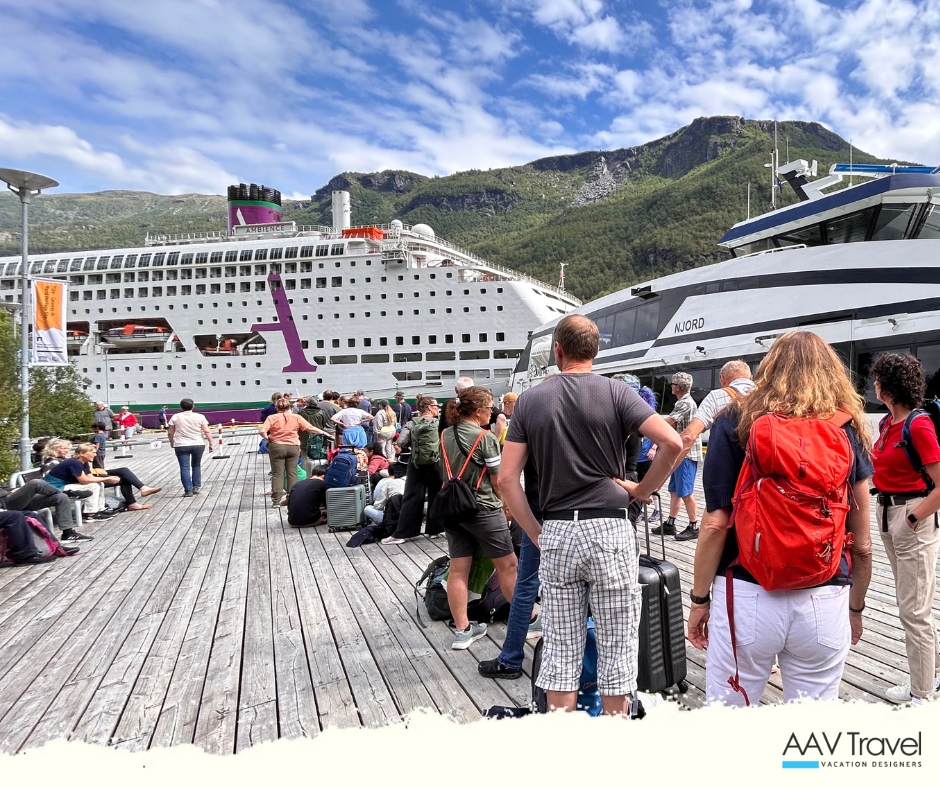
Originally, I had planned to join the tour in early summer, when the crowds are lighter. A change of plans meant I traveled during the height of the summer season instead—an experience that turned out to be incredibly educational. Popular spots like Geirangerfjord were noticeably busier with cruise ship visitors and day-trippers, and witnessing this firsthand gave me a clear understanding of how timing and itinerary design can dramatically affect the travel experience in Norway.
What stood out most to me was how effortless the trip felt as a participant. Everything—from ferry schedules only the locals know about, to scenic detours and hidden photo stops—was handled seamlessly by Aino and our drivers. Their insider knowledge allowed us to avoid peak congestion whenever possible and make the most of our time, turning potential travel days into rich, experience-filled journeys.
The group itself was a lovely mix of well-traveled, curious individuals from the U.S., the U.K., and Australia—solo travelers and couples alike. Despite some members being grandparents, everyone embraced the active, outdoorsy nature that Norway naturally encourages. The camaraderie, open-mindedness, and shared sense of adventure among the group added a layer of enjoyment I hadn’t fully anticipated.
As your advisor, this experience was incredibly valuable. It deepened my understanding of Norway’s geography, the flow of travel between regions, and the distinct differences between busy tourist hubs and quieter, off-the-beaten-path gems. I was able to personally assess accommodation options, excursion logistics, and pacing—all of which will directly inform how I craft both small group journeys and customized private itineraries for my clients moving forward.
Private Journey or Small Group?
Of course, it’s absolutely possible to craft a fully customized, private itinerary for independent travelers who want this level of comfort and seamless coordination—but doing so in Norway often comes with a hefty price tag. Private guides, chauffeurs, and boutique accommodations in remote areas command premium rates, and with no one to share the cost, the price per person can quickly climb. Additionally, securing space at the most sought-after properties often requires booking well over a year in advance. For many travelers, a thoughtfully curated small group journey strikes the perfect balance—offering the same high-touch experiences and insider access, but at a more approachable cost without compromising on quality or style.
Whether you choose to join a small group or pursue a private journey, working with AAV Travel offers you the benefit of first-hand knowledge, insider contacts, and carefully nurtured relationships with local partners throughout Norway. Having spent time exploring the country, staying in these hotels, and working with trusted local experts, we are able to design itineraries that go beyond the typical tourist path, ensuring your experience is as smooth, meaningful, and memorable as possible.
Written by: Stefanie P. To start planning, contact us via email at info@aav-travel.com or visit the website.
Before dinner comes the drink — and in Italy, this is more than just a ritual. It’s a treasured cultural tradition that dates back centuries. The Italian concept of aperitivo—literally meaning “to open”—is rooted in the idea of awakening the appetite with a light, often bittersweet drink. This custom gained momentum in late 18th-century Turin with the rise of vermouth, a delicately infused fortified wine that set the stage for the modern aperitivo. By the mid-19th century, cafés in northern Italy began pairing their cocktails with small savory bites called stuzzichini, teasing the palate and enriching the experience. What started as a fashionable trend evolved into a national tradition, embracing not only flavor but the joy of coming together.
Knowing how to “do” aperitivo properly can elevate your travel experience. Unlike the discounted drink specials familiar in North America, Italy’s version of happy hour is an elegant affair where your beverage often includes a thoughtfully prepared spread of snacks—sometimes modest, sometimes generous enough to be called apericena, a hybrid of aperitivo and dinner. You might pay a bit more for your glass of Prosecco or your spritz in a city like Rome, but that price includes the pleasure of grazing on regional delicacies and soaking in the atmosphere. Whether you choose a bold Negroni, a bubbly Prosecco, or a crisp Italian craft beer, what matters most is how you enjoy it: unhurried, in good company, and just before dinner—often beginning around 7 or 8 PM.
As the Italian sun stretches into the evening, the aperitivo reaches its peak. Especially in summer, outdoor terraces and piazzas come to life. Locals and travelers alike gather under golden skies, catching up on the day and relishing the simple act of being together. It’s this unspoken art of connection that defines the aperitivo—an essential thread in the tapestry of Italian life. Though the drinks and snacks may vary by region, the spirit remains the same: convivial, relaxed, and deliciously communal.
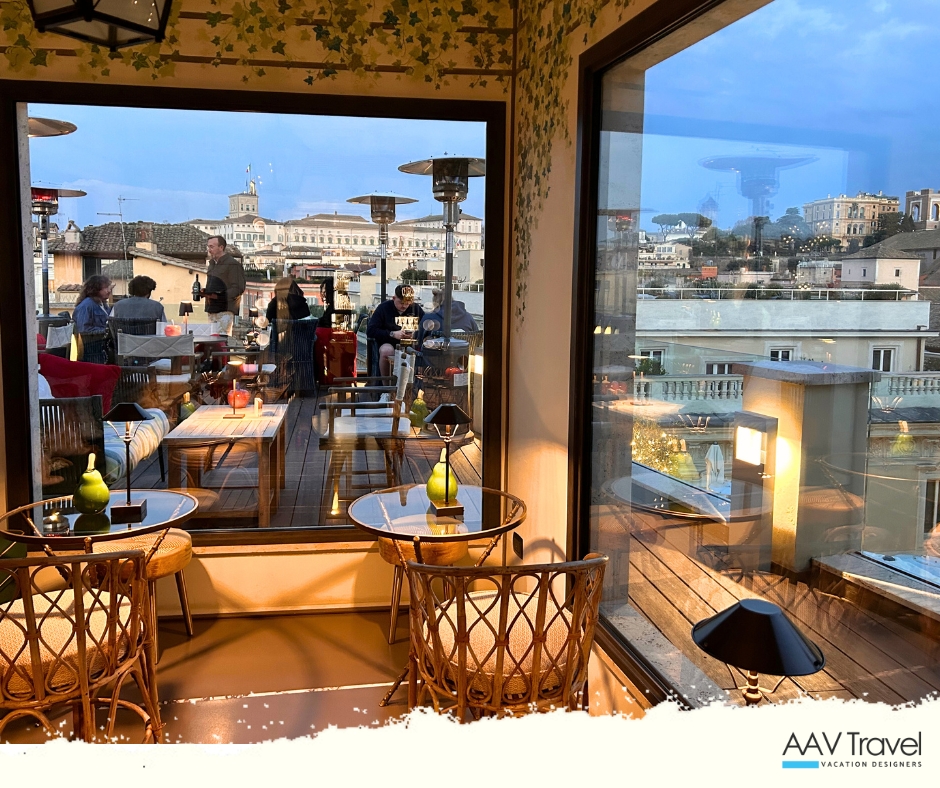
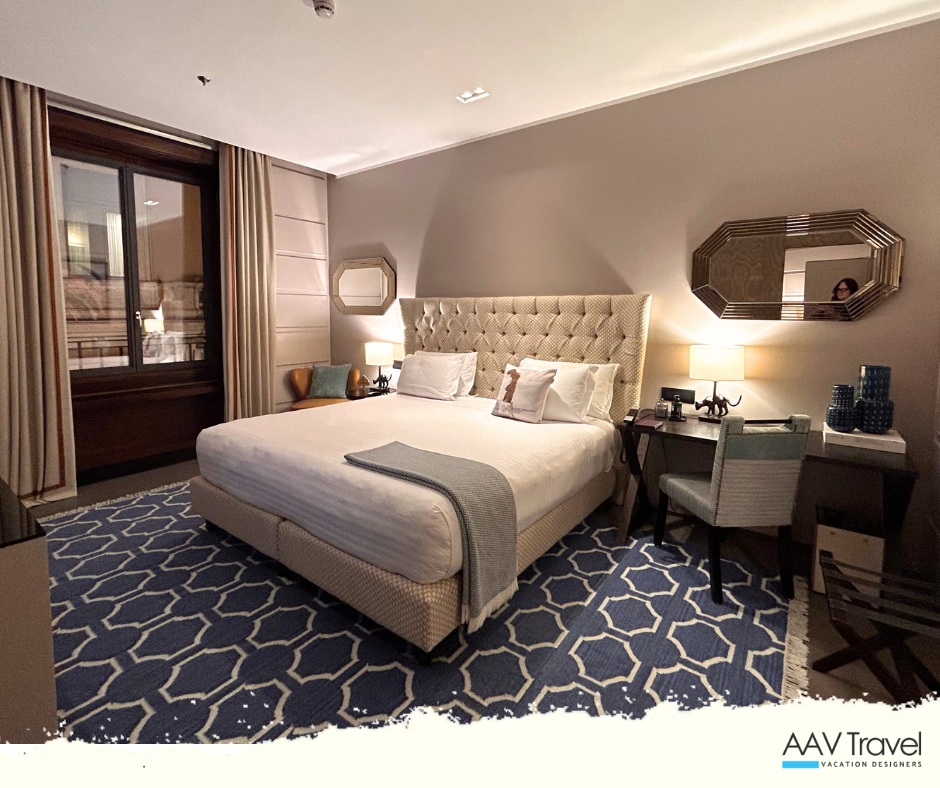
My evening aperitivo at the Singer Palace rooftop terrace remains one of my most treasured Roman memories. I had the pleasure of being invited by Michela Mola, who welcomed me warmly and joined me on the rooftop as the golden hour bathed the Eternal City in a soft, amber glow. From our vantage point above a tapestry of terracotta rooftops and Renaissance domes, the waiter brought over a perfectly prepared Spritz, paired with a tray of local delicacies—tempura vegetables, olives, and chips. As we sipped and admired the view, Michela shared the captivating history of the building and the unique vision behind Singer Palace’s family-run philosophy. Her insight brought the hotel’s character to life, revealing just how much care and thought go into each guest experience. Following our aperitivo, she kindly gave me a personal tour of several rooms—each exquisitely designed, with its own distinct charm. That evening, as the sun slipped below the skyline, I raised my glass in quiet celebration of the Italian art of slowing down, connecting meaningfully, and savoring beauty in both place and people.
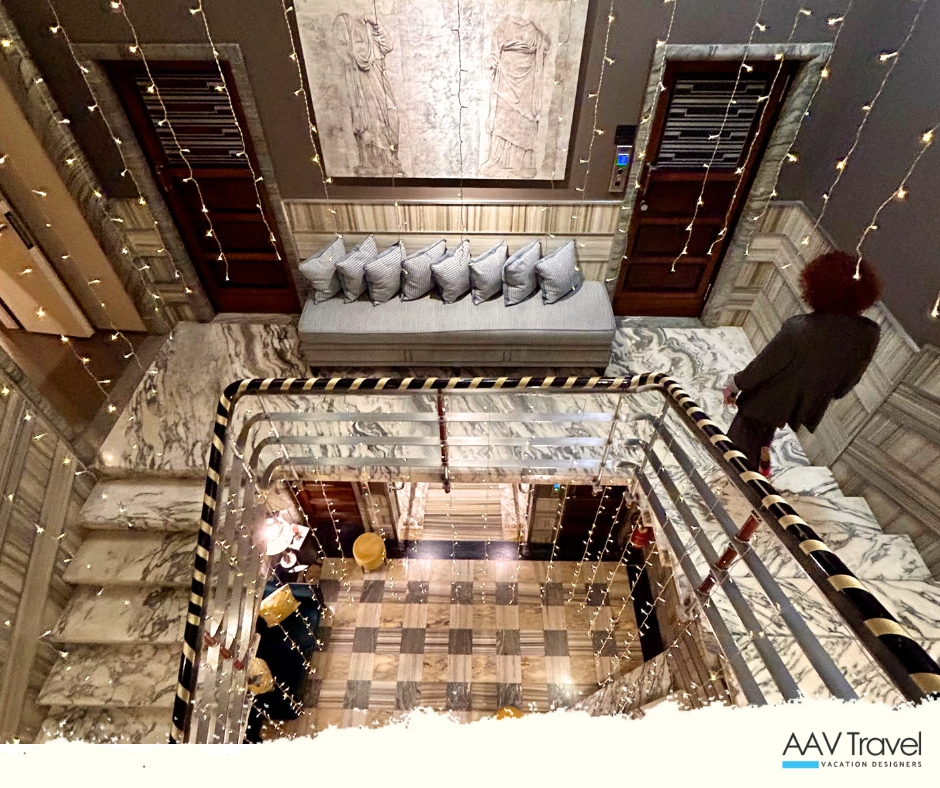
For those in the know, the Singer Palace Hotel is a Roman gem that blends refined luxury with the warmth of a privately owned residence. Tucked away just off Via del Corso—within easy reach of the Pantheon and Trevi Fountain—this discreet address occupies a beautifully preserved 20th-century building that once housed the Italian headquarters of the famed Singer sewing machine company. Today, it’s a meticulously restored haven that remains under the stewardship of the Visocchi family, a detail that ensures an exceptional level of service, attention to detail, and genuine hospitality rarely found in larger hotels. With just 30 elegantly appointed rooms and suites, Singer Palace offers an understated kind of opulence—think Carrara marble, hand-selected furnishings, and bespoke Italian craftsmanship. It’s the kind of place whispered about among seasoned travelers, where heritage meets modern comfort, and where aperitivo hour is best savored on the rooftop, gazing out over Rome’s storied skyline.
Whether you’re exploring Rome for the first time or returning for the tenth, an aperitivo at the Singer Palace rooftop is a must—a graceful pause in the day, served with elegance and heart.
When you let a luxury travel advisor at AAV Travel plan your visit to Rome, you gain access to far more than just hotel bookings and sightseeing suggestions—you benefit from deeply personal, firsthand experience. With extensive on-the-ground knowledge of the city’s finest boutique hotels, hidden-gem trattorias, private guides, and off-the-beaten-path moments, your advisor ensures your Roman holiday feels effortless, immersive, and truly tailored to you. Whether it’s securing a table at a rooftop restaurant with sunset views, arranging VIP access to the Vatican before the crowds arrive, or handpicking a hotel like Singer Palace that matches your style and pace, AAV Travel brings insider insight and white-glove service to every detail—so all you have to do is relax and soak up la dolce vita.
Written by: Stefanie P. To start planning, contact us via email at info@aav-travel.com or visit the website.




















 AAV Explorations