
Greece Travel Is Changing: The Emerging Trends Shaping the Next Era of Luxury

Greece has always been one of those destinations that seems to live in the imagination long before a traveler ever arrives. The whitewashed villages. The deep blue sea. The mythology. The feeling that time slows down the moment you step onto an island.

But Greece is evolving.

Not in a way that makes it less appealing, quite the opposite. It is simply becoming a destination that rewards smarter planning and more thoughtful choices. Travelers are no longer looking for the most famous photo opportunity. They are looking for rhythm, atmosphere, authenticity, and the kind of experiences that feel deeply personal.

For those considering Greece in the coming seasons, there are several emerging trends that are shaping what luxury travel there looks like now, and what will define it next.

Greece Is No Longer a “Quick Stop” on a European Tour
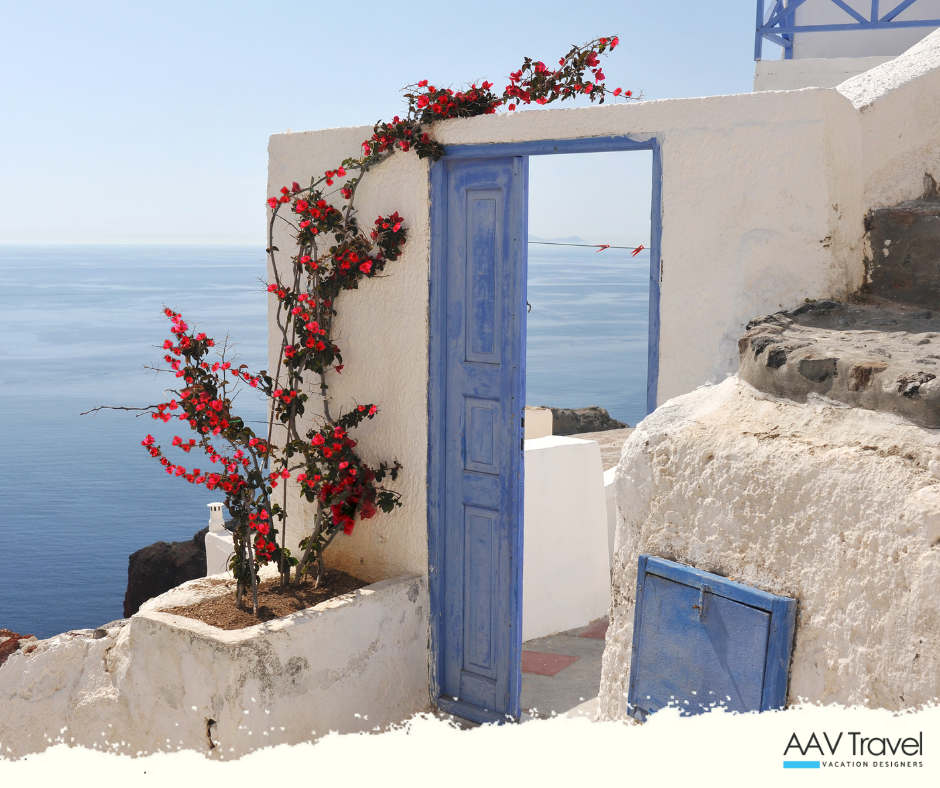
One of the most noticeable shifts is how travelers are structuring their time. Greece is increasingly being treated as its own journey rather than a fast paced extension of a larger European itinerary.

This changes everything. When travelers give Greece the time it deserves, the trip becomes more immersive. Days feel less compressed. Transfers become less stressful. And instead of bouncing between destinations, travelers can actually settle into a place and experience it properly.

The most memorable Greece itineraries today are not packed. They are paced. They include room for long lunches, slow mornings, and spontaneous discoveries, which is often where Greece feels most magical.

Athens Has Become a True Luxury Destination
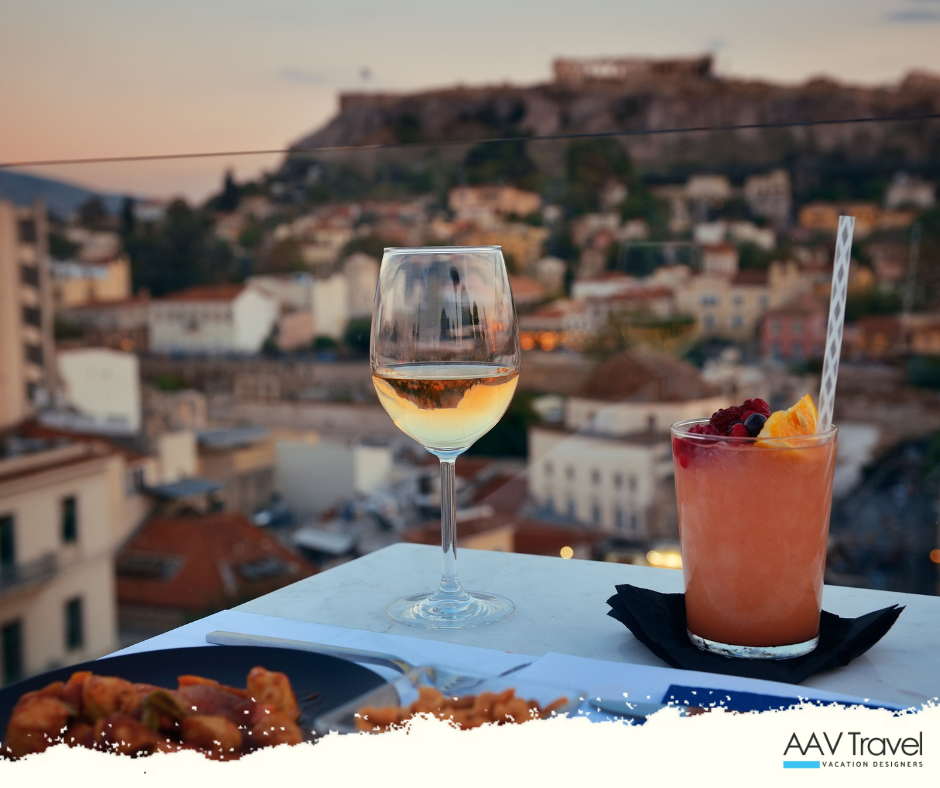
Athens used to be seen as the necessary gateway to the islands, a quick stop to check off the Acropolis before moving on.

That mindset is rapidly fading.

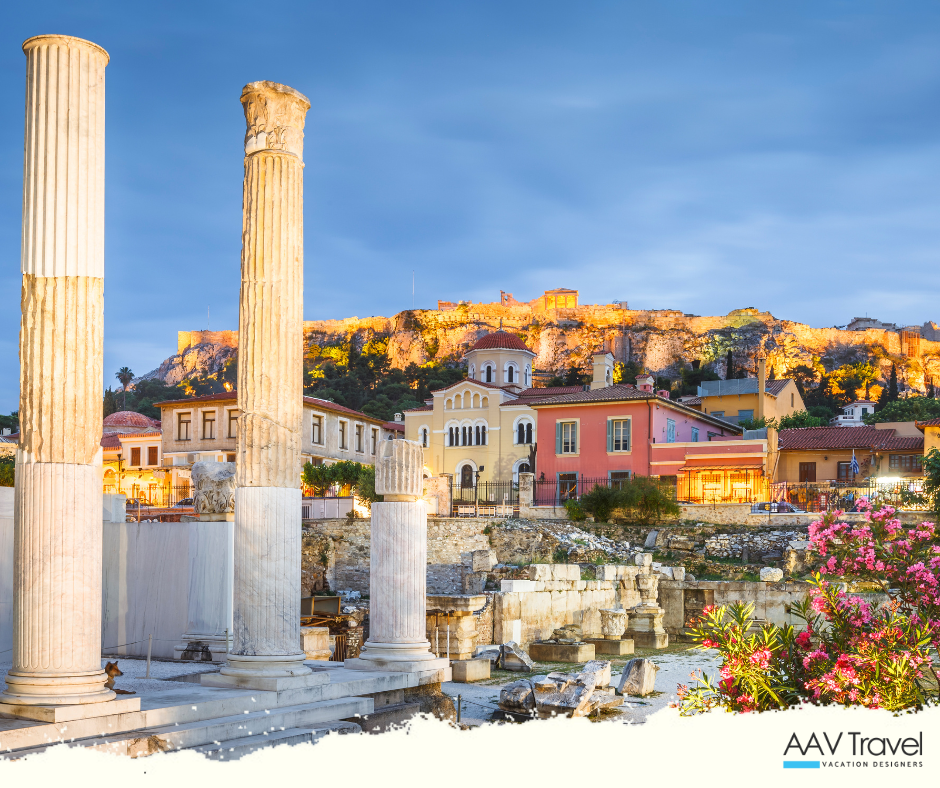
Athens has become one of the most dynamic places in Greece, with a growing luxury hotel scene, more sophisticated dining, and increasingly creative private experiences. It is also an ideal city for travelers who want culture and energy balanced with comfort.

Even the Athenian Riviera is gaining attention, offering a softer and more coastal experience without leaving the mainland.

For travelers who want Greece to feel layered rather than one dimensional, Athens is no longer optional. It is part of the experience.

The Cyclades Still Dominate, But Travelers Are Looking Beyond the Usual Names
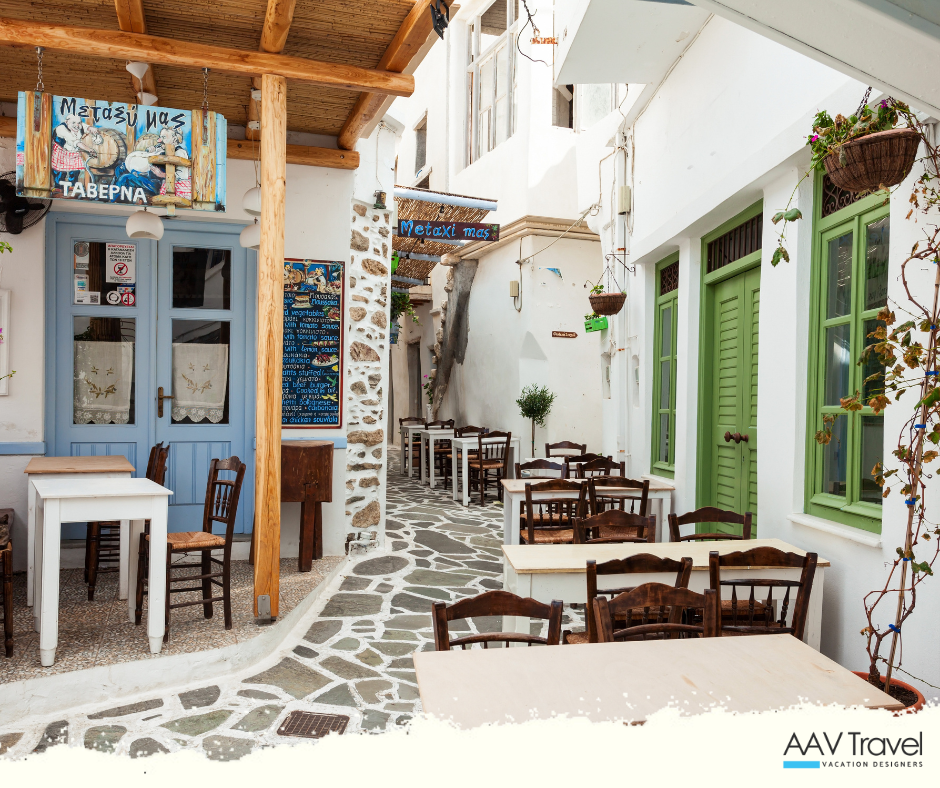
Santorini, Mykonos, and Paros remain incredibly popular, and for good reason. They offer iconic landscapes, beautiful hotels, and strong infrastructure for travelers who want a polished experience.

But something is changing.

More travelers are arriving with curiosity. They still want the classics, but they are also asking what else exists beyond the obvious. They want islands that feel quieter, more intimate, and more rooted in daily Greek life.

This is where smaller Cycladic islands are gaining momentum.

Syros and Tinos, for example, are becoming appealing for travelers who want a sense of culture and authenticity while still remaining within easy reach of the better known islands. Sifnos and Folegandros are also drawing attention for their understated beauty, dramatic landscapes, and calmer pace.

The emerging trend is not about skipping the iconic islands entirely. It is about designing itineraries that balance them with places that offer breathing room.

Naxos Is Quietly Becoming One of the Most Compelling Islands
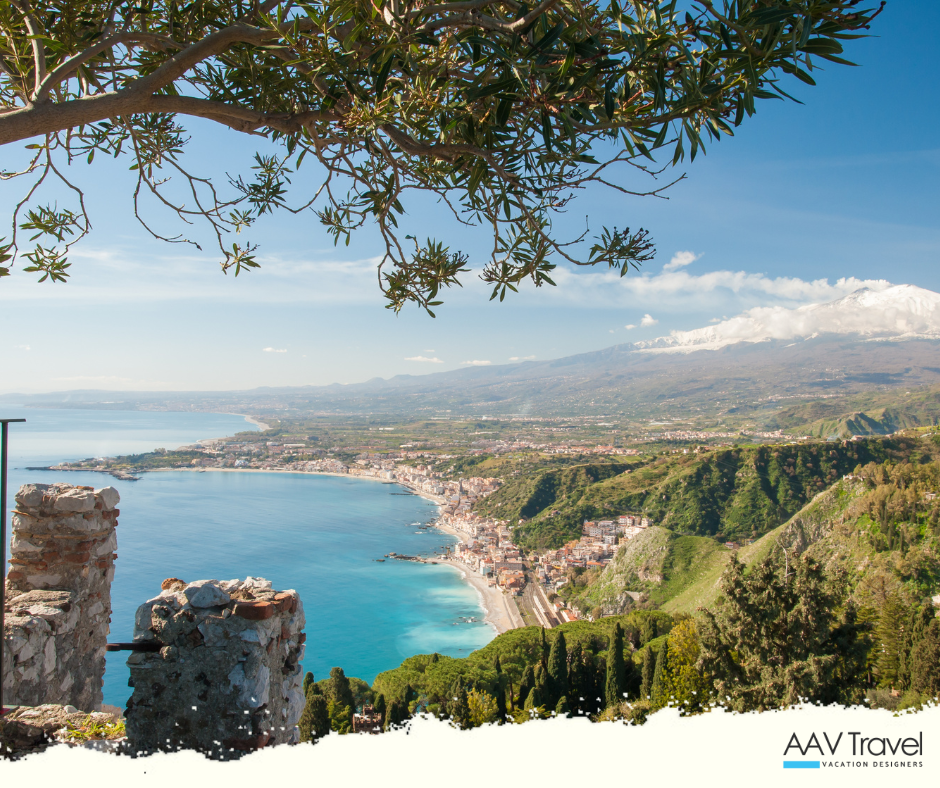
Naxos has always had a certain advantage. It offers more depth than many islands, with mountain villages, strong culinary traditions, sweeping beaches, and a sense of scale that allows travelers to explore without feeling confined.

For years, its main limitation was that the luxury hotel landscape lagged behind its potential.

That is beginning to shift.

As higher end accommodations emerge, Naxos is increasingly being seen as a destination that can deliver both authenticity and comfort. It may never have the polished glamour of Mykonos, but that is exactly the point. It offers a different kind of luxury, one built on space, versatility, and a sense of place.

For travelers who want Greece to feel more expansive and less curated, Naxos is becoming a standout.

Crete’s Appeal Is Growing, Especially for Food and Culture
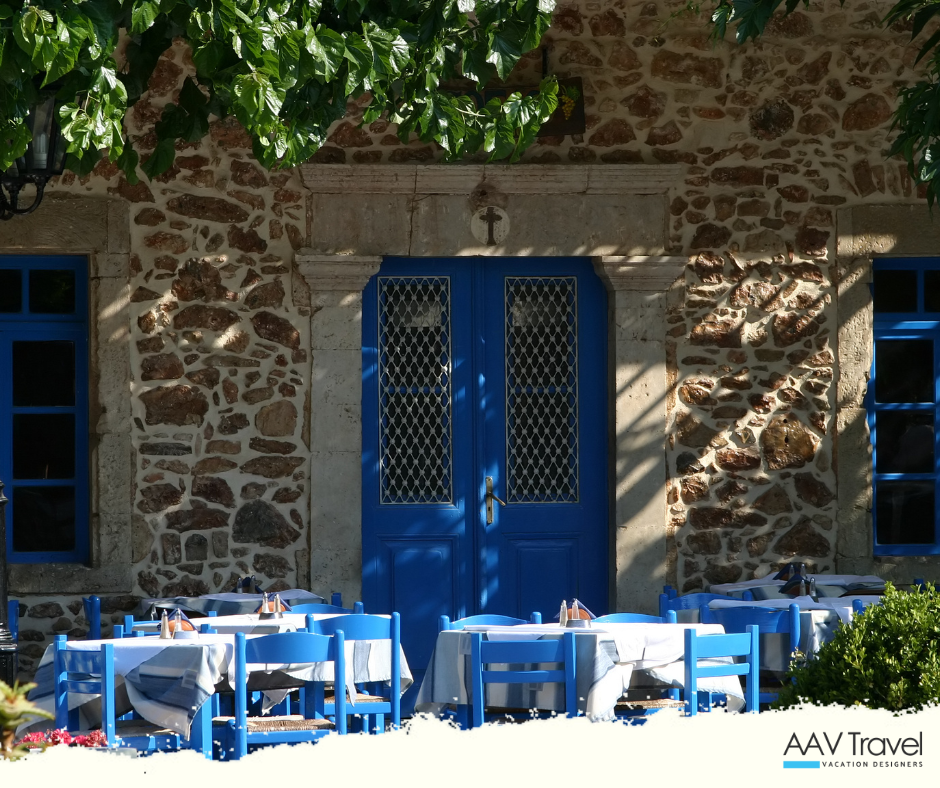
Crete is no longer being viewed as a destination for only certain types of travelers. It is increasingly being recognized as one of Greece’s richest islands for culinary depth, cultural history, and landscape variety.

What makes Crete special is that it does not feel like a single island experience. It feels like a world of its own. Travelers can move from beaches to rugged mountains to historic towns, with remarkable food at every step.

The shift is that more travelers are now choosing Crete not as an add on, but as a centerpiece. It offers the kind of layered travel experience that repeat Greece visitors crave, and it also works beautifully for those who want something less predictable than a pure Cycladic itinerary.

Multi Generational Greece Travel Is Surging

Another clear shift is the rise of multi-generational travel.

Greece is becoming a favorite for families traveling with adult children, grandparents, or larger groups who want shared experiences without sacrificing comfort. The variety of islands, the food culture, and the villa style accommodations available in many destinations make it especially well suited for these trips.

The best multi gen Greece itineraries are carefully structured. They include experiences that appeal across ages, while still allowing downtime and independence.

Properties that offer villa style privacy with hotel level service are increasingly becoming the gold standard for these travelers.

Experiences Are Becoming the True Measure of Luxury

Perhaps the most important emerging trend is this: in Greece, luxury is being defined less by the hotel and more by what surrounds it.

Travelers are no longer satisfied with passive sightseeing. They want experiences that feel participatory and meaningful.

Private boat days remain popular, but even these are evolving. Travelers are looking for more authentic sailing, multi day options, and experiences that feel connected to the sea rather than simply floating on it.

Food experiences are also becoming more sophisticated, especially when they include cultural context. Travelers want to taste Greece, but they also want to understand it.

There is a growing interest in immersive workshops, such as cooking, writing, art, or sailing. These are not one hour tourist activities. They are experiences that allow travelers to engage deeply, learn something new, and take something personal home with them.

Even shopping is shifting. Guests are moving away from souvenirs and toward meaningful mementos, such as handmade items, artisan collaborations, or custom pieces that carry a story.

This is where Greece shines. It is a destination where experiences can still feel intimate, tactile, and real.

Wellness Travel Is Becoming More Rooted and Less Performative

Wellness in Greece is moving beyond spa menus and into something more holistic.

Travelers are increasingly drawn to the kind of wellness that feels natural, tied to landscape, ritual, and lifestyle. Greece is home to regions known for longevity, and many travelers are seeking experiences that reflect that philosophy.

The emerging trend is wellness as a way of living, not a luxury add on. Outdoor movement, simple nourishing meals, and quiet coastal time are becoming part of the appeal.

It is a more grounded approach to wellness travel, and it fits Greece beautifully.

Timing Is Becoming a Strategy, Not a Detail
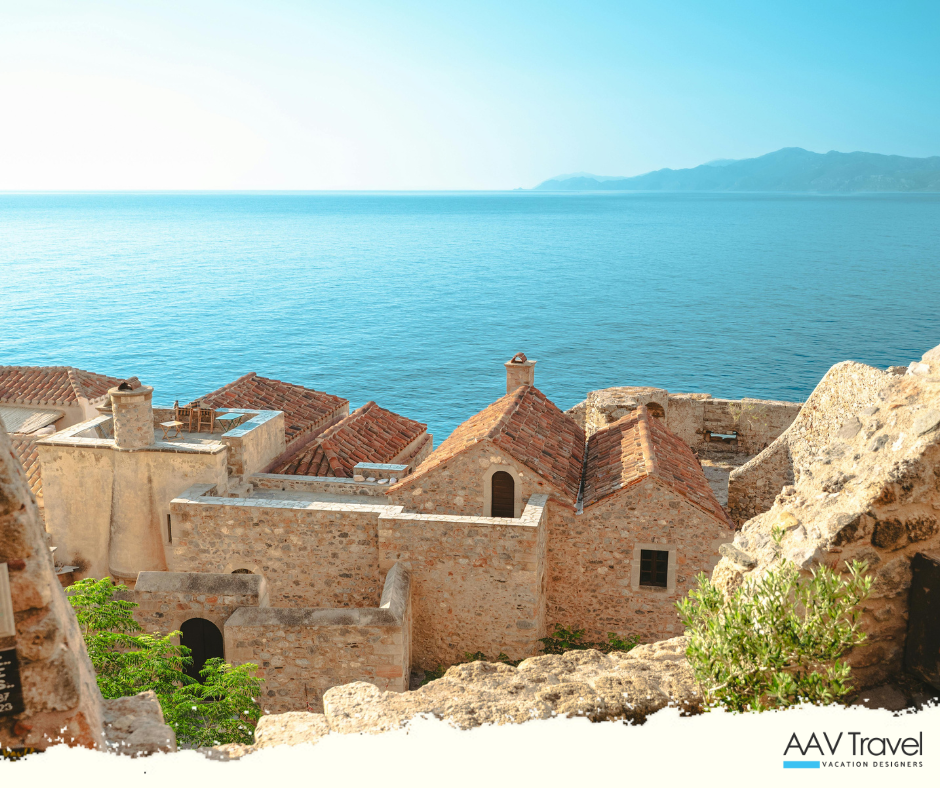
With Greece’s growing popularity, the question of when to go has become just as important as where.

Travelers are paying more attention to seasonality, shoulder months, and crowd patterns. The goal is no longer just good weather. It is atmosphere.

A well planned trip takes into account ferry schedules, heat levels, local festivals, cruise ship traffic, and the subtle difference between an island in early summer versus late summer.

The emerging trend is that travelers are treating timing as a strategic part of the experience, which is exactly how Greece should be approached.

The Future of Greece Travel Is About Fit
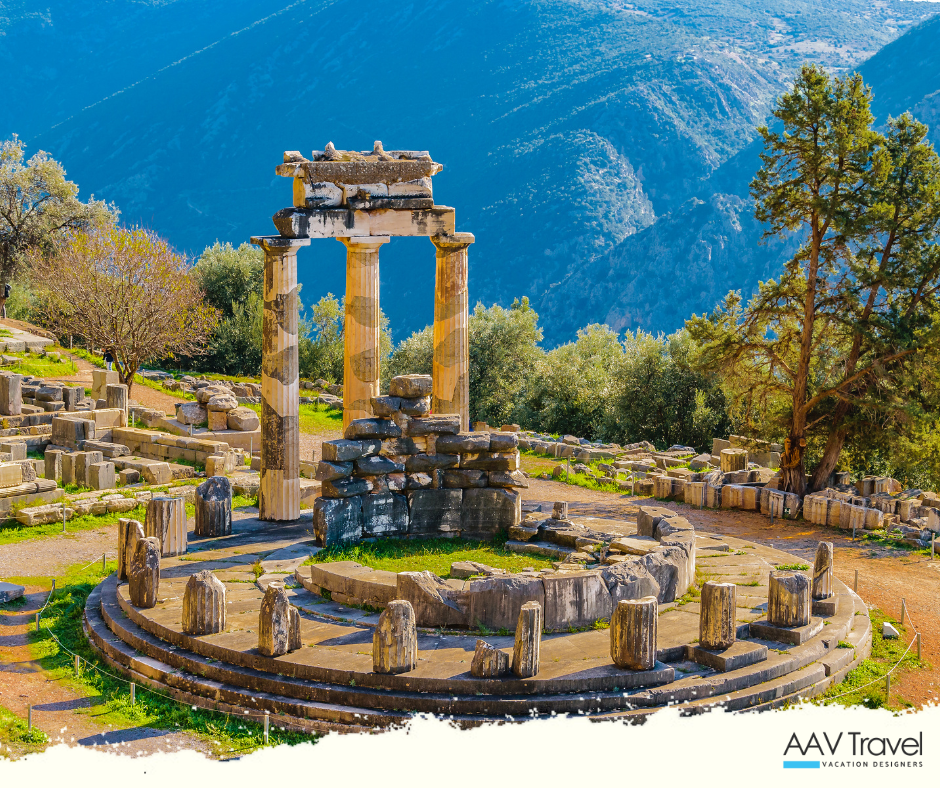
The clearest shift of all is that travelers are moving away from generic itineraries. They want trips designed around who they are.

Is this a honeymoon or a milestone anniversary. Is it a second or third trip where the goal is to go deeper. Is it a multi generational gathering where comfort and accessibility matter. Is it a trip that should feel social and vibrant, or quiet and restorative.

Greece can deliver all of these experiences, but not in the same place, and not with the same structure.

The next era of luxury Greece travel is not about doing more. It is about choosing better.

It is about designing a trip with balance, pacing, and intention so that the destination feels like it is unfolding naturally rather than being rushed through.
If you are considering Greece and want your trip to feel beautifully paced, thoughtfully designed, and aligned with the experience you truly want, I would love to help. The most seamless journeys are shaped through an intentional conversation, where timing, priorities, and the right trade offs are considered from the start. To begin planning, visit AAV Travel or reach out directly at info@aav-travel.com.


Why Time Is One Of The Most Underrated Luxuries In Travel Planning

Most people think a journey begins when they step onto a plane. In reality, travel begins much earlier, in the quiet moment when a trip shifts from a passing idea to a deliberate intention. That space between deciding and departing is not empty time. It is where expectations form, choices take shape, and the tone of the journey is quietly set, often long before a suitcase is opened.

Window to the World

In recent years, many travelers have grown accustomed to planning closer and closer to departure. Flexibility has become a virtue, spontaneity a badge of honor. And while last‑minute travel can absolutely work in the right circumstances, it often comes at an invisible cost. The difference between planning eight months ahead versus three months ahead is not just logistical. It is psychological, emotional, and experiential.

One of the most overlooked benefits of planning well ahead is anticipation. Knowing that a meaningful journey is on the horizon has a grounding effect. It introduces a steady undercurrent of pleasure into everyday life — something to look forward to during busy seasons, demanding projects, or uncertain stretches. Anticipation stretches the joy of travel across time, rather than confining it to a single week away.

When travel is planned early, the mind has room to wander. Travelers begin to imagine textures, tastes, and rhythms. They read, notice, and reflect. This mental engagement is not trivial; it is part of why travel feels restorative. By contrast, trips planned close to departure often feel compressed. Decisions are made quickly, options are weighed under pressure, and excitement is mixed with stress. The journey may still be enjoyable, but the runway leading up to it is shorter and more crowded.

Time also plays a critical role in the quality of choices available. Eight months ahead, the world of travel is simply more open. Preferred rooms are still available, not just any room. The best‑suited guides, sailings, and access windows can be selected thoughtfully rather than accepted by default. Flights can be chosen to support rest and pacing instead of endurance. These are not luxuries in the superficial sense; they are elements that quietly shape how a trip feels in the body.

Early planning allows for discernment. It gives travelers the ability to say yes to what truly fits and no to what does not, without feeling boxed in by scarcity. This is particularly important for travelers who value comfort, context, and depth over volume. A well‑designed journey is not about doing more. It is about aligning experiences with energy, interests, and timing — something that is far easier to achieve when options are abundant.

Planning closer to departure naturally narrows that field. Three months out, excellent trips are still possible, but the process changes. Creativity is often replaced by efficiency. Trade‑offs become necessary, not because a traveler prefers them, but because the calendar dictates them. The question shifts from “What would suit us best?” to “What is still available?” That subtle shift is where many trips lose a degree of elegance.

None of this is meant to suggest that every journey must be planned far in advance. Life does not always cooperate, and there are moments when spontaneity is exactly right. But for milestone trips, longer journeys, or experiences that matter deeply, time is an ally worth respecting. It brings clarity. It softens decision‑making. It allows travel to be shaped deliberately rather than assembled reactively.

In the end, planning eight months ahead is not about being early. It is about creating space — space to imagine, to choose well, and to travel with fewer compromises. When time is used intentionally, it becomes one of the most powerful tools in designing a journey that feels not just enjoyable, but genuinely sustaining.

Thoughtful travel rarely happens by accident. It benefits from conversation, perspective, and a calm understanding of what matters most to you. If you are considering an upcoming journey and would value a more intentional approach to timing, pacing, and design, an initial conversation can help clarify the path forward. You can learn more at AAV Travel or reach out directly at info@aav-travel.com.

Written by: Stefanie P.

The Art of Dining Well in London

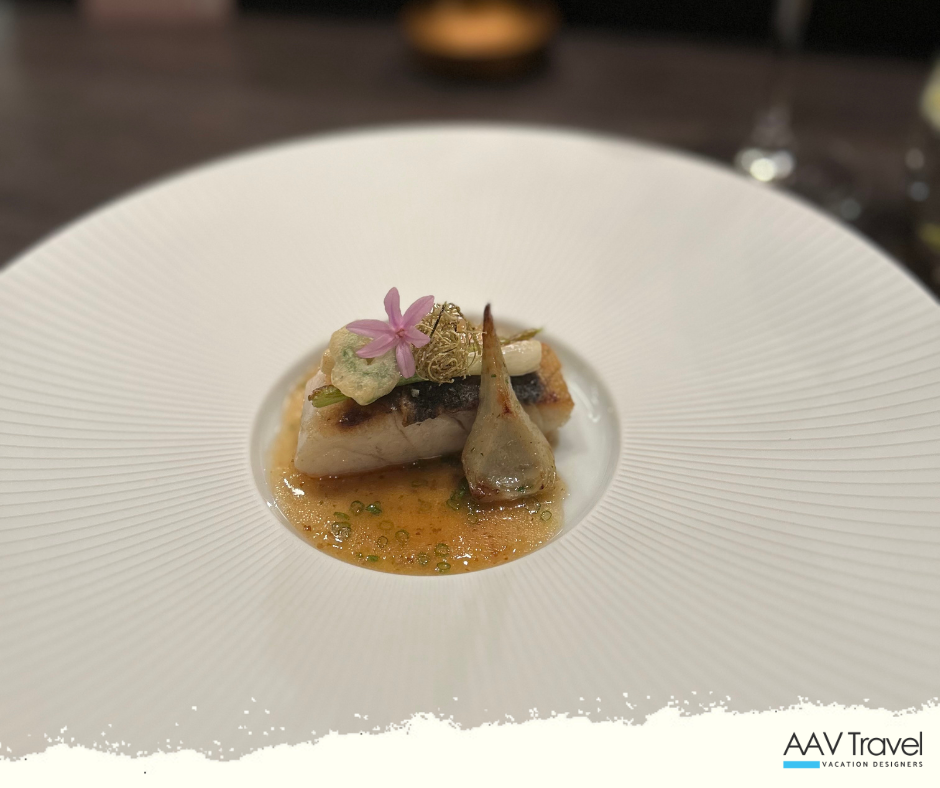
London has always known how to host. But in the last few years, the city’s culinary life has shifted in a way that feels less like a trend and more like a return to something elemental: dining as a form of connection. The best meals now carry an emotional signature. They’re not simply about technique, rare ingredients, or the hush of a white tablecloth. They’re about story, place, and the particular warmth that happens when a kitchen and a dining room are working in quiet harmony.

You can feel this change in the way chefs talk about their work, and in what guests remember afterward. Precision still matters, of course. But the most compelling restaurants aren’t chasing perfection as an end in itself. They’re chasing meaning. Service has become less performative and more human, and the experience feels shaped around you rather than presented at you. Cultural touchstones have helped bring this into the mainstream, too. When people reference the intensity of modern kitchens or the philosophy of unreasonable hospitality, what they’re really saying is this: a great meal should make you feel something.

That’s precisely why London is such a rewarding city for a culinary escape right now. The London of old clichés—only pubs, only tea—never told the full story, but it’s especially incomplete today. London’s dining scene is global in the truest sense: a city where contemporary British tasting menus sit comfortably alongside exquisite omakase counters, Indian fine dining that treats spice as architecture, Middle Eastern kitchens redefining generosity, and small neighborhood rooms where the food is quietly brilliant because the sourcing, the technique, and the point of view are all aligned.

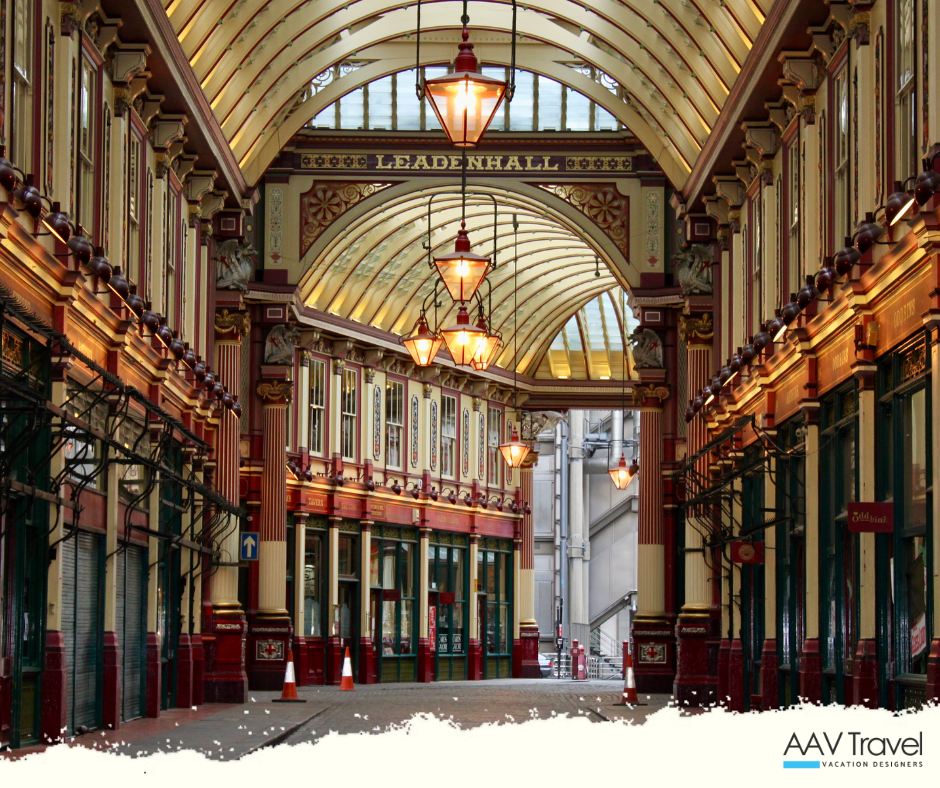
The temptation is to come to London and try to “do it all.” That’s the fastest way to make even a glamorous trip feel like a checklist. A culinary London works best when it’s designed like a rhythm: a big night followed by an unhurried morning, a long tasting menu balanced with something simple and perfect the next day, a table that’s worth dressing up for and another that’s worth slipping into without announcement. The city rewards discernment. It rewards pacing. And because London is a city of neighborhoods more than a single central stage, it rewards choosing where you stay with as much intention as where you dine.

There’s also a practical reality that matters: the most sought-after reservations often move on a timetable that doesn’t care when you booked your flights. Many top restaurants release tables in defined windows, and prime evenings can disappear quickly—especially on weekends, during school holidays, or around major London events. If your vision includes one or two “anchor meals,” it’s wise to plan with enough lead time that you’re choosing with confidence rather than scrambling for what’s left. In many cases, beginning the conversation three to six months out creates a calmer planning experience and significantly improves your odds of getting the tables you actually want.

Where you stay becomes part of that strategy. London is wonderfully walkable in pockets, but crossing the city at the wrong hour can quietly tax your energy, especially when you’ve built your days around late dinners, pre-theatre cocktails, or a leisurely dessert that turns into a nightcap. A thoughtfully chosen hotel makes it easier to enjoy the city the way it’s meant to be enjoyed: with time to linger, change, and arrive unhurried.

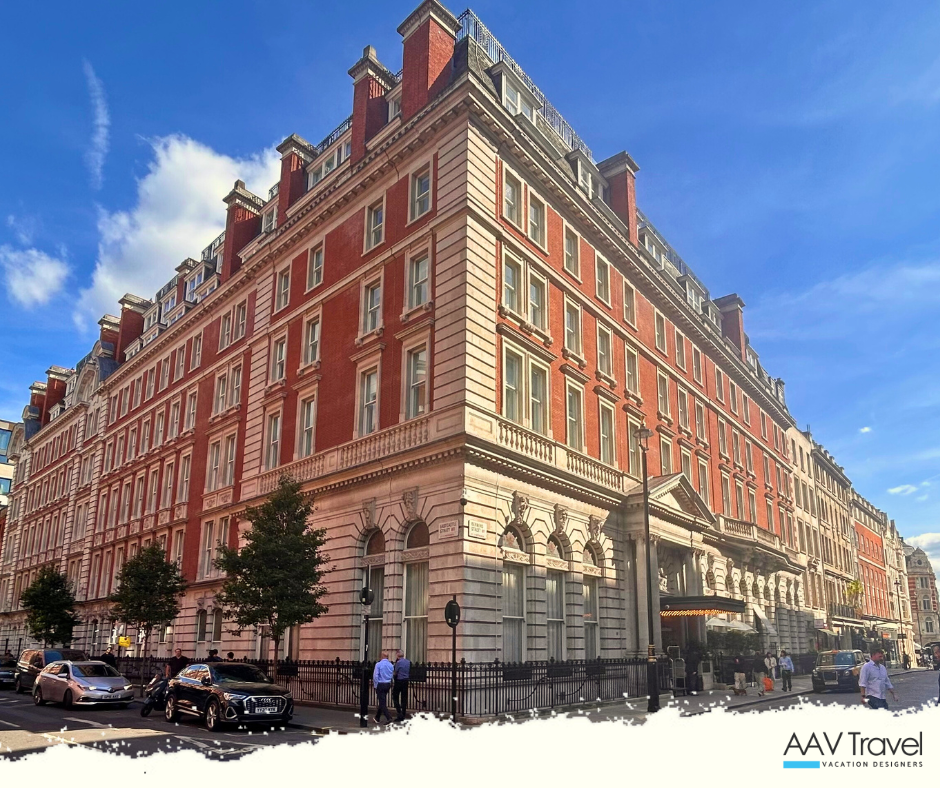
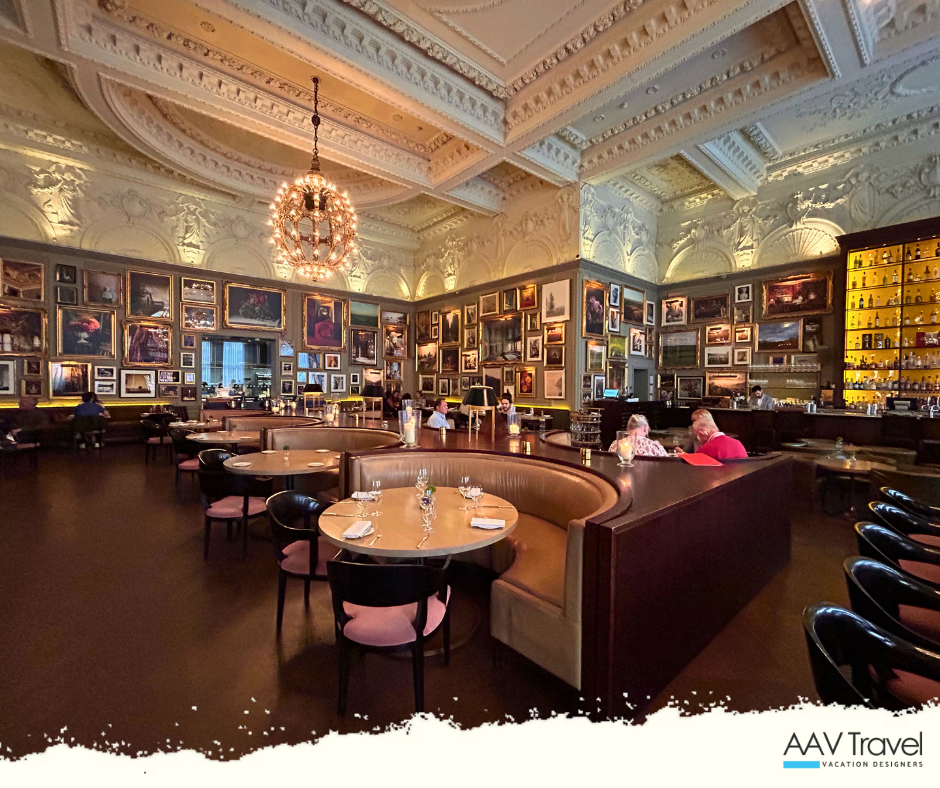
For travelers who want modern glamour with a sense of London’s layered history, The London EDITION is an effortlessly stylish base. Its atmosphere feels alive without being loud, and its location places you within easy reach of dining-rich neighborhoods—whether you’re drifting toward Fitzrovia and Soho, browsing Marylebone, or keeping an afternoon open for Bloomsbury. Even if you’re dining elsewhere, having an excellent bar and restaurant scene at your hotel matters. It gives you flexibility on arrival day, a polished option for a relaxed first evening, or a place to end the night without having to think too hard. That kind of ease is part of luxury, even when it’s invisible.

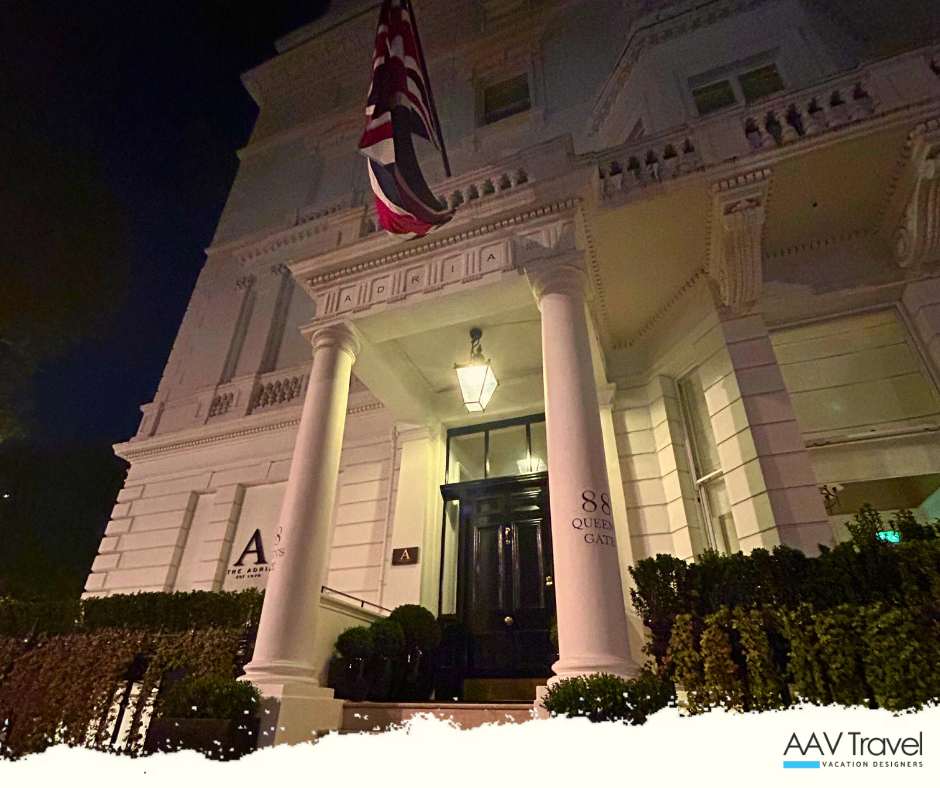
If your idea of luxury leans more discreet—privacy, calm, and a residential feel—The Adria in South Kensington offers a very different but equally compelling experience. This is the type of boutique property that feels like a well-kept secret: intimate, quietly elegant, and restorative after a day in the city. South Kensington and its surrounding areas also put you near a remarkable concentration of excellent dining, which means you can build evenings that feel seamless rather than logistically heavy. When you can return to a quiet, tucked-away hotel after a serious meal, the entire trip feels more like a private escape than a public performance.

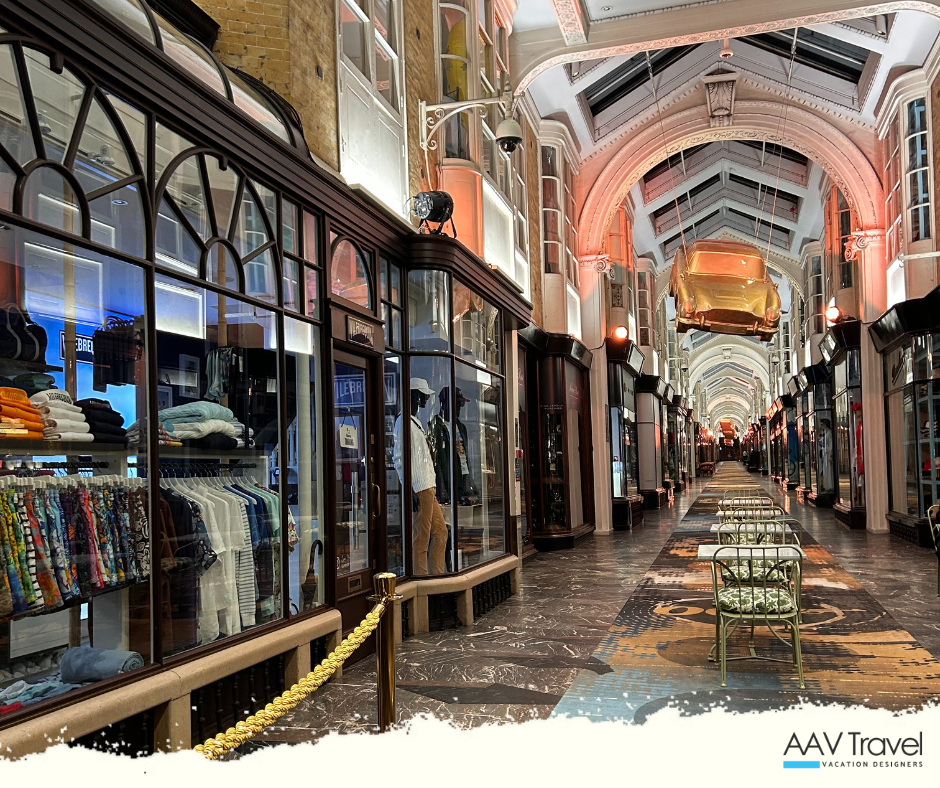
A London culinary journey becomes especially memorable when it’s tied to a milestone—an anniversary, a birthday with a meaningful number, a proposal you want to feel cinematic but not staged. London is exceptional at the details that elevate celebration: the perfect table at the right hour, a room that knows how to read the moment, a cocktail bar that feels like a discovery, a morning that begins slowly because you planned it that way. And for many travelers, the city’s shopping adds a satisfying layer of indulgence when it’s woven in thoughtfully. Bond Street and the great department stores can be exhilarating, but the real pleasure comes when you’re not racing between appointments. A late lunch that turns into an afternoon browse, a pre-dinner stroll that feels like part of the ritual, a small purchase that becomes a travel talisman—this is the kind of London that stays with you.

Designing London well is less about finding the “best” restaurants and more about curating the right sequence for you: the meals that match your palate, the neighborhoods that match your pace, and the hotel that makes everything feel effortless. That’s where thoughtful planning quietly changes the experience. It protects your time, increases your options, and helps ensure that the trip feels like a cohesive escape rather than a set of separate reservations.

If you’d like to turn London into a culinary retreat that feels seamless from start to finish—tables secured with intention, hotels chosen for both style and practicality, and a pacing strategy that lets you savor the city—we would love to design it with you. Email us at info@aav-travel.com, and tell us the dates you’re considering and the kind of meals you dream about; we’ll help shape the rest into something calm, confident, and unforgettable.

Written by: Stefanie P.