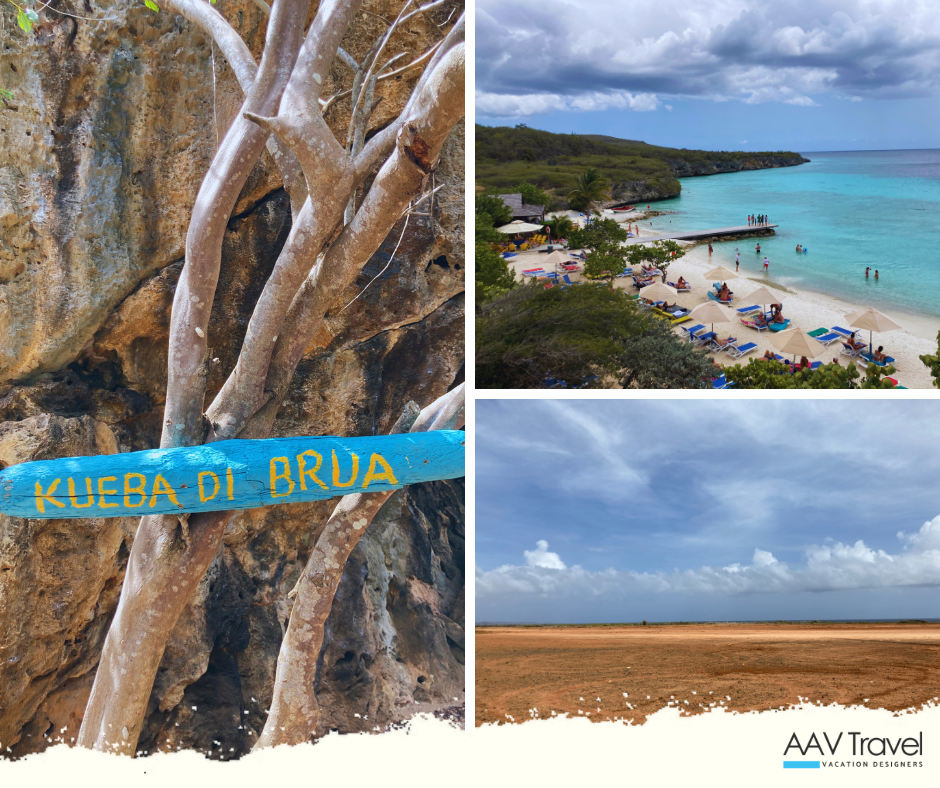
Why Time Is One Of The Most Underrated Luxuries In Travel Planning

Most people think a journey begins when they step onto a plane. In reality, travel begins much earlier, in the quiet moment when a trip shifts from a passing idea to a deliberate intention. That space between deciding and departing is not empty time. It is where expectations form, choices take shape, and the tone of the journey is quietly set, often long before a suitcase is opened.

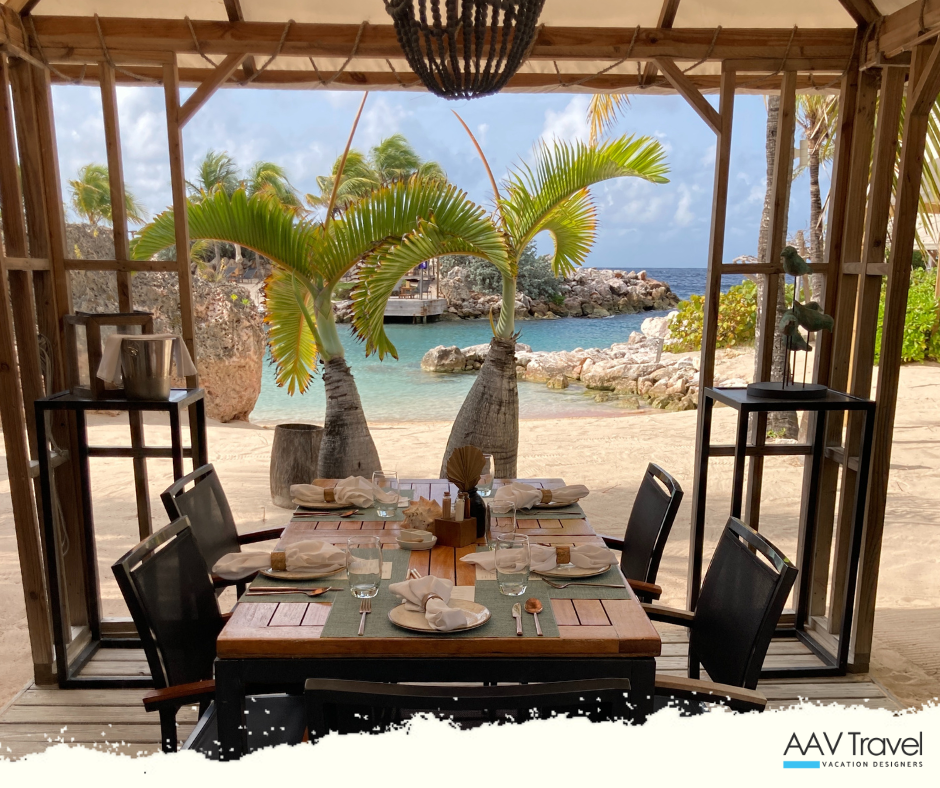
Window to the World

In recent years, many travelers have grown accustomed to planning closer and closer to departure. Flexibility has become a virtue, spontaneity a badge of honor. And while last‑minute travel can absolutely work in the right circumstances, it often comes at an invisible cost. The difference between planning eight months ahead versus three months ahead is not just logistical. It is psychological, emotional, and experiential.

One of the most overlooked benefits of planning well ahead is anticipation. Knowing that a meaningful journey is on the horizon has a grounding effect. It introduces a steady undercurrent of pleasure into everyday life — something to look forward to during busy seasons, demanding projects, or uncertain stretches. Anticipation stretches the joy of travel across time, rather than confining it to a single week away.

When travel is planned early, the mind has room to wander. Travelers begin to imagine textures, tastes, and rhythms. They read, notice, and reflect. This mental engagement is not trivial; it is part of why travel feels restorative. By contrast, trips planned close to departure often feel compressed. Decisions are made quickly, options are weighed under pressure, and excitement is mixed with stress. The journey may still be enjoyable, but the runway leading up to it is shorter and more crowded.
Time also plays a critical role in the quality of choices available. Eight months ahead, the world of travel is simply more open. Preferred rooms are still available, not just any room. The best‑suited guides, sailings, and access windows can be selected thoughtfully rather than accepted by default. Flights can be chosen to support rest and pacing instead of endurance. These are not luxuries in the superficial sense; they are elements that quietly shape how a trip feels in the body.

Early planning allows for discernment. It gives travelers the ability to say yes to what truly fits and no to what does not, without feeling boxed in by scarcity. This is particularly important for travelers who value comfort, context, and depth over volume. A well‑designed journey is not about doing more. It is about aligning experiences with energy, interests, and timing — something that is far easier to achieve when options are abundant.

Planning closer to departure naturally narrows that field. Three months out, excellent trips are still possible, but the process changes. Creativity is often replaced by efficiency. Trade‑offs become necessary, not because a traveler prefers them, but because the calendar dictates them. The question shifts from “What would suit us best?” to “What is still available?” That subtle shift is where many trips lose a degree of elegance.

None of this is meant to suggest that every journey must be planned far in advance. Life does not always cooperate, and there are moments when spontaneity is exactly right. But for milestone trips, longer journeys, or experiences that matter deeply, time is an ally worth respecting. It brings clarity. It softens decision‑making. It allows travel to be shaped deliberately rather than assembled reactively.

In the end, planning eight months ahead is not about being early. It is about creating space — space to imagine, to choose well, and to travel with fewer compromises. When time is used intentionally, it becomes one of the most powerful tools in designing a journey that feels not just enjoyable, but genuinely sustaining.

Thoughtful travel rarely happens by accident. It benefits from conversation, perspective, and a calm understanding of what matters most to you. If you are considering an upcoming journey and would value a more intentional approach to timing, pacing, and design, an initial conversation can help clarify the path forward. You can learn more at AAV Travel or reach out directly at info@aav-travel.com.

Written by: Stefanie P.

Walk the World: Seven Remarkable Hiking Destinations Worth Traveling For

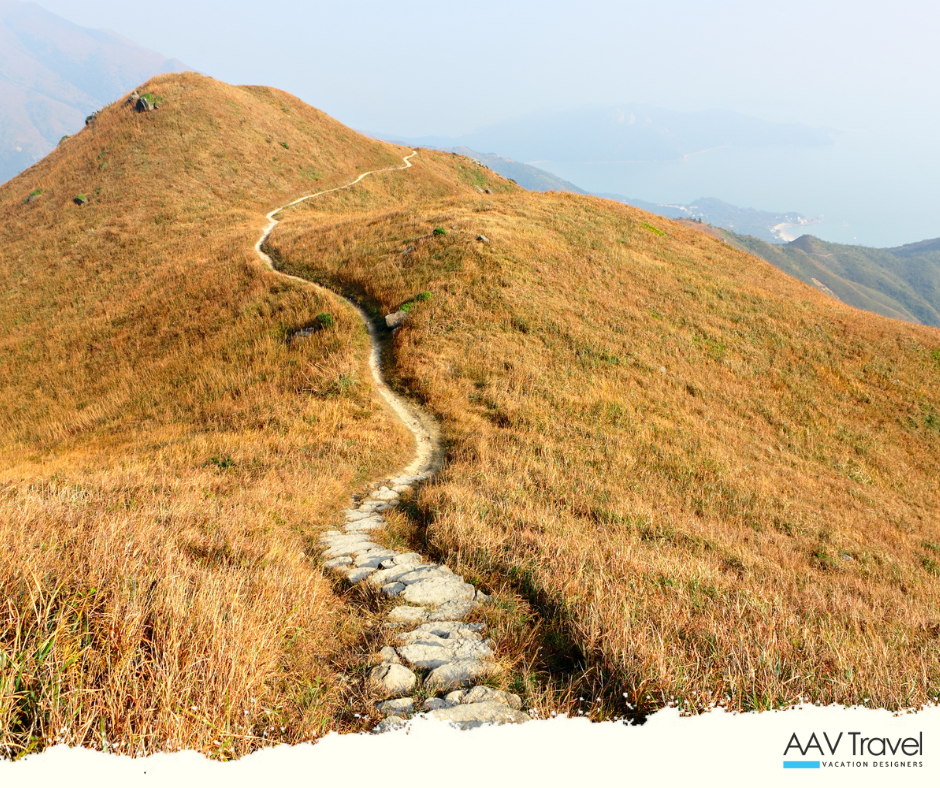
Travel has a remarkable way of returning us to ourselves, and few experiences do this as naturally as stepping onto a trail. Hiking invites a different rhythm, one that feels both grounding and quietly expansive. With each steady step, the body strengthens, the mind clears, and the world becomes more vivid. The pace slows just enough for you to notice the scent of pine carried on the breeze, the shifting light across a valley, or the simple satisfaction of moving forward with purpose.

In a world that constantly encourages speed, trails offer something rarer: presence. They remind us that adventure does not always need adrenaline or intensity. Sometimes it simply requires time, curiosity, and the willingness to experience a place in a more intimate way.

Positive psychology often points to the restorative effects of nature, and hiking weaves these benefits into every ascent, descent, and panoramic view. Trails naturally ease stress, drawing us away from the noise of daily life and gently restoring mental balance. A long walk can clear mental fog, spark fresh perspective, and renew emotional energy. When travel is built around hiking, it becomes more than scenery. It becomes a way of stepping out of routine and into a landscape that reshapes how we feel, how we think, and how we see the world.

The following destinations are worth traveling for not only because they are beautiful, but because they invite the kind of transformation that can only happen when you move through a place slowly and with intention.

Madeira, Portugal

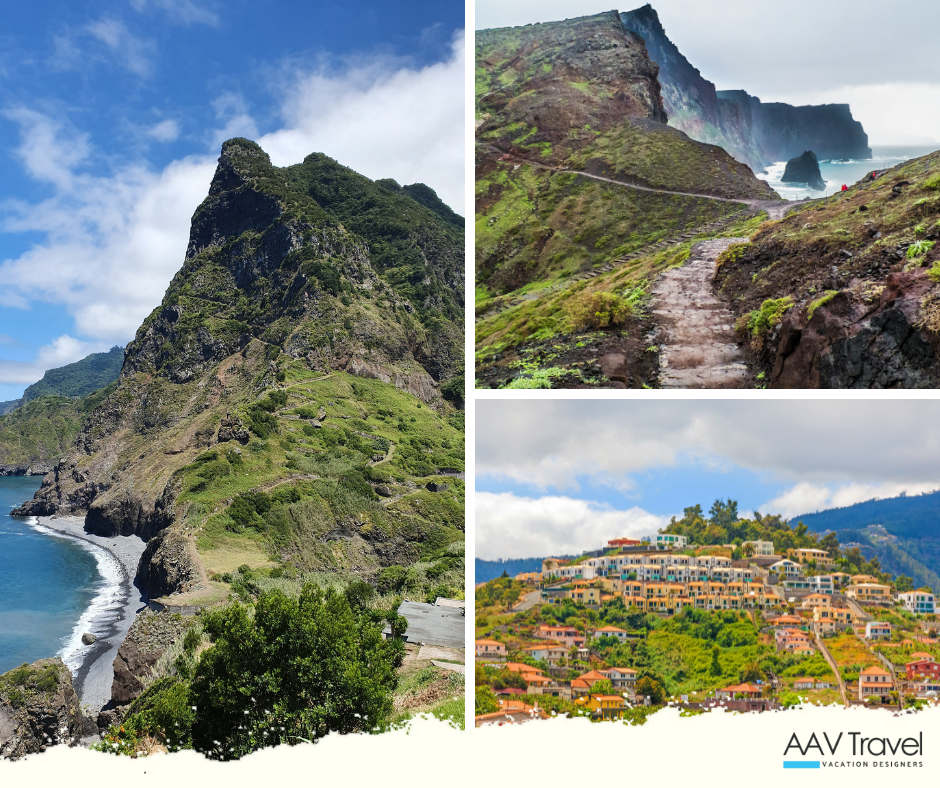
Madeira is a hiker’s paradise, a lush volcanic island where dramatic cliffs drop into the Atlantic and ancient laurel forests create a world that feels almost otherworldly. Many trails follow the island’s historic levadas, irrigation channels that cut through the landscape, forming gentle, scenic walking routes. These paths often wind through green tunnels before opening into sweeping views that feel cinematic and remote.

For those seeking more challenge, Madeira also offers ridge hikes and high peak routes that reward confident hikers with breathtaking vistas across the island. It is a destination for travelers who appreciate variety, and for those who want a balance of quiet forest immersion and dramatic viewpoints, all within a mild climate that makes walking enjoyable nearly year round.

Amalfi Coast, Italy

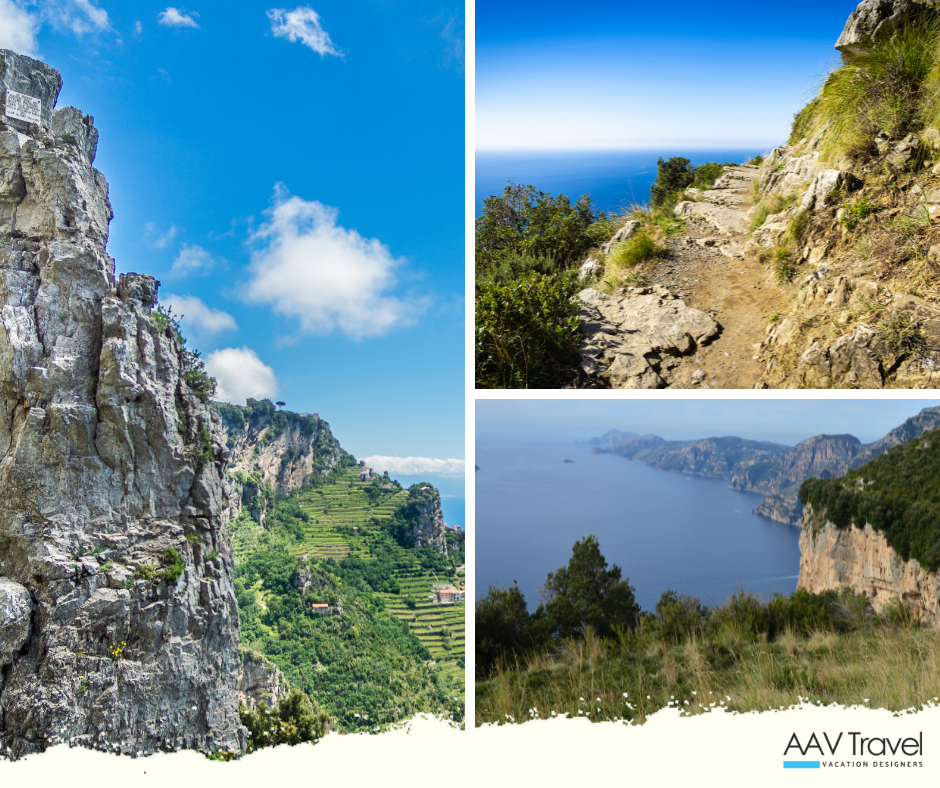
The Amalfi Coast delivers hiking with unmistakable character. Cliffside trails overlook terraced lemon groves, pastel villages cling to steep hillsides, and the Mediterranean glimmers far below. Some routes require stamina and sure footing, while others are gentler and designed for travelers who prefer a slower pace and more time to absorb the scenery.

This is an ideal region for travelers who love the combination of natural beauty and cultural richness. Hiking here is never just hiking. It is an experience shaped by historic footpaths, local life, and the reward of returning to a village for fresh seafood, regional wine, and views that feel timeless.

Lake Bled, Slovenia

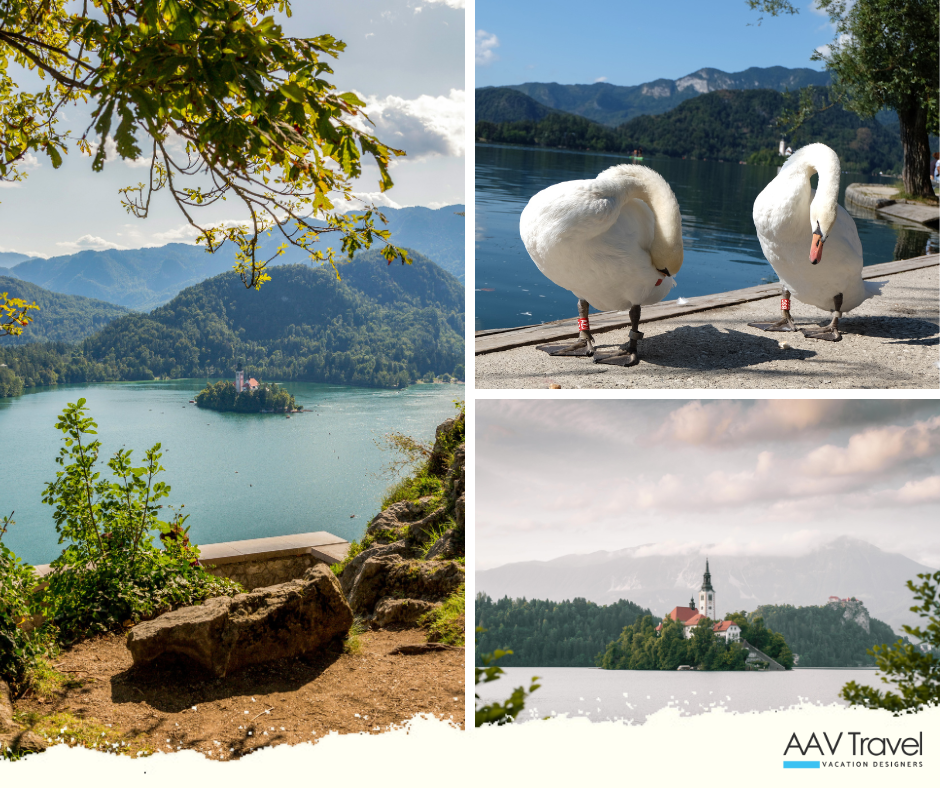
Lake Bled feels like it Lake Bled feels almost unreal, with emerald water, a small island topped by a church, and a castle perched high above the shore. The walking paths around the lake are peaceful and accessible, but the surrounding hills offer more demanding climbs for travelers who want elevation and sweeping views.

This destination is especially well suited for those who enjoy a sense of calm woven into their travels. It is a place for travelers who appreciate photography moments at every turn, who want nature without extremes, and who find joy in landscapes that feel serene, storybook, and quietly restorative.

Zermatt, Switzerland

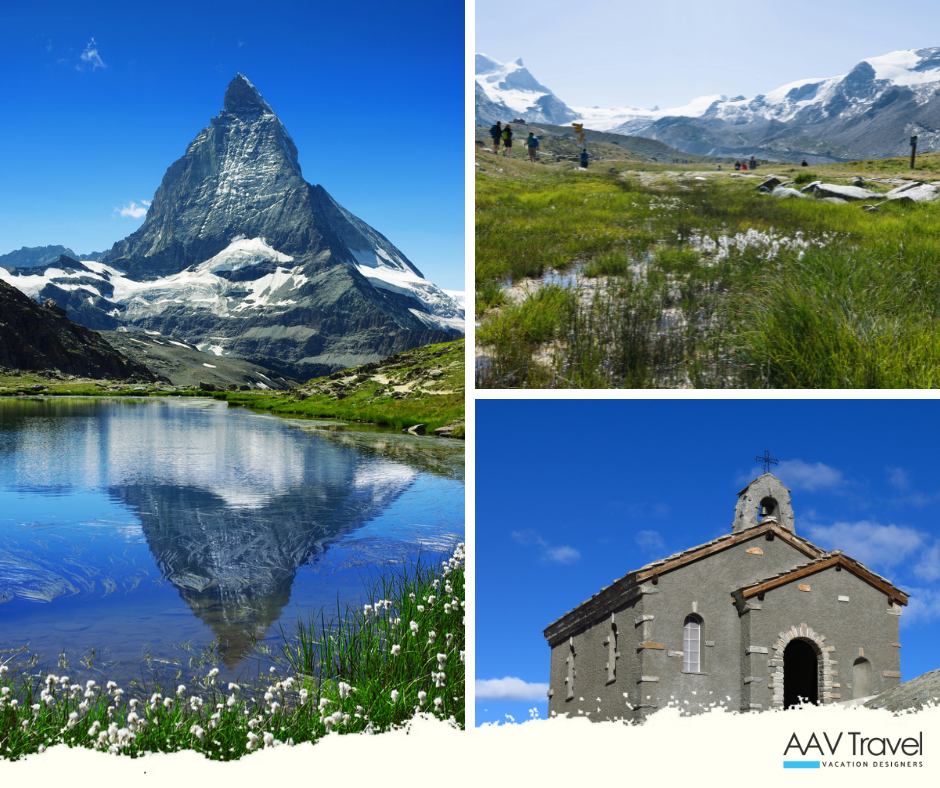
Zermatt is iconic for good reason. Standing before the Matterhorn brings a sense of awe that is difficult to describe and impossible to forget. The trails here move through alpine meadows, past turquoise lakes, and into high altitude landscapes that feel pristine and powerful.

The range of hiking is extensive, from gentle panoramic walks to ambitious routes that require endurance and confidence. Zermatt appeals to travelers who love mountain air and dramatic scenery, and who appreciate the ability to pair adventure with comfort. It is one of those rare destinations where the landscape feels both grand and deeply personal, offering moments of quiet reflection alongside the exhilaration of being in the Alps.

Tromsø, Norway

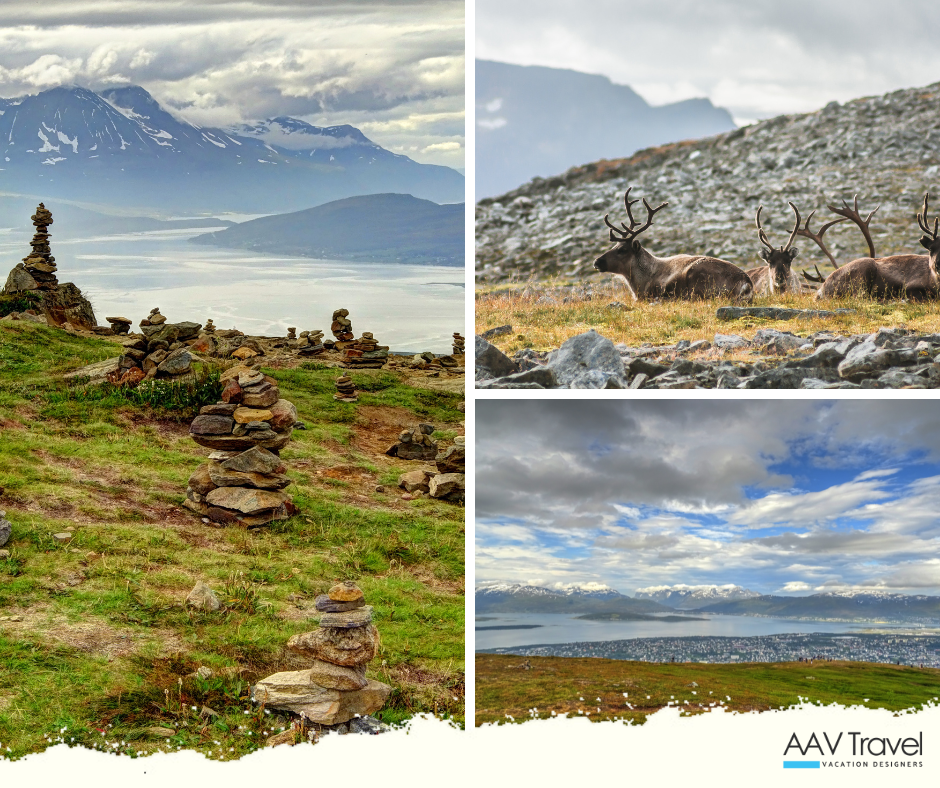
Far above the Arctic Circle, Tromsø offers hiking that feels remote, raw, and unforgettable. Trails lead through birch forests, across rugged ridges, and up to viewpoints overlooking fjords stretching toward the horizon. The experience shifts dramatically with the seasons. In summer, you may hike under the midnight sun. In winter, the same landscape becomes a world of snow, twilight, and Arctic stillness.

This region speaks to travelers who are drawn to places that feel wild and expansive. It is for those who want crisp air, solitude, and the deep sense of perspective that comes from being surrounded by nature on a grand scale. The possibility of seeing the northern lights after a day on the trail only adds to the sense of wonder.

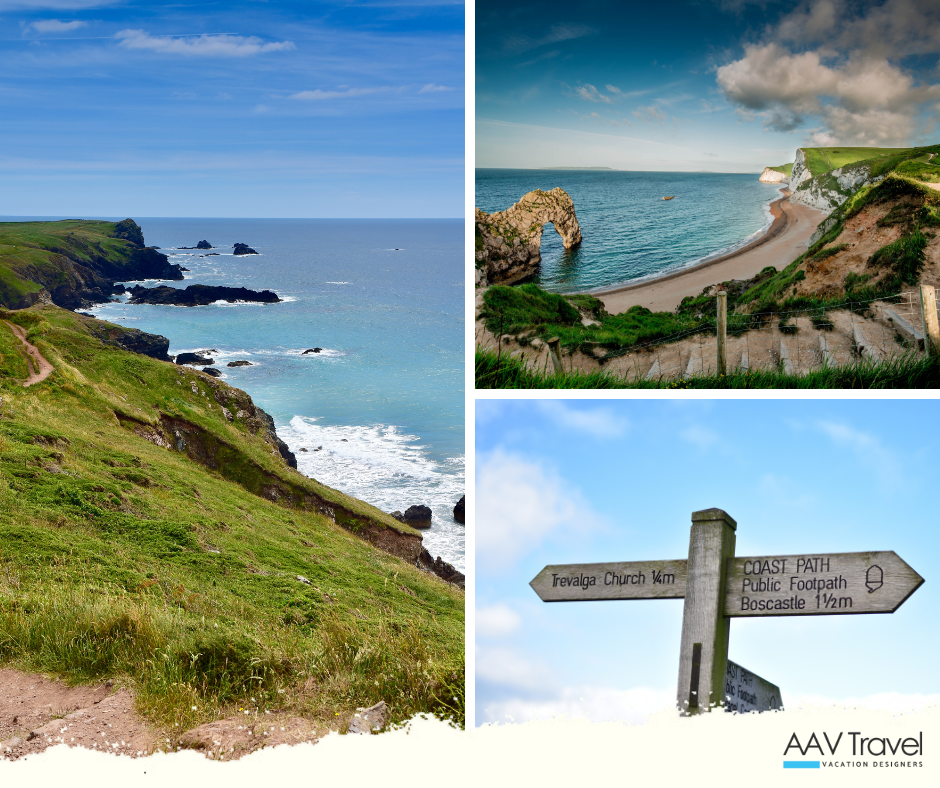
Cornwall, England

Cornwall’s coastal paths are a pleasure for travelers who love dramatic sea views, wildflower lined cliffs, and villages that feel full of charm. The South West Coast Path is one of the region’s greatest treasures, offering rolling terrain that ranges from gentle to moderately challenging, always rewarding the effort with sweeping views of turquoise coves and rugged coastline.

Cornwall is ideal for travelers who appreciate a slower pace and the kind of walking that encourages reflection. It is also a destination that pairs beautifully with comfort. Days on the trail can end with cozy pubs, fresh seafood, and the quiet satisfaction of being near the sea. With weather that shifts quickly and scenery that constantly changes, no two walks here ever feel the same.

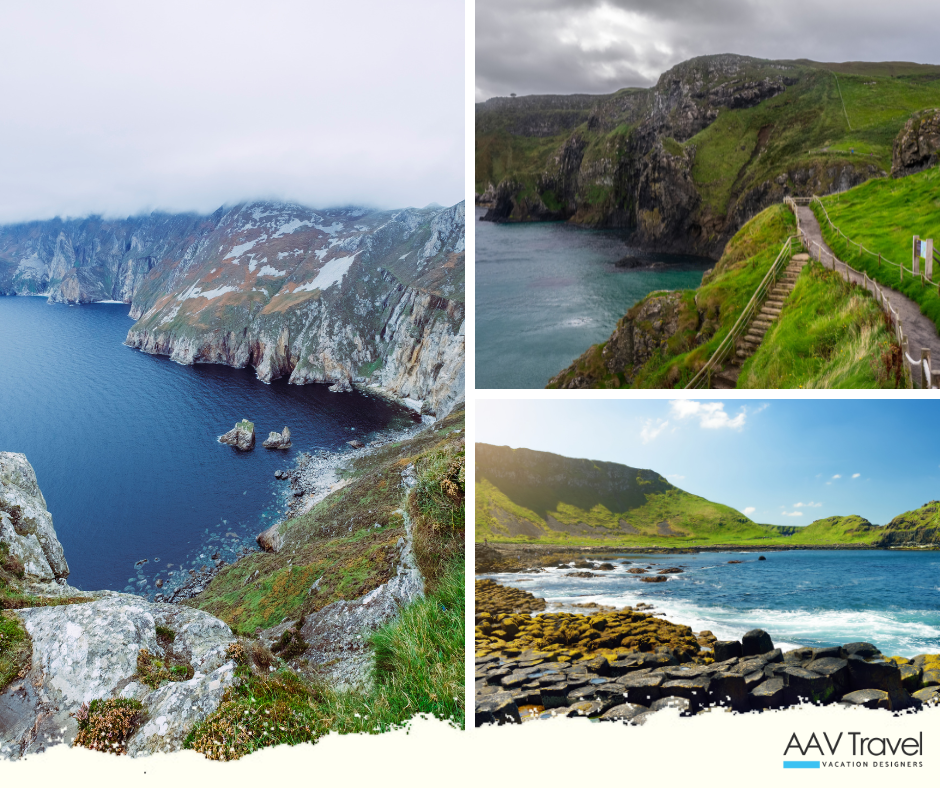
Northern Ireland’s Coast

Northern Ireland’s coastline is a landscape shaped by wind, sea, and legend. Cliffs rise dramatically above the water, basalt formations create striking natural patterns, and green fields spill toward the shore. Trails near the Giant’s Causeway offer a fascinating intersection of geology, history, and storytelling, with scenery that feels both powerful and deeply atmospheric.

The terrain offers enough variety to satisfy both casual walkers and experienced hikers. This is a destination for travelers who love places with character, where the landscape feels like it carries a narrative. It is the kind of coastline that stays with you, not only for its beauty, but for the mood and depth it evokes.

Making Long-Distance Walks Effortless and Enriching

Designing a Hiking Journey with Ease and Intention

Long distance walking trips are among the most rewarding ways to travel, but they are also the kind of journey where thoughtful planning makes all the difference. The right pacing, the right route, and the right accommodations can turn a demanding itinerary into an experience that feels seamless and deeply enjoyable.

When luggage transfers are arranged, accommodations are chosen with care, and logistics flow smoothly from one stage to the next, you are free to focus on what matters most. The trail, the scenery, the quiet satisfaction of progress, and the feeling of being fully immersed in a place.

At AAV Travel, we design hiking journeys with the same discernment and attention we bring to every itinerary. That may include selecting boutique stays that reflect the spirit of a region, arranging meaningful local experiences that complement your walking days, and tailoring each route to match your comfort level and personal travel style. The goal is never simply to create a hiking trip. It is to design an experience that feels balanced, intentional, and beautifully paced.

If you are ready to explore the world on foot, we would love to help you craft a walking journey that feels extraordinary from start to finish. Visit AAV Travel or email us at info@aav-travel.com to begin the conversation.

Written by: Stefanie P.

Why Locals in Europe Don’t Choose Restaurants by Online Reviews—and What That Means for How You Travel

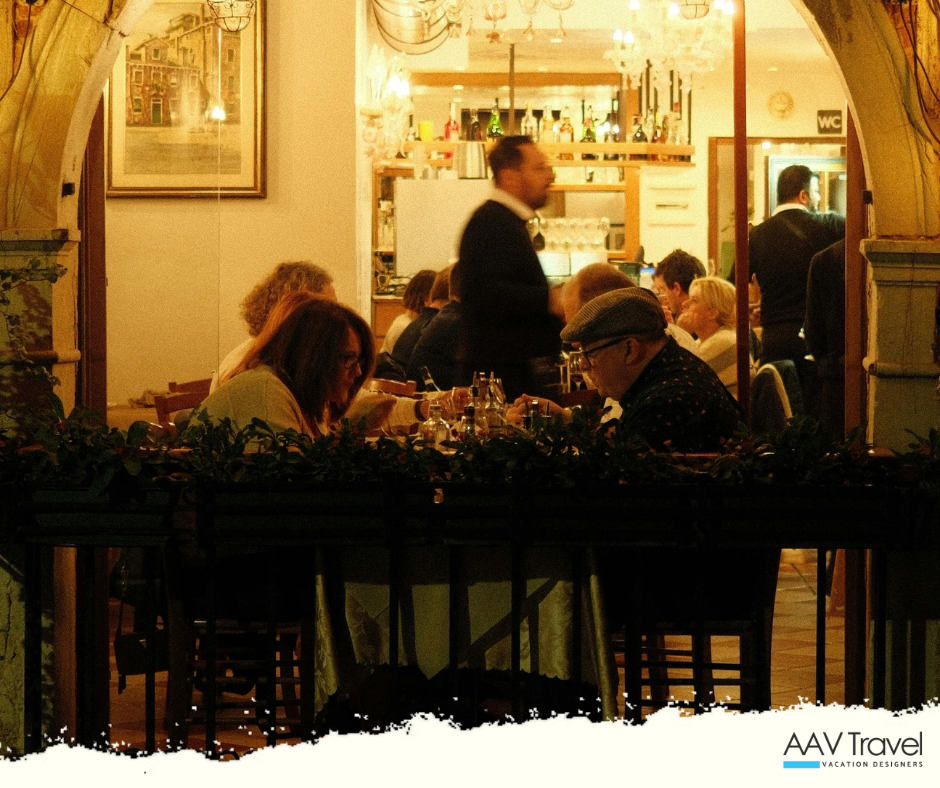
In an era shaped by smartphones and instant validation, it’s easy to assume that choosing where to eat is a universal exercise in scrolling, comparing, and ranking. Yet across much of Europe, this approach feels oddly out of place. In many cities, towns, and villages, locals simply do not rely on online reviews to decide where to dine. Some barely consult them at all. Instead, restaurant choices are guided by habit, intuition, seasonal rhythm, and relationships built quietly over decades.

Dining in Europe is rarely transactional. It is cultural, personal, and deeply rooted in a sense of belonging. Many people return again and again to the same neighborhood restaurants their parents and grandparents frequented, not because they once read a glowing review, but because those places feel familiar and trusted. In residential neighborhoods, chefs often cook not for tourists chasing novelty, but for neighbors they know by name, preferences, and routine. The goal is consistency and care, not visibility.

This is why some of the most memorable meals travelers experience happen in places with no website, no social media presence, and no interest in collecting stars. These restaurants are not hiding; they simply exist outside the digital feedback loop. Finding them requires a different way of paying attention—one that values context over comparison and presence over prediction.

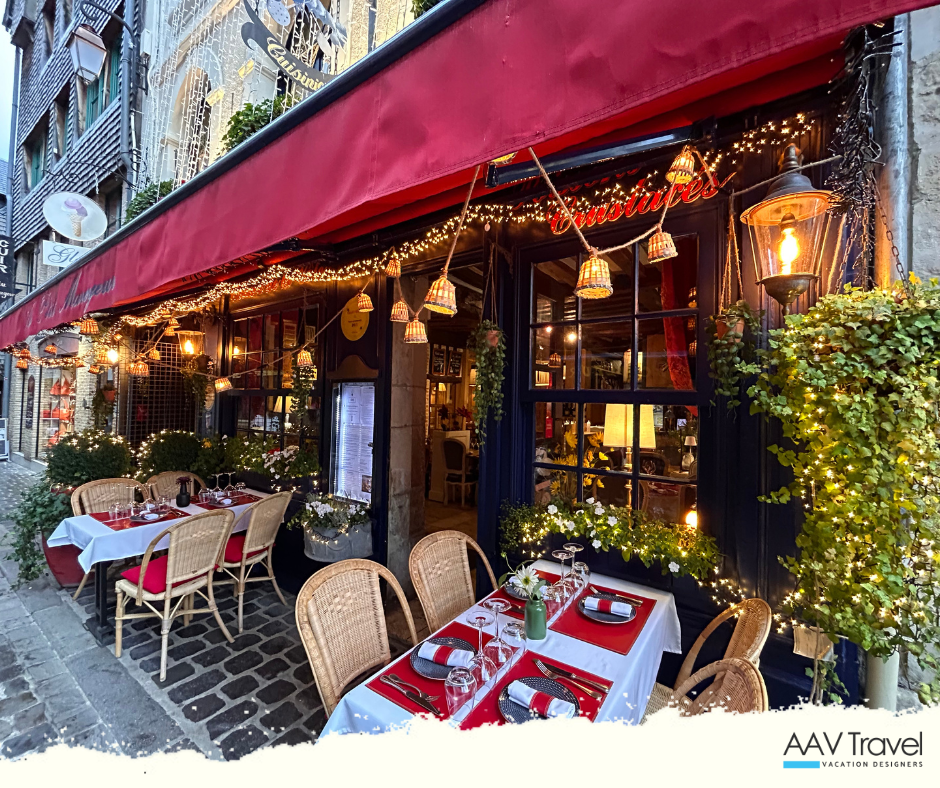
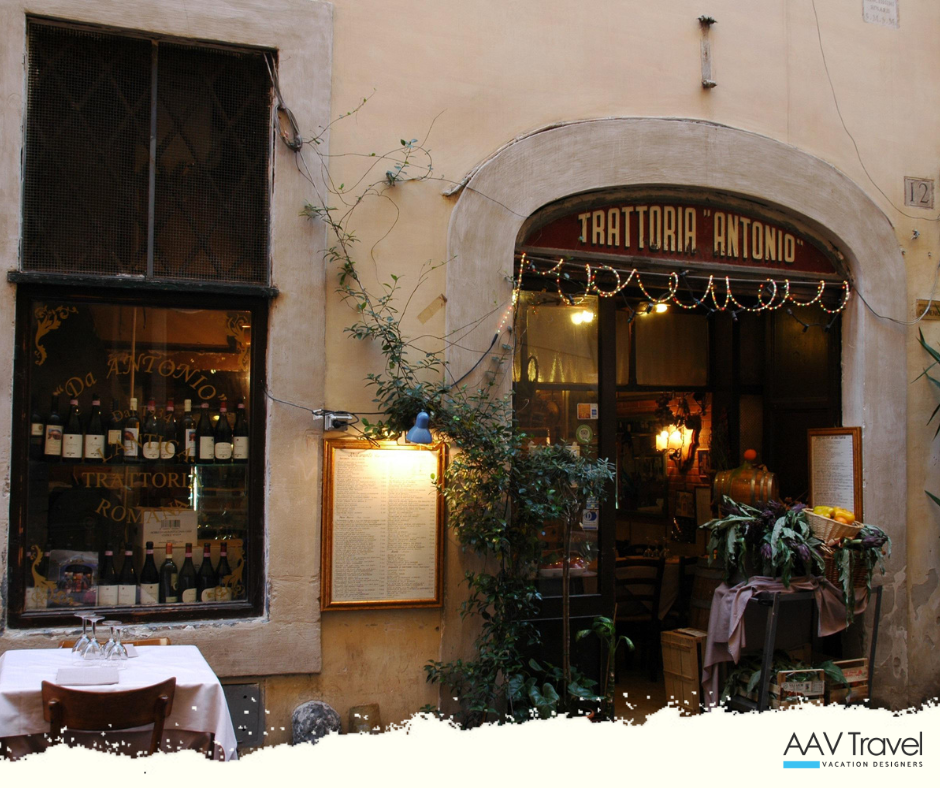
Across Europe, subtle signals often speak louder than online praise. A short, focused menu typically suggests a kitchen that cooks with intention, adapting to what is fresh and available rather than offering endless choice. Regional specificity matters deeply. Pasta shapes in Italy, breads in France, dumplings in Central Europe, or sauces that vary by village rather than country often indicate a restaurant grounded in place. These details are not designed for display; they are habits formed through tradition.

Atmosphere also tells its own story. A lively dining room filled with animated conversation, familiar greetings between staff and guests, and a steady rhythm of service usually reveals more than any rating ever could. So do the small gestures that arrive before the meal itself. Bread that is warm and distinctive, a starter prepared with care, or a handwritten note about the day’s offerings can quietly signal what kind of experience lies ahead.

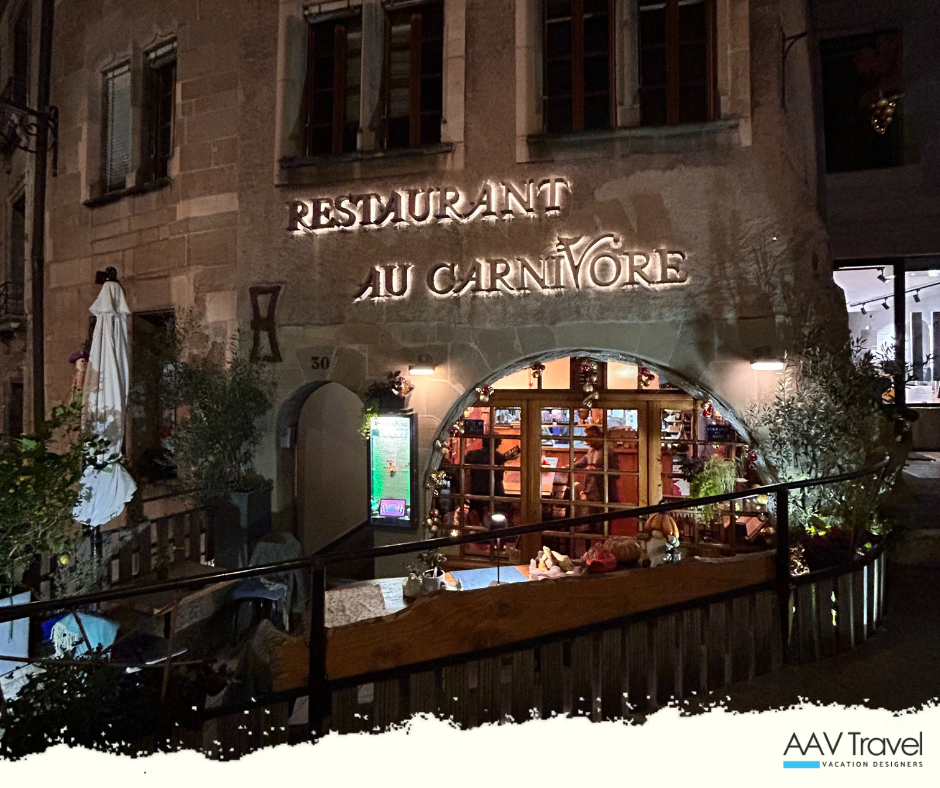
In many European cities, restaurants do not need to announce themselves loudly. Reputation spreads locally, and confidence comes from longevity rather than marketing. Places that rely heavily on multilingual signage, photos of every dish, or exaggerated claims aimed at passersby are often catering to a different audience. Locals tend to gravitate toward restaurants that feel unforced, where the focus remains on the food, the flow of the meal, and the shared experience of being there.

Timing matters as well. Restaurants that fill naturally during local mealtimes tend to do so for good reason. Empty tables at peak hours can be telling, while the gentle hum of a full room often reflects trust earned over time. Even the aromas drifting from a doorway—something simmering slowly, bread baking, onions caramelizing—can offer a more honest invitation than any algorithm.

For travelers accustomed to relying on reviews, this approach can feel unsettling at first. Choosing a restaurant based on atmosphere, instinct, or observation rather than certainty requires a willingness to be present and curious. Yet this slower, more intuitive way of dining often becomes one of the most rewarding aspects of traveling through Europe. It allows room for surprise, encourages engagement with local rhythms, and invites travelers to taste flavors they might not have selected in advance.

That said, discernment matters. Not every traveler enjoys unpredictability, and there is no virtue in discomfort for its own sake. Reviews can still serve a purpose, particularly for those with dietary restrictions or strong preferences. The difference lies in how they are used—not as the sole decision-maker, but as one of several inputs balanced with observation, context, and local insight.

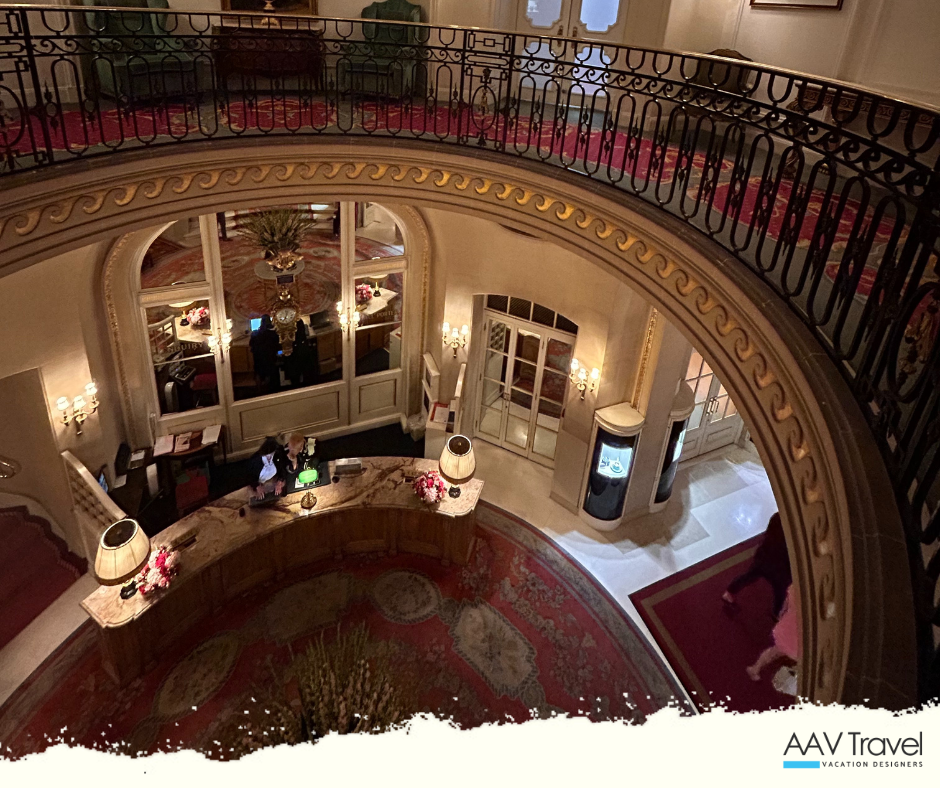
One of the most valuable yet underutilized resources for navigating Europe’s dining landscape is the human one. Luxury hotel concierges often have exceptional knowledge of their city’s culinary scene and can secure reservations at sought-after restaurants with ease. But the most interesting recommendations often emerge when the conversation goes a step further. Asking where someone eats with their family on a Sunday, or which neighborhood spot they return to after a long day, often leads to places that never appear on curated lists.

Food tours can also play an important role, particularly early in a stay. Led by passionate locals, these experiences provide more than tastings. They offer cultural context, stories, and confidence. Visiting markets, bakeries, cafés, and small eateries with someone who understands the city’s rhythms helps travelers recognize the signs of quality and authenticity on their own. A well-chosen food tour doesn’t replace independent discovery; it enhances it.

Once travelers begin to understand a destination’s culinary language, integrating local rituals becomes especially meaningful. Enjoying afternoon tea in England or lingering over hot chocolate in one of Vienna’s historic cafés is about more than the food itself. These traditions invite travelers to slow down, observe, and participate in moments that locals have cherished for generations. They provide structure to the day and a deeper sense of connection to place.

Experiencing Europe through its food is not about finding the “best” restaurant. It is about understanding how, when, and why people eat the way they do. It is about pacing, judgment, and choosing moments that align with the character of a destination rather than rushing to collect highlights.

At AAV Travel, this philosophy shapes how journeys are designed. Thoughtful travel is not about maximizing experiences, but about choosing the right ones—at the right time, in the right way, with an understanding of context and trade-offs. Through intentional conversations, careful planning, and calm judgment, AAV Travel helps travelers experience destinations with confidence and ease, allowing space for discovery without unnecessary risk or overwhelm. If you’re curious about how a more intentional approach could shape your next journey, you’re warmly invited to begin a conversation at www.aav-travel.com or by reaching out to info@aav-travel.com.

Written by: Stefanie P.
Curaçao: Where European Restraint Meets Caribbean Ease

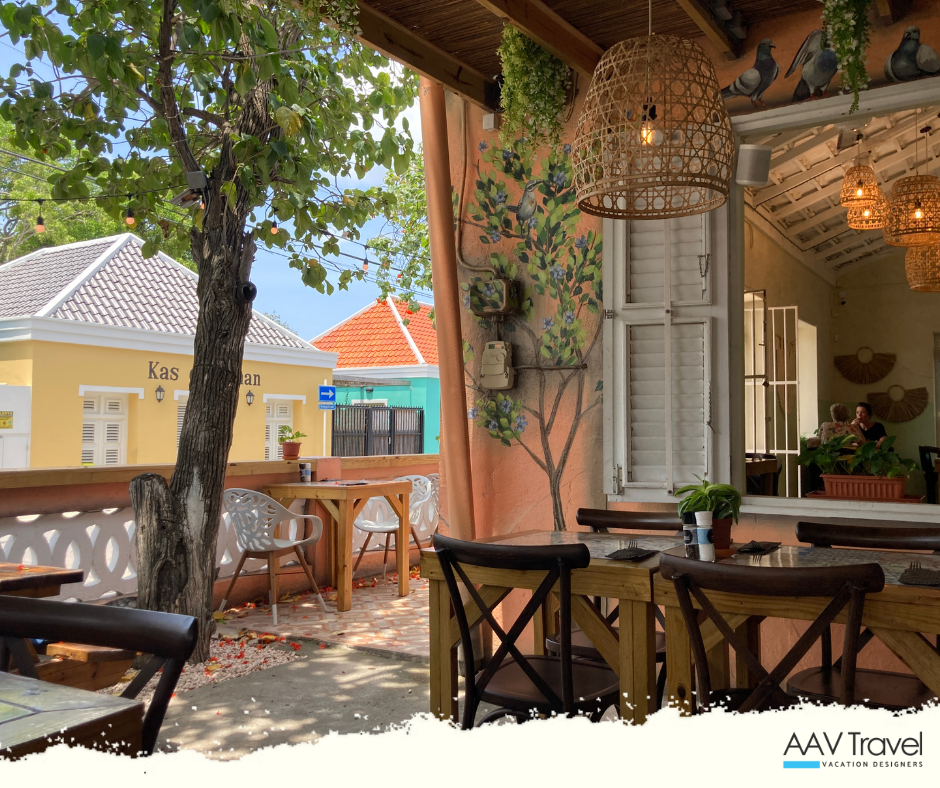
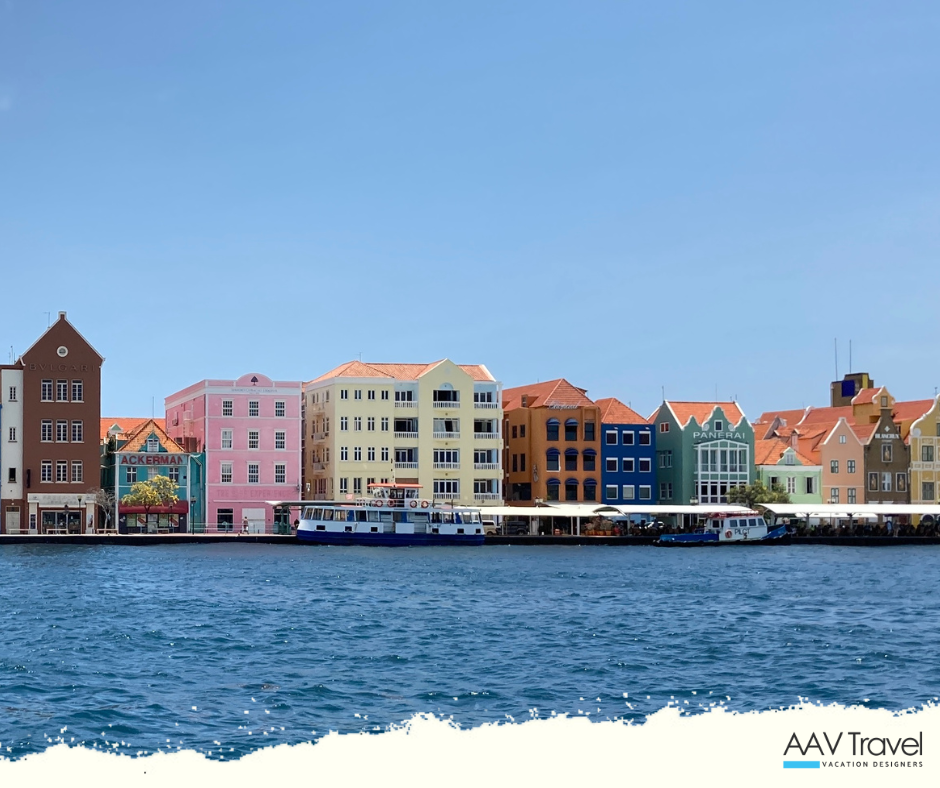
If you’re the kind of traveler who values culture as deeply as coastline, Curaçao often feels like a quiet revelation. This is not a destination built on spectacle or excess. Instead, it unfolds slowly, revealing its character through rhythm, history, and lived-in beauty. Mornings invite you to wander pastel streets shaped by centuries of trade and migration. Afternoons drift toward secluded coves discovered almost accidentally, the sea impossibly clear, the pace unhurried. Curaçao rewards curiosity rather than urgency, offering a sense of place that lingers long after the salt has dried on your skin.

The island’s identity is inseparable from its layered history. Once a strategic hub of the Dutch trading empire, Curaçao remains a constituent country within the Kingdom of the Netherlands. That legacy is visible everywhere, from the gabled façades of Willemstad to the cadence of Papiamentu, a language shaped by Dutch, Portuguese, Spanish, and African roots. Cuisine reflects this same convergence, blending European structure with Caribbean warmth and Latin influence. Positioned just north of Venezuela and safely outside the hurricane belt, Curaçao enjoys a stable climate and year-round appeal, long favored by European travelers seeking winter sun without unpredictability.

Willemstad’s UNESCO-listed harbor remains a focal point, animated by cafés, galleries, and daily life rather than performance. Beyond the city, the island opens into rugged coastlines, salt flats, and hidden beaches best reached by car and curiosity. Curaçao is not about curated perfection; it’s about discovery. That quality, paired with its safety and ease of navigation, makes it particularly appealing to travelers who value independence and thoughtful exploration over tightly packaged experiences.

Luxury here follows a different logic than on many Caribbean islands. Curaçao’s Dutch heritage subtly shapes its hospitality culture, favoring practicality, quality, and restraint over extravagance. Hotels tend to be well-run rather than ostentatious, comfortable rather than theatrical. Boutique properties and small-scale accommodations dominate, while traditional ultra-luxury resorts remain rare. For travelers accustomed to more overt indulgence, this can feel like an adjustment. For others, it’s precisely the appeal.

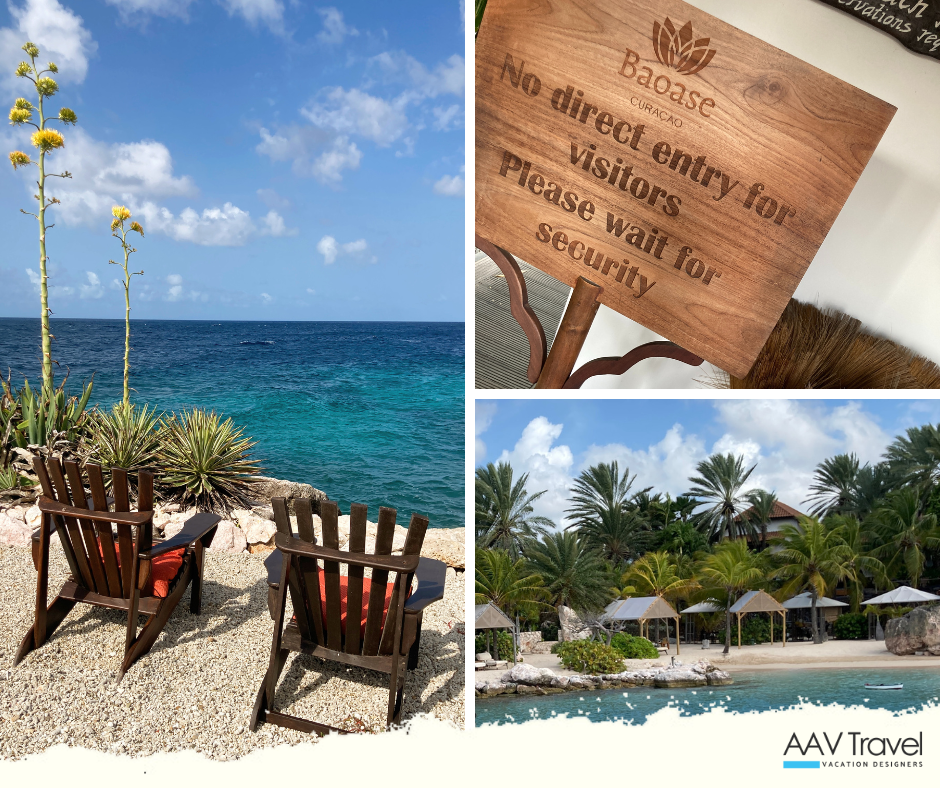
This understated landscape makes true refinement stand out all the more clearly, which is why Baoase Luxury Resort feels so singular within Curaçao. Tucked discreetly along the coast, Baoase operates on an entirely different frequency. It is not simply one of the island’s best places to stay; it is a destination in its own right, designed for travelers who value privacy, intention, and deeply personal service.

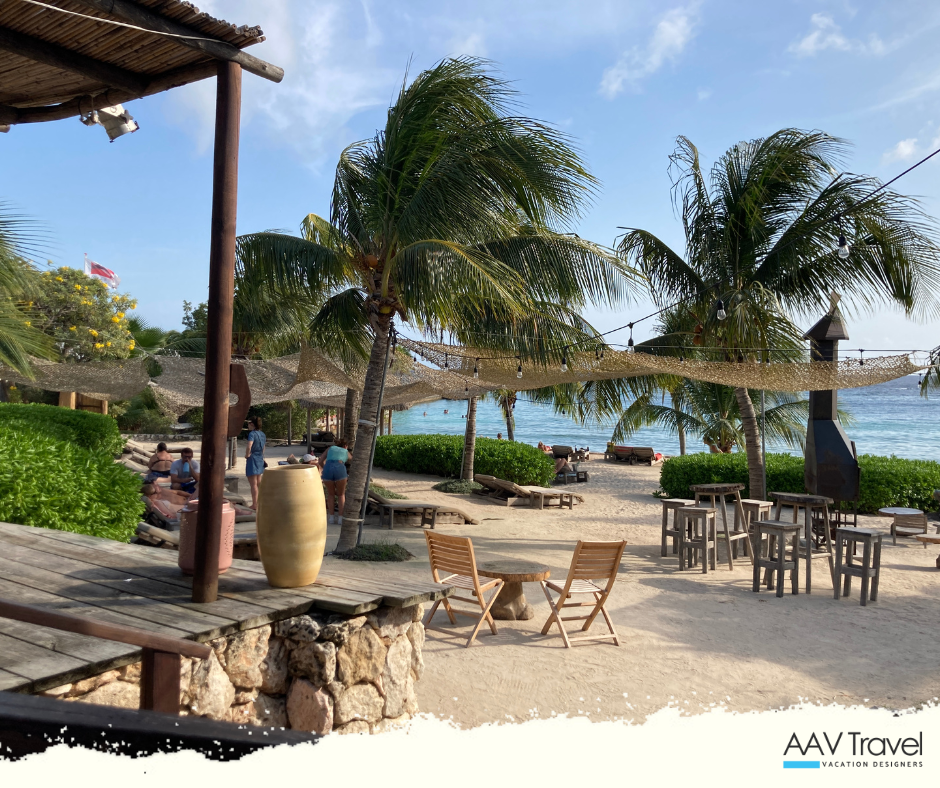
With only a handful of suites and private villas, Baoase feels closer to a private estate than a hotel. The experience is shaped by scale and philosophy rather than grandeur. Guests are known by name, preferences are remembered without being announced, and service unfolds quietly in the background. Design leans toward natural materials and a serene, Balinese-inspired aesthetic, creating an atmosphere that feels grounded, intimate, and restorative rather than performative.

The resort itself was born from a passion project by Dutch owners inspired by Southeast Asian architecture and craftsmanship. That influence is felt throughout the property, from winding garden paths to secluded beach areas and private pools designed for retreat rather than display. Dining is refined and artful, service is attentive without intrusion, and the overall rhythm encourages guests to slow down and remain present.

One of Baoase’s defining characteristics is its firm commitment to privacy. Photography within the property is intentionally restricted, fostering an environment where guests can truly disconnect. This is luxury that exists for the experience itself, not for documentation. It appeals to travelers who value discretion and depth, and who understand that the most meaningful moments are rarely the most visible ones.

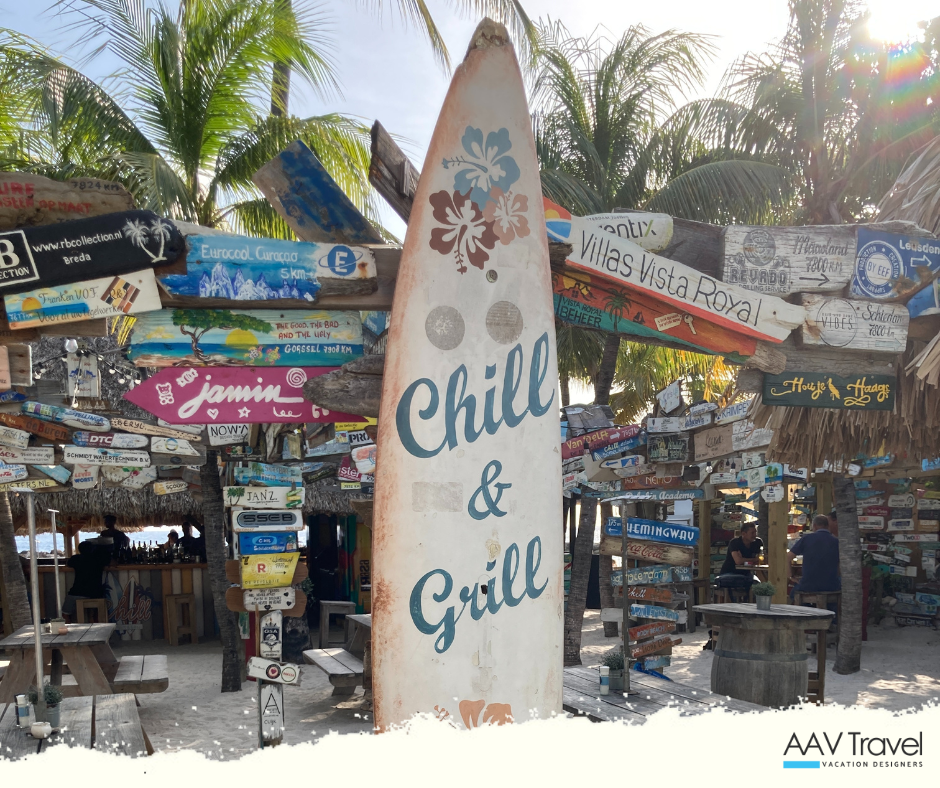
When thoughtfully planned, a stay at Baoase pairs beautifully with time spent exploring the island beyond the resort. Curaçao invites movement. Renting a car, tracing the coastline, stopping spontaneously at quiet beaches or local cafés, and engaging with the island on its own terms reveals a warmth and authenticity that feels increasingly rare. The island is welcoming, easygoing, and refreshingly unpretentious, offering a sense of ease that allows travelers to settle in rather than rush through.

Baoase’s story adds to its charm. Founded by Dutch owners who fell in love with both Curaçao and Southeast Asian architecture, the resort was built as a passion project—a place that blended Caribbean beauty with the tranquility and craftsmanship of Bali. The result is a lush, intimate hideaway featuring private pools, secluded beach areas, and winding tropical pathways that encourage guests to slow down and savor the surroundings.

Curaçao is best suited for travelers who appreciate balance: culture alongside coastline, independence alongside comfort, refinement alongside realism. It’s a destination that rewards discernment and pacing, offering depth to those willing to engage with it thoughtfully.

If Curaçao has begun to spark your curiosity, the next step isn’t booking a hotel or choosing dates. It’s having a calm, intentional conversation about how this destination fits into your broader travel goals, your timing, and the experience you truly want to have. That’s where thoughtful travel design begins. You’re welcome to reach out via www.aav-travel.com or info@aav-travel.com when you’re ready to explore what that could look like.

Written by: Stefanie P.