Luxury trains carry a powerful pull. Polished wood panels. White tablecloth dining. Landscapes unfolding beyond wide picture windows. The marketing imagery often leans into nostalgia and the golden age of travel. Yet for today’s experienced traveler, the question is rarely whether these journeys are beautiful. The more relevant question is where, and whether, they belong within a larger, carefully designed itinerary.
A luxury train should not be added to a journey simply because it is iconic. It should serve a clear purpose within the overall arc of the experience. When placed thoughtfully, it can elevate a trip. When inserted without consideration for pacing, sequencing, or personal travel style, it can feel like an interruption rather than a highlight.
When the Train Becomes the Centerpiece
There are times when the train should be the emotional anchor of the journey. An anniversary trip built around the Venice Simplon Orient Express from Paris to Venice benefits from careful framing. A night or two in Paris allows anticipation to build without exhaustion. Arrival in Venice should not immediately lead into a packed sightseeing schedule. The experience on board, with its structured dining and intimate cabins, requires space before and after to breathe.
When the train is the centerpiece, the surrounding days must support its role rather than compete with it. Private guides, unhurried mornings, and thoughtfully selected hotels create continuity. The train becomes not just transportation, but the defining chapter of the story.
When the Train Serves as a Connector
In other cases, the train works best as a transition. Scotland offers a strong example. A client may wish to explore Edinburgh in depth and then immerse themselves in the Highlands. Integrating the Royal Scotsman into the middle of that journey creates a natural shift in pace. The train becomes a bridge, both physically and psychologically, easing the movement from city energy to remote landscapes.
Here, the rail experience enhances continuity rather than dominating the entire narrative. It connects chapters rather than replacing them.
Italy and the Art of Integration
Italy presents similar decisions. A Belmond journey through Tuscany can either anchor a celebratory itinerary or serve as a refined interlude between Florence and Venice. The distinction depends on the traveler’s priorities. Is the focus on private vineyard access, culinary immersion, and extended stays in historic properties, with the train adding texture? Or is the rail journey itself the milestone moment, with surrounding cities playing a supporting role?
These are structural decisions, not decorative ones. The placement of the train shapes the emotional pacing of the entire trip.
Understanding the Structure of Life On Board
It is also important to understand the built in rhythm of luxury rail. Even the highest cabin categories are compact compared to the suites many established travelers prefer on land or sea. Dining is often communal, with set times and dress expectations. Excursions are curated and typically group based.
For some, this structure creates welcome ease and sociability. For others, particularly those who value privacy and flexibility, it may feel limiting. Evaluating comfort with these dynamics is essential before positioning a train within a broader itinerary.
Sequencing, Seasonality, and Climate
Timing influences experience more than most travelers anticipate. A train journey placed at the end of a fast paced European tour can feel confining. Positioned too early, it may limit time to adjust to a new time zone before entering a structured environment.
Season also matters. The light in Scotland in late spring differs dramatically from autumn. Tuscany in midsummer carries a different atmosphere than in October. Weather, daylight hours, and landscape color all affect how the journey feels. The train does not exist in isolation from these elements.
The Practical Realities Behind the Scenes
There are also considerations that rarely appear in glossy brochures. Luggage restrictions require advance coordination, particularly when combining rail with extended hotel stays. Certain routes travel through remote areas with limited medical access. Inventory can be tight, and cancellation structures are often more rigid than traditional hotel bookings.
These factors do not diminish the appeal of the experience. They simply require thoughtful planning and integration into the larger design.
Looking Beyond Europe: The Rocky Mountaineer Context
For those considering rail beyond Europe, such as the Rocky Mountaineer in Western Canada, similar principles apply. While stylistically different from heritage European trains, it remains a curated and structured journey with defined pacing.
The Rocky Mountaineer can beautifully connect Banff and Vancouver, but expectations must align with the style of service, the nature of the scenery, and the broader rhythm of a Canadian itinerary. As in Europe, it works best when it serves a strategic purpose within the trip rather than functioning as an isolated indulgence.
Placing the Train With Intention
A luxury train is neither automatically transformative nor inherently impractical. Its value depends on placement. When it aligns with a milestone celebration, tolerance for structure, desire for social engagement, and overall itinerary goals, it can become one of the most memorable chapters of a journey. When added for novelty alone, it risks feeling disconnected.
Designing travel at this level requires stepping back from imagery and asking deeper questions. What is the desired emotional arc of the trip? Where should the pace slow? Where should privacy be prioritized? Where does shared experience enhance rather than detract? Only then can a decision be made about whether the train should lead, follow, or gently connect.
For those considering a luxury rail journey in Europe or beyond, the most important step is not selecting the cabin category or departure date. It is understanding how the experience fits within the whole. If you are exploring whether a train belongs in your next milestone journey, I invite you to begin with a thoughtful conversation. Through a Strategic Travel Advisory Session, we can evaluate how each component of your itinerary supports the overall design, ensuring that every element, including a luxury train, is placed with intention and care. To begin that conversation, visit AAV Travel or reach out at info@aav-travel.com.
There is a certain kind of traveler who has stayed in the finest suites, flown in the most comfortable cabins, and dined at the most celebrated restaurants, yet still returns home feeling oddly tired. Not because the trip was not beautiful. It was. Not because the service was lacking. It was flawless. But because the world followed them there.
Crowds. Noise. Logistics. Visibility. The subtle pressure of being surrounded by other people’s energy and expectations. The constant low hum of unpredictability that can quietly undermine even the most luxurious holiday.
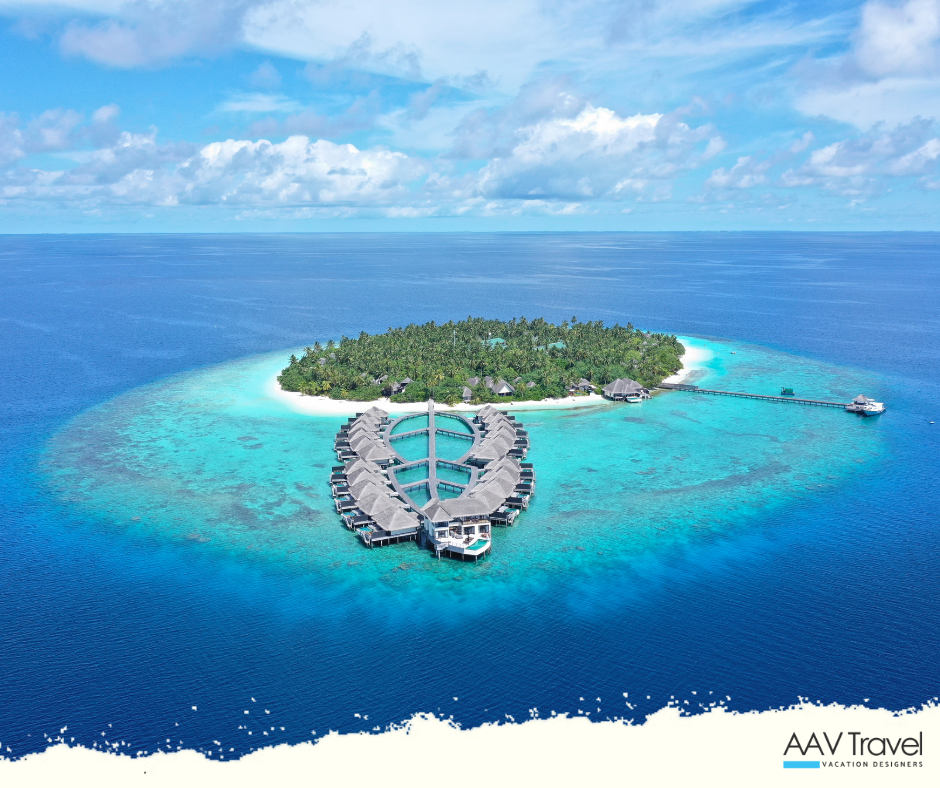
This is where private island resorts enter the conversation, not as a status symbol, but as a different philosophy of travel altogether. They are not simply a more exclusive version of a beach resort. At their best, they are a form of intentional travel design. A place where the experience feels calmer because the environment is controlled, the pace is protected, and the variables that typically create friction are reduced.
In other words, private island resorts are often less about indulgence and more about something far more valuable. They offer the rare luxury of being unreachable.
Privacy is no longer a celebrity concern
It is easy to assume private island travel is only relevant to celebrities or high profile individuals. In reality, privacy has become a growing priority for a much wider group of travelers, including business owners, professionals, families, and couples who simply want the freedom to relax without being observed.
For many experienced travelers, the definition of luxury has shifted. It is no longer about being seen. It is about being left alone.
Privacy today is not always about secrecy. It is about mental space. It is about choosing who you interact with and when. It is about the ability to exhale fully without being pulled back into the social atmosphere of a busy resort.
The irony is that many of the world’s most celebrated luxury destinations have become victims of their own popularity. The hotels are exceptional, but the surrounding energy is louder. The restaurants are world class, but reservations are competitive. The beaches are stunning, but never quite empty.
A private island, by contrast, offers something most travelers do not realize they are craving until they experience it. Containment.
The hidden safety advantages of private island resorts
When travelers think about safety, they often think in broad terms. Political stability. Crime rates. Health advisories. Travel insurance. All important considerations, of course, but the reality is that safety is often built from smaller details.
How you arrive.
Who has access to the property.
How many unfamiliar faces move through the resort each day.
How easily you can retreat into quiet if you feel overwhelmed.
How prepared the staff is for medical situations.
How quickly you can be transferred if something goes wrong.
Private island resorts reduce risk not through fear based marketing, but through design. Many operate as self contained environments with controlled access points, limited arrivals, and a level of guest screening that naturally reduces exposure to unwanted attention.
This is particularly valuable for travelers who prioritize discretion. It is also valuable for families, especially those traveling with teenagers, or those simply wanting a setting where children can roam more freely without constant parental vigilance.
Even for travelers who do not consider themselves anxious, there is something profoundly calming about a destination where the perimeter is defined and the flow of people is intentional.
The best private island resorts do not feel guarded. They feel protected.
Why being unreachable feels so restorative
Most travelers underestimate how much energy is spent navigating the invisible demands of modern travel. Even on vacation, we are often negotiating.
Should we wake early to claim a beach chair.
Should we ask the concierge again about the restaurant reservation.
Should we move away from the loud group by the pool.
Should we try to avoid the wedding party that has taken over the lounge.
Should we walk back to our room because the beach feels too busy.
These are not major problems, but they accumulate. Over time, they chip away at the sense of escape that travelers are trying to achieve.
Private island resorts remove much of this friction. The experience tends to feel quieter and smoother because there are fewer competing agendas in the environment. The resort is not one option among many in a crowded destination. It is the destination.
This is also why private islands are so appealing for milestone travel. Anniversaries, major birthdays, retirement celebrations, or simply the kind of trip that is meant to mark a chapter in life. When the occasion matters, travelers often want to eliminate distractions and maximize presence.
A private island encourages that naturally. You do not have to fight for tranquility. It is built into the setting.
Not all private islands are created equal
It is important to say this clearly. Private island resorts vary dramatically in quality, experience, and the kind of traveler they suit.
Some are romantic and remote, built for couples who want a quiet rhythm and very little outside stimulation. Others feel more social, with a strong sense of community among repeat guests.
Some focus on barefoot elegance and wellness. Others lean toward high adventure, with diving, sailing, and active itineraries.
And then there are islands that market themselves as private but are essentially small resorts with limited charm, complicated logistics, and inconsistent service.
The difference is not always visible in the photos. It often comes down to how thoughtfully the island is run, how the resort manages guest flow, and how well the logistics are handled from the moment you land in the country.
Because the truth about private island travel is this. The remoteness is only luxurious if it is managed correctly.
The real question is not luxury. It is logistics.
Private island travel can be effortless, but it can also be surprisingly complicated. This is where many travelers get caught off guard.
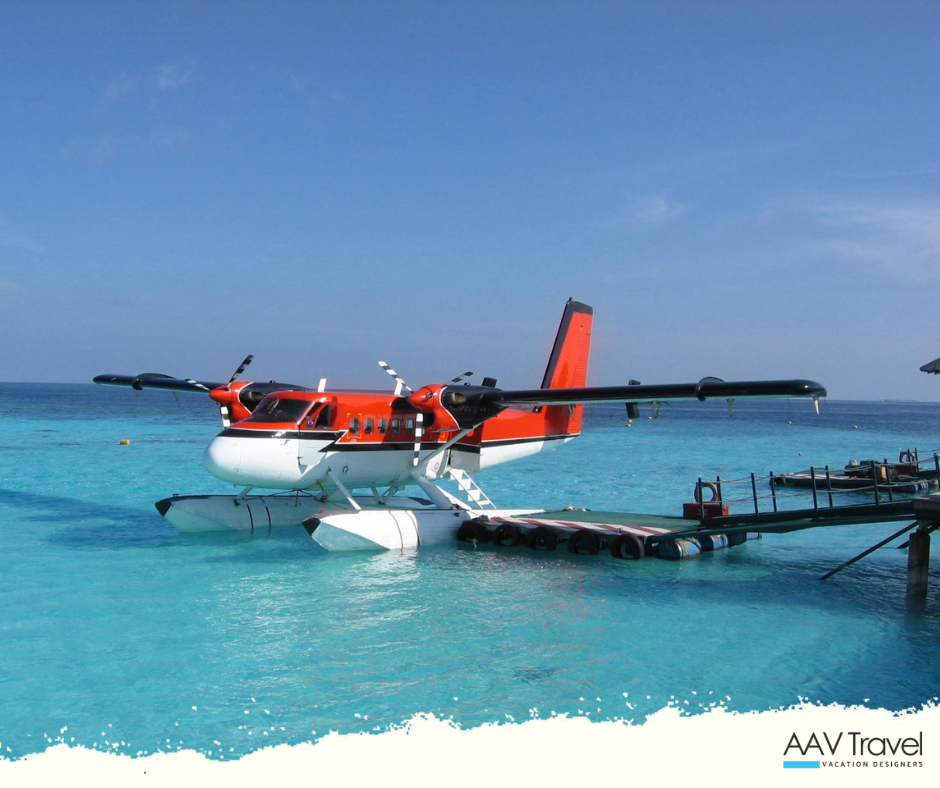
A private island resort might require multiple flight connections, a boat transfer, a small plane flight, or a combination of all three. Weather can affect arrivals. Baggage handling can be more delicate. If you are traveling with medical concerns, mobility limitations, or a tight schedule, the planning must be done with more precision than most travelers expect.
This is why the most successful private island trips are not simply booked. They are designed.
A well planned private island journey considers everything in advance.
The arrival sequence.
The timing of connections.
The backup plan if the weather shifts.
The best room location for privacy.
The best time of year for sea conditions.
The most discreet villa options.
The best activities for the traveler’s energy level.
The best way to structure the days so the experience feels restorative rather than rushed.
In private island travel, small decisions create the difference between a dream trip and a trip that feels like work.
Jumby Bay: a Caribbean escape built on calm exclusivity
Jumby Bay, located off the coast of Antigua, is one of those rare Caribbean properties that delivers what so many resorts promise.
Space. Quiet. Privacy. Ease.
Because the island itself is private, the atmosphere feels naturally contained. Guests are not sharing the shoreline with day trippers or cruise ship crowds. The resort experience is shaped by the fact that everyone on the island is there for the same reason. To slow down.
Jumby Bay is often described as barefoot luxury, but what makes it exceptional is the sense of relaxed control. The resort feels polished without being formal. Elegant without being performative.
For travelers who want privacy without isolation, it is a particularly strong choice. The villas offer an exceptional level of seclusion, while the resort itself still has warmth and sociability for those who want it. It is also a destination where repeat guests are common, which creates an atmosphere that feels quietly established rather than trendy.
Jumby Bay suits travelers who want the Caribbean to feel restorative again, the way it did decades ago, before certain islands became crowded and overly commercialized.
It is also a wonderful option for multigenerational travel, where families want space and comfort without sacrificing quality dining and service.
The Brando: where remoteness becomes an art form
The Brando, located on the private island of Tetiaroa in French Polynesia, is not just a resort. It is an experience built around the concept of deliberate isolation.
This is a property for travelers who are ready to disconnect fully. It is remote, quiet, and designed with an almost cinematic sense of space. The villas are beautifully integrated into the landscape, and privacy feels effortless rather than engineered.
The Brando appeals to travelers who want nature without sacrificing refinement. The environment is deeply calming, and the service is exceptionally discreet. There is also an understated intelligence to the resort’s approach. Sustainability is not presented as a trend. It is embedded into the way the island operates.
But The Brando is also an example of why private island travel must be approached with realism.
Getting there requires careful planning. The transfer experience is part of the journey. Timing matters. The right villa selection matters. The right season matters.
When it is designed properly, the reward is extraordinary. Travelers do not simply relax at The Brando. They disappear. And for many, that is the ultimate luxury.
The trade offs that sophisticated travelers should consider
Private island resorts offer rare advantages, but they are not automatically the right choice for every traveler. In fact, the travelers who enjoy them most are often those who understand the trade offs in advance.
Remoteness can mean fewer dining options beyond the resort.
Weather can influence transfer schedules.
Medical facilities may be limited, depending on the island and the region.
Some travelers feel restless without the ability to explore towns, museums, or local markets.
Others miss the spontaneity of walking into a restaurant or wandering through a lively harbor.
This is why choosing a private island resort is not simply about selecting the most beautiful property. It is about selecting the right type of experience for your personal travel style and your desired pace.
For some travelers, a private island is perfect for five nights, followed by a second destination with more cultural immersion. For others, it is ideal for a full ten day reset. For some, it is best as a couple’s retreat. For others, it becomes the most seamless and relaxing family holiday they have ever taken.
The magic is not in the island itself. The magic is in matching the island to the traveler.
What separates a truly exceptional private island resort from the rest
In my experience, the private island resorts that deliver the most satisfying journeys share a few key qualities.
They have strong operational consistency.
They have a clear identity and do not try to appeal to everyone.
They understand that privacy is a feeling, not a feature.
They design guest flow carefully, so the resort never feels crowded.
They offer discreet but capable safety infrastructure.
They handle arrivals and departures with precision.
They offer villa categories that genuinely support seclusion.
And most importantly, they make the traveler feel calm from the moment the journey begins, not only once they arrive. A private island resort should feel like an exhale. Not a project.
Private island travel is not about escaping the world. It is about escaping friction.
The travelers who love private island resorts are often the ones who have reached a certain point in life. They have worked hard, they are used to responsibility, and they do not want their holiday to involve managing details or navigating unpredictability.
They want an environment that supports rest.
They want space.
They want discretion.
They want to feel safe without thinking about safety.
They want travel that is not only beautiful, but intelligently structured.
This is why private islands have become such a compelling category of luxury travel. They are not simply about exclusivity. They are about control, containment, and calm. And when chosen thoughtfully, they offer something increasingly rare. The ability to truly disappear.
If you are considering a private island escape, the most important step is not choosing the most famous property. It is choosing the right setting, season, and travel rhythm for the kind of experience you actually want. Private island travel can be effortless and restorative when it is designed with care, judgment, and a clear understanding of the logistics behind the beauty. If you would like to explore whether a private island resort is the right fit for your next journey, I invite you to reach out for a thoughtful planning conversation. You can learn more at AAV Travel or contact us directly at info@aav-travel.com
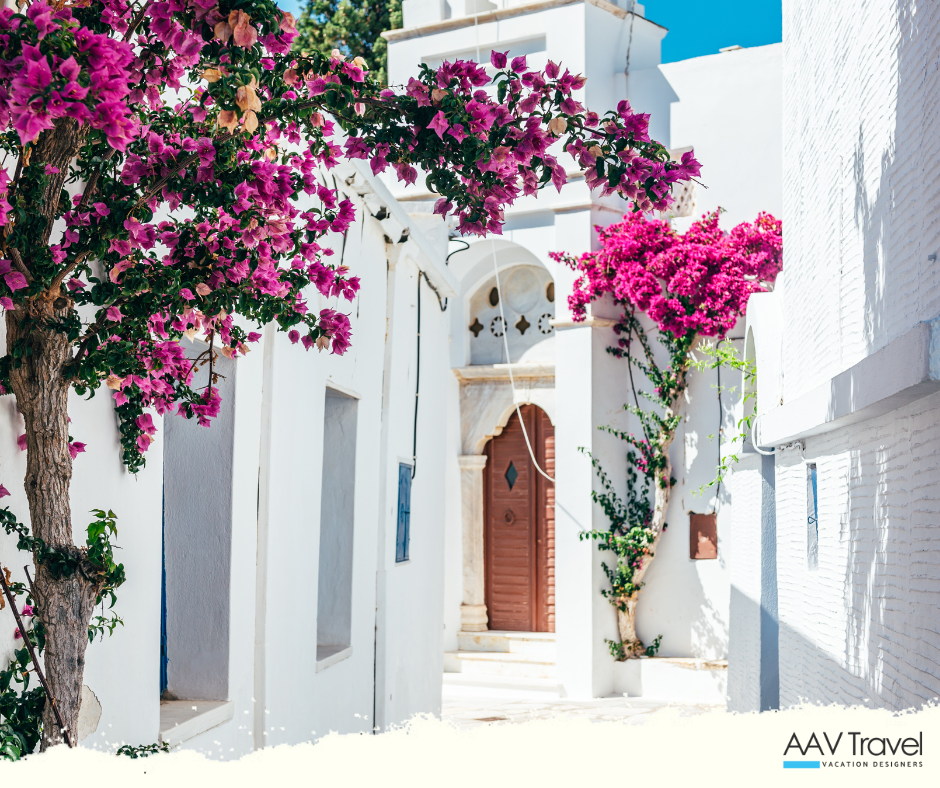
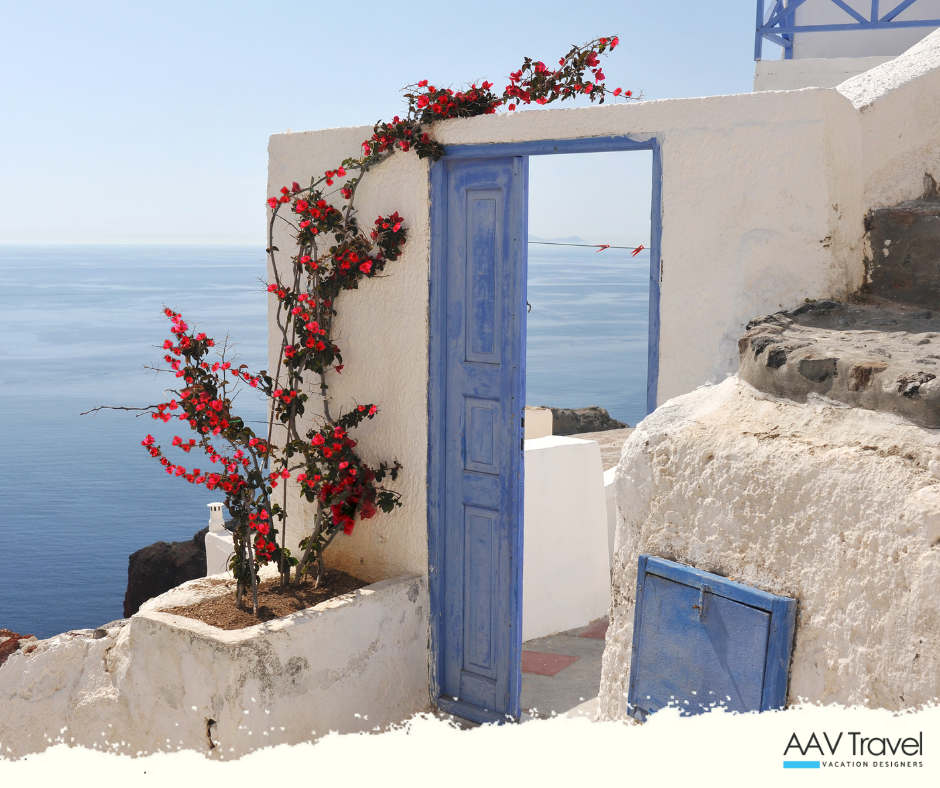
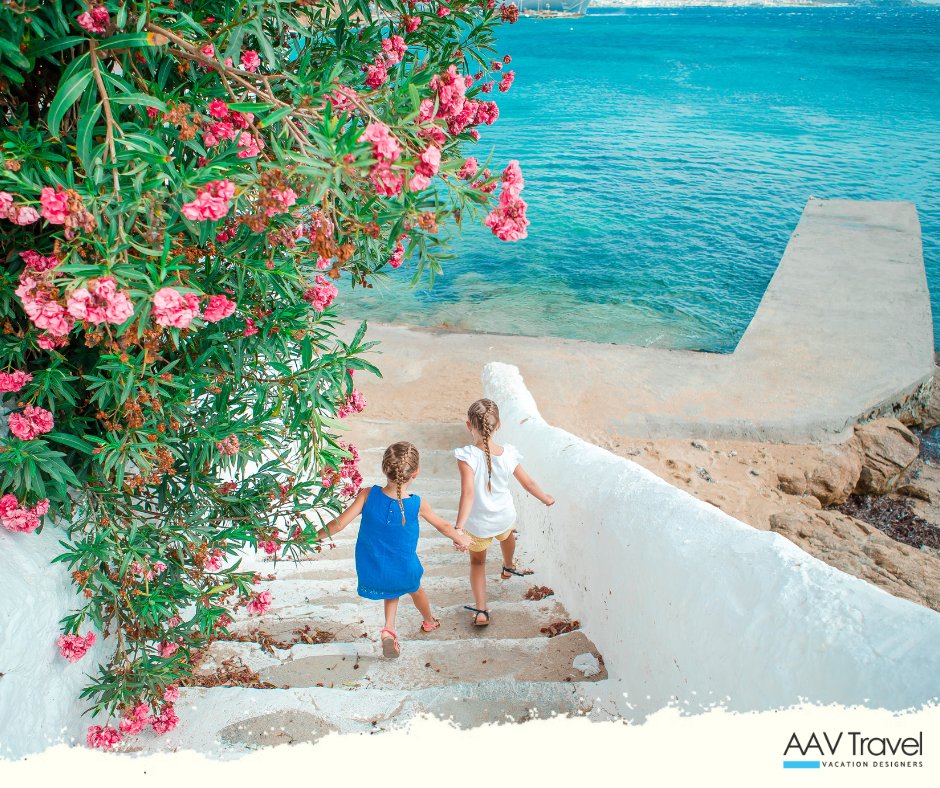
Greece has always been one of those destinations that seems to live in the imagination long before a traveler ever arrives. The whitewashed villages. The deep blue sea. The mythology. The feeling that time slows down the moment you step onto an island.
But Greece is evolving.
Not in a way that makes it less appealing, quite the opposite. It is simply becoming a destination that rewards smarter planning and more thoughtful choices. Travelers are no longer looking for the most famous photo opportunity. They are looking for rhythm, atmosphere, authenticity, and the kind of experiences that feel deeply personal.
For those considering Greece in the coming seasons, there are several emerging trends that are shaping what luxury travel there looks like now, and what will define it next.
Greece Is No Longer a “Quick Stop” on a European Tour
One of the most noticeable shifts is how travelers are structuring their time. Greece is increasingly being treated as its own journey rather than a fast paced extension of a larger European itinerary.
This changes everything. When travelers give Greece the time it deserves, the trip becomes more immersive. Days feel less compressed. Transfers become less stressful. And instead of bouncing between destinations, travelers can actually settle into a place and experience it properly.
The most memorable Greece itineraries today are not packed. They are paced. They include room for long lunches, slow mornings, and spontaneous discoveries, which is often where Greece feels most magical.
Athens Has Become a True Luxury Destination
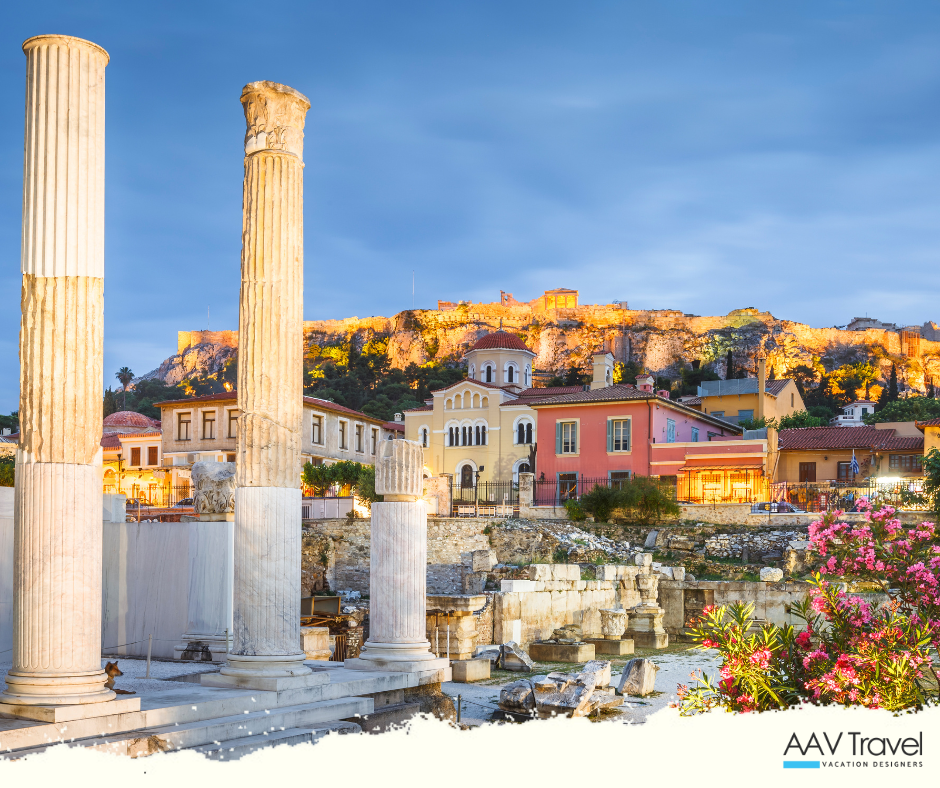
Athens used to be seen as the necessary gateway to the islands, a quick stop to check off the Acropolis before moving on.
That mindset is rapidly fading.
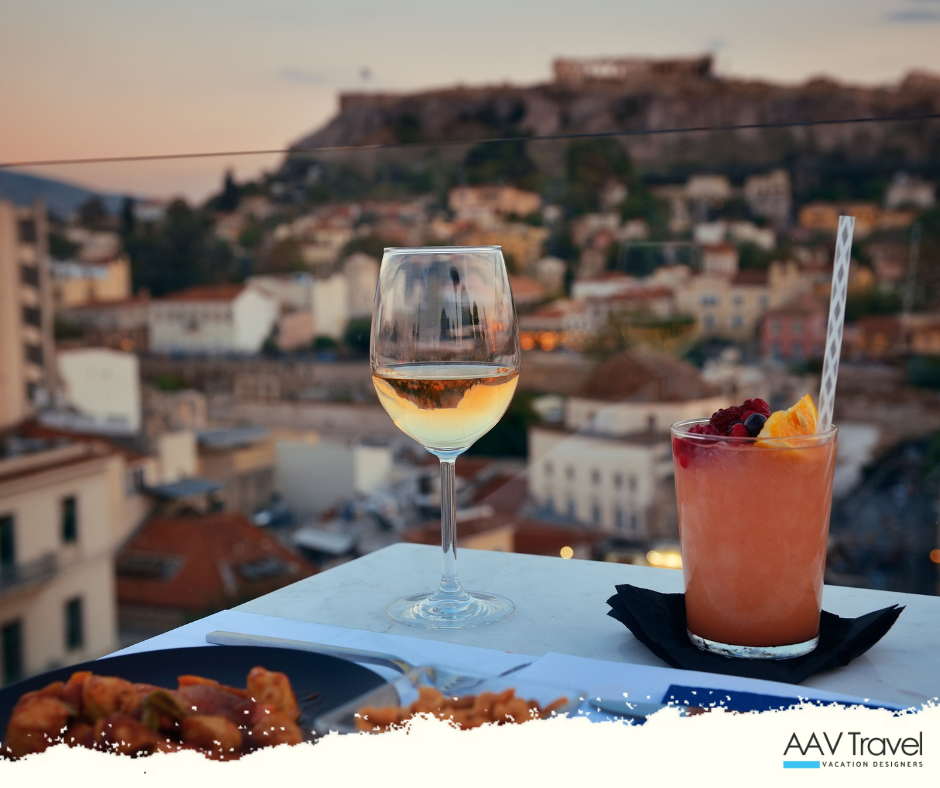
Athens has become one of the most dynamic places in Greece, with a growing luxury hotel scene, more sophisticated dining, and increasingly creative private experiences. It is also an ideal city for travelers who want culture and energy balanced with comfort.
Even the Athenian Riviera is gaining attention, offering a softer and more coastal experience without leaving the mainland.
For travelers who want Greece to feel layered rather than one dimensional, Athens is no longer optional. It is part of the experience.
The Cyclades Still Dominate, But Travelers Are Looking Beyond the Usual Names
Santorini, Mykonos, and Paros remain incredibly popular, and for good reason. They offer iconic landscapes, beautiful hotels, and strong infrastructure for travelers who want a polished experience.
But something is changing.
More travelers are arriving with curiosity. They still want the classics, but they are also asking what else exists beyond the obvious. They want islands that feel quieter, more intimate, and more rooted in daily Greek life.
This is where smaller Cycladic islands are gaining momentum.
Syros and Tinos, for example, are becoming appealing for travelers who want a sense of culture and authenticity while still remaining within easy reach of the better known islands. Sifnos and Folegandros are also drawing attention for their understated beauty, dramatic landscapes, and calmer pace.
The emerging trend is not about skipping the iconic islands entirely. It is about designing itineraries that balance them with places that offer breathing room.
Naxos Is Quietly Becoming One of the Most Compelling Islands
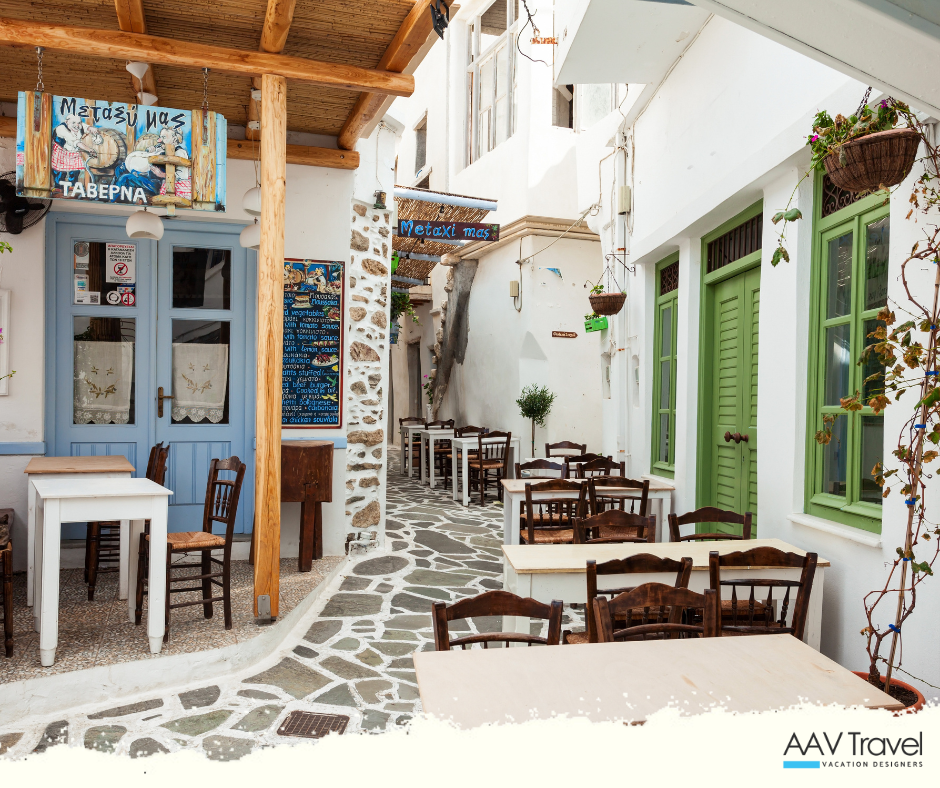
Naxos has always had a certain advantage. It offers more depth than many islands, with mountain villages, strong culinary traditions, sweeping beaches, and a sense of scale that allows travelers to explore without feeling confined.
For years, its main limitation was that the luxury hotel landscape lagged behind its potential.
That is beginning to shift.
As higher end accommodations emerge, Naxos is increasingly being seen as a destination that can deliver both authenticity and comfort. It may never have the polished glamour of Mykonos, but that is exactly the point. It offers a different kind of luxury, one built on space, versatility, and a sense of place.
For travelers who want Greece to feel more expansive and less curated, Naxos is becoming a standout.
Crete’s Appeal Is Growing, Especially for Food and Culture
Crete is no longer being viewed as a destination for only certain types of travelers. It is increasingly being recognized as one of Greece’s richest islands for culinary depth, cultural history, and landscape variety.
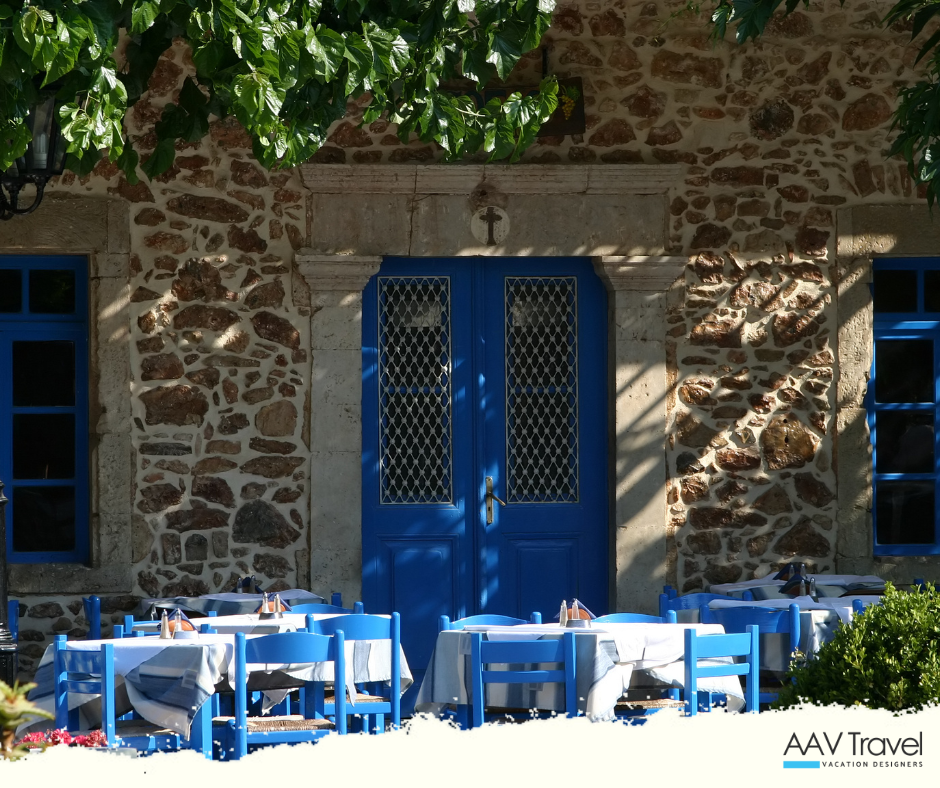
What makes Crete special is that it does not feel like a single island experience. It feels like a world of its own. Travelers can move from beaches to rugged mountains to historic towns, with remarkable food at every step.
The shift is that more travelers are now choosing Crete not as an add on, but as a centerpiece. It offers the kind of layered travel experience that repeat Greece visitors crave, and it also works beautifully for those who want something less predictable than a pure Cycladic itinerary.
Multi Generational Greece Travel Is Surging
Another clear shift is the rise of multi-generational travel.
Greece is becoming a favorite for families traveling with adult children, grandparents, or larger groups who want shared experiences without sacrificing comfort. The variety of islands, the food culture, and the villa style accommodations available in many destinations make it especially well suited for these trips.
The best multi gen Greece itineraries are carefully structured. They include experiences that appeal across ages, while still allowing downtime and independence.
Properties that offer villa style privacy with hotel level service are increasingly becoming the gold standard for these travelers.
Experiences Are Becoming the True Measure of Luxury
Perhaps the most important emerging trend is this: in Greece, luxury is being defined less by the hotel and more by what surrounds it.
Travelers are no longer satisfied with passive sightseeing. They want experiences that feel participatory and meaningful.
Private boat days remain popular, but even these are evolving. Travelers are looking for more authentic sailing, multi day options, and experiences that feel connected to the sea rather than simply floating on it.
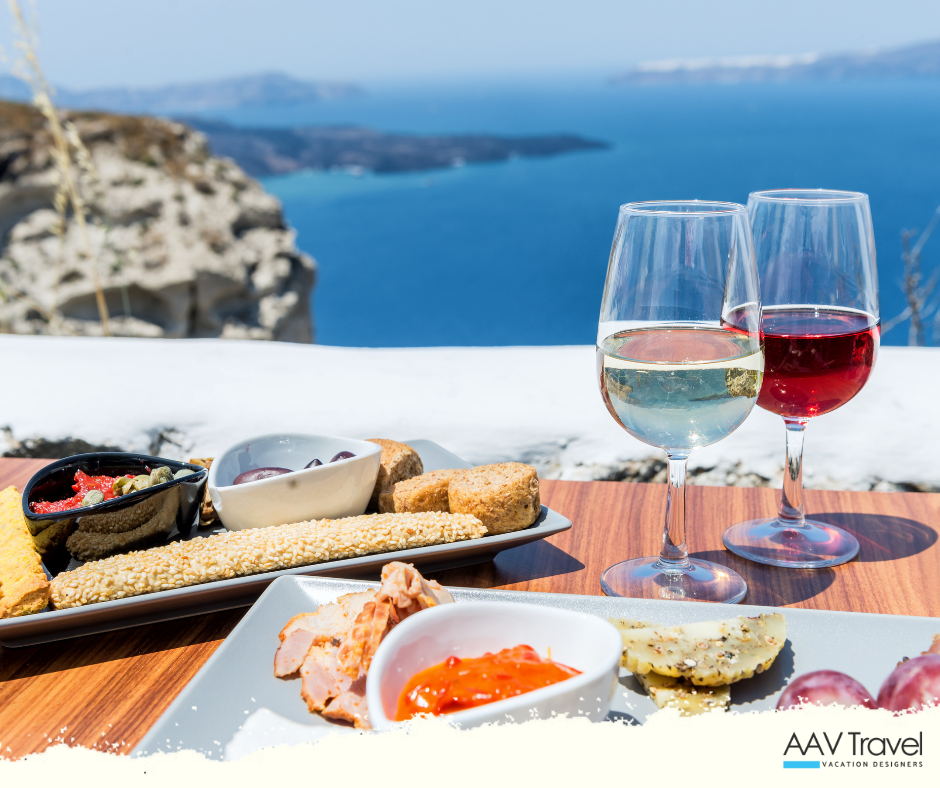
Food experiences are also becoming more sophisticated, especially when they include cultural context. Travelers want to taste Greece, but they also want to understand it.
There is a growing interest in immersive workshops, such as cooking, writing, art, or sailing. These are not one hour tourist activities. They are experiences that allow travelers to engage deeply, learn something new, and take something personal home with them.
Even shopping is shifting. Guests are moving away from souvenirs and toward meaningful mementos, such as handmade items, artisan collaborations, or custom pieces that carry a story.
This is where Greece shines. It is a destination where experiences can still feel intimate, tactile, and real.
Wellness Travel Is Becoming More Rooted and Less Performative
Wellness in Greece is moving beyond spa menus and into something more holistic.
Travelers are increasingly drawn to the kind of wellness that feels natural, tied to landscape, ritual, and lifestyle. Greece is home to regions known for longevity, and many travelers are seeking experiences that reflect that philosophy.
The emerging trend is wellness as a way of living, not a luxury add on. Outdoor movement, simple nourishing meals, and quiet coastal time are becoming part of the appeal.
It is a more grounded approach to wellness travel, and it fits Greece beautifully.
Timing Is Becoming a Strategy, Not a Detail
With Greece’s growing popularity, the question of when to go has become just as important as where.
Travelers are paying more attention to seasonality, shoulder months, and crowd patterns. The goal is no longer just good weather. It is atmosphere.
A well planned trip takes into account ferry schedules, heat levels, local festivals, cruise ship traffic, and the subtle difference between an island in early summer versus late summer.
The emerging trend is that travelers are treating timing as a strategic part of the experience, which is exactly how Greece should be approached.
The Future of Greece Travel Is About Fit
The clearest shift of all is that travelers are moving away from generic itineraries. They want trips designed around who they are.
Is this a honeymoon or a milestone anniversary. Is it a second or third trip where the goal is to go deeper. Is it a multi generational gathering where comfort and accessibility matter. Is it a trip that should feel social and vibrant, or quiet and restorative.
Greece can deliver all of these experiences, but not in the same place, and not with the same structure.
The next era of luxury Greece travel is not about doing more. It is about choosing better.
It is about designing a trip with balance, pacing, and intention so that the destination feels like it is unfolding naturally rather than being rushed through.
If you are considering Greece and want your trip to feel beautifully paced, thoughtfully designed, and aligned with the experience you truly want, I would love to help. The most seamless journeys are shaped through an intentional conversation, where timing, priorities, and the right trade offs are considered from the start. To begin planning, visit AAV Travel or reach out directly at info@aav-travel.com.
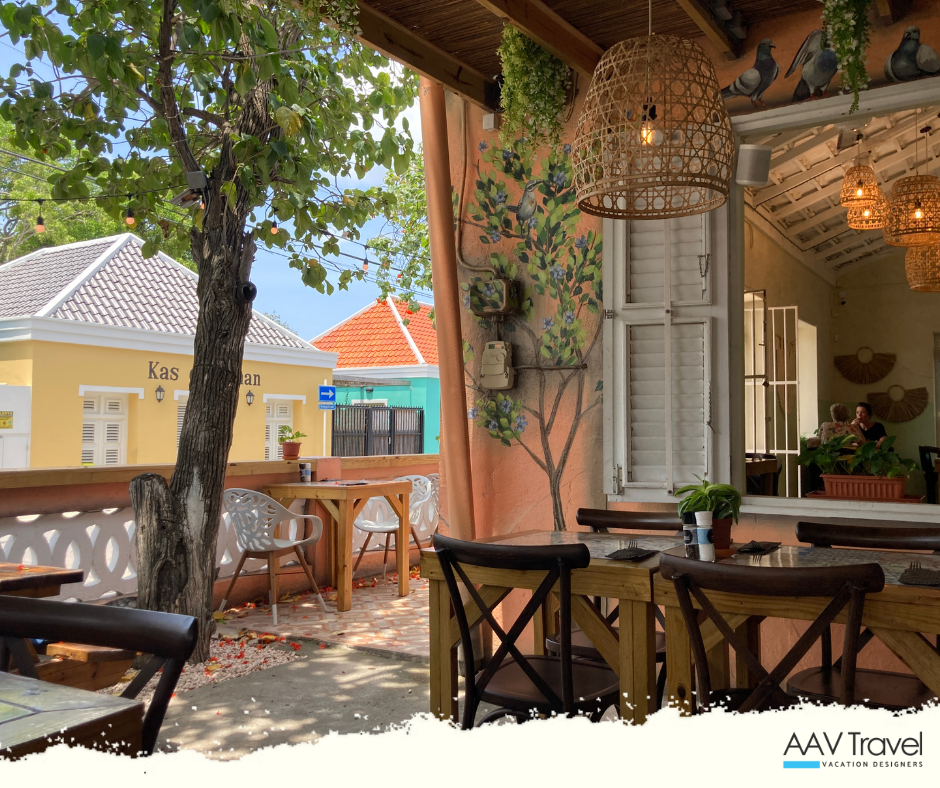
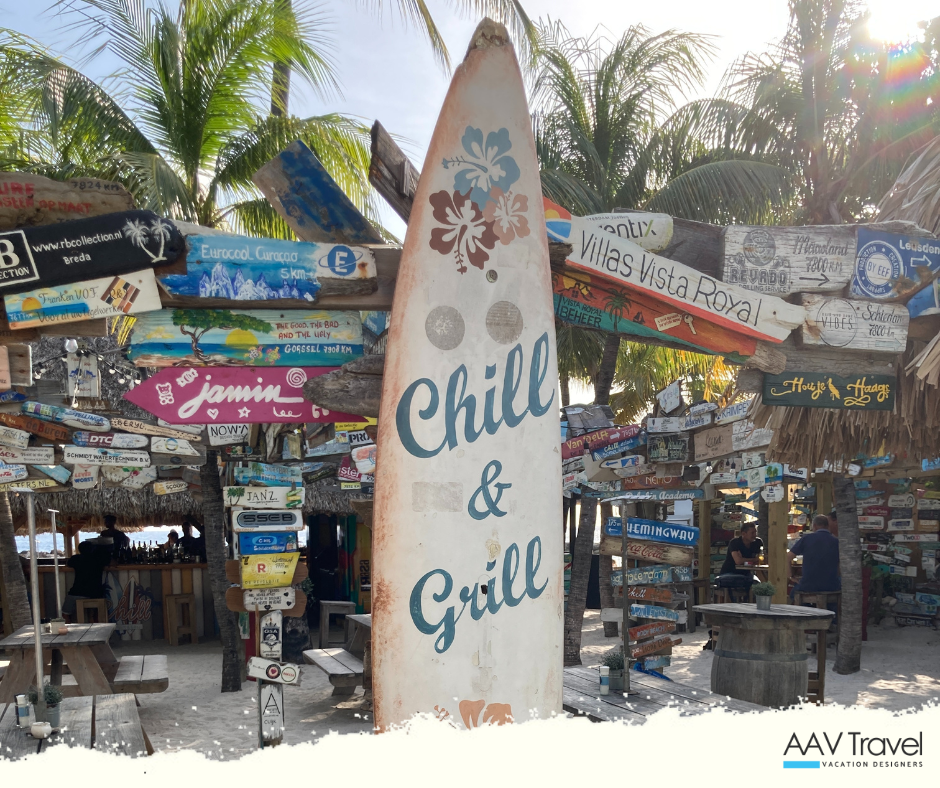
If you’re the kind of traveler who values culture as deeply as coastline, Curaçao often feels like a quiet revelation. This is not a destination built on spectacle or excess. Instead, it unfolds slowly, revealing its character through rhythm, history, and lived-in beauty. Mornings invite you to wander pastel streets shaped by centuries of trade and migration. Afternoons drift toward secluded coves discovered almost accidentally, the sea impossibly clear, the pace unhurried. Curaçao rewards curiosity rather than urgency, offering a sense of place that lingers long after the salt has dried on your skin.
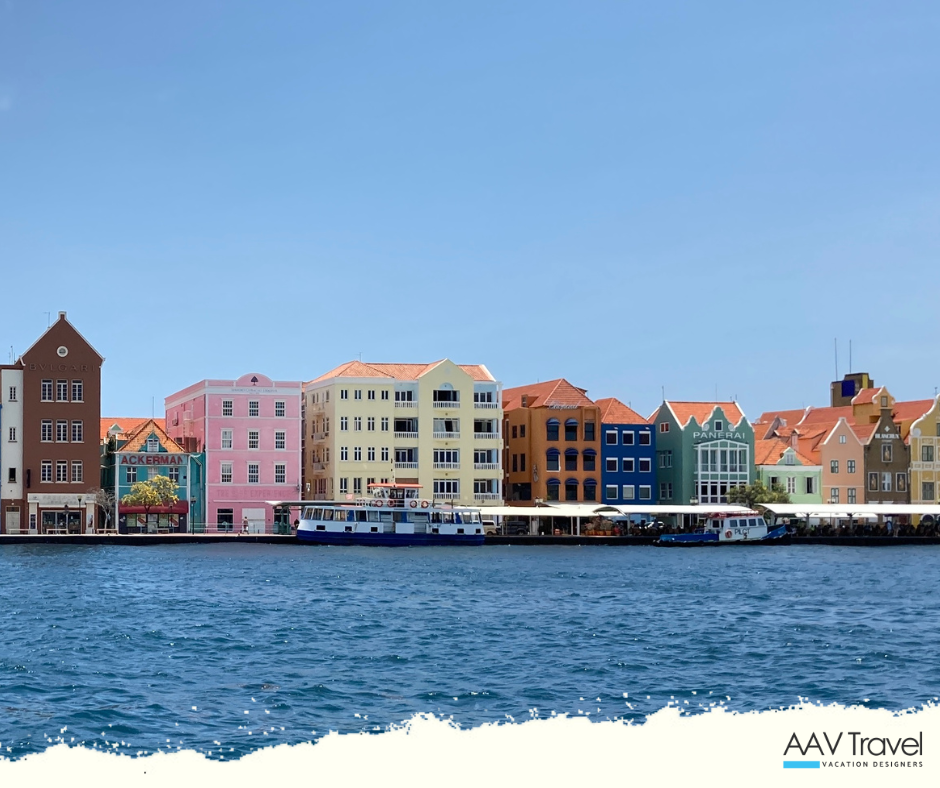
The island’s identity is inseparable from its layered history. Once a strategic hub of the Dutch trading empire, Curaçao remains a constituent country within the Kingdom of the Netherlands. That legacy is visible everywhere, from the gabled façades of Willemstad to the cadence of Papiamentu, a language shaped by Dutch, Portuguese, Spanish, and African roots. Cuisine reflects this same convergence, blending European structure with Caribbean warmth and Latin influence. Positioned just north of Venezuela and safely outside the hurricane belt, Curaçao enjoys a stable climate and year-round appeal, long favored by European travelers seeking winter sun without unpredictability.
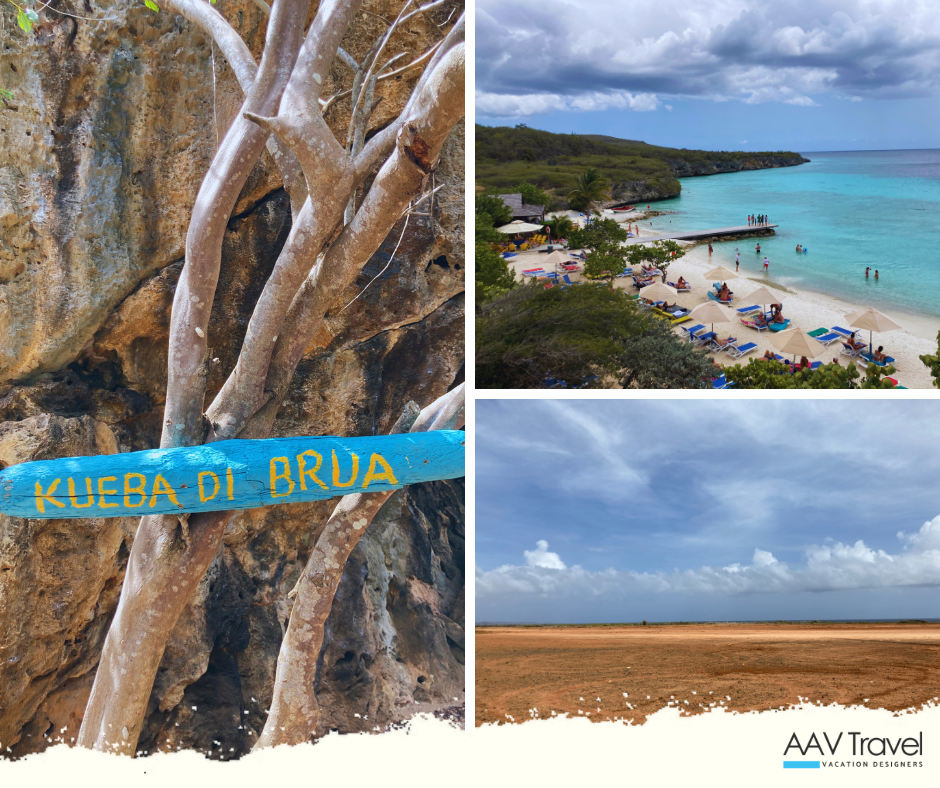
Willemstad’s UNESCO-listed harbor remains a focal point, animated by cafés, galleries, and daily life rather than performance. Beyond the city, the island opens into rugged coastlines, salt flats, and hidden beaches best reached by car and curiosity. Curaçao is not about curated perfection; it’s about discovery. That quality, paired with its safety and ease of navigation, makes it particularly appealing to travelers who value independence and thoughtful exploration over tightly packaged experiences.
Luxury here follows a different logic than on many Caribbean islands. Curaçao’s Dutch heritage subtly shapes its hospitality culture, favoring practicality, quality, and restraint over extravagance. Hotels tend to be well-run rather than ostentatious, comfortable rather than theatrical. Boutique properties and small-scale accommodations dominate, while traditional ultra-luxury resorts remain rare. For travelers accustomed to more overt indulgence, this can feel like an adjustment. For others, it’s precisely the appeal.
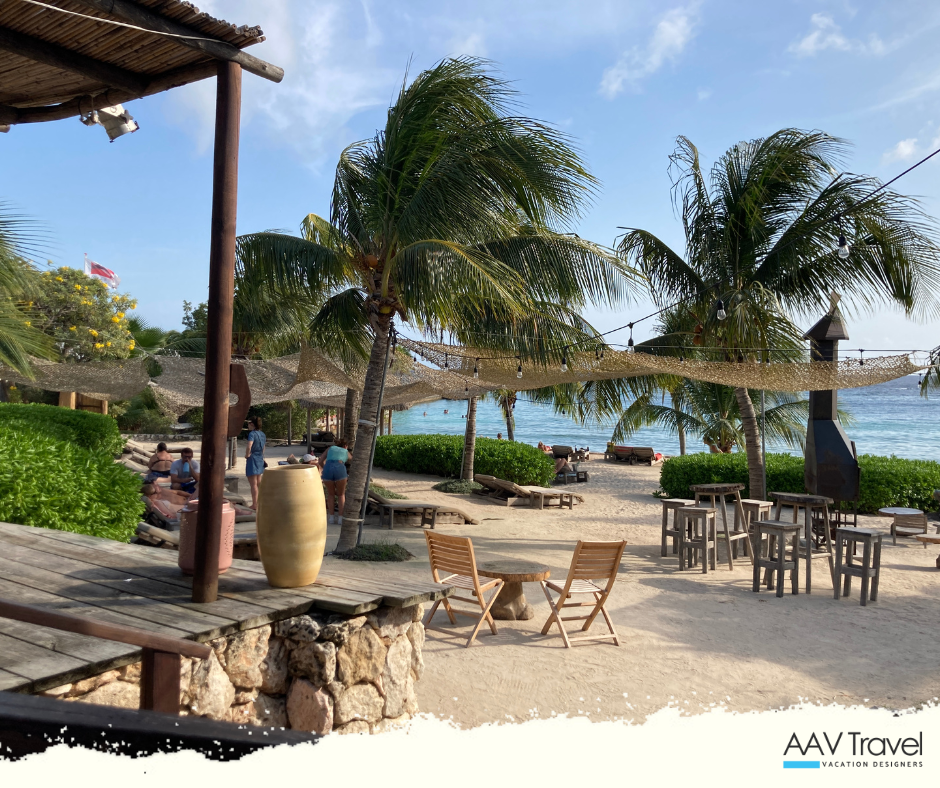
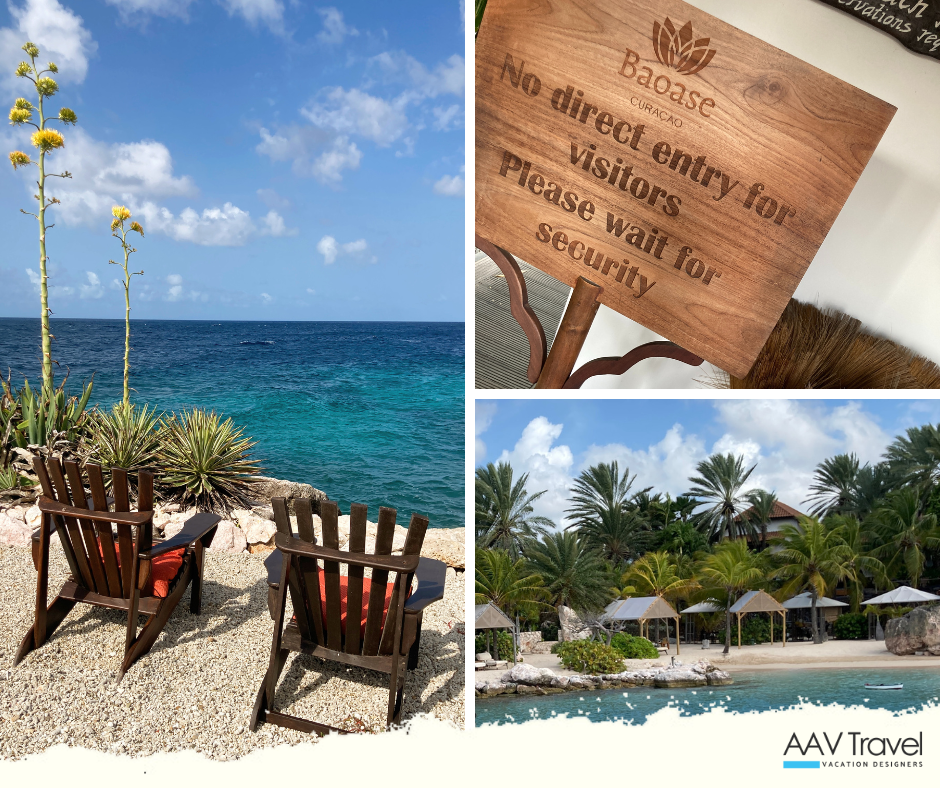
This understated landscape makes true refinement stand out all the more clearly, which is why Baoase Luxury Resort feels so singular within Curaçao. Tucked discreetly along the coast, Baoase operates on an entirely different frequency. It is not simply one of the island’s best places to stay; it is a destination in its own right, designed for travelers who value privacy, intention, and deeply personal service.
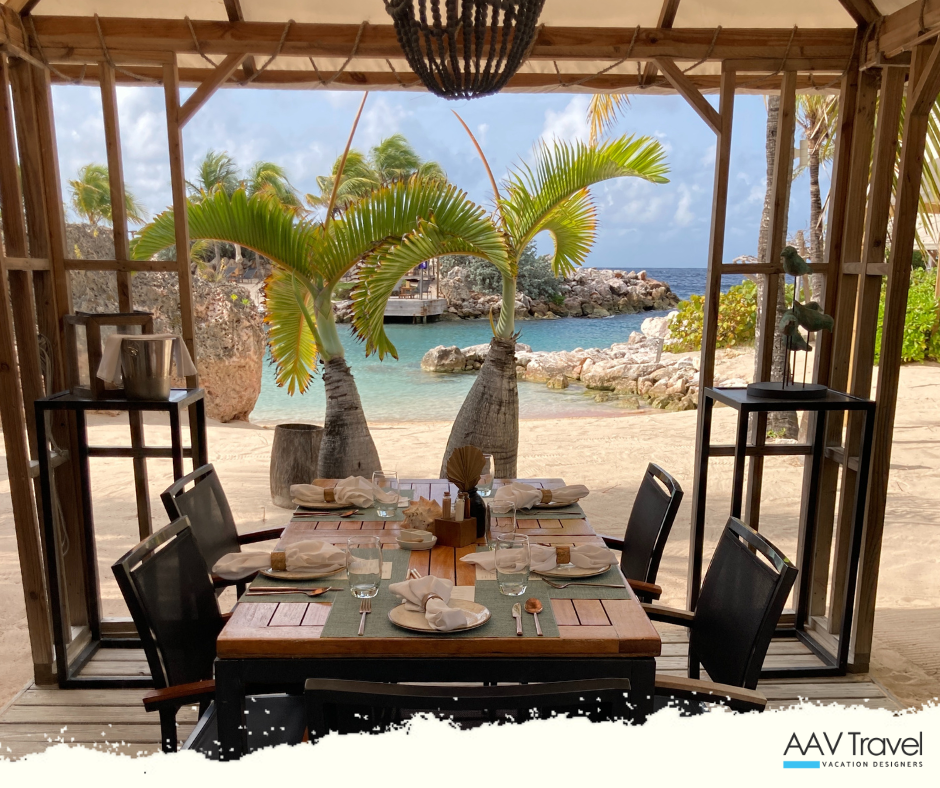
With only a handful of suites and private villas, Baoase feels closer to a private estate than a hotel. The experience is shaped by scale and philosophy rather than grandeur. Guests are known by name, preferences are remembered without being announced, and service unfolds quietly in the background. Design leans toward natural materials and a serene, Balinese-inspired aesthetic, creating an atmosphere that feels grounded, intimate, and restorative rather than performative.
The resort itself was born from a passion project by Dutch owners inspired by Southeast Asian architecture and craftsmanship. That influence is felt throughout the property, from winding garden paths to secluded beach areas and private pools designed for retreat rather than display. Dining is refined and artful, service is attentive without intrusion, and the overall rhythm encourages guests to slow down and remain present.
One of Baoase’s defining characteristics is its firm commitment to privacy. Photography within the property is intentionally restricted, fostering an environment where guests can truly disconnect. This is luxury that exists for the experience itself, not for documentation. It appeals to travelers who value discretion and depth, and who understand that the most meaningful moments are rarely the most visible ones.
When thoughtfully planned, a stay at Baoase pairs beautifully with time spent exploring the island beyond the resort. Curaçao invites movement. Renting a car, tracing the coastline, stopping spontaneously at quiet beaches or local cafés, and engaging with the island on its own terms reveals a warmth and authenticity that feels increasingly rare. The island is welcoming, easygoing, and refreshingly unpretentious, offering a sense of ease that allows travelers to settle in rather than rush through.
Baoase’s story adds to its charm. Founded by Dutch owners who fell in love with both Curaçao and Southeast Asian architecture, the resort was built as a passion project—a place that blended Caribbean beauty with the tranquility and craftsmanship of Bali. The result is a lush, intimate hideaway featuring private pools, secluded beach areas, and winding tropical pathways that encourage guests to slow down and savor the surroundings.
Curaçao is best suited for travelers who appreciate balance: culture alongside coastline, independence alongside comfort, refinement alongside realism. It’s a destination that rewards discernment and pacing, offering depth to those willing to engage with it thoughtfully.
If Curaçao has begun to spark your curiosity, the next step isn’t booking a hotel or choosing dates. It’s having a calm, intentional conversation about how this destination fits into your broader travel goals, your timing, and the experience you truly want to have. That’s where thoughtful travel design begins. You’re welcome to reach out via www.aav-travel.com or info@aav-travel.com when you’re ready to explore what that could look like.
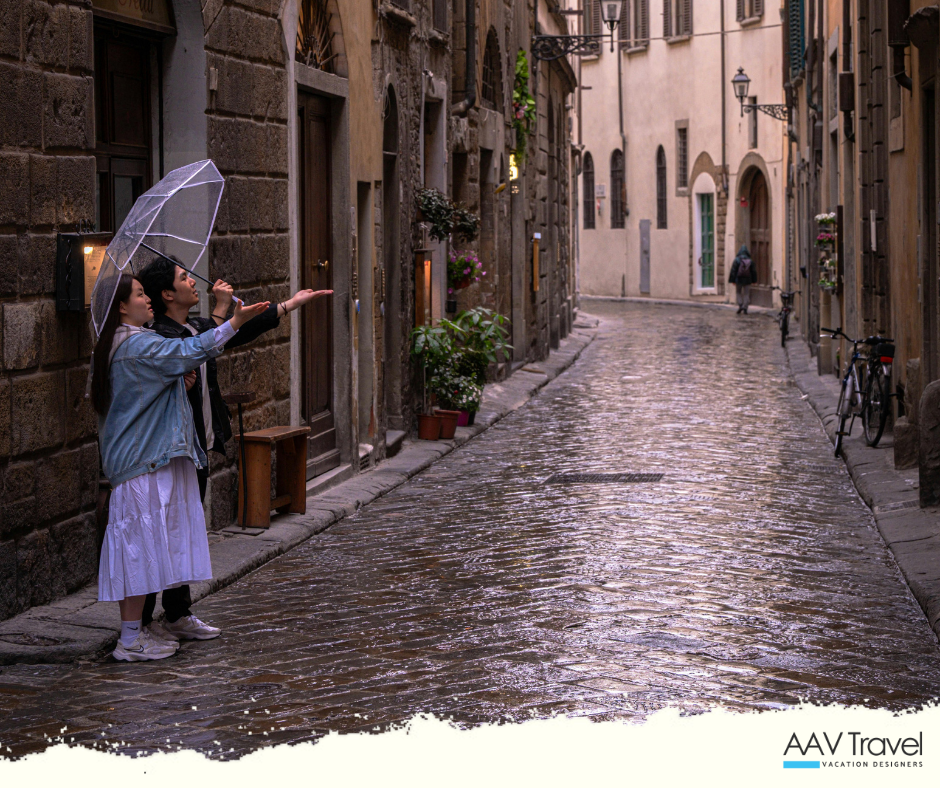
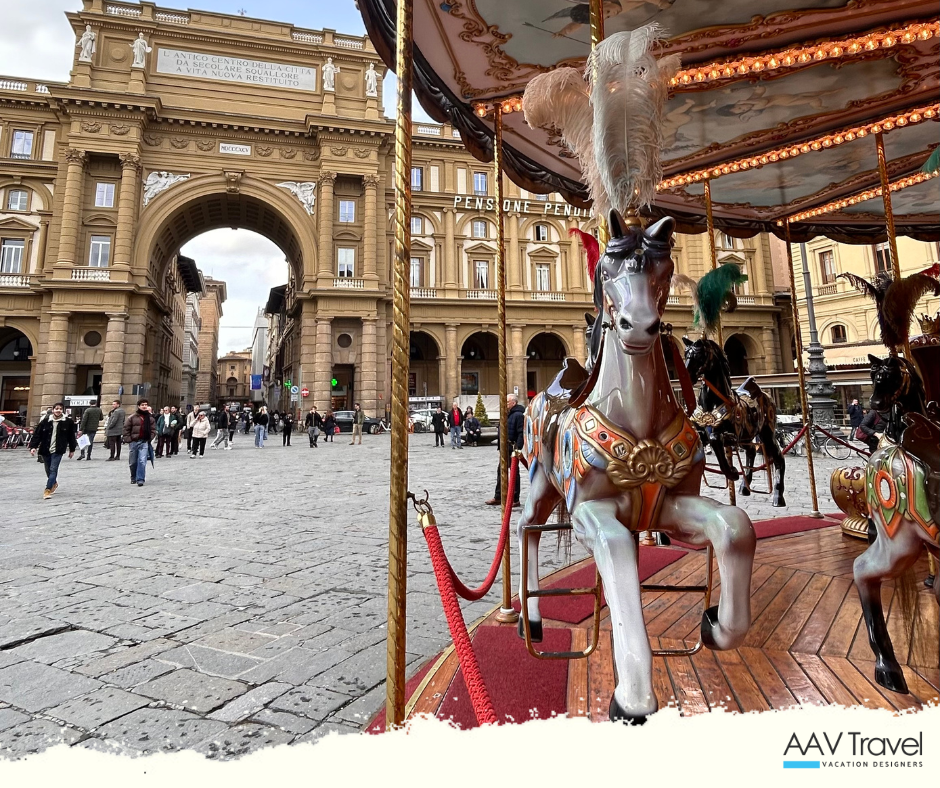
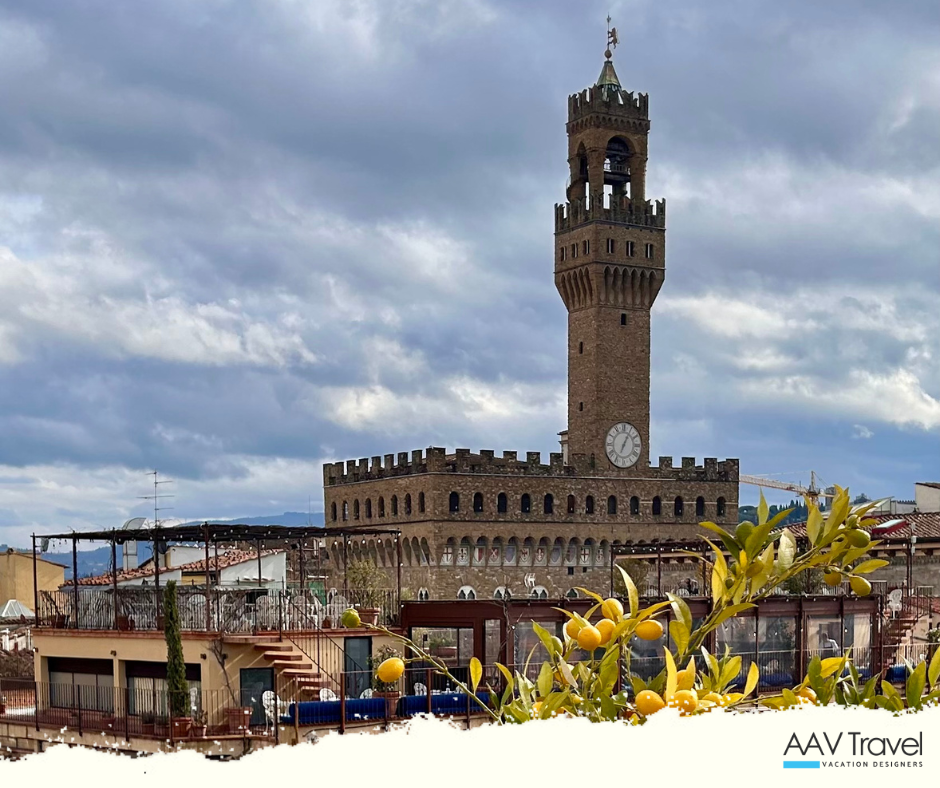
Florence is often introduced through masterpieces and monuments. The Duomo. The David. The Uffizi. Yet the travelers who leave feeling most connected to the city rarely describe it only in terms of what they saw. Instead, they recall the weight of warm stone under their palms at dusk, the echo of chanting drifting through a quiet basilica, the faint perfume of roses on a hillside breeze, the way a simple meal lingered in memory long after the last bite.
Florence reveals itself most fully when it is experienced through the senses, not hurried through as a checklist of sights. When approached with presence and intention, the city becomes less a destination to be consumed and more a place to be felt.
Modern psychology tells us what seasoned travelers already know instinctively: our senses are gateways to wellbeing, memory, and meaning. Sight, sound, smell, taste, touch, and intuition shape how we process the world and how deeply we feel connected to it. Travel, when designed with care, awakens these senses in ways everyday life rarely allows.
Florence, with its layered history, human scale, and enduring craftsmanship, offers an unusually rich setting for this kind of experience.
SIGHT: When Light Becomes the Experience
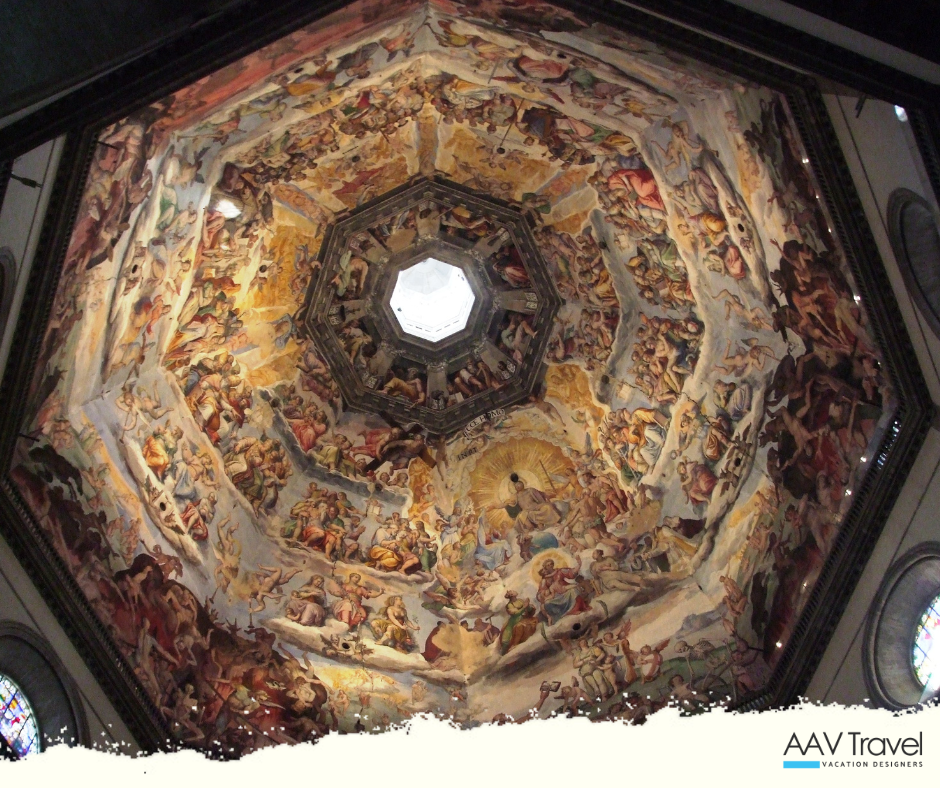
Inside Santa Maria del Fiore, sight is not merely about architecture or ornamentation. At midday on the summer solstice, a single beam of sunlight enters through a small aperture high in the dome and lands precisely on a marble disc below, a quiet yet extraordinary convergence of art, science, and faith. Installed centuries ago as part of an astronomical instrument, this moment transforms light itself into an event.
Standing in the cathedral as that beam appears, the instinct is not to photograph, but to pause. The filtered colors from stained glass shift across stone that has witnessed generations. The experience asks for stillness. Sight here is immersive and emotional, reminding us that seeing is not passive; it shapes how we remember and how we feel.
Florence excels at these subtle visual moments. They are easy to miss when moving too quickly, yet deeply affecting when allowed to unfold at their own pace.
SOUND: Listening to the City’s Inner Rhythm
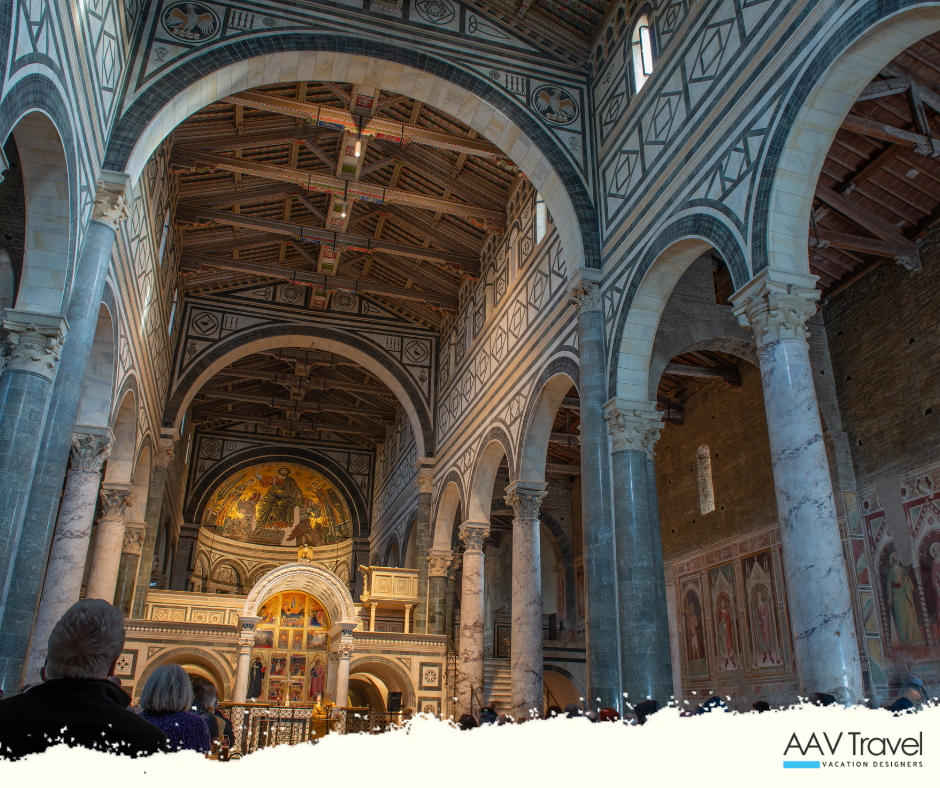
Above the city, the Basilica di San Miniato al Monte offers one of Florence’s most profound sensory contrasts. Outside, expansive views stretch across terracotta rooftops and rolling hills. Inside, sound becomes the defining element.
The Romanesque interior holds silence with intention. Footsteps echo softly. A single voice resonates longer than expected. In the early evening, Gregorian chant fills the space, its ancient cadence amplified by stone and proportion rather than technology.
This is not performance but ritual, and the effect is quietly disarming. The acoustics encourage slowing down, listening more deeply, and allowing sound to linger. In Florence, sound often reveals what sight cannot: the continuity of daily life layered over centuries.
SMELL: Memory Carried on the Breeze
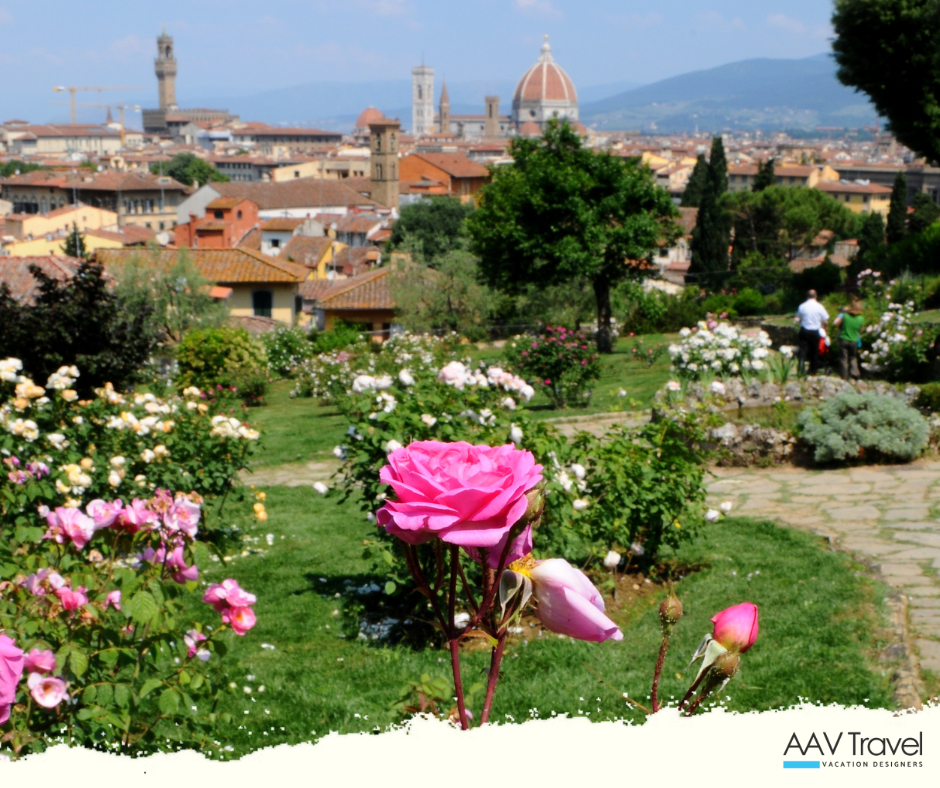
Below Piazzale Michelangelo, the Giardino delle Rose offers a different kind of perspective. Here, Florence is experienced through scent as much as through view. In late spring, hundreds of rose varieties bloom, their fragrances mingling with citrus trees and warm air rising from the city below.
Smell has a unique ability to anchor memory. Long after the view fades, it is often the scent of a place that resurfaces unexpectedly years later. In this garden, time seems to slow. The city’s hum softens, replaced by birdsong and the subtle rustle of leaves.
Pausing here is not about seeing Florence from above, but about inhaling it, allowing place and moment to register fully before moving on.
TASTE: A Culinary Language of Place
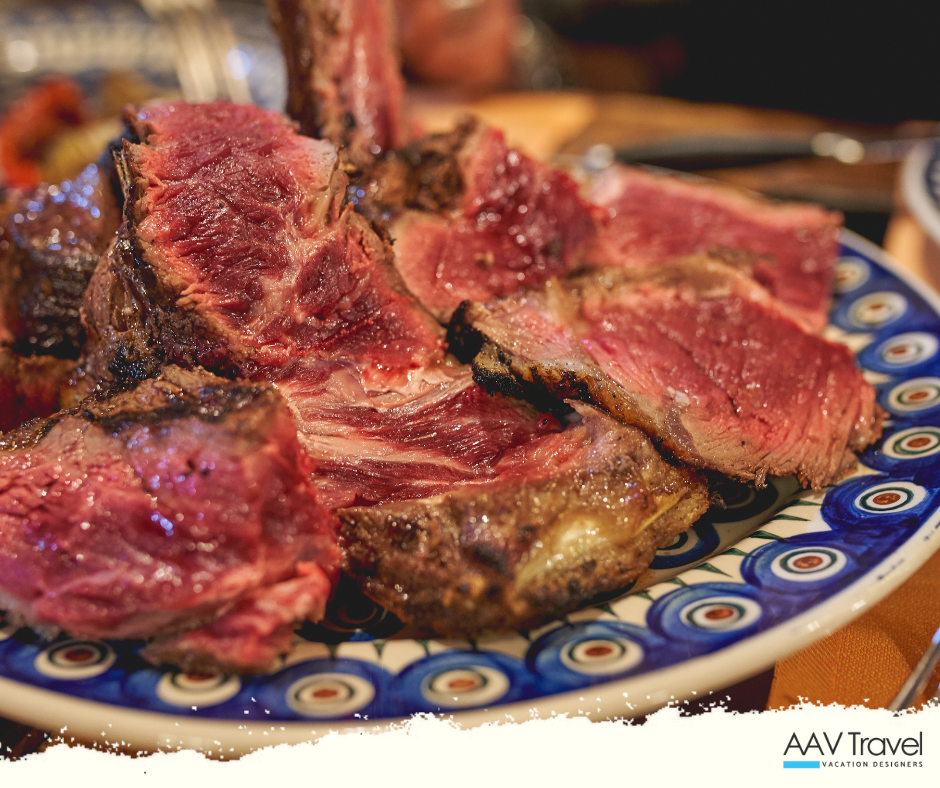
Florentine cuisine is direct, grounded, and deeply tied to its landscape. A well-prepared bistecca alla fiorentina, a bowl of ribollita, a slice of bread drizzled with new olive oil, these are not indulgences so much as expressions of place.
Taste in Florence rewards patience. Meals are meant to be lingered over, flavors allowed to develop, conversations given time. Ingredients carry history: grains milled nearby, oil pressed from surrounding hills, recipes shaped by necessity and care rather than trend.
To eat well here is not about excess but about understanding. Food becomes a quiet education in geography, climate, and tradition, one that stays with you long after the table is cleared.
TOUCH: Where Craft Still Lives
Florence remains a city where the human hand matters. In the Oltrarno, artisan workshops continue traditions passed down through generations. Leather, wood, paper, and metal are shaped slowly, deliberately.
Running your fingers over a finished piece, or watching the rhythm of hand stitching in a small workshop, connects you to the city in a way no museum display can. Touch brings history into the present tense. It reminds us that Florence was built not only by great artists, but by skilled hands working day after day.
These tactile experiences are often quiet and unscheduled, yet they are among the most enduring.
INTUITION: Knowing When to Pause
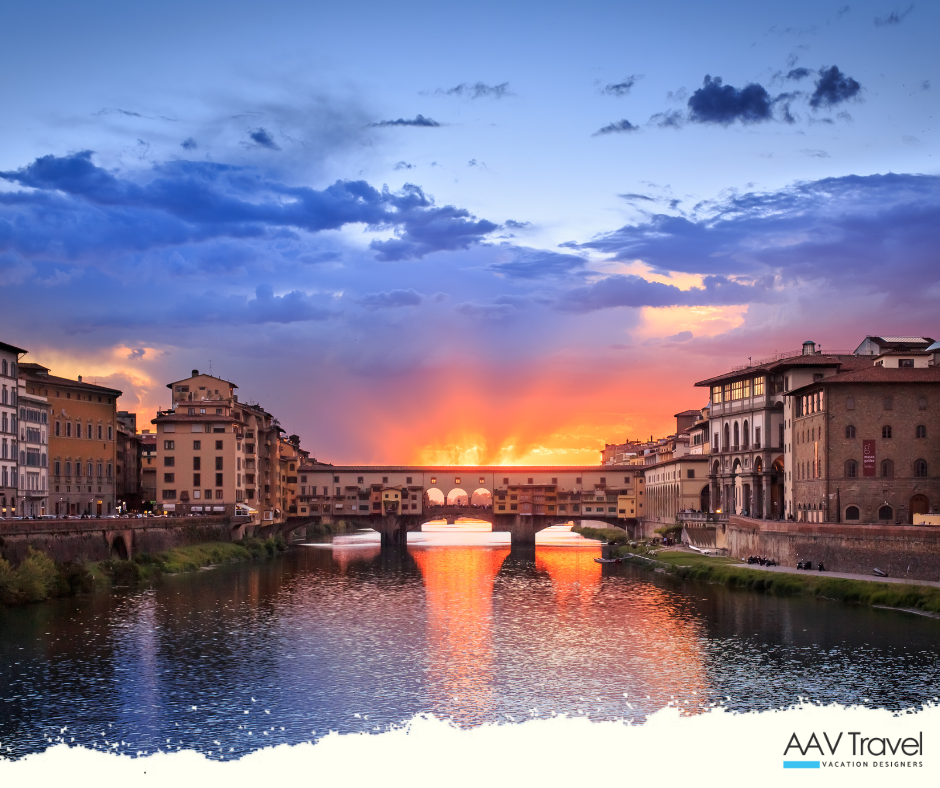
Beyond the senses we can name is the one that guides the most meaningful travel decisions: intuition. It is the instinct that suggests crossing a bridge at dusk, lingering in a small piazza, or choosing a café filled with locals rather than lines.
Florence rewards those who listen to this inner compass. In moments of unplanned stillness, the city feels less like a stage set and more like a living companion. This is where presence replaces performance, and travel becomes personal.
Thoughtful Hospitality as Part of the Experience
Where you stay in Florence shapes how the city is experienced between these moments. Properties that value calm, proportion, and restraint allow the senses to reset rather than compete for attention.
Hotel La Gemma, housed within a restored palazzo near the historic center, reflects this philosophy. Its atmosphere is quietly composed rather than overtly grand. Light-filled rooms, soundproofed interiors, tactile materials, and a sense of ease create a refuge after days spent absorbing the city.
Spaces like this do not distract from Florence; they support it, offering continuity and balance. When accommodation aligns with the rhythm of a destination, the experience feels cohesive rather than fragmented.
Designing Florence with Intention
Experiencing Florence through the senses is not about adding more activities, but about making thoughtful choices: when to visit certain spaces, where to linger, what to skip, and how to pace each day. These decisions shape how the city is felt, not just seen.
At AAV Travel, journeys are designed with this discernment in mind. Beyond reservations and logistics, the focus is on flow, timing, and context, ensuring that each element supports the overall experience rather than competes with it. The goal is travel that feels seamless, grounded, and deeply personal.
Florence has been inspiring travelers for centuries. When approached with intention, it continues to do so in ways that are subtle, restorative, and lasting. For those ready to experience the city beyond sightseeing, Florence offers not spectacle, but connection, one sense at a time.
If you are considering a journey to Florence and would like it shaped with care, pacing, and insight, AAV Travel welcomes the conversation.
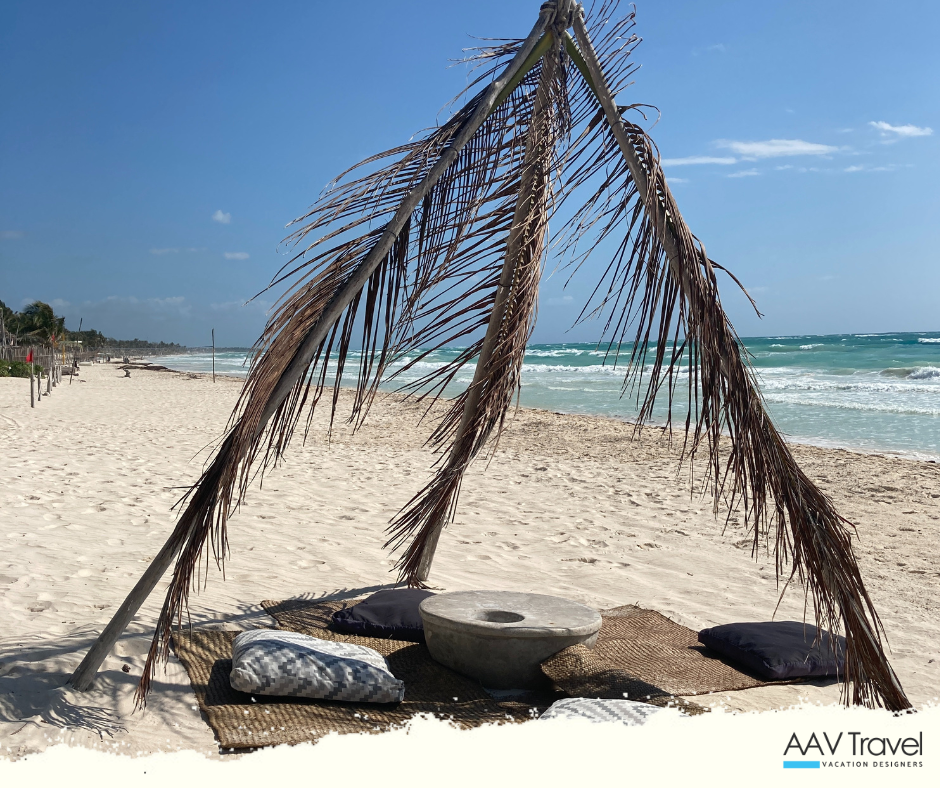
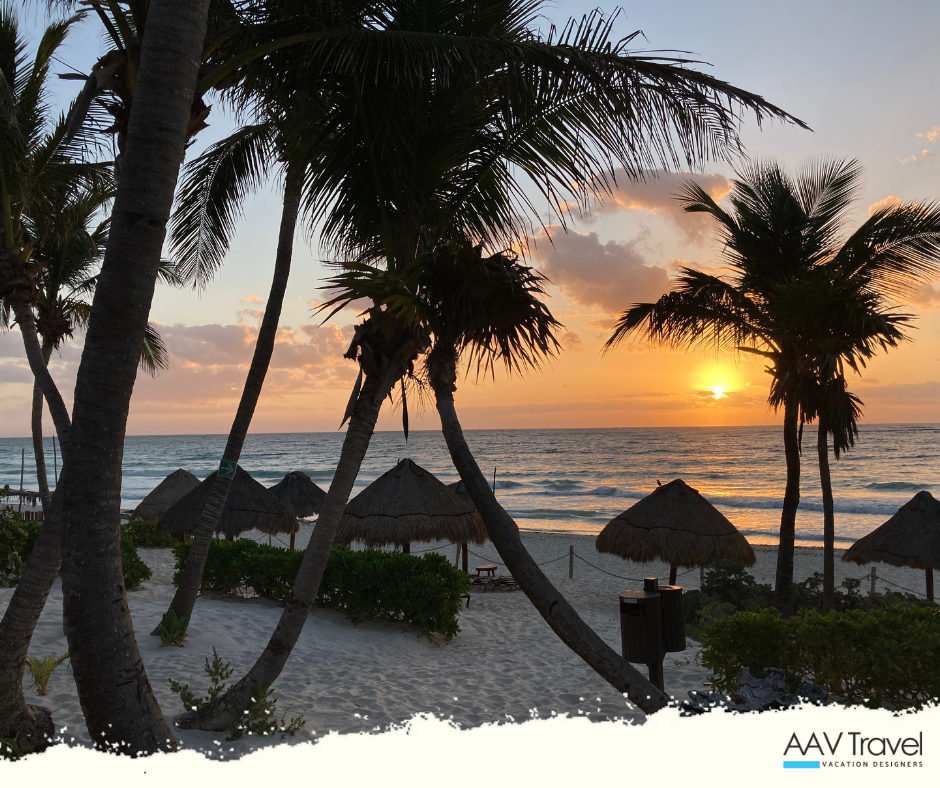
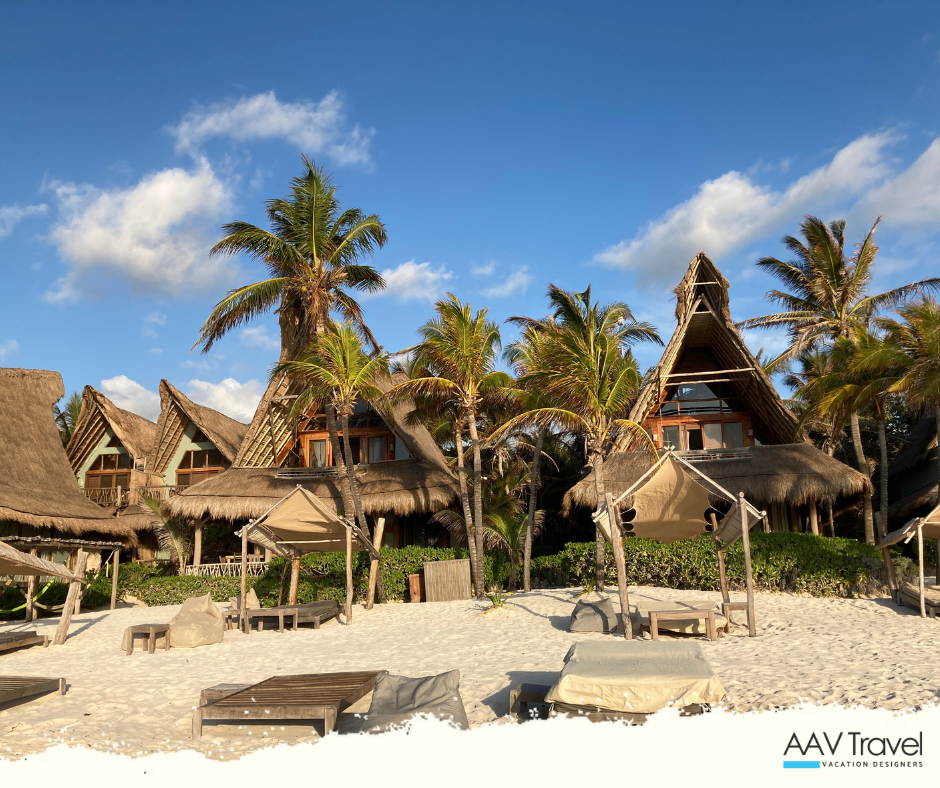
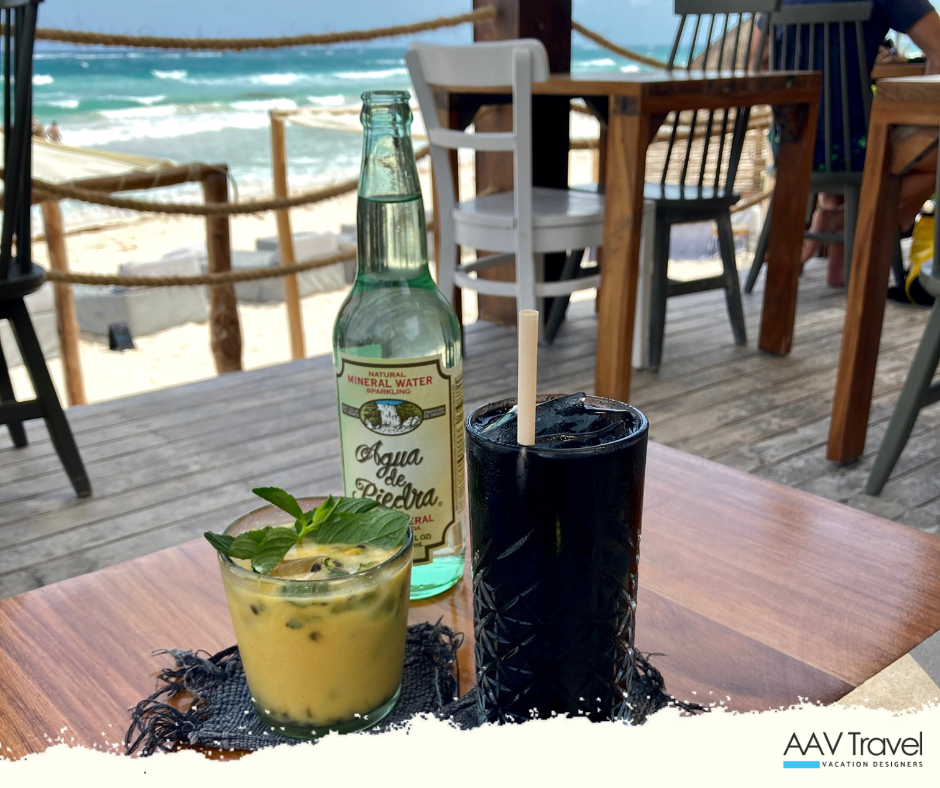
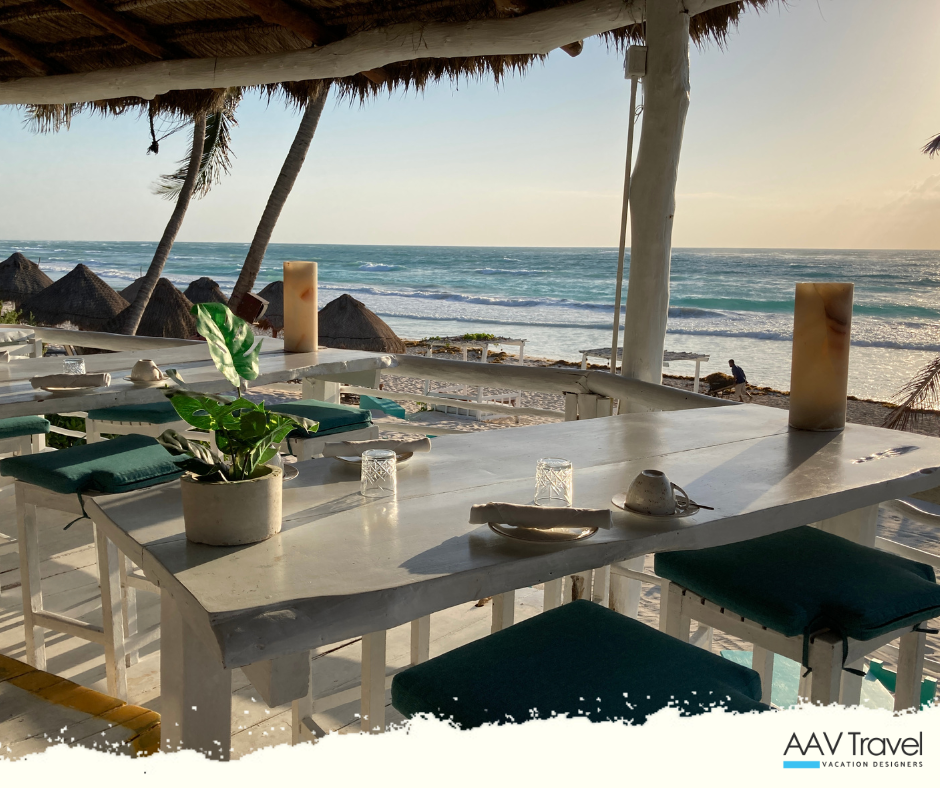
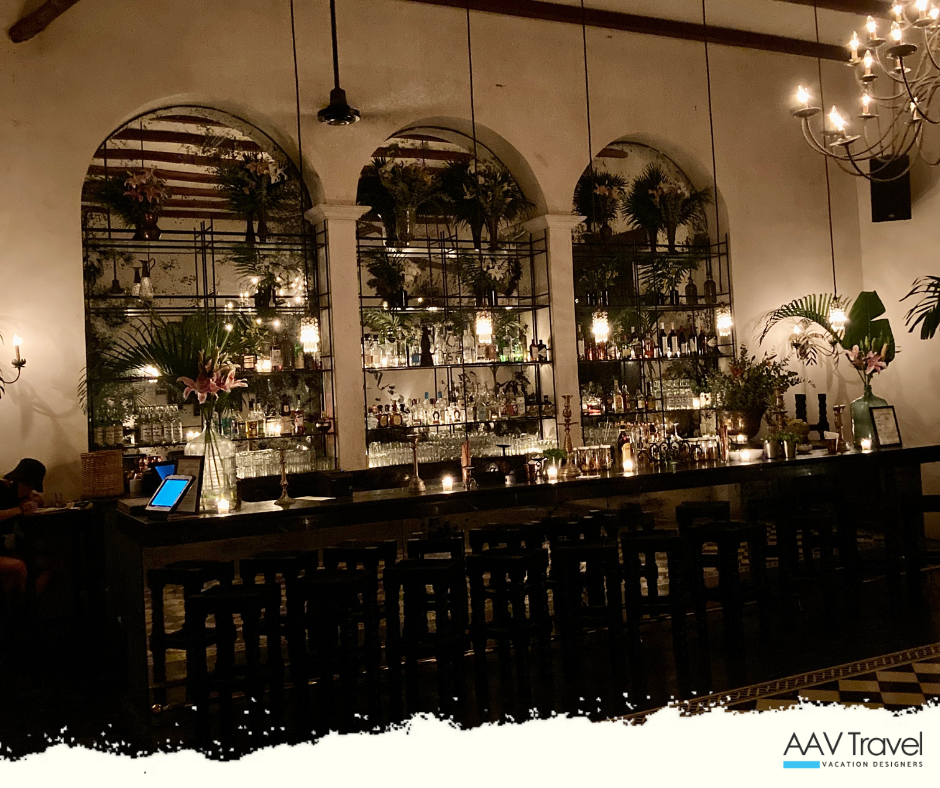
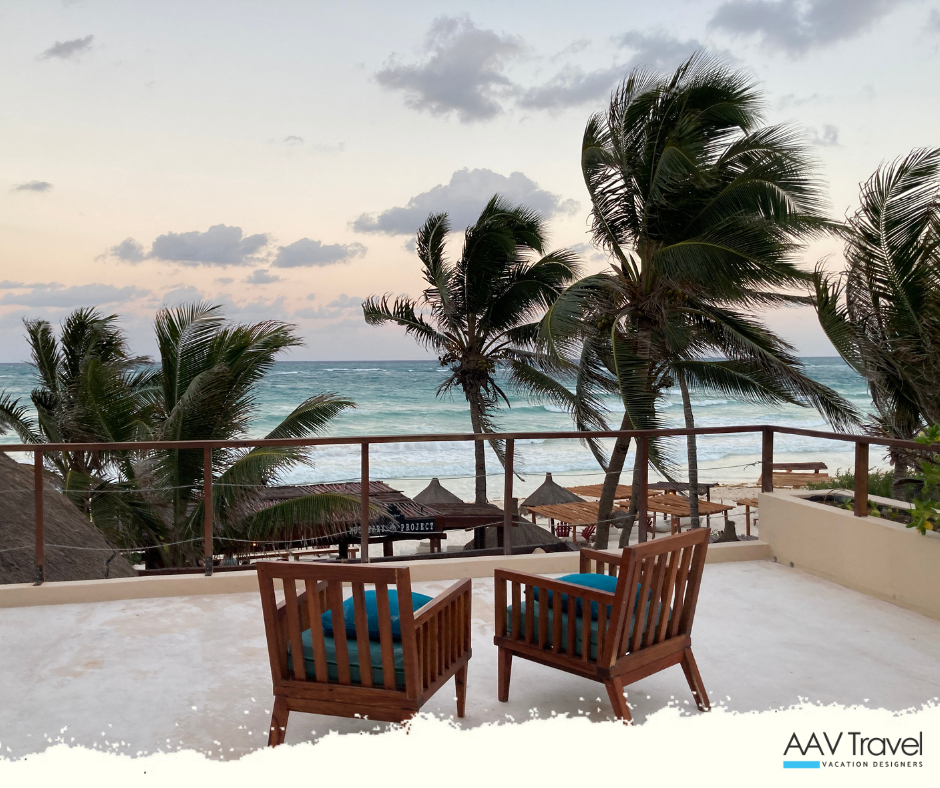
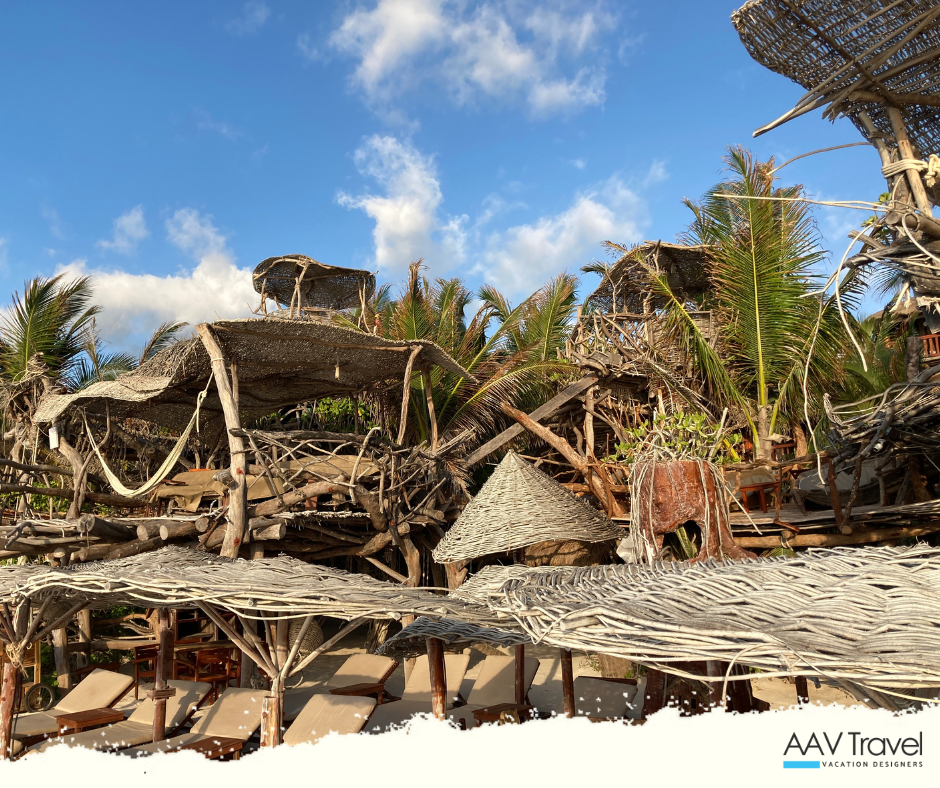
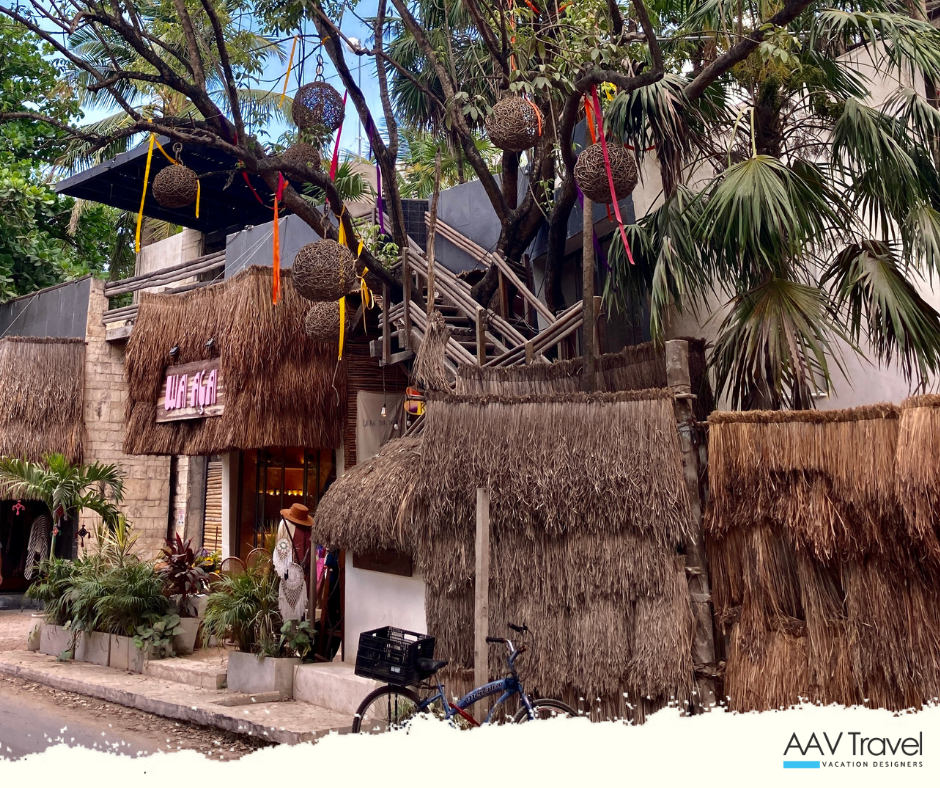
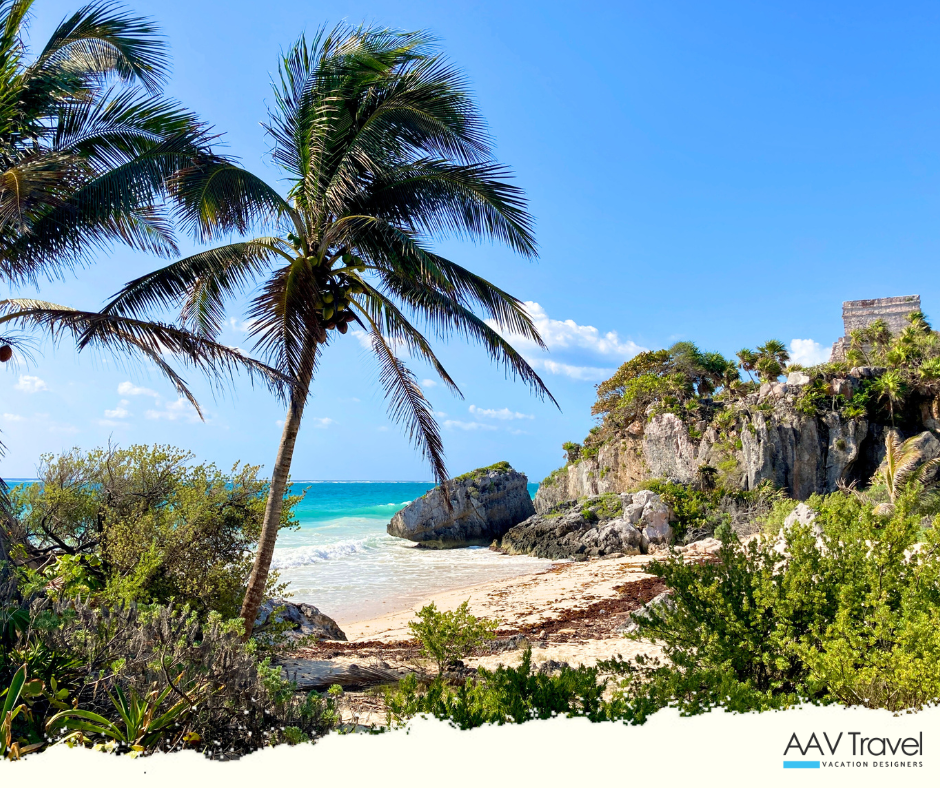
When people talk about Tulum, they often picture white-sand beaches, stylish clubs, and a vibrant wellness scene. But Tulum is more than its shoreline. There are two distinct sides to discover: Tulum town, a laid-back community with authentic eateries, boutique shops, and bohemian charm, and Tulum beach, a stretch of coastline dotted with rustic-chic hotels, yoga pavilions, and open-air restaurants that create an atmosphere both refined and relaxed.
One of the most common misconceptions is that Tulum is filled with sprawling all-inclusive resorts. In reality, the type of large properties you’ll find in Cancun or Playa del Carmen don’t exist here. Instead, the focus is on smaller, design-forward boutique hotels that emphasize wellness, culinary creativity, and personalized service. For those who prefer the traditional all-inclusive experience, those options lie farther north in the Riviera Maya—but not in the heart of Tulum itself.
Adding to its appeal, Tulum recently welcomed a new international airport, making it easier than ever to reach this corner of the Riviera Maya. What was once a two-hour drive from Cancun is now a direct arrival into Tulum’s backyard, opening the door to smoother, more comfortable vacations—something discerning travelers especially appreciate.
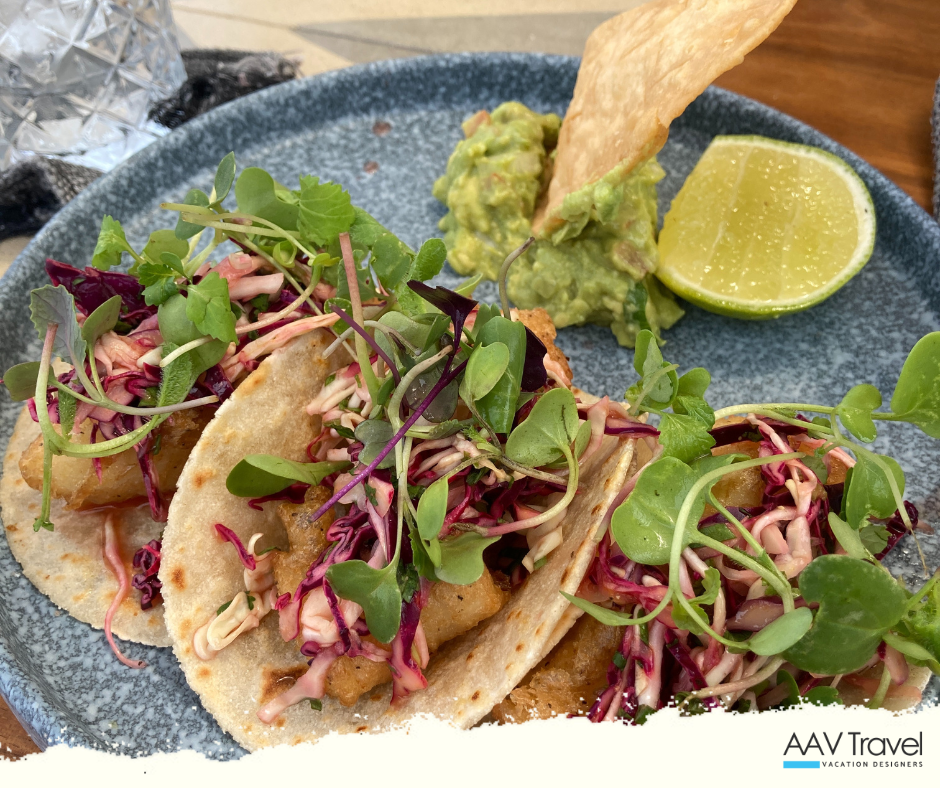
For those who value health, fine food, and cultural enrichment, Tulum delivers. Farm-to-table dining, plant-based menus, and freshly caught seafood highlight the region’s reputation as a foodie destination. Beyond the plate, the area’s Mayan heritage shines through nearby ruins and cenotes (natural sinkholes), offering rich opportunities to connect with history and nature. Wellness is also deeply woven into the Tulum experience, with options ranging from yoga and meditation to sound healing and spa treatments rooted in local traditions.
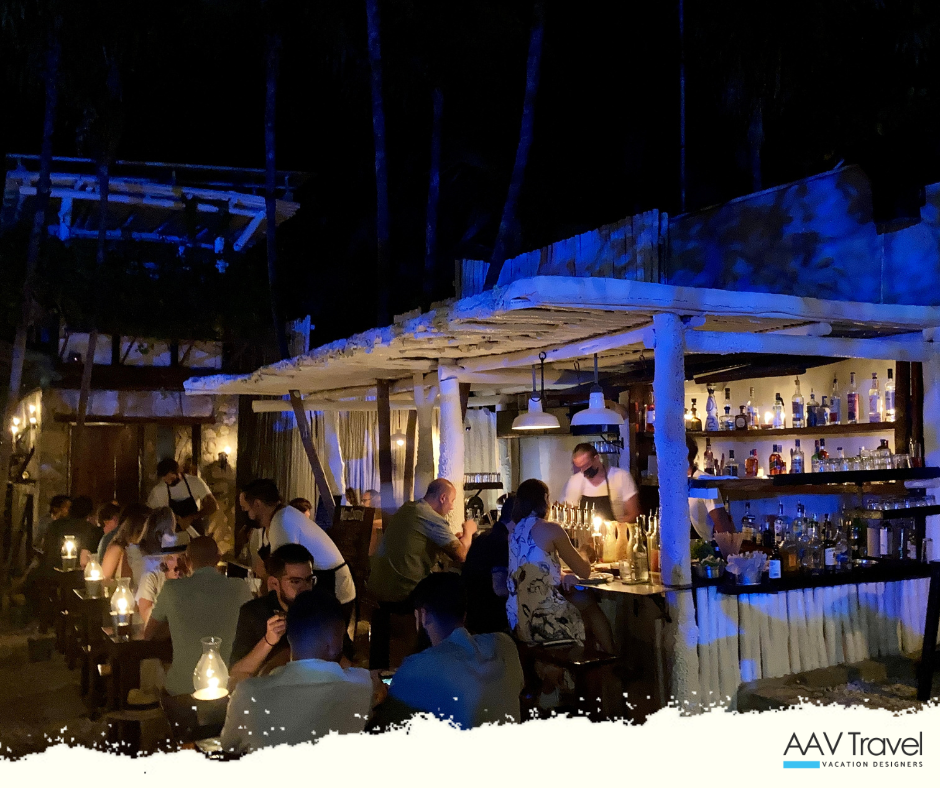
For anyone hesitant about Tulum’s party reputation, rest assured there’s a quieter way to enjoy it. The secret is embracing the rhythms of the day. While night owls sleep, mornings are serene—perfect for beach walks, yoga sessions, or a leisurely breakfast at a local café. Come evening, dining early is another way to shift the experience. Many of Tulum’s acclaimed restaurants feature on-site DJs and music that add to the atmosphere later in the night. By reserving a table as they open, you’ll enjoy the same exceptional cuisine and ambiance before the energy rises. By the time the party scene awakens, you’ll already be back at your boutique hotel, perhaps with a nightcap under the stars.
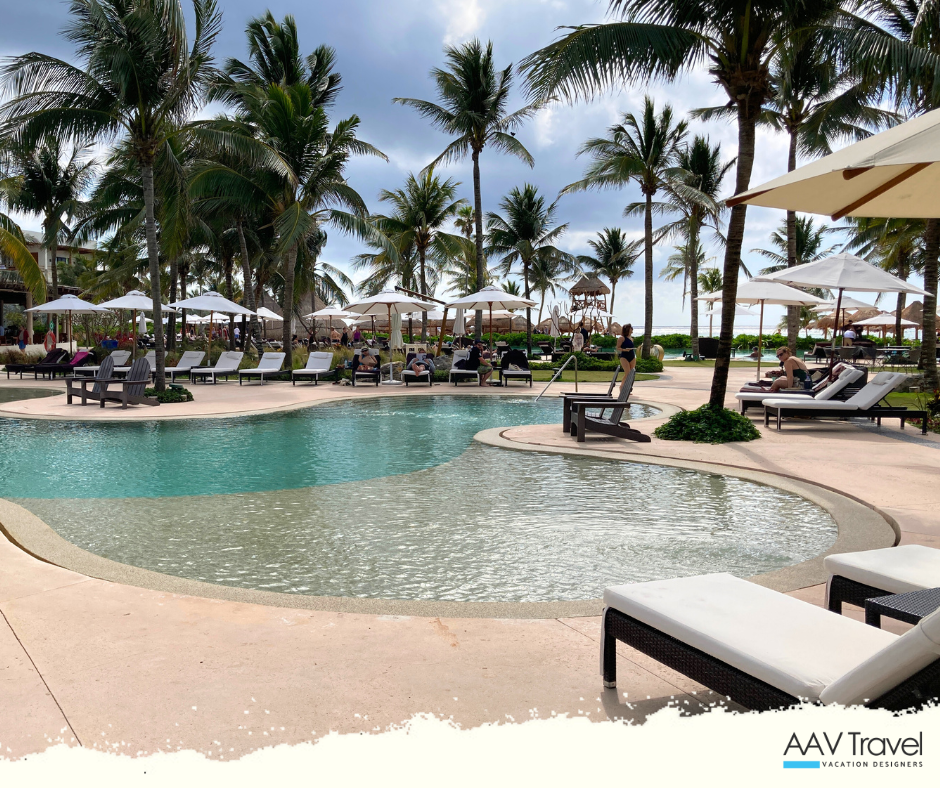
Accommodations are a key part of the Tulum experience. A beachfront boutique hotel means waking up to ocean views, stepping directly onto soft sand, and immersing yourself in Tulum’s eco-chic style of natural materials and open-air spaces. The trade-off can be higher rates, rustic touches (like limited air conditioning), and the possibility of hearing music from neighboring venues.
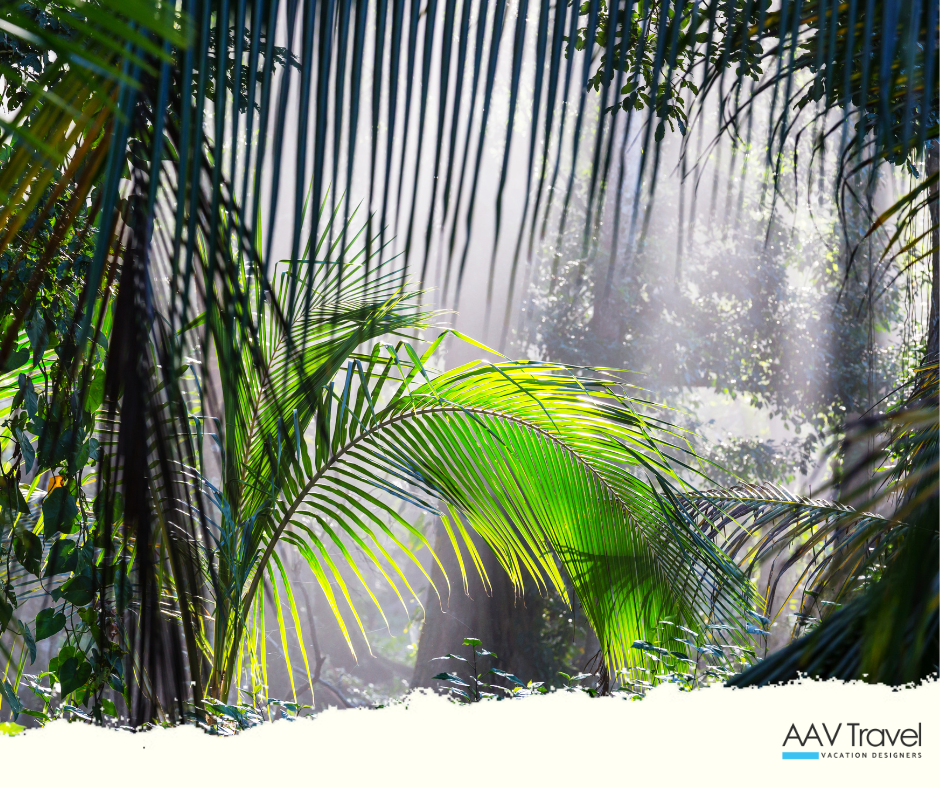
Boutique hotels set slightly inland or along the road between town and the beach offer a different atmosphere. Often tucked into lush jungle surroundings, they provide greater privacy, quieter evenings, and often better value. Many feature tranquil pools and a true sense of retreat, though you’ll need a bike, shuttle, or short drive to reach the beach. The choice comes down to preference: beachfront immersion in Tulum’s iconic scene, or a secluded jungle haven with easy access when you want it.
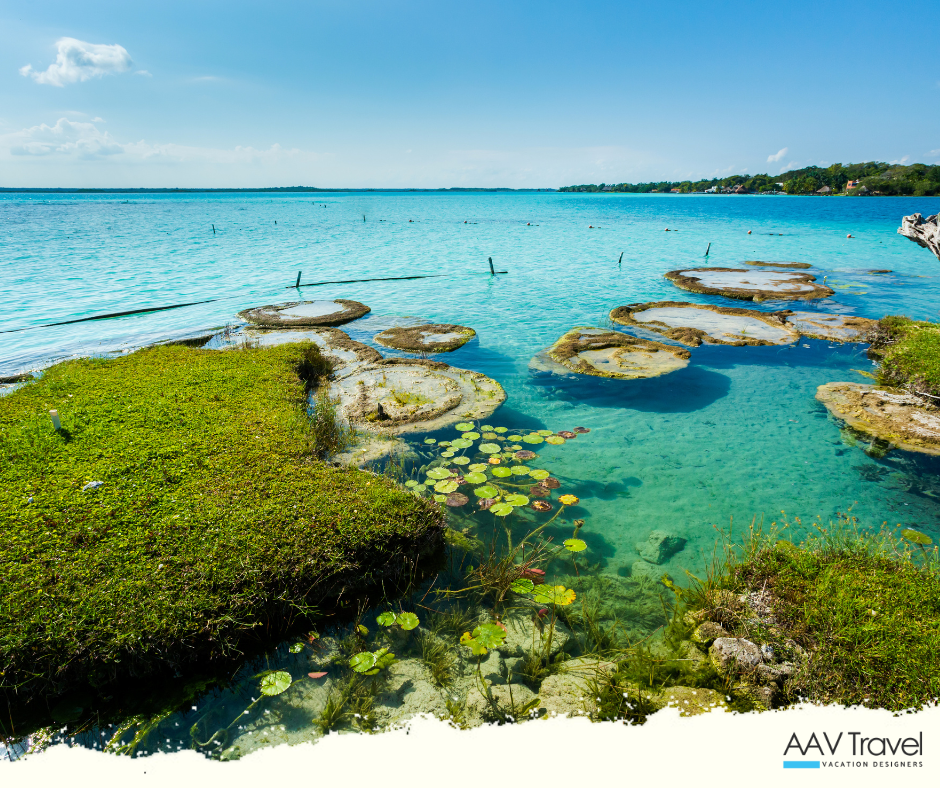
Beyond its beaches and wellness scene, Tulum also serves as a gateway to remarkable day trips. A visit to Bacalar, often called the “Lagoon of Seven Colors,” rewards travelers with shimmering turquoise waters perfect for swimming or a private boat outing. Closer to town, a network of cenotes—natural freshwater sinkholes sacred to the Mayans—offers unforgettable experiences, from snorkeling in crystal-clear waters to floating in vast underground caverns. These excursions provide a deeper connection to the region’s natural beauty and cultural heritage, adding layers of discovery to a Tulum stay.
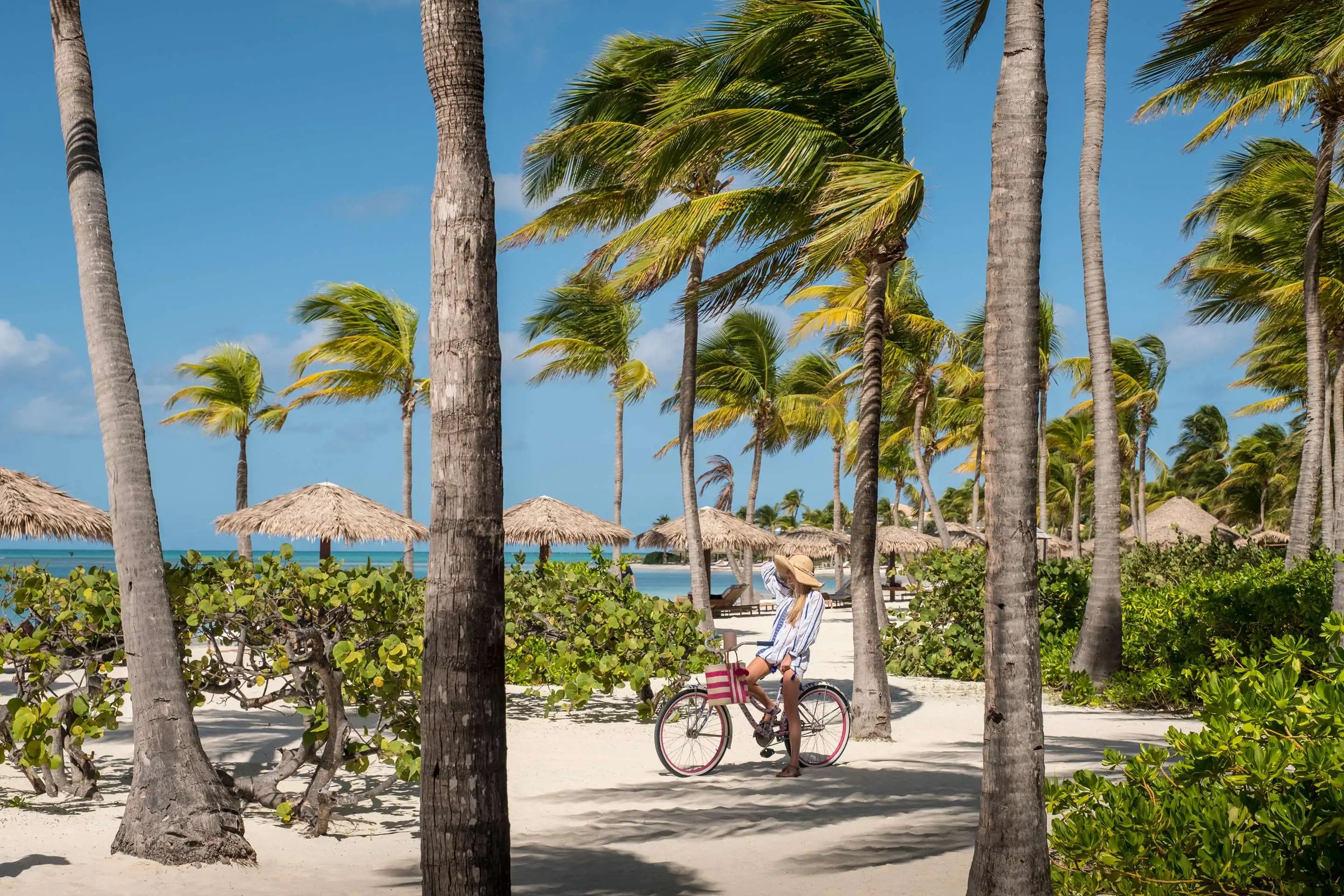
Word to the Wise Location in Tulum matters. The beach road connecting hotels, restaurants, and clubs is narrow, and traffic can crawl—especially in the evenings. What looks like a quick drive may take much longer than expected. Staying within walking or biking distance of your preferred spots can make your trip far more enjoyable. Many boutique hotels offer complimentary bicycles, and pedaling along the beach road is often quicker (and more pleasant) than sitting in traffic. Choosing wisely saves time, reduces stress, and lets you experience Tulum at a relaxed pace.
At AAV Travel, we know Tulum can feel layered and, at times, overwhelming to navigate on your own. That’s where our expertise makes the difference. With first-hand experience and a trusted network of on-site contacts, we ensure your stay is seamless—whether that means selecting the perfect boutique hotel, securing the right dining reservations, or arranging unique cultural and wellness experiences tailored to your interests. Our insider knowledge allows you to enjoy the very best of Tulum without the guesswork, so your time is spent savoring the beauty, flavors, and tranquility of this remarkable destination.
Discover Tulum on your terms—with experiences thoughtfully crafted just for you.To begin planning, contact us via email at info@aav-travel.com or visit the website.
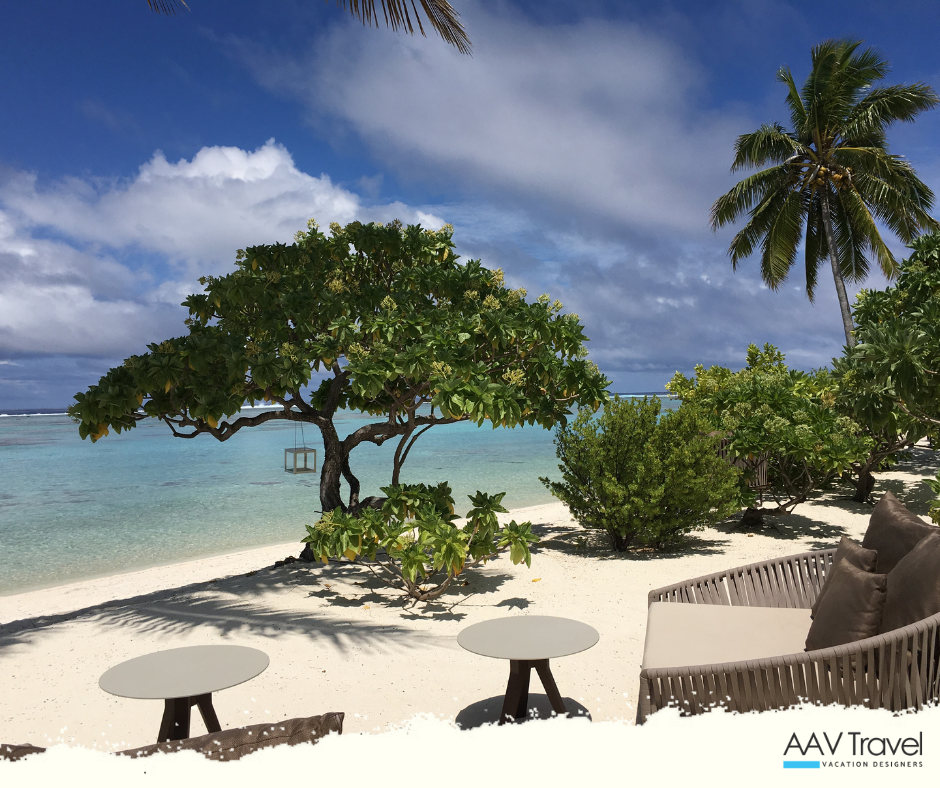
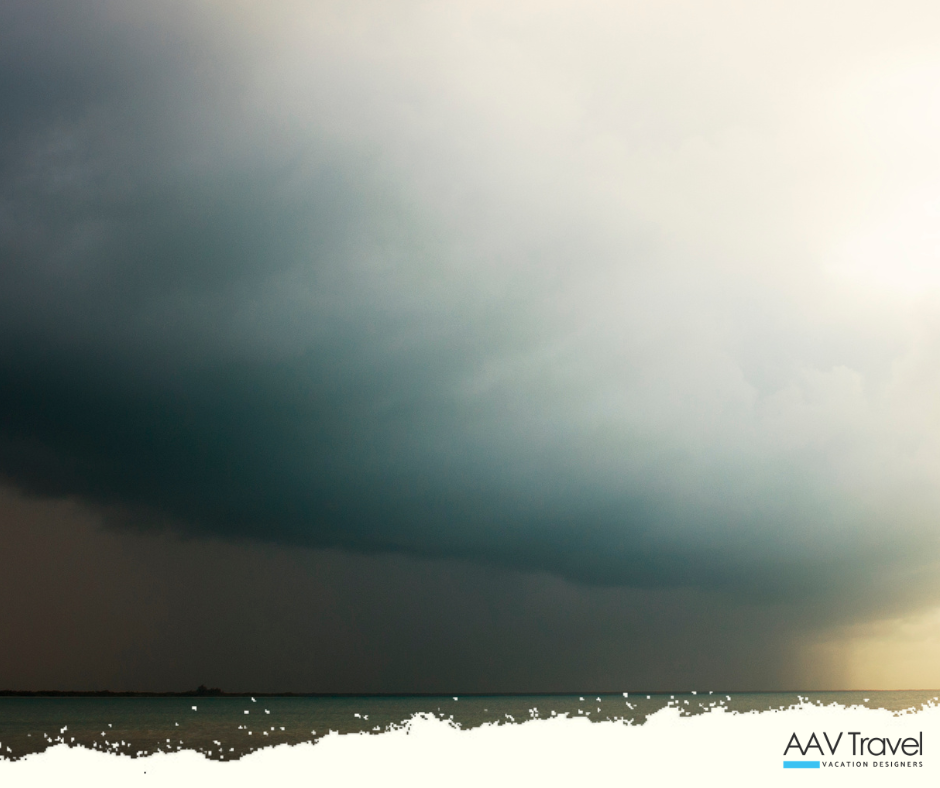
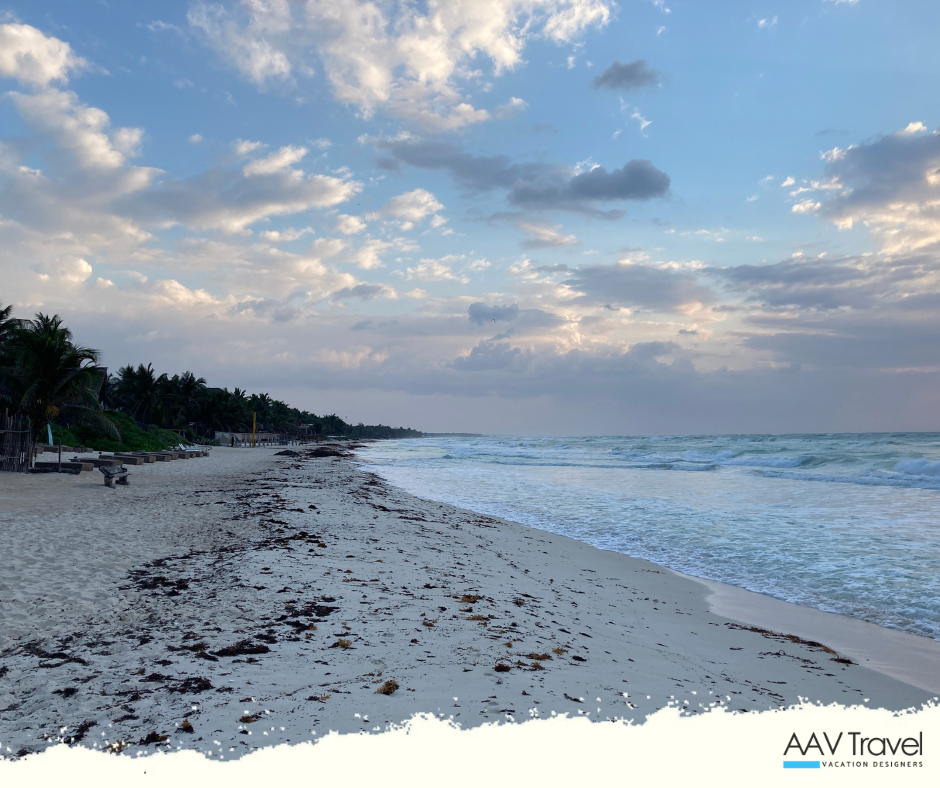
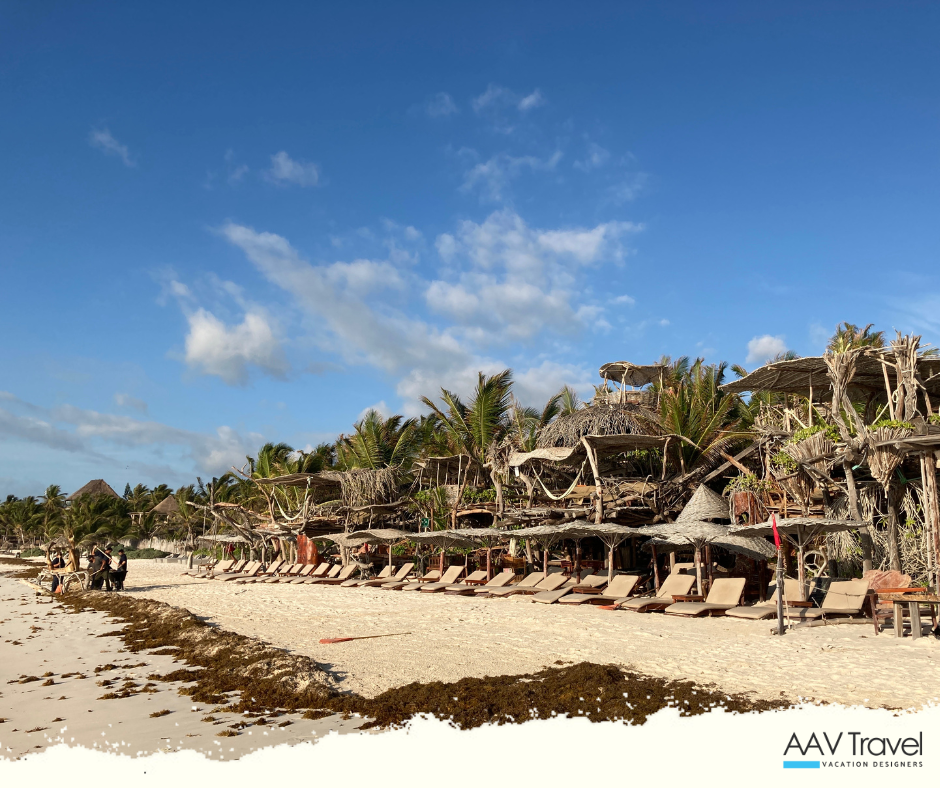
If you’re planning a beach escape to the U.S., Mexico, or the Caribbean, there’s one natural phenomenon you might want to know about—sargassum. While it can show up unexpectedly on beautiful shores, learning a little about it can turn potential frustration into informed appreciation.
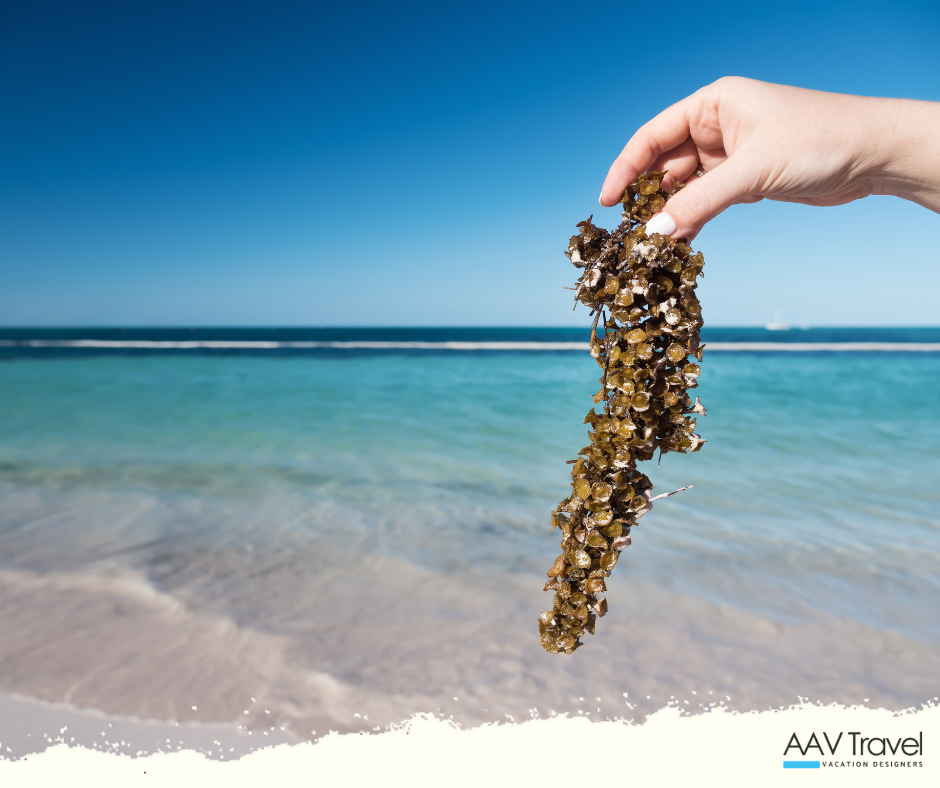
Sargassum is a type of floating brown macroalgae. Unlike seaweed that clings to the seabed, sargassum stays buoyant thanks to tiny gas-filled bulbs, or pneumatocysts, that look like grapes.
When it’s drifting offshore, this seaweed plays a vital ecological role. It’s a floating nursery—home to juvenile fish, crabs, invertebrates, and even sea turtles and sharks—all finding shelter and food within its mats. Scientists see these floating ecosystems as “essential fish habitat,” supporting valuable marine life.
Why Is It Suddenly Everywhere—and So Unpredictable?
Since around 2011, sargassum blooms have ramped up dramatically. The Great Atlantic Sargassum Belt—a vast swath stretching between West Africa and the Western Atlantic—is now visible even from space. In recent years, researchers have recorded record-breaking amounts, with tens of millions of tons drifting across the Atlantic.
Why such explosive growth? A combination of warmer seas, nutrient influxes—fed by river runoff and atmospheric nitrogen—and shifting ocean and wind patterns have given sargassum the perfect opportunity to thrive. Scientists also point to a tipping point triggered by altered atmospheric pressure since 2009, which has changed currents and pushed more sargassum into tropical waters.
What makes sargassum especially challenging for travelers is its sheer unpredictability. One beach might be pristine today, while a nearby one gets overwhelmed tomorrow—thanks to how currents, wind, and tides move these mats.
How Sargassum Affects Your Vacation
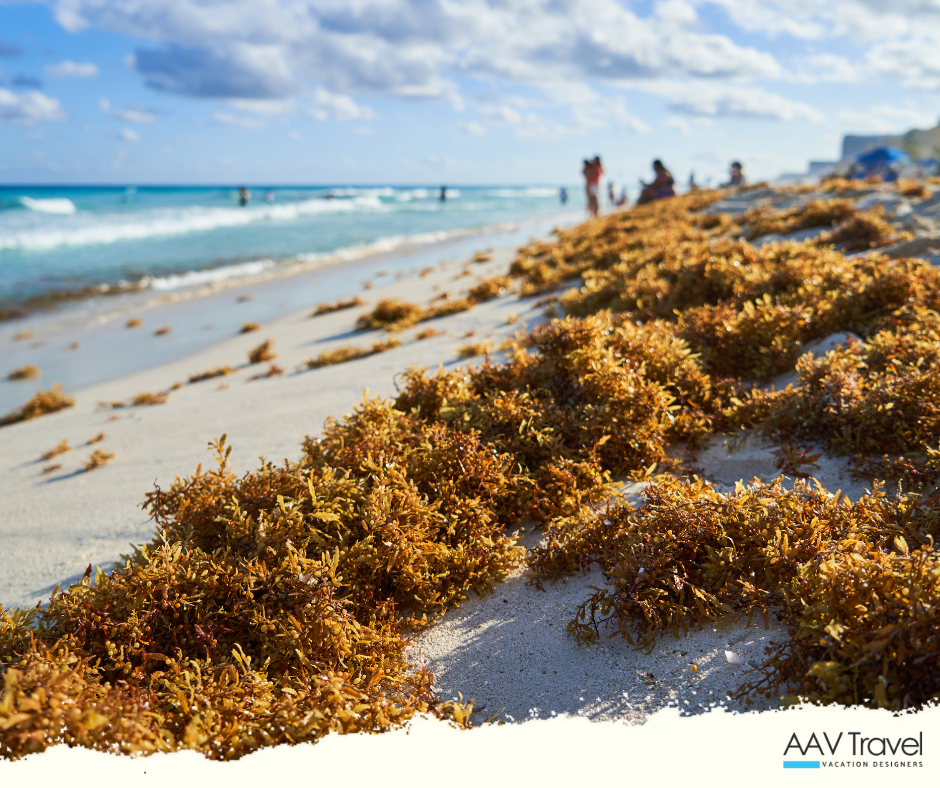
When sargassum drifts ashore in large quantities, it’s more than a visual nuisance:
It can release a strong, rotten-egg smell—thanks to hydrogen sulfide gas, which can irritate eyes and throats and even exacerbate asthma.
Decomposition can create oxygen-depleted zones, harming coral, seagrass, and marine life—and even causing fish kills.
It can clog infrastructure like water intakes and affect coastal ecosystems negatively.
There’s a potential health concern: decomposing sargassum can harbor harmful bacteria like Vibrio, which might cling to plastic debris entangled in the mats.
Communities report beach closures, disruption to tourism, and expensive cleanup operations.
Why It’s a Traveler’s “Fact of Life”
Simply put: sargassum is unpredictable—but persistent. It doesn’t follow schedules. The Mexican Caribbean—Cancún, Tulum, Playa del Carmen—has seen heavy influxes in recent years, with record amounts piling up along beaches. Florida, Puerto Rico, and areas across the eastern Caribbean have also been hit severely during peak seasons.
Because currents and weather shift constantly, no travel insurance or forecast can guarantee clean shores—but smart planning can make your trip smoother.
How to Make the Most of It—Smart, Savvy, and Sargassum-Aware
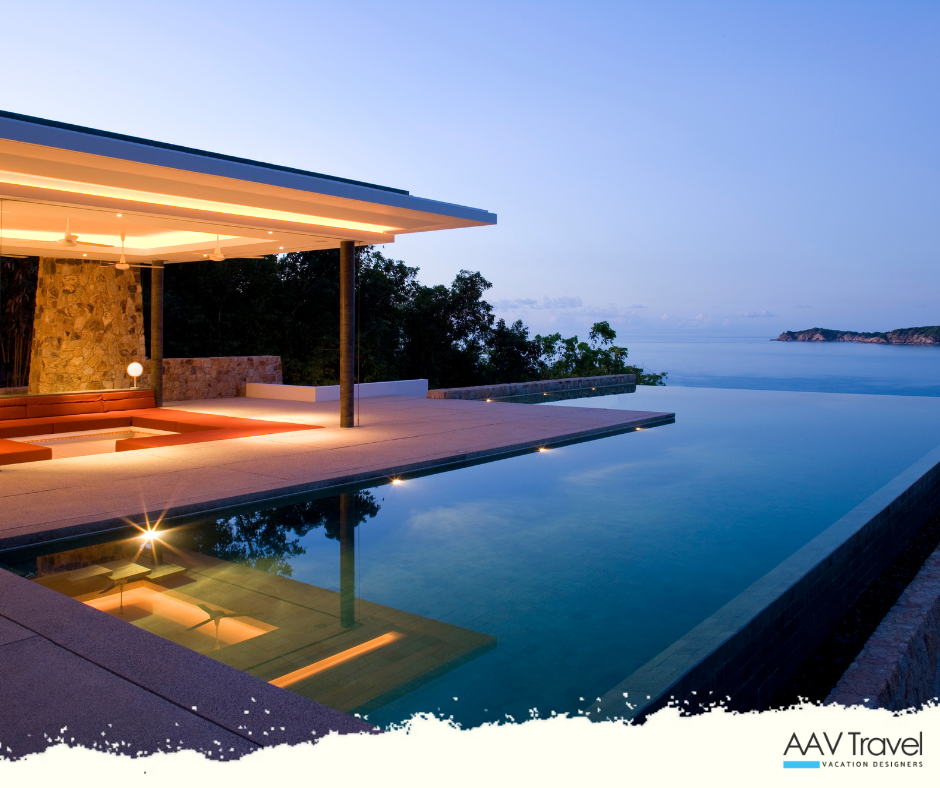
Lean on your resort’s resources High-end resorts often feature stunning infinity pools, private cabanas, and curated sun decks—allowing you to relax in style without ever noticing the sargassum.
Travel during lower-risk months While no season is immune, sargassum tends to peak between April and August—especially in the Mexican Caribbean—but patterns can vary.
Embrace alternative experiences Offshore snorkeling, boat trips, cenotes, inland culture, or spa days provide great options when beaches are affected.
Remember there’s good in sargassum too
It supports marine biodiversity and when harvested, can be repurposed into biofuel, compost, bioplastics, building materials, cosmetics, and more—though these solutions are still developing.
Take a soft, adaptable mindset Rather than seeing sargassum as a total shutdown, view your trip as a dynamic adventure. With a proactive mindset, you can still find warmth, beauty, and memorable moments.
Bottom Line
While sargassum may sometimes feel overwhelming, it’s important to understand that this natural occurrence is entirely outside of anyone’s control. What travelers can take comfort in, however, is the incredible dedication of local communities and resort staff. Day after day, teams rise early to clear beaches, maintain swimming areas, and create welcoming spaces for visitors to enjoy. Their ongoing efforts are a testament to how deeply these destinations value tourism and the guest experience. Recognizing this commitment helps travelers see beyond the seaweed and appreciate the warmth, hospitality, and pride that shine through in every stay.
And remember, sargassum may wash up, but it’s not the end of your beach dream. Understanding what it is, why it blooms unpredictably, and how to adapt can help your getaway stay sunny—no matter the seaweed situation. With flexibility, local knowledge, and open-mindedness, you can ride the waves of sargassum season and still score beach bliss.
Ready to embrace your next getaway with confidence—sargassum or not?To begin planning, contact us via email at info@aav-travel.com or visit the website. Written by: Stefanie P.
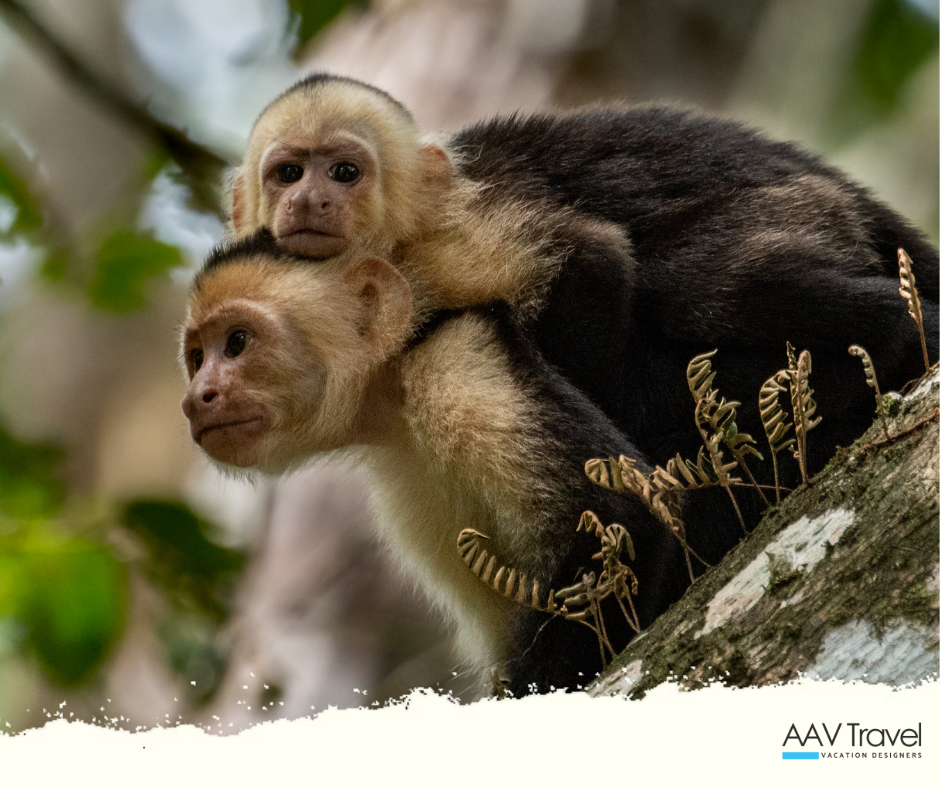
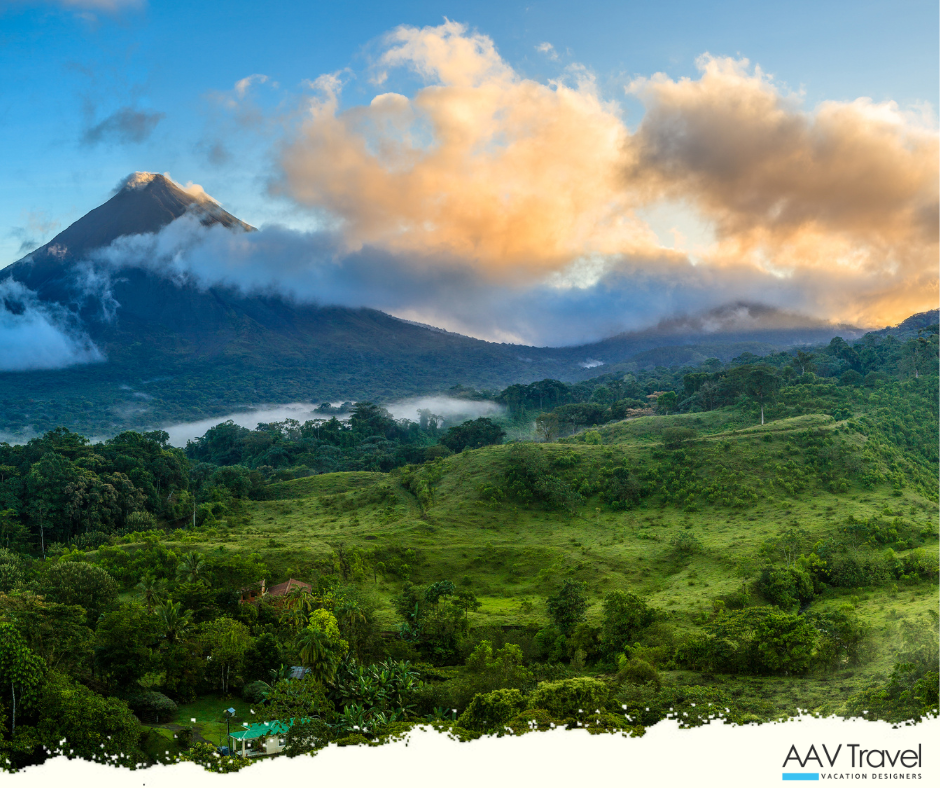
Costa Rica is a place where the senses awaken in the most extraordinary ways. The moment you arrive, it becomes clear that this small Central American country holds landscapes that feel far larger than its borders. Imagine mist drifting over emerald-green volcanoes at dawn, scarlet macaws flashing like jewels through the canopy, and the distant call of howler monkeys echoing through the rainforest. In Costa Rica, nature doesn’t simply surround you—it becomes part of your rhythm.
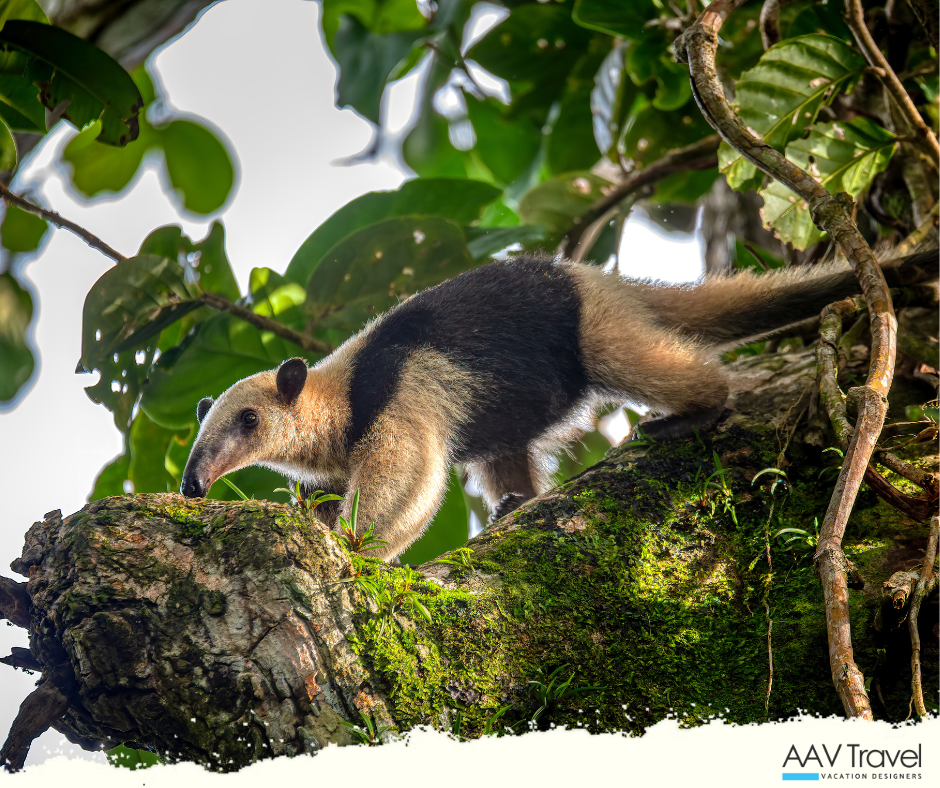
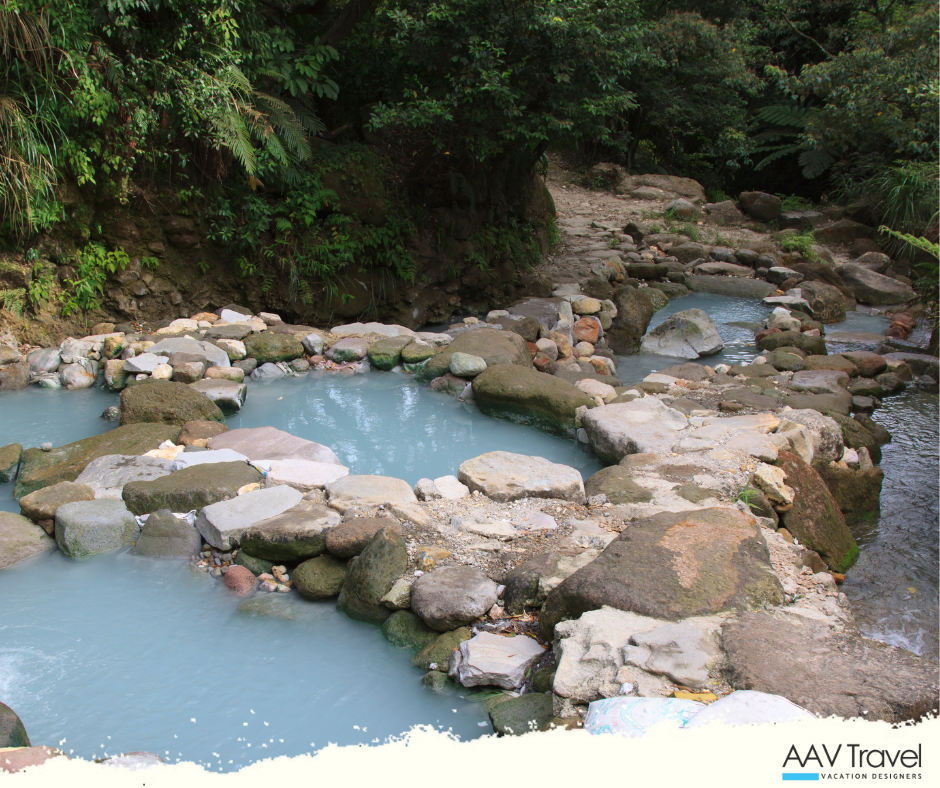
While the country is often celebrated for its stunning Pacific and Caribbean beaches, the magic of Costa Rica reaches far beyond its shoreline. Inland, cloud forests unveil carpets of orchids and ferns that thrive in the cool, misty air. Hot springs bubble at the base of ancient volcanoes, offering natural sanctuaries for relaxation. National parks protect extraordinary biodiversity: more than 500,000 species of plants and animals coexist here, from graceful sloths and elusive jaguars to tiny, vibrant poison-dart frogs. It’s no wonder Costa Rica is considered one of the most biodiverse places on Earth.
Travelers often arrive with visions of palm-fringed beaches and turquoise waves, yet what they discover is a country layered with opportunity for enrichment. One day may be spent horseback riding through a coffee plantation, the next gliding silently along a mangrove estuary as herons and crocodiles emerge at the water’s edge. Here, adventure and serenity are not opposites—they are two sides of the same experience.
Transforming Challenges into Seamless Travel
Still, with its wild beauty comes the reality of travel challenges. Roads can be winding, signage sparse, and weather conditions unpredictable. Language barriers and the sheer variety of options—from luxury eco-lodges hidden deep in the jungle to boutique villas on remote coasts—can make planning overwhelming. Even safety can feel like a question when navigating unfamiliar environments. Yet, these challenges are not deterrents—they are the very reason why thoughtful guidance matters. With experienced insight, they transform into opportunities for discovery, allowing travelers to focus solely on the richness of their journey.
The Psychology of Paradise
What makes Costa Rica so transformative isn’t just its landscapes or wildlife—it’s the way the country nurtures a deeper connection with life itself. Positive psychology teaches us that wellbeing is often rooted in awe, gratitude, and presence. In Costa Rica, awe is found in a quiet dawn kayak through misty canals, gratitude arises when sipping coffee brewed from beans grown just miles away, and presence flows naturally when watching the slow movements of a sloth or breathing in the scent of rain-soaked earth. The effect lingers long after returning home—Costa Rica has a way of reshaping perspective, offering not just memories but renewal.
The Beaches: Serenity and Private Escape
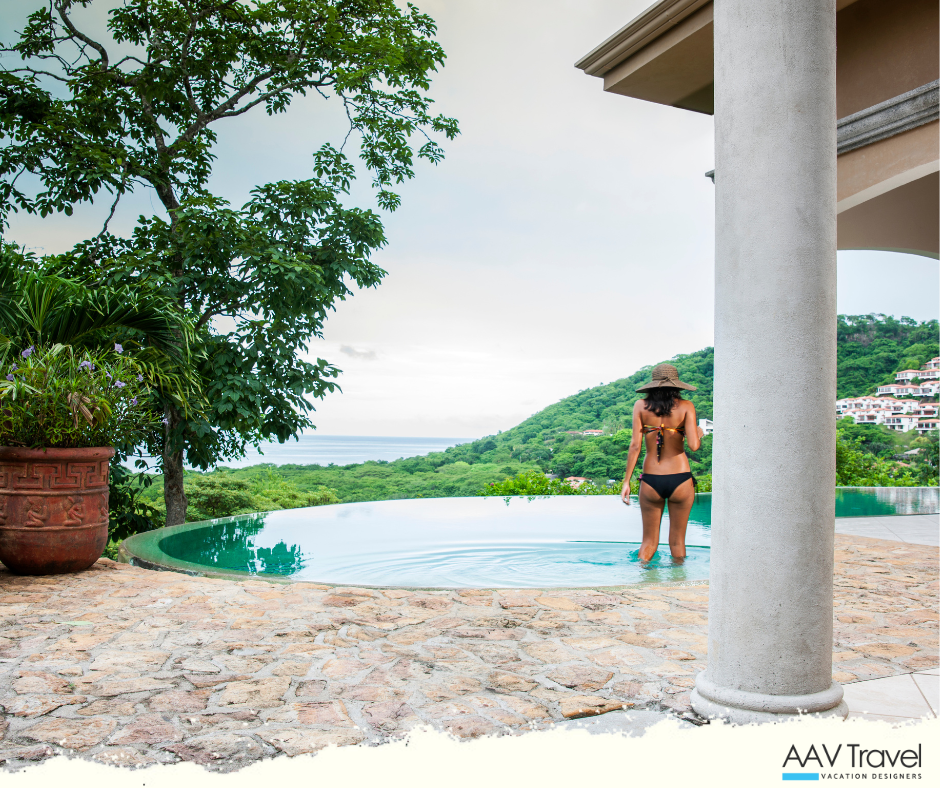
Costa Rica’s beaches are as diverse as they are breathtaking. On the Nicoya Peninsula, golden sands stretch into hidden coves where the only footprints may be your own. The Papagayo Peninsula, with its crescent bays and calm waters, offers discreet luxury, where villas and resorts merge seamlessly with the natural terrain. Here, tranquility reigns—perfect for those who want to disconnect, enjoy privacy, or sip champagne while watching the sun melt into the Pacific.
Private Adventures on the Coast
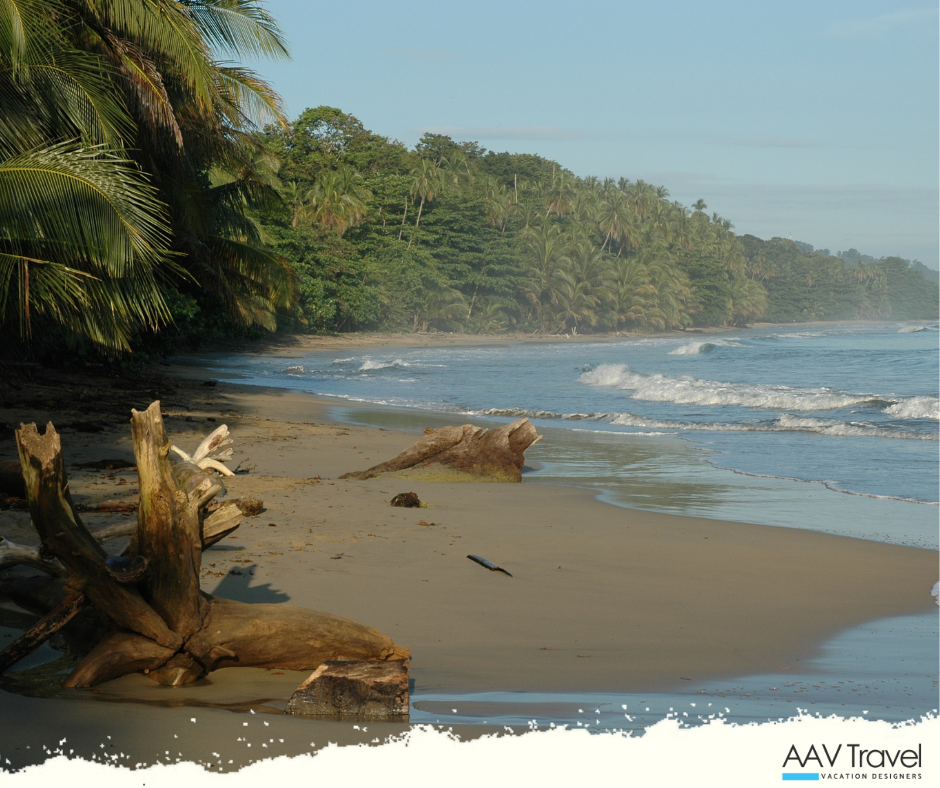
For those seeking a more active rhythm, Costa Rica’s coasts invite private adventures. Imagine a yacht charter to secluded islands, a surfing lesson with a world-class instructor, or snorkeling alongside vibrant schools of tropical fish. On the Caribbean side, life feels more rhythmic—beaches lined with coconut palms, Afro-Caribbean culture, and a slower pace that encourages deep relaxation. Whether Pacific or Caribbean, Costa Rica’s coasts embody luxury through choice: from barefoot simplicity to refined elegance, always framed by nature’s beauty.
Inland Wonders: Rainforests, Volcanoes, and Wellness
Journey inland, and the experience shifts. The air cools, the trees grow taller, and the world becomes hushed beneath the canopy. In Arenal, dramatic volcano views combine with natural hot springs that feel both indulgent and restorative. Wellness retreats here are more than a spa visit—they are full journeys of renewal. Yoga platforms perch high in the trees, treatments use local botanicals, and thermal waters soothe both body and mind.
The Central Valley offers a different rhythm, blending culture with coffee estates and art-filled towns. Meanwhile, in the Osa Peninsula, luxury comes in the form of remoteness—staying in an eco-lodge where mornings begin with toucans calling and evenings end with the lull of the ocean. These inland regions embody balance: they invite exploration during the day and promise restoration at night.
For the luxury traveler, Costa Rica’s inland opportunities align perfectly with the desire for immersion without sacrificing comfort. Whether it’s a private guided hike to spot rare wildlife, a helicopter ride over cloud forests, or an exclusive dinner under the stars, experiences here are curated for depth as much as delight.
Wellness and Spa Experiences in Nature
In Costa Rica, wellness isn’t confined to a treatment room—it’s woven into the environment itself. Imagine starting your morning on a yoga platform suspended among the treetops, the scent of fresh rain mingling with the soft hum of cicadas. The forest becomes your studio, the canopy your ceiling, and the distant call of toucans your soundtrack. These elevated spaces offer not just physical practice, but an immersion into a living, breathing world that calms the mind before the day has even begun.
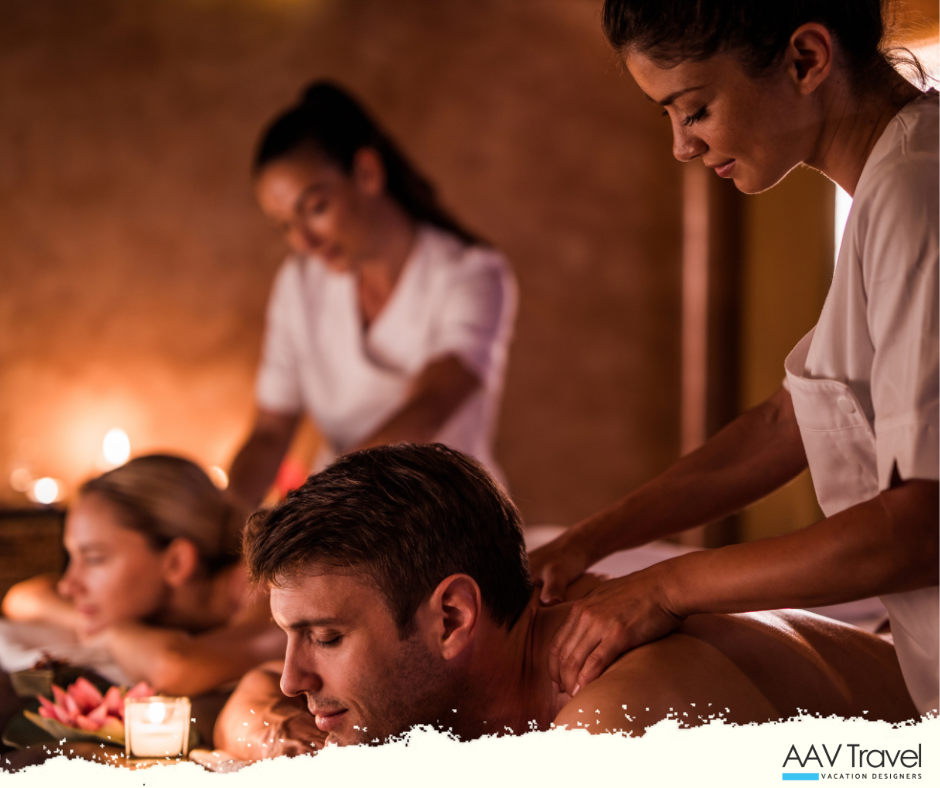
Local botanicals—cacao, volcanic clay, coffee, and tropical fruits—are often the heart of Costa Rican spa rituals. Treatments feel both luxurious and grounded, harnessing centuries-old traditions and the healing qualities of native plants. A volcanic clay wrap warms and nourishes the skin, a coffee scrub revitalizes circulation, and a cacao-infused massage leaves both body and spirit deeply renewed.
Thermal waters, heated naturally by the earth’s geothermal activity, provide yet another layer of relaxation. Nestled at the base of volcanoes like Arenal, these mineral-rich pools soothe tired muscles and quiet the mind. Whether in a private spring hidden within the jungle or a series of landscaped pools at a luxury resort, the experience is more than indulgent—it’s restorative, a connection to the land that feels both ancient and
A Journey of Harmony and Complexity
One of Costa Rica’s greatest luxuries lies in the balance between its coasts and its inland treasures. Along the Pacific and Caribbean shores, days unfold to the rhythm of the tides—morning swims in turquoise waters, lazy afternoons in a hammock, sunset dinners with the sound of waves as the only accompaniment. Inland, the mood changes: rainforest trails alive with bird calls, cool mountain air carrying the scent of orchids, and evenings spent beside volcanic hot springs. Together, these regions create a journey that flows between stillness and adventure, ocean breezes and forest mists.
Yet with such abundance comes complexity. The country’s microclimates can shift in a matter of hours, and reaching certain destinations may require a combination of flights, drives, and boat rides. Luxury properties can be hidden away, accessible only to those who know how to find them, and certain experiences—like private wildlife encounters or exclusive cultural tours—often require trusted introductions.
Why Expertise Matters in Costa Rica Luxury Travel
This is where local connections and insider access transform a trip. Knowing when to be on the Pacific for calm seas or in the cloud forest for the clearest views isn’t just a matter of luck—it’s the result of first-hand knowledge and relationships built over time. These connections open doors to the most exceptional stays, the most skilled guides, and moments that would otherwise remain out of reach. The result is a journey that feels both effortless and deeply personal, where every transition flows as naturally as Costa Rica’s landscapes themselves.
This is where the expertise of AAV Travel brings exceptional value. With first-hand experience and a network of trusted partners in Costa Rica, journeys are not just seamless—they are crafted with an understanding of both the country’s vast opportunities and its subtleties. The result is a journey where every detail enhances the experience, leaving travelers free to embrace the joy, beauty, and tranquility Costa Rica offers.
For those seeking a place where world-class comfort meets rainforest serenity, Costa Rica delivers in ways words can only begin to capture. It is a destination that speaks to the soul and rewards those who travel with intention.
When you’re ready to experience Costa Rica in its most effortless and enriching form, let us help you open the door to it! To begin planning, contact us via email at info@aav-travel.com or visit the website. Written by: Stefanie P.
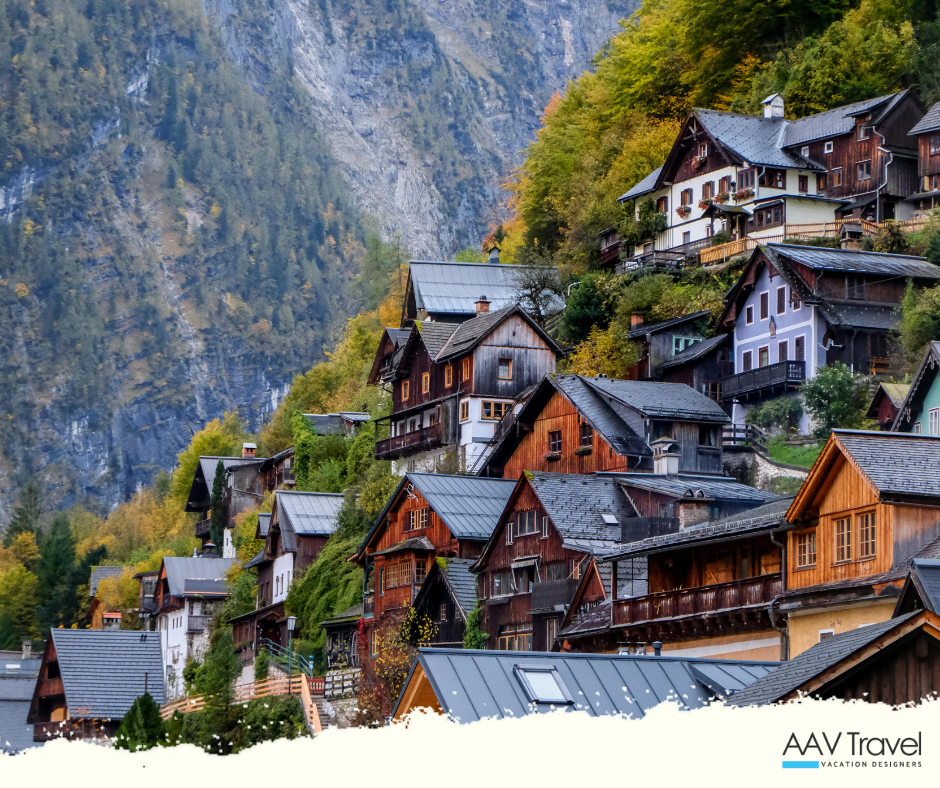
Austria is where mountains and meadows embrace timeless cities, where the scent of fresh-baked strudel mingles with crisp alpine air, and where wellness and culture are part of everyday life. From Vienna’s grand opera houses and imperial architecture to quiet alpine valleys alive with the sound of cowbells, Austria wraps you in experiences that touch every sense. Its landscapes inspire awe, its traditions connect you to centuries of artistry, and its cuisine invites you to slow down and savor life’s pleasures.
Here, nature restores, culture inspires, and food and wellness traditions remind you to be fully present in the moment. And when you choose to explore by road, the journey itself becomes part of the magic.
The Freedom of the Open Road
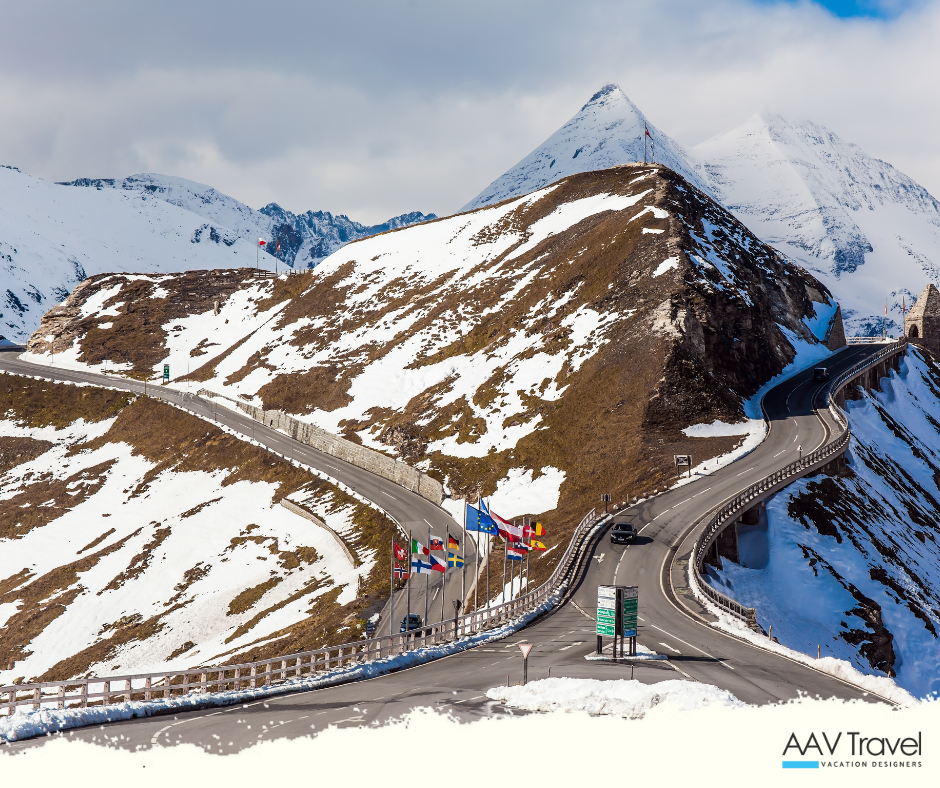
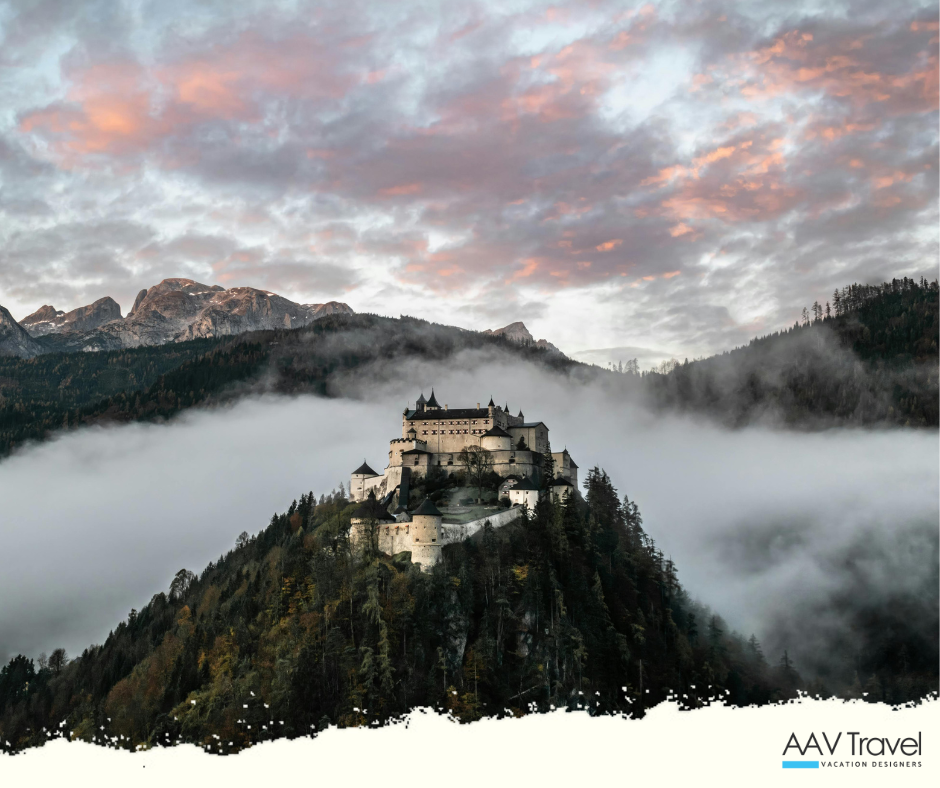
A road trip through Austria isn’t just about getting from A to B—it’s about the detours you never expected, the way the light shifts on the mountains in late afternoon, and the joy of stopping wherever curiosity strikes. The roads are part of the experience: winding passes that hug dramatic cliffs, gentle stretches through vineyard-dotted hills, and lakeside drives that make you slow down just to take it all in. You’re never far from a castle, a cozy café, or a thermal spa that’s been soothing travelers for centuries.
Wachau Valley: Wine & Apricots
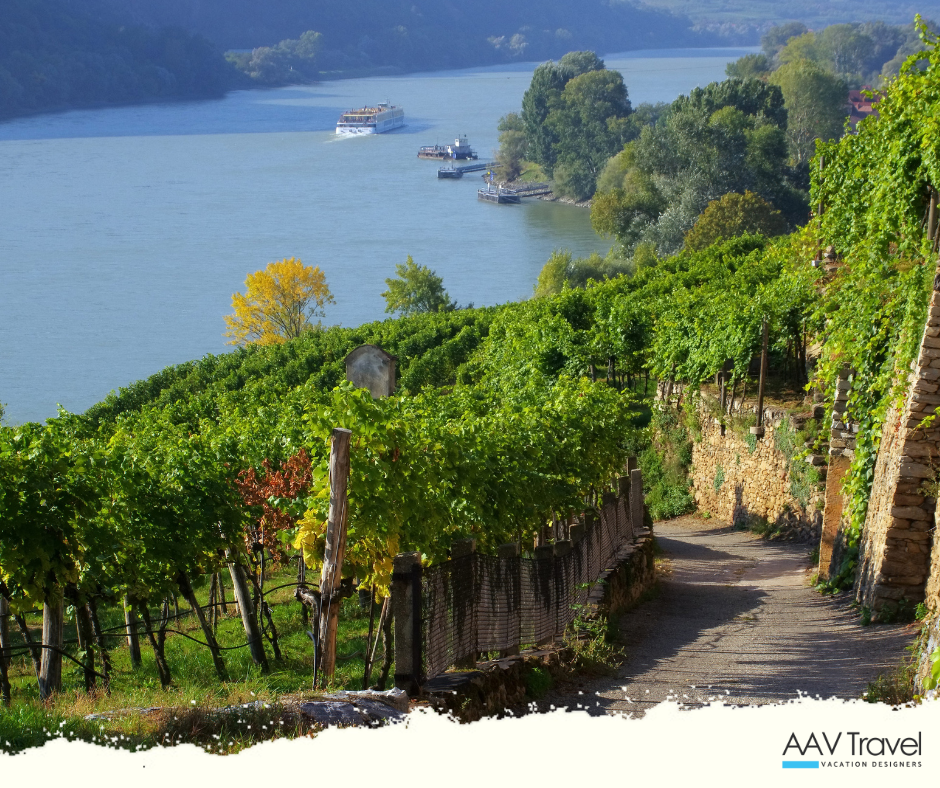
Cruise through the sun-kissed Wachau Valley along the Danube, where terraced vineyards produce the crisp, refreshing Grüner Veltliner Austria is famous for. Stop at a family-owned winery for a private tasting, then wander through apricot orchards whose fruit finds its way into everything from golden liqueurs to delicate pastries. Small towns like Dürnstein and Spitz greet you with pastel façades, cobblestone streets, and an irresistible sense of timelessness.
The Austrian Alps & Architectural Surprises
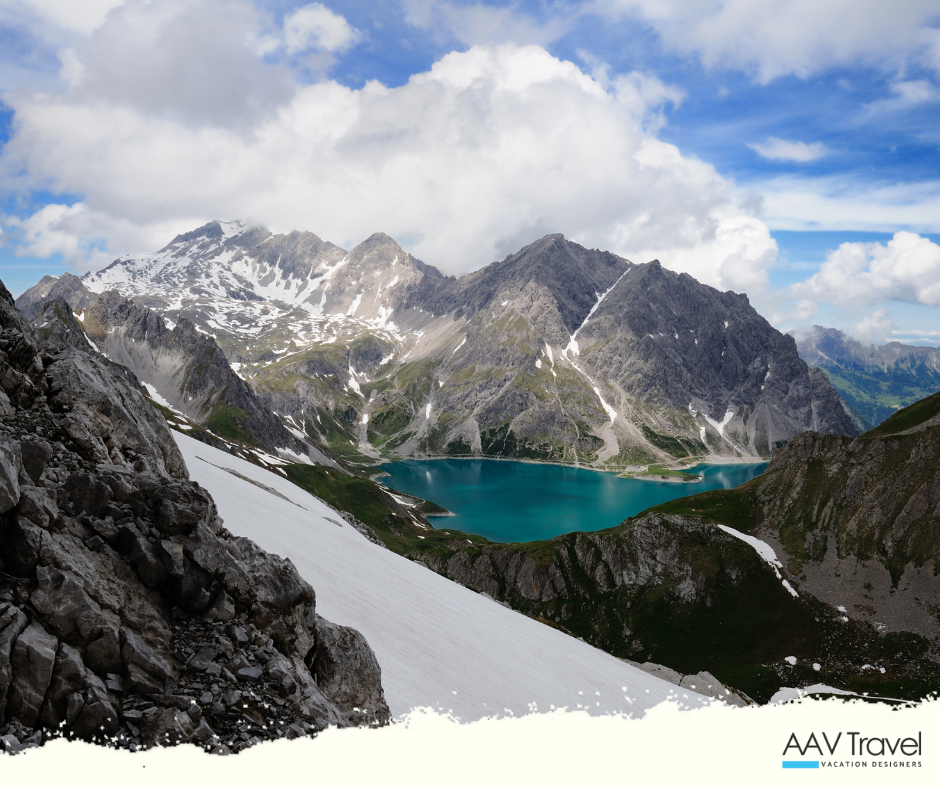
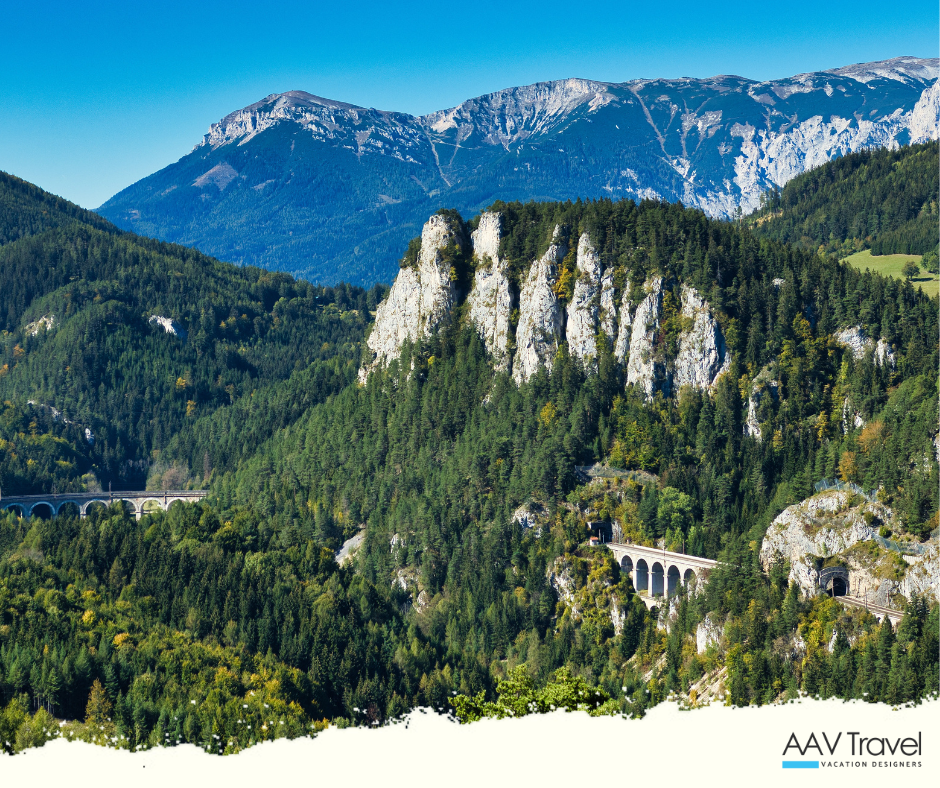
Driving into the high Alps feels like stepping into another world—towering peaks, storybook villages, and valleys where age-old traditions thrive. In Vorarlberg, you’ll find stunning contemporary wooden architecture that blends perfectly with the alpine backdrop. Break up your drive with a ride on the UNESCO-listed Semmering Railway, a short yet spectacular rail journey through breathtaking mountain scenery.
Wellness as a Way of Life
Austria’s spa culture is legendary, with centuries-old traditions meeting sleek modern design. In Bad Gastein, soak in thermal waters beneath Belle Époque ceilings, or indulge in a panoramic infinity pool at a luxury alpine wellness resort.
Unlike in the U.S., these experiences are often surprisingly affordable—a full-day pass to a world-class thermal complex can cost less than a single 60-minute massage at a luxury American resort, and many upscale alpine hotels include extensive spa access right in the room rate. Whether it’s a mid-day stop or the reward at day’s end, spa visits here are an art form in relaxation.
A Taste of Austria
Your culinary journey will take you from refined Michelin-starred restaurants in Vienna and Salzburg to rustic alpine huts serving Kaiserschmarrn—those fluffy, caramelized pancake shreds dusted with powdered sugar. Along the way, taste pumpkin seed oil from Styria, freshly caught fish from crystal-clear lakes, and pastries so delicate they’re almost too beautiful to eat. Almost.
Traditions that Bring Your Journey Alive
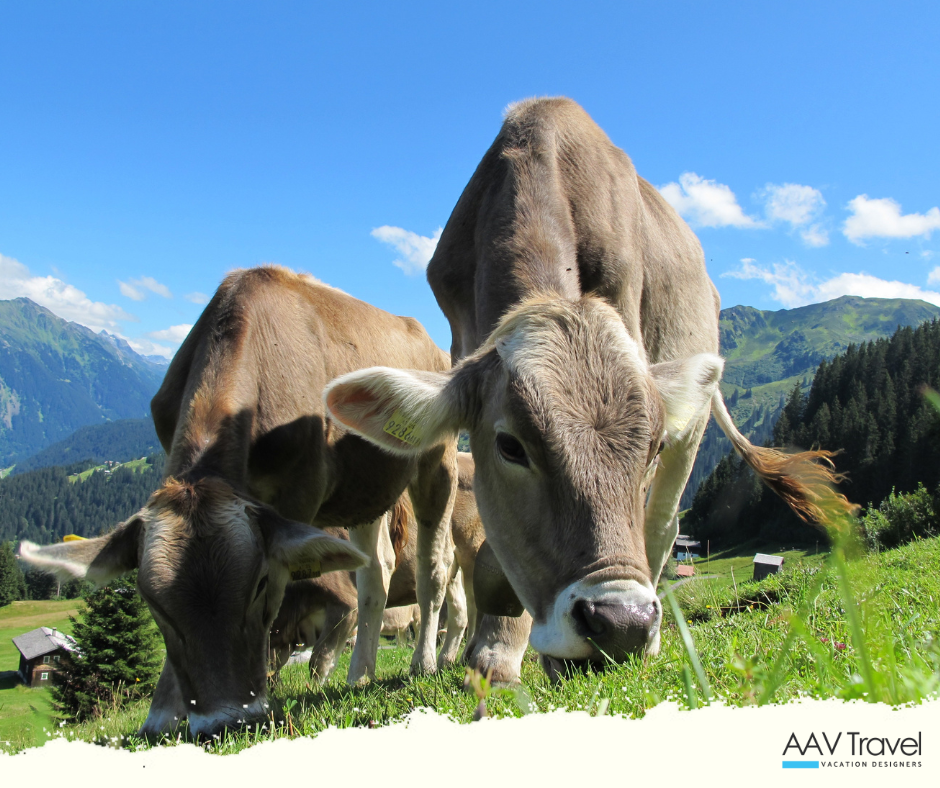
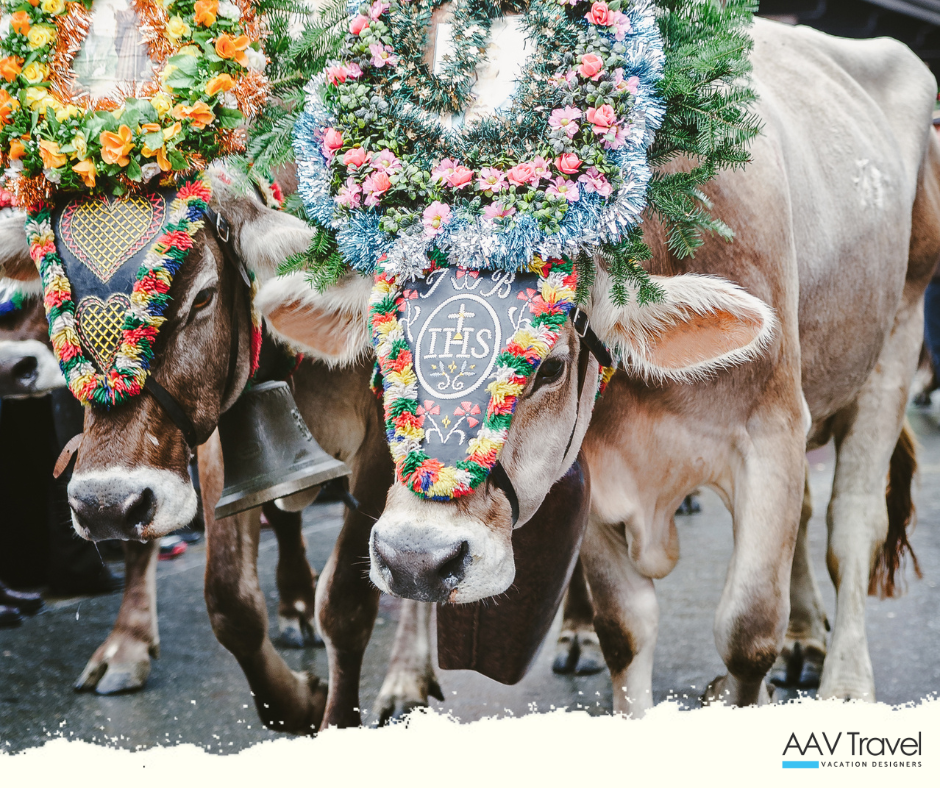
Time your trip right and you might find yourself at the Almabtrieb, when cows come down from summer pastures wearing elaborate floral crowns, or the Krampus parades in winter, where mischievous masked figures weave through snow-dusted streets. These celebrations offer a window into Austria’s heart—colorful, joyful, and deeply rooted in the land.
Driving in Any Season
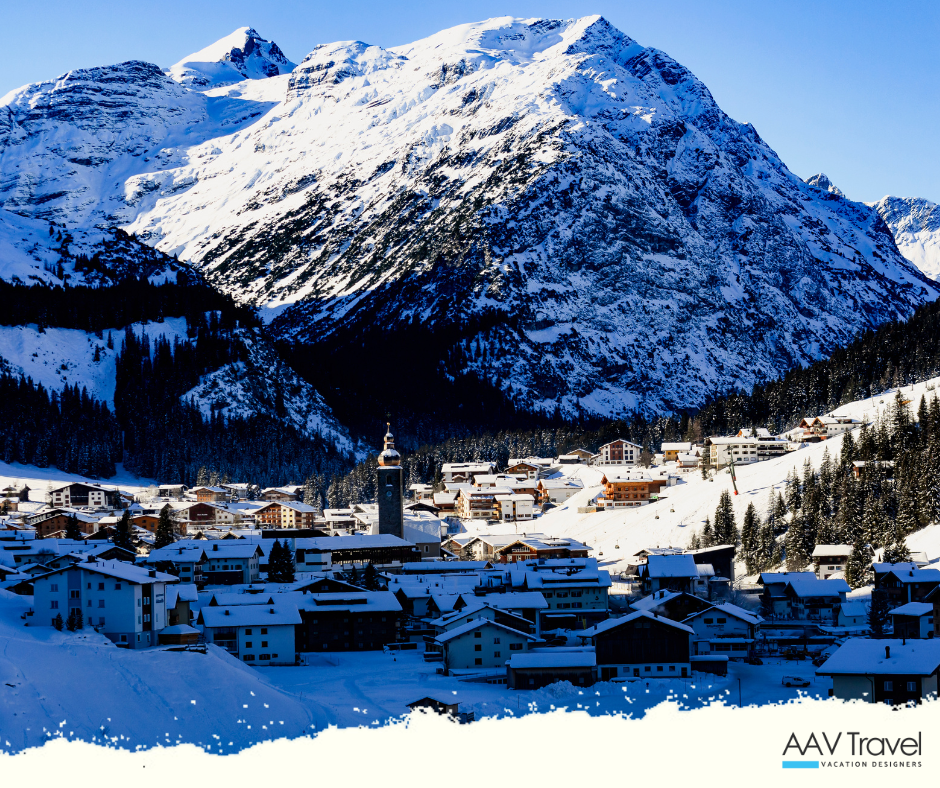
Austria’s roads are a dream to drive—smooth, well-marked, and maintained year-round. In summer, high alpine passes like the Grossglockner reward you with sweeping views and endless hiking trails. In winter, those same routes become gateways to world-class ski resorts and cozy mountain villages.
How Long to Stay
To truly appreciate Austria’s variety—cultural cities, alpine adventures, wine country, and wellness retreats—plan on 10 to 14 days. That way, you can travel at a relaxed pace, with plenty of time for spontaneous discoveries and meaningful connections. Lingering longer supports Austria’s small businesses, from family-run inns and wineries to artisan workshops, ensuring your journey leaves a positive mark on the communities you visit.
AAV Travel’s Signature Road Trip Experience
When you travel with AAV Travel, every detail is handled so your focus stays where it belongs, on discovery and delight. We pair you with luxury accommodations that fit your style, from lakeside icons like Schloss Fuschl,to mountainside gems like Tennerhof, with its gourmet dining, lush gardens, and pool with a view. Your premium rental car, complete with full roadside support, is ready and waiting. Dinner reservations, private wine tastings, and even after-hours museum tours are arranged seamlessly.
Picture this: ending your drive with a glass of wine on your balcony overlooking the Alps, or walking into a thermal spa where your private treatment suite is already prepared.
And if you’d rather not drive? Austria’s exceptional train network and private transfers make it easy to explore in equal comfort. Glide between cities by high-speed rail or let a private driver whisk you through alpine passes, freeing you to simply watch the scenery unfold.
Why now is the Perfect time
With firsthand experience and a trusted network of Austrian partners, AAV Travel designs trips that immerse you in the country’s most rewarding moments. The best accommodations and festivals book quickly—especially in the height of summer or during the festive winter season—so planning ahead ensures you won’t miss a thing.
Austria is a place where the road itself becomes part of the destination—where each bend reveals beauty, and every stop feels like it was waiting just for you. For travelers who value both adventure and elegance, this is the kind of journey that stays with you long after you’ve unpacked.
To start planning, contact us via email at info@aav-travel.com or visit the website. Written by: Stefanie P.
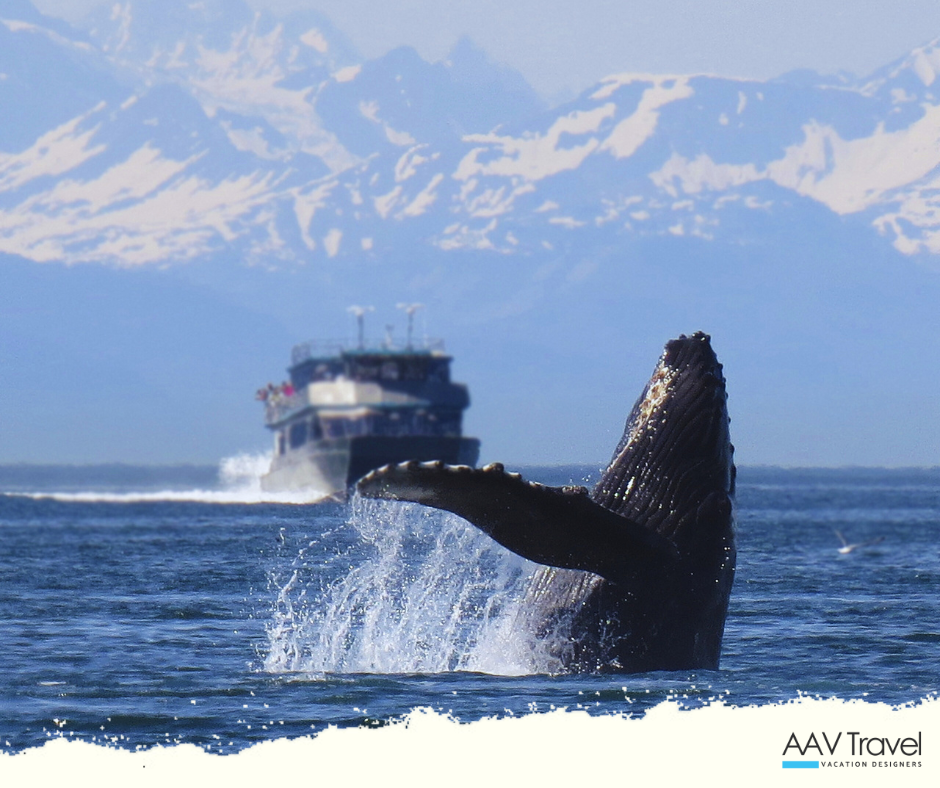
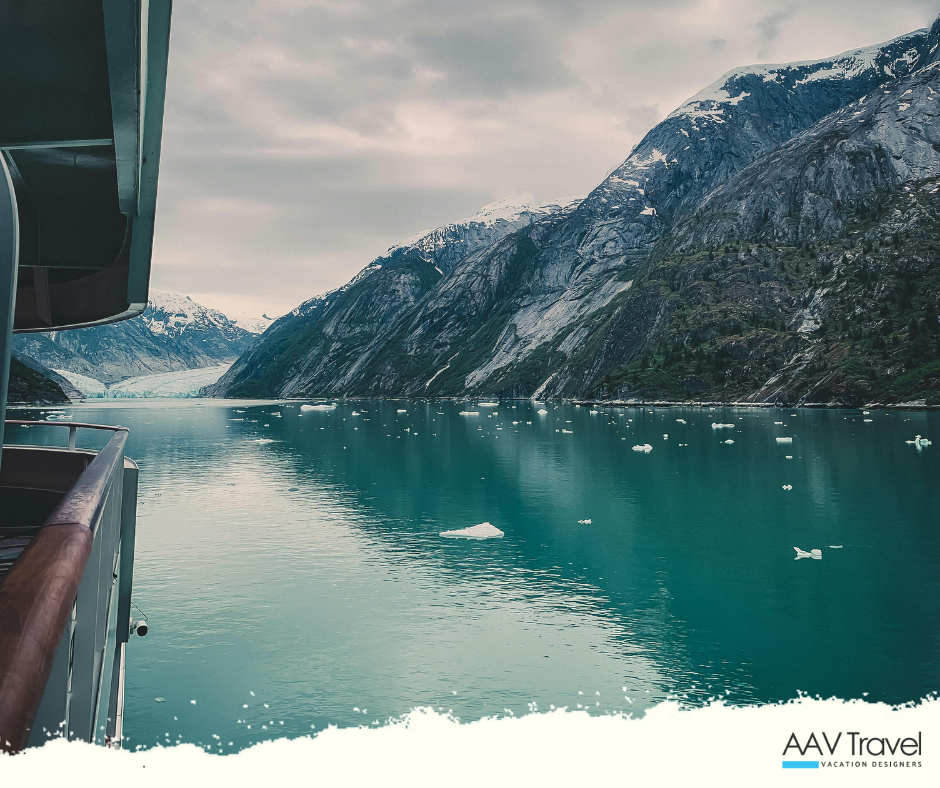
Imagine waking to the sound of a glacier calving, spotting a humpback breach just off your balcony, or stepping into a small harbor few have ever set foot in. With Alaska, the season you sail makes all the difference—it decides the wildlife you’ll encounter, the landscapes you’ll explore, and the rhythm of your days at sea.
Alaska speaks to something deep within us—a profound sense of wonder, peace, and connection to nature that nourishes the soul.
Choosing Your Perfect Season
Alaska’s cruise season runs from late April to early October, and each month offers a distinct flavor of adventure. The “best time” depends on what speaks to you most—whether it’s dramatic landscapes, wildlife spectacles, cultural festivals, or simply the type of light and color you want to see.
Late April – May: Early Season Serenity
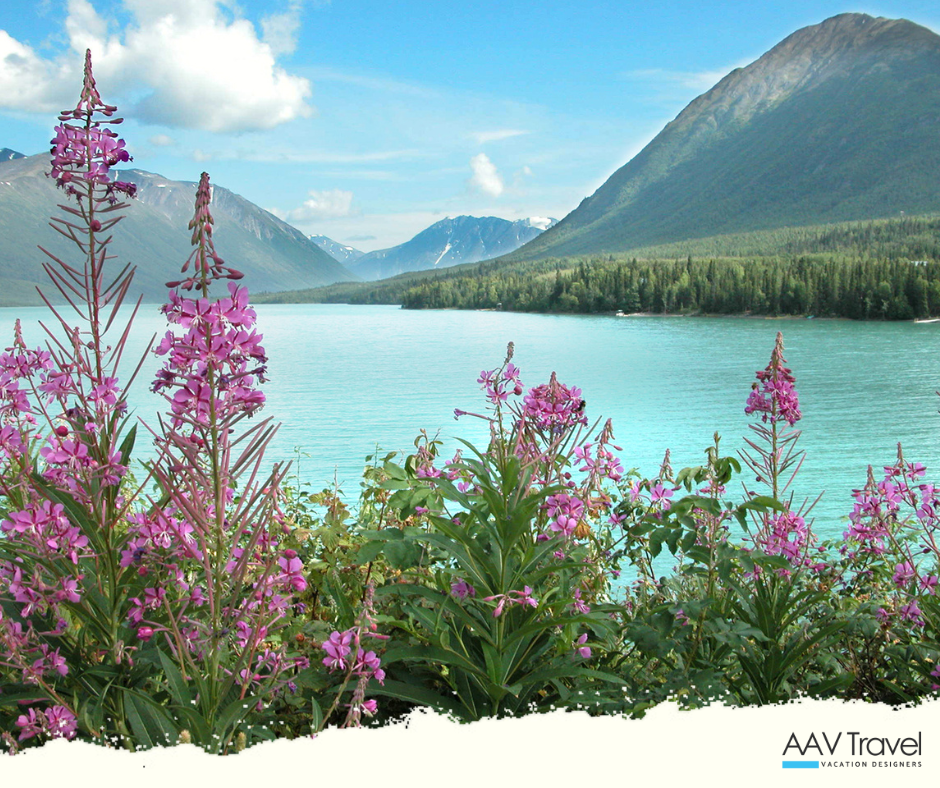
The season opens with fewer crowds, fresh snow still clinging to mountain peaks, and crisp air that carries the scent of cedar and salt. Spring blooms begin to appear, and wildlife emerges from winter—whales migrate north, and bears venture from hibernation. You’ll find excellent pricing compared to peak months, and the quietness of the ports can feel like a private invitation into Alaska’s wild beauty.
Who will enjoy it? The Quiet Connoisseur – You savor moments when the world feels untouched and unhurried. You prefer to explore without the hum of crowds, appreciating the stillness of a snowcapped landscape and the thrill of being among the first to witness spring’s awakening. Your idea of luxury is exclusivity—having space, peace, and the sense that Alaska is revealing itself just for you.
June: The Sweet Spot
Days stretch long under the midnight sun, giving you maximum time for excursions. June offers lush green landscapes, active wildlife, and excellent visibility for glacier viewing. Salmon runs begin in some areas, and the weather is generally warmer and drier than earlier months, making it a popular choice for travelers seeking both comfort and adventure.
Who will enjoy it? The All-Around Adventurer– You love a well-rounded journey where every day is a blend of activity and indulgence. You seek warm, comfortable weather, long days for extended excursions, and abundant wildlife sightings—without sacrificing time for a glass of champagne on your private balcony. You value both comfort and immersion, preferring the “sweet spot” where nature and ease align.
July – August: High Season Splendor
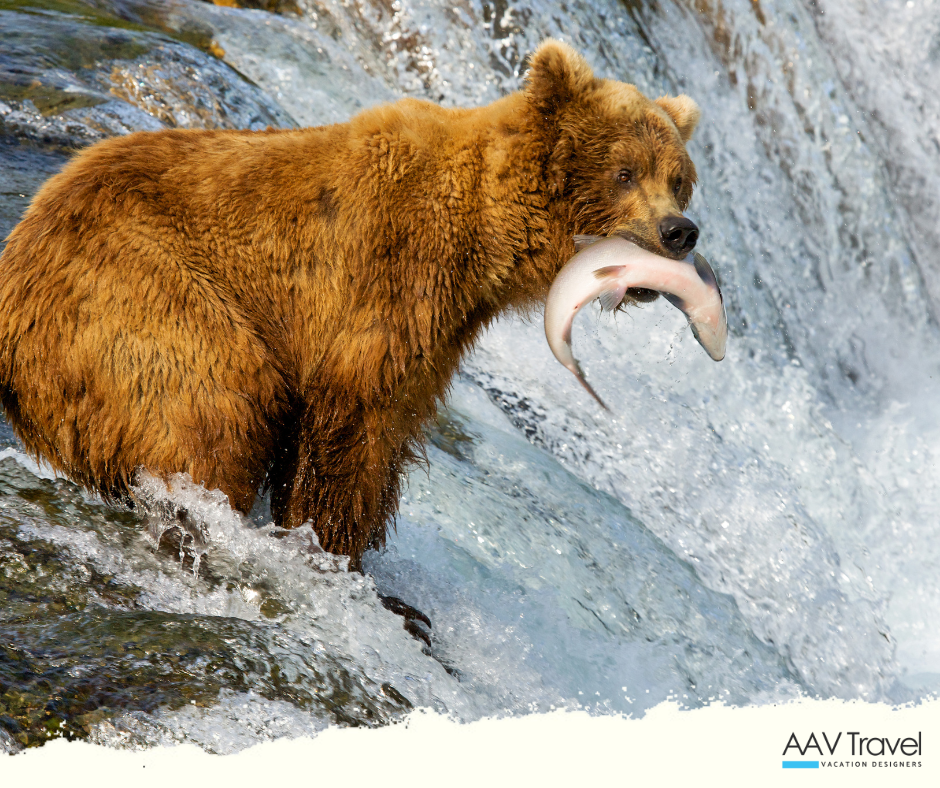
These months bring the warmest temperatures, peak wildlife activity, and vibrant festivals in port towns. Bears are often spotted fishing for salmon, humpback whales are in full feeding mode, and the fjords are alive with bird colonies. The trade-off for this abundance is busier ports and higher pricing, but for many luxury travelers, the richness of experiences outweighs the crowds—especially aboard small ships that avoid the largest docking areas.
Who will enjoy it? The Social Enthusiast– You thrive on energy, vibrancy, and the buzz of peak season. You enjoy meeting fellow travelers who share your curiosity and love for adventure, attending lively local festivals, and experiencing nature in its most abundant form. For you, luxury is about being in the heart of the action—front-row seats to Alaska’s grandest wildlife spectacles and cultural events.
September – Early October: Autumn Glow and Dramatic Farewells
Fall’s arrival transforms the landscapes into a canvas of gold, orange, and crimson. The air turns crisp, the first snow dusts the mountains, and wildlife activity remains high as animals prepare for winter. Late-season cruises often come with fewer crowds, a more relaxed pace, and the chance to witness the Northern Lights in Alaska’s darker skies. Weather can be more unpredictable, but the trade-off is a serene, almost private Alaska.
Who will enjoy it? The Romantic Dreamer – You’re drawn to rich colors, dramatic skies, and the quiet magic of a place winding down for the season. You don’t mind a touch of unpredictability if it means fewer crowds and the chance to see the Northern Lights. Your style of luxury is moody, intimate, and atmospheric—an Alaska that feels more like a private retreat than a cruise itinerary.
Big Ship Glamour vs. Small Ship Adventure: Choosing Your Alaska Cruise Style
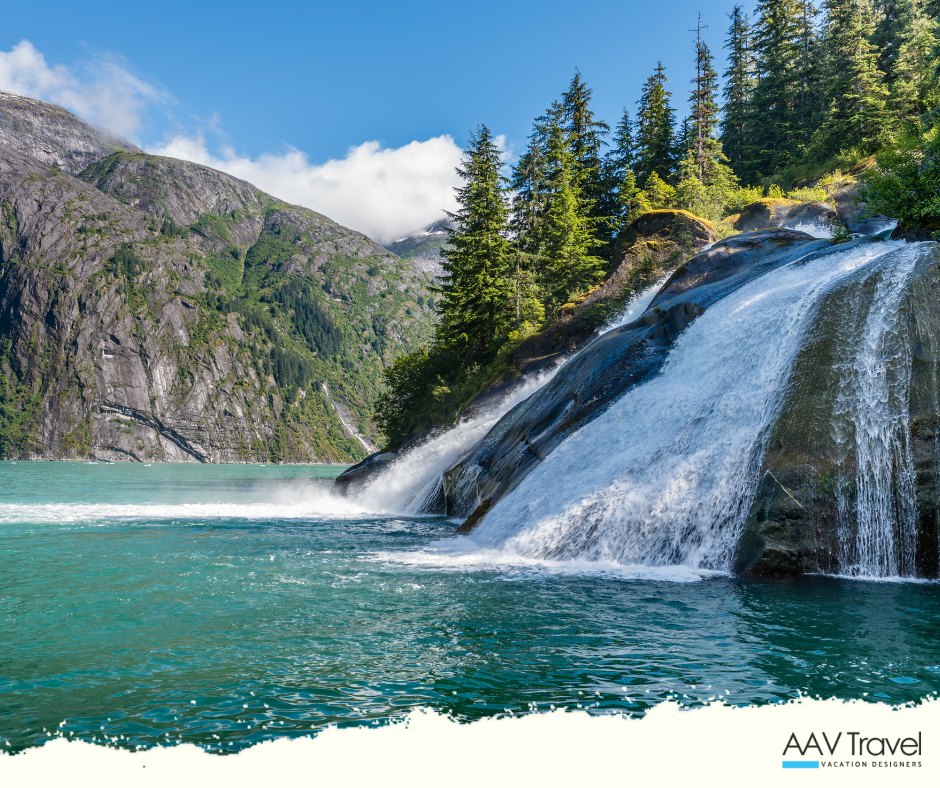
When deciding between a larger luxury cruise ship and a smaller expedition-style vessel for your Alaska journey, it comes down to the kind of experience you’re seeking. Larger ships, such as those from Celebrity or Silversea, offer an impressive array of amenities—think multiple dining venues, full spas, entertainment lounges, and spacious suites with private verandas. They often deliver a seamless, pampered experience with a high staff-to-guest ratio and curated shore excursions. However, due to their size, they are limited to the more commonly visited ports and can’t access some of Alaska’s most remote or intimate locations.
Smaller ships, like those operated by Ponant or Windstar, offer a more immersive and adventurous approach. With fewer guests on board, these vessels can enter narrow fjords, anchor near hidden coves, and dock in lesser-known towns—delivering a more personal, close-to-nature experience. That said, onboard offerings may be more limited, and motion at sea can be slightly more noticeable.
Travelers drawn to hands-on exploration, such as kayaking among icebergs, hiking with naturalist guides, or wildlife-watching from a Zodiac, may gravitate toward expedition-focused lines like HX Expeditions or UnCruise Adventures, where every day is designed to get you off the ship and into Alaska’s wild spaces. These ships are perfect for those who value active engagement and a deep connection with the environment over onboard formality.
Traveling Responsibly in Alaska
Alaska’s beauty is more than scenery—it’s a living, breathing wilderness that sustains communities, wildlife, and cultures that have thrived here for generations. Yet this delicate balance can be easily disrupted. Traveling mindfully isn’t just a courtesy; it’s a responsibility that ensures these pristine landscapes, wild creatures, and vibrant traditions remain intact for those who follow. Choosing locally guided excursions keeps traditions alive and supports the people who call Alaska home. Staying on marked trails protects fragile ecosystems that can take decades to recover from damage. Respectful wildlife viewing allows animals to live without fear or stress, preserving the very magic you came to see. Even small steps, like using reusable items, protect Alaska’s waters and shorelines from pollution. When you travel with awareness, you become part of the effort to keep Alaska wild, authentic, and awe-inspiring—for today, and for generations to come.
Why Thoughtful Planning Elevates the Experience
Alaska invites you to slow down, to be fully present in moments of breathtaking beauty, and to feel a renewed appreciation for the world’s raw, untamed places. Whether it’s the exhilaration of witnessing wildlife up close or the quiet serenity of a misty fjord at dawn, Alaska awakens feelings of awe and gratitude that stay with you long after you’ve returned home. This is more than a journey—it’s a transformative experience that uplifts your spirit and creates lasting memories of joy and discovery.
A luxury Alaska cruise isn’t simply a vacation—it’s an orchestration of moments, each one enhanced by choosing the right ship, the right time, and the right itinerary. For small-ship voyages especially, early planning is essential, as limited cabins often sell out over a year in advance.
Working with an AAV Travel Advisor ensures every detail is curated for you, from selecting the perfect sailing date to arranging exclusive shore experiences that match your interests. Your journey will be designed with intention, allowing you to step aboard knowing that every element has been handled seamlessly.
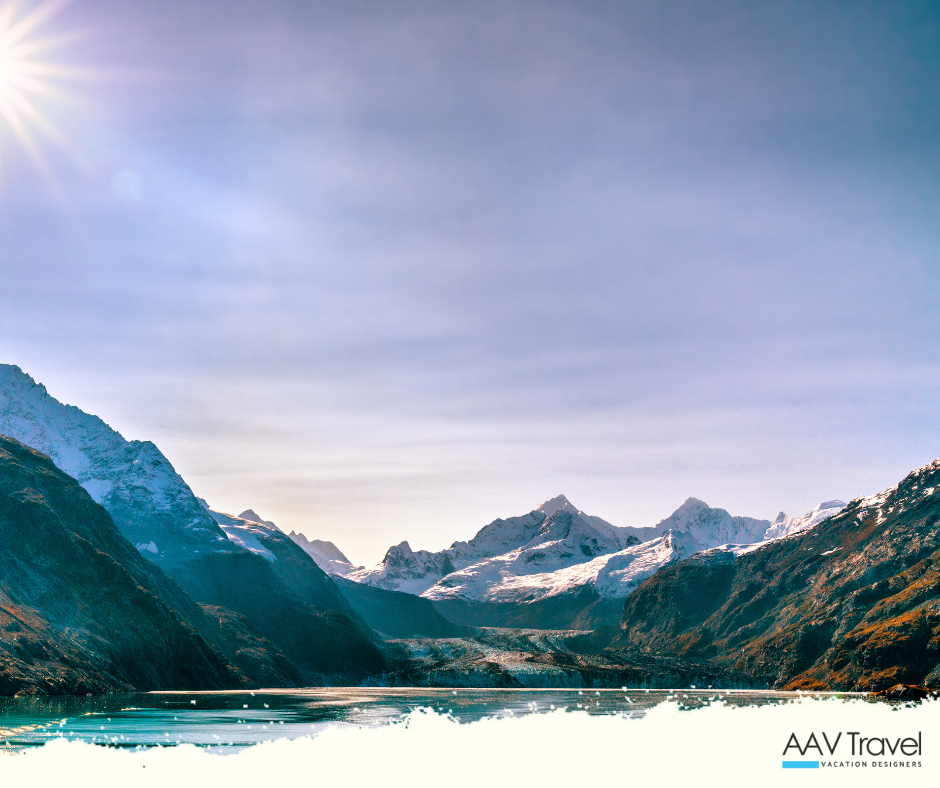
Whether you’re seeking the grandeur of a glacier calving into turquoise waters, the thrill of spotting a breaching whale, or the quiet magic of a secluded inlet at sunset, Alaska offers moments that stay with you forever. By planning early and choosing a sailing that reflects your style—be it a larger luxury liner with full-scale amenities or an intimate expedition vessel—you set the stage for an extraordinary adventure that is both indulgent and deeply authentic.
To start planning, contact us via email at info@aav-travel.com or visit the website. Written by: Stefanie P.





















_7810_1_ce34b590af75324493e41672d3c7509e.jpg)



 AAV Explorations