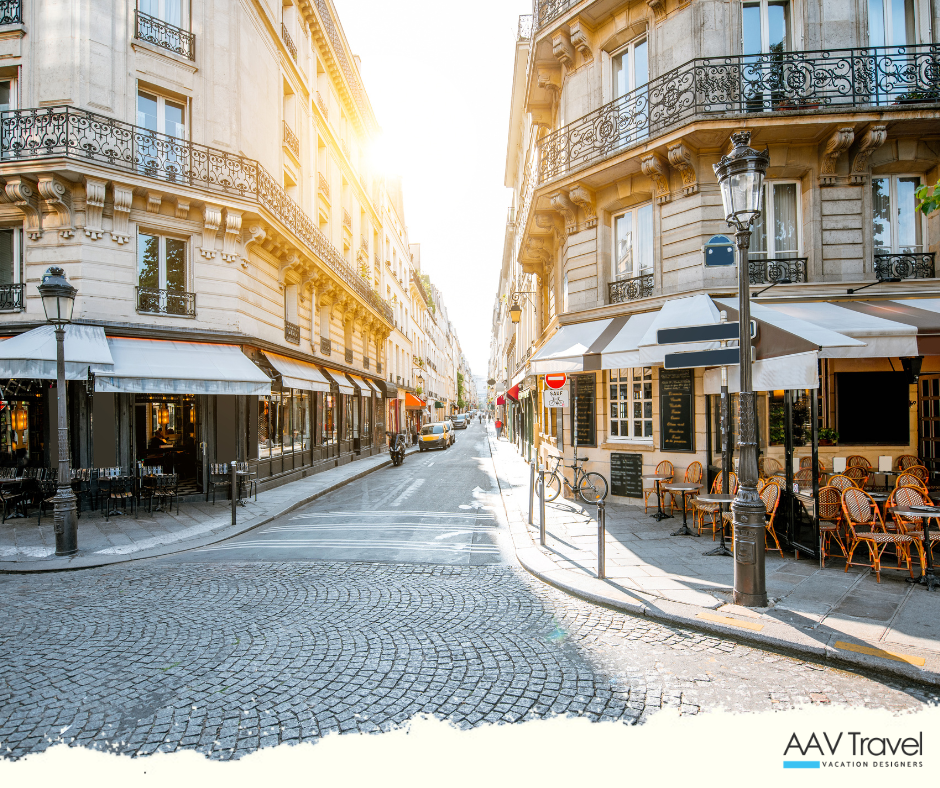
The Sweetest Season. Why Easter in Europe Is a Connoisseur’s Window

A Season That Reveals Character

There is a particular kind of traveler who understands that desserts are rarely just desserts. They are memory and ritual, regional pride and inherited technique. They are proof that a culture still values patience, craft, and seasonality. For those who pay attention to these details, Easter in Europe can be one of the most rewarding times of year to travel. Not because it is flashy or loud, but because it is subtle and deeply rooted.
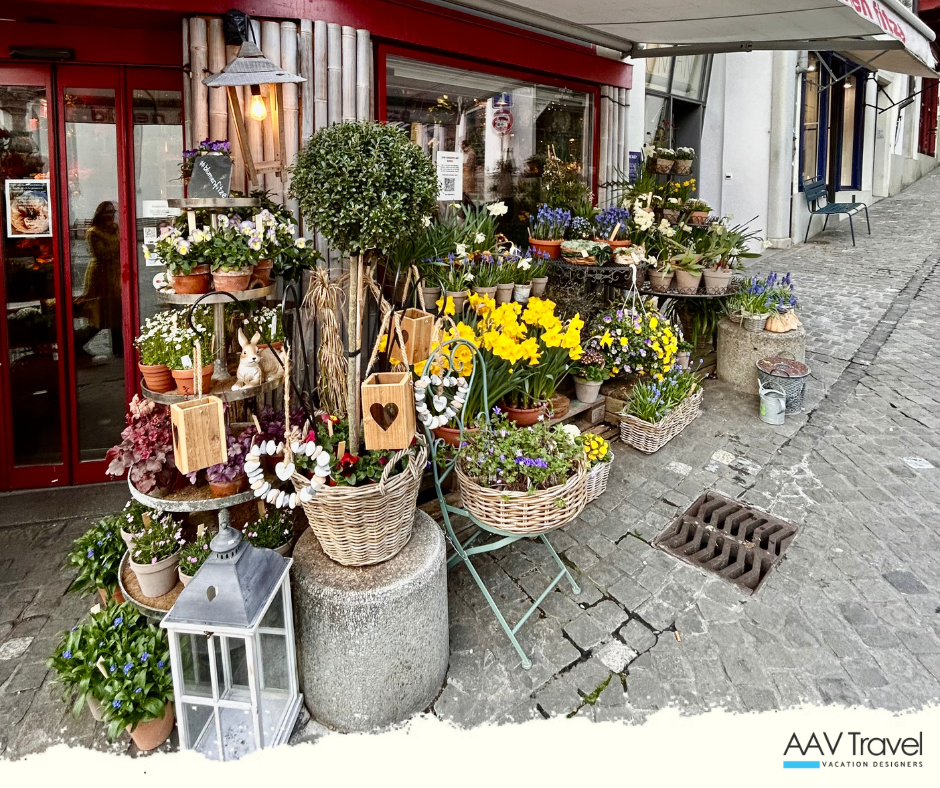
Easter arrives in Europe with a quiet elegance. Spring light returns, café terraces reopen, and cities feel freshly awakened after winter. Shop windows shift from muted tones to carefully curated displays, and bakeries begin producing specialties that appear only once a year and vanish just as quickly. For travelers who care about craftsmanship and tradition, this moment is far more than a seasonal novelty. It is a connoisseur’s window, a brief period when culinary heritage, faith, music, and the natural renewal of spring intersect.

This is not about sugar for its own sake. It is about timing, restraint, and knowing where to be when something truly special is being made.

The Strategic Advantage of Easter Travel

Many Americans view spring as a practical shoulder season in Europe, a pleasant gap before summer crowds take over. That is certainly true from a logistical standpoint. But Easter adds another dimension. It brings anticipation. Cities feel expectant. Florists overflow with color, sacred music fills churches and concert halls, and pastry counters become almost theatrical in their seasonal offerings.
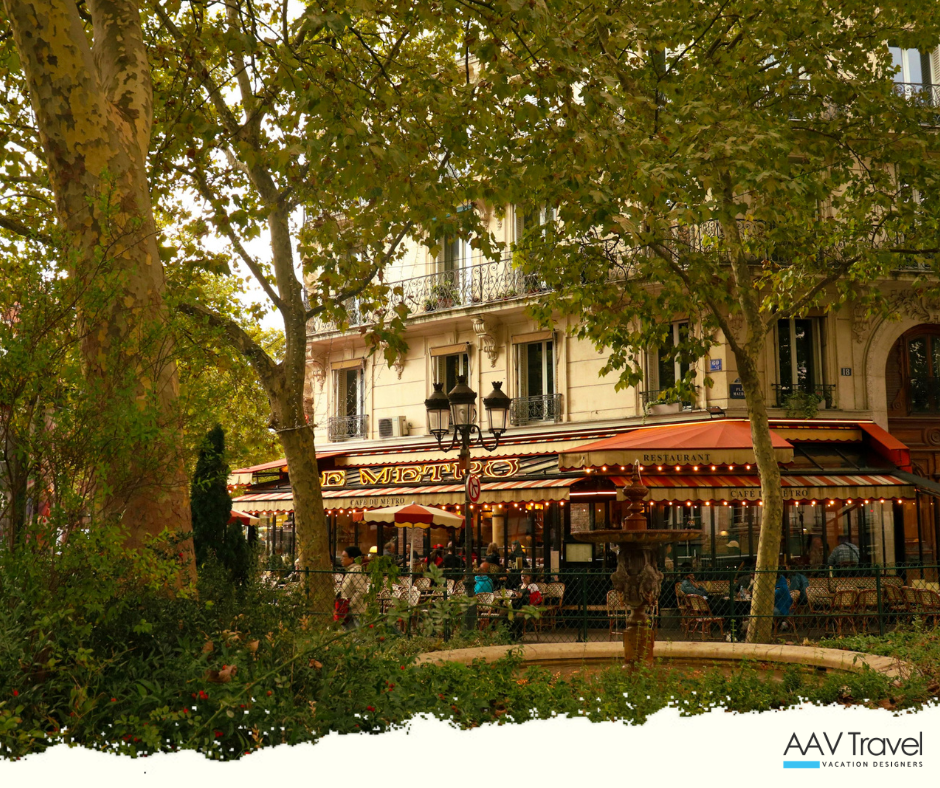
What makes this period so compelling is that many Easter specialties are not designed for tourists. They are personal and symbolic, rooted in family tables and local memory. They often require techniques that resist mass production. That is precisely why they are worth traveling for. When you taste something that is truly of its place and of its moment, you experience a culture in a way that cannot be replicated in high season.

Vienna. Pastry, Music, and Measured Indulgence

Vienna, for example, feels particularly polished at Easter. The city already carries an innate elegance, but in spring it softens. Gardens begin to bloom, the air is crisp, and the café culture becomes irresistible. In Vienna, pastry is not an indulgence tucked away in a corner. It is heritage. The grand cafés are not merely places to eat cake; they are institutions where one lingers under chandeliers, reads the paper, and participates in a ritual that has changed very little over decades.
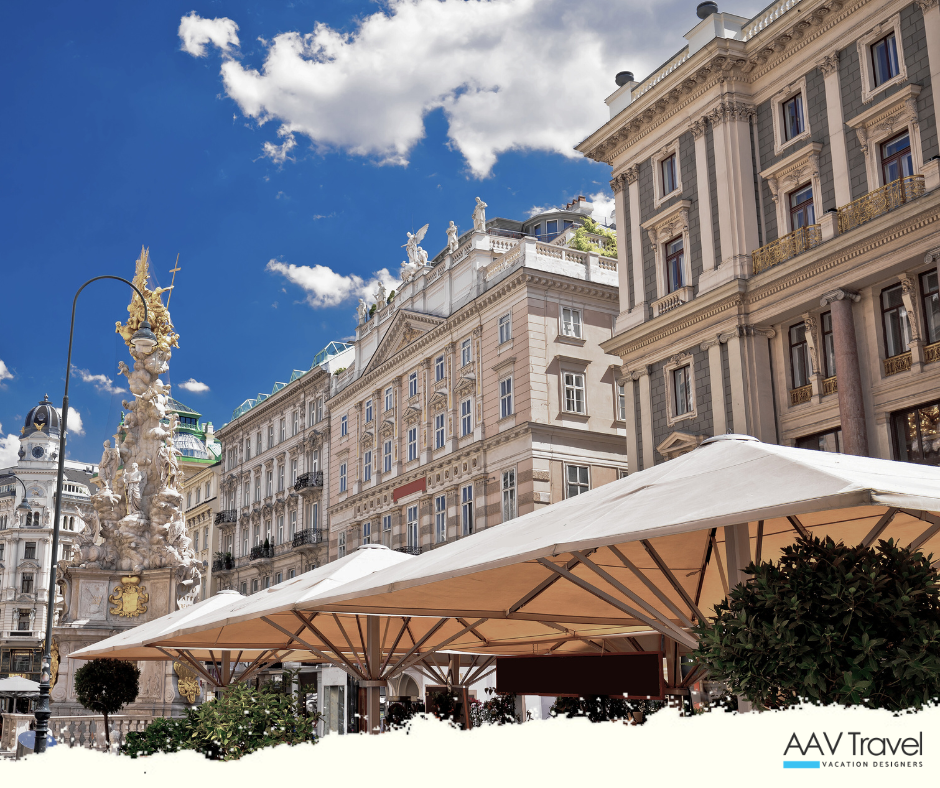
During Easter, pastry counters often feature seasonal variations and refined confections that do not appear at other times of year. Yet Vienna is not a city that rewards excess. The pleasure lies in pacing. A late morning coffee accompanied by a delicate slice of something seasonal can be followed by an afternoon in a museum and an evening concert that anchors the day in something deeper than indulgence. When designed thoughtfully, the sweetness enhances the experience rather than overwhelming it.

Florence. Sacred Tradition and the Art of Slowing Down

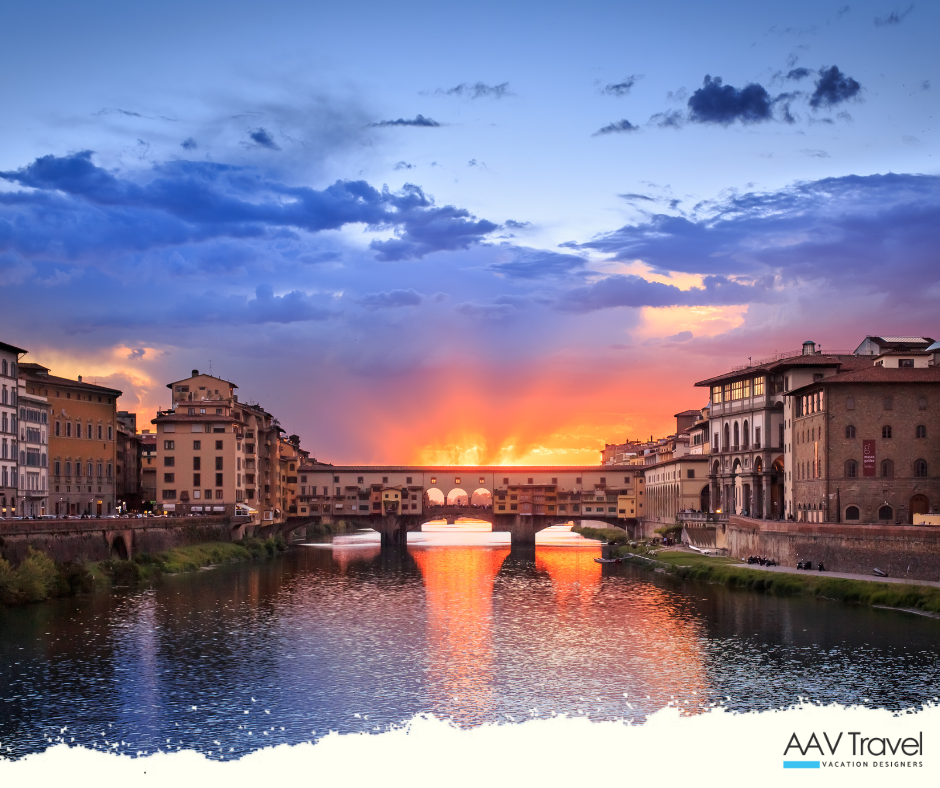
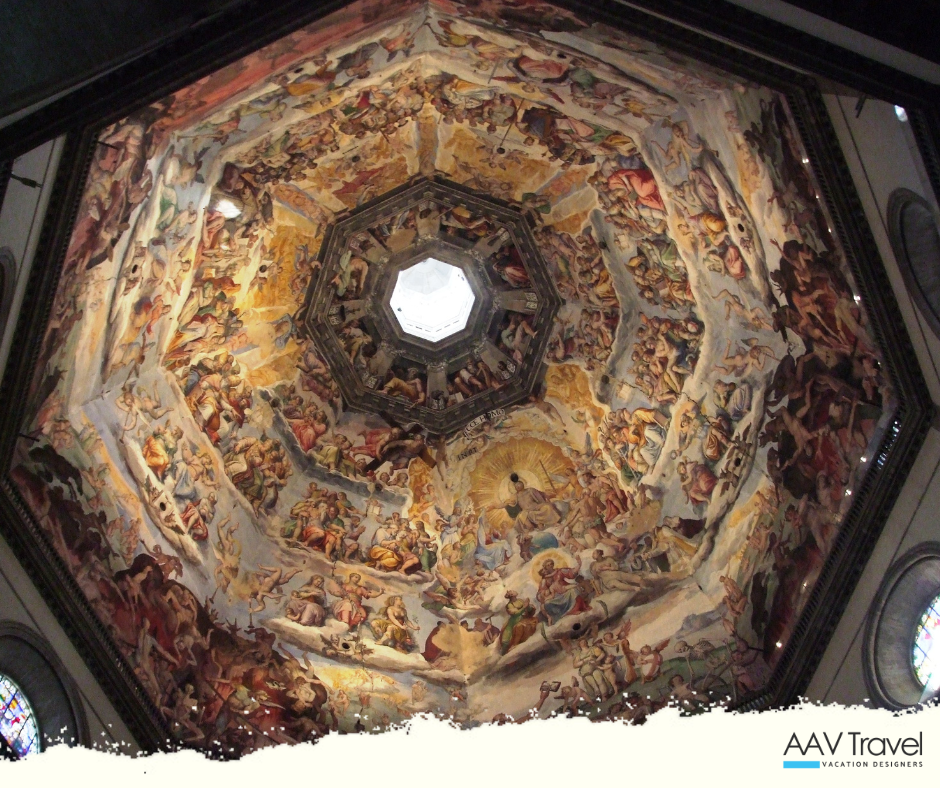
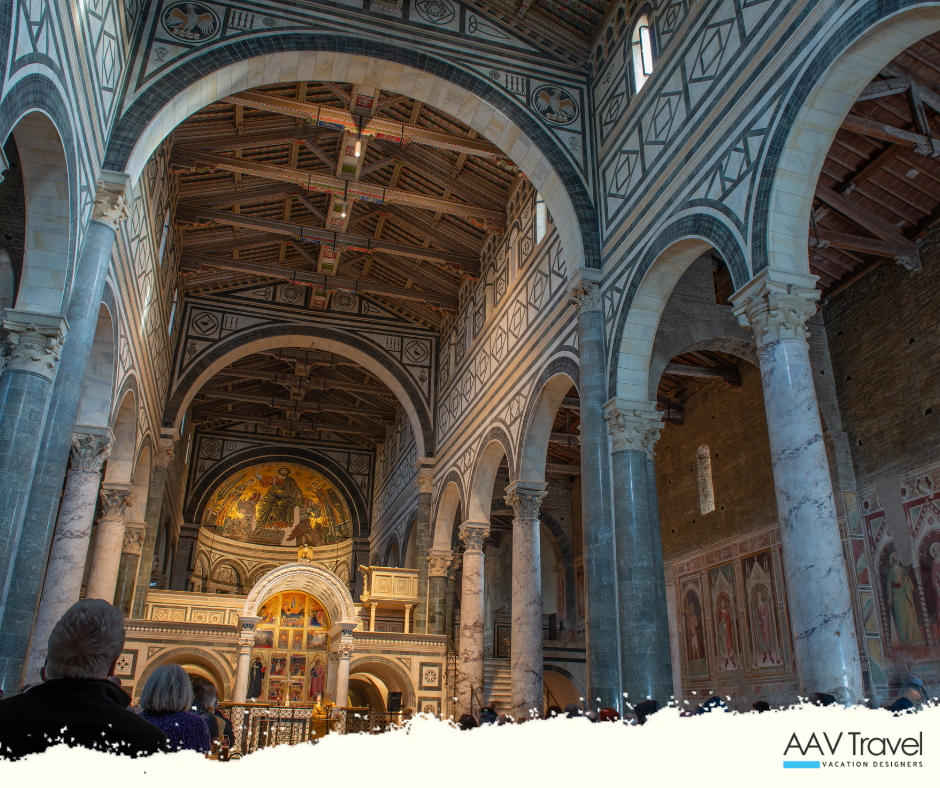
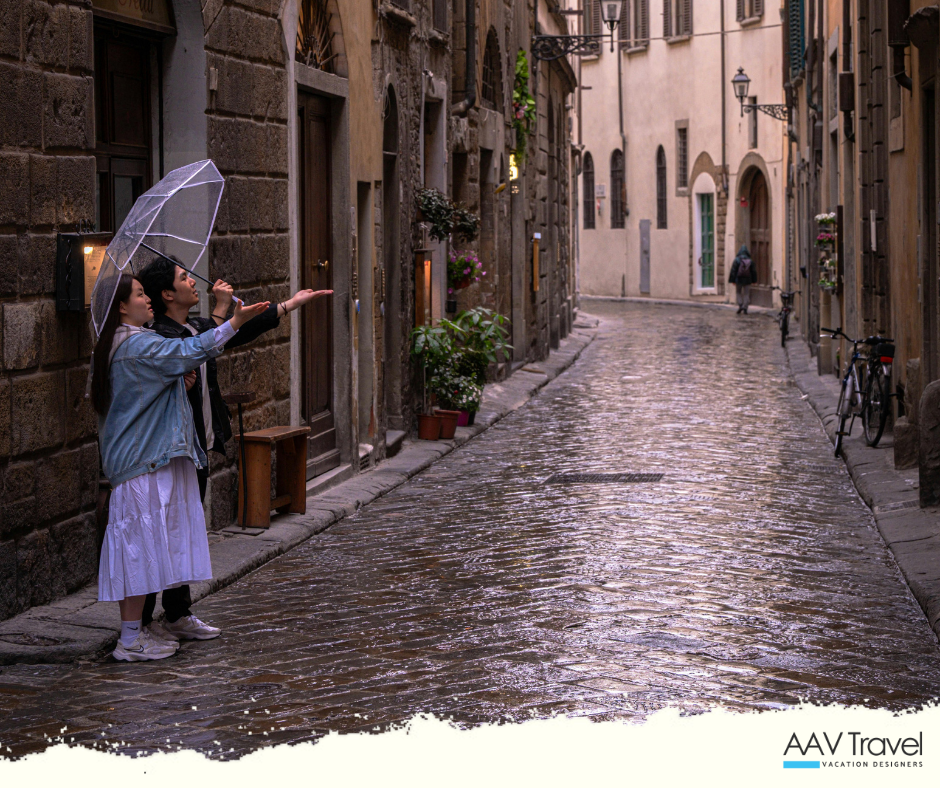
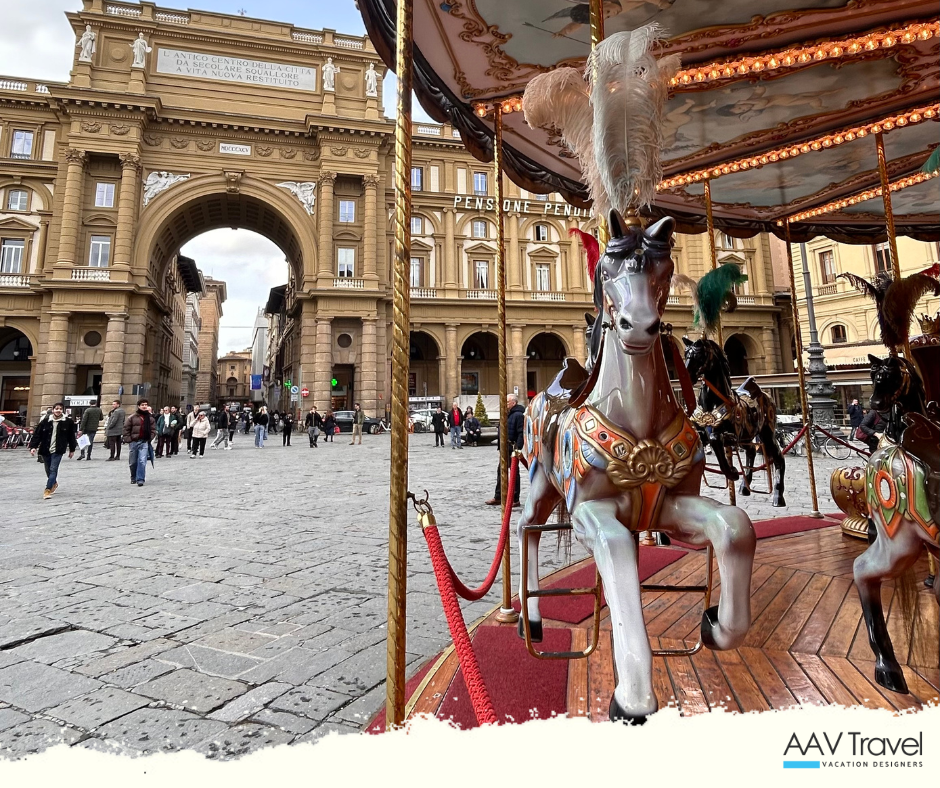
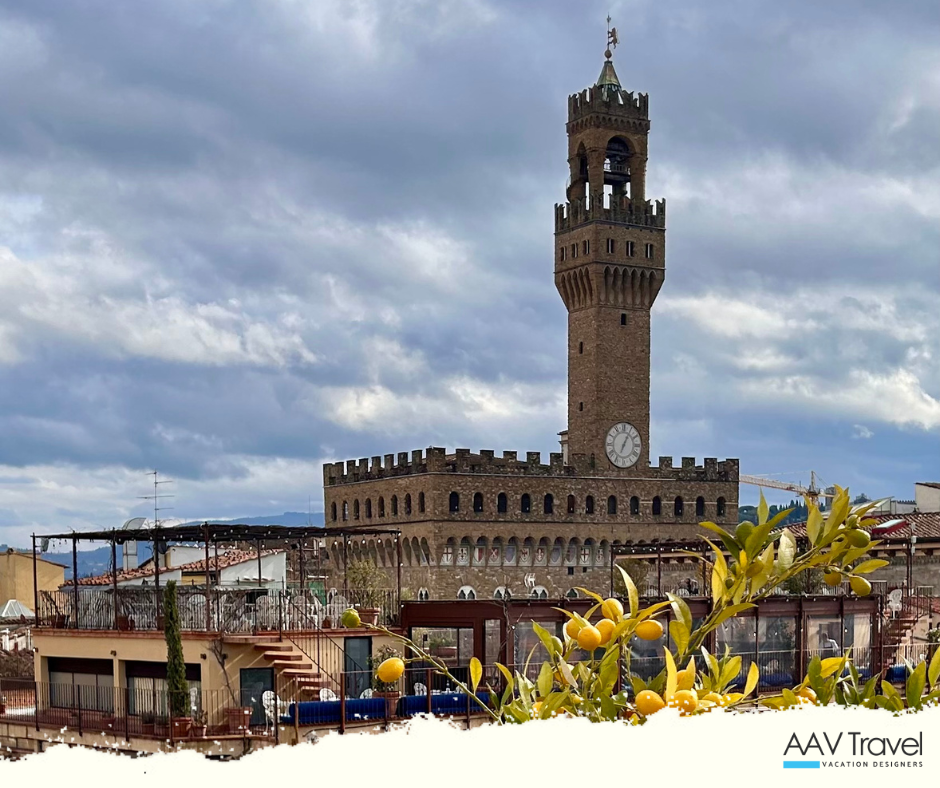
Florence offers a different kind of Easter atmosphere. Too often, visitors arrive determined to conquer the city with a checklist. Easter gently resists that approach. Spring light softens the stone facades, and the city feels more human before the density of summer arrives. Traditions are woven quietly into daily life, from church services to neighborhood bakeries displaying Colomba, the dove shaped sweet bread that symbolizes peace and renewal.
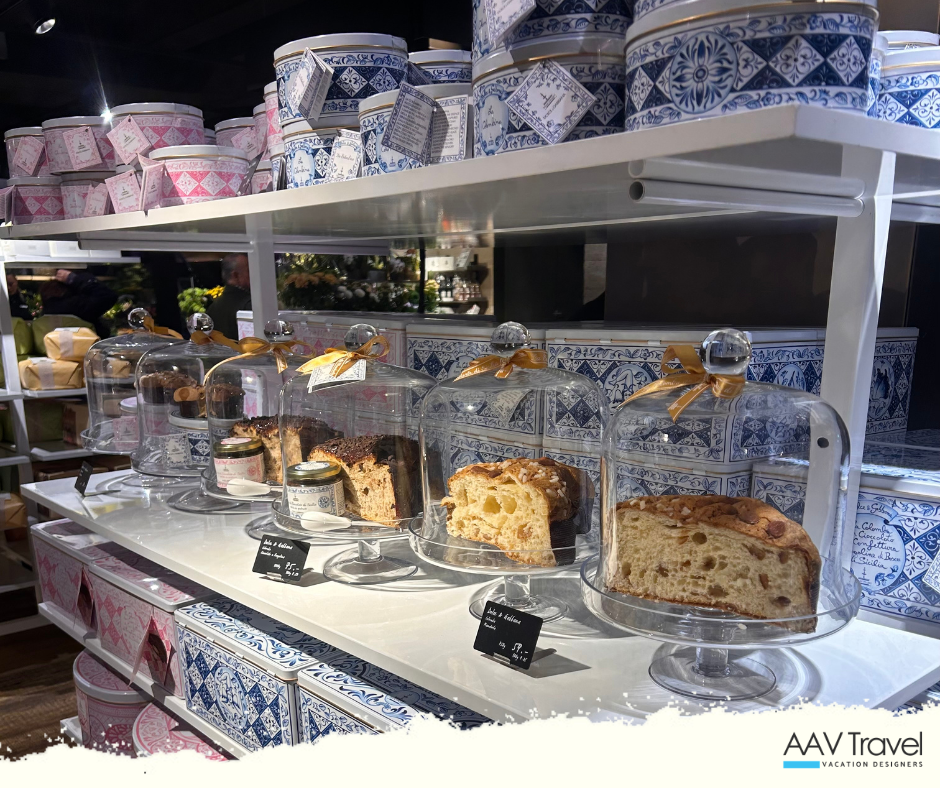
In Florence and throughout Tuscany, you can find artisanal versions of this seasonal bread that feel far removed from mass produced alternatives. But the real reward is in the contrast the city offers. You might spend the morning in a quiet church where incense lingers in the air, then wander a few streets and find a bakery fragrant with citrus and vanilla. An afternoon at the Uffizi can be followed by an unhurried espresso in a neighborhood café where locals are shopping for Easter treats as they have for generations. Florence at Easter invites you to notice details rather than rush past them.

France. Chocolate as Craft and Cultural Expression

France approaches Easter with its characteristic refinement. Here, chocolate becomes art. In Paris and other cities, chocolatiers create sculptural eggs and intricate designs that are displayed almost like jewelry. These are not novelty items. They are expressions of discipline and artistry, crafted for a brief moment of admiration before they are enjoyed and gone.
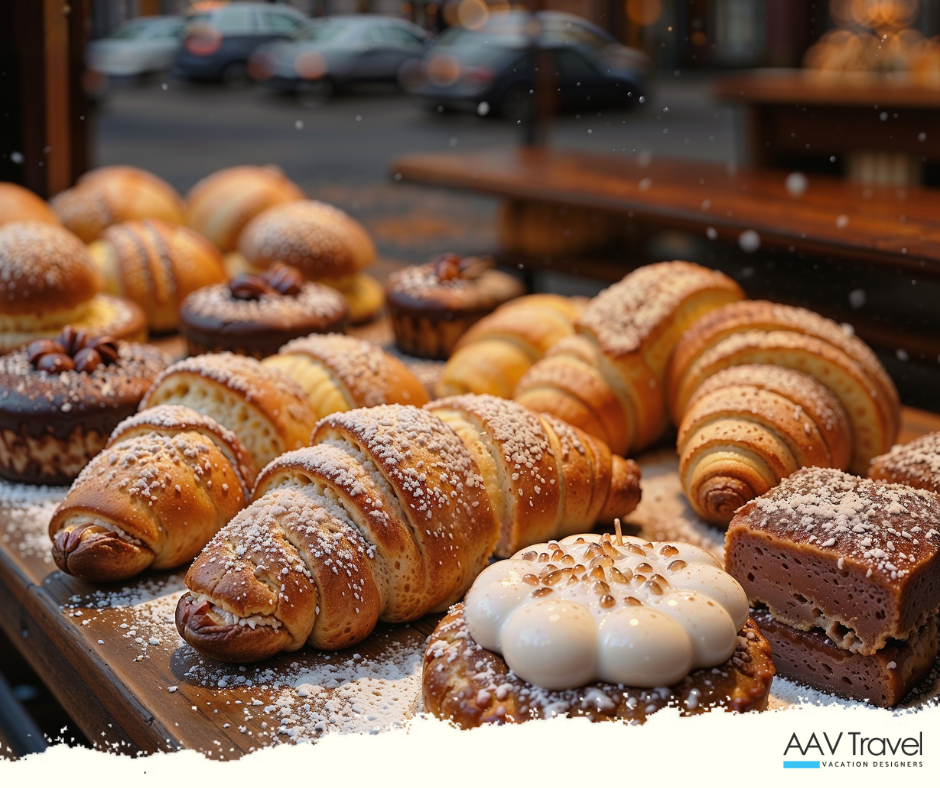
Traveling to France at Easter is compelling precisely because it is fleeting. The most memorable experiences in Europe are often those tied to a specific season, impossible to replicate in July or October. Yet discernment matters. A thoughtful itinerary might include a private tasting with a respected chocolatier balanced with time in spring gardens, smaller neighborhoods, and cultural experiences that ground the sweetness in context. France demonstrates that luxury is not about quantity. It is about refinement and intention.

Switzerland. Precision, Comfort, and Spring Light

Switzerland offers a quieter interpretation of the season. Easter here feels grounded and sincere, less theatrical and more intimate. Seasonal breads and beautifully executed chocolate are tied to family tables and local tradition rather than display. There is comfort in the simplicity, paired with the precision for which Switzerland is known.
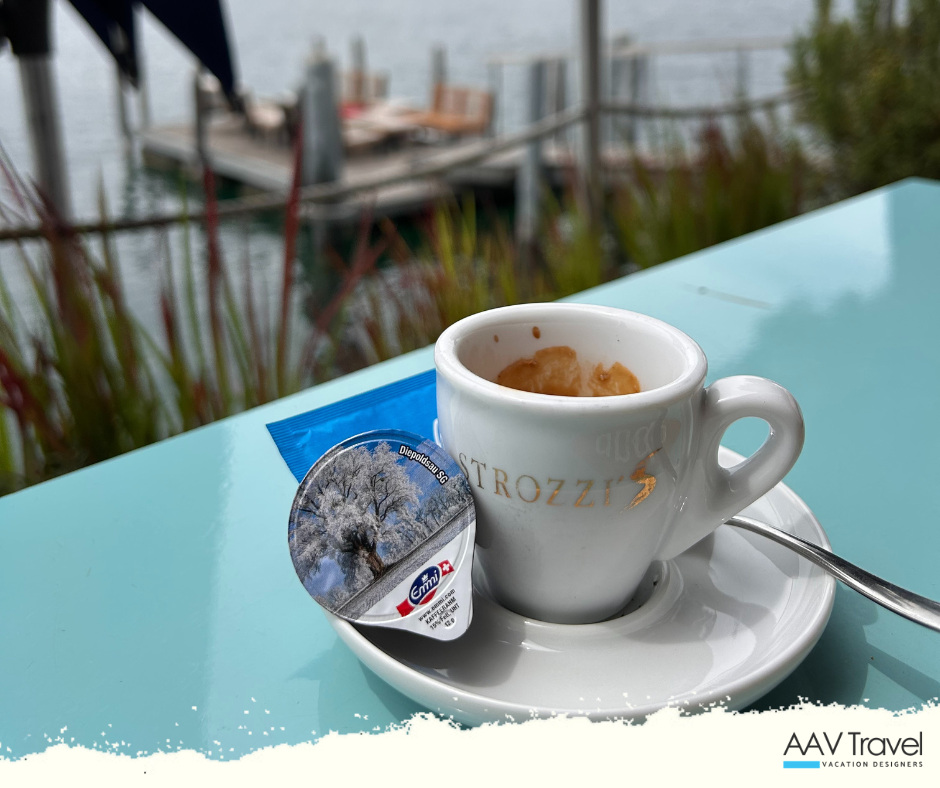
Spring in Switzerland also brings a striking natural transition. Snow still crowns the mountains while valleys begin to bloom. Lakeside towns regain energy without the intensity of summer tourism. Hotels and trains feel calmer, and the overall rhythm is unhurried. A well designed Swiss Easter journey might combine time in a sophisticated city with a few days in an alpine region where nature and tradition coexist seamlessly. The sweetness of the season becomes part of a larger experience of clarity, landscape, and calm.

Discernment Is the Difference

It is tempting to frame an Easter journey as a culinary theme. But experienced travelers understand that a meaningful trip is built on balance. If you approach Europe at Easter as a sugar hunt, you risk missing the deeper texture of the season. Easter is as much about music, ritual, and renewal as it is about pastry and chocolate.

This is where discernment becomes essential. Days should be paced so that indulgence feels special rather than constant. Neighborhoods and hotels should be chosen to encourage walking rather than rushing. Cultural experiences should anchor culinary ones. Vienna pairs pastry with music. Florence pairs sweetness with sacred art and Renaissance beauty. France pairs chocolate with disciplined craft. Switzerland pairs seasonal baking with serenity and landscape.
Choosing Better, Not More

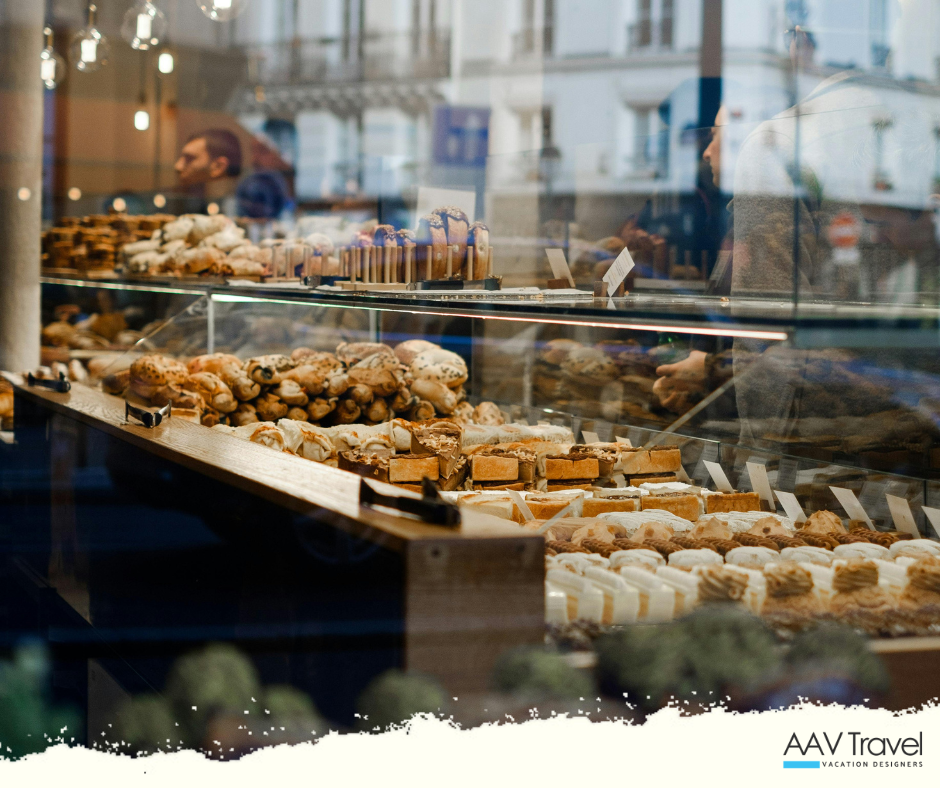
The sweetest season is not about having more. It is about choosing better. Easter in Europe offers a softer mood, a more local rhythm, and a fleeting moment when culinary heritage feels deeply personal. For travelers who appreciate being in the right place at the right time, it can be one of the most quietly extraordinary windows of the year.

If you are considering an Easter journey to Europe, I would welcome a thoughtful planning conversation. The right itinerary is not simply about where you go, but how you move through each destination, how the days are paced, and how the experience is shaped around what you value most. To begin designing a journey with care and discernment, visit www.aav-travel.com or email me at info@aav-travel.com.


Why Time Is One Of The Most Underrated Luxuries In Travel Planning

Most people think a journey begins when they step onto a plane. In reality, travel begins much earlier, in the quiet moment when a trip shifts from a passing idea to a deliberate intention. That space between deciding and departing is not empty time. It is where expectations form, choices take shape, and the tone of the journey is quietly set, often long before a suitcase is opened.

Window to the World

In recent years, many travelers have grown accustomed to planning closer and closer to departure. Flexibility has become a virtue, spontaneity a badge of honor. And while last‑minute travel can absolutely work in the right circumstances, it often comes at an invisible cost. The difference between planning eight months ahead versus three months ahead is not just logistical. It is psychological, emotional, and experiential.

One of the most overlooked benefits of planning well ahead is anticipation. Knowing that a meaningful journey is on the horizon has a grounding effect. It introduces a steady undercurrent of pleasure into everyday life — something to look forward to during busy seasons, demanding projects, or uncertain stretches. Anticipation stretches the joy of travel across time, rather than confining it to a single week away.

When travel is planned early, the mind has room to wander. Travelers begin to imagine textures, tastes, and rhythms. They read, notice, and reflect. This mental engagement is not trivial; it is part of why travel feels restorative. By contrast, trips planned close to departure often feel compressed. Decisions are made quickly, options are weighed under pressure, and excitement is mixed with stress. The journey may still be enjoyable, but the runway leading up to it is shorter and more crowded.

Time also plays a critical role in the quality of choices available. Eight months ahead, the world of travel is simply more open. Preferred rooms are still available, not just any room. The best‑suited guides, sailings, and access windows can be selected thoughtfully rather than accepted by default. Flights can be chosen to support rest and pacing instead of endurance. These are not luxuries in the superficial sense; they are elements that quietly shape how a trip feels in the body.

Early planning allows for discernment. It gives travelers the ability to say yes to what truly fits and no to what does not, without feeling boxed in by scarcity. This is particularly important for travelers who value comfort, context, and depth over volume. A well‑designed journey is not about doing more. It is about aligning experiences with energy, interests, and timing — something that is far easier to achieve when options are abundant.

Planning closer to departure naturally narrows that field. Three months out, excellent trips are still possible, but the process changes. Creativity is often replaced by efficiency. Trade‑offs become necessary, not because a traveler prefers them, but because the calendar dictates them. The question shifts from “What would suit us best?” to “What is still available?” That subtle shift is where many trips lose a degree of elegance.

None of this is meant to suggest that every journey must be planned far in advance. Life does not always cooperate, and there are moments when spontaneity is exactly right. But for milestone trips, longer journeys, or experiences that matter deeply, time is an ally worth respecting. It brings clarity. It softens decision‑making. It allows travel to be shaped deliberately rather than assembled reactively.

In the end, planning eight months ahead is not about being early. It is about creating space — space to imagine, to choose well, and to travel with fewer compromises. When time is used intentionally, it becomes one of the most powerful tools in designing a journey that feels not just enjoyable, but genuinely sustaining.

Thoughtful travel rarely happens by accident. It benefits from conversation, perspective, and a calm understanding of what matters most to you. If you are considering an upcoming journey and would value a more intentional approach to timing, pacing, and design, an initial conversation can help clarify the path forward. You can learn more at AAV Travel or reach out directly at info@aav-travel.com.
Written by: Stefanie P.

Walk the World: Seven Remarkable Hiking Destinations Worth Traveling For

Travel has a remarkable way of returning us to ourselves, and few experiences do this as naturally as stepping onto a trail. Hiking invites a different rhythm, one that feels both grounding and quietly expansive. With each steady step, the body strengthens, the mind clears, and the world becomes more vivid. The pace slows just enough for you to notice the scent of pine carried on the breeze, the shifting light across a valley, or the simple satisfaction of moving forward with purpose.

In a world that constantly encourages speed, trails offer something rarer: presence. They remind us that adventure does not always need adrenaline or intensity. Sometimes it simply requires time, curiosity, and the willingness to experience a place in a more intimate way.

Positive psychology often points to the restorative effects of nature, and hiking weaves these benefits into every ascent, descent, and panoramic view. Trails naturally ease stress, drawing us away from the noise of daily life and gently restoring mental balance. A long walk can clear mental fog, spark fresh perspective, and renew emotional energy. When travel is built around hiking, it becomes more than scenery. It becomes a way of stepping out of routine and into a landscape that reshapes how we feel, how we think, and how we see the world.

The following destinations are worth traveling for not only because they are beautiful, but because they invite the kind of transformation that can only happen when you move through a place slowly and with intention.

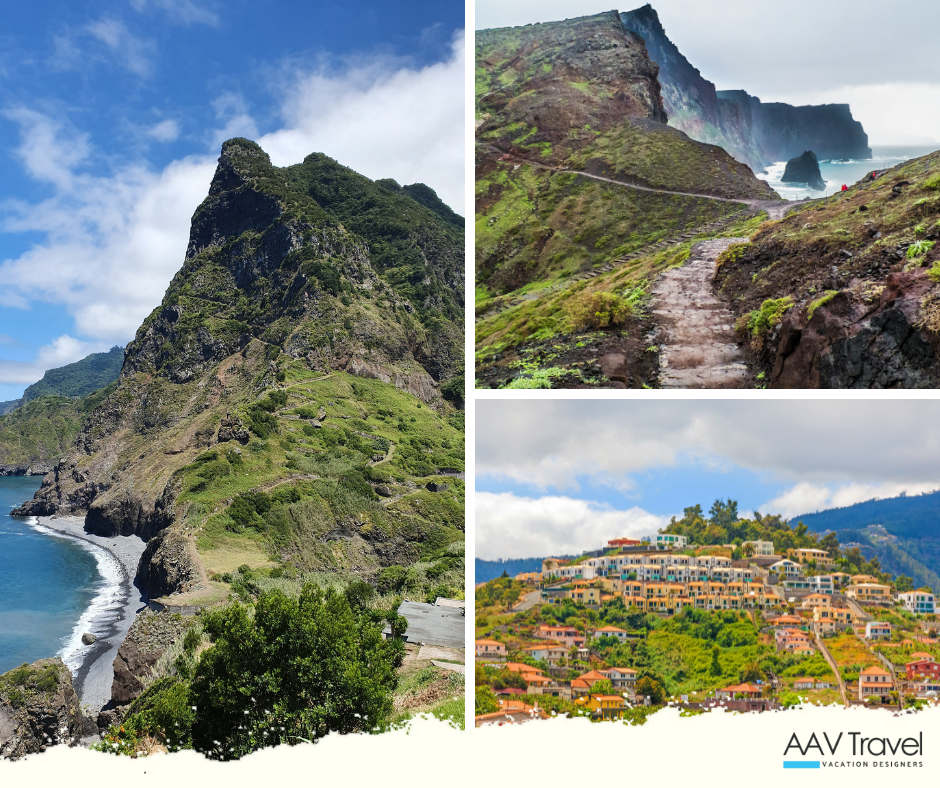
Madeira, Portugal

Madeira is a hiker’s paradise, a lush volcanic island where dramatic cliffs drop into the Atlantic and ancient laurel forests create a world that feels almost otherworldly. Many trails follow the island’s historic levadas, irrigation channels that cut through the landscape, forming gentle, scenic walking routes. These paths often wind through green tunnels before opening into sweeping views that feel cinematic and remote.

For those seeking more challenge, Madeira also offers ridge hikes and high peak routes that reward confident hikers with breathtaking vistas across the island. It is a destination for travelers who appreciate variety, and for those who want a balance of quiet forest immersion and dramatic viewpoints, all within a mild climate that makes walking enjoyable nearly year round.

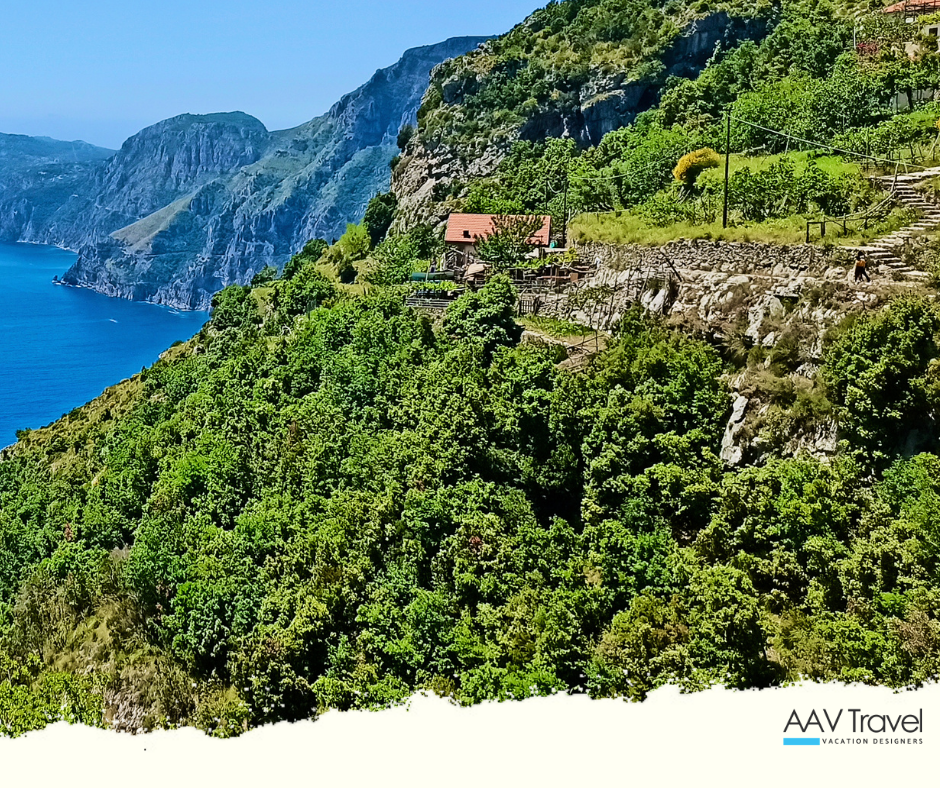
Amalfi Coast, Italy

The Amalfi Coast delivers hiking with unmistakable character. Cliffside trails overlook terraced lemon groves, pastel villages cling to steep hillsides, and the Mediterranean glimmers far below. Some routes require stamina and sure footing, while others are gentler and designed for travelers who prefer a slower pace and more time to absorb the scenery.

This is an ideal region for travelers who love the combination of natural beauty and cultural richness. Hiking here is never just hiking. It is an experience shaped by historic footpaths, local life, and the reward of returning to a village for fresh seafood, regional wine, and views that feel timeless.

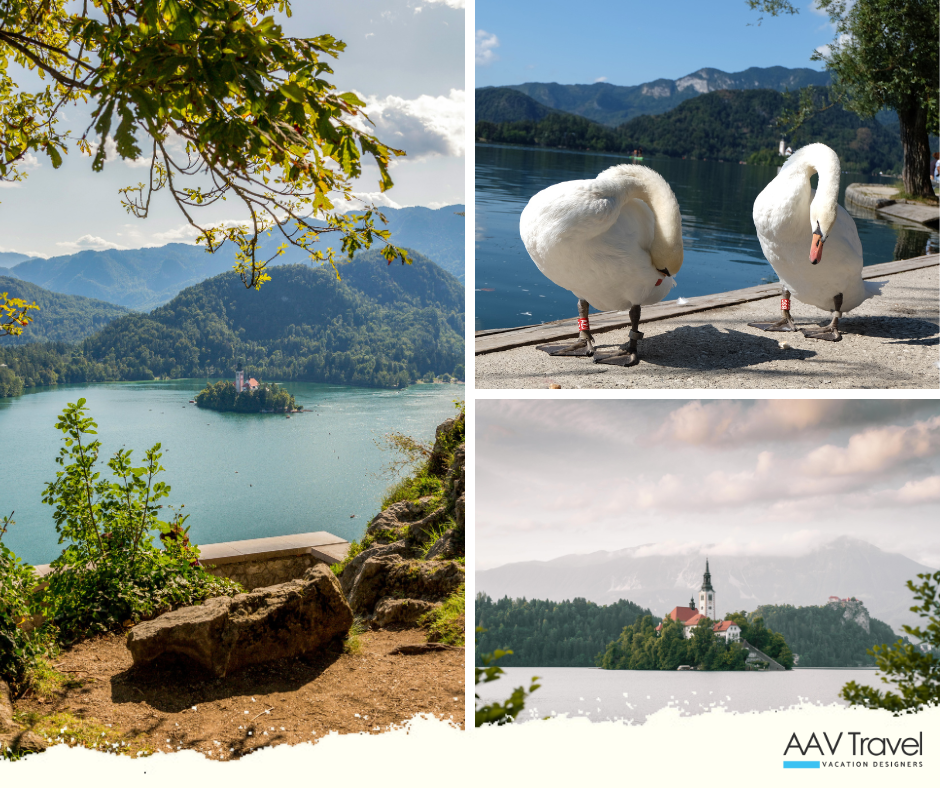
Lake Bled, Slovenia

Lake Bled feels like it Lake Bled feels almost unreal, with emerald water, a small island topped by a church, and a castle perched high above the shore. The walking paths around the lake are peaceful and accessible, but the surrounding hills offer more demanding climbs for travelers who want elevation and sweeping views.

This destination is especially well suited for those who enjoy a sense of calm woven into their travels. It is a place for travelers who appreciate photography moments at every turn, who want nature without extremes, and who find joy in landscapes that feel serene, storybook, and quietly restorative.

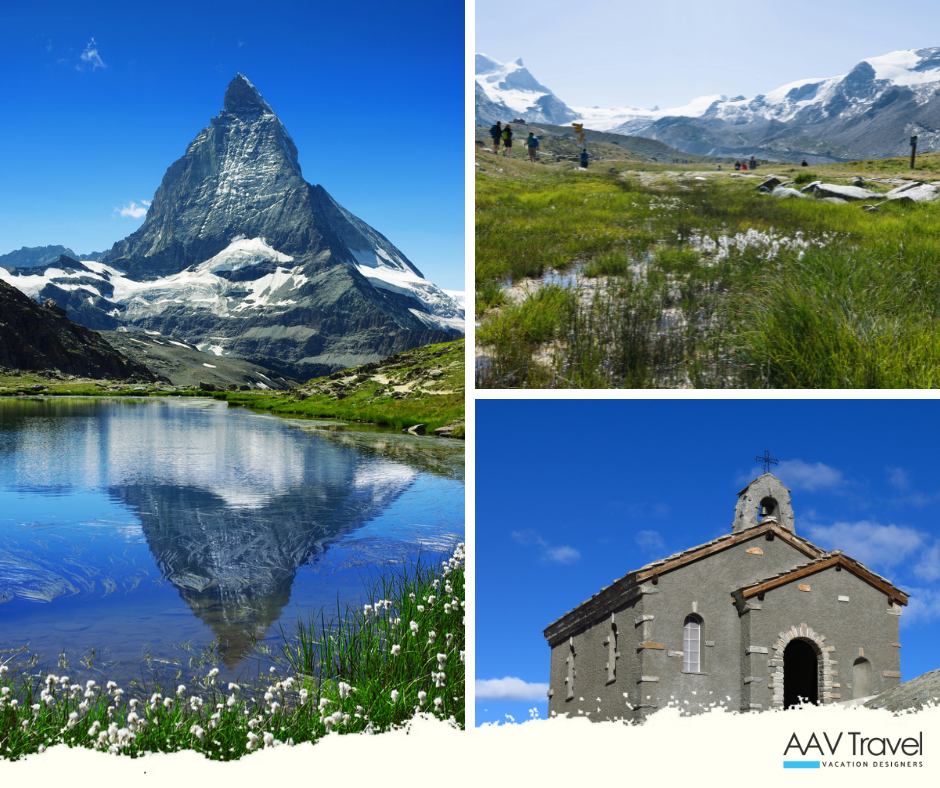
Zermatt, Switzerland

Zermatt is iconic for good reason. Standing before the Matterhorn brings a sense of awe that is difficult to describe and impossible to forget. The trails here move through alpine meadows, past turquoise lakes, and into high altitude landscapes that feel pristine and powerful.

The range of hiking is extensive, from gentle panoramic walks to ambitious routes that require endurance and confidence. Zermatt appeals to travelers who love mountain air and dramatic scenery, and who appreciate the ability to pair adventure with comfort. It is one of those rare destinations where the landscape feels both grand and deeply personal, offering moments of quiet reflection alongside the exhilaration of being in the Alps.

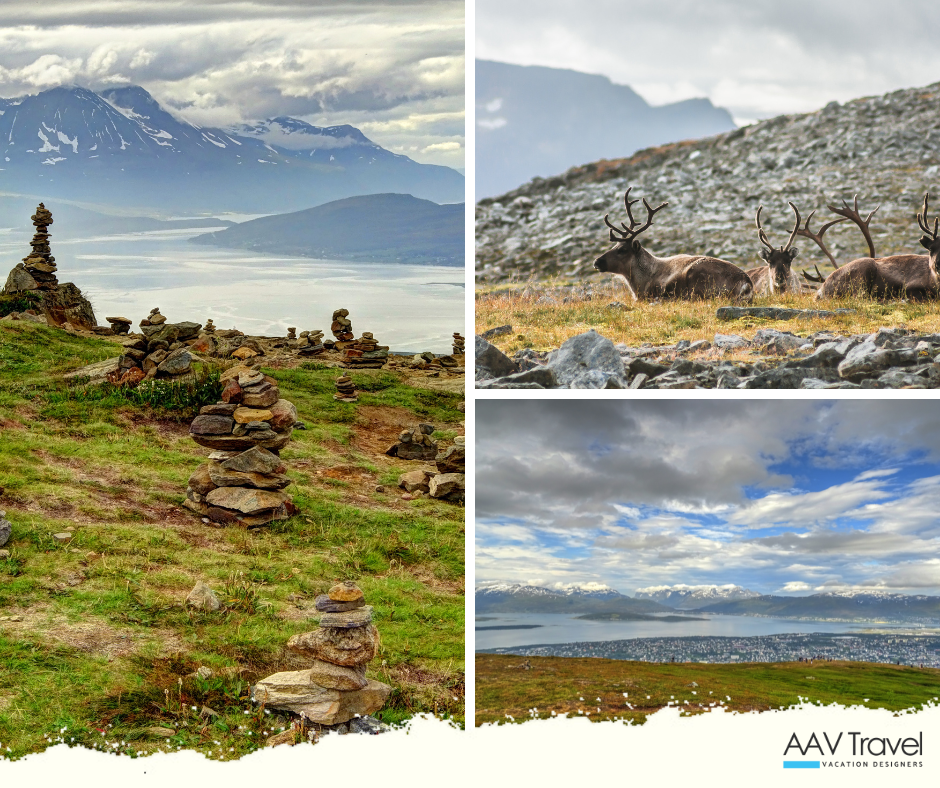
Tromsø, Norway

Far above the Arctic Circle, Tromsø offers hiking that feels remote, raw, and unforgettable. Trails lead through birch forests, across rugged ridges, and up to viewpoints overlooking fjords stretching toward the horizon. The experience shifts dramatically with the seasons. In summer, you may hike under the midnight sun. In winter, the same landscape becomes a world of snow, twilight, and Arctic stillness.

This region speaks to travelers who are drawn to places that feel wild and expansive. It is for those who want crisp air, solitude, and the deep sense of perspective that comes from being surrounded by nature on a grand scale. The possibility of seeing the northern lights after a day on the trail only adds to the sense of wonder.

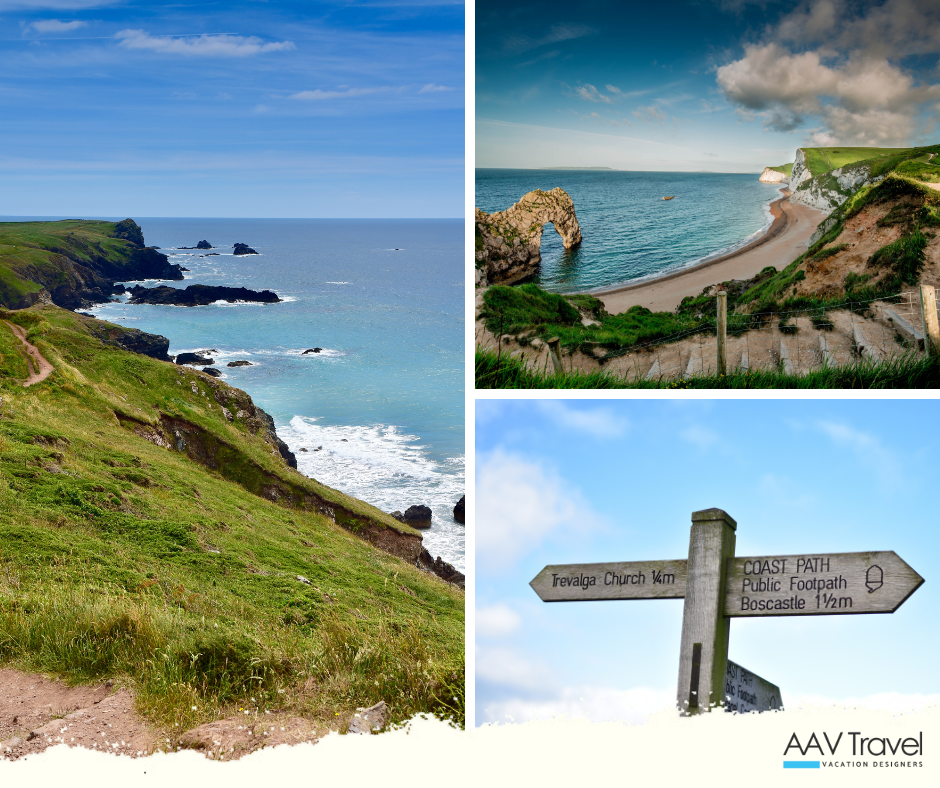
Cornwall, England

Cornwall’s coastal paths are a pleasure for travelers who love dramatic sea views, wildflower lined cliffs, and villages that feel full of charm. The South West Coast Path is one of the region’s greatest treasures, offering rolling terrain that ranges from gentle to moderately challenging, always rewarding the effort with sweeping views of turquoise coves and rugged coastline.

Cornwall is ideal for travelers who appreciate a slower pace and the kind of walking that encourages reflection. It is also a destination that pairs beautifully with comfort. Days on the trail can end with cozy pubs, fresh seafood, and the quiet satisfaction of being near the sea. With weather that shifts quickly and scenery that constantly changes, no two walks here ever feel the same.

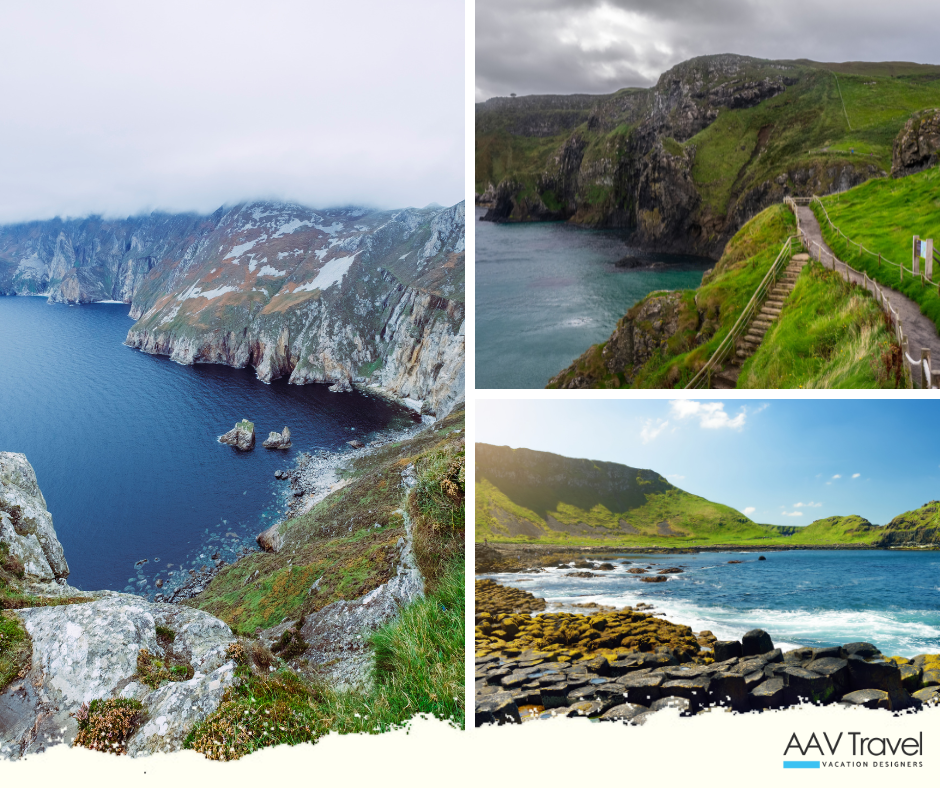
Northern Ireland’s Coast

Northern Ireland’s coastline is a landscape shaped by wind, sea, and legend. Cliffs rise dramatically above the water, basalt formations create striking natural patterns, and green fields spill toward the shore. Trails near the Giant’s Causeway offer a fascinating intersection of geology, history, and storytelling, with scenery that feels both powerful and deeply atmospheric.

The terrain offers enough variety to satisfy both casual walkers and experienced hikers. This is a destination for travelers who love places with character, where the landscape feels like it carries a narrative. It is the kind of coastline that stays with you, not only for its beauty, but for the mood and depth it evokes.

Making Long-Distance Walks Effortless and Enriching

Designing a Hiking Journey with Ease and Intention

Long distance walking trips are among the most rewarding ways to travel, but they are also the kind of journey where thoughtful planning makes all the difference. The right pacing, the right route, and the right accommodations can turn a demanding itinerary into an experience that feels seamless and deeply enjoyable.

When luggage transfers are arranged, accommodations are chosen with care, and logistics flow smoothly from one stage to the next, you are free to focus on what matters most. The trail, the scenery, the quiet satisfaction of progress, and the feeling of being fully immersed in a place.

At AAV Travel, we design hiking journeys with the same discernment and attention we bring to every itinerary. That may include selecting boutique stays that reflect the spirit of a region, arranging meaningful local experiences that complement your walking days, and tailoring each route to match your comfort level and personal travel style. The goal is never simply to create a hiking trip. It is to design an experience that feels balanced, intentional, and beautifully paced.

If you are ready to explore the world on foot, we would love to help you craft a walking journey that feels extraordinary from start to finish. Visit AAV Travel or email us at info@aav-travel.com to begin the conversation.

Written by: Stefanie P.

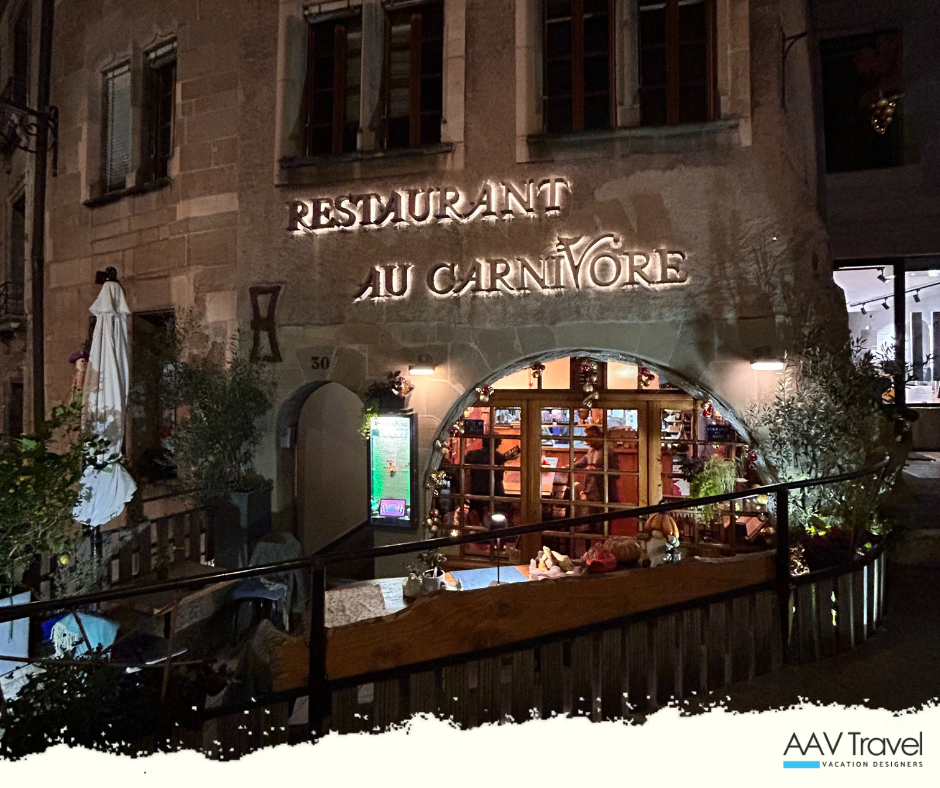
Why Locals in Europe Don’t Choose Restaurants by Online Reviews—and What That Means for How You Travel

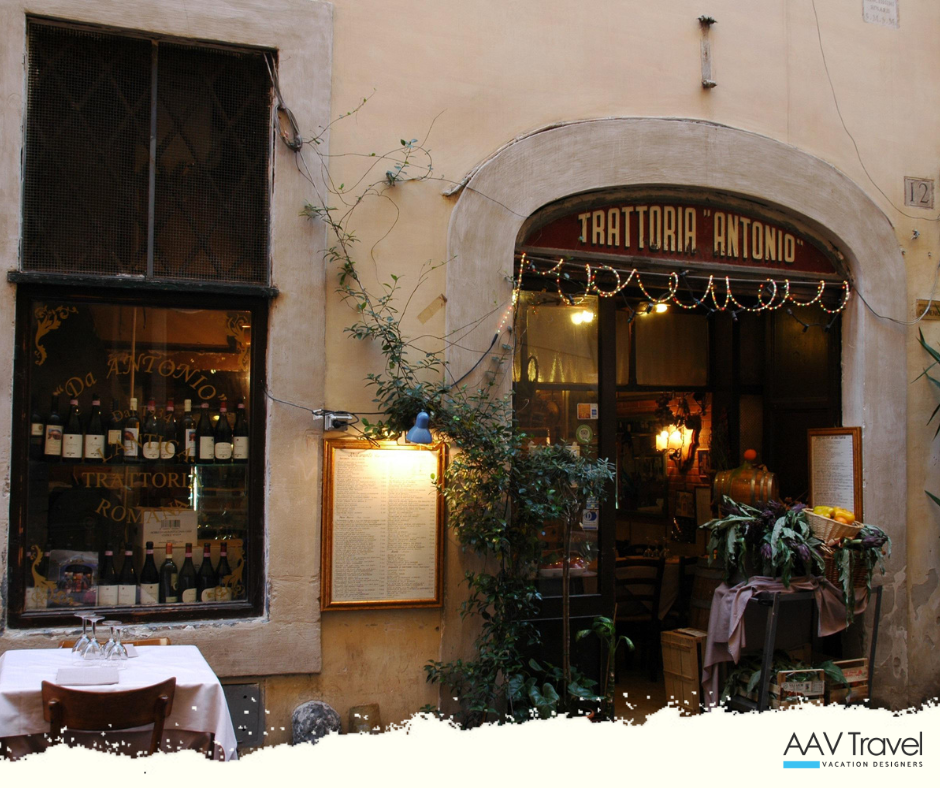
In an era shaped by smartphones and instant validation, it’s easy to assume that choosing where to eat is a universal exercise in scrolling, comparing, and ranking. Yet across much of Europe, this approach feels oddly out of place. In many cities, towns, and villages, locals simply do not rely on online reviews to decide where to dine. Some barely consult them at all. Instead, restaurant choices are guided by habit, intuition, seasonal rhythm, and relationships built quietly over decades.

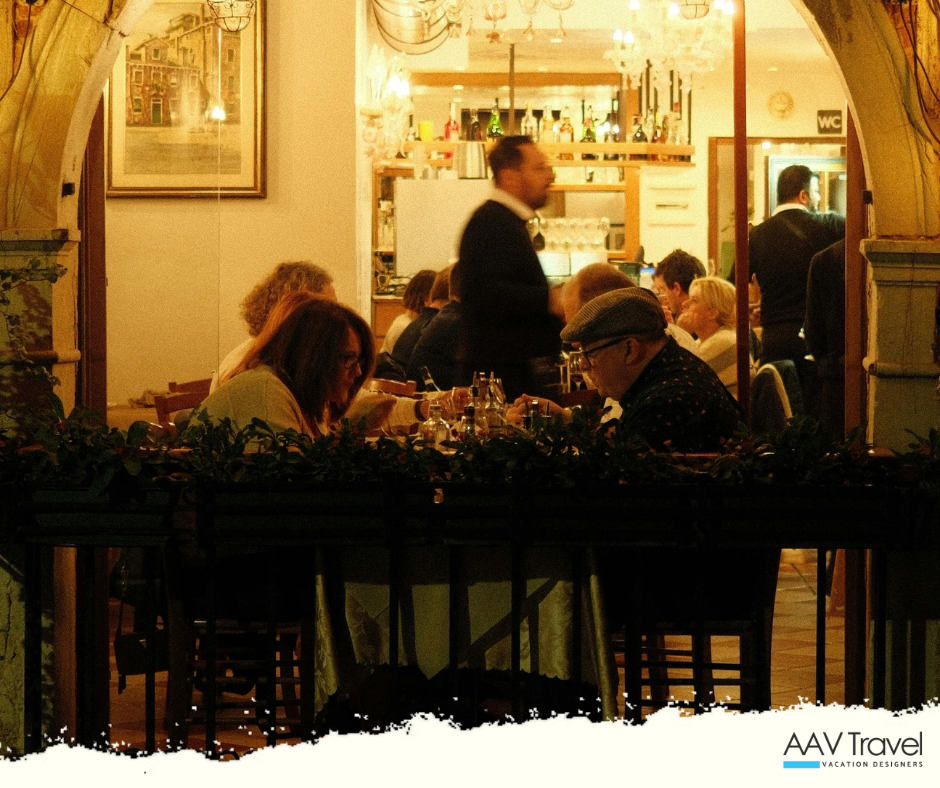
Dining in Europe is rarely transactional. It is cultural, personal, and deeply rooted in a sense of belonging. Many people return again and again to the same neighborhood restaurants their parents and grandparents frequented, not because they once read a glowing review, but because those places feel familiar and trusted. In residential neighborhoods, chefs often cook not for tourists chasing novelty, but for neighbors they know by name, preferences, and routine. The goal is consistency and care, not visibility.

This is why some of the most memorable meals travelers experience happen in places with no website, no social media presence, and no interest in collecting stars. These restaurants are not hiding; they simply exist outside the digital feedback loop. Finding them requires a different way of paying attention—one that values context over comparison and presence over prediction.

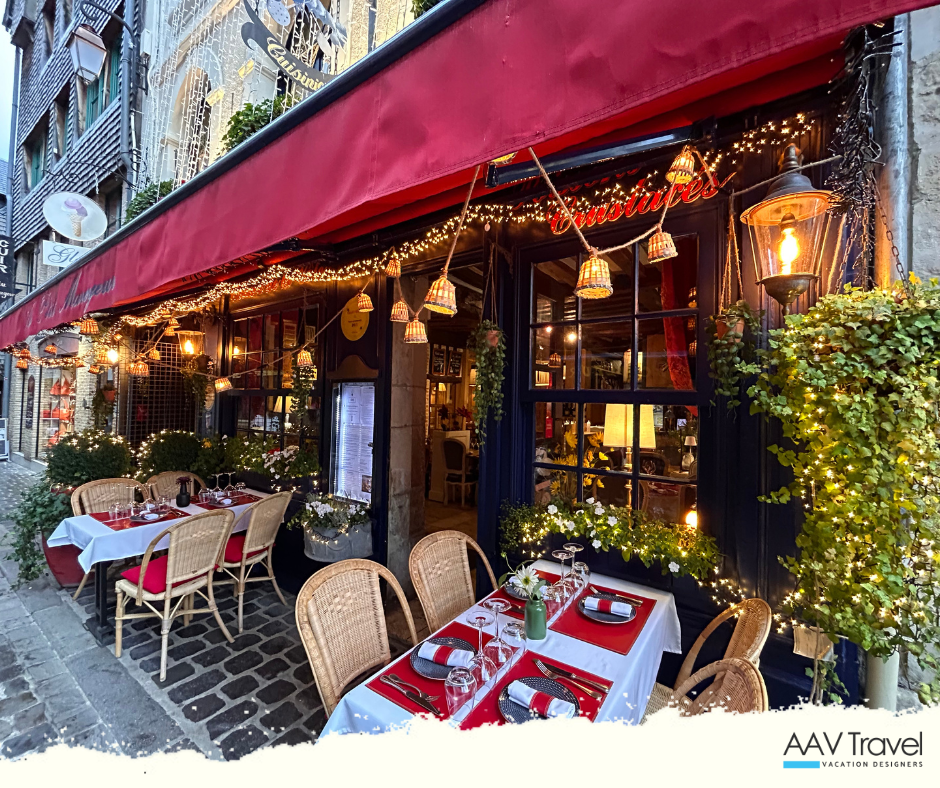
Across Europe, subtle signals often speak louder than online praise. A short, focused menu typically suggests a kitchen that cooks with intention, adapting to what is fresh and available rather than offering endless choice. Regional specificity matters deeply. Pasta shapes in Italy, breads in France, dumplings in Central Europe, or sauces that vary by village rather than country often indicate a restaurant grounded in place. These details are not designed for display; they are habits formed through tradition.

Atmosphere also tells its own story. A lively dining room filled with animated conversation, familiar greetings between staff and guests, and a steady rhythm of service usually reveals more than any rating ever could. So do the small gestures that arrive before the meal itself. Bread that is warm and distinctive, a starter prepared with care, or a handwritten note about the day’s offerings can quietly signal what kind of experience lies ahead.

In many European cities, restaurants do not need to announce themselves loudly. Reputation spreads locally, and confidence comes from longevity rather than marketing. Places that rely heavily on multilingual signage, photos of every dish, or exaggerated claims aimed at passersby are often catering to a different audience. Locals tend to gravitate toward restaurants that feel unforced, where the focus remains on the food, the flow of the meal, and the shared experience of being there.

Timing matters as well. Restaurants that fill naturally during local mealtimes tend to do so for good reason. Empty tables at peak hours can be telling, while the gentle hum of a full room often reflects trust earned over time. Even the aromas drifting from a doorway—something simmering slowly, bread baking, onions caramelizing—can offer a more honest invitation than any algorithm.

For travelers accustomed to relying on reviews, this approach can feel unsettling at first. Choosing a restaurant based on atmosphere, instinct, or observation rather than certainty requires a willingness to be present and curious. Yet this slower, more intuitive way of dining often becomes one of the most rewarding aspects of traveling through Europe. It allows room for surprise, encourages engagement with local rhythms, and invites travelers to taste flavors they might not have selected in advance.

That said, discernment matters. Not every traveler enjoys unpredictability, and there is no virtue in discomfort for its own sake. Reviews can still serve a purpose, particularly for those with dietary restrictions or strong preferences. The difference lies in how they are used—not as the sole decision-maker, but as one of several inputs balanced with observation, context, and local insight.

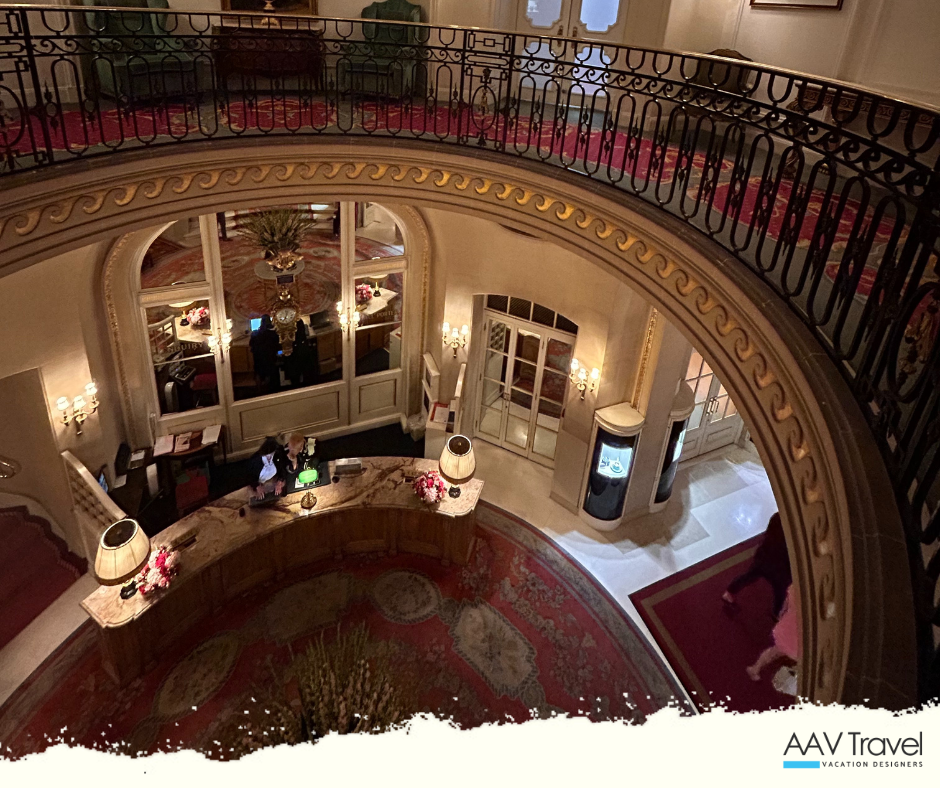
One of the most valuable yet underutilized resources for navigating Europe’s dining landscape is the human one. Luxury hotel concierges often have exceptional knowledge of their city’s culinary scene and can secure reservations at sought-after restaurants with ease. But the most interesting recommendations often emerge when the conversation goes a step further. Asking where someone eats with their family on a Sunday, or which neighborhood spot they return to after a long day, often leads to places that never appear on curated lists.

Food tours can also play an important role, particularly early in a stay. Led by passionate locals, these experiences provide more than tastings. They offer cultural context, stories, and confidence. Visiting markets, bakeries, cafés, and small eateries with someone who understands the city’s rhythms helps travelers recognize the signs of quality and authenticity on their own. A well-chosen food tour doesn’t replace independent discovery; it enhances it.

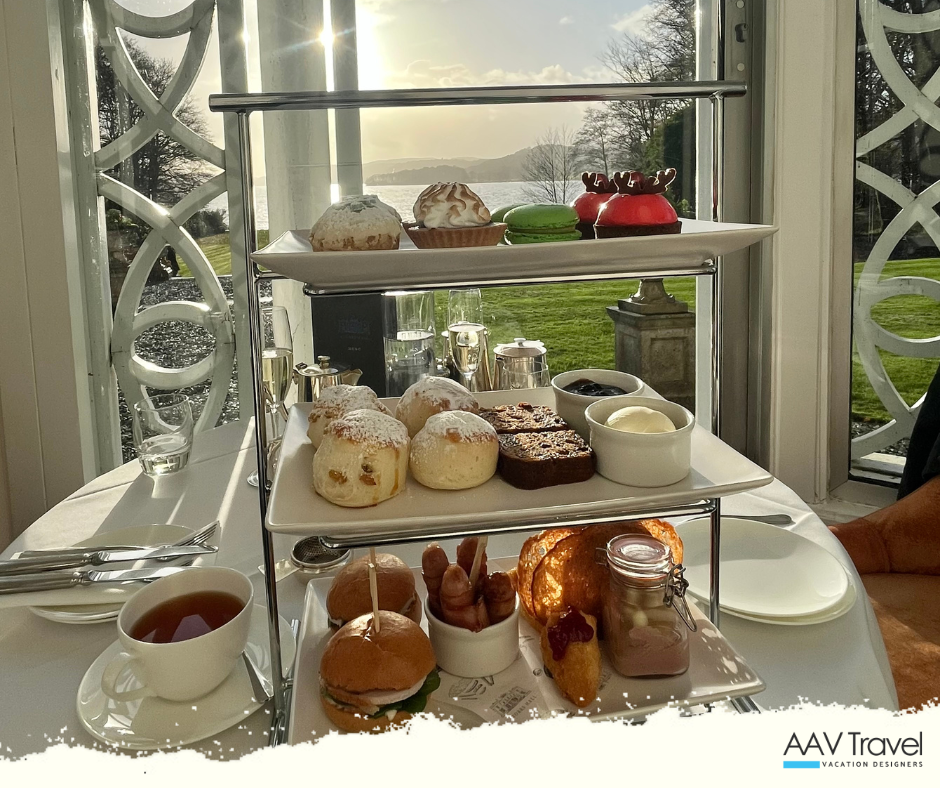
Once travelers begin to understand a destination’s culinary language, integrating local rituals becomes especially meaningful. Enjoying afternoon tea in England or lingering over hot chocolate in one of Vienna’s historic cafés is about more than the food itself. These traditions invite travelers to slow down, observe, and participate in moments that locals have cherished for generations. They provide structure to the day and a deeper sense of connection to place.

Experiencing Europe through its food is not about finding the “best” restaurant. It is about understanding how, when, and why people eat the way they do. It is about pacing, judgment, and choosing moments that align with the character of a destination rather than rushing to collect highlights.

At AAV Travel, this philosophy shapes how journeys are designed. Thoughtful travel is not about maximizing experiences, but about choosing the right ones—at the right time, in the right way, with an understanding of context and trade-offs. Through intentional conversations, careful planning, and calm judgment, AAV Travel helps travelers experience destinations with confidence and ease, allowing space for discovery without unnecessary risk or overwhelm. If you’re curious about how a more intentional approach could shape your next journey, you’re warmly invited to begin a conversation at www.aav-travel.com or by reaching out to info@aav-travel.com.
Written by: Stefanie P.

Curaçao: Where European Restraint Meets Caribbean Ease

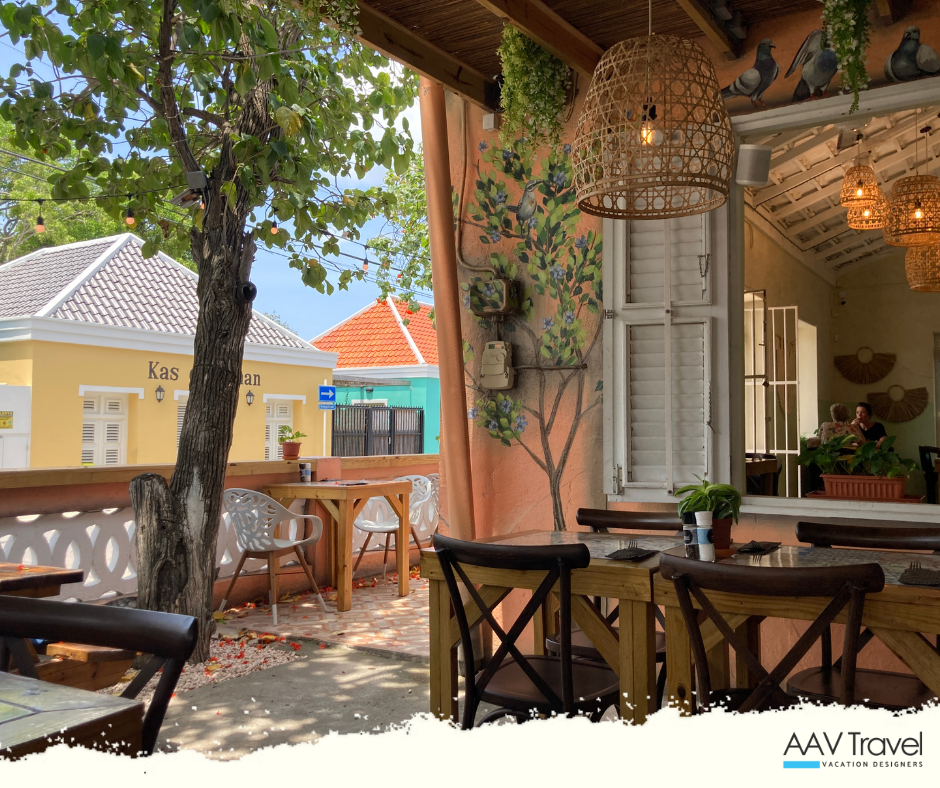
If you’re the kind of traveler who values culture as deeply as coastline, Curaçao often feels like a quiet revelation. This is not a destination built on spectacle or excess. Instead, it unfolds slowly, revealing its character through rhythm, history, and lived-in beauty. Mornings invite you to wander pastel streets shaped by centuries of trade and migration. Afternoons drift toward secluded coves discovered almost accidentally, the sea impossibly clear, the pace unhurried. Curaçao rewards curiosity rather than urgency, offering a sense of place that lingers long after the salt has dried on your skin.

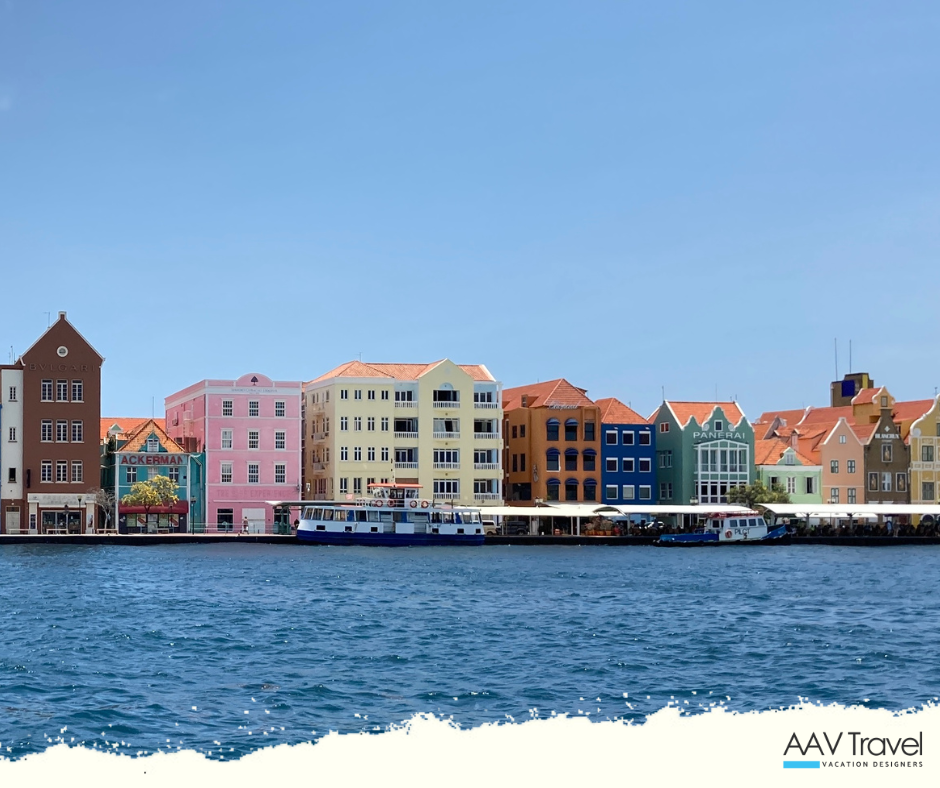
The island’s identity is inseparable from its layered history. Once a strategic hub of the Dutch trading empire, Curaçao remains a constituent country within the Kingdom of the Netherlands. That legacy is visible everywhere, from the gabled façades of Willemstad to the cadence of Papiamentu, a language shaped by Dutch, Portuguese, Spanish, and African roots. Cuisine reflects this same convergence, blending European structure with Caribbean warmth and Latin influence. Positioned just north of Venezuela and safely outside the hurricane belt, Curaçao enjoys a stable climate and year-round appeal, long favored by European travelers seeking winter sun without unpredictability.

Willemstad’s UNESCO-listed harbor remains a focal point, animated by cafés, galleries, and daily life rather than performance. Beyond the city, the island opens into rugged coastlines, salt flats, and hidden beaches best reached by car and curiosity. Curaçao is not about curated perfection; it’s about discovery. That quality, paired with its safety and ease of navigation, makes it particularly appealing to travelers who value independence and thoughtful exploration over tightly packaged experiences.

Luxury here follows a different logic than on many Caribbean islands. Curaçao’s Dutch heritage subtly shapes its hospitality culture, favoring practicality, quality, and restraint over extravagance. Hotels tend to be well-run rather than ostentatious, comfortable rather than theatrical. Boutique properties and small-scale accommodations dominate, while traditional ultra-luxury resorts remain rare. For travelers accustomed to more overt indulgence, this can feel like an adjustment. For others, it’s precisely the appeal.

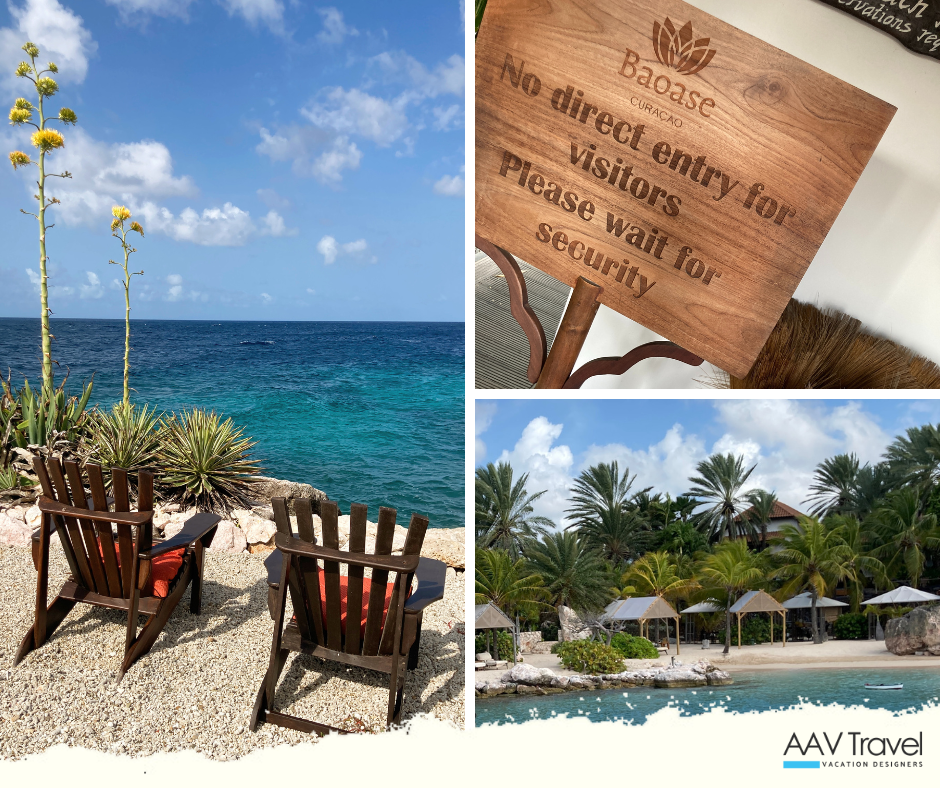
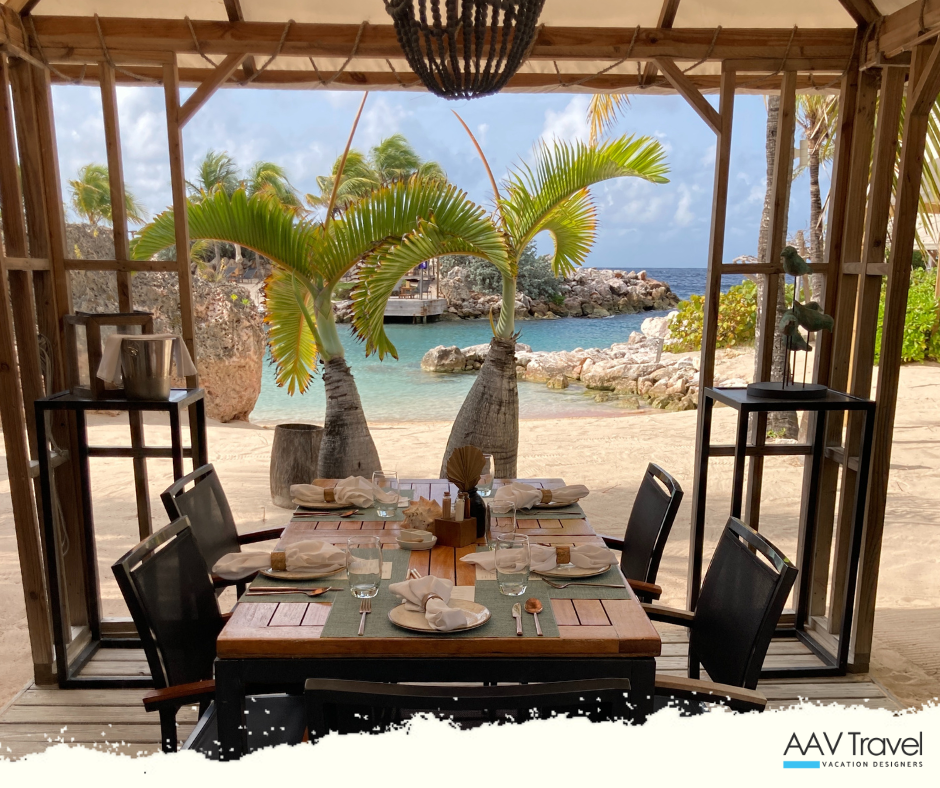
This understated landscape makes true refinement stand out all the more clearly, which is why Baoase Luxury Resort feels so singular within Curaçao. Tucked discreetly along the coast, Baoase operates on an entirely different frequency. It is not simply one of the island’s best places to stay; it is a destination in its own right, designed for travelers who value privacy, intention, and deeply personal service.

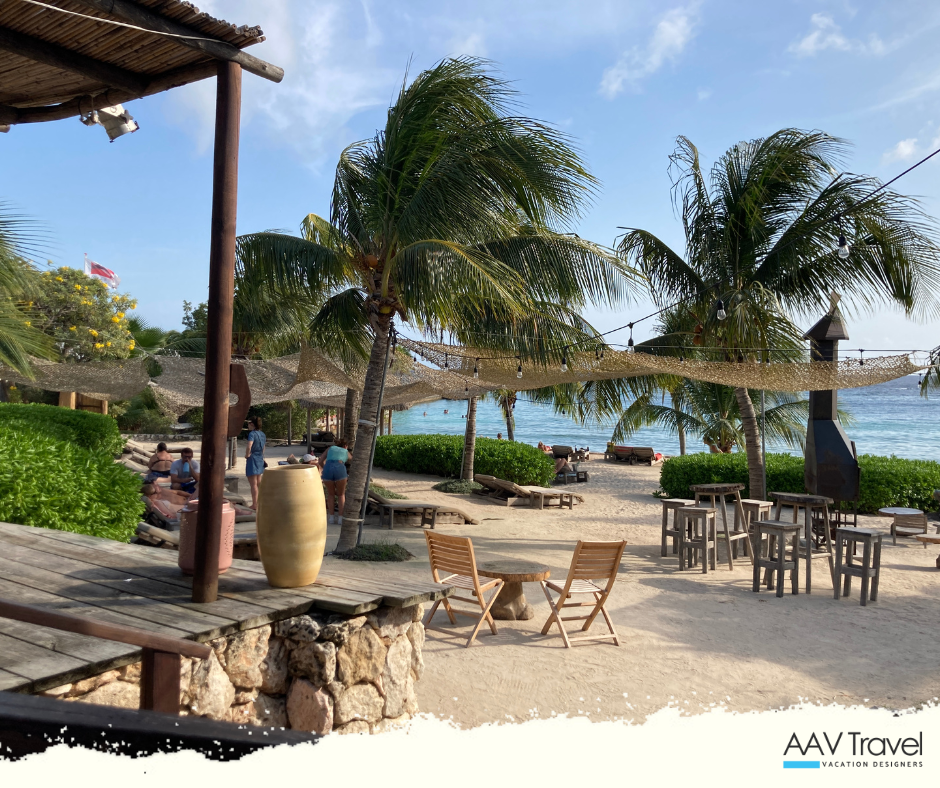
With only a handful of suites and private villas, Baoase feels closer to a private estate than a hotel. The experience is shaped by scale and philosophy rather than grandeur. Guests are known by name, preferences are remembered without being announced, and service unfolds quietly in the background. Design leans toward natural materials and a serene, Balinese-inspired aesthetic, creating an atmosphere that feels grounded, intimate, and restorative rather than performative.

The resort itself was born from a passion project by Dutch owners inspired by Southeast Asian architecture and craftsmanship. That influence is felt throughout the property, from winding garden paths to secluded beach areas and private pools designed for retreat rather than display. Dining is refined and artful, service is attentive without intrusion, and the overall rhythm encourages guests to slow down and remain present.

One of Baoase’s defining characteristics is its firm commitment to privacy. Photography within the property is intentionally restricted, fostering an environment where guests can truly disconnect. This is luxury that exists for the experience itself, not for documentation. It appeals to travelers who value discretion and depth, and who understand that the most meaningful moments are rarely the most visible ones.

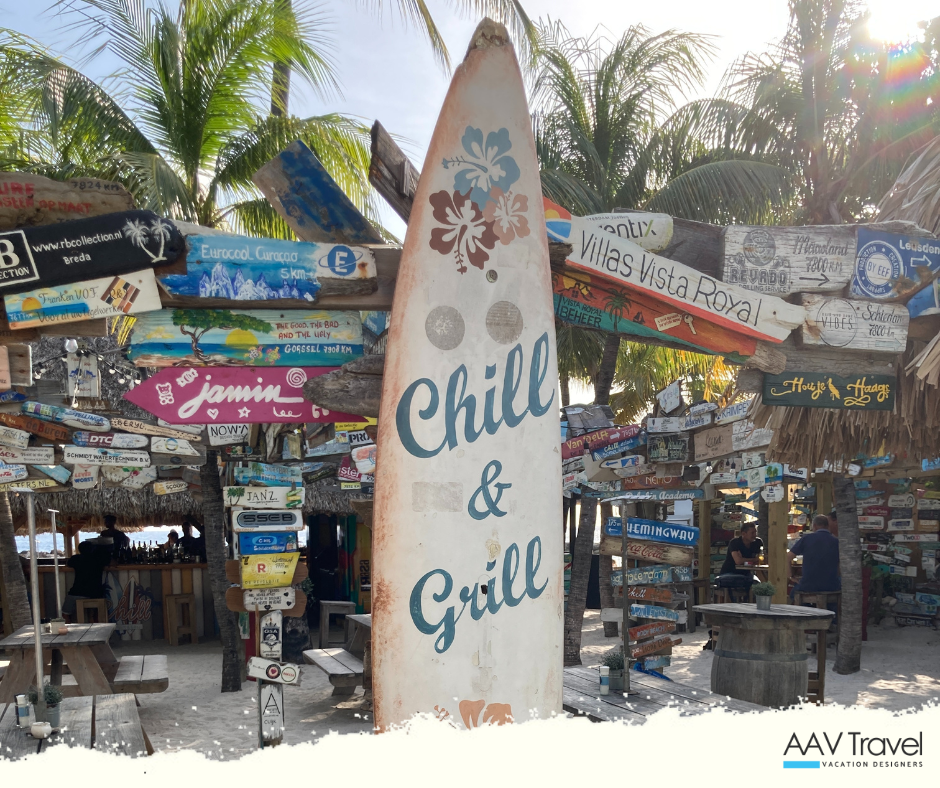
When thoughtfully planned, a stay at Baoase pairs beautifully with time spent exploring the island beyond the resort. Curaçao invites movement. Renting a car, tracing the coastline, stopping spontaneously at quiet beaches or local cafés, and engaging with the island on its own terms reveals a warmth and authenticity that feels increasingly rare. The island is welcoming, easygoing, and refreshingly unpretentious, offering a sense of ease that allows travelers to settle in rather than rush through.

Baoase’s story adds to its charm. Founded by Dutch owners who fell in love with both Curaçao and Southeast Asian architecture, the resort was built as a passion project—a place that blended Caribbean beauty with the tranquility and craftsmanship of Bali. The result is a lush, intimate hideaway featuring private pools, secluded beach areas, and winding tropical pathways that encourage guests to slow down and savor the surroundings.

Curaçao is best suited for travelers who appreciate balance: culture alongside coastline, independence alongside comfort, refinement alongside realism. It’s a destination that rewards discernment and pacing, offering depth to those willing to engage with it thoughtfully.

If Curaçao has begun to spark your curiosity, the next step isn’t booking a hotel or choosing dates. It’s having a calm, intentional conversation about how this destination fits into your broader travel goals, your timing, and the experience you truly want to have. That’s where thoughtful travel design begins. You’re welcome to reach out via www.aav-travel.com or info@aav-travel.com when you’re ready to explore what that could look like.

Written by: Stefanie P.

Hushpitality: When Silence Becomes the Most Thoughtful Luxury

There was a time when luxury travel was measured by abundance. More destinations, more activities, more dining reservations, more stimulation. Today, among experienced travelers who have already seen much of the world, that definition is quietly changing. The most valuable element of travel is no longer excess — it is relief. Relief from noise, from pressure, from constant decision-making, from the subtle tension that follows us even on holiday.

This is where hushpitality enters the conversation, not as a trend to chase, but as a response to how people truly want to feel when they travel.

Hushpitality is not about silence for silence’s sake. It is about designing travel that allows the nervous system to settle. It is about places and experiences that understand the difference between being alone and being at peace, between isolation and intentional quiet. For travelers who are accomplished, curious, and deeply engaged in their lives, this shift feels less like novelty and more like recognition.

Many travelers don’t articulate it this way at first. They say they want something “easy,” “restful,” or “less rushed.” They may say they want nature, or fewer hotel changes, or a villa instead of a city center property. What they are often seeking is not a destination, but a condition — the rare luxury of mental and emotional quiet.

True hushpitality begins long before arrival. It is shaped by decisions that are invisible when done well and immediately felt when done poorly. The choice of location within a destination matters more than the destination itself. A room facing the sea instead of the road. A countryside property twenty minutes farther out that trades convenience for calm. A carefully chosen travel window that avoids the subtle stress of crowds, weather volatility, or local events that change the rhythm of a place.

Silence, in this sense, is curated.

This is where experienced travelers often discover the limits of self-planning. Online inspiration tends to reward stimulation: the must-see, the must-do, the newly opened, the loudly celebrated. But quiet luxury requires discernment. It requires understanding not only what a place offers, but how it feels at different times of day, different seasons, and different stages of life.

Hushpitality also invites a rethinking of pace. It favors fewer transitions and longer stays, allowing the body to adjust and the mind to stop scanning for what comes next. It creates room for mornings without agendas and evenings that don’t require reservations. The absence of structure becomes the structure.

For many travelers, this kind of experience feels unfamiliar at first. There can be a subtle discomfort in slowing down, in realizing how accustomed we have become to noise. But once that threshold is crossed, something shifts. Travelers report sleeping more deeply. Conversations become richer. Small details — light on water, the sound of wind through trees, the rhythm of a local café — take on meaning again.

Importantly, hushpitality does not mean sacrificing comfort, beauty, or cultural depth. In fact, it often heightens them. A thoughtfully chosen museum visit early in the day, before crowds arrive, can feel almost private. A single, meaningful guide encounter can replace a full day of scheduled touring. A well-designed spa experience, or simply time spent walking without purpose, can become the most memorable part of a journey.

Silence sharpens perception.

This approach is particularly resonant for milestone travelers — those marking transitions rather than escapes. Empty nesters redefining freedom. Couples recalibrating after demanding years. Individuals traveling solo not out of necessity, but intention. In these moments, travel becomes less about distraction and more about alignment.
Designing for hushpitality also carries a responsibility. Quiet spaces must be genuinely protected, not merely marketed. Some destinations appear tranquil in photographs but feel restless in reality. Others require careful handling to avoid overexposure, environmental strain, or social friction that disrupts the very calm travelers seek.

This is where thoughtful travel design intersects with private travel risk advisory. Noise is not always audible. It can take the form of logistical friction, poorly timed connections, unreliable services, or cultural misunderstandings that pull travelers out of ease and into vigilance. Seamlessness is not indulgence; it is what allows quiet to exist.

At AAV Travel, hushpitality is not treated as a category, but as a lens. It informs how journeys are shaped, how trade-offs are evaluated, and how success is measured. Sometimes that means advising against a popular property in favor of one with better spatial design. Sometimes it means encouraging clients to stay put rather than move on. Sometimes it means acknowledging that a destination may be right — just not right now.

Silence, after all, is not something you add at the end. It must be designed from the beginning.

As travelers become more discerning, the value of judgment increases. Not every quiet place is restorative. Not every slow itinerary is satisfying. The art lies in understanding who a journey is for, what they carry with them into it, and what they hope to leave behind — even temporarily.

Hushpitality speaks to a deeper evolution in travel. Away from consumption and toward consideration. Away from performance and toward presence. It asks not “How much can I see?” but “How do I want to feel while I am there — and when I return?”

For those ready to travel with greater intention, silence is no longer an absence. It is the experience itself.

If you’re considering a journey where calm, clarity, and thoughtful design matter more than volume or velocity, a quiet conversation is often the best place to begin.

If a quieter, more intentional way of traveling resonates — one shaped by pacing, judgment, and an understanding of what truly restores — an intentional conversation can be a meaningful first step. AAV Travel works with clients to think through the broader picture before plans take shape, aligning destinations, timing, and structure with how travel is meant to feel. You can reach out to us directly at info@aav-travel.com to begin the conversation.

Written by: Stefanie P.

How Florence Is Best Experienced: A Journey Through the Six Senses

Florence is often introduced through masterpieces and monuments. The Duomo. The David. The Uffizi. Yet the travelers who leave feeling most connected to the city rarely describe it only in terms of what they saw. Instead, they recall the weight of warm stone under their palms at dusk, the echo of chanting drifting through a quiet basilica, the faint perfume of roses on a hillside breeze, the way a simple meal lingered in memory long after the last bite.

Florence reveals itself most fully when it is experienced through the senses, not hurried through as a checklist of sights. When approached with presence and intention, the city becomes less a destination to be consumed and more a place to be felt.

Modern psychology tells us what seasoned travelers already know instinctively: our senses are gateways to wellbeing, memory, and meaning. Sight, sound, smell, taste, touch, and intuition shape how we process the world and how deeply we feel connected to it. Travel, when designed with care, awakens these senses in ways everyday life rarely allows.

Florence, with its layered history, human scale, and enduring craftsmanship, offers an unusually rich setting for this kind of experience.

SIGHT: When Light Becomes the Experience

Inside Santa Maria del Fiore, sight is not merely about architecture or ornamentation. At midday on the summer solstice, a single beam of sunlight enters through a small aperture high in the dome and lands precisely on a marble disc below, a quiet yet extraordinary convergence of art, science, and faith. Installed centuries ago as part of an astronomical instrument, this moment transforms light itself into an event.

Standing in the cathedral as that beam appears, the instinct is not to photograph, but to pause. The filtered colors from stained glass shift across stone that has witnessed generations. The experience asks for stillness. Sight here is immersive and emotional, reminding us that seeing is not passive; it shapes how we remember and how we feel.

Florence excels at these subtle visual moments. They are easy to miss when moving too quickly, yet deeply affecting when allowed to unfold at their own pace.

SOUND: Listening to the City’s Inner Rhythm

Above the city, the Basilica di San Miniato al Monte offers one of Florence’s most profound sensory contrasts. Outside, expansive views stretch across terracotta rooftops and rolling hills. Inside, sound becomes the defining element.

The Romanesque interior holds silence with intention. Footsteps echo softly. A single voice resonates longer than expected. In the early evening, Gregorian chant fills the space, its ancient cadence amplified by stone and proportion rather than technology.

This is not performance but ritual, and the effect is quietly disarming. The acoustics encourage slowing down, listening more deeply, and allowing sound to linger. In Florence, sound often reveals what sight cannot: the continuity of daily life layered over centuries.

SMELL: Memory Carried on the Breeze

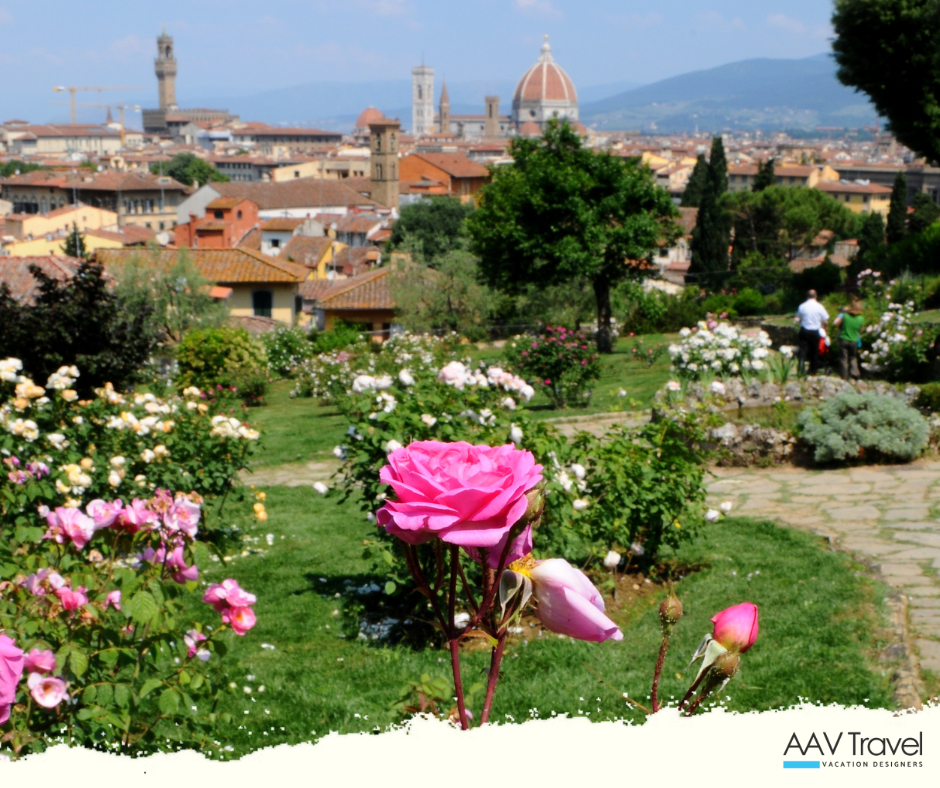
Below Piazzale Michelangelo, the Giardino delle Rose offers a different kind of perspective. Here, Florence is experienced through scent as much as through view. In late spring, hundreds of rose varieties bloom, their fragrances mingling with citrus trees and warm air rising from the city below.

Smell has a unique ability to anchor memory. Long after the view fades, it is often the scent of a place that resurfaces unexpectedly years later. In this garden, time seems to slow. The city’s hum softens, replaced by birdsong and the subtle rustle of leaves.

Pausing here is not about seeing Florence from above, but about inhaling it, allowing place and moment to register fully before moving on.

TASTE: A Culinary Language of Place

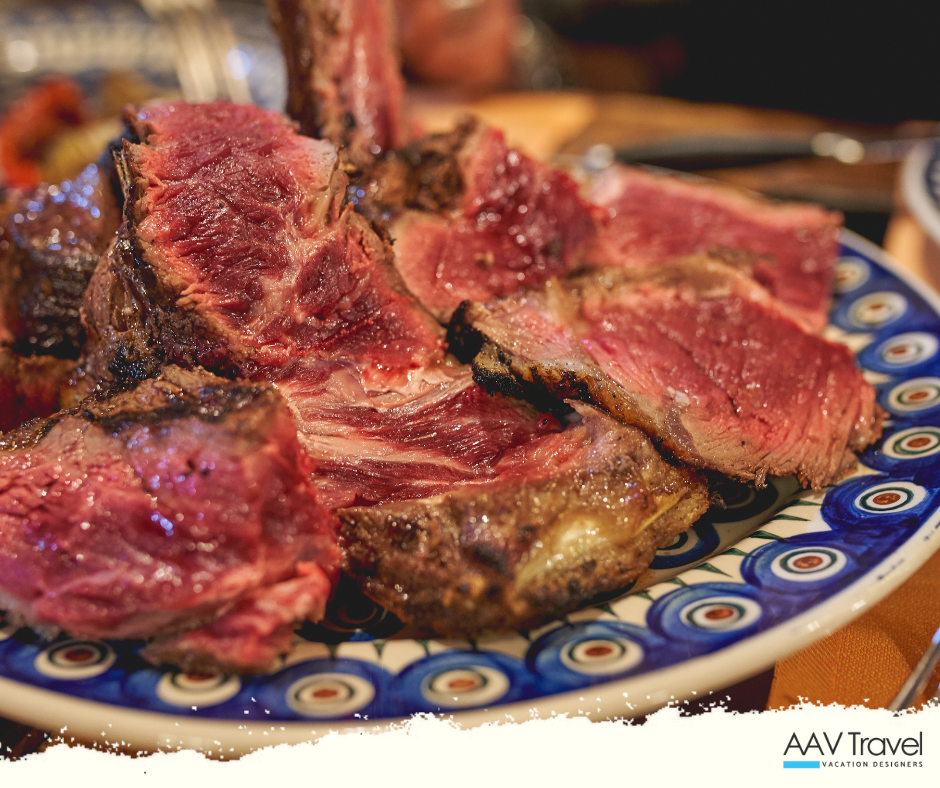
Florentine cuisine is direct, grounded, and deeply tied to its landscape. A well-prepared bistecca alla fiorentina, a bowl of ribollita, a slice of bread drizzled with new olive oil, these are not indulgences so much as expressions of place.

Taste in Florence rewards patience. Meals are meant to be lingered over, flavors allowed to develop, conversations given time. Ingredients carry history: grains milled nearby, oil pressed from surrounding hills, recipes shaped by necessity and care rather than trend.

To eat well here is not about excess but about understanding. Food becomes a quiet education in geography, climate, and tradition, one that stays with you long after the table is cleared.

TOUCH: Where Craft Still Lives

Florence remains a city where the human hand matters. In the Oltrarno, artisan workshops continue traditions passed down through generations. Leather, wood, paper, and metal are shaped slowly, deliberately.

Running your fingers over a finished piece, or watching the rhythm of hand stitching in a small workshop, connects you to the city in a way no museum display can. Touch brings history into the present tense. It reminds us that Florence was built not only by great artists, but by skilled hands working day after day.

These tactile experiences are often quiet and unscheduled, yet they are among the most enduring.

INTUITION: Knowing When to Pause

Beyond the senses we can name is the one that guides the most meaningful travel decisions: intuition. It is the instinct that suggests crossing a bridge at dusk, lingering in a small piazza, or choosing a café filled with locals rather than lines.

Florence rewards those who listen to this inner compass. In moments of unplanned stillness, the city feels less like a stage set and more like a living companion. This is where presence replaces performance, and travel becomes personal.

Thoughtful Hospitality as Part of the Experience

Where you stay in Florence shapes how the city is experienced between these moments. Properties that value calm, proportion, and restraint allow the senses to reset rather than compete for attention.

Hotel La Gemma, housed within a restored palazzo near the historic center, reflects this philosophy. Its atmosphere is quietly composed rather than overtly grand. Light-filled rooms, soundproofed interiors, tactile materials, and a sense of ease create a refuge after days spent absorbing the city.

Spaces like this do not distract from Florence; they support it, offering continuity and balance. When accommodation aligns with the rhythm of a destination, the experience feels cohesive rather than fragmented.

Designing Florence with Intention

Experiencing Florence through the senses is not about adding more activities, but about making thoughtful choices: when to visit certain spaces, where to linger, what to skip, and how to pace each day. These decisions shape how the city is felt, not just seen.

At AAV Travel, journeys are designed with this discernment in mind. Beyond reservations and logistics, the focus is on flow, timing, and context, ensuring that each element supports the overall experience rather than competes with it. The goal is travel that feels seamless, grounded, and deeply personal.

Florence has been inspiring travelers for centuries. When approached with intention, it continues to do so in ways that are subtle, restorative, and lasting. For those ready to experience the city beyond sightseeing, Florence offers not spectacle, but connection, one sense at a time.

If you are considering a journey to Florence and would like it shaped with care, pacing, and insight, AAV Travel welcomes the conversation.

Written by: Stefanie P.

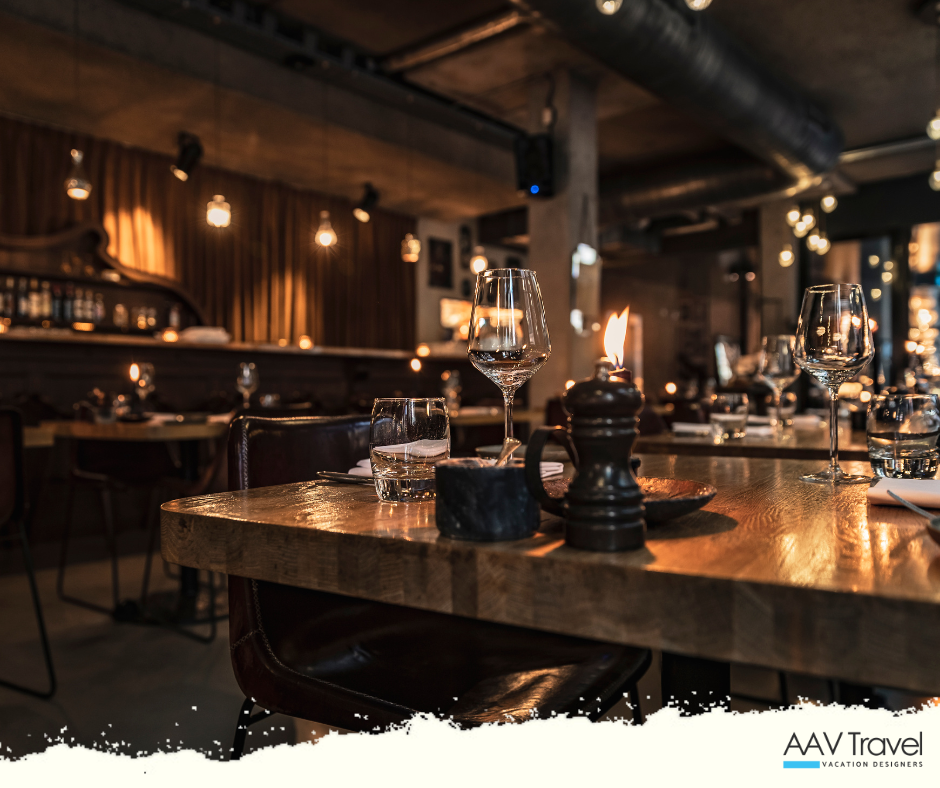
The Art of Dining Well in London

London has always known how to host. But in the last few years, the city’s culinary life has shifted in a way that feels less like a trend and more like a return to something elemental: dining as a form of connection. The best meals now carry an emotional signature. They’re not simply about technique, rare ingredients, or the hush of a white tablecloth. They’re about story, place, and the particular warmth that happens when a kitchen and a dining room are working in quiet harmony.

You can feel this change in the way chefs talk about their work, and in what guests remember afterward. Precision still matters, of course. But the most compelling restaurants aren’t chasing perfection as an end in itself. They’re chasing meaning. Service has become less performative and more human, and the experience feels shaped around you rather than presented at you. Cultural touchstones have helped bring this into the mainstream, too. When people reference the intensity of modern kitchens or the philosophy of unreasonable hospitality, what they’re really saying is this: a great meal should make you feel something.

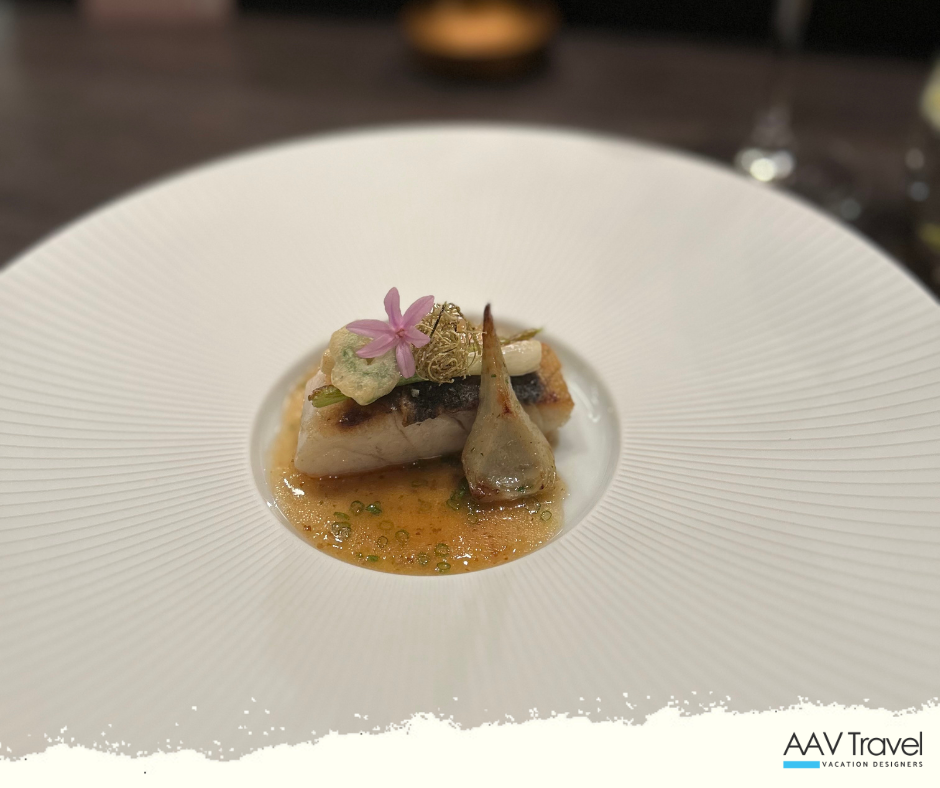
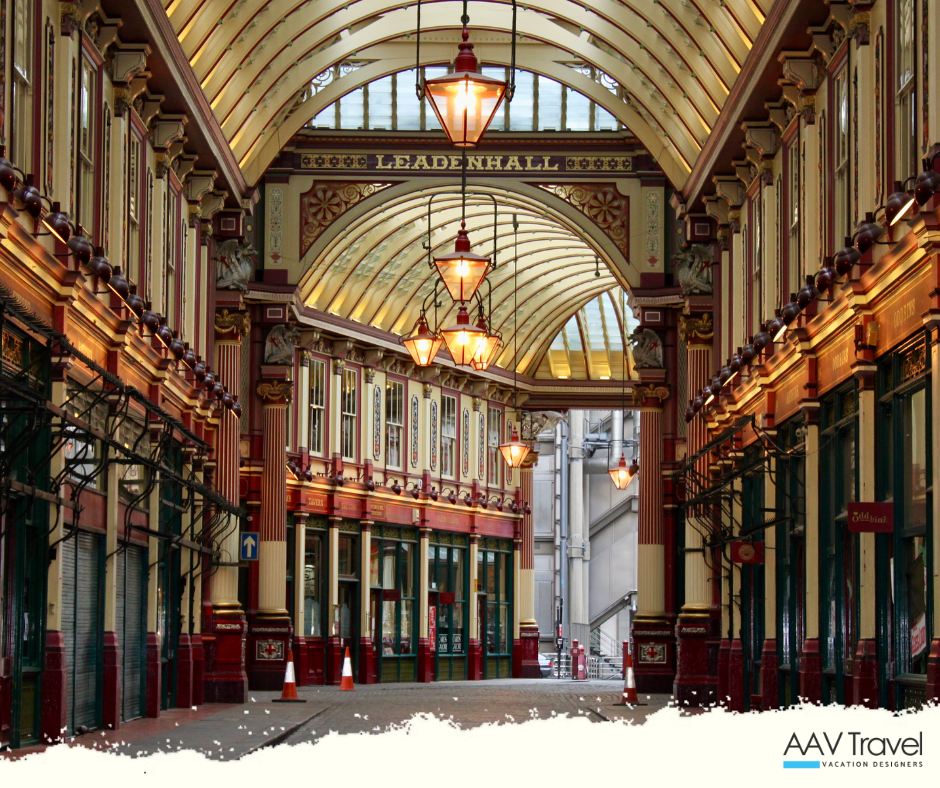
That’s precisely why London is such a rewarding city for a culinary escape right now. The London of old clichés—only pubs, only tea—never told the full story, but it’s especially incomplete today. London’s dining scene is global in the truest sense: a city where contemporary British tasting menus sit comfortably alongside exquisite omakase counters, Indian fine dining that treats spice as architecture, Middle Eastern kitchens redefining generosity, and small neighborhood rooms where the food is quietly brilliant because the sourcing, the technique, and the point of view are all aligned.

The temptation is to come to London and try to “do it all.” That’s the fastest way to make even a glamorous trip feel like a checklist. A culinary London works best when it’s designed like a rhythm: a big night followed by an unhurried morning, a long tasting menu balanced with something simple and perfect the next day, a table that’s worth dressing up for and another that’s worth slipping into without announcement. The city rewards discernment. It rewards pacing. And because London is a city of neighborhoods more than a single central stage, it rewards choosing where you stay with as much intention as where you dine.

There’s also a practical reality that matters: the most sought-after reservations often move on a timetable that doesn’t care when you booked your flights. Many top restaurants release tables in defined windows, and prime evenings can disappear quickly—especially on weekends, during school holidays, or around major London events. If your vision includes one or two “anchor meals,” it’s wise to plan with enough lead time that you’re choosing with confidence rather than scrambling for what’s left. In many cases, beginning the conversation three to six months out creates a calmer planning experience and significantly improves your odds of getting the tables you actually want.

Where you stay becomes part of that strategy. London is wonderfully walkable in pockets, but crossing the city at the wrong hour can quietly tax your energy, especially when you’ve built your days around late dinners, pre-theatre cocktails, or a leisurely dessert that turns into a nightcap. A thoughtfully chosen hotel makes it easier to enjoy the city the way it’s meant to be enjoyed: with time to linger, change, and arrive unhurried.

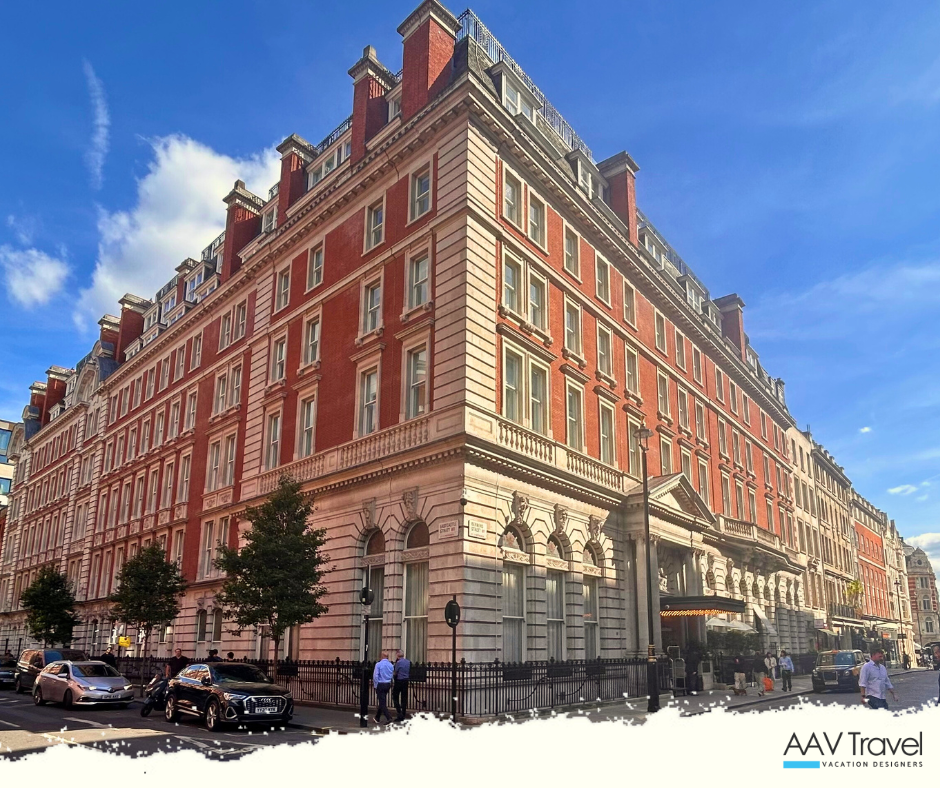
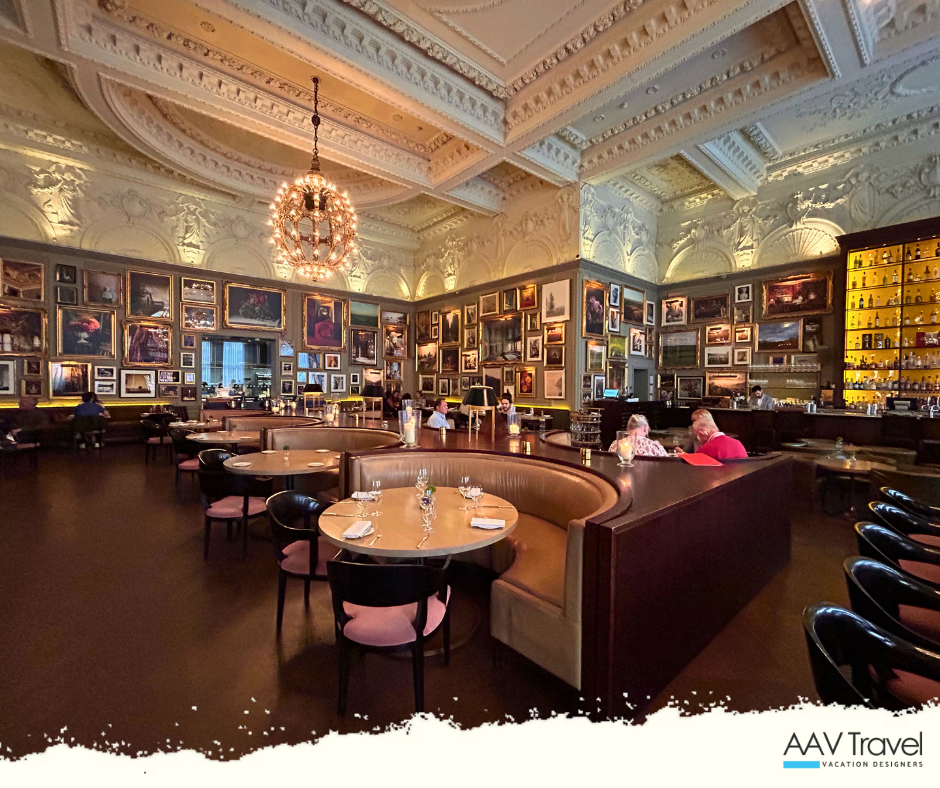
For travelers who want modern glamour with a sense of London’s layered history, The London EDITION is an effortlessly stylish base. Its atmosphere feels alive without being loud, and its location places you within easy reach of dining-rich neighborhoods—whether you’re drifting toward Fitzrovia and Soho, browsing Marylebone, or keeping an afternoon open for Bloomsbury. Even if you’re dining elsewhere, having an excellent bar and restaurant scene at your hotel matters. It gives you flexibility on arrival day, a polished option for a relaxed first evening, or a place to end the night without having to think too hard. That kind of ease is part of luxury, even when it’s invisible.

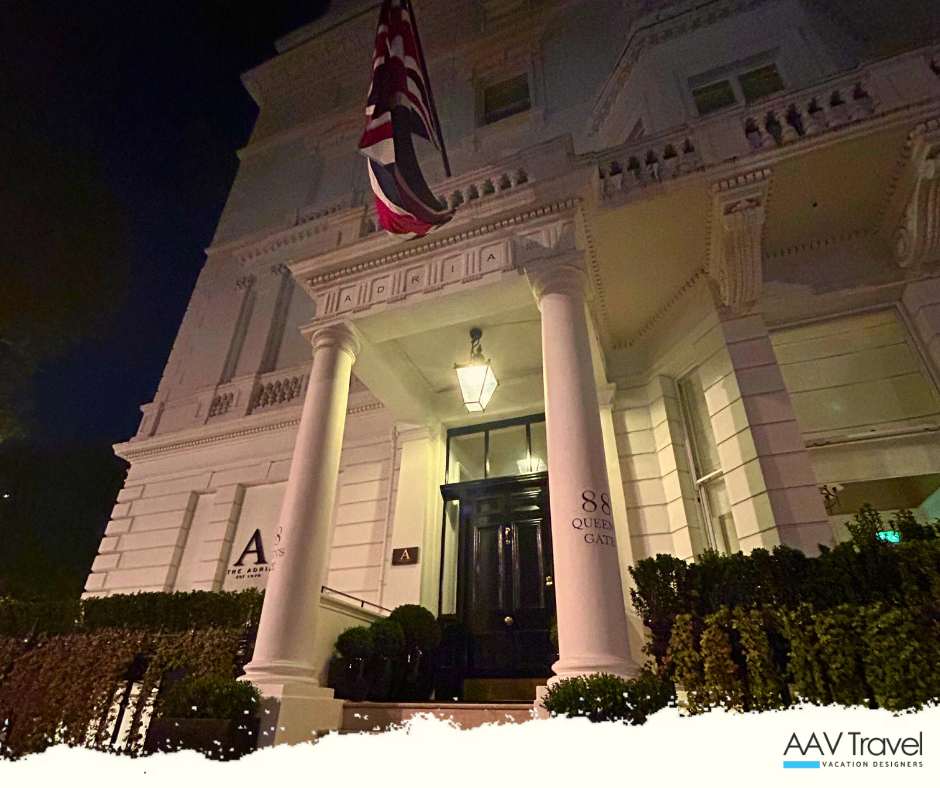
If your idea of luxury leans more discreet—privacy, calm, and a residential feel—The Adria in South Kensington offers a very different but equally compelling experience. This is the type of boutique property that feels like a well-kept secret: intimate, quietly elegant, and restorative after a day in the city. South Kensington and its surrounding areas also put you near a remarkable concentration of excellent dining, which means you can build evenings that feel seamless rather than logistically heavy. When you can return to a quiet, tucked-away hotel after a serious meal, the entire trip feels more like a private escape than a public performance.

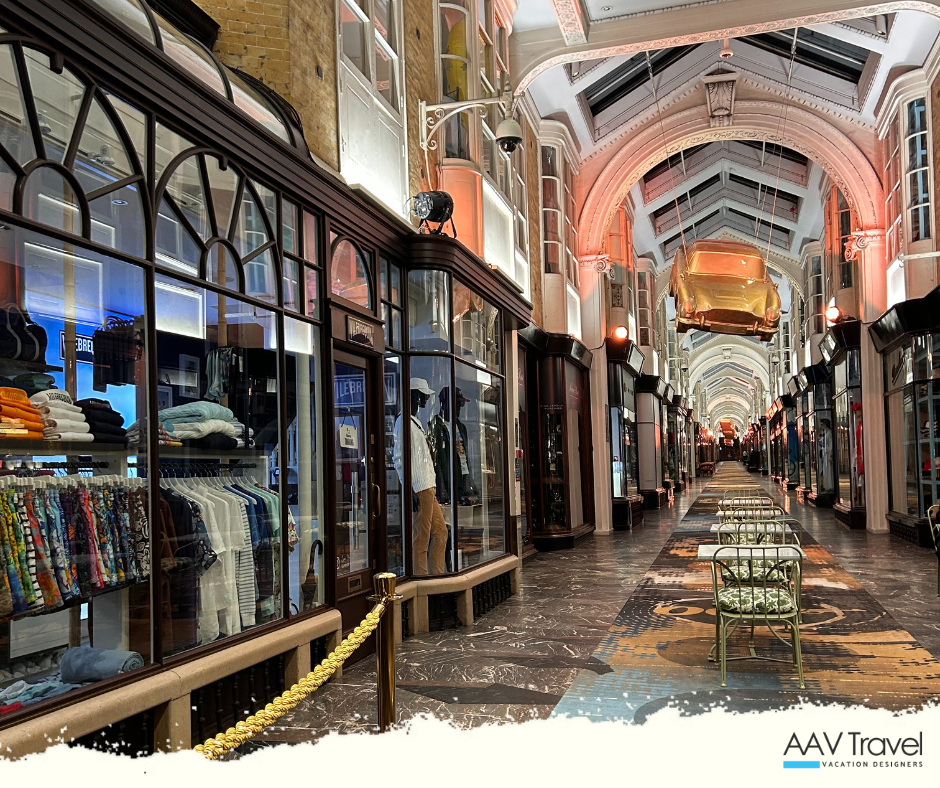
A London culinary journey becomes especially memorable when it’s tied to a milestone—an anniversary, a birthday with a meaningful number, a proposal you want to feel cinematic but not staged. London is exceptional at the details that elevate celebration: the perfect table at the right hour, a room that knows how to read the moment, a cocktail bar that feels like a discovery, a morning that begins slowly because you planned it that way. And for many travelers, the city’s shopping adds a satisfying layer of indulgence when it’s woven in thoughtfully. Bond Street and the great department stores can be exhilarating, but the real pleasure comes when you’re not racing between appointments. A late lunch that turns into an afternoon browse, a pre-dinner stroll that feels like part of the ritual, a small purchase that becomes a travel talisman—this is the kind of London that stays with you.

Designing London well is less about finding the “best” restaurants and more about curating the right sequence for you: the meals that match your palate, the neighborhoods that match your pace, and the hotel that makes everything feel effortless. That’s where thoughtful planning quietly changes the experience. It protects your time, increases your options, and helps ensure that the trip feels like a cohesive escape rather than a set of separate reservations.

If you’d like to turn London into a culinary retreat that feels seamless from start to finish—tables secured with intention, hotels chosen for both style and practicality, and a pacing strategy that lets you savor the city—we would love to design it with you. Email us at info@aav-travel.com, and tell us the dates you’re considering and the kind of meals you dream about; we’ll help shape the rest into something calm, confident, and unforgettable.

Written by: Stefanie P.

Christmas on Screen in Europe: Holiday Films as Windows into Tradition

In the United States, Christmas is more than a date on the calendar. It is a season shaped by ritual, repetition, and a familiar sense of comfort. As evenings grow darker and the pace of daily life finally begins to slow, many households return to the same small traditions year after year. One of the most enduring is the simple act of gathering in front of the television, wrapped in blankets, a warm drink within reach, letting a familiar holiday film play in the background.

These movies are rarely watched with full attention, and that is part of their charm. They become part of the rhythm of December rather than the focus of it, offering a shared backdrop for conversation, laughter, and quiet moments together. Parents introduce the films they grew up with to their children. Siblings quote lines they have known by heart for decades. Grown children return home and slip easily into routines that feel unchanged. In many American households, these films are not entertainment so much as reassurance. They signal that the season has truly arrived.
Coming from Switzerland, I have always found this aspect of American Christmas culture quietly fascinating. Each year, someone inevitably references a holiday classic with genuine surprise when I admit I have never seen it. Many of these films are deeply woven into American memory in a way that feels both communal and personal. They reflect how culture, storytelling, and seasonality intersect, shaping how people experience the holidays without necessarily thinking about it.

In Europe, Christmas films play a different role. In many countries, they are less about spectacle or novelty and more about continuity. The same films return year after year, not because they are new or particularly festive, but because they feel familiar. They belong to the season in a way that mirrors how traditions themselves are passed down.

Switzerland

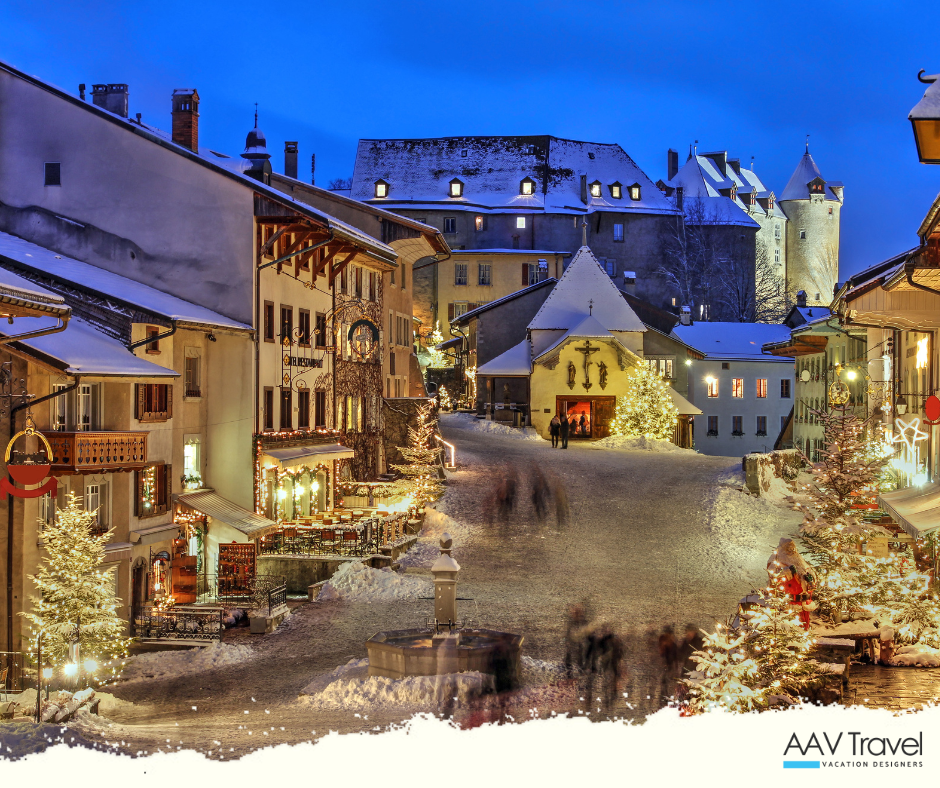
In Switzerland, Christmas unfolds quietly. The season begins with Advent and moves gently through St. Nicholas Day, Christmas Eve, and the days that follow. It is marked by candlelight, winter landscapes, and time spent close to home. Switzerland does not have a strong tradition of producing Christmas-specific films, yet certain stories have become inseparable from the season. In the German-speaking regions, “Drei Haselnüsse für Aschenbrödel,” known in English as “Three Wishes for Cinderella,” appears on television every December, watched by generations who know the story by heart. The classic “Sissi” films often accompany it, their romantic nostalgia fitting naturally into the slower, reflective mood of the holidays. These films mirror Switzerland’s approach to Christmas itself: understated, intimate, and rooted in continuity rather than excess.

Italy

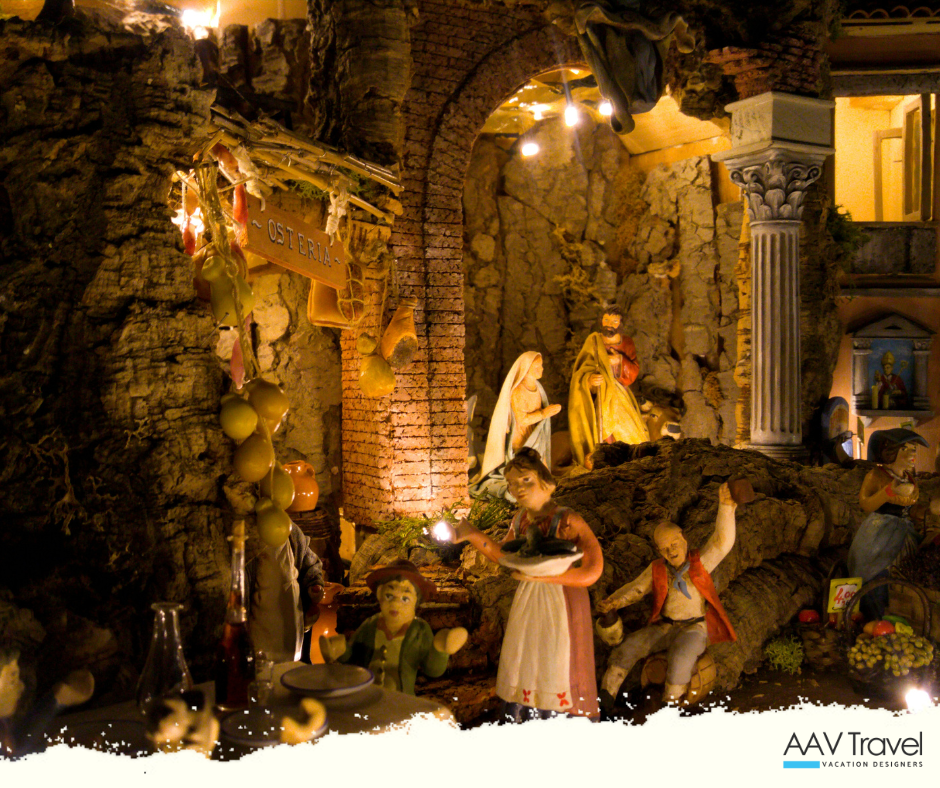
In Italy, Christmas is expansive in a different way. The season stretches well beyond Christmas Day, carrying through to Epiphany in early January. Family meals are long and unhurried, nativity scenes are lovingly displayed, and traditions unfold gradually rather than all at once. Italy has few homegrown Christmas films, yet one foreign movie has unexpectedly become a national ritual. Every Christmas Eve, millions of Italians watch “Una poltrona per due,” the Italian broadcast of “Trading Places.” What began as an American comedy has taken on a distinctly Italian rhythm through repetition, becoming part of the country’s shared holiday language. Alongside it, animated favorites such as “How the Grinch Stole Christmas” often appear, adding lightness and familiarity to evenings spent together.

Ireland

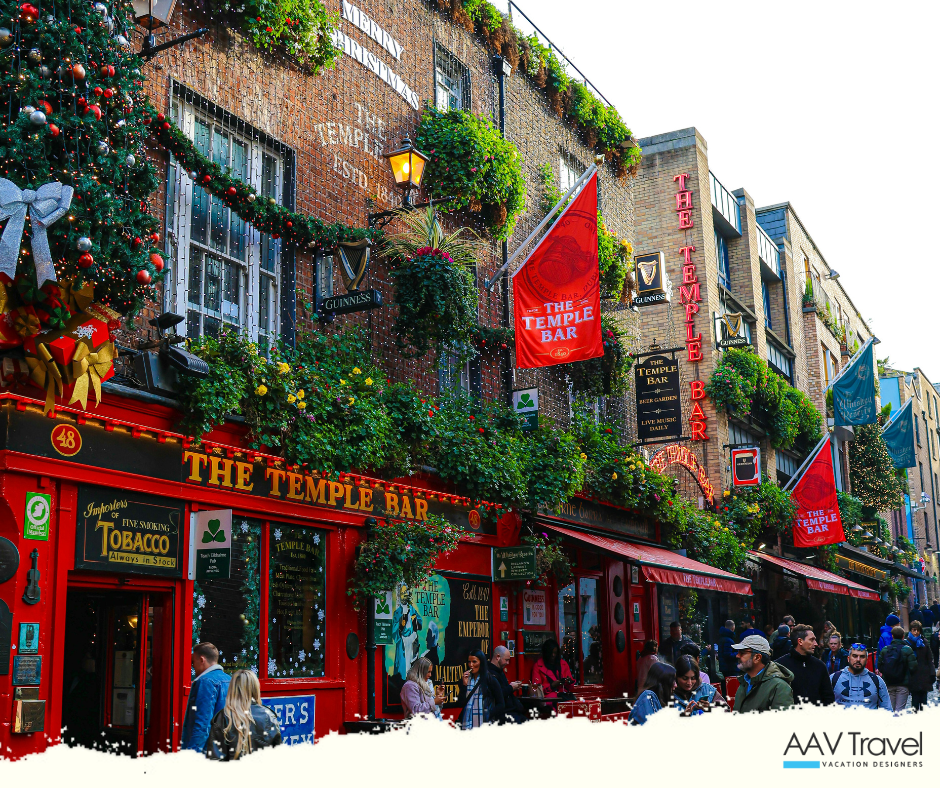
In Ireland, Christmas is deeply social, shaped by humor, community, and shared moments rather than strict formality. One of the most anticipated events of the season is not a film at all, but “The Late Late Toy Show,” a live television broadcast that signals the unofficial beginning of Christmas for many families. It is joyful, chaotic, heartfelt, and unmistakably Irish. Films still play their role, though, and classics like “The Muppet Christmas Carol” return year after year, appealing equally to children and adults. These viewing traditions reflect an Irish Christmas that values warmth, storytelling, and the pleasure of being together above all else.

France

France approaches Christmas with a sense of balance between celebration and restraint. Family meals, particularly the Réveillon on Christmas Eve, remain central, and festive markets bring warmth to winter evenings. While France does not place great emphasis on Christmas films as a category, certain titles have become seasonal touchstones. “Le Père Noël est une ordure,” a darkly comedic cult classic, reappears every December, its humor as familiar as it is irreverent. During the holiday break, French television often broadcasts the Harry Potter films, especially the first installment, which has come to feel inseparable from Christmas despite its British origins. Together, these films add layers of nostalgia and quiet magic to the season without overpowering it

Norway

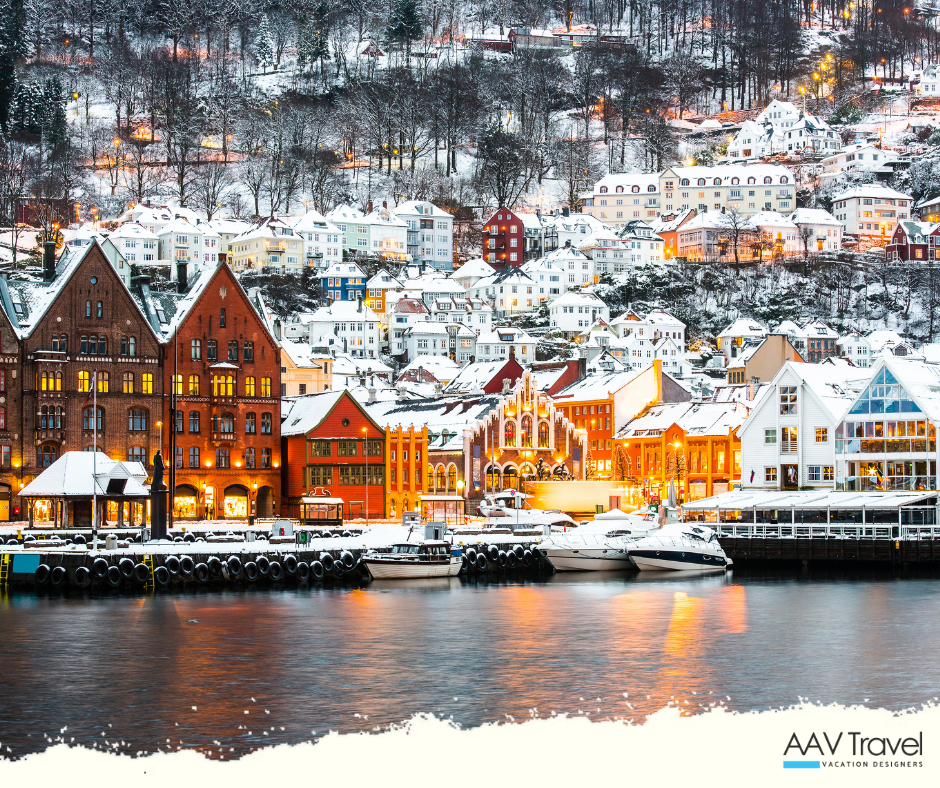
In Norway, Christmas, or Jul, is defined by coziness, candlelight, and preparation. The weeks leading up to Christmas are as important as the day itself, filled with baking, decorating, and shared anticipation. Norwegian holiday television traditions are particularly strong, and for many families, Christmas Eve would feel incomplete without “Tre nøtter til Askepott,” the Norwegian broadcast of the Cinderella fairy tale also beloved in Switzerland. “Reisen til julestjernen,” or “Journey to the Christmas Star,” is another cherished favorite, embodying the fairy-tale quality and emotional warmth that define the season. These films capture the essence of kos, Norway’s expression of comfort, intimacy, and seasonal calm.

UK

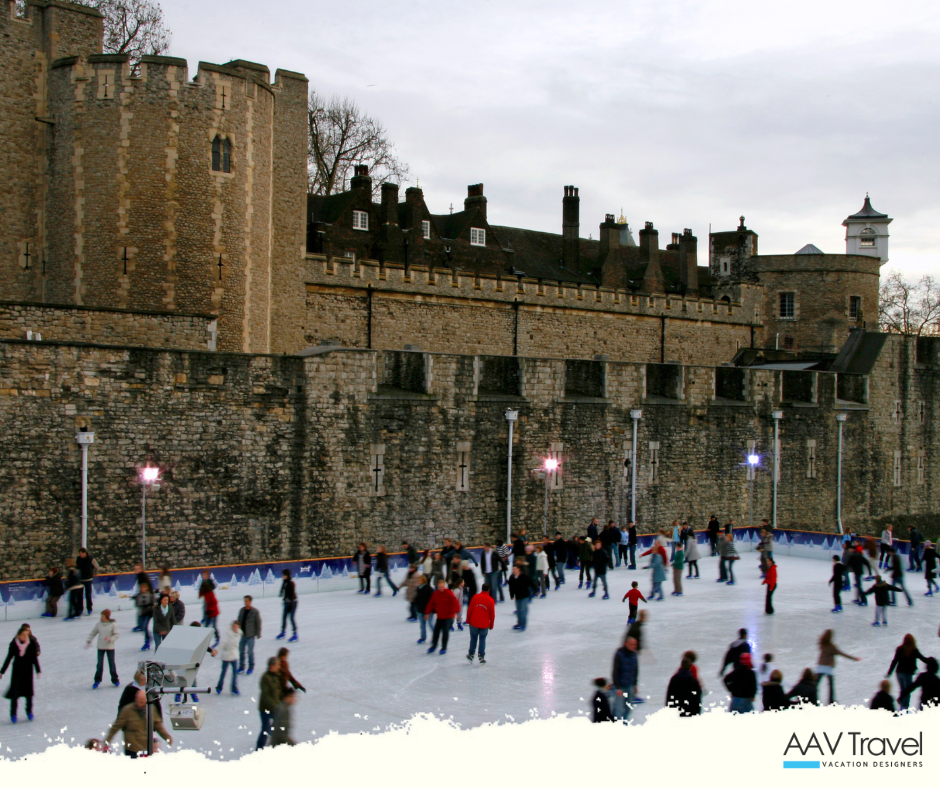
In the United Kingdom, Christmas television is a tradition in its own right. Families gather year after year to watch the same films, often at the same time, creating a shared national rhythm. “Love Actually” has become a modern classic, its interwoven stories reflecting both the humor and tenderness associated with British Christmas culture. “The Snowman,” with its quiet animation and haunting score, has aired every Christmas since the early 1980s, offering a moment of stillness amid the festivities. These films reflect the British love of storytelling and ritual, where familiarity is part of the pleasure.

Travel Through Christmas Films Without Leaving Home

For those spending the holidays at home, these films offer a gentle way to experience Christmas beyond one’s own traditions. They provide insight into how different cultures approach the season, not through spectacle, but through repetition, tone, and shared memory. Watching them is not about escaping home, but about widening perspective, one quiet evening at a time.

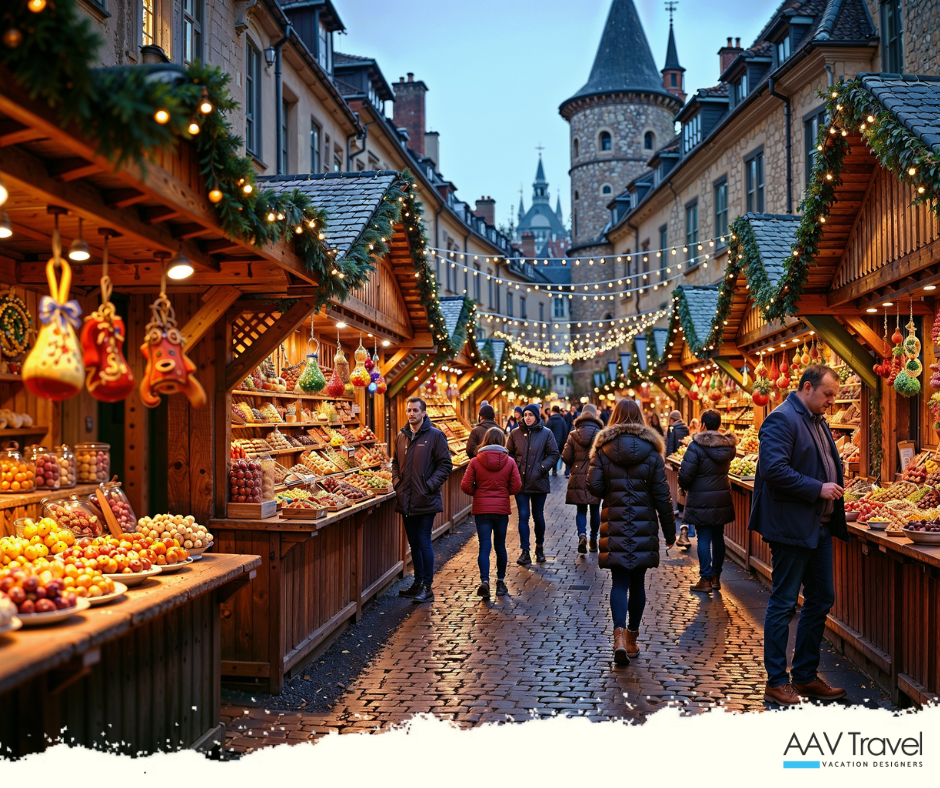
And for those who find themselves drawn to the idea of experiencing these traditions firsthand one day, whether at a Christmas market, a family-run hotel, or a candlelit village square, thoughtful planning makes all the difference. Christmas travel carries its own rhythms, trade-offs, and considerations, and understanding how the season is truly lived is often what transforms a beautiful idea into a rewarding experience. When the time feels right, AAV Travel would be happy to help.

Written by: Stefanie P.

Malta, Reconsidered: The Mediterranean Island That Rewards Thoughtful Travelers

Malta isn’t the Mediterranean you already know. It’s not a “one landmark after another” destination, and it’s not at its best when you treat it like an island you can simply cover in a few busy days. Malta rewards travelers who like their history layered, their pace unhurried, and their days designed with intention—because the difference between a good Malta trip and a truly memorable one is often timing, geography, and flow.

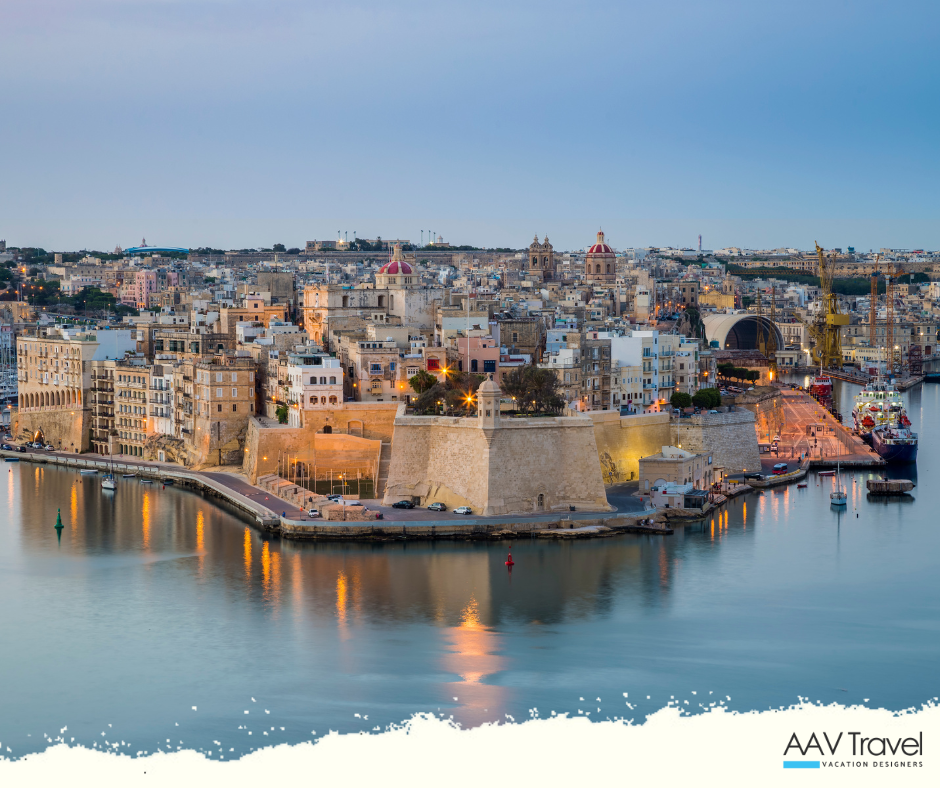
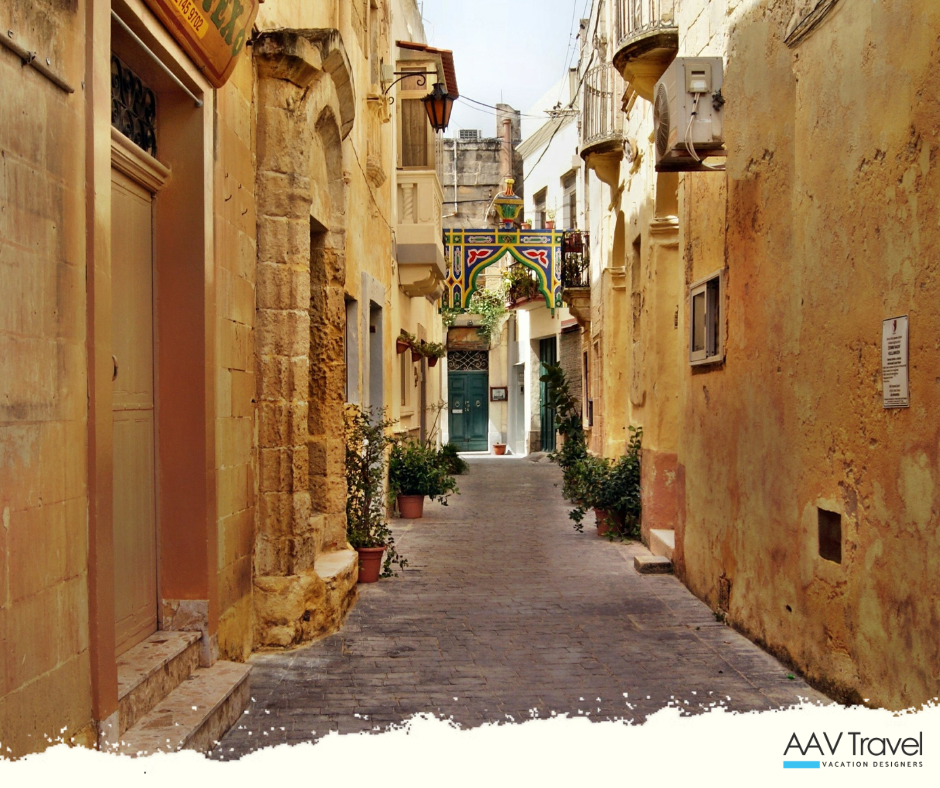
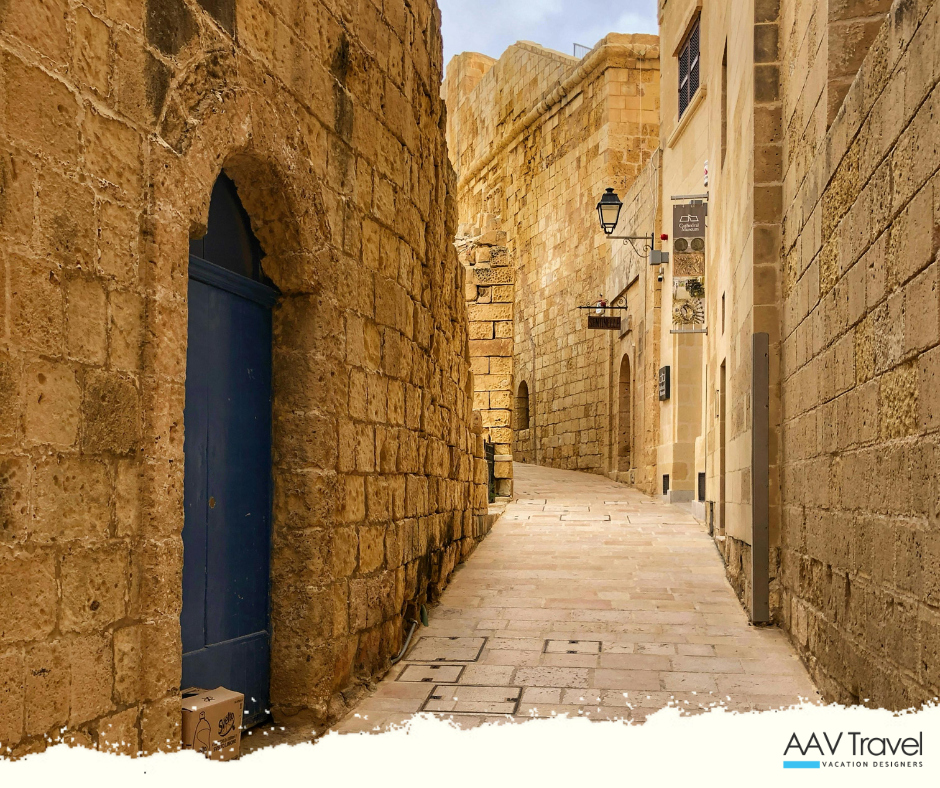
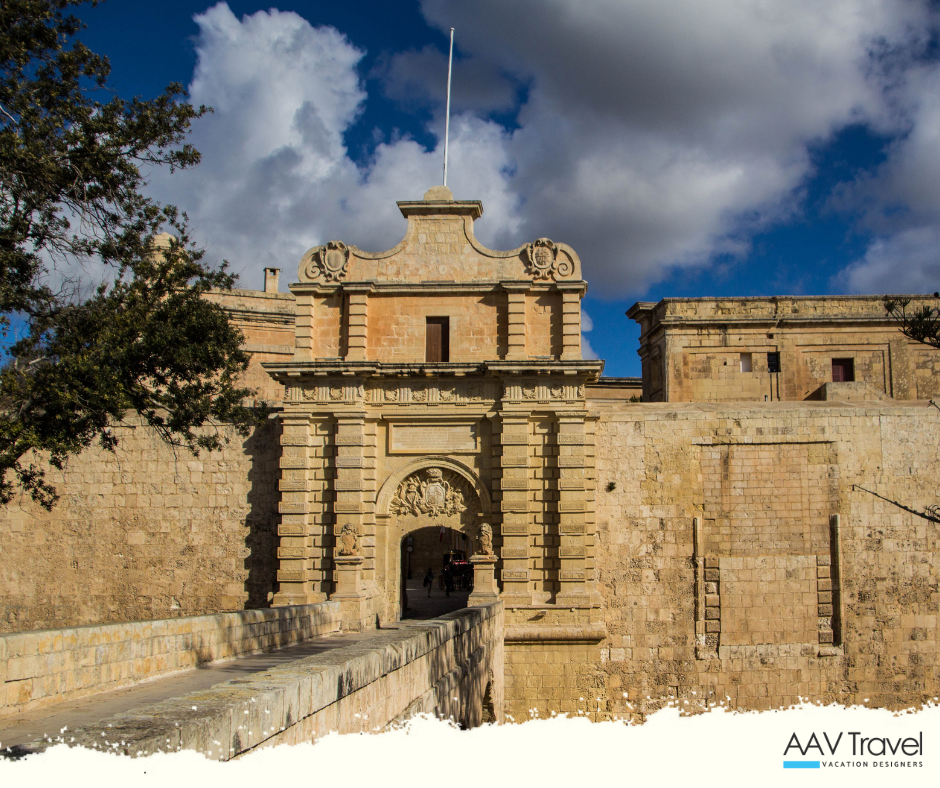
Perched between Europe and North Africa, Malta has always been a crossroads, and you feel that in the architecture, the language, and the table. Valletta’s honey-colored stone and Baroque grandeur can feel cinematic, while Mdina’s quiet lanes turn the volume down completely. And then, just beyond the cities, the coast takes over—limestone cliffs, small coves, and that particular Mediterranean light that makes even an ordinary afternoon feel luminous.

What makes Malta especially appealing for American travelers is that it still feels like a discovery. It’s compact enough to feel manageable, yet rich enough that you don’t want to rush it. Done well, a Malta trip feels like a week of contrasts: cathedral bells and salt air, ancient temples and modern design, seafood lunches that stretch longer than planned—exactly as they should.

Choosing Where to Stay

Malta’s small size can be misleading. Where you stay shapes the entire tone of the trip.

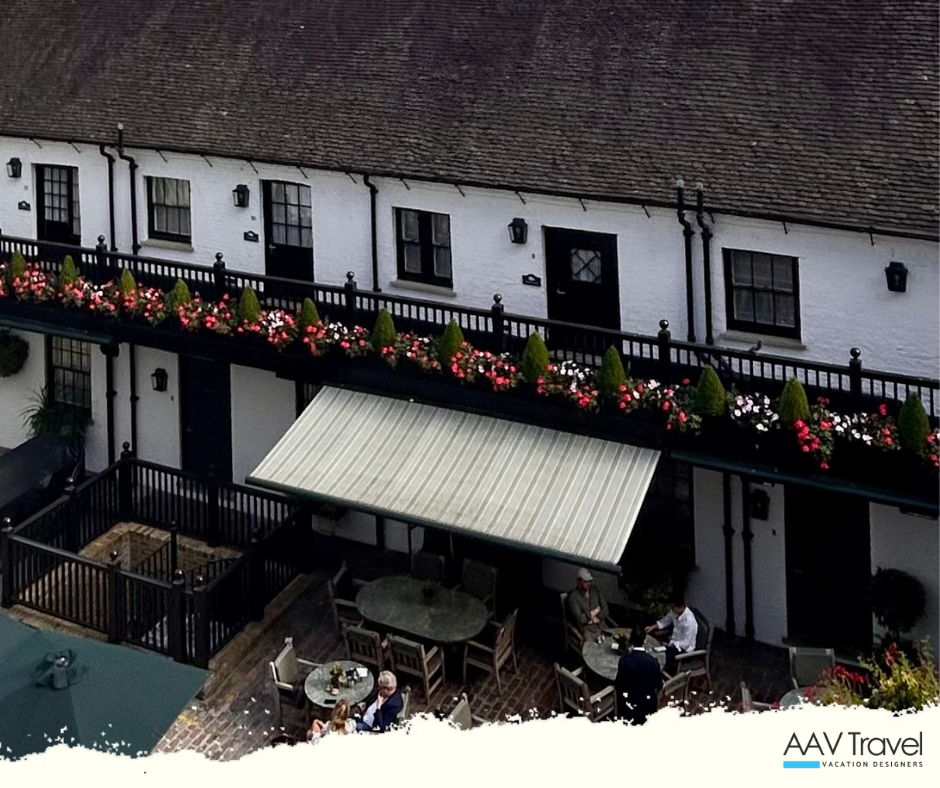
Valletta is ideal for travelers drawn to history, architecture, and a city that comes alive in the evenings. Staying within the fortified capital allows you to experience the city after day-trippers leave, when church bells echo softly through narrow streets and restaurants feel relaxed rather than rushed.

For those who prefer a more coastal rhythm, areas such as Sliema or St. Julian’s offer easy access to the sea, along with a more contemporary feel. These locations work well when paired with intentional day planning, ensuring historic visits and coastal downtime feel balanced rather than disjointed.

Gozo, Malta’s quieter sister island, deserves special consideration. With its slower pace, open landscapes, and dramatic coastline, it’s often best experienced as an overnight stay rather than a rushed day trip. Travelers who enjoy walking, photography, and a sense of space tend to find Gozo deeply restorative.

Experiencing Malta’s History Without Fatigue

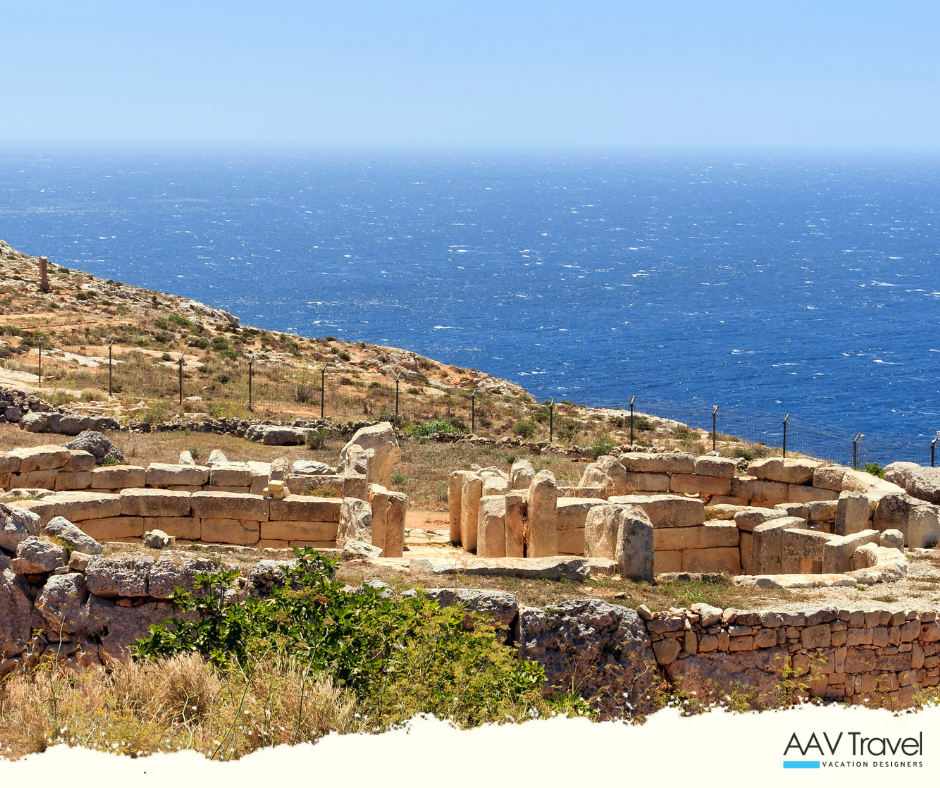
Malta’s history is astonishingly deep—sometimes overwhelming if approached without curation. The island is home to some of the world’s oldest free-standing structures, including the prehistoric temples of Ħaġar Qim and Mnajdra, which predate the Egyptian pyramids. Later centuries brought the Knights of St. John, whose legacy defines Valletta’s Baroque grandeur, followed by Malta’s pivotal role in World War II.

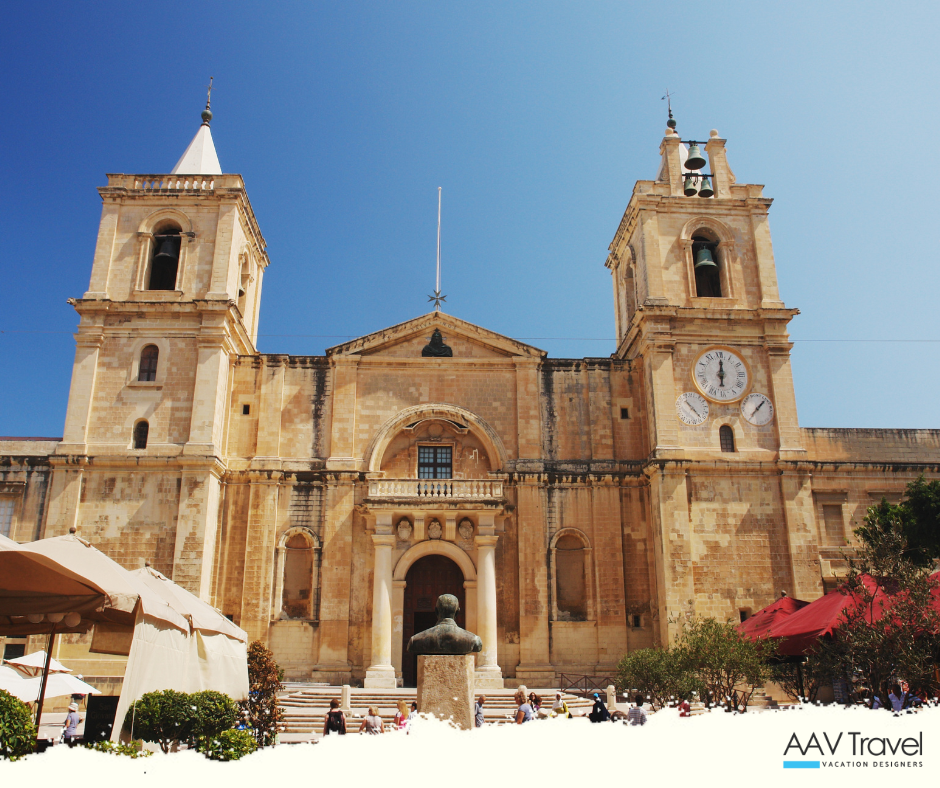
The difference between absorbing this history and feeling buried by it often comes down to pacing and context. Rather than attempting to see everything, Malta rewards travelers who focus on fewer sites with richer interpretation—ideally with guides who bring the narrative to life and connect the dots between eras. Seeing St. John’s Co-Cathedral at opening hours, before tour groups arrive, reveals details most visitors miss. Followed by an unhurried lunch or a coastal walk, keeps the experience engaging rather than exhausting.

Malta by Sea: Timing Is Everything

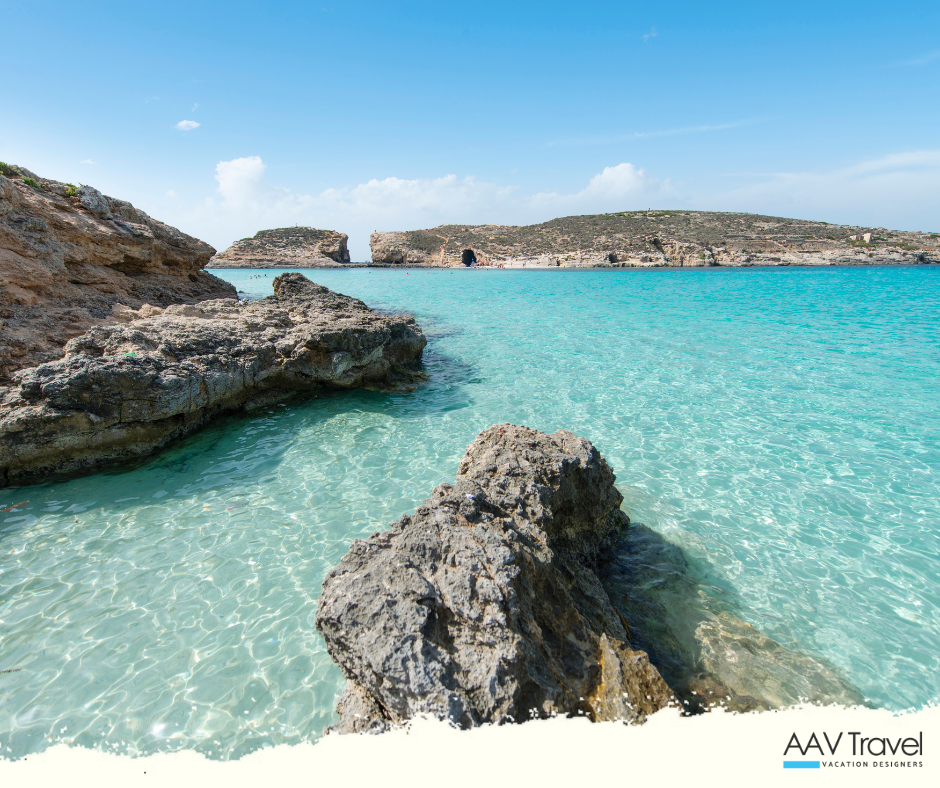
The sea is inseparable from life in Malta, and time on the water is often a highlight of the journey. From the luminous Blue Lagoon at Comino to the rugged cliffs of Gozo, Malta’s coastline offers extraordinary beauty—but it also requires careful timing.

In peak summer months, popular spots can feel energetic rather than serene. Experiencing them well often means adjusting the schedule: visiting early in the day, choosing private or semi-private boat routes, or pairing well-known swim spots with quieter coves that feel more intimate. When approached thoughtfully, Malta’s coastal experiences become moments of calm and clarity rather than crowd management.

Walking Malta: Cities, Coastlines, and Quiet Views

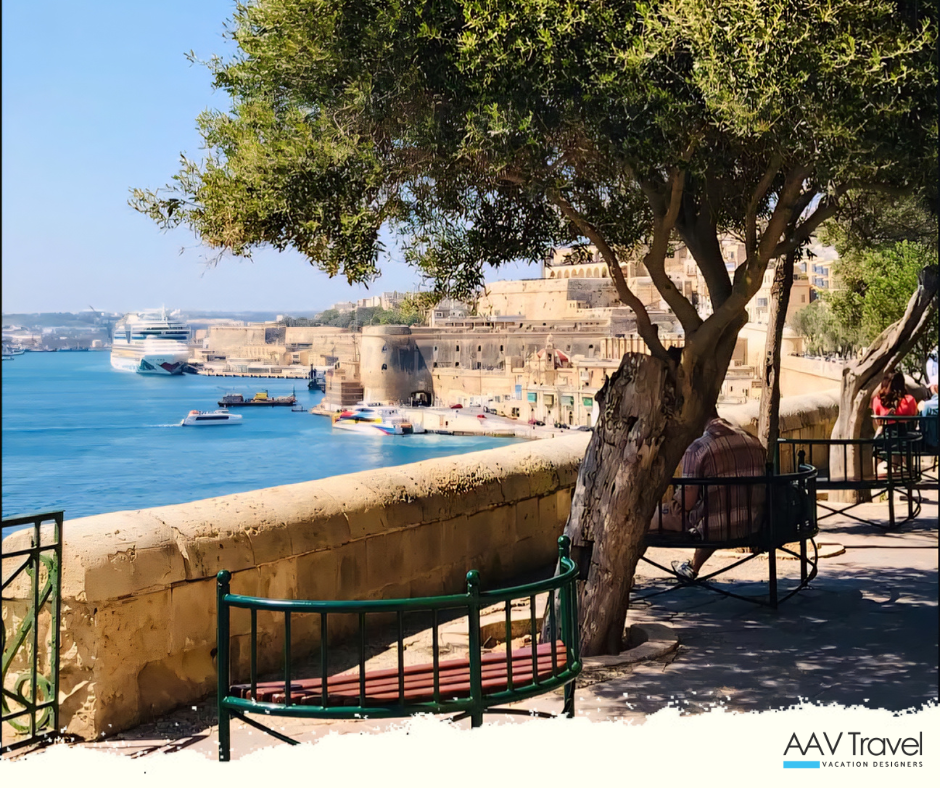
Malta is a destination best explored on foot—though travelers should be prepared for hills, cobblestones, and uneven terrain, particularly in historic areas. Valletta and Mdina reward walkers with panoramic harbor views and architectural details that are easy to miss from a vehicle. On Gozo, coastal trails offer dramatic vistas and a sense of openness that contrasts beautifully with Malta’s cities.

For active travelers, walking here isn’t about conquering distances; it’s about slowing down enough to notice the interplay of sea, stone, and sky.

Dining in Malta: A Reflection of Its History

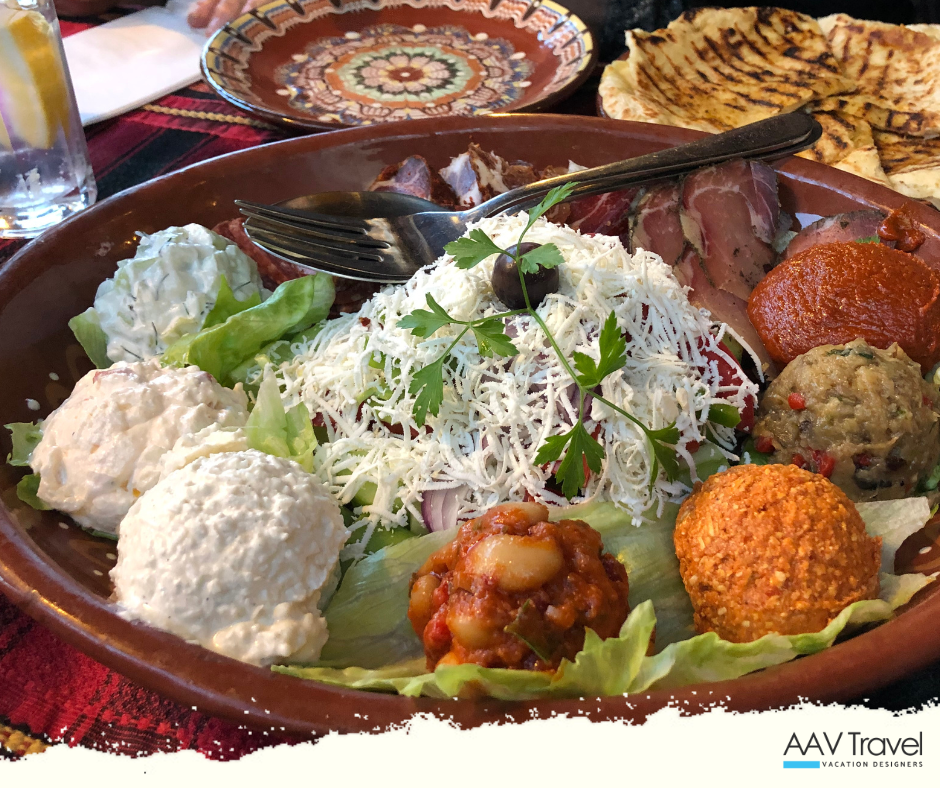
Malta’s cuisine mirrors its layered past. Italian, Arabic, and British influences blend with local traditions to create food that feels both familiar and distinctive. Fresh seafood, simple preparations, and long-standing local specialties anchor the dining experience, while a growing fine-dining scene adds refinement.

As of October 2025, the Michelin Guide recognizes 42 restaurants across the islands, including six with one Michelin star and one with two stars. Dining well in Malta is less about chasing accolades and more about choosing the right setting for the moment—whether that’s a seaside table at sunset or a tucked-away restaurant in a centuries-old building. Reservations, location, and timing often make the difference between a good meal and a memorable one.

When to Go: Understanding the Seasons

Malta changes significantly with the seasons. Summer brings warmth, energy, and vibrant coastal life, but also heat and crowds at the most famous sites. Shoulder seasons—late spring and early autumn—often offer the most balanced experience, with comfortable temperatures, lively restaurants, and a gentler pace. Winter, while cooler, reveals a quieter, more contemplative side of the islands that appeals to travelers focused on history, walking, and cultural immersion.

Understanding these seasonal shifts is essential to designing a trip that aligns with how you prefer to travel.

Who Malta Suits Best

Malta tends to resonate most with travelers who enjoy cultural depth, walkable cities, and variety without constant movement. It works beautifully for couples, curious multi-generational groups, and travelers who value atmosphere as much as attractions. Those expecting a purely beach-driven escape may be surprised—but travelers open to a layered Mediterranean experience often leave deeply impressed.

At AAV Travel, we approach Malta not as a checklist of highlights, but as a carefully composed journey. That means choosing the right bases, designing days that flow naturally, and building in moments that feel effortless rather than over-scheduled. It might involve arranging expert-led historical visits, planning coastal experiences outside peak hours, or creating a balance between exploration and rest that allows the island’s character to come through.

If Malta feels like the kind of place you want to experience — thoughtfully, at your pace — we’re here to help shape the journey. Reach out at info@aav-travel.com to begin crafting a journey that reflects how you like to travel: seamlessly, thoughtfully, and with room to truly experience the place.

Written by: Stefanie P.